






Search Result
Results for "
Highly conserved
" in MedChemExpress (MCE) Product Catalog:
1
Isotope-Labeled Compounds
| Cat. No. |
Product Name |
Target |
Research Areas |
Chemical Structure |
-
- HY-P1852
-
|
|
Adenylate Cyclase
PTHR
|
Neurological Disease
|
|
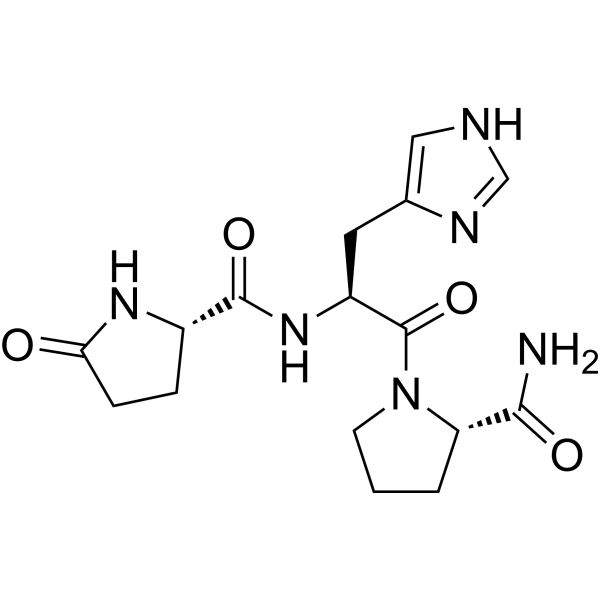
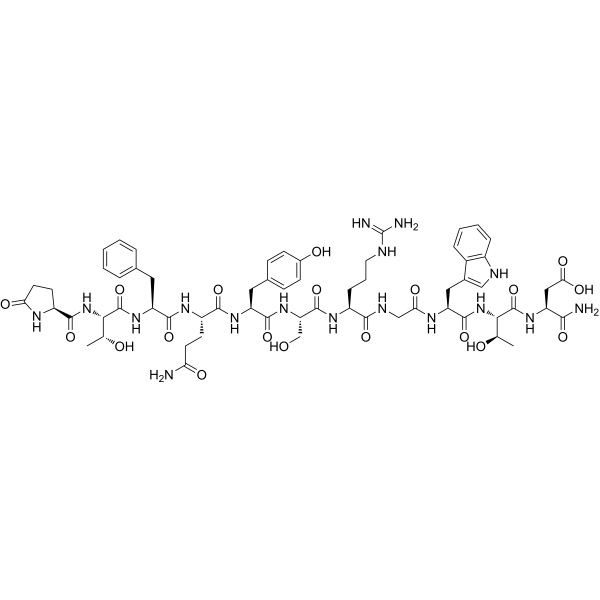
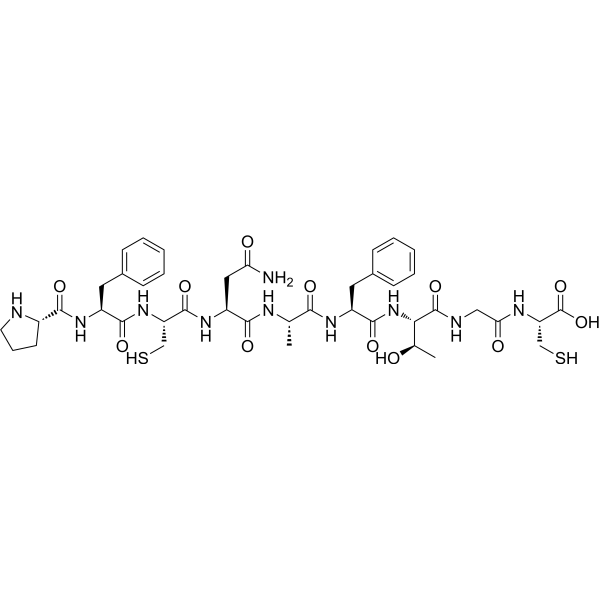
TIP 39, Tuberoinfundibular Neuropeptide is an endogenous PTH2 receptor agonist and antihypertensive agent. TIP 39, Tuberoinfundibular Neuropeptide selectively activates the PTH2 receptor with no activity on the PTH1 receptor, stimulates cAMP production, activates adenylate cyclase, and elevates intracellular calcium levels via mobilization from intracellular stores. TIP 39, Tuberoinfundibular Neuropeptide is highly conserved in humans, mice, and rats. TIP 39, Tuberoinfundibular Neuropeptide is applicable to research related to nociception and inflammation-induced pain .
|
-
-
- HY-P0002
-
-
-
- HY-W004305
-
|
Palmitaldehyde
|
Environmental Pollutants
Endogenous Metabolite
|
Metabolic Disease
|
|
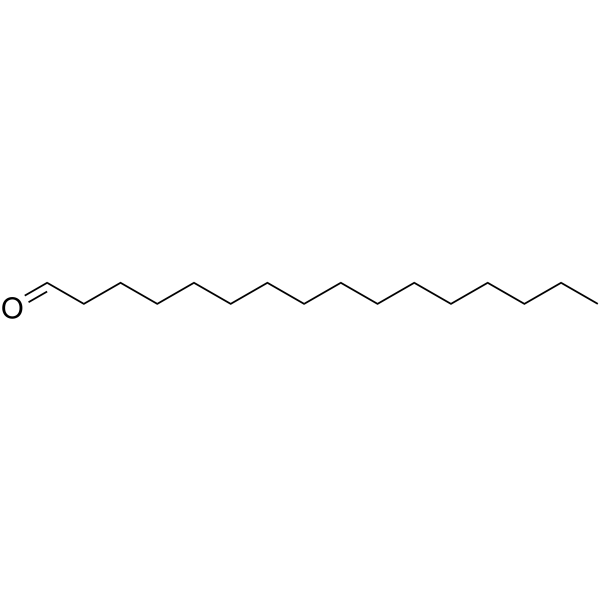
Hexadecanal (Palmitaldehyde) , a volatile long-chain aliphatic aldehyde, is emitted from human feces, skin, and breath. The receptor for hexadecanal(OR37B) is highly conserved across mammals. Hexadecanal may exert its effects by modulating functional connectivity between the brain substrates of social appraisal and the brain substrates of aggressive execution. Also, Hexadecanal is confirmed to be highly deterrent to the ant Lasius niger. Hexadecanal is promising for the research of startle responses and aggression
|
-
-
- HY-163002
-
viFSP1
4 Publications Verification
|
Ferroptosis
|
Cancer
|
|
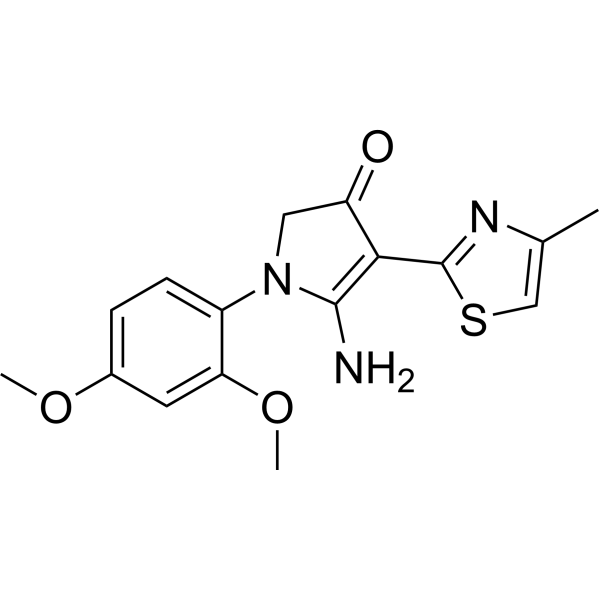
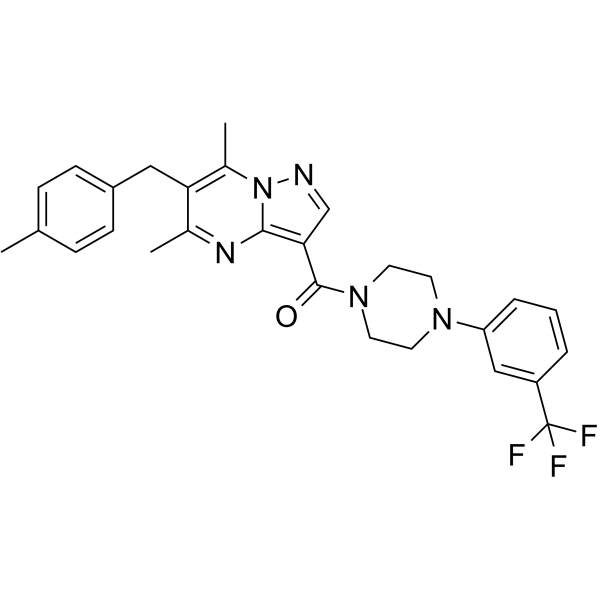
viFSP1 is a species-independent FSP1 inhibitor. viFSP1 directly inhibits FSP1 by targeting the highly conserved NAD(P)H binding pocket of FSP1. viFSP1 can induce Ferroptosis in FSP1-dependent cells. viFSP1 can be used in renal and breast cancer research .
|
-
-
- HY-P0002A
-
-
-
- HY-P0230
-
|
|
Antibiotic
Bacterial
|
Infection
|
|
Teixobactin is a potent antibiotic. Teixobactin shows antibacterial activity for gram-negative bacteria. Teixobactin inhibits cell wall synthesis by binding to a highly conserved motif of lipid II and lipid III .
|
-
-
- HY-149048
-
|
SAHH; AHCY
|
Exosomes
Endogenous Metabolite
HBV
|
Infection
Metabolic Disease
|
|
Adenosylhomocysteinase (SAHH; AHCY) is a highly conserved enzyme. Adenosylhomocysteinase reversible catalyzes S-adenosylhomocysteine (SAH) to adenosine and L-homocysteine. The serum exosomal Adenosylhomocysteinase level can be used as a prognostic biomarker in HBV-LC patients .
|
-
-
- HY-P3051
-
|
|
Reverse Transcriptase
|
Inflammation/Immunology
|
|
CKS-17 is a synthetic retroviral envelope peptide. CKS-17 has the highly conserved amino acid sequences occurring within the transmembrane envelope protein of many animal and human retroviruses. CKS-17 acts as an immunomodulatory epitope and exhibits suppressive properties for numerous immune functions .
|
-
-
- HY-P99637
-
|
MHAA4549A; RG7745
|
Influenza Virus
|
Infection
|
|
Gedivumab (MHAA4549A; RG7745) is a human monoclonal antibody that targets influenza A virus (IAV) with high specificity and binds to the highly conserved stem region of the IAV haemagglutinin protein, thereby preventing haemagglutinin maturation and blocking haemagglutinin-mediated membrane fusion in the intranucleosome. Gedivumab can be used in IAV infection disease studies .
|
-
-
- HY-P1380A
-
|
|
Apoptosis
|
Cancer
|
|
Difopein TFA, a specific and competitive inhibitor of 14-3-3 protein (a highly conserved eukaryotic regulatory molecule), blocking the ability of 14-3-3 to bind to target proteins and inhibits 14-3-3/Ligand interactions. Difopein TFA is not cell permeable. Difopein TFA leads to induction of apoptosis and enhances the ability of Cisplatin (HY-17394) to kill cells .
|
-
-
- HY-N6978
-
|
Ascaroside C3
|
Others
|
Infection
|
|
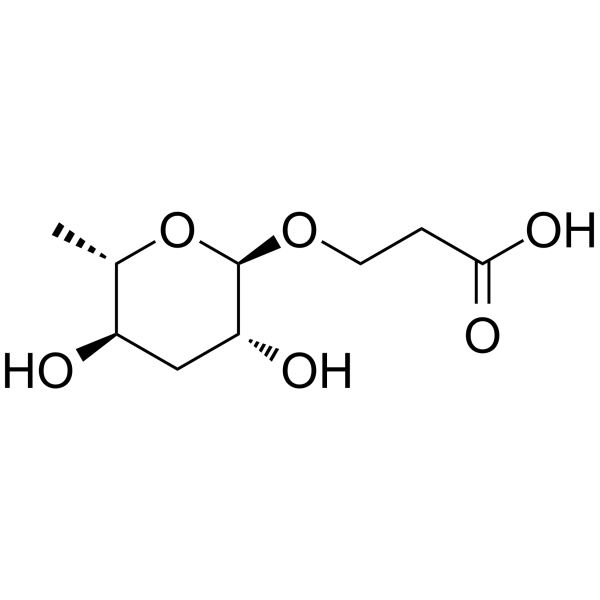
Ascr#5 is a highly conserved ascaroside isolated from Caenorhabditis elegans.
|
-
-
- HY-P99727
-
|
CTB012
|
RABV
|
Infection
|
|
Mazorelvimab (CTB012) is an anti-rabies humanized IgG1κ monoclonal antibody that binds to the non-overlapping epitopes on the rabies virus (RABV) glycoprotein. Mazorelvimab binds to highly discontinuous conserved residues that are not in or near antigenic site III. Mezagitamab has potential application in the prevention of rabies .
|
-
-
- HY-146074
-
|
|
Proton Pump
|
Cancer
|
|
RUVBL1/2 ATPase-IN-1 (compound 18) is a potent and selective inhibitor of RUVBL1/2 ATPase with IC50 values of 6.0 and 7.7 μM, respectively. RUVBL1 and RUVBL2 are highly conserved AAA ATPases (ATPases Associated with various cellular Activities) and highly relevant to the progression of cancer. RUVBL1/2 ATPase-IN-1 has the potential for the research of cancer diseases .
|
-
-
- HY-P2918
-
|
GPI; Phosphoglucose Isomerase
|
Endogenous Metabolite
|
Metabolic Disease
Cancer
|
|
Phosphoglucose Isomerase, Rabbit muscle (GPI), i.e., phosphoglucose isomerase/phosphoglucoisomerase (PGI) or phosphohexose isomerase (PHI), is often used in biochemical studies. Glucose 6-phosphate isomeras is a highly conserved glycolytic and dimeric enzyme. Glucose 6-phosphate isomeras catalyzes the reversible isomerization of glucose-6-phosphate to fructose-6-phosphate .
|
-
-
- HY-P1837
-
|
|
Influenza Virus
HSV
|
Infection
|
|
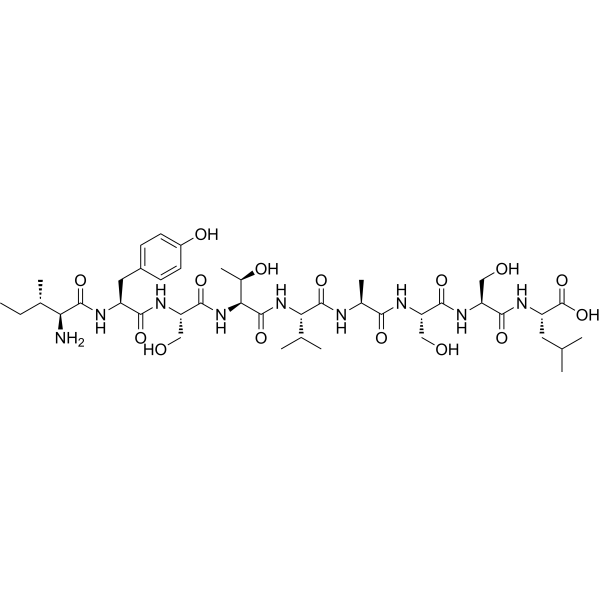
Influenza HA (518-526) is an H-2d-restricted CTL epitope derived from influenza virus hemagglutinin. Influenza HA (518-526) is highly conserved across various H5N1, some H9N2, and H1N1 strains. Influenza HA (518-526) binds to the mouse MHC class I allele K d to form a complex, which is then recognized by specific CD8 + T cells. Influenza HA (518-526) is an immunodominant epitope in influenza-infected BALB/c mice, and it stimulates CD8 + T cells to secrete IFN-γ to induce a robust immune response. Currently, Influenza HA (518-526) is widely used in research related to respiratory syncytial virus (RSV), influenza virus, and H5N1 influenza .
|
-
-
- HY-P3035
-
|
|
G Protein-coupled Receptor Kinase (GRK)
|
Neurological Disease
|
|
Corazonin is a highly conserved neuropeptide hormone of wide-spread occurrence in insects, serves a central regulator of caste identity and behavior in social insects. Corazonin is also preferentially expressed in workers and/or foragers from other social insect species .
|
-
-
- HY-E70625
-
|
|
Casein Kinase
|
Cancer
|
|
Casein Kinase 2 (CK2) is a serine/threonine protein kinase that is highly conserved among eukaryotes and has roles in many different cellular processes, such as cell survival, cell cycle regulation, cell polarity, stress responses, transcription and translation .
|
-
-
- HY-P0303
-
-
-
- HY-P99608
-
|
|
HBV
|
Infection
|
|
Exbivirumab is a monoclonal antibody directed against highly conserved HBsAg epitopes. Exbivirumab enhances the antiviral activity of hepatitis B immunoglobulin (HBIG). Exbivirumab combined with Libivirumab (HY-P99703) decreases circulating HBsAg and hepatitis B virus (HBV) DNA levels in a chronically infected chimpanzee. Exbivirumab can be used for HBV re-infection in liver transplant .
|
-
-
- HY-P2918A
-
|
|
Endogenous Metabolite
|
Metabolic Disease
|
|
Phosphoglucose isomerase, bacillus stearothermophilus is a highly conserved glycolytic and dimeric enzyme. Phosphoglucose isomerase, bacillus stearothermophilus catalyzes the reversible isomerization of glucose-6-phosphate to fructose-6-phosphate .
|
-
-
- HY-P2918B
-
|
|
Endogenous Metabolite
|
Metabolic Disease
|
|
Phosphoglucose isomerase, bacillus stearothermophilus is a highly conserved glycolytic and dimeric enzyme. Phosphoglucose isomerase, bacillus stearothermophilus catalyzes the reversible isomerization of glucose-6-phosphate to fructose-6-phosphate .
|
-
-
- HY-P11265
-
|
|
GnRH Receptor
Fluorescent Dye
|
Cancer
|
|
YQGN-7 is a targeted fluorescent probe for the gonadotropin-releasing hormone receptor (RnRHR). YQGN-7 exhibits high selectivity and affinity for breast cancer cells (KD = 217.8 nM). YQGN-7 achieves precise visualization of the primary and metastatic lesions of breast cancer by targeting the highly expressed GnRHR in tumor cells. YQGN-7 can be used in the research of breast cancer breast-conserving surgery (BCS) .
|
-
-
- HY-146379
-
|
|
DNA/RNA Synthesis
SARS-CoV
|
Infection
|
|
SARS-CoV-2-IN-19 (Compound 6g) is a potent inhibitor of SARS-CoV-2 with an EC50 of 8.8 μM. SARS-CoV-2-IN-19 shows potent activity against SARS-CoV-2 helicase (nsp13), a highly conserved enzyme, highlighting a potentiality against emerging HCoVs outbreaks. SARS-CoV-2-IN-19 has the potential for the research of infection diseases .
|
-
-
- HY-155759
-
|
|
NF-κB
Interleukin Related
Caspase
Apoptosis
|
Inflammation/Immunology
Cancer
|
|
HMGB1-IN-2 (compound 15) is an inhibitor of highly conserved nuclear protein (HMGB1), showing NO inhibitory effect with IC50 value of 20.2 μM in RAW264.7 cells. HMGB1-IN-2 (30 μM) decreases the level of IL-1 β, TNF-α, caspase-1 p20, inhibits the phosphorylation of NF-κB p65, exhibits anti-apoptotic activity. HMGB1-IN-2 (15 mg/kg; ip) relives kidney injury in septic acute kidney injury mouse. HMGB1-IN-2 inhibits Huh7 cells and A549 cells with IC50s of 77.0 μM, and 82.0 μM, respectively .
|
-
-
- HY-P4025
-
|
|
HIV
|
Others
|
|
ELDKWA is the highly conserved amino acids on the ecto-domain of gp41. ELDKWA acts as the epitope of a neutralizing monoclonal antibody 2F5 (mAb 2F5) directed against human immunodeficiency virus type 1 .
|
-
-
- HY-W004305S
-
|
Palmitaldehyde-d5
|
Isotope-Labeled Compounds
Endogenous Metabolite
|
Metabolic Disease
|
|
Hexadecanal-d5 (Palmitaldehyde-d5) is deuterium labeled Hexadecanal. Hexadecanal (Palmitaldehyde) , a volatile long-chain aliphatic aldehyde, is emitted from human feces, skin, and breath. The receptor for hexadecanal(OR37B) is highly conserved across mammals. Hexadecanal may exert its effects by modulating functional connectivity between the brain substrates of social appraisal and the brain substrates of aggressive execution. Also, Hexadecanal is confirmed to be highly deterrent to the ant Lasius niger. Hexadecanal is promising for the research of startle responses and aggression
|
-
-
- HY-W004305R
-
|
Palmitaldehyde (Standard)
|
Reference Standards
Endogenous Metabolite
|
Metabolic Disease
|
|
Hexadecanal (Standard) is an analytical standard for Hexadecanal. This product is intended for research and analytical applications. Hexadecanal (Palmitaldehyde), a volatile, long-chain fatty aldehyde, is released from human feces, skin, and breath. The hexadecanal receptor (OR37B) is highly conserved in mammals. Hexadecanal may exert its effects by modulating functional connectivity between social evaluation brain substrates and aggression execution brain substrates. Hexadecanal has also been shown to have a strong deterrent effect on black ants. Hexadecanal has potential for use in startle response and aggression behavior
|
-
-
- HY-122204
-
|
|
HIV
|
Infection
|
|
5M038 is an inhibitor of HIV envelope-mediated fusion with potent inhibitory activity against gp41-mediated membrane fusion. 5M038 prevents the formation of the gp41 post-fusion conformation and inhibits envelope-mediated membrane fusion in cell-cell fusion and viral infectivity assays. 5M038 has shown broad fusion inhibition in tests against multiple HIV-1 subtypes, including M and T strains. 5M038 targets a highly conserved hydrophobic pocket and binds to the gp41 trimer, thereby exerting its inhibitory effect .
|
-
-
- HY-E71200A
-
|
|
Biochemical Assay Reagents
|
Others
|
|
KsgA introduces the most highly conserved ribosomal RNA modification, the dimethylation of adenine1518 and adenine1519 in 16S rRNA. Strains lacking the methylase are resistant to kasugamycin.
|
-
-
- HY-N6978R
-
|
Ascaroside C3 (Standard)
|
Others
Reference Standards
|
Infection
|
|
Ascr#5 (Standard) (Ascaroside C3 (Standard)) is the analytical standard of Ascr#5 (HY-N6978). This product is intended for research and analytical applications. Ascr#5 is a highly conserved ascaroside isolated from Caenorhabditis elegans.
|
-
-
- HY-183555
-
|
|
PROTACs
Epigenetic Reader Domain
|
Cancer
|
|
MS108 is a selective VHL-based eleven-nineteen leukemia protein (ENL) PROTAC degrader with DC50 of 0.6 nM. MS108 recruits VHL E3 ligase to induce ENL degradation in a VHL- and ubiquitin-proteasome system (UPS)-dependent manner. MS108 degrades the ENL paralog AF9, which shares a highly conserved YEATS domain with ENL. MS108 suppresses proliferation of cancer cells .
|
-
-
- HY-P3051A
-
|
|
Drug Derivative
|
Infection
Inflammation/Immunology
|
|
CKS-17 (dimer) is the dimer of CKS-17 (HY-P3051). CKS-17 (dimer) can be prepared by introducing a naturally occurring cysteine at the carboxyl terminus and dimerizing via a cysteine-disulfide bond. CKS-17 is a synthetic retroviral envelope peptide. CKS-17 has a highly conserved amino acid sequence present in the transmembrane envelope proteins of numerous animal and human retroviruses. As an immunomodulatory epitope, CKS-17 exhibits inhibitory properties on a variety of immune functions .
|
-
-
- HY-182305
-
|
|
Bacterial
|
Infection
|
|
VKT-17-P4-23 is a blood-brain barrier-permeable DksA inhibitor. DksA is a highly conserved transcriptional regulator in Gram-negative bacteria, with a Kd of 124 μM. Through the DksA-regulated, SPI-2-dependent survival pathway, VKT-17-P4-23 exhibits antibacterial activity against both planktonic and intracellular pathogens such as Salmonella, and also effectively combats persistent bacteria that are difficult to eliminate. VKT-17-P4-23 can be used in studies of Salmonella infection .
|
-
-
-
HY-L158
-
|
|
6,080 compounds
|
|
According to reports, most known kinase inhibitors exert their effects through competitive binding in highly conserved ATP pockets. Although genetic techniques such as RNA interference can inactivate specific genes, most kinases are multi domain proteins, each of which has an independent function. Highly selective inhibitors have higher efficiency than non-selective inhibitors, and the selectivity to the target is at least 100 times higher. Therefore, ensuring the validation of targets with the most selective inhibitors is crucial for a more thorough understanding of the pharmacology of the kinase field. The Highly Selective Inhibitors Library contains 6,080 compounds, covering multiple targets and subtypes, such as GPCR protein family, Ion channel, multiple kinases, etc. The Highly Selective Inhibitors Library is an effective tool for screening different phenotypes
|
-
-
HY-L020
-
|
|
589 compounds
|
|
The developmental proteins Hedgehog, Notch and Wnt are key regulators of cell fate, proliferation, migration and differentiation in several tissues. Their related signaling pathways are frequently activated in tumors, and particularly in the rare subpopulation of cancer stem cells.
The Wnt signaling pathway is a conserved pathway in animals. Deregulated Wnt signaling has catastrophic consequences for the developing embryo and it is now well appreciated that defective Wnt signaling is a causative factor for a number of pleiotropic human pathologies, including cancer. Hedgehog signaling pathway is linked to tumorigenesis and is aberrantly activated in a variety of cancers. The Notch signaling pathway is a highly conserved cell signaling system present in most animals. It plays an important role in cell-cell communication, and further regulates embryonic development.
MCE designs a unique collection of 589 Wnt/Hedgehog/Notch signaling pathway-related small molecules. Wnt/Hedgehog/Notch Compound Library serves as a useful tool for stem cell research and anti-cancer drug screening.
|
| Cat. No. |
Product Name |
Target |
Research Area |
-
- HY-P1852
-
|
|
Adenylate Cyclase
PTHR
|
Neurological Disease
|
|
TIP 39, Tuberoinfundibular Neuropeptide is an endogenous PTH2 receptor agonist and antihypertensive agent. TIP 39, Tuberoinfundibular Neuropeptide selectively activates the PTH2 receptor with no activity on the PTH1 receptor, stimulates cAMP production, activates adenylate cyclase, and elevates intracellular calcium levels via mobilization from intracellular stores. TIP 39, Tuberoinfundibular Neuropeptide is highly conserved in humans, mice, and rats. TIP 39, Tuberoinfundibular Neuropeptide is applicable to research related to nociception and inflammation-induced pain .
|
-
- HY-P0002
-
-
- HY-P0002A
-
-
- HY-P0230
-
|
|
Antibiotic
Bacterial
|
Infection
|
|
Teixobactin is a potent antibiotic. Teixobactin shows antibacterial activity for gram-negative bacteria. Teixobactin inhibits cell wall synthesis by binding to a highly conserved motif of lipid II and lipid III .
|
-
- HY-P3051
-
|
|
Reverse Transcriptase
|
Inflammation/Immunology
|
|
CKS-17 is a synthetic retroviral envelope peptide. CKS-17 has the highly conserved amino acid sequences occurring within the transmembrane envelope protein of many animal and human retroviruses. CKS-17 acts as an immunomodulatory epitope and exhibits suppressive properties for numerous immune functions .
|
-
- HY-P1380A
-
|
|
Apoptosis
|
Cancer
|
|
Difopein TFA, a specific and competitive inhibitor of 14-3-3 protein (a highly conserved eukaryotic regulatory molecule), blocking the ability of 14-3-3 to bind to target proteins and inhibits 14-3-3/Ligand interactions. Difopein TFA is not cell permeable. Difopein TFA leads to induction of apoptosis and enhances the ability of Cisplatin (HY-17394) to kill cells .
|
-
- HY-P1837
-
|
|
Influenza Virus
HSV
|
Infection
|
|
Influenza HA (518-526) is an H-2d-restricted CTL epitope derived from influenza virus hemagglutinin. Influenza HA (518-526) is highly conserved across various H5N1, some H9N2, and H1N1 strains. Influenza HA (518-526) binds to the mouse MHC class I allele K d to form a complex, which is then recognized by specific CD8 + T cells. Influenza HA (518-526) is an immunodominant epitope in influenza-infected BALB/c mice, and it stimulates CD8 + T cells to secrete IFN-γ to induce a robust immune response. Currently, Influenza HA (518-526) is widely used in research related to respiratory syncytial virus (RSV), influenza virus, and H5N1 influenza .
|
-
- HY-P3035
-
|
|
G Protein-coupled Receptor Kinase (GRK)
|
Neurological Disease
|
|
Corazonin is a highly conserved neuropeptide hormone of wide-spread occurrence in insects, serves a central regulator of caste identity and behavior in social insects. Corazonin is also preferentially expressed in workers and/or foragers from other social insect species .
|
-
- HY-P0303
-
-
- HY-P11265
-
|
|
GnRH Receptor
Fluorescent Dye
|
Cancer
|
|
YQGN-7 is a targeted fluorescent probe for the gonadotropin-releasing hormone receptor (RnRHR). YQGN-7 exhibits high selectivity and affinity for breast cancer cells (KD = 217.8 nM). YQGN-7 achieves precise visualization of the primary and metastatic lesions of breast cancer by targeting the highly expressed GnRHR in tumor cells. YQGN-7 can be used in the research of breast cancer breast-conserving surgery (BCS) .
|
-
- HY-P4025
-
|
|
HIV
|
Others
|
|
ELDKWA is the highly conserved amino acids on the ecto-domain of gp41. ELDKWA acts as the epitope of a neutralizing monoclonal antibody 2F5 (mAb 2F5) directed against human immunodeficiency virus type 1 .
|
-
- HY-P10492
-
|
|
Peptides
|
Others
Metabolic Disease
|
|
Tregitope 289 is a peptide derived from the Fc region of immunoglobulin G (IgG) and is a highly conserved T cell epitope that stimulates the expansion of natural regulatory T cells. Co-delivery of Tregitope 289 with type 1 diabetes (T1D) antigens delays the development of hyperglycemia and reduces the incidence of diabetes in the NOD mouse model. Tregitope 289 can be used to study T1D and other autoimmune diseases .
|
-
- HY-P3051A
-
|
|
Drug Derivative
|
Infection
Inflammation/Immunology
|
|
CKS-17 (dimer) is the dimer of CKS-17 (HY-P3051). CKS-17 (dimer) can be prepared by introducing a naturally occurring cysteine at the carboxyl terminus and dimerizing via a cysteine-disulfide bond. CKS-17 is a synthetic retroviral envelope peptide. CKS-17 has a highly conserved amino acid sequence present in the transmembrane envelope proteins of numerous animal and human retroviruses. As an immunomodulatory epitope, CKS-17 exhibits inhibitory properties on a variety of immune functions .
|
| Cat. No. |
Product Name |
Target |
Research Area |
Image |
-
- HY-P99637
-
|
MHAA4549A; RG7745
|
Influenza Virus
|
Infection
|
|
Gedivumab (MHAA4549A; RG7745) is a human monoclonal antibody that targets influenza A virus (IAV) with high specificity and binds to the highly conserved stem region of the IAV haemagglutinin protein, thereby preventing haemagglutinin maturation and blocking haemagglutinin-mediated membrane fusion in the intranucleosome. Gedivumab can be used in IAV infection disease studies .
|
-
(5)
-
- HY-P99727
-
|
CTB012
|
RABV
|
Infection
|
|
Mazorelvimab (CTB012) is an anti-rabies humanized IgG1κ monoclonal antibody that binds to the non-overlapping epitopes on the rabies virus (RABV) glycoprotein. Mazorelvimab binds to highly discontinuous conserved residues that are not in or near antigenic site III. Mezagitamab has potential application in the prevention of rabies .
|
-
(5)
-
- HY-P99608
-
|
|
HBV
|
Infection
|
|
Exbivirumab is a monoclonal antibody directed against highly conserved HBsAg epitopes. Exbivirumab enhances the antiviral activity of hepatitis B immunoglobulin (HBIG). Exbivirumab combined with Libivirumab (HY-P99703) decreases circulating HBsAg and hepatitis B virus (HBV) DNA levels in a chronically infected chimpanzee. Exbivirumab can be used for HBV re-infection in liver transplant .
|
-
(5)
| Cat. No. |
Product Name |
Category |
Target |
Chemical Structure |
| Cat. No. |
Product Name |
Chemical Structure |
-
- HY-W004305S
-
|
|
|
Hexadecanal-d5 (Palmitaldehyde-d5) is deuterium labeled Hexadecanal. Hexadecanal (Palmitaldehyde) , a volatile long-chain aliphatic aldehyde, is emitted from human feces, skin, and breath. The receptor for hexadecanal(OR37B) is highly conserved across mammals. Hexadecanal may exert its effects by modulating functional connectivity between the brain substrates of social appraisal and the brain substrates of aggressive execution. Also, Hexadecanal is confirmed to be highly deterrent to the ant Lasius niger. Hexadecanal is promising for the research of startle responses and aggression
|
-
Your information is safe with us. * Required Fields.
Inquiry Information
- Product Name:
- Cat. No.:
- Quantity:
- MCE Japan Authorized Agent:

