20 Results for "

Homoisoflavonoid

" in MedChemExpress (MCE) Product Catalog:
Products (20)

20 Results for "Homoisoflavonoid" in MCE Product Catalog:

2
2 Cited Publications
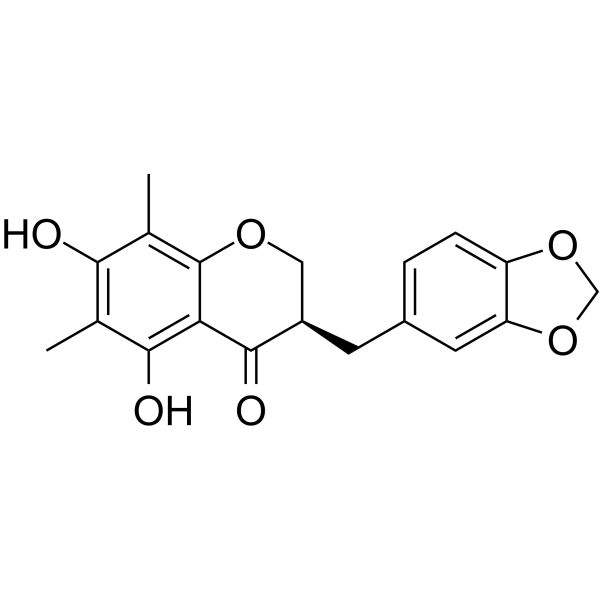
Cat. No.: HY-N2437
CAS No.: 74805-92-8
Methylophiopogonanone A, a major homoisoflavonoid in Ophiopogon japonicas, has both anti-oxidative and anti-inflammatory properties .
loading...
    loading...
2
2 Cited Publications
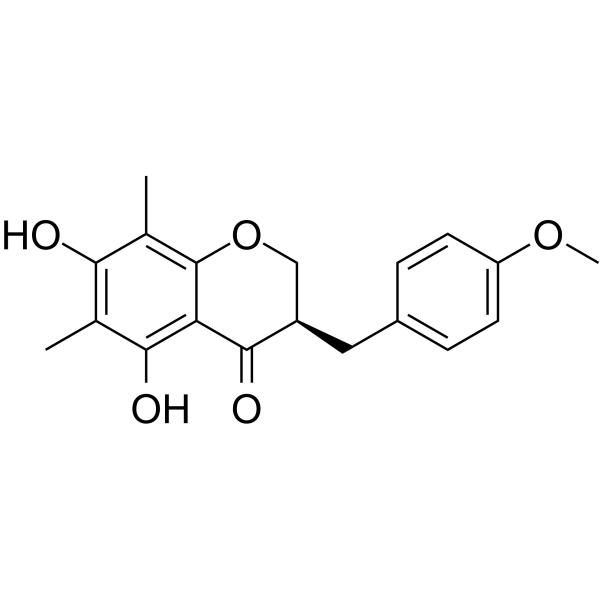
Cat. No.: HY-N2438
CAS No.: 74805-91-7
Methylophiopogonanone B is a homoisoflavonoid compound. Methylophiopogonanone B can be isolated from O. japonicus root. Methylophiopogonanone B promotes Rho activation and Tubulin depolymerization. Methylophiopogonanone B significantly increases GTP-Rho, but not GTP-Rac or GTP-CDC42. Methylophiopogonanone B induces cell morphological change via melanocyte dendrite retraction and stress fiber formation. Methylophiopogonanone B exhibits strong antioxidant activity. Methylophiopogonanone B can be used in the research of cervical cancer .
loading...
    loading...
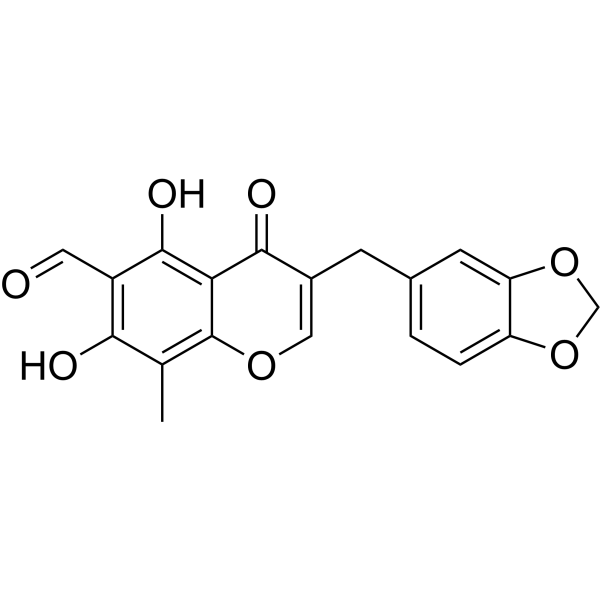
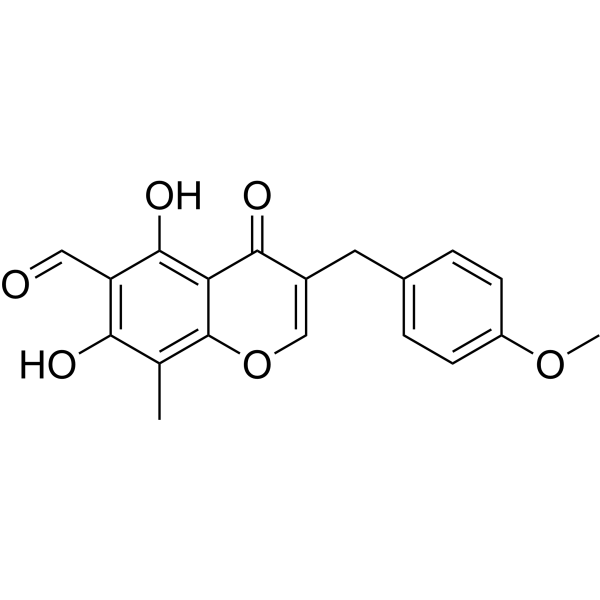
Cat. No.: HY-N7942
CAS No.: 112500-90-0
6-Aldehydoisoophiopogonone A is a homoisoflavonoid that can be isolated from Ophiopogon japonicus .
loading...
    loading...
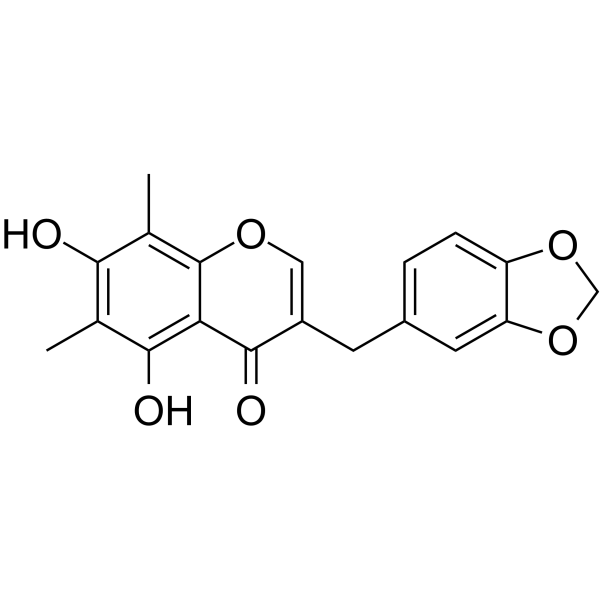
Cat. No.: HY-N2441
CAS No.: 74805-90-6
Methylophiopogonone A is a homoisoflavonoid compound found in the tuberous roots of Ophiopogon japonicus. Methylophiopogonone A inhibits lipopolysaccharide-induced NO production in mouse microglia with an IC50 of 19.2 μM. Methylophiopogonone A blocks the proliferation of LX-2 hepatic stellate cells and downregulates TGF-β1-induced expressions of type I collagen and α-SMA. Methylophiopogonone A blocks RELA/EGFR-mediated hepatic stellate cell activation, inhibits the MAPK12 pathway to reduce extracellular matrix accumulation, and simultaneously suppresses inflammatory signal transduction. Methylophiopogonone A can be used in studies related to chronic hepatitis B-associated hepatic fibrosis and neuroinflammation .
loading...
    loading...
Cat. No.: HY-N10069
CAS No.: 83162-84-9
Bonducellin is a a homoisoflavonoid, which can be isolated from Caesalpinia digyna roots. Bonducellin is a potent inhibitor of efflux pump (EP), while EP induces resistance in mycobacteria and serves as a target of anti-TB (tuberculosis) agents. Bonducellin reduces MIC of EtBr by 8-fold against M. smegmatis (MIC=62.5 mg/L) .
loading...
    loading...
Cat. No.: HY-N8185
CAS No.: 479195-44-3
Loureiriol is a homoisoflavonoid with weak anticancer effects .
loading...
    loading...
Cat. No.: HY-137011
CAS No.: 887375-68-0
Purity:  ≥97.0%
3,9-Dihydroeucomin (compound 12) is a natural homoisoflavonoid compound with less COX-2 inhibitory activitys .
loading...
    loading...
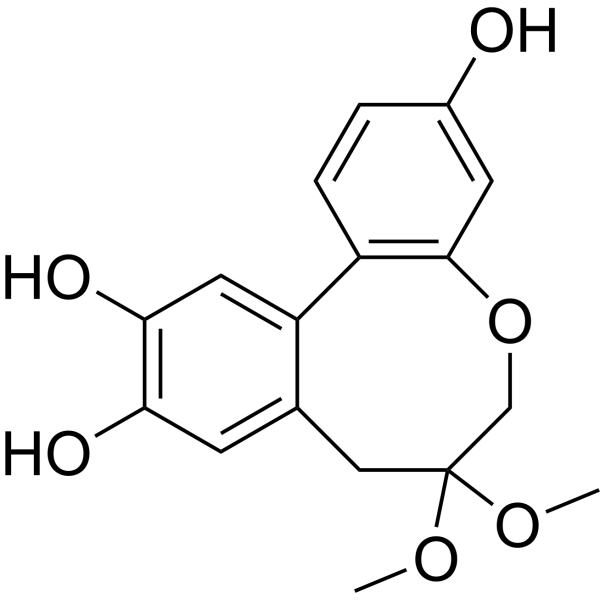
Cat. No.: HY-N10108
CAS No.: 868405-37-2
Protosappanin A dimethyl acetal is a homoisoflavonoid. Protosappanin A dimethyl acetal can be isolated from Caesalpinia sappan. Protosappanin A dimethyl acetal is also a competive inhibitor with significant xanthine oxidase inhibitory activity (IC50=50.7 μM) .
loading...
    loading...
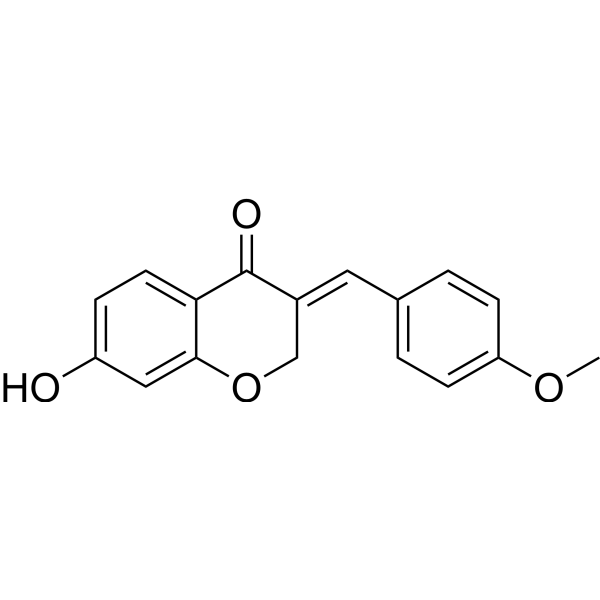
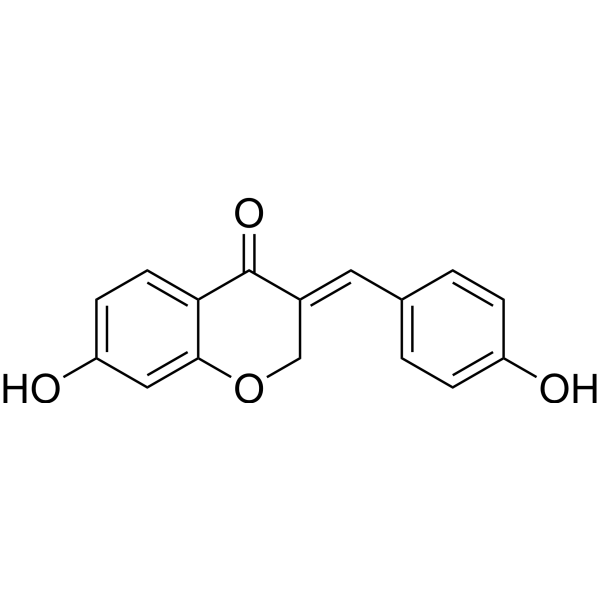
Cat. No.: HY-44135
CAS No.: 110064-50-1
7-Hydroxy-3-(4-hydroxybenzylidene)chroman-4-one, a homoisoflavonoid, can be isolated from the dried heartwood of Caesalpinia sappan .
loading...
    loading...
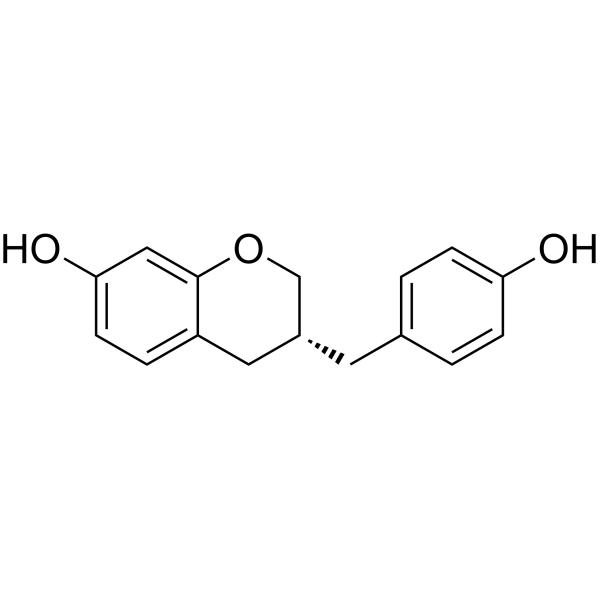
Cat. No.: HY-N8917
CAS No.: 1180504-64-6
(3R)-7-hydroxy-3-(4-hydroxybenzyl)chromane is a homoisoflavonoid. (3R)-7-hydroxy-3-(4-hydroxybenzyl)chromane increases the level of alkaline phosphatase (ALP) activity. (3R)-7-hydroxy-3-(4-hydroxybenzyl)chromane promotes mesenchymal stem cells (MSCs) osteogenesis, but cannot enhance MSCs proliferation. (3R)-7-hydroxy-3-(4-hydroxybenzyl)chromane can be used for osteoporosis research .
loading...
    loading...
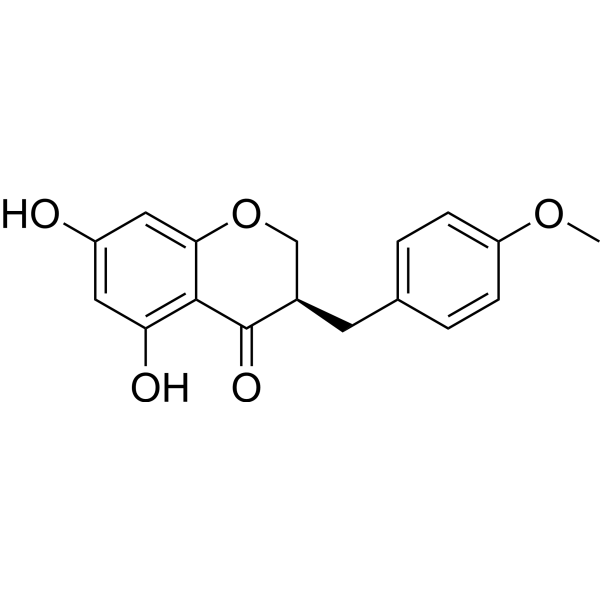
Cat. No.: HY-N3132
CAS No.: 588706-66-5
Ophiopogonanone E is a homoisoflavonoid, that can be isolated from the fibrous roots of Polygonatum odoratum .
loading...
    loading...
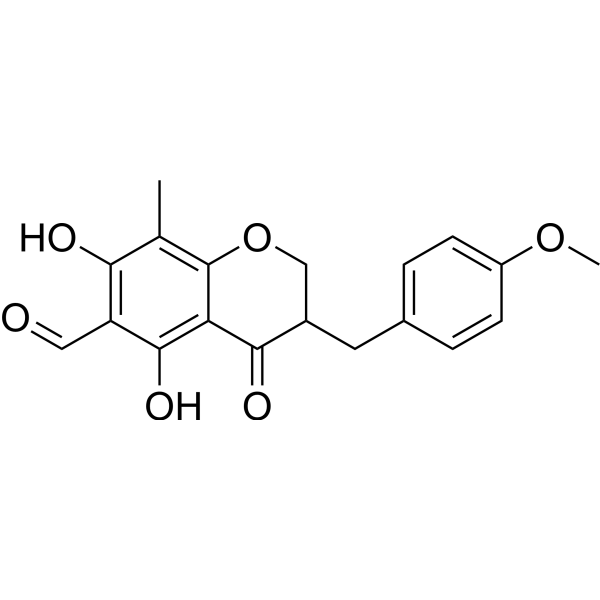
Cat. No.: HY-N7940
CAS No.: 112500-89-7
6-Aldehydoisoophiopogonone B (Compound 24) is a homoisoflavonoid that can be isolated from Ophiopogon japonicus .
loading...
    loading...
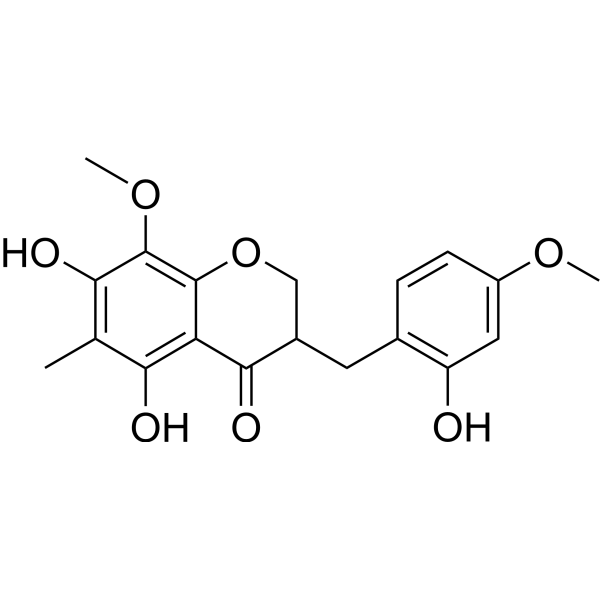
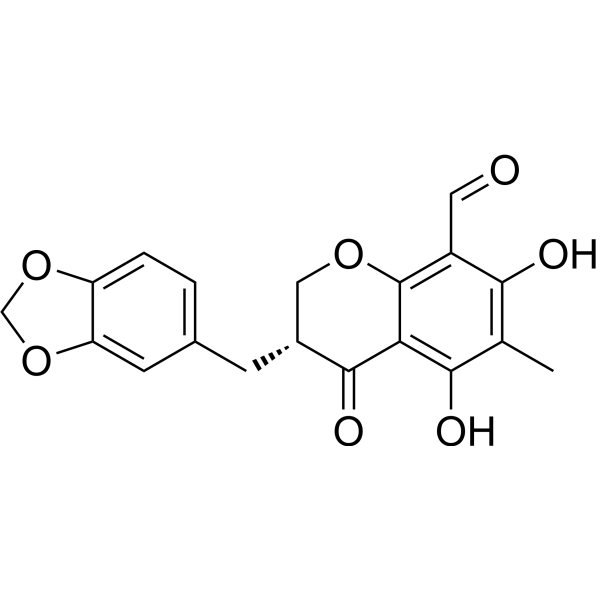
Cat. No.: HY-N3133
CAS No.: 477336-75-7
Synonyms: (R)-Ophiopogonanone C; 8-Formylophiopogonanone A
Ophiopogonanone C is a homoisoflavonoidal compound isolated as a constitutent from the tuber of Ophiopogon japonicas .
loading...
    loading...
Cat. No.: HY-N2437R
CAS No.: 74805-92-8
Methylophiopogonanone A (Standard) is the analytical standard of Methylophiopogonanone A. This product is intended for research and analytical applications. Methylophiopogonanone A, a major homoisoflavonoid in Ophiopogon japonicas, has both anti-oxidative and anti-inflammatory properties .
loading...
    loading...
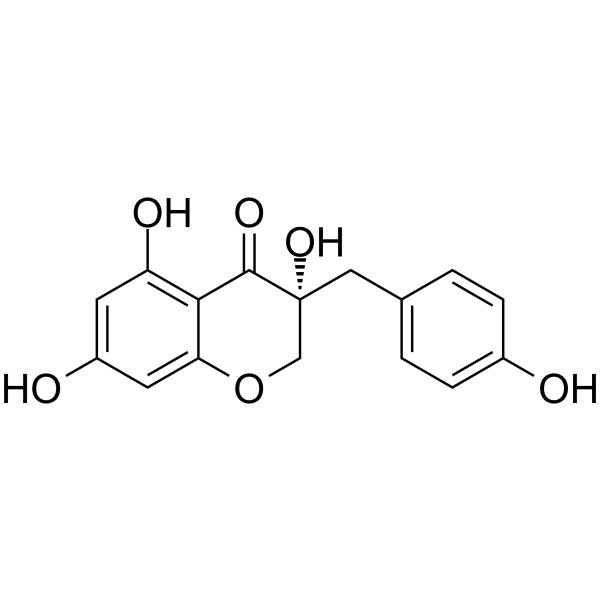
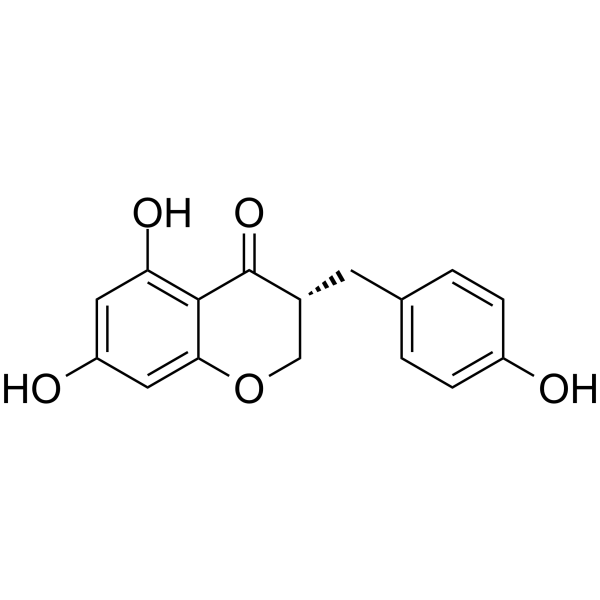
Cat. No.: HY-N8178
CAS No.: 849727-88-4
(R)-(4′-Hydroxy)-5,7-dihydroxy-4-chromanone, a homoisoflavonoid, has antiangiogenic activity against human retinal microvascular endothelial cells .
loading...
    loading...
Cat. No.: HY-N2441R
CAS No.: 74805-90-6
Methylophiopogonone A (Standard) is the analytical standard of Methylophiopogonone A (HY-N2441). This product is intended for research and analytical applications. Methylophiopogonone A is a homoisoflavonoid compound found in the tuberous roots of Ophiopogon japonicus. Methylophiopogonone A inhibits lipopolysaccharide-induced NO production in mouse microglia with an IC50 of 19.2 μM. Methylophiopogonone A blocks the proliferation of LX-2 hepatic stellate cells and downregulates TGF-β1-induced expressions of type I collagen and α-SMA. Methylophiopogonone A blocks RELA/EGFR-mediated hepatic stellate cell activation, inhibits the MAPK12 pathway to reduce extracellular matrix accumulation, and simultaneously suppresses inflammatory signal transduction. Methylophiopogonone A can be used in studies related to chronic hepatitis B-associated hepatic fibrosis and neuroinflammation .
loading...
    loading...
Cat. No.: HY-N6060A
CAS No.: 212201-10-0
(Rac)-Ophiopogonanone B is a homoisoflavonoid that can be found in the tubers of Liriope graminifolia (Linn.) Baker. (Rac)-Ophiopogonanone B exhibits cytotoxic activity against Hela cells with an IC50 of 14.0 μg/mL. (Rac)-Ophiopogonanone B can be used in the research of cancer .
loading...
    loading...
Cat. No.: HY-N11533
CAS No.: 88700-30-5
6-Formyl-isoophiopogonanone B is a homoisoflavonoid, which can be isolated from Ophiopogon japonicus .
loading...
    loading...
Cat. No.: HY-N17551
CAS No.: 1198306-72-7
Odoratumone A (Compound 1/11) is a homoisoflavonoid identified in the rhizomes of Polygonatum odoratum (Mill.) Druce. Odoratumone A exhibits DPPH free radical scavenging activity (IC50 = 32.8 μg/mL) and exerts antioxidant properties. Odoratumone A is applicable for antioxidant research .
loading...
    loading...
Cat. No.: HY-180193
CAS No.: 3105435-06-8
Research Areas:  

Cancer

Tubulin polymerization-IN-86 (Compound B6) is an effective inhibitor of tubulin polymerization. Tubulin polymerization-IN-86 effectively inhibits microtubulin polymerization by binding to the colchicine binding sites on microtubulin, thereby disrupting the microtubule cytoskeleton within the cell. Tubulin polymerization-IN-86 exhibits potent anti-proliferative activity against a variety of cancer cell lines. Tubulin polymerization-IN-86 induces cell cycle arrest, apoptosis, inhibits cell migration, invasion, and long-term survival ability. Tubulin polymerization-IN-86 inhibits tumor growth in mice and can be used for the study of melanoma .
loading...
    loading...
  • 1

