
1. Search Result
Search Result
Results for "

In vitro stability

" in MedChemExpress (MCE) Product Catalog:

46

Inhibitors & Agonists

1

Fluorescent Dye

2

Natural
Products

1

Click Chemistry

1

Oligonucleotides

Cat. No. Product Name Target Research Areas Chemical Structure
  • HY-156654
    Ibuzatrelvir
    1 Publications Verification

    PF-07817883

    SARS-CoV Virus Protease Infection
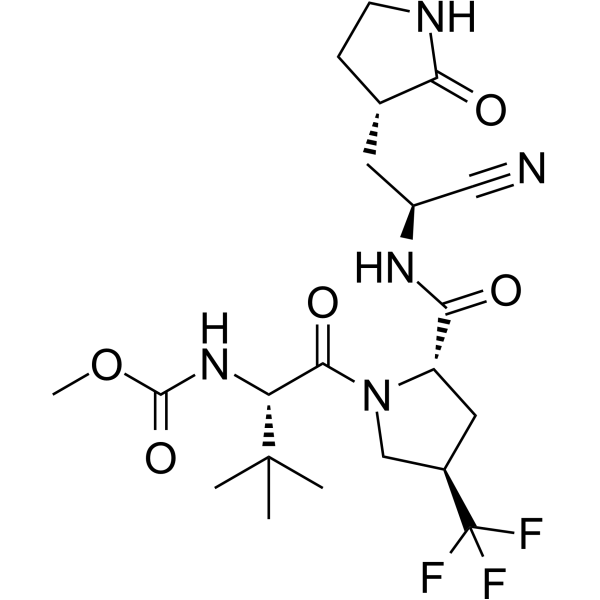
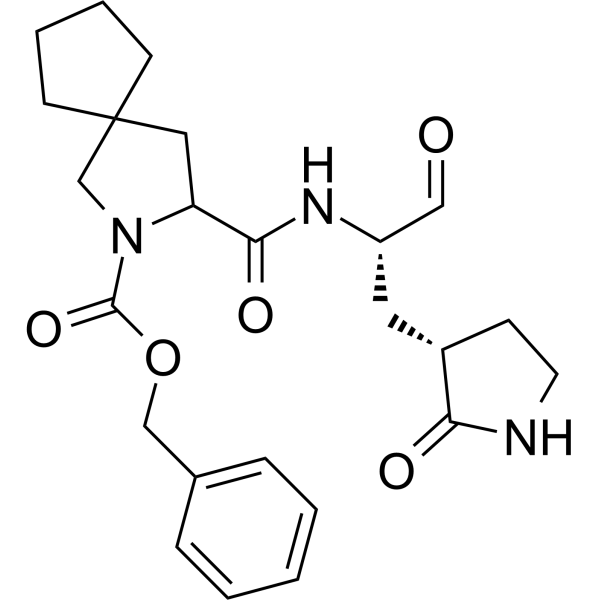
    Ibuzatrelvir (PF-07817883), a second-generation, orally bioavailable, is SARS-CoV-2 main protease (M pro and 3CL pro) inhibitor with improved metabolic stability. Ibuzatrelvir has demonstrated pan-human coronavirus antiviral activity and off-target selectivity profile in vitro and in preclinical animal studies. Ibuzatrelvir is well tolerated with a safety profile similar to placebo and prevents viral infection and transmission. Ibuzatrelvir can be used to inhibit COVID-19 .
    Ibuzatrelvir
  • HY-112766

    Liposome Others
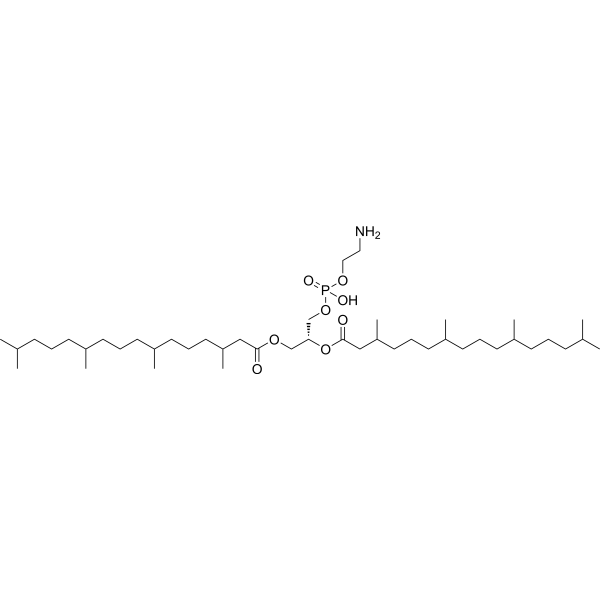
    DPyPE is a neutral phosphatidylethanolamine lipid composed of a polyisoprene alkyl chain with two pyridine-containing phosphine ligands. DPyPE is mainly used in liposome formulations and to enhance the efficiency of gene delivery in vitro and in vivo. For example, DPyPE can be mixed with cationic lipids such as VC1052 (HY-156616) (in a 1:1 ratio) to form the vaccine adjuvant Vaxfectin (HY-142998). DPyPE assists VC1052 in binding to negatively charged pDNA to form a uniform liposome complex by regulating the fluidity and stability of the liposome membrane .
    DPyPE
  • HY-163099

    Drug-Linker Conjugates for ADC Topoisomerase Apoptosis Cancer
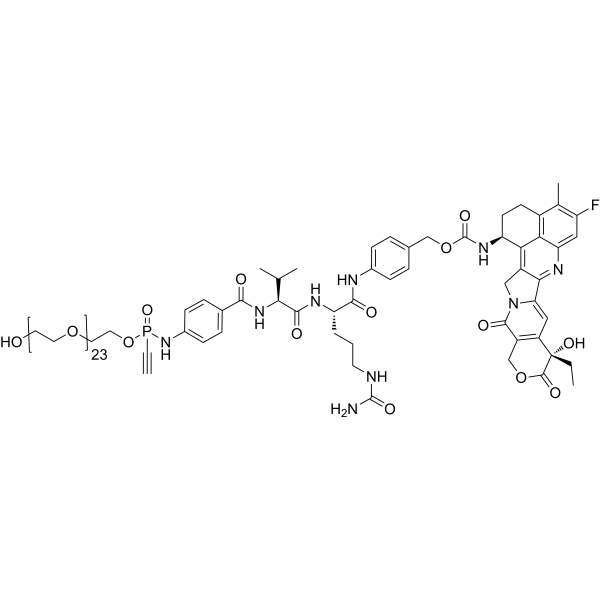
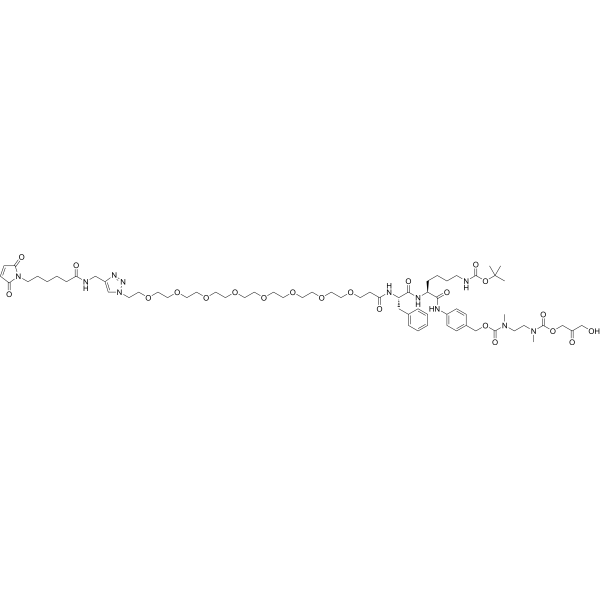
    P5 (PEG24)-VC-PAB-Exatecan is a TOP1 inhibitor payload with antibody-conjugation-dependent activity. Conjugation of P5 (PEG24)-VC-PAB-Exatecan with Trastuzumab (HY-P9907) generates a DAR8 antibody-drug conjugate (ADCs) with antibody-like pharmacokinetic properties. P5 (PEG24)-VC-PAB-Exatecan induces S-phase and G2-M-phase cell cycle arrest, DNA damage and apoptosis in target-positive tumor cells, and releases damage-associated molecular patterns (DAMP) related to immunogenic cell death (ICD). The ADCs prepared from it exert bystander killing effects on non-target tumor cells. ADCs based on P5 (PEG24)-VC-PAB-Exatecan exhibit linker stability in vitro and in vivo, show in vivo efficacy, and can be used in research related to HER2-positive cancers .
    P5(PEG24)-VC-PAB-Exatecan
  • HY-N10159

    E1/E2/E3 Enzyme Cancer
    1-Benzyl-I3C is a NEDD4-1 inhibitor with significant anticancer activity. 1-Benzyl-I3C can directly inhibit the ubiquitination activity of NEDD4-1 with an IC50 of 12.3μM, which is significantly better than its precursor compound I3C of 284μM. 1-Benzyl-I3C and its analogs showed good effects in inhibiting the proliferation of human melanoma cells, which is roughly related to their potency as NEDD4-1 enzyme inhibitors. By combining in vitro ubiquitination experiments and thermal stability analysis, 1-Benzyl-I3C was shown to be able to bind to the catalytic HECT domain of NEDD4-1 .
    1-Benzyl-I3C
  • HY-155813

    SARS-CoV Infection
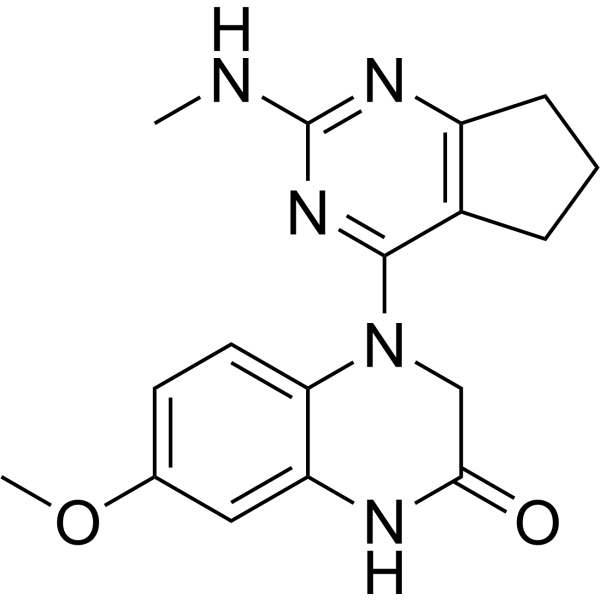
    MPI60 is a potent SARS-CoV-2 M Pro inhibitor with high antiviral potency, low cellular cytotoxicity, and high in vitro metabolic stability. MPI60 can be used for SARS-CoV-2 research .
    MPI60
  • HY-128947

    ADC Linker Cancer
    CL2 Linker is a cleavableADC linker. CL2-SN-38 and CL2A-SN-38 are equivalent in agent substitution (~6), cell binding (Kd ~1.2 nM), cytotoxicity (IC50 ~2.2 nM), and serum stability in vitro (t1/2 ~20 hours) .
    CL2 Linker
  • HY-125209A

    Apoptosis PARP DNA/RNA Synthesis Cancer
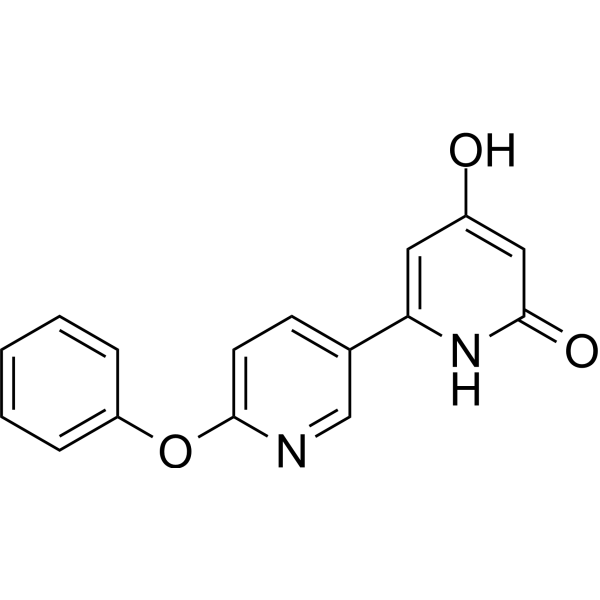
    TH5427 hydrochloride is a NUDT5 inhibitor with a human target IC50 of 29 nM, ~690-fold selectivity over MTH1 in vitro, and selective functional inhibition over other NUDIX hydrolases including NUDT9 .TH5427 hydrochloride binds to the active site of NUDT5, blocking enzymatic activity related to ADP-ribose metabolism and PAR-derived ATP synthesis .TH5427 hydrochloride blocks progestin-dependent nuclear ATP synthesis, impairs progestin-induced chromatin remodeling, inhibits histone H1 displacement, disrupts progestin-dependent gene regulation, and abrogates progestin-dependent proliferation in breast cancer cells .TH5427 hydrochloride functions as a versatile probe to study nuclear ATP dynamics and ADP-ribose-related metabolism in cells .TH5427 hydrochloride engages NUDT5 at physiological temperatures, as demonstrated by Drug Affinity Responsive Target Stability (DARTS) assay .TH5427 hydrochloride stabilizes NUDT5 against thermal denaturation in cell lysates and intact cells, as shown by cellular thermal shift assay (CETSA) .TH5427 hydrochloride functionally inhibits NUDT5 activity, leading to downstream effects on oxidative DNA damage and DNA replication in triple-negative breast cancer (TNBC) cells .TH5427 hydrochloride suppresses proliferation of TNBC cells without inducing cell death or apoptosis, slows DNA replication in TNBC cells, promotes accumulation of oxidative DNA lesions, and triggers DNA damage response in TNBC cells .TH5427 hydrochloride suppresses growth of TNBC cells in vitro, inhibits growth of TNBC xenograft tumors in nude mice in vivo, and shows greater potency against TNBC cell lines compared to ER-positive and normal-like breast cell lines .TH5427 hydrochloride can be used for the research of breast cancer and triple-negative breast cancer .
    TH5427 hydrochloride
  • HY-B1638

    LaurylamIne

    Environmental Pollutants Biochemical Assay Reagents Others
    Dodecylamine (Laurylamine) is a compound that strongly destabilizes and inactivates L-(+)-pantoyl lactone dehydrogenase in vitro, can be used for assessing the enzyme's stability in biochemical assays .
    Dodecylamine
  • HY-163350

    GPR84 Inflammation/Immunology
    TUG-2208 (compound 42a) is a GPR84 agonist (pEC50=8.98) with low lipophilicity and good solubility, in vitro permeability and microsomal stability .
    TUG-2208
  • HY-149920

    Microtubule/Tubulin Cancer
    Anticancer agent 98 (compound 12k) is a microtubule/tubulin-polymerization inhibitor (Kd=16.9 μM). Anticancer agent 98 exerts antiproliferative potency against tumor cells, exhibits anti-angiogenesis effect in vitro. Anticancer agent 98 exhibits good human and mouse liver microsomes stability with both t1/2>300 min .
    Anticancer agent 98
  • HY-138648

    ERK Neurological Disease
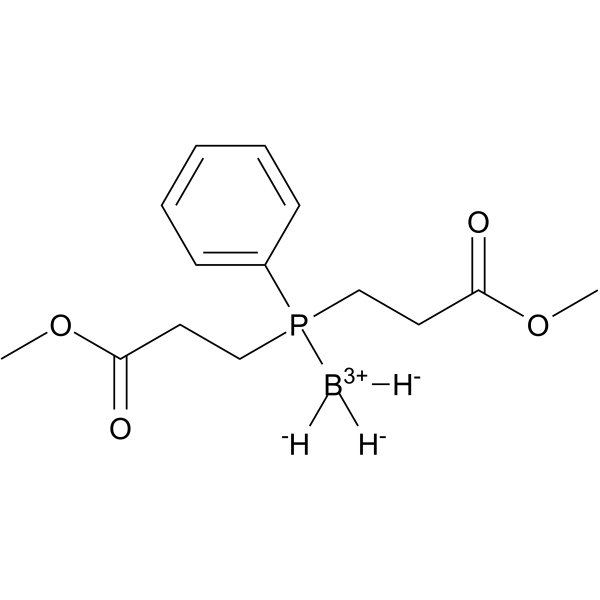
    PB1 is a potent intracellular disulfide reducing agent with several advantages including good cell permeability, the ability to form a high intracellular concentration gradient, and stability. PB1 is a borane-protected TCEP (tris(2-carboxyethyl)phosphine) analogue. PB1 increases retinal ganglion cells survival after axotomy in vitro at nanomolar and picomolar concentrations. PB1 can be used for the research of neuroprotective .
    PB1
  • HY-155732

    Parasite Infection
    NPD-2975 (compound 30) is an orally active antitrypanosomal agent, against Human African Trypanosomiasis (HAT). NPD-2975 has low toxicity potential against human MRC-5 lung fibroblasts, and acute mouse model of T. b. brucei infection. NPD-2975 shows acceptable metabolic stability, inhibits T. b. brucei with IC500 of 70 nM in vitro. NPD-2975 also inhibits CYP enzymes resulted in IC50 values of 0.16 and 0.42 μM against CYP1A2 and CYP2C19, respectively .
    NPD-2975
  • HY-174440

    PSMA Cancer
    BWD is a PSMA ligand (IC50 = 35.86). BWD exhibits excellent in vitro stability and high affinity. BWD can enhance tumor uptake and retention. BWD can inhibit tumor growth in vivo. BWD can be studied in anticancer research .
    BWD
  • HY-173623

    iGluR Neurological Disease
    EU 1622-240 is a biased positive allosteric modulator of GluN2B, GluN2C, and GluN2D, with EC50s of 0.57, 0.82, 1.1 μM respectively. EU 1622-240 has good physicochemical properties, in vitro stability, and permeability .
    EU 1622-240
  • HY-W419570

    P2Y Receptor Cardiovascular Disease
    (Rac)-BX 048 is a BX 048 racemate. BX 048 is a P2Y12 receptor antagonist. BX 048 inhibits ADP-induced platelet aggregation in human, dog and rat whole blood. BX 048 also inhibits Arachidonic acid (HY-109590) induced platelet aggregation (IC50 of 15 μM) .
    (Rac)-BX 048
  • HY-16750

    GS-9669

    DNA/RNA Synthesis HCV Infection
    Radalbuvir (GS-9669) is a non-nucleoside inhibitor of nonstructural protein 5B (NS5B) RNA-dependent RNA polymerase (RdRp). Radalbuvir shows strong anti-HCV potency (GT1a intrinsic EC50 = 2.9 nM, GT1b EC50 = 6 nM) .
    Radalbuvir
  • HY-156188

    Cholinesterase (ChE) Others
    AChE-IN-41 (Compound 2) is a compound of the Galantamine Memantine hybrid. AChE-IN-41 has the inhibition ability of cholinesterase. AChE-IN-41 shows higher plasma stability and comparable microsomal stability in vitro, while showing lower half-life and faster clearance in vivo .
    AChE-IN-41
  • HY-119324

    Apoptosis Others
    Anticancer agent 254 (compound 10) is a dichloroacetic acid-loaded compound with enhanced antitumor activity against leukemia cells in vitro and better stability in vivo, and can be considered for preclinical evaluation of cancer inhibition.
    Anticancer agent 254
  • HY-D2334

    Radionuclide-Drug Conjugates (RDCs) HSP Cancer
    AlF-NOTA-c-d-VAP is a peptide positron emission tomography (PET) probe that used for targeted tumor imaging of GRP78. AlF-NOTA-c-d-VAP demonstrates high stability in vitro and in vivo .
    AlF-NOTA-c-d-VAP
  • HY-15980

    Parasite Infection
    GNF179 metabolite is the metabolite of GNF179, which is an optimized 8,8-dimethyl IP analog that exhibited the potency(4.8 nM against the multidrug resistant strain W2) in vitro metabolic stability and in vivo oral bioavailability.
    GNF179 (Metabolite)
  • HY-152469

    Epigenetic Reader Domain Cancer
    Eleven-Nineteen-Leukemia Protein IN-1 is an inhibitor of ENL YEATS domain with an IC50 value of 14.5 nM. Eleven-Nineteen-Leukemia Protein IN-1 interacts with ENL protein and enhances the thermal stability of ENL protein in vitro .
    Eleven-Nineteen-Leukemia Protein IN-1
  • HY-120391

    Biochemical Assay Reagents Others
    LiLo is a new bifunctional chelator that has the activity of forming kinetically stable chelates with metal ions (such as indium). After using LiLo to bind indium-111 to monoclonal antibodies, the in vitro stability and in vivo biodistribution of the conjugates are superior to those using other chelators.
    LiLo
  • HY-147950

    Phosphodiesterase (PDE) TNF Receptor Inflammation/Immunology
    PDE4-IN-10 (compound 7a) is a potent PDE4 inhibitor, with an IC50 of 7.01 μM for PDE4B. PDE4-IN-10 shows selectivity, microsomal stability, inhibition of TNF-α and no major toxicities in vitro .
    PDE4-IN-10
  • HY-119002

    Antibiotic Others
    BO-1236 is a compound with antibacterial activity. It has strong activity against Gram-negative bacteria including Pseudomonas aeruginosa. It has shown activity superior to or equivalent to that of some commonly used antibiotics in in vitro and in vivo experiments, and has a certain stability against β-lactamase.
    BO-1236
  • HY-152471

    Epigenetic Reader Domain Cancer
    Eleven-Nineteen-Leukemia Protein IN-3 is an orally active inhibitor of ENL YEATS domain with an IC50 value of 15.4 nM. Eleven-Nineteen-Leukemia Protein IN-3 down-regulates MYC expression through ENL in cells and can enhances the thermal stability of ENL protein in vitro .
    Eleven-Nineteen-Leukemia Protein IN-3
  • HY-156093

    Tryptophan Hydroxylase Metabolic Disease
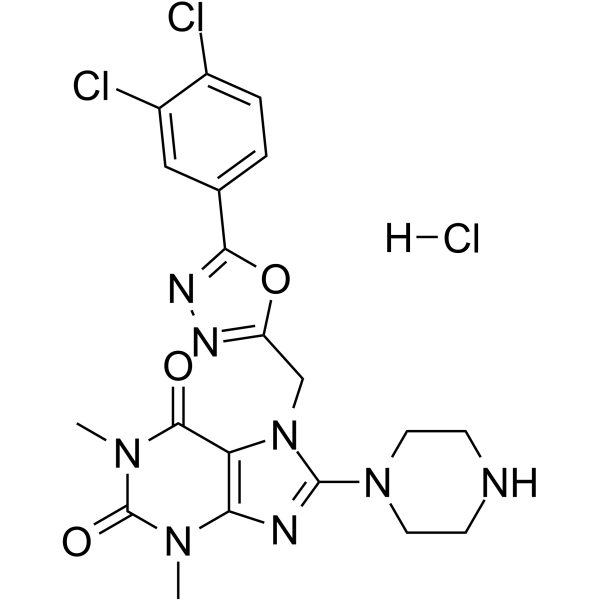
    TPH1-IN-1 (compound 40) is a xanthine derivative and an inhibitor of tryptophan hydroxylase TPH1 (IC50: 110.1 nM). TPH1-IN-1 has good in vitro activity and liver microsome stability, and effectively inhibits adipocyte differentiation of T3-L1 cells .
    TPH1-IN-1
  • HY-160656

    5-HT Receptor Neurological Disease
    5-HT/NA Reuptake inhibitor-1 (compound 9) is a selective dual 5-HT and NA reuptake inhibitor with IC50 of 660 nM and 70 nM respectively. . 5-HT/NA Reuptake inhibitor-1 has good in vitro human metabolic stability, hERG selectivity and passive membrane permeability .
    5-HT/NA Reuptake inhibitor-1
  • HY-152468

    Apoptosis Cancer
    Antitumor agent-83 is an activator of pro-apoptotic protein BAX and has significant anti-proliferation effect on tumor cells. Antiumor agent-83 mediates cell Apoptosis by inducing the conformational activation of BAX and has inhibitory effect on A549 cell cycle. Antiumor agent-83 has good metabolic stability and CYPs spectrum in vitro .
    Antitumor agent-83
  • HY-168930

    Phosphodiesterase (PDE) Inflammation/Immunology
    ATX inhibitor 25 (Compound 29) is an orally active Autotaxin inhibitor with an IC50 of 1.08 nM. ATX inhibitor 25 exhibits excellent in vitro metabolic stability, with a t1/2 of more than 170 minutes. In the bleomycin (HY-108345)-induced pulmonary fibrosis mouse model, orally administered ATX inhibitor 25 shows anti-fibrotic effects .
    ATX inhibitor 25
  • HY-122229

    HIV Infection
    GS-9822 is a potent antivira agent with nanomolar activity against wild-type HIV-1 viruses. GS-9822 potently inhibits the LEDGF/p75-integrase interaction with an IC50 of 0.07 μM. GS-9822 has high in vitro metabolic stability and favorable oral pharmacokinetic profiles with low systemic clearance in rats, dogs, and monkeys .
    GS-9822
  • HY-155687

    Phosphodiesterase (PDE) Neurological Disease
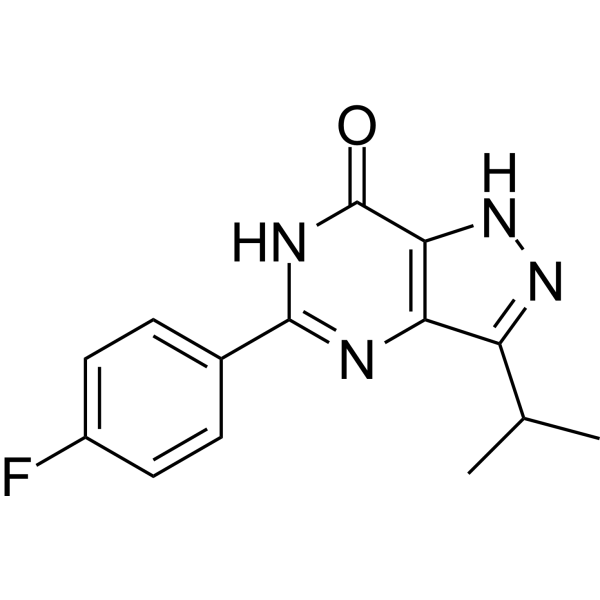
    PDE5-IN-10 (compound 4b) is a potent PDE5 inhibitor with an IC50 of 20 nM. PDE5-IN-10 improves in vitro microsomal stability (t1/2 = 44.6 min) as well as excellent efficacy in restoring long-term potentiation. PDE5-IN-10 can be used for Alzheimer’s disease (AD) research .
    PDE5-IN-10
  • HY-169429

    Flavivirus Infection
    CHIKV-IN-5 (Compound 26) is a CHIKV inhibitor (EC90 = 0.45 μM). CHIKV-IN-5 inhibits CHIKV replication at a late stage in the virus life cycle by blocking structural protein translation. CHIKV-IN-5 has great in vitro mouse microsomal stability. CHIKV-IN-5 reduces footpad swelling and decreases virus dissemination to other tissues in mice infected with CHIKV .
    CHIKV-IN-5
  • HY-146018

    HIV Infection
    HIV-1 inhibitor-23 (compound 12a) is a highly potent HIV-1 non-nucleoside reverse transcriptase inhibitor, with EC50s of 24.9 nM and 10.4 nM for HIV-1 WT and HIV-1 K103N, respectively. HIV-1 inhibitor-23 has low cytotoxicity (CC50 > 221 μM) and a favorable in vitro microsomal stability .
    HIV-1 inhibitor-23
  • HY-131445A

    Orphan Nuclear Receptor Metabolic Disease Inflammation/Immunology
    SS-RJW100 is a enantiomer of RJW100, which is a racemic agonist of nuclear receptor liver receptor homolog 1 (LRH-1) and steroidogenic factor 1 (SF-1). SS-RJW100 promotes recruitment of coregulator protein fragments in vitro, recruits the transcriptional intermediary factor 2 (Tif2) coactivator to LRH-1. SS-RJW100 diminishes LRH-1 allosteric activation networks, shows poor thermal stability .
    SS-RJW100
  • HY-169064

    HIV Reverse Transcriptase Infection
    HIV-1 inhibitor-75 is a human immunodeficiency virus 1 (HIV-1) inhibitor, with an EC50 value ranging from 0.0039 to 0.338 μM. The binding target of HIV-1 inhibitor-75 is reverse transcriptase, with an IC50 value of 0.055 μM. HIV-1 inhibitor-75 shows good in vitro metabolic stability, exhibiting moderate clearance rates and a longer half-life in human plasma and liver microsomes .
    HIV-1 inhibitor-75
  • HY-162600

    CDK Inflammation/Immunology
    CDK8-IN-15 (Compound 46) is a potent CDK8 inhibitors with an IC50 value of 57 nM. It can enhance the thermal stability of CDK8 along with inhibition against NF-κB and have favourable selectivity across the CDK family and tyrosine kinase. Additionally, it also demostrates a positive effect in vitro psoriasis model induced by TNF-α and alleviats the inflammatory response enhancing the expression of Foxp3 and IL-10, which is promising for research of psoriasis diseases .
    CDK8-IN-15
  • HY-170887

    Keap1-Nrf2 Monoamine Oxidase Inflammation/Immunology
    MAO-B-IN-39 (compound11) is a selective monoamine oxidase B (MAO-B) inhibitor. MAO-B-IN-39 inhibits MAO-Bwith an IC50 of 3.61 μM. MAO-B-IN-39 demonstrates a potent NRF2 induction capacity. MAO-B-IN-39 exhibits potent anti-inflammatory and neuroprotective activity in OS (oxidative stress)-related in vitro models. MAO-B-IN-39 demonstrates high liver microsomal stability and favorable pharmacokinetics in mice. MAO-B-IN-39 is potential for Parkinson’s disease (PD) research .
    MAO-B-IN-39
  • HY-175413

    Biochemical Assay Reagents Others
    FTAC6 (C6F-TAC) is a lipophobic surfactant. FTAC6 does not solubilize biological membranes as a non-detergent and can substitute for detergents to keep membrane proteins soluble and improves stability after conventional solubilization. FTAC6 can be utilized in in vitro synthesis of membrane proteins .
    FTAC6
  • HY-183247

    Epigenetic Reader Domain Cancer
    BRDT-IN-1 is a BRDT-BD1 and BRDT-T inhibitor with BRDT-BD1 IC50 19 nM, Ki 8.8 nM, Ka 1.6 nM, and BRDT-T IC50 56 nM, Ka 5.0 nM. BRDT-IN-1 displays in vitro metabolic stability and limited cellular permeability in MDCK-MDR1 cells. BRDT-IN-1 can be used for the research of multiple myeloma .
    BRDT-IN-1
  • HY-174413

    Adenosine Receptor Cancer
    A2AAR antagonist 3 is a selective and potent A2A adenosine receptor (A2A AR) antagonist with an IC50 of 1.57 nM. A2AAR antagonist 3 demonstrates high and selective binding affinities to the A2A AR. A2AAR antagonist 3 demonstrates favorable stability in rat liver microsomes in vitro and acceptable pharmacokinetic profiles in vivo. A2AAR antagonist 3 can be used in cancer research.
    A2AAR antagonist 3
  • HY-W237439

    MDM-2/p53 Cancer
    SEN205A is a fragment compound that binds to the hydrophobic pocket of human S100B (Kd=0.5-1.0 mM), which is the key region for the interaction of S100B with TRTK-12 and p53, and SEN205A can be displaced from this site by TRTK-12. SEN205A exhibits excellent in vitro ADME properties, including high metabolic stability, chemical stability, and good solubility under physiological pH conditions. SEN205A can serve as a starting fragment for structure-based optimization to develop inhibitors targeting the S100B-p53 protein-protein interaction and investigate the pathogenesis of malignant melanoma .
    SEN205A
  • HY-179599

    DYRK EGFR Neurological Disease Cancer
    Dyrk1A-IN-15 is a selective, brain-penetrant and ATP-competitive Dyrk1A inhibitor with a IC50 of 19 nM. Dyrk1A-IN-15 displays high selectivity across a broad kinase panel (specific for DYRK kinases) with nanomolar potency. Dyrk1A-IN-15 impairs neurosphere self-renewal, cell invasion, and EGFR stability in vitro. Dyrk1A-IN-15 inhibits tumor growth and prolongs survival in vivo. Dyrk1A-IN-15 has potential for glioblastoma (GBM) research .
    Dyrk1A-IN-15
  • HY-179600

    DYRK EGFR Neurological Disease Cancer
    Dyrk1A-IN-16 is a selective, brain-penetrant and ATP-competitive Dyrk1A inhibitor with a IC50 of 53 nM. Dyrk1A-IN-16 displays high selectivity across a broad kinase panel (specific for DYRK kinases) with nanomolar potency. Dyrk1A-IN-16 impairs neurosphere self-renewal, cell invasion, and EGFR stability in vitro. Dyrk1A-IN-16 inhibits tumor growth and prolongs survival in vivo. Dyrk1A-IN-16 has potential for glioblastoma (GBM) research .
    Dyrk1A-IN-16
  • HY-182800

    Molecular Glues Casein Kinase Cancer
    IBA-11 is a selective CRBN-dependented CK1α molecular glue degrader. IBA-11 binds to the canonical tri-tryptophan pocket of CRBN, forming a ternary complex with CK1α to mediate its degradation. IBA-11 induces CRBN-dependent ubiquitin-proteasome system-mediated degradation of CK1α. IBA-11 exhibits cytotoxicity against cancer cells. IBA-11 demonstrates in vitro metabolic stability in rat liver microsomes and minimal hERG inhibition. IBA-11 can be used for the research of cancer, such as acute myeloid leukemia .
    IBA-11
  • HY-N12104

    BMS-182123

    TNF Receptor Infection
    Trichodimerol (BMS-182123) is a TNF-α promoter inhibitor that inhibits the activity of lipopolysaccharide-induced cytokine secretion. Trichodimerol inhibits lipopolysaccharide-induced TNF-α promoter activity, reduces steady-state TNF-α mRNA expression, and does not alter the stability of TNF-α mRNA. Trichodimerol inhibits lipopolysaccharide-induced TNF-α secretion in murine and human immune cells. Trichodimerol reduces lipopolysaccharide-induced IL-1β secretion by 25%-50% in vitro. Trichodimerol does not alter total protein synthesis or constitutive lysozyme secretion at effective concentrations. Trichodimerol can be used for the research of septic shock .
    Trichodimerol
  • HY-W663179

    Parasite Cytochrome P450 Infection
    DNDI-VL-2098 is an orally active antileishmanial agent. DNDI-VL-2098 exhibits high permeability, in vitro metabolic stability, and selective inhibition of CYP2C19 (IC50=0.47 μM). DNDI-VL-2098 does not affect the activities of other major CYP enzymes (CYP1A2, CYP2C9, CYP2D6 and CYP3A4) at concentrations up to 12.5 μM. It shows favorable pharmacokinetic properties in multiple animal models including mice, hamsters, rats and dogs. DNDI-VL-2098 is characterized by moderate to high plasma protein binding and can be used for the research of visceral leishmaniasis .
    DNDI-VL-2098

Inquiry Online

Your information is safe with us. * Required Fields.

Salutation


Country or Region *

Applicant Name *


Organization Name *

Department *


Email Address *


Product Name *

Cat. No.


Requested quantity *

Phone Number *


Remarks

Inquiry Online

Inquiry Information

Product Name:
Cat. No.:
Quantity:
MCE Japan Authorized Agent:

