1. Search Result
Search Result
Results for "

LCK kinase

" in MedChemExpress (MCE) Product Catalog:

60

Inhibitors & Agonists

1

Peptides

2

Natural
Products

4

Recombinant Proteins

10

Antibodies

Cat. No. Product Name Target Research Areas Chemical Structure
  • HY-13805
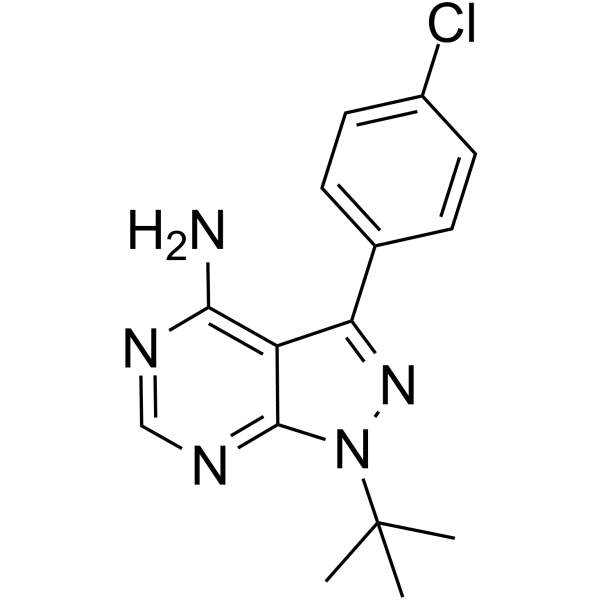
    PP2
    Maximum Cited Publications
    62 Publications Verification

    AGL 1879

    Src Cancer
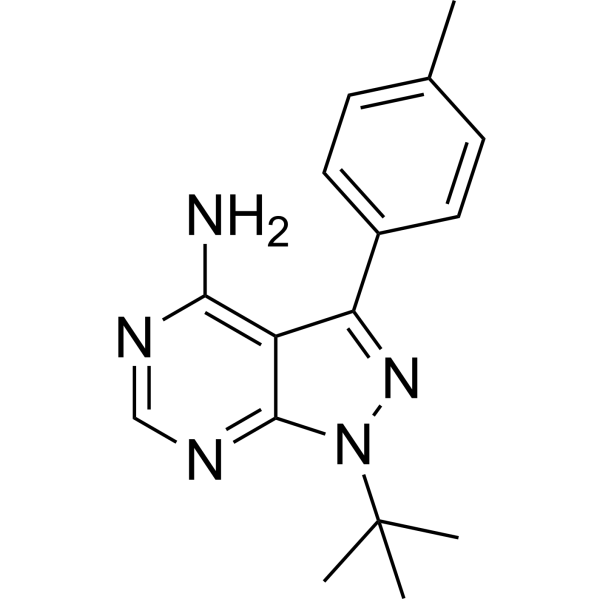
    PP2 is a reversible and ATP-competitive Src family kinases inhibitor with IC50s of 4 and 5 nM for Lck and Fyn, respectively.
    PP2
  • HY-10234
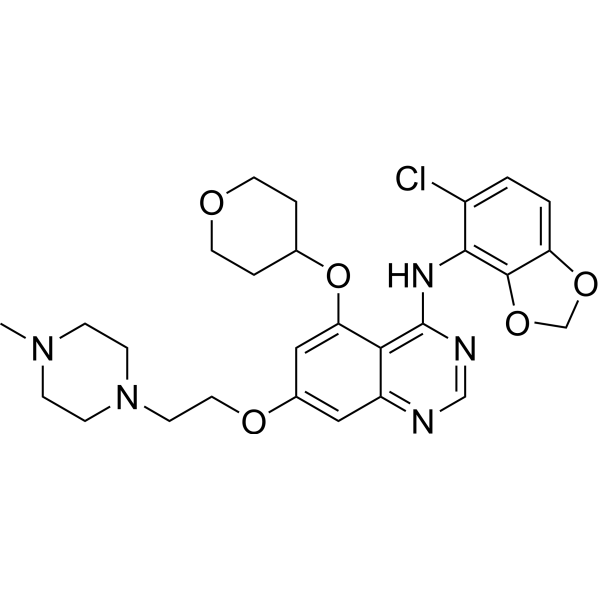
    Saracatinib
    35+ Cited Publications

    AZD0530

    Src Autophagy Cancer
    Saracatinib (AZD0530) is a potent Src family inhibitor with IC50s of 2.7 to 11 nM for c-Src, Lck, c-YES, Lyn, Fyn, Fgr, and Blk. Saracatinib shows high selectivity over other tyrosine kinases .
    Saracatinib
  • HY-12067
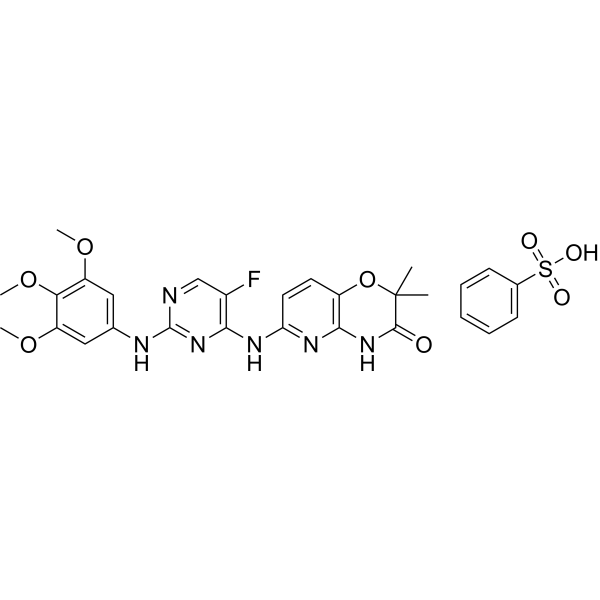
    R406
    35+ Cited Publications

    Syk FLT3 Apoptosis Inflammation/Immunology Cancer
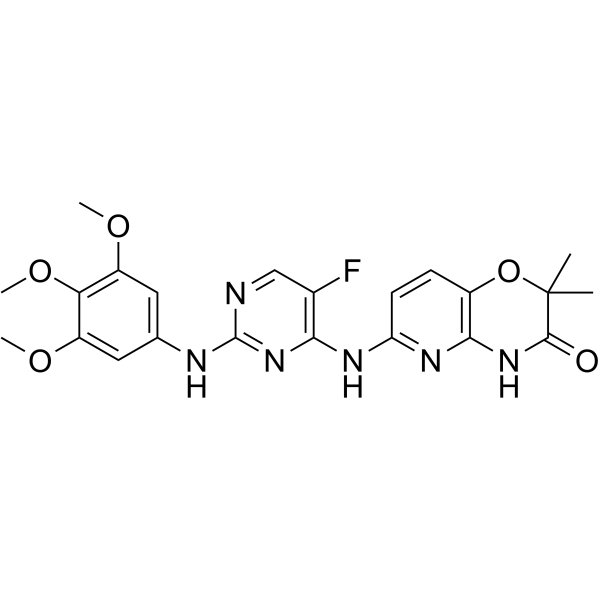
    R406 is an orally available and competitive Syk/FLT3 inhibitor for ATP binding with a Ki of 30 nM, potently inhibits Syk kinase activity in vitro with an IC50 of 41 nM, measured at an ATP concentration corresponding to its Km value. R406 reduces immune complex-mediated inflammation . R406 also inhibits Lyn (IC50=63 nM) and Lck (IC50=37 nM) .
    R406
  • HY-12299
    WH-4-023
    5 Publications Verification

    Dual LCK/SRC inhibitor

    Src Cancer
    WH-4-023 is a potent and selective dual Lck/Src inhibitor with IC50 of 2 nM/6 nM for Lck and Src kinase respectively; little inhibition on p38α and KDR.
    WH-4-023
  • HY-101053
    Src Inhibitor 1
    15+ Cited Publications

    Src kinase Inhibitor 1; Src-l1

    Src Cancer
    Src Inhibitor 1 is a potent, ATP-competitive and selective dual site Src tyrosine kinase inhibitor with IC50 values of 44 nM for Src and 88nM for Lck.
    Src Inhibitor 1
  • HY-13804
    PP1
    10+ Cited Publications

    AGL 1872; EI 275

    Src Apoptosis Cancer
    PP1 is a potent, and Src family-selective tyrosine kinase inhibitor with IC50 of 5 and 6 nM for Lck and Fyn, respectively.
    PP1
  • HY-12076
    BMS 777607
    10+ Cited Publications

    BMS 817378

    c-Met/HGFR TAM Receptor Cancer
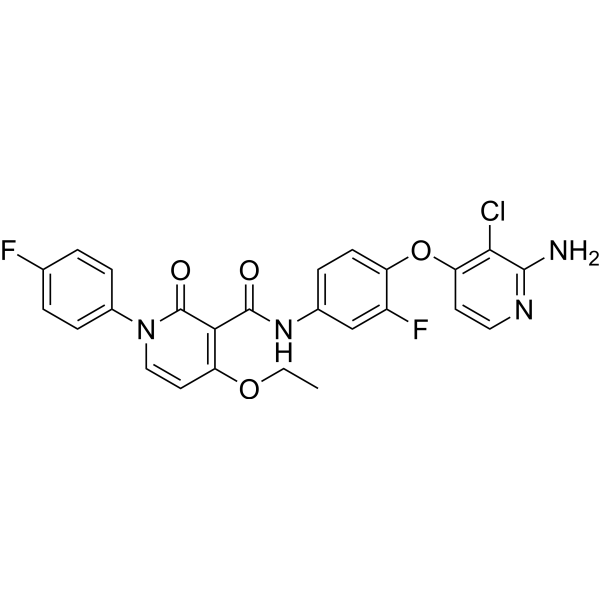
    BMS 777607 (BMS 817378) is a Met-related inhibitor for c-Met, Axl, Ron and Tyro3 with IC50s of 3.9 nM, 1.1 nM, 1.8 nM and 4.3 nM, respectively, and 40-fold more selective for Met-related targets than Lck, VEGFR-2, and TrkA/B, with more than 500-fold greater selectivity versus all other receptor and non receptor kinases .
    BMS 777607
  • HY-15764A
    A 419259 trihydrochloride
    5+ Cited Publications

    RK 20449 trihydrochloride

    Src Apoptosis Cancer
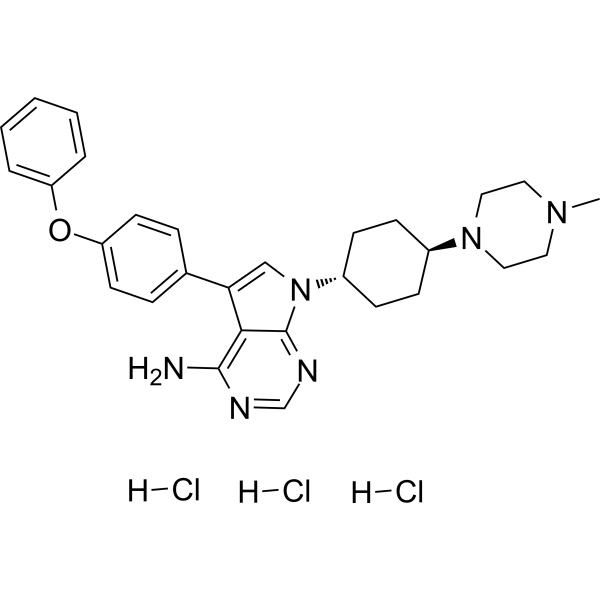
    A 419259 trihydrochloride is a Src family kinases inhibitor with IC50s of 9 nM, 3 nM and 3 nM for Src, Lck and Lyn, respectively .
    A 419259 trihydrochloride
  • HY-13561

    M475271

    Src Apoptosis Cancer
    AZM475271 (M475271) is an orally active and selective Src kinase inhibitor. AZM475271 inhibits phosphorylation of c-Src kinase, Lck, c-yes (IC50s = 0.01, 0.03, 0.08 μM, respectively). AZM475271 induces apoptosis. AZM475271 reduces tumor cell proliferation and migration in vitro and in vivo, and reduces microvessel density (MVD). AZM475271 inhibits tumor growth and metastasis. AZM475271 sensitizes tumor cells to the cytotoxic effects of Gemcitabine (HY-17026) .
    AZM475271
  • HY-11108
    R406 free base
    35+ Cited Publications

    Syk FLT3 Apoptosis Inflammation/Immunology Cancer
    R406 free base is an orally available and competitive Syk/FLT3 inhibitor for ATP binding with a Ki of 30 nM, potently inhibits Syk kinase activity in vitro with an IC50 of 41 nM, measured at an ATP concentration corresponding to its Km value. R406 free base reduces immune complex-mediated inflammation . R406 free base also inhibits Lyn (IC50=63 nM) and Lck (IC50=37 nM) .
    R406 free base
  • HY-12072
    Lck Inhibitor
    3 Publications Verification

    Src Inflammation/Immunology
    Lck Inhibitor is a potent, orally active Lck (lymphocyte specific kinase) inhibitor with IC50s of 7, 2.1, 4.2 and 200 nM for Lck, Lyn, Src and Syk kinases, respectively. Lck Inhibitor shows >1000-fold selectivity for Lck over MAPK, CDK and RSK family representatives. Lck Inhibitor inhibits T cell proliferation and in vivo models of arthritis .
    Lck Inhibitor
  • HY-11011
    A-770041
    5+ Cited Publications

    Src Inflammation/Immunology
    A-770041 is a selective and orally active Src-family Lck inhibitor. A-770041 inhibits Lck with an IC50 value of 147 nM with the presence of 1 mM ATP. A-770041 shows 300-fold selective to Lck over Fyn, the other Src family kinase involved in T-cell signaling. A-770041 can be used for the research of acute rejection .
    A-770041
  • HY-15590
    AZ-23
    3 Publications Verification

    AZD1332

    Trk Receptor Cancer
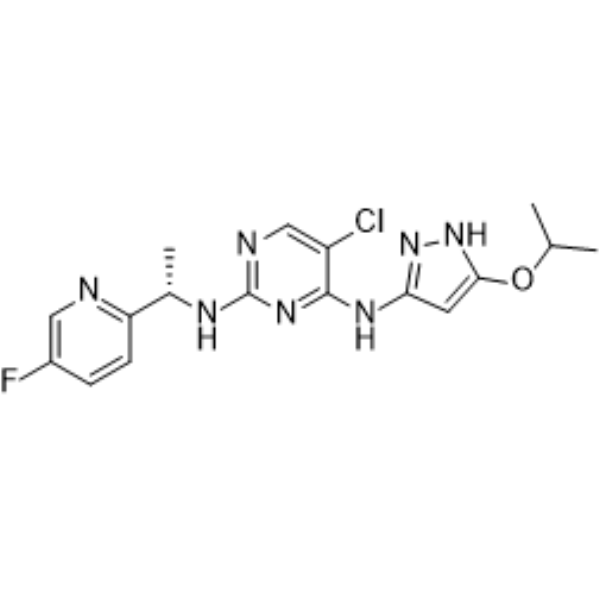
    AZ-23 is an ATP-competitive and orally bioavailable Trk kinase A/B/C inhibitor with IC50s of 2 nM (TrkA), 8 nM (TrkB), 24 nM (FGFR1), 52 nM (Flt3), 55 nM (Ret), 84 nM (MuSk), 99 nM (Lck), respectively.
    AZ-23
  • HY-W062835

    Src Cancer
    CGP77675 is an orally active and potent inhibitor of Src family kinases. CGP77675 inhibits phosphorylation of peptide substrates and autophosphorylation of purified Src (IC50s of 5-20 and 40 nM, respectively), and also inhibits Src, EGFR, KDR, v-Abl, and Lck with IC50s of 5-20, 40, 20, 150, 1000, 310, and 290 nM, respectively. Anticancer activity .
    CGP77675
  • HY-10644

    Src Inflammation/Immunology
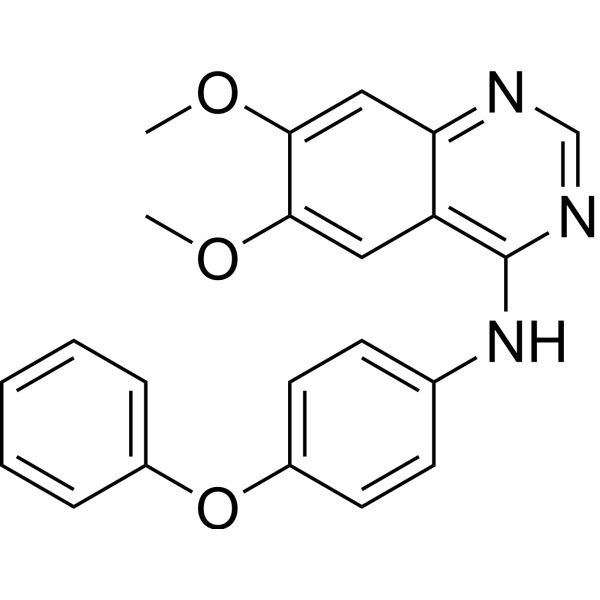
    Lck inhibitor 2 is a multi-target tyrosine kinase inhibitor with IC50s of 13nM, 9nM, 3nM, 26nM and 2nM for Lck, Btk, Lyn, Btk and Txk respectively.
    Lck inhibitor 2
  • HY-108485

    Src Apoptosis Fungal Infection Inflammation/Immunology Cancer
    Damnacanthal is an anthraquinone isolated from the root of Morinda citrifolia. Damnacanthal is a highly potent, selective inhibitor of p56 lck tyrosine kinase activity. Natural Damnacanthal inhibits p56 lck autophosphorylation and phosphorylation of exogenous substrates with IC50s of 46 nM and 220 nM, respectively. Damnacanthal is a potent inducer of apoptosis with anticancer activity. Damnacanthal also has antinociceptive, anti-inflammatory effects in mice and anti-fungal activity against Candida albicans .
    Damnacanthal
  • HY-10185
    TG 100572 Hydrochloride
    3 Publications Verification

    Src VEGFR FGFR PDGFR Inflammation/Immunology
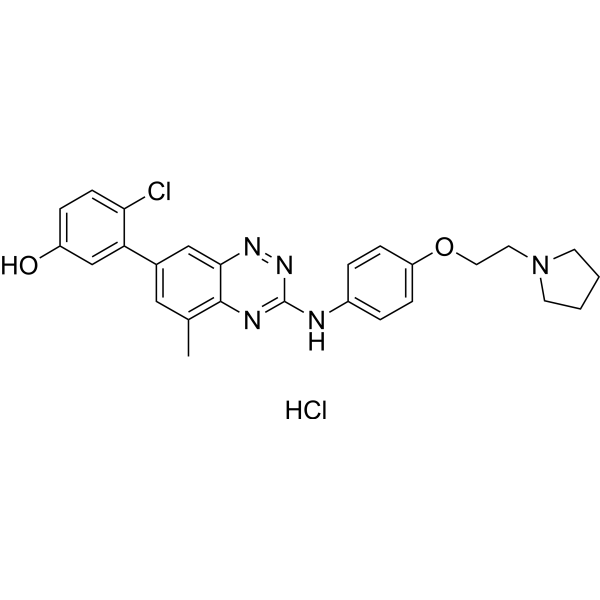
    TG 100572 Hydrochloride is a multi-targeted kinase inhibitor which inhibits receptor tyrosine kinases and Src kinases; has IC50s of 2, 7, 2, 16, 13, 5, 0.5, 6, 0.1, 0.4, 1, 0.2 nM for VEGFR1, VEGFR2, FGFR1, FGFR2, PDGFRβ, Fgr, Fyn, Hck, Lck, Lyn, Src, Yes, respectively.
    TG 100572 Hydrochloride
  • HY-10186
    TG 100801
    1 Publications Verification

    VEGFR FGFR PDGFR Src Cancer
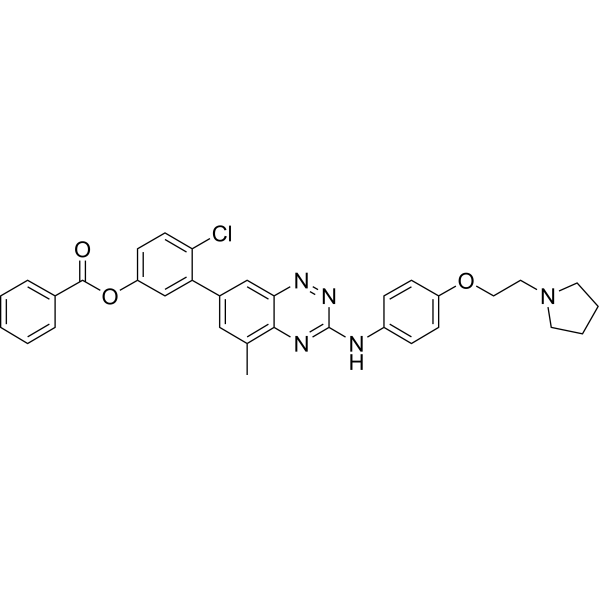
    TG 100801 is a proagent that generates TG 100572 by de-esterification in development to treat age-related macular degeneration. TG 100572 is a multi-targeted kinase inhibitor which inhibits receptor tyrosine kinases and Src kinases; has IC50s of 2, 7, 2, 16, 13, 5, 0.5, 6, 0.1, 0.4, 1, 0.2 nM for VEGFR1, VEGFR2, FGFR1, FGFR2, PDGFRβ, Fgr, Fyn, Hck, Lck, Lyn, Src, Yes, respectively.
    TG 100801
  • HY-18302
    c-Kit-IN-5-1
    1 Publications Verification

    c-Kit Inflammation/Immunology
    c-Kit-IN-5 is potent inhibitor of c-Kit, with IC50s of 22 nM and 16 nM in kinase assay and cell assay, respectively. c-Kit-IN-5 shows more than 200-fold selectivity for c-Kit over KDR, p38, Lck, and Src. c-Kit-IN-5 also exhibits desirable pharmacokinetic properties .
    c-Kit-IN-5-1
  • HY-P5438

    Btk c-Kit FAK FLT3 Insulin Receptor Others
    Srctide is a biological active peptide. (This is a peptide substrate for many protein kinases, such as Blk, BTK, cKit, EPHA1, EPHB2, EPHB3, ERBB4, FAK, Flt3, IGF-1R, ITK, Lck, MET, MUSK, Ret, Src, TIE2, TrkB, VEGF-R1 (Flt-1) and VEGF-R2 (KDR).)
    Srctide
  • HY-123450

    Bcr-Abl Apoptosis PDGFR Cancer
    S116836, a potent, orally active BCR-ABL tyrosine kinase inhibitor, blocks both wild-type as well as T315I Bcr-Abl. S116836 arrests the cells in the G0/G1 phase of cell cycle, induces apoptosis, increases ROS production, and decreases GSH production in BaF3/WT and BaF3/T315I cells. S116836 also inhibits SRC, LYN, HCK, LCK and BLK, and receptor tyrosine kinases such as FLT3, TIE2, KIT, PDGFR-β. Antitumor activies . S116836 is a click chemistry reagent, it contains an Alkyne group and can undergo copper-catalyzed azide-alkyne cycloaddition (CuAAc) with molecules containing Azide groups.
    S116836
  • HY-12736A
    GSK143 dihydrochloride
    1 Publications Verification

    Syk ERK Inflammation/Immunology Cancer
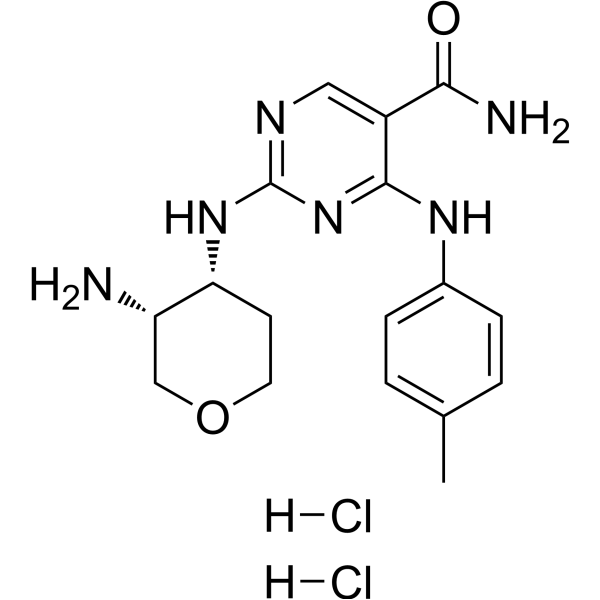
    GSK143 dihydrochloride is an orally active and highly selective spleen tyrosine kinase (SYK) inhibitor with a pIC50 of 7.5. GSK143 dihydrochloride inhibits phosphorylated Erk (pErk: pIC50=7.1) . GSK143 dihydrochloride reduces inflammation and prevents recruitment of immune cells in the intestinal muscularis in mice .
    GSK143 dihydrochloride
  • HY-10234A
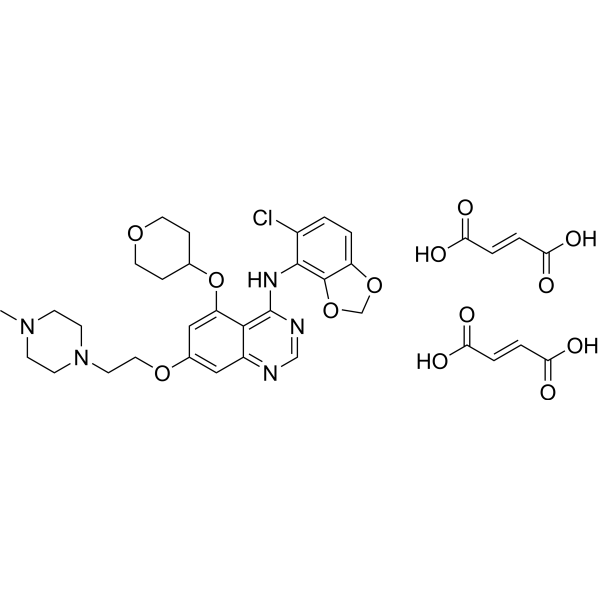
    Saracatinib difumarate
    35+ Cited Publications

    AZD0530 difumarate

    Src Cancer
    Saracatinib (AZD0530) difumarate is a potent Src inhibitor with IC50 values of 2.7-11 nM for c-Src, Lck, c-YES, Lyn, Fyn, Fgr and Blk, and is selective for other tyrosine kinases. .
    Saracatinib difumarate
  • HY-10184

    Src VEGFR PDGFR FGFR Cancer
    TG 100572 is a multi-targeted kinase inhibitor which inhibits receptor tyrosine kinases and Src kinases; has IC50s of 2, 7, 2, 16, 13, 5, 0.5, 6, 0.1, 0.4, 1, 0.2 nM for VEGFR1, VEGFR2, FGFR1, FGFR2, PDGFRβ, Fgr, Fyn, Hck, Lck, Lyn, Src, Yes, respectively.
    TG 100572
  • HY-111781

    WS-413

    Btk Cancer
    Civorebrutinib (WS-413) is a selective, orally active BTK and TEC inhibitor with an IC50 of <100 nM for both targets. Civorebrutinib inhibits B cell activation. Civorebrutinib significantly suppresses the in vivo growth of diffuse large B-cell lymphoma cells. Civorebrutinib can be used for the research of diffuse large B-cell lymphoma .
    Civorebrutinib
  • HY-112809

    Syk Src LRRK2 GSK-3 JAK VEGFR Aurora Kinase Inflammation/Immunology
    GSK2646264 (Compound 44) is a potent and selective spleen tyrosine kinase (SYK) inhibitor with a pIC50 of 7.1. GSK2646264 also inhibits other kinases with pIC50 values of 5.4, 5.4, 5.3, 5, 4.5, <4.6 and <4.3 against LCK, LRRK2, GSK3β, JAK2, VEGFR2, Aurora B and Aurora A, respectively. GSK2646264 is penetrable into the epidermis and dermis of the skin .
    GSK2646264
  • HY-175437

    Molecular Glues Src Bcr-Abl Inflammation/Immunology Cancer
    MRT-7612 (Compound 4) is a cereblon-based tyrosine kinases molecular glue degrader. MRT-7612 significantly induces HCK and LYN degradation, with week efficacy on LCK. MRT-7612 can be used for cancers like chronic myeloid leukemia, autoimmune and chronic inflammatory diseases research .
    MRT-7612
  • HY-178120

    Src Apoptosis Cancer
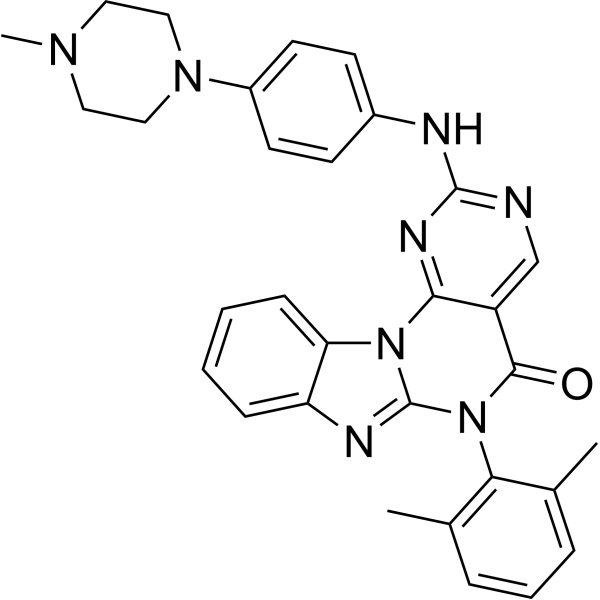
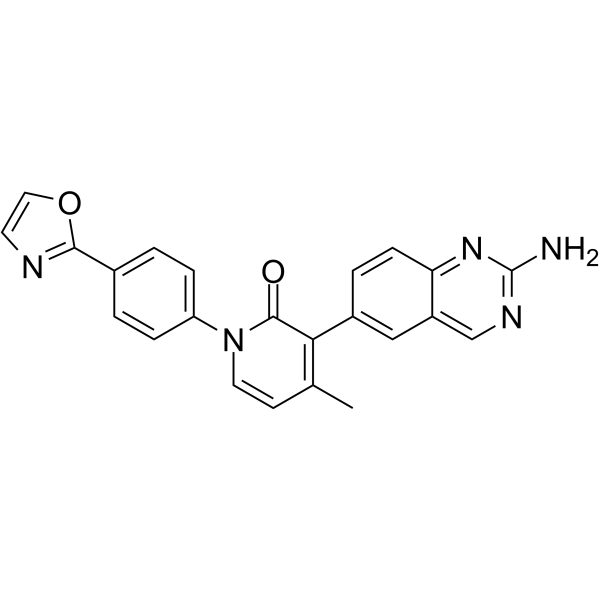
    Lck-IN-4 (Compound A-1) is a protein tyrosine kinase Lck inhibitor with an IC50 of 2  nM. Lck-IN-4 significantly inhibits YAP tyrosine phosphorylation and activity and induces apoptosis in cholangiocarcinoma CCA cells. Lck-IN-4 is cytotoxic in CCA tumor-derived organoids with elevated YAP activity Lck-IN-4 can be used for cancers like cholangiocarcinoma (CCA) research .
    Lck-IN-4
  • HY-175280

    Molecular Glues Src Cancer
    Lck degrader-1 (Compound 17) is a molecular glue degrader targeting lymphocyte-specific protein tyrosine kinase (LCK) (DC50=23.1 nM). Lck degrader-1 is promising for research of T-cell acute lymphoblastic leukemia (T-ALL) .
    Lck degrader-1
  • HY-175281

    PROTACs Src Discoidin Domain Receptor Bcr-Abl Apoptosis Cancer
    SJ11646 is a Dasatinib (HY-10181)-based LCK PROTAC degrader with a DC50 of 0.00838 pM. SJ11646 has potent cytotoxicity against LCK-activated T-cell acute lymphoblastic leukemia (T-ALL) cells and primary leukemia samples with drastically prolonged suppression of LCK signaling, and induces T-ALL apoptosis. SJ11646 binds to 51 human kinases with a high affinity (particularly ABL1, KIT, and DDR1). SJ11646 has superior antileukemic efficacy in T-ALL mice model. . Pink: LCK ligand (HY-107447); Blue: CRBN ligase ligand (HY-163169); Black: linker (HY-76667)
    SJ11646
  • HY-10187

    VEGFR FGFR PDGFR Src Cancer
    TG 100801 Hydrochloride is a proagent that generates TG 100572 by de-esterification in development to treat age-related macular degeneration. TG 100572 is a multi-targeted kinase inhibitor which inhibits receptor tyrosine kinases and Src kinases; has IC50s of 2, 7, 2, 16, 13, 5, 0.5, 6, 0.1, 0.4, 1, 0.2 nM for VEGFR1, VEGFR2, FGFR1, FGFR2, PDGFRβ, Fgr, Fyn, Hck, Lck, Lyn, Src, Yes, respectively.
    TG 100801 Hydrochloride
  • HY-18010
    PCI 29732
    3 Publications Verification

    Btk BCRP Inflammation/Immunology
    PCI 29732 is a potent, orally active, reversible BTK inhibitor with Ki app values of 8.2, 4.6, and 2.5 nM for BTK, Lck and Lyn, respectively. PCI 29732 shows only modest inhibitory activity against Itk, another Tec family kinase. PCI 29732 inhibits the function of ABCG2 by competitively binding to the ATP-binding site of ABCG2 .
    PCI 29732
  • HY-101034

    CHMFL-ABL-KIT-155

    Bcr-Abl c-Kit Apoptosis PDGFR Discoidin Domain Receptor Cancer
    CHMFL-ABL/KIT-155 (CHMFL-ABL-KIT-155; compound 34) is a highly potent and orally active type II ABL/c-KIT dual kinase inhibitor (IC50s of 46 nM and 75 nM, respectively), and it also presents significant inhibitory activities to BLK (IC50=81 nM), CSF1R (IC50=227 nM), DDR1 (IC50=116 nM), DDR2 (IC50=325 nM), LCK (IC50=12 nM) and PDGFRβ (IC50=80 nM) kinases. CHMFL-ABL/KIT-155 (CHMFL-ABL-KIT-155) arrests cell cycle progression and induces apoptosis .
    CHMFL-ABL/KIT-155
  • HY-12736

    Syk ERK Inflammation/Immunology Cancer
    GSK143 is an orally active and highly selective spleen tyrosine kinase (SYK) inhibitor with a pIC50 of 7.5. GSK143 inhibits phosphorylated Erk (pErk: pIC50=7.1) . GSK143 reduces inflammation and prevents recruitment of immune cells in the intestinal muscularis in mice .
    GSK143
  • HY-180888

    Src CD3 Inflammation/Immunology
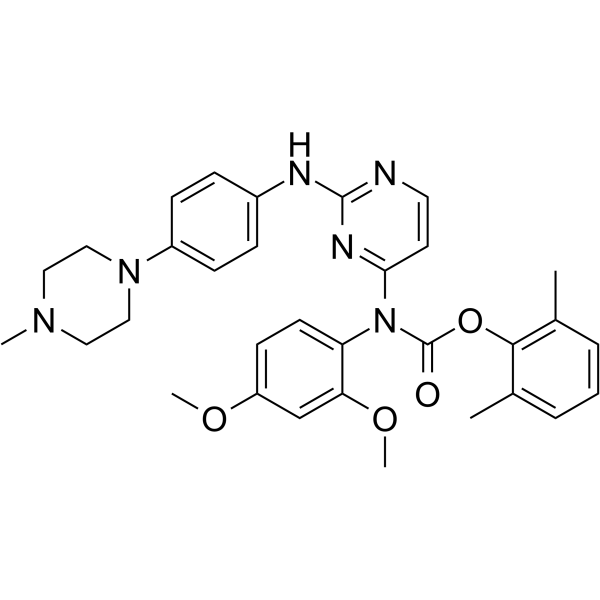
    Lck-IN-5 (example C10) is a potent and selective lymphocyte-specific protein tyrosine kinase (LCK) inhibitor. Lck-IN-5 selectively disrupts the interaction between the SH3 domain of LCK and the RK motif of CD3ε, thereby impairing LCK recruitment to the TCR. Lck-IN-5 modulates the activity of CD3ε-containing CAR and TRuC T cells, attenuating cytokine production and promoting a central-memory-like phenotype associated with enhanced persistence. Lck-IN-5 can be used for autoimmune diseases and graft-versus-host disease research .
    Lck-IN-5
  • HY-132150A

    MAP4K FLT3 Src Neurological Disease Metabolic Disease Inflammation/Immunology Cancer
    HPK1-IN-2 dihydrochloride is a potent and orally active hematopoietic progenitor kinase-1 (HPK1) inhibitor (IC50<0.05 μΜ) with antitumor activity. HPK1-IN-2 dihydrochloride also inhibits Lck (0.05 μΜ<IC50<0.5 μΜ) and Flt3 (IC50<0.05 μΜ) kinase activities .
    HPK1-IN-2 dihydrochloride
  • HY-177272

    MAP4K Bcr-Abl Src Others
    HPK1-IN-61 (Compound 1) is an inhibitor of hematopoietic progenitor kinase 1 (HPK1) (Ki = 0.4 nM) and an inhibitor of Abl (IC50 < 0.51 nM). HPK1-IN-61 also shows inhibitory activity against LCK with an IC50 of 24 nM .
    HPK1-IN-61
  • HY-163278

    Src Apoptosis Cancer
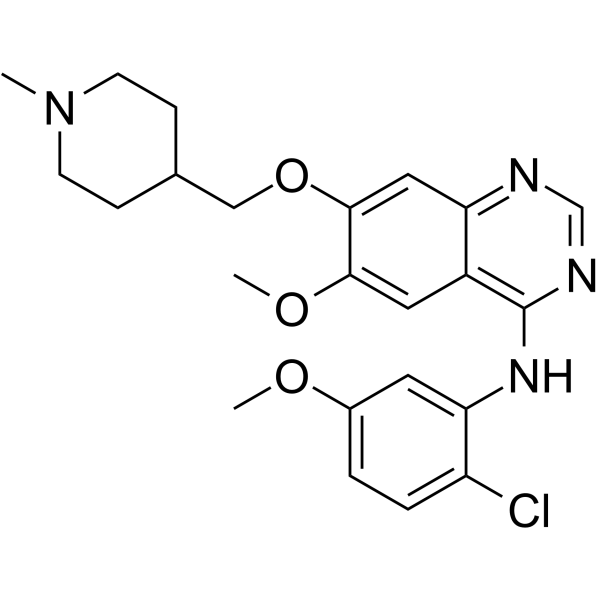
    Lck-IN-2 (compound 12a) is an inhibitor of Lymphocyte-specific protein tyrosine kinase (Lck) with IC50 of 10.6 nM. Lck-IN-2 reveals efficacy in colon cancer cells with GI50s of 0.24-1.26 μM. Lck-IN-2 exhibits an apoptotic effect in Colo201 cells .
    Lck-IN-2
  • HY-138202

    Src Inflammation/Immunology
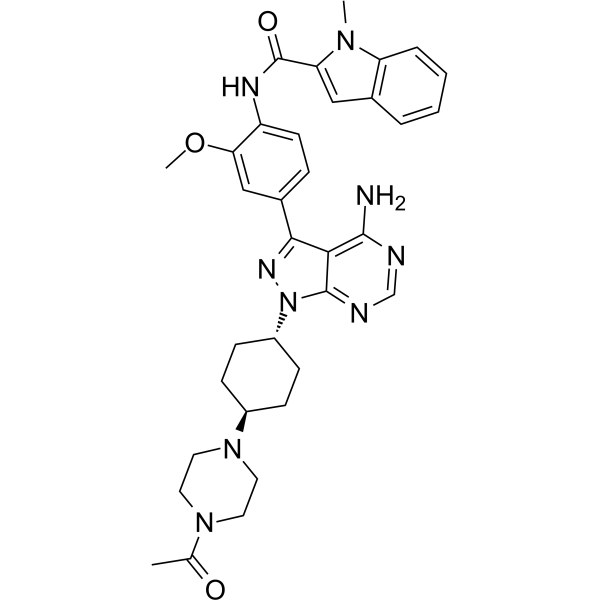
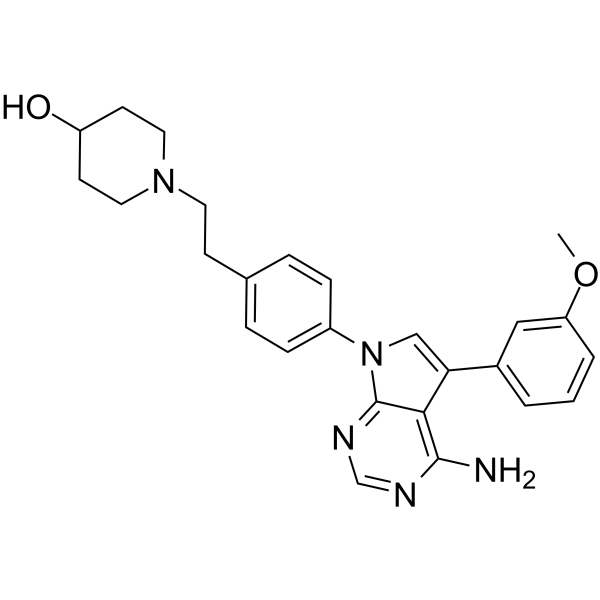
    Lck-IN-1 is a potent lymphocyte protein tyrosine kinase (Lck) inhibitor extracted from patent WO2007013673A1, example 48 .
    Lck-IN-1
  • HY-171217

    Src Bcr-Abl Ephrin Receptor Cancer
    TG-100435 is a multitargeted, orally active protein tyrosine kinase inhibitor, with Ki of 13 to 64 nM for Src, Lyn, Abl, Yes, Lck, and EphB4. TG-100435 plays an important role in cancer research .
    TG-100435
  • HY-13805R

    AGL 1879 (Standard)

    Src Reference Standards Cancer
    PP2 (Standard) is the analytical standard of PP2. This product is intended for research and analytical applications. PP2 is a reversible and ATP-competitive Src family kinases inhibitor with IC50s of 4 and 5 nM for Lck and Fyn, respectively.
    PP2 (Standard)
  • HY-100824

    Src Cancer
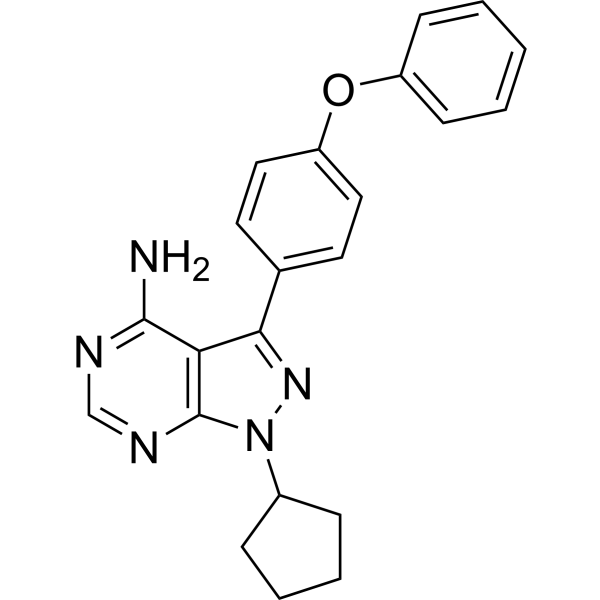
    PP2 Analog (compound 3) is a ATP-competitive Src family kinases inhibitor with the IC50 values of 0.22, 0.15, 2.68, and 7 aganist of lck (64-509), src , kdr, and tie-2 .
    PP2 Analog
  • HY-170365

    MAP4K Inflammation/Immunology Cancer
    HPK1-IN-55 (compound 19) is a selective and orally active hematopoietic progenitor kinase 1 (HPK1) inhibitor with an IC50 of <0.51 nM. HPK1-IN-55 shows excellent kinase selectivity (>637-fold vs GCK-like kinase and >1022-fold vs LCK). HPK1-IN-55 has anticancer effects .
    HPK1-IN-55
  • HY-123650

    5'-p-Fluorosulfonylbenzoyladenosine

    Biochemical Assay Reagents Cancer
    FSBA (5'-p-Fluorosulfonylbenzoyladenosine) hydrochloride is a covalent modifier and affinity labeling reagent for adenine nucleotide-binding proteins. FSBA hydrochloride covalently attaches to the nucleotide-binding sites of pyruvate kinase, glutamate dehydrogenase, and p56 lck, and to a lysine residue in the ATP-binding site of cAMP-dependent protein kinase, causing loss of enzymatic activity. FSBA hydrochloride can be used for the research of T lymphoma .
    FSBA hydrochloride
  • HY-10234AR

    AZD0530 difumarate (Standard)

    Src Reference Standards Cancer
    Saracatinib (difumarate) (Standard) is the analytical standard of Saracatinib (difumarate). This product is intended for research and analytical applications. Saracatinib (AZD0530) difumarate is a potent Src inhibitor with IC50 values of 2.7-11 nM for c-Src, Lck, c-YES, Lyn, Fyn, Fgr and Blk, and is selective for other tyrosine kinases. .
    Saracatinib difumarate (Standard)
  • HY-10234R

    AZD0530 (Standard)

    Reference Standards Src Autophagy Cancer
    Saracatinib (Standard) is the analytical standard of Saracatinib. This product is intended for research and analytical applications. Saracatinib (AZD0530) is a potent Src family inhibitor with IC50s of 2.7 to 11 nM for c-Src, Lck, c-YES, Lyn, Fyn, Fgr, and Blk. Saracatinib shows high selectivity over other tyrosine kinases .
    Saracatinib (Standard)
  • HY-114980

    Src Interleukin Related TNF Receptor Inflammation/Immunology
    BMS-279700 is an orally active Src-family kinase p56Lck inhibitor. BMS-279700 can block the production of proinflammatory cytokines (IL-2 and TNFα). BMS-279700 can inhibit T cell proliferation. BMS-279700 can be used for the researches of inflammation and immunology .
    BMS-279700
  • HY-W062835A

    Src Cancer
    CGP77675 hydrate is an orally active and potent inhibitor of Src family kinases. CGP77675 hydrate inhibits phosphorylation of peptide substrates and autophosphorylation of purified Src (IC50s of 5-20 and 40 nM, respectively),and also inhibits Src, EGFR, KDR, v-Abl, and Lck with IC50s of 0.02, 0.15, 1.0, 0.31, and 0.29 μM, respectively. Anticancer activity .
    CGP77675 hydrate
  • HY-N12166

    Src Cardiovascular Disease
    2,3,4,6,8-Pentahydroxy-1-methylxanthone is a xanthone derivative of Wardomyces anomalus. 2,3,4,6,8-Pentahydroxy-1-methylxanthone shows significant antioxidant activities. 2,3,4,6,8-Pentahydroxy-1-methylxanthone is inhibitors of p56lck tyrosine kinase. 2,3,4,6,8-Pentahydroxy-1-methylxanthone can be used to research cardiovascular disease .
    2,3,4,6,8-Pentahydroxy-1-methylxanthone
  • HY-123597

    DDUG; NCI C04808

    Autophagy Checkpoint Kinase (Chk) Cancer
    NSC 109555 is an ATP-competitive inhibitor of checkpoint kinase 2 (Chk2; IC50=200 nM in a cell-free kinase assay). It is selective for Chk2 over Chk1 and 16 kinases in a panel but does inhibit Brk, c-Met, IGFR, and LCK with IC50 values of 210, 6,000, 7,400, and 7,100 nM, respectively. NSC 109555 inhibits Chk2 autophosphorylation and phosphorylation of the Chk2 substrate histone H1 in vitro (IC50=240 nM). It inhibits the growth of, and induces autophagy in, L1210 leukemia cells in vitro.2 NSC 109555 (1,250 nM) potentiates gemcitabine-induced cytotoxicity in MIA PaCa-2, CFPAC-1, PANC-1, and BxPC-3 pancreatic cancer cells, as well as reduces gemcitabine-induced increases in Chk2 phosphorylation and enhances gemcitabine-induced production of reactive oxygen species (ROS) in MIA PaCa-2 cells.
    NSC 109555

Inquiry Online

Your information is safe with us. * Required Fields.

Salutation


Country or Region *

Applicant Name *


Organization Name *

Department *


Email Address *


Product Name *

Cat. No.


Requested quantity *

Phone Number *


Remarks

Inquiry Online

Inquiry Information

Product Name:
Cat. No.:
Quantity:
MCE Japan Authorized Agent:

