1. Search Result
Search Result
Results for "

Mutations

" in MedChemExpress (MCE) Product Catalog:

630

Inhibitors & Agonists

15

Screening Libraries

3

Fluorescent Dye

3

Biochemical Assay Reagents

32

Peptides

35

Inhibitory Antibodies

24

Natural
Products

8

Isotope-Labeled Compounds

8

Click Chemistry

16

Oligonucleotides

Cat. No. Product Name Target Research Areas Chemical Structure
  • HY-12857
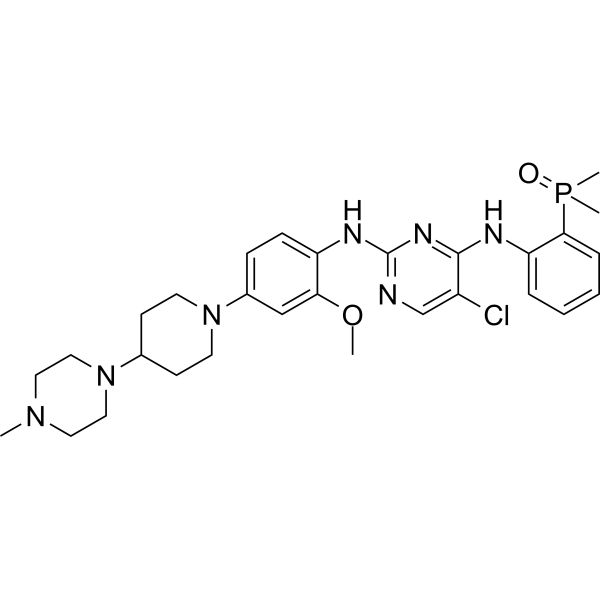
    Brigatinib
    25+ Cited Publications

    AP-26113

    Anaplastic lymphoma kinase (ALK) Cancer
    Brigatinib (AP-26113) is a highly potent, selective and orally active ALK inhibitor, with an IC50 of 0.6 nM. Brigatinib can be used for research of NSCLC .
    Brigatinib
  • HY-131328
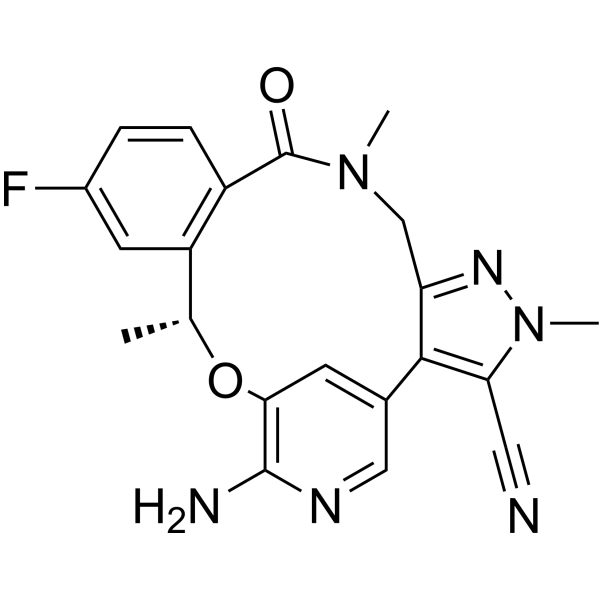
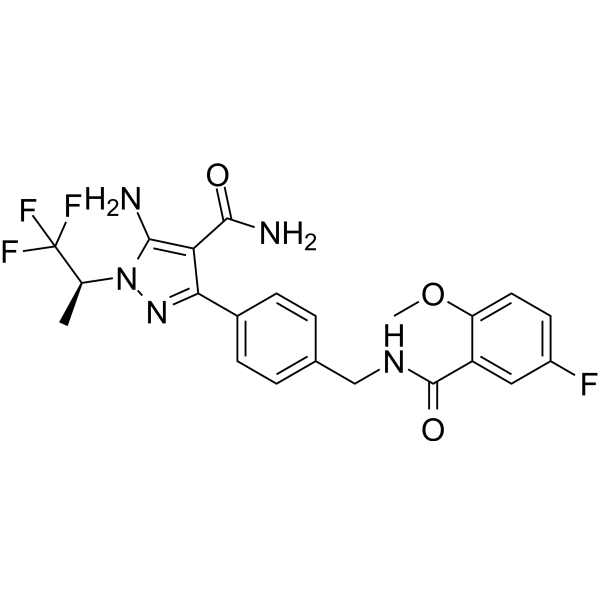
    Pirtobrutinib
    5 Publications Verification

    LOXO-305

    Btk Cancer
    Pirtobrutinib (LOXO-305), a highly selective and non-covalent next generation BTK inhibitor, inhibits diverse BTK C481 substitution mutations. Pirtobrutinib causes regression of BTK-dependent lymphoma tumors in mouse xenograft models. Pirtobrutinib is also more than 300-fold selective for BTK versus 370 other kinases tested and shows no significant inhibition of non-kinase off-targets at 1 μM .
    Pirtobrutinib
  • HY-16743
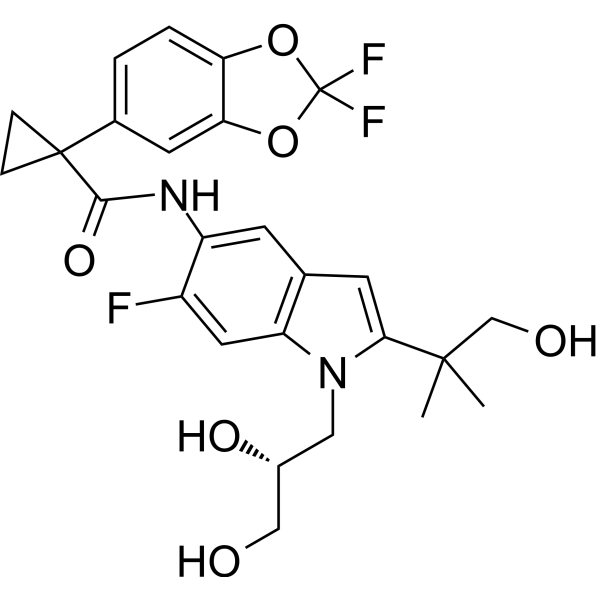
    Ibiglustat
    3 Publications Verification

    Venglustat; SAR402671; GZ402671

    Glucosylceramide Synthase (GCS) Metabolic Disease
    Ibiglustat (Venglustat) is an orally active, brain-penetrant glucosylceramide synthase (GCS) inhibitor. Ibiglustat can be used for the research of Gaucher disease type 3, Parkinson's disease associated with GBA mutations, Fabry disease, GM2 gangliosidosis, and autosomal dominant polycystic kidney disease .
    Ibiglustat
  • HY-156633
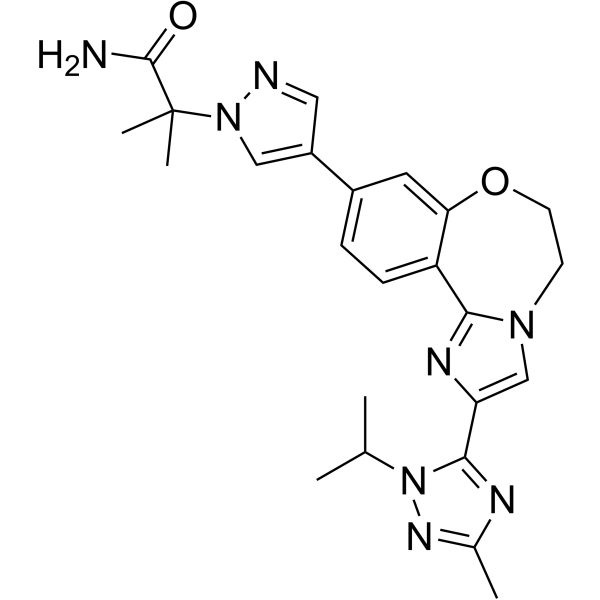
    Rezatapopt
    3 Publications Verification

    PC14586

    MDM-2/p53 Cancer
    Rezatapopt (PC14586) is an orally active antineoplastic agent. Rezatapopt binds to a pocket created by the TP53 Y220C mutation. Rezatapopt restores p53 tumor suppressor functions by stabilization of the p53 protein structure. Rezatapopt demonstrates tumor inhibition and regression in mouse models with established human tumor xenografts harboring the TP53 Y220C mutation .
    Rezatapopt
  • HY-112870
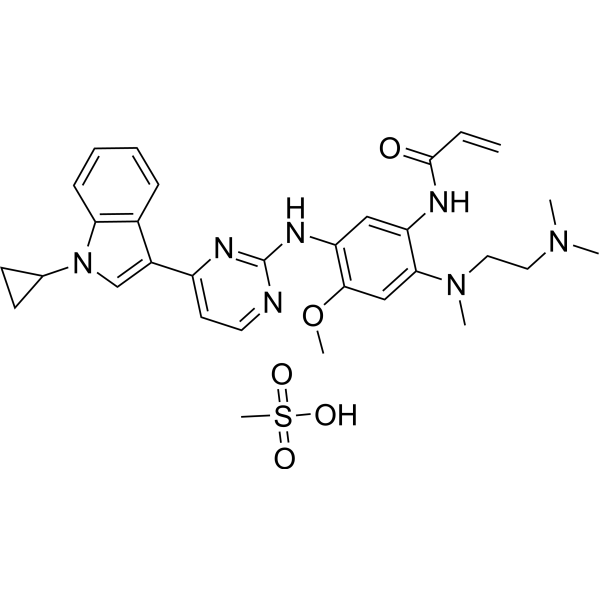
    Firmonertinib
    5+ Cited Publications

    Alflutinib; Furmonertinib; AST2818

    EGFR Cancer
    Firmonertinib (Alflutinib; Furmonertinib) is an orally active, mutant-selective, and highly brain penetrant EGFR inhibitor. Firmonertinib inhibits EGFR active mutations as well as the T790M acquired resistant mutation. Firmonertinib has the potential for the research of cancer diseases, especially advanced non-small cell lung cancer (NSCLC) with EGFR ex20ins mutation .
    Firmonertinib
  • HY-112823
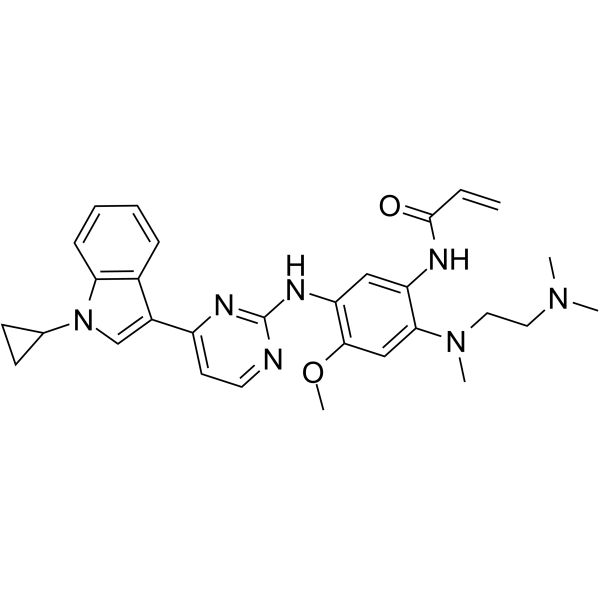
    Almonertinib
    5+ Cited Publications

    HS-10296

    EGFR Cancer
    Almonertinib (HS-10296) is an orally available, irreversible, third-generation EGFR tyrosine kinase inhibitor with high selectivity for EGFR-sensitizing and T790M resistance mutations. Almonertinib shows great inhibitory activity against T790M, T790M/L858R and T790M/Del19 (IC50: 0.37, 0.29 and 0.21 nM, respectively), and is less effective against wild type (3.39 nM). Almonertinib is used for the research of the non-small cell lung cancer .
    Almonertinib
  • HY-114231B
    Exaluren disulfate
    2 Publications Verification

    ELX-02 disulfate; NB-124 disulfate

    DNA/RNA Synthesis Inflammation/Immunology
    Exaluren (ELX-02; NB-124) disulfate is an synthetic eukaryotic ribosome-selective glycoside that induces read-through of nonsense mutations, resulting in normally localized full-length functional proteins. Exaluren disulfate is used for the research of cystic fibrosis caused by nonsense mutations .
    Exaluren disulfate
  • HY-159641

    BAY-3605349

    Molecular Glues Keap1-Nrf2 Metabolic Disease Inflammation/Immunology Cancer
    VVD-130037 (BAY-3605349) is a covalent molecular glue and allosteric NRF2 degrader. VVD-130037 covalently binds to KEAP1 and allosterically enhances the affinity of KEAP1-CUL3, promotes the formation of the active KEAP1-CUL3 E3 ligase complex, and thereby enhances the ubiquitination and degradation of NRF2. VVD-130037 exhibits KEAP1 target-binding activity both in in vitro systems and mouse models, and it can be used in research related to NRF2-dependent cancers, solid tumors harboring KEAP1 nonsense mutations and frameshift mutations, as well as advanced solid tumors .
    VVD-130037
  • HY-161111

    Ser/Thr Kinase Cancer
    KVS0001 is a selective SMG1 inhibitor. KVS0001 elevates the expression of transcripts and proteins resulting from truncating mutations. KVS0001 increased the presentation of immune-targetable HLA class I-associated peptides from nonsense-mediated decay (NMD)-downregulated proteins on the surface of cancer cells. KVS0001 exerts anti-tumor properties and can be studied in research for NMD-related diseases, including cancer and inherited diseases .
    KVS0001
  • HY-152292

    NVL-520; NUV-520

    ROS Kinase Cancer
    Zidesamtinib (NVL-520) is a potent, selective, orally active and brain-penetrant inhibitor of diverse ROS1 fusions and resistance mutations, with IC50s of 0.7 and 7.9 nM for wild-type ROS1 and ROS1 G2032R, respectively, and spares TRK inhibition. Zidesamtinib can be used for the research of cancer .
    Zidesamtinib
  • HY-112870A
    Firmonertinib mesylate
    5+ Cited Publications

    Alflutinib mesylate; Furmonertinib mesylate; AST2818 mesylate

    EGFR Inflammation/Immunology Cancer
    Firmonertinib (Alflutinib; Furmonertinib) mesylate is is an orally active, mutant-selective, and blood-brain barrier penetrant EGFR inhibitor. Firmonertinib mesylate inhibits EGFR active mutations as well as the T790M acquired resistant mutation. Firmonertinib mesylate has the potential for the research of cancer diseases, especially advanced non-small cell lung cancer (NSCLC) with EGFR ex20ins mutation .
    Firmonertinib mesylate
  • HY-148811

    ICP-723

    c-Met/HGFR Trk Receptor Cancer
    Zurletrectinib is a brain-penetrant, orally active TRK inhibitor (TRKA IC50 = 0.81 nM; TRKB IC50 = 0.145 nM; TRKC IC50 = 0.184 nM). Zurletrectinib exhibits stronger activity as a consequence of its augmented binding affinity for TRK kinases. Zurletrectinib exhibits higher activity against most TRK inhibitor resistance mutations (13 out of 18 mutations). Zurletrectinib can be used for the study of glioma .
    Zurletrectinib
  • HY-144680

    ZL-2313

    EGFR Cancer
    BLU-945 is a potent, highly selective, reversible and orally active epidermal growth factor receptor (EGFR) tyrosine kinase inhibitor (TKIs). BLU-945 can effectively inhibit EGFR with L858R and/or exon 19 deletion mutation, T790M mutation and C797S mutation. BLU-945 can be used for the research of lung cancer including non-small cell lung cancer (NSCLC) .
    BLU-945
  • HY-107855
    DL-Mevalonolactone
    1 Publications Verification

    (±)-Mevalonolactone; Mevalolactone

    Endogenous Metabolite Metabolic Disease Inflammation/Immunology
    DL-Mevalonolactone ((±)-Mevalonolactone;Mevalolactone) is the δ-lactone form of mevalonic acid, a precursor in the mevalonate pathway. DL-Mevalonolactone is orally active against HMGCR mutation and statin caused myopathy . DL-Mevalonolactone induces inflammation and oxidative stress response with decreased mitochondrial membrane potential (MMP) and induces mitochondrial swelling [2][4].
    DL-Mevalonolactone
  • HY-118341

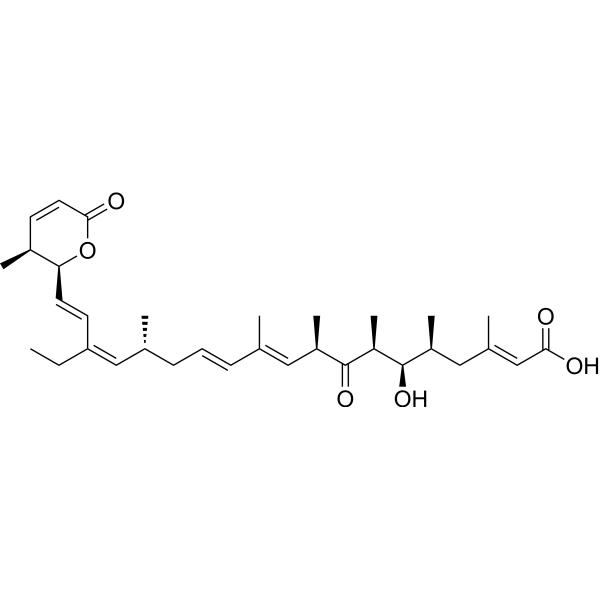
    Apoptosis Bcl-2 Family Cancer
    Clitocine, an adenosine nucleoside analog isolated from mushroom, is a potent and efficacious readthrough agent. Clitocine acts as a suppressor of nonsense mutations and can induce the production of p53 protein in cells harboring p53 nonsense-mutated alleles. Clitocine can induce apoptosis in multidrug-resistant human cancer cells by targeting Mcl-1. Anticancer activity .
    Clitocine
  • HY-19713
    LJI308
    4 Publications Verification

    Ribosomal S6 Kinase (RSK) YB-1 Cancer
    LJI308 is a potent pan-ribosomal S6 kinase (RSK) inhibitor, with IC50s of 6 nM, 4 nM, and 13 nM for RSK1, RSK2, and RSK3, respectively. LJI308 inhibits the phosphorylation of RSK (T359/S363) and YB-1 (S102) after irradiation, treatment with EGF, and in cells expressing a KRAS mutation .
    LJI308
  • HY-19815

    CK-101; RX518

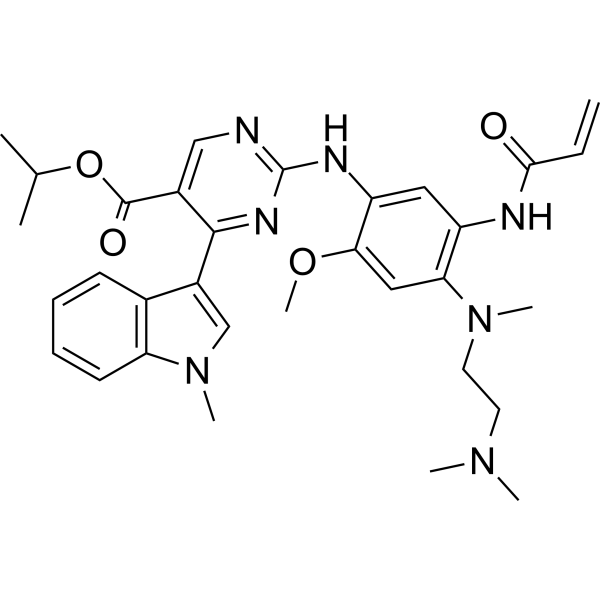
    EGFR Cancer
    Olafertinib (CK-101) is an orally available, third generation and irreversible epidermal growth factor receptor tyrosine kinase inhibitor (EGFR-TKI). Olafertinib selectively inhibits both EGFR-TKI-sensitizing and resistance mutations with minimal activity on wild-type EGFR. Olafertinib can be used in research for non-small cell lung cancer (NSCLC) with EGFR mutations and other advanced malignancies .
    Olafertinib
  • HY-114231
    Exaluren
    2 Publications Verification

    ELX-02; NB-124

    Drug Derivative Inflammation/Immunology
    Exaluren (ELX-02; NB-124) is an synthetic eukaryotic ribosome-selective glycoside that induces read-through of nonsense mutations, resulting in normally localized full-length functional proteins. Exaluren is used for the research of cystic fibrosis caused by nonsense mutations .
    Exaluren
  • HY-112823B
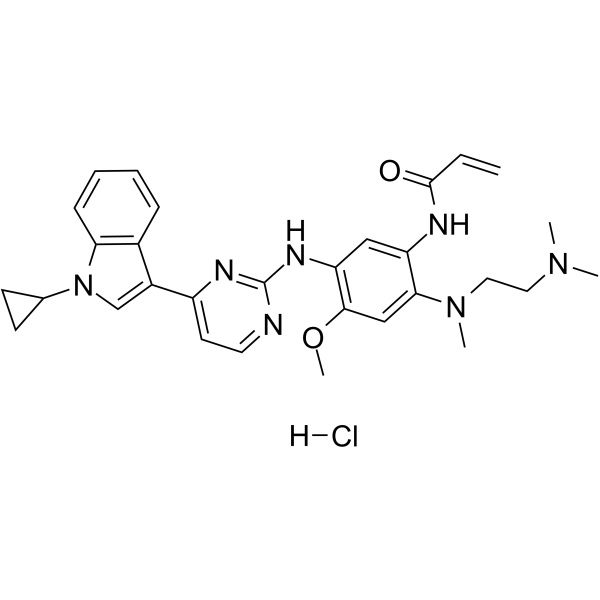
    Almonertinib hydrochloride
    5+ Cited Publications

    HS-10296 hydrochloride

    EGFR Cancer
    Almonertinib (HS-10296) hydrochloride is an orally available, irreversible, third-generation EGFR tyrosine kinase inhibitor with high selectivity for EGFR-sensitizing and T790M resistance mutations. Almonertinib hydrochloride shows great inhibitory activity against T790M, T790M/L858R and T790M/Del19 (IC50: 0.37, 0.29 and 0.21 nM, respectively), and is less effective against wild type (3.39 nM). Almonertinib hydrochloride is used for the research of the non-small cell lung cancer .
    Almonertinib hydrochloride
  • HY-15733
    Lucidin
    1 Publications Verification

    NSC 30546

    HPV Caspase Apoptosis Cancer
    Lucidin (NSC 30546) is a natural component of madder and can induce mutations in bacterial and mammalian cells.
    Lucidin
  • HY-138697

    VOB560

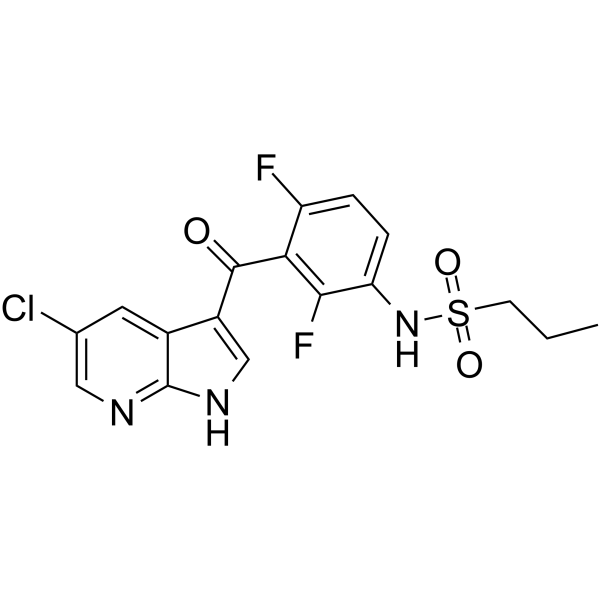
    Bcl-2 Family Apoptosis Cancer
    S65487 (VOB560), a potent and selective BCL-2 inhibitor, is a proagent of S55746. S65487 is also active on BCL-2 mutations, such as G101V and D103Y. S65487 has poor affinity with MCL-1, BFL-1 and BCL-XL. S65487 induces apoptosis and has anticaner activities .
    S65487
  • HY-134877

    EGFR ERK Akt Cancer
    BAY 2476568 is a potent and mutant-selective inhibitor targeting EGFR exon20 insertion variants. BAY 2476568 potently inhibits the kinase activity of EGFR exon20 insertion mutants (insASV, insSVD, insNPG) with IC50 values of 0.09 nM, 0.21 nM, and 0.11 nM, respectively. BAY 2476568 inhibits EGFR (Y1068) phosphorylation and reduces the phosphorylation of ERK1/2 and Akt (S473) in Ba/F3 cells expressing EGFR exon20 insertion mutants (insASV, insSVD). BAY 2476568 can be used for the study of non-small cell lung cancer (NSCLC) driven by EGFR exon20 insertion mutations .
    BAY 2476568
  • HY-16743A
    Ibiglustat (L-Malic acid)
    3 Publications Verification

    Venglustat (L-Malic acid); SAR402671 (L-Malic acid); GZ402671 (L-Malic acid)

    Glucosylceramide Synthase (GCS) Metabolic Disease
    Ibiglustat (Venglustat) L-Malic acid is an orally active, brain-penetrant glucosylceramide synthase (GCS) inhibitor. Ibiglustat L-Malic acid can be used for the research of Gaucher disease type 3, Parkinson's disease associated with GBA mutations, Fabry disease, GM2 gangliosidosis, and autosomal dominant polycystic kidney disease .
    Ibiglustat (L-Malic acid)
  • HY-12291

    HMSL 10017-101-1

    Raf Apoptosis Cancer
    HG6-64-1 (HMSL 10017-101-1) is a B-raf kinase modulator.HG6-64-1 modulates B-raf kinase activity, including the V600E mutant form and the drug-resistant gatekeeper mutation T529I. HG6-64-1 is a germinal center kinase inhibitor. HG6-64-1 induces cell cycle arrest and apoptosis. HG6-64-1 can be used for the research of diffuse large B-cell lymphoma (DLBCL) .
    HG6-64-1
  • HY-139997

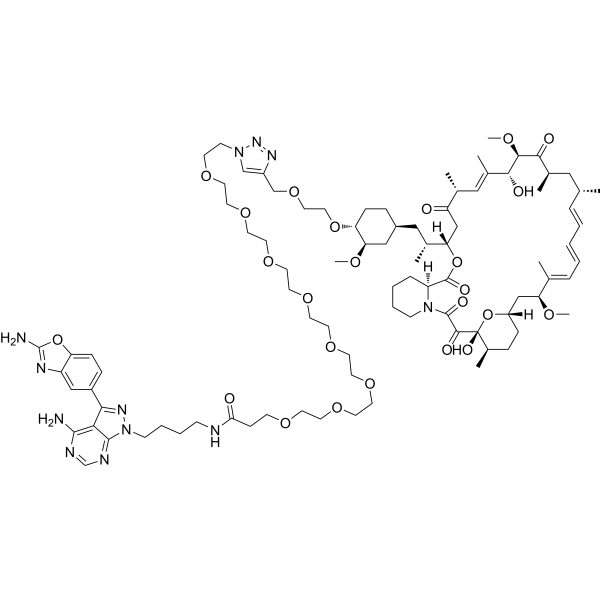
    PROTACs EGFR Cancer
    DDC-01-163 is an allosteric PROTAC degrader targeting EGFR. DDC-01-163 is dependent on the ubiquitin–proteasome system. DDC-01-163 can selectively inhibit the proliferation of L858R/T790M (L/T) mutant Ba/F3 cells. DDC-01-163 is effective against Osimertinib (HY-15772)-resistant cells with L/T/C797S and L/T/L718Q EGFR mutations. DDC-01-163 exhibits enhanced anti-proliferative activity against L858R/T790M EGFR-Ba/F3 cells when combined with the ATP-site EGFR inhibitor Osimertinib. DDC-01-163 can be used for the study of non-small cell lung cancer .
    DDC-01-163
  • HY-153736

    DNA/RNA Synthesis Cancer
    NSC 194308, a U2AF2-RNA complexes enhancer, increases association of the U2AF1-U2AF2-SF1-splice site RNA complex by binding a site between the U2AF2 RNA recognition motifs (RRM1 and RRM2). NSC 194308 inhibits pre-mRNA splicing by stalling spliceosome assembly at the point where U2AF helps recruit U2 snRNP to the branchpoint. NSC 194308 enhances the binding of pre-mRNA to U2AF2, selectively triggering cell death in leukemia cell lines containing spliceosome mutations .
    NSC 194308
  • HY-176489

    PROTACs Ras Cancer
    PROTAC pan-KRAS degrader-1 is a pan-KRAS PROTAC degrader for degrading different KRAS mutation types, such as G12D, G12C, G12V, and G13D. PROTAC pan-KRAS degrader-1 potently degrades KRAS mutation (G12D) in AGS cells, with a DC50 of 1.1 nM, Dmax of 95%. PROTAC pan-KRAS degrader-1 can be used to search diseases caused by KRAS mutation or amplification, especially cancers such as breast cancer, bladder cancer, gastric cancer, etc . Pink: pan-KRAS ligand (HY-176490); Blue: VHL ligase ligand (HY-170353); Black: linker (HY-176491);
    PROTAC pan-KRAS degrader-1
  • HY-138697A

    VOB560 sulfate

    Bcl-2 Family Apoptosis Cancer
    S65487 (VOB560) sulfate, a potent and selective Bcl-2 inhibitor, is a proagent of S55746. S65487 sulfate is also active on BCL-2 mutations, such as G101V and D103Y. S65487 sulfate has poor affinity with MCL-1, BFL-1 and BCL-XL. S65487 sulfate induces apoptosis and has anticaner activities .
    S65487 sulfate
  • HY-15456

    c-Met/HGFR Cancer
    NVP-BVU972 is an selective and potent Met inhibitor, with an IC50 of 14 nM. NVP-BVU972 also exhibits good anti-proliferative activity against Met with drug-resistant mutations and inhibits phosphorylation. NVP-BVU972 can be used in study of cancer .
    NVP-BVU972
  • HY-16743B
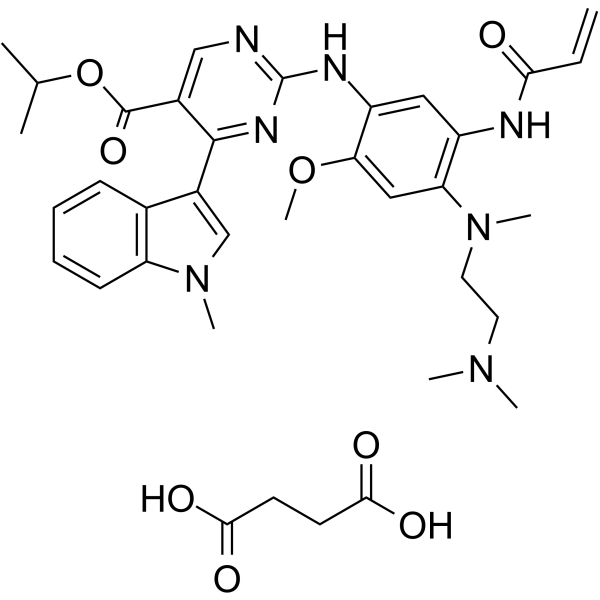
    Ibiglustat succinate
    3 Publications Verification

    Venglustat succinate; SAR402671 succinate; GZ402671 succinate

    Glucosylceramide Synthase (GCS) Neurological Disease
    Ibiglustat (Venglustat) succinate is an orally active, brain-penetrant glucosylceramide synthase (GCS) inhibitor. Ibiglustat succinate can be used for the research of Gaucher disease type 3, Parkinson's disease associated with GBA mutations, Fabry disease, GM2 gangliosidosis, and autosomal dominant polycystic kidney disease .
    Ibiglustat succinate
  • HY-145737A

    PROTACs Ras Cancer
    PROTAC SOS1 degrader-1 (TFA) is a potent PROTAC SOS1 degrader with an DC50 of 98.4 nM. PROTAC SOS1 degrader-1 shows antiproliferation activity in cancer cells with various KRAS mutations. PROTAC SOS1 degrader-1 shows antitumor effect with low toxicity .
    PROTAC SOS1 degrader-1 TFA
  • HY-115741

    Nucleoside Antimetabolite/Analog Neurological Disease Cancer
    3BrB-PP1 is an ATP-competitive analog. 3BrB-PP1 can specifically inhibit the activity of protein kinase with mutations in the ATP-binding pocket (mutation of Thr97 within Sty1’s ATP-binding pocket) .
    3BrB-PP1
  • HY-101203

    Drug Derivative Metabolic Disease Cancer
    GJ103 is a read-through compound that can induce read through of premature stop codons. GJ103 has potential for the research of genetic disorders caused by nonsense mutations .
    GJ103
  • HY-136531

    Btk Apoptosis Cancer
    XMU-MP-3 is a potent non-covalent BTK inhibitor with IC50s of 10.7 nM and 17.0 nM for BTK WT and BTK C481S mutation in the presence of 10 μM ATP, respectively. XMU-MP-3 also induces apoptosis .
    XMU-MP-3
  • HY-179443

    SOS1 Ras Cancer
    SOS1-IN-25 is an SOS1 inhibitor. SOS1-IN-25 exhibits inhibitory activity against KRAS G12C/SOS1 complex formation (IC50 = 11.11 nM). SOS1-IN-25 leads to a dose-dependent decrease in pERK levels. SOS1-IN-25 can be used for the study of leukemia .
    SOS1-IN-25
  • HY-175837

    EGFR Apoptosis Cancer
    EGFR-IN-172 is a EGFR inhibitor. EGFR-IN-172 effectively inhibits the proliferation of non-small cell lung cancer (NSCLC) cells carrying the L858R, T790M and C797S drug-resistant mutations. EGFR-IN-172 inhibits EGFR phosphorylation, induces cell cycle arrest and apoptosis. EGFR-IN-172 can be used for the study of NSCLC .
    EGFR-IN-172
  • HY-P10610A

    MDM-2/p53 Cancer
    Peptide 234CM TFA is a peptide containing isoleucine at position 3, corresponding to the sequence of a point mutation in p53 codon 234. Peptide 234CM TFA induces potent cytotoxic T cell (CTL) and antitumor immune responses against mutant p53 .
    Peptide 234CM TFA
  • HY-N8188

    HCV HCV Protease Infection
    Dehydrojuncusol, a potent HCV inhibitor, targets HCV NS5A and is able to inhibit RNA replication of replicons harboring resistance mutations to anti-NS5A direct-acting antivirals. Dehydrojuncusol significantly inhibits HCV infection when added after virus inoculation of HCV genotype 2a (EC50=1.35?μM) .
    Dehydrojuncusol
  • HY-145737

    PROTACs Ras Cancer
    PROTAC SOS1 degrader-1 is a potent PROTAC SOS1 degrader with an DC50 of 98.4 nM. PROTAC SOS1 degrader-1 shows antiproliferation activity in cancer cells with various KRAS mutations. PROTAC SOS1 degrader-1 shows antitumor effect with low toxicity .
    PROTAC SOS1 degrader-1
  • HY-144271

    Raf Cancer
    RAF-IN-1 is a potent b/cRAF inhibitor with an IC50s of 3.8 nM, 36 nM, 29.4 nM for cRAF, bRAF wt, and bRAF V600E. RAF-IN-1 shows cell growth inhibition with GI50s of 3.4 and 2.9 nM for H358 and A375 cell line bearing bRAF V600E mutation, respectively .
    RAF-IN-1
  • HY-14920

    Reverset; d-d4FC

    Reverse Transcriptase HIV Infection
    Dexelvucitabine (Reverset; d-d4FC), a Cytidine (HY-B0158) analog, is an orally active nucleoside reverse transcriptase inhibitor. Dexelvucitabine is a powerful agent against HIV-1-resistant viruses containing a thymidine analog and/or M184V mutation in the viral polymerase. Dexelvucitabine is a 2′-Deoxycytidine antiretroviral agent .
    Dexelvucitabine
  • HY-174387

    c-Met/HGFR Cancer
    KIN-8741 is a highly selective Type IIb c-Met inhibitor. KIN-8741 has broad activity against c-Met kinase mutations. KIN-8741 shows antitumor activity in MET gene amplified and exon 14 deleted non-small cell lung cancer models. KIN-8741 can be used in the research of c-Met driven cancers, especially advanced tumors carrying MET exon 14 jump mutations, acquired drug resistance mutations, etc .
    KIN-8741
  • HY-145937

    MDM-2/p53 Cancer
    PK9327 is a small-molecule stabilizer targeting cavity-creating p53 cancer mutations.
    PK9327
  • HY-153662

    Ras Cancer
    TH-Z816 is a reversible inhibitor againstKRAS(G12D)mutation with an IC50 value of 14 μM, which can be used in cancer research .
    TH-Z816
  • HY-144049

    EGFR Cancer
    EGFR-IN-32 is a potent inhibitor of EGFR. Overexpression and mutation of the epidermal growth factor receptor (EGFR) has been clearly demonstrated to lead to uncontrollable cell growth and is associated with the progression of most cancer diseases, especially NSCLC. EGFR-IN-32 has the potential for the research of diseases associated with EGFR mutations (extracted from patent WO2021185297A1, compound 2) .
    EGFR-IN-32
  • HY-161236

    Molecular Glues SOS1 Ras Cancer
    KRAS ligand 4 (compound 2) is a bifunctional molecular glue degrader based on SOS1. KRAS ligand 4 reduces downstream signaling markers pERK and pS6 and displays anti-additional activity in cells with multiple KRAS mutations .
    KRAS ligand 4
  • HY-162460

    ERK Cancer
    ERK1/2 inhibitor 10 (Compound 36c) is a potent ERK1 and ERK2 inhibitor (IC50: 0.11 and 0.08 nM respectively). ERK1/2 inhibitor 10 inhibits ERK1/2 and blocks the phosphorylation expression of their downstream substrates p90RSK and c-Myc. ERK1/2 inhibitor 10 induces cell apoptosis and incomplete autophagy-related cell death. ERK1/2 inhibitor 10 shows potent antitumor efficacy against triple-negative breast cancer and colorectal cancer models harboring BRAF and RAS mutations .
    ERK1/2 inhibitor 10
  • HY-P10610

    MDM-2/p53 Cancer
    Peptide 234CM is a peptide containing isoleucine at position 3, corresponding to the sequence of a point mutation in p53 codon 234. Peptide 234CM induces potent cytotoxic T cell (CTL) and antitumor immune responses against mutant p53 .
    Peptide 234CM
  • HY-138697B

    VOB560 hydrochloride

    Bcl-2 Family Apoptosis Cancer
    S65487 (VOB560) hydrochloride, a potent and selective Bcl-2 inhibitor, is a proagent of S55746. S65487 hydrochloride is also active on BCL-2 mutations, such as G101V and D103Y. S65487 hydrochloride has poor affinity with MCL-1, BFL-1 and BCL-XL. S65487 hydrochloride induces apoptosis and has anticaner activities .
    S65487 hydrochloride
  • HY-179565

    Bacterial Infection
    NM102 is an ATP competitive mutation frequency decline (Mfd) protein inhibitor (IC50 = 29 μM, Ki = 27 μM) with potent antimicrobial activity. NM102 protects against infections with antimicrobial resistant ESKAPE pathogens. NM102 exhibits activity in insects and mice. NM102 can be used for research of infections caused by Gram-negative bacteria .
    NM102

Inquiry Online

Your information is safe with us. * Required Fields.

Salutation


Country or Region *

Applicant Name *


Organization Name *

Department *


Email Address *


Product Name *

Cat. No.


Requested quantity *

Phone Number *


Remarks

Inquiry Online

Inquiry Information

Product Name:
Cat. No.:
Quantity:
MCE Japan Authorized Agent:

