

26 Results for "

PIP3

" in MedChemExpress (MCE) Product Catalog:
Products (26)

26 Results for "PIP3" in MCE Product Catalog:

  • Categories Recommended:
    More
143
143 Publications Verification
Art. -Nr.: HY-15244
CAS. Nr.: 1217486-61-7
Reinheit:  99.88%
Synonyms: BYL-719
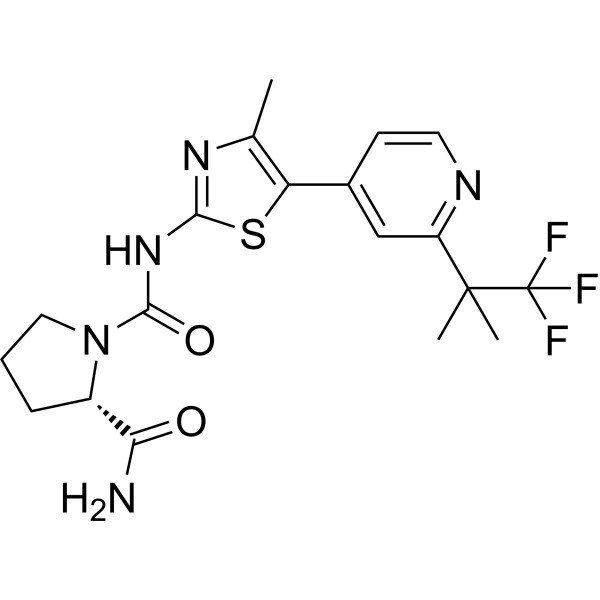
Alpelisib (BYL-719) is an orally active PI3Kα-selective inhibitor that blocks the conversion of PIP2 to PIP3, thereby inhibiting pathways including PI3K/AKT/mTOR, MAPK/ERK, Notch and JAK-STAT. Alpelisib also induces apoptosis, G0/G1 phase arrest and senescence; it significantly inhibits the proliferation, self-renewal, stemness and epithelial-mesenchymal transition (EMT) of tumor cells, reduces cancer stem cell populations and decreases the expression of stem cell markers. Alpelisib not only enhances the sensitivity to Eribulin (HY-13442) and exerts a synergistic effect with Paclitaxel (HY-B0015), but may also induce drug resistance by upregulating the SGK3/GSK3β/β-catenin signaling pathway. Alpelisib can be applied to research related to breast cancer, gastric cancer and lipomas associated with PTEN hamartoma tumor syndrome [3] .
loading...
    loading...
143
143 Publications Verification
Art. -Nr.: HY-15244A
CAS. Nr.: 1584128-91-5
Synonyms: BYL-719 hydrochloride
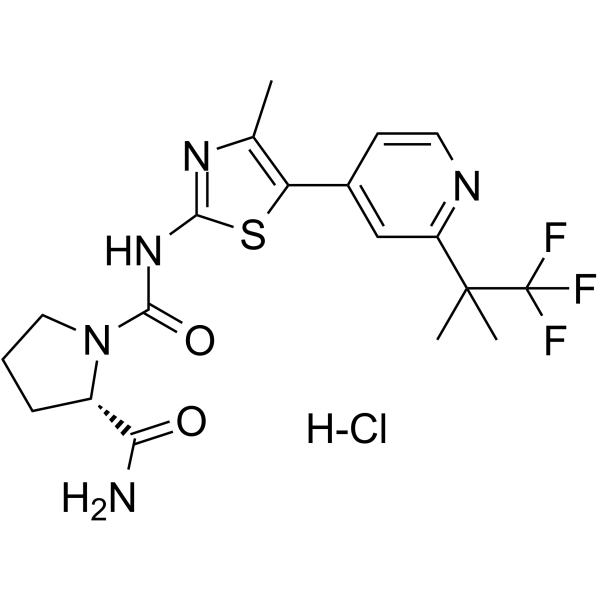
Alpelisib (BYL-719) hydrochloride is an orally active PI3Kα-selective inhibitor that blocks the conversion of PIP2 to PIP3, thereby inhibiting pathways including PI3K/AKT/mTOR, MAPK/ERK, Notch and JAK-STAT. Alpelisib hydrochloride also induces apoptosis, G0/G1 phase arrest and senescence; it significantly inhibits the proliferation, self-renewal, stemness and epithelial-mesenchymal transition (EMT) of tumor cells, reduces cancer stem cell populations and decreases the expression of stem cell markers. Alpelisib hydrochloride not only enhances the sensitivity to Eribulin (HY-13442) and exerts a synergistic effect with Paclitaxel (HY-B0015), but may also induce drug resistance by upregulating the SGK3/GSK3β/β-catenin signaling pathway. Alpelisib hydrochloride can be applied to research related to breast cancer, gastric cancer and lipomas associated with PTEN hamartoma tumor syndrome [3] .
loading...
    loading...
11
11 Cited Publications
Art. -Nr.: HY-101562
CAS. Nr.: 2060571-02-8
Reinheit:  99.96%
Synonyms: GDC-0077; RG6114
Target:  

PI3K Apoptosis

Forschungsgebiete:  

Cancer

Inavolisib (GDC-0077) is a potent, orally active, and selective PI3Kα inhibitor (IC50=0.038 nM). Inavolisib exerts its activity by binding to the ATP binding site of PI3K, thereby inhibiting the phosphorylation of PIP2 to PIP3. Inavolisib is more selective for mutant versus wild-type PI3Kα. Inavolisib can be used for the study of breast cancer .
loading...
    loading...
3
3 Cited Publications
Art. -Nr.: HY-A0183
CAS. Nr.: 1446756-47-3
Synonyms: Phospholipids, phosphatidylserines; Serine glycerophosphatides
Category:  

Animal

Target:  

Akt TGF-β Receptor

Phosphatidylserine (Phospholipids) is a well-conserved anti-inflammatory and immunosuppressive signal. Phosphatidylserine is involved in membrane translocation and the activation of protein kinase C, participating in Akt signaling through its interaction with PIP3. The local exposure of Phosphatidylserine can interact with complement and other proteins, promoting microglial phagocytosis during critical periods of synaptic refinement. Phosphatidylserine can promote blood coagulation in the extracellular environment and acts as a "eat me" signal to clear out apoptotic cells. Phosphatidylserine can suppress inflammation in tissues by inducing TGF-β secretion and inhibiting immune responses [3] .
loading...
    loading...
Art. -Nr.: HY-165099
CAS. Nr.: 158983-53-0
C-8 Ceramide-1-phosphate ammonium is a short-chain synthetic C1P analog that inhibits apoptosis and increases cell survival. C-8 Ceramide-1-phosphate ammonium reduces MAPK activation and cytokine expression, induces Ca 2+ mobilization and ERK1/2 phosphorylation, promotes M2-like polarization, and inhibits the M1 phenotype. C-8 Ceramide-1-phosphate ammonium inhibits acidic SMase, stimulates PI3-K/PIP3 generation, and interconverts with ceramide through kinase/phosphatase activity to maintain cellular homeostasis. C-8 Ceramide-1-phosphate ammonium can be used in research related to lipid metabolism and chronic wounds [3] .
loading...
    loading...
Art. -Nr.: HY-103224
CAS. Nr.: 53501-41-0
Reinheit:  98.56%
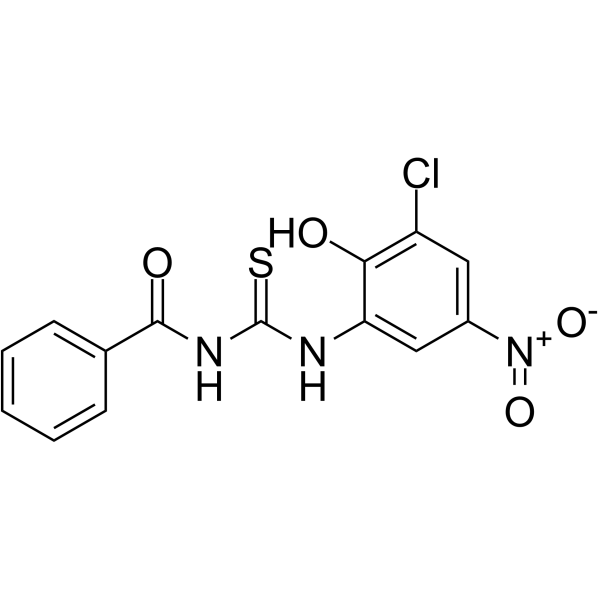
PIT-1 is a selective PIP3 (phosphatidylinositol-3,4,5-trisphosphate) antagonist targeting the PH domain, with a Kd of 43.2 μM for Akt-SH, and exhibits antitumor activity. PIT-1 blocks PIP3-mediated translocation of the PH domain to the plasma membrane, thereby specifically inhibiting the PI3K-PDK1-Akt signaling pathway and the ARF6 signaling pathway, consequently suppressing phosphorylation of downstream substrates, triggering AMPK/ACC energy metabolic stress and autophagy (autophagy), and inducing Bax/Bak- and caspase-dependent apoptosis (apoptosis). PIT-1 also binds to the TcAkt-PH domain of Trypanosoma cruzi, suggesting its antiparasitic potential. PIT-1 can be used for research on cancer and Chagas disease [3].
loading...
    loading...
Art. -Nr.: HY-15244R
CAS. Nr.: 1217486-61-7
Synonyms: BYL-719 (Standard)
Alpelisib (BYL-719) (Standard) is the analytical standard of Alpelisib (HY-15244). This product is intended for research and analytical applications. Alpelisib (BYL-719) is an orally active PI3Kα-selective inhibitor that blocks the conversion of PIP2 to PIP3, thereby inhibiting pathways including PI3K/AKT/mTOR, MAPK/ERK, Notch and JAK-STAT. Alpelisib also induces apoptosis, G0/G1 phase arrest and senescence; it significantly inhibits the proliferation, self-renewal, stemness and epithelial-mesenchymal transition (EMT) of tumor cells, reduces cancer stem cell populations and decreases the expression of stem cell markers. Alpelisib not only enhances the sensitivity to Eribulin (HY-13442) and exerts a synergistic effect with Paclitaxel (HY-B0015), but may also induce drug resistance by upregulating the SGK3/GSK3β/β-catenin signaling pathway. Alpelisib can be applied to research related to breast cancer, gastric cancer and lipomas associated with PTEN hamartoma tumor syndrome [3] .
loading...
    loading...
Art. -Nr.: HY-148971A
CAS. Nr.: 1628353-02-5
Reinheit:  ≥98.0%
Synonyms: Phosphatidylinositol tris-3,4,5-phosphate, 1,2-dipalmitoyl sodium
Target:  

Drug Derivative

Forschungsgebiete:  

Others

PtdIns-(345)-P3 (12-dipalmitoyl) sodium (Phosphatidylinositol tris-3,4,5-phosphate, 1,2-dipalmitoyl sodium) is a phosphatidylinositol 3,4,5-trisphosphate (PIP3) analog. PtdIns-(345)-P3 (12-dipalmitoyl) sodium can be incorporated in liposomes establish a backdrop of membrane phospholipids that closely mirrors in vivo conditions .
loading...
    loading...
Art. -Nr.: HY-N15978
CAS. Nr.: 799812-70-7
Forschungsgebiete:  

Others

18:1-12:0 Biotin PIP3 tetrasodium is a biotinylated lipid.
loading...
    loading...
Art. -Nr.: HY-124535
CAS. Nr.: 351071-62-0
Target:  

PI3K

Forschungsgebiete:  

Metabolic Disease

TGX-115 is a p110β/p110δ-selective, PI3-K inhibitor. TGX-115 blocks p110β-mediated Akt phosphorylation induced by lysophosphatidic acid (LPA) in L6 myotubes, reduces insulin-stimulated PI(3,4)P2 and PIP3 levels in 3T3-L1 adipocytes. TGX-115 can be used for the study of diabetes mellitus .
loading...
    loading...
Art. -Nr.: HY-124348
CAS. Nr.: 701947-53-7
Synonyms: 3,5-Dimethyl PIT-1
Target:  

PI3K

Forschungsgebiete:  

Cancer

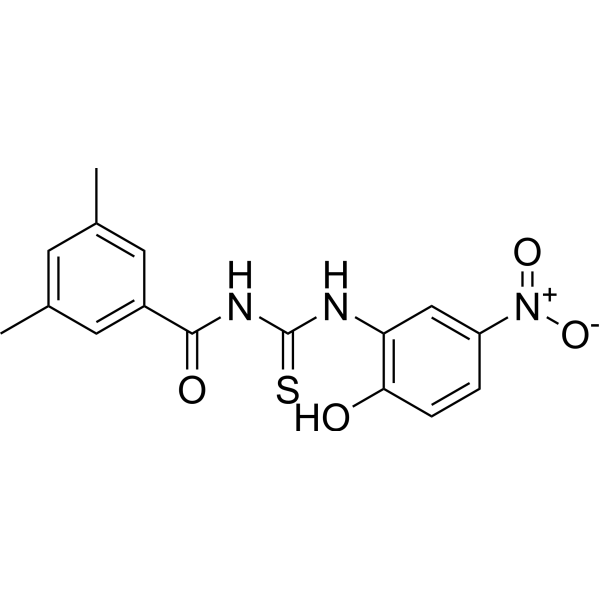
DM-PIT-1 is a PIP3/PH (phosphatidylinositol-3,4,5-triphosphate/Pleckstrin) interaction inhibitor. DM-PIT-1 decreases he expression of P-Akt, P-GSK-3-β, P-p70S6K, P-S6, P-4E-BP1. DM-PIT-1 induces apoptosis and shows anticancer activity. DM-PIT-1 has the potential for the research of ovarian cancer .
loading...
    loading...
Art. -Nr.: HY-172366
CAS. Nr.: 3055338-52-5
Target:  

PSMA

Forschungsgebiete:  

Cancer

BQ0413 exhibits good affinity to PSMA with a KD of 89 pM. BQ0413 exhibits good uptake and internalization property with an internalization rate of 44% in PC3-pip cell. BQ0413 can be used as tumor imaging agent when labeled with 99mTc .
loading...
    loading...
Art. -Nr.: HY-171558
CAS. Nr.: 2633645-58-4
Target:  

PI3K Akt

Forschungsgebiete:  

Cancer

PI3K-IN-56 (Compound 1) is an orally active, potent and selective irreversible inhibitor of phosphoinositide 3-kinase (PI3K). PI3K-IN-56 irreversibly blocks the phosphatidylinositol-3,4,5-triphosphate (PIP3) production and downstream AKT signaling pathway. PI3K-IN-56 is promising for research of PI3Kα-driven cancers, such as breast and ovarian cancers .
loading...
    loading...
Art. -Nr.: HY-175086
Synonyms: DOPI-3,4,5-P3-fluorescein triethylammonium; PI(3,4,5)P3-fluorescein triethylammonium; PIP3[3',4',5']-fluorescein triethylammonium
Target:  

Fluorescent Dye

Forschungsgebiete:  

Others

PtdIns-(3,4,5)-P3 is a second messenger. PtdIns-(3,4,5)-P3-fluorescein triethylammonium is a fluorescent probe that can detect any protein that has a high-affinity binding interaction with inositol-(3,4,5)-triphosphate phospholipids .
loading...
    loading...
Art. -Nr.: HY-106006
CAS. Nr.: 1293915-42-0
Target:  

PI3K

Forschungsgebiete:  

Others Inflammation/Immunology

RV-1729 is an inhibitor of the phosphatidylinositol 3-kinase-δ (PI3Kδ). RV-1729 identifies inhibition of the PI3K isotype by quantifying the release of phosphatidylinositol 3,4, 5-triphosphate (PIP3) (IC50=12 nM), showing twice the selectivity for PI3Kδ relative to PI3Kγ. RV-1729 is also 16 times more selective to PI3Kα. RV-1729 regulates immune and inflammatory responses by inhibiting PI3Kδ. RV-1729 can be used in studies of asthma and chronic obstructive pulmonary disease (COPD) .
loading...
    loading...
Art. -Nr.: HY-179543
Target:  

Endogenous Metabolite

Forschungsgebiete:  

Others

PtdIns-(3,4,5)-P3-(1-stearoyl, 2-arachidonoyl) sodium is a specific molecular form of phosphatidylinositol-3,4,5-trisphosphate (PIP3). PIP3 is the core lipid messenger in the tyrosine kinase pathway, regulating cell proliferation, survival and metabolism by recruiting effector proteins. Its abnormality is associated with cancer. PtdIns-(3,4,5)-P3-(1-stearoyl, 2-arachidonoyl) sodium can be used for studying lipid signal transduction .
loading...
    loading...
Art. -Nr.: HY-180884
Target:  

Btk

Forschungsgebiete:  

Cancer

BTK-IN-46 (compound 24) is a reversible covalent BTK inhibitor. BTK-IN-46 covalently labels a lysine in the inositol phosphate (PIP3) binding site, thereby blocking Pleckstrin homology (PH) domain-mediated membrane recruitment and activation of BTK .
loading...
    loading...
Art. -Nr.: HY-103224R
CAS. Nr.: 53501-41-0
PIT-1 Standard is the analytical standard of PIT-1 (HY-103224). This product is intended for research and analytical applications. PIT-1 is a selective PIP3 (phosphatidylinositol-3,4,5-trisphosphate) antagonist targeting the PH domain, with a Kd of 43.2 μM for Akt-SH, and exhibits antitumor activity. PIT-1 blocks PIP3-mediated translocation of the PH domain to the plasma membrane, thereby specifically inhibiting the PI3K-PDK1-Akt signaling pathway and the ARF6 signaling pathway, consequently suppressing phosphorylation of downstream substrates, triggering AMPK/ACC energy metabolic stress and autophagy (autophagy), and inducing Bax/Bak- and caspase-dependent apoptosis (apoptosis). PIT-1 also binds to the TcAkt-PH domain of Trypanosoma cruzi, suggesting its antiparasitic potential. PIT-1 can be used for research on cancer and Chagas disease [3].
loading...
    loading...
Art. -Nr.: HY-101562R
CAS. Nr.: 2060571-02-8
Synonyms: GDC-0077 (Standard); RG6114 (Standard)
Forschungsgebiete:  

Cancer

Inavolisib (Standard) is the analytical standard of Inavolisib (HY-101562). This product is intended for research and analytical applications. Inavolisib (GDC-0077) is a potent, orally active, and selective PI3Kα inhibitor (IC50=0.038 nM). Inavolisib exerts its activity by binding to the ATP binding site of PI3K, thereby inhibiting the phosphorylation of PIP2 to PIP3. Inavolisib is more selective for mutant versus wild-type PI3Kα. Inavolisib can be used for the study of breast cancer .
loading...
    loading...
Art. -Nr.: HY-165099A
CAS. Nr.: 474943-70-9
C-8 Ceramide-1-phosphate ammonium is a short-chain synthetic C1P analog that inhibits apoptosis and increases cell survival. C-8 Ceramide-1-phosphate ammonium reduces MAPK activation and cytokine expression, induces Ca 2+ mobilization and ERK1/2 phosphorylation, promotes M2-like polarization, and inhibits the M1 phenotype. C-8 Ceramide-1-phosphate ammonium inhibits acidic SMase, stimulates PI3-K/PIP3 generation, and interconverts with ceramide through kinase/phosphatase activity to maintain cellular homeostasis. C-8 Ceramide-1-phosphate ammonium can be used in research related to lipid metabolism and chronic wounds [3] .
loading...
    loading...
