
1. Search Result
Search Result
Results for "

Serratia

" in MedChemExpress (MCE) Product Catalog:

28

Inhibitors & Agonists

1

Biochemical Assay Reagents

2

Peptides

4

Natural
Products

2

Recombinant Proteins

2

Isotope-Labeled Compounds

Cat. No. Product Name Target Research Areas Chemical Structure
  • HY-131160

    Serratia marcescens nuclease

    Biochemical Assay Reagents Inflammation/Immunology
    Serratia marcescens nuclease (EC 3.1.30.2) is a nonspecific nuclease. Serratia marcescens nuclease has broad utility due to its potent digestive activity toward both DNA and RNA .
    Nuclease, Serratia marcescens
  • HY-A0086

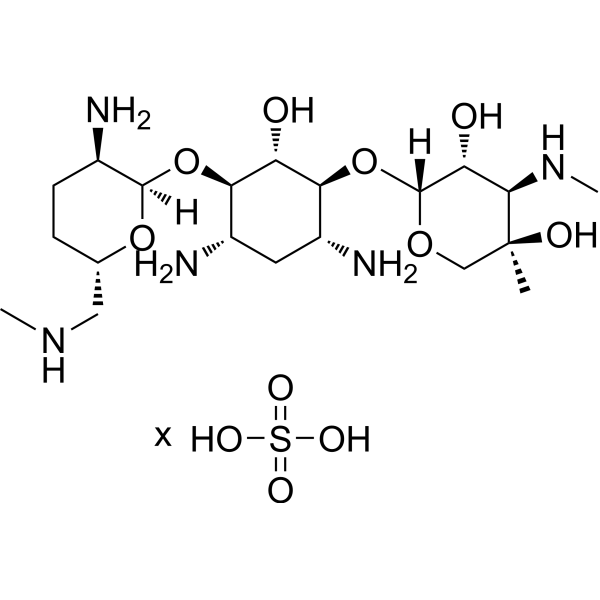
    SCH-20569 sulfate

    Bacterial Antibiotic Infection
    Netilmicin (Sch 20569) sulfate is a broad-spectrum semisynthetic aminoglycoside antibiotic. Netilmicin sulfate exhibits antibacterial activity against aminoglycoside-susceptible gram-negative strains and aminoglycoside-resistant strain, such as Escherichia coli, Pseudomonas aeruginosa, Proteus, Staphylococcus aureus, Streptococcus, Serratia, and Enterobacter, with MIC of 0.125-8 μg/mL .
    Netilmicin sulfate
  • HY-B1118
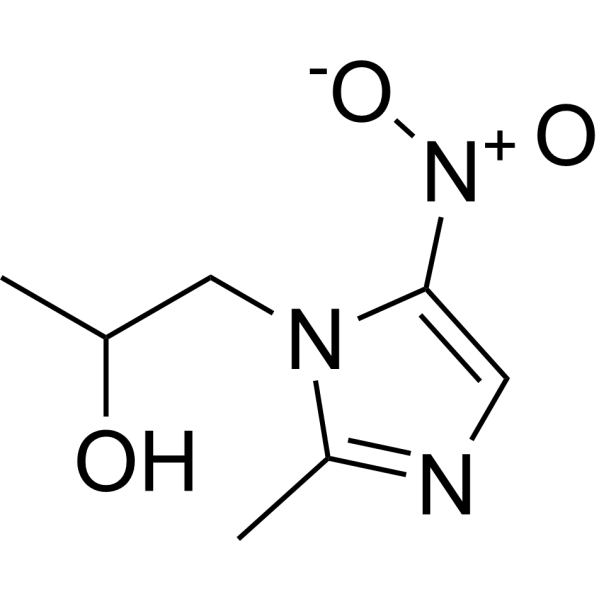
    Secnidazole
    1 Publications Verification

    RP-14539; PM-185184

    Bacterial Parasite Infection
    Secnidazole (RP-14539) is an orally active azole antibiotic and a imidazole mitigator of Serratia marcescens virulence. Secnidazole, as an analog of acylhomoserine lactones, effectively inhibits QS resulting in the attenuation of Pseudomonas aeruginosa pathogenesis. Secnidazole has antimicrobial activity against many anaerobic Gram-negative and Gram-positive bacterial species in vitro. Secnidazole can be used for the research of various diseases, such as amoebiasis and giardiasis, and bacterial vaginitis .
    Secnidazole
  • HY-W047709

    THEED; THEEN

    Biochemical Assay Reagents Bacterial Fungal Infection Cancer
    N,N,N',N'-Tetrakis(2-hydroxyethyl)ethylenediamine (THEED; THEEN) is a tetrapodal pentadentate chelating ligand that functions as a chelator to form stable complexes with metal ions. N,N,N',N'-Tetrakis(2-hydroxyethyl)ethylenediamine serves as a versatile building block for organic synthesis, a reagent for metal extraction, and an auxiliary for catalytic reactions. N,N,N',N'-Tetrakis(2-hydroxyethyl)ethylenediamine-derived metal complexes exhibit antibacterial, antifungal, and anticancer activities. N,N,N',N'-Tetrakis(2-hydroxyethyl)ethylenediamine and its metal complexes can be used for research related to breast cancer, leukemia, various bacterial and fungal infections .
    N,N,N',N'-Tetrakis(2-hydroxyethyl)ethylenediamine
  • HY-108307
    Micronomicin sulfate
    1 Publications Verification

    Gentamicin C2b sulfate; Antibiotic XK-62-2 sulfate; Sagamicin sulfate

    Antibiotic Bacterial Infection
    Micronomicin sulfate (Gentamicin C2b sulfate) is an aminoglycoside antibiotic isolated from Micromonospora. Micronomicin sulfate is a broad-spectrum antibiotic close to the gentamicin-type antibiotics, exhibits a high activity against Pseudomonas, Proteus, Klebsiella pneumoniae, Serratia, etc (MIC=0.001-8.3 μg/ml) .
    Micronomicin sulfate
  • HY-P2797

    AMCase, Serratia marcescens

    Biochemical Assay Reagents Metabolic Disease Inflammation/Immunology
    Chitinase, Serratia marcescens is a chitinase from Serratia marcescens. Chitinase is a chitin-targeting enzyme with chitin hydrolysis activity. Chitinase inhibits chitin-induced innate type 2 inflammation in the lung. Chitinase augments chitin-free, allergen-induced Th2 inflammation. Chitinase mediates effector functions of IL-13 .
    Chitinase, Serratia marcescens
  • HY-D1056H
    Lipopolysaccharides, from S. marcescens
    1 Publications Verification

    LPS, from Serratia marcescens

    Toll-like Receptor (TLR) Inflammation/Immunology
    Lipopolysaccharides, from S. marcescens (Serratia marcescens) are lipopolysaccharide endotoxins and TLR-4 activators derived from Serratia marcescens, classified as S-type LPS, which can activate pathogen-associated molecular patterns (PAMP) of the immune system and induce cellular secretion of migrasomes. Lipopolysaccharides, from S. marcescens exhibit a typical three-part structure: O-antigen (O-antigen), core oligosaccharide (core oligosaccharide), and lipid A (Lipid A). Lipopolysaccharides, from S. marcescens induce NF-κB activation in mouse cells via Toll-like receptor (TLR4)/MD-2. The lipopolysaccharides of S. marcescens can induce apoptosis in host immune cells, thereby suppressing the host's innate immunity .
    It is recommended to prepare a solution with concentration ≥2 mg/mL. Vortex thoroughly for more than 10 minutes. Due to the adsorption characteristics of LPS, silanized container or low adsorption centrifuge tubes should be used for aliquoting and storage, and mix thoroughly before use.
    Lipopolysaccharides, from S. marcescens
  • HY-E70127

    Brasan; Dasen

    Ser/Thr Protease COX Bacterial Prostaglandin Receptor Interleukin Related Cardiovascular Disease Infection Neurological Disease Inflammation/Immunology Cancer
    Serratiopeptidase (Brasan; Dasen) is an orally active zinc-containing metalloprotease belonging to the serralysin family. Serratiopeptidase reduces the release of inflammatory mediators such as prostaglandins, thromboxanes and interleukins by inhibiting COX, thereby relieving pain, swelling and redness. Serratiopeptidase exhibits antibiofilm, mucolytic and wound-healing activities. As a serine protease, Serratiopeptidase has the ability to dissolve blood clots, fibrin and atherosclerotic plaques. Serratiopeptidase degrades amyloid fibrils and has potential anti-Alzheimer's effects. Serratiopeptidase shows cytotoxicity against colon cancer cells .
    Serratiopeptidase
  • HY-121219

    Bacterial Infection
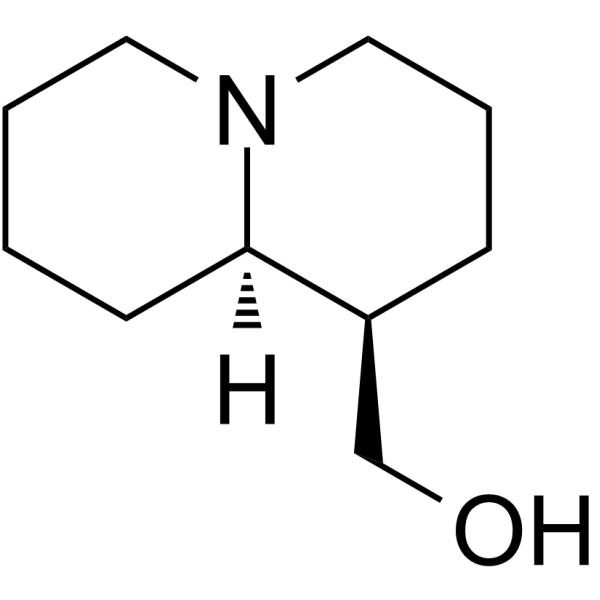
    (-)-Lupinine is an alkaloid and membrane fusion inhibitor. (-)-Lupinine does not affect the synthesis of proinflammatory cytokines during the host response to Serratia proteamaculans infection. (-)-Lupinine can enhance the expression of the bacterial surface protein OmpX. (-)-Lupinine can be used for research on bacterial infections .
    (-)-Lupinine
  • HY-P2274

    Parasite Infection
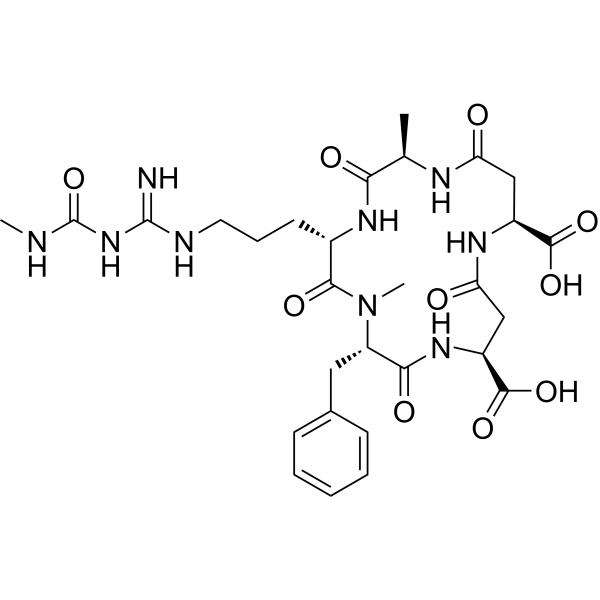
    Argifin is a sub-nanomolar chitinase inhibitor produced by soil microorganisms, with IC50s of 0.025 μM, 6.4 μM , 1.1 μM and 4.5 μM for SmChiA (Serratia marcescens chitinaese A), SmChiB, Aspergillus fumigatus chitinase B1 and human chitotriosidase, respectively .
    Argifin
  • HY-N14257

    Bacterial Antibiotic Acetyl-CoA Carboxylase Infection
    Andrimid is a peptide Antibiotic and acetyl-CoA carboxylase inhibitor. Andrimid is produced by symbiotic bacteria of the genus *Enterobacter* residing in the brown planthopper Nilaparvata lugens. Andrimid exhibits strong specific activity against Xanthomonas campestris pv. oryzae. Andrimid shows no or only weak activity against Gram-positive and Gram-negative bacteria, including most plant pathogenic bacteria. Andrimid can be used in studies related to bacterial infections and rice bacterial blight .
    Andrimid
  • HY-127054

    Sch 20569

    Antibiotic Bacterial Infection
    Netilmicin (Sch 20569) is a broad-spectrum semisynthetic aminoglycoside antibiotic. Netilmicin exhibits antibacterial activity against aminoglycoside-susceptible gram-negative strains and aminoglycoside-resistant strain, such as Escherichia coli, Pseudomonas aeruginosa, Proteus, Staphylococcus aureus, Streptococcus, Serratia, and Enterobacter, with MIC of 0.125-8 μg/mL .
    Netilmicin
  • HY-B1118R

    RP-14539 (Standard); PM-185184 (Standard)

    Reference Standards Bacterial Parasite Infection
    Secnidazole (Standard) is the analytical standard of Secnidazole. This product is intended for research and analytical applications. Secnidazole (RP-14539) is an orally active azole antibiotic and a imidazole mitigator of Serratia marcescens virulence. Secnidazole, as an analog of acylhomoserine lactones, effectively inhibits QS resulting in the attenuation of Pseudomonas aeruginosa pathogenesis. Secnidazole has antimicrobial activity against many anaerobic Gram-negative and Gram-positive bacterial species in vitro. Secnidazole can be used for the research of various diseases, such as amoebiasis and giardiasis, and bacterial vaginitis .
    Secnidazole (Standard)
  • HY-139698

    LCB10-0200

    Antibiotic Bacterial Infection
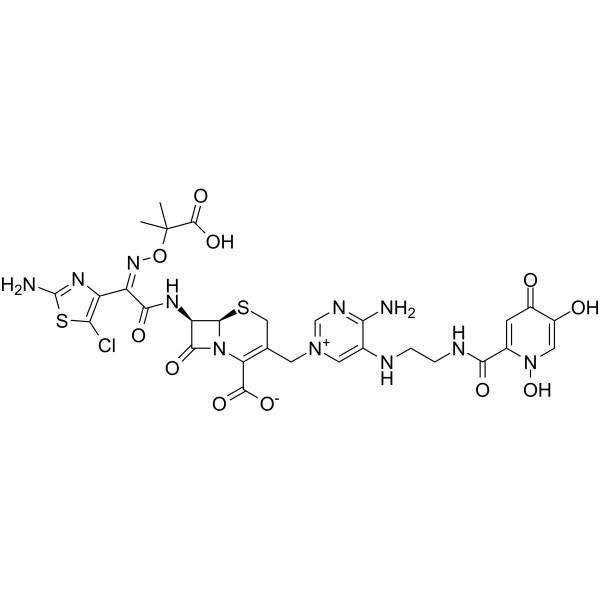
    GT-1 (LCB10-0200), a siderophore-linked cephalosporin, is effective against clinical isolates of P. aeruginosa, Klebsiella oxytoca, Proteus spp., Serratia marcescens, and Enterobacter aerogenes.
    GT-1
  • HY-105213

    MC-352

    Antibiotic Bacterial Infection
    YM-17K (MC-352) is a macrolide antibiotic. YM-17K exhibits antimicrobial activity against Gram-positive bacteria, Gram-negative bacteria, and anaerobic bacteria. YM-17K exhibits stable activity in serum and is less affected by pH values .
    YM-17K
  • HY-120583A

    Bacterial Infection
    LY 255262 is an antibacterial agent. LY 255262 exhibits potent inhibitory effects against a variety of Gram-positive and Gram-negative bacteria in vitro. LY 255262 has MIC values of 64, 0.25, 0.5, 0.25, 0.25, 1, and 1 μg/mL for Staphylococcus aureus, Streptococcus pneumoniae, Haemophilus influenza, Escherichia coli, Klebsiella, Enterobacter aerogenes, and Serratia, respectively. LY 255262 has a relatively weak inhibitory effect on Pseudomonas (MIC >128 μg/mL). LY 255262 can be used in antibacterial research .
    LY 255262
  • HY-169942

    Bacterial Antibiotic Infection
    3-(1-Carboxyvinyloxy)benzoic acid is an inhibitor of MbtI (Mycobacterium tuberculosis salicylate synthase) and AS (Serratia marcescens arginine synthase), with Ki values of 500 and 3.2 µM, respectively. 3-(1-Carboxyvinyloxy)benzoic acid has antibacterial activity and can be used in anti-infection research .
    3-(1-Carboxyvinyloxy)benzoic acid
  • HY-P2274R

    Reference Standards Parasite Infection
    Argifin (Standard) is the analytical standard of Argifin. This product is intended for research and analytical applications. Argifin is a sub-nanomolar chitinase inhibitor produced by soil microorganisms, with IC50s of 0.025 μM, 6.4 μM , 1.1 μM and 4.5 μM for SmChiA (Serratia marcescens chitinaese A), SmChiB, Aspergillus fumigatus chitinase B1 and human chitotriosidase, respectively[1].
    Argifin (Standard)
  • HY-B1118A

    RP-14539 hemihydrate; PM-185184 hemihydrate

    Bacterial Parasite Infection
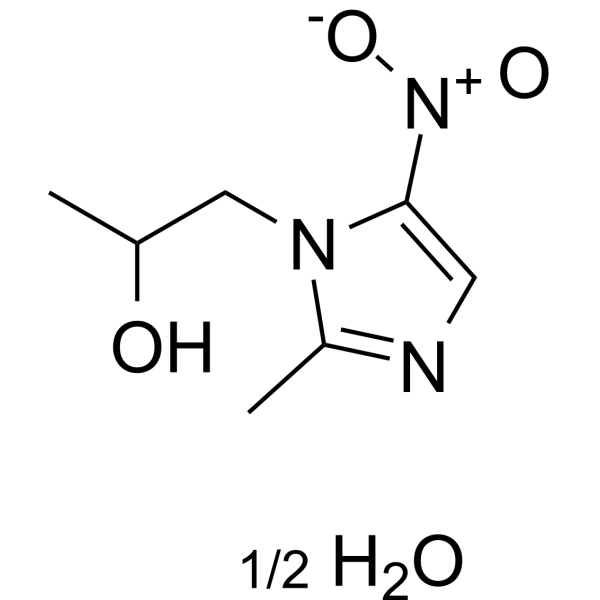
    Secnidazole (RP-14539) hemihydrate is an orally active azole antibiotic and a imidazole mitigator of Serratia marcescens virulence. Secnidazole hemihydrate, as an analog of acylhomoserine lactones, effectively inhibits QS resulting in the attenuation of Pseudomonas aeruginosa pathogenesis. Secnidazole hemihydrate has antimicrobial activity against many anaerobic Gram-negative and Gram-positive bacterial species in vitro. Secnidazole hemihydrate can be used for the research of various diseases, such as amoebiasis and giardiasis, and bacterial vaginitis .
    Secnidazole hemihydrate
  • HY-A0086R

    SCH-20569 sulfate (Standard)

    Reference Standards Bacterial Antibiotic Infection
    Netilmicin sulfate (Standard) is the analytical standard of Netilmicin sulfate (HY-A0086). This product is intended for research and analytical applications. Netilmicin (Sch 20569) sulfate is a broad-spectrum semisynthetic aminoglycoside antibiotic. Netilmicin sulfate exhibits antibacterial activity against aminoglycoside-susceptible gram-negative strains and aminoglycoside-resistant strain, such as Escherichia coli, Pseudomonas aeruginosa, Proteus, Staphylococcus aureus, Streptococcus, Serratia, and Enterobacter, with MIC of 0.125-8 μg/mL .
    Netilmicin sulfate (Standard)
  • HY-B1118S2

    RP-14539-d4; PM-185184-d4

    Bacterial Parasite Antibiotic Infection
    Secnidazole-d4 is the deuterium labeled Secnidazole . Secnidazole (RP-14539) is an orally active azole antibiotic and a imidazole mitigator of Serratia marcescens virulence. Secnidazole, as an analog of acylhomoserine lactones, effectively inhibits QS resulting in the attenuation of Pseudomonas aeruginosa pathogenesis. Secnidazole has antimicrobial activity against many anaerobic Gram-negative and Gram-positive bacterial species in vitro. Secnidazole can be used for the research of various diseases, such as amoebiasis and giardiasis, and bacterial vaginitis .
    Secnidazole-d4
  • HY-B1118S3

    RP-14539-d3; PM-185184-d3

    Isotope-Labeled Compounds Antibiotic Bacterial Parasite Infection
    Secnidazole-d3 (RP-14539-d3; PM-185184-d3) is the deuterium labeled Secnidazole (HY-B1118). Secnidazole (RP-14539) is an orally active azole antibiotic and a imidazole mitigator of Serratia marcescens virulence. Secnidazole, as an analog of acylhomoserine lactones, effectively inhibits QS resulting in the attenuation of Pseudomonas aeruginosa pathogenesis. Secnidazole has antimicrobial activity against many anaerobic Gram-negative and Gram-positive bacterial species in vitro. Secnidazole can be used for the research of various diseases, such as amoebiasis and giardiasis, and bacterial vaginitis .
    Secnidazole-d3
  • HY-126735

    Antibiotic Bacterial Infection
    Saquayamycin D is an antibiotic, which can be isolated from Streptomyces nodosus culture broth. Saquayamycin D exhibits antibacterial activity against various gram-positive bacteria with MIC of 12.5-50 μg/mL. Saquayamycin D inhibits the proliferation of Doxorubicin (HY-15142)-sensitive P388/S and Doxorubicin-resistant P388/ADR with IC50 of 0.15 and 0.15 μg/mL .
    Saquayamycin D
  • HY-181686

    Bacterial Reactive Oxygen Species (ROS) Infection
    Antibacterial agent 326 is a bactericide that inhibits the growth of various bacterial strains. Antibacterial agent 326 inhibits biofilm formation in Escherichia coli, disrupts bacterial cell membranes, induces oxidative stress and lipid peroxidation in Escherichia coli, increases ROS levels, and reduces GSH activity. Antibacterial agent 326 can be used in studies of bacterial infections, including those caused by Escherichia coli, Staphylococcus aureus, Enterococcus faecalis, Listeria spp., Bacillus subtilis, Serratia marcescens, Salmonella enteritidis and Acinetobacter calcoaceticus .
    Antibacterial agent 326
  • HY-W654302

    Influenza Virus Infection
    Oseltamivir-fructosyl exhibits antiviral activity against influenza viruses and has inhibitory effects on various types of bacteria such as streptococcus and serratia marcescens.
    Oseltamivir-fructosyl
  • HY-112027

    Ciprofloxacin impurity E

    Bacterial Infection
    Decarboxy ciprofloxacin (Decarboxylated ciprofloxacin) is an antibacterial agent. Decarboxy ciprofloxacin displays antibacterial activities against Staphylococcus aureus, Staphylococcus epidermidis, Enterococcus faecalis, Bacillus subtilis, Enterobacter cloacae, Serratia marcescens and especially potent activity against Escherichia coli .
    Decarboxy ciprofloxacin
  • HY-106304

    Bacterial Drug Derivative Infection
    ME-1228 is an antibacterial agent and sulfur-containing analogue of OCP 9-176. ME 1228 is generally twofold more active than OCP 9-176 against Escherichia coli, Klebsiella pneumoniae, Klebsiella oxytoca, Providencia stuartii, Proteus vulgaris, and Serratia marcescens. ME-1228 has antibacterial activity against E. coli UB 1005, P. aeruginosa K779K, and P. aeruginosa E4, with MICs of 0.25, 0.25, and 1 μg/mL, respectively .
    ME-1228
  • HY-182622

    Antibiotic Bacterial Infection
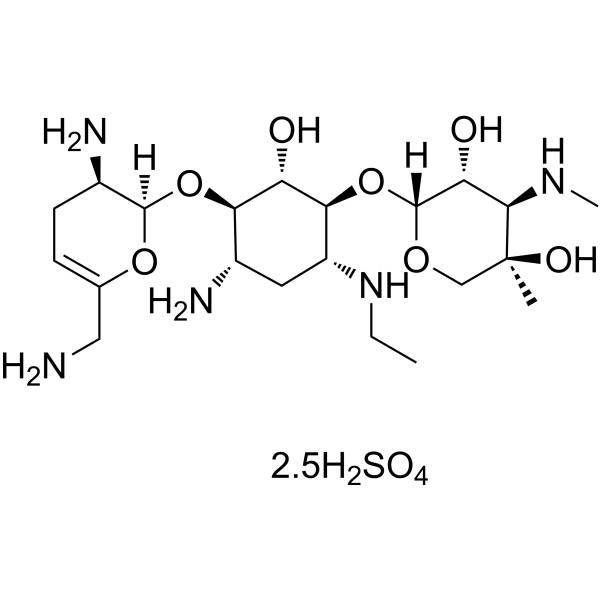
    Etimicin is a fourth-generation semisynthetic aminoglycoside antibiotic. Etimicin exhibits broad spectrum of activity against gram-positive, gram-negative, and aminoglycoside-resistant bacterial strains, with lower ototoxicity and nephrotoxicity. Etimicin exerts rapid, concentration-dependent bactericidal activity against bacteria. Etimicin can be used for the research of bacterial infections .
    Etimicin

Inquiry Online

Your information is safe with us. * Required Fields.

Salutation


Country or Region *

Applicant Name *


Organization Name *

Department *


Email Address *


Product Name *

Cat. No.


Requested quantity *

Phone Number *


Remarks

Inquiry Online

Inquiry Information

Product Name:
Cat. No.:
Quantity:
MCE Japan Authorized Agent:

