



1. Search Result
Search Result
Results for "

T-cell lines

" in MedChemExpress (MCE) Product Catalog:

19

Inhibitors & Agonists

1

Peptides

6

Inhibitory Antibodies

3

Natural
Products

1

Click Chemistry

Targets Recommended:
Cat. No. Product Name Target Research Areas Chemical Structure
  • HY-145923
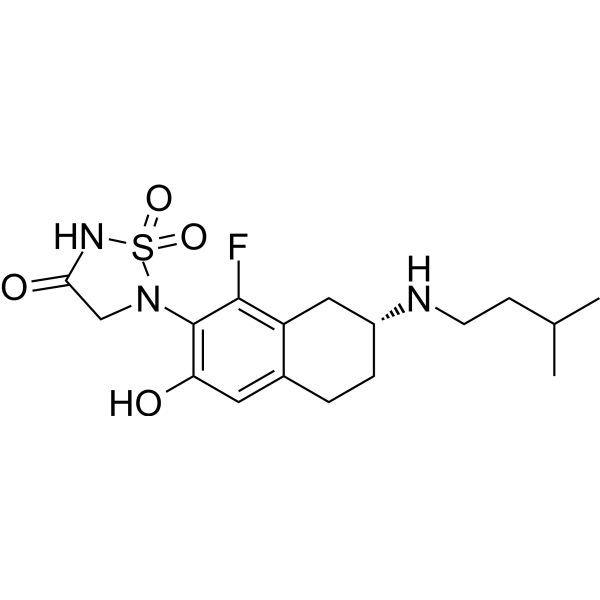
    Osunprotafib
    5 Publications Verification

    ABBV-CLS-484

    Phosphatase STAT JAK Cancer
    Osunprotafib (ABBV-CLS-484) is an orally active and selective active site PTPN1 (IC50: 2.5 nM) and PTPN2(IC50: 1.8 nM) inhibitor. Osunprotafib has 6-8-fold weaker activity on PTPN9 and no detectable activity on SHP-1 or SHP-2. Osunprotafib increases the sensitivity of human cancer cell lines to IFNγ. Osunprotafib generates robust anti-tumor immunity by enhancing JAK-STAT signalling and reducing T cell dysfunction .
    Osunprotafib
  • HY-P99931
    Epcoritamab
    1 Publications Verification

    GEN3013

    CD3 CD20 Cancer
    Epcoritamab (GEN3013) is an bispecific IgG1 antibody redirecting T-cells toward CD3×CD20 + tumor cells. Epcoritamab induces potent T-cell-mediated cytotoxicity towards B-cell NHL cell lines .
    Epcoritamab
  • HY-N0041
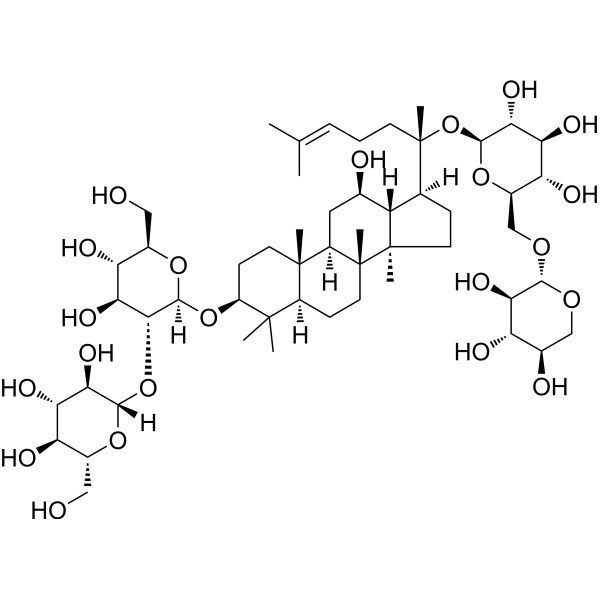
    Ginsenoside Rb3
    1 Publications Verification

    Gypenoside IV

    NF-κB COX NO Synthase Inflammation/Immunology Cancer
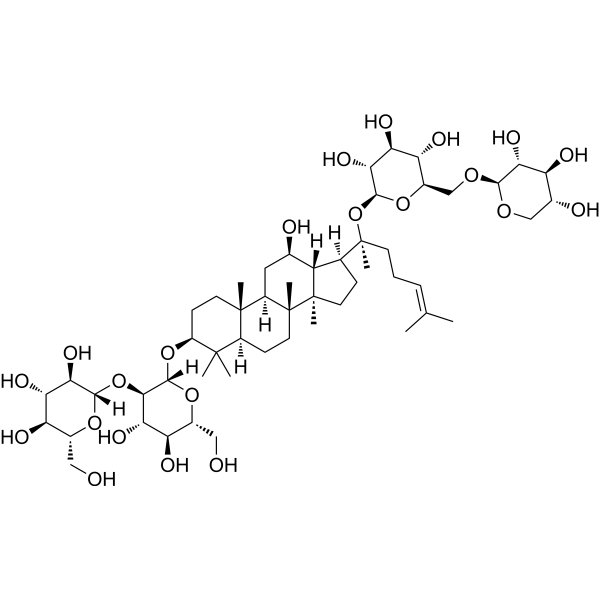
    Ginsenoside Rb3 is extracted from steamed Panax ginseng C. A. Meyer. Ginsenoside Rb3 exhibits inhibitory effect on TNFα-induced NF-κB transcriptional activity with an IC50 of 8.2 μM in 293T cell lines. Ginsenoside Rb3 also inhibits the induction of COX-2 and iNOS mRNA.
    Ginsenoside Rb3
  • HY-P99011
    Cibisatamab
    2 Publications Verification

    CD3 Cancer
    Cibisatamab, a T cell bispecific antibody, binds Carcino-Embryonic Antigen (CEA) on cancer cells and CD3 on T cells. Cibisatamab triggers T cell killing of cancer cell lines expressing moderate to high levels of CEA at the cell surface. Cibisatamab can be used for colorectal cancer research .
    Cibisatamab
  • HY-P99798

    AMG 420; BI-836909

    CD3 Cancer
    Pacanalotamab (AMG 420; BI-836909) is a bispecific T-cell engager (BiTE) targeting to BCMA and CD3E. BCMA refers to B cell maturation antigen, as Pacanalotamab redirecting T cells to BCMA expressing cells on the cell surface. Pacanalotamab conducts T-cell redirected lysis of human multiple myeloma (MM) cell lines .
    Pacanalotamab
  • HY-110177
    SP-100030
    1 Publications Verification

    NF-κB Inflammation/Immunology
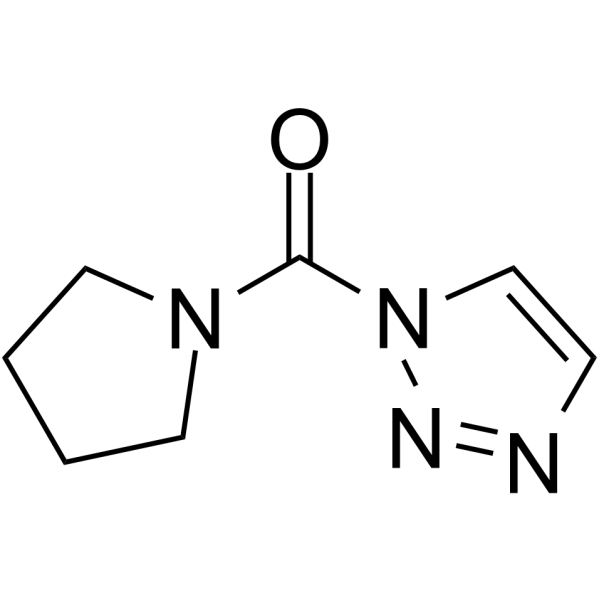
    SP-100030 is a potent NF-κB and activator protein-1 (AP-1) double inhibitor (IC50s=50 and 50 nM, respectively). SP-100030 inhibits IL-2, IL-8, and TNF-alpha production in Jurkat and other T cell lines. SP-100030 decreases murine collagen-induced arthritis (CIA) .
    SP-100030
  • HY-18522

    Phospholipase Metabolic Disease
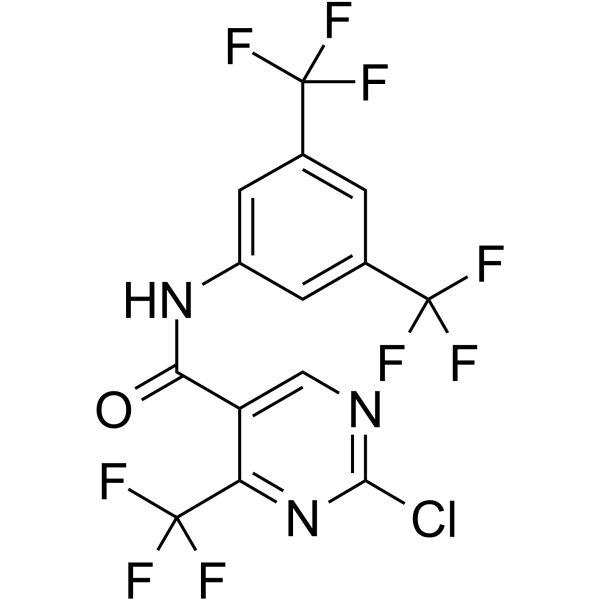
    AA26-9 is a potent and broad spectrum serine hydrolase inhibitor. AA26-9 targets included serine peptidases, lipases, amidases, esterases, and thioesterases. AA26-9 shows inhibitory activity against approximately 1/3 of the 40+ serine hydrolases detected in immortalized T cell lines .
    AA26-9
  • HY-106850

    AzdU; AzddU; CS-87

    HIV Infection
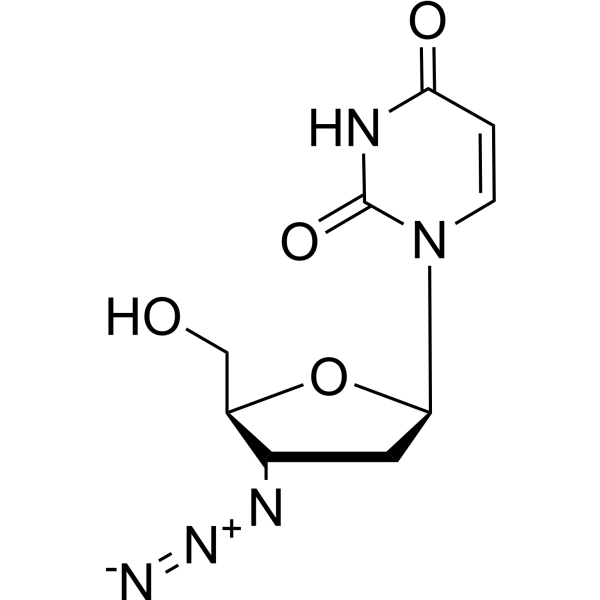
    3′-Azido-2′,3′-dideoxyuridine (AzdU) is a nucleoside analog of Zidovudine (HY-17413). 3′-Azido-2′,3′-dideoxyuridine is a potent inhibitor of human immunodeficiency virus (HIV) replication in human peripheral blood mononuclear cells (PBMC) with limited toxicity for human bone marrow cells (BMC) . 3′-Azido-2′,3′-dideoxyuridine is a click chemistry reagent, it contains an Azide group and can undergo copper-catalyzed azide-alkyne cycloaddition reaction (CuAAc) with molecules containing Alkyne groups. It can also undergo strain-promoted alkyne-azide cycloaddition (SPAAC) reactions with molecules containing DBCO or BCN groups.
    3′-Azido-2′,3′-dideoxyuridine
  • HY-P991381

    PPMX-T003

    Transferrin Receptor Reactive Oxygen Species (ROS) Ferroptosis Cancer
    JST‑TfR09 (PPMX‑T003) is a human monoclonal antibody (mAb) targeting transferrin receptor 1 (TfR1/CD71). JST‑TfR09 blocks the binding of transferrin to TfR1, inhibits TfR1 internalization, and suppresses cellular iron uptake. JST‑TfR09 triggers ferritin degradation via activating the autolysosomal system, promotes ROS production and lipid peroxidation, and ultimately induces ferroptosis. JST‑TfR09 exhibits cytotoxicity toward human erythroblasts differentiated from hematopoietic stem cells. JST-TfR09 can be used in leukemia research. Recommended isotype control: Human IgG1 lambda, Isotype Control (HY-P99992) .
    JST-TfR09
  • HY-P990742

    TJ-CD4B; ABL111; TJ033721

    TNF Receptor Claudin Inflammation/Immunology Cancer
    Givastomig (ABL111, TJ033721) is a bispecific antibody (BsAb) inhibitor. Givastomig can specifically binds to Claudin18.2 (CLDN 18.2) on the surface of cancer cells and 4-1BB (CD137, TNFRSF9) on the surface of activated T cells and natural killer (NK) cells. Givastomig is engineered to contain a single Fc-domain mutation (asparagine to alanine) to eliminate Fc-effector function. Givastomig-bound cell lines expressing a range of CLDN18.2 levels with high affinity and induced 4-1BB activation only in the context of CLDN18.2 binding. Givastomig can be used for the study of colon carcinoma .
    Givastomig
  • HY-P3723

    IFNAR Inflammation/Immunology
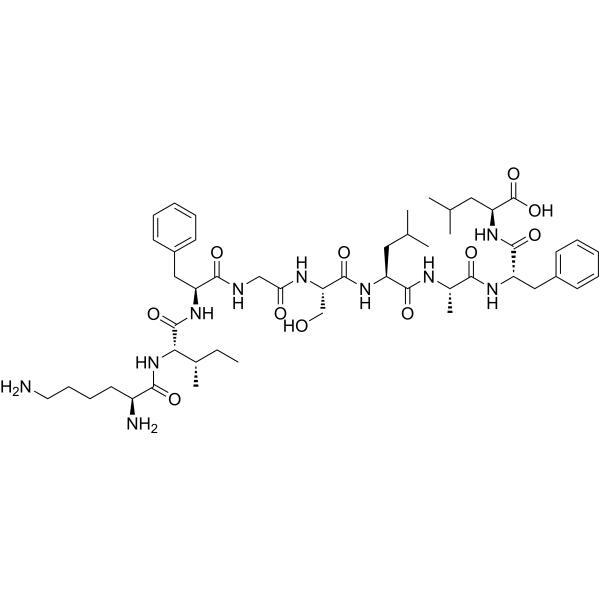
    MBP (83-99) is a MBP-specific T cell lines recognizing the immunodominant epitope. MBP (83-99) induces proliferation and IFN-γ secreting of T cells .
    MBP (83-99)
  • HY-145923B

    ABBV-CLS-484 hydrochloride

    Phosphatase Inflammation/Immunology Cancer
    Osunprotafib (ABBV-CLS-484) hydrochloride is an orally active and selective active site PTPN1 (IC50: 2.5 nM) and PTPN2(IC50: 1.8 nM) inhibitor. Osunprotafib hydrochloride has 6-8-fold weaker activity on PTPN9 and no detectable activity on SHP-1 or SHP-2. Osunprotafib hydrochloride increases the sensitivity of human cancer cell lines to IFNγ. Osunprotafib hydrochloride generates robust anti-tumor immunity by enhancing JAK-STAT signalling and reducing T cell dysfunction .
    Osunprotafib hydrochloride
  • HY-185206

    PROTACs Itk NF-κB Cancer
    BSJ-05-037 is an ITK PROTAC degrader that effectively targets and degrades ITK in T-cell lymphoma cell lines. BSJ-05-037 blocks the activation of the NF-κB/GATA-3 signaling pathway, inhibits PLCγ1 phosphorylation, and reduces the proliferative capacity of T-cell lymphoma cells. BSJ-05-037 enhances the sensitivity of T-cell lymphoma cells to chemotherapy. In mouse models of T-cell lymphoma, BSJ-05-037 induces ITK degradation, reduces GATA-3 expression, decreases tumor volume, and reverses chemotherapy resistance. BSJ-05-037 is applicable to research related to T-cell lymphoma .
    BSJ-05-037
  • HY-N0041R

    Gypenoside IV (Standard)

    Reference Standards NF-κB COX NO Synthase Inflammation/Immunology Cancer
    Ginsenoside Rb3 (Standard) is the analytical standard of Ginsenoside Rb3. This product is intended for research and analytical applications. Ginsenoside Rb3 is extracted from steamed Panax ginseng C. A. Meyer. Ginsenoside Rb3 exhibits inhibitory effect on TNFα-induced NF-κB transcriptional activity with an IC50 of 8.2 μM in 293T cell lines. Ginsenoside Rb3 also inhibits the induction of COX-2 and iNOS mRNA.
    Ginsenoside Rb3 (Standard)
  • HY-173431

    Dopamine Receptor Reactive Oxygen Species (ROS) Cancer
    Dopamine D4 receptor ligand 3 (Compound 16) is a dopamine D4 receptor (D4R) antagonist (pKi: 8.86). Dopamine D4 receptor ligand 3 has pIC50 values of 5.78, 5.55, and 6.17 for Go, Gi, and βArr2 sensors in HEK-293T cells, respectively. Dopamine D4 receptor ligand 3 inhibits the viability of three human glioma cell lines, U87 MG, T98G, and U251 MG. Dopamine D4 receptor ligand 3 induces ROS production and mitochondrial dysfunction in glioma cells .
    Dopamine D4 receptor ligand 3
  • HY-181848

    DNA-PK Apoptosis Cancer
    DNA-PK-IN-16 is an orally active DNA-dependent protein kinase (DNA-PK) inhibitor with an IC50 of 10.2 nM. DNA-PK-IN-16 induces the upregulation of γH2A.X, a biomarker of DNA double-strand breaks. DNA-PK-IN-16 exhibits antiproliferative activity in various cancer cell lines. DNA-PK-IN-16 enhances the infiltration of CD8 + T cells in tumor tissues through synergistic action with anti-PD-L1 monoclonal antibody. DNA-PK-IN-16 is applicable for cancer research .
    DNA-PK-IN-16
  • HY-P991896

    AT14-012

    Transmembrane Glycoprotein Inflammation/Immunology Cancer
    AT1412 is a CD9-binding antibody. AT1412 binds to the tetraspanin protein CD9 and modulates CD9 function by enhancing T cell adhesion to endothelial cells (HUVECs) and transendothelial migration. AT1412 binds to B-ALL cell lines but not to T-ALL. AT1412 induces antibody-dependent cellular cytotoxicity in B-ALL cell lines. AT1412 binds to melanoma cells, B-ALL, gastric cancer, colorectal cancer, and pancreatic cancer cells [1] .
    AT1412
  • HY-N15438

    HIV HIV Integrase Infection
    Herbacitrin is a HIV-1 reverse transcriptase and integrase inhibitor with IC50 values of 21.5 μM and 2.15 μM, respectively. Herbacitrin inhibits the growth of normal mouse embryonic cells, hybridoma HF cells, and ras/myc-transformed SFME cells, regulates the growth of ras-transformed SFME cells, and exhibits cytotoxic activity against hybridoma HF cells. Herbacitrin can be used in studies related to HIV-1 infection .
    Herbacitrin
  • HY-181673

    Microtubule/Tubulin Apoptosis Bcl-2 Family Caspase PARP Cancer
    ICD inducer-2 is a immunogenic cell death inducer. ICD inducer-2 binds to the colchicine binding site on tubulin to inhibit tubulin polymerization. ICD inducer-2 exhibits broad-spectrum antiproliferative activity across multiple cancer cell lines. ICD inducer-2 inhibits cells migration, causes G2/M phase and induces apoptosis. ICD inducer-2 promotes infiltration of CD4+ and CD8+ T cells into the tumor microenvironment. ICD inducer-2 downregulates antiapoptotic protein Bcl-2, upregulates proapoptotic proteins Bax and Bim-1, and increases cleaved caspase 3, cleaved caspase 9, and cleaved PARP levels. ICD inducer-2 overcomes paclitaxel resistance in xenograft models and achieves tumor growth inhibition. ICD inducer-2 can be used for the research of cancer, such as lung carcinoma .
    ICD inducer-2

Inquiry Online

Your information is safe with us. * Required Fields.

Salutation


Country or Region *

Applicant Name *


Organization Name *

Department *


Email Address *


Product Name *

Cat. No.


Requested quantity *

Phone Number *


Remarks

Inquiry Online

Inquiry Information

Product Name:
Cat. No.:
Quantity:
MCE Japan Authorized Agent:

