
1. Search Result
Search Result
Results for "

Tetrapeptide

" in MedChemExpress (MCE) Product Catalog:

79

Inhibitors & Agonists

1

Fluorescent Dye

72

Peptides

9

Natural
Products

2

Isotope-Labeled Compounds

1

Oligonucleotides

Cat. No. Product Name Target Research Areas Chemical Structure
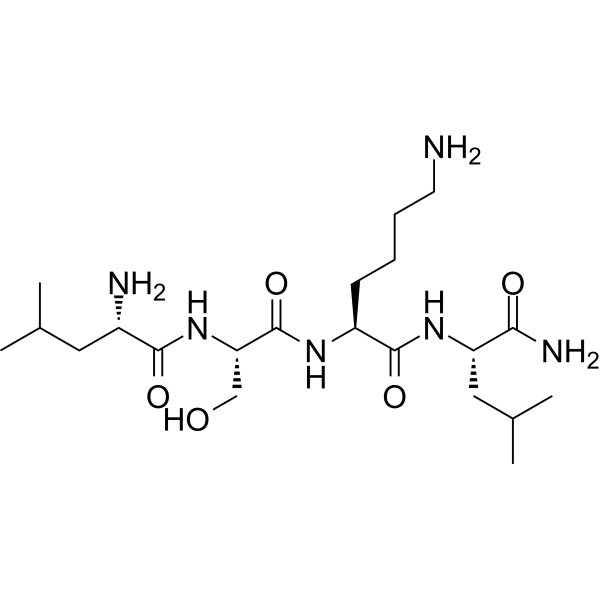
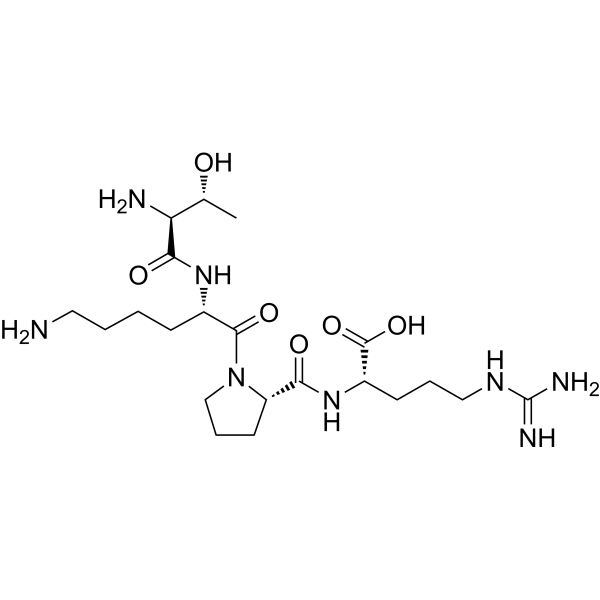
  • HY-P0299
    LSKL, Inhibitor of Thrombospondin (TSP-1)
    Maximum Cited Publications
    17 Publications Verification

    TGF-β Receptor Cancer
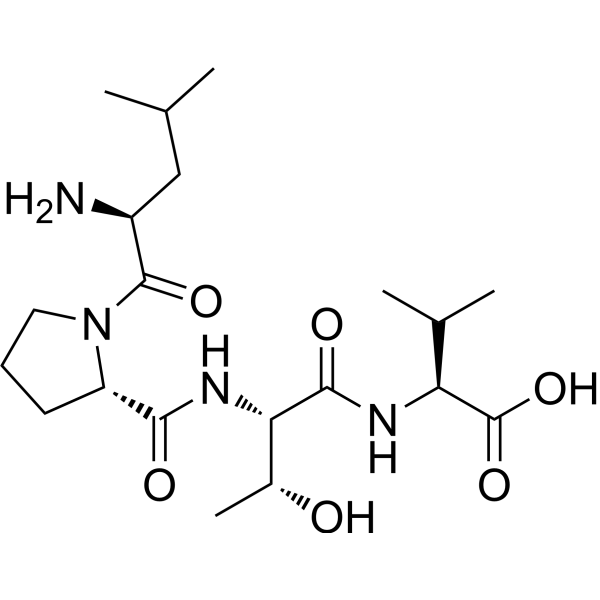
    LSKL, Inhibitor of Thrombospondin (TSP-1) is a latency-associated protein (LAP)-TGFβ derived tetrapeptide and a competitive TGF-β1 antagonist. LSKL, Inhibitor of Thrombospondin (TSP-1) inhibits the binding of TSP-1 to LAP and alleviates renal interstitial fibrosis and hepatic fibrosis. LSKL, Inhibitor of Thrombospondin (TSP-1) suppresses subarachnoid fibrosis via inhibition of TSP-1-mediated TGF-β1 activity, prevents the development of chronic hydrocephalus and improves long-term neurocognitive defects following subarachnoid hemorrhage (SAH). LSKL, Inhibitor of Thrombospondin (TSP-1) can readily crosse the blood-brain barrier .
    LSKL, Inhibitor of Thrombospondin (TSP-1)
  • HY-P99813

    HER3-DXd; U3-1402

    Antibody-Drug Conjugates (ADCs) Cancer
    Patritumab deruxtecan (HER3-DXd) is an antibody-drug conjugate (ADC) consisting of a fully human anti-HER3 IgG1 monoclonal antibody Patritumab (HY-P99275) attached to a topoisomerase I inhibitor payload via a tetrapeptide-based cleavable linker. Patritumab deruxtecan shows anticancer activity .
    Patritumab deruxtecan
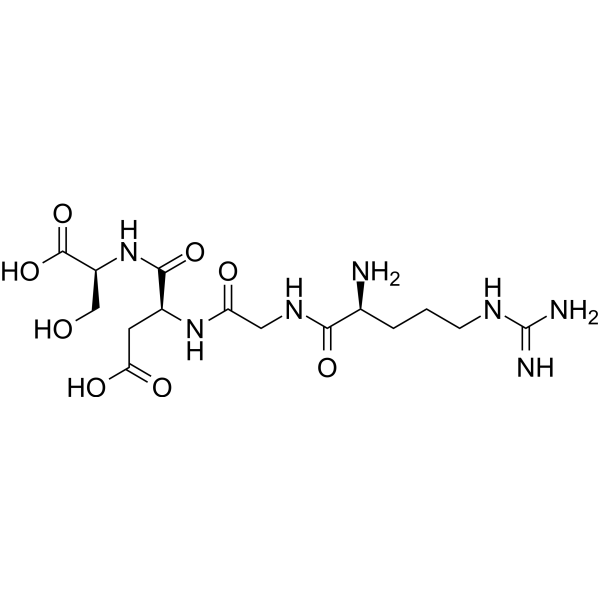
  • HY-12290
    Arg-Gly-Asp-Ser
    5+ Cited Publications

    RGDS peptide; Fibronectin Tetrapeptide

    Integrin Inflammation/Immunology
    Arg-Gly-Asp-Ser is an integrin binding sequence that inhibits integrin receptor function. Arg-Gly-Asp-Ser directly and specifically bind pro-caspase-8, pro-caspase-9 and pro-caspase-3, while it does not bind pro-caspase-1.
    Arg-Gly-Asp-Ser
  • HY-P1449

    ADC Linker Cancer
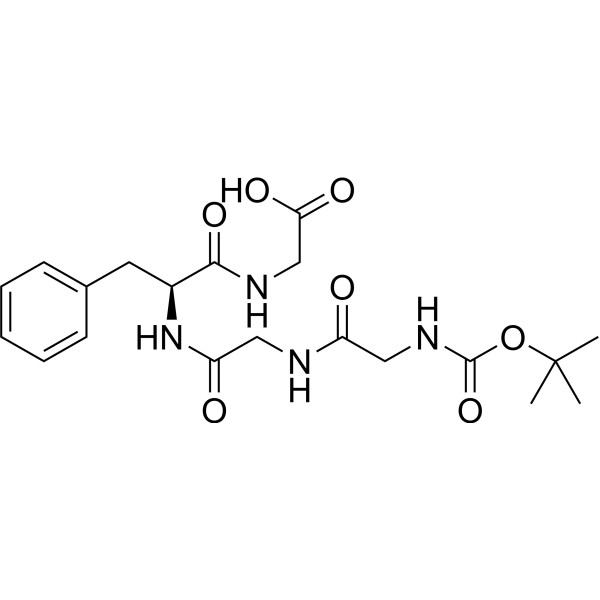
    Boc-Gly-Gly-Phe-Gly-OH, a self-assembly of N- and C-protected tetrapeptide, is a protease cleavable linker used for the antibody-drug conjugate (ADC).
    Boc-Gly-Gly-Phe-Gly-OH
  • HY-177442

    DS-3939

    Antibody-Drug Conjugates (ADCs) Mucin Topoisomerase Apoptosis Cancer
    DS-3939a (DS-3939) is an anti-TA-MUC1 (tumor-associated mucin-1) antibody-drug conjugate (ADC). DS-3939a consists of a humanized anti-TA-MUC1 IgG1 monoclonal antibody Gatipotuzumab ( HY-P99634), a stable and cleavable tetrapeptide-based linker (Gly-Gly-Phe-Gly), and a DNA topoisomerase I inhibitor payload (DXd) (HY-13631D), and the drug-linker conjugate for ADC is Deruxtecan (HY-13631E). DS-3939a inhibits the growth of TA-MUC1-positive cancer cells (CFPAC-1, NCI-H2110) by inducing DNA damage and apoptosis. DS-3939a exhibits significant antitumor activity in a variety of TA-MUC1-expressing advanced solid tumors. DS-3939a can be used for the study of TA-MUC1-expressing advanced cancers .
    DS-3939a
  • HY-P2661

    Biochemical Assay Reagents Bacterial Infection
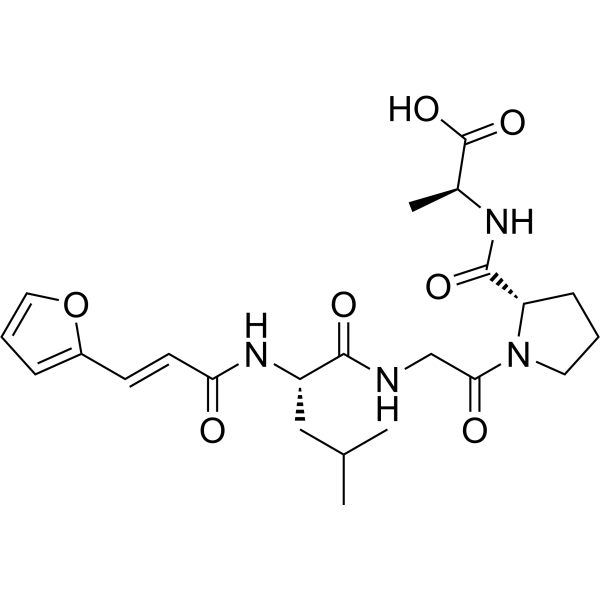
    FA-Leu-Gly-Pro-Ala-OH is a furylacryloyl-terminal tetrapeptide that serves as a substrate for bacterial collagenase and spirochete metalloendopeptidase. FA-Leu-Gly-Pro-Ala-OH is specifically hydrolyzed by spirochete collagenase only at the Leu-Gly bond. FA-Leu-Gly-Pro-Ala-OH can be used to determine the equilibrium constant of peptide bond hydrolysis, and also to detect collagenase-mediated cleavage reactions via turbidimetry based on absorbance reduction .
    FA-Leu-Gly-Pro-Ala-OH
  • HY-P0064

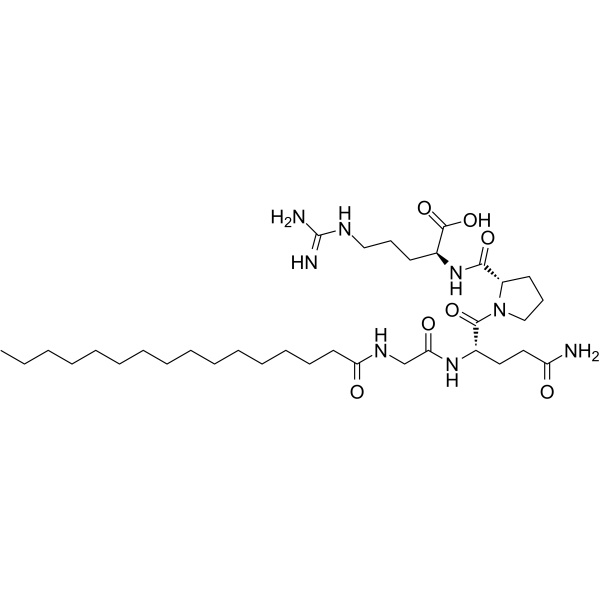
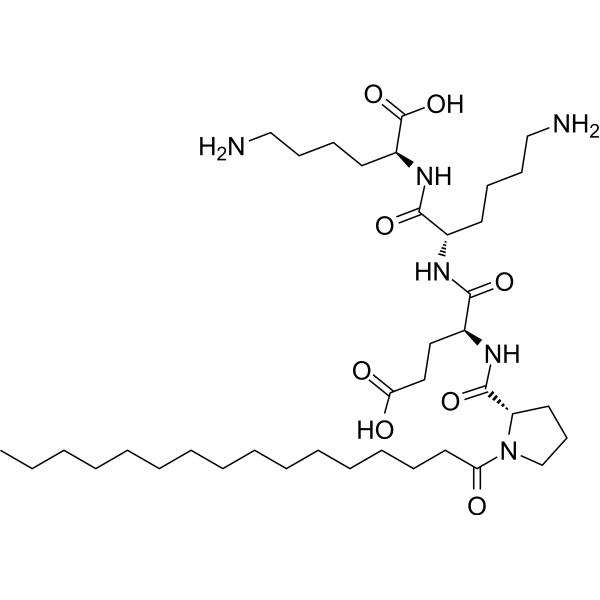
    Palmitoyl Tetrapeptide-7

    Interleukin Related Inflammation/Immunology
    Palmitoyl Tetrapeptide-3 (Palmitoyl Tetrapeptide-7) is a synthetic peptide corresponding to amino acids 341-344 of the human immunoglobulin heavy chain, with the ability to stimulate phagocytosis. Palmitoyl tetrapeptide-3 reduces interleukin-6 (IL-6) secretion in keratinocytes and inhibits the UVB radiation-exposure inflammatory response of skin. Palmitoyl tetrapeptide-3 It also has anti-inflammatory and anti-aging effects, reducing skin wrinkles by promoting the production of elastic fibers in the papillary dermis .
    Palmitoyl Tetrapeptide-3
  • HY-P0095

    Angiotensin-converting Enzyme (ACE) Others
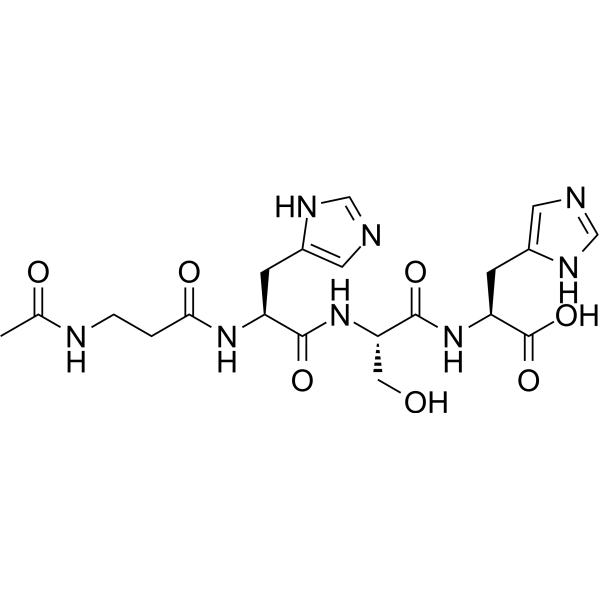
    Acetyl tetrapeptide-5 inhibits glycosylation and ACE-1 activity. Acetyl tetrapeptide-5 reduces edema and relieves vascular pressure by improving the vascular system and strengthening the skin under the eyes. Acetyl tetrapeptide-5 can be used in the research of Antioxidant, anti-aging skin care .
    Acetyl tetrapeptide-5
  • HY-P1626

    Opioid Receptor Neurological Disease
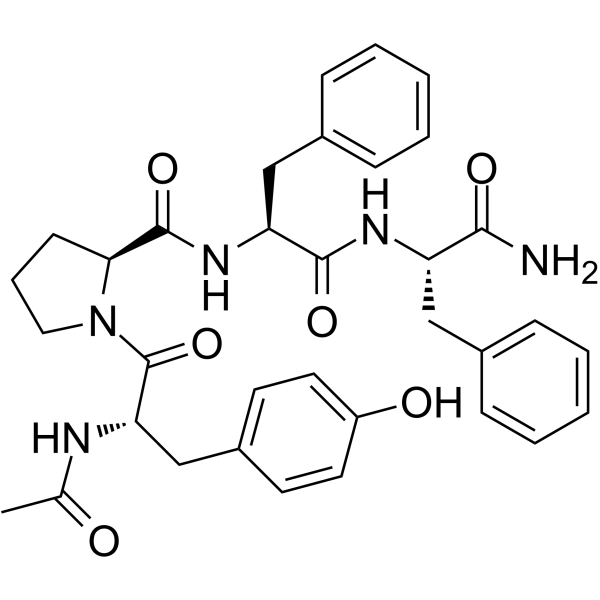
    Acetyl tetrapeptide-15 is a synthetic peptide. Acetyl tetrapeptide-15 is derived from endomorphin-2 (Tyr-Pro-Phe-Phe-NH2), a human μ-opioid agonist with selective anti-nociceptive effect. Acetyl tetrapeptide-15 reduces skin hyperreactivity producing inflammatory, chronic and neuropathic pain, by increasing the threshold of neuronal excitability in μ-opioid receptor via an endorphin-like pathway. Acetyl tetrapeptide-15 is used in the cosmetics for sensitive skin .
    Acetyl tetrapeptide-15
  • HY-W129161

    Amino Acid Derivatives Metabolic Disease
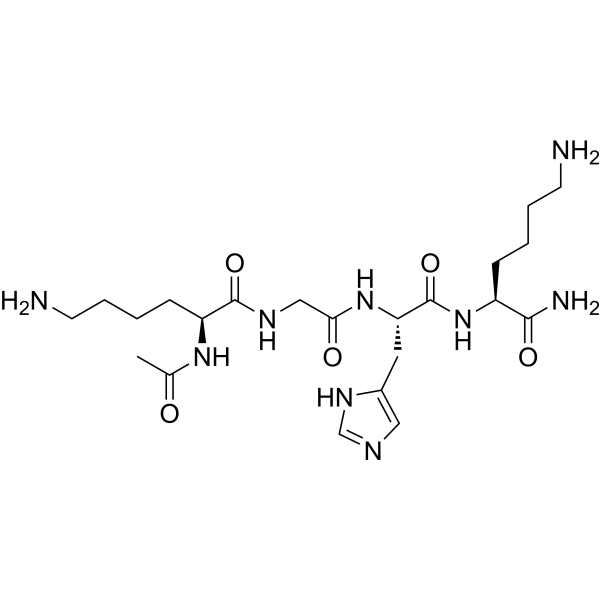
    Acetyl tetrapeptide-3 is a synthetic peptide. Acetyl tetrapeptide-3 enhances the adhesion of hair follicles to the scalp but also promotes the development of new hair follicles. Acetyl tetrapeptide-3 stimulates the synthesis of collagen III in hair follicles. Acetyl tetrapeptide-3 combined with Biochanin A (HY-14595) and ginseng extracts, can stimulate dermal papilla extracellular matrix (ECM) proteins by increasing hydroxyproline, Collagen Type 3, and laminin, yielding a significant improvement in hair follicle size and hair anchoring .
    Acetyl tetrapeptide-3
  • HY-120019

    L-709049

    Interleukin Related Apoptosis Caspase Inflammation/Immunology
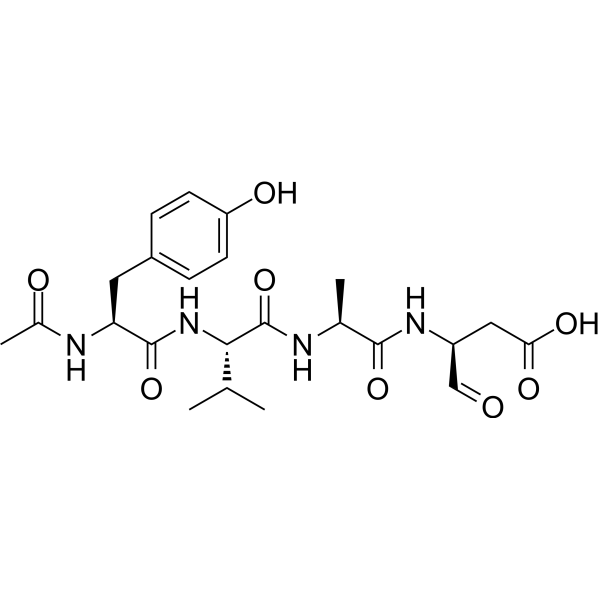
    Ac-YVAD-CHO (L-709049) is a potent, reversible, specific tetrapeptide interleukin-lβ converting enzyme (ICE) inhibitor with mouse and human Ki values of 3.0 and 0.76 nM. Ac-YVAD-CHO is also a caspase-1 inhibitor. Ac-YVAD-CHO can suppress the production of mature IL-lβ .
    Ac-YVAD-CHO
  • HY-P3452

    Tyrosinase Inflammation/Immunology
    Tetrapeptide-30 is a skin-brightening peptide consisting of four amino acids. Tetrapeptide-30 can act as a tyrosinase inhibitor, lightening hyperpigmentation and evening out skin tone by reducing the amount of tyrosinase and inhibiting melanocyte activation .
    Tetrapeptide-30
  • HY-125556
    Tetragastrin
    1 Publications Verification

    Cholecystokinin Tetrapeptide; CCK-4

    Cholecystokinin Receptor Metabolic Disease
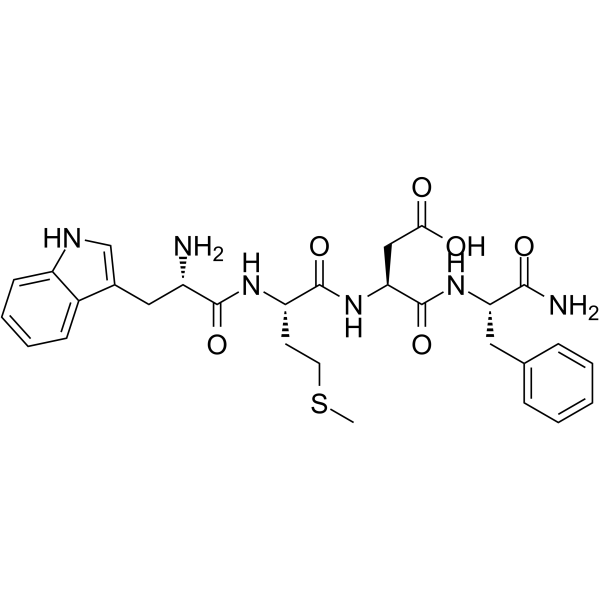
    Tetragastrin (Cholecystokinin tetrapeptide; CCK-4) is the C-terminal tetrapeptide of gastrin. Tetragastrin can stimulate gastric secretion . Tetragastrin is a Cholecystokinin (CCK-4) receptor agonist . Gastric mucosal protection .
    Tetragastrin
  • HY-P10724

    Formyl Peptide Receptor (FPR) Bacterial Infection
    fMIFL is a formyl tetrapeptide derived from Staphylococcus aureus, and also an agonist of mouse formyl peptide receptor 1 (mFPR1). It exhibits nanomolar activity against mFPR1 and micromolar activity against mFPR2. fMIFL is applicable to studies related to bacterial infections .
    fMIFL
  • HY-P5248

    Collagen Metabolic Disease
    Tetrapeptide-1 is a tetrapeptide exhibiting antiaging and antioxidant activity. Tetrapeptide-1 can be used for cosmetics research .
    Tetrapeptide-1
  • HY-P2663

    TNF Receptor Metabolic Disease
    Acetyl tetrapeptide-2 is a bio-active peptide that exhibits anti-aging activity. Acetyl tetrapeptide-2 can reduce loss of thymic factors. Acetyl tetrapeptide-2 can increase the stiffness of HaCaT cells. Acetyl tetrapeptide-2 is a stimulator of structural skin elements including collagen and elastin .
    Acetyl tetrapeptide-2
  • HY-P5247

    PTP20

    Melanocortin Receptor Sirtuin Metabolic Disease Inflammation/Immunology
    Palmitoyl tetrapeptide-20 (PTP20) is a biomimetic peptide agonist of α-MSH. Palmitoyl tetrapeptide-20 promotes hair pigmentation and delays hair graying by activating the MC1-R pathway (AC50: 0.16 nM), enhancing catalase activity to reduce H2O2 accumulation, and upregulating SIRT1 activity. Palmitoyl tetrapeptide-20 can be used in research on preventing hair loss and improving hair graying .
    Palmitoyl tetrapeptide-20
  • HY-P0240
    Tuftsin
    4 Publications Verification

    Endogenous Metabolite Inflammation/Immunology
    Tuftsin is a tetrapeptide. Tuftsin is a macrophage/microglial activator.
    Tuftsin
  • HY-P5232

    Collagen Metabolic Disease
    Tetrapeptide-21 is a bioactive peptide composed of four amino acids. Tetrapeptide-21 effectively enhances the vitality of human dermal fibroblasts. Tetrapeptide-21 upregulates the expression of key extracellular matrix (ECM) genes and promotes the synthesis of ECM proteins (such as type I collagen, hyaluronic acid synthase 1, and fibronectin). Tetrapeptide-21 has the efficacy of anti-wrinkle and improving skin elasticity, and has been reported to be used as a cosmetic ingredient .
    Tetrapeptide-21
  • HY-P0299A
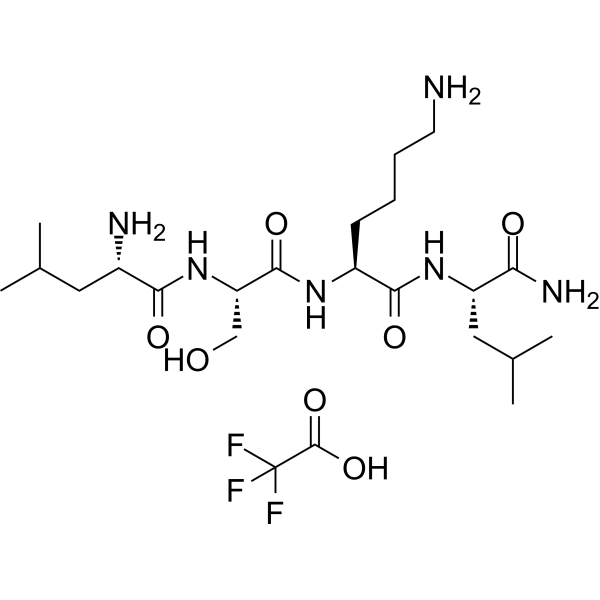
    LSKL, Inhibitor of Thrombospondin (TSP-1) TFA
    Maximum Cited Publications
    17 Publications Verification

    TGF-β Receptor Cancer
    LSKL, Inhibitor of Thrombospondin (TSP-1) TFA is a latency-associated protein (LAP)-TGFβ derived tetrapeptide and a competitive TGF-β1 antagonist. LSKL, Inhibitor of Thrombospondin (TSP-1) TFA inhibits the binding of TSP-1 to LAP and alleviates renal interstitial fibrosis and hepatic fibrosis. LSKL, Inhibitor of Thrombospondin (TSP-1) TFA suppresses subarachnoid fibrosis via inhibition of TSP-1-mediated TGF-β1 activity, prevents the development of chronic hydrocephalus and improves long-term neurocognitive defects following subarachnoid hemorrhage (SAH). LSKL, Inhibitor of Thrombospondin (TSP-1) TFA can readily crosse the blood-brain barrier .
    LSKL, Inhibitor of Thrombospondin (TSP-1) TFA
  • HY-P0266

    Ac-SdKP

    Angiotensin-converting Enzyme (ACE) Cardiovascular Disease Inflammation/Immunology
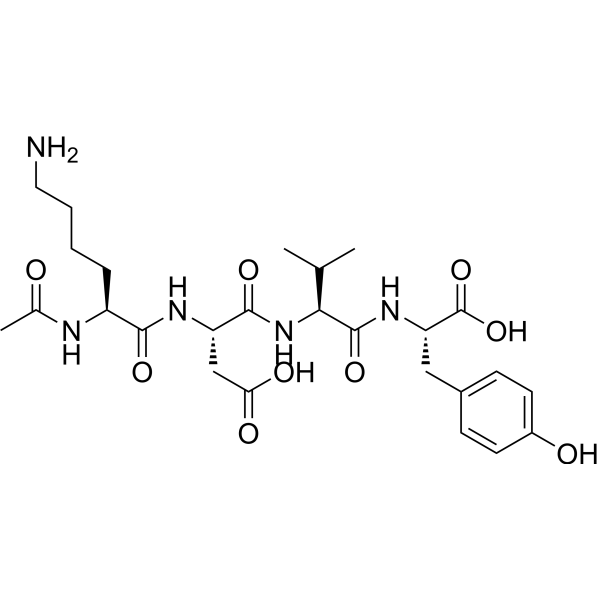
    N-Acetyl-Ser-dAsp-Lys-Pro, an endogenous tetrapeptide secreted by bone marrow, is a specific substrate for the N-terminal site of ACE.
    N-Acetyl-Ser-dAsp-Lys-Pro
  • HY-P5237

    Collagen Others
    Tetrapeptide-4 is a synthetic tetrapeptide. Tetrapeptide-4 upregulates hyaluronic acid synthetase, and collagen production in human dermal fibroblasts. Tetrapeptide-4 reduces skin aging, improves skin firmness, elasticity, and appearance, and benefits hair .
    Tetrapeptide-4
  • HY-P10002

    Proteasome Cancer
    EWFW-ACC is the tetrapeptide substrate for the immunoproteasome and has selectivity for the LMP7 subunits .
    EWFW-ACC
  • HY-126856

    HDAC Apoptosis Cancer
    HC-Toxin, a cyclic tetrapeptide, is a potent HDAC inhibitor with an IC50 of 30 nM . HC-Toxin induces tumor cell apoptosis and has anticancer effects .
    HC-Toxin
  • HY-N6717

    Herbicide Infection
    Tentoxin is a cyclic tetrapeptide isolated from Alternaria tenuis, acts as a herbicide, causes seedling chlorosis, inhibits cyclic photophosphorylation and functions as an energy transfer inhibitor .
    Tentoxin
  • HY-P10665

    Src Cancer
    pYEEI is a phosphotyrosine-containing tetrapeptide binds to Src SH2 domain with the Kd of 100 nM and with the IC50 of 6.5 μM. pYEEI plays an important role in cancer research .
    pYEEI
  • HY-128994A

    Drug Intermediate Cancer
    GGFG-Exatecan TFA is a synthetic intermediate for drug-linker conjugates used in antibody-drug conjugates (ADCs). GGFG-Exatecan TFA consists of a glycyl-glycyl-phenylalanyl-glycine (GGFG) tetrapeptide linker and a DNA topoisomerase I inhibitor Exatecan (HY-13631). GGFG-Exatecan TFA can be used for the study of cancer .
    GGFG-Exatecan TFA
  • HY-W108953A

    TGF-beta/Smad Others
    Myristoyl tetrapeptide-12 dihydrochloride is a peptide containing lysine and alanin. Myristoyl tetrapeptide-12 dihydrochloride is utilized as hair cair preparations agent in cosmetics industry .
    Myristoyl tetrapeptide-12 dihydrochloride
  • HY-P5247A

    PTP20 TFA

    Melanocortin Receptor Sirtuin Metabolic Disease Inflammation/Immunology
    Palmitoyl tetrapeptide-20 (PTP20) TFA is a biomimetic peptide agonist of α-MSH. Palmitoyl tetrapeptide-20 TFA promotes hair pigmentation and delays hair graying by activating the MC1-R pathway (AC50: 0.16 nM), enhancing catalase activity to reduce H2O2 accumulation, and upregulating SIRT1 activity. Palmitoyl tetrapeptide-20 TFA can be used in research on preventing hair loss and improving hair graying .
    Palmitoyl tetrapeptide-20 TFA
  • HY-W653894

    Isotope-Labeled Compounds Others
    Tentoxin-d3 is the deuterium-labeled Tentoxin (HY-N6717). Tentoxin-d3 is a cyclic tetrapeptide isolated from Alternaria tenuis, acts as a herbicide, causes seedling chlorosis, inhibits cyclic photophosphorylation and functions as an energy transfer inhibitor .
    Tentoxin-d3
  • HY-W108953

    TGF-beta/Smad Metabolic Disease
    Myristoyl tetrapeptide-12 directly activates SMAD2 and induces the linking of SMAD3 with DNA. Myristoyl tetrapeptide-12 is capable of stimulating hair growth, especially at the level of eyelashes .
    Myristoyl tetrapeptide-12
  • HY-P10809

    Dipeptidyl Peptidase Metabolic Disease
    VAMP, a tetrapeptide, is a competitive dipeptidyl peptidase IV (DPP-IV) inhibitor with an IC50 of 1.00 μM and a Kd of 6.89 μM. VAMP effectively targets the DPP-IV-GLP-1 axis and can be used for the study of type 2 diabetes .
    VAMP
  • HY-P1449A

    ADC Linker Cancer
    Boc-Gly-Gly-Phe-Gly-OH TFA, a self-assembly of N- and C-protected tetrapeptide, is a protease cleavable linker used for the antibody-drug conjugate (ADC).
    Boc-Gly-Gly-Phe-Gly-OH TFA
  • HY-P3087

    Opioid Receptor Neurological Disease
    Tyr-W-MIF-1 is an opioid tetrapeptide with opiate and antiopiate activity. Tyr-W-MIF-1 can induce analgesia .
    Tyr-W-MIF-1
  • HY-P4290

    Endogenous Metabolite Endocrinology
    Antiulcer Agent 2 is a tetrapeptide containing aspartic acid, alanine, histidine, and lysine. Antiulcer Agent 2 is present at the N-terminal of human albumin. Antiulcer Agent 2 has potential applications in ulcers and active oxygen generation .
    Antiulcer Agent 2
  • HY-P3674

    GnRH Receptor Endocrinology
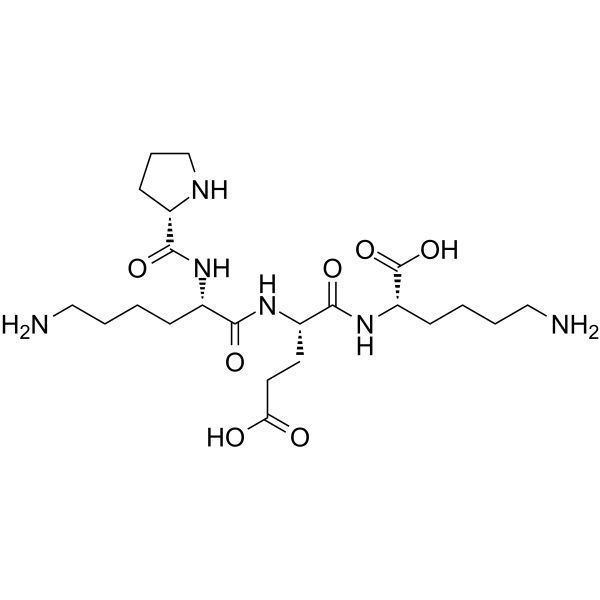
    LH-RH (7-10) is a tetrapeptide, one of major degradation products of luteinising-hormone releasing hormone (LHRH) via pituitary and hypothalamus. LH-RH (7-10) produced in macrophages, type I-like and type II pneumocytes .
    LH-RH (7-10)
  • HY-128994

    Drug Intermediate Cancer
    GGFG-Exatecan is a synthetic intermediate for drug-linker conjugates used in antibody-drug conjugates (ADCs). GGFG-Exatecan consists of a glycyl-glycyl-phenylalanyl-glycine (GGFG) tetrapeptide linker and a DNA topoisomerase I inhibitor Exatecan (HY-13631). GGFG-Exatecan can be used for the study of cancer .
    GGFG-Exatecan
  • HY-P10759

    Peptide-Drug Conjugates (PDCs) Aminopeptidase Cancer
    DTS-201 sodium (CPI-0004Na) is a peptidic prodrug of Doxorubicin (HY-15142A). DTS-201, comprising the tetrapeptide portion, is cleaved by endopeptidases in the tumor environment to produce metabolites that subsequently enter the cell and are converted to active Doxorubicin. DTS-201 shows antitumoral efficacy in tumor xenograft models of prostate, breast, and lung cancer .
    DTS-201 sodium
  • HY-P5265

    DNA/RNA Synthesis Metabolic Disease
    Tetrapeptide, an analogue of α-MSH, induces melanin synthesis. Tetrapeptide diminishes DNA damage by reducing the production of reactive oxidative species and enhancing repair of DNA photoproducts .
    Tetrapeptide
  • HY-P3164

    AcTP1

    Biochemical Assay Reagents Others
    Caprooyl-tetrapeptide-9 (AcTP1) is a bioactive peptide with anti-aging effect and has been reported used as a cosmetic ingredient .
    Acetyl tetrapeptide-9
  • HY-P3425

    Parasite Infection
    AGPV, a tetrapeptide, has the potential for prevention of schistosome parasite infection research .
    AGPV
  • HY-P1614

    Reactive Oxygen Species (ROS) Metabolic Disease Inflammation/Immunology
    ZEP-3 is a tetrapeptide derivative with anti-aging activity for the skin. ZEP-3 can inhibit ROS production and alleviate oxidative stress .
    ZEP-3
  • HY-120019A

    L-709049 acetate

    Interleukin Related Caspase Apoptosis Inflammation/Immunology
    Ac-YVAD-CHO (L-709049) acetate is a potent, reversible, specific tetrapeptide interleukin-lβ converting enzyme (ICE) inhibitor with mouse and human Ki values of 3.0 and 0.76 nM. Ac-YVAD-CHO acetate is also a caspase-1 inhibitor. Ac-YVAD-CHO acetate can suppress the production of mature IL-lβ .
    Ac-YVAD-CHO acetate
  • HY-P10712

    Biochemical Assay Reagents Others
    Nap-GFFY, a naphthylacetic acid modifi ed tetrapeptide of GFFY, is a self-assembling fiber peptide .
    Nap-GFFY
  • HY-P0266A

    Ac-SdKP TFA

    Angiotensin-converting Enzyme (ACE) Cardiovascular Disease Inflammation/Immunology
    N-Acetyl-Ser-dAsp-Lys-Pro (TFA), an endogenous tetrapeptide secreted by bone marrow, is a specific substrate for the N-terminal site of ACE.
    N-Acetyl-Ser-dAsp-Lys-Pro TFA
  • HY-W013156

    2′,3′,5′-Tri-O-acetylinosine

    Biochemical Assay Reagents Cancer
    2′,3′,5′-Triacetylinosine (2′,3′,5′-Tri-O-acetylinosine) has been shown to inhibit the growth of cancer cells, and is also an efficient method for bond cleavage and radiation protection. 2',3',5'-Tri-O-acetylinosine has been shown to bind to pyridinium ions, and it has been used in the synthesis of tetrapeptides with hydroxyl groups or alkylation.
    2′,3′,5′-Triacetylinosine
  • HY-P3425A

    Parasite Infection
    AGPV TFA, a tetrapeptide, has the potential for prevention of schistosome parasite infection research .
    AGPV TFA
  • HY-165362

    Reactive Oxygen Species (ROS) Inflammation/Immunology
    AO-1535 is a semisynthetic monoglycosylceramide that inhibits the production of reactive oxygen intermediates in human monocytes and macrophages stimulated by phorbol ester and chemotactic tetrapeptide. AO-1535 can be used for the research of inflammatory dermatoses .
    AO-1535
  • HY-P2698

    HDAC Apoptosis Cancer
    1-Alaninechlamydocin, a cyclic tetrapeptide, is a potent HDAC inhibitor (IC50=6.4 nM). 1-Alaninechlamydocin induces G2/M cell cycle arrest and apoptosis in MIA PaCa-2 cells .
    1-Alaninechlamydocin
  • HY-177441

    Parasite HDAC Infection
    Apicidin C (Compound 5a) is a cyclic tetrapeptide. Apicidin C has an antiprotozoal and antimalarial activity against Eimeria tenella (IC50: 6 nM) by reversibly inhibiting HDAC acyivity. Apicidin C can be used for malaria infections research .
    Apicidin C

Inquiry Online

Your information is safe with us. * Required Fields.

Salutation


Country or Region *

Applicant Name *


Organization Name *

Department *


Email Address *


Product Name *

Cat. No.


Requested quantity *

Phone Number *


Remarks

Inquiry Online

Inquiry Information

Product Name:
Cat. No.:
Quantity:
MCE Japan Authorized Agent:

