
1. Search Result
Search Result
Results for "

Tissue regeneration

" in MedChemExpress (MCE) Product Catalog:

79

Inhibitors & Agonists

4

Screening Libraries

26

Fluorescent Dye

19

Biochemical Assay Reagents

9

Peptides

5

Natural
Products

3

Oligonucleotides

Cat. No. Product Name Target Research Areas Chemical Structure
  • HY-16968
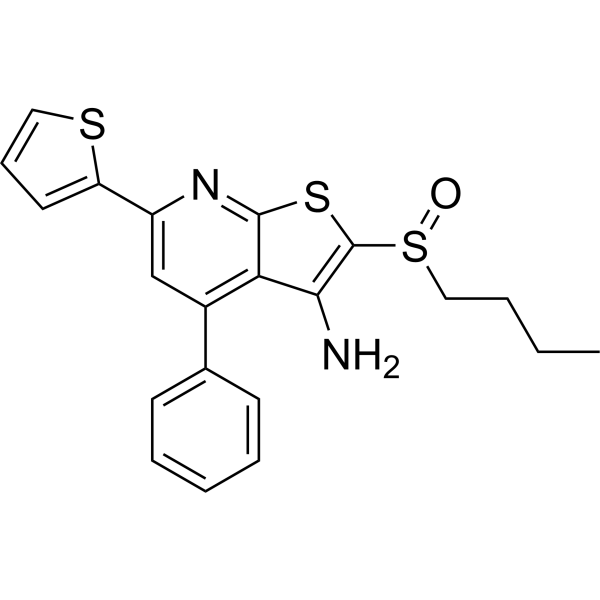
    SW033291
    5+ Cited Publications

    15-PGDH Others
    SW033291 is a potent and high-affinity inhibitor of 15-PGDH with a Ki of 0.1 nM. SW033291 increases prostaglandin PGE2 levels in bone marrow and other tissues. SW033291 also promotes tissue regeneration .
    SW033291
  • HY-16268
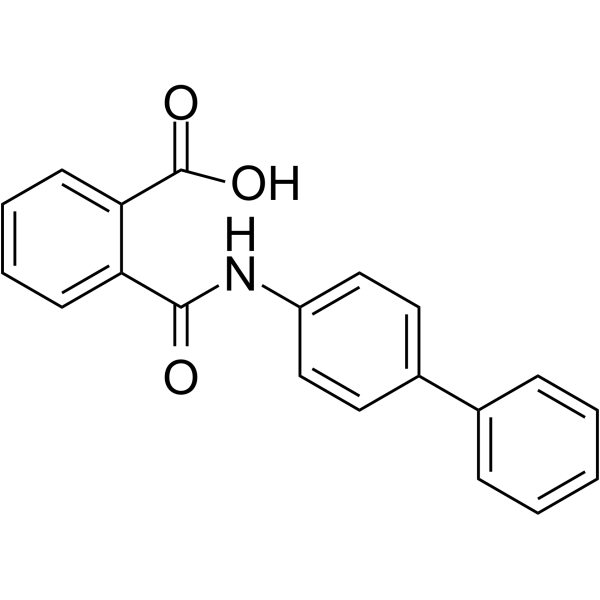
    Kartogenin
    Maximum Cited Publications
    31 Publications Verification

    KGN

    TGF-beta/Smad Inflammation/Immunology
    Kartogenin (KGN) is an inducer of chondrogenic tissue formation (EC50: 100 nM). Kartogenin induces chondrogenesis by binding to fibrin A, disrupting its interaction with the transcription factor core binding factor beta subunit (CBFβ), and by modulating the CBFβ-RUNX1 transcriptional program. Kartogenin also promotes tendon-bone junction (TBJ) wound healing by stimulating collagen synthesis. Kartogenin is widely used in cell-free therapy in the field of regeneration for cartilage regeneration and protection, tendon-bone healing, wound healing and limb development. Kartogenin promotes cartilage repair, coordinates limb development, and is also used in osteoarthritis (OA) research .
    Kartogenin
  • HY-Y1168
    DMTMM
    2 Publications Verification

    4-(4,6-Dimethoxy-1,3,5-triazin-2-yl)-4-methylmorpholinium chloride

    Biochemical Assay Reagents Neurological Disease Cancer
    DMTMM (4-(4,6-dimethoxy-1,3,5-triazine-2-yl)-4-methylmorpholinium chloride) is a coupling agent. DMTMM can activate carboxyl groups and promote the formation of amide bonds. DMTMM plays an important role in promoting the chemical modification of biomacromolecules such as polysaccharides and proteins. DMTMM can be used for research of tissue engineering, breast cancer, corneal regeneration, and biomaterials .
    DMTMM
  • HY-B1391
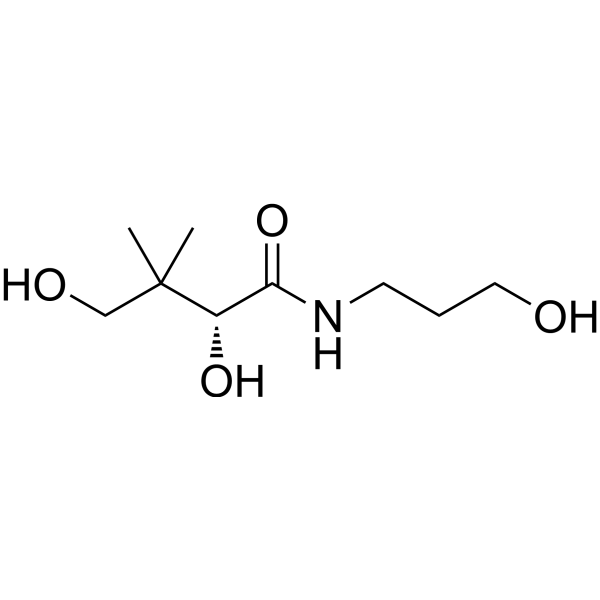
    D-Panthenol
    1 Publications Verification

    Dexpanthenol

    Environmental Pollutants Endogenous Metabolite Inflammation/Immunology Cancer
    D-Panthenol is the biologically-active alcohol of pantothenic acid, which leads to an elevation in the amount of coenzyme A in the cell. D-panthenol exhibits nephroprotective effect in AKI, promotes tissue repair and regeneration.
    D-Panthenol
  • HY-W763582B

    Gelatin Methacryloyl, 90% methacrylation

    Biochemical Assay Reagents Others
    GelMA (Gelatin Methacryloyl), 90% methacrylation, is a derivative obtained by the reaction of Methacrylic anhydride (MA) (HY-W017330) and gelatin. GelMA exhibits excellent biocompatibility, biodegradability, and moldability. GelMA can be photocrosslinked into hydrogels and can be used for research in regeneration of tissues, such as skin, tendon, bone, cartilage, blood vessel, and cardiovascular system. GelMA hydrogel also can be used for research on drug delivery, organ-on-a-chip, and biosensing .
    GelMA, 90% methacrylation
  • HY-112531

    Biochemical Assay Reagents Others
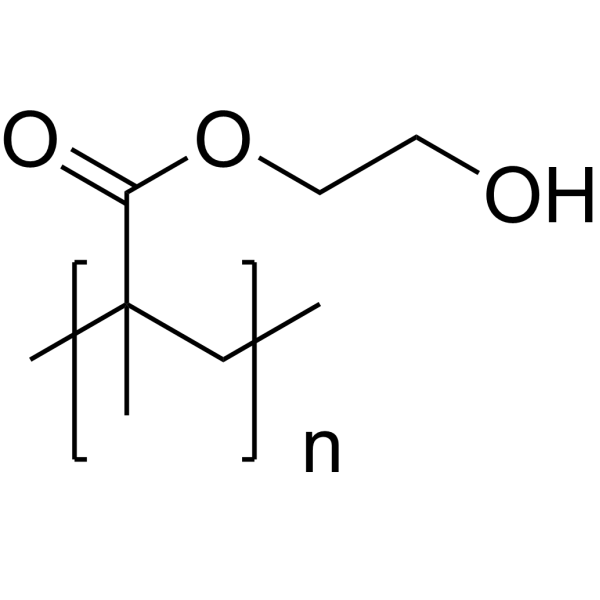
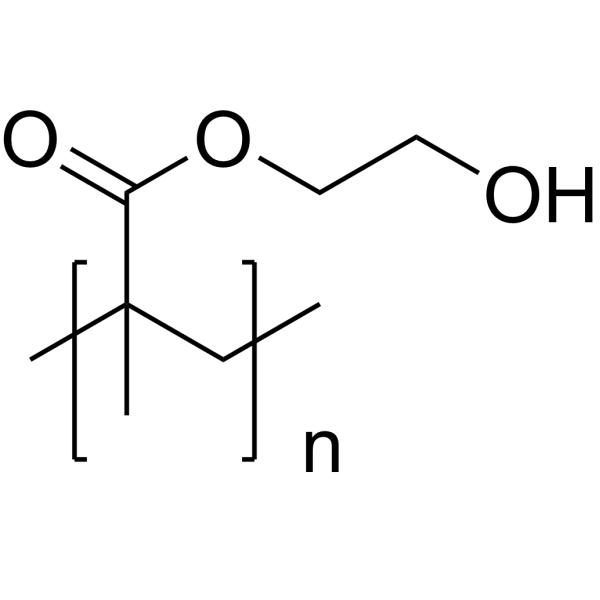
    Poly(2-hydroxyethyl methacrylate) (MW 20000) is one of the most important hydrogels in the biomaterials world. Poly(2-hydroxyethyl methacrylate) is the basic component of contact lenses, and is also used in implantation of soft tissues, synthetic transplant for gristle and bone, regeneration of neurotic tissue, transmission of agent and etc .
    Poly(2-hydroxyethyl methacrylate) (Mv 20000)
  • HY-W110542G

    PEGDA (MW 6000)

    Biochemical Assay Reagents Others
    Poly(ethylene glycol) diacrylate (PEGDA) (MW 6000) is a versatile polymer material that is widely used as a building material for hydrogel scaffolds, especially in the fields of tissue engineering and regenerative medicine. Poly(ethylene glycol) diacrylate (MW 6000) can be used as a building material for wound dressing hydrogels .
    Poly(ethylene glycol) diacrylate (MW 6000)
  • HY-W110542J

    PEGDA (MW 700)

    Biochemical Assay Reagents Others
    Poly(ethylene glycol) diacrylate (PEGDA) (MW 700) is a versatile polymer material that is widely used as a building material for hydrogel scaffolds, especially in the fields of tissue engineering and regenerative medicine. Poly(ethylene glycol) diacrylate (MW 700) mimics the extracellular matrix (ECM), providing support and growth space for cells .
    Poly(ethylene glycol) diacrylate (MW 700)
  • HY-W763582

    Gelatin Methacryloyl, 30% methacrylation

    Biochemical Assay Reagents Others
    GelMA (Gelatin Methacryloyl), 30% methacrylation, is a derivative obtained by the reaction of Methacrylic anhydride (MA) (HY-W017330) and gelatin. GelMA exhibits excellent biocompatibility, biodegradability, and moldability. GelMA can be photocrosslinked into hydrogels and can be used for research in regeneration of tissues, such as skin, tendon, bone, cartilage, blood vessel, and cardiovascular system. GelMA hydrogel also can be used for research on drug delivery, organ-on-a-chip, and biosensing .
    GelMA, 30% methacrylation
  • HY-W250313

    PLA

    Biochemical Assay Reagents Others Cancer
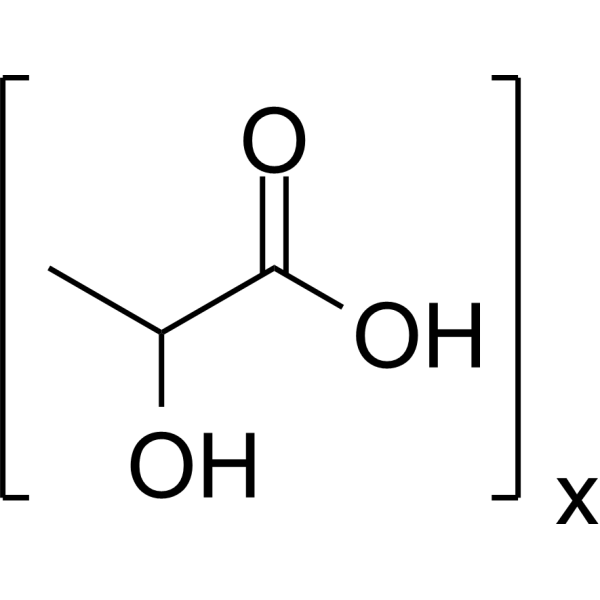
    Polylactic acid (PLA) is a biodegradable and biocompatible polymer widely used as a carrier for drug delivery systems and a structural material for tissue engineering and medical implants. Polylactic acid acts as a controlled release matrix through the hydrolysis mechanism of ester bonds, gradually releasing the encapsulated drug and metabolizing to non-toxic lactic acid. Polylactic acid has adjustable degradation rate, mechanical properties and the ability to composite with other polymers, and can be used in local or systemic drug delivery, orthopedic fixation devices and 3D printed bone regeneration scaffolds .
    Polylactic acid
  • HY-W068119A

    2-Maleimidoethylamine hydrochloride

    Biochemical Assay Reagents Cancer
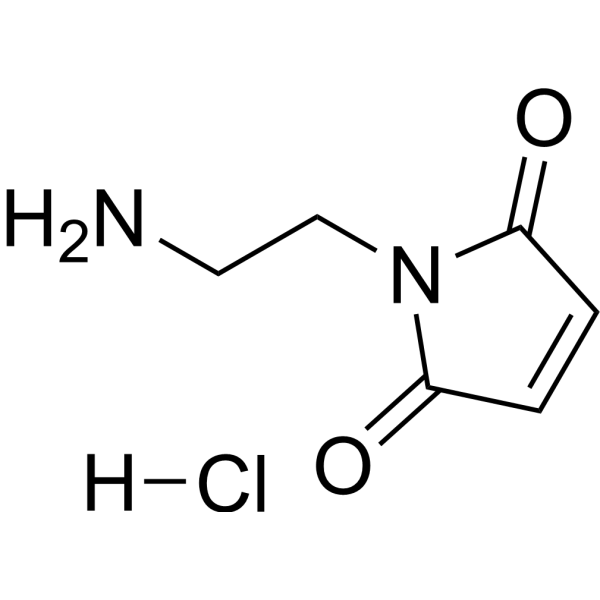
    N-(2-Aminoethyl)maleimide (2-Maleimidoethylamine) hydrochloride is a selective covalent binding agent for thiol groups (RSGs), covalently binding to thiols via an irreversible thioether bond to prepare MMP-2-sensitive nanosystems. Under near-neutral conditions, the maleimide group in N-(2-Aminoethyl)maleimide hydrochloride binds to thiol groups via a nucleophilic addition reaction, and can be used to modify polymers or biological interfaces, enhancing mucosal adhesion and regulating the surface charge of biological interfaces. N-(2-Aminoethyl)maleimide hydrochloride can optimize the adhesion performance of drug delivery carriers and cell interactions with biological interfaces, and is applied in transmucosal drug delivery systems (such as drug carriers for oral and bladder sites) and biomaterial surface engineering research, providing support for tissue implantation, regeneration, and related drug delivery .
    N-(2-Aminoethyl)maleimide hydrochloride
  • HY-W110542D

    PEGDA (MW 1000)

    Biochemical Assay Reagents Others
    Poly(ethylene glycol) diacrylate (PEGDA) (MW 1000) is a versatile polymer material that is widely used as a building material for hydrogel scaffolds, especially in the fields of tissue engineering and regenerative medicine .
    Poly(ethylene glycol) diacrylate (MW 1000)
  • HY-W110542N

    PEGDA (MW 250),MEHQ as inhibitor

    Biochemical Assay Reagents Others
    Poly(ethylene glycol) diacrylate (PEGDA) (MW 250), MEHQ as inhibitor is a versatile polymer material that is widely used as a building material for hydrogel scaffolds, especially in the fields of tissue engineering and regenerative medicine. Poly(ethylene glycol) diacrylate (MW 250), MEHQ as inhibitor can be used to construct optical cross-linked hydrogel implants .
    Poly(ethylene glycol) diacrylate (MW 250),MEHQ as inhibitor
  • HY-151807

    15-PGDH Metabolic Disease
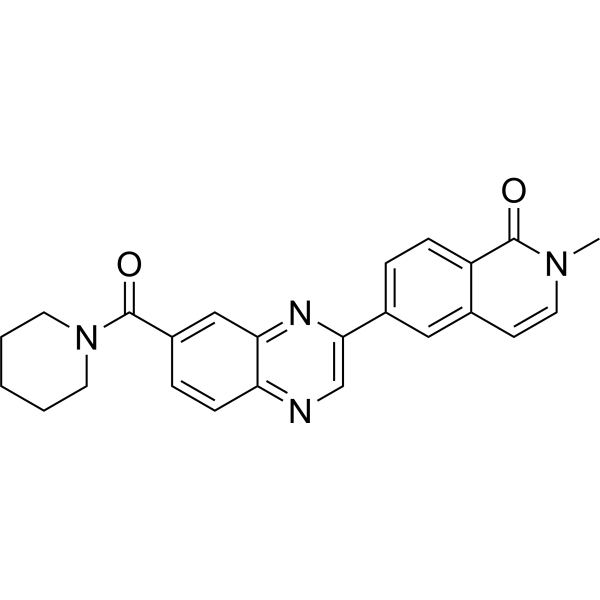
    15-PGDH-IN-1 is a potent and orally active 15-PGDH inhibitior. 15-PGDH-IN-1 has inhibition activity against recombinant human 15-PGDH with an IC50 value of 3 nM. 15-PGDH-IN-1 can be used for the research of tissue repair and regeneration .
    15-PGDH-IN-1
  • HY-112531B

    Biochemical Assay Reagents Others
    Poly(2-hydroxyethyl methacrylate) (Mv 300000) is a biocompatible, optically transparent, hydrophilic, and non-degradable polymer with excellent cytocompatibility, eliciting a minimal immunological response from host tissue. Poly(2-hydroxyethyl methacrylate) (Mv 300000) can be used for different biomedical applications, such as bone tissue regeneration, wound dressings and drug delivery .
    Poly(2-hydroxyethyl methacrylate) (Mv 300000)
  • HY-D0835

    Hydroxyapatite (25-45 μm)

    Others Cardiovascular Disease Inflammation/Immunology
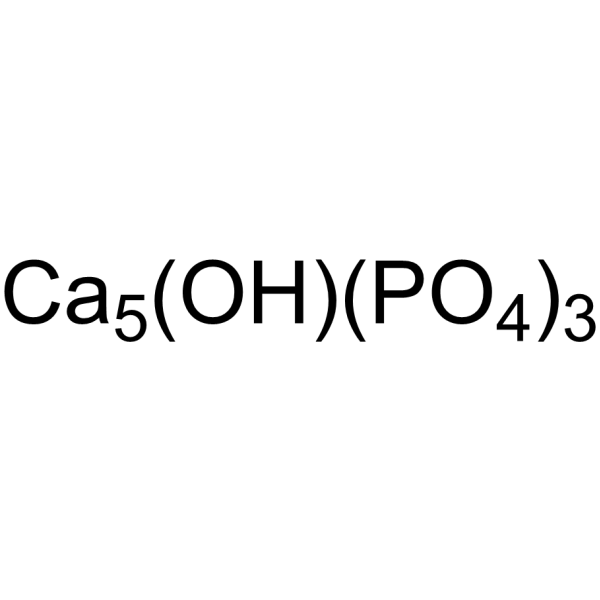
    Hydroxylapatite (Hydroxyapatite) (25-45 μm) is a natural form of calcium phosphate and is the main mineral component of bones and teeth. Hydroxylapatite (25-45 μm) can stimulate the expression and secretion of collagen in primary human dermal fibroblasts. Hydroxylapatite (25-45 μm) has good biocompatibility, bioactivity, and bone conductivity, making it suitable for targeted drug or nucleic acid delivery. Hydroxylapatite (25-45 μm) can be used in research on osteoarthritis, gout, and atherosclerosis .
    Hydroxylapatite (25-45 μm)
  • HY-112531A

    Biochemical Assay Reagents Others
    Poly(2-hydroxyethyl methacrylate) (MW 1000000) is one of the most important hydrogels in the biomaterials world. Poly(2-hydroxyethyl methacrylate) is the basic component of contact lenses, and is also used in implantation of soft tissues, synthetic transplant for gristle and bone, regeneration of neurotic tissue, transmission of agent and etc .
    Poly(2-hydroxyethyl methacrylate) (Mv 1000000)
  • HY-W110542P

    PEGDA (MW 4000), MEHQ as inhibitor

    Biochemical Assay Reagents Others
    Poly(ethylene glycol) diacrylate (PEGDA) (MW 4000), MEHQ as inhibitor is a versatile polymer material that is widely used as a building material for hydrogel scaffolds, especially in the fields of tissue engineering and regenerative medicine. Poly(ethylene glycol) diacrylate (MW 4000), MEHQ as inhibitor can be used to construct enzyme-responsive hydrogel drug delivery system .
    Poly(ethylene glycol) diacrylate (MW 4000), MEHQ as inhibitor
  • HY-W763582A

    Gelatin Methacryloyl, 60% methacrylation

    Biochemical Assay Reagents Others
    GelMA (Gelatin Methacryloyl), 60% methacrylation, is a derivative obtained by the reaction of Methacrylic anhydride (MA) (HY-W017330) and gelatin. GelMA exhibits excellent biocompatibility, biodegradability, and moldability. GelMA can be photocrosslinked into hydrogels and can be used for research in regeneration of tissues, such as skin, tendon, bone, cartilage, blood vessel, and cardiovascular system. GelMA hydrogel also can be used for research on drug delivery, organ-on-a-chip, and biosensing .
    GelMA, 60% methacrylation
  • HY-158231

    F127DA

    Integrin FAK Inflammation/Immunology
    Polyether F127 Diacrylate (F127DA) is an acrylated polyethylene glycol-polypropylene glycol-polyethylene glycol triblock copolymer. Polyether F127 Diacrylate rapidly crosslinks and cures into a gel under ultraviolet or visible light with the action of a photoinitiator. Polyether F127 Diacrylate exhibits excellent thermogelation properties and favorable biosafety. Polyether F127 Diacrylate can upregulate the Integrin-FAK pathway, enhance collagen production, increase the protein and gene expression levels of COL-1/SCX, and promote fibroblastic differentiation of periodontal ligament stem cells. Polyether F127 Diacrylate promotes periodontal ligament regeneration and reduces abnormal healing in a rat model of delayed replanted teeth . Polyether F127 Diacrylate promotes functional osteochondral regeneration in a rat model of osteoarthritis. Polyether F127 Diacrylate supports adipose tissue survival, rendering it suitable for breast reconstruction applications. Polyether F127 Diacrylate can be used in studies related to periodontal ligament injury, breast defect and osteoarthritis .
    Polyether F127 Diacrylate
  • HY-W110542H

    PEGDA (MW 10000)

    Biochemical Assay Reagents Others
    Poly(ethylene glycol) diacrylate (PEGDA) (MW 10000) is a versatile polymer material that is widely used as a building material for hydrogel scaffolds, especially in the fields of tissue engineering and regenerative medicine. Poly(ethylene glycol) diacrylate (MW 10000) can be used to create a three-dimensional (3D) breast cancer cell culture model .
    Poly(ethylene glycol) diacrylate (MW 10000)
  • HY-P5558

    VEGFR Neurological Disease
    KLTWQELYQLKYKGI is a VEGF mimetic peptide designed based on the VEGF helix sequence 17-25, with the ability to activate VEGF receptors and exert pro-angiogenic biological activity. KLTWQELYQLKYKGI effectively promotes the attachment, spreading and proliferation of human umbilical vein endothelial cells. KLTWQELYQLKYKGI enhances the proliferation, migration and osteogenic differentiation of bone marrow stromal cells (BMSCs). KLTWQELYQLKYKGI synergistically accelerates angiogenesis and bone regeneration in rat cranial defect models. KLTWQELYQLKYKGI can be used for the research of brain tissue engineering and traumatic brain injury repair and biomaterials for bone tissue engineering and bone repair .
    KLTWQELYQLKYKGI
  • HY-103322

    PKA Potassium Channel Metabolic Disease Cancer
    6-Bnz-cAMP sodium, a derivative of cyclic adenosine monophosphate (cAMP), is a selective PKA activator with inhibitory activity against the bTREK-1 K + channel. 6-Bnz-cAMP sodium does not activate the Epac signaling pathway. It inhibits the bTREK-1 K + channel via a voltage-independent, ATP-dependent mechanism that is independent of the PKA/Epac/calmodulin kinase/MAP kinase pathway. 6-Bnz-cAMP sodium activates CREB phosphorylation to regulate osteoblast-specific gene expression, induces osteoblast differentiation, promotes extracellular matrix mineralization, supports osteoblast proliferation, and shows no cytotoxicity toward osteoblasts. It can be used in studies related to bone tissue repair and regeneration .
    6-Bnz-cAMP sodium salt
  • HY-W250308A

    Epsilon-polylysine hydrochloride (MV 2000-5000); ε-Polylysine hydrochloride (MV 2000-5000); ε-PL hydrochloride (MV 2000-5000)

    Bacterial Fungal Reactive Oxygen Species (ROS) Infection
    ε-Poly-L-lysine (Epsilon-polylysine; ε-Polylysine) hydrochloride (MV 2000-5000) is a polycationic antibacterial agent with broad-spectrum activity against Gram-positive bacteria, Gram-negative bacteria, fungi, yeasts and specific bacteriophages. ε-Poly-L-lysine hydrochloride (MV 2000-5000) exerts bactericidal effects through mechanisms such as disrupting microbial membranes, inducing ROS production, inhibiting metabolism and spore germination. ε-Poly-L-lysine hydrochloride (MV 2000-5000) also regulates the expression of multiple key genes including sodA, oxyR and recA. ε-Poly-L-lysine hydrochloride (MV 2000-5000) exhibits properties such as low eukaryotic cytotoxicity, thermal stability and pH stability, and supports tissue regeneration and anti-tumor applications. ε-Poly-L-lysine hydrochloride (MV 2000-5000) can be applied in research fields including bacterial and fungal infections, diabetic ulcers, and methicillin-resistant Staphylococcus aureus infections .
    ε-Poly-L-lysine hydrochloride (MV 2000-5000)
  • HY-158226

    ElaMA

    Biochemical Assay Reagents Others
    Elastin Methacrylated (ElaMA) elastin recruits and modulates innate immune cells and accelerates angiogenesis at the wound site, thereby improving wound regeneration. Elastin Methacrylated attracts large numbers of neutrophils and primarily M2 macrophages to the wound and induces their penetration into the hydrogel. Elastin Methacrylated has excellent immunomodulatory effects, leading to superior angiogenesis, collagen deposition and dermal regeneration . Elastin Methacrylated needs to self-assemble into fibrous hydrogel under the action of photoinitiator LAP (HY-44076), and target bioactive adhesion sites, play an inherent supporting role for tissue cells and biodegradable activity.
    Application: cell culture, biological 3D printing, tissue engineering, etc.
    Elastin Methacrylated
  • HY-W110542O

    PEGDA (MW 575),MEHQ as inhibitor

    Biochemical Assay Reagents Others
    Poly(ethylene glycol) diacrylate (PEGDA) (MW 575), MEHQ as inhibitor is a versatile polymer material that is widely used as a building material for hydrogel scaffolds, especially in the fields of tissue engineering and regenerative medicine. Poly(ethylene glycol) diacrylate (MW 575), MEHQ as inhibitor can be used for the synthesis of a class of biodegradable polymers .
    Poly(ethylene glycol) diacrylate (MW 575),MEHQ as inhibitor
  • HY-P2217

    DSC-127; NorLeu3-A(1-7)

    Angiotensin Receptor Inflammation/Immunology
    Aclerastide (DSC-127) is an angiotensin receptor agonist. Aclerastide also is a peptide analog of angiotensin II. Aclerastide can be used for the research of tissue regeneration in diabetic ulcers .
    Aclerastide
  • HY-W008956

    Microtubule/Tubulin DNA/RNA Synthesis Cardiovascular Disease Inflammation/Immunology
    Myoseverin is a microtubule-binding molecule and angiogenesis inhibitor. Myoseverin can induce the reversible fission of multinucleated myotubes into mononucleated fragments. In addition, Myoseverin exerts anti-angiogenic effects by inhibiting endothelial cell function and endothelial progenitor cell differentiation .
    Myoseverin
  • HY-126621

    YAP Cancer
    DC-TEADin02 is a potent TEAD autopalmitoylation inhibitor. DC-TEADin02 has TEAD autopalmitoylation inhibitory with the IC50 value of 197 nM. DC-TEADin02 can be used for the research of development, regeneration and tissue homeostasis .
    DC-TEADin02
  • HY-P3386A

    Cpne7-DP acetate

    Calcium Channel Metabolic Disease
    Selcopintide (Cpne7-DP) acetate consists of a synthetic peptide corresponding to the 10 amino acid residue 344-353 fragment of the hCPNE7 protein. Selcopintide acetate highly reproduces the in vitro effects of CPNE7 by upregulating odontoblast marker genes, DSPP, and Nestin. Selcopintide acetate promotes dentin regeneration in dentinal defects of various degrees and that the regenerated hard tissue demonstrates the characteristics of true dentin .
    Selcopintide acetate
  • HY-W017508

    1,8-Octanediol

    Biochemical Assay Reagents Others
    1,8-Octanediol can be used to modify polyethersulfone (PES) base membranes to enhance their hemocompatibility. 1,8-Octanediol can synthesize hybrid elastomers for soft and hard tissue regeneration. 1,8-Octanediol can enhance cell biocompatibility .
    1,8-Octanediol
  • HY-16268A
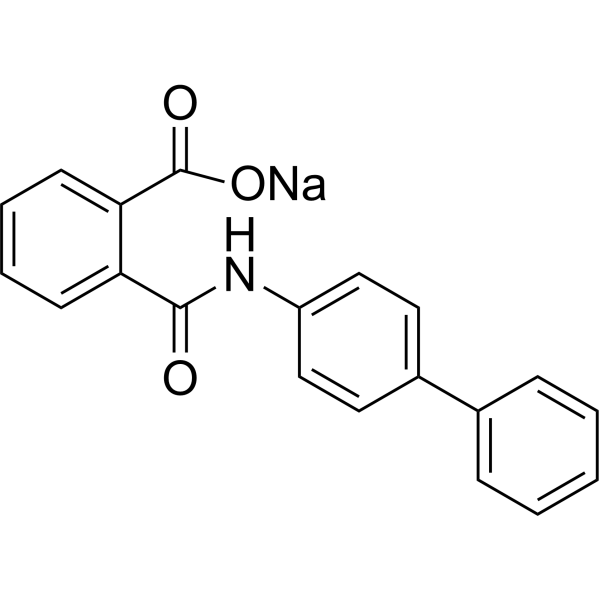
    Kartogenin sodium
    Maximum Cited Publications
    31 Publications Verification

    KGN sodium

    TGF-beta/Smad Inflammation/Immunology
    Kartogenin (KGN) sodium is an inducer of chondrogenic tissue formation (EC50: 100 nM). Kartogenin sodium induces chondrogenesis by binding to fibrin A, disrupting its interaction with the transcription factor core binding factor beta subunit (CBFβ), and by modulating the CBFβ-RUNX1 transcriptional program. Kartogenin sodium also promotes tendon-bone junction (TBJ) wound healing by stimulating collagen synthesis. Kartogenin sodium is widely used in cell-free therapy in the field of regeneration for cartilage regeneration and protection, tendon-bone healing, wound healing and limb development. Kartogenin sodium promotes cartilage repair, coordinates limb development, and is also used in osteoarthritis (OA) research .
    Kartogenin sodium
  • HY-W010989

    Biochemical Assay Reagents Bacterial Infection Neurological Disease Inflammation/Immunology Cancer
    Gly-His-Lys acetate is a natural, circulating regulatory and antimicrobial tripeptide derived from extracellular matrix proteins. Gly-His-Lys acetate binds Cu 2+ to support copper enzyme activation, antioxidant processes, cellular bioenergetics, and the synthesis of elastin, collagen and catecholamines. Gly-His-Lys acetate regulates cell growth, differentiation and tissue repair, and exerts regenerative, anxiolytic, anti-inflammatory, analgesic and immunosuppressive activities. Gly-His-Lys acetate induces liver degenerative changes. Gly-His-Lys acetate can be used for the research of infections, anxiety, pain-related behaviors and immune-associated liver diseases .
    Gly-His-Lys acetate
  • HY-P0316

    Thrombin NO Synthase Cardiovascular Disease
    TP508 is a 23-amino acid nonproteolytic thrombin peptide that represents a portion of the receptor-binding domain of thrombin molecule. TP508 activates endothelial NO synthase (eNOS) and stimulates production of NO in human endothelial cells. TP508 activates endothelial cells and stem cells to revascularize and regenerate tissues .
    TP508
  • HY-125516

    Endogenous Metabolite Others Inflammation/Immunology
    MCTR3 is a potent cytokine of pro-resolving mediating maresin conjugates in tissue regeneration (MCTR), which reduces the inflammatory response and promotes the tissue regeneration. MCTR3 exhibits potency in ameliorating LPS-induced acute lung injury and arthritis .
    MCTR3
  • HY-P3386

    Cpne7-DP

    Calcium Channel Metabolic Disease
    Selcopintide (Cpne7-DP) consists of a synthetic peptide corresponding to the 10 amino acid residue 344-353 fragment of the hCPNE7 protein. Selcopintide highly reproduces the in vitro effects of CPNE7 by upregulating odontoblast marker genes, DSPP, and Nestin. Selcopintide promotes dentin regeneration in dentinal defects of various degrees and that the regenerated hard tissue demonstrates the characteristics of true dentin .
    Selcopintide
  • HY-B1391R

    Dexpanthenol (Standard)

    Reference Standards Endogenous Metabolite Inflammation/Immunology Cancer
    D-Panthenol (Standard) is the analytical standard of D-Panthenol. This product is intended for research and analytical applications. D-Panthenol is the biologically-active alcohol of pantothenic acid, which leads to an elevation in the amount of coenzyme A in the cell. D-panthenol exhibits nephroprotective effect in AKI, promotes tissue repair and regeneration.
    D-Panthenol (Standard)
  • HY-16968A

    15-PGDH Others
    (R)-SW033291 is the R-type enantiomer of SW033291 (HY-16968). (R)-SW033291 is a potent and high-affinity inhibitor of 15-PGDH. (R)-SW033291 increases prostaglandin PGE2 levels in bone marrow and other tissues. (R)-SW033291 also promotes tissue regeneration .
    (R)-SW033291
  • HY-P0316A

    Thrombin NO Synthase Cardiovascular Disease
    TP508 TFA is a 23-amino acid nonproteolytic thrombin peptide that represents a portion of the receptor-binding domain of thrombin molecule. TP508 TFA activates endothelial NO synthase (eNOS) and stimulates production of NO in human endothelial cells. TP508 TFA activates endothelial cells and stem cells to revascularize and regenerate tissues .
    TP508 TFA
  • HY-125408

    MCTR1

    Leukotriene Receptor Cardiovascular Disease Inflammation/Immunology
    Maresin conjugates in tissue regeneration 1 (MCTR1) is a potent cytokine of pro-resolving mediating maresin conjugates in tissue regeneration (MCTR), which reduces the inflammatory response and promotes tissue regeneration. Maresin conjugates in tissue regeneration 1 antagonize LTD4-stimulated vascular responses .
    Maresin conjugates in tissue regeneration 1
  • HY-W250160

    Polydeoxyribonucleotide

    Sirtuin Autophagy Inflammation/Immunology
    PDRN (Polydeoxyribonucleotide) is a linear polyribonucleotide fragment mainly derived from salmon sperm. PDRN exhibits antioxidant and anti-aging properties by diminishing autophagy and enhancing SIRT1 expression. PDRN shows tissue regeneration and anti-inflammatory effects .
    PDRN
  • HY-130322

    MCTR2

    Others Inflammation/Immunology
    Maresin Conjugates in Tissue Regeneration 2 is a specialized pro-resolving mediator (SPM). Maresin Conjugates in Tissue Regeneration 2 can be used in the study of anti-inflammatory .
    Maresin Conjugates in Tissue Regeneration 2
  • HY-120312

    Drug Derivative Others
    PCTR3 is a Docosahexaenoic acid DHA (HY-B2167) derivative, which acts as a pro-resolving and tissue regeneration lipid mediator .
    PCTR3
  • HY-N8693

    COX Amyloid-β Sirtuin Reactive Oxygen Species (ROS) Apoptosis SARS-CoV Infection Neurological Disease
    Withanoside IV is an orally active, blood-brain barrier-permeable withanolide derivative. Withanoside IV specifically binds to the Sudlow I site of HSA, induces secondary structural changes in HSA, and forms stable HSA complexes. Withanoside IV inhibits the enzymatic activity of COX-2. Withanoside IV induces axonal regeneration, peripheral nervous system myelination and increased axonal density in spinal cord tissue, reduces reactive gliosis-related changes, and improves hindlimb motor function. Withanoside IV binds to amyloid-β 1-42 to inhibit its aggregation, induces neurite outgrowth and synapse reconstruction, repairs damaged axons and dendrites, enhances mitochondrial biogenesis, exerts neuroprotective effects via the BDNF and SIRT1 signaling pathways, reduces ROS production and neuronal apoptosis, and ameliorates memory deficits. Withanoside IV inhibits the activity of the SARS-CoV-2 main protease. Withanoside IV can be used in research related to spinal cord injury, Alzheimer's disease, and coronavirus disease 2019 (COVID-19) .
    Withanoside IV
  • HY-129466

    Biochemical Assay Reagents Inflammation/Immunology
    PCTR2 is a protectin sulfidoconjugate, which is a pro-resolving mediator that exhibits activity towards inflammation and tissue regeneration .
    PCTR2
  • HY-174670

    mRNA Cancer
    Human HGF mRNA encodes the human hepatocyte growth factor (HGF) protein, a protein that binds to the hepatocyte growth factor receptor to regulate cell growth, cell motility and morphogenesis in numerous cell and tissue types. It also plays a role in angiogenesis, tumorogenesis, and tissue regeneration.
    Human HGF mRNA
  • HY-D2630

    Fluorescent Dye Others
    Cy3 HA MA (MW 3000) is a hyaluronic acid methacrylate labeled with CY3 (HY-D0822). Cy3 HA MA (MW 3000) is widely used in the fields of biolabeling and imaging, drug delivery and tissue engineering and regenerative medicine (Ex/Em = 550/570 nm).
    Cy3 HA MA (MW 3000)
  • HY-D2651

    Fluorescent Dye Others
    Cy5 HA MA (MW 50000) is a hyaluronic acid methacrylate labeled with CY5 (HY-D0821). Cy5 HA MA (MW 50000) is widely used in the fields of biolabeling and imaging, drug delivery and tissue engineering and regenerative medicine (Ex/Em = 633/670 nm).
    Cy5 HA MA (MW 50000)
  • HY-D2649

    Fluorescent Dye Others
    Cy5 HA MA (MW 5000) is a hyaluronic acid methacrylate labeled with CY5 (HY-D0821). Cy5 HA MA (MW 5000) is widely used in the fields of biolabeling and imaging, drug delivery and tissue engineering and regenerative medicine (Ex/Em = 633/670 nm).
    Cy5 HA MA (MW 5000)
  • HY-D2685

    Fluorescent Dye Others
    Cy7 HA MA (MW 100000) is a hyaluronic acid methacrylate labeled with CY7 (HY-D0825). Cy7 HA MA (MW 100000) is widely used in the fields of biolabeling and imaging, drug delivery and tissue engineering and regenerative medicine (Ex/Em = 740/770 nm).
    Cy7 HA MA (MW 100000)

Inquiry Online

Your information is safe with us. * Required Fields.

Salutation


Country or Region *

Applicant Name *


Organization Name *

Department *


Email Address *


Product Name *

Cat. No.


Requested quantity *

Phone Number *


Remarks

Inquiry Online

Inquiry Information

Product Name:
Cat. No.:
Quantity:
MCE Japan Authorized Agent:

