24 Results for "

amyloidogenic

" in MedChemExpress (MCE) Product Catalog:
Products (24)

24 Results for "amyloidogenic" in MCE Product Catalog:

5
5 Cited Publications
Cat. No.: HY-17566
CAS No.: 1405-37-4
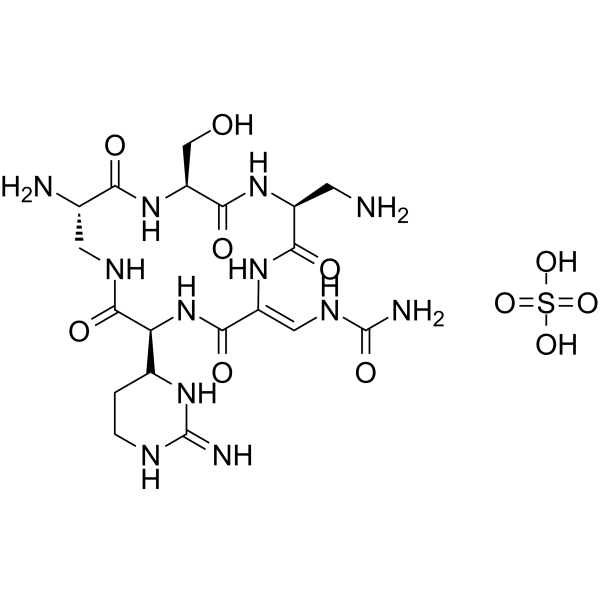
Capreomycin sulfate is a macrocyclic peptide antibiotic that inhibits phenylalanine synthesis in mycobacterial ribosomal translation. Capreomycin sulfate has anti-amyloidogenic and pro-fibrinolytic activities, reducing amyloid-induced cytotoxicity by inhibiting the occurrence of amyloid fibrillation. Capreomycin sulfate can be used in the study of multidrug-resistant tuberculosis, type 2 diabetes, Alzheimer's disease and Parkinson's disease .
loading...
    loading...
1
1 Cited Publications
Cat. No.: HY-113283
CAS No.: 451-13-8
Purity:  99.46%
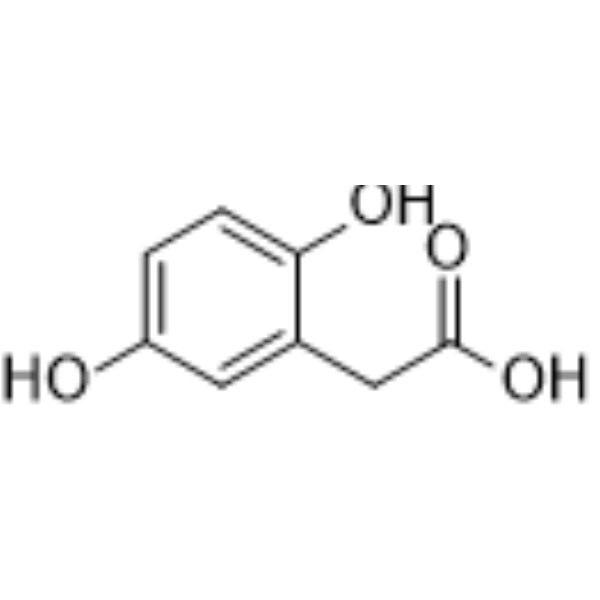
Homogentisic acid is an orally active, blood-brain barrier-permeable amyloidogenic compound that functions as both an amyloid component and a pigment precursor. Accumulation of homogentisic acid downregulates tight junction proteins (such as claudin-5, occludin, ZO-1) and impairs blood-brain barrier integrity. Homogentisic acid and its oxidation product benzoquinone acetic acid not only induce the aggregation and fibrosis of multiple proteins (such as 1-42, α-synuclein, SAA, Transthyretin (TTR), atrial natriuretic peptide), but also trigger oxidative stress, damage to the Wnt/β-catenin pathway, and neurotoxicity, leading to ochronosis pigment deposition and synaptic dysfunction. At specific concentrations, homogentisic acid exerts no cytotoxicity or genotoxicity on human peripheral blood lymphocytes, and even counteracts the genotoxicity induced by Irinotecan (HY-16562). Homogentisic acid serves as an important tool molecule for investigating the mechanisms of diseases including ochronosis, secondary amyloidosis, Alzheimer's disease, and colorectal cancer .
loading...
    loading...
Cat. No.: HY-P991128
CAS No.: 2965214-50-8
Synonyms: NI-006; ALXN2220
Cliramitug (NI-006; ALXN2220) is a monoclonal antibody that targets human transthyretin (TTR). Cliramitug binds to TTR and inhibits its amyloidogenic process, exerting amyloid formation-inhibiting activity. Cliramitug can be used in the research of transthyretin amyloidosis-related diseases, such as certain neurological and cardiovascular diseases .
loading...
    loading...
Cat. No.: HY-P10861A
Target:  

Tau Protein

Research Areas:  

Neurological Disease

RI-AG03 acetate is a proteolytically stable tau aggregation inhibitor that crosses the blood-brain barrier and exhibits oral efficacy. RI-AG03 acetate inhibits tau aggregation and promotes the formation of alternative amorphous aggregates that are non-amyloidogenic. RI-AG03 acetate mediates cellular uptake through direct membrane penetration and macropinocytosis, and its conjugation with cell-penetrating peptide sequences (CPPs) enhances the binding of cells to liposomes. RI-AG03 acetate suppresses aggregation-dependent neurodegenerative and behavioral phenotypes, and extends the lifespan of Drosophila models of tauopathy. RI-AG03 acetate can be used for research on tau-related diseases such as Alzheimer's disease .
loading...
    loading...
Cat. No.: HY-19738
CAS No.: 185351-19-3
Target:  

Tau Protein

Research Areas:  

Neurological Disease

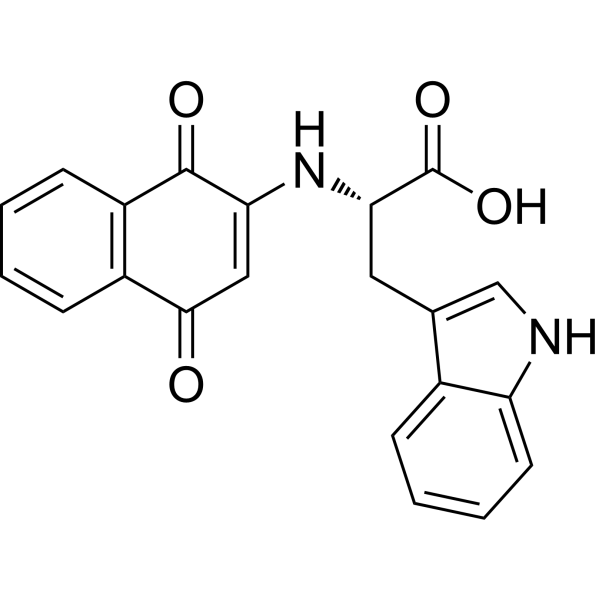
NQTrp, an aromatic naphthoquinone-tryptophan hybrid molecule, an inhibitor of the aggregation of the tau protein with generic anti-amyloidogenic effects. NQTrp inhibits the in vitro aggregation of hexapeptide ( 41GCWMLY 46 within the N-terminus of γD-crystallin) as well as full-length γD-crystallin .
loading...
    loading...
Cat. No.: HY-128849
CAS No.: 21668-77-9
Purity:  ≥98.0%
Target:  

Amyloid-β

Research Areas:  

Inflammation/Immunology

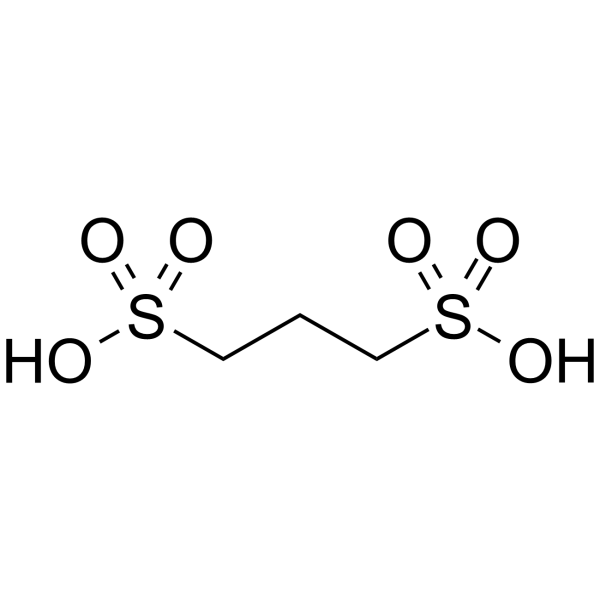
Eprodisate (70% in water) is an amyloid inhibitor that interferes with the interaction between amyloidogenic proteins and glycosaminoglycans, thereby inhibiting the aggregation of amyloid fibrils and the deposition of fibrils in tissues. Eprodisate (70% in water) slows the progression of renal disease associated with AA amyloidosis and may be useful for other types of amyloidosis .
loading...
    loading...
Cat. No.: HY-P0305
CAS No.: 148439-49-0
Synonyms: Prion protein (106-126)
Target:  

Prion Protein

Research Areas:  

Infection

PrP (106-126) is a peptide corresponding to the prion protein (PrP) amyloidogenic region, and its biochemical properties resemble the infectious form of prion protein.
loading...
    loading...
Cat. No.: HY-P10861
Target:  

Tau Protein

Research Areas:  

Neurological Disease

RI-AG03 is a proteolytically stable tau aggregation inhibitor that crosses the blood-brain barrier and exhibits oral efficacy. RI-AG03 inhibits tau aggregation and promotes the formation of alternative amorphous aggregates that are non-amyloidogenic. RI-AG03 mediates cellular uptake through direct membrane penetration and macropinocytosis, and its conjugation with cell-penetrating peptide sequences (CPPs) enhances the binding of cells to liposomes. RI-AG03 suppresses aggregation-dependent neurodegenerative and behavioral phenotypes, and extends the lifespan of Drosophila models of tauopathy. RI-AG03 can be used for research on tau-related diseases such as Alzheimer's disease .
loading...
    loading...
Cat. No.: HY-P4822
CAS No.: 1190970-24-1
Target:  

Tau Protein

Research Areas:  

Others

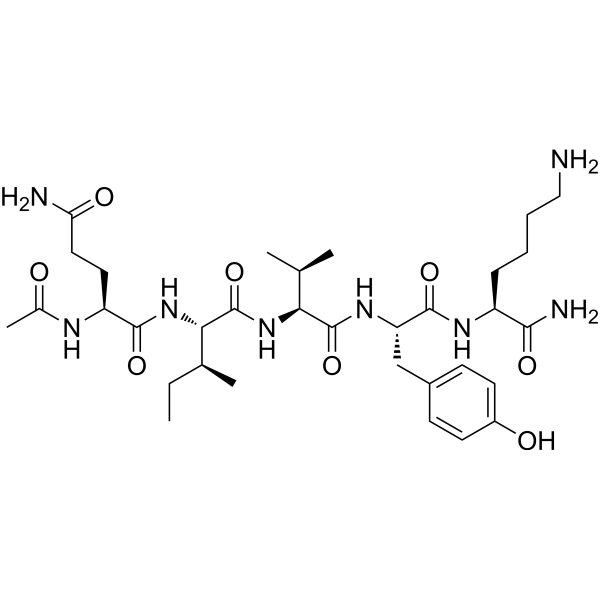
Acetyl-PHF5 amide is an amyloidogenic protein tau peptide. Acetyl-PHF5 amide can polymerization into filamentous structures .
loading...
    loading...
Cat. No.: HY-145889
CAS No.: 2495750-19-9
Research Areas:  

Others

LC kinetic stabilizer-1 (compound 21) is a potent and selective amyloidogenic immunoglobulin light chain kinetic stabilizer with EC50s of 140 and 74.1 nM for WIL-FL * and WIL-FL * T46L/F49Y, respectively. WIL-FL is an amyloidogenic FL LC dimer .
loading...
    loading...
Cat. No.: HY-P5515
CAS No.: 409085-40-1
Target:  

Peptides

Research Areas:  

Others

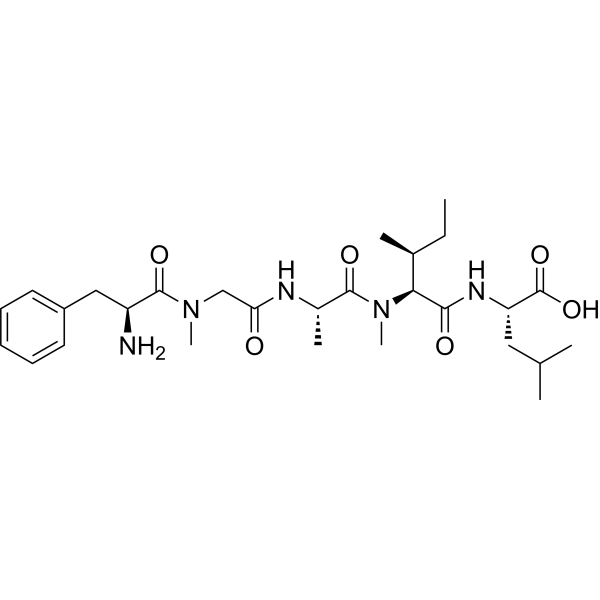
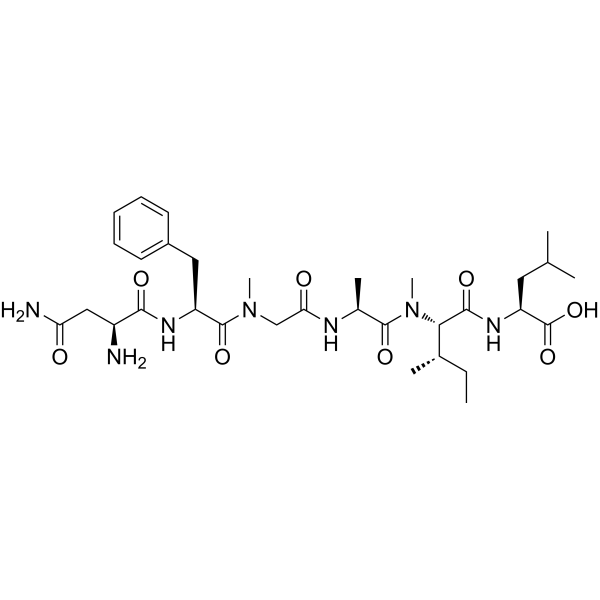
F(N-Me)GA(N-Me)IL is a biological active peptide. (Double N-methylated derivatives of amyloidogenic and cytotoxic partial IAPP sequence were found to be devoid of β-sheet structure, amyloidogenicity and cytotoxicity, The derivatives were able to interact with the native sequences and inhibit amyloid formation)
loading...
    loading...
Cat. No.: HY-145890
CAS No.: 2495750-20-2
Target:  

Amyloid-β

Research Areas:  

Inflammation/Immunology

LC kinetic stabilizer-2 is a potent  amyloidogenic immunoglobulin light chain (LC) kinetic stabilizer with an EC50 of 24 nM .
loading...
    loading...
Cat. No.: HY-P5514
CAS No.: 409085-42-3
Synonyms: Amylin (22-27) [NMeG24, NMeI26], human (IAPP)
Target:  

Peptides

Research Areas:  

Others

NF(N-Me)GA(N-Me)IL is a biological active peptide. (This amino acids 22 to 27 fragment is a modification of the human islet amyloid polypeptide hIAPP (NFGAIL) with N-methylation of the amide bonds at G24 and I26. The introduction of two N-methyl rests in the amyloid-core-containing sequence NFGAIL converts this amyloidogenic and cytotoxic sequence into non-amyloidogenic and non-cytotoxic peptide. The peptide is able to bind with high-affinity full-length hIAPP and to inhibit its fibrillogenesis.)
loading...
    loading...
Cat. No.: HY-P4873
CAS No.: 118068-30-7
Target:  

Amylin Receptor

Research Areas:  

Neurological Disease

Amylin (20-29) (human) is the fragment of human islet amyloid polypeptide (hIAPP) or Amylin. Amylin is a 37-residue hormone. Amylin (20-29) (human) is responsible for the amyloidogenic propensities of the full length protein. Amylin (20-29) (human) can be transformed into its corresponding peptoid and retropeptoid sequences, to obtain beta-sheet breaker peptides as amyloid inhibitors .
loading...
    loading...
Cat. No.: HY-168241
CAS No.: 1639925-34-0
Research Areas:  

Infection

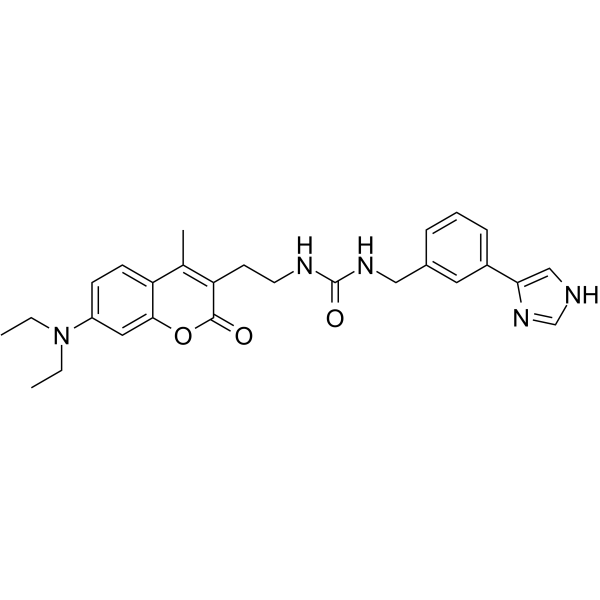
Flucopride (Compound 4a) is an AChE inhibitor (IC50: 24 nM), and a partial 5-HT4R agonist (Ki: 9.6 nM for (h)5-HT4R). Flucopride promotes the non-amyloidogenic processing of APP in COS-7 transiently expressing (h)5-HT4R (EC50: 23.0 nM). Flucopride may has good gastrointestinal track (GIT) penetration, and blood-brain barrier (BBB) cross-membrane penetration (PAMPA assay) .
loading...
    loading...
Cat. No.: HY-118243
CAS No.: 1089681-42-4
Target:  

Amyloid-β

Research Areas:  

Others

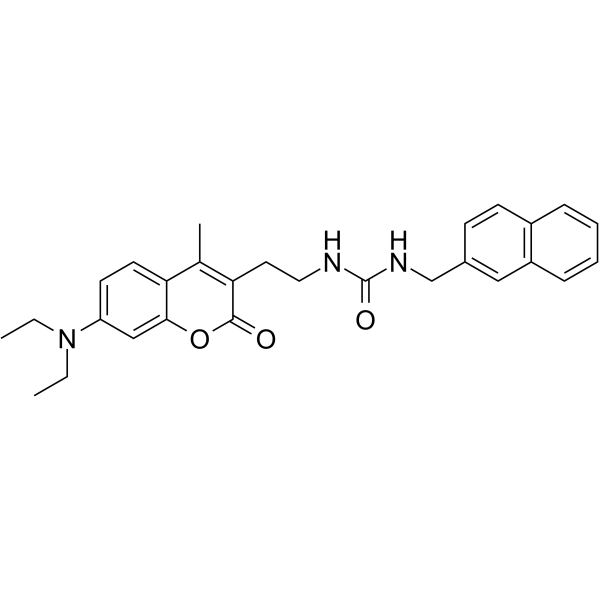
KMS88009 is a potent small molecule that directly interferes with the formation of amyloid-β oligomers, thereby preserving cognitive behavior when used preventively and reversing cognitive behavior decline when used therapeutically. Oral administration of KMS88009 around the onset of Alzheimer's disease symptoms significantly reduced the assembly of amyloid-β oligomers and improved cognitive behavior in the APP/PS1 double transgenic mouse model. This unique dual mode of action suggests that KMS88009 may be a powerful therapeutic candidate for the treatment of Alzheimer's disease. In an evaluation, the physicochemical properties, pharmacokinetics and toxicity of this anti-amyloidogenic small molecule KMS88009 were studied, as well as post-mortem analysis of APP/PS1 TG mice after behavioral testing.
loading...
    loading...
Cat. No.: HY-169426
Target:  

Amyloid-β

Research Areas:  

Cancer

Anti-amyloid agent-2 (compound (R)-38) is an amyloidogenic immunoglobulin light chain stabilizer .
loading...
    loading...
Cat. No.: HY-P5516
CAS No.: 409085-44-5
Target:  

Peptides

Research Areas:  

Others

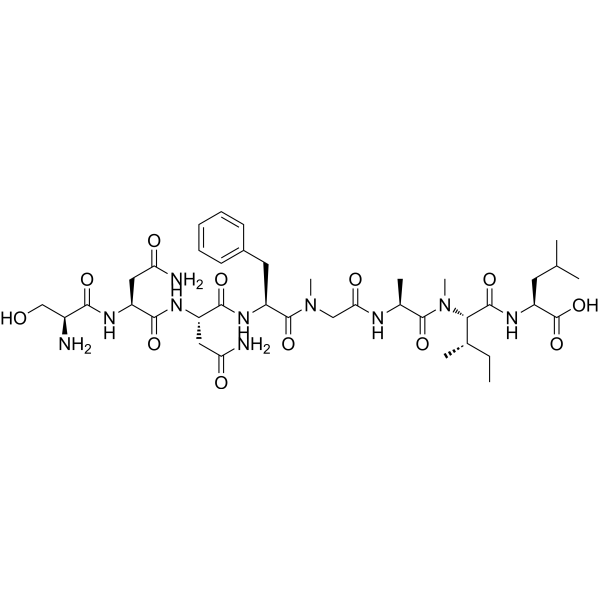
SNNF(N-Me)GA(N-Me)IL is a biological active peptide. (Double N-methylated derivatives of amyloidogenic and cytotoxic partial IAPP sequence)
loading...
    loading...
Cat. No.: HY-P5517
CAS No.: 409085-46-7
Target:  

Peptides

Research Areas:  

Others

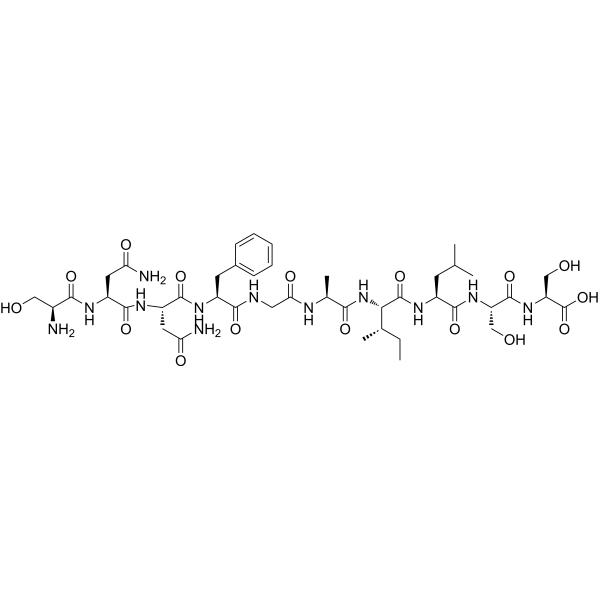
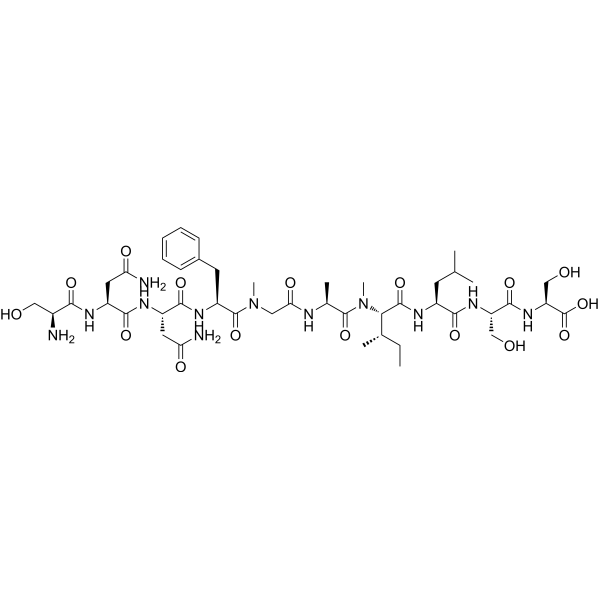
SNNF(N-Me)GA(N-Me)ILSS is a biological active peptide. (Double N-methylated derivatives of amyloidogenic and cytotoxic partial IAPP sequence)
loading...
    loading...
Cat. No.: HY-118972
CAS No.: 1250849-11-6
Target:  

Amyloid-β

Research Areas:  

Neurological Disease

TPI-1917-49 is an agent that can cross the blood-brain barrier and reduce amyloid β (). TPI-1917-49 reduces the production of Aβ peptide segments by promoting the non-amyloidogenic pathway of amyloid precursor protein (APP) (increasing the generation of sAPPα mediated by α-secretase). TPI-1917-49 reduces amyloid plaques in mouse models. TPI-1917-49 can be used in Alzheimer's disease research .
loading...
    loading...

