

Search Result
Results for "
bone density
" in MedChemExpress (MCE) Product Catalog:
2
Biochemical Assay Reagents
2
Isotope-Labeled Compounds
| Cat. No. |
Product Name |
Target |
Research Areas |
Chemical Structure |
-
- HY-B0388
-
-
-
- HY-B0657A
-
|
Clodronate disodium salt
|
Apoptosis
|
Metabolic Disease
Cancer
|
|
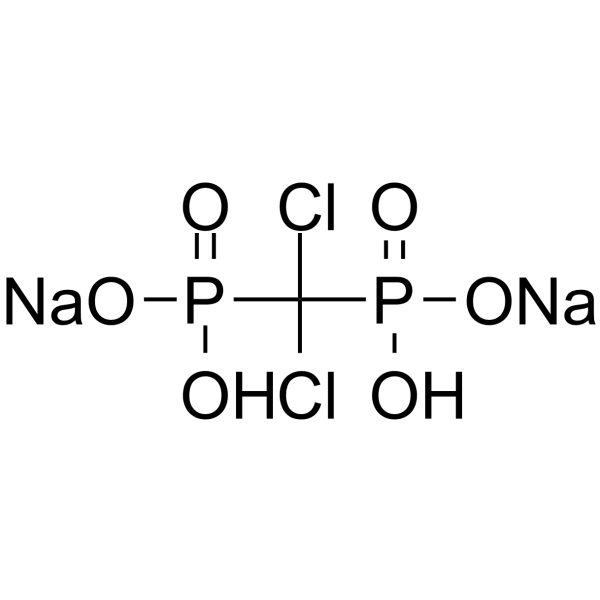
Clodronic acid (Clodronate) disodium salt is an orally active bisphosphonate. Clodronic acid disodium salt inhibits osteoclast-mediated bone resorption. Clodronic acid disodium salt reduces skeletal event risk in malignant bone disease, impairs malignant osteolysis, blocks bone matrix growth-factor release, induces apoptosis in osteoclasts and macrophages. Clodronic acid disodium salt is effective in the maintenance or improvement of bone mineral density. Clodronic acid disodium salt can be used for the research of multiple myeloma and postmenopausal osteoporosis .
|
-
-
- HY-18252
-
|
TA1790
|
Phosphodiesterase (PDE)
NO Synthase
Endogenous Metabolite
|
Cardiovascular Disease
Endocrinology
|
|
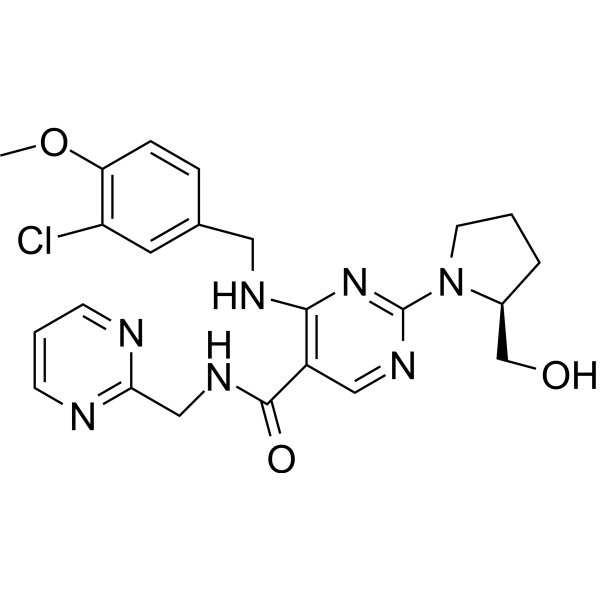
Avanafil (TA-1790) is a potent and selective phosphodiesterase-5 (PDE-5) inhibitor with IC50 values of 5.2 nM, 630 nM, 5700 nM, 6200 nM, 12000 nM, 27000 nM, 51000 nM and 53000 nM for PDE-5, PDE-6, PDE-4, PDE-10, PDE-8, PDE-7, PDE-2 and PDE-1, respectively. Avanafil activates NO/cGMP/PKG signaling-pathway to decrease loss in BMD, bone atrophy, and oxidative stress. Avanafil inhibits cyclic guanosine monophosphate (cGMP) hydrolysis and thus increases cGMP levels. Avanafil can be used for the research of erectile dysfunction and osteoporosis .
|
-
-
- HY-A0020
-
|
ED-71; 2-(3-hydroxypropoxy)-1,25-dihydroxyvitamin D3
|
VD/VDR
Apoptosis
|
Metabolic Disease
Inflammation/Immunology
Cancer
|
|
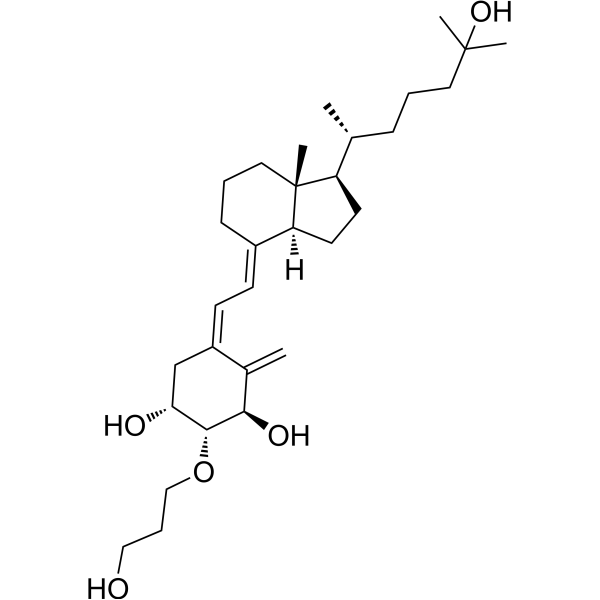
Eldecalcitol (ED-71) is an orally active vitamin D3 analogue, inhibits bone resorption and increases bone mineral density. Eldecalcitol (ED-71) displays anti-tumor effect and inhibits cell proliferation, migration and induces apoptosis by suppressing GPx-1 .
|
-
-
- HY-175416
-
|
KC289
|
Piezo Channel
Calcium Channel
|
Cardiovascular Disease
Metabolic Disease
|
|
Yoda2 (KC289), the potassium salt of Yoda1 (HY-18723), is a PIEZO1 agonist with an EC50 of 150 nM. Yoda2 evokes Ca 2+ elevation and NO-dependent relaxation. Yoda2 induces relaxation in mouse arterial and cavernous tissues. Yoda2 inhibits glucocorticoid-induced osteoclast formation and bone resorptive activity, reverses glucocorticoid-induced bone density loss and architectural deterioration, and does not induce medication-related osteonecrosis of the jaw in mice. Yoda2 can be used for the researches of hypertension and osteoporosis .
|
-
-
- HY-10199A
-
|
MK-677 free base; MK-0677 free base
|
GHSR
Insulin Receptor
|
Neurological Disease
Metabolic Disease
|
|
Ibutamoren (MK-677 free base; MK-0677 free base) is an orally active non-peptide growth hormone secretagogue receptor agonist. Ibutamoren activates signal cascades by mimicking endogenous ligands, triggers pulsatile release of growth hormone from the pituitary gland, and increases serum levels of IGF-1 and insulin-like growth factor-binding protein 3. Ibutamoren not only increases the frequency of growth hormone pulses in male individuals, but also promotes elevated bone formation markers in female individuals with postmenopausal osteoporosis. The combination of Ibutamoren with Alendronate sodium hydrate (HY-11101) significantly increases bone mineral density at the femoral neck. However, Ibutamoren may cause mild, reversible adverse reactions such as increased appetite, fluid retention, and elevated fasting blood glucose. Ibutamoren has been widely used in studies related to idiopathic growth hormone deficiency, sarcopenia, Alzheimer's disease, and osteoporosis .
|
-
-
- HY-W145486
-
|
|
Environmental Pollutants
Biochemical Assay Reagents
|
Neurological Disease
Metabolic Disease
Inflammation/Immunology
|
|
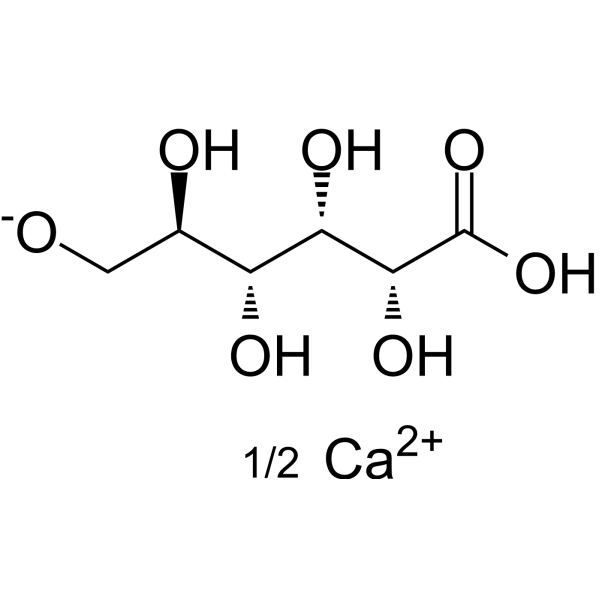
Calcium gluconate is an orally effective calcium salt supplement . Calcium gluconate reduces elevated serum potassium, decreased serum calcium, and postoperative myalgia associated with succinylcholine administration. Calcium gluconate restores calcium homeostasis, skeletal integrity, bone mineralization and bone density, and maintains levels of parathyroid hormone, bone resorption markers and osteoclasts. Calcium gluconate reverses LPS (HY-D1056)-induced ERK phosphorylation, inflammatory cytokine release and acute lung injury, alleviates airway inflammatory damage and suppresses immune responses. Calcium gluconate can be used in research related to postoperative myalgia, osteoporosis/osteomalacia and acute lung injury .
|
-
-
- HY-A0020S
-
|
|
VD/VDR
|
Metabolic Disease
|
|
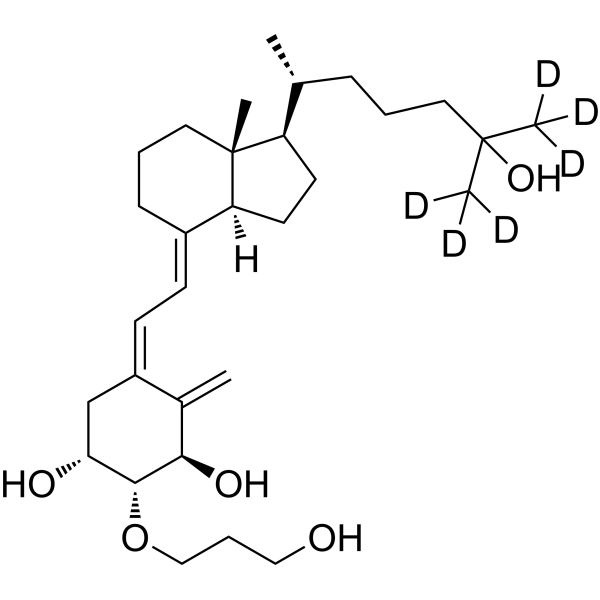
Eldecalcitol-d6 is the deuterium labeled Eldecalcitol. Eldecalcitol is an orally active analogue of active vitamin D used in the treatment of osteoporosis.
|
-
-
- HY-B0657
-
|
Clodronate
|
Apoptosis
|
Metabolic Disease
Cancer
|
|
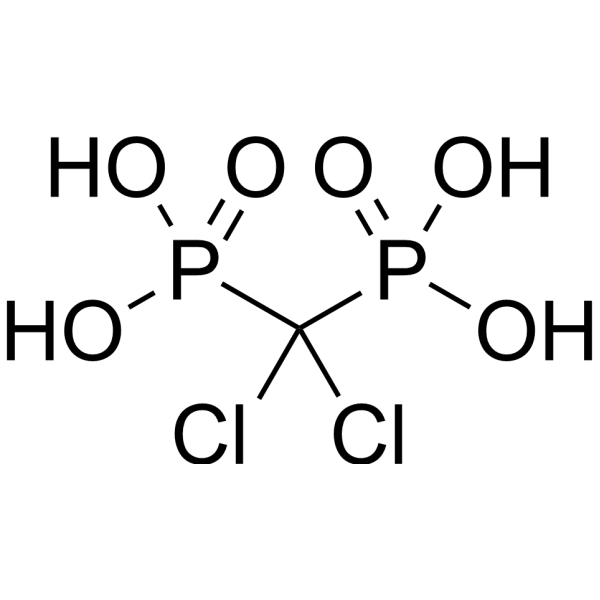
Clodronic acid (Clodronate) is an orally active bisphosphonate. Clodronic acid inhibits osteoclast-mediated bone resorption. Clodronic acid reduces skeletal event risk in malignant bone disease, impairs malignant osteolysis, blocks bone matrix growth-factor release, induces apoptosis in osteoclasts and macrophages. Clodronic acid is effective in the maintenance or improvement of bone mineral density. Clodronic acid can be used for the research of multiple myeloma and postmenopausal osteoporosis .
|
-
-
- HY-P4823
-
|
|
Thyroid Hormone Receptor
|
Metabolic Disease
|
|
pTH (1-37) (human) is a fragment of parathyroid hormone (PTH). pTH (1-37) (human) induces the cAMP formation and increases alkaline phosphatase activity. pTH (1-37) (human) increases growth, bone calcium content, and bone mineral density (BMD) in uremic animals. pTH (1-37) (human) has the potential for the research of osteoporosis .
|
-
-
- HY-W423191
-
|
4-O-α-D-Glucopyranosyl-D-gluconic acid
|
Nuclear Factor of activated T Cells (NFAT)
Bacterial
|
Infection
Metabolic Disease
|
|
Maltobionic acid (4-O-α-D-Glucopyranosyl-D-gluconic acid) is an orally active oligosaccharide and iron chelator with antibacterial activity. Maltobionic acid inhibits the expression of NFATc1, suppresses osteoclast differentiation, inhibits bone resorption, and increases serum calcitonin levels. Maltobionic acid protects mammalian cells from hydrogen peroxide (H2O2)-induced oxidative damage; resists fermentation by the gut microbiota; and exhibits anti-digestive and anti-fermentative properties. Maltobionic acid can be used in research related to osteoporosis, bacterial infections, and constipation .
|
-
-
- HY-13556A
-
|
LY353381 hydrochloride; SERM III hydrochloride
|
Estrogen Receptor/ERR
|
Cancer
|
|
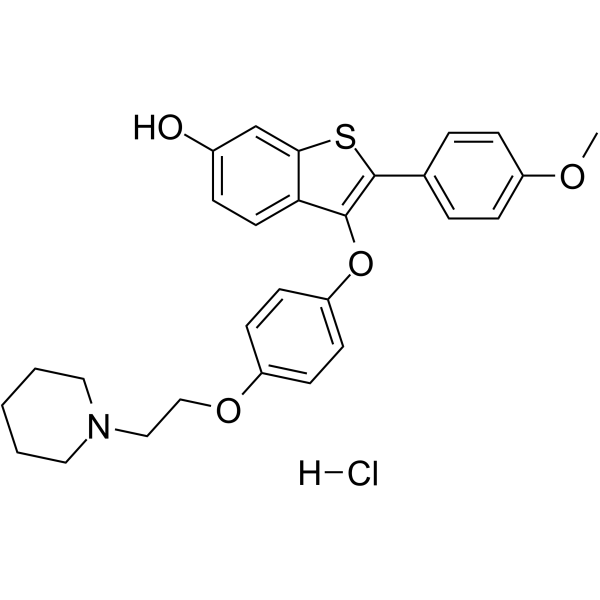
Arzoxifene (LY353381) hydrocloride is a selective estrogen receptor modulator that is a potent estrogen antagonist in mammary and uterine tissue while acting as an estrogen agonist to maintain bone density and lower serum cholesterol.
|
-
-
- HY-170788
-
|
|
Phosphodiesterase (PDE)
|
Metabolic Disease
|
|
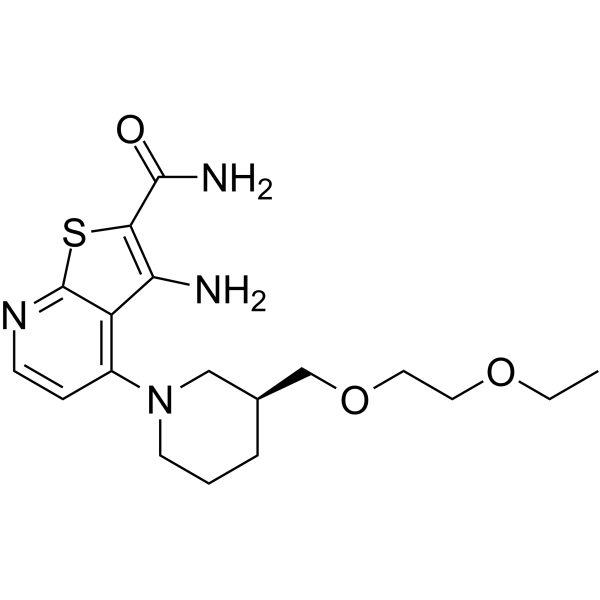
PDE7A-IN-1 is an orally active and selective PDE7A inhibitor with an IC50 of 0.0037 μM against PDE7A. PDE7A-IN-1 shows excellent isozyme selectivity over PDE7B. PDE7A-IN-1 elevates intracellular cAMP levels, suppresses ECR5 enhancer activity and reduces sclerostin expression. PDE7A-IN-1 significantly increases bone mineral density in rats. PDE7A-IN-1 can be used for the study of osteoporosis .
|
-
-
- HY-108044
-
|
|
Cathepsin
SARS-CoV
|
Metabolic Disease
|
|
ONO-5334 is a potent, selective and orally active cathepsin K inhibitor with Ki values of 0.10 nM, 0.049 nM and 0.85 nM for human, rabbit and rat cathepsin K, respectively. ONO 5334 is an effective antiviral compound against SAR-COV-2 virus activity with an EC50 value of 500 nM. ONO-5334 has the potential for the study of osteoporosis and COVID-19 disease .
|
-
-
- HY-168336
-
|
|
PPAR
|
Metabolic Disease
|
|
E0924G is an orally active activator for PPARδ with EC50 of 2.82 μM. E0924G promotes the upregulation of osteoprotegerin (OPG) with an EC50 of 0.29 μM. E0924G reduces RANKL-induced osteoclast differentiation and inhibites F-actin ring formation in RAW264.7 macrophages. E0924G regulates the bone density and bone loss in ovariectomized (OVX) and age-related osteoporosis models .
|
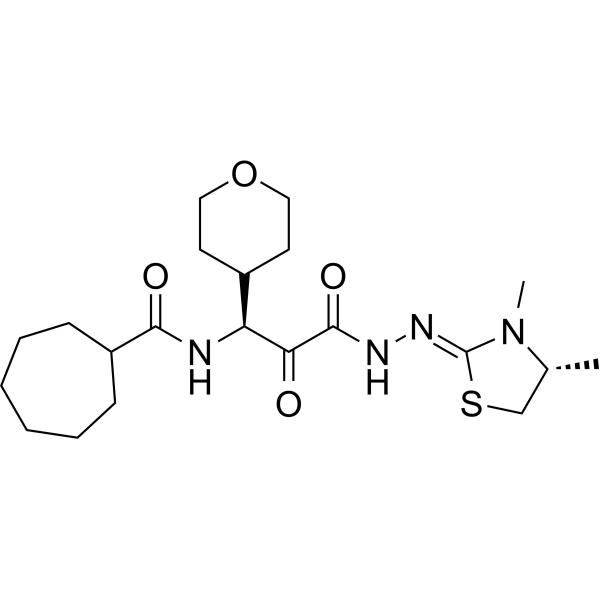
-
-
- HY-P0284
-
|
|
MMP
|
Inflammation/Immunology
|
|
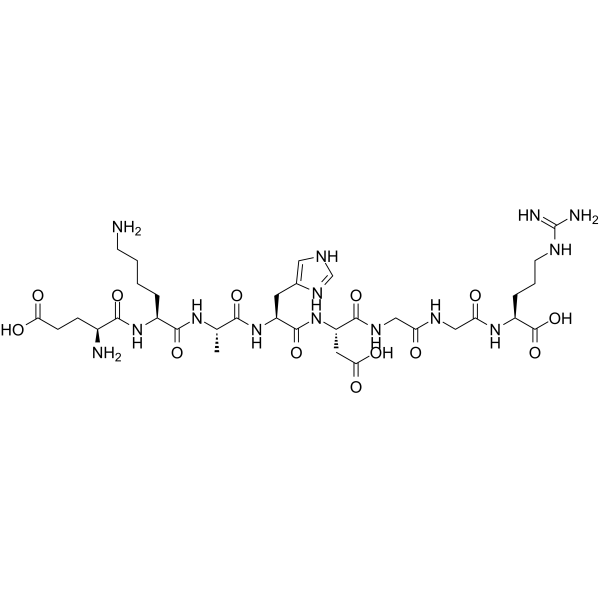
C-telopeptide, a cross-linked peptide of type I collagen, is released during bone resorption and has been correlated with bone mineral density (BMD).
|
-
-
- HY-P0284A
-
|
|
MMP
|
Inflammation/Immunology
|
|
C-telopeptide TFA, a cross-linked peptide of type I collagen, is released during bone resorption and has been correlated with bone mineral density (BMD) .
|
-
-
- HY-159595
-
|
|
LDLR
PCSK9
|
Metabolic Disease
Inflammation/Immunology
|
PCSK9-IN-29 is a lipid-lowering agent. PCSK9-IN-29 can increase low-density lipoprotein receptor (LDLR) protein expression and decrease PCSK9 protein expression in hepG2 cells. PCSK9-IN-29 can reduce the levels of serum LDL-C, TC, and liver enzyme ALT in crab eating macaques fed a high-fat diet, lower body weight and fat, and increase bone mineral content. PCSK9-IN-29 can be used for research on non-alcoholic fatty liver disease and obesity .
|
-
-
- HY-P0007
-
|
Carbocalcitonin
|
Drug Intermediate
|
Metabolic Disease
|
|
Elcatonin (Carbocalcitonin) is a synthetic analog of eel calcitonin. Elcatonin increases bone mineral density, inhibits bone resorption and processes a central analgesic effect .
|
-
-
- HY-A0020R
-
|
ED-71 (Standard); 2-(3-hydroxypropoxy)-1,25-dihydroxyvitamin D3 (Standard)
|
Reference Standards
VD/VDR
Apoptosis
|
Metabolic Disease
Inflammation/Immunology
Cancer
|
|
Eldecalcitol (Standard) is the analytical standard of Eldecalcitol. This product is intended for research and analytical applications. Eldecalcitol (ED-71) is an orally active vitamin D3 analogue, inhibits bone resorption and increases bone mineral density. Eldecalcitol (ED-71) displays anti-tumor effect and inhibits cell proliferation, migration and induces apoptosis by suppressing GPx-1 .
|
-
-
- HY-103578
-
|
|
Androgen Receptor
|
Cancer
|
|
S-40503 is an orally active and selective androgen receptor modulator. S-40503 significantly increases the bone mineral density (BMD) and biomechanical strength of femoral cortical bone .
|
-
-
- HY-164532
-
|
|
Chloride Channel
|
Metabolic Disease
|
|
NS3736 is an orally effective chloride channel inhibitor that can be used for the research of osteoporosis. NS3736 targets the CIC-7 channel in osteocytes, blocks osteoclast acidification and resorption in vitro, with IC50=30 μM. In a rat model of ovariectomy-induced osteoporosis, NS3736 can enhance bone strength and bone density .
|
-
-
- HY-106256
-
|
|
Estrogen Receptor/ERR
|
Metabolic Disease
Endocrinology
|
|
HMR-3339 is a new selective estrogen receptor modulator. HMR-3339 reduces total cholesterol, low-density lipoprotein cholesterol, and homocysteine. HMR-3339 corrects bone alterations induced by ovariectomy .
|
-
-
- HY-18252A
-
|
TA1790 dibenzenesulfonate
|
Phosphodiesterase (PDE)
NO Synthase
Endogenous Metabolite
|
Cardiovascular Disease
Endocrinology
|
|
Avanafil (TA-1790) dibenzenesulfonate is a potent and selective phosphodiesterase-5 (PDE-5) inhibitor with IC50 values of 5.2 nM, 630 nM, 5700 nM, 6200 nM, 12000 nM, 27000 nM, 51000 nM and 53000 nM for PDE-5, PDE-6, PDE-4, PDE-10, PDE-8, PDE-7, PDE-2 and PDE-1, respectively. Avanafil dibenzenesulfonate activates NO/cGMP/PKG signaling-pathway to decrease loss in BMD, bone atrophy, and oxidative stress. Avanafil dibenzenesulfonate inhibits cyclic guanosine monophosphate (cGMP) hydrolysis and thus increases cGMP levels. Avanafil dibenzenesulfonate can be used for the research of erectile dysfunction and osteoporosis .
|
-
-
- HY-P991569
-
|
|
Wnt
|
Metabolic Disease
Endocrinology
|
|
PF-04840082 is a humanized IgG2 monoclonal antibody inhibitor targeting Dkk-1. PF-04840082 binds the physiological antagonist (Dkk-1) of the Wnt/LRP5 signal pathway and increases bone mass and bone mass density by activating osteoblasts. PF-04840082 can be used for osteoporosis research .
|
-
-
- HY-P991365
-
|
|
Transmembrane Glycoprotein
|
Endocrinology
|
|
DS-1501 is a human monoclonal antibody (mAb) targeting Siglec-15/CD33L3. DS-1501 inhibits osteoclastogenesis. DS-1501 suppresses the decrease of lumbar spine bone mineral density (BMD) in ovariectomized (OVX) rats. DS-1501 can be used in Osteoporosis research. Recommended isotype control: Human IgG1 kappa, Isotype Control (HY-P99001) .
|
-
-
- HY-117817
-
|
|
Endogenous Metabolite
|
Metabolic Disease
|
|
Ranelic acid is an organic acid with metal cation chelating activity. Ranelic acid can be used to inhibit osteoporosis and increase bone mineral density. Ranelic acid derivatives exhibit highly substituted thiophene ring structures .
|
-
-
- HY-141494
-
|
|
PPAR
|
Metabolic Disease
|
|
Pparδ agonist 5, an orally active PPARδ-selective agonist (EC50=0.335 μM), is much greater than that of the prototypical standard GW0742. Pparδ agonist 5 promotes improvements in bone density and microarchitecture in vivo .
|
-
-
- HY-18252R
-
|
TA1790 (Standard)
|
Reference Standards
Phosphodiesterase (PDE)
NO Synthase
Endogenous Metabolite
|
Cardiovascular Disease
Endocrinology
|
|
Avanafil (Standard) is the analytical standard of Avanafil. This product is intended for research and analytical applications. Avanafil (TA-1790) is a potent and selective phosphodiesterase-5 (PDE-5) inhibitor with IC50 values of 5.2 nM, 630 nM, 5700 nM, 6200 nM, 12000 nM, 27000 nM, 51000 nM and 53000 nM for PDE-5, PDE-6, PDE-4, PDE-10, PDE-8, PDE-7, PDE-2 and PDE-1, respectively. Avanafil activates NO/cGMP/PKG signaling-pathway to decrease loss in BMD, bone atrophy, and oxidative stress. Avanafil inhibits cyclic guanosine monophosphate (cGMP) hydrolysis and thus increases cGMP levels. Avanafil can be used for the research of erectile dysfunction and osteoporosis .
|
-
-
- HY-18252S1
-
|
|
Endogenous Metabolite
NO Synthase
Phosphodiesterase (PDE)
Isotope-Labeled Compounds
|
Cardiovascular Disease
Endocrinology
|
|
Avanafil- 13C5, 15N,d2 is 15N and deuterated labeled Avanafil (HY-18252). Avanafil (TA-1790) is a potent and selective phosphodiesterase-5 (PDE-5) inhibitor with IC50 values of 5.2 nM, 630 nM, 5700 nM, 6200 nM, 12000 nM, 27000 nM, 51000 nM and 53000 nM for PDE-5, PDE-6, PDE-4, PDE-10, PDE-8, PDE-7, PDE-2 and PDE-1, respectively. Avanafil activates NO/cGMP/PKG signaling-pathway to decrease loss in BMD, bone atrophy, and oxidative stress. Avanafil inhibits cyclic guanosine monophosphate (cGMP) hydrolysis and thus increases cGMP levels. Avanafil can be used for the research of erectile dysfunction and osteoporosis .
|
-
-
- HY-138089
-
|
|
Androgen Receptor
Estrogen Receptor/ERR
LDLR
|
Metabolic Disease
Cancer
|
|
17β-Hydroxy exemestane (17-H-EXE) is the primary active metabolite of Exemestane (HY-13632). 17β-Hydroxy exemestane is an aromatase inhibitor (IC50 = 69 nM) and an androgen receptor (AR) agonist (IC50 = 39.6 nM) that is selective for AR over estrogen receptor α (ERα; IC50 = 21.2 μM). 17β-Hydroxy exemestane stimulates growth of AR- and ERα-positive MCF-7 (EC50= 2.7 μM) and T47D breast cancer cells (EC50s = 0.43 and 1500 nM for AR- and ER-mediated growth, respectively) and inhibits proliferation of testosterone-treated aromatase-overexpressing MCF-7 cells. 17β-Hydroxy exemestane inhibits increases in serum cholesterol and LDL levels and prevents decreases in bone mineral density in the lumbar vertebrae and femur, as well as femoral bending strength and compressive strength of the fifth lumbar vertebrae in ovariectomized rats .
|
-
-
- HY-N19066
-
|
|
Others
|
Metabolic Disease
|
|
Cissus quadrangularis extract contains a variety of bioactive compounds, such as flavonoids, phenolic acids, carotenoids, triterpenoids, vitamins, 3-ketosteroids, minerals, and sterols. Cissus quadrangularis extract can promote fracture healing, reduce bone loss, and increase bone density.
|
-
-
- HY-122075
-
|
|
Others
|
Metabolic Disease
|
|
FR 78844 is a potent and orally active bone resorption inhibitor. FR 78844 has the potential for the research of diabetes associated osteopenia .
|
-
-
- HY-B1562D
-
|
|
Adrenergic Receptor
|
Metabolic Disease
|
|
(S)-Bopindolol is a β-adrenergic receptor blocker that can be used to prevent, inhibit, can be used to reduce muscle mass and/or functional loss and/or decreased bone density caused by weight loss. (S)-Bopindolol can protect the myocardium and/or cardiac function, or prevent low blood pressure and/or increased heart rate during weight loss .
|
-
-
- HY-108044R
-
|
|
Reference Standards
Cathepsin
SARS-CoV
|
Metabolic Disease
|
|
ONO-5334 (Standard) is the analytical standard of ONO-5334 (HY-108044). This product is intended for research and analytical applications. ONO-5334 is a potent, selective and orally active cathepsin K inhibitor with Ki values of 0.10 nM, 0.049 nM and 0.85 nM for human, rabbit and rat cathepsin K, respectively. ONO 5334 is an effective antiviral compound against SAR-COV-2 virus activity with an EC50 value of 500 nM. ONO-5334 has the potential for the study of osteoporosis and COVID-19 disease .
|
-
| Cat. No. |
Product Name |
Type |
-
- HY-W145486
-
|
|
Biochemical Assay Reagents
|
|
Calcium gluconate is an orally effective calcium salt supplement . Calcium gluconate reduces elevated serum potassium, decreased serum calcium, and postoperative myalgia associated with succinylcholine administration. Calcium gluconate restores calcium homeostasis, skeletal integrity, bone mineralization and bone density, and maintains levels of parathyroid hormone, bone resorption markers and osteoclasts. Calcium gluconate reverses LPS (HY-D1056)-induced ERK phosphorylation, inflammatory cytokine release and acute lung injury, alleviates airway inflammatory damage and suppresses immune responses. Calcium gluconate can be used in research related to postoperative myalgia, osteoporosis/osteomalacia and acute lung injury .
|
-
- HY-W423191
-
|
4-O-α-D-Glucopyranosyl-D-gluconic acid
|
Biochemical Assay Reagents
|
|
Maltobionic acid (4-O-α-D-Glucopyranosyl-D-gluconic acid) is an orally active oligosaccharide and iron chelator with antibacterial activity. Maltobionic acid inhibits the expression of NFATc1, suppresses osteoclast differentiation, inhibits bone resorption, and increases serum calcitonin levels. Maltobionic acid protects mammalian cells from hydrogen peroxide (H2O2)-induced oxidative damage; resists fermentation by the gut microbiota; and exhibits anti-digestive and anti-fermentative properties. Maltobionic acid can be used in research related to osteoporosis, bacterial infections, and constipation .
|
| Cat. No. |
Product Name |
Target |
Research Area |
-
- HY-P4823
-
|
|
Thyroid Hormone Receptor
|
Metabolic Disease
|
|
pTH (1-37) (human) is a fragment of parathyroid hormone (PTH). pTH (1-37) (human) induces the cAMP formation and increases alkaline phosphatase activity. pTH (1-37) (human) increases growth, bone calcium content, and bone mineral density (BMD) in uremic animals. pTH (1-37) (human) has the potential for the research of osteoporosis .
|
-
- HY-P3637
-
|
|
Peptides
|
Inflammation/Immunology
|
|
AVSEHQLLHDKGKSIQDLRRRFFLHHLI-{Aib}-EIHTAYRFGG promotes bone-ossification. AVSEHQLLHDKGKSIQDLRRRFFLHHLI-{Aib}-EIHTAYRFGG can be used in the research of diseases or disorders related to osteogenic defects or bone mineral density (BMD) decreasing, such as osteoporosis .
|
-
- HY-P0284
-
|
|
MMP
|
Inflammation/Immunology
|
|
C-telopeptide, a cross-linked peptide of type I collagen, is released during bone resorption and has been correlated with bone mineral density (BMD).
|
-
- HY-P0284A
-
|
|
MMP
|
Inflammation/Immunology
|
|
C-telopeptide TFA, a cross-linked peptide of type I collagen, is released during bone resorption and has been correlated with bone mineral density (BMD) .
|
-
- HY-P0007
-
|
Carbocalcitonin
|
Drug Intermediate
|
Metabolic Disease
|
|
Elcatonin (Carbocalcitonin) is a synthetic analog of eel calcitonin. Elcatonin increases bone mineral density, inhibits bone resorption and processes a central analgesic effect .
|
| Cat. No. |
Product Name |
Target |
Research Area |
Image |
-
- HY-P991569
-
|
|
Wnt
|
Metabolic Disease
Endocrinology
|
|
PF-04840082 is a humanized IgG2 monoclonal antibody inhibitor targeting Dkk-1. PF-04840082 binds the physiological antagonist (Dkk-1) of the Wnt/LRP5 signal pathway and increases bone mass and bone mass density by activating osteoblasts. PF-04840082 can be used for osteoporosis research .
|
-
(5)
-
- HY-P991365
-
|
|
Transmembrane Glycoprotein
|
Endocrinology
|
|
DS-1501 is a human monoclonal antibody (mAb) targeting Siglec-15/CD33L3. DS-1501 inhibits osteoclastogenesis. DS-1501 suppresses the decrease of lumbar spine bone mineral density (BMD) in ovariectomized (OVX) rats. DS-1501 can be used in Osteoporosis research. Recommended isotype control: Human IgG1 kappa, Isotype Control (HY-P99001) .
|
-
(5)
| Cat. No. |
Product Name |
Category |
Target |
Chemical Structure |
-
- HY-18252
-
|
TA1790
|
Cardiovascular Disease
Natural Products
Classification of Application Fields
Endogenous metabolite
Disease Research Fields
Endocrinology
Source Classification
|
Phosphodiesterase (PDE)
NO Synthase
Endogenous Metabolite
|
|
Avanafil (TA-1790) is a potent and selective phosphodiesterase-5 (PDE-5) inhibitor with IC50 values of 5.2 nM, 630 nM, 5700 nM, 6200 nM, 12000 nM, 27000 nM, 51000 nM and 53000 nM for PDE-5, PDE-6, PDE-4, PDE-10, PDE-8, PDE-7, PDE-2 and PDE-1, respectively. Avanafil activates NO/cGMP/PKG signaling-pathway to decrease loss in BMD, bone atrophy, and oxidative stress. Avanafil inhibits cyclic guanosine monophosphate (cGMP) hydrolysis and thus increases cGMP levels. Avanafil can be used for the research of erectile dysfunction and osteoporosis .
|
-
-
- HY-18252A
-
|
TA1790 dibenzenesulfonate
|
Cardiovascular Disease
Natural Products
Classification of Application Fields
Endogenous metabolite
Disease Research Fields
Endocrinology
Source Classification
|
Phosphodiesterase (PDE)
NO Synthase
Endogenous Metabolite
|
|
Avanafil (TA-1790) dibenzenesulfonate is a potent and selective phosphodiesterase-5 (PDE-5) inhibitor with IC50 values of 5.2 nM, 630 nM, 5700 nM, 6200 nM, 12000 nM, 27000 nM, 51000 nM and 53000 nM for PDE-5, PDE-6, PDE-4, PDE-10, PDE-8, PDE-7, PDE-2 and PDE-1, respectively. Avanafil dibenzenesulfonate activates NO/cGMP/PKG signaling-pathway to decrease loss in BMD, bone atrophy, and oxidative stress. Avanafil dibenzenesulfonate inhibits cyclic guanosine monophosphate (cGMP) hydrolysis and thus increases cGMP levels. Avanafil dibenzenesulfonate can be used for the research of erectile dysfunction and osteoporosis .
|
-
-
- HY-18252R
-
|
TA1790 (Standard)
|
Structural Classification
Natural Products
Endogenous metabolite
Source Classification
|
Reference Standards
Phosphodiesterase (PDE)
NO Synthase
Endogenous Metabolite
|
|
Avanafil (Standard) is the analytical standard of Avanafil. This product is intended for research and analytical applications. Avanafil (TA-1790) is a potent and selective phosphodiesterase-5 (PDE-5) inhibitor with IC50 values of 5.2 nM, 630 nM, 5700 nM, 6200 nM, 12000 nM, 27000 nM, 51000 nM and 53000 nM for PDE-5, PDE-6, PDE-4, PDE-10, PDE-8, PDE-7, PDE-2 and PDE-1, respectively. Avanafil activates NO/cGMP/PKG signaling-pathway to decrease loss in BMD, bone atrophy, and oxidative stress. Avanafil inhibits cyclic guanosine monophosphate (cGMP) hydrolysis and thus increases cGMP levels. Avanafil can be used for the research of erectile dysfunction and osteoporosis .
|
-
-
- HY-N19066
-
|
|
Structural Classification
Extract
|
Others
|
|
Cissus quadrangularis extract contains a variety of bioactive compounds, such as flavonoids, phenolic acids, carotenoids, triterpenoids, vitamins, 3-ketosteroids, minerals, and sterols. Cissus quadrangularis extract can promote fracture healing, reduce bone loss, and increase bone density.
|
-
| Cat. No. |
Product Name |
Chemical Structure |
-
- HY-A0020S
-
|
|
|
Eldecalcitol-d6 is the deuterium labeled Eldecalcitol. Eldecalcitol is an orally active analogue of active vitamin D used in the treatment of osteoporosis.
|
-
-
- HY-18252S1
-
|
|
|
Avanafil- 13C5, 15N,d2 is 15N and deuterated labeled Avanafil (HY-18252). Avanafil (TA-1790) is a potent and selective phosphodiesterase-5 (PDE-5) inhibitor with IC50 values of 5.2 nM, 630 nM, 5700 nM, 6200 nM, 12000 nM, 27000 nM, 51000 nM and 53000 nM for PDE-5, PDE-6, PDE-4, PDE-10, PDE-8, PDE-7, PDE-2 and PDE-1, respectively. Avanafil activates NO/cGMP/PKG signaling-pathway to decrease loss in BMD, bone atrophy, and oxidative stress. Avanafil inhibits cyclic guanosine monophosphate (cGMP) hydrolysis and thus increases cGMP levels. Avanafil can be used for the research of erectile dysfunction and osteoporosis .
|
-
Your information is safe with us. * Required Fields.
Inquiry Information
- Product Name:
- Cat. No.:
- Quantity:
- MCE Japan Authorized Agent:

