
1. Search Result
Search Result
Results for "

calcium absorption

" in MedChemExpress (MCE) Product Catalog:

37

Inhibitors & Agonists

1

Screening Libraries

2

Fluorescent Dyes

3

Biochemical Assay Reagents

1

Peptides

11

Natural
Products

16

Isotope-Labeled Compounds

4

Oligonucleotides

2

GMP Molecules

Cat. No. Product Name Target Research Areas Chemical Structure
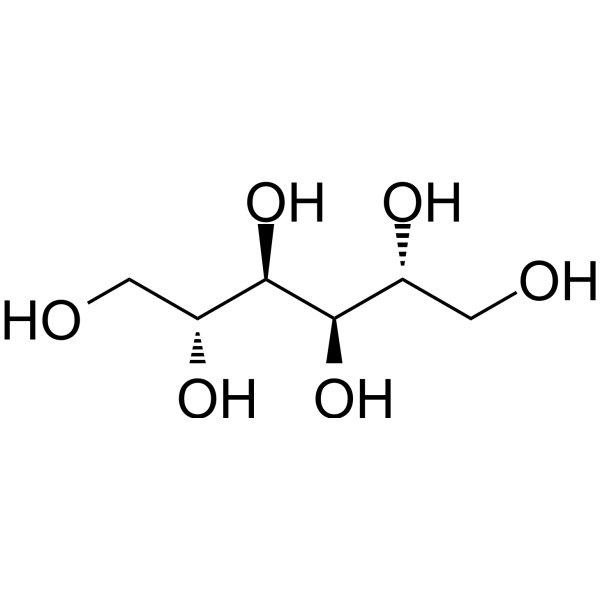
  • HY-N0378
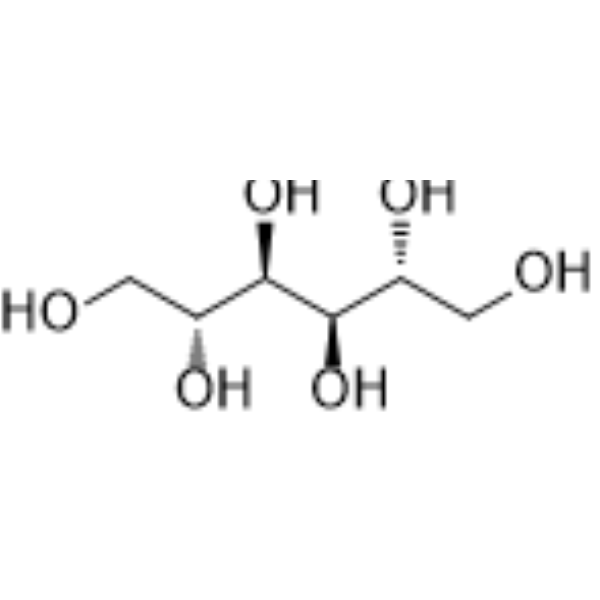
    D-Mannitol
    Maximum Cited Publications
    13 Publications Verification

    Mannitol; Mannite

    Environmental Pollutants Endogenous Metabolite Apoptosis PGC-1α PKA Adrenergic Receptor Cardiovascular Disease Metabolic Disease Cancer
    D-Mannitol (Mannitol) is an oral, resistant sugar widely used in the food and pharmaceutical industries to promote the absorption and retention of calcium and magnesium through cecal fermentation, while acting as a osmotic diuretic to reduce tissue edema. D-Mannitol can enhance brown fat formation, improve insulin effect, reduce blood sugar levels, And through the start the β3-adrenergic receptor (β3-AR), PGC1α and PKA induced by means of white fat cells into brown fat cells . D-Mannitol is commonly used to maintain osmotic pressure between the plant cytoplasm and the culture medium and protect cells when the cell wall is weakened or even removed .
    D-Mannitol
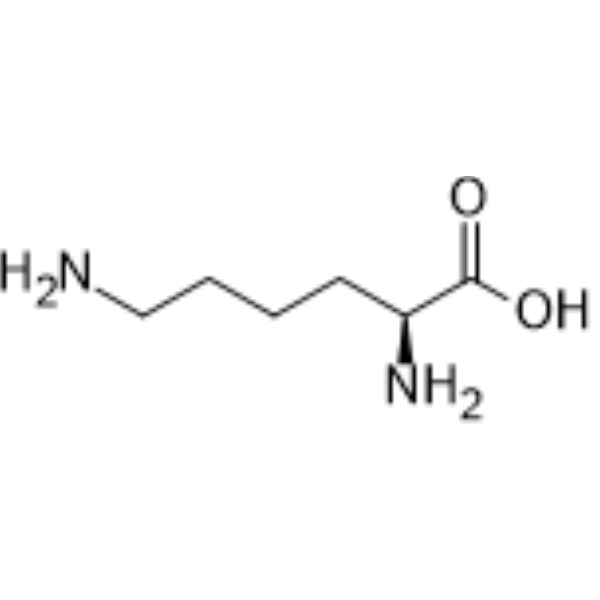
  • HY-N0469
    L-Lysine
    5+ Cited Publications

    Endogenous Metabolite Virus Protease HSV Infection Metabolic Disease Inflammation/Immunology
    L-lysine is an essential amino acid for humans with orally activity. L-lysine can inhibit the occurrence of HSV infections and is used in herpes research. L-lysine increases calcium absorption, reduces diabetes-related diseases, improves gut health, and alleviates pancreatic inflammation. L-lysine can be used in research on metabolism, infection, and inflammation .
    L-Lysine
  • HY-125865
    Casein
    2 Publications Verification

    Environmental Pollutants Endogenous Metabolite Casein Kinase Endocrinology Cancer
    Casein is an orally active phosphoprotein that can be separated into various electrophoretic components, such as α2-Casein, κ-Casein, β-casein, and γ-casein. Casein has also been blended and grafted with other polymers, cross-linkers, or monomers to improve its functional properties. Casein enhances calcium absorption and reduces the extent of fissure as well as smooth-surface caries. Casein promotes proliferation of prostate cancer. Casein has various applications in the paper, leather, textile, and food industries, serving as coatings, adhesives, and packaging materials .
    Casein
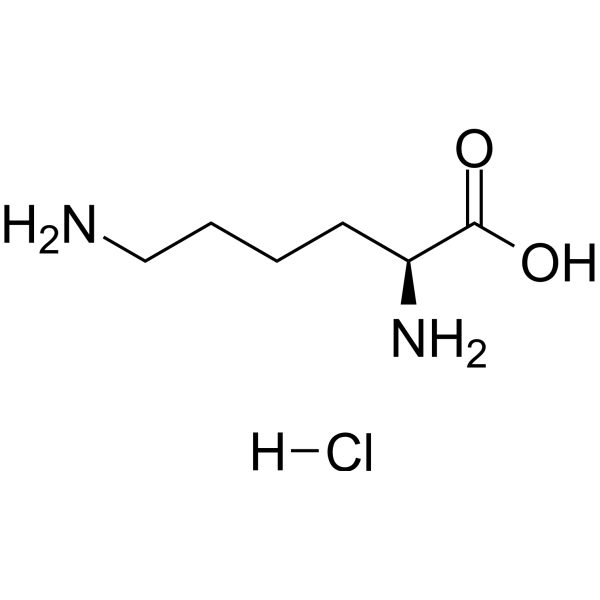
  • HY-N0470
    L-Lysine hydrochloride
    5+ Cited Publications

    Virus Protease Endogenous Metabolite Infection Cardiovascular Disease Inflammation/Immunology Endocrinology Cancer
    L-lysine hydrochloride is an essential amino acid for humans with various benefits including treating herpes, increasing calcium absorption, reducing diabetes-related illnesses and improving gut health.
    L-Lysine hydrochloride
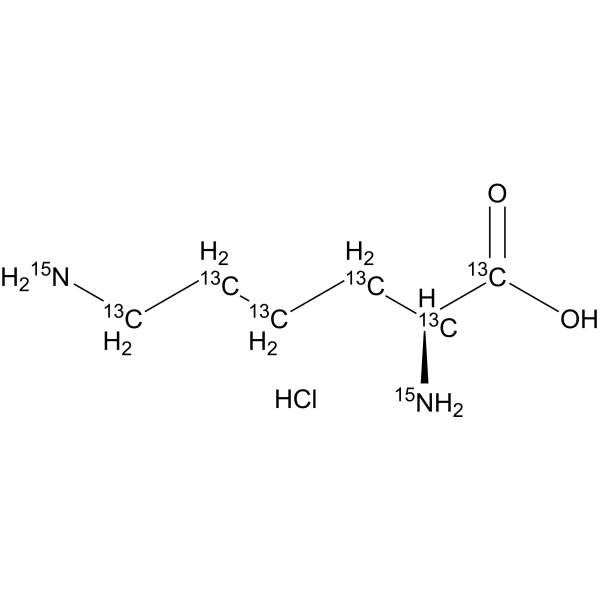
  • HY-N0470S3

    Virus Protease Endogenous Metabolite Infection Cardiovascular Disease Inflammation/Immunology Endocrinology
    L-Lysine- 13C6, 15N2 (hydrochloride) is the 13C- and 15N-labeled L-Lysine hydrochloride. L-lysine hydrochloride is an essential amino acid for humans with various benefits including treating herpes, increasing calcium absorption, reducing diabetes-related illnesses and improving gut health.
    L-Lysine-13C6,15N2 hydrochloride
  • HY-N0378R
    D-Mannitol (Standard)
    Maximum Cited Publications
    13 Publications Verification

    Mannitol(Standard); Mannite (Standard)

    Reference Standards Endogenous Metabolite Apoptosis PGC-1α Adrenergic Receptor PKA Cardiovascular Disease Metabolic Disease Cancer
    D-Mannitol (Standard) is the analytical standard of D-Mannitol (HY-N0378). This product is intended for research and analytical applications. D-Mannitol (Mannitol) is an oral, resistant sugar widely used in the food and pharmaceutical industries to promote the absorption and retention of calcium and magnesium through cecal fermentation, while acting as a osmotic diuretic to reduce tissue edema. D-Mannitol can enhance brown fat formation, improve insulin effect, reduce blood sugar levels, And through the start the β3-adrenergic receptor (β3-AR), PGC1α and PKA induced by means of white fat cells into brown fat cells . D-Mannitol is commonly used to maintain osmotic pressure between the plant cytoplasm and the culture medium and protect cells when the cell wall is weakened or even removed .
    D-Mannitol (Standard)
  • HY-W016012

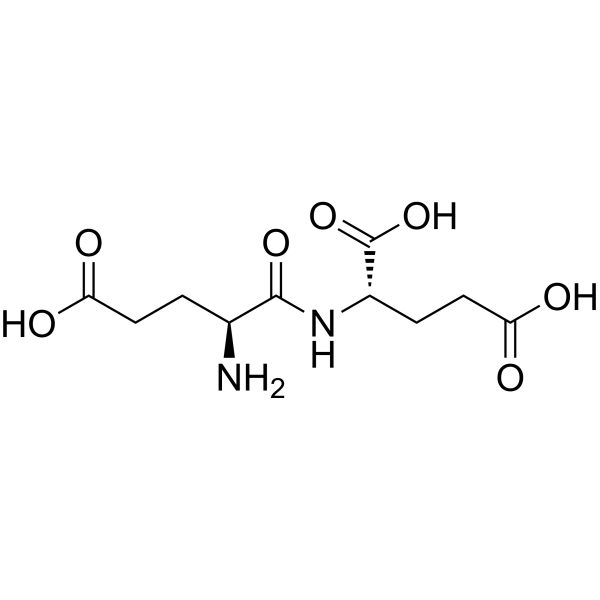
    H-Glu-Glu-OH; Glutamyl-glutamic acid

    Amino Acid Derivatives Others
    Glu-Glu is a glutamic acid derivative containing amino and carboxyl groups. Glu-Glu is an analogs of acidic tripeptide and can contribute to calcium absorption .
    Glu-Glu
  • HY-N0470S6

    Virus Protease Endogenous Metabolite Infection
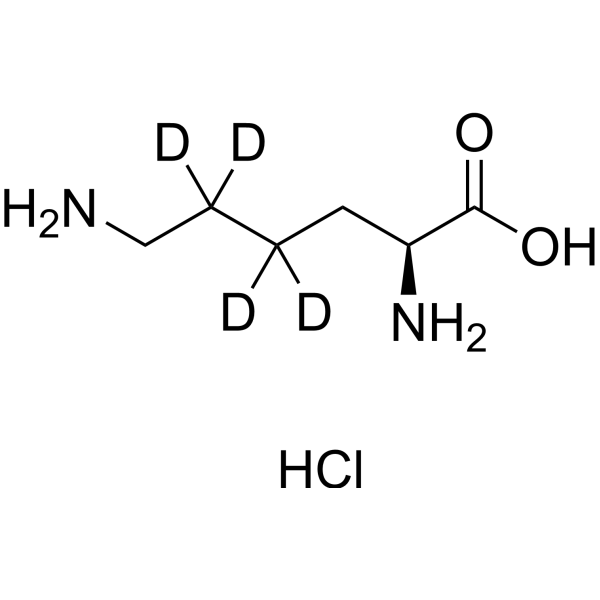
    L-Lysine-d4 (hydrochloride) is the deuterium labeled L-Lysine. L-lysine hydrochloride is an essential amino acid for humans with various benefits including treating herpes, increasing calcium absorption, reducing diabetes-related illnesses and improving gut health.
    L-Lysine-d4 hydrochloride
  • HY-Y0708

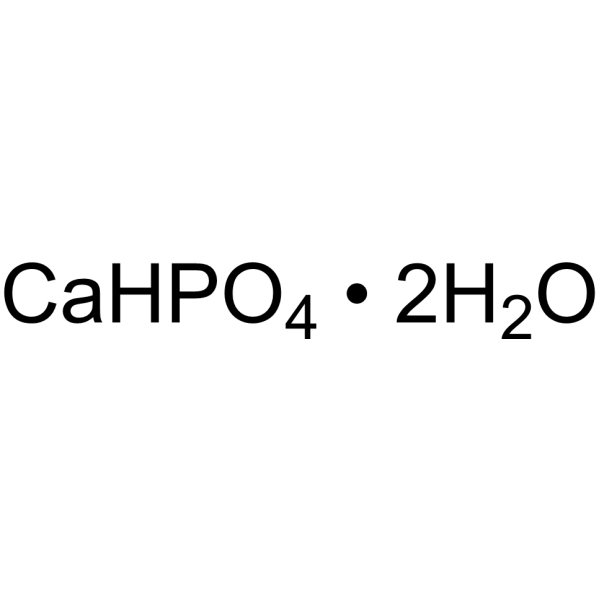
    calcium phosphate dihydrate

    Biochemical Assay Reagents Others
    Calcium hydrogen phosphate dihydrate (Calcium phosphate dihydrate) can be found quite frequently in urinary calculi stones. Calcium hydrogen phosphate dihydrate can be used as an excipient, such as diluent, adsorbent. Pharmaceutical excipients, or pharmaceutical auxiliaries, refer to other chemical substances used in the pharmaceutical process other than pharmaceutical ingredients. Pharmaceutical excipients generally refer to inactive ingredients in pharmaceutical preparations, which can improve the stability, solubility and processability of pharmaceutical preparations. Pharmaceutical excipients also affect the absorption, distribution, metabolism, and elimination (ADME) processes of co-administered drugs .
    Calcium hydrogen phosphate dihydrate
  • HY-N0470S8

    Endogenous Metabolite Virus Protease Infection
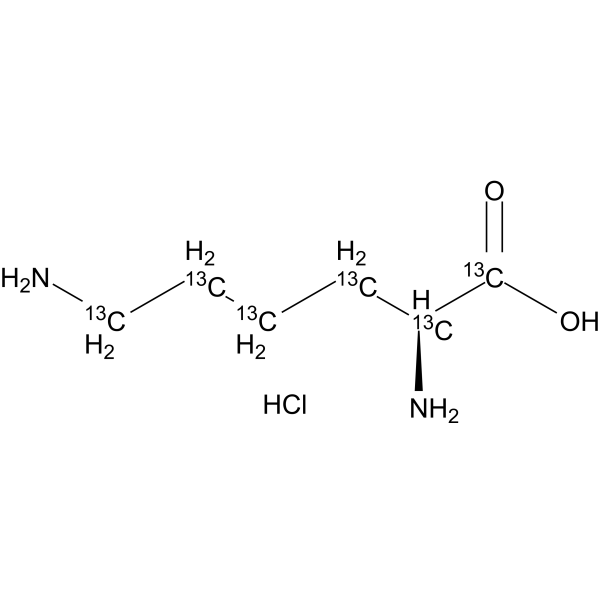
    L-Lysine- 13C6 hydrochloride is the 13C labeled L-Lysine hydrochloride . L-lysine hydrochloride is an essential amino acid for humans with various benefits including treating herpes, increasing calcium absorption, reducing diabetes-related illnesses and improving gut health .
    L-Lysine-13C6 hydrochloride
  • HY-N0469R

    Reference Standards Endogenous Metabolite Virus Protease HSV Infection Metabolic Disease Inflammation/Immunology
    L-Lysine (Standard) is the analytical standard of L-Lysine. This product is intended for research and analytical applications. L-lysine is an essential amino acid for humans with orally activity. L-lysine can inhibit the occurrence of HSV infections and is used in herpes research. L-lysine increases calcium absorption, reduces diabetes-related diseases, improves gut health, and alleviates pancreatic inflammation. L-lysine can be used in research on metabolism, infection, and inflammation . IC50 & Target:L-lysine (150 mg/kg) promotes, but not initiates, bladder cancer. The administration of L-lysine to rats submitted to colovesical cystoplasty accelerates the development of transitional metaplasia of the intestinal epithelium .
    L-lysine (10 mg/kg) treatment attenuates pancreatic tissue injury induced by L-arginine by inhibiting the release of the inflammatory cytokine IL-6 and enhance antioxidant activity . In Vivo:L-lysine (10?mg/kg, p.o., pre-treated or post-treated, administration duration 15 days) treatment attenuates pancreatic tissue injury induced by L-arginine by inhibiting the release of the inflammatory cytokine IL-6 and enhance antioxidant activity in acute pancreatitis mice model . L-lysine (5 or 10?mg/kg, p.o., 45 days) ameliorates sepsis-induced acute lung injury in a lipopolysaccharide (HY-D1056)-induced mouse model .
    L-Lysine (Standard)
  • HY-15830

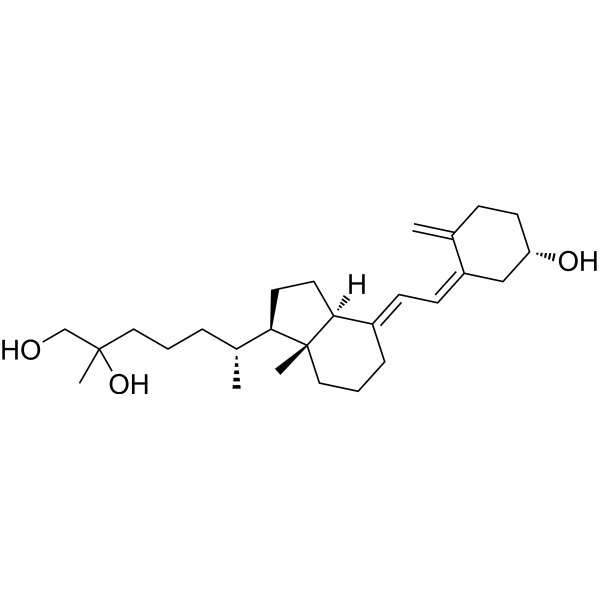
    25,26-Dihydroxycholecalciferol

    VD/VDR Drug Metabolite Drug Derivative Calcium Channel Metabolic Disease
    25,26-Dihydroxyvitamin D3 (25,26-Dihydroxycholecalciferol) is a dihydroxylated derivative and metabolite of Vitamin D3 (HY-15398). 25,26-Dihydroxyvitamin D3 moderately increases serum calcium levels when the initial serum calcium level is low. 25,26-Dihydroxyvitamin D3 promotes intestinal calcium absorption in vitamin D-deficient rats fed a low-calcium diet. 25,26-Dihydroxyvitamin D3 is applicable to research related to osteomalacia .
    25,26-Dihydroxyvitamin D3
  • HY-N12281

    Apoptosis MDM-2/p53 PAK Calcium Channel Endocrinology Cancer
    Sennoside is an orally active apoptosis inducer and stimulant laxative, found in Senna (Cassia angustifolia). Sennoside induces overexpression of wild-type p53 and p21/WAF as part of pathways mediating colonic epithelial cell apoptosis. Sennoside stimulates colonic peristalsis, reverses net water, sodium, chloride absorption to secretion and enhances potassium and calcium secretion. Sennoside increases paracellular permeability to small molecules, accelerates colon transit and softens fecal pellets. Sennoside can be used for the research of constipation, melanosis coli, and colorectal cancer .
    Sennoside
  • HY-N0378S1

    Mannitol-13C; Mannite-13C

    Isotope-Labeled Compounds Endogenous Metabolite Apoptosis PGC-1α Adrenergic Receptor PKA Cardiovascular Disease Metabolic Disease Cancer
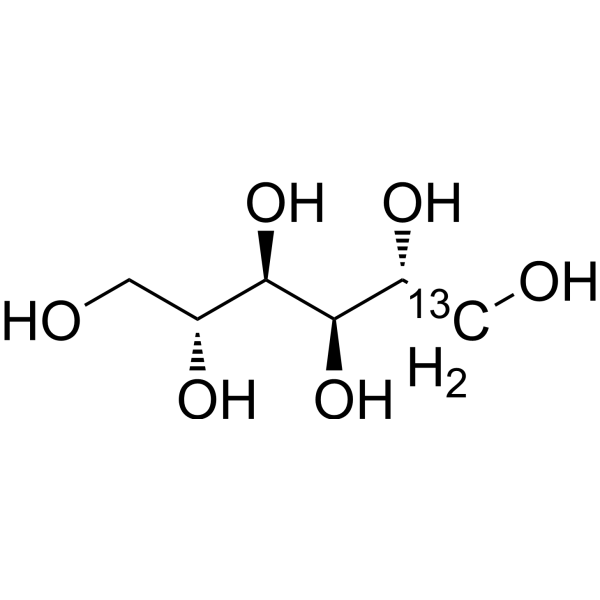
    D-Mannitol- 13C is the 13C labeled D-Mannitol (HY-N0378). D-Mannitol (Mannitol) is an oral, resistant sugar widely used in the food and pharmaceutical industries to promote the absorption and retention of calcium and magnesium through cecal fermentation, while acting as a osmotic diuretic to reduce tissue edema. D-Mannitol can enhance brown fat formation, improve insulin effect, reduce blood sugar levels, And through the start the β3-adrenergic receptor (β3-AR), PGC1α and PKA induced by means of white fat cells into brown fat cells . D-Mannitol is commonly used to maintain osmotic pressure between the plant cytoplasm and the culture medium and protect cells when the cell wall is weakened or even removed .
    D-Mannitol-13C
  • HY-N0470S2

    Virus Protease Endogenous Metabolite Infection Cardiovascular Disease Inflammation/Immunology Endocrinology
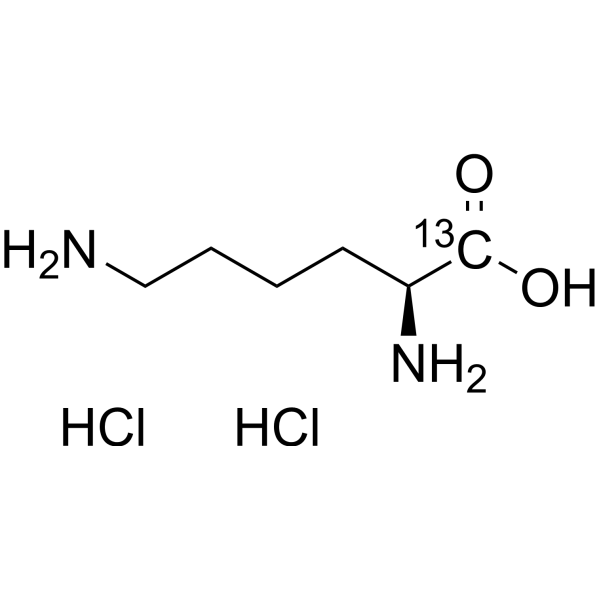
    L-Lysine- 13C (dihydrochloride) is the 13C-labeled L-Lysine dihydrochloride. L-lysine dihydrochloride is an essential amino acid for humans with various benefits including treating herpes, increasing calcium absorption, reducing diabetes-related illnesses and improving gut health.
    L-Lysine-13C dihydrochloride
  • HY-N0470S

    Virus Protease Endogenous Metabolite Infection Cardiovascular Disease Inflammation/Immunology Endocrinology
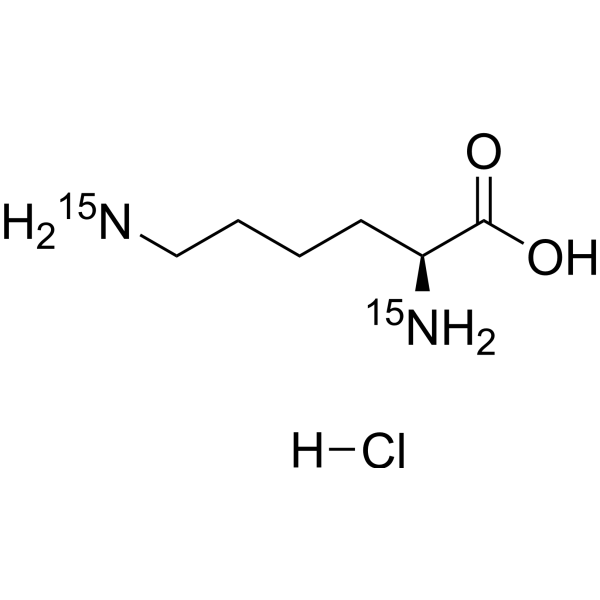
    L-Lysine- 15N2 (hydrochloride) is the 15N-labeled L-Lysine hydrochloride. L-lysine hydrochloride is an essential amino acid for humans with various benefits including treating herpes, increasing calcium absorption, reducing diabetes-related illnesses and improving gut health.
    L-Lysine-15N2 hydrochloride
  • HY-N0378S2

    Mannitol-13C6; Mannite-13C6

    Isotope-Labeled Compounds Endogenous Metabolite Apoptosis PGC-1α Adrenergic Receptor PKA Cardiovascular Disease Metabolic Disease Cancer
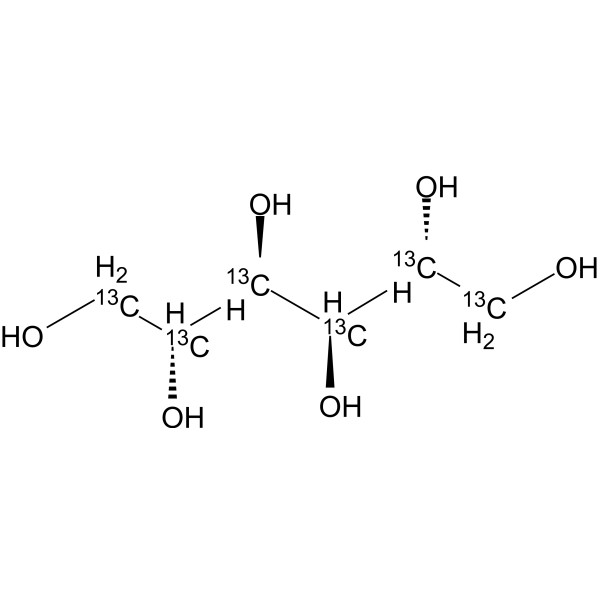
    D-Mannitol- 13C6 is the 13C labeled D-Mannitol (HY-N0378). D-Mannitol (Mannitol) is an oral, resistant sugar widely used in the food and pharmaceutical industries to promote the absorption and retention of calcium and magnesium through cecal fermentation, while acting as a osmotic diuretic to reduce tissue edema. D-Mannitol can enhance brown fat formation, improve insulin effect, reduce blood sugar levels, And through the start the β3-adrenergic receptor (β3-AR), PGC1α and PKA induced by means of white fat cells into brown fat cells . D-Mannitol is commonly used to maintain osmotic pressure between the plant cytoplasm and the culture medium and protect cells when the cell wall is weakened or even removed .
    D-Mannitol-13C6
  • HY-N0470S4

    Isotope-Labeled Compounds Virus Protease Endogenous Metabolite Infection Cardiovascular Disease Inflammation/Immunology Endocrinology
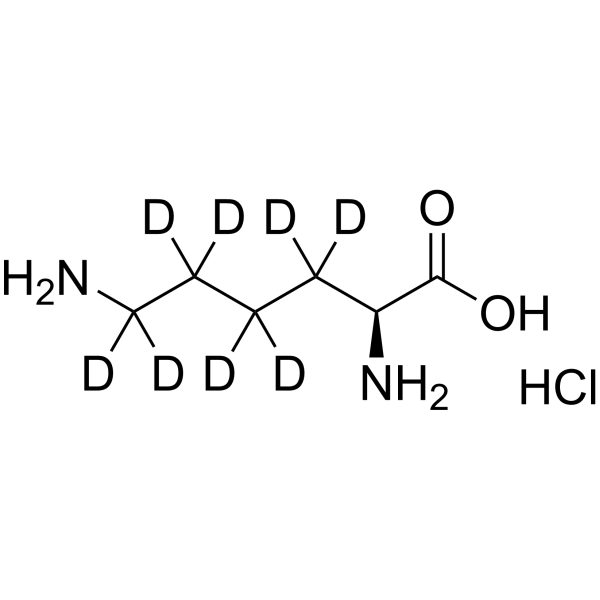
    L-Lysine-d8 (hydrochloride) is the deuterium labeled L-Lysine hydrochloride. L-lysine hydrochloride is an essential amino acid for humans with various benefits including treating herpes, increasing calcium absorption, reducing diabetes-related illnesses and improving gut health.
    L-Lysine-d8 hydrochloride
  • HY-154635

    Biochemical Assay Reagents Others
    Oxidized paraffin (calcium) can be used as an excipient, such as ointment base, hardening agent. Pharmaceutical excipients, or pharmaceutical auxiliaries, refer to other chemical substances used in the pharmaceutical process other than pharmaceutical ingredients. Pharmaceutical excipients generally refer to inactive ingredients in pharmaceutical preparations, which can improve the stability, solubility and processability of pharmaceutical preparations. Pharmaceutical excipients also affect the absorption, distribution, metabolism, and elimination (ADME) processes of co-administered drugs .
    Oxidized paraffin calcium
  • HY-177836

    Liposome Metabolic Disease
    Liposomal Calcium is a specialized delivery system that encapsulates inorganic calcium within tiny liposomes. These liposomes act as protective shells, enhancing the absorption and bioavailability of calcium. Calcium is an essential mineral that plays a c
    Liposomal Calcium
  • HY-N0470S5

    Virus Protease Endogenous Metabolite Infection
    L-Lysine-d9 (hydrochloride) is the deuterium labeled L-Lysine. L-lysine hydrochloride is an essential amino acid for humans with various benefits including treating herpes, increasing calcium absorption, reducing diabetes-related illnesses and improving gut health.
    L-Lysine-d9 hydrochloride
  • HY-154704

    Biochemical Assay Reagents Others
    Calcium carboxymethyl cellulose can be used as an excipient. Pharmaceutical excipients, or pharmaceutical auxiliaries, refer to other chemical substances used in the pharmaceutical process other than pharmaceutical ingredients. Pharmaceutical excipients generally refer to inactive ingredients in pharmaceutical preparations, which can improve the stability, solubility and processability of pharmaceutical preparations. Pharmaceutical excipients also affect the absorption, distribution, metabolism, and elimination (ADME) processes of co-administered drugs .
    Calcium carboxymethyl cellulose
  • HY-N0378AGL

    Mannitol, M200 (GMP Like); Mannite, M200 (GMP Like)

    Endogenous Metabolite Apoptosis Adrenergic Receptor PGC-1α PKA Cardiovascular Disease Metabolic Disease Cancer
    D-Mannitol, M200 (GMP Like) (Mannitol, M200 (GMP Like)) is the GMP Like class D-Mannitol that can be used as pharmaceutical excipients. D-Mannitol (Mannitol) is an oral, resistant sugar widely used in the food and pharmaceutical industries to promote the absorption and retention of calcium and magnesium through cecal fermentation, while acting as a osmotic diuretic to reduce tissue edema. D-Mannitol can enhance brown fat formation, improve insulin effect, reduce blood sugar levels, And through the start the β3-adrenergic receptor (β3-AR), PGC1α and PKA induced by means of white fat cells into brown fat cells .
    D-Mannitol, M200 (GMP Like)
  • HY-N0378S4

    Mannitol-d2; Mannite-d2

    Isotope-Labeled Compounds Endogenous Metabolite Apoptosis PGC-1α Adrenergic Receptor PKA Cardiovascular Disease Metabolic Disease Cancer
    D-Mannitol-d2 is the deuterium labeled D-Mannitol (HY-N0378). D-Mannitol (Mannitol) is an oral, resistant sugar widely used in the food and pharmaceutical industries to promote the absorption and retention of calcium and magnesium through cecal fermentation, while acting as a osmotic diuretic to reduce tissue edema. D-Mannitol can enhance brown fat formation, improve insulin effect, reduce blood sugar levels, And through the start the β3-adrenergic receptor (β3-AR), PGC1α and PKA induced by means of white fat cells into brown fat cells . D-Mannitol is commonly used to maintain osmotic pressure between the plant cytoplasm and the culture medium and protect cells when the cell wall is weakened or even removed .
    D-Mannitol-d2
  • HY-N0470R

    Reference Standards Virus Protease Endogenous Metabolite Infection Cardiovascular Disease Inflammation/Immunology Endocrinology Cancer
    L-Lysine hydrochloride (Standard) is the analytical standard of L-Lysine hydrochloride. This product is intended for research and analytical applications. L-lysine hydrochloride is an essential amino acid for humans with various benefits including treating herpes, increasing calcium absorption, reducing diabetes-related illnesses and improving gut health.
    L-Lysine hydrochloride (Standard)
  • HY-N0469A

    Endogenous Metabolite Virus Protease Inflammation/Immunology Cancer
    L-lysine sulfite is an essential amino acid for humans , offers numerous benefits and can be used in herpes research. Additionally, L-lysine sulfite enhances calcium absorption, reduces diabetes-related complications, improves gut health, and alleviates pancreatitis inflammation .
    L-Lysine sulfite
  • HY-130358

    Calcium Channel Neurological Disease
    PDDHV is a calcium absorption inducer and may achieve 45Ca 2+ influx by stimulating vanillic acid receptor VR1. PDDHV induces 45Ca 2+ uptake (EC50: 70 nM) in rat dorsal root ganglion neurons (expressing native vanilloid receptors) and calcium mobilization (EC50: 125 nM) in VR1-transfected CHO cells. PDDHV also inhibits [3H]-resiniferatoxin (RTX) binding to the dorsal root ganglion membrane in rats .
    PDDHV
  • HY-N0470S1

    Virus Protease Endogenous Metabolite Infection Cardiovascular Disease Inflammation/Immunology Endocrinology
    L-Lysine- 13C6, 15N2,d9 (dihydrochloride) is the deuterium, 13C-, and 15-labeled L-Lysine hydrochloride. L-lysine hydrochloride is an essential amino acid for humans with various benefits including treating herpes, increasing calcium absorption, reducing diabetes-related illnesses and improving gut health.
    L-Lysine-13C6,15N2,d9 dihydrochloride
  • HY-113024R

    Endogenous Metabolite Reference Standards Metabolic Disease
    D-Mannitol (Standard) is the analytical standard of D-Mannitol. This product is intended for research and analytical applications. D-Mannitol (Mannitol) is an oral, resistant sugar widely used in the food and pharmaceutical industries to promote the absorption and retention of calcium and magnesium through cecal fermentation, while acting as a osmotic diuretic to reduce tissue edema. D-Mannitol can enhance brown fat formation, improve insulin effect, reduce blood sugar levels, And through the start the β3-adrenergic receptor (β3-AR), PGC1α and PKA induced by means of white fat cells into brown fat cells .
    Pristanic acid (Standard)
  • HY-N0378BGL

    Mannitol, M100 (GMP Like); Mannite, M100 (GMP Like)

    Endogenous Metabolite Apoptosis Adrenergic Receptor PGC-1α PKA Cardiovascular Disease Metabolic Disease Cancer
    D-Mannitol, M100 (GMP Like) (Mannitol, M100 (GMP Like)) is the GMP Like class D-Mannitol that can be used as pharmaceutical excipients. D-Mannitol (Mannitol) is an oral, resistant sugar widely used in the food and pharmaceutical industries to promote the absorption and retention of calcium and magnesium through cecal fermentation, while acting as a osmotic diuretic to reduce tissue edema. D-Mannitol can enhance brown fat formation, improve insulin effect, reduce blood sugar levels, And through the start the β3-adrenergic receptor (β3-AR), PGC1α and PKA induced by means of white fat cells into brown fat cells .
    D-Mannitol, M100 (GMP Like)
  • HY-N0378S

    Mannitol-d8; Mannite-d8

    Isotope-Labeled Compounds Endogenous Metabolite Apoptosis PGC-1α Adrenergic Receptor PKA Cardiovascular Disease Metabolic Disease Cancer
    D-Mannitol-d8 is the deuterium labeled D-Mannitol (HY-N0378). D-Mannitol (Mannitol) is an oral, resistant sugar widely used in the food and pharmaceutical industries to promote the absorption and retention of calcium and magnesium through cecal fermentation, while acting as a osmotic diuretic to reduce tissue edema. D-Mannitol can enhance brown fat formation, improve insulin effect, reduce blood sugar levels, And through the start the β3-adrenergic receptor (β3-AR), PGC1α and PKA induced by means of white fat cells into brown fat cells . D-Mannitol is commonly used to maintain osmotic pressure between the plant cytoplasm and the culture medium and protect cells when the cell wall is weakened or even removed .
    D-Mannitol-d8
  • HY-N0378S5

    Mannitol-d1; Mannite-d1

    Isotope-Labeled Compounds Endogenous Metabolite Apoptosis PGC-1α Adrenergic Receptor PKA Cardiovascular Disease Metabolic Disease Cancer
    D-Mannitol-d is the deuterium labeled D-Mannitol (HY-N0378). D-Mannitol (Mannitol) is an oral, resistant sugar widely used in the food and pharmaceutical industries to promote the absorption and retention of calcium and magnesium through cecal fermentation, while acting as a osmotic diuretic to reduce tissue edema. D-Mannitol can enhance brown fat formation, improve insulin effect, reduce blood sugar levels, And through the start the β3-adrenergic receptor (β3-AR), PGC1α and PKA induced by means of white fat cells into brown fat cells . D-Mannitol is commonly used to maintain osmotic pressure between the plant cytoplasm and the culture medium and protect cells when the cell wall is weakened or even removed .
    D-Mannitol-d1
  • HY-N0378S3

    Mannitol-2-13C; Mannite-2-13C

    Isotope-Labeled Compounds Endogenous Metabolite Apoptosis PGC-1α Adrenergic Receptor PKA Cardiovascular Disease Metabolic Disease Cancer
    D-Mannitol-2- 13C is the 13C labeled D-Mannitol (HY-N0378). D-Mannitol (Mannitol) is an oral, resistant sugar widely used in the food and pharmaceutical industries to promote the absorption and retention of calcium and magnesium through cecal fermentation, while acting as a osmotic diuretic to reduce tissue edema. D-Mannitol can enhance brown fat formation, improve insulin effect, reduce blood sugar levels, And through the start the β3-adrenergic receptor (β3-AR), PGC1α and PKA induced by means of white fat cells into brown fat cells . D-Mannitol is commonly used to maintain osmotic pressure between the plant cytoplasm and the culture medium and protect cells when the cell wall is weakened or even removed .
    D-Mannitol-2-13C
  • HY-N0378S6

    Mannitol-13C,d2; Mannite-13C,d2

    Isotope-Labeled Compounds Endogenous Metabolite Apoptosis PGC-1α Adrenergic Receptor PKA Cardiovascular Disease Metabolic Disease Cancer
    D-Mannitol- 13C,d2 is the deuterium and 13C labeled D-Mannitol (HY-N0378). D-Mannitol (Mannitol) is an oral, resistant sugar widely used in the food and pharmaceutical industries to promote the absorption and retention of calcium and magnesium through cecal fermentation, while acting as a osmotic diuretic to reduce tissue edema. D-Mannitol can enhance brown fat formation, improve insulin effect, reduce blood sugar levels, And through the start the β3-adrenergic receptor (β3-AR), PGC1α and PKA induced by means of white fat cells into brown fat cells . D-Mannitol is commonly used to maintain osmotic pressure between the plant cytoplasm and the culture medium and protect cells when the cell wall is weakened or even removed .
    D-Mannitol-13C,d2
  • HY-P2992A

    Biochemical Assay Reagents Metabolic Disease
    Inorganic Pyrophosphatase, Bacillus stearothermophilus (EC 3.6.1.1) catalyzes the conversion of one molecule of pyrophosphate to two phosphate ions. The functionality of Inorganic Pyrophosphatase, Bacillus stearothermophilus (EC 3.6.1.1) plays a critical role in lipid metabolism (including lipid synthesis and degradation), calcium absorption and bone formation, and DNA synthesis,as well as other biochemical transformations.
    Inorganic Pyrophosphatase, Bacillus stearothermophilus
  • HY-N19827

    Biochemical Assay Reagents Inflammation/Immunology
    Monodesmoside saponin C is an absorption enhancer. Monodesmoside saponin C promotes the absorption of poorly absorbable β-lactam antibiotics in the small intestine and rectum of rats. Monodesmoside saponin C has the ability to chelate Ca 2+. The absorption-enhancing activity of Monodesmoside saponin C is inhibited by coexisting Ca 2+ ions. Monodesmoside saponin C can be used in studies on absorption enhancement of β-lactam antibiotics .
    Monodesmoside saponin C
  • HY-178413S

    Mannitol-d4; Mannite-d4

    Isotope-Labeled Compounds PKA Apoptosis Adrenergic Receptor PGC-1α Endogenous Metabolite Cardiovascular Disease Metabolic Disease Cancer
    D-Mannitol-d4 (Mannitol-d4) is the deuterium labeled D-Mannitol (HY-N0378). D-Mannitol (Mannitol) is an oral, resistant sugar widely used in the food and pharmaceutical industries to promote the absorption and retention of calcium and magnesium through cecal fermentation, while acting as a osmotic diuretic to reduce tissue edema. D-Mannitol can enhance brown fat formation, improve insulin effect, reduce blood sugar levels, And through the start the β3-adrenergic receptor (β3-AR), PGC1α and PKA induced by means of white fat cells into brown fat cells . D-Mannitol is commonly used to maintain osmotic pressure between the plant cytoplasm and the culture medium and protect cells when the cell wall is weakened or even removed .
    D-Mannitol-d4

Inquiry Online

Your information is safe with us. * Required Fields.

Salutation


Country or Region *

Applicant Name *


Organization Name *

Department *


Email Address *


Product Name *

Cat. No.


Requested quantity *

Phone Number *


Remarks

Inquiry Online

Inquiry Information

Product Name:
Cat. No.:
Quantity:
MCE Japan Authorized Agent:

