1. Search Result
Search Result
Results for "

cellular respiration

" in MedChemExpress (MCE) Product Catalog:

31

Inhibitors & Agonists

1

Biochemical Assay Reagents

1

Peptides

12

Natural
Products

8

Isotope-Labeled Compounds

1

Oligonucleotides

Cat. No. Product Name Target Research Areas Chemical Structure
  • HY-B0152
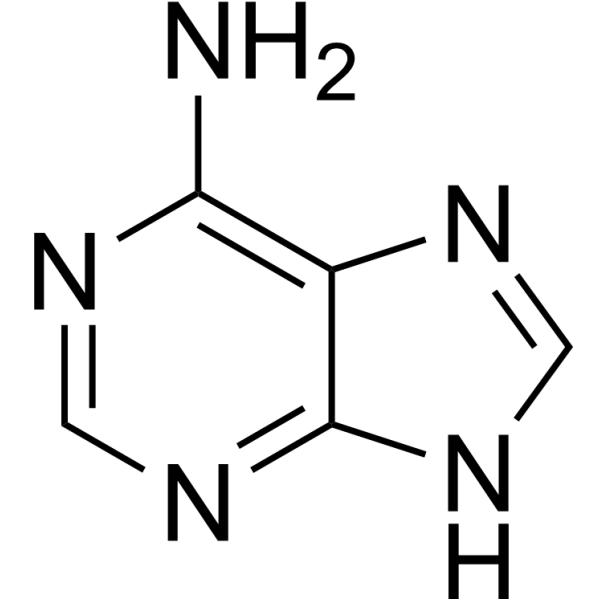
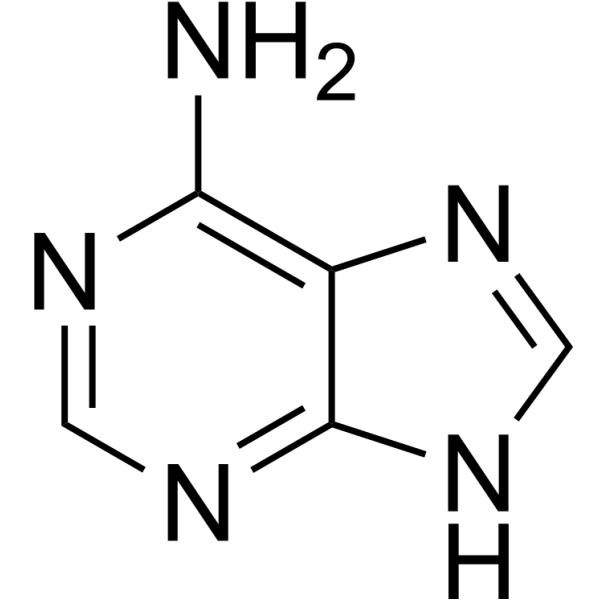
    Adenine
    20+ Cited Publications

    DNA/RNA Synthesis Endogenous Metabolite Infection Cancer
    Adenine (6-Aminopurine), a purine, is one of the four nucleobases in the nucleic acid of DNA. Adenine acts as a chemical component of DNA and RNA. Adenine also plays an important role in biochemistry involved in cellular respiration, the form of both ATP and the cofactors (NAD and FAD), and protein synthesis .
    Adenine
  • HY-155673
    SLU-PP-332
    1 Publications Verification

    Estrogen Receptor/ERR Metabolic Disease
    SLU-PP-332 is a pan-Estrogen Receptor/ERR agonist with EC50 values of 98, 230 and 430 nM for ERRα, ERRβ and ERRγ, respectively. SLUPP-332 enhances mitochondrial function and cellular respiration in skeletal muscle cell lines. SLU-PP-332 has the potential to study metabolic diseases as well as improve muscle function .
    SLU-PP-332
  • HY-111475
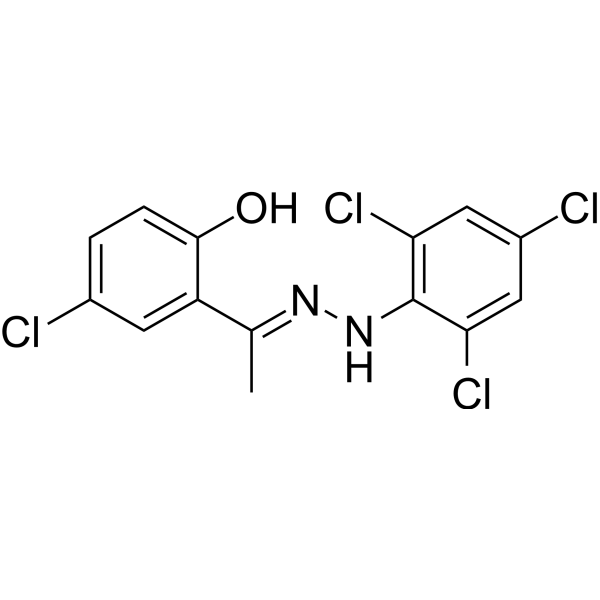
    Mitochondrial fusion promoter M1
    2 Publications Verification

    Mitochondrial Metabolism Cardiovascular Disease
    Mitochondrial fusion promoter M1 is a mitochondrial dynamic modulator. Mitochondrial fusion promoter M1 preserves the mitochondrial function and promotes cellular respiration. Mitochondrial fusion promoter M1 alleviates cardiac and brain damage in rats with cardiac ischemia/reperfusion injury .
    Mitochondrial fusion promoter M1
  • HY-Y0808
    Dimethyl succinate
    1 Publications Verification

    Environmental Pollutants Apoptosis Neurological Disease Metabolic Disease
    Dimethyl succinate is an orally active cell permeable succinate analogue. Dimethyl succinate can disrupt the TCA cycle by elevating intracellular succinate levels, leading to reduced protein synthesis and impairs myogenic differentiation. Dimethyl succinate can induce apoptosis. Dimethyl succinate can decrease maximal cellular respiration and reserve capacity. Dimethyl succinate can rescue synapse loss in AD. Dimethyl succinate can be used for the researches of metabolic and neurological disease [1][2].
    Dimethyl succinate
  • HY-B0152B
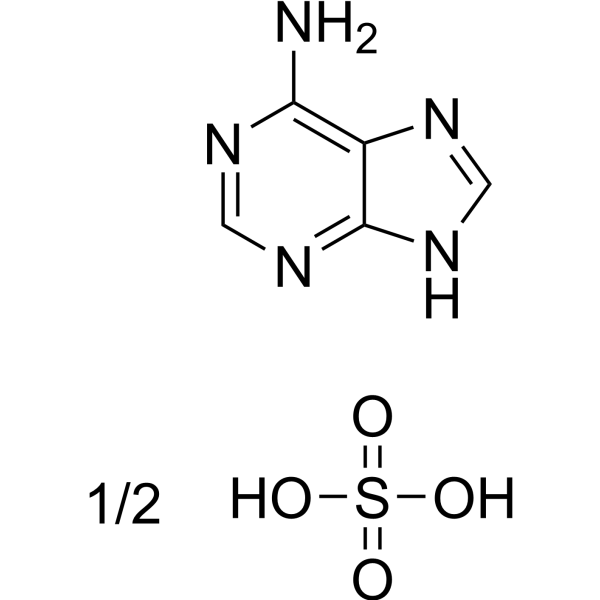
    Adenine hemisulfate
    Maximum Cited Publications
    22 Publications Verification

    6-Aminopurine hemisulfate; Vitamin B4 hemisulfate

    DNA/RNA Synthesis Endogenous Metabolite Cancer
    Adenine hemisulfate (6-Aminopurine hemisulfate), a purine, is one of the four nucleobases in the nucleic acid of DNA. Adenine hemisulfate acts as a chemical component of DNA and RNA. Adenine hemisulfate also plays an important role in biochemistry involved in cellular respiration, the form of both ATP and the cofactors (NAD and FAD), and protein synthesis .
    Adenine hemisulfate
  • HY-B0152S1
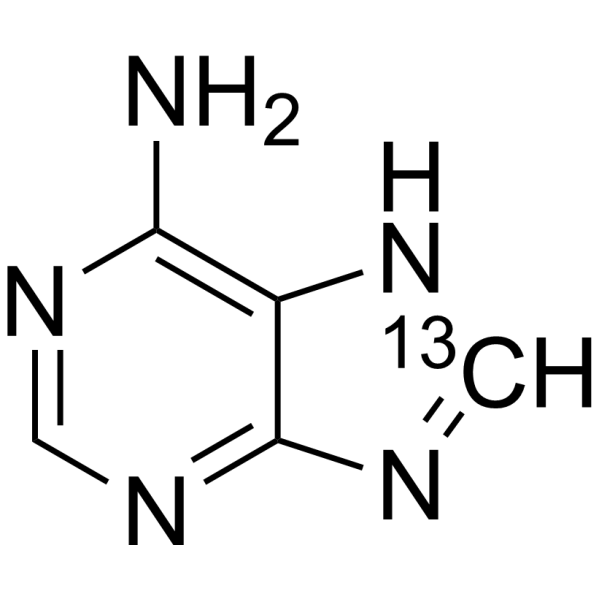
    Adenine-13C
    2 Publications Verification

    Adenine-8-C13; 9H-Purin-6-amine-8-13C

    DNA/RNA Synthesis Endogenous Metabolite Cancer
    Adenine- 13C is the 13C labeled Adenine . Adenine (6-Aminopurine), a purine, is one of the four nucleobases in the nucleic acid of DNA. Adenine acts as a chemical component of DNA and RNA. Adenine also plays an important role in biochemistry involved in cellular respiration, the form of both ATP and the cofactors (NAD and FAD), and protein synthesis .
    Adenine-13C
  • HY-174216

    DNA/RNA Synthesis Oxidative Phosphorylation Mitochondrial Metabolism Neurological Disease Metabolic Disease
    PZL-A is a activator of mitochondrial DNA (mtDNA) synthesis. PZL-A restores wild-type-like activity to mutant forms of polymerase γ (POLγ) with AC50 s of 160 and 20 nM for A467T and G848S. PZL-A activates mtDNA synthesis in cells, enhancing biogenesis of the oxidative phosphorylation machinery and cellular respiration. PZL-A is promising for relieving POLG disease and other severe conditions linked to depletion of mtDNA .
    PZL-A
  • HY-113355

    Endogenous Metabolite Apoptosis Neurological Disease Inflammation/Immunology Endocrinology
    NADH is an orally active dehydrogenase coenzyme that acts as a crucial electron carrier in cellular respiration and participates in ATP production. NADH promotes metabolism, supports brain function, and counteracts oxidative stress by transferring electrons to the electron transport chain. As a signaling molecule, NADH regulates multiple biological processes, including anti-apoptosis, synaptic plasticity, gene expression, and calcium homeostasis. Redox imbalance of NADH/NAD⁺ is one of the key pathological mechanisms of various diseases, such as diabetic nephropathy, neurodegenerative diseases, and ischemia-reperfusion injury.
    NADH
  • HY-B0152A
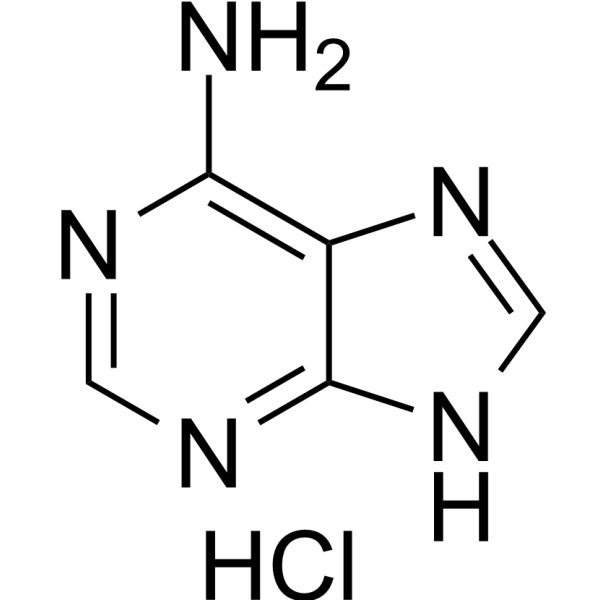
    Adenine hydrochloride
    Maximum Cited Publications
    22 Publications Verification

    6-Aminopurine hydrochloride; Vitamin B4 hydrochloride

    DNA/RNA Synthesis Endogenous Metabolite Cancer
    Adenine hydrochloride (6-Aminopurine hydrochloride), a purine, is one of the four nucleobases in the nucleic acid of DNA. Adenine hydrochloride acts as a chemical component of DNA and RNA. Adenine hydrochloride also plays an important role in biochemistry involved in cellular respiration, the form of both ATP and the cofactors (NAD and FAD), and protein synthesis .
    Adenine hydrochloride
  • HY-B0152S

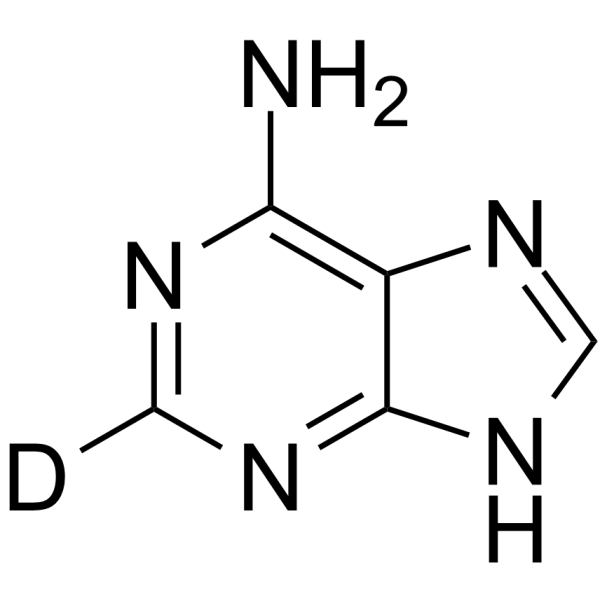
    6-Aminopurine-d1; Vitamin B4-d1

    DNA/RNA Synthesis Endogenous Metabolite Cancer
    Adenine-d is the deuterium labeled Adenine. Adenine (6-Aminopurine), a purine, is one of the four nucleobases in the nucleic acid of DNA. Adenine acts as a chemical component of DNA and RNA. Adenine also plays an important role in biochemistry involved in cellular respiration, the form of both ATP and the cofactors (NAD and FAD), and protein synthesis .
    Adenine-d1
  • HY-B0152R

    Reference Standards DNA/RNA Synthesis Endogenous Metabolite Cancer
    Adenine (Standard) is the analytical standard of Adenine. This product is intended for research and analytical applications. Adenine (6-Aminopurine), a purine, is one of the four nucleobases in the nucleic acid of DNA. Adenine acts as a chemical component of DNA and RNA. Adenine also plays an important role in biochemistry involved in cellular respiration, the form of both ATP and the cofactors (NAD and FAD), and protein synthesis .
    Adenine (Standard)
  • HY-P10281

    Bacterial Infection Cardiovascular Disease
    RW3 (MP196) is a small cationic antimicrobial hexapeptide. RW3 targets the bacterial cytoplasmic membrane and inhibits cellular respiration and cell wall synthesis. RW3 exhibits high bioactivity against Gram-positive bacteria such as Bacillus subtilis 168 (MIC of 2 µg/mL). RW3 causes shrinking of murine erythrocytes. RW3 can be used in antimicrobial and antifungal research .
    RW3
  • HY-B0152S4

    6-Aminopurine-15N5; Vitamin B4-15N5

    Isotope-Labeled Compounds DNA/RNA Synthesis Endogenous Metabolite Cancer
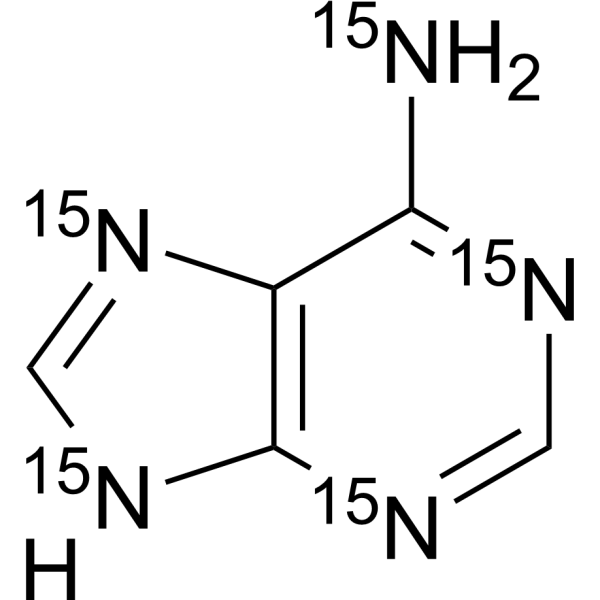
    Adenine- 15N5 (6-Aminopurine- 15N5; Vitamin B4- 15N5) is 15N labeled Adenine (HY-B0152). Adenine (6-Aminopurine), a purine, is one of the four nucleobases in the nucleic acid of DNA. Adenine acts as a chemical component of DNA and RNA. Adenine also plays an important role in biochemistry involved in cellular respiration, the form of both ATP and the cofactors (NAD and FAD), and protein synthesis.
    Adenine-15N5
  • HY-W010918R

    Adenosine diphosphate (Standard); ADP (Standard)

    Reference Standards Endogenous Metabolite Others
    Adenosine 5'-diphosphate (Standard) is the analytical standard of Adenosine 5'-diphosphate. This product is intended for research and analytical applications. Adenosine 5'-diphosphate (Adenosine diphosphate) is a nucleoside diphosphate. Adenosine 5'-diphosphate is the product of ATP dephosphorylation by ATPases. Adenosine 5'-diphosphate induces human platelet aggregation and inhibits stimulated adenylate cyclase by an action at P2T-purinoceptors. In Vitro: Adenosine 5'-diphosphate consists of the pyrophosphate group, the pentose sugar ribose, and the nucleobase adenine. Adenosine 5'-diphosphate is the product of ATP dephosphorylation by ATPases. ADP is converted back to ATP by ATP synthases. ATP is an important energy transfer molecule in cells. Adenosine 5'-diphosphate is utilized in a wide number of cellular processes, including respiration, biosynthetic reactions, motility, and cell division.
    Adenosine 5'-diphosphate (Standard)
  • HY-122330

    Kelocyanor

    Cytochrome P450 Others
    Dicobalt edetate (Kelocyanor) is a cobalt compound that is an antidote for hydrocyanic acid (cyanide) poisoning. Dicobalt edetate can form a stable complex with cyanide ions, thereby reducing the binding of cyanide ions to cytochrome oxidase, thereby preventing cyanide from inhibiting cellular respiration .
    Dicobalt edetate
  • HY-W015213
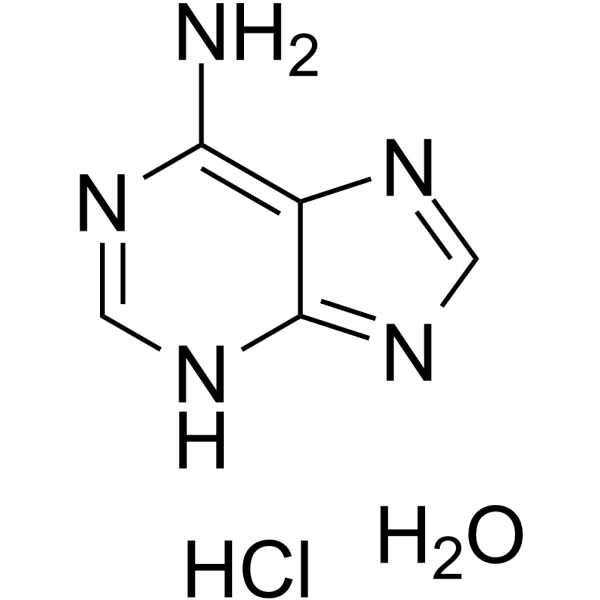
    Adenine monohydrochloride hemihydrate
    Maximum Cited Publications
    22 Publications Verification

    Endogenous Metabolite DNA/RNA Synthesis Metabolic Disease
    Adenine monohydrochloride hemihydrate is a hydrochloride derivative of Adenine. Adenine (6-Aminopurine), a purine, is one of the four nucleobases in the nucleic acid of DNA. Adenine acts as a chemical component of DNA and RNA. Adenine also plays an important role in biochemistry involved in cellular respiration, the form of both ATP and the cofactors (NAD and FAD), and protein synthesis .
    Adenine monohydrochloride hemihydrate
  • HY-B0152S3

    6-Aminopurine-13C5; Vitamin B4-13C5

    Isotope-Labeled Compounds DNA/RNA Synthesis Endogenous Metabolite Cancer
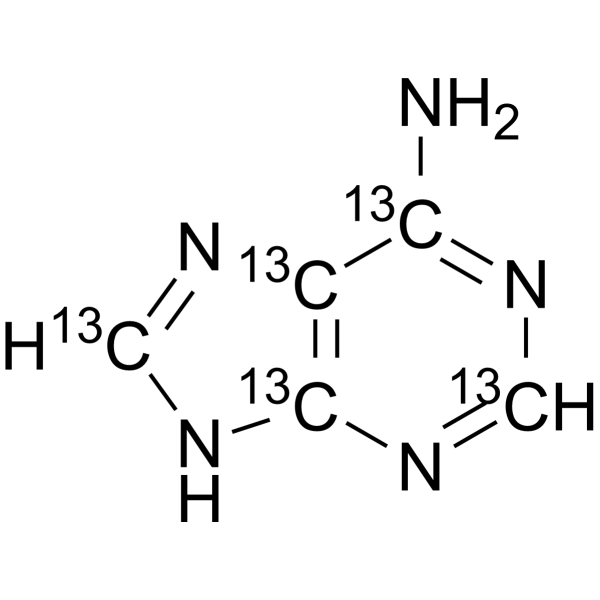
    Adenine- 13C5 (6-Aminopurine- 13C5; Vitamin B4- 13C5) is 13C-labeled Adenine (HY-B0152). Adenine (6-Aminopurine), a purine, is one of the four nucleobases in the nucleic acid of DNA. Adenine acts as a chemical component of DNA and RNA. Adenine also plays an important role in biochemistry involved in cellular respiration, the form of both ATP and the cofactors (NAD and FAD), and protein synthesis.
    Adenine-13C5
  • HY-B0152S7

    6-Aminopurine-15N5 hydrochloride hydrate; Vitamin B4-15N5 hydrochloride hydrate

    Isotope-Labeled Compounds DNA/RNA Synthesis Cancer
    Adenine- 15N5 (6-Aminopurine- 15N5) hydrochloride hydrate is the 15N-labeled Adenine (HY-B0152). Adenine (6-Aminopurine), a purine, is one of the four nucleobases in the nucleic acid of DNA. Adenine acts as a chemical component of DNA and RNA. Adenine also plays an important role in biochemistry involved in cellular respiration, the form of both ATP and the cofactors (NAD and FAD), and protein synthesis .
    Adenine-15N5 hydrochloride hydrate
  • HY-N12486A

    Others Neurological Disease Metabolic Disease Cancer
    (3S,8R,9R)-Isofalcarintriol is a natural polyacetylene compound found in carrot root parts. (3S,8R,9R)-Isofalcarintriol is a potent longevity promoter that improves glucose metabolism and has anti-tumor activity. (3S,8R,9R)-Isofalcarintriol can affect cellular respiration, interact with the α subunit of mitochondrial ATP synthase, and promote mitochondrial biogenesis. (3S,8R,9R)-Isofalcarintriol can be used in the study of neurodegenerative diseases, metabolic diseases, and aging .
    (3S,8R,9R)-Isofalcarintriol
  • HY-178778

    Fungal Infection
    SDH-IN-38 (Compound IIIe) is a Succinate dehydrogenase inhibitor. SDH-IN-38 is an antifungal agent, with an EC50 value of 0.009 μg/mL against R. solani mycelia. SDH-IN-38 inhibits mycelial growth by affecting mycelial respiration. SDH-IN-38 induces cellular senescenc and reduces mitochondrial membrane potential in mycelia .
    SDH-IN-38
  • HY-170369

    Mitochondrial Metabolism Metabolic Disease
    SHO1122147 (Compound 7m) affects the mitochondrial electron transport chain, exhibits mitochondrial uncoupling activity (EC50=3.6 μM), and increases the oxygen consumption rate (OCR=69%) and promotes cellular respiration. SHO1122147 is orally active, and can be used in reaearch of obesity and metabolic dysfunction-associated steatohepatitis (MASH) .
    SHO1122147
  • HY-B0152BR

    6-Aminopurine hemisulfate (Standard); Vitamin B4 hemisulfate (Standard)

    DNA/RNA Synthesis Endogenous Metabolite Reference Standards Cancer
    Adenine (hemisulfate) (Standard) is the analytical standard of Adenine (hemisulfate). This product is intended for research and analytical applications. Adenine hemisulfate (6-Aminopurine hemisulfate), a purine, is one of the four nucleobases in the nucleic acid of DNA. Adenine hemisulfate acts as a chemical component of DNA and RNA. Adenine hemisulfate also plays an important role in biochemistry involved in cellular respiration, the form of both ATP and the cofactors (NAD and FAD), and protein synthesis .
    Adenine hemisulfate (Standard)
  • HY-126643

    Mitochondrial Metabolism Others Cancer
    Wedeloside is a diterpenoid amino glycoside isolated from the plant Wedelia asperrima. Wedeloside is capable of inhibiting ADP-stimulated respiration in mitochondria and possesses potential anti-tumor activity. Wedeloside is applicable in drug development and toxicological research .
    Wedeloside
  • HY-B0152AR

    6-Aminopurine hydrochloride (Standard); Vitamin B4 hydrochloride (Standard)

    Reference Standards DNA/RNA Synthesis Endogenous Metabolite Cancer
    Adenine (hydrochloride) (Standard) is the analytical standard of Adenine (hydrochloride). This product is intended for research and analytical applications. Adenine hydrochloride (6-Aminopurine hydrochloride), a purine, is one of the four nucleobases in the nucleic acid of DNA. Adenine hydrochloride acts as a chemical component of DNA and RNA. Adenine hydrochloride also plays an important role in biochemistry involved in cellular respiration, the form of both ATP and the cofactors (NAD and FAD), and protein synthesis[1][2][3].
    Adenine hydrochloride (Standard)
  • HY-W712567

    6-Aminopurine-15N5 hydrochloride; Vitamin B4-15N5 hydrochloride

    Isotope-Labeled Compounds Infection Cancer
    Adenine- 15N5 (6-Aminopurine- 15N5) hydrochloride is the 15N-labeled Adenine hydrochloride (HY-B0152A) . Adenine hydrochloride (6-Aminopurine hydrochloride), a purine, is one of the four nucleobases in the nucleic acid of DNA. Adenine hydrochloride acts as a chemical component of DNA and RNA. Adenine hydrochloride also plays an important role in biochemistry involved in cellular respiration, the form of both ATP and the cofactors (NAD and FAD), and protein synthesis.
    Adenine-15N5 hydrochloride
  • HY-W015213S

    Isotope-Labeled Compounds Endogenous Metabolite DNA/RNA Synthesis Metabolic Disease
    Adenine monohydrochloride hemihydrate- 15N5 is the 15N labeled Adenine monohydrochloride hemihydrate (HY-W015213). Adenine monohydrochloride hemihydrate is a hydrochloride derivative of Adenine. Adenine (6-Aminopurine), a purine, is one of the four nucleobases in the nucleic acid of DNA. Adenine acts as a chemical component of DNA and RNA. Adenine also plays an important role in biochemistry involved in cellular respiration, the form of both ATP and the cofactors (NAD and FAD), and protein synthesis .
    Adenine monohydrochloride hemihydrate-15N5
  • HY-159481

    Succinate Dehydrogenase Fungal Infection Inflammation/Immunology
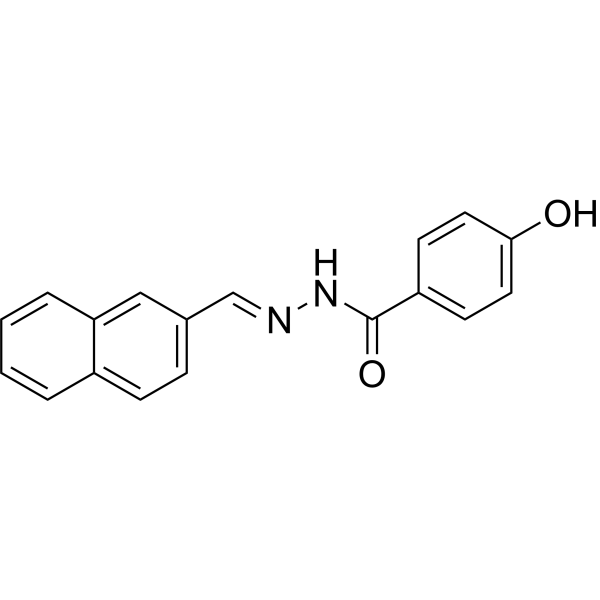
    SDH-IN-17 (compound C32), a hydrazide-containing flavonol derivative, is a potent succinate dehydrogenase (SDH) inhibitor with an IC50 of 8.42 μM. SDH-IN-17 can occupy the active site and form strong interactions with the key residues of SDH. SDH-IN-17 exhibits antifungal activity against Rhizoctonia solani (EC50=0.170 μg/mL). SDH-IN-17 disrupts the normal growth of hyphae by affecting the structural integrity of the cell membrane and cellular respiration. SDH-IN-17 has the potential for plant disease control research .
    SDH-IN-17
  • HY-B0152S2

    6-Aminopurine-13C5,15N5; Vitamin B4-13C5,15N5

    Isotope-Labeled Compounds DNA/RNA Synthesis Endogenous Metabolite Cancer
    Adenine- 13C5,15C5 (6-Aminopurine- 13C5,15C5; Vitamin B4- 13C5,15C5) is 13C-labeled Adenine (HY-B0152). Adenine (6-Aminopurine), a purine, is one of the four nucleobases in the nucleic acid of DNA. Adenine acts as a chemical component of DNA and RNA. Adenine also plays an important role in biochemistry involved in cellular respiration, the form of both ATP and the cofactors (NAD and FAD), and protein synthesis.
    Adenine-13C5,15N5
  • HY-W725177

    Fungal Mitochondrial Metabolism Infection
    Inpyrfluxam is a succinate dehydrogenase (SDH) inhibitor. Inpyrfluxam targets the ubiquinone binding pocket of mitochondrial SDH complex subunits ViSDHB, ViSDHC, ViSDHD, interfering with cellular respiration. Inpyrfluxam inhibits conidial germination and mycelial growth of Venturia inaequalis in vitro. Inpyrfluxam can be used for the research of apple scab .
    Inpyrfluxam
  • HY-W015213R

    Endogenous Metabolite Reference Standards DNA/RNA Synthesis Metabolic Disease
    Adenine monohydrochloride hemihydrate (Standard) is the analytical standard of Adenine monohydrochloride hemihydrate (HY-W015213). This product is intended for research and analytical applications. Adenine monohydrochloride hemihydrate is a hydrochloride derivative of Adenine. Adenine (6-Aminopurine), a purine, is one of the four nucleobases in the nucleic acid of DNA. Adenine acts as a chemical component of DNA and RNA. Adenine also plays an important role in biochemistry involved in cellular respiration, the form of both ATP and the cofactors (NAD and FAD), and protein synthesis .
    Adenine monohydrochloride hemihydrate (Standard)
  • HY-181862

    Mitochondrial Metabolism Metabolic Disease
    SHK1112218 is an orally active mitochondrial proton carrier with an EC50 of 0.48 μM. SHK1112218 restores proton transport and increases oxygen consumption rate. SHK1112218 can be used for the research of diabetes, obesity, and metabolic dysfunction-associated steatotic liver disease .
    SHK1112218

Inquiry Online

Your information is safe with us. * Required Fields.

Salutation


Country or Region *

Applicant Name *


Organization Name *

Department *


Email Address *


Product Name *

Cat. No.


Requested quantity *

Phone Number *


Remarks

Inquiry Online

Inquiry Information

Product Name:
Cat. No.:
Quantity:
MCE Japan Authorized Agent:

