1. Search Result
Search Result
Results for "

choleretic

" in MedChemExpress (MCE) Product Catalog:

23

Inhibitors & Agonists

1

Fluorescent Dyes

1

Peptides

9

Natural
Products

1

Oligonucleotides

Cat. No. Product Name Target Research Areas Chemical Structure
  • HY-Y0073
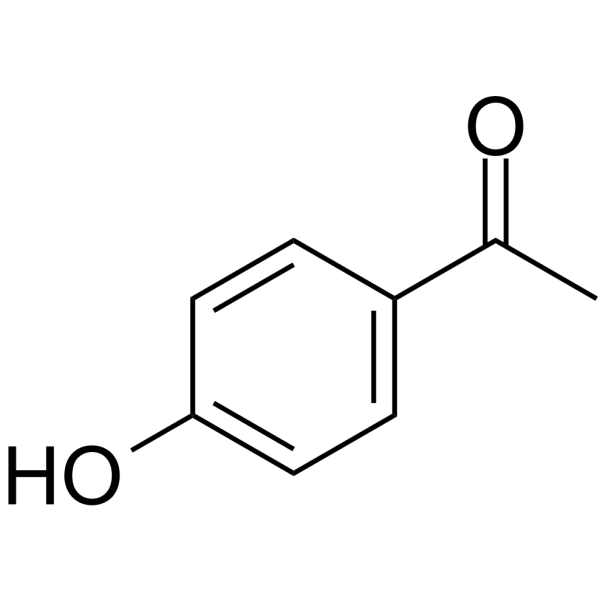
    4-Hydroxyacetophenone
    1 Publications Verification

    P-hydroxyacetophenone

    HBV Myosin Infection Inflammation/Immunology Cancer
    4-Hydroxyacetophenone (P-hydroxyacetophenone) is a major hepatoprotective and choleretic compound found in Artemisia and Illicium plants, exhibiting antiviral and anti-inflammatory effects against hepatitis B virus. Additionally, 4-Hydroxyacetophenone inhibits cancer cell adhesion, invasion, and migration by remodeling actin. 4-Hydroxyacetophenone holds promise for research in the fields of inflammatory diseases and cancer .
    4-Hydroxyacetophenone
  • HY-B0998

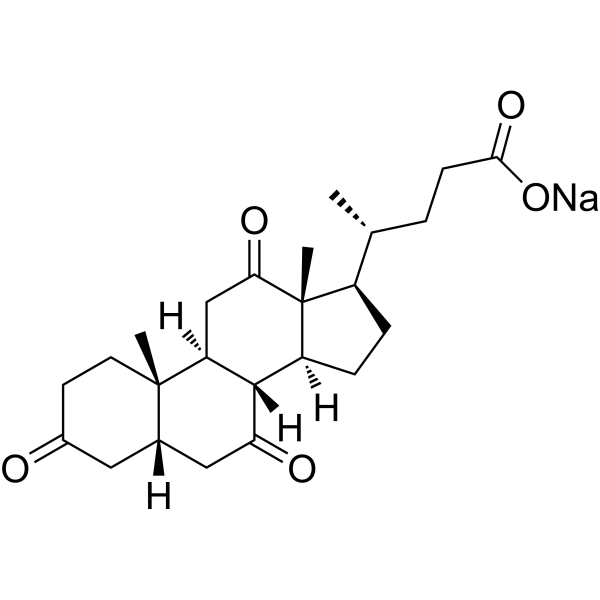
    Dehydrocholate sodium

    Amylases Lipase Autophagy Metabolic Disease
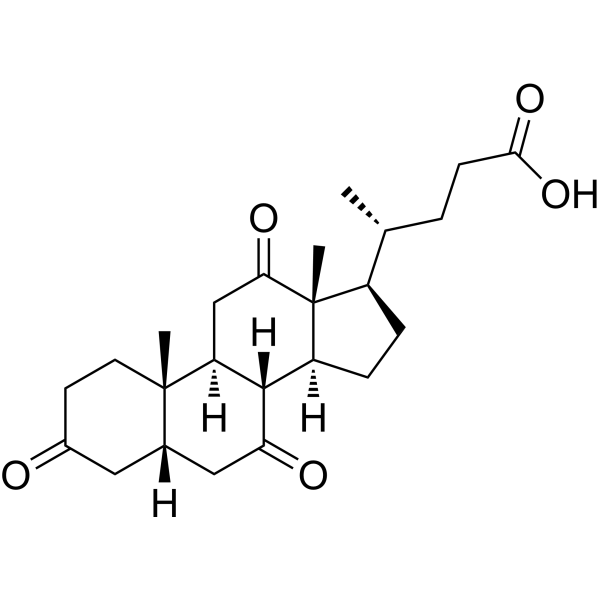
    Dehydrocholic acid (Dehydrocholate) sodium is an orally active hydrocholeretic agent. Dehydrocholic acid sodium modulates Autophagy, reduces serum amylase and lipase levels. Dehydrocholic acid sodium has the effects of promoting choleretic function, protecting the liver, reducing pancreatic damage, and regulating cholesterol metabolism. Dehydrocholic acid sodium can be used in the study of acute biliary pancreatitis and obstructive jaundice .
    Dehydrocholic acid sodium
  • HY-B1223
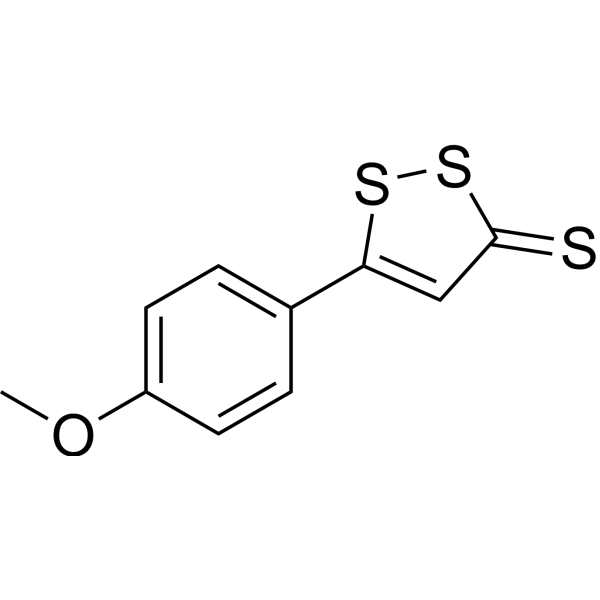
    Anethole trithione
    2 Publications Verification

    mAChR Neurological Disease Cancer
    Anethole trithione, a sulfur heterocyclic choleretic, is a bile secretion-stimulating agent. Anethole trithione enhances salivary secretion and increases mAChRs, and can be used for dry mouth research .
    Anethole trithione
  • HY-N10319

    Epigenetic Reader Domain Necroptosis TRP Channel Metabolic Disease Inflammation/Immunology Cancer
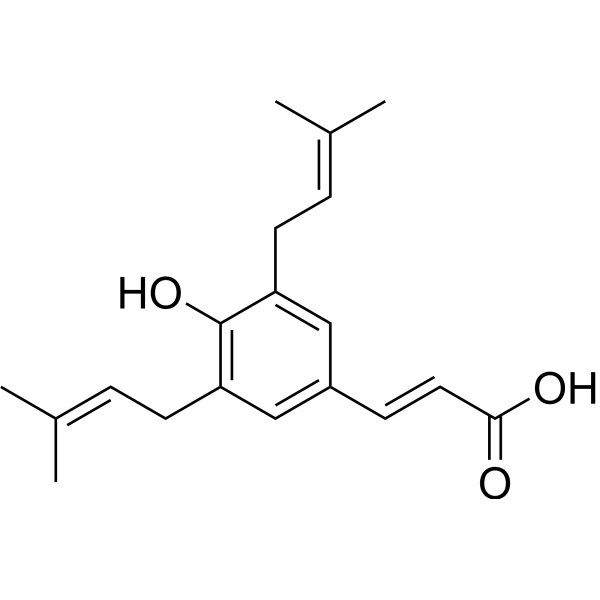
    Artepillin C is an orally active CREB/CRTC2 inhibitor and TRPA1 covalent agonist (EC50=1.8 μM). Artepillin C inhibits CREB/CRTC2-mediated gene transcription and downregulates BMAL1 expression to regulate glucose and lipid metabolism. Artepillin C can also activate TRPA1 channels to induce spicy taste signals. Artepillin C can inhibit tumor cell proliferation, induce necroptosis, improve insulin resistance and inhibit liver lipid synthesis. Artepillin C can be used in the study of metabolic syndrome, tumor prevention and treatment, and inflammation .
    Artepillin C
  • HY-N0165

    HIV Reverse Transcriptase Cardiovascular Disease Infection Inflammation/Immunology
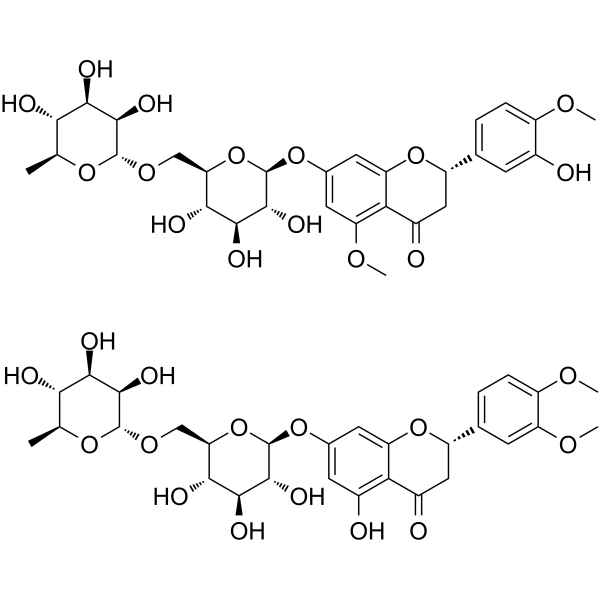
    Methyl-Hesperidin is a glycoside compound. Methyl-Hesperidin has hypotensive, coronary dilating, smooth muscle relaxing, capillary stabilizing, choleretic, and anti-ulcer activities. Methyl-Hesperidin act as a competitive substrate to inhibit HIV-1 reverse transcriptase activity. Methyl-Hesperidin potentiates coronary dilating actions of adenine nucleotides and 3'-AMP, enhances depressant action on isolated atria, and prolongs adenosine- and ATP-induced heart block in guinea pigs .
    Methyl-Hesperidin
  • HY-17480
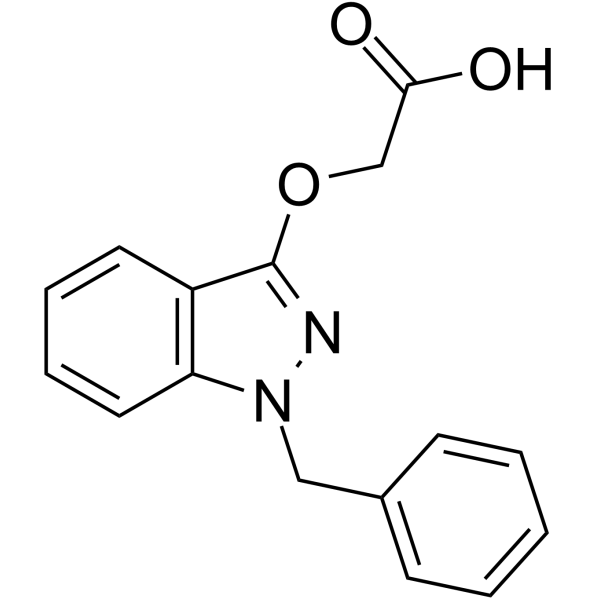
    Bendazac
    2 Publications Verification

    Others Inflammation/Immunology
    Bendazac is an oxyacetic acid with anti-inflammatory, antinecrotic, choleretic and antilipidaemic properties. Bendazac acts by preventing protein denaturation and delays the cataractogenic process .
    Bendazac
  • HY-B1136
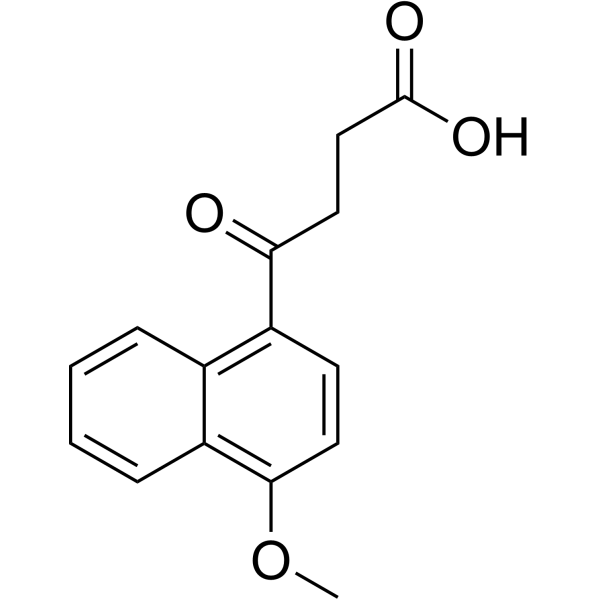
    Menbutone
    1 Publications Verification

    Genabilic acid

    Drug Derivative Metabolic Disease
    Menbutone (Genabilic acid), an oxobutyric acid derivative, is a choleretic. Menbutone can be used to treat digestive upsets (loss of appetite, indigestion, toxemia, or hepatic and pancreatic insufficiencies) in a variety of animal species, including different farm animals (cattle, sheep, goats, pigs), as well as in dogs .
    Menbutone
  • HY-B1393

    Dehydrocholate

    Autophagy Amylases Lipase Metabolic Disease
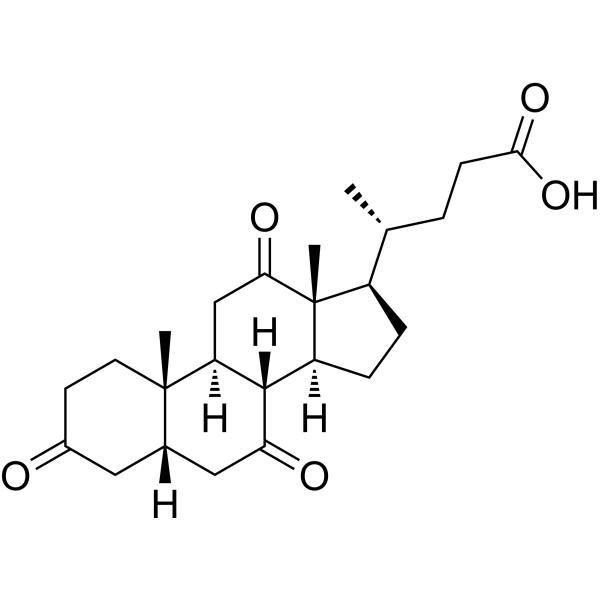
    Dehydrocholic acid (Dehydrocholate) is an orally active hydrocholeretic agent. Dehydrocholic acid modulates Autophagy, reduces serum amylase and lipase levels. Dehydrocholic acid has the effects of promoting choleretic function, protecting the liver, reducing pancreatic damage, and regulating cholesterol metabolism. Dehydrocholic acid can be used in the study of acute biliary pancreatitis and obstructive jaundice .
    Dehydrocholic acid
  • HY-B1273

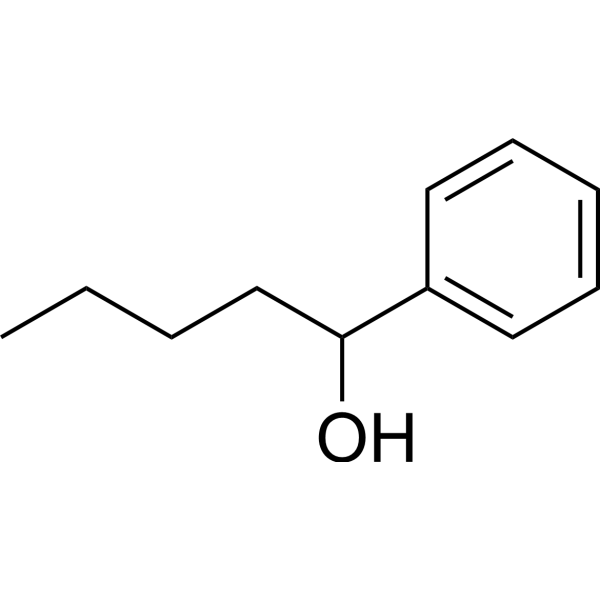
    1-Phenyl-1-pentanol

    Fluorescent Dye Endocrinology
    Fenipentol (1-Phenyl-1-pentanol), a synthetic derivative of an ingredient of Curcuma longa that is used as a condiment and dye. Fenipentol is also an orally active choleretic agent that plays an important role in release of secretin, gastrin, and pancreatic secretion of bicarbonate and protein .
    Fenipentol
  • HY-N10319R

    Reference Standards TRP Channel Necroptosis Epigenetic Reader Domain Metabolic Disease Inflammation/Immunology Cancer
    Artepillin C (Standard) is the analytical standard of Artepillin C (HY-N10319). This product is intended for research and analytical applications. Artepillin C is an orally active CREB/CRTC2 inhibitor and TRPA1 covalent agonist (EC50=1.8 μM). Artepillin C inhibits CREB/CRTC2-mediated gene transcription and downregulates BMAL1 expression to regulate glucose and lipid metabolism. Artepillin C can also activate TRPA1 channels to induce spicy taste signals. Artepillin C can inhibit tumor cell proliferation, induce apoptosis, improve insulin resistance and inhibit liver lipid synthesis. Artepillin C can be used in the study of metabolic syndrome, tumor prevention and treatment, and inflammation .
    Artepillin C (Standard)
  • HY-Y0073R

    P-hydroxyacetophenone (Standard)

    Reference Standards HBV Myosin Infection Inflammation/Immunology Cancer
    4-Hydroxyacetophenone (Standard) is the analytical standard of 4-Hydroxyacetophenone. This product is intended for research and analytical applications. 4-Hydroxyacetophenone (P-hydroxyacetophenone) is a major hepatoprotective and choleretic compound found in Artemisia and Illicium plants, exhibiting antiviral and anti-inflammatory effects against hepatitis B virus. Additionally, 4-Hydroxyacetophenone inhibits cancer cell adhesion, invasion, and migration by remodeling actin. 4-Hydroxyacetophenone holds promise for research in the fields of inflammatory diseases and cancer .
    4-Hydroxyacetophenone (Standard)
  • HY-106537

    Probilin; Secrebil; Piprozolin

    Others Metabolic Disease
    W 3699 (Probilin; Secrebil; Piprozolin) is a choleretic agent that can be used in the study of biliary diseases .
    W 3699
  • HY-106535

    Febuprol

    Others Metabolic Disease
    Valbilan (Febuprol) is a choleretic agent. Valbilan exhibits spasmolytic and lipid lowering effects .
    Valbilan
  • HY-B1223R

    mAChR Reference Standards Neurological Disease Cancer
    Anethole trithione (Standard) is the analytical standard of Anethole trithione. This product is intended for research and analytical applications. Anethole trithione, a sulfur heterocyclic choleretic, is a bile secretion-stimulating agent. Anethole trithione enhances salivary secretion and increases mAChRs, and can be used for dry mouth research .
    Anethole trithione (Standard)
  • HY-17480R

    Reactive Oxygen Species (ROS) Reference Standards Inflammation/Immunology
    Bendazac (Standard) is the analytical standard of Bendazac. This product is intended for research and analytical applications. Bendazac is an oxyacetic acid with anti-inflammatory, antinecrotic, choleretic and antilipidaemic properties. Bendazac acts by preventing protein denaturation and delays the cataractogenic process. Bendazac exerts funciton in anti-radical effect and inhibits oxidative brust .
    Bendazac (Standard)
  • HY-118534

    BRN-2209058

    Endogenous Metabolite Endocrinology
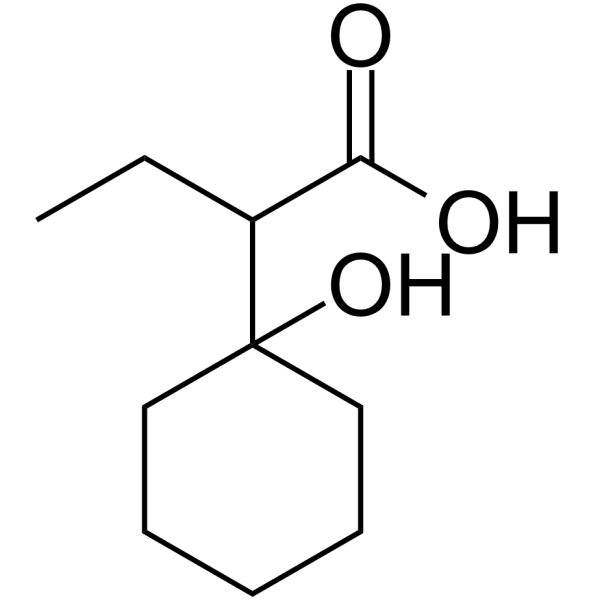
    Cyclobutyrol is a potent choleretic agent. Cyclobutyrol also inhibits biliary lipid secretion. Cyclobutyrol induces choleretic is unrelated to bile acids. Cyclobutyrol and bile acids do not compete for the hepatobiliar transport mechanisms[1]
    Cyclobutyrol
  • HY-171857

    Reactive Oxygen Species (ROS) Metabolic Disease Inflammation/Immunology
    Cytaphat is a compound with hepatoprotective activity. Cytaphat has antioxidant, membrane-stabilizing and choleretic effects. Cytaphat can be used in the research of diseases such as acute toxic hepatopathy and liver injury .
    Cytaphat
  • HY-118311

    (Z)-Probilin; (Z)-Secrebil; (Z)-Piprozolin

    Others Metabolic Disease
    (Z)-W 3699 is a potential choleretic. (Z)-W 3699 can increase the solubility of cholesterol in the gallbladder by altering the secretion of micellar bile acids. (Z)-W 3699 can prevent the formation of cholesterol-containing gallstones in dogs.
    (Z)-W 3699
  • HY-B1393R

    Dehydrocholate (Standard)

    Reference Standards Autophagy Amylases Lipase Metabolic Disease
    Dehydrocholic acid (Dehydrocholate) (Standard) is the analytical standard of Dehydrocholic acid (HY-B1393). This product is intended for research and analytical applications. Dehydrocholic acid (Dehydrocholate) is an orally active hydrocholeretic agent. Dehydrocholic acid modulates Autophagy, reduces serum amylase and lipase levels. Dehydrocholic acid has the effects of promoting choleretic function, protecting the liver, reducing pancreatic damage, and regulating cholesterol metabolism. Dehydrocholic acid can be used in the study of acute biliary pancreatitis and obstructive jaundice .
    Dehydrocholic acid (Standard)
  • HY-124491

    Others Neurological Disease Metabolic Disease
    Moquizone is a choleretic agent with arrhythmia-preventing activity .
    Moquizone
  • HY-106535R

    Febuprol (Standard)

    Reference Standards Others Metabolic Disease
    Valbilan (Standard) is the analytical standard of Valbilan (HY-106535). This product is intended for research and analytical applications. Valbilan (Febuprol) is a choleretic agent. Valbilan exhibits spasmolytic and lipid lowering effects .
    Valbilan (Standard)
  • HY-118534A

    BRN-2209058 sodium

    Endogenous Metabolite Endocrinology
    Cyclobutyrol sodium is a potent choleretic agent. Cyclobutyrol sodium also inhibits biliary lipid secretion. Cyclobutyrol sodium induces choleretic is unrelated to bile acids. Cyclobutyrol sodium and bile acids do not compete for the hepatobiliar transport mechanisms[1]
    Cyclobutyrol sodium
  • HY-N0165R

    Reference Standards HIV Reverse Transcriptase Cardiovascular Disease Infection Inflammation/Immunology
    Methyl-Hesperidin (Standard) is the analytical standard of Methyl-Hesperidin (HY-N0165). This product is intended for research and analytical applications. Methyl-Hesperidin is a glycoside compound. Methyl-Hesperidin has hypotensive, coronary dilating, smooth muscle relaxing, capillary stabilizing, choleretic, and anti-ulcer activities. Methyl-Hesperidin act as a competitive substrate to inhibit HIV-1 reverse transcriptase activity. Methyl-Hesperidin potentiates coronary dilating actions of adenine nucleotides and 3'-AMP, enhances depressant action on isolated atria, and prolongs adenosine- and ATP-induced heart block in guinea pigs .
    Methyl-Hesperidin (Standard)

Inquiry Online

Your information is safe with us. * Required Fields.

Salutation


Country or Region *

Applicant Name *


Organization Name *

Department *


Email Address *


Product Name *

Cat. No.


Requested quantity *

Phone Number *


Remarks

Inquiry Online

Inquiry Information

Product Name:
Cat. No.:
Quantity:
MCE Japan Authorized Agent:

