






1. Search Result
Search Result
Results for "

emptying

" in MedChemExpress (MCE) Product Catalog:

68

Inhibitors & Agonists

1

Screening Libraries

1

Biochemical Assay Reagents

18

Peptides

7

Natural
Products

5

Isotope-Labeled Compounds

Cat. No. Product Name Target Research Areas Chemical Structure
  • HY-114118
    Semaglutide
    Maximum Cited Publications
    35 Publications Verification

    GLP Receptor Insulin Receptor α-synuclein Apoptosis p38 MAPK Autophagy Bcl-2 Family Neurological Disease Metabolic Disease Cancer
    Semaglutide is a long-acting, selective, competitive GLP-1R agonist that can penetrate the blood-brain barrier. After activating GLP-1R, Semaglutide promotes insulin secretion, inhibits gastric emptying and appetite, and at the same time enhances autophagy, inhibits oxidative stress and apoptosis. Semaglutide also regulates mitochondrial function and lipid metabolism (such as reducing de novo lipogenesis in the liver). Semaglutide has activities such as lowering blood sugar, reducing weight, neuroprotection (such as improving motor function in Parkinson's disease models, reducing α-synuclein aggregation) and improving hepatic steatosis. Semaglutide can be used for the study of neurodegenerative diseases and liver diseases such as type 2 diabetes, obesity, Parkinson's disease, metabolic associated fatty liver disease (MASLD), and cancer .
    Semaglutide
  • HY-B0171
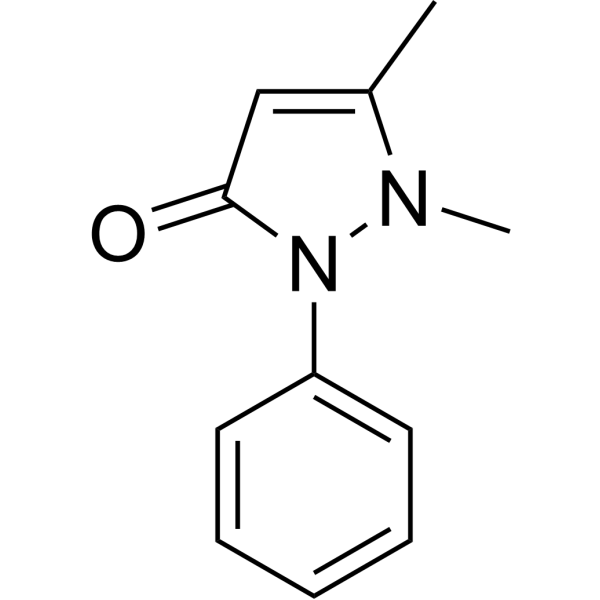
    Antipyrine
    3 Publications Verification

    Phenazone; Phenazon

    Fluorescent Dye GABA Receptor Metabolic Disease Inflammation/Immunology
    Antipyrine (Phenazone) is an orally active antipyretic and analgesic. Antipyrine can be used as a probe agent for oxidative agent metabolism. Antipyrine also delays gastric emptying (GE) in rats .
    Antipyrine
  • HY-N0330
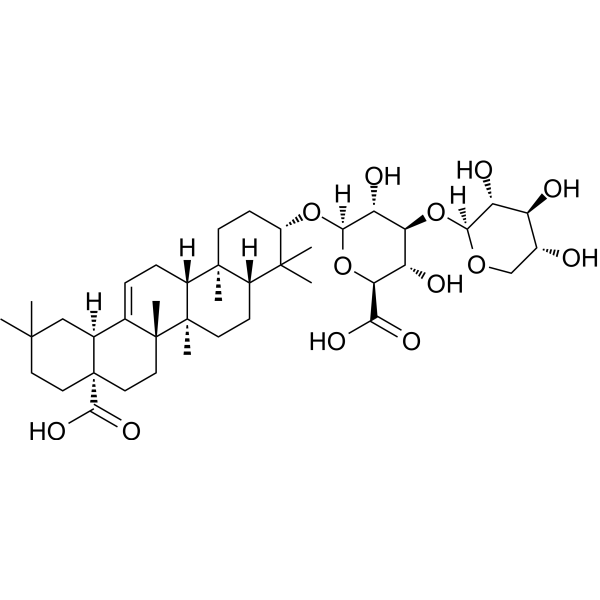
    Momordin Ic
    5 Publications Verification

    Apoptosis Autophagy PI3K c-Myc Metabolic Disease Inflammation/Immunology Cancer
    Momordin Ic is an orally active triterpenoid saponin that can be isolated from Kochia scoparia. It is also a SUMO specific protease 1 (SENP1) inhibitor, SENP1/c-MYC signaling pathway inhibitor, and apoptosis inducer. Momordin Ic induces autophagy and apoptosis in liver cancer cells through the PI3K/Akt and MAPK signaling pathways mediated by reactive oxygen species. Momordin Ic has the ability to control glucose induced blood glucose elevation, inhibit gastric emptying, resist rheumatoid arthritis, reduce CCl4 (HY-Y0298) induced hepatotoxicity and anti-tumor activity .
    Momordin Ic
  • HY-114118B
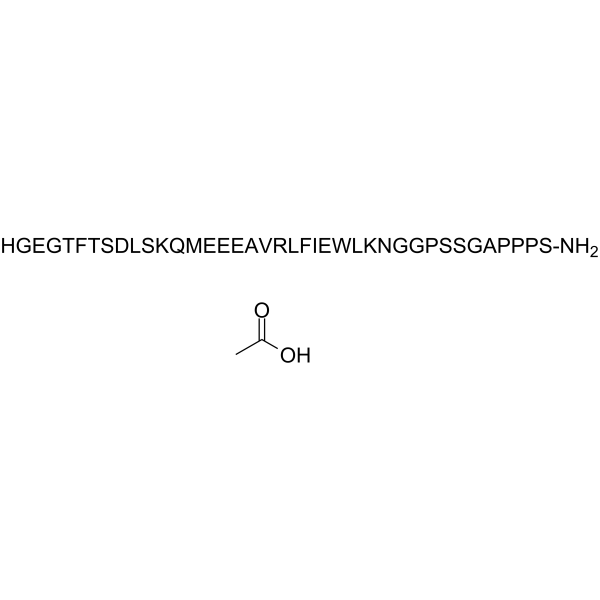
    Semaglutide acetate
    Maximum Cited Publications
    35 Publications Verification

    GLP Receptor Insulin Receptor α-synuclein Apoptosis p38 MAPK Autophagy Bcl-2 Family Neurological Disease Metabolic Disease Cancer
    Semaglutide acetate is a long-acting, selective, competitive GLP-1R agonist that can penetrate the blood-brain barrier. After activating GLP-1R, Semaglutide acetate promotes insulin secretion, inhibits gastric emptying and appetite, and at the same time enhances autophagy, inhibits oxidative stress and apoptosis. Semaglutide acetate also regulates mitochondrial function and lipid metabolism (such as reducing de novo lipogenesis in the liver). Semaglutide acetate has activities such as lowering blood sugar, reducing weight, neuroprotection (such as improving motor function in Parkinson's disease models, reducing α-synuclein aggregation) and improving hepatic steatosis. Semaglutide acetate can be used for the study of neurodegenerative diseases and liver diseases such as type 2 diabetes, obesity, Parkinson's disease, metabolic associated fatty liver disease (MASLD), and cancer .
    Semaglutide acetate
  • HY-114118A
    Semaglutide TFA
    Maximum Cited Publications
    35 Publications Verification

    GLP Receptor Insulin Receptor α-synuclein Apoptosis p38 MAPK Autophagy Bcl-2 Family Neurological Disease Metabolic Disease Cancer
    Semaglutide TFA is a long-acting, selective, competitive GLP-1R agonist that can penetrate the blood-brain barrier. After activating GLP-1R, Semaglutide TFA promotes insulin secretion, inhibits gastric emptying and appetite, and at the same time enhances autophagy, inhibits oxidative stress and apoptosis. Semaglutide TFA also regulates mitochondrial function and lipid metabolism (such as reducing de novo lipogenesis in the liver). Semaglutide TFA has activities such as lowering blood sugar, reducing weight, neuroprotection (such as improving motor function in Parkinson's disease models, reducing α-synuclein aggregation) and improving hepatic steatosis. Semaglutide TFA can be used for the study of neurodegenerative diseases and liver diseases such as type 2 diabetes, obesity, Parkinson's disease, metabolic associated fatty liver disease (MASLD), and cancer .
    Semaglutide TFA
  • HY-P3463
    Beinaglutide
    1 Publications Verification

    GLP-1 (human)

    GCGR Metabolic Disease Inflammation/Immunology
    Beinaglutide is a human GLP-1 polypeptide that shares almost 100% homology with human GLP-1 (7–36). Beinaglutide displays does-dependent effects in glycemic control, inhibiting food intake and gastric empty and promoting weight loss. Beinaglutide has the potential for the research of overweight/obesity and nonalcoholic steatohepatitis (NASH) .
    Beinaglutide
  • HY-109168
    Bersacapavir
    2 Publications Verification

    JNJ-6379; JNJ-56136379

    HBV DNA/RNA Synthesis Infection
    Bersacapavir (JNJ-6379) is an HBV capsid assembly modulator. Bersacapavir exerts a dual mechanism of action against both early and late stages of HBV infection by forming complete genome-free empty capsids and inhibiting de novo synthesis of cccDNA. Bersacapavir inhibits HBV replication. Bersacapavir can be used in the research of hepatitis B .
    Bersacapavir
  • HY-134608

    Co-PPIX

    Reactive Oxygen Species (ROS) Influenza Virus Infection
    Cobalt protoporphyrin IX (Co-PPIX) is a potent and specific heme oxygenase-1 (HO-1) inducer. Cobalt protoporphyrin IX exhibits broad-spectrum antiviral activities against Influenza A virus (IAV) .
    Cobalt protoporphyrin IX
  • HY-114118CP

    GLP Receptor Insulin Receptor α-synuclein Apoptosis p38 MAPK Autophagy Bcl-2 Family Neurological Disease Metabolic Disease Cancer
    Semaglutide (crude) is the crude form of Semaglutide (HY-114118). Semaglutide is a long-acting, selective, competitive GLP-1R agonist that can penetrate the blood-brain barrier. After activating GLP-1R, Semaglutide promotes insulin secretion, inhibits gastric emptying and appetite, and at the same time enhances Autophagy, inhibits oxidative stress and Apoptosis. Semaglutide also regulates mitochondrial function and lipid metabolism (such as reducing de novo lipogenesis in the liver). Semaglutide has activities such as lowering blood sugar, reducing weight, neuroprotection (such as improving motor function in Parkinson's disease models, reducing α-synuclein aggregation) and improving hepatic steatosis. Semaglutide can be used for the study of neurodegenerative diseases and liver diseases such as type 2 diabetes, obesity, Parkinson's disease, metabolic associated fatty liver disease (MASLD), and cancer .
    Semaglutide (crude)
  • HY-114118S3

    Isotope-Labeled Compounds GLP Receptor Insulin Receptor α-synuclein Apoptosis p38 MAPK Autophagy Bcl-2 Family Metabolic Disease
    Semaglutide- 13C6, 15N TFA is the 13C- and 15N-labeled Semaglutide TFA (HY-114118A). Semaglutide TFA is a long-acting, selective, competitive GLP-1R agonist that can penetrate the blood-brain barrier. After activating GLP-1R, Semaglutide TFA promotes insulin secretion, inhibits gastric emptying and appetite, and at the same time enhances autophagy, inhibits oxidative stress and apoptosis. Semaglutide TFA also regulates mitochondrial function and lipid metabolism (such as reducing de novo lipogenesis in the liver). Semaglutide TFA has activities such as lowering blood sugar, reducing weight, neuroprotection (such as improving motor function in Parkinson's disease models, reducing α-synuclein aggregation) and improving hepatic steatosis. Semaglutide TFA can be used for the study of neurodegenerative diseases and liver diseases such as type 2 diabetes, obesity, Parkinson's disease, metabolic associated fatty liver disease (MASLD), and cancer .
    Semaglutide-13C6,15N TFA
  • HY-P1070A

    DAP amide, human TFA

    Amylin Receptor Metabolic Disease
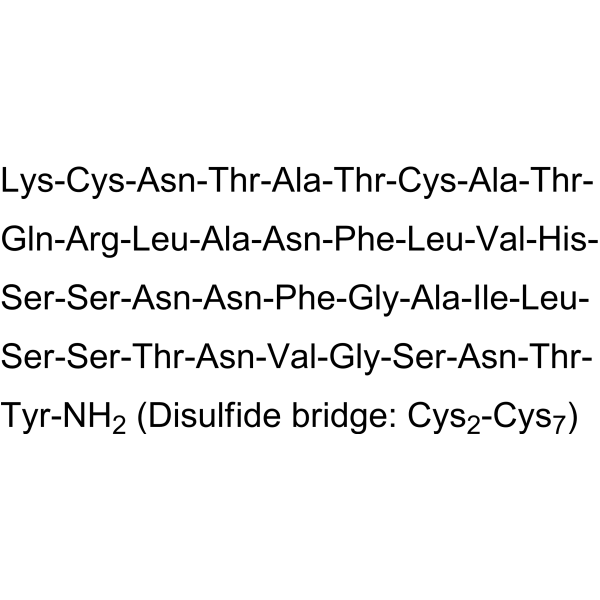
    Amylin, amide, human TFA, a 37-amino acid polypeptide, is a pancreatic hormone cosecreted with insulin that exerts unique roles in metabolism and glucose homeostasis. Amylin, amide, human TFA inhibits glucagon secretion, delays gastric emptying, and acts as a satiety agent .
    Amylin, amide, human TFA
  • HY-N0923
    Corydaline
    1 Publications Verification

    (+)-Corydaline; Corydalin

    Cholinesterase (ChE) Enterovirus Opioid Receptor Neurological Disease
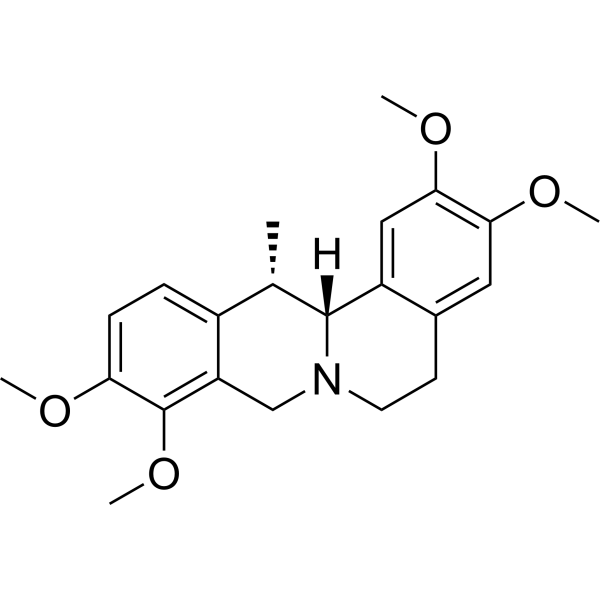
    Corydaline ((+)-Corydaline), an isoquinoline alkaloid isolated from Corydalis yanhusuo, is an AChE inhibitor with an IC50 of 226 μM. Corydaline is a μ-opioid receptor (Ki of 1.23 μM) agonist and inhibits enterovirus 71 (EV71) replication (IC50 of 25.23 μM). Corydaline has anti-angiogenic, anti-allergic and gastric-emptying and antinociceptive activities .
    Corydaline
  • HY-P1070

    DAP amide, human

    Amylin Receptor Metabolic Disease
    Amylin, amide, human, a 37-amino acid polypeptide, is a pancreatic hormone cosecreted with insulin that exerts unique roles in metabolism and glucose homeostasis. Amylin, amide, human inhibits glucagon secretion, delays gastric emptying, and acts as a satiety agent .
    Amylin, amide, human
  • HY-19884B
    Relamorelin TFA
    1 Publications Verification

    RM-131 TFA; BIM-28131 TFA

    GHSR Metabolic Disease
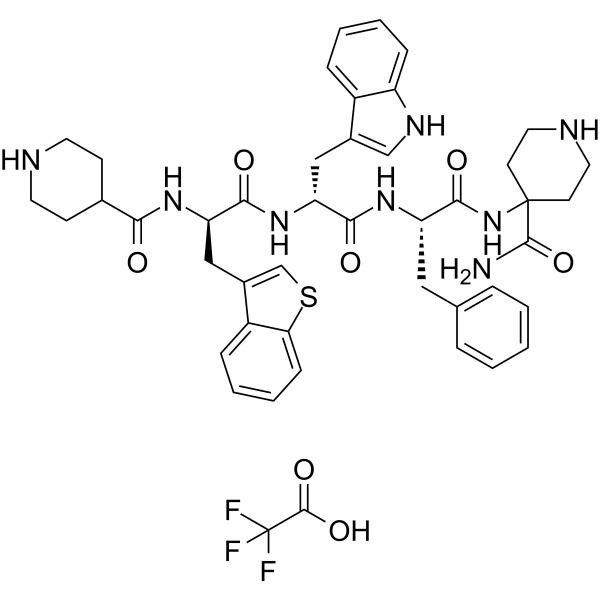
    Relamorelin (RM-131) TFA, a pentapeptide ghrelin analog, is a selective ghrelin/growth hormone secretagogue receptor (GHSR) agonist with a Ki of 0.42 nM for GHS-1a receptor. Relamorelin TFA is centrally penetrant. Relamorelin TFA increases growth hormone levels and accelerates gastric emptying. Relamorelin TFA has the potential for cachexia, gastroparesis, and gastric/intestinal dysmobility disorders research .
    Relamorelin TFA
  • HY-B0189
    Mosapride
    5+ Cited Publications

    TAK-370; AS-4370

    5-HT Receptor Cytochrome P450 Potassium Channel Neurological Disease Cancer
    Mosapride is an orally active gastroenterokinetic compound. Mosapride is a 5HT4 agonist. Mosapride is a CYP inducer. Mosapride has a concentration-dependent inhibitory effect on Kv4.3, and its IC50 value is 15.2 μM. Mosapride can be used in the study of gastrointestinal diseases .
    Mosapride
  • HY-121467

    Z-338 free base; YM443 free base

    Cholinesterase (ChE) Metabolic Disease Inflammation/Immunology
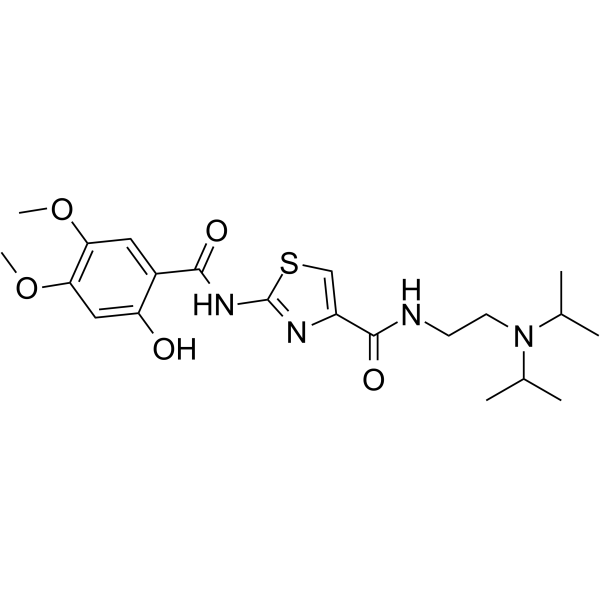
    Acotiamide is an orally active, selective and reversible acetylcholinesterase (AChE) inhibitor, with an IC50 of 1.79 μM. Acotiamide can enhance gastric contractility and accelerate delayed gastric emptying. Acotiamide has the potential for the research of functional dyspepsia involving gastric motility dysfunction and intestinal inflammatory .
    Acotiamide
  • HY-119577

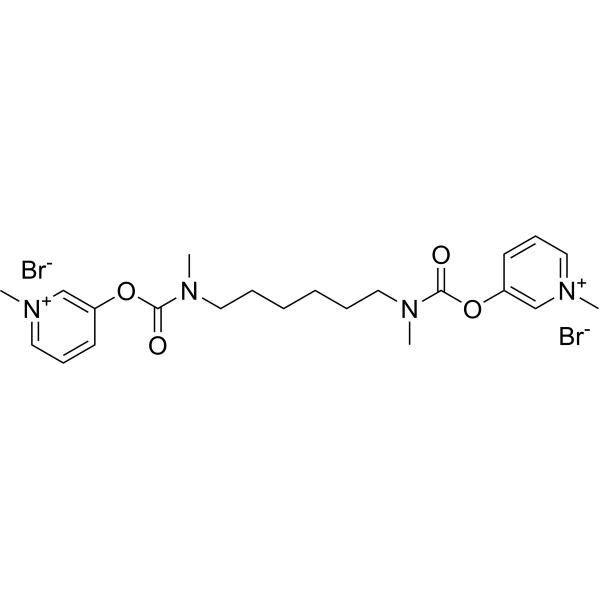
    Distigmine dibromide

    Cholinesterase (ChE) Neurological Disease
    Ubretid is a potent inhibitor of plasma cholinesterase. Ubretid therefore delays the hydrolysis of suxamethonium and prolongs its action, similar to the effects shown by other anticholinesterase agents, such as pyridostigmine and donepezil. Ubretid has the potential for the research of urinary retention prolongs the effect of suxamethonium. Ubretid is commonly prescribed for the research of myasthenia gravis and for difficulty in emptying the bladder .
    Ubretid
  • HY-107969

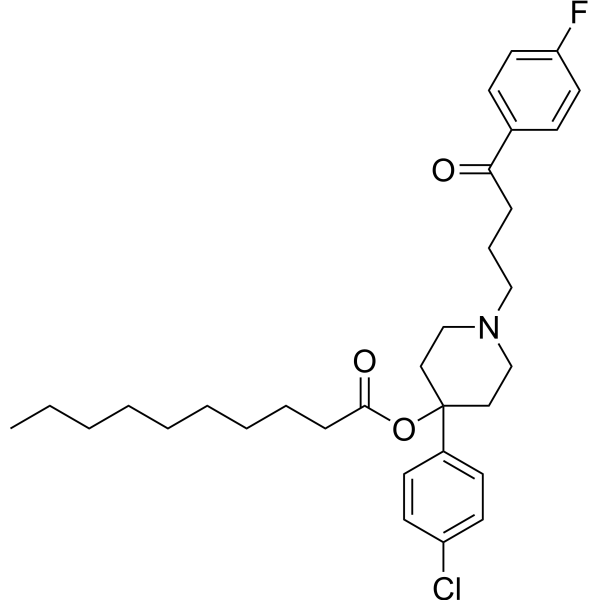
    Dopamine Receptor COX NO Synthase Neurological Disease Cancer
    Haloperidol decanoate is a depot preparation of haloperidol, a commonly used butyrophenone derivative with antipsychotic activity. Haloperidol decanoate can increase the striatal D2 receptor in rat. Haloperidol decanoate can improve conditions of psychoses (mainly schizophrenia). Haloperidol decanoate can lead to increased accumulation of the dopamine metabolites homo-vanillic acid. Haloperidol decanoate can reduce intestinal transport, increase gastric emptying and reduce acid output in rat model .
    Haloperidol decanoate
  • HY-147255

    ZM-H1505R

    HBV Infection
    Canocapavir (ZM-H1505R) is an orally active HBV core protein-targeting antiviral agent. Canocapavir binds to the hydrophobic pocket at the dimer-dimer interface of HBV core protein (HBc), stimulating intracellular accumulation of nonfunctional HBV capsids, disrupting viral replication. Canocapavir interferes with the interaction between HBc and HBV large surface protein, resulting in diminished
    production of empty virionsis. Canocapavir can be used for the research of hepatitis B virus (HBV) infection .
    Canocapavir
  • HY-W002116

    TRP Channel COX Phosphatase Bacterial Infection Metabolic Disease Inflammation/Immunology Cancer
    Methyl syringate is a selective TRPA1 agonist. Methyl syringate regulates food intake and gastric emptying through a TRPA1-mediated pathway. Methyl syringate is an efficient phenolic mediator for bacterial and fungal laccases. Methyl syringate is a chemical marker of Asphodel monofloral honey. Methyl syringate contributes to the antibacterial activity of honey. Methyl syringate inhibits aflatoxin production. Methyl syringate can contribute to weight suppression. Methyl syringate can be studies for cancer prevention (e.g. lung cancer), suppression of hypoxia-induced inflammatory response and tumorigenesis .
    Methyl syringate
  • HY-B0189A
    Mosapride citrate
    5+ Cited Publications

    TAK-370 citrate; AS-4370 citrate

    5-HT Receptor Potassium Channel Cytochrome P450 Neurological Disease Cancer
    Mosapride citrate is an orally active gastroenterokinetic compound. Mosapride citrate is a 5HT4 agonist. Mosapride citrate is a CYP inducer. Mosapride citrate has a concentration-dependent inhibitory effect on Kv4.3, and its IC50 value is 15.2 μM. Mosapride citrate can be used in the study of gastrointestinal diseases .
    Mosapride citrate
  • HY-114118S1

    Isotope-Labeled Compounds GLP Receptor Insulin Receptor α-synuclein Apoptosis p38 MAPK Autophagy Bcl-2 Family Neurological Disease Metabolic Disease Cancer
    Semaglutide-d8 tetraTFA is the deuterium labeled Semaglutide (HY-114118). Semaglutide is a long-acting, selective, competitive GLP-1R agonist that can penetrate the blood-brain barrier. After activating GLP-1R, Semaglutide promotes insulin secretion, inhibits gastric emptying and appetite, and at the same time enhances autophagy, inhibits oxidative stress and apoptosis. Semaglutide also regulates mitochondrial function and lipid metabolism (such as reducing de novo lipogenesis in the liver). Semaglutide has activities such as lowering blood sugar, reducing weight, neuroprotection (such as improving motor function in Parkinson's disease models, reducing α-synuclein aggregation) and improving hepatic steatosis. Semaglutide can be used for the study of neurodegenerative diseases and liver diseases such as type 2 diabetes, obesity, Parkinson's disease, metabolic associated fatty liver disease (MASLD), and cancer .
    Semaglutide-d8 tetraTFA
  • HY-114118S

    Isotope-Labeled Compounds GLP Receptor Insulin Receptor α-synuclein Apoptosis p38 MAPK Autophagy Bcl-2 Family Neurological Disease Metabolic Disease Cancer
    Semaglutide-d8 is the deuterium labeled Semaglutide (HY-114118). Semaglutide is a long-acting, selective, competitive GLP-1R agonist that can penetrate the blood-brain barrier. After activating GLP-1R, Semaglutide promotes insulin secretion, inhibits gastric emptying and appetite, and at the same time enhances autophagy, inhibits oxidative stress and apoptosis. Semaglutide also regulates mitochondrial function and lipid metabolism (such as reducing de novo lipogenesis in the liver). Semaglutide has activities such as lowering blood sugar, reducing weight, neuroprotection (such as improving motor function in Parkinson's disease models, reducing α-synuclein aggregation) and improving hepatic steatosis. Semaglutide can be used for the study of neurodegenerative diseases and liver diseases such as type 2 diabetes, obesity, Parkinson's disease, metabolic associated fatty liver disease (MASLD), and cancer .
    Semaglutide-d8
  • HY-B2155

    Cholinesterase (ChE) Metabolic Disease Inflammation/Immunology
    Acotiamide monohydrochloride trihydrate is an orally active, selective and reversible acetylcholinesterase (AChE) inhibitor, with IC50 of 1.79 μM. Acotiamide monohydrochloride trihydrate can enhance gastric contractility and accelerate delayed gastric emptying. Acotiamide monohydrochloride trihydrate has the potential for the research of functional dyspepsia involving gastric motility dysfunction and intestinal inflammatory .
    Acotiamide monohydrochloride trihydrate
  • HY-139201E

    PDLHB (MW 150000-300000)

    CaSR 5-HT Receptor Metabolic Disease
    Poly-D-lysine hydrobromide (MW 150000-300000) is a synthetic polymer composed of D-lysine residues and is one of the most widely used matrices in neural cell culture applications. Poly-D-lysine hydrobromide (MW 150000-300000) can be used as a non-specific cell adhesion enhancer. Poly-D-lysine hydrobromide (MW 30000-70000) is an orally active CaSR agonist peptide that indirectly activates the 5-HT₃ receptor signaling pathway, delaying gastric emptying and thereby slowing the rate at which glucose enters the small intestine and is absorbed .
    Poly-D-lysine hydrobromide (MW 150000-300000)
  • HY-101764

    SR 27897

    Cholecystokinin Receptor Metabolic Disease
    Lintitript (SR 27897) is a highly potent, selective, orally active, competitive and non-peptide cholecystokinin (CCK1) receptor antagonist with an EC50 of 6 nM and a Ki of 0.2 nM. Lintitript displays > 33-fold selectivity more selective for CCK1 than CCK2 receptors (EC50 value of 200 nM). Lintitript increases plasma concentration of leptin and food intake as well as plasma concentration of insulin .
    Lintitript
  • HY-P11320

    Amylin Receptor CGRP Receptor Metabolic Disease
    Davalintide is an Amylin (HY-P1464)-mimetic peptide with greater potency and longer-lasting effects. Davalintide is a potent agonist of amylin receptor (IC50 = 0.04 nM), calcitonin receptor (IC50 = 0.06 nM) and calcitonin related peptide receptor (CGRP receptor) (IC50 = 3.1 nM). Davalintide shows stronger potency to Amylin to activate cyclic AMP production through the calcitonin receptor (EC50 = 1.4 nM). Davalintide regulates blood sugar and weight through various mechanisms such as delaying gastric emptying, inhibiting glucagon secretion, and reducing food intake. Davalintide can be used for the studies of anti-obesity and anti-diabetes .
    Davalintide
  • HY-121467A

    Z-338; YM443

    Cholinesterase (ChE) Others Metabolic Disease Inflammation/Immunology
    Acotiamide hydrochloride is an orally active, selective and reversible acetylcholinesterase (AChE) inhibitor, with an IC50 of 1.79 μM. Acotiamide hydrochloride can enhance gastric contractility and accelerate delayed gastric emptying. Acotiamide hydrochloride has the potential for the research of functional dyspepsia involving gastric motility dysfunction and intestinal inflammatory .
    Acotiamide hydrochloride
  • HY-P1207

    Somatostatin Receptor Neurological Disease
    BIM 23052 is a somatostatin receptor 5 agonist. BIM 23052 can induce gastric emptying .
    BIM 23052
  • HY-P3130

    CRFR Neurological Disease Inflammation/Immunology
    Stresscopin-related peptide (human) is a specific ligand for the type 2 CRH receptor. Stresscopin-related peptide (human) suppresses food intake, delayed gastric emptying and decreases heat-induced edema. Stresscopin-related peptide (human) maintains homeostasis after stress, and can be used in the research of stress-related diseases .
    Stresscopin-related peptide (human)
  • HY-19884

    RM-131; BIM-28131

    GHSR Metabolic Disease
    Relamorelin (RM-131), a pentapeptide ghrelin analog, is a selective ghrelin/growth hormone secretagogue receptor (GHSR) agonist with a Ki of 0.42 nM for GHS-1a receptor. Relamorelin is centrally penetrant. Relamorelin increases growth hormone levels and accelerates gastric emptying. Relamorelin has the potential for cachexia, gastroparesis, and gastric/intestinal dysmobility disorders research .
    Relamorelin
  • HY-W002116S

    TRP Channel COX Phosphatase Bacterial Infection Metabolic Disease Inflammation/Immunology Cancer
    Methyl syringate-d6 is the deuterium labeled Methyl syringate. Methyl syringate is a selective TRPA1 agonist. Methyl syringate regulates food intake and gastric emptying through a TRPA1-mediated pathway. Methyl syringate is an efficient phenolic mediator for bacterial and fungal laccases. Methyl syringate is a chemical marker of Asphodel monofloral honey. Methyl syringate contributes to the antibacterial activity of honey. Methyl syringate inhibits aflatoxin production. Methyl syringate can contribute to weight suppression. Methyl syringate can be studies for cancer prevention (e.g. lung cancer), suppression of hypoxia-induced inflammatory response and tumorigenesis .
    Methyl syringate-d6
  • HY-105333

    Motilin Receptor Metabolic Disease
    KC-11458 is a motilin agonist. KC-11458 can accelerate gastric emptying .
    KC-11458
  • HY-171851

    GCGR Metabolic Disease
    GLP-1R agonist 32 (Compound 111) is an orally active and highly potent GLP-1R agonist with an EC50 value of 0.017 nM. GLP-1R agonist 32 exerts glucose-regulating activity by activating GLP-1R to stimulate cAMP production, promoting insulin secretion, inhibiting glucagon release, and delaying gastric emptying. GLP-1R agonist 32 is promising for research of type 2 diabetes, obesity, and related metabolic disorders .
    GLP-1R agonist 32
  • HY-B2195

    Adrenergic Receptor Metabolic Disease
    Aidioxa has the ability to improve delayed gastric emptying in rats. It can partially improve delayed gastric emptying caused by clonidine or restraint stress. The allyltoin part of Aidioxa restores gastric emptying activity by antagonizing α-2 adrenergic receptors. Its aluminum hydroxide part is involved in restoring gastric compliance. Aidioxa can improve both delayed gastric emptying and impaired gastric compliance, both of which play an important role in functional dyspepsia (FD). Aidioxa is a candidate agent for inhibiting FD.
    Aldioxa
  • HY-106780

    DQ 2511

    Biochemical Assay Reagents Neurological Disease
    Ecabapide (DQ 2511) is an orally active gastroprokinetic agent. Ecabapide can ameliorate gastric emptying of stroke-prone spontaneously hypertensive rat model. Ecabapide can be studied in research on autonomic nervous system disorder .
    Ecabapide
  • HY-75424A

    Proton Pump Inflammation/Immunology
    2-(Trifluoromethyl)cinnamic acid is a cinnamic acid derivative that inhibits the proton pump (H +/K +-ATPase), thereby reducing gastric acid secretion. 2-(Trifluoromethyl)cinnamic acid also improves delayed gastric emptying and can be used in research on gastric diseases such as acute gastritis and gastric ulcers .
    2-(Trifluoromethyl)cinnamic acid
  • HY-111232

    GHSR Metabolic Disease
    GSK894281 is an orally active and highly potent ghrelin receptor full agonist with a pEC50 of <4.9 at the human motilin receptor. GSK894281 effectively enters the CNS. GSK894281 has the potential for constipation or to assist in emptying the colon prior to colonoscopy or colon surgery research .
    GSK894281
  • HY-19884A

    RM-131 acetate; BIM-28131 acetate

    GHSR Metabolic Disease
    Relamorelin (RM-131) acetate, a pentapeptide ghrelin analog, is a selective ghrelin/growth hormone secretagogue receptor (GHSR) agonist with a Ki of 0.42 nM for GHS-1a receptor. Relamorelin acetate is centrally penetrant. Relamorelin acetate increases growth hormone levels and accelerates gastric emptying. Relamorelin acetate has the potential for cachexia, gastroparesis, and gastric/intestinal dysmobility disorders research .
    Relamorelin acetate
  • HY-176770

    GLP Receptor Metabolic Disease
    GLP-1R agonist 34 (Compound 1) is an orally active small molecule glucagon-like peptide-1 receptor (GLP-1R) agonist. GLP-1R agonist 34 promotes insulin secretion, inhibits glucagon release, and delays gastric emptying, thereby effectively lowering blood glucose levels. GLP-1R agonist 34 is promising for research of metabolic diseases, including type 2 diabetes, obesity, and non-alcoholic steatohepatitis (NASH) .
    GLP-1R agonist 34
  • HY-171850

    GLP Receptor Metabolic Disease Inflammation/Immunology
    GLP-1R modulator-1 (Compound 384) is an orally active, potent selective glucagon-like peptide-1 receptor (GLP-1R) agonist. GLP-1R modulator-1 activates G-protein coupled signaling, elevates intracellular cAMP levels, promotes insulin secretion, delays gastric emptying and suppresses appetite. GLP-1R modulator-1 is promising for research of type 2 diabetes, obesity, and non-alcoholic steatohepatitis (NASH) .
    GLP-1R modulator-1
  • HY-B0189AR

    TAK-370 citrate (Standard); AS-4370 citrate (Standard)

    5-HT Receptor Potassium Channel Cytochrome P450 Reference Standards Neurological Disease Cancer
    Mosapride (citrate) (Standard) is the analytical standard of Mosapride (citrate). This product is intended for research and analytical applications. Mosapride citrate is an orally active gastroenterokinetic compound. Mosapride citrate is a 5HT4 agonist. Mosapride citrate is a CYP inducer. Mosapride citrate has a concentration-dependent inhibitory effect on Kv4.3, and its IC50 value is 15.2 μM. Mosapride citrate can be used in the study of gastrointestinal diseases .
    Mosapride citrate (Standard)
  • HY-14495

    EX-1314

    GHSR Metabolic Disease
    BMS-604992 (EX-1314) is a selective, orally active small-molecule growth hormone secretagogue receptor (GHSR) agonist. BMS-604992 demonstrates high-affinity binding (Ki=2.3 nM) and potent functional activity (EC50=0.4 nM). BMS-604992 can stimulate food intake in rodents .
    BMS-604992
  • HY-19656

    Biochemical Assay Reagents Metabolic Disease
    HMR1426 is an orally active, potent gastric emptying inhibitor. HMR1426 reduces food intake and the rate of gastric emptying, decreases body weight and fat mass and shows an anorectic potential in rats. HMR1426 has the potential for obesity research .
    HMR1426
  • HY-P3597

    CFTR Others
    Urocortin III (mouse) (free acid) is a selective CRF2 receptor agonist (with high affinity for the CRF2 receptor). Urocortin III (mouse) (free acid) significantly inhibits gastric emptying without modifying colonic transit .
    Urocortin III (mouse) free acid
  • HY-108106

    5-HT Receptor Inflammation/Immunology
    Y-36912 is an orally active, highly selective and affinity 5-HT4 receptor agonist (Ki = 1.5 nM). Y-36912 can accelerate gastric emptying and increase bowel frequency and stool weight. Y-36912 can be used for research on gastrointestinal conditions .
    Y-36912
  • HY-U00121A

    5-HT Receptor Metabolic Disease
    Lintopride hydrochloride, a benzamide, is a potent 5HT-4 antagonist with moderate 5HT-3 antagonist properties. Lintopride hydrochloride increases gastric emptying, stimulates antral and duodenal motility and accelerates intestinal transit in animal. Lintopride hydrochloride significantly increases the lower oesophageal sphincter (LOS) basal tone .
    Lintopride hydrochloride
  • HY-B2155R

    Reference Standards Cholinesterase (ChE) Metabolic Disease Inflammation/Immunology
    Acotiamide (monohydrochloride trihydrate) (Standard) is the analytical standard of Acotiamide (monohydrochloride trihydrate). This product is intended for research and analytical applications. Acotiamide monohydrochloride trihydrate is an orally active, selective and reversible acetylcholinesterase (AChE) inhibitor, with IC50 of 1.79 μM. Acotiamide monohydrochloride trihydrate can enhance gastric contractility and accelerate delayed gastric emptying. Acotiamide monohydrochloride trihydrate has the potential for the research of functional dyspepsia involving gastric motility dysfunction and intestinal inflammatory .
    Acotiamide monohydrochloride trihydrate (Standard)
  • HY-N0330R

    Reference Standards Apoptosis Autophagy PI3K c-Myc Metabolic Disease Inflammation/Immunology Cancer
    Momordin Ic (Standard) is the analytical standard of Momordin Ic. This product is intended for research and analytical applications. Momordin Ic is an orally active triterpenoid saponin that can be isolated from Kochia scoparia. It is also a SUMO specific protease 1 (SENP1) inhibitor, SENP1/c-MYC signaling pathway inhibitor, and apoptosis inducer. Momordin Ic induces autophagy and apoptosis in liver cancer cells through the PI3K/Akt and MAPK signaling pathways mediated by reactive oxygen species. Momordin Ic has the ability to control glucose induced blood glucose elevation, inhibit gastric emptying, resist rheumatoid arthritis, reduce CCl4 (HY-Y0298) induced hepatotoxicity and anti-tumor activity .
    Momordin Ic (Standard)
  • HY-N11827

    (+)-Isocorybulbine

    Drug Metabolite Inflammation/Immunology
    Isocorybulbine ((+)-Isocorybulbine) is one of the main metabolites of Corydaline (HY-N0923) in human liver microsomes and liver cells. Corydaline has anti-acetylcholinesterase, anti-allergic, anti-allergic reaction and gastric emptying activities. Isocorybulbine can be used for the metabolic study of Corydaline .
    Isocorybulbine

Inquiry Online

Your information is safe with us. * Required Fields.

Salutation


Country or Region *

Applicant Name *


Organization Name *

Department *


Email Address *


Product Name *

Cat. No.


Requested quantity *

Phone Number *


Remarks

Inquiry Online

Inquiry Information

Product Name:
Cat. No.:
Quantity:
MCE Japan Authorized Agent:

