

From 11:00 pm to 12:00 pm EST ( 8:00 pm to 9:00 pm PST ) on January 6th, the website will be under maintenance. We are sorry for the inconvenience. Please arrange your schedule properly.
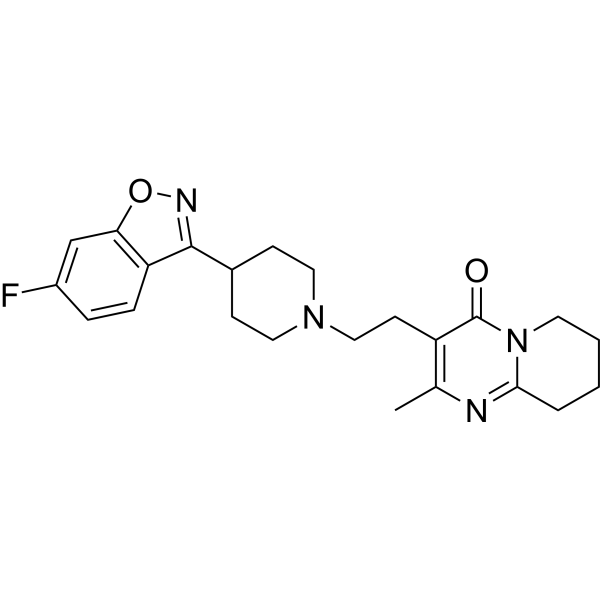
Risperidone is a serotonin 5-HT2 receptor blocker, P-Glycoprotein inhibitor and potent dopamine D2 receptor antagonist, with Kis of 4.8, 5.9 nM for 5-HT2A and dopamine D2 receptor, respectively.
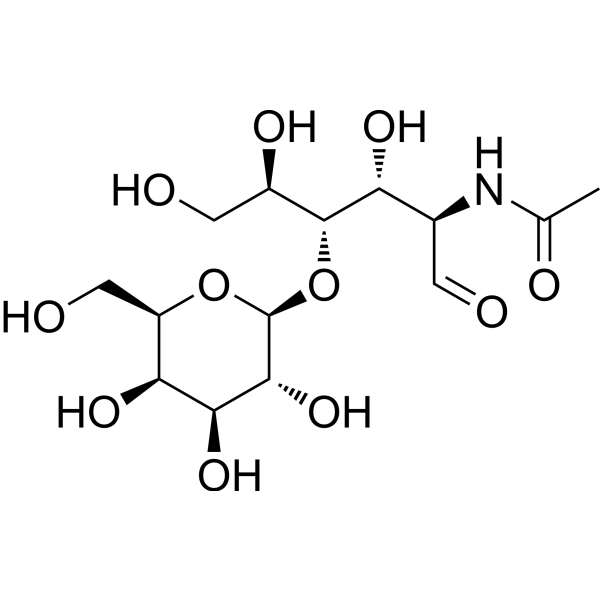
N-Acetyllactosamine (N-Acetyl-D-lactosamine), a nitrogen-containing disaccharide, is a galectin-3 inhibitor, which is an important component of various oligosaccharides such as glycoproteins and sialyl Lewis X. N-Acetyllactosamine can be used as the starting material for the synthesis of various oligosaccharides. N-Acetyllactosamine has prebiotic effects .
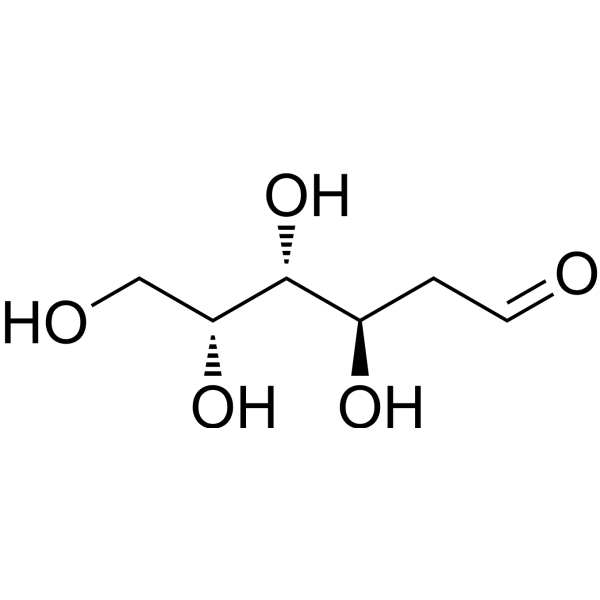
2-Deoxy-D-galactose is a glucose analog. 2-Deoxy-D-galactose inhibits glycolysis to inhibits tumor growth. 2-Deoxy-D-galactose is a substance interfering with the fucosylation of glycomacromolecules and impairing memory consolidation in various learning tasks. 2-Deoxy-d-galactose hinders glycoprotein fucosylation in vivo .
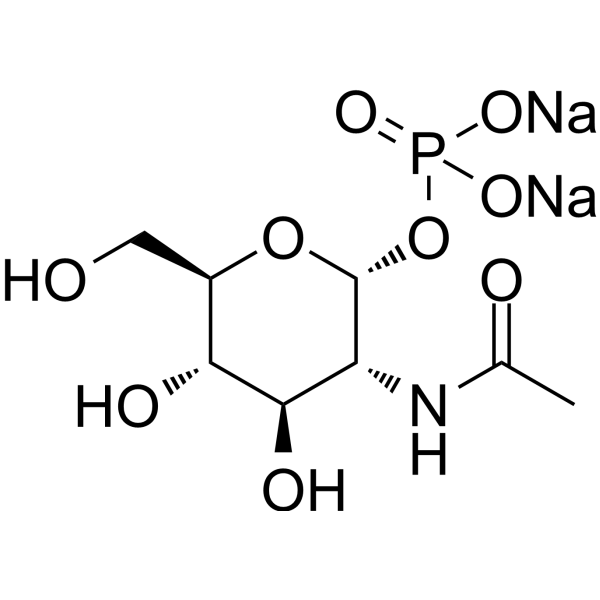
N-acetyl-α-d-glucosamine 1-phosphate disodium (GlcNAc-1-P) is an ectopic sugar phosphate and a key intermediate in N-glycoprotein biosynthesis. N-acetyl-α-d-glucosamine 1-phosphate disodium serves as a metabolic precursor of teichoic acid and muramic acid, which are components of bacterial cell walls .
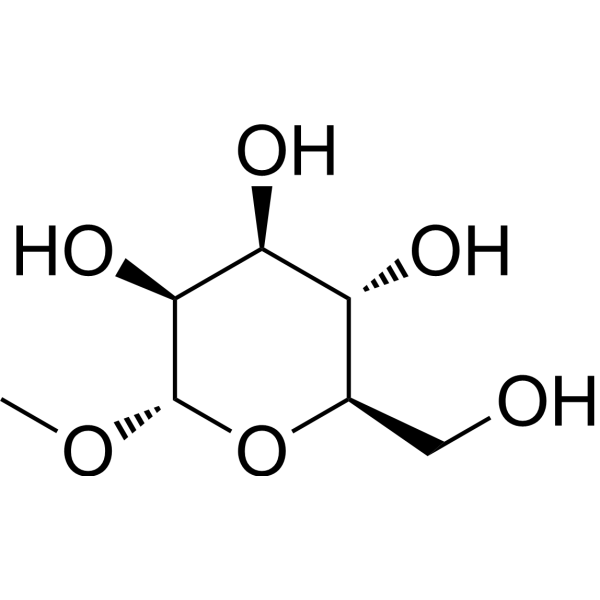
Methyl α-D-mannopyranoside (α-Methyl-D-mannoside) is a methyl glycoside derivative and conformational stabilizer of α-D-mannopyranose. The glycosidic bond conformation of Methyl α-D-mannopyranoside is significantly affected by the environment. In aqueous solution, Methyl α-D-mannopyranoside stabilizes into a trans conformation via intermolecular hydrogen bonds; in the gas phase, however, steric interactions drive Methyl α-D-mannopyranoside to prefer a clockwise gauche conformation. Methyl α-D-mannopyranoside also serves as a major component of secondary cell wall polymers in some bacteria and an active precursor site for virus-targeted glycoproteins. Methyl α-D-mannopyranoside acts as an acceptor substrate for alternansucrase, mediating the transfer of D-glucopyranosyl groups to generate a variety of glycosylated oligosaccharide products, with methyl α-D-glucopyranosyl-(1→6)-α-D-mannopyranoside as the main component. Methyl α-D-mannopyranoside is applicable to studies on bacterial pathogenic mechanisms associated with mannose-specific fimbrial lectins .
Uridine 5′-diphosphoglucose (Standard) (UDP-D-Glucose (Standard)) is the analytical standard of Uridine 5′-diphosphoglucose (HY-113044). This product is intended for research and analytical applications. Uridine 5’-diphosphoglucose (UDP-glucose), secreted by cardiomyocytes during ischemia and reperfu, is a potent agonist of the proinflammatory P2Y14 receptor. It acts an important role in the regulation of inflammation and neutrophil polarization in neutrophils. Uridine 5’-diphosphoglucose is also the precursor of glucose-containing oligosaccharides, polysaccharides, glycoproteins, and glycolipids in animal tissues and in some microorganisms. Uridine 5’-diphosphoglucose is promising for research in counteracting myocardial infarction/reperfusion (MIR)-induced inflammation in the heart tissue.
Cy3-Transferrin is a fluorescent labeling reagent that combines Cy3 (HY-D0822) fluorescent dye and Transferrin (HY-P3267). The Cy3 fluorophore is commonly used in applications such as immunolabeling, nucleic acid labeling, fluorescence microscopy, and flow cytometry. Cy3 has an emission maximum around 562-570 nm. Transferrin, a blood-plasma glycoprotein, is a target ligand for transferrin receptor. Transferrin can bind to and mediate the transport of iron .
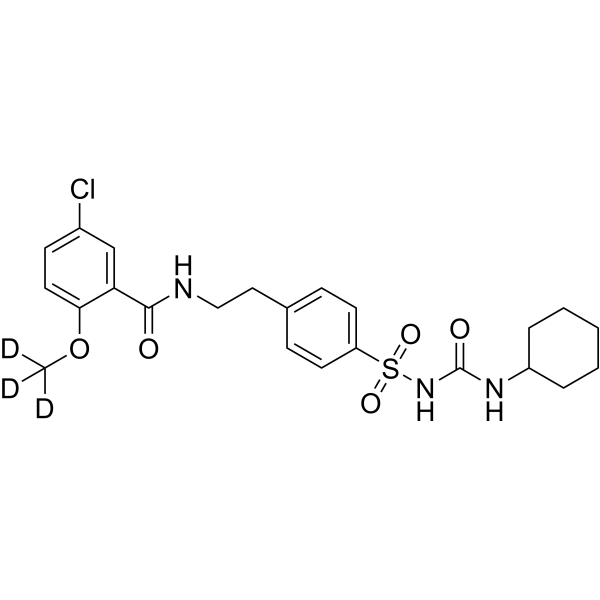
Glyburide-d3 is the deuterium labeled Glibenclamide. Glibenclamide (Glyburide) is an orally active ATP-sensitive K+ channel (KATP) inhibitor and can be used for the research of diabetes and obesity[1]. Glibenclamide inhibits P-glycoprotein. Glibenclamide directly binds and blocks the SUR1 subunits of KATP and inhibits the cystic fibrosis transmembrane conductance regulator protein (CFTR)[3]. Glibenclamide interferes with mitochondrial bioenergetics by inducing changes on membrane ion permeability[4]. Glibenclamide can induce autophagy[5].
Elebsiran (VIR-2218) sodium is a siRNA that targets and degrades hepatitis B virus (HBV) and hepatitis D virus (HDV) RNA transcripts. Elebsiran sodium leads to a significant decrease in HBV surface antigen (HBsAg) and a reduction in viral load. Elebsiran sodium binds to the sialic acid-depleted glycoprotein receptor (ASGPR) on the surface of liver cells through the GalNAc ligand, achieving liver-targeted delivery and demonstrating improved liver safety. Elebsiran sodium can be used for the study of chronic HBV/HDV infections .
Wheat germ agglutinin-AF488 (WGA-AF488) is a cell membrane-specific staining agent prepared by conjugating wheat germ agglutinin with the Alexa Fluor 488 (HY-D1304) fluorescent dye, and it binds to cell surface glycoproteins with high affinity. Wheat germ agglutinin-AF488 is applied in fluorescence microscopy and confocal imaging techniques, and it can clearly label the membrane structures of various cells including breast cancer cells, enabling high-resolution visual observation. Wheat germ agglutinin-AF488 is used in studies of breast cancer and triple-negative breast cancer to observe cell morphology and membrane dynamic changes .
ATTO 647 is a carborhodamine fluorophore and imaging tracer with photostable properties. ATTO 647 serves as a fluorescent probe to investigate cell membrane structure and diffusion characteristics. When conjugated with wheat germ agglutinin, ATTO 647 specifically binds to N-acetyl-β-D-glucosamine and sialic acid residues on membrane glycoproteins, enabling single-molecule tracing of glycoprotein diffusion. ATTO 647 exhibits highly stable fluorescence properties with significantly reduced blinking in mounting media such as ROXS (AA/MV) and ROXS (TX/TQ), whereas its brightness properties vary in Ibidi-MM and Vectashield. ATTO 647 can also be used to label histone H2B-GFP in fixed cells for confocal microscopy photobleaching experiments .
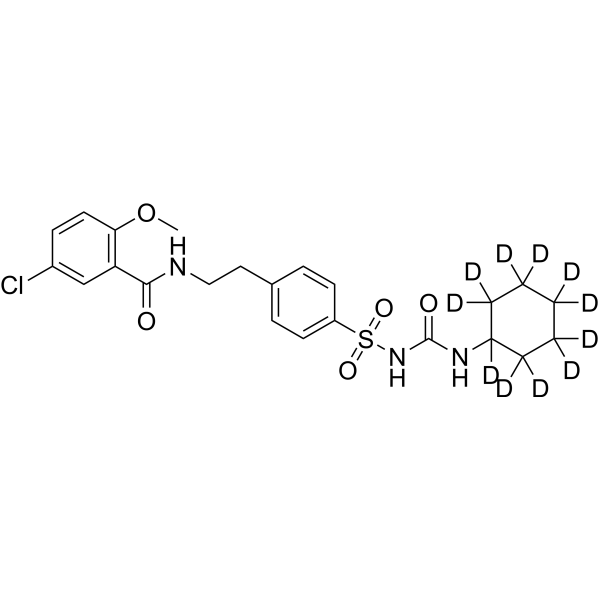
Glyburide-d11 is the deuterium labeled Glibenclamide. Glibenclamide (Glyburide) is an orally active ATP-sensitive K+ channel (KATP) inhibitor and can be used for the research of diabetes and obesity . Glibenclamide inhibits P-glycoprotein. Glibenclamide directly binds and blocks the SUR1 subunits of KATP and inhibits the cystic fibrosis transmembrane conductance regulator protein (CFTR) . Glibenclamide interferes with mitochondrial bioenergetics by inducing changes on membrane ion permeability . Glibenclamide can induce autophagy .
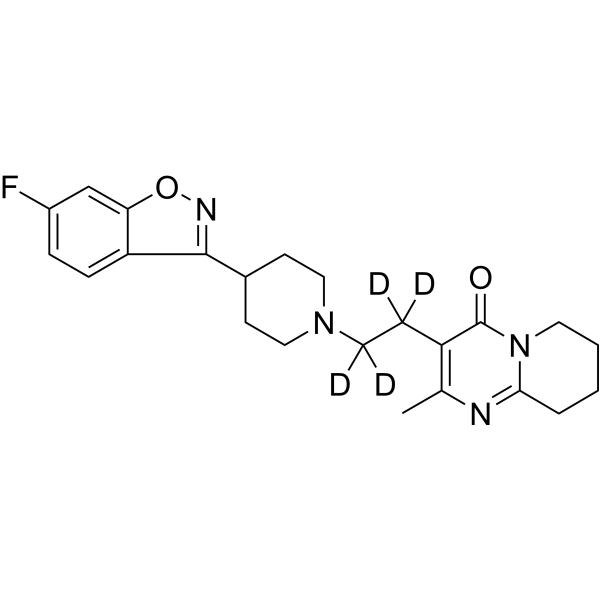
Risperidone-d4 is the deuterium labeled Risperidone. Risperidone is a serotonin 5-HT2 receptor blocker, P-Glycoprotein inhibitor and potent dopamine D2 receptor antagonist, with Kis of 4.8, 5.9 nM for 5-HT2A and dopamine D2 receptor, respectively.
Moxidectin-d3(CL-301423-d3) is deuterium labeled Moxidectin. Moxidectin (CL301423) is an orally active macrolide (ML) anthelmintic for the prevention and control of heartworms and roundworms. Moxidectin is also a substrate of BCRP and P-glycoprotein (P-gp) in vivo, and is secreted into breast milk and effluxed from the host and parasite mediated by Bcrp1 and P-gp. This may be related to the presence of chemical residues in milk .
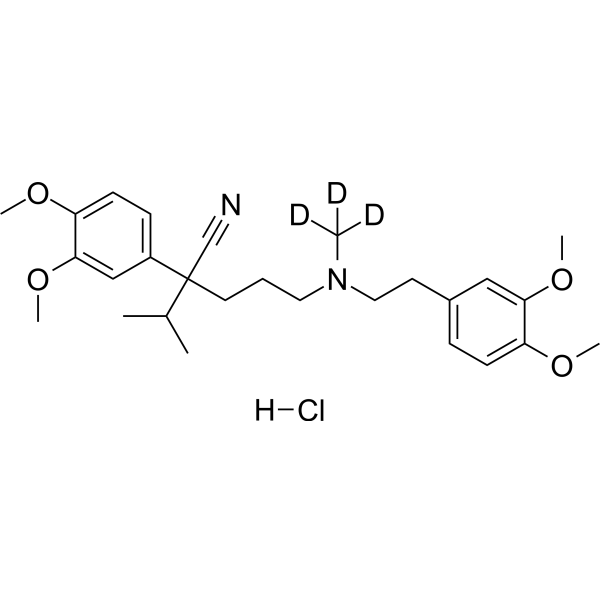
Verapamil-d3 (hydrochloride) is the deuterium labeled Verapamil hydrochloride. Verapamil hydrochloride ((±)-Verapamil hydrochloride) is a calcium channel blocker and a potent and orally active first-generation P-glycoprotein (P-gp) inhibitor. Verapamil hydrochloride also inhibits CYP3A4. Verapamil hydrochloride has the potential for high blood pressure, heart arrhythmias and angina research .
GPV0057 (Compound 5d) is a selective and potent P-glycoprotein (P-gp) inhibitor. GPV0057 is also a selective potassium channel Kir2.1 activator. GPV0057 competitively binds to the substrate-binding site of P-gp, inhibiting ATP-dependent drug efflux to reverse multidrug resistance in tumor cells. GPV0057 can also stabilizes the open state of Kir2.1 and promotes potassium ion influx. GPV0057 is promising for research of tumors with high P-gp expression, Kir2.1-deficient diseases such as heart failure and Andersen-Tawil Syndrome .
N-Desmethyl imatinib-d8 is a deuterium labeled Imatinib metabolite N-Desmethyl Imatinib (HY-G0017). N‑Desmethyl imatinib (Norimatinib) is an active metabolite of Imatinib (HY-15463), a selective c‑Abl inhibitor, and a substrate of P‑glycoprotein. N-Desmethyl imatinib binds to the c-Abl catalytic domain to prevent substrate phosphorylation, inhibits c-Abl-mediated α-synuclein activation and downstream inflammatory signaling pathways. N-Desmethyl imatinib induces apoptosis in K562 human leukemia cells. N-Desmethyl imatinib exhibits significantly elevated plasma levels in gastrointestinal stromal tumor (GIST) settings following mild SARS CoV 2 infection. N-Desmethyl imatinib can be used for the research of Parkinson’s disease, gastrointestinal stromal tumor, and chronic myeloid leukemia .
Elebsiran (VIR-2218) is a siRNA that targets and degrades hepatitis B virus (HBV) and hepatitis D virus (HDV) RNA transcripts. Elebsiran leads to a significant decrease in HBV surface antigen (HBsAg) and a reduction in viral load. Elebsiran binds to the sialic acid-depleted glycoprotein receptor (ASGPR) on the surface of liver cells through the GalNAc ligand, achieving liver-targeted delivery and demonstrating improved liver safety. Elebsiran can be used for the study of chronic HBV/HDV infections .
UDP-GlcNAc (UDP-N-Acetyl-D-glucosamine) is an important component and precursor of bacterial peptidoglycan. UDP-GlcNAc is a nucleotide sugar used by Glycosyltransferases to synthesize glycoproteins, glycosaminoglycans, glycolipids, and glycoRNA. UDP-GlcNAc also serves as the donor substrate for forming O-GlcNAc, a dynamic intracellular protein modification involved in diverse signaling and disease processes. UDP-GlcNAc is the sugar nucleotide donor for the synthesis of O-GlcNAc modified proteins. UDP-GlcNAc also acts as a full agonist of the P2Y14 receptor and inhibits the formation of cAMP. UDP-GlcNAc can be used in studies related to bacterial infections .
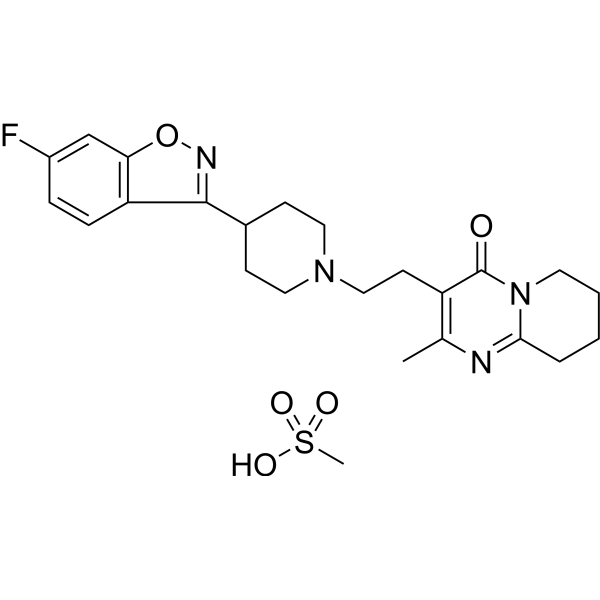
Risperidone mesylate(R 64 766 mesylate) is a serotonin 5-HT2 receptor blocker, P-Glycoprotein inhibitor and potent dopamine D2 receptor antagonist, with Kis of 4.8, 5.9 nM for 5-HT2A and dopamine D2 receptor, respectively.
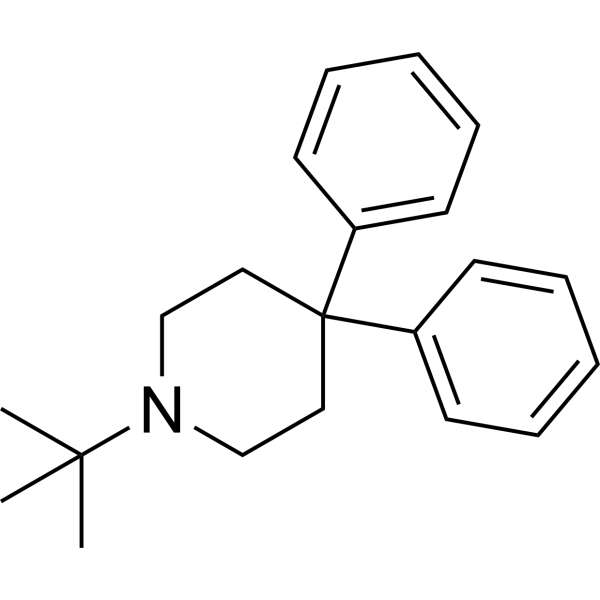
Budipine is an anti-parkinson agent. Budipine also is a substrate of P-glycoprotein (P-gp), is mediated the uptake into the brain by P-gp. Budipine also is N-methyl-d-aspartate (NMDA) antagonist, and has indirect dopaminergic effects through an improved dopamine release, the inhibition of monoamine oxidase type B (MAO-B). Budipine can be used for the research of CNS disorders include Parkinson disease .
Atazanavir-d6 is deuterium labeled Atazanavir. Atazanavir (BMS-232632), a highly selective HIV-1 protease inhibitor, is the first protease inhibitor approved for once-daily administration . Atazanavir (BMS-232632) is a substrate and inhibitor of CYP3A4, and an inhibitor and inducer of P-glycoprotein (P-gp) . Atazanavir is also a SARS-CoV 3CLpro inhibitor with an IC50 of 3.49 μM .
ARN25657 is a dual-acting D3R/GSK-3β modulator. ARN25657 has both partialD3R agonist activity (EC50 = 15.2 nM, Ki=1.5 nM) and potent GSK-3β inhibitor activity (IC50 = 19.3 nM). ARN25657 exhibits excellent GSK-3β selectivity over FYN, PKA, and CDK5/p35. ARN25657 inhibits P-glycoprotein (P-gP)-mediated acetoxymethyl calcein efflux and improves in vitro ADME properties while maintaining a balanced dual-target profile. ARN25657 is useful for studying bipolar disorder and related neuropsychiatric disorders .
Uridine 5′-diphosphoglucose- 13C6 (UDP-D-Glucose- 13C6) disodium is the 13C labeled Uridine 5′-diphosphoglucose disodium (HY-N7032) . Uridine 5’-diphosphoglucose (UDP-glucose) disodium, secreted by cardiomyocytes during ischemia and reperfu, is a potent agonist of the proinflammatory P2Y14 receptor. It acts an important role in the regulation of inflammation and neutrophil polarization in neutrophils. Uridine 5’-diphosphoglucose disodium is also the precursor of glucose-containing oligosaccharides, polysaccharides, glycoproteins, and glycolipids in animal tissues and in some microorganisms. Uridine 5’-diphosphoglucose disodium is promising for research in counteracting myocardial infarction/reperfusion (MIR)-induced inflammation in the heart tissue .
Fusion Inhibitory Peptide (Z-D-Phe-Phe-Gly-OH, FIP, Virus Replication Inhibitory Peptide) is a potent inhibitor of the virus replication, by inhibiting the membrane fusing activity of a viral glycoprotein .
Norverapamil-d7 (hydrochloride) is a deuterium labeled Norverapamil. Norverapamil ((±)-Norverapamil), an N-demethylated metabolite of Verapamil, is a L-type calcium channel blocker and a P-glycoprotein (P-gp) function inhibitor .
Risperidone hydrochloride (R 64 766 hydrochloride) 5-HT2 receptor blocker, P-Glycoprotein inhibitor and potent dopamine D2 receptor antagonist, with Kis of 4.8, 5.9 nM for 5-HT2A and dopamine D2 receptor, respectively.
Risperidone-d6 (R 64 766-d6) is the deuterium labeled Risperidone (HY-11018). Risperidone is a serotonin 5-HT2 receptor blocker, P-Glycoprotein inhibitor and potent dopamine D2 receptor antagonist, with Kis of 4.8, 5.9 nM for 5-HT2A and dopamine D2 receptor, respectively .
Bisdemethoxycurcumin-d8 (Curcumin III-d8) is the deuterium labeled Bisdemethoxycurcumin (HY-N0007A). Bisdemethoxycucurmin (Curcumin III) is a curcuminoid compound and an inhibitor of P-glycoprotein and ferroptosis. Bisdemethoxycucurmin exhibits multiple activities such as anti-oxidation, anti-inflammation and anti-tumor.
Bisdemethoxycucurmin can be used for the research of tumors and inflammatory diseases .
Piperin-d10 is deuterium labeled Piperine. Piperine is an alkaloid, can be isolated from pepper. Piperine can inhibit the activity of P-glycoprotein and CYP3A4. Piperine inhibits HeLa cells with an IC50 of 61.94±0.054 μg/mL .
Atazanavir-d9 is the deuterium labeled Atazanavir. Atazanavir (BMS-232632), a highly selective HIV-1 protease inhibitor, is the first protease inhibitor approved for once-daily administration . Atazanavir (BMS-232632) is a substrate and inhibitor of CYP3A4, and an inhibitor and inducer of P-glycoprotein (P-gp) . Atazanavir is also a SARS-CoV 3CLpro inhibitor with an IC50 of 3.49 μM .
Uridine 5′-diphosphoglucose- 13C (UDP-D-Glucose- 13C) disodium is the 13C labeled Uridine 5′-diphosphoglucose disodium (HY-N7032) . Uridine 5’-diphosphoglucose (UDP-glucose) disodium, secreted by cardiomyocytes during ischemia and reperfu, is a potent agonist of the proinflammatory P2Y14 receptor. It acts an important role in the regulation of inflammation and neutrophil polarization in neutrophils. Uridine 5’-diphosphoglucose disodium is also the precursor of glucose-containing oligosaccharides, polysaccharides, glycoproteins, and glycolipids in animal tissues and in some microorganisms. Uridine 5’-diphosphoglucose disodium is promising for research in counteracting myocardial infarction/reperfusion (MIR)-induced inflammation in the heart tissue .
Peniterphenyl A is a natural product obtained from a deep-sea-derived Penicillium sp. Peniterphenyl A inhibits HSV-1/2 virus entry into cells and may block HSV-1/2 infection through direct interaction with virus envelope glycoproteinD to interfere with virus adsorption and membrane fusion. Peniterphenyl A is a promising lead compound against HSV-1/2 .
Norverapamil-d6((±)-Norverapamil-d6) hydrochloride is deuterium labeled Norverapamil (hydrochloride). Norverapamil hydrochloride ((±)-Norverapamil hydrochloride), an N-demethylated metabolite of Verapamil, is a L-type calcium channel blocker and a P-glycoprotein (P-gp) function inhibitor .
Norverapamil-d7 is a deuterium labeled Norverapamil ((±)-Norverapamil). Norverapamil, an N-demethylated metabolite of Verapamil, is a L-type calcium channel blocker and a P-glycoprotein (P-gp) function inhibitor .
9,10-trans-Dehydroepothilone D shows an antiproliferative activity against a paclitaxel-resistant cell lines overexpressing P-glycoprotein. 9,10-trans-Dehydroepothilone D also shows tubulin polymerization activity. 9,10-trans-Dehydroepothilone D is given by lactonization of Seco acid, which is promising for research of cancers .
Risperidone-d4-1 (R 64 766-d4-1) is the deuterium labeled Risperidone (HY-11018). Risperidone is a serotonin 5-HT2 receptor blocker, P-Glycoprotein inhibitor and potent dopamine D2 receptor antagonist, with Kis of 4.8, 5.9 nM for 5-HT2A and dopamine D2 receptor, respectively.
Stepronin-d5(Prostenoglycine-d5;TTPG-d5;Tiase-d5) is the deuterium labeled Stepronin (HY-A0234). Stepronin (Prostenoglycine) is an orally active expectorant (inhalation administration is preferable to oral administration). Stepronin inhibits airway secretion in vitro by reducing Cl- secretion from epithelial cells and mucus glycoprotein secretion from submucosal glands .
Risperidone E-oxime is an impurity of Risperidone . Risperidone is a serotonin 5-HT2 receptor blocker, P-Glycoprotein inhibitor and potent dopamine D2 receptor antagonist, with Kis of 4.8, 5.9 nM for 5-HT2A and dopamine D2 receptor, respectively .
Risperidone (Standard) is the analytical standard of Risperidone. This product is intended for research and analytical applications. Risperidone is a serotonin 5-HT2 receptor blocker, P-Glycoprotein inhibitor and potent dopamine D2 receptor antagonist, with Kis of 4.8, 5.9 nM for 5-HT2A and dopamine D2 receptor, respectively.
Verapamil-d3((±)-Verapamil-d3) is deuterium labeled Verapamil. Verapamil ((±)-Verapamil) is a calcium channel blocker and a potent and orally active first-generation P-glycoprotein (P-gp) inhibitor. Verapamil also inhibits CYP3A4. Verapamil has the potential for high blood pressure, heart arrhythmias and angina research .
Verapamil-d6((±)-Verapamil-d6) is deuterium labeled Verapamil. Verapamil ((±)-Verapamil) is a calcium channel blocker and a potent and orally active first-generation P-glycoprotein (P-gp) inhibitor. Verapamil also inhibits CYP3A4. Verapamil has the potential for high blood pressure, heart arrhythmias and angina research .
Verapamil-d6(CP-16533-1-d6) hydrochloride is the deuterium labled Verapamil (hydrochloride) (HY-A0064). Verapamil hydrochloride ((±)-Verapamil hydrochloride) is a calcium channel blocker and a potent and orally active first-generation P-glycoprotein (P-gp) inhibitor. Verapamil hydrochloride also inhibits CYP3A4. Verapamil hydrochloride has the potential for high blood pressure, heart arrhythmias and angina research .
(R)-Verapamil-d7 (hydrochloride) is a deuterium labeled (R)-Verapamil hydrochloride. (R)-Verapamil hydrochloride ((R)-(+)-Verapamil hydrochloride) is a P-Glycoprotein inhibitor. (R)-Verapamil hydrochloride blocks MRP1 mediated transport, resulting in chemosensitization of MRP1-overexpressing cells to anticancer agents .
Elacridar-d4(Major) is the deuterium labeled Elacridar (HY-50879). Elacridar is an orally active P-glycoprotein (Pgp) and breast cancer resistance protein (BCRP) inhibitor. Elacridar can be used to examine the influence of efflux transporters on agent distribution to brain and the research of cancer .
(Rac)-Talinolol-d5 is the racemate of Talinolol. Talinolol (Cordanum) is a long-acting, cardioselective β1-adrenergic receptor blocker. Talinolol exhibits cardioprotective and antihypertensive activities. Talinolol is also a well-known and frequently used probe substrate for P-glycoprotein (P-gp) activity .
Cetagliptin is an orally active inhibitor for dipeptidyl peptidase 4 (DPP-4) and CYP2D6 (IC50 of 6 µM). Cetagliptin is a substrate for P-glycoprotein. Cetagliptin reduces the GLP-1 degradation, maintains the level of postprandial blood sugar, and can be used in type 2 diabetes mellitus research .
P-gp inhibitor 27 (Compound D2) is an inhibitor for P-glycoprotein (P-gp), that downregulates the expression of P-gp and MRP1, increases the Rh123 accumulation in A2780/T cell, and reverses multidrug resistance to Paclitaxel (HY-B0015) (EC50 is 88 nM) and Cisplatin (HY-17394) .
Atazanavir-d24(BMS-232632-d24) is deuterium labeled Atazanavir. Atazanavir (BMS-232632) is a highly selective and orally active HIV-1 protease inhibitor . Atazanavir is a substrate and inhibitor of CYP3A4, and an inhibitor of P-glycoprotein (P-gp). Atazanavir is also a SARS-CoV 3CL pro inhibitor with an IC50 of 3.49 μM. Atazanavir inhibits cardiac fibrosis, hyperlipidemia and induces malignant glioma death .
Risperidone E-oxime (Standard) is the analytical standard of Risperidone E-oxime. This product is intended for research and analytical applications. Risperidone E-oxime is an impurity of Risperidone . Risperidone is a serotonin 5-HT2 receptor blocker, P-Glycoprotein inhibitor and potent dopamine D2 receptor antagonist, with Kis of 4.8, 5.9 nM for 5-HT2A and dopamine D2 receptor, respectively .
Verapamil-d7 is the deuterium labeled Verapamil (HY-14275). Verapamil ((±)-Verapamil) is a calcium channel blocker and a potent and orally active first-generation P-glycoprotein (P-gp) inhibitor. Verapamil also inhibits CYP3A4. Verapamil has the potential for high blood pressure, heart arrhythmias and angina research .
Budipine hydrochloride is an anti-parkinson agent. Budipine hydrochloride also is a substrate of P-glycoprotein (P-gp), is mediated the uptake into the brain by P-gp. Budipine hydrochloride also is N-methyl-d-aspartate (NMDA) antagonist, and has indirect dopaminergic effects through an improved dopamine release, the inhibition of monoamine oxidase type B (MAO-B). Budipine hydrochloride can be used for the research of CNS disorders include Parkinson disease .
Concanavalin A-Cy5 (Con A-Cy5) is a Cy5 (HY-D0821)-labled Concanavalin A (HY-P2149). Concanavalin A is a Ca 2+/Mn 2+-dependent and mannose/glucose-binding plant lectin. Concanavalin A binds the N- and O-glycosylated proteins of head and neck carcinoma cells glycoproteins (Ex/Em = 630/670 nm) .
N-Acetyllactosamine (Standard) is the analytical standard of N-Acetyllactosamine. This product is intended for research and analytical applications. N-Acetyllactosamine (N-Acetyl-D-lactosamine), a nitrogen-containing disaccharide, is a galectin-3 inhibitor, which is an important component of various oligosaccharides such as glycoproteins and sialyl Lewis X. N-Acetyllactosamine can be used as the starting material for the synthesis of various oligosaccharides. N-Acetyllactosamine has prebiotic effects[1][2][3][4].
Atazanavir-d5 is the deuterium labeled Atazanavir. Atazanavir (BMS-232632), a highly selective HIV-1 protease inhibitor, is the first protease inhibitor approved for once-daily administration . Atazanavir (BMS-232632) is a substrate and inhibitor of CYP3A4, and an inhibitor and inducer of P-glycoprotein (P-gp) . Atazanavir is also a SARS-CoV 3CLpro inhibitor with an IC50 of 3.49 μM .
Budipine (Standard) is the analytical standard of Budipine. This product is intended for research and analytical applications. Budipine is an anti-parkinson agent. Budipine also is a substrate of P-glycoprotein (P-gp), is mediated the uptake into the brain by P-gp. Budipine also is N-methyl-d-aspartate (NMDA) antagonist, and has indirect dopaminergic effects through an improved dopamine release, the inhibition of monoamine oxidase type B (MAO-B). Budipine can be used for the research of CNS disorders include Parkinson disease .
Trifluoperazine-d3 (dihydrochloride) is deuterium labeled Trifluoperazine (dihydrochloride). Trifluoperazine dihydrochloride, an antipsychotic agent, acts by blocking central dopamine receptors. Trifluoperazine dihydrochloride is a potent α1-adrenergic receptor antagonist. Trifluoperazine dihydrochloride is a potent NUPR1 inhibitor exerting anticancer activity. Trifluoperazine dihydrochloride is a calmodulin inhibitor, and also inhibits P-glycoprotein. Trifluoperazine dihydrochloride can be used for the research of schizophrenia. Trifluoperazine dihydrochloride acts as a reversible inhibitor of influenza virus morphogenesis .
(Rac)-Clopidogrel hydrogen-d9 sulfate is the deuterium labeled (±)-Clopidogrel (bisulfate) (HY-107867). (±)-Clopidogrel bisulfate is a platelet P2Y12 receptor inhibitor and an adenosine diphosphate (ADP) receptor antagonist. (±)-Clopidogrel bisulfate inhibits the binding of ADP to its receptors on the membranes of platelet cells, and blocks ADP-mediated activation of the glycoprotein GPIIb/IIIa complex. (±)-Clopidogrel bisulfate reduces vascular inflammation and angiotensin II induced-abdominal aortic aneurysm progression. (±)-Clopidogrel bisulfate has anti-inflammatory effects .
Clopidogrel- 13C,d3 sulfate is the deuterium and 13C-labeled (±)-Clopidogrel (bisulfate) (HY-107867). (±)-Clopidogrel bisulfate is a platelet P2Y12 receptor inhibitor and an adenosine diphosphate (ADP) receptor antagonist. (±)-Clopidogrel bisulfate inhibits the binding of ADP to its receptors on the membranes of platelet cells, and blocks ADP-mediated activation of the glycoprotein GPIIb/IIIa complex. (±)-Clopidogrel bisulfate reduces vascular inflammation and angiotensin II induced-abdominal aortic aneurysm progression. (±)-Clopidogrel bisulfate has anti-inflammatory effects .
Milbemycin A4 oxime (5-Ketomilbemycin A4 oxime; 5-Oxomilbemycin A4 5-oxime) is a derivative of Milbemycin A4 (HY-126906) and a component of Milbemycin oxime (HY-B0778), both of which have insecticidal and nematicidal activities. Milbemycin A4 oxime (0.05 mg/kg) reduces the number of microfilariae in naturally infected dogs with D. immitis and inhibits the growth of clinical isolates of Candida glabrata (MIC80=16-32 μg/mL). Milbemycin A4 oxime (2.5 μg/mL) blocks the efflux of Fluconazole (HY-B0101) from clinical isolates of Candida glabrata. Milbemycin A4 oxime enhances doxorubicin-induced cell growth inhibition and increases the intracellular accumulation of doxorubicin and P-glycoprotein substrate Rhodamine 123 (HY-D0816) in doxorubicin-resistant but not sensitive MCF-7 breast cancer cells in a concentration-dependent manner.
N-Desmethyl imatinib-d4 is the deuterium-labeled N-Desmethyl imatinib (HY-G0017). N‑Desmethyl imatinib (Norimatinib) is an active metabolite of Imatinib (HY-15463), a selective c‑Abl inhibitor, and a substrate of P‑glycoprotein. N-Desmethyl imatinib binds to the c-Abl catalytic domain to prevent substrate phosphorylation, inhibits c-Abl-mediated α-synuclein activation and downstream inflammatory signaling pathways. N-Desmethyl imatinib induces apoptosis in K562 human leukemia cells. N-Desmethyl imatinib exhibits significantly elevated plasma levels in gastrointestinal stromal tumor (GIST) settings following mild SARS CoV 2 infection. N-Desmethyl imatinib can be used for the research of Parkinson’s disease, gastrointestinal stromal tumor, and chronic myeloid leukemia .
α-1,3-Mannosyl-glycoprotein 2-β-N-acetylglucosaminyltransferase (EC 2.4.1.101) is an enzyme with systematic name UDP-N-acetyl-D-glucosamine:3-(alpha-D-mannosyl)-beta-D-mannosyl-glycoprotein 2-beta-N-acetyl-D-glucosaminyltransferase.
α-1,6-Mannosyl-glycoprotein 2-β-N-acetylglucosaminyltransferase (EC 2.4.1.143) is an enzyme with systematic name UDP-N-acetyl-D-glucosamine:6-(alpha-D-mannosyl)-beta-D-mannosyl-glycoprotein 2-beta-N-acetyl-D-glucosaminyltransferase.
α-1,6-Mannosyl-glycoprotein 6-β-N-acetylglucosaminyltransferase (EC 2.4.1.155) is an enzyme with systematic name UDP-N-acetyl-D-glucosamine:6-(2-(N-acetyl-beta-D-glucosaminyl)-alpha-D-mannosyl)-glycoprotein 6-beta-N-acetyl-D-glucosaminyltransferase.
α-1,6-Mannosyl-glycoprotein 4-β-N-acetylglucosaminyltransferase (EC 2.4.1.201) is an enzyme with systematic name UDP-N-acetyl-D-glucosamine:2,6-bis(N-acetyl-beta-D-glucosaminyl)-alpha-D-mannosyl-glycoprotein 4-beta-N-acetyl-D-glucosaminyltransferase.
Anti-CD1d Antibody (D5) reacts with the human CD1d. CD1d belongs to the cluster of differentiation 1 (CD1) family of glycoproteins. Recommend Isotype Controls: Mouse IgG2b kappa, Isotype Control (HY-P99982) .
β-Mannosidase, Cellvibrio mixtus (EC 3.2.1.25), is the final exoglycosidase in the N-linked glycoprotein oligosaccharide catabolism pathway. β-Mannosidase catalyzes the following chemical reaction: hydrolysis of the terminal non-reducing β-D-mannose residue in β-D-mannoside.
β-Mannosidase, Bacteroides fragilis (EC 3.2.1.25), is the final exoglycosidase in the N-linked glycoprotein oligosaccharide catabolism pathway. β-Mannosidase catalyzes the following chemical reaction: hydrolysis of the terminal non-reducing β-D-mannose residue in β-D-mannoside.
β-Mannosidase, Bacteroides thetaiotaomicron (EC 3.2.1.25), is the final exoglycosidase in the N-linked glycoprotein oligosaccharide catabolism pathway. β-Mannosidase catalyzes the following chemical reaction: hydrolysis of the terminal non-reducing β-D-mannose residue in β-D-mannoside.
The terminal β-D-galactose residues of glycoprotein oligosaccharides, as well as lactose, can both serve as acceptors for β-Galactoside α-2,6-sialyltransferase (EC 2.4.99.1).
Zomepirac acyl-O-β-D-glucuronide (Zomepirac glucuronide) is a dipeptidyl peptidase IV Inhibitor. Zomepirac acyl-O-β-D-glucuronide is an unstable and chemically reactive metabolite of Zomepirac (HY-B0890A). Zomepirac acyl-O-β-D-glucuronide forms covalent adducts with cell membrane glycoproteins. Zomepirac acyl-O-β-D-glucuronide can be used for research on immunotoxicity .
β-Mannosidase, Helix pomatia (EC 3.2.1.25), catalyzes the hydrolysis of the terminal non-reducing β-D-mannose residue in β-D-mannoside. β-Mannosidase, Helix pomatia (EC 3.2.1.25) is the final exoglycosidase in the N-linked glycoprotein oligosaccharide catabolism pathway.
7-Hydroxyrisperidone (7-RispOH) is a metabolite of Risperidone (HY-11018). Risperidone is a serotonin 5-HT2 receptor blocker, P-Glycoprotein inhibitor and potent dopamine D2 receptor antagonist .
β-1,3-Galactosyl-O-glycosyl-glycoprotein β-1,3-N-acetylglucosaminyltransferase (EC 2.4.1.146) is an enzyme with systematic name UDP-N-acetyl-D-glucosamine:beta-D-galactosyl-(1->3)-(N-acetyl-D-glucosaminyl-(1->6))-N-acetyl-D-galactosaminyl-R 3-beta-N-acetyl-D-glucosaminyltransferase.
NSC 23925B is a P-glycoprotein (P-gp) inhibitor, as well as the most biologically active isomer of NSC23925 (HY-19626), which reverses and prevents P-glycoprotein-mediated multidrug resistance in cancer cells. NSC 23925B shows weak inhibition against most CYP450 enzymes (IC50 > 10 μM), and exhibits moderate inhibitory activity against CYP2B6 and CYP2D6 with IC50 values of 8.589 μM and 1.407 μM, respectively. NSC 23925B can be used for the research of multidrug-resistant cancers .
Concanavalin A-TRITC is a TRITC (HY-D0791)-labled Concanavalin A (HY-P2149). Concanavalin A is a Ca 2+/Mn 2+-dependent and mannose/glucose-binding plant lectin. Concanavalin A binds the N- and O-glycosylated proteins of head and neck carcinoma cells glycoproteins (Ex/Em = 544/570 nm) .
Human TNFRSF14 mRNA encodes the human TNF receptor superfamily member 14 (TNFRSF14) protein, a member of the TNF receptor superfamily. TNFRSF14 functions in signal transduction pathways that activate inflammatory and inhibitory T-cell immune response. It binds herpes simplex virus (HSV) viral envelope glycoproteinD (gD), mediating its entry into cells.
(±)-Clopidogrel-d4((±)-Clopidogrelum-d4) is the deuterium labeled (±)-Clopidogrel (HY-107867). (±)-Clopidogrel is a platelet P2Y12 receptor inhibitor and an adenosine diphosphate (ADP) receptor antagonist. (±)-Clopidogrel inhibits the binding of ADP to its receptors on the membranes of platelet cells, and blocks ADP-mediated activation of the glycoprotein GPIIb/IIIa complex. (±)-Clopidogrel reduces vascular inflammation and angiotensin II induced-abdominal aortic aneurysm progression. (±)-Clopidogrel has anti-inflammatory effects .
β-Mannosidase, Streptomyces coelicolor (EC 3.2.1.25) catalyses the following chemical reaction:Hydrolysis of terminal, non-reducing beta-D-mannose residues in beta-D-mannosides. This gene encodes a member of the glycosyl hydrolase 2 family. The encoded protein localizes to the lysosome where it is the final exoglycosidase in the pathway for N-linked glycoprotein oligosaccharide catabolism. Mutations in this gene are associated with beta-mannosidosis, a lysosomal storage disease that has a wide spectrum of neurological involvement.
Concanavalin A-Cy3 (Con A-Cy3) is a Cy5 (HY-D0822)-labled Concanavalin A (HY-P2149). Concanavalin A is a Ca 2+/Mn 2+-dependent and mannose/glucose-binding plant lectin. Concanavalin A binds the N- and O-glycosylated proteins of head and neck carcinoma cells glycoproteins (Ex/Em = 554/568 nm) .
Concanavalin A-Cy5.5 (Con A-Cy5.5) is a Cy5.5 (HY-D0924)-labled Concanavalin A (HY-P2149). Concanavalin A is a Ca 2+/Mn 2+-dependent and mannose/glucose-binding plant lectin. Concanavalin A binds the N- and O-glycosylated proteins of head and neck carcinoma cells glycoproteins .
Terminal N-acetyl-β-D-glucosaminyl residues in polysaccharides, glycoproteins and glycopeptides can act as acceptor. High activity is shown towards such residues in branched-chain polysaccharides when these are linked by β-1,6-links to galactose residues; lower activity towards residues linked to galactose by β-1,3-links. A component of EC 2.4.1.22 (lactose synthase) .
β-Acetylglucosaminidase 18A, Bacteroides thetaiotaomicron (EC 3.2.1.96), is an enzyme from Bacteroides thetaiotaomicron that participates in the endohydrolysis of the diacetylchitobiosyl unit in high-mannose glycopeptides and glycoproteins containing the (Man (GlcNAc) (2) ) Asn-structure. One N-acetyl-D-glucosamine residue remains attached to the protein; the rest of the oligosaccharide is released intact. Recombinant BtAcp18A (GH18) , purified from Escherichia coli, is a single domain family 18 Glycoside Hydrolase (GH18) .
7-Amino-4-methylcoumarin-d4 (Coumarin 120-d4) is the deuterium labeled 7-Amino-4-methylcoumarin (HY-D0027). 7-Amino-4-methylcoumarin belongs to the coumarin class, can be isolated from the endophytic fungus Xylaria sp. and has a broad spectrum of antibacterial activity. 7-Amino-4-methylcoumarin is also commonly used as an important laser dye that emits in the blue region, capable of analyzing glycoprotein monosaccharides and N-linked oligosaccharides, and is also utilized in tissue pathology analysis, enzyme activity measurement, and copper ion detection. The excitation wavelength and emission wavelength are 351 nm and 430 nm, respectively .
1-Monopalmitin-d31 (Glyceryl palmitate-d31) is the deuterium labeled 1-Monopalmitin (HY-W009141). 1-Monopalmitin (Glyceryl palmitate) is an activator of the PI3K/Akt pathway and an inhibitor of P-glycoprotein (P-gp). 1-Monopalmitin can induce G2/M arrest and caspase-dependent apoptosis in cancer cells, while inhibiting IAPs protein expression. 1-Monopalmitin can increase drug accumulation by inhibiting P-gp activity in intestinal Caco-2 cells. 1-Monopalmitin has the ability to induce protective autophagy and apoptosis of lung cancer cells (IC50=50-58 μg/mL), with low toxicity to normal cells .
Cy3-Transferrin is a fluorescent labeling reagent that combines Cy3 (HY-D0822) fluorescent dye and Transferrin (HY-P3267). The Cy3 fluorophore is commonly used in applications such as immunolabeling, nucleic acid labeling, fluorescence microscopy, and flow cytometry. Cy3 has an emission maximum around 562-570 nm. Transferrin, a blood-plasma glycoprotein, is a target ligand for transferrin receptor. Transferrin can bind to and mediate the transport of iron .
ATTO 647 is a carborhodamine fluorophore and imaging tracer with photostable properties. ATTO 647 serves as a fluorescent probe to investigate cell membrane structure and diffusion characteristics. When conjugated with wheat germ agglutinin, ATTO 647 specifically binds to N-acetyl-β-D-glucosamine and sialic acid residues on membrane glycoproteins, enabling single-molecule tracing of glycoprotein diffusion. ATTO 647 exhibits highly stable fluorescence properties with significantly reduced blinking in mounting media such as ROXS (AA/MV) and ROXS (TX/TQ), whereas its brightness properties vary in Ibidi-MM and Vectashield. ATTO 647 can also be used to label histone H2B-GFP in fixed cells for confocal microscopy photobleaching experiments .
Concanavalin A-TRITC is a TRITC (HY-D0791)-labled Concanavalin A (HY-P2149). Concanavalin A is a Ca 2+/Mn 2+-dependent and mannose/glucose-binding plant lectin. Concanavalin A binds the N- and O-glycosylated proteins of head and neck carcinoma cells glycoproteins (Ex/Em = 544/570 nm) .
Wheat germ agglutinin-AF488 (WGA-AF488) is a cell membrane-specific staining agent prepared by conjugating wheat germ agglutinin with the Alexa Fluor 488 (HY-D1304) fluorescent dye, and it binds to cell surface glycoproteins with high affinity. Wheat germ agglutinin-AF488 is applied in fluorescence microscopy and confocal imaging techniques, and it can clearly label the membrane structures of various cells including breast cancer cells, enabling high-resolution visual observation. Wheat germ agglutinin-AF488 is used in studies of breast cancer and triple-negative breast cancer to observe cell morphology and membrane dynamic changes .
Concanavalin A-Cy5 (Con A-Cy5) is a Cy5 (HY-D0821)-labled Concanavalin A (HY-P2149). Concanavalin A is a Ca 2+/Mn 2+-dependent and mannose/glucose-binding plant lectin. Concanavalin A binds the N- and O-glycosylated proteins of head and neck carcinoma cells glycoproteins (Ex/Em = 630/670 nm) .
Concanavalin A-Cy3 (Con A-Cy3) is a Cy5 (HY-D0822)-labled Concanavalin A (HY-P2149). Concanavalin A is a Ca 2+/Mn 2+-dependent and mannose/glucose-binding plant lectin. Concanavalin A binds the N- and O-glycosylated proteins of head and neck carcinoma cells glycoproteins (Ex/Em = 554/568 nm) .
Concanavalin A-Cy5.5 (Con A-Cy5.5) is a Cy5.5 (HY-D0924)-labled Concanavalin A (HY-P2149). Concanavalin A is a Ca 2+/Mn 2+-dependent and mannose/glucose-binding plant lectin. Concanavalin A binds the N- and O-glycosylated proteins of head and neck carcinoma cells glycoproteins .
Fusion Inhibitory Peptide (Z-D-Phe-Phe-Gly-OH, FIP, Virus Replication Inhibitory Peptide) is a potent inhibitor of the virus replication, by inhibiting the membrane fusing activity of a viral glycoprotein .
Anti-CD1d Antibody (D5) reacts with the human CD1d. CD1d belongs to the cluster of differentiation 1 (CD1) family of glycoproteins. Recommend Isotype Controls: Mouse IgG2b kappa, Isotype Control (HY-P99982) .
N-Acetyllactosamine (N-Acetyl-D-lactosamine), a nitrogen-containing disaccharide, is a galectin-3 inhibitor, which is an important component of various oligosaccharides such as glycoproteins and sialyl Lewis X. N-Acetyllactosamine can be used as the starting material for the synthesis of various oligosaccharides. N-Acetyllactosamine has prebiotic effects .
N-acetyl-α-d-glucosamine 1-phosphate disodium (GlcNAc-1-P) is an ectopic sugar phosphate and a key intermediate in N-glycoprotein biosynthesis. N-acetyl-α-d-glucosamine 1-phosphate disodium serves as a metabolic precursor of teichoic acid and muramic acid, which are components of bacterial cell walls .
Uridine 5′-diphosphoglucose (Standard) (UDP-D-Glucose (Standard)) is the analytical standard of Uridine 5′-diphosphoglucose (HY-113044). This product is intended for research and analytical applications. Uridine 5’-diphosphoglucose (UDP-glucose), secreted by cardiomyocytes during ischemia and reperfu, is a potent agonist of the proinflammatory P2Y14 receptor. It acts an important role in the regulation of inflammation and neutrophil polarization in neutrophils. Uridine 5’-diphosphoglucose is also the precursor of glucose-containing oligosaccharides, polysaccharides, glycoproteins, and glycolipids in animal tissues and in some microorganisms. Uridine 5’-diphosphoglucose is promising for research in counteracting myocardial infarction/reperfusion (MIR)-induced inflammation in the heart tissue.
UDP-GlcNAc (UDP-N-Acetyl-D-glucosamine) is an important component and precursor of bacterial peptidoglycan. UDP-GlcNAc is a nucleotide sugar used by Glycosyltransferases to synthesize glycoproteins, glycosaminoglycans, glycolipids, and glycoRNA. UDP-GlcNAc also serves as the donor substrate for forming O-GlcNAc, a dynamic intracellular protein modification involved in diverse signaling and disease processes. UDP-GlcNAc is the sugar nucleotide donor for the synthesis of O-GlcNAc modified proteins. UDP-GlcNAc also acts as a full agonist of the P2Y14 receptor and inhibits the formation of cAMP. UDP-GlcNAc can be used in studies related to bacterial infections .
Peniterphenyl A is a natural product obtained from a deep-sea-derived Penicillium sp. Peniterphenyl A inhibits HSV-1/2 virus entry into cells and may block HSV-1/2 infection through direct interaction with virus envelope glycoproteinD to interfere with virus adsorption and membrane fusion. Peniterphenyl A is a promising lead compound against HSV-1/2 .
N-Acetyllactosamine (Standard) is the analytical standard of N-Acetyllactosamine. This product is intended for research and analytical applications. N-Acetyllactosamine (N-Acetyl-D-lactosamine), a nitrogen-containing disaccharide, is a galectin-3 inhibitor, which is an important component of various oligosaccharides such as glycoproteins and sialyl Lewis X. N-Acetyllactosamine can be used as the starting material for the synthesis of various oligosaccharides. N-Acetyllactosamine has prebiotic effects[1][2][3][4].
ACKR3 is an atypical chemokine receptor that regulates chemokine levels and localization through high-affinity binding, induction of sequestration, degradation, or transcytosis. ACKR3, also known as a chemokine interceptor or decoy receptor, binds to chemokines such as CXCL11 and CXCL12/SDF1. ACKR1 Protein, Human (Cell-Free, His) is the recombinant human-derived ACKR1 protein, expressed by E. coli Cell-free , with N-10*His labeled tag.
Glycoprotein D/gD proteins bind to host cell receptors TNFRSF14/HVEM and NECTIN1, triggering fusion with the host membrane by recruiting gB and gH/gL. glycoprotein D/gD Protein, HHV-2 (Cell-Free, His) is the recombinant Virus-derived glycoprotein D/gD protein, expressed by E. coli Cell-free , with N-10*His labeled tag.
The SARS-Cov-2 S glycoprotein is a SARS-Cov-2 S glycoprotein. The amino acid sequence 1261-1267a.a of the SARS-Cov-2 S glycoprotein is transmembrane. The SARS-Cov-2 S glycoprotein is a highly glycosylated trimer, each of which consists of 1260 amino acids (residues 14-1273), divided into four structural domains: the n-terminal domain (NTD), the c-terminal domain (CTD, also known as the receptor-binding domain, RBD), and two subdomains (SD1 and SD2). SARS-CoV-2 S1 Protein (D614G, HEK293, His) is the recombinant Virus-derived SARS-CoV-2 S1 protein, expressed by HEK293 , with C-His labeled tag.
The SARS-Cov-2 S glycoprotein is a SARS-Cov-2 S glycoprotein. The amino acid sequence 1261-1267a.a of the SARS-Cov-2 S glycoprotein is transmembrane. The SARS-Cov-2 S glycoprotein is a highly glycosylated trimer, each of which consists of 1260 amino acids (residues 14-1273), divided into four structural domains: the n-terminal domain (NTD), the c-terminal domain (CTD, also known as the receptor-binding domain, RBD), and two subdomains (SD1 and SD2). SARS-CoV-2 S1 Protein (D614G, HEK293, Fc) is the recombinant Virus-derived SARS-CoV-2 S1 protein, expressed by HEK293 , with C-hFc labeled tag.
SARS-CoV-2 S1 Protein, in its Spike protein S1 form, initiates infection by attaching the virion to the cell membrane through host receptor interaction. Simultaneously, Spike protein S2' acts as a viral fusion peptide, revealing itself after S2 cleavage during virus endocytosis. SARS-COV-2 S Trimer Protein (D614G, HEK293, His-Avi) is the recombinant Virus-derived SARS-COV-2 S Trimer protein, expressed by HEK293 , with C-Avi, C-His labeled tag.
CD3D protein is a component of the TCR-CD3 complex on T lymphocytes and plays a key role in adaptive immunity. It transmits signals through the CD3D, CD3E, CD3G, and CD3Z chains upon TCR engagement. CD3D Protein, Human (HEK293, His) is the recombinant human-derived CD3D protein, expressed by HEK293 , with C-6*His labeled tag.
CD1D protein, in partnership with B2M, functions as an antigen-presenting protein, binding self and non-self glycolipids. It presents these molecules to T-cell receptors on natural killer T-cells, playing a pivotal role in immune responses. CD1D also interacts with MHC II and CD74, contributing to the coordination of the adaptive immune system. CD1D Protein, Mouse (HEK293, His) is the recombinant mouse-derived CD1D protein, expressed by HEK293 , with C-His labeled tag.
The CD1D protein, a key antigen-presenting molecule, binds self and non-self glycolipids, presenting them to T-cell receptors on natural killer T-cells. Partnering with B2M, it centrally orchestrates immune responses, and its interactions with MHC II emphasize its significance in the intricate network of immune system regulation. CD1D Protein, Human (His-SUMO) is the recombinant human-derived CD1D, expressed by E. coli, with N-6*His, N-SUMO labeled tag. The total length of CD1D Protein, Human (His-SUMO) is 282 a.a..
CD1D protein, in partnership with B2M, functions as an antigen-presenting protein, binding self and non-self glycolipids. It presents these molecules to T-cell receptors on natural killer T-cells, playing a pivotal role in immune responses. CD1D also interacts with MHC II and CD74, contributing to the coordination of the adaptive immune system. CD1D Protein, Mouse (HEK293, His-Fc) is the recombinant mouse-derived CD1D protein, expressed by HEK293 , with C-hFc, C-His labeled tag.
Ebola virus glycoprotein (GP1), as a receptor-binding subunit, plays a key role in the virus entry process. During late stages of infection, GP1 downregulates key host cell surface molecules, including integrins such as ITGA1-6, disrupting adhesion and potentially leading to disruption of vascular integrity. Ebola virus Glycoprotein/GP Protein (Q7T9D9, HEK293, His) is the recombinant Virus-derived Ebola virus Glycoprotein/GP protein, expressed by HEK293 , with C-His labeled tag.
Ebola virus glycoprotein (GP1), as a receptor-binding subunit, plays a key role in the virus entry process. During late stages of infection, GP1 downregulates key host cell surface molecules, including integrins such as ITGA1-6, disrupting adhesion and potentially leading to disruption of vascular integrity. Ebola virus Glycoprotein/GP Protein (Q7T9D9, sf9, His) is the recombinant Virus-derived Ebola virus Glycoprotein/GP protein, expressed by Sf9 insect cells , with C-His labeled tag.
CD3 δ protein is a component of the TCR-CD3 complex on T lymphocytes and plays a crucial role in adaptive immunity. Activated by APC, TCR signals through the CD3 chain, including CD3D, CD3E, CD3G, and CD3Z. CD3 delta Protein, Cynomolgus (HEK293, Fc) is the recombinant cynomolgus-derived CD3 delta protein, expressed by HEK293 , with C-hFc labeled tag.
SARS-CoV-2 S glycoprotein (D614G, HEK 293, His) is a SARS-CoV-2 S glycoprotein D614G protein with a His-flag. SARS-CoV-2 S glycoprotein (D614G) is a SARS-CoV-2 variant carrying the S protein amino acid (aa) change D614G, this variant has become the most prevalent form and has been associated with greater infectivity.
Ebola virus glycoprotein (GP1), as a receptor-binding subunit, plays a key role in the virus entry process. During late stages of infection, GP1 downregulates key host cell surface molecules, including integrins such as ITGA1-6, disrupting adhesion and potentially leading to disruption of vascular integrity. Ebola virus Glycoprotein/GP Protein RBD (Q7T9D9, HEK293, Fc) is the recombinant Virus-derived Ebola virus Glycoprotein/GP protein RBD, expressed by HEK293 , with C-hFc labeled tag.
CD1D protein, in partnership with B2M, functions as an antigen-presenting protein, binding self and non-self glycolipids. It presents these molecules to T-cell receptors on natural killer T-cells, playing a pivotal role in immune responses. CD1D also interacts with MHC II and CD74, contributing to the coordination of the adaptive immune system. CD1D1-B2M Heterodimer Protein, Mouse (HEK293, His) is a recombinant protein dimer complex containing mouse-derived CD1D1-B2M Heterodimer protein, expressed by HEK293 , with C-His labeled tag. CD1D1-B2M Heterodimer Protein, Mouse (HEK293, His), has molecular weight of ~40-50 & 12 KDa, respectively.
The CD1D2 protein plays a crucial role as an antigen-presenting molecule, binding self and non-self glycolipids and presenting them to T-cell receptors on natural killer T-cells. In partnership with B2M, it mediates immune responses, and its interactions with MHC II and CD74 highlight its significance in the complex network of immune system regulation. CD1D2-B2M Heterodimer Protein, Mouse (HEK293, His) is a recombinant protein dimer complex containing mouse-derived CD1D2-B2M Heterodimer protein, expressed by HEK293 , with C-His labeled tag.
Ebola virus glycoprotein (GP1), as a receptor-binding subunit, plays a key role in the virus entry process. During late stages of infection, GP1 downregulates key host cell surface molecules, including integrins such as ITGA1-6, disrupting adhesion and potentially leading to disruption of vascular integrity. Ebola virus Glycoprotein/GP1 Protein (468a.a, Q7T9D9, sf9, His) is the recombinant Virus-derived Ebola virus Glycoprotein/GP1 protein, expressed by Sf9 insect cells , with C-His labeled tag.
Ebola virus glycoprotein (GP1), as a receptor-binding subunit, plays a key role in the virus entry process. During late stages of infection, GP1 downregulates key host cell surface molecules, including integrins such as ITGA1-6, disrupting adhesion and potentially leading to disruption of vascular integrity. Ebola virus Glycoprotein/GP1 Protein (468a.a, Q7T9D9, HEK293, His) is the recombinant Virus-derived Ebola virus Glycoprotein/GP1 protein, expressed by HEK293 , with C-His labeled tag.
Ebola virus glycoprotein (GP1), as a receptor-binding subunit, plays a key role in the virus entry process. During late stages of infection, GP1 downregulates key host cell surface molecules, including integrins such as ITGA1-6, disrupting adhesion and potentially leading to disruption of vascular integrity. Ebola virus Glycoprotein/GP1 Protein (Q7T9D9, sf9, His) is the recombinant Virus-derived Ebola virus Glycoprotein/GP1 protein, expressed by Sf9 insect cells , with C-His labeled tag.
Ebola virus glycoprotein (GP1), as a receptor-binding subunit, plays a key role in the virus entry process. During late stages of infection, GP1 downregulates key host cell surface molecules, including integrins such as ITGA1-6, disrupting adhesion and potentially leading to disruption of vascular integrity. Ebola virus Glycoprotein/GP1 Protein (Q7T9D9, HEK293, His) is the recombinant Virus-derived Ebola virus Glycoprotein/GP1 protein, expressed by HEK293 , with C-His labeled tag.
CD3D protein is a component of the TCR-CD3 complex on T lymphocytes and plays a key role in adaptive immunity. It transmits signals through the CD3D, CD3E, CD3G, and CD3Z chains upon TCR engagement. CD3D Protein, Canine (HEK293, Fc) is the recombinant canine-derived CD3D protein, expressed by HEK293 , with C-hFc labeled tag.
The CD3D protein is an important component of the TCR-CD3 complex on T lymphocytes and is critical for adaptive immune responses. After APC activates TCR, CD3D, together with CD3E, CD3G and CD3Z, transmits signals through ITAM and activates downstream pathways. CD3D Protein, Mouse (HEK293, Fc) is the recombinant mouse-derived CD3D protein, expressed by HEK293 , with C-hFc labeled tag.
The CD1D protein, a key antigen-presenting molecule, binds self and non-self glycolipids, presenting them to T-cell receptors on natural killer T-cells. Partnering with B2M, it centrally orchestrates immune responses, and its interactions with MHC II emphasize its significance in the intricate network of immune system regulation. CD1D-B2M Heterodimer Protein, Human (HEK293, His) is a recombinant protein dimer complex containing human-derived CD1D-B2M Heterodimer protein, expressed by HEK293 , with C-His labeled tag. CD1D-B2M Heterodimer Protein, Human (HEK293, His), has molecular weight of ~48 & 12 kDa, respectively.
CD3 δ protein is a component of the TCR-CD3 complex on T lymphocytes and plays a crucial role in adaptive immunity. Activated by APC, TCR signals through the CD3 chain, including CD3D, CD3E, CD3G, and CD3Z. CD3 delta Protein, Cynomolgus (HEK293, His) is the recombinant cynomolgus-derived CD3 delta protein, expressed by HEK293 , with C-6*His labeled tag.
The large envelope protein has two conformations: “external” (Le-HBsAg) and “internal” (Li-HBsAg). In its external state, it mediates viral attachment, initiates infection, determines species specificity, and promotes viral particle internalization via caveolin-mediated endocytosis. Large envelope Protein, HBV-D (Cell-Free, His) is the recombinant Virus-derived Large envelope protein, expressed by E. coli Cell-free , with N-10*His labeled tag.
SARS-CoV-2 S1 Protein, in its Spike protein S1 form, initiates infection by attaching the virion to the cell membrane through host receptor interaction. Simultaneously, Spike protein S2' acts as a viral fusion peptide, revealing itself after S2 cleavage during virus endocytosis. SARS-COV-2 S1 Protein (D614G, HEK293, His-Avi) is the recombinant Virus-derived SARS-COV-2 S1 protein, expressed by HEK293 , with C-Avi, C-His labeled tag.
The DDX39B protein intricately coordinates nuclear mRNA export and is specifically associated with spliced mRNA as a key component of the TREX complex. This coupling of mRNA transcription, processing, and export involves rounds of ATP-dependent hydrolysis, recruiting components such as ALYREF/THOC and CHTOP. DDX39B Protein, Human (GST) is the recombinant human-derived DDX39B protein, expressed by E. coli , with N-GST labeled tag.
Glyburide-d3 is the deuterium labeled Glibenclamide. Glibenclamide (Glyburide) is an orally active ATP-sensitive K+ channel (KATP) inhibitor and can be used for the research of diabetes and obesity[1]. Glibenclamide inhibits P-glycoprotein. Glibenclamide directly binds and blocks the SUR1 subunits of KATP and inhibits the cystic fibrosis transmembrane conductance regulator protein (CFTR)[3]. Glibenclamide interferes with mitochondrial bioenergetics by inducing changes on membrane ion permeability[4]. Glibenclamide can induce autophagy[5].
Glyburide-d11 is the deuterium labeled Glibenclamide. Glibenclamide (Glyburide) is an orally active ATP-sensitive K+ channel (KATP) inhibitor and can be used for the research of diabetes and obesity . Glibenclamide inhibits P-glycoprotein. Glibenclamide directly binds and blocks the SUR1 subunits of KATP and inhibits the cystic fibrosis transmembrane conductance regulator protein (CFTR) . Glibenclamide interferes with mitochondrial bioenergetics by inducing changes on membrane ion permeability . Glibenclamide can induce autophagy .
Risperidone-d4 is the deuterium labeled Risperidone. Risperidone is a serotonin 5-HT2 receptor blocker, P-Glycoprotein inhibitor and potent dopamine D2 receptor antagonist, with Kis of 4.8, 5.9 nM for 5-HT2A and dopamine D2 receptor, respectively.
Moxidectin-d3(CL-301423-d3) is deuterium labeled Moxidectin. Moxidectin (CL301423) is an orally active macrolide (ML) anthelmintic for the prevention and control of heartworms and roundworms. Moxidectin is also a substrate of BCRP and P-glycoprotein (P-gp) in vivo, and is secreted into breast milk and effluxed from the host and parasite mediated by Bcrp1 and P-gp. This may be related to the presence of chemical residues in milk .
Verapamil-d3 (hydrochloride) is the deuterium labeled Verapamil hydrochloride. Verapamil hydrochloride ((±)-Verapamil hydrochloride) is a calcium channel blocker and a potent and orally active first-generation P-glycoprotein (P-gp) inhibitor. Verapamil hydrochloride also inhibits CYP3A4. Verapamil hydrochloride has the potential for high blood pressure, heart arrhythmias and angina research .
N-Desmethyl imatinib-d8 is a deuterium labeled Imatinib metabolite N-Desmethyl Imatinib (HY-G0017). N‑Desmethyl imatinib (Norimatinib) is an active metabolite of Imatinib (HY-15463), a selective c‑Abl inhibitor, and a substrate of P‑glycoprotein. N-Desmethyl imatinib binds to the c-Abl catalytic domain to prevent substrate phosphorylation, inhibits c-Abl-mediated α-synuclein activation and downstream inflammatory signaling pathways. N-Desmethyl imatinib induces apoptosis in K562 human leukemia cells. N-Desmethyl imatinib exhibits significantly elevated plasma levels in gastrointestinal stromal tumor (GIST) settings following mild SARS CoV 2 infection. N-Desmethyl imatinib can be used for the research of Parkinson’s disease, gastrointestinal stromal tumor, and chronic myeloid leukemia .
Atazanavir-d6 is deuterium labeled Atazanavir. Atazanavir (BMS-232632), a highly selective HIV-1 protease inhibitor, is the first protease inhibitor approved for once-daily administration . Atazanavir (BMS-232632) is a substrate and inhibitor of CYP3A4, and an inhibitor and inducer of P-glycoprotein (P-gp) . Atazanavir is also a SARS-CoV 3CLpro inhibitor with an IC50 of 3.49 μM .
Uridine 5′-diphosphoglucose- 13C6 (UDP-D-Glucose- 13C6) disodium is the 13C labeled Uridine 5′-diphosphoglucose disodium (HY-N7032) . Uridine 5’-diphosphoglucose (UDP-glucose) disodium, secreted by cardiomyocytes during ischemia and reperfu, is a potent agonist of the proinflammatory P2Y14 receptor. It acts an important role in the regulation of inflammation and neutrophil polarization in neutrophils. Uridine 5’-diphosphoglucose disodium is also the precursor of glucose-containing oligosaccharides, polysaccharides, glycoproteins, and glycolipids in animal tissues and in some microorganisms. Uridine 5’-diphosphoglucose disodium is promising for research in counteracting myocardial infarction/reperfusion (MIR)-induced inflammation in the heart tissue .
Norverapamil-d7 (hydrochloride) is a deuterium labeled Norverapamil. Norverapamil ((±)-Norverapamil), an N-demethylated metabolite of Verapamil, is a L-type calcium channel blocker and a P-glycoprotein (P-gp) function inhibitor .
Risperidone-d6 (R 64 766-d6) is the deuterium labeled Risperidone (HY-11018). Risperidone is a serotonin 5-HT2 receptor blocker, P-Glycoprotein inhibitor and potent dopamine D2 receptor antagonist, with Kis of 4.8, 5.9 nM for 5-HT2A and dopamine D2 receptor, respectively .
Bisdemethoxycurcumin-d8 (Curcumin III-d8) is the deuterium labeled Bisdemethoxycurcumin (HY-N0007A). Bisdemethoxycucurmin (Curcumin III) is a curcuminoid compound and an inhibitor of P-glycoprotein and ferroptosis. Bisdemethoxycucurmin exhibits multiple activities such as anti-oxidation, anti-inflammation and anti-tumor.
Bisdemethoxycucurmin can be used for the research of tumors and inflammatory diseases .
Piperin-d10 is deuterium labeled Piperine. Piperine is an alkaloid, can be isolated from pepper. Piperine can inhibit the activity of P-glycoprotein and CYP3A4. Piperine inhibits HeLa cells with an IC50 of 61.94±0.054 μg/mL .
Atazanavir-d9 is the deuterium labeled Atazanavir. Atazanavir (BMS-232632), a highly selective HIV-1 protease inhibitor, is the first protease inhibitor approved for once-daily administration . Atazanavir (BMS-232632) is a substrate and inhibitor of CYP3A4, and an inhibitor and inducer of P-glycoprotein (P-gp) . Atazanavir is also a SARS-CoV 3CLpro inhibitor with an IC50 of 3.49 μM .
Uridine 5′-diphosphoglucose- 13C (UDP-D-Glucose- 13C) disodium is the 13C labeled Uridine 5′-diphosphoglucose disodium (HY-N7032) . Uridine 5’-diphosphoglucose (UDP-glucose) disodium, secreted by cardiomyocytes during ischemia and reperfu, is a potent agonist of the proinflammatory P2Y14 receptor. It acts an important role in the regulation of inflammation and neutrophil polarization in neutrophils. Uridine 5’-diphosphoglucose disodium is also the precursor of glucose-containing oligosaccharides, polysaccharides, glycoproteins, and glycolipids in animal tissues and in some microorganisms. Uridine 5’-diphosphoglucose disodium is promising for research in counteracting myocardial infarction/reperfusion (MIR)-induced inflammation in the heart tissue .
Norverapamil-d6((±)-Norverapamil-d6) hydrochloride is deuterium labeled Norverapamil (hydrochloride). Norverapamil hydrochloride ((±)-Norverapamil hydrochloride), an N-demethylated metabolite of Verapamil, is a L-type calcium channel blocker and a P-glycoprotein (P-gp) function inhibitor .
Norverapamil-d7 is a deuterium labeled Norverapamil ((±)-Norverapamil). Norverapamil, an N-demethylated metabolite of Verapamil, is a L-type calcium channel blocker and a P-glycoprotein (P-gp) function inhibitor .
Risperidone-d4-1 (R 64 766-d4-1) is the deuterium labeled Risperidone (HY-11018). Risperidone is a serotonin 5-HT2 receptor blocker, P-Glycoprotein inhibitor and potent dopamine D2 receptor antagonist, with Kis of 4.8, 5.9 nM for 5-HT2A and dopamine D2 receptor, respectively.
Stepronin-d5(Prostenoglycine-d5;TTPG-d5;Tiase-d5) is the deuterium labeled Stepronin (HY-A0234). Stepronin (Prostenoglycine) is an orally active expectorant (inhalation administration is preferable to oral administration). Stepronin inhibits airway secretion in vitro by reducing Cl- secretion from epithelial cells and mucus glycoprotein secretion from submucosal glands .
Verapamil-d3((±)-Verapamil-d3) is deuterium labeled Verapamil. Verapamil ((±)-Verapamil) is a calcium channel blocker and a potent and orally active first-generation P-glycoprotein (P-gp) inhibitor. Verapamil also inhibits CYP3A4. Verapamil has the potential for high blood pressure, heart arrhythmias and angina research .
Verapamil-d6((±)-Verapamil-d6) is deuterium labeled Verapamil. Verapamil ((±)-Verapamil) is a calcium channel blocker and a potent and orally active first-generation P-glycoprotein (P-gp) inhibitor. Verapamil also inhibits CYP3A4. Verapamil has the potential for high blood pressure, heart arrhythmias and angina research .
Verapamil-d6(CP-16533-1-d6) hydrochloride is the deuterium labled Verapamil (hydrochloride) (HY-A0064). Verapamil hydrochloride ((±)-Verapamil hydrochloride) is a calcium channel blocker and a potent and orally active first-generation P-glycoprotein (P-gp) inhibitor. Verapamil hydrochloride also inhibits CYP3A4. Verapamil hydrochloride has the potential for high blood pressure, heart arrhythmias and angina research .
(R)-Verapamil-d7 (hydrochloride) is a deuterium labeled (R)-Verapamil hydrochloride. (R)-Verapamil hydrochloride ((R)-(+)-Verapamil hydrochloride) is a P-Glycoprotein inhibitor. (R)-Verapamil hydrochloride blocks MRP1 mediated transport, resulting in chemosensitization of MRP1-overexpressing cells to anticancer agents .
Elacridar-d4(Major) is the deuterium labeled Elacridar (HY-50879). Elacridar is an orally active P-glycoprotein (Pgp) and breast cancer resistance protein (BCRP) inhibitor. Elacridar can be used to examine the influence of efflux transporters on agent distribution to brain and the research of cancer .
(Rac)-Talinolol-d5 is the racemate of Talinolol. Talinolol (Cordanum) is a long-acting, cardioselective β1-adrenergic receptor blocker. Talinolol exhibits cardioprotective and antihypertensive activities. Talinolol is also a well-known and frequently used probe substrate for P-glycoprotein (P-gp) activity .
Atazanavir-d24(BMS-232632-d24) is deuterium labeled Atazanavir. Atazanavir (BMS-232632) is a highly selective and orally active HIV-1 protease inhibitor . Atazanavir is a substrate and inhibitor of CYP3A4, and an inhibitor of P-glycoprotein (P-gp). Atazanavir is also a SARS-CoV 3CL pro inhibitor with an IC50 of 3.49 μM. Atazanavir inhibits cardiac fibrosis, hyperlipidemia and induces malignant glioma death .
Verapamil-d7 is the deuterium labeled Verapamil (HY-14275). Verapamil ((±)-Verapamil) is a calcium channel blocker and a potent and orally active first-generation P-glycoprotein (P-gp) inhibitor. Verapamil also inhibits CYP3A4. Verapamil has the potential for high blood pressure, heart arrhythmias and angina research .
Atazanavir-d5 is the deuterium labeled Atazanavir. Atazanavir (BMS-232632), a highly selective HIV-1 protease inhibitor, is the first protease inhibitor approved for once-daily administration . Atazanavir (BMS-232632) is a substrate and inhibitor of CYP3A4, and an inhibitor and inducer of P-glycoprotein (P-gp) . Atazanavir is also a SARS-CoV 3CLpro inhibitor with an IC50 of 3.49 μM .
Trifluoperazine-d3 (dihydrochloride) is deuterium labeled Trifluoperazine (dihydrochloride). Trifluoperazine dihydrochloride, an antipsychotic agent, acts by blocking central dopamine receptors. Trifluoperazine dihydrochloride is a potent α1-adrenergic receptor antagonist. Trifluoperazine dihydrochloride is a potent NUPR1 inhibitor exerting anticancer activity. Trifluoperazine dihydrochloride is a calmodulin inhibitor, and also inhibits P-glycoprotein. Trifluoperazine dihydrochloride can be used for the research of schizophrenia. Trifluoperazine dihydrochloride acts as a reversible inhibitor of influenza virus morphogenesis .
(Rac)-Clopidogrel hydrogen-d9 sulfate is the deuterium labeled (±)-Clopidogrel (bisulfate) (HY-107867). (±)-Clopidogrel bisulfate is a platelet P2Y12 receptor inhibitor and an adenosine diphosphate (ADP) receptor antagonist. (±)-Clopidogrel bisulfate inhibits the binding of ADP to its receptors on the membranes of platelet cells, and blocks ADP-mediated activation of the glycoprotein GPIIb/IIIa complex. (±)-Clopidogrel bisulfate reduces vascular inflammation and angiotensin II induced-abdominal aortic aneurysm progression. (±)-Clopidogrel bisulfate has anti-inflammatory effects .
Clopidogrel- 13C,d3 sulfate is the deuterium and 13C-labeled (±)-Clopidogrel (bisulfate) (HY-107867). (±)-Clopidogrel bisulfate is a platelet P2Y12 receptor inhibitor and an adenosine diphosphate (ADP) receptor antagonist. (±)-Clopidogrel bisulfate inhibits the binding of ADP to its receptors on the membranes of platelet cells, and blocks ADP-mediated activation of the glycoprotein GPIIb/IIIa complex. (±)-Clopidogrel bisulfate reduces vascular inflammation and angiotensin II induced-abdominal aortic aneurysm progression. (±)-Clopidogrel bisulfate has anti-inflammatory effects .
N-Desmethyl imatinib-d4 is the deuterium-labeled N-Desmethyl imatinib (HY-G0017). N‑Desmethyl imatinib (Norimatinib) is an active metabolite of Imatinib (HY-15463), a selective c‑Abl inhibitor, and a substrate of P‑glycoprotein. N-Desmethyl imatinib binds to the c-Abl catalytic domain to prevent substrate phosphorylation, inhibits c-Abl-mediated α-synuclein activation and downstream inflammatory signaling pathways. N-Desmethyl imatinib induces apoptosis in K562 human leukemia cells. N-Desmethyl imatinib exhibits significantly elevated plasma levels in gastrointestinal stromal tumor (GIST) settings following mild SARS CoV 2 infection. N-Desmethyl imatinib can be used for the research of Parkinson’s disease, gastrointestinal stromal tumor, and chronic myeloid leukemia .
(±)-Clopidogrel-d4((±)-Clopidogrelum-d4) is the deuterium labeled (±)-Clopidogrel (HY-107867). (±)-Clopidogrel is a platelet P2Y12 receptor inhibitor and an adenosine diphosphate (ADP) receptor antagonist. (±)-Clopidogrel inhibits the binding of ADP to its receptors on the membranes of platelet cells, and blocks ADP-mediated activation of the glycoprotein GPIIb/IIIa complex. (±)-Clopidogrel reduces vascular inflammation and angiotensin II induced-abdominal aortic aneurysm progression. (±)-Clopidogrel has anti-inflammatory effects .
7-Amino-4-methylcoumarin-d4 (Coumarin 120-d4) is the deuterium labeled 7-Amino-4-methylcoumarin (HY-D0027). 7-Amino-4-methylcoumarin belongs to the coumarin class, can be isolated from the endophytic fungus Xylaria sp. and has a broad spectrum of antibacterial activity. 7-Amino-4-methylcoumarin is also commonly used as an important laser dye that emits in the blue region, capable of analyzing glycoprotein monosaccharides and N-linked oligosaccharides, and is also utilized in tissue pathology analysis, enzyme activity measurement, and copper ion detection. The excitation wavelength and emission wavelength are 351 nm and 430 nm, respectively .
1-Monopalmitin-d31 (Glyceryl palmitate-d31) is the deuterium labeled 1-Monopalmitin (HY-W009141). 1-Monopalmitin (Glyceryl palmitate) is an activator of the PI3K/Akt pathway and an inhibitor of P-glycoprotein (P-gp). 1-Monopalmitin can induce G2/M arrest and caspase-dependent apoptosis in cancer cells, while inhibiting IAPs protein expression. 1-Monopalmitin can increase drug accumulation by inhibiting P-gp activity in intestinal Caco-2 cells. 1-Monopalmitin has the ability to induce protective autophagy and apoptosis of lung cancer cells (IC50=50-58 μg/mL), with low toxicity to normal cells .
DASS-397D15.1 antibody; DR alpha chain antibody; DR alpha chain precursor antibody; DRA_HUMAN antibody; DRB1 antibody; DRB4 antibody; FLJ51114 antibody; Histocompatibility antigen HLA DR alpha antibody; Histocompatibility antigen HLA-DR alpha antibody; HLA class II histocompatibility antigen antibody; HLA class II histocompatibility antigen DR alpha chain antibody; HLA DR1B antibody; HLA DR3B antibody; HLA DRA antibody; HLA DRA1 antibody; HLA DRB1 antibody; HLA DRB3 antibody; HLA DRB4 antibody; HLA DRB5 antibody; HLA-DR histocompatibility type antibody; HLA-DRA antibody; HLADR4B antibody; HLADRA1 antibody; HLADRB antibody; Major histocompatibility complex class II DR alpha antibody; Major histocompatibility complex class II DR beta 1 antibody; Major histocompatibility complex class II DR beta 3 antibody; Major histocompatibility complex class II DR beta 4 antibody; Major histocompatibility complex class II DR beta 5 antibody; MGC117330 antibody; MHC cell surface glycoprotein antibody; MHC class II antigen DRA antibody; MHC II antibody; MLRW antibody; OTTHUMP00000029406 antibody; OTTHUMP00000029407 antibody; HLA-DRA nanobody;
ELISA
Human
HLA-DR Antibody (YA4707) is a Mouse-derived and non-conjugated monoclonal antibody, targeting to HLA-DR.
Norverapamil-d7 (hydrochloride) is a deuterium labeled Norverapamil. Norverapamil ((±)-Norverapamil), an N-demethylated metabolite of Verapamil, is a L-type calcium channel blocker and a P-glycoprotein (P-gp) function inhibitor .
Elebsiran (VIR-2218) sodium is a siRNA that targets and degrades hepatitis B virus (HBV) and hepatitis D virus (HDV) RNA transcripts. Elebsiran sodium leads to a significant decrease in HBV surface antigen (HBsAg) and a reduction in viral load. Elebsiran sodium binds to the sialic acid-depleted glycoprotein receptor (ASGPR) on the surface of liver cells through the GalNAc ligand, achieving liver-targeted delivery and demonstrating improved liver safety. Elebsiran sodium can be used for the study of chronic HBV/HDV infections .
Human TNFRSF14 mRNA encodes the human TNF receptor superfamily member 14 (TNFRSF14) protein, a member of the TNF receptor superfamily. TNFRSF14 functions in signal transduction pathways that activate inflammatory and inhibitory T-cell immune response. It binds herpes simplex virus (HSV) viral envelope glycoproteinD (gD), mediating its entry into cells.
Inquiry Online
Your information is safe with us. * Required Fields.
Western blot analysis of extracts from THP-1(lane 2(20μg), Jurkat (lane 3(20μg) and NIH3T3(lane 4(20μg) using FOXO1A (HY-P80132) Rabbit mAb. Proteins were transferred
to a PVDF membrane and blocked with 5% non-fat milk in TBST for 2 hour at room temperature. The primary antibody (1/1000) and Loading control antibody (Beta Actin, HY-P80438, 1/10000) was
used in 5% non-fat milk in TBST at 4°C overnight. Goat Anti-Mouse/Rabbit IgG-HRP Secondary Antibody (1/10000) was used for 1 hour at room temperature.
Western blot analysis of extracts from THP-1(lane 2(20μg), Jurkat (lane 3(20μg) and NIH3T3(lane 4(20μg) using FOXO1A (HY-P80132) Rabbit mAb. Proteins were transferred
to a PVDF membrane and blocked with 5% non-fat milk in TBST for 2 hour at room temperature. The primary antibody (1/1000) and Loading control antibody (Beta Actin, HY-P80438, 1/10000) was
used in 5% non-fat milk in TBST at 4°C overnight. Goat Anti-Mouse/Rabbit IgG-HRP Secondary Antibody (1/10000) was used for 1 hour at room temperature.
Western blot analysis of extracts from THP-1(lane 2(20μg), Jurkat (lane 3(20μg) and NIH3T3(lane 4(20μg) using FOXO1A (HY-P80132) Rabbit mAb. Proteins were transferred
to a PVDF membrane and blocked with 5% non-fat milk in TBST for 2 hour at room temperature. The primary antibody (1/1000) and Loading control antibody (Beta Actin, HY-P80438, 1/10000) was
used in 5% non-fat milk in TBST at 4°C overnight. Goat Anti-Mouse/Rabbit IgG-HRP Secondary Antibody (1/10000) was used for 1 hour at room temperature.
Western blot analysis of extracts from THP-1(lane 2(20μg), Jurkat (lane 3(20μg) and NIH3T3(lane 4(20μg) using FOXO1A (HY-P80132) Rabbit mAb. Proteins were transferred
to a PVDF membrane and blocked with 5% non-fat milk in TBST for 2 hour at room temperature. The primary antibody (1/1000) and Loading control antibody (Beta Actin, HY-P80438, 1/10000) was
MedchemExpress Validation 03
Western blot analysis of extracts from THP-1(lane 2(20μg), Jurkat (lane 3(20μg) and NIH3T3(lane 4(20μg) using FOXO1A (HY-P80132) Rabbit mAb. Proteins were transferred
MedchemExpress Validation 04
Western blot analysis of extracts from THP-1(lane 2(20μg), Jurkat (lane 3(20μg) and NIH3T3(lane 4(20μg) using FOXO1A (HY-P80132) Rabbit mAb. Proteins were transferred
to a PVDF membrane and blocked with 5% non-fat milk in TBST for 2 hour at room temperature. The primary antibody (1/1000) and Loading control antibody (Beta Actin, HY-P80438, 1/10000) was
used in 5% non-fat milk in TBST at 4°C overnight. Goat Anti-Mouse/Rabbit IgG-HRP Secondary Antibody (1/10000) was used for 1 hour at room temperature.
MedchemExpress Validation
Western blot analysis of extracts from THP-1(lane 2(20μg), Jurkat (lane 3(20μg) and NIH3T3(lane 4(20μg) using FOXO1A (HY-P80132) Rabbit mAb. Proteins were transferred
to a PVDF membrane and blocked with 5% non-fat milk in TBST for 2 hour at room temperature. The primary antibody (1/1000) and Loading control antibody (Beta Actin, HY-P80438, 1/10000) was
used in 5% non-fat milk in TBST at 4°C overnight. Goat Anti-Mouse/Rabbit IgG-HRP Secondary Antibody (1/10000) was used for 1 hour at room temperature.
Western blot analysis of extracts from THP-1(lane 2(20μg), Jurkat (lane 3(20μg) and NIH3T3(lane 4(20μg) using FOXO1A (HY-P80132) Rabbit mAb. Proteins were transferred
to a PVDF membrane and blocked with 5% non-fat milk in TBST for 2 hour at room temperature. The primary antibody (1/1000) and Loading control antibody (Beta Actin, HY-P80438, 1/10000) was
used in 5% non-fat milk in TBST at 4°C overnight. Goat Anti-Mouse/Rabbit IgG-HRP Secondary Antibody (1/10000) was used for 1 hour at room temperature.
MedchemExpress Validation
Western blot analysis of extracts from THP-1(lane 2(20μg), Jurkat (lane 3(20μg) and NIH3T3(lane 4(20μg) using FOXO1A (HY-P80132) Rabbit mAb. Proteins were transferred
to a PVDF membrane and blocked with 5% non-fat milk in TBST for 2 hour at room temperature. The primary antibody (1/1000) and Loading control antibody (Beta Actin, HY-P80438, 1/10000) was
used in 5% non-fat milk in TBST at 4°C overnight. Goat Anti-Mouse/Rabbit IgG-HRP Secondary Antibody (1/10000) was used for 1 hour at room temperature.
MedchemExpress Validation
Western blot analysis of extracts from THP-1(lane 2(20μg), Jurkat (lane 3(20μg) and NIH3T3(lane 4(20μg) using FOXO1A (HY-P80132) Rabbit mAb. Proteins were transferred
to a PVDF membrane and blocked with 5% non-fat milk in TBST for 2 hour at room temperature. The primary antibody (1/1000) and Loading control antibody (Beta Actin, HY-P80438, 1/10000) was
used in 5% non-fat milk in TBST at 4°C overnight. Goat Anti-Mouse/Rabbit IgG-HRP Secondary Antibody (1/10000) was used for 1 hour at room temperature.
MedchemExpress Validation
Western blot analysis of extracts from THP-1(lane 2(20μg), Jurkat (lane 3(20μg) and NIH3T3(lane 4(20μg) using FOXO1A (HY-P80132) Rabbit mAb. Proteins were transferred
to a PVDF membrane and blocked with 5% non-fat milk in TBST for 2 hour at room temperature. The primary antibody (1/1000) and Loading control antibody (Beta Actin, HY-P80438, 1/10000) was
used in 5% non-fat milk in TBST at 4°C overnight. Goat Anti-Mouse/Rabbit IgG-HRP Secondary Antibody (1/10000) was used for 1 hour at room temperature.
MedchemExpress Validation
Western blot analysis of extracts from THP-1(lane 2(20μg), Jurkat (lane 3(20μg) and NIH3T3(lane 4(20μg) using FOXO1A (HY-P80132) Rabbit mAb. Proteins were transferred
to a PVDF membrane and blocked with 5% non-fat milk in TBST for 2 hour at room temperature. The primary antibody (1/1000) and Loading control antibody (Beta Actin, HY-P80438, 1/10000) was
used in 5% non-fat milk in TBST at 4°C overnight. Goat Anti-Mouse/Rabbit IgG-HRP Secondary Antibody (1/10000) was used for 1 hour at room temperature.
MedchemExpress Validation
Western blot analysis of extracts from THP-1(lane 2(20μg), Jurkat (lane 3(20μg) and NIH3T3(lane 4(20μg) using FOXO1A (HY-P80132) Rabbit mAb. Proteins were transferred
to a PVDF membrane and blocked with 5% non-fat milk in TBST for 2 hour at room temperature. The primary antibody (1/1000) and Loading control antibody (Beta Actin, HY-P80438, 1/10000) was
used in 5% non-fat milk in TBST at 4°C overnight. Goat Anti-Mouse/Rabbit IgG-HRP Secondary Antibody (1/10000) was used for 1 hour at room temperature.
MedchemExpress Validation
Western blot analysis of extracts from THP-1(lane 2(20μg), Jurkat (lane 3(20μg) and NIH3T3(lane 4(20μg) using FOXO1A (HY-P80132) Rabbit mAb. Proteins were transferred
to a PVDF membrane and blocked with 5% non-fat milk in TBST for 2 hour at room temperature. The primary antibody (1/1000) and Loading control antibody (Beta Actin, HY-P80438, 1/10000) was
used in 5% non-fat milk in TBST at 4°C overnight. Goat Anti-Mouse/Rabbit IgG-HRP Secondary Antibody (1/10000) was used for 1 hour at room temperature.
MedChemExpress values your privacy and your trust is important to us. We use cookies to enhance your website experience. Some cookies are necessary to run the website.
Privacy and Cookie Policy

