1. Search Result
Search Result
Results for "

good permeability

" in MedChemExpress (MCE) Product Catalog:

80

Inhibitors & Agonists

5

Screening Libraries

2

Fluorescent Dyes

4

Peptides

3

Click Chemistry

Cat. No. Product Name Target Research Areas Chemical Structure
  • HY-136026

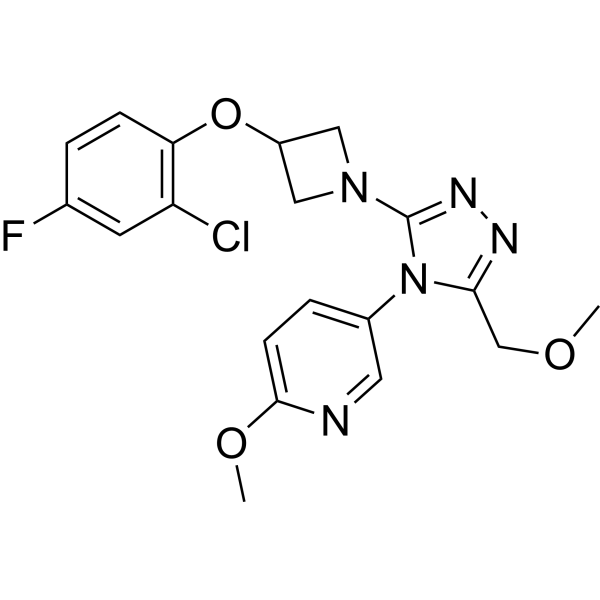
    BLU-5937

    P2X Receptor Inflammation/Immunology
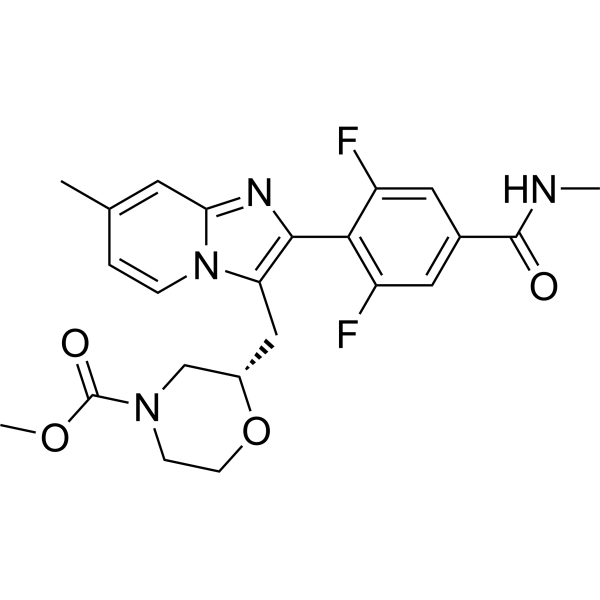
    Camlipixant (BLU-5937) a potent, selective, non-competitive and orally active P2X3 homotrimeric receptor antagonist with an IC50 of 25 nM against hP2X3 homotrimeric. Camlipixant shows potent anti-tussive effect and no taste alteration. Camlipixant can be used for the research of unexplained, refractory chronic cough .
    Camlipixant
  • HY-139604
    PCC0208017
    3 Publications Verification

    MARK Apoptosis Cancer
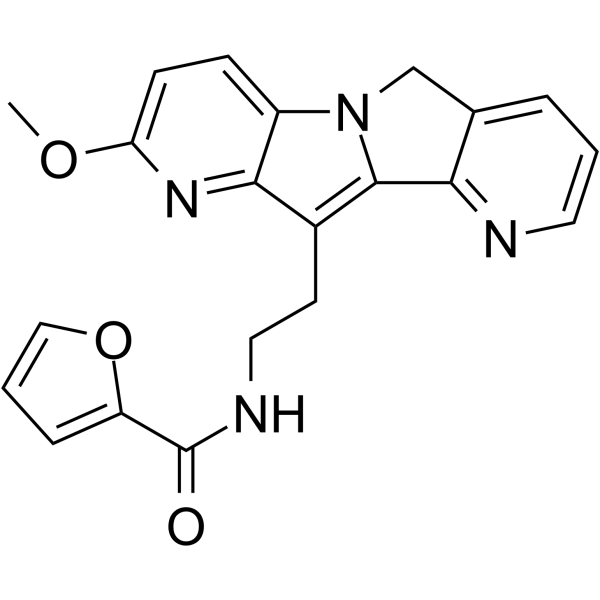
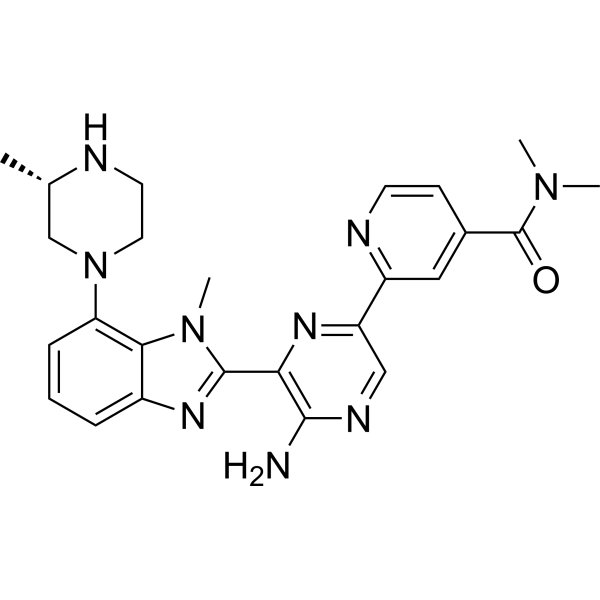
    PCC0208017 is a microtubule affinity regulating kinases (MARK3/MARK4) inhibitor with IC50s of 1.8 and 2.01 nM, respectively. PCC0208017 has much lower inhibitory activity against MARK1 and MARK2, with IC50s of 31.4 and 33.7 nM, respectively. PCC0208017 suppresses glioma progression in vitro and in vivo. PCC0208017 disrupts microtubule dynamics and induces G2/M phase cell cycle arrest and cell apoptosis. PCC0208017 demonstrates robust antitumor activity in vivo and displays good BBB permeability .
    PCC0208017
  • HY-15023
    Cligosiban
    Maximum Cited Publications
    6 Publications Verification

    PF-3274167

    Oxytocin Receptor Endocrinology
    Cligosiban (PF-3274167) is an orally active, highly selective, and centrally permeable oxytocin receptor antagonist with good pharmacokinetics in rats and can inhibit physiological ejaculation in rodents [1][2].
    Cligosiban
  • HY-122614
    S29434
    2 Publications Verification

    NMDPEF

    Autophagy Neurological Disease
    S29434 (NMDPEF) is a potent, competitive, selective and cell-permeable inhibitor of quinone reductase 2 (QR2), with IC50s ranging from 5 to 16 nM for human QR2 at different organizational levels, and has good selectivity for QR2 over QR1. S29434 induces autophagy and inhibits QR2-mediated ROS production .
    S29434
  • HY-168046

    Thyroid Hormone Receptor Metabolic Disease
    ALG-055009 is a selective and orally active Thyroid Hormone Receptor Beta (THR-β) agonist with an EC50 of 0.063 μM. ALG-055009 binds to the T3 hormone pocket of human THR-β, forming polar interactions with protein residues. ALG-055009 can lower total cholesterol levels in rats on a high-fat diet. ALG-055009 exhibits high metabolic stability, good permeability, a long in vivo half-life, and limited drug-drug interaction liability. ALG-055009 can be used in studies related to metabolic dysfunction-associated fatty liver disease .
    ALG-055009
  • HY-103234A

    iGluR Neurological Disease
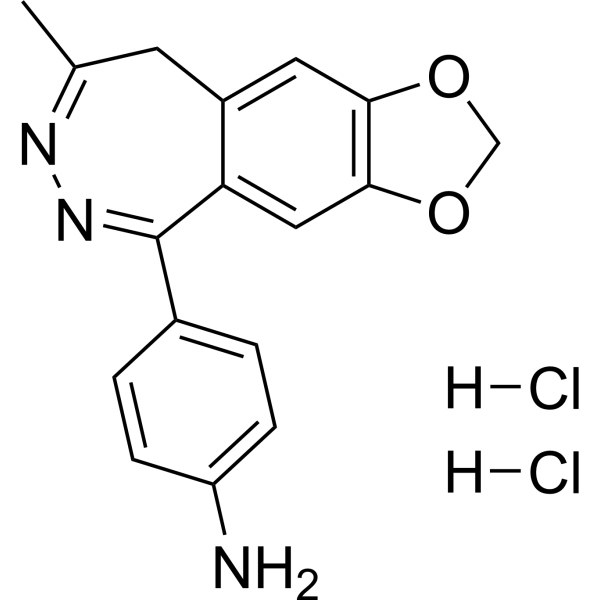
    GYKI 52466 dihydrochloride is an orally active, highly selective and noncompetitive AMPA/kainate receptor antagonist with the IC50 values of 7.5 and 11μM, respectively. GYKI 52466 dihydrochloride has good blood brain barrier permeability and anticonvulsant effect. GYKI 52466 dihydrochloride can be used in Parkinson's disease research .
    GYKI 52466 dihydrochloride
  • HY-119190

    Phosphodiesterase (PDE) Neurological Disease
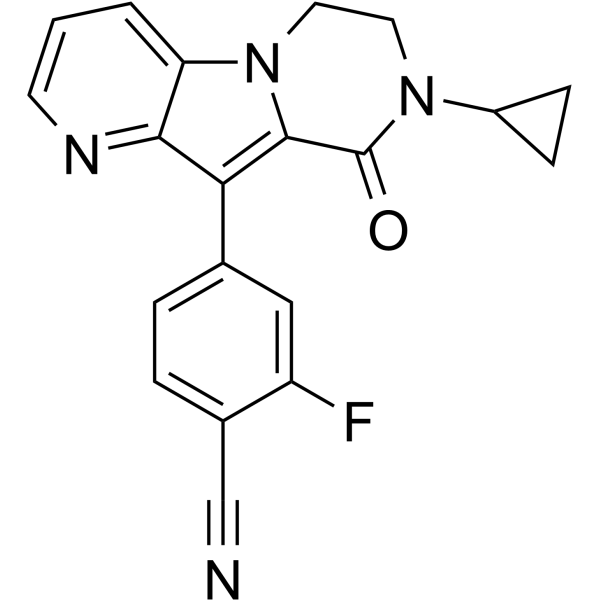
    PF-06445974, a promising positron emission tomography (PET) lead, has exquisite potency at PDE4B with an IC50 <1 nM. The IC50 values are 36, 4.7 and 17 nM for PDE4D, PDE4A and PDE4C, respectively. PF-06445974 has good selectivity over PDE4D, excellent brain permeability, and a high level of specific binding in the "cold tracer" study .
    PF-06445974
  • HY-155079

    EGFR Cancer
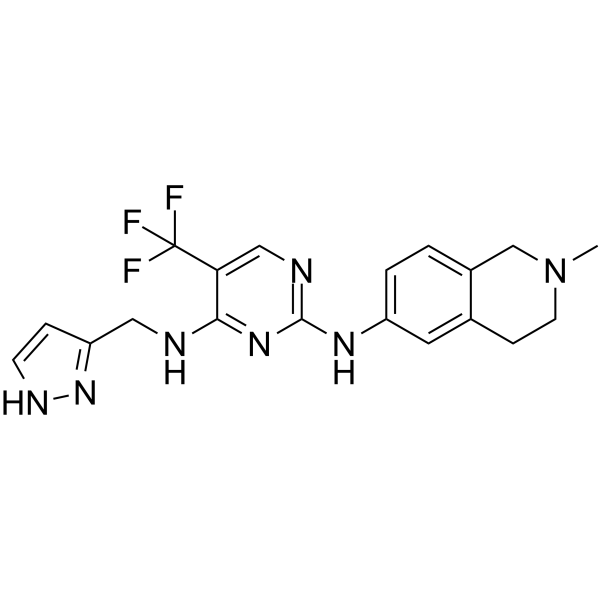
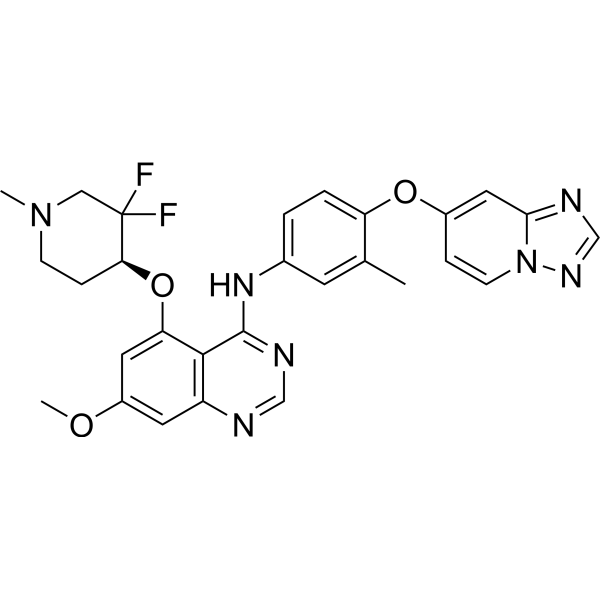
    DZD1516 is a potent and selective HER2 inhibitor (IC50=0.56 nM) with good blood-brain permeability. DZD1516 exhibits antitumor activity in CNS and subcutaneous xenograft mouse models .
    DZD1516
  • HY-103266

    Aurora Kinase Cancer
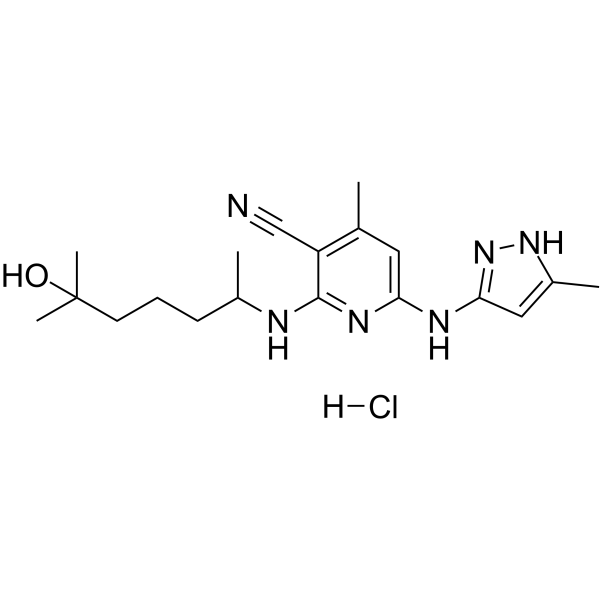
    TC-A 2317 hydrochloride is an orally active Aurora A kinase inhibitor (Ki=1.2 nM). TC-A 2317 hydrochloride exhibits excellent selectivity to Aurora B kinase (Ki=101 nM) and other 60 kinases, good cell permeability and good PK profile. Antitumor activity .
    TC-A 2317 hydrochloride
  • HY-153715

    Mitochondria modulator-1

    Biochemical Assay Reagents Metabolic Disease
    NV-354 (Mitochondria modulator-1) (compound 1) is a mitochondrial regulator that stimulates mitochondrial ATP production. NV-354 has good oral bioavailability, blood-brain barrier permeability, and good plasma stability. NV-354 has the potential to study mitochondrial diseases .
    NV-354
  • HY-124638

    MNK Cancer
    MNK inhibitor 9 is a potent and selective inhibitor of MNK1/2 with IC50 values of 0.003 µM and 0.003 µM for MNK1 and MNK2 respectively. MNK inhibitor 9 has good cell permeability. MNK inhibitor 9 can be used in tumor related research .
    MNK inhibitor 9
  • HY-13340
    VU0152100
    1 Publications Verification

    VU152100

    mAChR Neurological Disease
    VU0152100 (VU152100) is a highly selective mAChR positive allosteric modulator (permeable to the blood-brain barrier). VU0152100 reverses Amphetamine-induced hypermotility in rats and increased levels of extracellular dopamine in nucleus accumbens and caudate-putamen. VU0152100 has good research potential in psychosis and cognitive impairment associated with mental disorders such as schizophrenia .
    VU0152100
  • HY-163563

    Ligands for Target Protein for PROTAC Neurological Disease
    JYQ-173, a chemical probe, is a selective inhibitor for human Parkinson disease protein 7 (PARK7), with an IC50 of 19 nM. JYQ-173 exhibits good cell permeability. JYQ-173 is the ligand for target protein PARK7, which can be utilized for synthesis of PROTAC Degrader JYQ-194 (HY-163564) .
    JYQ-173
  • HY-155478

    Androgen Receptor Cancer
    Androgen receptor-IN-6 (compound 16) is an orally available androgen receptor (Androgen Receptor) potent inhibitor (IC50=0.12 μM in vitro), targeting the disordered N-terminal domain (NTD). Androgen receptor-IN-6 has good Caco2 cell membrane permeability and has an oral activity (F/%) of 16% in male CD-1 mice .
    Androgen receptor-IN-6
  • HY-137016A
    8-Pcpt-cGMP sodium
    1 Publications Verification

    HCN Channel Neurological Disease
    8-Pcpt-cGMP sodium is the sodium salt form of 8-Pcpt-cGMP (HY-137016). 8-Pcpt-cGMP sodium is an agonist for cyclic nucleotide-gated (CNG) channel with an EC50 of 0.5 μM. 8-Pcpt-cGMP sodium exhibits good membrane permeability. 8-Pcpt-cGMP sodium can be used in studies about the function of CNG channels in visual signal transduction and olfactory transduction .
    8-Pcpt-cGMP sodium
  • HY-118858

    EAAT Neurological Disease Cancer
    UCPH-102 is a highly selective EAAT1 inhibitor with an IC50 of 0.43 µM. UCPH-102 exhibits a specific anti-proliferative effect on T-ALL cells. UCPH-102 also shows good blood-brain permeability, which can be used in studies of amyotrophic lateral sclerosis, Alzheimer’s disease, chronic pain and obsessive compulsive disorder .
    UCPH-102
  • HY-173076A

    HDAC YAP Inflammation/Immunology
    HDAC11-IN-1 (Compound 14-N C6OH) TFA is a selective macrocyclic inhibitor of HDAC11 with a Ki of 40 nM. HDAC11-IN-1 TFA exhibits good cell permeability and can inhibit the expression of YAP1 and SOX2 .
    HDAC11-IN-1 TFA
  • HY-156432

    Anaplastic lymphoma kinase (ALK) mTOR PARP Caspase Cancer
    ALK-IN-26 is an ALK inhibitor with IC50 value of 7.0 μM for ALK tyrosine kinase. ALK-IN-26 has good pharmacokinetic properties and blood-brain barrier (BBB) permeability. ALK-IN-26 can induce apoptosis, autophagy and necrosis. ALK-IN-26 can be used in glioblastoma studies .
    ALK-IN-26
  • HY-170790

    TRP Channel Neurological Disease
    HZS60 is a NMDAR/TRPM4 inhibitor with brain permeability that can improve cerebral ischemia. HZS60 has significant neuroprotective effects on primary neuronal ischemic damage caused by NMDA and oxygen-glucose deprivation/reoxygenation. HZS60 exhibits good pharmacokinetic characteristics and can inhibit cerebral ischemia-reperfusion injury. HZS60 can be used as a potential inhibitor of ischemic stroke .
    HZS60
  • HY-161712

    IMPDH Cancer
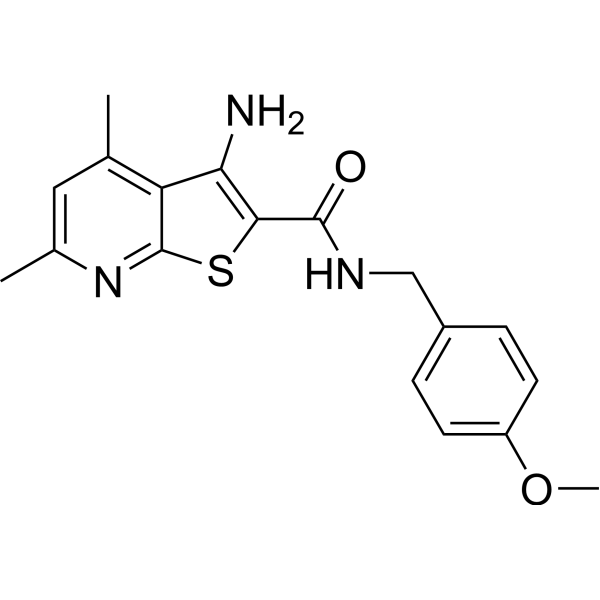
    IMPDH-IN-4 is a derivative of N-pyridinylthiophene carboxamid that exhibits activity against peripheral nerve sheath carcinoma cells. IMPDH-IN-4 is metabolized by NAMPT and NMNAT1 to an adenine dinucleotide (AD) derivative, which is an NAD analog and can inhibit inosine monophosphate dehydrogenase (IMPDH), leading to the accumulation of inosine monophosphate (IMP) in cells. IMPDH-IN-4 has good blood-brain barrier permeability and can be used in the study of central and peripheral nervous system cancers .
    IMPDH-IN-4
  • HY-W338446

    Tau Protein Neurological Disease
    BF-170 is a selective tau fibril binding agent with an EC50 of 221 nM. It exhibits good blood-brain barrier permeability, and after intravenous injection in mice, the concentration in brain tissue reaches 9.1% ID/g within 2 minutes (with a brain clearance rate of 0.25% ID/g after 30 minutes). BF-170 can be used as a probe for tau protein pathology imaging in Alzheimer's disease (AD). It plays an important role in early-stage AD research and holds potential for imaging studies of tau-related neurodegenerative diseases .
    BF-170
  • HY-163350

    GPR84 Inflammation/Immunology
    TUG-2208 (compound 42a) is a GPR84 agonist (pEC50=8.98) with low lipophilicity and good solubility, in vitro permeability and microsomal stability .
    TUG-2208
  • HY-153241

    Epigenetic Reader Domain Cancer
    GSK737 is a BRD4 BD1 and BD2 inhibitor, with pIC50 values of 5.3 and 7.3 respectively. GSK737 has low clearance and good solubility and permeability in rat .
    GSK737
  • HY-D2317

    Fluorescent Dye Others
    HaloFlipper 30 is a fluorescent probe that covalently reacts with HaloTag fusion proteins to form an ester bond, which allows the probe to be stably attached to membrane structures. HaloFlipper 30 has high specificity, precision and good cell permeability .
    HaloFlipper 30
  • HY-149820

    Monoamine Oxidase Neurological Disease
    MAO-B-IN-22 (compound 6h) is a potent MAO-B inhibitor with an IC50 of 0.014 μM. MAO-B-IN-22 has high antioxidant activity, good metal chelating ability, proper BBB permeability and significant neuroprotective effect .
    MAO-B-IN-22
  • HY-138648

    ERK Neurological Disease
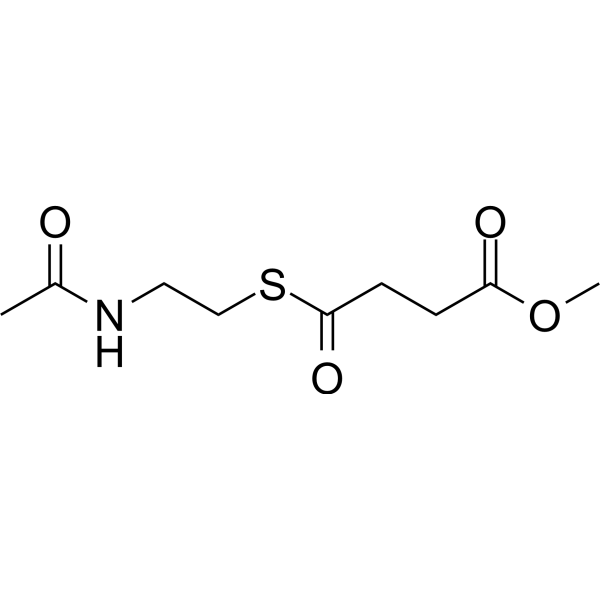
    PB1 is a potent intracellular disulfide reducing agent with several advantages including good cell permeability, the ability to form a high intracellular concentration gradient, and stability. PB1 is a borane-protected TCEP (tris(2-carboxyethyl)phosphine) analogue. PB1 increases retinal ganglion cells survival after axotomy in vitro at nanomolar and picomolar concentrations. PB1 can be used for the research of neuroprotective .
    PB1
  • HY-11054

    meso-GS 164

    Amyloid-β Neurological Disease
    TH-237A(meso-GS 164) is a neuroprotective agent with good blood-brain barrier permeability.
    TH-237A
  • HY-118147

    Fatty Acid Synthase (FASN) Cancer
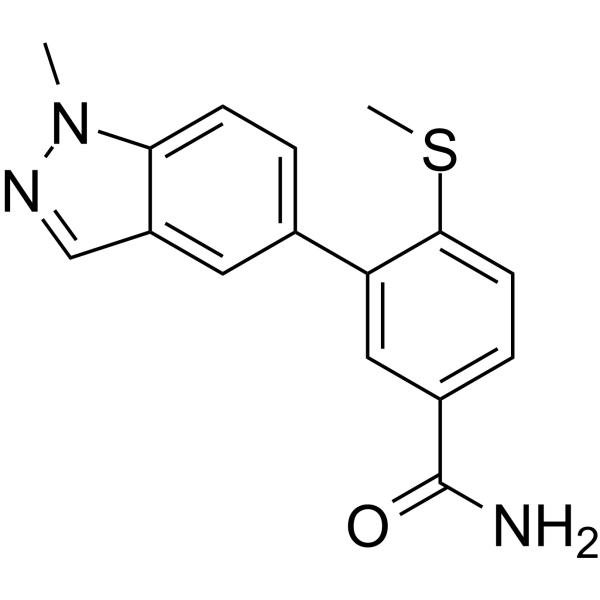
    ML356 (Compound 16) is an inhibitor for fatty acid synthase (FAS), that inhibits the thioesterase domain of FAS (FAS TE) with an IC50 of 0.334 μM, and blocks the de novo palmitate synthesis in PC-3 cell with an IC50 of 20 μM. ML356 exhibits good membrane permeability, and good stability in human and mouse plasma .
    ML356
  • HY-173623

    iGluR Neurological Disease
    EU 1622-240 is a biased positive allosteric modulator of GluN2B, GluN2C, and GluN2D, with EC50s of 0.57, 0.82, 1.1 μM respectively. EU 1622-240 has good physicochemical properties, in vitro stability, and permeability .
    EU 1622-240
  • HY-137016

    HCN Channel Neurological Disease
    8-Pcpt-cGMP is an agonist for cyclic nucleotide-gated (CNG) channel with an EC50 of 0.5 μM. 8-Pcpt-cGMP exhibits good membrane permeability. 8-Pcpt-cGMP can be used in studies about the function of CNG channels in visual signal transduction and olfactory transduction .
    8-Pcpt-cGMP
  • HY-D2940

    SiR650-BG

    Fluorescent Dye Others
    SiR-SNAP (SiR650-BG) is a SiR-labeled SNAP tag near-infrared fluorescent probe (Ex/Em: 645 nm/661 nm). SiR-SNAP combines excellent optical properties, good cell membrane permeability, and environmentally sensitive fluorescence characteristics, providing a powerful tool for the dynamic study of proteins in living cells .
    SiR-SNAP
  • HY-P10698

    Peptide-Drug Conjugates (PDCs) LDLR Neurological Disease
    VH-N412 is a vectorized neuropeptide (NT) with good blood-brain barrier permeability. VH-N412 binds to the low-density lipoprotein receptor (LDLR) and neuropeptide receptor 1 (NTSR-1), and acts as a pharmacological-induced hypothermia (PIH) inducer. VH-N412 exhibits anticonvulsant and neuroprotective effects, and can be used in the study of neurological diseases such as epilepsy.
    VH-N412
  • HY-156965

    Fluorescent Dye Metabolic Disease Cancer
    BAY-771, a structurally close pyrimidinedione, is a chemical probe with good lead-like properties and high permeability in Caco-2 cells (no hint of efflux). BAY-771 shows very weak inhibitory activity in the BCAT1 biochemical assay and no activity in BCAT2. BAY-771 can be used as a negative control of HY-148242 BAY-069. BAY-771 can be used for the research of tumor metabolism .
    BAY-771
  • HY-170491

    GSK-3 Infection Neurological Disease
    GSK-3β inhibitor 23 (Compound 11726169) is the inhibitor for glycogen synthase kinase-3, that inhibits GSK-3β and GSK-3α with IC50 of 12.1 nM and 18.8 nM. GSK-3β inhibitor 23 exhibits antiviral activity against HIV 1. GSK-3β inhibitor 23 exhibits good metabolic stablility in mouse/human liver microsomes and plasma, but poor Caco-2 permeability (which predicts low oral bioavailability) .
    GSK-3β inhibitor 23
  • HY-161783

    HDAC Keap1-Nrf2 Reactive Oxygen Species (ROS) Apoptosis Neurological Disease
    HDAC6-IN-45 (Compound 15) is a selective inhibitor for HDAC6 with IC50 of 15.2 nM. HDAC6-IN-45 exhibits neurotrophic through the upregulation of GAP43 and Beta-3 tubulin markers. HDAC6-IN-45 activates the Nrf2 signaling pathway, reduces H2O2-induced ROS production, inhibits apoptosis in PC12, and exhibits neuroprotective efficacy in SCOP-induced zebrafish Alzheimer's Disease models. HDAC6-IN-45 exhibits antioxidant activity and good blood-brain barrier (BBB) permeability .
    HDAC6-IN-45
  • HY-147285

    mTOR PI3K Neurological Disease
    PI3K/mTOR Inhibitor-9 (Compound 1) is a potent mTOR and PI3K inhibitor with IC50 values of 38 nM, 6.6 μM, 6.6 μM and 0.8 μM against mTOR (phospho-S6 cellular assay), PI3Kα, PI3Kγ and PI3Kδ, respectively .
    PI3K/mTOR Inhibitor-9
  • HY-19446

    Phosphodiesterase (PDE) Others
    UK-371800 is a highly selective PDE5 inhibitor (IC50 = 4.2 nM). UK-371800 has good permeability and is not affected by the efflux of P-glycoprotein .
    UK-371800
  • HY-155992

    Sigma Receptor Neurological Disease
    WLB-89462 (Compound 20c) is a selective σ2 receptor ligand (Ki: 13 nM). WLB-89462 has neuroprotective activity. WLB-89462 improves short-term memory impairment induced by Aβ peptide in rats. WLB-89462 has good ADMET profile (good solubility, no CYP inhibition, good metabolic stability, high permeability, brain penetration, and high oral exposure in rodents) .
    WLB-89462
  • HY-W299574A

    Others Cancer
    (Rac)-HfLeu hydrochloride is an anticancer agent with good cell membrane permeability. (Rac)-HfLeu hydrochloride has excellent proliferation inhibition ability for cancer cells. (Rac)-HfLeu hydrochloride can be used for research on various types of cancer .
    (Rac)-HfLeu hydrochloride
  • HY-169194

    Parasite Infection
    Antimalarial agent 44 (Compound 3) is an antimalarial agent against parasite. Antimalarial agent 44 has a good permeability across MDCK-MDR1 cell monolayers and a high clearance by mouse liver microsomes .
    Antimalarial agent 44
  • HY-163797

    DNA/RNA Synthesis Cancer
    WRN inhibitor 10 (Compound P24) is an inhibitor for the Werner helicase WRN with an IC50 of 1.1 nM. WRN inhibitor 10 inhibits the proliferation of cancer cell SW48 with IC50 of 39 nM. WRN inhibitor 10 exhibits good liver microsomal stability and film permeability. WRN inhibitor 10 exhibits good pharmacokinetic characteristics in CD-1 mice .
    WRN inhibitor 10
  • HY-134406

    Phosphodiesterase (PDE) Neurological Disease
    6-Cl-cPuMP (sodium) is a cAMP analog with active chlorine function. 6-Cl-cPuMP (sodium) has good membrane permeability and phosphodiesterase (PDE) stability. 6-Cl-cPuMP (sodium) can be used for nervous system research .
    6-Cl-cPuMP sodium
  • HY-147726

    Microtubule/Tubulin Cancer
    Microtubule inhibitor 5 (compound 17f) is a potent microtubule inhibitor. Microtubule inhibitor 5 shows cytotoxicity with an IC50 value of 154.5 nM for NCI-H460 cells. Microtubule inhibitor 5 shows good cell permeability .
    Microtubule inhibitor 5
  • HY-148850

    Cannabinoid Receptor Metabolic Disease
    AZD-2207 is a cannabinoid receptor CB1 antagonist, known for its high lipophilicity. AZD-2207 has good intestinal permeability in the Caco-2 model and can be used in research related to type 2 diabetes and obesity .
    AZD-2207
  • HY-15023R

    PF-3274167 (Standard)

    Oxytocin Receptor Reference Standards Endocrinology
    Cligosiban (Standard) is the analytical standard of Cligosiban. This product is intended for research and analytical applications. Cligosiban (PF-3274167) is an orally active, highly selective, and centrally permeable oxytocin receptor antagonist with good pharmacokinetics in rats and can inhibit physiological ejaculation in rodents .
    Cligosiban (Standard)
  • HY-173076

    HDAC YAP Inflammation/Immunology
    HDAC11-IN-1 (Compound 14-N C6OH) is a selective macrocyclic inhibitor of HDAC11 with a Ki of 40 nM. HDAC11-IN-1 exhibits good cell permeability and can inhibit the expression of YAP1 and SOX2 .
    HDAC11-IN-1
  • HY-161380

    Fungal Infection
    Antifungal agent 96 (Compound WZ-2) is an antifungal agent with good blood-brain barrier permeability and brain penetration. Antifungal agent 96 inhibits the growth of C. neoformans H99 and C. albicans 0304103 with MIC values of 0.016 and 32 μg/mL, respectively .
    Antifungal agent 96
  • HY-P4135

    Fluorescent Dye Others
    FITC-LC-Antennapedia Peptide is a FITC labeled Antennapedia Peptide (HY-P0307). Antennapedia Peptide is a cellular-membrane permeable peptides (CPP). FITC-LC-Antennapedia Peptide has good penetration in 3T3 cell line, which was rapidly accumulated into nuclei .
    FITC-LC-Antennapedia Peptide
  • HY-103234

    iGluR Neurological Disease
    GYKI 52466 is an orally active, highly selective and noncompetitive AMPA/kainate receptor antagonist with the IC50 values of 7.5 and 11μM, respectively. GYKI 52466 has good blood brain barrier permeability and anticonvulsant effect. GYKI 52466 can be used in Parkinson's disease research .
    GYKI 52466
  • HY-161381

    Phosphodiesterase (PDE) TNF Receptor Inflammation/Immunology
    PDE4-IN-15 (compound 7b-1) is an inhibitor of PDE4 (IC50 = 0.17 μM) and has anti-TNF-α activity (EC50 = 0.19 μM). PDE4-IN-15 has a good skin permeability .
    PDE4-IN-15

Inquiry Online

Your information is safe with us. * Required Fields.

Salutation


Country or Region *

Applicant Name *


Organization Name *

Department *


Email Address *


Product Name *

Cat. No.


Requested quantity *

Phone Number *


Remarks

Inquiry Online

Inquiry Information

Product Name:
Cat. No.:
Quantity:
MCE Japan Authorized Agent:

