




Search Result
Results for "
immunostimulant
" in MedChemExpress (MCE) Product Catalog:
2
Biochemical Assay Reagents
6
Isotope-Labeled Compounds
| Cat. No. |
Product Name |
Target |
Research Areas |
Chemical Structure |
-
- HY-10046
-
Plerixafor
Maximum Cited Publications
102 Publications Verification
AMD 3100; JM3100; SID791
|
CXCR
HIV
|
Infection
Inflammation/Immunology
Endocrinology
Cancer
|
|
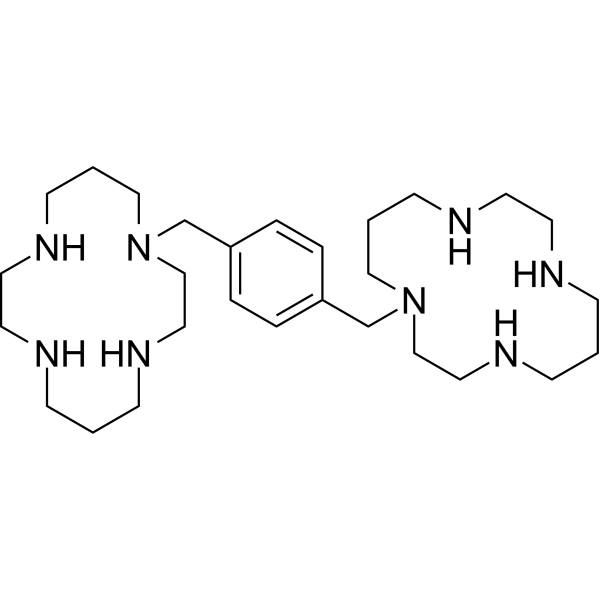
Plerixafor (AMD 3100) is a selective CXCR4 antagonist with an IC50 of 44 nM. Plerixafor, an immunostimulant and a hematopoietic stem cell (HSC) mobilizer, is an allosteric agonist of CXCR7. Plerixafor inhibits HIV-1 and HIV-2 replication with an EC50 of 1-10 nM .
|
-
-
- HY-B2149
-
-
-
- HY-159649
-
|
|
DGK
PERK
Interleukin Related
|
Inflammation/Immunology
Cancer
|
|
BMS-986408 is an orally active inhibitor of DGKα and DGKζ, with IC50 values of 0.0003 μM and 0.002 μM, respectively. BMS-986408 activates intratumoral T cell responses, enhances the priming and expansion of tumor-reactive T cells in tumor-draining lymph nodes, and functions as an immunostimulant. BMS-986408 can be used in the research of tumors .
|
-
-
- HY-147295
-
|
BTH 1677; Imprime PGG
|
Toll-like Receptor (TLR)
|
Inflammation/Immunology
Cancer
|
|
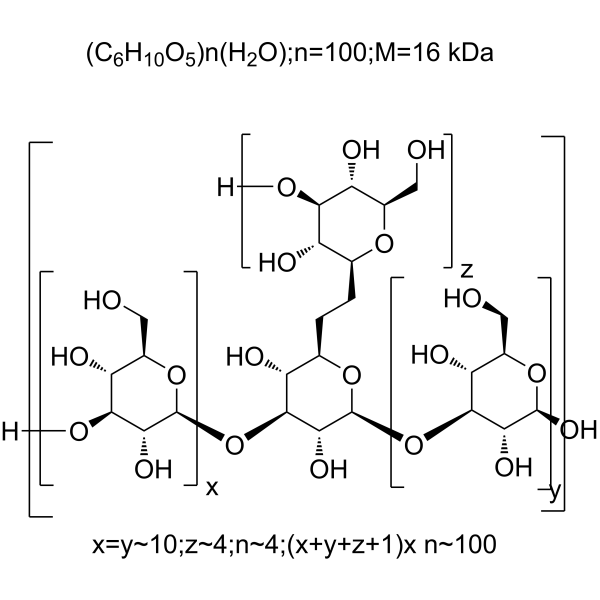
Odetiglucan is a novel β-glucan that is a potent immunostimulant and a Dectin-1 (CLEC7A) agonist. Odetiglucan activates innate immune effector cells and triggers a coordinated anti-cancer immune response .
|
-
-
- HY-B0944
-
|
|
Bacterial
|
Inflammation/Immunology
|
|
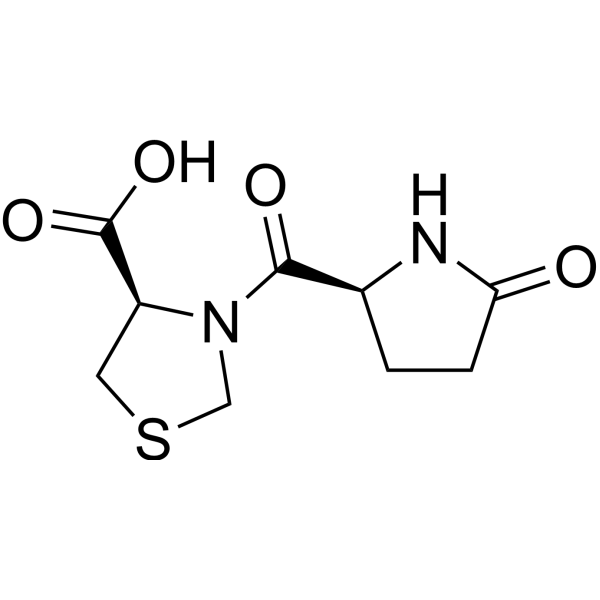
Pidotimod is an orally active dipeptide immunostimulant with immunomodulatory properties on the adaptive and the innate immune responses. Pidotimod increases macrophage activity and humoral immune functions. Pidotimod can be used for the research of chronic bronchitis, chronic obstructive pulmonary disease (COPD), bronchiectasis, and chronic idiopathic urticaria,et al .
|
-
-
- HY-W008634
-
|
U-54461; U-54461S; PNU-54461
|
Toll-like Receptor (TLR)
|
Cancer
|
|
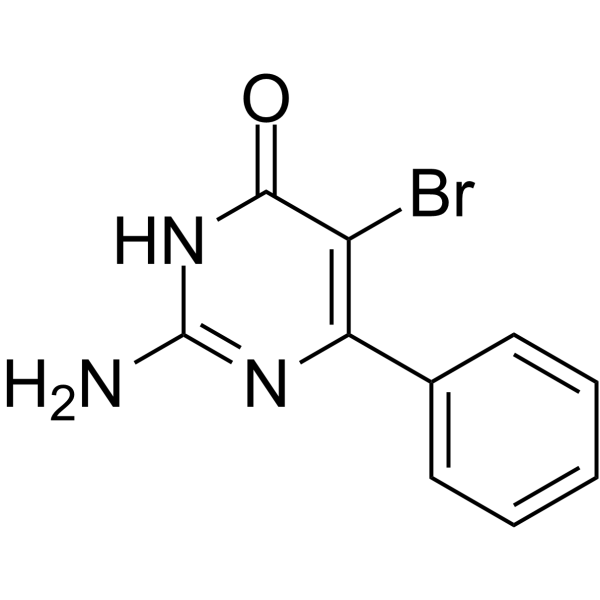
Bropirimine (U-54461; U-54461S; PNU-54461) is an orally active TLR7 agonist. Bropirimine inhibits RANKL-induced osteoclast differentiation of mouse bone marrow-derived macrophages (BMMs). Bropirimine exhibits dose-dependent direct inhibitory effects on colony formation of cultured KK-47 and 724 cells. Bropirimine can be used for the study of cancers and bone metabolic disorders such as osteoporosis .
|
-
-
- HY-126389B
-
|
|
Endogenous Metabolite
NF-κB
Fungal
|
Infection
Inflammation/Immunology
|
|
Chitin, from shrimp shells (chitinase substrate) serves as a substrate for chitinase. Chitin, from shrimp shells (chitinase substrate) is a long-chain polymer of N-acetylglucosamine with β-(1-4) linkages. Chitin, from shrimp shells (chitinase substrate) is found in the exoskeleton of crabs. Chitin, from shrimp shells (chitinase substrate) inhibits the activation of NF-κB p65, alters the translocation of NF-κB p65 to the nucleus, and interacts with the cell wall of Candida species. Chitin, from shrimp shells (chitinase substrate) exerts antifungal and anti-inflammatory effects. Chitin, from shrimp shells (chitinase substrate) can be used in the research of gastric ulcer and candidiasis .
|
-
-
- HY-P11303
-
|
|
CD74
MHC
|
Neurological Disease
Cancer
|
|
PADRE peptide is a pan-HLA-DR binding epitope and immunostimulant. PADRE peptide binds to the peptide-binding groove of MHC class II molecules for presentation to CD4 + T cells, thereby effectively stimulating specific immune responses. PADRE peptide not only enhances anti-tumor immune responses, inhibits tumor growth and prolongs survival; it also significantly increases the frequency of E7-specific CD8 + T cells and improves therapeutic efficacy against TC-1 tumors when used in combination with E7 peptide-based vaccines and poly (I:C). The intensity of the immune response induced by PADRE peptide is lower than that of the Ii-PADRE DNA vaccine, and it fails to enhance the immune effect of CRT-E7 DNA. PADRE peptide is widely applicable to research on related tumors such as melanoma, glioblastoma and cervical cancer .
|
-
-
- HY-165613
-
|
Dipalmitoyl-S-glyceryl-cysteine; S-[2,3-Bis(palmitoyloxy)propyl]cysteine
|
Toll-like Receptor (TLR)
Influenza Virus
NF-κB
|
Infection
Inflammation/Immunology
|
|
Pam2Cys (Dipalmitoyl-S-glyceryl-cysteine; S-[2,3-Bis(palmitoyloxy)propyl]cysteine) is a TLR2 agonist and immunostimulant. Pam2Cys binds to TLR2 to activate dendritic cells and trigger the TLR2-dependent NF-κB signaling pathway. Pam2Cys also induces dendritic cell maturation by upregulating the expression of cell surface MHC II molecules. Pam2Cys activates innate immune signaling pathways, drives pro-inflammatory and antimicrobial responses, enhances the expression of macrophage activation markers, increases phagocytic activity, induces the release of IL-12 and pro-inflammatory cytokines, and polarizes macrophages into a pro-inflammatory, antimicrobial phenotype without interfering with IL-10-induced macrophage polarization. Pam2Cys also serves as the lipid moiety in synthetic lipopeptide vaccines and possesses self-adjuvant properties. Pam2Cys enhances the immunogenicity of conjugated peptide segments and induces cellular and humoral immune responses. However, it does not activate CD4 T cells in mouse splenocyte cultures when used alone. Pam2Cys activates pulmonary TLR2 signaling pathways, triggers innate immune responses, recruits neutrophils and macrophages, induces the secretion of various cytokines, alleviates symptoms and damages associated with influenza A virus infection in mice without impairing adaptive immunity. Pam2Cys can be used in studies related to tuberculosis and influenza A virus infection .
|
-
-
- HY-128753
-
|
|
Endogenous Metabolite
Drug Intermediate
|
Metabolic Disease
|
|
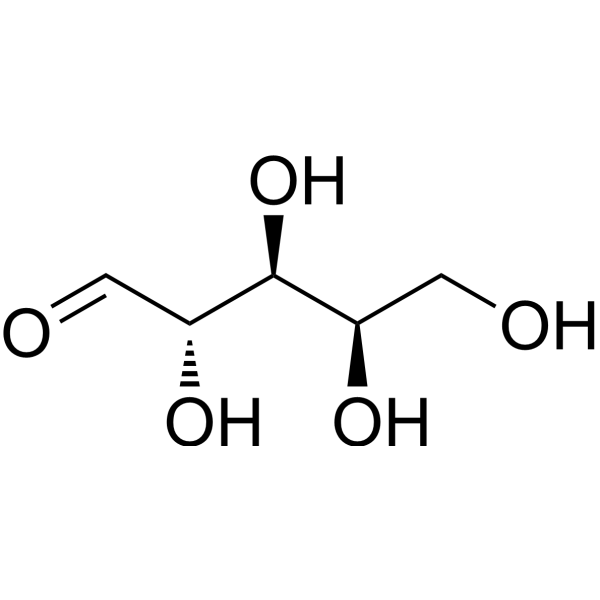
D-Lyxose is an endogenous metabolite. D-Lyxose is a rare pentose with significant potential for pharmaceutical synthesis. D-Lyxose serves as a starting material for antitumor agents (such as α-galactosylceramide-based immunostimulants). D-Lyxose acts as a precursor for L-nucleoside analogs used in the development of antiviral drugs. D-Lyxose can be used as a synthetic intermediate for other rare sugars (such as L-ribose) .
|
-
-
- HY-N11630
-
|
|
Influenza Virus
Biochemical Assay Reagents
|
Infection
|
|
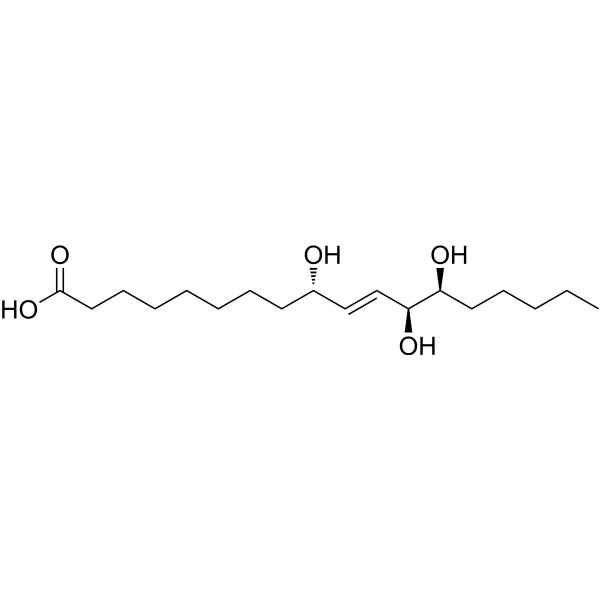
Pinellic acid is an orally active adjuvant for intranasal influenza vaccines. Pinellic acid can be extracted from the tubers of Pinellia ternata Breitenbach. When administered intranasally in combination with influenza HA vaccine, Pinellic acid slightly increases the titers of antiviral IgG antibodies in bronchoalveolar lavage fluid and serum. Pinellic acid shows no hemolytic activity. Pinellic acid can be used in studies related to influenza virus infection .
|
-
-
- HY-W250152
-
|
|
Biochemical Assay Reagents
|
Inflammation/Immunology
|
|
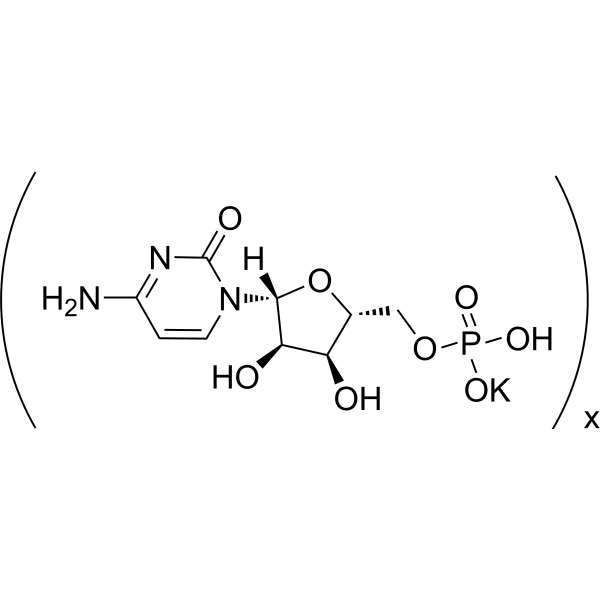
Polycytidylic acid potassium is an immunostimulant and synthetic double-stranded RNA. Polycytidylic acid potassium can be used experimentally to model viral infections in vivo. Polycytidylic acid potassium is a common tool in immune system research .
|
-
-
- HY-P990068
-
|
SRF617
|
NTPDase
|
Inflammation/Immunology
Cancer
|
|
Perenostobart (SRF617) is a human IgG4 antibody with inhibitory activity against CD39 ATPase. Perenostobart inhibits CD39-mediated hydrolysis of extracellular ATP to AMP, with IC50 values of 1.9 nM (HEK293 OE cells), 0.7 nM (MOLP-8 cells), and 1.2 nM (RBC-lysed whole blood). Perenostobart enhances CD4 + T-cell proliferation, promotes dendritic cell maturation, and boosts inflammasome activation in macrophages in the presence of ATP. Perenostobart demonstrates significant single-agent anti-tumor efficacy in MOLP-8 and H520 xenograft models. Perenostobart can be used for the study of cancer .
|
-
-
- HY-P990092
-
|
|
LILRB
Transmembrane Glycoprotein
|
Cancer
|
|
Rolistobart is a humanized immunoglobulin G4-kappa, anti-LILRB4/CD85k monoclonal antibody. Rolistobart is an immunostimulant and antineoplastic .
|
-
-
- HY-B1044
-
|
Kemantane; 5-Hydroxy-2-adamantanone
|
Drug Derivative
|
Neurological Disease
Inflammation/Immunology
|
|
Idramantone (Kemantane, 5-Hydroxy-2-adamantanone) is an Adamantane derivative. Idramantone is an immunostimulant. Idramantone is a versatile starting material for the synthesis of various adamantine deivatives. Idramantone can be produced using P450cam monooxygenase coupled with NADH regeneration as an oxidation biocatalyst. Idramantone can be studied in research on bronchial pathology .
|
-
-
- HY-P990048
-
|
ADG126
|
CTLA-4
|
Cancer
|
|
Muzastotug is a humanized immunoglobulin G1-kappa, anti-CTLA4 monoclonal antibody. Muzastotug is an immunostimulant and antineoplastic .
|
-
-
- HY-145728
-
|
ISIS-2302
|
Integrin
|
Inflammation/Immunology
|
|
Alicaforsen is an oligonucleotide and immunostimulant targeting human ICAM-1 mRNA. Alicaforsen hybridizes to specific sites to reduce the expression level of ICAM-1. Alicaforsen is applicable to relevant research on psoriasis, rheumatoid arthritis and inflammatory bowel disease .
|
-
-
- HY-158694A
-
|
|
Toll-like Receptor (TLR)
|
Inflammation/Immunology
|
|
TLR7 agonist 20 hydrochloride is a selective Toll-like receptor 7 (TLR7) agonist with an EC50 of 0.22 μM. TLR7 agonist 20 hydrochloride, as an immunostimulant and vaccine adjuvant, enhances the production of anti-spike protein antibodies, increases IgG2b and IgG2c levels, and thereby drives Th1-type immune responses in mice. TLR7 agonist 20 hydrochloride can be used in studies related to non-inflammatory potent vaccine adjuvants .
|
-
-
- HY-150212
-
|
IMO-2125
|
Toll-like Receptor (TLR)
|
Inflammation/Immunology
Cancer
|
|
Tilsotolimod (IMO-2125) is a TLR9 agonist. Tilsotolimod activates the TLR9 signaling pathway, triggers downstream pro-inflammatory and immunostimulatory pathways, enhances the uptake and killing of cancer cells, and induces adaptive immune responses. Tilsotolimod is applicable to research related to melanoma and colorectal cancer .
|
-
-
- HY-10046S
-
-
-
- HY-128753S6
-
|
|
Isotope-Labeled Compounds
Endogenous Metabolite
Drug Intermediate
|
Metabolic Disease
|
|
D-Lyxose-d is the deuterium labeled D-Lyxose. D-Lyxose is an endogenous metabolite. D-Lyxose is a rare pentose sugar with significant potential for drug synthesis. D-Lyxose can be used as a starting material for anti-tumor drugs such as alpha galactose ceramide immunostimulants. D-Lyxose can be used as a precursor for L-nucleoside analogs for the development of antiviral drugs. D-Lyxose can be used as a synthetic intermediate for other rare sugars such as L-ribose .
|
-
-
- HY-P990074
-
|
SG-001
|
PD-1/PD-L1
|
Inflammation/Immunology
|
|
Enlonstobart is a human immunoglobulin G4-kappa, anti-PDCD1 monoclonal antibody. Enlonstobart is an immunostimulant and antineoplastic .
|
-
-
- HY-P991113
-
|
|
PD-1/PD-L1
|
Inflammation/Immunology
Cancer
|
|
Abazistobart is an immunostimulant and antineoplastic agent targeting the programmed cell death protein 1 (PDCD1). Abazistobart is a chimeric and humanized monoclonal antibody that specifically binds to PDCD1 to block the relevant signaling pathway, thereby activating the immune system and exerting antineoplastic activity. Abazistobart is promising for research of cancers .
|
-
-
- HY-168159
-
|
|
Toll-like Receptor (TLR)
NOD-like Receptor (NLR)
|
Inflammation/Immunology
|
|
TLR7 agonist 27 (compound 24) is a potent TLR7 agonist with an EC50 of 238.1 nM. TLR7 agonist 27 shows weak agonistic activity against NOD2 (nucleotide-binding oligomerization domain 2) (EC50 of 6.2 μM). TLR7 agonist 27 is a potent immunostimulant, and can be used as a vaccine adjuvant and/or immunotherapeutic .
|
-
-
- HY-P990072
-
|
LZM-009
|
PD-1/PD-L1
|
Cancer
|
|
Lipustobart is an IgG4-kappa, anti-PDCD1 (programmed cell death 1, PD1, PD-1, CD279) humanized monoclonal antibody. Lipustobart shows immunostimulant and antineoplastic activity .
|
-
-
- HY-P990014
-
|
IMC-001; STI-3031
|
PD-1/PD-L1
|
Inflammation/Immunology
Cancer
|
|
Danburstotug (IMC-001) is an IgG1-lambda anti-CD274 (PDL1, B7 homologue 1, B7H1) human monoclonal antibody. Danburstotug also is immunostimulant and antineoplastic .
|
-
-
- HY-P1610
-
|
|
PD-1/PD-L1
|
Cancer
|
|
Asudemotide (S-588410) is a peptide of human DEP domain-containing protein 1A. Asudemotide is an immunostimulant. Asudemotide has a sequence of H-Glu-Tyr-Tyr-Glu-Leu-Phe-Val-Asn-Ile-OH. Asudemotide induces a tumor immune response in esophageal cancer. .
|
-
-
- HY-B0944R
-
|
|
Reference Standards
Bacterial
|
Inflammation/Immunology
|
|
Pidotimod (Standard) is the analytical standard of Pidotimod. This product is intended for research and analytical applications. Pidotimod is an orally active dipeptide immunostimulant with immunomodulatory properties on the adaptive and the innate immune responses. Pidotimod increases macrophage activity and humoral immune functions. Pidotimod can be used for the research of chronic bronchitis, chronic obstructive pulmonary disease (COPD), bronchiectasis, and chronic idiopathic urticaria,et al .
|
-
-
- HY-10046R
-
|
AMD 3100 (Standard); JM3100 (Standard); SID791 (Standard)
|
Reference Standards
CXCR
HIV
|
Infection
Inflammation/Immunology
Endocrinology
Cancer
|
|
Plerixafor (Standard) is the analytical standard of Plerixafor. This product is intended for research and analytical applications. Plerixafor (AMD 3100) is a selective CXCR4 antagonist with an IC50 of 44 nM. Plerixafor, an immunostimulant and a hematopoietic stem cell (HSC) mobilizer, is an allosteric agonist of CXCR7. Plerixafor inhibits HIV-1 and HIV-2 replication with an EC50 of 1-10 nM .
|
-
-
- HY-158694
-
|
|
Toll-like Receptor (TLR)
|
Inflammation/Immunology
|
|
TLR7 agonist 20 is a selective Toll-like receptor 7 (TLR7) agonist with an EC50 of 0.22 μM. TLR7 agonist 20, as an immunostimulant and vaccine adjuvant, enhances the production of anti-spike protein antibodies, increases IgG2b and IgG2c levels, and thereby drives Th1-type immune responses in mice. TLR7 agonist 20 can be used in studies related to non-inflammatory potent vaccine adjuvants .
|
-
-
- HY-119218
-
-
-
- HY-N2940
-
|
BAA
|
TRP Channel
|
Cardiovascular Disease
Inflammation/Immunology
|
|
Bisandrographolide A (BAA) activates TRPV4 channel with an EC50 of 790-950 nM. Bisandrographolide A can bind to CD81 and suppress its function. Bisandrographolide A is an anti-inflammatory, immunostimulant, and antihypertensive compound .
|
-
-
- HY-P990080
-
|
BMS-986249
|
CTLA-4
|
Cancer
|
|
Sovipostobart is an immunoglobulin G1-kappa, anti-CTLA-4 human monoclonal antibody with cleavable prodomain. Sovipostobart is an immunostimulant and antineoplastic .
|
-
-
- HY-101589
-
-
-
- HY-145728A
-
|
ISIS-2302 sodium
|
Integrin
|
Inflammation/Immunology
|
|
Alicaforsen (ISIS-2302) sodium is an oligonucleotide and immunostimulant targeting human ICAM-1 mRNA. Alicaforsen sodium hybridizes to specific sites to reduce the expression level of ICAM-1. Alicaforsen sodium is applicable to relevant research on psoriasis, rheumatoid arthritis and inflammatory bowel disease .
|
-
-
- HY-159753
-
|
|
Toll-like Receptor (TLR)
|
Inflammation/Immunology
|
|
HS105 is a vaccine adjuvant and a key component in vaccines. Adjuvants can be divided into immunostimulants and delivery systems. Adjuvants can not only enhance the intensity and durability of immune responses, but also affect the type of immune responses. On the one hand, immunostimulants promote the production of antigen signals and co-stimulatory signals by targeting Toll-like receptors (TLRs) and other pattern recognition receptors (PRRs), leading to the maturation and activation of antigen presenting cells (APCs), thereby enhancing adaptive immune responses; on the other hand, delivery systems are carrier materials that promote antigen delivery by prolonging the bioavailability of loaded antigens and targeting antigens to lymph nodes or APCs. Several common adjuvants include: saponins, TLRs agonists, polysaccharides, nanoparticles, cytokines, and mucosal adjuvants .
|
-
-
- HY-P991727
-
-
-
- HY-128753S7
-
|
|
Isotope-Labeled Compounds
Endogenous Metabolite
Drug Intermediate
|
Metabolic Disease
|
|
D-Lyxose-d-1 is the deuterium labeled D-Lyxose. D-Lyxose is an endogenous metabolite. D-Lyxose is a rare pentose sugar with significant potential for drug synthesis. D-Lyxose can be used as a starting material for anti-tumor drugs such as alpha galactose ceramide immunostimulants. D-Lyxose can be used as a precursor for L-nucleoside analogs for the development of antiviral drugs. D-Lyxose can be used as a synthetic intermediate for other rare sugars such as L-ribose .
|
-
-
- HY-128753S5
-
|
|
Isotope-Labeled Compounds
Endogenous Metabolite
Drug Intermediate
|
Others
|
|
D-Lyxose- 13C-4 is the 13C labeled D-Lyxose. D-Lyxose is an endogenous metabolite. D-Lyxose is a rare pentose sugar with significant potential for drug synthesis. D-Lyxose can be used as a starting material for anti-tumor drugs such as alpha galactose ceramide immunostimulants. D-Lyxose can be used as a precursor for L-nucleoside analogs for the development of antiviral drugs. D-Lyxose can be used as a synthetic intermediate for other rare sugars such as L-ribose .
|
-
-
- HY-128753R
-
|
|
Reference Standards
Endogenous Metabolite
Drug Intermediate
|
Metabolic Disease
|
|
D-Lyxose (Standard) is the analytical standard of D-Lyxose. This product is intended for research and analytical applications. D-Lyxose is an endogenous metabolite. D-Lyxose is a rare pentose sugar with significant potential for drug synthesis. D-Lyxose can be used as a starting material for anti-tumor drugs such as alpha galactose ceramide immunostimulants. D-Lyxose can be used as a precursor for L-nucleoside analogs for the development of antiviral drugs. D-Lyxose can be used as a synthetic intermediate for other rare sugars such as L-ribose .
|
-
-
- HY-128753S3
-
|
|
Isotope-Labeled Compounds
Endogenous Metabolite
Drug Intermediate
|
Others
|
|
D-Lyxose- 13C-2 is the 13C labeled D-Lyxose. D-Lyxose is an endogenous metabolite. D-Lyxose is a rare pentose sugar with significant potential for drug synthesis. D-Lyxose can be used as a starting material for anti-tumor drugs such as alpha galactose ceramide immunostimulants. D-Lyxose can be used as a precursor for L-nucleoside analogs for the development of antiviral drugs. D-Lyxose can be used as a synthetic intermediate for other rare sugars such as L-ribose .
|
-
-
- HY-128753S4
-
|
|
Isotope-Labeled Compounds
Endogenous Metabolite
Drug Intermediate
|
Others
|
|
D-Lyxose- 13C-3 is the 13C labeled D-Lyxose. D-Lyxose is an endogenous metabolite. D-Lyxose is a rare pentose sugar with significant potential for drug synthesis. D-Lyxose can be used as a starting material for anti-tumor drugs such as alpha galactose ceramide immunostimulants. D-Lyxose can be used as a precursor for L-nucleoside analogs for the development of antiviral drugs. D-Lyxose can be used as a synthetic intermediate for other rare sugars such as L-ribose .
|
-
-
- HY-N15770
-
|
|
Biochemical Assay Reagents
|
Inflammation/Immunology
|
|
VSA 2, a saponin-based vaccine adjuvant, is a derivative of Momordica saponin (MS) II. VSA 2 is an immunostimulant, shows consistent enhancement of immunoglobulin G2a (IgG2a) production when it was in formulation with either ovalbumin or recombinant hemagglutinin B (rHagB) antigen .
|
-
-
- HY-159751
-
|
|
Toll-like Receptor (TLR)
|
Inflammation/Immunology
|
|
HS101 is a vaccine adjuvant and a key component in vaccines. Adjuvants can be divided into immunostimulants and delivery systems. Adjuvants can not only enhance the intensity and durability of immune responses, but also affect the type of immune responses. On the one hand, immunostimulants promote the production of antigen signals and co-stimulatory signals by targeting Toll-like receptors (TLRs) and other pattern recognition receptors (PRRs), leading to the maturation and activation of antigen presenting cells (APCs), thereby enhancing adaptive immune responses; on the other hand, delivery systems are carrier materials that promote antigen delivery by prolonging the bioavailability of loaded antigens and targeting antigens to lymph nodes or APCs. Several common adjuvants include: saponins, TLRs agonists, polysaccharides, nanoparticles, cytokines, and mucosal adjuvants .
|
-
-
- HY-182034
-
|
|
Toll-like Receptor (TLR)
Interleukin Related
TNF Receptor
|
Inflammation/Immunology
|
|
GAP214 is a monosaccharide lipid A analogue and TLR4/MD-2 complex modulator.GAP214 binds to the TLR4/MD-2 complex via hydrophobic interactions, salt bridges, and hydrogen bonds, induces dimerization of the complex to initiate intracellular signaling cascades.GAP214 functions as an immunostimulant and vaccine adjuvant, enhances antigen-specific IgG antibody production in a mouse model .
|
-
-
- HY-181740
-
|
|
CD1
|
Cancer
|
|
GCB-27b is an immunostimulant that binds to CD1d. GCB-27b forms a stable and long-lasting complex with CD1d, which is presented to the TCR of NKT cells to drive immune responses. GCB-27b induces a Th1-skewed immune response in *Mus musculus*, resulting in high expression of IFN−γ with restricted IL-4 levels. GCB-27b is applicable to research related to lung metastasis of melanoma .
|
-
-
- HY-181739
-
|
|
CD1
|
Cancer
|
|
GCB-27a is a CD1d-binding immunostimulant and antitumor agent. GCB-27a binds to CD1d to form a stable complex and presents it to NKT cells, enhancing hydrophobic interactions within the A' pocket of CD1d through branched-chain conformation restriction. GCB-27a induces a Th1-biased immune response, drives IFN−γ production and limits IL-4 levels. GCB-27a is applicable to research related to melanoma lung metastasis .
|
-
-
- HY-P992366
-
|
|
Galectin
Tim3
|
Cancer
|
|
HFB200901 is a galectin LGALS9 inhibitor and immunostimulant that can be used in studies related to pancreatic adenocarcinoma, pancreatic intraepithelial neoplasia, KRAS G12C-mutant colon cancer, and prostate cancer. HFB200901 disrupts the LGALS9/TIM-3 axis, while blocking the internalization and vacuolization of recombinant LGALS9. HFB200901 reduces the proportion of regulatory T cells (Treg) and enhances dendritic cell activation, thereby inducing polyfunctional and memory CD8 + T cell responses. HFB200901 inhibits the progression of pancreatic neoplastic lesions and effectively improves the efficacy of PSMA-based vaccination .
|
-
-
- HY-181440
-
|
|
DNA Glycosylase
DNA/RNA Synthesis
|
Cancer
|
|
TDG-IN-1 is an orally active, selective small-molecule inhibitor of thymine DNA glycosylase (TDG) with a Ka of 1.46 nM. TDG-IN-1 impairs the DNA-binding ability of TDG, induces downregulated expression of DHX9, accumulation of double-stranded RNA, and activation of the RIG-I/MDA5-MAVS pathway, while acting as a tumor suppressor, innate immune activator and immunostimulant. TDG-IN-1 inhibits the growth of p53-deficient tumor cells and xenograft tumors, and exerts a synthetic lethal effect with p53. TDG-IN-1 is applicable to the research of p53-deficient cancers .
|
-
| Cat. No. |
Product Name |
Type |
-
- HY-126389B
-
|
|
Biochemical Assay Reagents
|
|
Chitin, from shrimp shells (chitinase substrate) serves as a substrate for chitinase. Chitin, from shrimp shells (chitinase substrate) is a long-chain polymer of N-acetylglucosamine with β-(1-4) linkages. Chitin, from shrimp shells (chitinase substrate) is found in the exoskeleton of crabs. Chitin, from shrimp shells (chitinase substrate) inhibits the activation of NF-κB p65, alters the translocation of NF-κB p65 to the nucleus, and interacts with the cell wall of Candida species. Chitin, from shrimp shells (chitinase substrate) exerts antifungal and anti-inflammatory effects. Chitin, from shrimp shells (chitinase substrate) can be used in the research of gastric ulcer and candidiasis .
|
-
- HY-W250152
-
|
|
Biochemical Assay Reagents
|
|
Polycytidylic acid potassium is an immunostimulant and synthetic double-stranded RNA. Polycytidylic acid potassium can be used experimentally to model viral infections in vivo. Polycytidylic acid potassium is a common tool in immune system research .
|
| Cat. No. |
Product Name |
Target |
Research Area |
-
- HY-P11303
-
|
|
CD74
MHC
|
Neurological Disease
Cancer
|
|
PADRE peptide is a pan-HLA-DR binding epitope and immunostimulant. PADRE peptide binds to the peptide-binding groove of MHC class II molecules for presentation to CD4 + T cells, thereby effectively stimulating specific immune responses. PADRE peptide not only enhances anti-tumor immune responses, inhibits tumor growth and prolongs survival; it also significantly increases the frequency of E7-specific CD8 + T cells and improves therapeutic efficacy against TC-1 tumors when used in combination with E7 peptide-based vaccines and poly (I:C). The intensity of the immune response induced by PADRE peptide is lower than that of the Ii-PADRE DNA vaccine, and it fails to enhance the immune effect of CRT-E7 DNA. PADRE peptide is widely applicable to research on related tumors such as melanoma, glioblastoma and cervical cancer .
|
-
- HY-P1610
-
|
|
PD-1/PD-L1
|
Cancer
|
|
Asudemotide (S-588410) is a peptide of human DEP domain-containing protein 1A. Asudemotide is an immunostimulant. Asudemotide has a sequence of H-Glu-Tyr-Tyr-Glu-Leu-Phe-Val-Asn-Ile-OH. Asudemotide induces a tumor immune response in esophageal cancer. .
|
| Cat. No. |
Product Name |
Target |
Research Area |
Image |
-
- HY-P990068
-
|
SRF617
|
NTPDase
|
Inflammation/Immunology
Cancer
|
|
Perenostobart (SRF617) is a human IgG4 antibody with inhibitory activity against CD39 ATPase. Perenostobart inhibits CD39-mediated hydrolysis of extracellular ATP to AMP, with IC50 values of 1.9 nM (HEK293 OE cells), 0.7 nM (MOLP-8 cells), and 1.2 nM (RBC-lysed whole blood). Perenostobart enhances CD4 + T-cell proliferation, promotes dendritic cell maturation, and boosts inflammasome activation in macrophages in the presence of ATP. Perenostobart demonstrates significant single-agent anti-tumor efficacy in MOLP-8 and H520 xenograft models. Perenostobart can be used for the study of cancer .
|
-
(5)
-
- HY-P990092
-
|
|
LILRB
Transmembrane Glycoprotein
|
Cancer
|
|
Rolistobart is a humanized immunoglobulin G4-kappa, anti-LILRB4/CD85k monoclonal antibody. Rolistobart is an immunostimulant and antineoplastic .
|
-
(5)
-
- HY-P990048
-
|
ADG126
|
CTLA-4
|
Cancer
|
|
Muzastotug is a humanized immunoglobulin G1-kappa, anti-CTLA4 monoclonal antibody. Muzastotug is an immunostimulant and antineoplastic .
|
-
(5)
-
- HY-P990074
-
|
SG-001
|
PD-1/PD-L1
|
Inflammation/Immunology
|
|
Enlonstobart is a human immunoglobulin G4-kappa, anti-PDCD1 monoclonal antibody. Enlonstobart is an immunostimulant and antineoplastic .
|
-
(5)
-
- HY-P991113
-
|
|
PD-1/PD-L1
|
Inflammation/Immunology
Cancer
|
|
Abazistobart is an immunostimulant and antineoplastic agent targeting the programmed cell death protein 1 (PDCD1). Abazistobart is a chimeric and humanized monoclonal antibody that specifically binds to PDCD1 to block the relevant signaling pathway, thereby activating the immune system and exerting antineoplastic activity. Abazistobart is promising for research of cancers .
|
-
(5)
-
- HY-P990072
-
|
LZM-009
|
PD-1/PD-L1
|
Cancer
|
|
Lipustobart is an IgG4-kappa, anti-PDCD1 (programmed cell death 1, PD1, PD-1, CD279) humanized monoclonal antibody. Lipustobart shows immunostimulant and antineoplastic activity .
|
-
(5)
-
- HY-P990014
-
|
IMC-001; STI-3031
|
PD-1/PD-L1
|
Inflammation/Immunology
Cancer
|
|
Danburstotug (IMC-001) is an IgG1-lambda anti-CD274 (PDL1, B7 homologue 1, B7H1) human monoclonal antibody. Danburstotug also is immunostimulant and antineoplastic .
|
-
(5)
-
- HY-P990080
-
|
BMS-986249
|
CTLA-4
|
Cancer
|
|
Sovipostobart is an immunoglobulin G1-kappa, anti-CTLA-4 human monoclonal antibody with cleavable prodomain. Sovipostobart is an immunostimulant and antineoplastic .
|
-
(5)
-
- HY-P991727
-
-
(5)
-
- HY-P992366
-
|
|
Galectin
Tim3
|
Cancer
|
|
HFB200901 is a galectin LGALS9 inhibitor and immunostimulant that can be used in studies related to pancreatic adenocarcinoma, pancreatic intraepithelial neoplasia, KRAS G12C-mutant colon cancer, and prostate cancer. HFB200901 disrupts the LGALS9/TIM-3 axis, while blocking the internalization and vacuolization of recombinant LGALS9. HFB200901 reduces the proportion of regulatory T cells (Treg) and enhances dendritic cell activation, thereby inducing polyfunctional and memory CD8 + T cell responses. HFB200901 inhibits the progression of pancreatic neoplastic lesions and effectively improves the efficacy of PSMA-based vaccination .
|
-
(5)
| Cat. No. |
Product Name |
Category |
Target |
Chemical Structure |
| Cat. No. |
Product Name |
Chemical Structure |
-
- HY-10046S
-
|
|
|
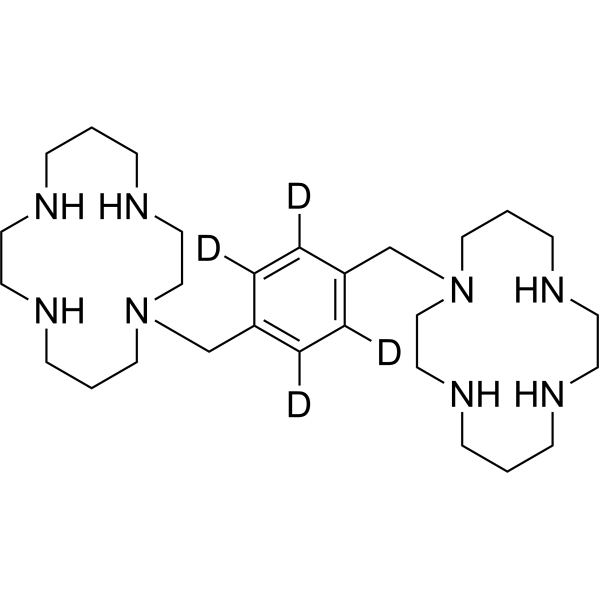
Plerixafor-d4 is the deuterium labeled Plerixafor. Plerixafor (AMD 3100) is a selective CXCR4 antagonist with an IC50 of 44 nM. Plerixafor, an immunostimulant and a hematopoietic stem cell (HSC) mobilizer, is an allosteric agonist of CXCR7. Plerixafor inhibits HIV-1 and HIV-2 replication with an EC50 of 1-10 nM .
|
-
-
- HY-128753S6
-
|
|
|
D-Lyxose-d is the deuterium labeled D-Lyxose. D-Lyxose is an endogenous metabolite. D-Lyxose is a rare pentose sugar with significant potential for drug synthesis. D-Lyxose can be used as a starting material for anti-tumor drugs such as alpha galactose ceramide immunostimulants. D-Lyxose can be used as a precursor for L-nucleoside analogs for the development of antiviral drugs. D-Lyxose can be used as a synthetic intermediate for other rare sugars such as L-ribose .
|
-
-
- HY-128753S7
-
|
|
|
D-Lyxose-d-1 is the deuterium labeled D-Lyxose. D-Lyxose is an endogenous metabolite. D-Lyxose is a rare pentose sugar with significant potential for drug synthesis. D-Lyxose can be used as a starting material for anti-tumor drugs such as alpha galactose ceramide immunostimulants. D-Lyxose can be used as a precursor for L-nucleoside analogs for the development of antiviral drugs. D-Lyxose can be used as a synthetic intermediate for other rare sugars such as L-ribose .
|
-
-
- HY-128753S5
-
|
|
|
D-Lyxose- 13C-4 is the 13C labeled D-Lyxose. D-Lyxose is an endogenous metabolite. D-Lyxose is a rare pentose sugar with significant potential for drug synthesis. D-Lyxose can be used as a starting material for anti-tumor drugs such as alpha galactose ceramide immunostimulants. D-Lyxose can be used as a precursor for L-nucleoside analogs for the development of antiviral drugs. D-Lyxose can be used as a synthetic intermediate for other rare sugars such as L-ribose .
|
-
-
- HY-128753S3
-
|
|
|
D-Lyxose- 13C-2 is the 13C labeled D-Lyxose. D-Lyxose is an endogenous metabolite. D-Lyxose is a rare pentose sugar with significant potential for drug synthesis. D-Lyxose can be used as a starting material for anti-tumor drugs such as alpha galactose ceramide immunostimulants. D-Lyxose can be used as a precursor for L-nucleoside analogs for the development of antiviral drugs. D-Lyxose can be used as a synthetic intermediate for other rare sugars such as L-ribose .
|
-
-
- HY-128753S4
-
|
|
|
D-Lyxose- 13C-3 is the 13C labeled D-Lyxose. D-Lyxose is an endogenous metabolite. D-Lyxose is a rare pentose sugar with significant potential for drug synthesis. D-Lyxose can be used as a starting material for anti-tumor drugs such as alpha galactose ceramide immunostimulants. D-Lyxose can be used as a precursor for L-nucleoside analogs for the development of antiviral drugs. D-Lyxose can be used as a synthetic intermediate for other rare sugars such as L-ribose .
|
-
| Cat. No. |
Product Name |
|
Classification |
-
- HY-145728
-
|
ISIS-2302
|
|
Antisense Oligonucleotides
|
|
Alicaforsen is an oligonucleotide and immunostimulant targeting human ICAM-1 mRNA. Alicaforsen hybridizes to specific sites to reduce the expression level of ICAM-1. Alicaforsen is applicable to relevant research on psoriasis, rheumatoid arthritis and inflammatory bowel disease .
|
-
- HY-150212
-
|
IMO-2125
|
|
Antisense Oligonucleotides
|
|
Tilsotolimod (IMO-2125) is a TLR9 agonist. Tilsotolimod activates the TLR9 signaling pathway, triggers downstream pro-inflammatory and immunostimulatory pathways, enhances the uptake and killing of cancer cells, and induces adaptive immune responses. Tilsotolimod is applicable to research related to melanoma and colorectal cancer .
|
-
- HY-145728A
-
|
ISIS-2302 sodium
|
|
Antisense Oligonucleotides
|
|
Alicaforsen (ISIS-2302) sodium is an oligonucleotide and immunostimulant targeting human ICAM-1 mRNA. Alicaforsen sodium hybridizes to specific sites to reduce the expression level of ICAM-1. Alicaforsen sodium is applicable to relevant research on psoriasis, rheumatoid arthritis and inflammatory bowel disease .
|
-
- HY-159753
-
|
|
|
Adjuvant
|
|
HS105 is a vaccine adjuvant and a key component in vaccines. Adjuvants can be divided into immunostimulants and delivery systems. Adjuvants can not only enhance the intensity and durability of immune responses, but also affect the type of immune responses. On the one hand, immunostimulants promote the production of antigen signals and co-stimulatory signals by targeting Toll-like receptors (TLRs) and other pattern recognition receptors (PRRs), leading to the maturation and activation of antigen presenting cells (APCs), thereby enhancing adaptive immune responses; on the other hand, delivery systems are carrier materials that promote antigen delivery by prolonging the bioavailability of loaded antigens and targeting antigens to lymph nodes or APCs. Several common adjuvants include: saponins, TLRs agonists, polysaccharides, nanoparticles, cytokines, and mucosal adjuvants .
|
-
- HY-159751
-
|
|
|
Adjuvant
|
|
HS101 is a vaccine adjuvant and a key component in vaccines. Adjuvants can be divided into immunostimulants and delivery systems. Adjuvants can not only enhance the intensity and durability of immune responses, but also affect the type of immune responses. On the one hand, immunostimulants promote the production of antigen signals and co-stimulatory signals by targeting Toll-like receptors (TLRs) and other pattern recognition receptors (PRRs), leading to the maturation and activation of antigen presenting cells (APCs), thereby enhancing adaptive immune responses; on the other hand, delivery systems are carrier materials that promote antigen delivery by prolonging the bioavailability of loaded antigens and targeting antigens to lymph nodes or APCs. Several common adjuvants include: saponins, TLRs agonists, polysaccharides, nanoparticles, cytokines, and mucosal adjuvants .
|
-
- HY-159752
-
|
|
|
Adjuvant
|
|
HS103 is a vaccine adjuvant and a key component in vaccines. Adjuvants can be divided into immunostimulants and delivery systems. Adjuvants can not only enhance the intensity and durability of immune responses, but also affect the type of immune responses. On the one hand, immunostimulants promote the production of antigen signals and co-stimulatory signals by targeting Toll-like receptors (TLRs) and other pattern recognition receptors (PRRs), leading to the maturation and activation of antigen presenting cells (APCs), thereby enhancing adaptive immune responses; on the other hand, delivery systems are carrier materials that promote antigen delivery by prolonging the bioavailability of loaded antigens and targeting antigens to lymph nodes or APCs. Several common adjuvants include: saponins, TLRs agonists, polysaccharides, nanoparticles, cytokines, and mucosal adjuvants .
|
Your information is safe with us. * Required Fields.
Inquiry Information
- Product Name:
- Cat. No.:
- Quantity:
- MCE Japan Authorized Agent:

