
1. Search Result
Search Result
Results for "

insufficiencies

" in MedChemExpress (MCE) Product Catalog:

43

Inhibitors & Agonists

1

Screening Libraries

3

Biochemical Assay Reagents

3

Peptides

11

Natural
Products

6

Isotope-Labeled Compounds

3

Oligonucleotides

Cat. No. Product Name Target Research Areas Chemical Structure
  • HY-B0284
    Nifedipine
    Maximum Cited Publications
    28 Publications Verification

    BAY-a-1040

    Calcium Channel Autophagy Cardiovascular Disease Cancer
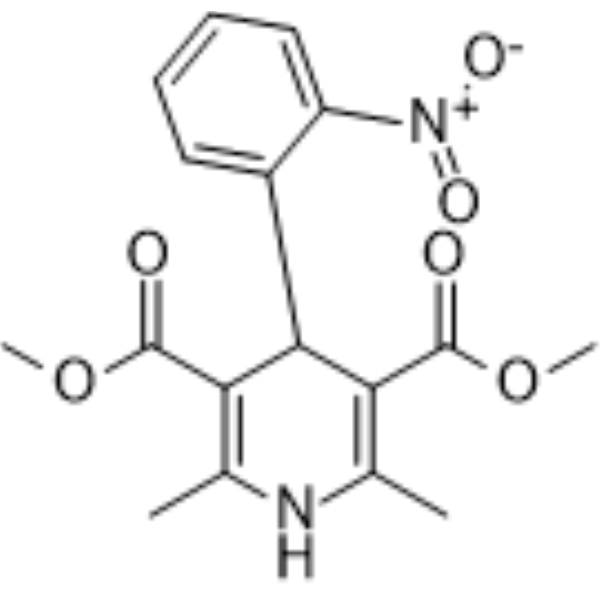
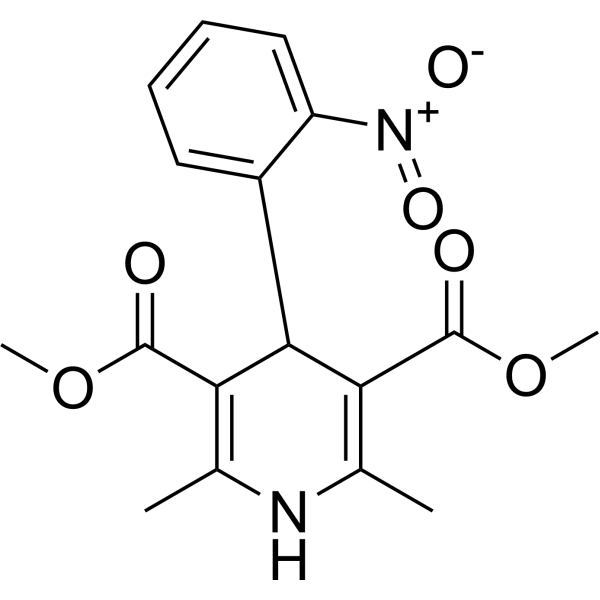
    Nifedipine (BAY-a-1040) is a potent calcium channel blocker and agent of choice for cardiac insufficiencies.
    Nifedipine
  • HY-137808
    Succinyl-Coenzyme A sodium
    3 Publications Verification

    Succinyl-CoA sodium

    Endogenous Metabolite Neurological Disease Metabolic Disease
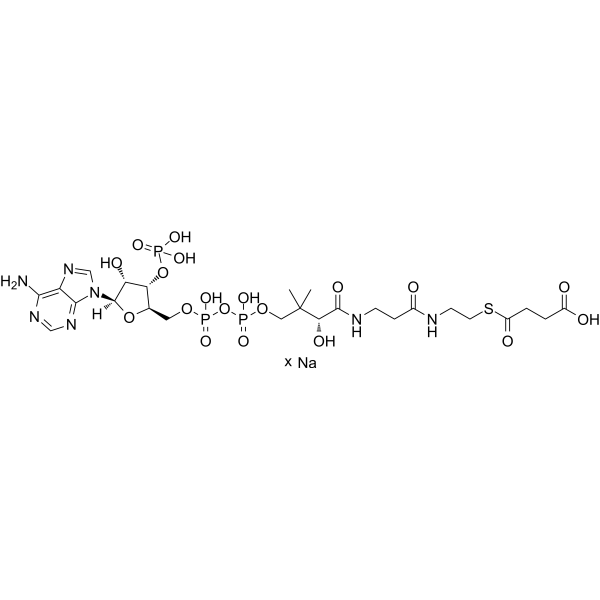
    Succinyl CoA (Succinyl-coenzyme A) sodium is a pivotal intermediate metabolite in the tricarboxylic acid cycle and a key coenzyme A metabolite. Succinyl CoA sodium is biosynthesized from α-ketoglutarate or propionyl-CoA. Succinyl CoA sodium acts as a critical precursor and substrate for heme biosynthesis and gluconeogenesis. Succinyl CoA sodium insufficiency caused by cobalamin deficiency is directly linked to growth retardation, impaired heme synthesis, tissue glycine accumulation and neurological abnormalities. Succinyl CoA sodium can be used in research on metabolic, neurological, and hematological abnormalities (such as porphyria) caused by nutritional vitamin B12 deficiency (leading to a lack of Succinyl-Coenzyme A synthesis) .
    Succinyl-Coenzyme A sodium
  • HY-106591A

    Vinylcyclohexene diepoxide

    Environmental Pollutants Akt Apoptosis mTOR Reactive Oxygen Species (ROS) PI3K Endocrinology
    4-Vinylcyclohexene dioxide (4-Vinylcyclohexene diepoxide) is an orally active metabolite of 4-vinylcyclohexene. 4-Vinylcyclohexene dioxide induces Apoptosis, increases intracellular ROS, and activates the PI3K/Akt/mTOR pathway. 4-Vinylcyclohexene dioxide selectively damages small ovarian follicles, inhibits granulosa cell function, and disrupts the male reproductive system. 4-Vinylcyclohexene dioxide can be used in the study of premature ovarian insufficiency, reproductive toxicity, and related fertility disorders .
    4-Vinylcyclohexene dioxide
  • HY-125665

    Apoptosis Cardiovascular Disease Cancer
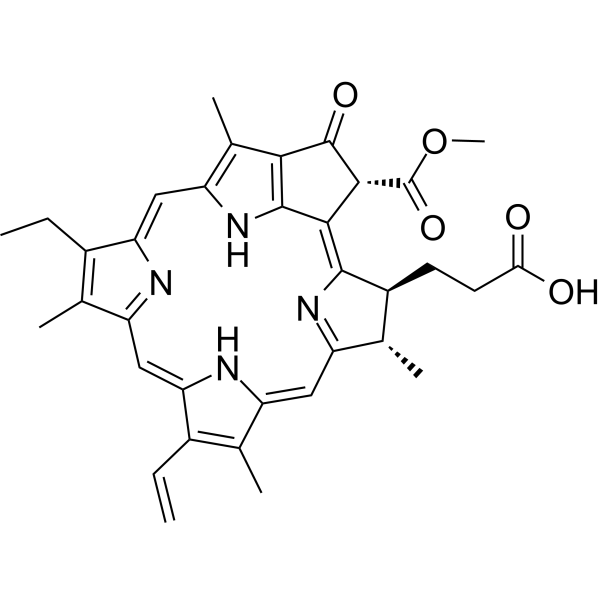
    Pheophorbide A is an intermediate product in the chlorophyll degradation pathway. Pheophorbide A can be used as a photosensitizer. Pheophorbide A is a lymphatic vascular activator. Pheophorbide A has antitumor activity. Pheophorbide A can be used for human lymphatic vascular insufficiencies research .
    Pheophorbide A
  • HY-N0794
    Proanthocyanidins
    4 Publications Verification

    Bacterial Fungal Infection Cardiovascular Disease Inflammation/Immunology Cancer
    Proanthocyanidin (Procyanidin) are a class of polyphenolic that are widely distributed in higher plants, consisted of an electrophilic flavanyl unit. Proanthocyanidin can be used as antioxidant and anti-cancers agent. Proanthocyanidin also exhibit anti-inflammatory, cardioprotective, antibacterial and antifungal properties, which can be used in the treatment of chronic venous insufficiency, capillary fragility, sunburn and retinopathy. .
    Proanthocyanidins
  • HY-B1203

    9α-Fludrocortisone; 9α-Fluorcortisol

    Mineralocorticoid Receptor Glucocorticoid Receptor Apoptosis Neurological Disease Metabolic Disease Inflammation/Immunology Cancer
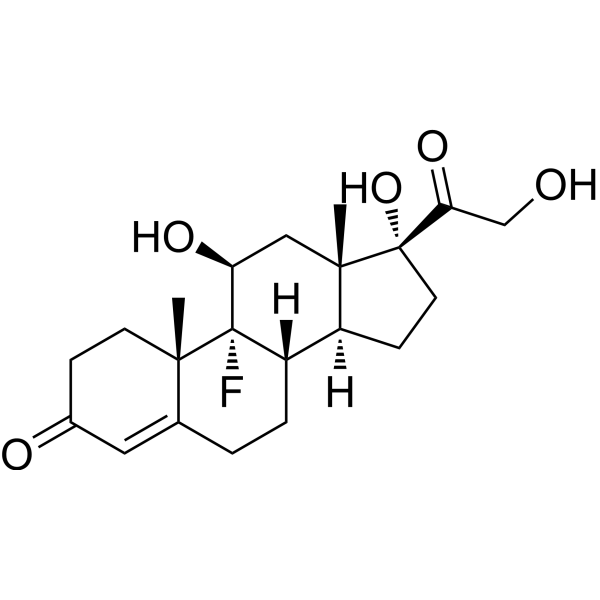
    Fludrocortisone (9α-Fludrocortisone) is an orally active mineralocorticoid and glucocorticoid receptor agonist. Fludrocortisone suppresses pro-inflammatory cytokine expression, reduces CCL2, IL-6, IL-8 levels, upregulates mineralocorticoid receptor (MR) expression, induces PI3K/Akt, GSK-3β, CREB, ERK1/2, mTOR phosphorylation, blocks Tau hyperphosphorylation, prevents apoptosis, promotes survival and proliferation, enhances renal sodium and water transport, increases plasma volume and blood pressure, reduces plasma potassium and renin activity, stimulates erythropoietin expression, modulates uterine receptivity genes, and reverses PP242-induced MUC1 upregulation. Fludrocortisone can be used for the research of congenital adrenal hyperplasia, postural hypotension, and adrenal insufficiency .
    Fludrocortisone
  • HY-B1203A
    Fludrocortisone acetate
    1 Publications Verification

    9α-Fludrocortisone acetate; 9α-Fluorcortisol acetate

    Mineralocorticoid Receptor Cardiovascular Disease Metabolic Disease
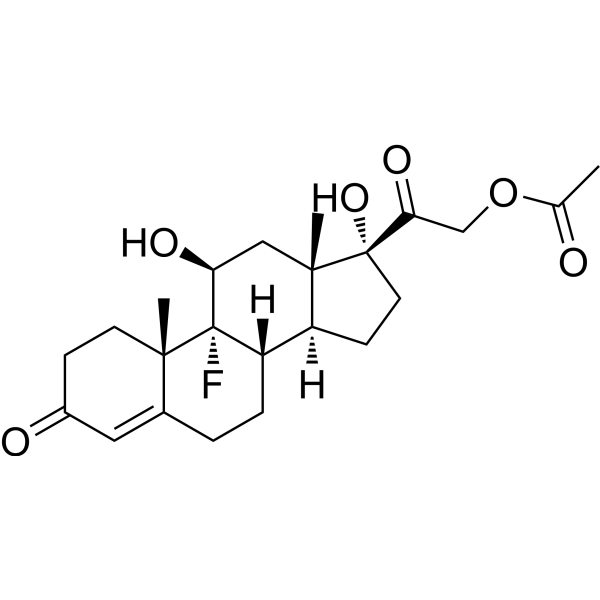
    Fludrocortisone acetate (9α-Fludrocortisone acetate) is an orally active synthetic mineralocorticoid. Fludrocortisone acetate can effectively control sodium retention. Fludrocortisone acetate is used in studies of cardiac injury, adrenal insufficiency and orthostatic hypotension .
    Fludrocortisone acetate
  • HY-W012734
    L-Pipecolic acid
    1 Publications Verification

    H-HoPro-OH

    Endogenous Metabolite Metabolic Disease
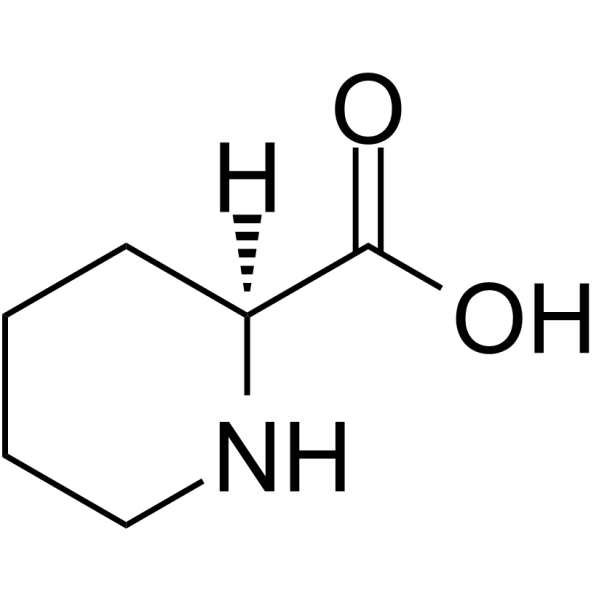
    L-Pipecolic acid (H-HoPro-OH) is an oral active metabolite of Lysine and can accumulate in the bodily fluids of infants with autosomal inherited diseases, such as Zellweger syndrome and neonatal adrenal insufficiency. L-Pipecolic acid can promote muscle cell health and growth by enhancing protein synthesis, and plays a role in promoting gut health. L-Pipecolic acid holds promise for research in the fields of metabolic disorders, muscle growth disorders, and intestinal diseases .
    L-Pipecolic acid
  • HY-B1136
    Menbutone
    1 Publications Verification

    Genabilic acid

    Drug Derivative Metabolic Disease
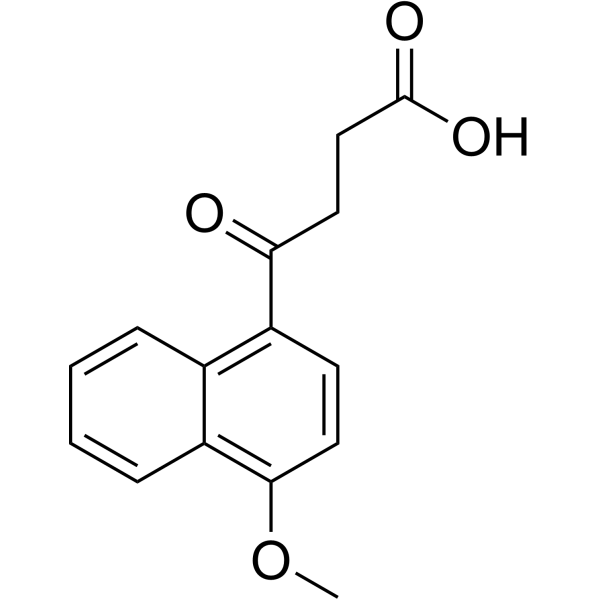
    Menbutone (Genabilic acid), an oxobutyric acid derivative, is a choleretic. Menbutone can be used to treat digestive upsets (loss of appetite, indigestion, toxemia, or hepatic and pancreatic insufficiencies) in a variety of animal species, including different farm animals (cattle, sheep, goats, pigs), as well as in dogs .
    Menbutone
  • HY-155902

    Maleimide-PEG5000-Hydroxy

    Biochemical Assay Reagents Others
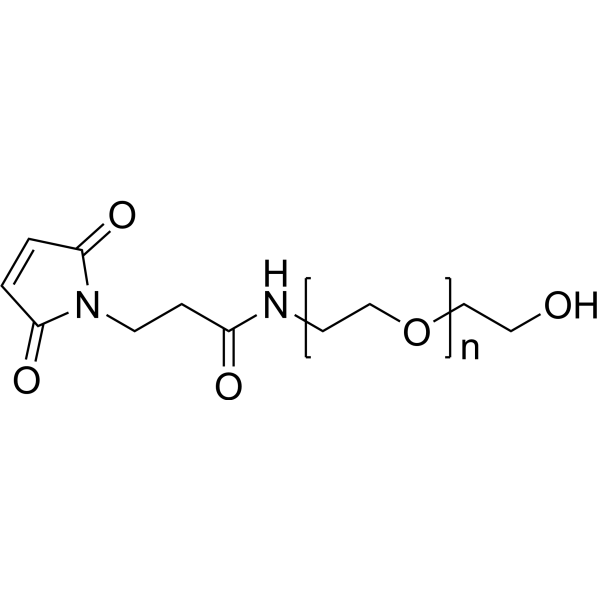
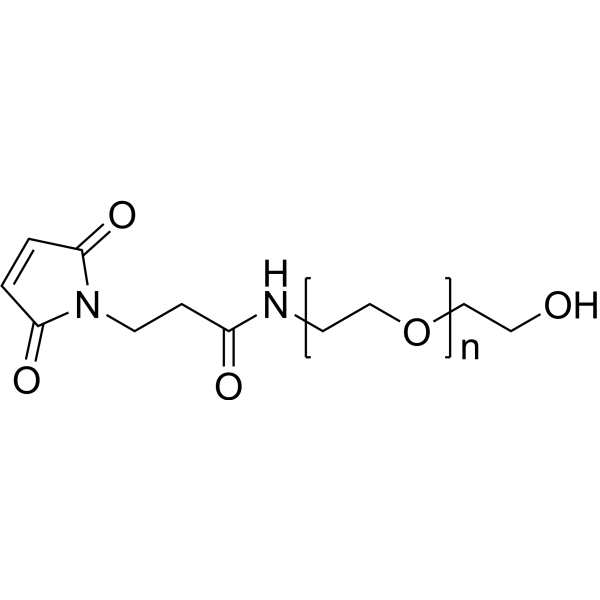
    Mal-PEG5000-OH can be used as a macroinitiator to obtain amphiphilic diblock copolymers by ring-opening polymerization of LA. Nanoparticles prepared using amphiphilic block copolymers can form active drug delivery systems. Nanoparticles encapsulate Triptolide (HY-32735), which can avoid the disadvantage of Triptolide’s poor water solubility and reduce its toxicity.
    Mal-PEG5000-OH
  • HY-148285

    Succinyl-coenzyme A; S-(Hydrogen succinyl)coenzyme A

    Endogenous Metabolite Metabolic Disease
    Succinyl CoA (Succinyl-coenzyme A) is a pivotal intermediate metabolite in the tricarboxylic acid cycle and a key coenzyme A metabolite. Succinyl CoA is biosynthesized from α-ketoglutarate or propionyl-CoA. Succinyl CoA acts as a critical precursor and substrate for heme biosynthesis and gluconeogenesis. Succinyl CoA insufficiency caused by cobalamin deficiency is directly linked to growth retardation, impaired heme synthesis, tissue glycine accumulation and neurological abnormalities. Succinyl CoA can be used in research on metabolic, neurological, and hematological abnormalities (such as porphyria) caused by nutritional vitamin B12 deficiency (leading to a lack of Succinyl-Coenzyme A synthesis) .
    Succinyl CoA
  • HY-W019726

    BAY-b 4759

    Drug Metabolite Cardiovascular Disease Cancer
    Dehydro nifedipine (BAY-b 4759) is a metabolite of Nifedipine (HY-B0284). Nifedipine (BAY-a-1040) is a potent calcium channel blocker and an agent of choice for cardiac insufficiencies .
    Dehydro Nifedipine
  • HY-B0284R

    BAY-a-1040 (Standard)

    Reference Standards Calcium Channel Autophagy Cardiovascular Disease Cancer
    Nifedipine (Standard) is the analytical standard of Nifedipine. This product is intended for research and analytical applications. Nifedipine (BAY-a-1040) is a potent calcium channel blocker and agent of choice for cardiac insufficiencies.
    Nifedipine (Standard)
  • HY-105946

    Interleukin Related NADPH Oxidase Cardiovascular Disease Metabolic Disease
    Hidrosmin, a flavonoid, is derived from Diosmin (HY-N0178). hidrosmin exerts a beneficial effect against diabetic nephropathy (DN) by reducing inflammation, oxidative stress, and senescence pathways. Hidrosmin can be used for the research of venous insufficiency and diabetes mellitus .
    Hidrosmin
  • HY-Y1422B
    Lipase (MS grade)
    1 Publications Verification

    Endogenous Metabolite Metabolic Disease
    Lipase (MS grade) catalyzes the hydrolysis of triacylglycerols to release long-chain fatty acids in a site-specific manner. Lipase (MS grade) is involved in a variety of biological processes, from fat metabolism to cell signaling and inflammation, and can be used to study diseases such as pancreatic insufficiency, celiac disease and cystic fibrosis .
    Lipase (MS grade)
  • HY-155902A

    Maleimide-PEG2000-Hydroxy

    Biochemical Assay Reagents Others
    Mal-PEG2000-OH can be used as a macroinitiator to obtain amphiphilic diblock copolymers by ring-opening polymerization of LA. Nanoparticles prepared using amphiphilic block copolymers can form active drug delivery systems. Nanoparticles encapsulate Triptolide (HY-32735), which can avoid the disadvantage of Triptolide’s poor water solubility and reduce its toxicity.
    Mal-PEG2000-OH
  • HY-135356

    Drug Metabolite Cardiovascular Disease
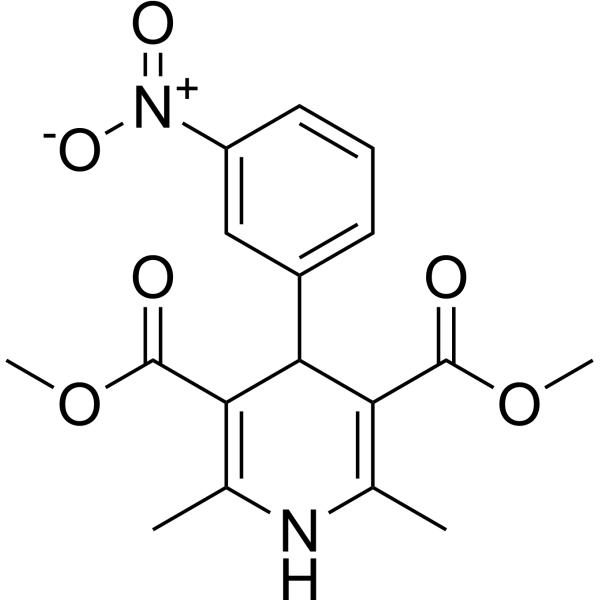
    m-Nifedipine is an impurity of Nifedipine (BAY-a-1040). Nifedipine is a potent calcium channel blocker and agent of choice for cardiac insufficiencies .
    m-Nifedipine
  • HY-W012734R

    H-HoPro-OH (Standard)

    Reference Standards Endogenous Metabolite Metabolic Disease
    L-Pipecolic acid (Standard) is an analytical standard of L-Pipecolic acid. This product is used for research and analytical applications. L-Pipecolic acid (H-HoPro-OH) is an oral active metabolite of Lysine and can accumulate in the bodily fluids of infants with autosomal inherited diseases, such as Zellweger syndrome and neonatal adrenal insufficiency. L-Pipecolic acid can promote muscle cell health and growth by enhancing protein synthesis, and plays a role in promoting gut health. L-Pipecolic acid holds promise for research in the fields of metabolic disorders, muscle growth disorders, and intestinal diseases .
    L-Pipecolic acid (Standard)
  • HY-W661499

    Phosphatase Apoptosis Reactive Oxygen Species (ROS) Caspase Cancer
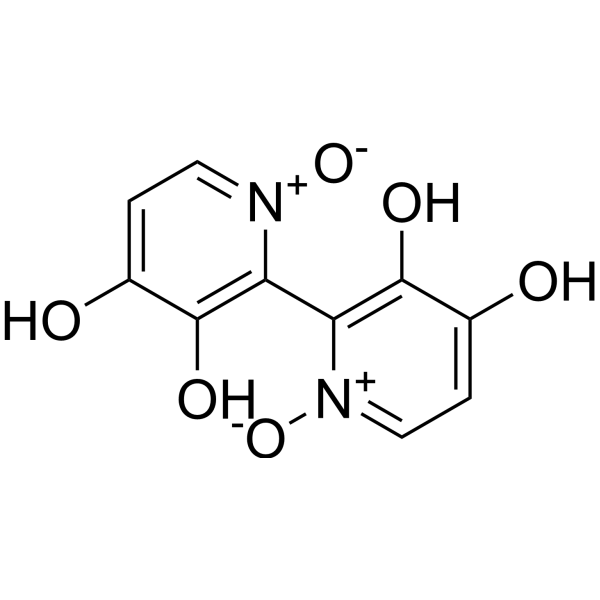
    Orellanine, a nephrotoxic alkaloid found in Cortinarius orellanus, is an orally active and selective non-competitive inhibitor of alkaline phosphatase. Orellanine chelates iron, generates reactive oxygen species (ROS), induces DNA scission, forms ortho-semiquinone radicals, downregulates antioxidant defenses, and inhibits mitochondrial function. Orellanine induces caspase 8/9-mediated apoptosis. Orellanine inhibits synthesis of proteins, RNA, DNA, and mitochondrial protein synthesis, with metabolic activation required for cell-free protein synthesis inhibition. Orellanine can be used for the research of metastatic clear cell renal cell carcinoma, acute renal failure, chronic renal insufficiency, and kidney damage .
    Orellanine
  • HY-B0930

    Angorlisin

    Bacterial Infection Cardiovascular Disease
    Efloxate (Angorlisin) is a vasodilator used in the research of chronic coronary insufficiency and angina pectoris. Efloxate binds to Staphylococcus aureus sortase A .
    Efloxate
  • HY-N4145

    Cinnamtannin A3; Cinnamtannin II

    Drug Derivative Bacterial Fungal Infection Cardiovascular Disease Inflammation/Immunology Cancer
    Procyanidin A3 (Cinnamtannin A3; Cinnamtannin II) is a sub class of Proanthocyanidins (HY-N0794). Proanthocyanidin are a class of polyphenolic that are widely distributed in higher plants, consisted of an electrophilic flavanyl unit. Proanthocyanidin can be used as antioxidant and anti-cancer agent. Proanthocyanidin also exhibit anti-inflammatory, cardioprotective, antibacterial and antifungal properties, which can be used in the treatment of chronic venous insufficiency, capillary fragility, sunburn and retinopathy .
    Procyanidin A3
  • HY-100150

    Pimexone

    CRFR Endocrinology
    Mepixanox (Pimexone) is an analeptic agent used in respiratory and cardiorespiratory insufficiency.
    Mepixanox
  • HY-155902B

    Maleimide-PEG1000-Hydroxy

    Biochemical Assay Reagents Others
    Mal-PEG1000-OH was used as a macroinitiator to obtain amphiphilic diblock copolymers by ring-opening polymerization of LA. Nanoparticles prepared using amphiphilic block copolymers can form active drug delivery systems. Nanoparticles encapsulate Triptolide (HY-32735), which can avoid the disadvantage of Triptolide’s poor water solubility and reduce its toxicity.
    Mal-PEG1000-OH
  • HY-W040047S

    Endogenous Metabolite Isotope-Labeled Compounds Endocrinology
    Pregnanediol 3-glucuronide is the main end-metabolite of Progesterone (HY-N0437). Pregnanediol 3-glucuronide is a metabolite of Progesterone formed by hydroxylation and glucuronidation in the liver, with high hydrophilicity and easy excretion through urine. Pregnanediol 3-glucuronide excretion rate of ≥ 9 μmol/24 h can serve as biochemical evidence of ovulation. Pregnanediol 3-glucuronide reflects the quality of the luteal phase, and a level of < 7 μmol/24 h may indicate anovulation or luteal insufficiency. Pregnanediol 3-glucuronide holds significant importance in monitoring female reproductive health, assessing pregnancy, and diagnosing endocrine disorders.
    Pregnanediol 3-glucuronide-13C5
  • HY-128234

    Phosphodiesterase (PDE) Metabolic Disease
    PDE11-IN-1 is a PDE11 inhibitor and can be used for adrenal insufficiency research .
    PDE11-IN-1
  • HY-W019726R

    BAY-b 4759 (Standard)

    Reference Standards Drug Metabolite Cardiovascular Disease Cancer
    Dehydro Nifedipine (Standard) is the analytical standard of Dehydro Nifedipine. This product is intended for research and analytical applications. Dehydro nifedipine (BAY-b 4759) is a metabolite of Nifedipine (HY-B0284). Nifedipine (BAY-a-1040) is a potent calcium channel blocker and an agent of choice for cardiac insufficiencies .
    Dehydro Nifedipine (Standard)
  • HY-N16480

    Lindetannin trimer

    Drug Derivative Bacterial Fungal Infection Cardiovascular Disease Inflammation/Immunology Cancer
    Lindetannin (Lindetannin trimer) is an A-type trimer of proanthocyanidin (HY-N0794) found in the bark of Cinnamomum trees. Proanthocyanidin are a class of polyphenolic that are widely distributed in higher plants, consisted of an electrophilic flavanyl unit. Proanthocyanidin can be used as antioxidant and anti-cancer agent. Proanthocyanidin also exhibit anti-inflammatory, cardioprotective, antibacterial and antifungal properties, which can be used in the treatment of chronic venous insufficiency, capillary fragility, sunburn and retinopathy .
    Lindetannin
  • HY-101733

    Angiotensin-converting Enzyme (ACE) Cardiovascular Disease
    Zabicipril hydrochloride is an orally active angiotensin-converting enzyme (ACE) inhibitor. Zabicipril hydrochloride can be used for the study of blood pressure and peripheral arterial insufficiency .
    Zabicipril hydrochloride
  • HY-105266

    Angiotensin-converting Enzyme (ACE) Cardiovascular Disease
    Zabicipril is an orally active angiotensin-converting enzyme (ACE) inhibitor. Zabicipril can be used for the study of blood pressure and peripheral arterial insufficiency .
    Zabicipril
  • HY-B0284S1

    BAY-a-1040-d4

    Isotope-Labeled Compounds Calcium Channel Autophagy Cardiovascular Disease Cancer
    Nifedipine-d4 is the deuterium labeled Nifedipine. Nifedipine (BAY-a-1040) is a potent calcium channel blocker and agent of choice for cardiac insufficiencies.
    Nifedipine-d4
  • HY-B0284S2

    BAY-a-1040-13C8

    Isotope-Labeled Compounds Calcium Channel Autophagy Cardiovascular Disease
    Nifedipine-13C8 is a deuterated labeled Nifedipine . Nifedipine (BAY-a-1040) is a potent calcium channel blocker and agent of choice for cardiac insufficiencies.
    Nifedipine-13C8
  • HY-135356R

    Drug Metabolite Reference Standards Cardiovascular Disease
    m-Nifedipine (Standard) is the analytical standard of m-Nifedipine. This product is intended for research and analytical applications. m-Nifedipine is an impurity of Nifedipine (BAY-a-1040). Nifedipine is a potent calcium channel blocker and agent of choice for cardiac insufficiencies .
    m-Nifedipine (Standard)
  • HY-B1493R

    Biochemical Assay Reagents Reference Standards Endocrinology
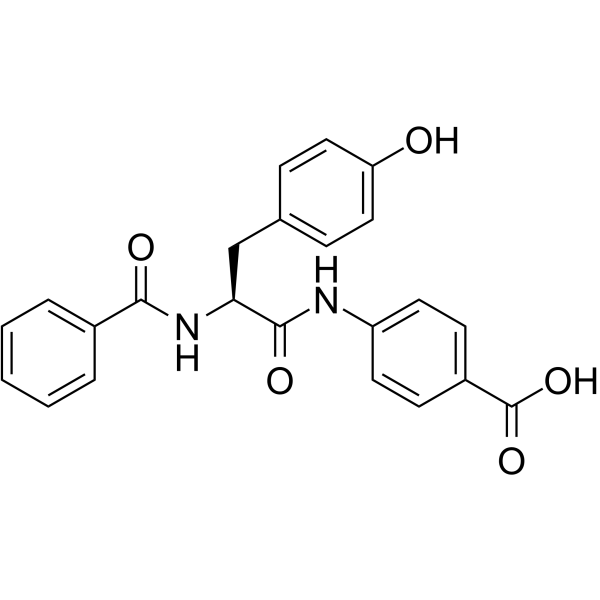
    Bentiromide (Standard) is the analytical standard of Bentiromide. This product is intended for research and analytical applications. Bentiromide is a peptide that is broken down in the pancreas by chymotrypsin. The bentiromide test is an excellent means of confirming the diagnosis of pancreatic exocrine insufficiency by outpatient test of chymotrypsin function .
    Bentiromide (Standard)
  • HY-P3737

    Biochemical Assay Reagents Others
    Osteocalcin (37-49), human is a peptide fragment of Osteocalcin. Osteocalcin (37-49), human has been used to detecte the intact human osteocalcin in HPLC purified plasma and peritoneal dialysate from patients with terminal renal insufficiency and in extracted human bone .
    Osteocalcin (37-49), human
  • HY-W019726S1

    BAY-b 4759-13C,d3

    Isotope-Labeled Compounds Drug Metabolite Cancer
    Dehydro Nifedipine-13C,d3 is a deuterated labeled Dehydro Nifedipine . Dehydro nifedipine (BAY-b 4759) is a metabolite of Nifedipine (HY-B0284). Nifedipine (BAY-a-1040) is a potent calcium channel blocker and an agent of choice for cardiac insufficiencies .
    Dehydro Nifedipine-13C,d3
  • HY-148285A

    Succinyl-coenzyme A disodium; S-(Hydrogen succinyl)coenzyme A disodium

    Endogenous Metabolite Metabolic Disease
    Succinyl CoA (Succinyl-coenzyme A) disodium is a pivotal intermediate metabolite in the tricarboxylic acid cycle and a key coenzyme A metabolite. Succinyl CoA disodium is biosynthesized from α-ketoglutarate or propionyl-CoA. Succinyl CoA disodium acts as a critical precursor and substrate for heme biosynthesis and gluconeogenesis. Succinyl CoA disodium insufficiency caused by cobalamin deficiency is directly linked to growth retardation, impaired heme synthesis, tissue glycine accumulation and neurological abnormalities. Succinyl-Coenzyme A sodium can be used in research on metabolic, neurological, and hematological abnormalities (such as porphyria) caused by nutritional vitamin B12 deficiency (leading to a lack of Succinyl-Coenzyme A synthesis) .
    Succinyl CoA disodium
  • HY-B1203S

    9α-Fludrocortisone-d5; 9α-Fluorcortisol-d5

    Isotope-Labeled Compounds Mineralocorticoid Receptor Glucocorticoid Receptor Apoptosis Metabolic Disease Inflammation/Immunology Cancer
    Fludrocortisone-d5 (9α-Fludrocortisone-d5) is the deuterium labeled Fludrocortisone (HY-B1203). Fludrocortisone is an orally active mineralocorticoid and glucocorticoid receptor agonist. Fludrocortisone suppresses pro-inflammatory cytokine expression, reduces CCL2, IL-6, IL-8 levels, upregulates mineralocorticoid receptor (MR) expression, induces PI3K/Akt, GSK-3β, CREB, ERK1/2, mTOR phosphorylation, blocks Tau hyperphosphorylation, prevents apoptosis, promotes survival and proliferation, enhances renal sodium and water transport, increases plasma volume and blood pressure, reduces plasma potassium and renin activity, stimulates erythropoietin expression, modulates uterine receptivity genes, and reverses PP242-induced MUC1 upregulation. Fludrocortisone can be used for the research of congenital adrenal hyperplasia, postural hypotension, and adrenal insufficiency.
    Fludrocortisone-d5
  • HY-B1203R

    9α-Fludrocortisone (Standard); 9α-Fluorcortisol (Standard)

    Reference Standards Mineralocorticoid Receptor Glucocorticoid Receptor Apoptosis Metabolic Disease Inflammation/Immunology Cancer
    Fludrocortisone (Standard) (9α-Fludrocortisone (Standard)) is the analytical standard of Fludrocortisone (HY-B1203). This product is intended for research and analytical applications. Fludrocortisone is an orally active mineralocorticoid and glucocorticoid receptor agonist. Fludrocortisone suppresses pro-inflammatory cytokine expression, reduces CCL2, IL-6, IL-8 levels, upregulates mineralocorticoid receptor (MR) expression, induces PI3K/Akt, GSK-3β, CREB, ERK1/2, mTOR phosphorylation, blocks Tau hyperphosphorylation, prevents apoptosis, promotes survival and proliferation, enhances renal sodium and water transport, increases plasma volume and blood pressure, reduces plasma potassium and renin activity, stimulates erythropoietin expression, modulates uterine receptivity genes, and reverses PP242-induced MUC1 upregulation. Fludrocortisone can be used for the research of congenital adrenal hyperplasia, postural hypotension, and adrenal insufficiency.
    Fludrocortisone (Standard)
  • HY-B1203S1

    9α-Fludrocortisone-d2; 9α-Fluorcortisol-d2

    Isotope-Labeled Compounds Mineralocorticoid Receptor Glucocorticoid Receptor Apoptosis Metabolic Disease Inflammation/Immunology Cancer
    Fludrocortisone-d2 (9α-Fludrocortisone-d2) is the deuterium labeled Fludrocortisone (HY-B1203). Fludrocortisone is an orally active mineralocorticoid and glucocorticoid receptor agonist. Fludrocortisone suppresses pro-inflammatory cytokine expression, reduces CCL2, IL-6, IL-8 levels, upregulates mineralocorticoid receptor (MR) expression, induces PI3K/Akt, GSK-3β, CREB, ERK1/2, mTOR phosphorylation, blocks Tau hyperphosphorylation, prevents apoptosis, promotes survival and proliferation, enhances renal sodium and water transport, increases plasma volume and blood pressure, reduces plasma potassium and renin activity, stimulates erythropoietin expression, modulates uterine receptivity genes, and reverses PP242-induced MUC1 upregulation. Fludrocortisone can be used for the research of congenital adrenal hyperplasia, postural hypotension, and adrenal insufficiency.
    Fludrocortisone-d2
  • HY-N18694

    Others Cardiovascular Disease
    Horsechestnut extract may be used in research to alleviate chronic venous insufficiency.
    Horsechestnut extract
  • HY-B2105

    Tetranitrate; Nitroerythrite

    Drug Derivative Cardiovascular Disease
    Erythrityl tetranitrate (Tetranitrate; Nitroerythrite), a nitrate ester, is a long-acting vasodilator with properties similar to nitroglycerin. Erythrityl tetranitrate decreases the counter load of the heart and improvement of the pump function of left ventricle in an acute experiment in case of chronic cardiac insufficiency with stasis .
    Erythrityl tetranitrate
  • HY-N18697

    Others Others
    Ruscus aculeatus, ext. stands as a remarkable natural extract extensively employed within the biomedical sector. Esteemed for its attributes in studying chronic venous insufficiency and its allied afflictions, this extract possesses active constituents that demonstrate anti-inflammatory properties.
    Ruscus aculeatus extract
  • HY-106591AR

    Vinylcyclohexene diepoxide (Standard)

    Reference Standards Apoptosis Reactive Oxygen Species (ROS) PI3K Akt mTOR Endocrinology
    4-Vinylcyclohexene dioxide (Standard) is the analytical standard of 4-Vinylcyclohexene dioxide (HY-106591A). This product is intended for research and analytical applications. 4-Vinylcyclohexene dioxide (4-Vinylcyclohexene diepoxide) is an orally active metabolite of 4-vinylcyclohexene. 4-Vinylcyclohexene dioxide induces Apoptosis, increases intracellular ROS, and activates the PI3K/Akt/mTOR pathway. 4-Vinylcyclohexene dioxide selectively damages small ovarian follicles, inhibits granulosa cell function, and disrupts the male reproductive system. 4-Vinylcyclohexene dioxide can be used in the study of premature ovarian insufficiency, reproductive toxicity, and related fertility disorders .
    4-Vinylcyclohexene dioxide (Standard)

Inquiry Online

Your information is safe with us. * Required Fields.

Salutation


Country or Region *

Applicant Name *


Organization Name *

Department *


Email Address *


Product Name *

Cat. No.


Requested quantity *

Phone Number *


Remarks

Inquiry Online

Inquiry Information

Product Name:
Cat. No.:
Quantity:
MCE Japan Authorized Agent:

