


Search Result
Results for "
insulin release
" in MedChemExpress (MCE) Product Catalog:
2
Biochemical Assay Reagents
13
Isotope-Labeled Compounds
| Cat. No. |
Product Name |
Target |
Research Areas |
Chemical Structure |
-
- HY-P0276
-
|
Gastric Inhibitory Peptide (GIP), human
|
Insulin Receptor
|
Metabolic Disease
|
|
GIP, human, a peptide hormone consisting of 42 amino acids, is a stimulator of glucose-dependent insulin secretion and a weak inhibitor of gastric acid secretion. GIP, human acts as an incretin hormone released from intestinal K cells in response to nutrient ingestion .
|
-
-
- HY-W040329
-
|
|
Endogenous Metabolite
Nucleoside Antimetabolite/Analog
Caspase
Apoptosis
|
Metabolic Disease
Endocrinology
Cancer
|
|
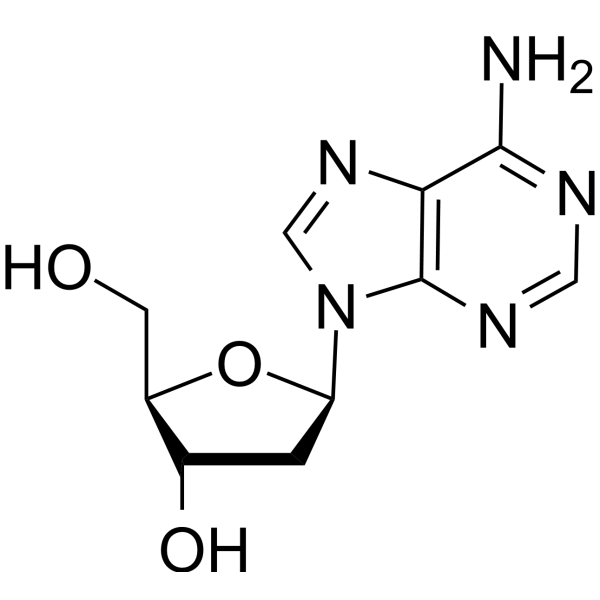
2′-Deoxyadenosine is an adenine nucleoside that inhibits glucose-stimulated insulin release. 2′-Deoxyadenosine inhibits glucose-stimulated increases seen in islet cyclic AMP (cAMP) accumulation. 2'-Deoxyadenosine activates caspase-3 and promotes apoptosis. 2'-Deoxyadenosine inhibits the activity of S-adenosyl-L-homocysteine hydrolase (SAHH). 2'-Deoxyadenosine inhibits the growth of various cells. 2'-Deoxyadenosine has an anticancer effect on colon cancer .
|
-
-
- HY-101064
-
|
N-FMOC-leucine; NPC 15199; NSC 334290
|
PPAR
Calcium Channel
Lipase
|
Metabolic Disease
Inflammation/Immunology
|
|
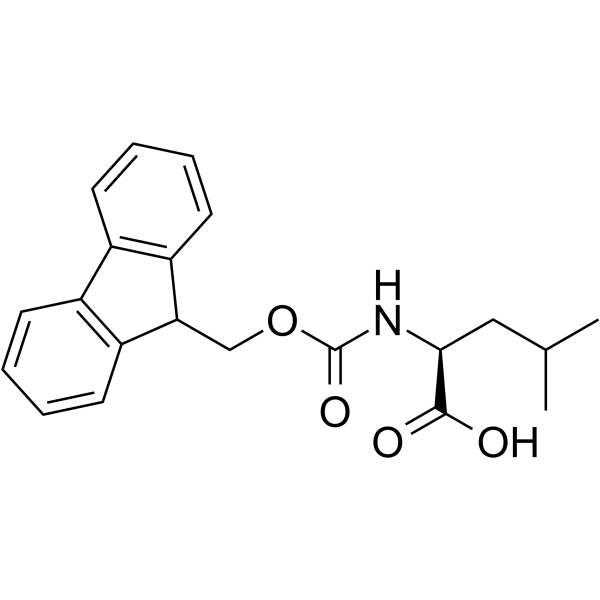
Fmoc-Leucine (N-FMOC-leucine) is an anti-inflammatory agent that not only promotes extracellular Ca 2+ influx but also facilitates intracellular Ca 2+ release. Fmoc-Leucine is a selective ligand for PPARγ (Ki = 15 μM), exhibiting insulin-sensitizing effects but with weak fatogenic activity. Fmoc-Leucine exhibits unique self-assembly properties and can form transient gels, stable gels, or crystals/2D sheets through different pathways. Fmoc-Leucine can be used in the research of diabetes, colitis, and bladder cancer .
|
-
-
- HY-160734
-
|
GSBR-1290
|
GLP Receptor
|
Metabolic Disease
|
|
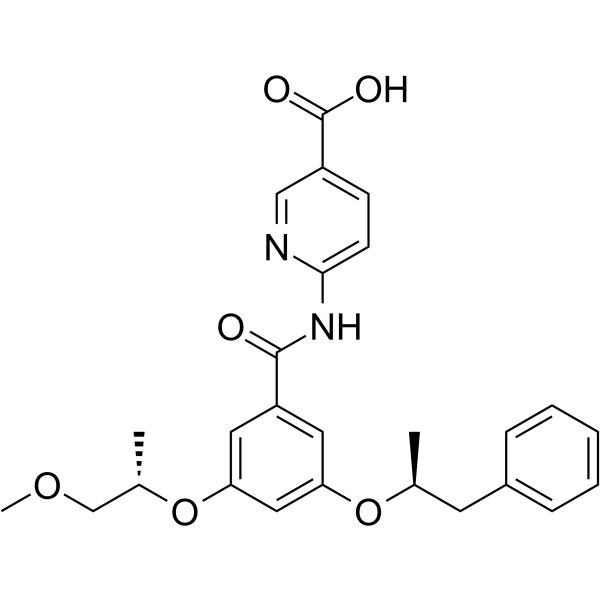
Aleniglipron (GSBR-1290) is an orally active glucagon-like peptide-1 receptor (GLP-1R) agonist, with an EC50 value of less than 0.1 nM in HDB cell lines in cAMP stimulation assays. Aleniglipron selectively activates the Gαs-cAMP signaling pathway of GLP-1R without β-arrestin recruitment. Aleniglipron induces insulin release, promotes glucose clearance, reduces food intake and decreases body weight. Aleniglipron is applicable to research related to type 2 diabetes and obesity .
|
-
-
- HY-N2593
-
|
|
Carnitine Palmitoyltransferase (CPT)
Reactive Oxygen Species (ROS)
Autophagy
Apoptosis
NF-κB
PI3K
Akt
MMP
Keap1-Nrf2
|
Metabolic Disease
Inflammation/Immunology
Cancer
|
|
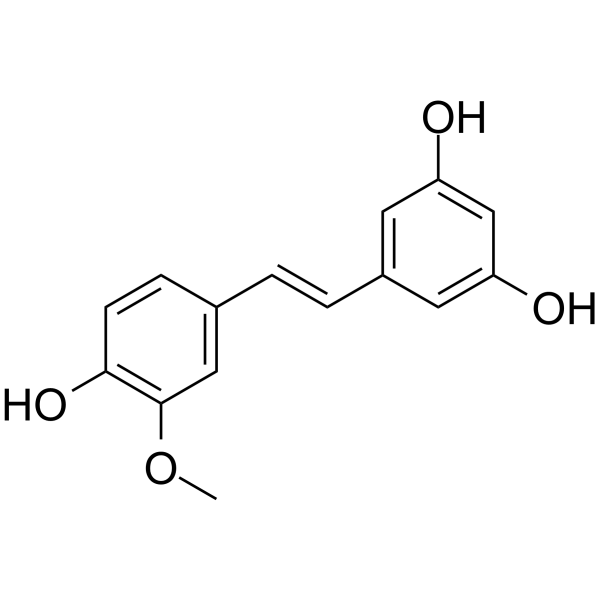
Isorhapontigenin is an orally active dietary polyphenol. Isorhapontigenin acts as a potent antioxidant that reduces the production of reactive oxygen species (ROS). Isorhapontigenin promotes the binding of JUN to the AP-1 site on the SESN2 promoter, induces SESN2 transcription, triggers MAPK8-dependent JUN activation, and upregulates the expression of PPAR-α, PGC-1α and CPT-1A to facilitate fatty acid oxidation. Isorhapontigenin induces autophagy, apoptosis and preadipocyte differentiation; it inhibits tumor growth, cell invasion, NF-κB transcriptional activity, the PI3K/Akt signaling pathway, STAT1 phosphorylation and MMP-2 expression. Isorhapontigenin alleviates oxidative stress, inflammatory cytokine release and triglyceride accumulation; it increases intracellular ATP levels and promotes Nrf2 nuclear translocation. Isorhapontigenin improves insulin sensitivity in adipose tissue and glucose tolerance, and reduces postprandial blood glucose, insulin and free fatty acid levels. Isorhapontigenin is applicable to research on bladder cancer, liver injury, chronic obstructive pulmonary disease, acute lung injury and type 2 diabetes .
|
-
-
- HY-P0276A
-
|
Gastric Inhibitory Peptide (GIP), human TFA
|
Insulin Receptor
|
Metabolic Disease
|
|
GIP, human TFA, a peptide hormone consisting of 42 amino acids, is a stimulator of glucose-dependent insulin secretion and a weak inhibitor of gastric acid secretion. GIP, human TFA acts as an incretin hormone released from intestinal K cells in response to nutrient ingestion .
|
-
-
- HY-119322
-
|
NN414
|
Potassium Channel
|
Metabolic Disease
|
|
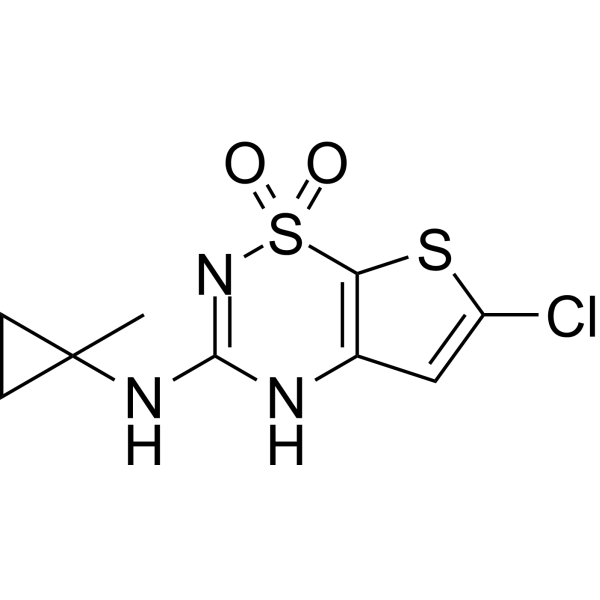
Tifenazoxide (NN414) is a potent, orally active and SUR1/Kir6.2 selective K ATP channels opener. Tifenazoxide has antidiabetic effect, can inhibit glucose stimulated insulin release in vitro and in vivo, and has a beneficial effect on glucose homeostasis .
|
-
-
- HY-101379A
-
|
|
Calcium Channel
|
Cardiovascular Disease
Neurological Disease
|
|
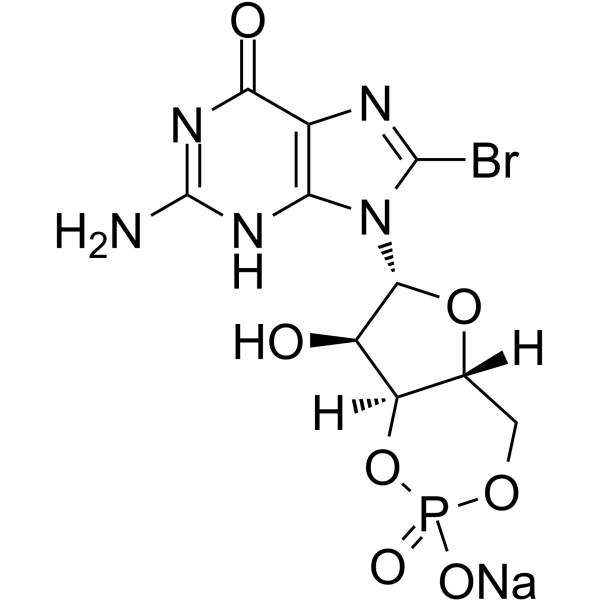
8-Bromo-cGMP sodium, a membrane-permeable analogue of cGMP, is a PKG (protein kinase G) activator. 8-Bromo-cGMP sodium significantly inhibits Ca 2+ macroscopic currents and impairs insulin release stimulated with high K + . 8-Bromo-cGMP sodium has antinociceptive effects and results in vasodilator responses .
|
-
-
- HY-19618
-
BRD3308
1 Publications Verification
|
HDAC
HIV
Apoptosis
|
Infection
Metabolic Disease
|
|
BRD3308 is a highly selective HDAC3 inhibitor with an IC50 of 54 nM. BRD3308 is 23-fold selectivity for HDAC3 over HDAC1 (IC50 of 1.26 μM) or HDAC2 (IC50 of 1.34 μM). BRD3308 suppresses pancreatic β-cell apoptosis induced by inflammatory cytokines or glucolipotoxic stress, and increases functional insulin release. BRD3308 activates HIV-1 transcription and disrupts HIV-1 latency .
|
-
-
- HY-B1114
-
|
AR-DF 26
|
Potassium Channel
ERK
STAT
NF-κB
COX
Interleukin Related
Reactive Oxygen Species (ROS)
|
Metabolic Disease
|
|
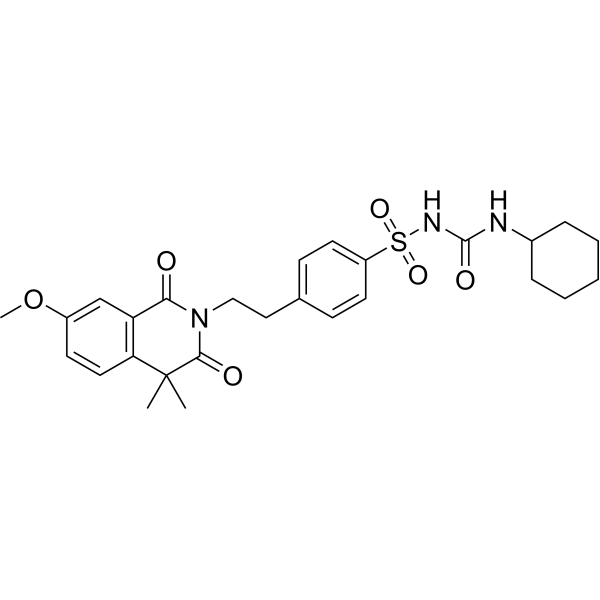
Gliquidone can bind to the pancreatic β-cells and increases insulin release to regulate blood glucose levels. Gliquidone significantly decreases LPS (HY-D1056)-induced proinflammatory responses and inhibits ERK/STAT3/NF-κB phosphorylation in BV2 microglial cells. Gliquidone can suppress microgliosis, microglial hypertrophy mediated by LPS, and proinflammatory cytokine COX-2 and IL-6 levels in murine model. Gliquidone also exhibits good anticancer activity in lung carcinoma cells. Gliquidone has antioxidant property. Gliquidone can be studied in research for type 2 diabetes and cancers .
|
-
-
- HY-P1782
-
|
|
Amylin Receptor
|
Metabolic Disease
|
|
Calcitonin (8-32), salmon is a highly selective Amylin receptor antagonist. Calcitonin (8-32), salmon reverses the Amylin-mediated inhibition of glucose-induced insulin release, but has no effect on either glucagon release or somatostatin release. Calcitonin (8-32), salmon can be used for studies related to β-cell amylin .
|
-
-
- HY-15671
-
|
|
Glucokinase
|
Metabolic Disease
|
|
GKA50 is a potent glucokinase activator (EC50=33 nM at 5 mM glucose). GKA50 stimulates insulin release from mouse islets of Langerhans. GKA50 is a glucose-like activator of beta-cell metabolism in rodent and human islets and a Ca 2+-dependent modulator of insulin secretion. GKA50 shows significant glucose lowering in high fat fed female rats .
|
-
-
- HY-U00462
-
|
|
Hexokinase
|
Metabolic Disease
Cancer
|
|
D-Mannoheptulose is a 7-carbon keto sugar found in avocado. D-mannoheptulose is a specific inhibitor of D-glucose phosphorylation by hexokinase isoenzymes. D-Mannoheptulose can block insulin release and utilization of carbohydrate in rat. D-Mannoheptulose has various functions as anti-oxidants, anticancer effects and energy sources .
|
-
-
- HY-B1350A
-
|
Sodium fusidate; SQ-16360
|
Bacterial
Antibiotic
Interleukin Related
|
Infection
Inflammation/Immunology
|
|
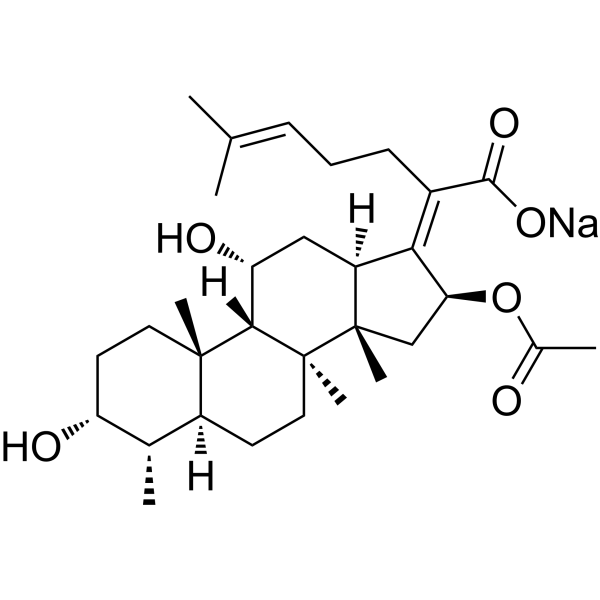
Fusidic acid sodium salt is an orally available antibacterial agent that inhibits bacterial protein synthesis by preventing the release of translation elongation factor G (EF-G) from ribosomes. Fusidic acid sodium salt inhibits the inhibitory and activating effects of interleukins IL-1 and IL-6 on glucose-induced insulin production and exhibits antidiabetic effects in a rat model. Fusidic acid sodium salt improves the symptoms of colitis in rats and inhibits the growth of Toxoplasma gondii and Listeria monocytogenes EGD in vitro, but not in mice .
|
-
-
- HY-W011683
-
|
|
Endogenous Metabolite
Nucleoside Antimetabolite/Analog
Caspase
Apoptosis
|
Metabolic Disease
Endocrinology
Cancer
|
|
2′-Deoxyadenosine monohydrate is an adenine nucleoside that inhibits glucose-stimulated insulin release. 2′-Deoxyadenosine monohydrate inhibits glucose-stimulated increases seen in islet cyclic AMP (cAMP) accumulation. 2'-Deoxyadenosine monohydrate activates caspase-3 and promotes apoptosis. 2'-Deoxyadenosine monohydrate inhibits the activity of S-adenosyl-L-homocysteine hydrolase (SAHH). 2'-Deoxyadenosine monohydrate inhibits the growth of various cells. 2'-Deoxyadenosine monohydrate has an anticancer effect on colon cancer .
|
-
-
- HY-10199A
-
|
MK-677 free base; MK-0677 free base
|
GHSR
Insulin Receptor
|
Neurological Disease
Metabolic Disease
|
|
Ibutamoren (MK-677 free base; MK-0677 free base) is an orally active non-peptide growth hormone secretagogue receptor agonist. Ibutamoren activates signal cascades by mimicking endogenous ligands, triggers pulsatile release of growth hormone from the pituitary gland, and increases serum levels of IGF-1 and insulin-like growth factor-binding protein 3. Ibutamoren not only increases the frequency of growth hormone pulses in male individuals, but also promotes elevated bone formation markers in female individuals with postmenopausal osteoporosis. The combination of Ibutamoren with Alendronate sodium hydrate (HY-11101) significantly increases bone mineral density at the femoral neck. However, Ibutamoren may cause mild, reversible adverse reactions such as increased appetite, fluid retention, and elevated fasting blood glucose. Ibutamoren has been widely used in studies related to idiopathic growth hormone deficiency, sarcopenia, Alzheimer's disease, and osteoporosis .
|
-
-
- HY-108448
-
|
OLDA
|
TRP Channel
Lipoxygenase
|
Cardiovascular Disease
Neurological Disease
Metabolic Disease
|
|
N-Oleoyldopamine (OLDA) is an orally active TRPV1 activator and 5-LOX inhibitor with blood-brain barrier permeability. N-Oleoyldopamine excites histaminergic neurons in the tuberomammillary nucleus via a dopamine receptor mechanism, a process independent of TRPV1 and cannabinoid receptors. On one hand, N-Oleoyldopamine promotes the release of insulin and glucose-dependent insulinotropic polypeptide through a GPR119-dependent pathway to improve glucose tolerance; on the other hand, N-Oleoyldopamine improves left ventricular function and reduces myocardial infarction size by triggering the release of substance P and calcitonin gene-related peptide. N-Oleoyldopamine is used in studies related to glycemic abnormalities and myocardial ischemia-reperfusion injury .
|
-
-
- HY-117483
-
|
|
iGluR
|
Neurological Disease
|
|
Gly-Pro-Glu is a neuroactive peptide with a potent action on acetylcholine release. Gly-Pro-Glu is the N-terminal tripeptide of insulin-like growth factor-I. Gly-Pro-Glu inhibits glutamate binds to N-methyl-D-aspartate (NMDA) receptor with an IC50 value of 14.7 μM. Gly-Pro-Glu can be used for the research of neuroprotection .
|
-
-
- HY-18555
-
TMPA
3 Publications Verification
|
Nuclear Hormone Receptor 4A/NR4A
AMPK
|
Metabolic Disease
Inflammation/Immunology
Cancer
|
|
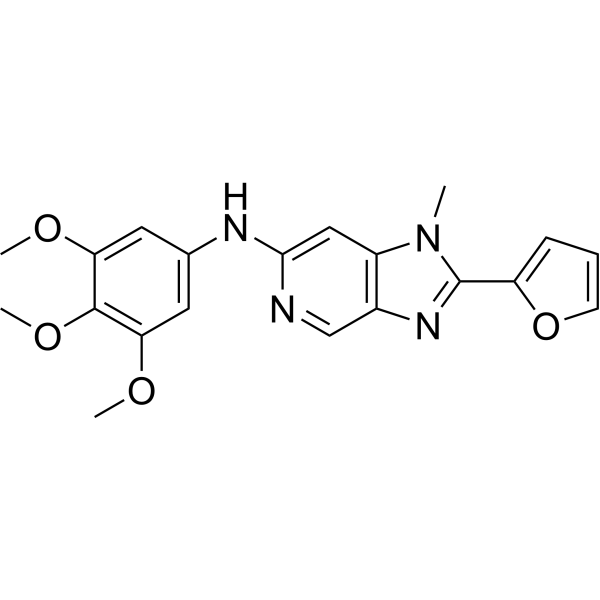
TMPA is a high-affinity Nur77 antagonist that binds to Nur77 leading to the release and shuttling of LKB1 in the cytoplasm to activate AMPKα. TMPA effectively lowers blood glucose and attenuates insulin resistance in type II db/db, high-fat diet and streptozotocin-induced diabetic mice. TMPA reduces RICD (restimulation-induced cell death) in human T cells, can also be used in studies of cancer and T-cell apoptosis dysregulation .
|
-
-
- HY-116538
-
|
trans-10,cis-12 CLA2
|
Endogenous Metabolite
PPAR
NF-κB
Stearoyl-CoA Desaturase (SCD)
Lipase
|
Metabolic Disease
Inflammation/Immunology
Cancer
|
|
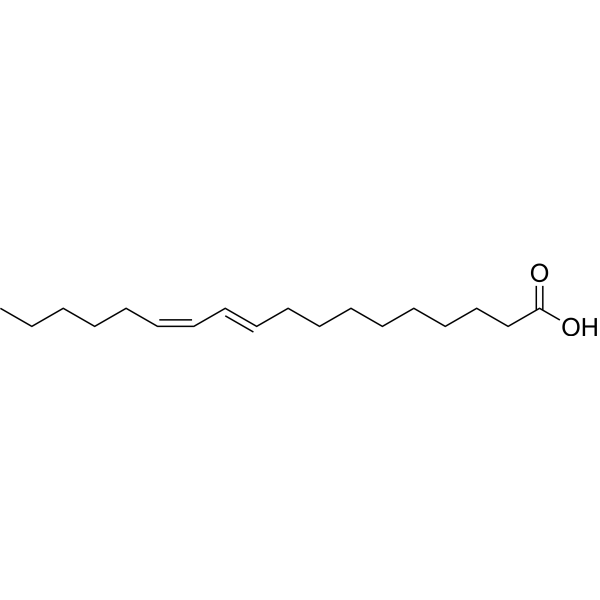
(10E,12Z)-Octadeca-10,12-dienoic acid (trans-10,cis-12 CLA2) is an orally active PPARα activator and inhibits adipocyte differentiation. (10E,12Z)-Octadeca-10,12-dienoic acid and its downstream metabolites have various antioxidant and antitumor activities. (10E,12Z)-Octadeca-10,12-dienoic acid can induce proinflammatory cytokines and chemokines, which would lead to decreased adipogenesis and insulin resistance in adipose tissue. (10E,12Z)-Octadeca-10,12-dienoic acid can affect many aspects of milk fat synthesis. (10E,12Z)-Octadeca-10,12-dienoic acid reduces expression of lipogenic enzymes and inhibits the desaturation of fatty acids. (10E,12Z)-Octadeca-10,12-dienoic acid can reduce lipoprotein lipase (LPL) activity in cultured 3T3-L1 adipocytes and enhance triacylglycerol release from these cells. (10E,12Z)-Octadeca-10,12-dienoic acid decreases the expression of hepatic stearoyl-CoA desatyrase mRNA in mice. (10E,12Z)-Octadeca-10,12-dienoic acid is associated with changes in mucosal NF-κB and Cyclin D1 protein levels in mice .
|
-
-
- HY-136561
-
|
|
G Protein-coupled Receptor Kinase (GRK)
ERK
|
Metabolic Disease
|
|
GRK5-IN-2 (compound 707), a pyridine-based bicyclic compound, is a potent G-protein-coupled receptor kinase 5 (GRK5) inhibitor with an IC50 of 49.7 μM. GRK5-IN-2 regulates the expression and/or release of insulin and is useful for the metabolic disease research .
|
-
-
- HY-P0014B
-
|
|
GLP Receptor
|
Metabolic Disease
|
|
Liraglutide (TFA) is an agonist of glucagon-like peptide 1 receptor (GLP-1). Liraglutide (TFA) can activate GLP-1, leading to the release of insulin in the presence of increased glucose concentration. Liraglutide (TFA) also reduces glucagon secretion in a glucose-dependent manner. Liraglutide (TFA) can be studied in research on type 2 diabetes .
|
-
-
- HY-110135A
-
|
|
IGF-1R
|
Neurological Disease
|
|
NBI-31772 hydrate is a potent inhibitor of interaction between insulin-like growth factor (IGF) and IGF-binding proteins (IGFBPs). NBI-31772 hydrate is also a nonpeptide ligand that releases bioactive IGF-I from the IGF-I/IGFBP-3 complex (Kis=1-24 nM for all six human subtypes). Anxiolytic and antidepressant-like effects .
|
-
-
- HY-P3622
-
|
|
GCGR
|
Metabolic Disease
|
|
(Ser8)-GLP-1 (7-36) amide, human is a glucagon-like peptide 1 amide derived from glucagonogen, a cleavage product of the GLP-1 (1-36) amide peptide. (Ser8)-GLP-1 (7-36) amide, human is an entero-insulinotropic hormone that causes glucose-dependent release of insulin from pancreatic β-cells and affects gastrointestinal motility and secretion .
|
-
-
- HY-W012985
-
|
|
ATP Synthase
Apoptosis
|
Metabolic Disease
Cancer
|
|
Methyl pyruvate is a methyl ester derivative of pyruvic acid. Methyl pyruvate induces insulin release and membrane depolarization. Methyl pyruvate rescues proteasome damage and nuclear localization of TdP-43 caused by overexpression of σ1RE102Q by enhancing ATP synthesis. Methyl pyruvate selectively protects normal lung fibroblasts from cell death induced by Irinotecan (HY-16562). Methyl pyruvate promotes apoptosis and necrosis in cancer cells and downregulates angiogenesis and cell cycle pathways. Methyl pyruvate is an effective substrate for dihydrodihydrogen dehydrogenase.
|
-
-
- HY-P3863
-
|
|
Ser/Thr Protease
|
Inflammation/Immunology
|
|
Pancreastatin (swine) is a 49-residue peptide which strongly inhibits glucose-induced insulin release. Pancreastatin (swine) can be isolated and characterized from porcine pancreas .
|
-
-
- HY-N9536
-
|
|
GLP Receptor
|
Metabolic Disease
|
|
Cinnamtannin A2, a tetrameric procyanidin, can increases GLP-1 and insulin secretion in mice. Cinnamtannin A2 could upregulate the expression of corticotrophin releasing hormone. Cinnamtannin A2 exhibits antioxidant, anti-diabetic and nephroprotective effect .
|
-
-
- HY-E70397A
-
|
DPP-IV, Porcine Kidney
|
Dipeptidyl Peptidase
|
Metabolic Disease
|
|
Dipeptidyl Peptidase IV, Porcine Kidney (DPP-IV, Porcine Kidney) is a serine aminopeptidase with multiple physiological roles. Dipeptidyl Peptidase IV, Porcine Kidney hydrolyses gastric inhibitory peptide (GIP) and glucagon-like peptide 1 (GLP-1), the most important insulin-releasing hormones (incretins) of the enteroinsular axis .
|
-
-
- HY-B1202
-
|
AY-22284
|
Aldose Reductase
|
Metabolic Disease
|
|
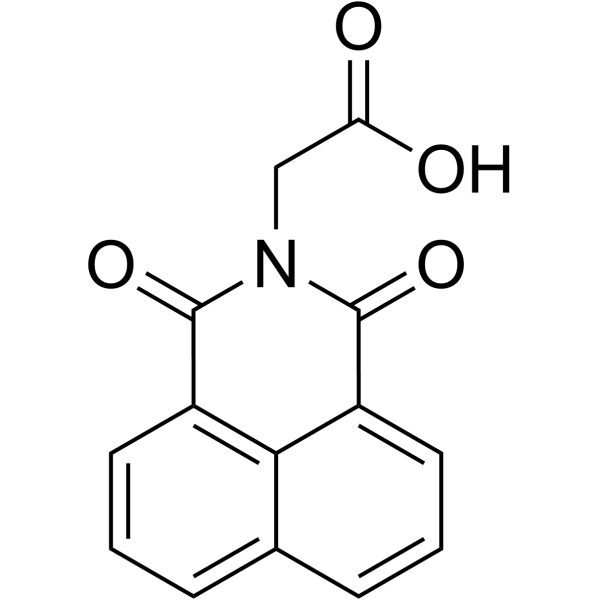
Alrestatin (AY-22284) is an aldose reductase inhibitor. Alrestatin reduces fructose levels in the uterine fluid of mice. Alrestatin interferes with sperm capacitation and impairs fertilization function in mice. Alrestatin decreases basal and tyramine-induced norepinephrine release in rat pancreatic specimens in vitro. Alrestatin enhances glucose- and arginine-stimulated insulin secretion in vivo. Alrestatin can be used in studies related to diabetes and reproductive diseases .
|
-
-
- HY-134299
-
|
8-(4-Chlorophenylthio)-cAMP-AM
|
Ras
PKA
|
Cardiovascular Disease
Metabolic Disease
Cancer
|
|
8-CPT-cAMP-AM (8-(4-Chlorophenylthio)-cAMP-AM) is an Epac/PKA activator. 8-CPT-cAMP-AM potentiates glucose-dependent first- and second-phase insulin secretion, induces β-cell depolarization, modulates intracellular calcium via influx and ryanodine-sensitive store mobilization, and facilitates calcium-induced calcium release resistant to PKA inhibition. 8-CPT-cAMP-AM can be used for the research of cardiac hypertrophy, diabetic cardiomyopathy, and melanoma .
|
-
-
- HY-P3019
-
|
|
CRFR
|
Cardiovascular Disease
Neurological Disease
Endocrinology
|
|
Urocortin III (human) is a corticotropin-releasing factor (CRF)-related peptide. Urocortin III (human) preferentially binds and activates CRF-R2 and has a discrete central nervous system and peripheral distribution. Urocortin III (human) potently binds to type 2 CRF receptors, specifically mCRF2β (Ki = 13.5 nM) and rCRF2α (Ki = 21.7 nM), while demonstrating negligible affinity for hCRF1 (Ki >100 nM). Urocortin III (human) mediates somatostatin-dependent negative feedback control of Insulin (human) (HY-P0035) secretion [1][2].
|
-
-
- HY-W040329R
-
|
|
Reference Standards
Endogenous Metabolite
Nucleoside Antimetabolite/Analog
Caspase
Apoptosis
|
Metabolic Disease
Endocrinology
Cancer
|
|
2'-Deoxyadenosine (Standard) is the analytical standard of 2'-Deoxyadenosine (HY-W040329). This product is intended for research and analytical applications. 2′-Deoxyadenosine is an adenine nucleoside that inhibits glucose-stimulated insulin release. 2′-Deoxyadenosine inhibits glucose-stimulated increases seen in islet cyclic AMP (cAMP) accumulation. 2'-Deoxyadenosine activates caspase-3 and promotes apoptosis. 2'-Deoxyadenosine inhibits the activity of S-adenosyl-L-homocysteine hydrolase (SAHH). 2'-Deoxyadenosine inhibits the growth of various cells. 2'-Deoxyadenosine has an anticancer effect on colon cancer .
|
-
-
- HY-N9685
-
|
D-(+)-Digitoxose
|
Others
|
Metabolic Disease
|
|
Digitoxose (D-(+)-Digitoxose), a natural product, specifically and competitively inhibits glucose-stimulated insulin release from islets in lean and obese mice. Digitoxose can be used in diabetes research .
|
-
-
- HY-P3019A
-
|
|
CRFR
|
Cardiovascular Disease
Neurological Disease
Metabolic Disease
|
|
Urocortin III (human) TFA is a corticotropin-releasing factor (CRF)-related peptide. Urocortin III (human) TFA preferentially binds and activates CRF-R2 and has a discrete central nervous system and peripheral distribution. Urocortin III (human) TFA potently binds to type 2 CRF receptors, specifically mCRF2β (Ki = 13.5 nM) and rCRF2α (Ki = 21.7 nM), while demonstrating negligible affinity for hCRF1 (Ki >100 nM). Urocortin III (human) TFA mediates somatostatin-dependent negative feedback control of Insulin (human) (HY-P0035) secretion .
|
-
-
- HY-W040329S1
-
|
|
Isotope-Labeled Compounds
Endogenous Metabolite
Nucleoside Antimetabolite/Analog
Caspase
Apoptosis
|
Metabolic Disease
Endocrinology
Cancer
|
|
2'-Deoxyadenosine- 13C10 is 13C-labeled 2'-Deoxyadenosine (HY-W040329) . 2′-Deoxyadenosine is an adenine nucleoside that inhibits glucose-stimulated insulin release. 2′-Deoxyadenosine inhibits glucose-stimulated increases seen in islet cyclic AMP (cAMP) accumulation. 2'-Deoxyadenosine activates caspase-3 and promotes apoptosis. 2'-Deoxyadenosine inhibits the activity of S-adenosyl-L-homocysteine hydrolase (SAHH). 2'-Deoxyadenosine inhibits the growth of various cells. 2'-Deoxyadenosine has an anticancer effect on colon cancer .
|
-
-
- HY-W039923
-
|
|
Insulin Receptor
|
Endocrinology
|
|
β-D-Galactose pentaacetate is a negative regulator of insulin with plasma membrane penetrating ability and can be hydrolyzed by intracellular esterases. β-D-Galactose pentaacetate inhibits Leucine (HY-N0486)-induced insulin release in Wistar rat islets, potentially preventing excessive insulin release in pathological conditions .
|
-
-
- HY-P3864
-
|
|
Insulin Receptor
|
Metabolic Disease
|
|
Pancreastatin (37-52), human is a pancreastatin fragment. Pancreastatin a CgA-derived peptide (CgA residues 250–301) with biological activity, inhibited the releasing of insulin by islet beta cells .
|
-
-
- HY-P10302
-
|
|
GLP Receptor
Insulin Receptor
|
Metabolic Disease
|
|
GLP-1R/GIPR AgonIST-1 is a double-receptor agonist for GLP-1 (glucagon-like peptide-1) and GIP (glucose-dependent insulin releasing peptide). GLP-1R/GIPR agonist-1 lowers blood sugar by mimicking the action of endogenous hormones GLP-1 and GIP, enhancing insulin secretion while inhibiting glucagon secretion. GLP-1R/GIPR agonist-1 can be used in the study of metabolic diseases such as diabetes, obesity, and non-alcoholic steatohepatitis (NASH) .
|
-
-
- HY-P2090A
-
|
|
Somatostatin Receptor
Adenylate Cyclase
|
Cardiovascular Disease
|
|
Angiopeptin TFA, a cyclic octapeptide analogue of somatostatin, is a weak sst2/sst5 receptor partial agonist with IC50 values of 0.26 nM and 6.92 nM, respectively. Angiopeptin TFA is a potent inhibitor of growth hormone release and insulin-like growth factor-1 (IGF-1) production. Angiopeptin TFA inhibits adenylate cyclase or stimulates extracellular acidification. Angiopeptin TFA has the potential for coronary atherosclerosis research .
|
-
-
- HY-14292
-
|
|
Dipeptidyl Peptidase
|
Metabolic Disease
|
|
NVP-DPP728 is a potent, reversible and nitrile-dependent dipeptidyl peptidase IV (DPP-IV) inhibitor. NVP-DPP728 can inhibit human DPP-IV amidolytic activity with a Ki of 11 nM. NVP-DPP728 inhibits degradation of glucagon-like peptide-1 (GLP-1) and thereby potentiates insulin release in response to glucose intake. NVP-DPP728 can be used for researching diabetes .
|
-
-
- HY-159944
-
|
|
PPAR
|
Neurological Disease
Metabolic Disease
Inflammation/Immunology
|
|
PPARγ agonist 14 (compound 3) is a PPARy agonist (EC50=2.4 μM) with anti-diabetic activity. PPARγ agonist 14 can improve intracellular glucose uptake, promote insulin release, and lower blood sugar. In addition, PPARγ agonist 14 also improves mitochondrial function, reduces oxidative stress, and inhibits inflammatory factors. PPARγ agonist 14 can be used in the study of neurodegenerative diseases, neuroinflammatory diseases, and other diseases .
|
-
-
- HY-100546
-
|
|
Histone Demethylase
|
Infection
Metabolic Disease
Cancer
|
|
GSK-LSD1, a chemical probe, is a LSD1 inhibitor. GSK-LSD1 reduces food intake and body weight, and improves insulin sensitivity and glycemic control in mouse models of obesity. GSK-LSD1 also ameliorates NAFLD. GSK-LSD1 inhibits SARS-CoV-2-triggered cytokine release in COVID-19 PBMCs. GSK-LSD1 also inhibits cancer growth and metastasis .
|
-
-
- HY-W011683S6
-
|
|
Isotope-Labeled Compounds
Endogenous Metabolite
Nucleoside Antimetabolite/Analog
Caspase
Apoptosis
|
Metabolic Disease
Endocrinology
Cancer
|
|
2'-Deoxyadenosine monohydrate- 13C10, 15N5 is the 13C and 15N labeled 2'-Deoxyadenosine monohydrate (HY-W011683) . 2′-Deoxyadenosine monohydrate is an adenine nucleoside that inhibits glucose-stimulated insulin release. 2′-Deoxyadenosine monohydrate inhibits glucose-stimulated increases seen in islet cyclic AMP (cAMP) accumulation. 2'-Deoxyadenosine monohydrate activates caspase-3 and promotes apoptosis. 2'-Deoxyadenosine monohydrate inhibits the activity of S-adenosyl-L-homocysteine hydrolase (SAHH). 2'-Deoxyadenosine monohydrate inhibits the growth of various cells. 2'-Deoxyadenosine monohydrate has an anticancer effect on colon cancer .
|
-
-
- HY-P5291
-
|
Caerulein precursor fragment
|
Insulin Receptor
|
Metabolic Disease
|
|
CPF-7 (Caerulein precursor fragment) is an insulin-releasing peptide that stimulates the release of insulin. CPF-7 can induce epithelial-mesenchymal transition by upregulating Snai1 expression in PANC-1 ductal cells. CPF-7 also induces exocrine plasticity by upregulating Ngn3 expression. CPF-7 can be used in the research of type 2 diabetes .
|
-
-
- HY-W102387
-
|
Pentaacetyl-D-galactopyranose
|
Insulin Receptor
|
Metabolic Disease
|
|
D-Galactose pentaacetate inhibits leucine-induced insulin release. D-Galactose pentaacetate can be used for the research of persistent hyperinsulinemia in childhood or insulinoma .
|
-
-
- HY-120287
-
|
|
Somatostatin Receptor
|
Endocrinology
|
|
L-054522 is an agonist for somatostatin receptor subtype 2 with Kd of 0.01 nM. L-054522 inhibits growth hormone release from rat primary pituitary cell (IC50=0.05 nM) and glucagon and insulin release from isolated mouse pancreatic islet cell (IC50=0.05 nM and 12 nM) .
|
-
-
- HY-W037817
-
|
Dimethyl glutamate
|
Potassium Channel
Bacterial
|
Infection
Metabolic Disease
|
|
Dimethyl L-glutamate (Dimethyl glutamate), a membrane-permeable analog of Glutamate, can stimulate insulin release induced by Glucose. Dimethyl L-glutamate suppresses the KATP channel activities. Dimethyl L-glutamate inhibits E. gracilis growth and causes abnormal cell division. Dimethyl L-glutamate can be used in the research of diabetes, glucose transport, phosphorylation, and further metabolism .
|
-
-
- HY-165341
-
-
-
- HY-120493A
-
|
|
Free Fatty Acid Receptor
|
Metabolic Disease
|
|
AM-6226 is a potent and orally active G protein coupled receptor 40 (GPR40) full agonist with an EC50 of 0.12 μM. AM-6226 can activate the GPR40 receptors on pancreatic β cells and enteroendocrine L cells, promote insulin secretion in a glucose-dependent manner and also increase the release of incretin hormones (GLP-1, GIP), thereby avoiding the risk of hypoglycemia. AM-6226 can be used for the research of metabolic disease, such as diabetes .
|
-
-
- HY-176770
-
|
|
GLP Receptor
|
Metabolic Disease
|
|
GLP-1R agonist 34 (Compound 1) is an orally active small molecule glucagon-like peptide-1 receptor (GLP-1R) agonist. GLP-1R agonist 34 promotes insulin secretion, inhibits glucagon release, and delays gastric emptying, thereby effectively lowering blood glucose levels. GLP-1R agonist 34 is promising for research of metabolic diseases, including type 2 diabetes, obesity, and non-alcoholic steatohepatitis (NASH) .
|
-
- HY-171851
-
|
|
GCGR
|
Metabolic Disease
|
|
GLP-1R agonist 32 (Compound 111) is an orally active and highly potent GLP-1R agonist with an EC50 value of 0.017 nM. GLP-1R agonist 32 exerts glucose-regulating activity by activating GLP-1R to stimulate cAMP production, promoting insulin secretion, inhibiting glucagon release, and delaying gastric emptying. GLP-1R agonist 32 is promising for research of type 2 diabetes, obesity, and related metabolic disorders .
|
-
- HY-W011683S3
-
|
|
Isotope-Labeled Compounds
Endogenous Metabolite
Nucleoside Antimetabolite/Analog
Caspase
Apoptosis
|
Metabolic Disease
Endocrinology
Cancer
|
|
2'-Deoxyadenosine monohydrate-5′- 13C is the 13C labeled 2'-Deoxyadenosine monohydrate (HY-W011683) . 2′-Deoxyadenosine monohydrate is an adenine nucleoside that inhibits glucose-stimulated insulin release. 2′-Deoxyadenosine monohydrate inhibits glucose-stimulated increases seen in islet cyclic AMP (cAMP) accumulation. 2'-Deoxyadenosine monohydrate activates caspase-3 and promotes apoptosis. 2'-Deoxyadenosine monohydrate inhibits the activity of S-adenosyl-L-homocysteine hydrolase (SAHH). 2'-Deoxyadenosine monohydrate inhibits the growth of various cells. 2'-Deoxyadenosine monohydrate has an anticancer effect on colon cancer .
|
-
- HY-W011683S
-
|
|
Isotope-Labeled Compounds
Endogenous Metabolite
Nucleoside Antimetabolite/Analog
Caspase
Apoptosis
|
Metabolic Disease
Endocrinology
Cancer
|
|
2'-Deoxyadenosine monohydrate-1′- 13C is the 13C labeled 2'-Deoxyadenosine monohydrate (HY-W011683) . 2′-Deoxyadenosine monohydrate is an adenine nucleoside that inhibits glucose-stimulated insulin release. 2′-Deoxyadenosine monohydrate inhibits glucose-stimulated increases seen in islet cyclic AMP (cAMP) accumulation. 2'-Deoxyadenosine monohydrate activates caspase-3 and promotes apoptosis. 2'-Deoxyadenosine monohydrate inhibits the activity of S-adenosyl-L-homocysteine hydrolase (SAHH). 2'-Deoxyadenosine monohydrate inhibits the growth of various cells. 2'-Deoxyadenosine monohydrate has an anticancer effect on colon cancer .
|
-
- HY-P3616
-
|
|
GCGR
|
Metabolic Disease
|
|
Human glucagon-like peptide-1-(7-36)-Lys(Biotin) amide is a biotin labeled glucagon-like peptide-1-(7-36). Glucagon-like peptide-1-(7-36) is a gastrointestinal peptide with antidiabetogenic activity, and can increase the release of insulin .
|
-
- HY-114813
-
|
|
Drug Derivative
|
Metabolic Disease
Inflammation/Immunology
|
|
KHG26693 is a thiazole derivative with anti-inflammatory and antioxidant properties. KHG26693 normalizes disturbed glucose metabolism by enhancing glucose utilization and decreasing liver glucose production via insulin release. KHG26693 is promising for research of diabetes .
|
-
- HY-163652
-
|
|
Insulin Receptor
|
Metabolic Disease
|
|
Glicetanile is an orally active hypoglycemic agent, that stimulates the release of insulin from pancreatic beta cells, and lowers the blood sugar. Glicetanile exhibits potential in ameliorating the type 2 diabetes .
|
-
- HY-116844
-
|
Glidiazine
|
Drug Derivative
Insulin Receptor
|
Metabolic Disease
|
|
Glymidine (Glidiazine) is a hypoglycaemic agent. Glymidine is a lipid soluble sulphapyrimidine derivative. Glymidine appears to stimulate insulin release from pancreas. Glymidine is a possible alternative to the sulphonylureas and biguanides for the research of diabetes mellitus .
|
-
- HY-P3578
-
|
|
Insulin Receptor
|
Endocrinology
|
|
Gastric Inhibitory Polypeptide (1-30), porcine lacks the C-terminal 12 amino acid residues of natural gastric inhibitory polypeptide (GIP), exhibits biologic activity by potentiating the release of insulin and somatostatin .
|
-
- HY-15671A
-
|
|
Glucokinase
|
Metabolic Disease
|
|
GKA50 quarterhydrate is a potent glucokinase activator (EC50=33 nM at 5 mM glucose) and stimulates insulin release from mouse islets of Langerhans. GKA50 quarterhydrate is a glucose-like activator of beta-cell metabolism in rodent and human islets and a Ca 2+-dependent modulator of insulin secretion. GKA50 quarterhydrate shows significant glucose lowering in high fat fed female rats .
|
-
- HY-120029
-
|
|
Phosphodiesterase (PDE)
|
Endocrinology
|
|
Org-9935 is a selective inhibitor of PDE3 with an IC50 of 50 nM. Org-9935 inhibits maturation of oocyte in naturally selected dominant follicle in rhesus macaques. Org-9935 can augment glucose-induced insulin release in isolated rat islets with an EC50 of 20 μM .
|
-
- HY-119322R
-
|
NN414 (Standard)
|
Potassium Channel
Reference Standards
|
Metabolic Disease
|
|
Tifenazoxide (Standard) is the analytical standard of Tifenazoxide. This product is intended for research and analytical applications. Tifenazoxide (NN414) is a potent, orally active and SUR1/Kir6.2 selective KATP channels opener. Tifenazoxide has antidiabetic effect, can inhibit glucose stimulated insulin release in vitro and in vivo, and has a beneficial effect on glucose homeostasis .
|
-
- HY-P3608
-
|
|
GCGR
|
Metabolic Disease
|
|
[Des-His1,Glu9] Glucagon is a potent glucagon receptor system peptide antagonist. [Des-His1,Glu9] Glucagon enhances the glucose-stimulated release of insulin from pancreatic islet cells. [Des-His1,Glu9] Glucagon can be used to research diabetes .
|
-
- HY-B1202A
-
|
AY-22284A
|
Aldose Reductase
|
Metabolic Disease
|
|
Alrestatin (AY-22284) sodium is an aldose reductase inhibitor. Alrestatin sodium reduces fructose levels in the uterine fluid of mice. Alrestatin sodium interferes with sperm capacitation and impairs fertilization function in mice. Alrestatin sodium decreases basal and tyramine-induced norepinephrine release in rat pancreatic specimens in vitro. Alrestatin sodium enhances glucose- and arginine-stimulated insulin secretion in vivo. Alrestatin sodium can be used in studies related to diabetes and reproductive diseases .
|
-
- HY-P1544
-
|
|
Endogenous Metabolite
Adenylate Cyclase
PKA
Calcium Channel
|
Neurological Disease
Metabolic Disease
|
|
Cerebellin is a neuromodulatory hexadecapeptide that serves as a marker for Purkinje cell maturation. Cerebellin stimulates norepinephrine release via the adenylate cyclase/PKA-dependent signaling pathway. Cerebellin reduces insulin secretion from pancreatic islets under high-glucose conditions. Cerebellin also regulates synaptic structure formation and controls catecholamine secretion in peripheral tissues. Cerebellin can be used in neurological research .
|
-
- HY-109692
-
|
|
Free Fatty Acid Receptor
|
Metabolic Disease
Inflammation/Immunology
|
|
GPR120 Agonist 5 (compound 12) is an agonist targeting GPR120 (EC50=1.2 μM). GPR120 Agonist 5 promotes the release of glucagon-like 1 (GLP-1) by binding to the GPR120 receptor, which in turn binds to its receptors on pancreatic beta cells, increasing insulin secretion and thereby lowering blood sugar levels. GPR120 Agonist 5 also helps reduce chronic low-grade inflammation, which plays an important role in the pathogenesis of obesity, insulin resistance, and type 2 diabetes. GPR120 Agonist 5 can be used to investigate the mechanism of action of GPR120 in metabolic and inflammatory diseases .
|
-
- HY-N7241
-
|
|
Others
|
Endocrinology
|
|
Saudin, derived from Clutia lanceolata, is a hypoglycemic compound that significantly enhances glucose-triggered insulin release from murine pancreatic islets. It belongs to a group of new diterpenoids with a distinct tetracyclic core, suggesting potential as a therapeutic agent for diabetes treatment. Proposed biosynthetic pathways outline alternative cyclization routes from a common precursor, with Lanceolide P (16) identified as a promising lead compound for further development in managing diabetes .
|
-
- HY-P2090
-
|
|
Somatostatin Receptor
Adenylate Cyclase
|
Cardiovascular Disease
|
|
Angiopeptin, a cyclic octapeptide analogue of somatostatin, is a weak sst2/sst5 receptor partial agonist with IC50 values of 0.26 nM and 6.92 nM, respectively. Angiopeptin is a potent inhibitor of growth hormone release and insulin-like growth factor-1 (IGF-1) production. Angiopeptin inhibits adenylate cyclase or stimulates extracellular acidification. Angiopeptin has the potential for coronary atherosclerosis research .
|
-
- HY-W767186
-
|
|
Isotope-Labeled Compounds
Hexokinase
|
Metabolic Disease
Cancer
|
|
D-Mannoheptulose- 13C7 is the 13C-labeled D-Mannoheptulose. D-Mannoheptulose is a 7-carbon keto sugar found in avocado. D-mannoheptulose is a specific inhibitor of D-glucose phosphorylation by hexokinase isoenzymes. D-Mannoheptulose can block insulin release and utilization of carbohydrate in rat. D-Mannoheptulose has various functions as anti-oxidants, anticancer effects and energy sources .
|
-
- HY-137638
-
|
|
PKA
|
Metabolic Disease
|
|
Sp-5,6-DCl-cBIMPS is a potent and specific cAMP-dependent protein kinases (cAMP-PK) activator. Sp-5,6-DCl-cBIMPS stimulates insulin release. Sp-5,6-DCl-cBIMPS inhibits U-46619 (HY-108566)-induced activation of Rho, Gq and G12/G13 in platelets .
|
-
- HY-137638A
-
|
Sp-5,6-DCI-cBIMPS
|
PKA
|
Metabolic Disease
|
|
Sp-5,6-DCl-cBIMPS sodium is a potent and specific cAMP-dependent protein kinases (cAMP-PK) activator. Sp-5,6-DCl-cBIMPS sodium stimulates insulin release. Sp-5,6-DCl-cBIMPS sodium inhibits U-46619 (HY-108566)-induced activation of Rho, Gq and G12/G13 in platelets .
|
-
- HY-U00462S
-
|
|
Isotope-Labeled Compounds
Hexokinase
|
Metabolic Disease
Cancer
|
|
D-Mannoheptulose- 13C is the 13C labeled D-Mannoheptulose (HY-U00462) . D-Mannoheptulose is a 7-carbon keto sugar found in avocado. D-mannoheptulose is a specific inhibitor of D-glucose phosphorylation by hexokinase isoenzymes. D-Mannoheptulose can block insulin release and utilization of carbohydrate in rat. D-Mannoheptulose has various functions as anti-oxidants, anticancer effects and energy sources .
|
-
- HY-B1202R
-
|
AY-22284 (Standard)
|
Reference Standards
Aldose Reductase
|
Metabolic Disease
|
|
Alrestatin (AY-22284) Standard is the analytical standard of Alrestatin (HY-B1202). This product is intended for research and analytical applications. Alrestatin (AY-22284) is an aldose reductase inhibitor. Alrestatin reduces fructose levels in the uterine fluid of mice. Alrestatin interferes with sperm capacitation and impairs fertilization function in mice. Alrestatin decreases basal and tyramine-induced norepinephrine release in rat pancreatic specimens in vitro. Alrestatin enhances glucose- and arginine-stimulated insulin secretion in vivo. Alrestatin can be used in studies related to diabetes and reproductive diseases.
|
-
- HY-W778207
-
|
|
Isotope-Labeled Compounds
|
Others
|
|
2'-Deoxyadenosine- 13C5 monohydrate is the 13C labeled isotope of '-Deoxyadenosine monohydrate (HY-W040329). 2′-Deoxyadenosine is an adenine nucleoside that inhibits glucose-stimulated insulin release. 2′-Deoxyadenosine inhibits glucose-stimulated increases seen in islet cyclic AMP (cAMP) accumulation. 2'-Deoxyadenosine activates caspase-3 and promotes apoptosis. 2'-Deoxyadenosine inhibits the activity of S-adenosyl-L-homocysteine hydrolase (SAHH). 2'-Deoxyadenosine inhibits the growth of various cells. 2'-Deoxyadenosine has an anticancer effect on colon cancer .
|
-
- HY-12191
-
|
|
Histamine Receptor
|
Metabolic Disease
|
|
A-331440 is a potent and selective histamine H3 receptor antagonist that regulates neurotransmitter release by inhibiting presynaptic H3 receptors. In preclinical studies involving mice on a high-fat diet, A-331440 demonstrated dose-dependent effects on weight reduction and fat loss. At 5 mg/kg, it effectively decreased body weight comparable to dexfenfluramine, while at 15 mg/kg, it significantly reduced body fat and improved insulin tolerance, similar to mice on a low-fat diet. These findings suggest that A-331440 holds promise as an antiobesity agent by modulating histaminergic pathways involved in food intake and metabolic regulation .
|
-
- HY-W745905
-
|
|
Isotope-Labeled Compounds
Apoptosis
Nucleoside Antimetabolite/Analog
Caspase
Endogenous Metabolite
|
Metabolic Disease
Endocrinology
Cancer
|
|
2'-Deoxyadenosine- 15N1 is the 15N-labeled 2'-Deoxyadenosine (HY-W040329). 2′-Deoxyadenosine is an adenine nucleoside that inhibits glucose-stimulated insulin release. 2′-Deoxyadenosine inhibits glucose-stimulated increases seen in islet cyclic AMP (cAMP) accumulation. 2'-Deoxyadenosine activates caspase-3 and promotes apoptosis. 2'-Deoxyadenosine inhibits the activity of S-adenosyl-L-homocysteine hydrolase (SAHH). 2'-Deoxyadenosine inhibits the growth of various cells. 2'-Deoxyadenosine has an anticancer effect on colon cancer .
|
-
- HY-W011683S7
-
|
|
Isotope-Labeled Compounds
Endogenous Metabolite
Nucleoside Antimetabolite/Analog
Caspase
Apoptosis
|
Metabolic Disease
Endocrinology
Cancer
|
|
2'-Deoxyadenosine monohydrate- 15N5 is the 15N labeled 2'-Deoxyadenosine monohydrate (HY-W011683) . 2′-Deoxyadenosine monohydrate is an adenine nucleoside that inhibits glucose-stimulated insulin release. 2′-Deoxyadenosine monohydrate inhibits glucose-stimulated increases seen in islet cyclic AMP (cAMP) accumulation. 2'-Deoxyadenosine monohydrate activates caspase-3 and promotes apoptosis. 2'-Deoxyadenosine monohydrate inhibits the activity of S-adenosyl-L-homocysteine hydrolase (SAHH). 2'-Deoxyadenosine monohydrate inhibits the growth of various cells. 2'-Deoxyadenosine monohydrate has an anticancer effect on colon cancer .
|
-
- HY-W011683R
-
|
|
Reference Standards
Endogenous Metabolite
Nucleoside Antimetabolite/Analog
Caspase
Apoptosis
|
Metabolic Disease
Endocrinology
Cancer
|
|
2'-Deoxyadenosine monohydrate (Standard) is the analytical standard of 2'-Deoxyadenosine monohydrate ((HY-W011683). This product is intended for research and analytical applications. 2′-Deoxyadenosine monohydrate is an adenine nucleoside that inhibits glucose-stimulated insulin release. 2′-Deoxyadenosine monohydrate inhibits glucose-stimulated increases seen in islet cyclic AMP (cAMP) accumulation. 2'-Deoxyadenosine monohydrate activates caspase-3 and promotes apoptosis. 2'-Deoxyadenosine monohydrate inhibits the activity of S-adenosyl-L-homocysteine hydrolase (SAHH). 2'-Deoxyadenosine monohydrate inhibits the growth of various cells. 2'-Deoxyadenosine monohydrate has an anticancer effect on colon cancer .
|
-
- HY-W011683S1
-
|
|
Isotope-Labeled Compounds
Endogenous Metabolite
Nucleoside Antimetabolite/Analog
Caspase
Apoptosis
|
Metabolic Disease
Endocrinology
Cancer
|
|
2'-Deoxyadenosine monohydrate-2′- 13C is the 13C labeled 2'-Deoxyadenosine monohydrate(HY-W011683) . 2′-Deoxyadenosine monohydrate is an adenine nucleoside that inhibits glucose-stimulated insulin release. 2′-Deoxyadenosine monohydrate inhibits glucose-stimulated increases seen in islet cyclic AMP (cAMP) accumulation. 2'-Deoxyadenosine monohydrate activates caspase-3 and promotes apoptosis. 2'-Deoxyadenosine monohydrate inhibits the activity of S-adenosyl-L-homocysteine hydrolase (SAHH). 2'-Deoxyadenosine monohydrate inhibits the growth of various cells. 2'-Deoxyadenosine monohydrate has an anticancer effect on colon cancer .
|
-
- HY-W040329S
-
|
|
Isotope-Labeled Compounds
Endogenous Metabolite
Nucleoside Antimetabolite/Analog
Caspase
Apoptosis
|
Metabolic Disease
Endocrinology
Cancer
|
|
2'-Deoxyadenosine- 13C10, 15N5 is 13C and 15N-labeled 2'-Deoxyadenosine (HY-W040329) . 2′-Deoxyadenosine is an adenine nucleoside that inhibits glucose-stimulated insulin release. 2′-Deoxyadenosine inhibits glucose-stimulated increases seen in islet cyclic AMP (cAMP) accumulation. 2'-Deoxyadenosine activates caspase-3 and promotes apoptosis. 2'-Deoxyadenosine inhibits the activity of S-adenosyl-L-homocysteine hydrolase (SAHH). 2'-Deoxyadenosine inhibits the growth of various cells. 2'-Deoxyadenosine has an anticancer effect on colon cancer .
|
-
- HY-W011683S2
-
|
|
Isotope-Labeled Compounds
Endogenous Metabolite
Nucleoside Antimetabolite/Analog
Caspase
Apoptosis
|
Metabolic Disease
Endocrinology
Cancer
|
|
2'-Deoxyadenosine monohydrate-3′- 13C is the 13C labeled 2'-Deoxyadenosine monohydrate (HY-W011683) insulin release. 2′-Deoxyadenosine monohydrate inhibits glucose-stimulated increases seen in islet cyclic AMP (cAMP) accumulation. 2'-Deoxyadenosine monohydrate activates caspase-3 and promotes apoptosis. 2'-Deoxyadenosine monohydrate inhibits the activity of S-adenosyl-L-homocysteine hydrolase (SAHH). 2'-Deoxyadenosine monohydrate inhibits the growth of various cells. 2'-Deoxyadenosine monohydrate has an anticancer effect on colon cancer>
|
-
- HY-W040329S3
-
|
|
Isotope-Labeled Compounds
Endogenous Metabolite
Nucleoside Antimetabolite/Analog
Caspase
Apoptosis
|
Metabolic Disease
Endocrinology
Cancer
|
|
2'-Deoxyadenosine- 15N5,d13 is deuterium and 15N labeled 2'-Deoxyadenosine (HY-W040329) . 2′-Deoxyadenosine is an adenine nucleoside that inhibits glucose-stimulated insulin release. 2′-Deoxyadenosine inhibits glucose-stimulated increases seen in islet cyclic AMP (cAMP) accumulation. 2'-Deoxyadenosine activates caspase-3 and promotes apoptosis. 2'-Deoxyadenosine inhibits the activity of S-adenosyl-L-homocysteine hydrolase (SAHH). 2'-Deoxyadenosine inhibits the growth of various cells. 2'-Deoxyadenosine has an anticancer effect on colon cancer .
|
-
- HY-B1114R
-
|
AR-DF 26 (Standard)
|
Potassium Channel
Reference Standards
ERK
STAT
NF-κB
COX
Interleukin Related
|
Metabolic Disease
|
|
Gliquidone (Standard) is the analytical standard of Gliquidone. This product is intended for research and analytical applications. Gliquidone can bind to the pancreatic β-cells and increases insulin release to regulate blood glucose levels. Gliquidone significantly decreases LPS (HY-D1056)-induced proinflammatory responses and inhibits ERK/STAT3/NF-κB phosphorylation in BV2 microglial cells. Gliquidone can suppress microgliosis, microglial hypertrophy mediated by LPS, and proinflammatory cytokine COX-2 and IL-6 levels in murine model. Gliquidone also exhibits good anticancer activity in lung carcinoma cells. Gliquidone has antioxidant property. Gliquidone can be studied in research for type 2 diabetes and cancers .
|
-
- HY-N2593R
-
|
|
Reference Standards
Carnitine Palmitoyltransferase (CPT)
Reactive Oxygen Species (ROS)
Autophagy
Apoptosis
NF-κB
PI3K
Akt
MMP
Keap1-Nrf2
|
Inflammation/Immunology
Cancer
|
|
Isorhapontigenin (Standard) is the analytical standard of Isorhapontigenin (HY-N2593). This product is intended for research and analytical applications. Isorhapontigenin is an orally active dietary polyphenol. Isorhapontigenin acts as a potent antioxidant that reduces the production of reactive oxygen species (ROS). Isorhapontigenin promotes the binding of JUN to the AP-1 site on the SESN2 promoter, induces SESN2 transcription, triggers MAPK8-dependent JUN activation, and upregulates the expression of PPAR-α, PGC-1α and CPT-1A to facilitate fatty acid oxidation. Isorhapontigenin induces autophagy, apoptosis and preadipocyte differentiation; it inhibits tumor growth, cell invasion, NF-κB transcriptional activity, the PI3K/Akt signaling pathway, STAT1 phosphorylation and MMP-2 expression. Isorhapontigenin alleviates oxidative stress, inflammatory cytokine release and triglyceride accumulation; it increases intracellular ATP levels and promotes Nrf2 nuclear translocation. Isorhapontigenin improves insulin sensitivity in adipose tissue and glucose tolerance, and reduces postprandial blood glucose, insulin and free fatty acid levels. Isorhapontigenin is applicable to research on bladder cancer, liver injury, chronic obstructive pulmonary disease, acute lung injury and type 2 diabetes.
|
-
- HY-165385
-
|
|
Insulin Receptor
Potassium Channel
Calcium Channel
|
Inflammation/Immunology
|
|
AZ-DF 265 is a hypoglycemic agent that stimulates insulin release. AZ-DF-265 inhibits ATP-sensitive potassium channels, activates voltage-dependent calcium channels, allows calcium ion influx, and ultimately promotes insulin secretion. AZ-DF 265 can be used in diabetes-related research .
|
-
- HY-W207669
-
|
|
Insulin Receptor
|
Metabolic Disease
|
|
Centpiperalone is an orally active hypoglycemic agent. Centpiperalone mainly achieves its hypoglycemic effect by promoting the release of insulin by pancreatic β cells. Centpiperalone can effectively lower blood sugar levels in both normal and diabetic animals. Centpiperalone can be used in research on diabetes .
|
-
- HY-19002
-
|
|
Adrenergic Receptor
|
Metabolic Disease
|
|
BRL-26830A is a β-adrenergic receptor agonist. BRL-26830A reduces body weight and increases metabolic rate in obese mouse models. BRL-26830A stimulates insulin release and significantly reduces blood glucose levels in ICR mouse models. BRL-26830A can be used to study endocrine and metabolic diseases such as obesity and diabetes .
|
-
- HY-P1544A
-
|
|
Calcium Channel
PKA
Endogenous Metabolite
Adenylate Cyclase
|
Neurological Disease
Metabolic Disease
|
|
Cerebellin TFA is a neuromodulatory hexadecapeptide that serves as a marker for Purkinje cell maturation. Cerebellin TFA stimulates norepinephrine release via the adenylate cyclase/PKA-dependent signaling pathway. Cerebellin TFA reduces insulin secretion from pancreatic islets under high-glucose conditions. Cerebellin TFA also regulates synaptic structure formation and controls catecholamine secretion in peripheral tissues. Cerebellin TFA can be used in neurological research .
|
-
- HY-101379AR
-
|
|
Calcium Channel
Reference Standards
|
Cardiovascular Disease
Neurological Disease
|
|
8-Bromo-cGMP (sodium) (Standard) is the analytical standard of 8-Bromo-cGMP (sodium) (HY-101379A). This product is intended for research and analytical applications. 8-Bromo-cGMP sodium, a membrane-permeable analogue of cGMP, is a PKG (protein kinase G) activator. 8-Bromo-cGMP sodium significantly inhibits Ca2+ macroscopic currents and impairs insulin release stimulated with high K+ . 8-Bromo-cGMP sodium has antinociceptive effects and results in vasodilator responses .
|
-
- HY-182824
-
|
|
Autophagy
|
Others
|
|
Sucrose dilaurate acts as an emulsifier, dispersant and stabilizer. Sucrose dilaurate reduces the release of HMGB1 from UVB-irradiated keratinocytes. Sucrose dilaurate inhibits melanogenesis and decreases bilirubin levels. Sucrose dilaurate induces autophagy in human epidermal keratinocytes, thereby reducing carboxymethyl lysine (CML) levels. Sucrose dilaurate reduces the secretion of insulin-like growth factor-binding protein 3 (IGFBP3) and nerve growth factor (NGF) by senescent keratinocytes. Sucrose dilaurate is investigated as an emulsifier, dispersant or stabilizer in the cosmetics, food and pharmaceutical industries .
|
-
- HY-120493
-
|
|
Free Fatty Acid Receptor
|
Metabolic Disease
|
|
(rel)-AM-6226 is the relative stereoisomer of AM-6226 (HY-120493A). AM-6226 is a potent, orally active full agonist of G protein-coupled receptor 40 (GPR40) with an EC50 value of 0.12 μM. AM-6226 activates GPR40 receptors on pancreatic β-cells and enteroendocrine L-cells, promotes insulin secretion in a glucose-dependent manner, and increases the release of incretin hormones (GLP-1, GIP), thus avoiding the risk of hypoglycemia. AM-6226 can be used in the research of metabolic diseases such as diabetes .
|
-
- HY-186096
-
|
|
ACSL Family
GLP Receptor
|
Metabolic Disease
|
|
LP-856866 is an orally active ACSL5 inhibitor, with IC50 values of 8 nM and 4 nM against mouse and human ACSL5, respectively, and IC50 values of 6 nM and 17 nM against mouse and human ACSL1, respectively. LP-856866 induces delayed gastric emptying, promotes GLP-1 release, reduces food intake, decreases body weight and body fat mass, preserves lean body mass, improves glucose homeostasis, enhances insulin sensitivity, reduces hepatic lipid accumulation, and lowers serum triglyceride and total cholesterol levels. LP-856866 is applicable to research on diet-induced obesity .
|
-
- HY-182300
-
|
|
Dipeptidyl Peptidase
GLP Receptor
|
Metabolic Disease
|
|
FE 999011 is an orally active dipeptidyl peptidase IV (DPP-IV) inhibitor with IC50 values of 7 nM and 3 nM against human and rat sources, respectively. FE 999011 acts as a glucose tolerance-improving agent and a GLP-1 receptor activator, which reduces blood glucose fluctuation, promotes GLP-1 release and decreases the insulin-glucose ratio. FE 999011 regulates lipid metabolism, delays the onset of diabetes, stabilizes food and water intake, reduces hypertriglyceridemia, prevents the elevation of free fatty acids, and delays the progression of impaired glucose tolerance to disease. FE 999011 can be used in relevant studies of type 2 diabetes .
|
-
- HY-19009B
-
|
|
CCR
|
Metabolic Disease
Inflammation/Immunology
Cancer
|
|
Propagermanium is an orally active and selective CCR2 inhibitor. Propagermanium enhances IFN-γ, IL-2, 2',5'-oligoadenylate synthetase, and unspecified cytokine production, and induces mature cytolytic NK cell subsets. Propagermanium reduces HBe antigen and HBV DNA polymerase levels, promotes HBV clearance and lowers serum ALT. Propagermanium downregulates STAT1, inhibits pro-inflammatory microglia polarization, pro-inflammatory cytokine release, and monocyte/macrophage infiltration. Propagermanium can be used for the research of chronic hepatitis B, atherosclerosis, breast cancer, non-alcoholic steatohepatitis, insulin resistance, refractory gastric cancer, multiple myeloma, type 2 diabetes .
|
-
| Cat. No. |
Product Name |
Type |
-
- HY-W039923
-
|
|
Biochemical Assay Reagents
|
|
β-D-Galactose pentaacetate is a negative regulator of insulin with plasma membrane penetrating ability and can be hydrolyzed by intracellular esterases. β-D-Galactose pentaacetate inhibits Leucine (HY-N0486)-induced insulin release in Wistar rat islets, potentially preventing excessive insulin release in pathological conditions .
|
-
- HY-W102387
-
|
Pentaacetyl-D-galactopyranose
|
Biochemical Assay Reagents
|
|
D-Galactose pentaacetate inhibits leucine-induced insulin release. D-Galactose pentaacetate can be used for the research of persistent hyperinsulinemia in childhood or insulinoma .
|
| Cat. No. |
Product Name |
Target |
Research Area |
-
- HY-P0276
-
|
Gastric Inhibitory Peptide (GIP), human
|
Insulin Receptor
|
Metabolic Disease
|
|
GIP, human, a peptide hormone consisting of 42 amino acids, is a stimulator of glucose-dependent insulin secretion and a weak inhibitor of gastric acid secretion. GIP, human acts as an incretin hormone released from intestinal K cells in response to nutrient ingestion .
|
-
- HY-P0276A
-
|
Gastric Inhibitory Peptide (GIP), human TFA
|
Insulin Receptor
|
Metabolic Disease
|
|
GIP, human TFA, a peptide hormone consisting of 42 amino acids, is a stimulator of glucose-dependent insulin secretion and a weak inhibitor of gastric acid secretion. GIP, human TFA acts as an incretin hormone released from intestinal K cells in response to nutrient ingestion .
|
-
- HY-P1782
-
|
|
Amylin Receptor
|
Metabolic Disease
|
|
Calcitonin (8-32), salmon is a highly selective Amylin receptor antagonist. Calcitonin (8-32), salmon reverses the Amylin-mediated inhibition of glucose-induced insulin release, but has no effect on either glucagon release or somatostatin release. Calcitonin (8-32), salmon can be used for studies related to β-cell amylin .
|
-
- HY-117483
-
|
|
iGluR
|
Neurological Disease
|
|
Gly-Pro-Glu is a neuroactive peptide with a potent action on acetylcholine release. Gly-Pro-Glu is the N-terminal tripeptide of insulin-like growth factor-I. Gly-Pro-Glu inhibits glutamate binds to N-methyl-D-aspartate (NMDA) receptor with an IC50 value of 14.7 μM. Gly-Pro-Glu can be used for the research of neuroprotection .
|
-
- HY-P0014B
-
|
|
GLP Receptor
|
Metabolic Disease
|
|
Liraglutide (TFA) is an agonist of glucagon-like peptide 1 receptor (GLP-1). Liraglutide (TFA) can activate GLP-1, leading to the release of insulin in the presence of increased glucose concentration. Liraglutide (TFA) also reduces glucagon secretion in a glucose-dependent manner. Liraglutide (TFA) can be studied in research on type 2 diabetes .
|
-
- HY-P3622
-
|
|
GCGR
|
Metabolic Disease
|
|
(Ser8)-GLP-1 (7-36) amide, human is a glucagon-like peptide 1 amide derived from glucagonogen, a cleavage product of the GLP-1 (1-36) amide peptide. (Ser8)-GLP-1 (7-36) amide, human is an entero-insulinotropic hormone that causes glucose-dependent release of insulin from pancreatic β-cells and affects gastrointestinal motility and secretion .
|
-
- HY-P3863
-
|
|
Ser/Thr Protease
|
Inflammation/Immunology
|
|
Pancreastatin (swine) is a 49-residue peptide which strongly inhibits glucose-induced insulin release. Pancreastatin (swine) can be isolated and characterized from porcine pancreas .
|
-
- HY-P3019
-
|
|
CRFR
|
Cardiovascular Disease
Neurological Disease
Endocrinology
|
|
Urocortin III (human) is a corticotropin-releasing factor (CRF)-related peptide. Urocortin III (human) preferentially binds and activates CRF-R2 and has a discrete central nervous system and peripheral distribution. Urocortin III (human) potently binds to type 2 CRF receptors, specifically mCRF2β (Ki = 13.5 nM) and rCRF2α (Ki = 21.7 nM), while demonstrating negligible affinity for hCRF1 (Ki >100 nM). Urocortin III (human) mediates somatostatin-dependent negative feedback control of Insulin (human) (HY-P0035) secretion [1][2].
|
-
- HY-P5390A
-
|
|
Peptides
|
Others
|
|
GIP, rat TFA is a bioactive peptide of rat origin. (GIP (glucose-dependent insulinotropic polypeptide or also known as gastric inhibitory polypeptide) is a 42-amino acid peptide released by K cells in the duodenum and jejunum in response to food intake. GIP and GLP (gastric-like peptide) are both intestinal A member of the insulinotropic hormone peptide family that stimulates insulin secretion from pancreatic beta cells and appears to also promote beta cell proliferation and beta cell survival. Recent studies suggest that GIP plays a role in lipid homeostasis and may play a role in the pathogenesis of obesity function in the mechanism.
|
-
- HY-P3019A
-
|
|
CRFR
|
Cardiovascular Disease
Neurological Disease
Metabolic Disease
|
|
Urocortin III (human) TFA is a corticotropin-releasing factor (CRF)-related peptide. Urocortin III (human) TFA preferentially binds and activates CRF-R2 and has a discrete central nervous system and peripheral distribution. Urocortin III (human) TFA potently binds to type 2 CRF receptors, specifically mCRF2β (Ki = 13.5 nM) and rCRF2α (Ki = 21.7 nM), while demonstrating negligible affinity for hCRF1 (Ki >100 nM). Urocortin III (human) TFA mediates somatostatin-dependent negative feedback control of Insulin (human) (HY-P0035) secretion .
|
-
- HY-P3864
-
|
|
Insulin Receptor
|
Metabolic Disease
|
|
Pancreastatin (37-52), human is a pancreastatin fragment. Pancreastatin a CgA-derived peptide (CgA residues 250–301) with biological activity, inhibited the releasing of insulin by islet beta cells .
|
-
- HY-P10302
-
|
|
GLP Receptor
Insulin Receptor
|
Metabolic Disease
|
|
GLP-1R/GIPR AgonIST-1 is a double-receptor agonist for GLP-1 (glucagon-like peptide-1) and GIP (glucose-dependent insulin releasing peptide). GLP-1R/GIPR agonist-1 lowers blood sugar by mimicking the action of endogenous hormones GLP-1 and GIP, enhancing insulin secretion while inhibiting glucagon secretion. GLP-1R/GIPR agonist-1 can be used in the study of metabolic diseases such as diabetes, obesity, and non-alcoholic steatohepatitis (NASH) .
|
-
- HY-P2090A
-
|
|
Somatostatin Receptor
Adenylate Cyclase
|
Cardiovascular Disease
|
|
Angiopeptin TFA, a cyclic octapeptide analogue of somatostatin, is a weak sst2/sst5 receptor partial agonist with IC50 values of 0.26 nM and 6.92 nM, respectively. Angiopeptin TFA is a potent inhibitor of growth hormone release and insulin-like growth factor-1 (IGF-1) production. Angiopeptin TFA inhibits adenylate cyclase or stimulates extracellular acidification. Angiopeptin TFA has the potential for coronary atherosclerosis research .
|
-
- HY-P5291
-
|
Caerulein precursor fragment
|
Insulin Receptor
|
Metabolic Disease
|
|
CPF-7 (Caerulein precursor fragment) is an insulin-releasing peptide that stimulates the release of insulin. CPF-7 can induce epithelial-mesenchymal transition by upregulating Snai1 expression in PANC-1 ductal cells. CPF-7 also induces exocrine plasticity by upregulating Ngn3 expression. CPF-7 can be used in the research of type 2 diabetes .
|
-
- HY-W037817
-
|
Dimethyl glutamate
|
Potassium Channel
Bacterial
|
Infection
Metabolic Disease
|
|
Dimethyl L-glutamate (Dimethyl glutamate), a membrane-permeable analog of Glutamate, can stimulate insulin release induced by Glucose. Dimethyl L-glutamate suppresses the KATP channel activities. Dimethyl L-glutamate inhibits E. gracilis growth and causes abnormal cell division. Dimethyl L-glutamate can be used in the research of diabetes, glucose transport, phosphorylation, and further metabolism .
|
-
- HY-P5390
-
|
|
Peptides
|
Others
|
|
GIP, rat is a biological active peptide. (GIP (Glucose-dependent Insulinotropic Polypeptide or also known as Gastric Inhibitory Polypeptide) is a 42-amino acid peptide released by the K cells of the duodenum and jejunum in response to food intake. GIP, together with GLP (Gastric-like Peptide) are members of the hormone peptide family of Incretins which stimulate insulin secretion from pancreatic islet β-cells, and also appears to promote beta cell proliferation and beta cell survival. Recent studies suggest that GIP plays a role in lipid homeostasis and possibly in the pathogenesis of obesity.)
|
-
- HY-P3616
-
|
|
GCGR
|
Metabolic Disease
|
|
Human glucagon-like peptide-1-(7-36)-Lys(Biotin) amide is a biotin labeled glucagon-like peptide-1-(7-36). Glucagon-like peptide-1-(7-36) is a gastrointestinal peptide with antidiabetogenic activity, and can increase the release of insulin .
|
-
- HY-P1475
-
|
C-Peptide (dog)
|
Peptides
|
Metabolic Disease
|
|
C-Peptide, dog is a component of proinsulin, released from pancreatic beta cells into blood together with
insulin.
|
-
- HY-P3578
-
|
|
Insulin Receptor
|
Endocrinology
|
|
Gastric Inhibitory Polypeptide (1-30), porcine lacks the C-terminal 12 amino acid residues of natural gastric inhibitory polypeptide (GIP), exhibits biologic activity by potentiating the release of insulin and somatostatin .
|
-
- HY-P3778
-
|
|
Peptides
|
Neurological Disease
|
|
γ-bag cell peptide is a peptide. γ-bag cell peptide is located near the N-terminus of the egg laying prohormone, the vesicle is released upon insulin stimulation. γ-bag cell peptide can be used for the research of the central and peripheral nervous systems .
|
-
- HY-P3608
-
|
|
GCGR
|
Metabolic Disease
|
|
[Des-His1,Glu9] Glucagon is a potent glucagon receptor system peptide antagonist. [Des-His1,Glu9] Glucagon enhances the glucose-stimulated release of insulin from pancreatic islet cells. [Des-His1,Glu9] Glucagon can be used to research diabetes .
|
-
- HY-P1544
-
|
|
Endogenous Metabolite
Adenylate Cyclase
PKA
Calcium Channel
|
Neurological Disease
Metabolic Disease
|
|
Cerebellin is a neuromodulatory hexadecapeptide that serves as a marker for Purkinje cell maturation. Cerebellin stimulates norepinephrine release via the adenylate cyclase/PKA-dependent signaling pathway. Cerebellin reduces insulin secretion from pancreatic islets under high-glucose conditions. Cerebellin also regulates synaptic structure formation and controls catecholamine secretion in peripheral tissues. Cerebellin can be used in neurological research .
|
-
- HY-P2090
-
|
|
Somatostatin Receptor
Adenylate Cyclase
|
Cardiovascular Disease
|
|
Angiopeptin, a cyclic octapeptide analogue of somatostatin, is a weak sst2/sst5 receptor partial agonist with IC50 values of 0.26 nM and 6.92 nM, respectively. Angiopeptin is a potent inhibitor of growth hormone release and insulin-like growth factor-1 (IGF-1) production. Angiopeptin inhibits adenylate cyclase or stimulates extracellular acidification. Angiopeptin has the potential for coronary atherosclerosis research .
|
-
- HY-P1544A
-
|
|
Calcium Channel
PKA
Endogenous Metabolite
Adenylate Cyclase
|
Neurological Disease
Metabolic Disease
|
|
Cerebellin TFA is a neuromodulatory hexadecapeptide that serves as a marker for Purkinje cell maturation. Cerebellin TFA stimulates norepinephrine release via the adenylate cyclase/PKA-dependent signaling pathway. Cerebellin TFA reduces insulin secretion from pancreatic islets under high-glucose conditions. Cerebellin TFA also regulates synaptic structure formation and controls catecholamine secretion in peripheral tissues. Cerebellin TFA can be used in neurological research .
|
| Cat. No. |
Product Name |
Category |
Target |
Chemical Structure |
-
- HY-W040329
-
-
-
- HY-N2593
-
|
|
Structural Classification
Stilbenes
Classification of Application Fields
Gnetum cleistostachyum C. Y. Cheng
Phenols
Polyphenols
Gnetaceae
Plants
Inflammation/Immunology
Disease Research Fields
Source Classification
|
Carnitine Palmitoyltransferase (CPT)
Reactive Oxygen Species (ROS)
Autophagy
Apoptosis
NF-κB
PI3K
Akt
MMP
Keap1-Nrf2
|
|
Isorhapontigenin is an orally active dietary polyphenol. Isorhapontigenin acts as a potent antioxidant that reduces the production of reactive oxygen species (ROS). Isorhapontigenin promotes the binding of JUN to the AP-1 site on the SESN2 promoter, induces SESN2 transcription, triggers MAPK8-dependent JUN activation, and upregulates the expression of PPAR-α, PGC-1α and CPT-1A to facilitate fatty acid oxidation. Isorhapontigenin induces autophagy, apoptosis and preadipocyte differentiation; it inhibits tumor growth, cell invasion, NF-κB transcriptional activity, the PI3K/Akt signaling pathway, STAT1 phosphorylation and MMP-2 expression. Isorhapontigenin alleviates oxidative stress, inflammatory cytokine release and triglyceride accumulation; it increases intracellular ATP levels and promotes Nrf2 nuclear translocation. Isorhapontigenin improves insulin sensitivity in adipose tissue and glucose tolerance, and reduces postprandial blood glucose, insulin and free fatty acid levels. Isorhapontigenin is applicable to research on bladder cancer, liver injury, chronic obstructive pulmonary disease, acute lung injury and type 2 diabetes .
|
-
-
- HY-U00462
-
-
-
- HY-B1350A
-
-
-
- HY-W011683
-
-
-
- HY-N9536
-
-
-
- HY-W040329R
-
-
-
- HY-N9685
-
-
-
- HY-N7241
-
|
|
Clutia lanceolata Forssk.
Other Monoterpenes
Terpenoids
Euphorbiaceae
Plants
Source Classification
|
Others
|
|
Saudin, derived from Clutia lanceolata, is a hypoglycemic compound that significantly enhances glucose-triggered insulin release from murine pancreatic islets. It belongs to a group of new diterpenoids with a distinct tetracyclic core, suggesting potential as a therapeutic agent for diabetes treatment. Proposed biosynthetic pathways outline alternative cyclization routes from a common precursor, with Lanceolide P (16) identified as a promising lead compound for further development in managing diabetes .
|
-
-
- HY-W011683R
-
|
|
Natural Products
Microorganisms
Source Classification
|
Reference Standards
Endogenous Metabolite
Nucleoside Antimetabolite/Analog
Caspase
Apoptosis
|
|
2'-Deoxyadenosine monohydrate (Standard) is the analytical standard of 2'-Deoxyadenosine monohydrate ((HY-W011683). This product is intended for research and analytical applications. 2′-Deoxyadenosine monohydrate is an adenine nucleoside that inhibits glucose-stimulated insulin release. 2′-Deoxyadenosine monohydrate inhibits glucose-stimulated increases seen in islet cyclic AMP (cAMP) accumulation. 2'-Deoxyadenosine monohydrate activates caspase-3 and promotes apoptosis. 2'-Deoxyadenosine monohydrate inhibits the activity of S-adenosyl-L-homocysteine hydrolase (SAHH). 2'-Deoxyadenosine monohydrate inhibits the growth of various cells. 2'-Deoxyadenosine monohydrate has an anticancer effect on colon cancer .
|
-
-
- HY-N2593R
-
|
|
Structural Classification
Stilbenes
Gnetum cleistostachyum C. Y. Cheng
Phenols
Polyphenols
Gnetaceae
Plants
Source Classification
|
Reference Standards
Carnitine Palmitoyltransferase (CPT)
Reactive Oxygen Species (ROS)
Autophagy
Apoptosis
NF-κB
PI3K
Akt
MMP
Keap1-Nrf2
|
|
Isorhapontigenin (Standard) is the analytical standard of Isorhapontigenin (HY-N2593). This product is intended for research and analytical applications. Isorhapontigenin is an orally active dietary polyphenol. Isorhapontigenin acts as a potent antioxidant that reduces the production of reactive oxygen species (ROS). Isorhapontigenin promotes the binding of JUN to the AP-1 site on the SESN2 promoter, induces SESN2 transcription, triggers MAPK8-dependent JUN activation, and upregulates the expression of PPAR-α, PGC-1α and CPT-1A to facilitate fatty acid oxidation. Isorhapontigenin induces autophagy, apoptosis and preadipocyte differentiation; it inhibits tumor growth, cell invasion, NF-κB transcriptional activity, the PI3K/Akt signaling pathway, STAT1 phosphorylation and MMP-2 expression. Isorhapontigenin alleviates oxidative stress, inflammatory cytokine release and triglyceride accumulation; it increases intracellular ATP levels and promotes Nrf2 nuclear translocation. Isorhapontigenin improves insulin sensitivity in adipose tissue and glucose tolerance, and reduces postprandial blood glucose, insulin and free fatty acid levels. Isorhapontigenin is applicable to research on bladder cancer, liver injury, chronic obstructive pulmonary disease, acute lung injury and type 2 diabetes.
|
-
| Cat. No. |
Product Name |
Chemical Structure |
-
- HY-W040329S1
-
|
|
|
2'-Deoxyadenosine- 13C10 is 13C-labeled 2'-Deoxyadenosine (HY-W040329) . 2′-Deoxyadenosine is an adenine nucleoside that inhibits glucose-stimulated insulin release. 2′-Deoxyadenosine inhibits glucose-stimulated increases seen in islet cyclic AMP (cAMP) accumulation. 2'-Deoxyadenosine activates caspase-3 and promotes apoptosis. 2'-Deoxyadenosine inhibits the activity of S-adenosyl-L-homocysteine hydrolase (SAHH). 2'-Deoxyadenosine inhibits the growth of various cells. 2'-Deoxyadenosine has an anticancer effect on colon cancer .
|
-
-
- HY-W011683S6
-
|
|
|
2'-Deoxyadenosine monohydrate- 13C10, 15N5 is the 13C and 15N labeled 2'-Deoxyadenosine monohydrate (HY-W011683) . 2′-Deoxyadenosine monohydrate is an adenine nucleoside that inhibits glucose-stimulated insulin release. 2′-Deoxyadenosine monohydrate inhibits glucose-stimulated increases seen in islet cyclic AMP (cAMP) accumulation. 2'-Deoxyadenosine monohydrate activates caspase-3 and promotes apoptosis. 2'-Deoxyadenosine monohydrate inhibits the activity of S-adenosyl-L-homocysteine hydrolase (SAHH). 2'-Deoxyadenosine monohydrate inhibits the growth of various cells. 2'-Deoxyadenosine monohydrate has an anticancer effect on colon cancer .
|
-
-
- HY-W011683S3
-
|
|
|
2'-Deoxyadenosine monohydrate-5′- 13C is the 13C labeled 2'-Deoxyadenosine monohydrate (HY-W011683) . 2′-Deoxyadenosine monohydrate is an adenine nucleoside that inhibits glucose-stimulated insulin release. 2′-Deoxyadenosine monohydrate inhibits glucose-stimulated increases seen in islet cyclic AMP (cAMP) accumulation. 2'-Deoxyadenosine monohydrate activates caspase-3 and promotes apoptosis. 2'-Deoxyadenosine monohydrate inhibits the activity of S-adenosyl-L-homocysteine hydrolase (SAHH). 2'-Deoxyadenosine monohydrate inhibits the growth of various cells. 2'-Deoxyadenosine monohydrate has an anticancer effect on colon cancer .
|
-
-
- HY-W011683S
-
|
|
|
2'-Deoxyadenosine monohydrate-1′- 13C is the 13C labeled 2'-Deoxyadenosine monohydrate (HY-W011683) . 2′-Deoxyadenosine monohydrate is an adenine nucleoside that inhibits glucose-stimulated insulin release. 2′-Deoxyadenosine monohydrate inhibits glucose-stimulated increases seen in islet cyclic AMP (cAMP) accumulation. 2'-Deoxyadenosine monohydrate activates caspase-3 and promotes apoptosis. 2'-Deoxyadenosine monohydrate inhibits the activity of S-adenosyl-L-homocysteine hydrolase (SAHH). 2'-Deoxyadenosine monohydrate inhibits the growth of various cells. 2'-Deoxyadenosine monohydrate has an anticancer effect on colon cancer .
|
-
-
- HY-W767186
-
|
|
|
D-Mannoheptulose- 13C7 is the 13C-labeled D-Mannoheptulose. D-Mannoheptulose is a 7-carbon keto sugar found in avocado. D-mannoheptulose is a specific inhibitor of D-glucose phosphorylation by hexokinase isoenzymes. D-Mannoheptulose can block insulin release and utilization of carbohydrate in rat. D-Mannoheptulose has various functions as anti-oxidants, anticancer effects and energy sources .
|
-
-
- HY-U00462S
-
|
|
|
D-Mannoheptulose- 13C is the 13C labeled D-Mannoheptulose (HY-U00462) . D-Mannoheptulose is a 7-carbon keto sugar found in avocado. D-mannoheptulose is a specific inhibitor of D-glucose phosphorylation by hexokinase isoenzymes. D-Mannoheptulose can block insulin release and utilization of carbohydrate in rat. D-Mannoheptulose has various functions as anti-oxidants, anticancer effects and energy sources .
|
-
-
- HY-W778207
-
|
|
|
2'-Deoxyadenosine- 13C5 monohydrate is the 13C labeled isotope of '-Deoxyadenosine monohydrate (HY-W040329). 2′-Deoxyadenosine is an adenine nucleoside that inhibits glucose-stimulated insulin release. 2′-Deoxyadenosine inhibits glucose-stimulated increases seen in islet cyclic AMP (cAMP) accumulation. 2'-Deoxyadenosine activates caspase-3 and promotes apoptosis. 2'-Deoxyadenosine inhibits the activity of S-adenosyl-L-homocysteine hydrolase (SAHH). 2'-Deoxyadenosine inhibits the growth of various cells. 2'-Deoxyadenosine has an anticancer effect on colon cancer .
|
-
-
- HY-W745905
-
|
|
|
2'-Deoxyadenosine- 15N1 is the 15N-labeled 2'-Deoxyadenosine (HY-W040329). 2′-Deoxyadenosine is an adenine nucleoside that inhibits glucose-stimulated insulin release. 2′-Deoxyadenosine inhibits glucose-stimulated increases seen in islet cyclic AMP (cAMP) accumulation. 2'-Deoxyadenosine activates caspase-3 and promotes apoptosis. 2'-Deoxyadenosine inhibits the activity of S-adenosyl-L-homocysteine hydrolase (SAHH). 2'-Deoxyadenosine inhibits the growth of various cells. 2'-Deoxyadenosine has an anticancer effect on colon cancer .
|
-
-
- HY-W011683S7
-
|
|
|
2'-Deoxyadenosine monohydrate- 15N5 is the 15N labeled 2'-Deoxyadenosine monohydrate (HY-W011683) . 2′-Deoxyadenosine monohydrate is an adenine nucleoside that inhibits glucose-stimulated insulin release. 2′-Deoxyadenosine monohydrate inhibits glucose-stimulated increases seen in islet cyclic AMP (cAMP) accumulation. 2'-Deoxyadenosine monohydrate activates caspase-3 and promotes apoptosis. 2'-Deoxyadenosine monohydrate inhibits the activity of S-adenosyl-L-homocysteine hydrolase (SAHH). 2'-Deoxyadenosine monohydrate inhibits the growth of various cells. 2'-Deoxyadenosine monohydrate has an anticancer effect on colon cancer .
|
-
-
- HY-W011683S1
-
|
|
|
2'-Deoxyadenosine monohydrate-2′- 13C is the 13C labeled 2'-Deoxyadenosine monohydrate(HY-W011683) . 2′-Deoxyadenosine monohydrate is an adenine nucleoside that inhibits glucose-stimulated insulin release. 2′-Deoxyadenosine monohydrate inhibits glucose-stimulated increases seen in islet cyclic AMP (cAMP) accumulation. 2'-Deoxyadenosine monohydrate activates caspase-3 and promotes apoptosis. 2'-Deoxyadenosine monohydrate inhibits the activity of S-adenosyl-L-homocysteine hydrolase (SAHH). 2'-Deoxyadenosine monohydrate inhibits the growth of various cells. 2'-Deoxyadenosine monohydrate has an anticancer effect on colon cancer .
|
-
-
- HY-W040329S
-
|
|
|
2'-Deoxyadenosine- 13C10, 15N5 is 13C and 15N-labeled 2'-Deoxyadenosine (HY-W040329) . 2′-Deoxyadenosine is an adenine nucleoside that inhibits glucose-stimulated insulin release. 2′-Deoxyadenosine inhibits glucose-stimulated increases seen in islet cyclic AMP (cAMP) accumulation. 2'-Deoxyadenosine activates caspase-3 and promotes apoptosis. 2'-Deoxyadenosine inhibits the activity of S-adenosyl-L-homocysteine hydrolase (SAHH). 2'-Deoxyadenosine inhibits the growth of various cells. 2'-Deoxyadenosine has an anticancer effect on colon cancer .
|
-
-
- HY-W011683S2
-
|
|
|
2'-Deoxyadenosine monohydrate-3′- 13C is the 13C labeled 2'-Deoxyadenosine monohydrate (HY-W011683) insulin release. 2′-Deoxyadenosine monohydrate inhibits glucose-stimulated increases seen in islet cyclic AMP (cAMP) accumulation. 2'-Deoxyadenosine monohydrate activates caspase-3 and promotes apoptosis. 2'-Deoxyadenosine monohydrate inhibits the activity of S-adenosyl-L-homocysteine hydrolase (SAHH). 2'-Deoxyadenosine monohydrate inhibits the growth of various cells. 2'-Deoxyadenosine monohydrate has an anticancer effect on colon cancer>
|
-
-
- HY-W040329S3
-
|
|
|
2'-Deoxyadenosine- 15N5,d13 is deuterium and 15N labeled 2'-Deoxyadenosine (HY-W040329) . 2′-Deoxyadenosine is an adenine nucleoside that inhibits glucose-stimulated insulin release. 2′-Deoxyadenosine inhibits glucose-stimulated increases seen in islet cyclic AMP (cAMP) accumulation. 2'-Deoxyadenosine activates caspase-3 and promotes apoptosis. 2'-Deoxyadenosine inhibits the activity of S-adenosyl-L-homocysteine hydrolase (SAHH). 2'-Deoxyadenosine inhibits the growth of various cells. 2'-Deoxyadenosine has an anticancer effect on colon cancer .
|
-
| Cat. No. |
Product Name |
|
Classification |
-
- HY-W040329
-
|
|
|
Nucleoside Analogs
Adenosine
|
|
2′-Deoxyadenosine is an adenine nucleoside that inhibits glucose-stimulated insulin release. 2′-Deoxyadenosine inhibits glucose-stimulated increases seen in islet cyclic AMP (cAMP) accumulation. 2'-Deoxyadenosine activates caspase-3 and promotes apoptosis. 2'-Deoxyadenosine inhibits the activity of S-adenosyl-L-homocysteine hydrolase (SAHH). 2'-Deoxyadenosine inhibits the growth of various cells. 2'-Deoxyadenosine has an anticancer effect on colon cancer .
|
-
- HY-W011683
-
|
|
|
Nucleoside Analogs
Adenosine
|
|
2′-Deoxyadenosine monohydrate is an adenine nucleoside that inhibits glucose-stimulated insulin release. 2′-Deoxyadenosine monohydrate inhibits glucose-stimulated increases seen in islet cyclic AMP (cAMP) accumulation. 2'-Deoxyadenosine monohydrate activates caspase-3 and promotes apoptosis. 2'-Deoxyadenosine monohydrate inhibits the activity of S-adenosyl-L-homocysteine hydrolase (SAHH). 2'-Deoxyadenosine monohydrate inhibits the growth of various cells. 2'-Deoxyadenosine monohydrate has an anticancer effect on colon cancer .
|
Your information is safe with us. * Required Fields.
Inquiry Information
- Product Name:
- Cat. No.:
- Quantity:
- MCE Japan Authorized Agent:

