
1. Search Result
Search Result
Results for "

mental

" in MedChemExpress (MCE) Product Catalog:

83

Inhibitors & Agonists

6

Screening Libraries

2

Biochemical Assay Reagents

2

Peptides

4

Natural
Products

6

Isotope-Labeled Compounds

1

Antibodies

Cat. No. Product Name Target Research Areas Chemical Structure
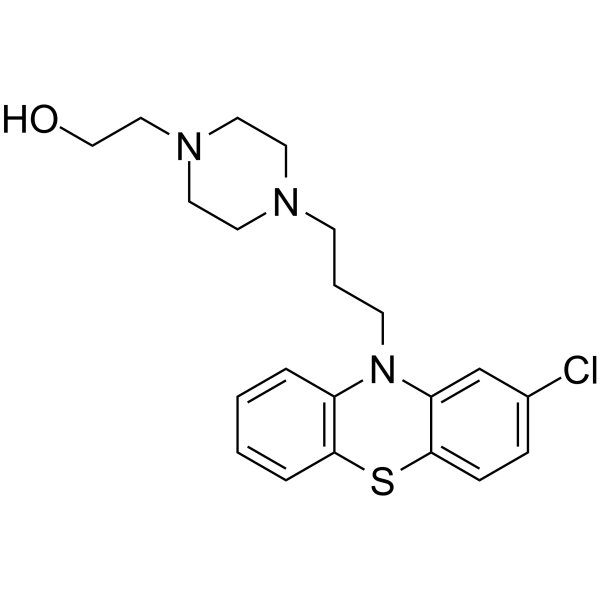
  • HY-A0077
    Perphenazine
    3 Publications Verification

    Dopamine Receptor Histamine Receptor 5-HT Receptor Adrenergic Receptor Apoptosis Autophagy Neurological Disease Inflammation/Immunology Endocrinology Cancer
    Perphenazine is an orally active dopamine receptor and histamine-1 receptor antagonist, with Ki values of 0.56 nM (D2), 0.43 nM (D3), 6 nM (5-HT2A), respectively. Perphenazine also binds to Alpha-1A adrenergic receptor. Perphenazine inhibits cancer cell proliferation, and induces apoptosis. Perphenazine can be used in the research of mental disease, cancer, inflammation .
    Perphenazine
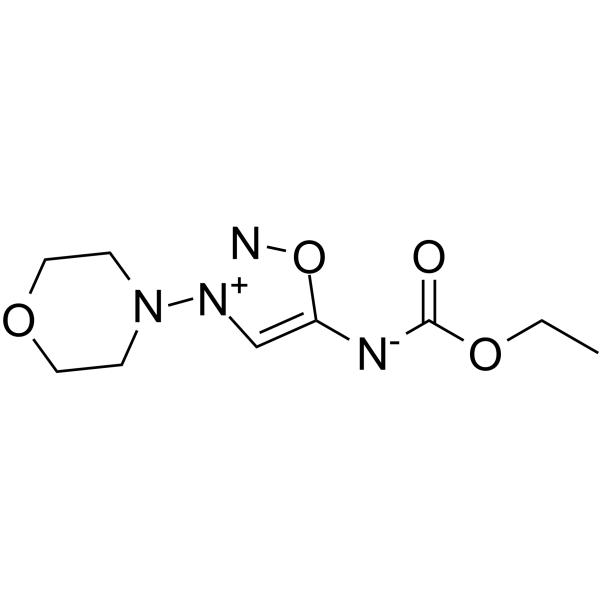
  • HY-B1069
    Molsidomine
    1 Publications Verification

    SIN-10; Morsydomine

    Drug Metabolite Cardiovascular Disease Neurological Disease Metabolic Disease
    Molsidomine, a nitric oxide (NO) donor, is an orally active vasodilator agent. Molsidomine is a prodrug that can be rapidly metabolized in the liver to its active metabolite, Linsidomine (HY-101200). Molsidomine can be used for the study of angina pectoris, mental disorders and diabetic complications .
    Molsidomine
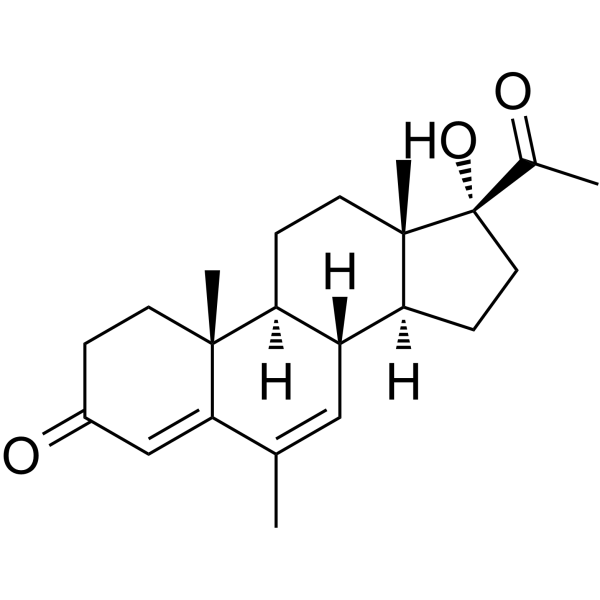
  • HY-B1834

    Progesterone Receptor Glucocorticoid Receptor Infection Neurological Disease Inflammation/Immunology Cancer
    Megestrol is an orally active glucocorticoid and progesterone receptor agonist. Megestrol can alleviate anorexia, cachexia or unexplained significant weight loss associated with acquired immunodeficiency syndrome (AIDS). Megestrol may cause manifestations similar to those of glucocorticoids and increase the risk of mental disorders .
    Megestrol
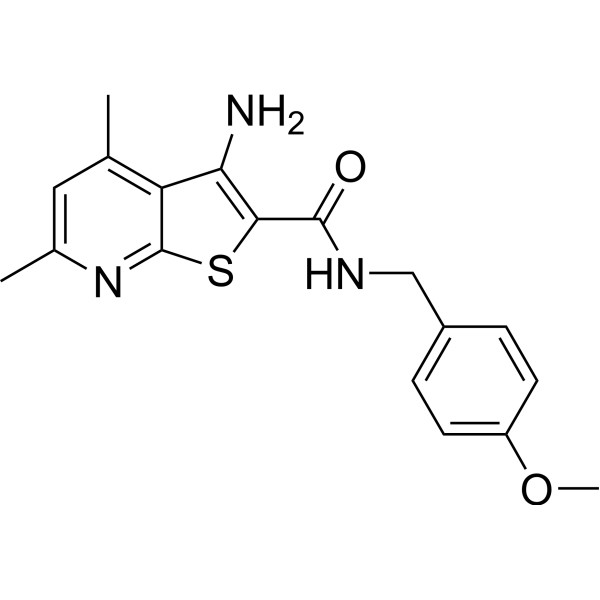
  • HY-136379
    CID44216842
    2 Publications Verification

    Cdc42-IN-1

    Ras Cancer
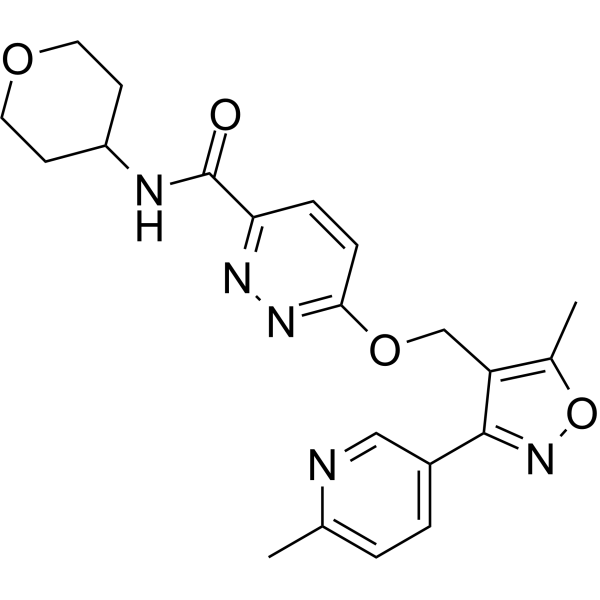
    CID44216842 (Cdc42-IN-1) is a potent Cdc42-selective guanine nucleotide binding lead inhibitor. The EC50s for Cdc42 WT and Cdc42Q61L mutant are 1.0 and 1.2 μM in GTP binding assay, respectively. The EC50s for Cdc42 WT and Cdc42Q61L mutant are 0.3 and 0.5 μM in GDP binding assay, respectively. Use as a molecular probe .
    CID44216842
  • HY-132806

    RG-7816; RO-7017773

    GABA Receptor Neurological Disease
    Alogabat is a positive allosteric modulator (PAM) and agonist (Ki <100 nM) of the GABAA α5 receptor, targeting the α5β3γ2 subunit with a Ki of 8.7 nM. Alogabat increases the expression level of α5β3γ2 in oocytes (1.97-fold). GABAA has been implicated in cognitive impairment associated with central nervous system (CNS) disorders, brain cancer (including brain tumors such as medulloblastoma), and can be used in the study of mild cognitive impairment (MCI), amnestic MCI (aMCI), age-associated memory impairment (AAMI), age-related cognitive decline (ARCD), dementia, Alzheimer's disease (AD), prodromal AD, post-traumatic stress disorder (PTSD), schizophrenia, bipolar disorder, amyotrophic lateral sclerosis (ALS), cognitive impairment associated with cancer treatment, mental retardation, Parkinson's disease (PD), autism spectrum disorder, fragile X, Rett syndrome, obsessive-compulsive behavior, and substance addiction .
    Alogabat
  • HY-100703

    Floropipamide; McN-JR 3345; R 3345

    5-HT Receptor Dopamine Receptor Neurological Disease
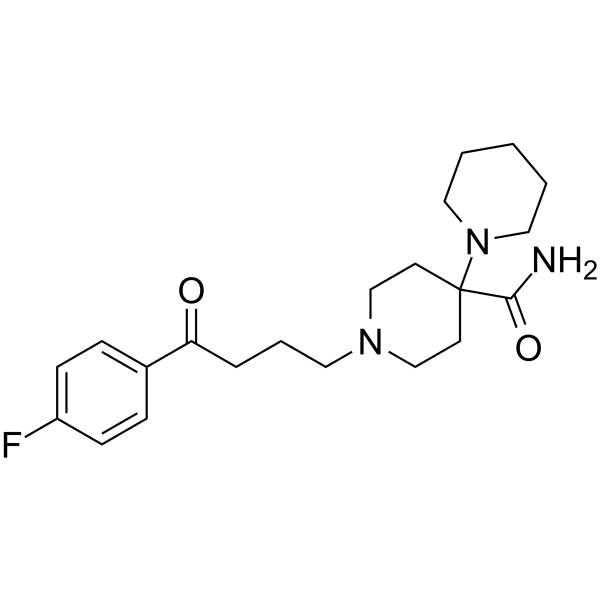
    Pipamperone (Floropipamide) is a butyrophenone derivative and high-affinity antagonist of 5-HT2A receptor (pKi=8.2) and D4 receptor (pKi=8.0). Pipamperone is also a low-affinity antagonist of D2 receptor (pKi=6.7). Pipamperone affects neurotransmitter functions and exerts antipsychotic activity. Pipamperone is used in the research of mental disorders such as autism-related behavioral disorders and Alzheimer's disease .
    Pipamperone
  • HY-W021265

    Cyclohexane-1,2,3,4,5,6-hexol

    Biochemical Assay Reagents Others
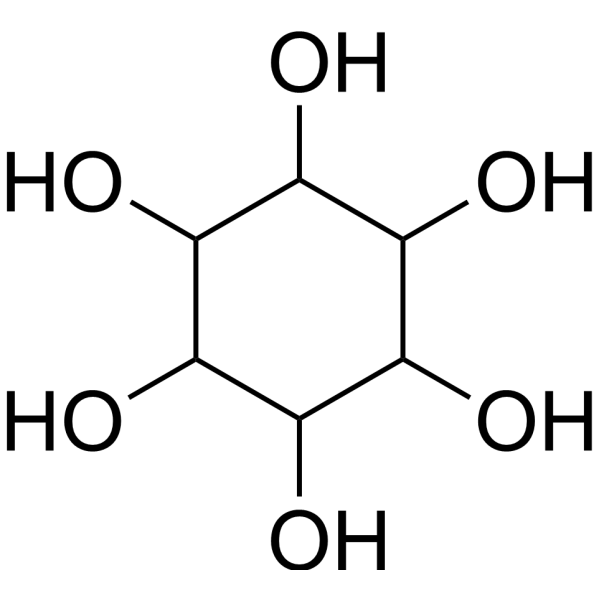
    Cyclohexane-1,2,3,4,5,6-hexaol, also known as inositol or inositol, is a cyclic sugar alcohol consisting of a six-carbon ring with six hydroxyl groups. This compound is important for its biological activity and is widely distributed in nature, especially in plant and animal tissues. It plays a role in various physiological processes such as signal transduction, osmoregulation and lipid metabolism. In addition, Cyclohexane-1,2,3,4,5,6-hexaol has potential investigational effects, including improving conditions related to insulin resistance, polycystic ovary syndrome, and mental health conditions. It can also be used as a supplement in animal feed and human nutritional products.
    Cyclohexane-1,2,3,4,5,6-hexaol
  • HY-W010265

    1-Phenylbutan-1-one; 1-Phenyl-1-butanone

    Environmental Pollutants Dopamine Receptor Neurological Disease
    Butyrophenone (1-Phenylbutan-1-one) is a dopamine receptor (DA Receptor) antagonist and can be used in research on mental disorders .
    Butyrophenone
  • HY-U00051

    Histamine Receptor Dopamine Receptor Neurological Disease
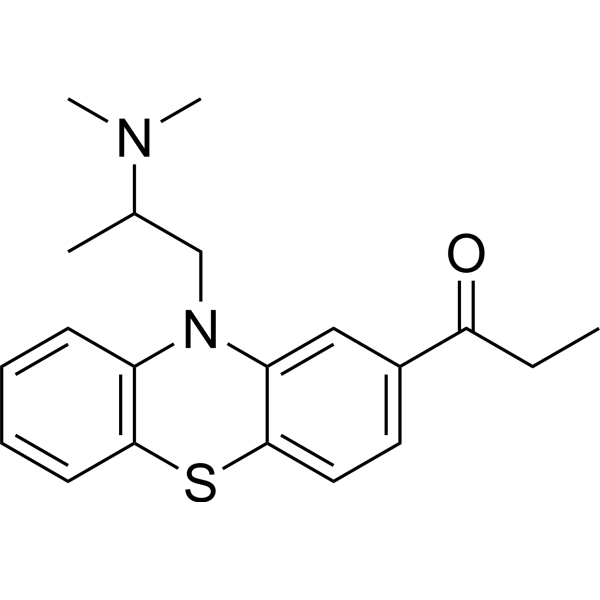
    Propiomazine is an orally active antihistamine agent. Propiomazine is a potent prolactin (PRL) release stimulant, whose effect depends on the antagonism of the dopaminergic system and can inhibit the secretion of luteinizing hormone (LH). Propiomazine is mainly used for anesthesia assistance, mental disorders and anxiety-induced sedation, and can also be used in research related to insomnia .
    Propiomazine
  • HY-W100249

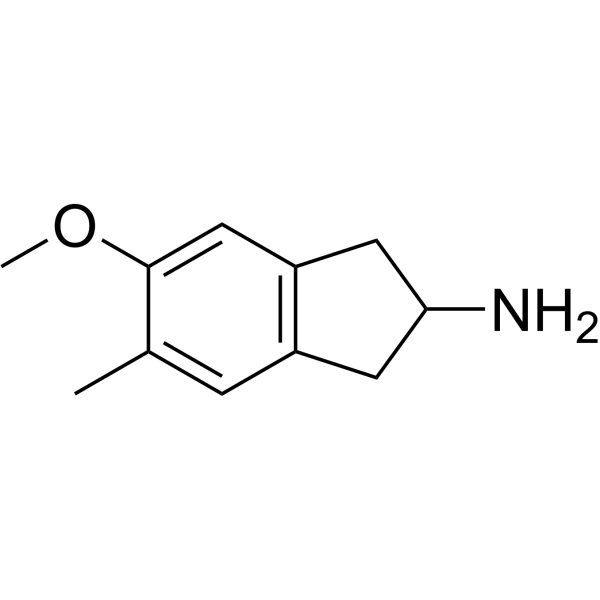
    5-Methoxy-6-methyl-2-aminoindan

    5-HT Receptor Neurological Disease
    MMAI is a selective serotonin releaser that can be used in the research of mental illnesses .
    MMAI
  • HY-W094464

    Biochemical Assay Reagents Neurological Disease
    Lithium sulfate is an inorganic compound that can improve the cycling life and efficiency of a 2 V/20 A H lead-acid battery. Lithium sulfate can be used to study mental illnesses .
    Lithium sulfate
  • HY-13340
    VU0152100
    1 Publications Verification

    VU152100

    mAChR Neurological Disease
    VU0152100 (VU152100) is a highly selective mAChR positive allosteric modulator (permeable to the blood-brain barrier). VU0152100 reverses Amphetamine-induced hypermotility in rats and increased levels of extracellular dopamine in nucleus accumbens and caudate-putamen. VU0152100 has good research potential in psychosis and cognitive impairment associated with mental disorders such as schizophrenia .
    VU0152100
  • HY-P2283

    Amyloid-β Neurological Disease
    β-Amyloid (1-37) (human) correlates moderately with Mini-Mental State Examination (MMSE) scores in Alzheimer disease. β-Amyloid (1-37) (human) possesses an added diagnostic value .
    β-Amyloid (1-37) (human)
  • HY-W009754

    5-HT Receptor Neurological Disease
    Antidepressant agent 10 (Compound 4) is an orally active compound. Antidepressant agent 10 has IC50 values of 190 nM and 110 nM for 5-HT1A and 5-HT2, respectively. Antidepressant agent 10 can be used in the research of mental disorders .
    Antidepressant agent 10
  • HY-W010625
    Lithium 2-hydroxypropanoate
    35+ Cited Publications

    Biochemical Assay Reagents Neurological Disease Inflammation/Immunology
    Lithium 2-hydroxypropanoate is a lithium salt. Lithium 2-hydroxypropanoate has immunomodulatory activity (slightly enhancing PHA (HY-N7038)-induced lymphocyte proliferation). Lithium 2-hydroxypropanoate can be used in antioxidant activity assays. Lithium 2-hydroxypropanoate can be used in the research of mental diseases .
    Lithium 2-hydroxypropanoate
  • HY-Y0588

    L-Cbz-Proline

    MMP Others
    Carbobenzoxyproline (L-Cbz-Proline) is an inhibitor of prolidase. Carbobenzoxyproline can be used for prolidase deficiency (PD) research .
    Carbobenzoxyproline
  • HY-103564

    mGluR Neurological Disease
    ACDPP is a specific mGluR5 antagonist. ACDPP partially bolcks the increase of fragile X mental retardation protein (FMRP) caused by DHPG (HY-12598A) (group I mGluR Agonist) .
    ACDPP
  • HY-A0163A

    Dopamine Receptor Neurological Disease
    Clopenthixol is a thiaquinoline compound with inhibitory effects similar to those of phenothiazine antipsychotics. Clopenthixol is an antagonist of D1 and D2 dopamine receptors. Clopenthixol is mainly used to suppress schizophrenia and other mental disorders .
    Clopenthixol
  • HY-107434

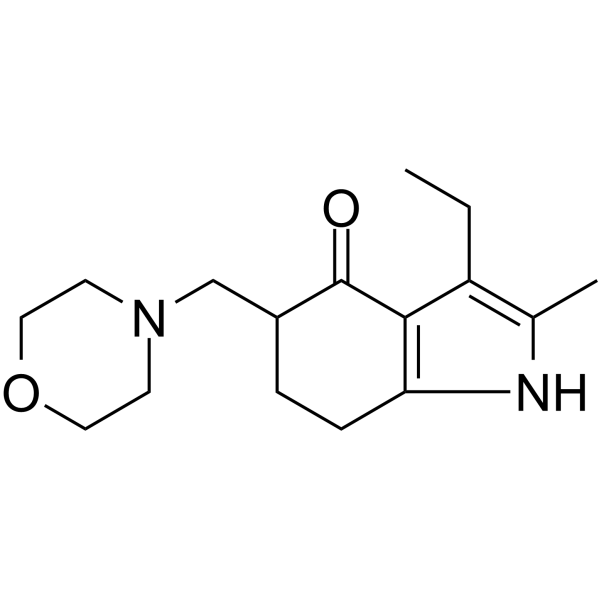
    (±)-Molindone; SPN-810M

    Dopamine Receptor Neurological Disease
    Molindone ((±)-Molindone), an indole derivative, is a potent dopamine D2 and D5 receptor antagonist. Molindone ((±)-Molindone) can be used for the research of schizophrenia and severe mental illness .
    Molindone
  • HY-14753

    Cannabinoid Receptor Cardiovascular Disease Metabolic Disease
    Rosonabant is a selective antagonist for cannabinoid receptor (CB1 receptor), which reduces body weight and improves improves the risk of obesity-related cardiovascular metabolic diseases. Rosonabant exhibits adverse side effect, such as nausea and mental disorder .
    Rosonabant
  • HY-119918

    mAChR Neurological Disease
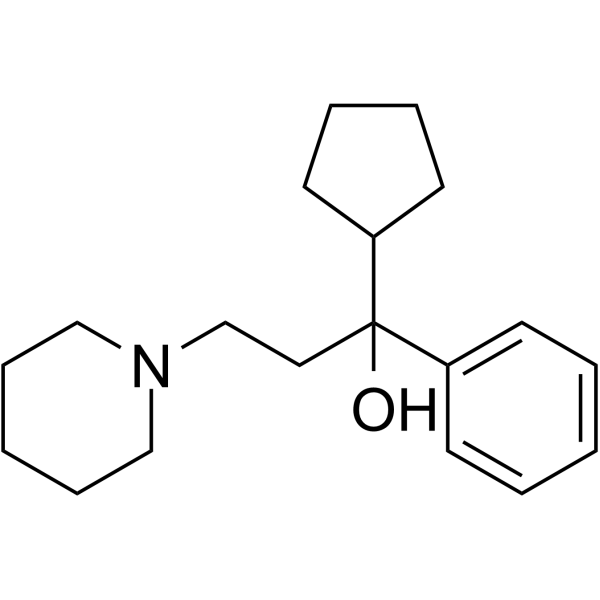
    Cycrimine is an orally active muscarinic cholinergic receptor (mAChR) M1 antagonist, reduces the acetylcholine levels in parkinson model. Cycrimine shows antispasmodic activity, can be used in studies of behavioral and mental disorder .
    Cycrimine
  • HY-77910

    BPHP

    Drug Metabolite Neurological Disease
    4-(4-Bromophenyl)-4-hydroxypiperidine (BPHP) is a metabolite of Bromperidol (BRO) (HY-B0901) and is produced by N-dealkylation of BRO .
    4-(4-Bromophenyl)-4-hydroxypiperidine
  • HY-W016323

    2-Aminodiphenylmethane

    Drug Intermediate Neurological Disease
    2-Benzylaniline is an intermediate. 2-Benzylaniline can be used to synthesize Compound 15. Compound 15 shows an affinity for the D3 receptor with a Ki of 4654 nM. 2-Benzylaniline can be used in research on mental illnesses .
    2-Benzylaniline
  • HY-G0003A

    (S)-Hydroxy Iloperidone; VHX-896

    Drug Metabolite Dopamine Receptor 5-HT Receptor Neurological Disease
    Milsaperidone ((S)-Hydroxy Iloperidone) is an active metabolite of the antipsychotic agent Iloperidone (HY-17410). Milsaperidone is a dopamine D2 and 5-HT2A receptor antagonist. Milsaperidone rapidly converts to Iloperidone when taken orally. Milsaperidone can be used in the research of mental illnesses such as depression .
    Milsaperidone
  • HY-177122

    Dopamine Receptor Neurological Disease
    Raxlaprazine etomoxil is a small molecule compound with dopamine D2 and D3 receptor modulating activity, which has potential application value in research related to mental illnesses. Raxlaprazine etomoxil exhibits high affinity for human recombinant D2L receptors, with an inhibition constant (Ki) of 1.95 nM. Raxlaprazine etomoxil effectively inhibits forskolin-stimulated cAMP accumulation, with an half maximal effective concentration (EC50) of 3.72 nM in functional activity experiments .
    Raxlaprazine etomoxil
  • HY-162070

    Cholecystokinin Receptor Neurological Disease Cancer
    CCK antagonist 1 (compound 3d) is a CCK antagonist with IC50s of 1.1 μM and 4 μM for CCK1 and CCK2, respectively. CCK antagonist 1 can be used for research of cancer and mental disease .
    CCK antagonist 1
  • HY-W1123900

    5-HT Receptor Neurological Disease
    5-HT2A agonist 3 (Compound P-141) is a selective 5-hydroxytryptamine 2A receptor (5-HT2A) agonist with an EC50 value of 13.80 nM. 5-HT2A agonist 3 is promising for research of mental illnesses such as depression, post-traumatic stress disorder, obsessive-compulsive disorder, and central nervous system disorders .
    5-HT2A agonist 3
  • HY-P2204

    Neurotensin Receptor Neurological Disease Inflammation/Immunology
    PD-149163 is an NTR-1 agonist. PD-149163 reverses intestinal damage through its anti-inflammatory, antioxidant, and cell proliferation promoting properties. PD-149163 has antipsychotic effects. PD-149163 is commonly used in research on mental illness and intestinal injury .
    PD-149163
  • HY-A0077A

    Dopamine Receptor Histamine Receptor 5-HT Receptor Adrenergic Receptor Apoptosis Autophagy Neurological Disease Inflammation/Immunology Endocrinology Cancer
    Perphenazine dihydrochloride is an orally active dopamine receptor and histamine-1 receptor antagonist, with Ki values of 0.56 nM (D2), 0.43 nM (D3), 6 nM (5-HT2A), respectively. Perphenazine dihydrochloride also binds to Alpha-1A adrenergic receptor. Perphenazine dihydrochloride inhibits cancer cell proliferation, and induces apoptosis. Perphenazine dihydrochloride can be used in the research of mental disease, cancer, inflammation .
    Perphenazine dihydrochloride
  • HY-168537

    Dopamine Receptor 5-HT Receptor Neurological Disease
    LB-102 is an orally active inhibitor of dopamine D2, D3, and 5-HT7 receptors, which can be used in research on schizophrenia and other psychiatric disorders .
    LB-102
  • HY-177313

    NVP-AAG 561

    CFTR Neurological Disease
    AAG561 is a corticotropin-releasing factor receptor 1 (CRF1) antagonist. AAG561 can be used for the study of the underlying emotion dysregulation of a mental disease or disorder .
    AAG561
  • HY-177101

    RE-104; FT-104

    5-HT Receptor Neurological Disease
    Luvesilocin (Example 6) is a tryptamine prodrug. Luvesilocin can convert into an active form, acting as a 5HT2A agonist in vivo upon administration. Luvesilocin can be studied in research for mental diorders .
    Luvesilocin
  • HY-100703A

    Floropipamide dihydrochloride; McN-JR 3345 dihydrochloride; R 3345 dihydrochloride

    Dopamine Receptor 5-HT Receptor Neurological Disease
    Pipamperone dihydrochloride (Floropipamide dihydrochloride) is a butyrophenone derivative and high-affinity antagonist of 5-HT2A receptor (pKi=8.2) and D4 receptor (pKi=8.0). Pipamperone dihydrochloride is also a low-affinity antagonist of D2 receptor (pKi=6.7). Pipamperone dihydrochloride affects neurotransmitter functions and exerts antipsychotic activity. Pipamperone dihydrochloride is used in the research of mental disorders such as autism-related behavioral disorders and Alzheimer's disease .
    Pipamperone dihydrochloride
  • HY-U00244

    P2647; BZQ; Benzoquinamide

    Adrenergic Receptor Dopamine Receptor Metabolic Disease
    Benzquinamide (P2647; BZQ; Benzoquinamide) is an orally active binder of dopamine receptors and adrenergic receptors. Benzquinamide specifically targets dopamine D2, D3, D4 receptors and α-2A, α-2B, α-2C adrenergic receptors. Benzquinamide regulates blood pressure and heart rate, attenuates the pressor effect of adrenaline, and exhibits activities such as antiemesis, anxiolysis, and reduction of histamine-induced bronchoconstriction. Benzquinamide has good safety and does not deplete serotonin or norepinephrine in the brain. Benzquinamide can be used in studies related to nausea/vomiting, mental disorders, anxiety states, neurosis, and psychosis .
    Benzquinamide
  • HY-115896

    Others Neurological Disease
    Zuclopenthixol decanoate is a long-acting agent for schizophrenia and other serious mental illnesses research .
    Zuclopenthixol decanoate
  • HY-W010265R

    1-Phenylbutan-1-one (Standard); 1-Phenyl-1-butanone (Standard)

    Reference Standards Dopamine Receptor Neurological Disease
    Butyrophenone (Standard) is the analytical standard of Butyrophenone. This product is intended for research and analytical applications. Butyrophenone (1-Phenylbutan-1-one) is a dopamine receptor (DA Receptor) antagonist and can be used in research on mental disorders .
    Butyrophenone (Standard)
  • HY-139035

    CRFR Neurological Disease
    CRHR1 antagonist 1 (compound 10a) is a non-peptide corticotropin-releasing hormone type 1 receptor (CRHR1) antagonist. CRHR1 antagonist 1 can be utilized in mental disorders research .
    CRHR1 antagonist 1
  • HY-N12134

    Monoamine Oxidase Neurological Disease
    Methylpiperic acid is a piperine alkaloid with significant MAO inhibitory activity (IC503.6 μM). Methylpiperic acid is less effective against MAO-B (IC 501.6 μM) than MAO-A (IC5027.1 μM) has a bidirectional inhibitory effect. Methylphenidate is used to research mental disorders .
    Methyl piperate
  • HY-174909

    5-HT Receptor Neurological Disease
    5-HT2A receptor agonist-11 (Compound I-69) is a 5-HT2A receptor agonist with an EC50 of 22 nM. 5-HT2A receptor agonist-11 can be used in the research of mental illness or central nervous system disorders .
    5-HT2A receptor agonist-11
  • HY-160978

    KC-7507 free base

    GABA Receptor Neurological Disease
    Timelotem (KC-7507 free base) is a representative of a class of 1, 2-cyclo1, 4-benzodiazepines. Timelotem shows significant antipsychotic properties. Timelotem produces sedative, anti-anxiety and anti-convulsant effects by enhancing the action of the neurotransmitter gamma-aminobutyric acid (GABA). Timelotem can be used in studies of schizophrenia and other mental disorders .
    Timelotem
  • HY-149704

    mAChR Neurological Disease
    M1/M2/M4 muscarinic agonist 1 (Compound 42) is a muscarinic M4/M1/M2 agonist with EC50 values of 6.5, 26 and 210 nM for M4/M1/M2, respectively. M1/M2/M4 muscarinic agonist 1 can be used for research on mental diseases, such as schizophrenia, delusion, etc .
    M1/M2/M4 muscarinic agonist 1
  • HY-176721

    5-HT Receptor Neurological Disease
    5-HT2A receptor agonist-10 (Compound (R)-I-121.HCl) is a 5-HT2A receptor agonist, with an IC50 of 2192.39 nM for h5-HT2A and h5-HT1A, respectively. 5-HT2A receptor agonist-10 can be used for the research of psychosis, mental illnesses and CNS disorders .
    5-HT2A receptor agonist-10
  • HY-13340R

    VU152100 (Standard)

    mAChR Reference Standards Neurological Disease
    VU0152100 (Standard) is the analytical standard of VU0152100. This product is intended for research and analytical applications. VU0152100 (VU152100) is a highly selective mAChR positive allosteric modulator (permeable to the blood-brain barrier). VU0152100 reverses Amphetamine-induced hypermotility in rats and increased levels of extracellular dopamine in nucleus accumbens and caudate-putamen. VU0152100 has good research potential in psychosis and cognitive impairment associated with mental disorders such as schizophrenia .
    VU0152100 (Standard)
  • HY-A0077R

    Reference Standards Dopamine Receptor Histamine Receptor 5-HT Receptor Adrenergic Receptor Apoptosis Autophagy Neurological Disease Inflammation/Immunology Endocrinology Cancer
    Perphenazine (Standard) is the analytical standard of Perphenazine. This product is intended for research and analytical applications. Perphenazine is an orally active dopamine receptor and histamine-1 receptor antagonist, with Ki values of 0.56 nM (D2), 0.43 nM (D3), 6 nM (5-HT2A), respectively. Perphenazine also binds to Alpha-1A adrenergic receptor. Perphenazine inhibits cancer cell proliferation, and induces apoptosis. Perphenazine can be used in the research of mental disease, cancer, inflammation .
    Perphenazine (Standard)
  • HY-130689

    Endogenous Metabolite Neurological Disease
    Pinoxepin hydrochloride is an antipsychotic drug with sedative and antidepressant activities. Pinoxepin hydrochloride is used to suppress mental disorders such as schizophrenia and depression. Pinoxepin hydrochloride also has the effect of improving sleep quality .
    Pinoxepin hydrochloride
  • HY-107693

    Neurokinin Receptor Neurological Disease Inflammation/Immunology
    SSR 146977 hydrochloride is a potent and selective antagonist of the tachykinin NK3 receptor. SSR 146977 hydrochloride can be used in the study of psychiatric disorders and airway inflammation .
    SSR 146977 hydrochloride
  • HY-154867

    DNA Methyltransferase Cancer
    DNMT2-IN-1 (compound 80) is a potent and selective DNMT2 (DNA methyltransferase 2) inhibitor with an IC50 value of 1.2 μM, and has the potential for mental and metabolic disorders or cancer research .
    DNMT2-IN-1
  • HY-W704749

    Drug Metabolite Dopamine Receptor Neurological Disease
    7-Hydroxychlorpromazine hydrochloride is the active metabolite of Chlorpromazine (HY-12708). 7-Hydroxychlorpromazine hydrochloride can increase prolactin levels in rats. 7-Hydroxychlorpromazine hydrochloride can increase dopamine turnover and has a sedative effect. In addition, 7-Hydroxychlorpromazine hydrochloride can effectively inhibit amphetamine-induced stereotyped behavior in rats and is used in the study of psychosis .
    7-Hydroxychlorpromazine hydrochloride
  • HY-121650

    Dopamine Receptor Neurological Disease
    ADTN is a dopamine receptor agonist that has the activity of promoting dopamine neurotransmission. ADTN can be used to increase the release of neurotransmitters, thereby improving dopamine-related physiological functions. ADTN's potential applications include inhibiting mental illness and improving cognitive function .
    ADTN
  • HY-B1834S1

    Isotope-Labeled Compounds Progesterone Receptor Glucocorticoid Receptor Infection Neurological Disease Inflammation/Immunology Cancer
    Megestrol-d5 is the deuterium labeled Megestrol. Megestrol is an orally active glucocorticoid and progesterone receptor agonist. Megestrol can alleviate anorexia, cachexia or unexplained significant weight loss associated with acquired immunodeficiency syndrome (AIDS). Megestrol may cause glucocorticoid-like effects and an increased risk of mental disorders.
    Megestrol-d5

Inquiry Online

Your information is safe with us. * Required Fields.

Salutation


Country or Region *

Applicant Name *


Organization Name *

Department *


Email Address *


Product Name *

Cat. No.


Requested quantity *

Phone Number *


Remarks

Inquiry Online

Inquiry Information

Product Name:
Cat. No.:
Quantity:
MCE Japan Authorized Agent:

