
25 Results for "

metabolic control

" in MedChemExpress (MCE) Product Catalog:
Products (25)

25 Results for "metabolic control" in MCE Product Catalog:

2
2 Cited Publications
Cat. No.: HY-B0920
CAS No.: 1156-19-0
Synonyms: U-17835
Target:  

Potassium Channel

Research Areas:  

Metabolic Disease Endocrinology

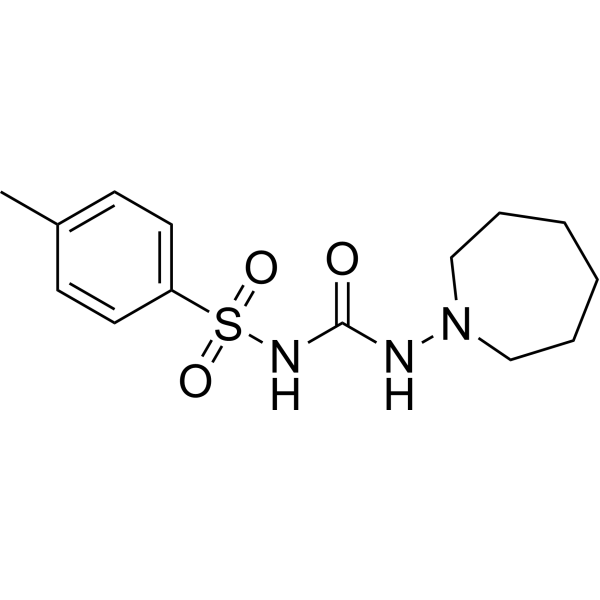
Tolazamide (U-17835) is an orally active sulfonylurea agent that inhibits sulfonylurea receptor 1 (SUR1) linked to the inwardly rectifying potassium channel (IC50 = 4.2 µM in HEK293 cells transfected with the human receptor). Tolazamide has anti-diabetic properties. Tolazamide can lower blood glucose in sulfonylurea class. Tolazamide decreases insulin dose while continuing to maintain adequate metabolic control. Tolazamide is able to improve or normalize hyperglycemia and HbA .
loading...
    loading...
2
2 Cited Publications
Cat. No.: HY-N4170
CAS No.: 23725-05-5
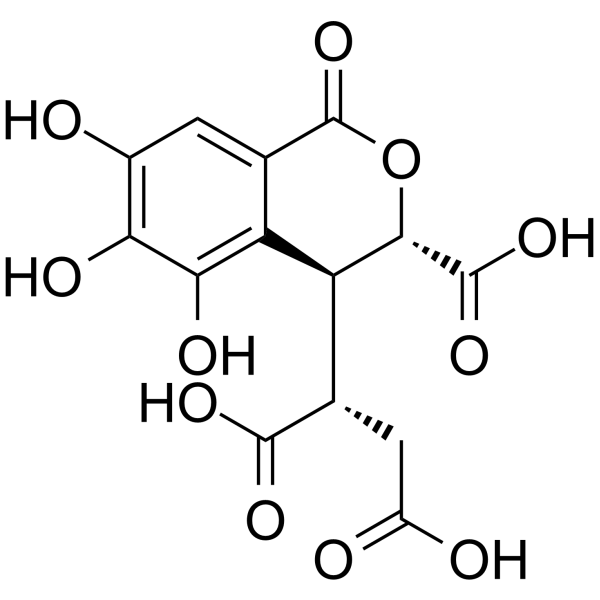
Chebulic acid is a phenolic acid compound isolated from Terminalia chebula with strong antioxidant activity, which breaks protein cross-links induced by advanced glycation end products (AGEs) and inhibits the formation of AGEs. Chebulic acid is effective in controlling elevated metabolic parameters, oxidative stress, and liver damage, supporting its beneficial role in asthma, diabetes, and liver protection .
loading...
    loading...
Cat. No.: HY-Y0079
CAS No.: 673-06-3
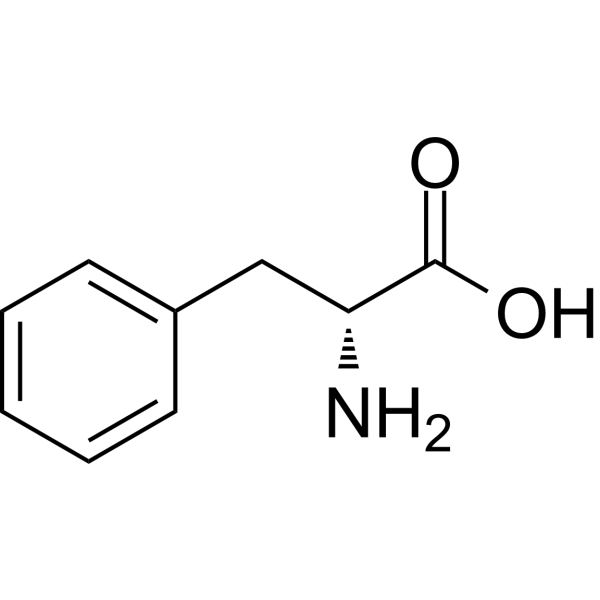
D-Phenylalanine is an atypical D-amino acid and an inhibitor of bacterial biofilm formation. D-Phenylalanine mainly replaces D-alanine (D-Ala) by incorporating into the fourth and fifth positions of bacterial peptidoglycan (PG), changing the cell wall structure, enhancing bacterial acid resistance and affecting biofilm formation. D-Phenylalanine may promote the secretion of peptide tyrosine tyrosine (PYY) in mammals by activating the intestinal GPR109B receptor. D-Phenylalanine can inhibit the maturation of microbial biofilms and promote the release of specific hormones. It can be used for antibacterial preservation, improving the yield of probiotics in the food industry, and studying appetite regulation and blood sugar control in metabolic diseases such as diabetes .
loading...
    loading...
Cat. No.: HY-P990802

Target:  

CD3

Anti-Mouse CD3ε Antibody (145-2C11) is an orally active anti-mouse CD3ε IgG1 monoclonal antibody. Anti-Mouse CD3ε Antibody (145-2C11) can improve the function of regulatory T cells (Tregs). Anti-Mouse CD3ε Antibody (145-2C11) relieves inflammatory response by inhibiting the production of pro-inflammatory cytokines and increasing the secretion of anti-inflammatory factors. Anti-Mouse CD3ε Antibody (145-2C11) can be used for researches on metabolic and immune system conditions such as diabetes and lupus. The recommend isotype control of Anti-Mouse CD3ε Antibody (145-2C11): Armenian hamster IgG, Isotype Control (HY-P990305) .
loading...
    loading...
Cat. No.: HY-P10018
CAS No.: 1596343-09-7
Synonyms: SAR425899
Target:  

GLP Receptor GCGR

Research Areas:  

Metabolic Disease

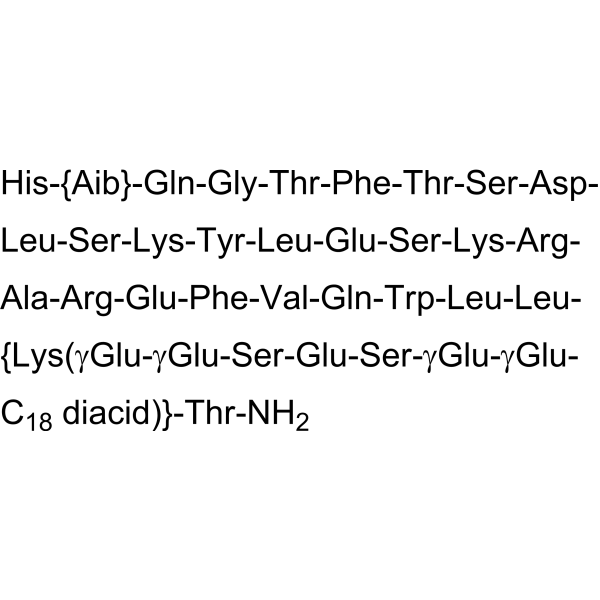
Bamadutide (SAR425899) is a potent dual glucagon-like peptide-1 receptor/glucagon receptor (GLP-1R/GCGR) agonist. Bamadutide improves post-meal blood glucose control by significantly enhancing β-cell function and slowing down the rate of glucose absorption in the body. Bamadutide can be used for the research of metabolic diseases such as type 2 diabetes .
loading...
    loading...
Cat. No.: HY-P10032
Synonyms: NNC9204-1177
Research Areas:  

Metabolic Disease

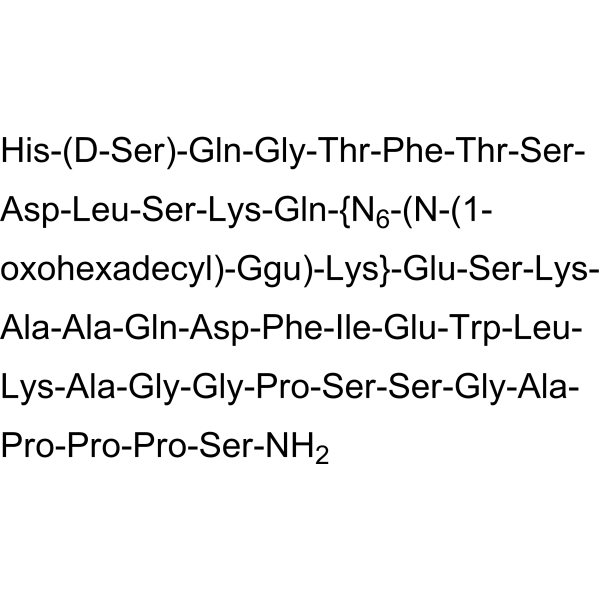
NN1177 is a long-acting GLP-1/glucagon receptor co-agonist. NN1177 can induce a dose-dependent body weight loss in diet-induced obese (DIO) mice .
loading...
    loading...
Cat. No.: HY-103479
CAS No.: 1452473-54-9
Purity:  99.38%
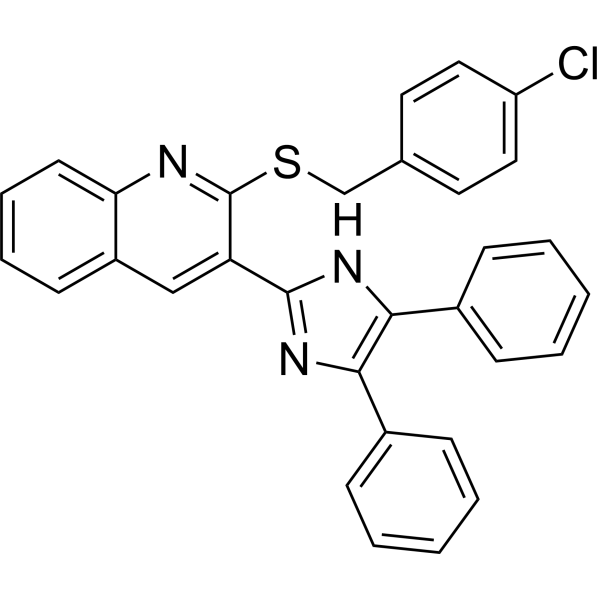
GOAT-IN-1 is an inhibitor of ghrelin O-acyltransferase (GOAT), which could be useful for the prophylaxis or treatment of obesity, diabetes, hyperlipidemia, metabolic, non-alcoholic fatty liver, steatohepatitis, sarcopenia, appetite control, alcohol/narcotic dependence, Alzheimer’s disease, Parkinson’s disease, cerebrovascular dementia, cerebral apoplexy, cerebral infarction, cardic disease, some kind of tumors.
loading...
    loading...
Cat. No.: HY-117912
CAS No.: 1431553-15-9
Target:  

Endogenous Metabolite

Research Areas:  

Cardiovascular Disease

TRC210258 is a TGR5 agonist with activity to improve diabetes-associated hyperglycemia and dyslipidemia. TRC210258 promotes energy expenditure by enhancing the release of glucagon-like peptide-1. TRC210258 is able to improve glucose metabolic control in high-fat diet-induced obese mice. TRC210258 also showed improvement in lipid parameters in high-fat-fed hamsters, including reductions in plasma triglyceride and low-density lipoprotein cholesterol levels. TRC210258 improved emerging lipid-related cardiovascular risk parameters including remnant cholesterol and triglyceride clearance .
loading...
    loading...
Cat. No.: HY-P4928
CAS No.: 1678414-88-4
Target:  

Amylin Receptor

Research Areas:  

Metabolic Disease

Biotinyl-Amylin (mouse, rat) is a biotinylated Amylin (mouse, rat). Amylin (mouse, rat) is a 37-aminoacid pancreatic protein that exerts control over several metabolic events such as glycemia and lacticemia .
loading...
    loading...
Cat. No.: HY-P11237
CAS No.: 2869147-44-2
Synonyms: CT-388
Enicepatide (CT-388) is a cAMP signal-biased dual GLP-1R and GIPR agonist peptide, with an EC50 value of 0.087 nM for GLP-1R cAMP, and an EC50 value of 2.47 nM for GIPR cAMP. Enicepatide activates the cAMP signaling pathway, while recruiting only minimal amounts of β-arrestin-2 at both targets and reducing receptor internalization levels. Enicepatide improves glycemic control, reduces body weight, suppresses appetite, and ameliorates the pathological conditions of metabolic dysfunction-associated steatohepatitis. Enicepatide can be used in the research of obesity, type 2 diabetes, and metabolic dysfunction-associated steatohepatitis .
loading...
    loading...
Cat. No.: HY-164870
CAS No.: 2839486-16-5
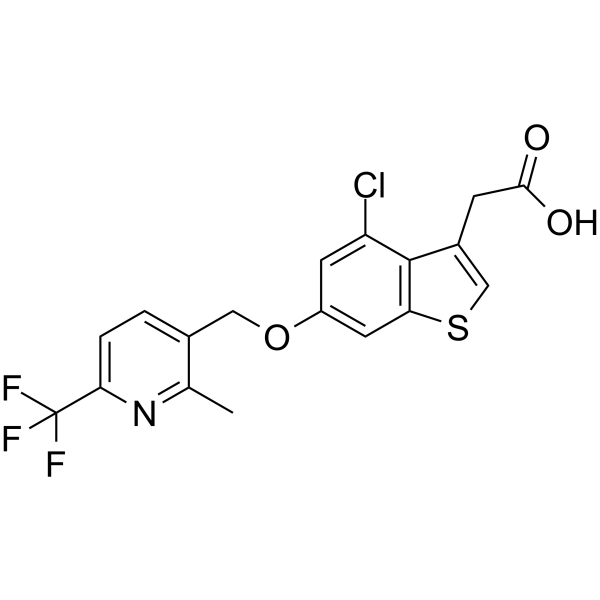
FFAR1/FFAR4 agonist-1 (compound 83) is a FFAR1/FFAR4 agonist with the EC50 of 1 nM A and 4nM for FFAR1 and FFAR4, respectively. FFAR1/FFAR4 agonist-1 can be used for study of glycemic control .
loading...
    loading...
Cat. No.: HY-W714225
CAS No.: 2163-80-6
Synonyms: Monosodium methylarsonate
Research Areas:  

Others

Sodium methylarsonate (Monosodium methylarsonate) is an organoarsenic compound with environmental toxicity that can be used as a herbicide to control weeds. Sodium methylarsonate interferes with plant metabolic processes, particularly by hindering photosynthesis and protein synthesis, ultimately leading to plant death. Additionally, sodium methylarsonate can induce the production of metallothioneins (MTs) in fish .
loading...
    loading...
Cat. No.: HY-164809
CAS No.: 911417-89-5
Target:  

ROCK

Research Areas:  

Metabolic Disease

KD025m1 is a novel selective ROCK2 inhibitor. KD025m1 has good anti obesity, improved insulin sensitivity, and blood glucose control effects. KD025m1 can be used to study metabolic diseases such as diabetes and obesity .
loading...
    loading...
Cat. No.: HY-14923
CAS No.: 473289-62-2
Synonyms: AVE 7688
Research Areas:  

Metabolic Disease

Ilepatril, a dual inhibitor of angiotensin-converting enzyme (ACE) and neutral endopeptidase, has inhibitory effects in the type 2 diabetic nephropathy model in obese Zucker diabetic fatty (ZDF) rats. Ilepatril significantly reduced albuminuria in a dose-dependent manner and may be a strategy distinct from metabolic control to inhibit type 2 diabetic nephropathy .
loading...
    loading...
Cat. No.: HY-158037
Target:  

Glycosidase

Research Areas:  

Metabolic Disease

α-Glucosidase-IN-55 (Compound 8g) is an orally active and competitive alpha-glucosidase inhibitor, with IC50 and Ki values of 12.1 and 9.66 µM, respectively. α-Glucosidase-IN-55 can be used for the research into type 2 diabetes mellitus (T2DM) to improve blood sugar control and metabolic health .
loading...
    loading...
Cat. No.: HY-P4928A
Target:  

Amylin Receptor

Research Areas:  

Metabolic Disease

Biotinyl-Amylin (mouse, rat) TFA is a biotinylated Amylin (mouse, rat). Amylin (mouse, rat) is a 37-aminoacid pancreatic protein that exerts control over several metabolic events such as glycemia and lacticemia .
loading...
    loading...
Cat. No.: HY-119327
CAS No.: 2008-41-5
Target:  

Autophagy AMPK

Research Areas:  

Others

Butylate is a compound involved in platelet research. Platelet activation can cause autophagy, which is partly mediated by the AMPK-MTOR pathway and is related to sphingolipid metabolism. Butylate mentioned in the study may be a tool or control substance for studying related metabolic processes.
loading...
    loading...
Cat. No.: HY-119327R
CAS No.: 2008-41-5
Research Areas:  

Others

Butylate (Standard) is the analytical standard of Butylate. This product is intended for research and analytical applications. Butylate is a compound involved in platelet research. Platelet activation can cause autophagy, which is partly mediated by the AMPK-MTOR pathway and is related to sphingolipid metabolism. Butylate mentioned in the study may be a tool or control substance for studying related metabolic processes.
loading...
    loading...
Cat. No.: HY-N7697R
CAS No.: 117399-50-5
Butylate (Standard) is the analytical standard of Butylate. This product is intended for research and analytical applications. Butylate is a compound involved in platelet research. Platelet activation can cause autophagy, which is partly mediated by the AMPK-MTOR pathway and is related to sphingolipid metabolism. Butylate mentioned in the study may be a tool or control substance for studying related metabolic processes.
loading...
    loading...
Cat. No.: HY-B0920R
CAS No.: 1156-19-0
Synonyms: U-17835 (Standard)
Tolazamide (U-17835) (Standard) is the analytical standard of Tolazamide. This product is intended for research and analytical applications. Tolazamide is an orally active sulfonylurea agent that inhibits sulfonylurea receptor 1 (SUR1) linked to the inwardly rectifying potassium channel (IC50 = 4.2 µM in HEK293 cells transfected with the human receptor). Tolazamide has anti-diabetic properties. Tolazamide can lower blood glucose in sulfonylurea class. Tolazamide decreases insulin dose while continuing to maintain adequate metabolic control. Tolazamide is able to improve or normalize hyperglycemia and HbA .
loading...
    loading...

