
Search Result
Results for "
multiple solid tumors
" in MedChemExpress (MCE) Product Catalog:
| Cat. No. |
Product Name |
Target |
Research Areas |
Chemical Structure |
-
- HY-148810
-
|
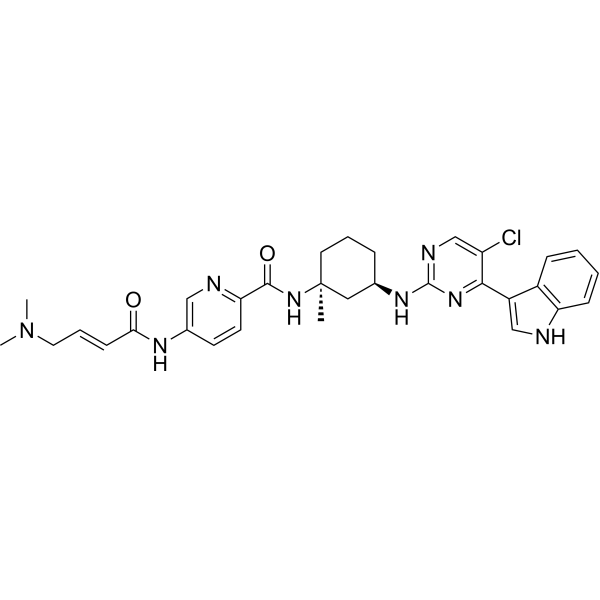
BI 1810631
|
c-Met/HGFR
|
Cancer
|
|
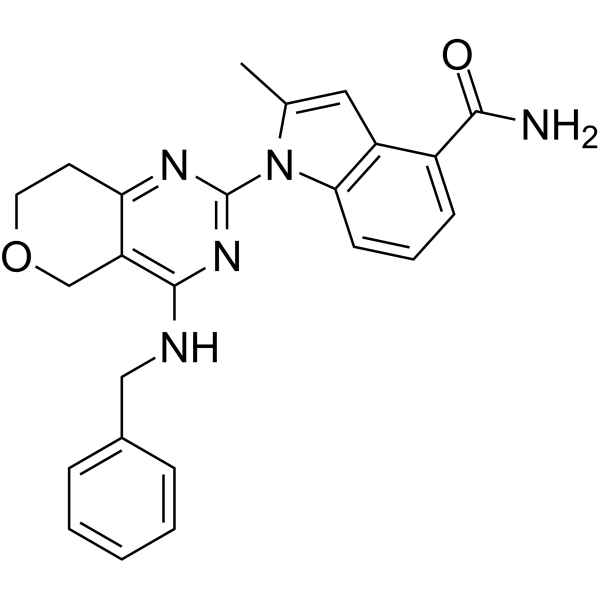
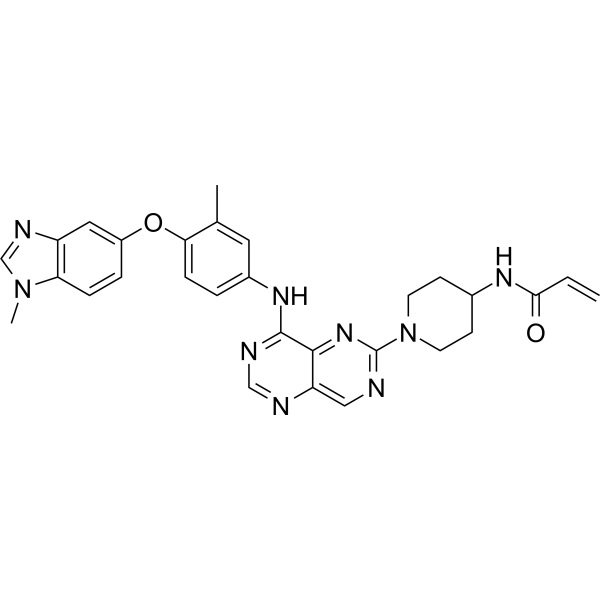
Zongertinib (BI 1810631) is a potent and selective HER2 and EGFR tyrosine kinase inhibitor with IC50 values of 13 nM and 579 nM, respectively. Zongertinib has antitumor activity and can be used in the study of multiple solid tumors .
|
-
-
- HY-12861
-
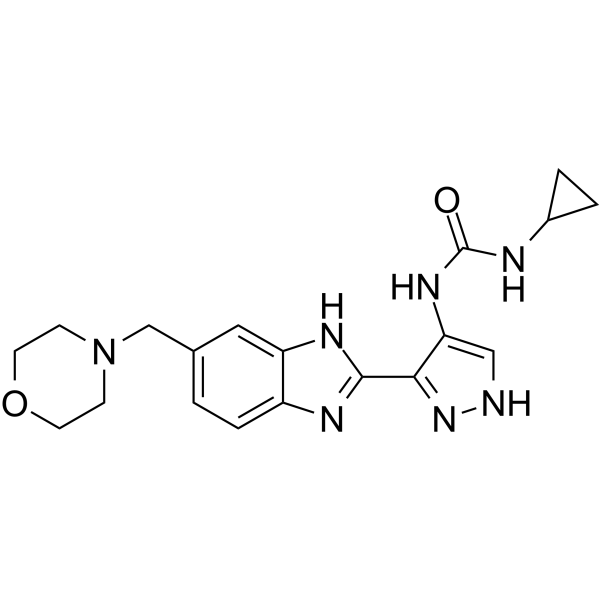
CB-5083
Maximum Cited Publications
47 Publications Verification
|
p97
|
Cancer
|
|
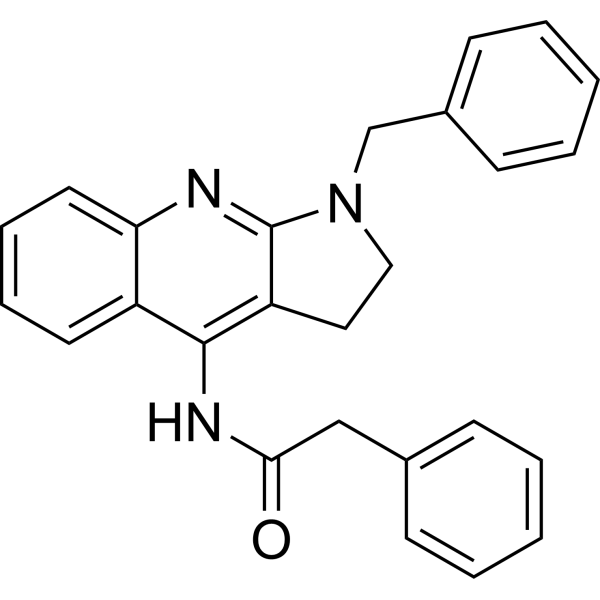
CB-5083 is a first-in-class, potent, selective, and orally bioavailable inhibitor of the p97 AAA ATPase/VCP. CB-5083 selectively inhibits p97 through its D2 site with the IC50 of 11 nM .
|
-
-
- HY-50514
-
|
|
JAK
Aurora Kinase
Bcr-Abl
FLT3
Apoptosis
Autophagy
|
Cancer
|
|
AT9283 is a multi-targeted kinase inhibitor with potent activity against Aurora A/B, JAK2/3, Abl (T315I) and Flt3 (IC50s ranging from 1 to 30 nM). AT9283 inhibits growth and survival of multiple solid tumors in vitro and in vivo .
|
-
-
- HY-150105
-
|
BMF-219; Menin-MLL inhibitor 21
|
Epigenetic Reader Domain
|
Metabolic Disease
Inflammation/Immunology
Cancer
|
|
Icovamenib (BMF-219) is a selective, orally active, irreversible Menin inhibitor. Icovamenib forms a stable and irreversible covalent bond with Menin. Icovamenib promotes selective and controlled proliferation of beta cells and improvement of beta cell function in ex vivo human islet cultures. Icovamenib enhances glycemic control in animal diabetic models. Icovamenib induces a dose-dependent enhancement in insulin secretion potentiated by the GLP-1 RA. Icovamenib can be used for the study of multiple hematologic malignancies, solid tumors, and diabetes mellitus, such as diffuse large B-cell lymphoma (DLBCL), multiple myeloma (MM) and chronic lymphocytic leukemia and type 2 diabetes .
|
-
-
- HY-128586
-
|
|
Apoptosis
Carbonic Anhydrase
NEDD8-activating Enzyme
|
Cancer
|
|
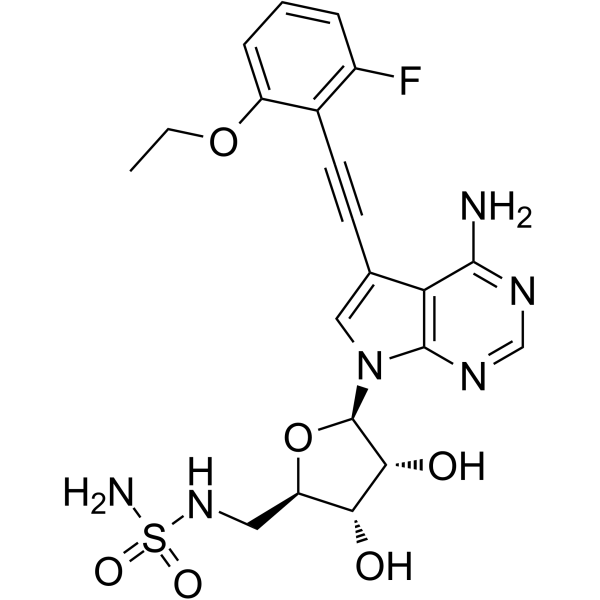
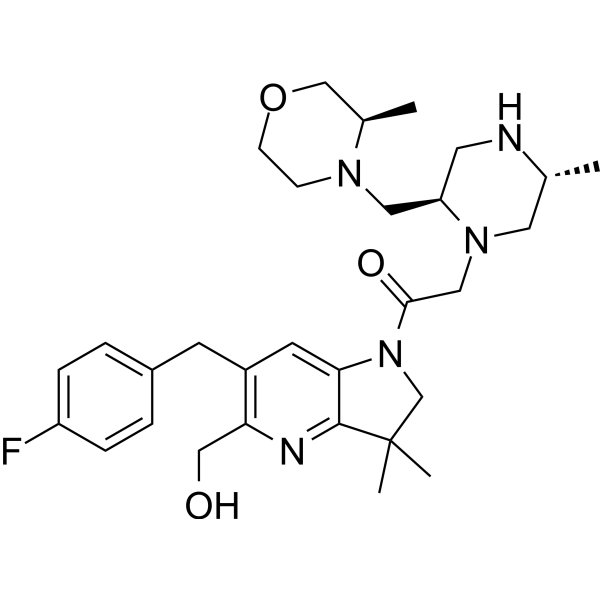
TAS4464 is a long-acting, highly selective covalent inhibitor targeting NEDD8-activating enzyme (NAE) (IC50=0.955 nM), and also inhibits CAII with an IC50 of 0.73 μM, which is less potent than MLN4924 (HY-70062). The IC50 values of TAS4464 against other E1 enzymes UAE and SAE are 449 nM and 1280 nM, respectively. TAS4464 targets NEDD8 in an ATP-dependent manner to inhibit NAE, blocks the neddylation pathway, causes accumulation of CRL ubiquitin ligase substrates (such as CDT1, p27, phosphorylated IκBα), and further induces tumor cell apoptosis. TAS4464 exhibits antiproliferative and cytotoxic effects, and has broad-spectrum antitumor activity against various hematologic and solid tumor cell lines as well as patient-derived tumor cells. TAS4464 has a wide selcetive window, without obvious toxicity. TAS4464 can be used in the research of hematologic malignancies (leukemia, lymphoma, multiple myeloma, etc.) and solid tumors (small cell lung cancer, colorectal cancer, sarcoma, endometrial cancer, ovarian cancer, etc.) .
|
-
-
- HY-P99934
-
|
ABBV-621
|
Apoptosis
Caspase
TNF Receptor
|
Cancer
|
|
Eftozanermin alfa (ABBV-621) is a tumor necrosis factor-related apoptosis-inducing ligand receptor (TRAIL-R) agonist. Eftozanermin alfa is a fusion protein consisting of a mutant immunoglobulin G1-Fc linked to 2 single-chain trimers of TRAIL. Eftozanermin alfa induces apoptosis in tumor cells by activation of death receptors (DR4 receptor and DR5 receptor) with Kds of 780 nM and 635 nM. Eftozanermin alfa can be used for the research of multiple solid and heme malignancies .
|
-
-
- HY-13032B
-
|
GSK 525762C; I-BET 762 besylate
|
Epigenetic Reader Domain
ERK
|
Cancer
|
|
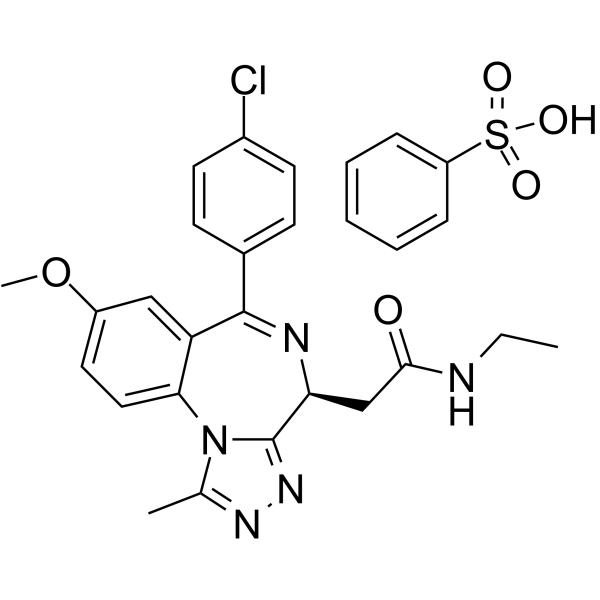
Molibresib besylate (GSK 525762C; I-BET 762 besylate) is an orally active pan-BET inhibitor that targets and binds to BRD2, BRD3, BRD4 and BRDT. By competitively occupying acetylated lysine binding sites, Molibresib besylate disrupts the interaction between BET proteins and chromatin, thereby effectively inhibiting MYC expression and target gene transcription. Molibresib besylate exhibits broad antiproliferative activity, which not only inhibits cancer cell growth and induces growth arrest, but also downregulates mitosis-related genes and upregulates the level of p-ERK1/2. When combined with MEK inhibitors, Molibresib besylate shows a significant synergistic effect, reduces tumor burden in mouse models of leukemia, modulates the immune microenvironment and prolongs survival. Molibresib besylate is widely applicable to research related to acute myeloid leukemia, multiple myeloma, triple-negative breast cancer, small-cell lung cancer and various advanced refractory solid tumors .
|
-
-
- HY-128587
-
|
SY-1365
|
CDK
|
Cancer
|
|
Mevociclib (SY-1365) is a potent and first-in-class selective CDK7 inhibitor, with a Ki of 17.4 nM. Mevociclib exhibits anti-proliferative and apoptotic effects in solid tumor cell lines. Mevociclib possesses anti-tumor activity in hematological and multiple aggressive solid tumors .
|
-
-
- HY-10252
-
|
ADW742; GSK 552602A; ADW
|
IGF-1R
Insulin Receptor
Apoptosis
|
Endocrinology
Cancer
|
|
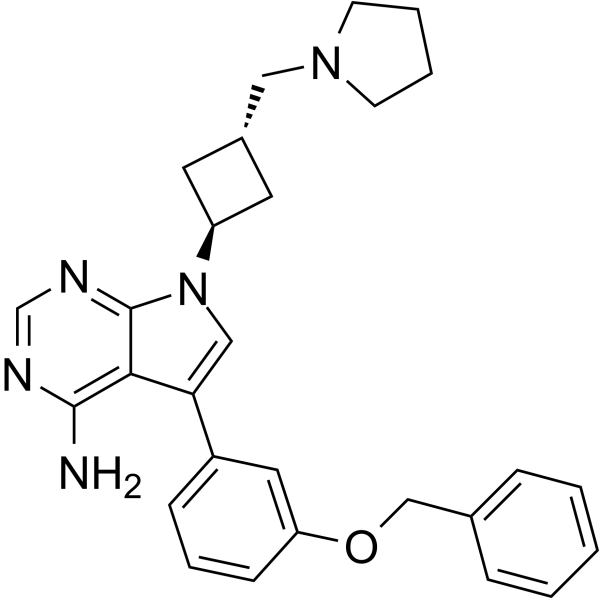
NVP-ADW742 (ADW742) is an orally active, selective IGF-1R tyrosine kinase inhibitor with an IC50 of 0.17 μM. NVP-ADW742 inhibits insulin receptor (InsR) with an IC50 of 2.8 μM. NVP-ADW742 induces pleiotropic antiproliferative/proapoptotic biologic sequelae in tumor cells .
|
-
-
- HY-128586A
-
|
|
NEDD8-activating Enzyme
Carbonic Anhydrase
Apoptosis
|
Cancer
|
|
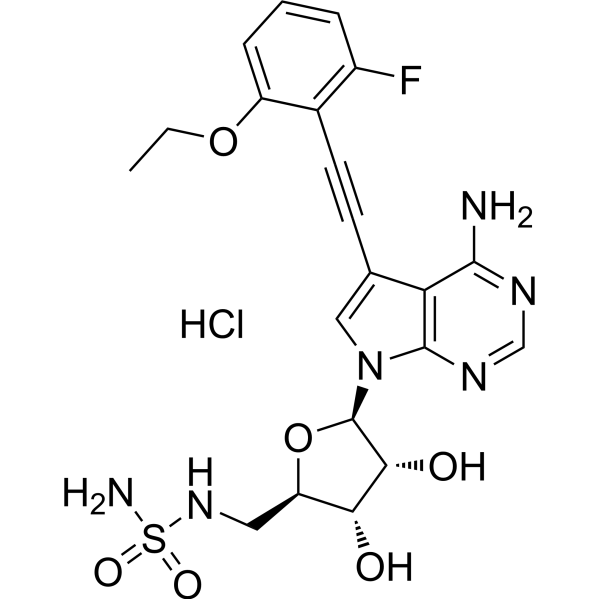
TAS4464 hydrochloride is a long-acting, highly selective covalent inhibitor targeting NEDD8-activating enzyme (NAE) (IC50=0.955 nM), and also inhibits CAII with an IC50 of 0.73 μM, which is less potent than MLN4924 (HY-70062). The IC50 values of TAS4464 hydrochloride against other E1 enzymes UAE and SAE are 449 nM and 1280 nM, respectively. TAS4464 hydrochloride targets NEDD8 in an ATP-dependent manner to inhibit NAE, blocks the neddylation pathway, causes accumulation of CRL ubiquitin ligase substrates (such as CDT1, p27, phosphorylated IκBα), and further induces tumor cell apoptosis. TAS4464 hydrochloride exhibits antiproliferative and cytotoxic effects, and has broad-spectrum antitumor activity against various hematologic and solid tumor cell lines as well as patient-derived tumor cells. TAS4464 hydrochloride has a wide therapeutic window, without obvious toxicity. TAS4464 hydrochloride can be used in the research of hematologic malignancies (leukemia, lymphoma, multiple myeloma, etc.) and solid tumors (small cell lung cancer, colorectal cancer, sarcoma, endometrial cancer, ovarian cancer, etc.) .
|
-
-
- HY-119823
-
|
|
P-glycoprotein
|
Cancer
|
|
PGP-4008 is a specific P-glycoprotein (Pgp) inhibitor. PGP-4008 inhibits tumor growth in a murine syngeneic Pgp-mediated multiple agent resistance (MDR) solid tumor model when given in combination with Doxorubicin .
|
-
-
- HY-12455
-
|
|
ADC Payload
Antibiotic
DNA Alkylator/Crosslinker
Apoptosis
Caspase
|
Cancer
|
|
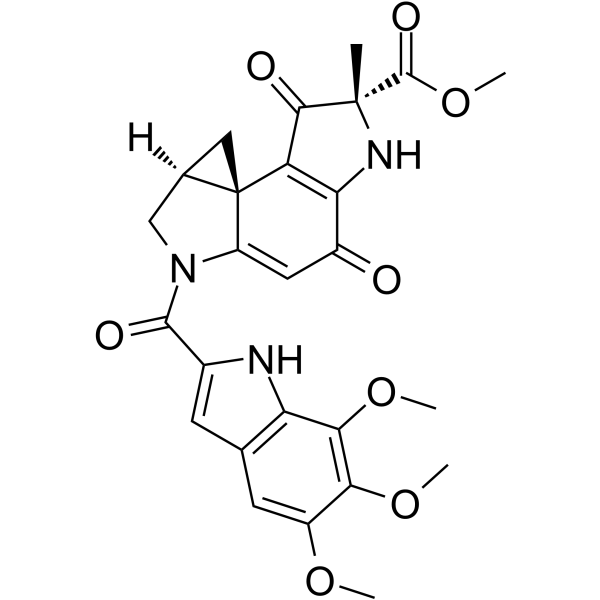
Duocarmycin A is an antitumor antibiotic and DNA alkylating agent with broad-spectrum antibacterial activity, which can serve as a payload for synthesizing antibody-drug conjugates (ADCs). Duocarmycin A selectively binds to the AT-rich minor groove of DNA, forms covalent adducts by alkylating the adenine N3 residue, thereby disrupting DNA structure and inhibiting its replication and transcription. Duocarmycin A induces apoptosis, sub-G1 phase accumulation and chromatin condensation, reduces the levels of pro-caspase-3/9, and induces p53-independent p21 expression. Duocarmycin A is widely used in the research of various malignancies, including leukemia, sarcoma, glioblastoma, as well as multiple solid tumor models such as lung cancer, breast cancer, and colorectal cancer .
|
-
-
- HY-178462
-
|
|
HSP
DNA/RNA Synthesis
|
Cancer
|
|
Hsp70/FoxM1-IN-1 (Compound 7d) is a potent heat shock protein 70 (Hsp70) and Forkhead box M1 (FoxM1) dual inhibitor. Hsp70/FoxM1-IN-1 demonstrates significant antiproliferative and pro-apoptotic effects in multiple solid tumor models (e.g., breast, colorectal cancer), particularly for tumors co-overexpressing Hsp70/FoxM1 .
|
-
-
- HY-P9994
-
|
SBT6050
|
Antibody-Drug Conjugates (ADCs)
EGFR
Toll-like Receptor (TLR)
|
Inflammation/Immunology
Cancer
|
|
Pertuzumab zuvotolimod (SBT6050) is an anti-HER2 antibody-drug conjugate (ADC). Pertuzumab zuvotolimod is composed of a humanized anti-HER2 antibody (Pertuzumab) (HY-P9912A), a linker, a TLR8 agonist payload, and the drug-linker conjugate for ADC is Zuvotolimod (HY-145620). Pertuzumab zuvotolimod potently induces multiple anti-tumor immune activities through the direct activation myeloid cells and the subsequent induction of T and NK cell cytolytic activity. Pertuzumab zuvotolimod can be used for HER2-expressing solid tumors research .
|
-
-
- HY-10058
-
|
|
JAK
Aurora Kinase
Bcr-Abl
FLT3
Apoptosis
Autophagy
|
Cancer
|
|
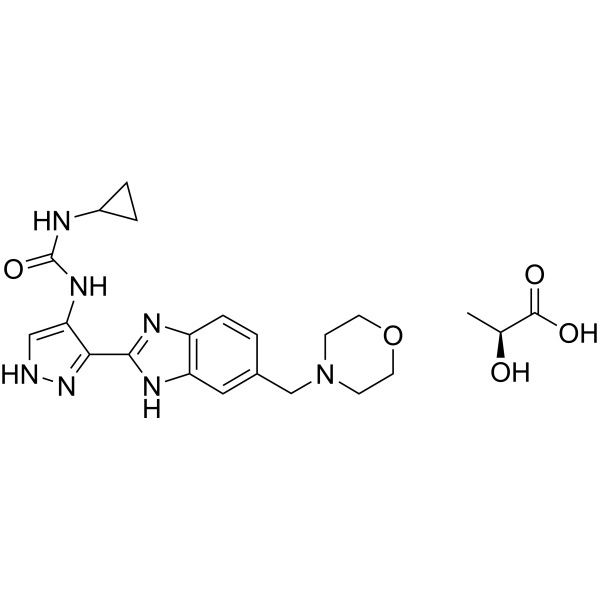
AT9283 lactic acid is a multi-targeted kinase inhibitor with potent activity against Aurora A/B, JAK2/3, Abl (T315I) and Flt3 (IC50s ranging from 1 to 30 nM). AT9283 lactic acid inhibits growth and survival of multiple solid tumors in vitro and in vivo .
|
-
-
- HY-P991391
-
|
|
Transmembrane Glycoprotein
|
Cancer
|
|
COM902 is a human IgG4 monoclonal antibody (mAb) targeting TIGIT. COM902 enhances anti-tumor immune responses. COM902 can be used in Multiple myeloma, Solid tumours and Colorectal cancer research. Recommended isotype control: IgG4-lambda .
|
-
-
- HY-P99881
-
|
ABBV 176
|
Antibody-Drug Conjugates (ADCs)
|
Cancer
|
|
Rolinsatamab talirine (ABBV 176) is a prolactin receptor (PRLR)-targeting antibody-drug conjugate (ADC), compoused of Rolinsatamab (HY-P99238) and SGD-1882 (HY-101127). Rolinsatamab talirine binds to PRLR to deliver a cytotoxin to tumor cells. Rolinsatamab talirine induces DNA damage, and exhibits cytotoxicity against multiple breast tumor models, including triple negative and low PRLR-expressing models. Rolinsatamab talirine demonstrates enhanced anti-tumor activity in several breast cancer models. Rolinsatamab talirine can be used for the research of breast cancer, hepatocellular carcinoma, ovarian cancer, endometrial cancer, prostate cancer, colorectal cancer, adrenocortical carcinoma, and solid tumors .
|
-
-
- HY-149718
-
|
|
JAK
HDAC
|
Cancer
|
|
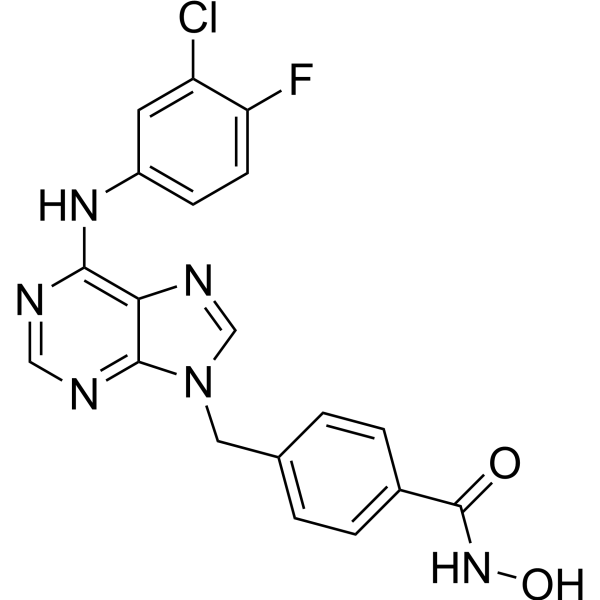
Antitumor agent-123 (Copmound 4d) effectively inhibits multiple kinase targets with anti-cancer effects, including JAK2, JAK3, HDAC1 and HDAC6, with IC50 values of 34.6 and 2.6 μM for JAK2 and JAK3, respectively. Antitumor agent-123 exhibits moderate activity in solid tumor models .
|
-
-
- HY-50514R
-
|
|
JAK
Aurora Kinase
Bcr-Abl
FLT3
Apoptosis
Autophagy
|
Cancer
|
|
AT9283 (Standard) is the analytical standard of AT9283. This product is intended for research and analytical applications. AT9283 is a multi-targeted kinase inhibitor with potent activity against Aurora A/B, JAK2/3, Abl (T315I) and Flt3 (IC50s ranging from 1 to 30 nM). AT9283 inhibits growth and survival of multiple solid tumors in vitro and in vivo .
|
-
-
- HY-175297
-
|
|
VEGFR
EGFR
|
Cancer
|
|
EGFR T790M/VEGFR-2-IN-1 (Compound 6) is a dual EGFR T790M mutant (IC50=0.26 μM) and VEGFR-2 (IC50=0.95 μM) inhibitor. EGFR T790M/VEGFR-2-IN-1 blocks tumor cell proliferation and angiogenesis signaling pathways. EGFR T790M/VEGFR-2-IN-1 exhibits potent cytotoxicity against multiple cancer cell lines (HCT116, MCF-7, HepG2, A549; IC50=5.35-9.90 μM). EGFR T790M/VEGFR-2-IN-1 is promising for research of non-small cell lung cancer and solid tumors .
|
-
-
- HY-182700
-
|
|
Complement System
VEGFR
|
Cancer
|
|
NRPa-308 is a potent and orally active Neuropilin-1 (NRP-1) antagonist with an IC50 of 42 μM for inhibiting VEGF-A165 binding to NRP-1. NRPa-308 blocks the specific interaction between VEGF-A165 and NRP-1. NRPa-308 effectively suppresses angiogenesis in vitro and in vivo and reduces the viability of a broad spectrum of human solid and haematological cancer cells. NRPa-308 inhibits tumor growth and prolongs median survival in a human breast cancer xenograft mouse model. NRPa-308 can be used for the research of multiple human malignancies including solid tumors and hematological cancers .
|
-
-
- HY-W267524
-
|
|
Drug Derivative
|
Cancer
|
|
H-Phe (3-CF3)-OH is a phenylalanine derivative targeting the L-type amino acid transporter 1 (LAT1, SLC7A5) as its core target, and it belongs to LAT1 substrates. H-Phe (3-CF3)-OH can be used for prodrug scaffold development and research related to multiple solid tumors .
|
-
-
- HY-183631
-
|
|
β-catenin
Wnt
mTOR
c-Myc
Apoptosis
|
Cancer
|
|
PM54 is an antitumor agent with activity across multiple cancer types. PM54 acts as a transcription and WNT/β-catenin signaling pathway inhibitor. PM54 suppresses oncogenic transcriptional programs, and key malignant pathways, while inducing DNA double-strand breaks, S-phase cell cycle arrest and apoptosis. PM54 enhances innate immune recognition, remodels the tumor microenvironment. PM54 exhibits antitumor activity as monotherapy or in combination in xenograft models. PM54 is applicable to research on various cancers and advanced solid tumors .
|
-
-
- HY-10252R
-
|
ADW742 (Standard); GSK 552602A (Standard); ADW (Standard)
|
Reference Standards
IGF-1R
Insulin Receptor
Apoptosis
|
Endocrinology
Cancer
|
|
NVP-ADW742 (Standard) is the analytical standard of NVP-ADW742 (HY-10252). This product is intended for research and analytical applications. NVP-ADW742 (ADW742) is an orally active, selective IGF-1R tyrosine kinase inhibitor with an IC50 of 0.17 μM. NVP-ADW742 inhibits insulin receptor (InsR) with an IC50 of 2.8 μM. NVP-ADW742 induces pleiotropic antiproliferative/proapoptotic biologic sequelae in tumor cells .
|
-
-
- HY-P992356
-
|
|
Topoisomerase
|
Cancer
|
|
GENA-104A16 is a humanized monoclonal antibody targeting CNTN4, with multiple functions including immunostimulation, cytotoxicity and immunoregulation. By binding to CNTN4, GENA-104A16 blocks its interaction with APP, thereby restoring T cell function, inducing tumor cell death and regulating tumor-infiltrating immune cell populations. GENA-104A16 also exerts topoisomerase I inhibitory activity via the payload Exatecan (HY-13631). GENA-104A16 can be used in research related to colon cancer liver metastasis and other CNTN4-expressing solid tumors .
|
-
-
- HY-181073
-
|
|
Apoptosis
Necroptosis
NF-κB
p38 MAPK
|
Neurological Disease
Cancer
|
|
Apoptosis/necroptosis inducer 1 is an orally active and brain-penetrant apoptosis and necroptosis inducer. Apoptosis/necroptosis inducer 1 induces mitochondria-dependent (intrinsic pathway) apoptosis. Apoptosis/necroptosis inducer 1 induces necroptosis by activating the TNF-α/NF-κB/MAPK signaling pathway. Apoptosis/necroptosis inducer 1 exhibits antiproliferative activity in glioblastoma cell lines and multiple solid tumor types. Apoptosis/necroptosis inducer 1 inhibits growth of orthotopic glioblastoma in animal models and improves survival rate. Apoptosis/necroptosis inducer 1 can be used for the research of glioblastoma .
|
-
-
- HY-179585
-
|
|
Apoptosis
|
Cancer
|
|
DD-CIP2 is a DNA damage and apoptosis inducer. DD-CIP2 demonstrates effective anti-proliferative activity against multiple cancer cell. DD-CIP2 modulates the DNA damage response pathway, triggering robust DNA damage, cell cycle arrest, and apoptosis in vitro. DD-CIP2 demonstrates significant anti-tumor efficacy in vivo at well-tolerated doses, without substantial toxicity. DD-CIP2 exhibits superior cytotoxic potency against a broad panel of blood-and solid-tumor-derived cancer cell lines independent of their BRCA1/2 status. DD-CIP2 can be used for small-cell lung cancer (SCLC) and non small-cell lung cancer (NSCLC) research .
|
-
-
- HY-16265A
-
|
|
Ephrin Receptor
PDGFR
VEGFR
|
Cancer
|
|
JI-101 hydrochloride is an orally active angiogenesis inhibitor and anticancer agent with 55% oral bioavailability in Sprague Dawley rats, high permeability, and no P-gp substrate activity .JI-101 hydrochloride modulates angiogenesis signaling pathways in tumor vessel beds, downregulates EphB4, targets EphB4, VEGFR-2, and PDGFR-β, and inhibits multiple stages of tumor angiogenesis .JI-101 hydrochloride exerts activity against cancer cells and xenografts, exhibits mild to moderate inhibition of CYP3A4, and shows stability in pre-clinical and human liver microsomes .JI-101 hydrochloride undergoes rapid oral absorption in Sprague Dawley rats, has extensive tissue distribution with preferred lung uptake, and is excreted via bile with mono- and di-hydroxy metabolites, with feces as the primary elimination route .JI-101 hydrochloride can be used for the research of ovarian cancer and solid tumors .
|
-
| Cat. No. |
Product Name |
Type |
-
- HY-P9994
-
|
SBT6050
|
Fluorescent Dyes
|
|
Pertuzumab zuvotolimod (SBT6050) is an anti-HER2 antibody-drug conjugate (ADC). Pertuzumab zuvotolimod is composed of a humanized anti-HER2 antibody (Pertuzumab) (HY-P9912A), a linker, a TLR8 agonist payload, and the drug-linker conjugate for ADC is Zuvotolimod (HY-145620). Pertuzumab zuvotolimod potently induces multiple anti-tumor immune activities through the direct activation myeloid cells and the subsequent induction of T and NK cell cytolytic activity. Pertuzumab zuvotolimod can be used for HER2-expressing solid tumors research .
|
| Cat. No. |
Product Name |
Target |
Research Area |
Image |
-
- HY-P99934
-
|
ABBV-621
|
Apoptosis
Caspase
TNF Receptor
|
Cancer
|
|
Eftozanermin alfa (ABBV-621) is a tumor necrosis factor-related apoptosis-inducing ligand receptor (TRAIL-R) agonist. Eftozanermin alfa is a fusion protein consisting of a mutant immunoglobulin G1-Fc linked to 2 single-chain trimers of TRAIL. Eftozanermin alfa induces apoptosis in tumor cells by activation of death receptors (DR4 receptor and DR5 receptor) with Kds of 780 nM and 635 nM. Eftozanermin alfa can be used for the research of multiple solid and heme malignancies .
|
-
(5)
-
- HY-P9994
-
|
SBT6050
|
Antibody-Drug Conjugates (ADCs)
EGFR
Toll-like Receptor (TLR)
|
Inflammation/Immunology
Cancer
|
|
Pertuzumab zuvotolimod (SBT6050) is an anti-HER2 antibody-drug conjugate (ADC). Pertuzumab zuvotolimod is composed of a humanized anti-HER2 antibody (Pertuzumab) (HY-P9912A), a linker, a TLR8 agonist payload, and the drug-linker conjugate for ADC is Zuvotolimod (HY-145620). Pertuzumab zuvotolimod potently induces multiple anti-tumor immune activities through the direct activation myeloid cells and the subsequent induction of T and NK cell cytolytic activity. Pertuzumab zuvotolimod can be used for HER2-expressing solid tumors research .
|
-
(5)
-
- HY-P991391
-
|
|
Transmembrane Glycoprotein
|
Cancer
|
|
COM902 is a human IgG4 monoclonal antibody (mAb) targeting TIGIT. COM902 enhances anti-tumor immune responses. COM902 can be used in Multiple myeloma, Solid tumours and Colorectal cancer research. Recommended isotype control: IgG4-lambda .
|
-
(5)
-
- HY-P99881
-
|
ABBV 176
|
Antibody-Drug Conjugates (ADCs)
|
Cancer
|
|
Rolinsatamab talirine (ABBV 176) is a prolactin receptor (PRLR)-targeting antibody-drug conjugate (ADC), compoused of Rolinsatamab (HY-P99238) and SGD-1882 (HY-101127). Rolinsatamab talirine binds to PRLR to deliver a cytotoxin to tumor cells. Rolinsatamab talirine induces DNA damage, and exhibits cytotoxicity against multiple breast tumor models, including triple negative and low PRLR-expressing models. Rolinsatamab talirine demonstrates enhanced anti-tumor activity in several breast cancer models. Rolinsatamab talirine can be used for the research of breast cancer, hepatocellular carcinoma, ovarian cancer, endometrial cancer, prostate cancer, colorectal cancer, adrenocortical carcinoma, and solid tumors .
|
-
(5)
-
- HY-P992356
-
|
|
Topoisomerase
|
Cancer
|
|
GENA-104A16 is a humanized monoclonal antibody targeting CNTN4, with multiple functions including immunostimulation, cytotoxicity and immunoregulation. By binding to CNTN4, GENA-104A16 blocks its interaction with APP, thereby restoring T cell function, inducing tumor cell death and regulating tumor-infiltrating immune cell populations. GENA-104A16 also exerts topoisomerase I inhibitory activity via the payload Exatecan (HY-13631). GENA-104A16 can be used in research related to colon cancer liver metastasis and other CNTN4-expressing solid tumors .
|
-
(5)
Your information is safe with us. * Required Fields.
Inquiry Information
- Product Name:
- Cat. No.:
- Quantity:
- MCE Japan Authorized Agent:

