1. Search Result
Search Result
Results for "

nonionic surfactants

" in MedChemExpress (MCE) Product Catalog:

73

Inhibitors & Agonists

54

Biochemical Assay Reagents

1

Peptides

3

Natural
Products

1

Isotope-Labeled Compounds

16

Oligonucleotides

Cat. No. Product Name Target Research Areas Chemical Structure
  • HY-Y1890
    Cremophor EL-40
    Maximum Cited Publications
    21 Publications Verification

    Polyoxyethylene(40) Castor Oil; PEG-40 Castor Oil

    Environmental Pollutants Biochemical Assay Reagents Others
    Cremophor EL-40, a polyoxyethylene castor oil derivative, is a nonionic surfactant. Cremophor EL-40 is widely employed to improve dissolution and delivery of agents .
    Cremophor EL-40
  • HY-D1005
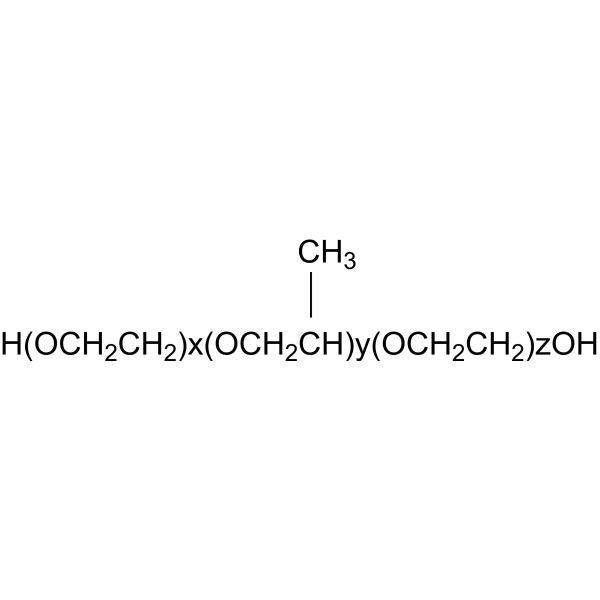
    Poloxamer 407 (F127)
    5+ Cited Publications

    PEG-PPG-PEG, 12600 (Average Mn)

    Environmental Pollutants LPL Receptor Inflammation/Immunology
    Poloxamer 407 (F127) is a nonionic surfactant that is 100% active and relatively non-toxic to cells at low concentrations, and frequently used with dye AM esters such as Indo-1 AM, Fura-2 AM, Calcein AM, Fluo-3 AM, Fluo-4 AM, Quest Fluo-8 AM and Quest Rhod-4 AM, etc. to improve their water solubility. Poloxamer 407 is also a lipoprotein lipase inhibitor .
    Poloxamer 407 (F127)
  • HY-15435
    CHAPS
    4 Publications Verification

    Exosomes Biochemical Assay Reagents Others
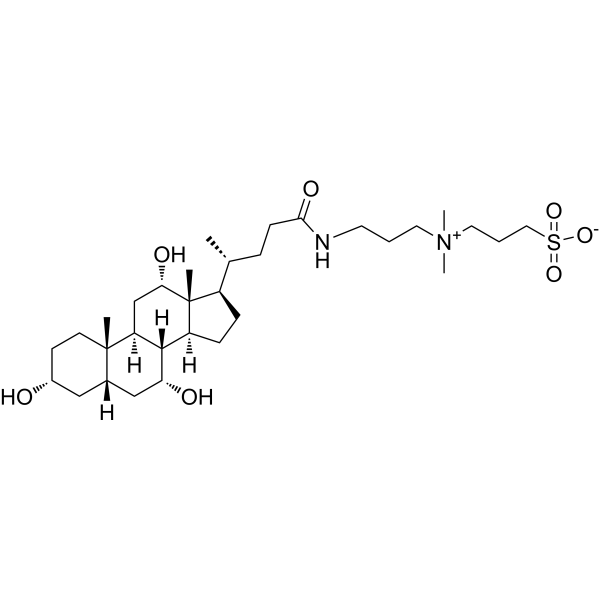
    CHAPS is a cholic acid-derived, sulfobetaine-type zwitterionic detergent and micelle-forming agent. CHAPS exhibits properties of weak cationic or nonionic surfactants in different solution systems, undergoes micellization, and forms small, loose hydrophilic aggregates that are temperature-dependent. CHAPS stabilizes mononucleosomes under different ionic strengths, reduces nucleosome sequence specificity, promotes sliding of histone cores along DNA, solubilizes Tamm-Horsfall protein to reduce its interference with urinary exosome isolation, and maintains vesicle structure and the activity of related proteins at the same time. CHAPS is used to recover native folded fusion proteins, enhance the binding capacity of GST fusion proteins, and restore GST enzyme activity. However, CHAPS cannot refold proteins denatured by urea, guanidine hydrochloride or heat, nor can it construct the structure of intrinsically disordered proteins. CHAPS is commonly used in research on the separation and purification of membrane proteins .
    CHAPS
  • HY-141415
    Tween 20
    5 Publications Verification

    Polysorbate 20

    Environmental Pollutants Biochemical Assay Reagents Others
    Tween 20 (Polysorbate 20) is a polyoxyethylene (POE)-type nonionic surfactant .
    Tween 20
  • HY-D1005A

    PEG-PPG-PEG, 8800 (Average Mn)

    Environmental Pollutants Biochemical Assay Reagents Inflammation/Immunology
    Poloxamer 188 is a nonionic linear copolymer with surfactant properties. Poloxamer 188 exhibits anti-thrombotic, anti-inflammatory, and cytoprotective activities in various tissue injury models. Poloxamer 188 can be used for drug delivery .
    Poloxamer 188
  • HY-Y1883
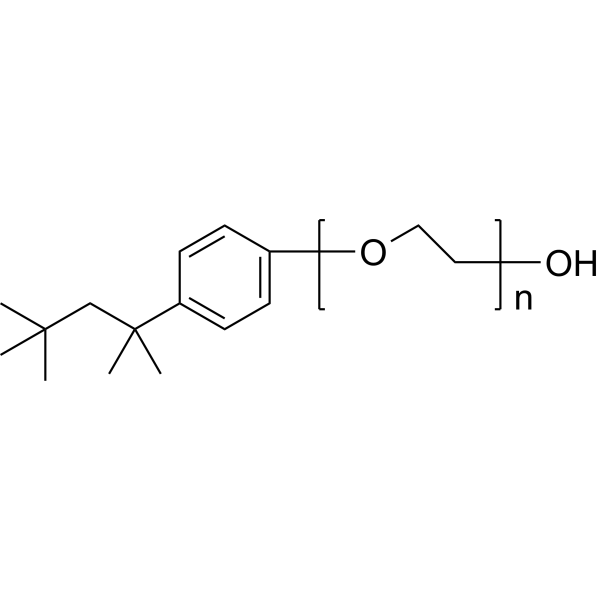
    Polyethylene glycol mono(4-tert-octylphenyl) ether surfactant
    Maximum Cited Publications
    24 Publications Verification

    Environmental Pollutants Biochemical Assay Reagents Apoptosis Infection Cancer
    Polyethylene glycol mono(4-tert-octylphenyl) ether surfactant is a non-denaturing detergent that solubilizes lipid membranes. Polyethylene glycol mono(4-tert-octylphenyl) ether surfactant is commonly used in laboratories and is applied to vaccines at different stages of the manufacturing process. Polyethylene glycol mono(4-tert-octylphenyl) ether surfactant is listed as an excipient in certain vaccines including split virus influenza vaccines. Polyethylene glycol mono(4-tert-octylphenyl) ether surfactant is a nonionic surfactant. Polyethylene glycol mono(4-tert-octylphenyl) ether surfactant induces Apoptosis in prostate and colon cancer cell lines and reduces the infectivity of classic enveloped viruses such as WNV .
    Polyethylene glycol mono(4-tert-octylphenyl) ether surfactant
  • HY-Y0873L

    Polyethylene glycol 800

    Environmental Pollutants Biochemical Assay Reagents Others
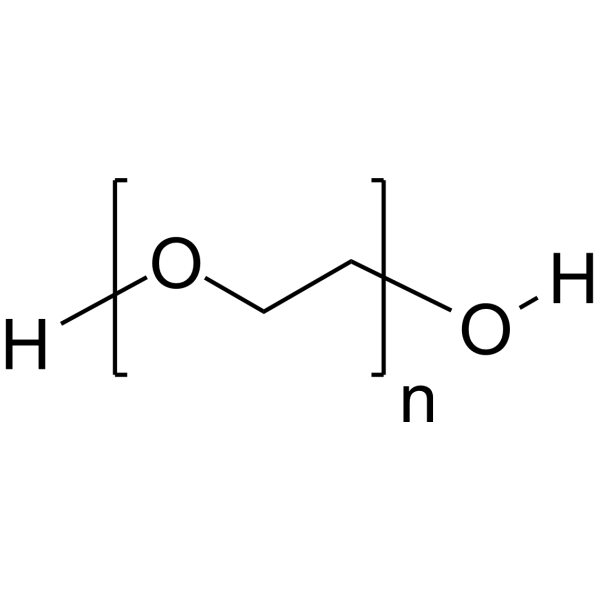
    PEG800 (Polyethylene glycol 800) is a nonionic surfactant that is soluble in water and many polar solvents .
    PEG800
  • HY-401424

    Polyoxyethylene(36) Castor Oil; PEG-36 Castor Oil

    Environmental Pollutants Biochemical Assay Reagents Others
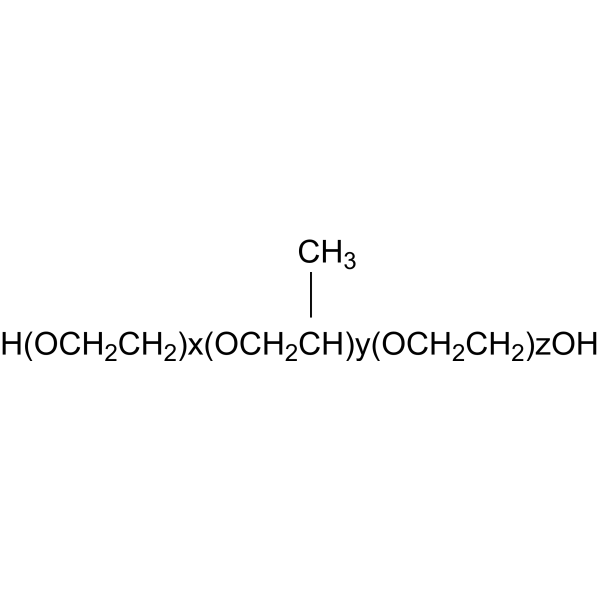
    Cremophor EL-36 is a non-ionic surfactant, mainly used as a solubilizing carrier for poorly soluble Paclitaxel (HY-B0015). For example, Cremophor EL-36 can enhance the intracellular influx of Etoposide (HY-13629) without affecting drug efflux, and can dose-dependently increase the accumulation of VP-16 in lung adenocarcinoma cells (such as PC-14 and A549), significantly enhancing its cytotoxic effect .
    Cremophor EL-36
  • HY-Y1883A
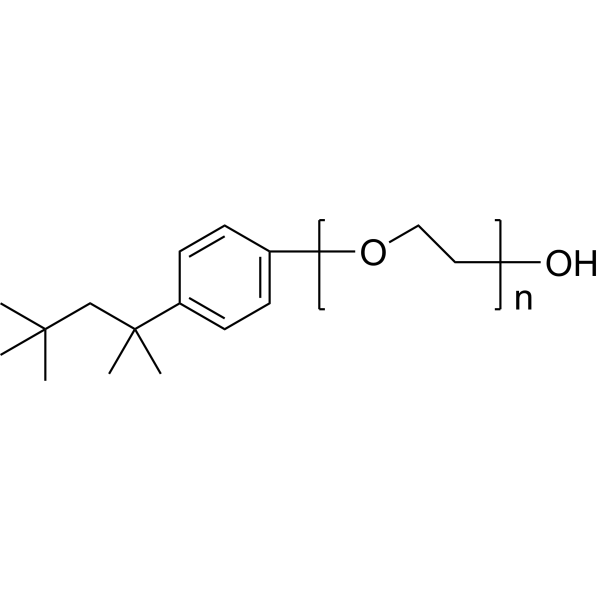
    Polyethylene glycol mono(4-tert-octylphenyl) ether
    Maximum Cited Publications
    24 Publications Verification

    Environmental Pollutants Biochemical Assay Reagents Infection Cancer
    Polyethylene glycol mono(4-tert-octylphenyl) ether is a non-denaturing detergent that solubilizes lipid membranes. Polyethylene glycol mono(4-tert-octylphenyl) ether is commonly used in laboratories and is applied to vaccines at different stages of the manufacturing process. Polyethylene glycol mono(4-tert-octylphenyl) ether is listed as an excipient in certain vaccines including split virus influenza vaccines. Polyethylene glycol mono(4-tert-octylphenyl) ether is a nonionic surfactant. Polyethylene glycol mono(4-tert-octylphenyl) ether induces Apoptosis in prostate and colon cancer cell lines and reduces the infectivity of classic enveloped viruses such as WNV .
    Polyethylene glycol mono(4-tert-octylphenyl) ether
  • HY-D1005H

    PEG-PPG-PEG, 8400(Average Mn)

    Environmental Pollutants Biochemical Assay Reagents Fluorescent Dye Others
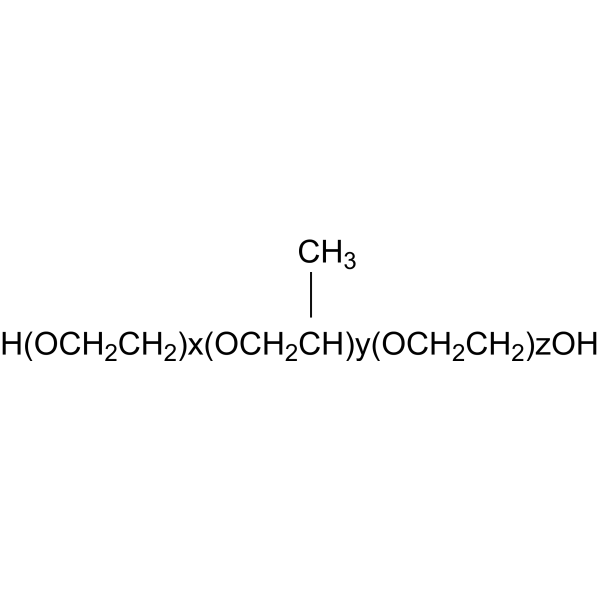
    Poloxamer 188 is a nonionic linear copolymer with surfactant properties. Poloxamer 188 exhibits anti-thrombotic, anti-inflammatory, and cytoprotective activities in various tissue injury models .
    Poloxamer 188 (F68)
  • HY-108294

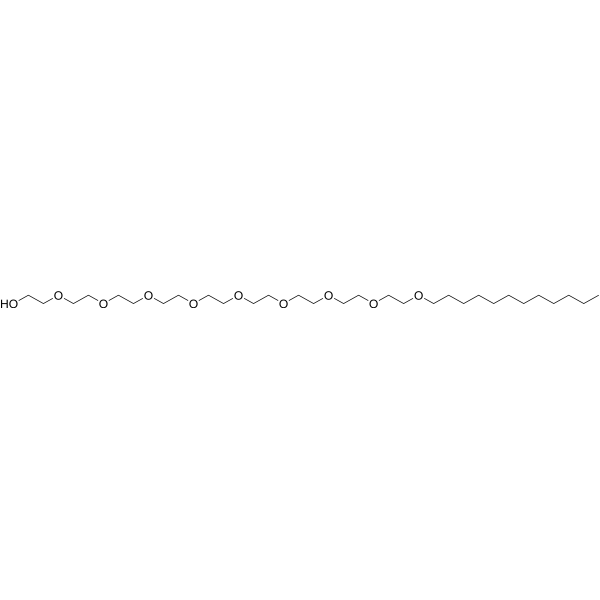
    Nonaoxyethylene monododecyl ether

    Biochemical Assay Reagents Others
    Nonaethylene glycol monododecyl ether (Nonaoxyethylene monododecyl ether) is a nonionic surfactant and polyethylene glycol (PEG) detergent that can be used to form initial coalesced O/W emulsion droplets, as well as for protein separation and purification .
    Nonaethylene glycol monododecyl ether
  • HY-Y0850H

    PVA (Mw 89000-98000, 99+% hydrolyzed); Poly(Ethenol) (Mw 89000-98000, 99+% hydrolyzed)

    Environmental Pollutants Biochemical Assay Reagents Others
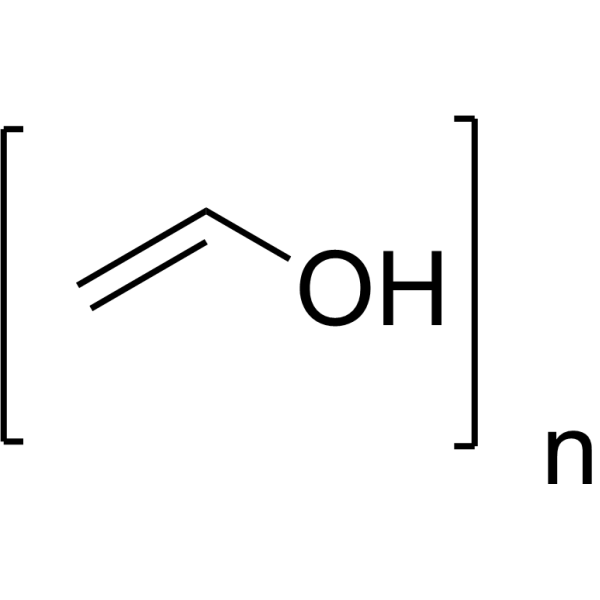
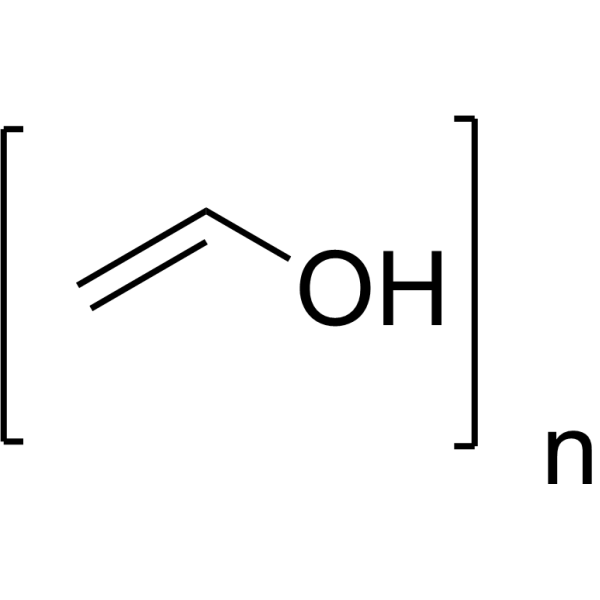
    Polyvinyl alcohol (Mw 89000-98000, 99+% hydrolyzed) also known as PVA, is a vinyl water-soluble polymer that can be used as a non-ionic surfactant. It can also be used as a biodegradable polymer and can be used in adhesives, coatings, textiles, ceramics and cosmetics .
    Polyvinyl alcohol (Mw 89000-98000, 99+% hydrolyzed)
  • HY-W250168

    Polyethylene glycol oleyl ether, average Mn~709; Polyethylene glycol monooleyl ether, n~10

    Environmental Pollutants Biochemical Assay Reagents Others
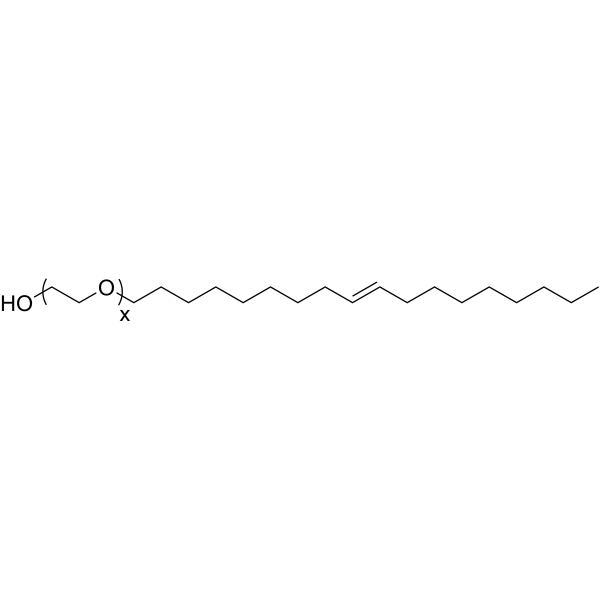
    Polyoxyethylene(10) oleyl ether, also known as POE(10) monooleate, is a nonionic surfactant consisting of a polyethylene glycol chain with 10 ethylene oxide units and an oleic acid residue. It has excellent emulsifying, wetting and dispersing properties, making it suitable for a variety of applications including personal care products and pharmaceutical formulations. POE(10) monooleate is commonly used as a solubilizer to improve the solubility and bioavailability of poorly soluble drugs. Furthermore, it is biodegradable and has low toxicity, making it an environmentally friendly ingredient suitable for various industrial applications.
    Polyoxyethylene(10) oleyl ether
  • HY-W129988

    Environmental Pollutants Biochemical Assay Reagents Others
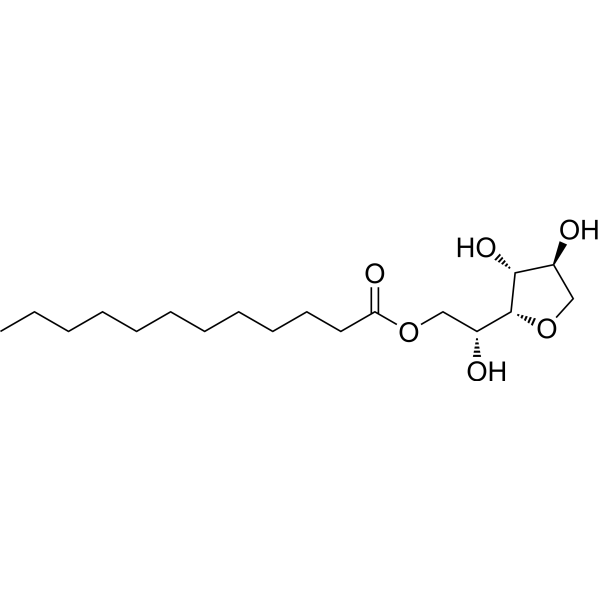
    Sorbitan monododecanoate is a non-ionic surfactant, often used as an emulsifier in food, feed and topical preparations. Sorbitan monododecanoate can also be employed as a pharmaceutical excipient .
    Sorbitan monododecanoate
  • HY-101530C

    PEG 100 stearate

    Environmental Pollutants Biochemical Assay Reagents Others
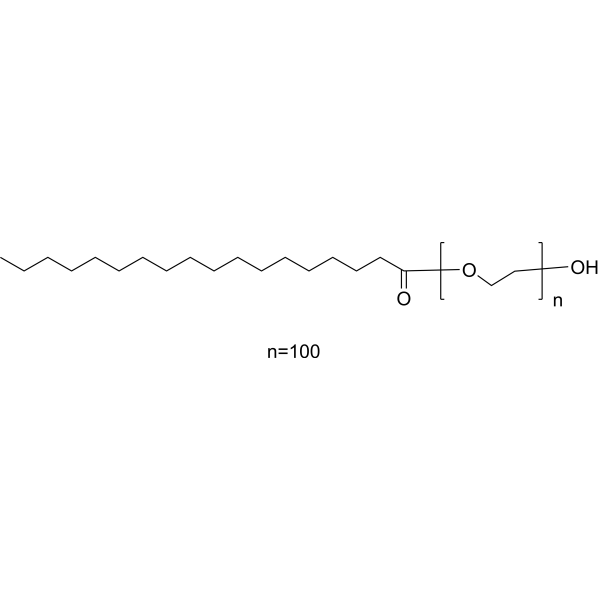
    Polyoxyl 100 stearate (PEG-100 stearate) is a non-ionic surfactant formed by polyethylene glycol (PEG) and stearic acid, and it is commonly used in pharmaceutical preparations, nanocarriers, emulsification systems and cosmetic formulations .
    Polyoxyl 100 stearate
  • HY-B2106D

    Decaethylene glycol monododecyl ether (C12E10); Polidocanol (10)

    Biochemical Assay Reagents Others Cancer
    Polyoxyethylene (10) lauryl ether is a nonionic surfactant. Polyoxyethylene (10) lauryl ether exhibits unique properties in dissolving liposomes and exerts the minimal interference with endotoxin detection. Polyoxyethylene (10) lauryl ether forms hybrid liposomes with Dimyristoylphosphatidylcholine (DMPC) (HY-109541), which can inhibit the proliferation of human promyelocytic leukemia cells without the administration of any drugs .
    Polyoxyethylene (10) lauryl ether
  • HY-W250168A

    Polyethylene glycol oleyl ether, average Mn~1150; Polyethylene glycol monooleyl ether, n~20

    Environmental Pollutants Biochemical Assay Reagents Others
    Polyoxyethylene(20) oleyl ether (Polyethylene glycol oleyl ether, with an average Mn of 1150) is a non-ionic surfactant. Polyoxyethylene(20) oleyl ether possesses emulsifying and detergent properties and can be used as a functional additive in drug delivery systems, helping to form stable nanoemulsions .
    Polyoxyethylene(20) oleyl ether
  • HY-Y0850I

    PVA (Mw 9000-10000, 80% hydrolyzed); Poly(Ethenol) (Mw 9000-10000, 80% hydrolyzed)

    Environmental Pollutants Biochemical Assay Reagents Cancer
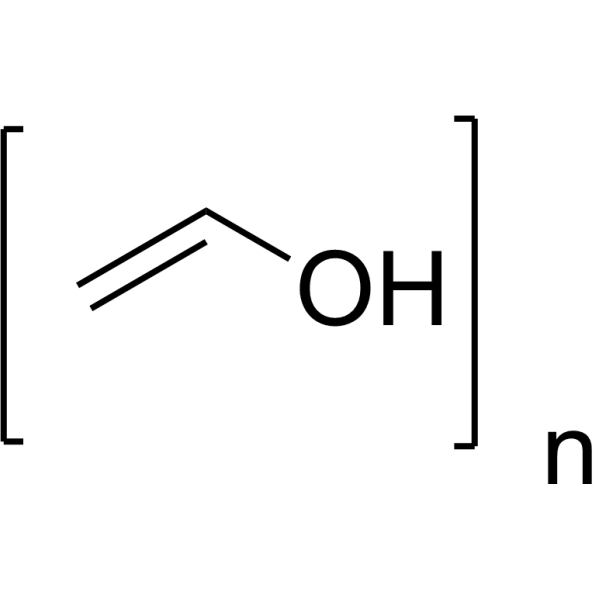
    Polyvinyl alcohol (Mw 9000-10000, 80% hydrolyzed) also known as PVA, is a vinyl water-soluble polymer that can be used as a non-ionic surfactant. Polyvinyl alcohol (Mw 9000-10000, 80% hydrolyzed) can be used as a biodegradable polymer and can be used in adhesives, coatings, textiles, ceramics, and cosmetics. Polyvinyl alcohol can be used in tissue engineering by electrospinning. Polyvinyl alcohol can achieve high cellular density, infiltration, and uniform distribution, facilitating functional connections between cells. Polyvinyl alcohol can improve cell vitality through in vitro cultivation. Polyvinyl alcohol demonstrates promising inhibition of ostersarcoma cancer cells with Doxorubicin (HY-15142A) .
    Polyvinyl alcohol (Mw 9000-10000, 80% hydrolyzed)
  • HY-144007

    Liposome Others
    Chol-PEG is a nonionic surfactant vesicles and can be used for a blood-persistent drug delivery system .
    Chol-PEG
  • HY-W129593

    Sorbitan monostearate

    Environmental Pollutants Biochemical Assay Reagents Others
    Sorbitan monooctadecanoate (Sorbitan monostearate) is a hydrophobic nonionic surfactant. Sorbitan monooctadecanoate can serve as a pharmaceutical excipient, such as an emulsifier, nonionic surfactant, solubilizer, wetting agent, and dispersing/suspending agent .
    Sorbitan monooctadecanoate
  • HY-B1027

    Nonoxynol; Nonoxinol

    Environmental Pollutants Biochemical Assay Reagents Others
    4-Nonylphenol polyethoxylate (Nonoxynol) is a non-ionic surfactant. 4-Nonylphenol polyethoxylate forms degradation products including 4-nonylphenol and short ethoxyl chain polyethoxylates. 4-Nonylphenol polyethoxylate generates degradation products that exhibit estrogenic activity, persist in aquatic environments, and bioaccumulate in the food chain .
    4-Nonylphenol polyethoxylate
  • HY-101530B

    PEG 40 stearate

    Biochemical Assay Reagents Others
    Polyoxyl 40 stearate (PEG 40 stearate) is a nonionic surfactant formed by the esterification of stearic acid with polyethylene glycol (PEG) containing approximately 40 ethoxy units, it is widely used in pharmaceutical preparations, nanodrug carriers, emulsification systems and biomedical materials. Polyoxyl 40 stearate can serve as a matrix component of solid lipid nanoparticles to achieve controlled release of encapsulated antifungal drugs; it can also act as a base material for solid lipid nanoparticles for vaginal administration, and polymerizable groups can be introduced via modification with acryloyl chloride .
    Polyoxyl 40 stearate
  • HY-Y0850K

    PVA (Mw 31000-50000, 98-99% hydrolyzed); Poly(Ethenol) (Mw 31000-50000, 98-99% hydrolyzed)

    Environmental Pollutants Biochemical Assay Reagents Cancer
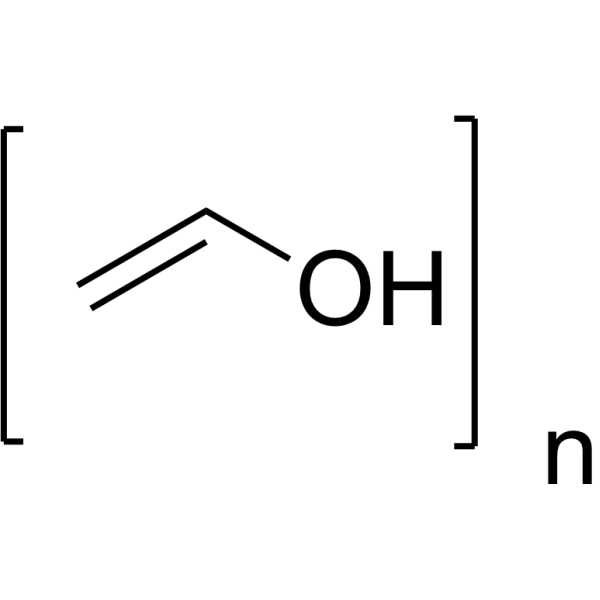
    Polyvinyl alcohol (Mw 31000-50000, 98-99% hydrolyzed), also known as PVA, is a vinyl water-soluble polymer that can be used as a non-ionic surfactant. It can also be used as a biodegradable polymer and can be used in adhesives, coatings, textiles, ceramics and cosmetics. Polyvinyl alcohol can be used in tissue engineering by electrospinning. Polyvinyl alcohol can achieve high cellular density, infiltration, and uniform distribution, facilitating functional connections between cells. Polyvinyl alcohol can improve cell vitality through in vitro cultivation. Polyvinyl alcohol demonstrates promising inhibition of ostersarcoma cancer cells with Doxorubicin (HY-15142A) .
    Polyvinyl alcohol (Mw 31000-50000, 98-99% hydrolyzed)
  • HY-15435A
    CHAPS hydrate
    4 Publications Verification

    Biochemical Assay Reagents Exosomes Others
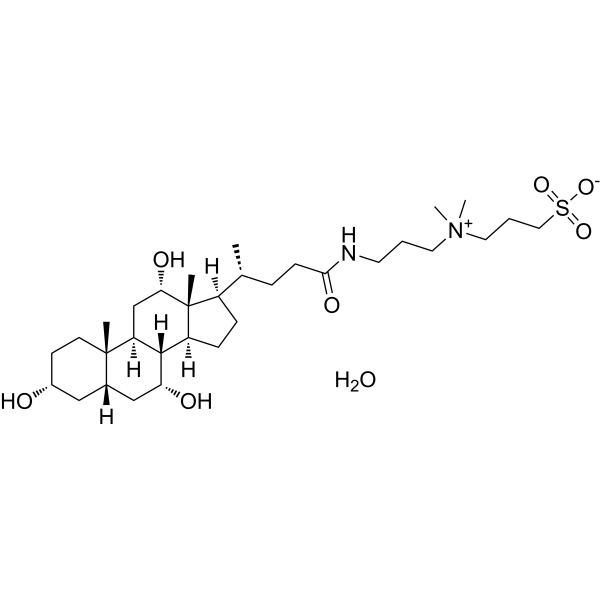
    CHAPS hydrate is a cholic acid-derived, sulfobetaine-type zwitterionic detergent and micelle-forming agent. CHAPS hydrate exhibits properties of weak cationic or nonionic surfactants in different solution systems, undergoes micellization, and forms small, loose hydrophilic aggregates that are temperature-dependent. CHAPS hydrate stabilizes mononucleosomes under different ionic strengths, reduces nucleosome sequence specificity, promotes sliding of histone cores along DNA, solubilizes Tamm‑Horsfall protein to reduce its interference with urinary exosome isolation, and maintains vesicle structure and the activity of related proteins at the same time. CHAPS hydrate is used to recover native folded fusion proteins, enhance the binding capacity of GST fusion proteins, and restore GST enzyme activity. However, CHAPS hydrate cannot refold proteins denatured by urea, guanidine hydrochloride or heat, nor can it construct the structure of intrinsically disordered proteins. CHAPS hydrate is commonly used in research on the separation and purification of membrane proteins .
    CHAPS hydrate
  • HY-139415

    Environmental Pollutants Biochemical Assay Reagents Others
    Polyethylene glycol monoisotridecyl ether is a nonionic surfactant widely used in cleaning, industrial, agricultural and other fields .
    Polyethylene glycol monoisotridecyl ether
  • HY-W250166

    Environmental Pollutants Biochemical Assay Reagents Others
    Poly(ethylene glycol) (12) tridecyl ether is a nonionic surfactant belonging to the family of ethoxylated fatty alcohols. It is commonly used as an emulsifier, solubilizer, and wetting agent in a variety of industrial and personal care products. Poly(ethylene glycol)(12) tridecyl ether has various properties that make it suitable for these applications, including its low toxicity, high solubility in water and organic solvents, and ability to stabilize emulsions. In addition, it can be used as a raw material for the production of other surfactants and specialty chemicals.
    Polyoxyethylene tridecyl ether
  • HY-B1937

    Bio-Soft S 101 sodium

    Environmental Pollutants Biochemical Assay Reagents Others
    Sodium dodecylbenzenesulfonate (Bio-Soft S 101 sodium) is a nonionic surfactant commonly used in a variety of applications for cleaning and treating industrial equipment. It has good cleaning power and environmental compatibility, and can effectively remove oil, dirt and other forms of contamination. In addition, in textile, paper, leather and other industries, the compound can also be used for fixing and stabilizing dyes and colors. Although the compound has no direct application in the medical field, it plays an important role in industry and laboratory research.
    Sodium dodecylbenzenesulfonate
  • HY-W250195

    Biochemical Assay Reagents Others
    Hexaethylene glycol monotetradecyl ether is a kind of nonionic surfactant with hydrophilic head and lipophilic tail. It belongs to the class of polyethylene glycol (PEG) ethers and is widely used in different industrial and research applications. Due to its unique properties, Hexaethylene glycol monotetradecyl ether is commonly used in lotions, detergents and solubilizers. It is particularly useful in the study of membrane proteins and can be used to stabilize and solubilize proteins for use in structural analysis techniques. Due to its moisturizing and emulsifying properties, Hexaethylene glycol monotetradecyl ether is also used in personal care and cosmetics.
    Hexaethylene glycol monotetradecyl ether
  • HY-Y0850N

    PVA (Mw 13000-23000, 98% hydrolyzed); Poly(Ethenol) (Mw 13000-23000, 98% hydrolyzed)

    Environmental Pollutants Biochemical Assay Reagents Cancer
    Polyvinyl alcohol (PVA; Poly(Ethenol)) (Mw 13000-23000, 98% hydrolyzed) , also known as PVA, is a vinyl water-soluble polymer that can be used as a non-ionic surfactant. Polyvinyl alcohol (Mw 13000-23000, 98% hydrolyzed) can also be used as a biodegradable polymer and can be used in adhesives, coatings, textiles, ceramics and cosmetics. Polyvinyl alcohol (Mw 13,000–23,000, 98% hydrolyzed) can be used in studies involving breast cancer as well as cisplatin (HY-17394)-induced sensorineural hearing loss .
    Polyvinyl alcohol (Mw 13000-23000, 98% hydrolyzed)
  • HY-W040203

    Biochemical Assay Reagents Others
    Decyl β-D-maltopyranoside is an epithelial permeability enhancer. Decyl β-D-maltopyranoside regulates the paracellular transport pathway and increases the permeability of molecules and proteins transported via the paracellular route. Decyl β-D-maltopyranoside enhances the transepithelial paracellular permeability of EPO across cell monolayers .
    Decyl β-D-maltopyranoside
  • HY-B1941
    4-tert-Octylphenol
    2 Publications Verification

    Endogenous Metabolite Apoptosis DNA/RNA Synthesis Neurological Disease Metabolic Disease Inflammation/Immunology Endocrinology
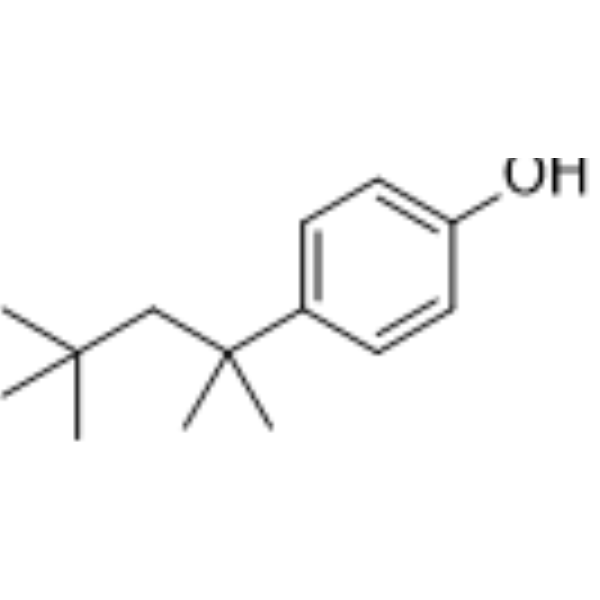
    4-tert-Octylphenol, a endocrine-disrupting chemical, is an estrogenic agent. 4-tert-Octylphenol is also a biodegradation product of non-ionic surfactants alkylphenol polyethoxylates. 4-tert-Octylphenol induces apoptosis in neuronal progenitor cells in offspring mouse brain. 4-tert-Octylphenol reduces bromodeoxyuridine (BrdU), mitotic marker Ki67, and phospho-histone H3 (p-Histone-H3), resulting in a reduction of neuronal progenitor proliferation. 4-tert-Octylphenol disrupts brain development and behavior in mice, which is promising for reserch of immune response, neuro-related diseases and ethology .
    4-tert-Octylphenol
  • HY-W392173

    Biochemical Assay Reagents Others
    Lauryl glucoside (50% in water) is a non-ionic surfactant with high cleansing ability, high foaming ability and low cost .
    Lauryl glucoside (50% in water)
  • HY-W115716

    Span 85

    Environmental Pollutants Biochemical Assay Reagents Others
    Sorbitan trioleate (Span 85) is an orally active non-ionic surface active agent. Sorbitan trioleate can be used as an excipient, such as surfactant, emulsifier, lubricant, wetting agent, dispersant, thickener, defoamer .
    Sorbitan trioleate
  • HY-123622

    Biochemical Assay Reagents Others
    CYMAL-5, 98% (TLC) is a cycloalkyl aliphatic saccharide. CYMAL-5, 98% (TLC) is a glycosidic surfactant (GS) with a chiral maltose polar head group and a cyclohexyl-pentyl hydrophobic tail. CYMAL-5, 98% (TLC) is a non-ionic detergent that has a tenfold lower critical micelle concentration (CMC) in comparison with OG, and has previously been used for membrane protein extraction or crystallization of membrane proteins for X-ray crystallographic studies .
    CYMAL-5, 98% (TLC)
  • HY-W127730

    Drug Derivative Others
    Pyridoxine 3,4-dipalmitate is a Pyridoxine (HY-B1328) derivative. Pyridoxine exerts its antioxidant effects .
    Pyridoxine 3,4-dipalmitate
  • HY-W040217

    N-Oxodecyl meglumine; Decanoyl N-methylglucamide

    Environmental Pollutants Biochemical Assay Reagents Others
    MEGA-10 (N-Oxodecyl meglumine) is a nonionic sugar-based surfactant. MEGA-10 sequesters n-alkylbenzenes into its hydrophobic core via micelle formation as a solubilizer .
    MEGA-10
  • HY-Y1890C

    Biochemical Assay Reagents Others
    Cremophor EL-20 is a type of Cremophor EL. Cremophor EL is a nonionic surfactant .
    Cremophor EL-20
  • HY-D1005I

    Biochemical Assay Reagents Others
    Poloxamer L61 is a non-ionic triblock copolymer surfactant. Poloxamer L61 effectively achieves intracellular molecular delivery to cancer cells during photoacoustic molecular delivery, and maintains cell viability by promoting cell membrane resealing, thus avoiding irreversible damage caused by laser-induced membrane permeabilization. Poloxamer L61 is a key component of SP1017, a compound related to gene therapy, which regulates the interaction between DNA and extracellular matrix as well as cellular uptake, and significantly enhances the distribution and bioavailability of plasmid DNA in skeletal muscle. Poloxamer L61 can be used in studies on local or systemic therapeutic protein production .
    Poloxamer L61
  • HY-W250168D

    Polyethylene glycol oleyl ether, average Mn~2469; Polyethylene glycol monooleyl ether, n~50

    Biochemical Assay Reagents Others
    Polyoxyethylene(50) oleyl ether (Polyethylene glycol oleyl ether, average Mn~2469; Polyethylene glycol monooleyl ether, n~50) is a nonionic surfactant .
    Polyoxyethylene(50) oleyl ether
  • HY-W127624

    Biochemical Assay Reagents Others
    Polyoxyethylene monocetyl ether (n=approx. 23) is a nonionic surfactant and can be used to manufacture hand sanitizer, laundry detergent, body wash, laundry powder, dish soap, metal cleaning agents and other products .
    Polyoxyethylene monocetyl ether (n=approx. 23)
  • HY-W250170

    Octyldecyl glucoside

    Environmental Pollutants Biochemical Assay Reagents Others
    Decyl glucoside is a mild nonionic surfactant. Decyl glucoside can be derived from renewable raw materials such as glucose and fatty alcohols from coconut oil or palm kernel oil. Decyl glucoside is known for its excellent foaming and cleaning properties.
    Decyl glucoside (60% in water)
  • HY-W250316

    Sucrose Stearate, Type II, USP

    Biochemical Assay Reagents Others
    Alpha-d-Glucopyranoside, beta-d-fructofuranosyl, octadecanoate (Sucrose Stearate, Type II, USP) is a non-ionic surfactant. Alpha-d-Glucopyranoside, beta-d-fructofuranosyl, octadecanoate enhances the skin permeability of formulations .
    Alpha-d-Glucopyranoside, beta-d-fructofuranosyl, octadecanoate
  • HY-D1005A5

    PEG-PPG-PEG, 1850 (Average)

    Biochemical Assay Reagents Others
    Poloxamer 123 (L43) (PEG-PPG-PEG, average molecular weight 1850) is a nonionic triblock copolymer of polyoxyethylene-polyoxypropylene-polyoxyethylene with an average molecular weight of 1850. Poloxamer 123 L43 can be used as a surfactant, emulsifier, and solubilizer in cosmetics .
    Poloxamer 123 (L43)
  • HY-W250168C

    Polyethylene glycol oleyl ether, average Mn~577; Polyethylene glycol monooleyl ether, n~7

    Biochemical Assay Reagents Others
    Polyoxyethylene(7) oleyl ether (Polyethylene glycol oleyl ether, average Mn~577; Polyethylene glycol monooleyl ether, n~7) is a nonionic surfactant. Polyoxyethylene(7) oleyl ether can be used as cosmetic raw .
    Polyoxyethylene(7) oleyl ether
  • HY-Y1890B

    Biochemical Assay Reagents Others
    Cremophor EL-10 is a nonionic polyoxyethylene castor oil surfactant with multiple functions including organic solubilizer, mixed zinc anode corrosion inhibitor and dendrite growth inhibitor. By forming a physical barrier to block electrolyte contact and constructing oriented hydration channels to reduce the desolvation energy barrier of Zn 2+ , Cremophor EL-10 achieves a corrosion inhibition efficiency of over 99%. Cremophor EL-10 exerts no significant effects on the mitochondrial activity and cell viability of epithelial cells, making it suitable for in vitro drug delivery and biopharmaceutical research at concentrations ≤10% v/v. However, Cremophor EL-10 may induce sustained non-endothelium-dependent contraction in rat aortic rings and exert concentration-dependent inhibitory effects on acetylcholine-induced endothelium-dependent relaxation responses .
    Cremophor EL-10
  • HY-W250172

    Biochemical Assay Reagents Others
    Polyethylene glycol tert-octylphenyl ether X-405 (70% in H2O) is a nonionic surfactant commonly used in a variety of industrial and research applications. Polyethylene glycol tert-octylphenyl ether X-405 (70% in H2O) belongs to the family of polyethylene glycol (PEG) ethers with a hydrophilic head and lipophilic tail and is suitable for use in emulsions, detergents and solubilizers. Polyethylene glycol tert-octylphenyl ether X-405 (70% in H2O) is particularly useful in the study of membrane proteins, where it is used to solubilize and stabilize proteins for structural analysis techniques. It is also used in a variety of other applications, including drug delivery systems, nanotechnology, and diagnostic analysis. Additionally, Polyethylene glycol tert-octylphenyl ether X-405 (70% in H2O) is used in the production of microemulsions, salves and lotions due to its emulsifying and solubilizing properties. However, it can be toxic if ingested or inhaled, so proper handling and safety precautions are required.
    Polyethylene glycol tert-octylphenyl ether X-405 (70% in H2O)
  • HY-W286073

    Biochemical Assay Reagents Others
    Hexaethylene glycol decyl ether is a non-ionic surfactant, which forms micelle, and can be utilized in the cosmetics, pharmaceuticals and food industries .
    Hexaethylene glycol decyl ether
  • HY-W005513

    Lauric diethanolamide

    Environmental Pollutants Biochemical Assay Reagents Others
    N,N-Bis(2-hydroxyethyl)dodecanamide (Lauric diethanolamide) is an orally consumable non-ionic surfactant and antistatic agent .
    N,N-Bis(2-hydroxyethyl)dodecanamide
  • HY-Y1890H

    Biochemical Assay Reagents Others
    Cremophor EL-90, a polyoxyethylene castor oil derivative, is a nonionic surfactant. Cremophor EL-90 has good emulsifying properties .
    Cremophor EL-90
  • HY-Y1890E

    Biochemical Assay Reagents Others
    Cremophor EL-80, a polyoxyethylene castor oil derivative, is a nonionic surfactant. Cremophor EL-80 has good emulsifying properties .
    Cremophor EL-80

Inquiry Online

Your information is safe with us. * Required Fields.

Salutation


Country or Region *

Applicant Name *


Organization Name *

Department *


Email Address *


Product Name *

Cat. No.


Requested quantity *

Phone Number *


Remarks

Inquiry Online

Inquiry Information

Product Name:
Cat. No.:
Quantity:
MCE Japan Authorized Agent:

