Search Result
Results for "
omeprazole
" in MedChemExpress (MCE) Product Catalog:
19
Isotope-Labeled Compounds
| Cat. No. |
Product Name |
Target |
Research Areas |
Chemical Structure |
-
- HY-B0113
-
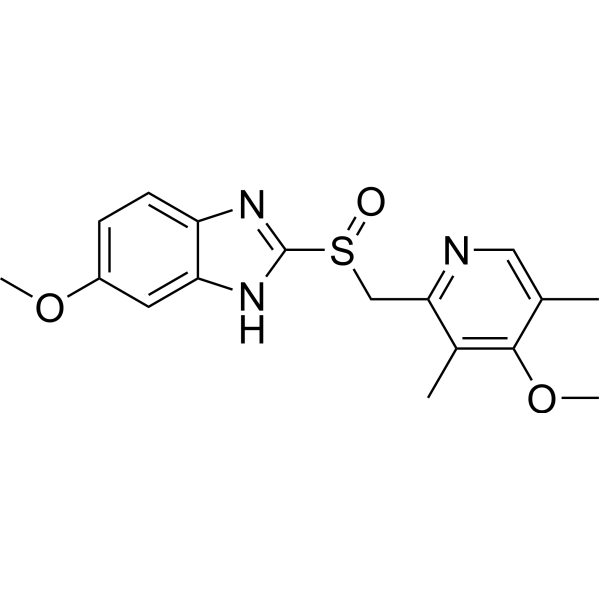
Omeprazole
Maximum Cited Publications
8 Publications Verification
H 16868
|
Na+/K+ ATPase
Proton Pump
Bacterial
Cytochrome P450
Apoptosis
Autophagy
Atg8/LC3
TNF Receptor
Interleukin Related
|
Infection
Neurological Disease
Inflammation/Immunology
Cancer
|
|
Omeprazole (H 16868) is an orally active H +,K +-ATPase inhibitor and a proton pump inhibitor. Omeprazole competitively inhibits CYP2C19, CYP3A4, and CYP2C9 activity. Omeprazole inhibits gastric acid secretion and can be used for acid-related gastrointestinal disorders. Omeprazole inhibits pancreatic cancer cell proliferation, induces apoptosis, autophagosome accumulation (elevated LC3-I and LC3-II levels), oxidative stress, and cytogenetic imbalance, modulates lysosomal transport, reduces inflammatory cytokines. Omeprazole alters small intestinal morphology and magnesium absorption, and induces gastric mucosa morphologic changes. Omeprazole aslo has neuroprotective and antibacterial effects .
|
-
-
- HY-17021
-
|
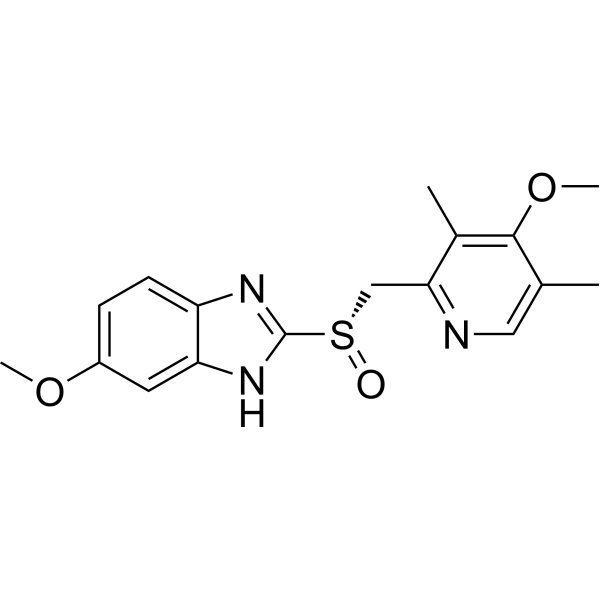
(S)-omeprazole; (-)-omeprazole
|
Proton Pump
Bacterial
|
Inflammation/Immunology
Endocrinology
Cancer
|
|
Esomeprazole ((S)-Omeprazole) is a potent and orally active proton pump inhibitor and reduces acid secretion through inhibition of the H +, K +-ATPase in gastric parietal cells. Esomeprazole has the potential for symptomatic gastroesophageal reflux disease research .
|
-
-
- HY-17022
-
|
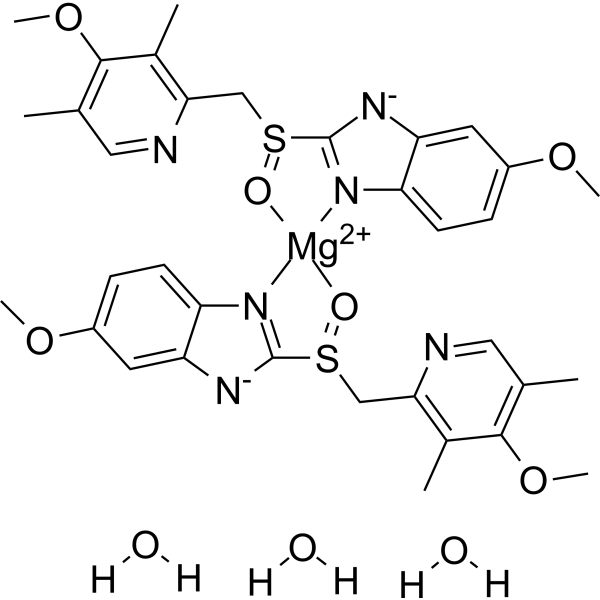
(S)-omeprazole magnesium trihydrate; (-)-omeprazole magnesium trihydrate
|
Exosomes
Proton Pump
|
Endocrinology
Cancer
|
|
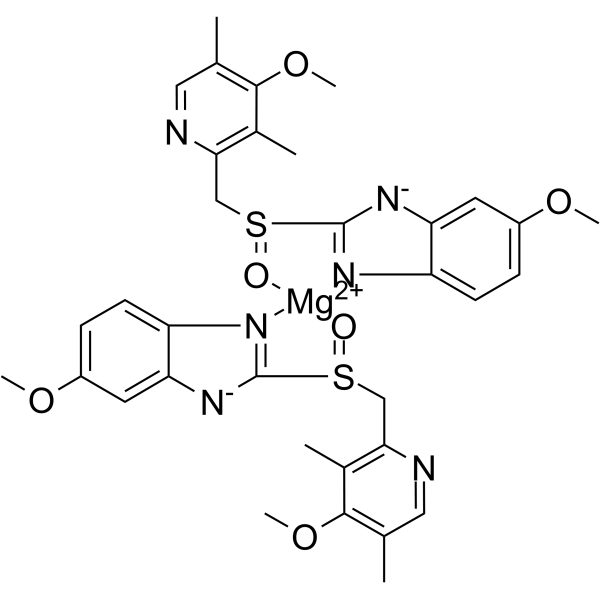
Esomeprazole magnesium trihydrate ((S)-Omeprazole magnesium trihydrate) is a potent and orally active H +, K +-ATPase inhibitor. Esomeprazole magnesium trihydrate has the potential for upper intestinal disorders and gastroesophageal reflux disease research . Esomeprazole magnesium trihydrate acts as an exosome inhibitor by blocking the exosome release via the inhibition of V-H +-ATPases .
|
-
-
- HY-B0113A
-
|
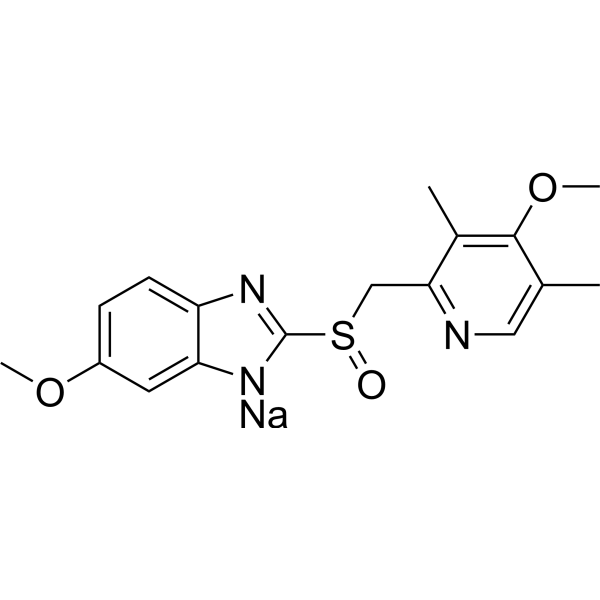
H 16868 sodium
|
Na+/K+ ATPase
Interleukin Related
Proton Pump
Cytochrome P450
Bacterial
Apoptosis
Autophagy
TNF Receptor
Atg8/LC3
|
Infection
Inflammation/Immunology
|
|
Omeprazole (H 16868) sodium is an orally active H +,K +-ATPase inhibitor and a proton pump inhibitor. Omeprazole sodium competitively inhibits CYP2C19, CYP3A4, and CYP2C9 activity. Omeprazole sodium inhibits gastric acid secretion and can be used for acid-related gastrointestinal disorders. Omeprazole sodium inhibits pancreatic cancer cell proliferation, induces apoptosis, autophagosome accumulation (elevated LC3-I and LC3-II levels), oxidative stress, and cytogenetic imbalance, modulates lysosomal transport, reduces inflammatory cytokines. Omeprazole sodium alters small intestinal morphology and magnesium absorption, and induces gastric mucosa morphologic changes. Omeprazole sodium aslo has neuroprotective and antibacterial effects .
|
-
-
- HY-17023
-
|
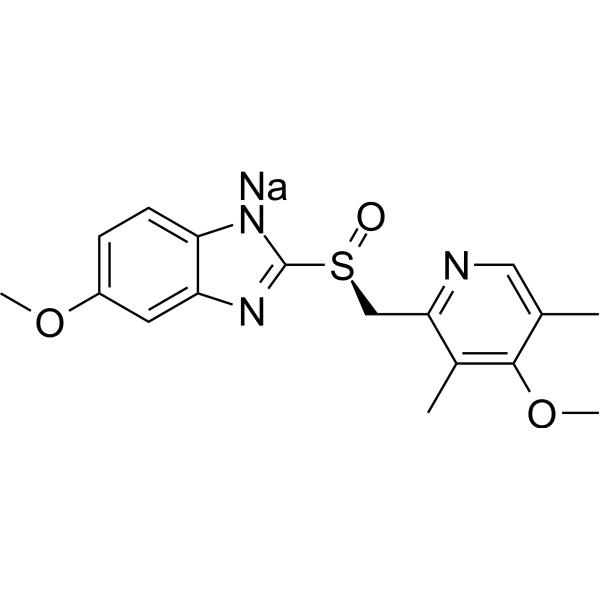
(S)-omeprazole sodium; (-)-omeprazole sodium
|
Exosomes
Proton Pump
Bacterial
|
Endocrinology
Cancer
|
|
Esomeprazole sodium ((S)-Omeprazole sodium) is a potent and orally active proton pump inhibitor. Esomeprazole reduces acid secretion through inhibition of the H +, K +-ATPase in gastric parietal cells. Esomeprazole acts as an exosome inhibitor by blocking the exosome release via the inhibition of V-H +-ATPases . Esomeprazole has the potential for symptomatic gastroesophageal reflux disease research .
|
-
-
- HY-B1446
-
|
(S)-omeprazole magnesium; (-)-omeprazole magnesium
|
Exosomes
Proton Pump
|
Endocrinology
Cancer
|
|
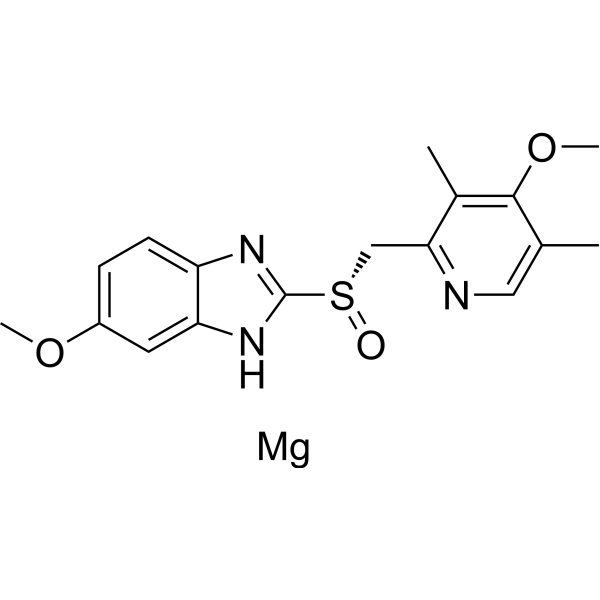
Esomeprazole magnesium ((S)-Omeprazole magnesium) is a potent and orally active H +, K +-ATPase inhibitor. Esomeprazole magnesium has the potential for upper intestinal disorders and gastroesophageal reflux disease research . Esomeprazole magnesium acts as an exosome inhibitor by blocking the exosome release via the inhibition of V-H +-ATPases .
|
-
-
- HY-G0007
-
|
omeprazole sulphone
|
Drug Metabolite
Cytochrome P450
Aryl Hydrocarbon Receptor
|
Inflammation/Immunology
|
|
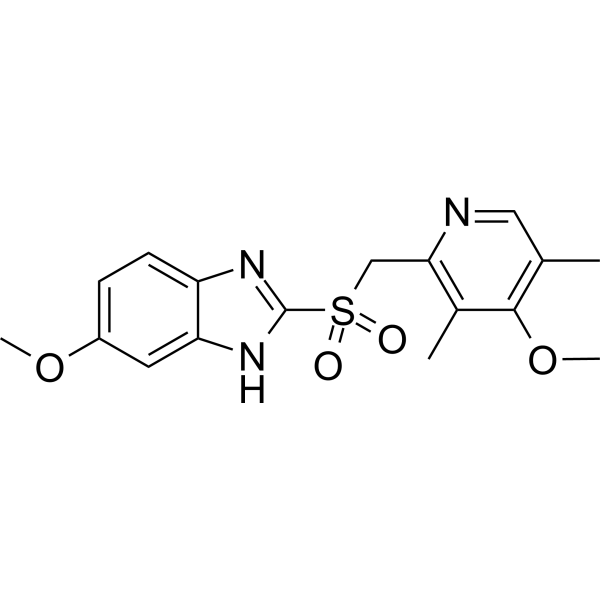
Omeprazole sulfone (Omeprazole sulphone) is one of the major circulating metabolites of Omeprazole (HY-B0113) in vivo, and belongs to class 4 non-mutagenic impurities. Omeprazole sulfone does not bind to the aryl hydrocarbon receptor (AhR), nor does it induce the expression of CYP1A1 or CYP1A2. However, Omeprazole sulfone promotes the migration of gastric epithelial cells under basal conditions and reverses the inhibitory effect of Indomethacin (HY-14397) on cell migration. Omeprazole sulfone does not promote cell proliferation, nor does it upregulate COX-2 expression or activate signaling pathways such as ERK, P38 MAPK and PI3K. Omeprazole sulfone maintains basal ulcer healing under non-acid-dependent conditions and can be used in studies related to gastric ulcer repair .
|
-
-
- HY-G0006
-
|
Ufiprazole
|
Drug Metabolite
Aryl Hydrocarbon Receptor
Bacterial
|
Infection
Metabolic Disease
|
|
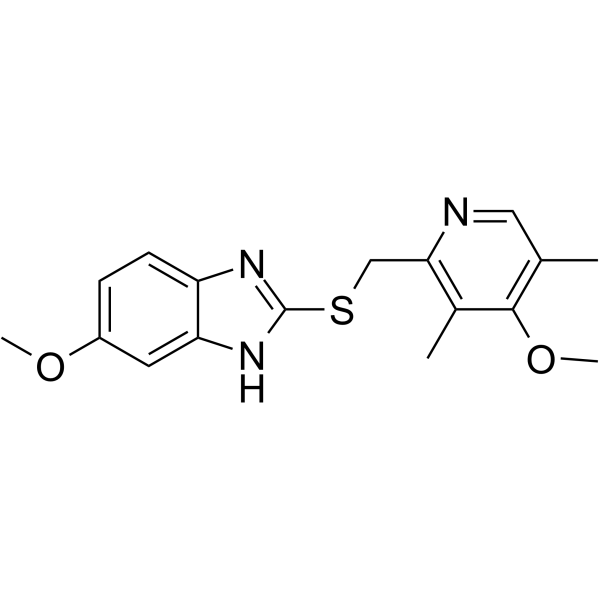
Omeprazole sulfide (Ufiprazole) is a metabolic degradation product of Omeprazole (HY-B0113). Omeprazole sulfide acts as a modulator of AhR. Omeprazole sulfide in cells with low CYP3A4 expression, functions as an AhR antagonist; however, in cells with high CYP3A4 expression, it is rapidly metabolized to Omeprazole, thereby acting as an AhR agonist. Omeprazole sulfide exhibits antibacterial activity when conjugated with silver nanoparticles (AgNPs). Omeprazole sulfide can be used in research on acid suppression and bacterial infections .
|
-
-
- HY-126857
-
-
-
- HY-115822
-
|
|
Amino Acid Decarboxylase
|
Neurological Disease
Metabolic Disease
|
|
α-Fluoromethylhistidine dihydrochloride is an orally active histidine decarboxylase inhibitor. α-Fluoromethylhistidine dihydrochloride depletes histamine in enterochromaffin-like (ECL) cells, reduces the number and volume density of secretory vesicles in ECL cells, and does not affect histamine storage in mast cells. α-Fluoromethylhistidine dihydrochloride abolishes Omeprazole (HY-B0113)-induced vacuolization of ECL cells and decreases gastrin-induced histamine efflux from ECL cells. α-Fluoromethylhistidine dihydrochloride does not alter the granular characteristics of ECL cells, omeprazole-induced hypertrophy of ECL cells, gastrin-induced pancreastatin-like immunoreactivity efflux, nor does it affect gastric acid secretion induced by histamine or vagal stimulation. α-Fluoromethylhistidine dihydrochloride inhibits basal and gastrin-stimulated gastric acid secretion, reduces acid output induced by gastrin+IBMX (HY-12318), but does not directly affect acid generation in isolated parietal cells .
|
-
-
- HY-B0113R
-
|
H 16868 (Standard)
|
Reference Standards
Na+/K+ ATPase
Interleukin Related
Proton Pump
Cytochrome P450
Bacterial
Apoptosis
Autophagy
TNF Receptor
Atg8/LC3
|
Infection
Metabolic Disease
Cancer
|
|
Omeprazole (Standard) is the analytical standard of Omeprazole. This product is intended for research and analytical applications. Omeprazole (H 16868) is an orally active H +,K +-ATPase inhibitor and a proton pump inhibitor. Omeprazole competitively inhibits CYP2C19, CYP3A4, and CYP2C9 activity. Omeprazole inhibits gastric acid secretion and can be used for acid-related gastrointestinal disorders. Omeprazole inhibits pancreatic cancer cell proliferation, induces apoptosis, autophagosome accumulation (elevated LC3-I and LC3-II levels), oxidative stress, and cytogenetic imbalance, modulates lysosomal transport, reduces inflammatory cytokines. Omeprazole alters small intestinal morphology and magnesium absorption, and induces gastric mucosa morphologic changes. Omeprazole aslo has neuroprotective and antibacterial effects .
|
-
-
- HY-B0113S
-
|
H 16868-d3
|
Na+/K+ ATPase
Interleukin Related
Proton Pump
Cytochrome P450
Bacterial
Apoptosis
Autophagy
TNF Receptor
Atg8/LC3
|
Infection
Metabolic Disease
Cancer
|
|
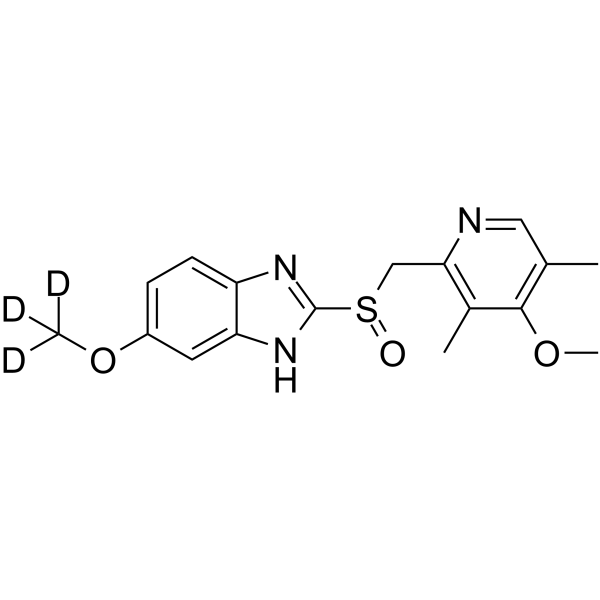
Omeprazole-d3 (H 16868-d3) is deuterium labeled Omeprazole. Omeprazole (H 16868) is an orally active H +,K +-ATPase inhibitor and a proton pump inhibitor. Omeprazole competitively inhibits CYP2C19, CYP3A4, and CYP2C9 activity. Omeprazole inhibits gastric acid secretion and can be used for acid-related gastrointestinal disorders. Omeprazole inhibits pancreatic cancer cell proliferation, induces apoptosis, autophagosome accumulation (elevated LC3-I and LC3-II levels), oxidative stress, and cytogenetic imbalance, modulates lysosomal transport, reduces inflammatory cytokines. Omeprazole alters small intestinal morphology and magnesium absorption, and induces gastric mucosa morphologic changes. Omeprazole aslo has neuroprotective and antibacterial effects .
|
-
-
- HY-17021B
-
|
(S)-omeprazole potassium salt; (-)-omeprazole potassium salt
|
Proton Pump
Bacterial
|
Inflammation/Immunology
Endocrinology
Cancer
|
|
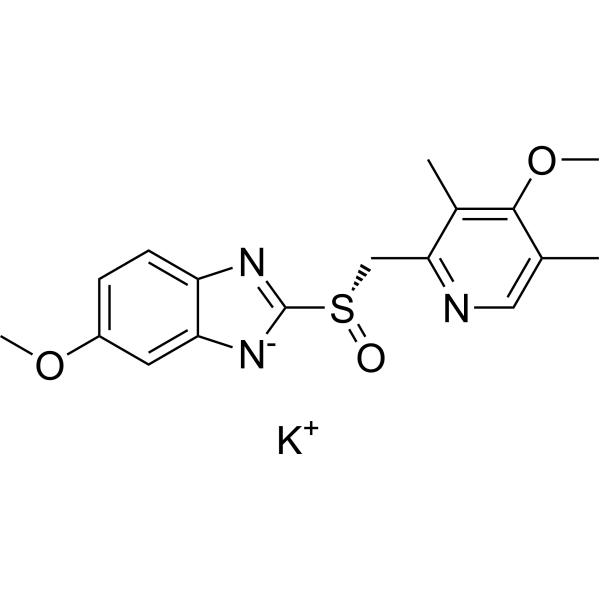
Esomeprazole potassium salt ((S)-Omeprazole potassium salt) is a potent and orally active proton pump inhibitor and reduces acid secretion through inhibition of the H +, K +-ATPase in gastric parietal cells. Esomeprazole potassium salt has the potential for symptomatic gastroesophageal reflux disease research .
|
-
-
- HY-109546
-
|
|
Na+/K+ ATPase
Interleukin Related
Proton Pump
Cytochrome P450
Bacterial
Apoptosis
Autophagy
TNF Receptor
Atg8/LC3
|
Infection
Metabolic Disease
Cancer
|
|
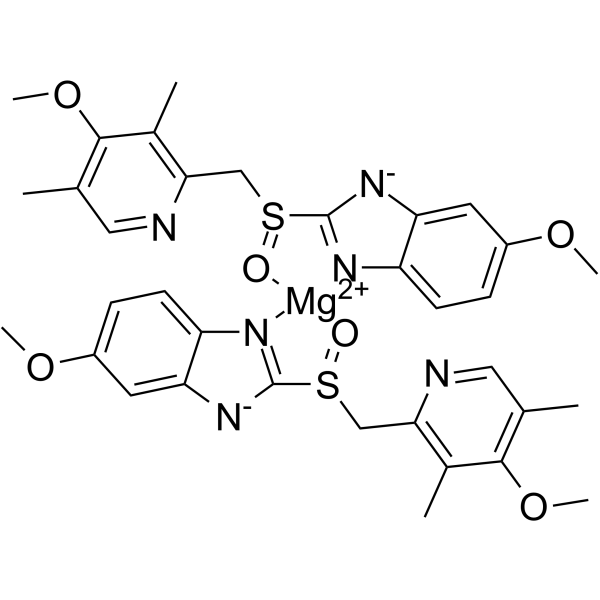
Omeprazole (H 16868) magnesium is an orally active H +,K +-ATPase inhibitor and a proton pump inhibitor. Omeprazole magnesium competitively inhibits CYP2C19, CYP3A4, and CYP2C9 activity. Omeprazole magnesium inhibits gastric acid secretion and can be used for acid-related gastrointestinal disorders. Omeprazole magnesium inhibits pancreatic cancer cell proliferation, induces apoptosis, autophagosome accumulation (elevated LC3-I and LC3-II levels), oxidative stress, and cytogenetic imbalance, modulates lysosomal transport, reduces inflammatory cytokines. Omeprazole magnesium alters small intestinal morphology and magnesium absorption, and induces gastric mucosa morphologic changes. Omeprazole magnesium aslo has neuroprotective and antibacterial effects .
|
-
-
- HY-B0113S3
-
|
H 16868-13C,d3
|
Isotope-Labeled Compounds
Na+/K+ ATPase
Interleukin Related
Proton Pump
Cytochrome P450
Bacterial
Apoptosis
Autophagy
TNF Receptor
Atg8/LC3
|
Infection
Metabolic Disease
Cancer
|
|
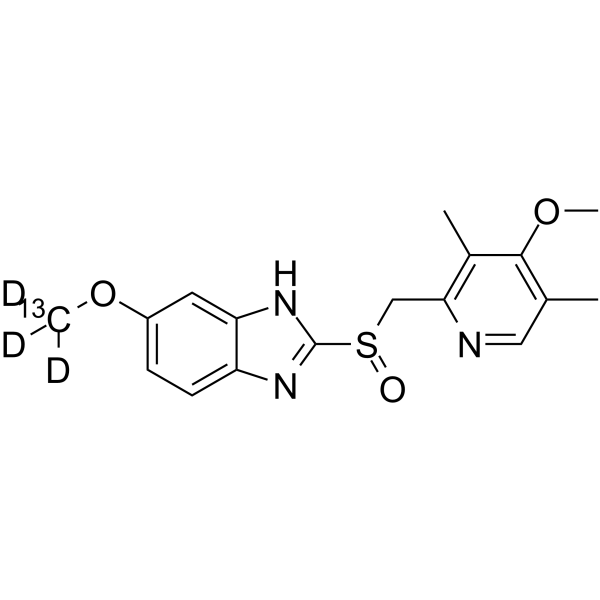
Omeprazole- 13C,d3 is a 13C-labeled and deuterium labeled Omeprazole. Omeprazole (H 16868) is an orally active H +,K +-ATPase inhibitor and a proton pump inhibitor. Omeprazole competitively inhibits CYP2C19, CYP3A4, and CYP2C9 activity. Omeprazole inhibits gastric acid secretion and can be used for acid-related gastrointestinal disorders. Omeprazole inhibits pancreatic cancer cell proliferation, induces apoptosis, autophagosome accumulation (elevated LC3-I and LC3-II levels), oxidative stress, and cytogenetic imbalance, modulates lysosomal transport, reduces inflammatory cytokines. Omeprazole alters small intestinal morphology and magnesium absorption, and induces gastric mucosa morphologic changes. Omeprazole aslo has neuroprotective and antibacterial effects .
|
-
-
- HY-W1015419
-
|
α-Fluoromethylhistidine
|
Amino Acid Decarboxylase
|
Cardiovascular Disease
Neurological Disease
|
|
α-FMH (α-Fluoromethylhistidine) is an orally active histidine decarboxylase inhibitor. α-FMH depletes histamine in enterochromaffin-like (ECL) cells, reduces the number and volume density of secretory vesicles in ECL cells, and does not affect histamine storage in mast cells. α-FMH abolishes Omeprazole (HY-B0113)-induced vacuolization of ECL cells and decreases gastrin-induced histamine efflux from ECL cells. α-FMH does not alter the granular characteristics of ECL cells, omeprazole-induced hypertrophy of ECL cells, gastrin-induced pancreastatin-like immunoreactivity efflux, nor does it affect gastric acid secretion induced by histamine or vagal stimulation. α-FMH inhibits basal and gastrin-stimulated gastric acid secretion, reduces acid output induced by gastrin+IBMX (HY-12318), but does not directly affect acid generation in isolated parietal cells .
|
-
-
- HY-129923
-
|
|
Cytochrome P450
|
Neurological Disease
|
|
(R)-Omeprazole sodium is a gastric acid resistant compound with activity to inhibit gastric acid secretion. (R)-Omeprazole sodium is metabolized in vivo, and its metabolism is primarily affected by cytochrome P450 enzymes. The interaction between (R)-Omeprazole sodium and mannitol may affect its bioavailability in formulations. (R)-Omeprazole sodium exhibits reversible direct and metabolism-dependent inhibition of CYP2C19 .
|
-
-
- HY-17021A
-
|
(S)-omeprazole magnesium salt; (-)-omeprazole magnesium salt
|
Proton Pump
Bacterial
|
Inflammation/Immunology
Endocrinology
Cancer
|
|
Esomeprazole magnesium salt ((S)-Omeprazole magnesium salt) is a potent and orally active proton pump inhibitor and reduces acid secretion through inhibition of the H +, K +-ATPase in gastric parietal cells. Esomeprazole magnesium salt has the potential for symptomatic gastroesophageal reflux disease research .
|
-
-
- HY-17021R
-
|
(S)-omeprazole (Standard); (-)-omeprazole (Standard)
|
Reference Standards
Proton Pump
Bacterial
|
Inflammation/Immunology
Endocrinology
Cancer
|
|
Esomeprazole (Standard) is the analytical standard of Esomeprazole. This product is intended for research and analytical applications. Esomeprazole ((S)-Omeprazole) is a potent and orally active proton pump inhibitor and reduces acid secretion through inhibition of the H +, K +-ATPase in gastric parietal cells. Esomeprazole has the potential for symptomatic gastroesophageal reflux disease research .
|
-
-
- HY-17021S1
-
|
(S)-omeprazole-d3; (-)-omeprazole-d3
|
Isotope-Labeled Compounds
Proton Pump
|
Inflammation/Immunology
Endocrinology
Cancer
|
|
Esomeprazole-d3 is deuterium labeled Esomeprazole. Esomeprazole ((S)-Omeprazole) is a potent and orally active proton pump inhibitor and reduces acid secretion through inhibition of the H+, K+-ATPase in gastric parietal cells. Esomeprazole has the potential for symptomatic gastroesophageal reflux disease research .
|
-
-
- HY-17023R
-
|
(S)-omeprazole sodium (Standard); (-)-omeprazole sodium (Standard)
|
Reference Standards
Exosomes
Proton Pump
Bacterial
|
Endocrinology
Cancer
|
|
Esomeprazole (sodium) (Standard) is the analytical standard of Esomeprazole (sodium). This product is intended for research and analytical applications. Esomeprazole sodium ((S)-Omeprazole sodium) is a potent and orally active proton pump inhibitor. Esomeprazole reduces acid secretion through inhibition of the H +, K +-ATPase in gastric parietal cells. Esomeprazole acts as an exosome inhibitor by blocking the exosome release via the inhibition of V-H +-ATPases . Esomeprazole has the potential for symptomatic gastroesophageal reflux disease research .
|
-
-
- HY-126857A
-
|
|
Drug Metabolite
|
Others
|
|
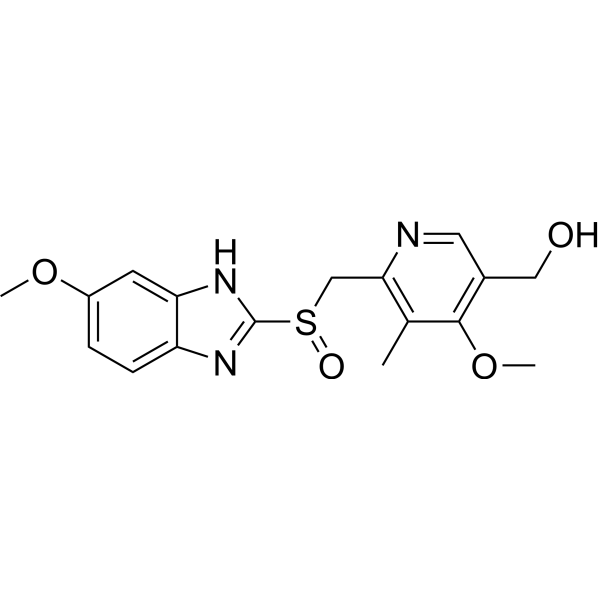
5-Hydroxyomeprazole sodium is the major metabolite of Omeprazole (HY-B0113). Measuring 5-Hydroxyomeprazole levels in plasma can determine the extent of Omeprazole metabolism .
|
-
-
- HY-126857R
-
|
Hydroxyomeprazole (Standard)
|
Drug Metabolite
Reference Standards
|
Others
|
|
5-Hydroxyomeprazole (Standard) is the analytical standard of 5-Hydroxyomeprazole. This product is intended for research and analytical applications. 5-Hydroxyomeprazole is the major metabolite of Omeprazole (HY-B0113).
|
-
-
- HY-G0007R
-
|
omeprazole sulphone (Standard)
|
Reference Standards
Drug Metabolite
Cytochrome P450
Aryl Hydrocarbon Receptor
|
Infection
Cancer
|
|
Omeprazole sulfone (Standard) is the analytical standard of Omeprazole sulfone. This product is intended for research and analytical applications. Omeprazole sulfone (Omeprazole sulphone) is one of the major circulating metabolites of Omeprazole (HY-B0113) in vivo, and belongs to class 4 non-mutagenic impurities. Omeprazole sulfone does not bind to the aryl hydrocarbon receptor (AhR), nor does it induce the expression of CYP1A1 or CYP1A2. However, Omeprazole sulfone promotes the migration of gastric epithelial cells under basal conditions and reverses the inhibitory effect of Indomethacin (HY-14397) on cell migration. Omeprazole sulfone does not promote cell proliferation, nor does it upregulate COX-2 expression or activate signaling pathways such as ERK, P38 MAPK and PI3K. Omeprazole sulfone maintains basal ulcer healing under non-acid-dependent conditions and can be used in studies related to gastric ulcer repair .
|
-
-
- HY-135111
-
|
|
Drug Metabolite
|
Infection
Metabolic Disease
Cancer
|
|
4-Desmethoxy Omeprazole is the active metabolite of Omeprazole. Omeprazole, a proton pump inhibitor (PPI), is available for treatment of acid-related gastrointestinal disorders. Omeprazole shows competitive inhibition of CYP2C19 activity with a Ki of 2 to 6 μM . Omeprazole also inhibits growth of Gram-positive and Gram-negative bacteria .
|
-
-
- HY-Z2667
-
|
(R)-omeprazole; (+)-omeprazole
|
Cytochrome P450
|
Metabolic Disease
Inflammation/Immunology
|
|
(R)-Esomeprazole ((R)-Omeprazole; (+)-Omeprazole) is an orally active cytochrome P450 2C19, CYP3A4, and CYP2C9-related metabolic modulator. (R)-Esomeprazole can be used in studies of digestive system diseases and compound metabolic interactions .
|
-
-
- HY-126857S
-
-
-
- HY-138199S
-
-
-
- HY-17023S
-
|
(S)-omeprazole-d6 sodium; (-)-omeprazole-d6 sodium
|
Isotope-Labeled Compounds
Proton Pump
|
Others
|
|
Esomeprazole-d6 sodium is the deuterium labeled Esomeprazole. Esomeprazole ((S)-Omeprazole) is a potent and orally active proton pump inhibitor and reduces acid secretion through inhibition of the H +, K +-ATPase in gastric parietal cells. Esomeprazole has the potential for symptomatic gastroesophageal reflux disease research .
|
-
-
- HY-Z2338
-
-
-
- HY-G0007S
-
|
omeprazole sulfone-d3; omeprazole sulphone-d3
|
Isotope-Labeled Compounds
Drug Metabolite
Cytochrome P450
Aryl Hydrocarbon Receptor
|
Infection
Cancer
|
|
Omeprazole sulfone-d3 is the deuterium labeled Omeprazole sulfone. Omeprazole sulfone (Omeprazole sulphone) is one of the major circulating metabolites of Omeprazole (HY-B0113) in vivo, and belongs to class 4 non-mutagenic impurities. Omeprazole sulfone does not bind to the aryl hydrocarbon receptor (AhR), nor does it induce the expression of CYP1A1 or CYP1A2. However, Omeprazole sulfone promotes the migration of gastric epithelial cells under basal conditions and reverses the inhibitory effect of Indomethacin (HY-14397) on cell migration. Omeprazole sulfone does not promote cell proliferation, nor does it upregulate COX-2 expression or activate signaling pathways such as ERK, P38 MAPK and PI3K. Omeprazole sulfone maintains basal ulcer healing under non-acid-dependent conditions and can be used in studies related to gastric ulcer repair .
|
-
-
- HY-129923R
-
|
|
HBV
Reference Standards
|
Neurological Disease
|
|
(R)-Omeprazole (sodium) (Standard) is the analytical standard of (R)-Omeprazole (sodium). This product is intended for research and analytical applications. (R)-Omeprazole sodium is a gastric acid resistant compound with activity to inhibit gastric acid secretion. (R)-Omeprazole sodium is metabolized in vivo, and its metabolism is primarily affected by cytochrome P450 enzymes. The interaction between (R)-Omeprazole sodium and mannitol may affect its bioavailability in formulations. (R)-Omeprazole sodium exhibits reversible direct and metabolism-dependent inhibition of CYP2C19 .
|
-
-
- HY-135111R
-
|
|
Reference Standards
Drug Metabolite
|
Infection
Metabolic Disease
Cancer
|
|
4-Desmethoxy Omeprazole (Standard) is the analytical standard of 4-Desmethoxy Omeprazole. This product is intended for research and analytical applications. 4-Desmethoxy Omeprazole is the active metabolite of Omeprazole. Omeprazole, a proton pump inhibitor (PPI), is available for treatment of acid-related gastrointestinal disorders. Omeprazole shows competitive inhibition of CYP2C19 activity with a Ki of 2 to 6 μM . Omeprazole also inhibits growth of Gram-positive and Gram-negative bacteria .
|
-
-
- HY-135111S
-
|
|
Isotope-Labeled Compounds
Drug Metabolite
|
Infection
Metabolic Disease
Cancer
|
|
4-Desmethoxy Omeprazole-d3 is the deuterium labeled 4-Desmethoxy Omeprazole. 4-Desmethoxy Omeprazole is the active metabolite of Omeprazole. Omeprazole, a proton pump inhibitor (PPI), is available for treatment of acid-related gastrointestinal disorders. Omeprazole shows competitive inhibition of CYP2C19 activity with a Kiof 2 to 6 μM . Omeprazole also inhibits growth of Gram-positive and Gram-negative bacteria .
|
-
-
- HY-W131494S
-
-
-
- HY-B0113S2
-
|
omeprazole sulphone (methoxy-d3)
|
Isotope-Labeled Compounds
Na+/K+ ATPase
Interleukin Related
Proton Pump
Cytochrome P450
Bacterial
Apoptosis
Autophagy
TNF Receptor
Atg8/LC3
|
Infection
Cancer
|
|
Omeprazole sulfone (methoxy-d3) is the deuterium labeled Omeprazole sulfone. Omeprazole sulfone (H 16868) is an orally active H +,K +-ATPase inhibitor and a proton pump inhibitor. Omeprazole sulfone competitively inhibits CYP2C19, CYP3A4, and CYP2C9 activity. Omeprazole sulfone inhibits gastric acid secretion and can be used for acid-related gastrointestinal disorders. Omeprazole sulfone inhibits pancreatic cancer cell proliferation, induces apoptosis, autophagosome accumulation (elevated LC3-I and LC3-II levels), oxidative stress, and cytogenetic imbalance, modulates lysosomal transport, reduces inflammatory cytokines. Omeprazole sulfone alters small intestinal morphology and magnesium absorption, and induces gastric mucosa morphologic changes. Omeprazole sulfone aslo has neuroprotective and antibacterial effects .
|
-
-
- HY-G0006R
-
|
Ufiprazole (Standard)
|
Reference Standards
Drug Metabolite
|
Others
|
|
Omeprazole sulfide (Standard) is the analytical standard of Omeprazole sulfide. This product is intended for research and analytical applications. Omeprazole sulfide is an Esomeprazole (HY-17021) precursor. Omeprazole sulfide can be converted to Esomeprazole by Lysinibacillus sp. B71. Esomeprazole can inhibit gastric H +/ + ATP enzyme. Omeprazole sulfide is mainly used in gastroesophageal reflux disease, gastric ulcer and antibacterial research .
|
-
-
- HY-138187
-
-
-
- HY-141776S
-
|
Ufiprazole-d3
|
Drug Metabolite
|
Others
|
|
Omeprazole sulfide-d3 is the deuterium labeled Omeprazole sulfide. Omeprazole metabolite Omeprazole sulfide (Ufiprazole) is a metabolite of Omeprazole, which is a proton pump inhibitor.
|
-
-
- HY-G0007S1
-
|
omeprazole sulfone-13C,d3; omeprazole sulphone-13C,d3
|
Isotope-Labeled Compounds
Drug Metabolite
Cytochrome P450
Aryl Hydrocarbon Receptor
|
Others
|
|
Omeprazole sulfone- 13C,d3 is the deuterium and 13C labeled Omeprazole sulfone. Omeprazole sulfone (Omeprazole sulphone) is one of the major circulating metabolites of Omeprazole (HY-B0113) in vivo, and belongs to class 4 non-mutagenic impurities. Omeprazole sulfone does not bind to the aryl hydrocarbon receptor (AhR), nor does it induce the expression of CYP1A1 or CYP1A2. However, Omeprazole sulfone promotes the migration of gastric epithelial cells under basal conditions and reverses the inhibitory effect of Indomethacin (HY-14397) on cell migration. Omeprazole sulfone does not promote cell proliferation, nor does it upregulate COX-2 expression or activate signaling pathways such as ERK, P38 MAPK and PI3K. Omeprazole sulfone maintains basal ulcer healing under non-acid-dependent conditions and can be used in studies related to gastric ulcer repair .
|
-
-
- HY-B0113S4
-
|
H 16868-d3 sodium
|
Isotope-Labeled Compounds
Na+/K+ ATPase
Interleukin Related
Proton Pump
Cytochrome P450
Bacterial
Apoptosis
Autophagy
TNF Receptor
Atg8/LC3
|
Infection
Metabolic Disease
Cancer
|
|
Omeprazole-d3 sodium is deuterated labeled Omeprazole (HY-B0113). Omeprazole sodium (H 16868) is an orally active H +,K +-ATPase inhibitor and a proton pump inhibitor. Omeprazole sodium competitively inhibits CYP2C19, CYP3A4, and CYP2C9 activity. Omeprazole sodium inhibits gastric acid secretion and can be used for acid-related gastrointestinal disorders. Omeprazole sodium inhibits pancreatic cancer cell proliferation, induces apoptosis, autophagosome accumulation (elevated LC3-I and LC3-II levels), oxidative stress, and cytogenetic imbalance, modulates lysosomal transport, reduces inflammatory cytokines. Omeprazole sodium alters small intestinal morphology and magnesium absorption, and induces gastric mucosa morphologic changes. Omeprazole sodium aslo has neuroprotective and antibacterial effects .
|
-
-
- HY-138199S1
-
-
-
- HY-B0113S1
-
|
H 16868-d3-1
|
Na+/K+ ATPase
Interleukin Related
Proton Pump
Cytochrome P450
Bacterial
Apoptosis
Autophagy
TNF Receptor
Atg8/LC3
|
Infection
Metabolic Disease
Cancer
|
|
Omeprazole-d3-1 is the deuterium labeled Omeprazole. Omeprazole-1 (H 16868) is an orally active H +,K +-ATPase inhibitor and a proton pump inhibitor. Omeprazole-1 competitively inhibits CYP2C19, CYP3A4, and CYP2C9 activity. Omeprazole-1 inhibits gastric acid secretion and can be used for acid-related gastrointestinal disorders. Omeprazole-1 inhibits pancreatic cancer cell proliferation, induces apoptosis, autophagosome accumulation (elevated LC3-I and LC3-II levels), oxidative stress, and cytogenetic imbalance, modulates lysosomal transport, reduces inflammatory cytokines. Omeprazole-1 alters small intestinal morphology and magnesium absorption, and induces gastric mucosa morphologic changes. Omeprazole-1 aslo has neuroprotective and antibacterial effects .
|
-
-
- HY-B0113AR
-
|
H 16868 sodium (Standard)
|
Reference Standards
Na+/K+ ATPase
Interleukin Related
Proton Pump
Cytochrome P450
Bacterial
Apoptosis
Autophagy
TNF Receptor
Atg8/LC3
|
Infection
Metabolic Disease
Cancer
|
|
Omeprazole (sodium) (Standard) is the analytical standard of Omeprazole (sodium). This product is intended for research and analytical applications. Omeprazole sodium (H 16868) is an orally active H +,K +-ATPase inhibitor and a proton pump inhibitor. Omeprazole sodium competitively inhibits CYP2C19, CYP3A4, and CYP2C9 activity. Omeprazole sodium inhibits gastric acid secretion and can be used for acid-related gastrointestinal disorders. Omeprazole sodium inhibits pancreatic cancer cell proliferation, induces apoptosis, autophagosome accumulation (elevated LC3-I and LC3-II levels), oxidative stress, and cytogenetic imbalance, modulates lysosomal transport, reduces inflammatory cytokines. Omeprazole sodium alters small intestinal morphology and magnesium absorption, and induces gastric mucosa morphologic changes. Omeprazole sodium aslo has neuroprotective and antibacterial effects .
|
-
-
- HY-B0113S5
-
|
H 16868-d6
|
Isotope-Labeled Compounds
Na+/K+ ATPase
Interleukin Related
Proton Pump
Cytochrome P450
Bacterial
Apoptosis
Autophagy
TNF Receptor
Atg8/LC3
|
Infection
Metabolic Disease
Cancer
|
|
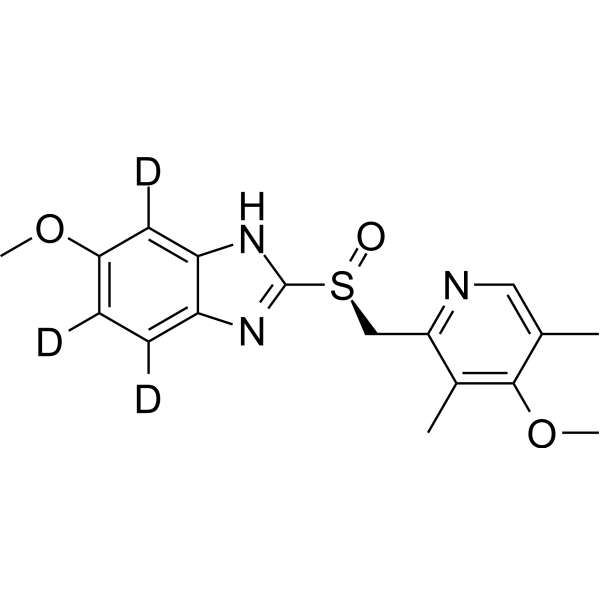
Omeprazole-d6 (H 16868-d6) is deuterium labeled Omeprazole. Omeprazole (H 16868) is an orally active H +,K +-ATPase inhibitor and a proton pump inhibitor. Omeprazole competitively inhibits CYP2C19, CYP3A4, and CYP2C9 activity. Omeprazole inhibits gastric acid secretion and can be used for acid-related gastrointestinal disorders. Omeprazole inhibits pancreatic cancer cell proliferation, induces apoptosis, autophagosome accumulation (elevated LC3-I and LC3-II levels), oxidative stress, and cytogenetic imbalance, modulates lysosomal transport, reduces inflammatory cytokines. Omeprazole alters small intestinal morphology and magnesium absorption, and induces gastric mucosa morphologic changes. Omeprazole aslo has neuroprotective and antibacterial effects .
|
-
-
- HY-Z2343
-
-
-
- HY-17021C
-
|
(S)-omeprazole hemistrontium; (-)-omeprazole hemistrontium
|
Proton Pump
Bacterial
|
Inflammation/Immunology
Endocrinology
Cancer
|
|
Esomeprazole ((S)-Omeprazole) hemistrontium is a potent and orally active proton pump inhibitor and reduces acid secretion through inhibition of the H +, K +-ATPase in gastric parietal cells. Esomeprazole hemistrontium has the potential for symptomatic gastroesophageal reflux disease research .
|
-
-
- HY-17021S
-
|
(S)-omeprazole-d3 sodium; (-)-omeprazole-d3 sodium
|
Isotope-Labeled Compounds
Proton Pump
|
Inflammation/Immunology
Endocrinology
Cancer
|
|
Esomeprazole-d3 (sodium) is the deuterium labeled Esomeprazole. Esomeprazole ((S)-Omeprazole) is a potent and orally active proton pump inhibitor and reduces acid secretion through inhibition of the H+, K+-ATPase in gastric parietal cells. Esomeprazole has the potential for symptomatic gastroesophageal reflux disease research .
|
-
-
- HY-17021S2
-
|
(S)-omeprazole-d3 potassium; (-)-omeprazole-d3 potassium
|
Bacterial
Proton Pump
Isotope-Labeled Compounds
|
Inflammation/Immunology
Endocrinology
Cancer
|
|
Esomeprazole-d3 potassium is deuterated labeled Esomeprazole (HY-17021). Esomeprazole ((S)-Omeprazole) is a potent and orally active proton pump inhibitor and reduces acid secretion through inhibition of the H +, K +-ATPase in gastric parietal cells. Esomeprazole has the potential for symptomatic gastroesophageal reflux disease research .
|
-
-
- HY-135759
-
|
|
Bacterial
|
Infection
|
|
Cetraxate is an orally active antiulcer Drug. Cetraxate increases the blood flow of gastric mucosal. Cetraxate increases the eradication of Helicobacter pylori in smokers when in combination with Omeprazole (HY-B0113),Amoxicillin (HY-B0467A), and Clarithromycin (HY-17508) .
|
-
- HY-113371R
-
|
Methylcitric acid (Standard)
|
Reference Standards
Endogenous Metabolite
|
Metabolic Disease
|
|
Omeprazole (sodium) (Standard) is the analytical standard of Omeprazole (sodium). This product is intended for research and analytical applications. Omeprazole sodium (H 16868 sodium), a proton pump inhibitor (PPI), is available for treatment of acid-related gastrointestinal disorders. Omeprazole sodium shows competitive inhibition of CYP2C19 activity with a Ki of 2 to 6 μM . Omeprazole sodium also inhibits growth of Gram-positive and Gram-negative bacteria . Omeprazole is a potent brain penetrant neutral sphingomyelinase (N-SMase) inhibitor (exosome inhibitor) .
|
-
- HY-134338R
-
|
|
Reference Standards
Parasite
|
Others
|
|
(R)-Omeprazole (sodium) (Standard) is the analytical standard of (R)-Omeprazole (sodium). This product is intended for research and analytical applications. (R)-Omeprazole sodium is a gastric acid resistant compound with activity to inhibit gastric acid secretion. (R)-Omeprazole sodium is metabolized in vivo, and its metabolism is primarily affected by cytochrome P450 enzymes. The interaction between (R)-Omeprazole sodium and mannitol may affect its bioavailability in formulations. (R)-Omeprazole sodium exhibits reversible direct and metabolism-dependent inhibition of CYP2C19 .
|
-
- HY-123754
-
|
|
Proton Pump
|
Inflammation/Immunology
|
|
AGN-201904 is a proton pump inhibitor. AGN-201904 is an omeprazole prodrug that can delay aging and can be used to prevent and inhibit peptic ulcers .
|
-
- HY-Z2146
-
-
- HY-136416
-
-
- HY-Z3647
-
-
- HY-Z3238
-
-
- HY-Z2675
-
-
- HY-Z2343R
-
|
|
Reference Standards
|
|
|
N-(4-methoxy-2-nitrophenyl)acetamide (Omeprazole Impurity) (Standard) is the analytical standard of N-(4-methoxy-2-nitrophenyl)acetamide (Omeprazole Impurity). This product is intended for research and analytical applications.
|
-
- HY-141731S
-
|
4-Desmethoxy omeprazole sulfide-d3
|
Isotope-Labeled Compounds
|
Others
|
|
4-Desmethoxy Omeprazole-d3 sulfide is the deuterium labeled 4-Desmethoxy Omeprazole sulfide .
|
-
| Cat. No. |
Product Name |
Category |
Target |
Chemical Structure |
| Cat. No. |
Product Name |
Chemical Structure |
-
- HY-B0113S
-
1 Publications Verification
|
|
Omeprazole-d3 (H 16868-d3) is deuterium labeled Omeprazole. Omeprazole (H 16868) is an orally active H +,K +-ATPase inhibitor and a proton pump inhibitor. Omeprazole competitively inhibits CYP2C19, CYP3A4, and CYP2C9 activity. Omeprazole inhibits gastric acid secretion and can be used for acid-related gastrointestinal disorders. Omeprazole inhibits pancreatic cancer cell proliferation, induces apoptosis, autophagosome accumulation (elevated LC3-I and LC3-II levels), oxidative stress, and cytogenetic imbalance, modulates lysosomal transport, reduces inflammatory cytokines. Omeprazole alters small intestinal morphology and magnesium absorption, and induces gastric mucosa morphologic changes. Omeprazole aslo has neuroprotective and antibacterial effects .
|
-
-
- HY-B0113S3
-
|
|
|
Omeprazole- 13C,d3 is a 13C-labeled and deuterium labeled Omeprazole. Omeprazole (H 16868) is an orally active H +,K +-ATPase inhibitor and a proton pump inhibitor. Omeprazole competitively inhibits CYP2C19, CYP3A4, and CYP2C9 activity. Omeprazole inhibits gastric acid secretion and can be used for acid-related gastrointestinal disorders. Omeprazole inhibits pancreatic cancer cell proliferation, induces apoptosis, autophagosome accumulation (elevated LC3-I and LC3-II levels), oxidative stress, and cytogenetic imbalance, modulates lysosomal transport, reduces inflammatory cytokines. Omeprazole alters small intestinal morphology and magnesium absorption, and induces gastric mucosa morphologic changes. Omeprazole aslo has neuroprotective and antibacterial effects .
|
-
-
- HY-17021S1
-
|
|
|
Esomeprazole-d3 is deuterium labeled Esomeprazole. Esomeprazole ((S)-Omeprazole) is a potent and orally active proton pump inhibitor and reduces acid secretion through inhibition of the H+, K+-ATPase in gastric parietal cells. Esomeprazole has the potential for symptomatic gastroesophageal reflux disease research .
|
-
-
- HY-126857S
-
|
|
|
5-Hydroxy Omeprazole-d3 is deuterium labeled 5-Hydroxyomeprazole.
|
-
-
- HY-138199S
-
|
|
|
Omeprazole sulfone N-oxide- 13C,d3 is the deuterium and 13C labeled Omeprazole sulfone N-Oxide .
|
-
-
- HY-17023S
-
|
|
|
Esomeprazole-d6 sodium is the deuterium labeled Esomeprazole. Esomeprazole ((S)-Omeprazole) is a potent and orally active proton pump inhibitor and reduces acid secretion through inhibition of the H +, K +-ATPase in gastric parietal cells. Esomeprazole has the potential for symptomatic gastroesophageal reflux disease research .
|
-
-
- HY-G0007S
-
|
|
|
Omeprazole sulfone-d3 is the deuterium labeled Omeprazole sulfone. Omeprazole sulfone (Omeprazole sulphone) is one of the major circulating metabolites of Omeprazole (HY-B0113) in vivo, and belongs to class 4 non-mutagenic impurities. Omeprazole sulfone does not bind to the aryl hydrocarbon receptor (AhR), nor does it induce the expression of CYP1A1 or CYP1A2. However, Omeprazole sulfone promotes the migration of gastric epithelial cells under basal conditions and reverses the inhibitory effect of Indomethacin (HY-14397) on cell migration. Omeprazole sulfone does not promote cell proliferation, nor does it upregulate COX-2 expression or activate signaling pathways such as ERK, P38 MAPK and PI3K. Omeprazole sulfone maintains basal ulcer healing under non-acid-dependent conditions and can be used in studies related to gastric ulcer repair .
|
-
-
- HY-135111S
-
|
|
|
4-Desmethoxy Omeprazole-d3 is the deuterium labeled 4-Desmethoxy Omeprazole. 4-Desmethoxy Omeprazole is the active metabolite of Omeprazole. Omeprazole, a proton pump inhibitor (PPI), is available for treatment of acid-related gastrointestinal disorders. Omeprazole shows competitive inhibition of CYP2C19 activity with a Kiof 2 to 6 μM . Omeprazole also inhibits growth of Gram-positive and Gram-negative bacteria .
|
-
-
- HY-W131494S
-
|
|
|
(N)-Methyl omeprazole-d3 is the deuterium labeled (N)-Methyl omeprazole .
|
-
-
- HY-B0113S2
-
|
|
|
Omeprazole sulfone (methoxy-d3) is the deuterium labeled Omeprazole sulfone. Omeprazole sulfone (H 16868) is an orally active H +,K +-ATPase inhibitor and a proton pump inhibitor. Omeprazole sulfone competitively inhibits CYP2C19, CYP3A4, and CYP2C9 activity. Omeprazole sulfone inhibits gastric acid secretion and can be used for acid-related gastrointestinal disorders. Omeprazole sulfone inhibits pancreatic cancer cell proliferation, induces apoptosis, autophagosome accumulation (elevated LC3-I and LC3-II levels), oxidative stress, and cytogenetic imbalance, modulates lysosomal transport, reduces inflammatory cytokines. Omeprazole sulfone alters small intestinal morphology and magnesium absorption, and induces gastric mucosa morphologic changes. Omeprazole sulfone aslo has neuroprotective and antibacterial effects .
|
-
-
- HY-141776S
-
|
|
|
Omeprazole sulfide-d3 is the deuterium labeled Omeprazole sulfide. Omeprazole metabolite Omeprazole sulfide (Ufiprazole) is a metabolite of Omeprazole, which is a proton pump inhibitor.
|
-
-
- HY-G0007S1
-
|
|
|
Omeprazole sulfone- 13C,d3 is the deuterium and 13C labeled Omeprazole sulfone. Omeprazole sulfone (Omeprazole sulphone) is one of the major circulating metabolites of Omeprazole (HY-B0113) in vivo, and belongs to class 4 non-mutagenic impurities. Omeprazole sulfone does not bind to the aryl hydrocarbon receptor (AhR), nor does it induce the expression of CYP1A1 or CYP1A2. However, Omeprazole sulfone promotes the migration of gastric epithelial cells under basal conditions and reverses the inhibitory effect of Indomethacin (HY-14397) on cell migration. Omeprazole sulfone does not promote cell proliferation, nor does it upregulate COX-2 expression or activate signaling pathways such as ERK, P38 MAPK and PI3K. Omeprazole sulfone maintains basal ulcer healing under non-acid-dependent conditions and can be used in studies related to gastric ulcer repair .
|
-
-
- HY-B0113S4
-
|
|
|
Omeprazole-d3 sodium is deuterated labeled Omeprazole (HY-B0113). Omeprazole sodium (H 16868) is an orally active H +,K +-ATPase inhibitor and a proton pump inhibitor. Omeprazole sodium competitively inhibits CYP2C19, CYP3A4, and CYP2C9 activity. Omeprazole sodium inhibits gastric acid secretion and can be used for acid-related gastrointestinal disorders. Omeprazole sodium inhibits pancreatic cancer cell proliferation, induces apoptosis, autophagosome accumulation (elevated LC3-I and LC3-II levels), oxidative stress, and cytogenetic imbalance, modulates lysosomal transport, reduces inflammatory cytokines. Omeprazole sodium alters small intestinal morphology and magnesium absorption, and induces gastric mucosa morphologic changes. Omeprazole sodium aslo has neuroprotective and antibacterial effects .
|
-
-
- HY-138199S1
-
|
|
|
Omeprazole sulfone N-oxide-d3 is the deuterium labeled Omeprazole sulfone N-Oxide .
|
-
-
- HY-B0113S1
-
|
|
|
Omeprazole-d3-1 is the deuterium labeled Omeprazole. Omeprazole-1 (H 16868) is an orally active H +,K +-ATPase inhibitor and a proton pump inhibitor. Omeprazole-1 competitively inhibits CYP2C19, CYP3A4, and CYP2C9 activity. Omeprazole-1 inhibits gastric acid secretion and can be used for acid-related gastrointestinal disorders. Omeprazole-1 inhibits pancreatic cancer cell proliferation, induces apoptosis, autophagosome accumulation (elevated LC3-I and LC3-II levels), oxidative stress, and cytogenetic imbalance, modulates lysosomal transport, reduces inflammatory cytokines. Omeprazole-1 alters small intestinal morphology and magnesium absorption, and induces gastric mucosa morphologic changes. Omeprazole-1 aslo has neuroprotective and antibacterial effects .
|
-
-
- HY-B0113S5
-
|
|
|
Omeprazole-d6 (H 16868-d6) is deuterium labeled Omeprazole. Omeprazole (H 16868) is an orally active H +,K +-ATPase inhibitor and a proton pump inhibitor. Omeprazole competitively inhibits CYP2C19, CYP3A4, and CYP2C9 activity. Omeprazole inhibits gastric acid secretion and can be used for acid-related gastrointestinal disorders. Omeprazole inhibits pancreatic cancer cell proliferation, induces apoptosis, autophagosome accumulation (elevated LC3-I and LC3-II levels), oxidative stress, and cytogenetic imbalance, modulates lysosomal transport, reduces inflammatory cytokines. Omeprazole alters small intestinal morphology and magnesium absorption, and induces gastric mucosa morphologic changes. Omeprazole aslo has neuroprotective and antibacterial effects .
|
-
-
- HY-17021S
-
|
|
|
Esomeprazole-d3 (sodium) is the deuterium labeled Esomeprazole. Esomeprazole ((S)-Omeprazole) is a potent and orally active proton pump inhibitor and reduces acid secretion through inhibition of the H+, K+-ATPase in gastric parietal cells. Esomeprazole has the potential for symptomatic gastroesophageal reflux disease research .
|
-
-
- HY-17021S2
-
|
|
|
Esomeprazole-d3 potassium is deuterated labeled Esomeprazole (HY-17021). Esomeprazole ((S)-Omeprazole) is a potent and orally active proton pump inhibitor and reduces acid secretion through inhibition of the H +, K +-ATPase in gastric parietal cells. Esomeprazole has the potential for symptomatic gastroesophageal reflux disease research .
|
-
-
- HY-141731S
-
|
|
|
4-Desmethoxy Omeprazole-d3 sulfide is the deuterium labeled 4-Desmethoxy Omeprazole sulfide .
|
-
Your information is safe with us. * Required Fields.
Inquiry Information
- Product Name:
- Cat. No.:
- Quantity:
- MCE Japan Authorized Agent:

