Search Result
Results for "
peripherally acting
" in MedChemExpress (MCE) Product Catalog:
4
Isotope-Labeled Compounds
| Cat. No. |
Product Name |
Target |
Research Areas |
Chemical Structure |
-
- HY-14280
-
Entacapone
Maximum Cited Publications
8 Publications Verification
|
COMT
|
Neurological Disease
Cancer
|
|
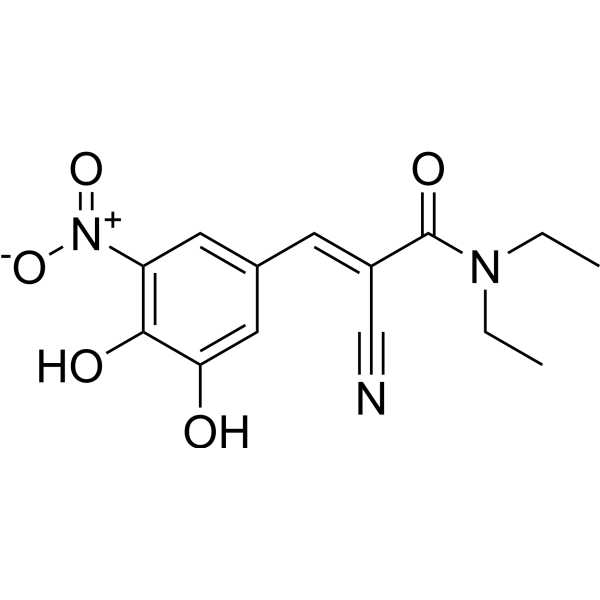
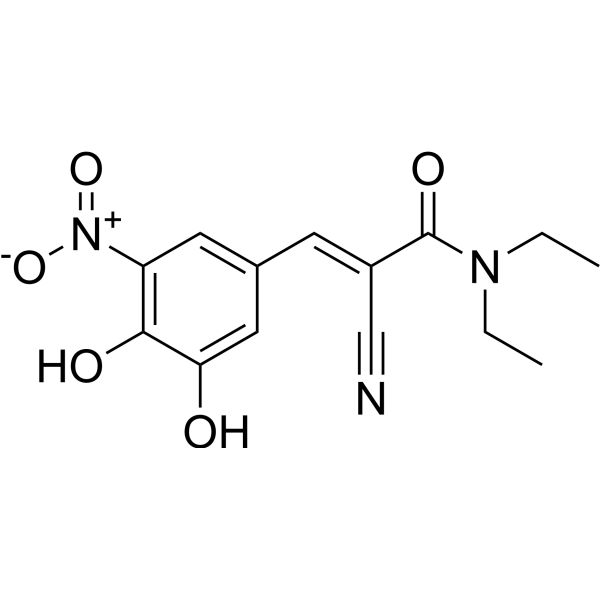
Entacapone is a potent, reversible, peripherally acting and orally active catechol-O-methyltransferase (COMT) inhibitor. Entacapone inhibits COMT from rat brain, erythrocytes and liver with IC50 values of 10 nM, 20 nM, and 160 nM, respectively. Entacapone is selective for COMT over other catecholamine metabolizing enzymes, including MAO-A, MAO-B, phenolsulphotransferase M (PST-M) and PST-P (IC50s>50 μM). Entacapone can be used for the research of Parkinson's disease . Entacapone serves as a inhibitor of FTO demethylation with an IC50 of 3.5 μM, can be used for the research of metabolic disorders .
|
-
-
- HY-P10746
-
|
|
Neurokinin Receptor
|
Metabolic Disease
|
|
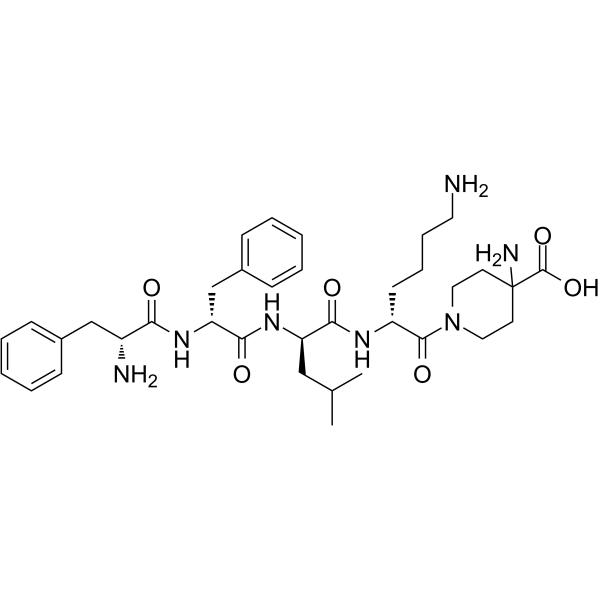
EB1002 is a highly selective, long-acting NK2R agonist. EB1002 exerts central appetite suppression, increases peripheral energy expenditure and enhances insulin sensitivity, which effectively reduces body weight, improves glucose and lipid metabolism, with favorable safety profiles. EB1002 can be used for research on diseases such as obesity and type 2 diabetes .
|
-
-
- HY-B0551
-
|
|
Potassium Channel
|
Neurological Disease
|
|
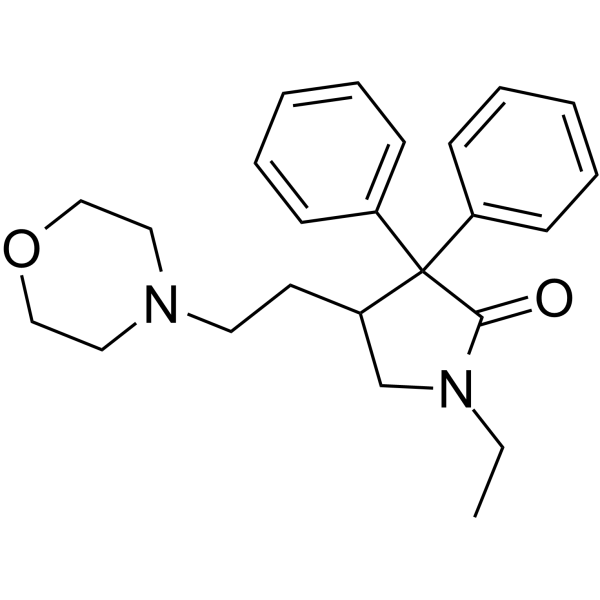
Doxapram is a respiratory stimulant. Doxapram increases breathing rate and depth by acting on the brain's respiratory centers and peripheral chemoreceptors. Doxapram inhibits TASK-1, TASK-3, TASK-1/TASK-3 heterodimeric channel function with EC50s of 410 nM, 37 μM, 9 μM, respectively. Doxapram inhibits the Ca²⁺-activated potassium current (IC50 ≈ 13 μM) and Ca²⁺-independent potassium current (IC50 ≈ 20 μM) in type I cells of the carotid body. Doxapram significantly prolongs the effective refractory period of the atrium and has an anti-arrhythmic effect. Doxapram can be used for the study of respiratory depression such as post-anesthesia respiratory depression, chronic obstructive pulmonary disease and apnea of prematurity .
|
-
-
- HY-B0551A
-
|
|
Potassium Channel
|
Neurological Disease
|
|
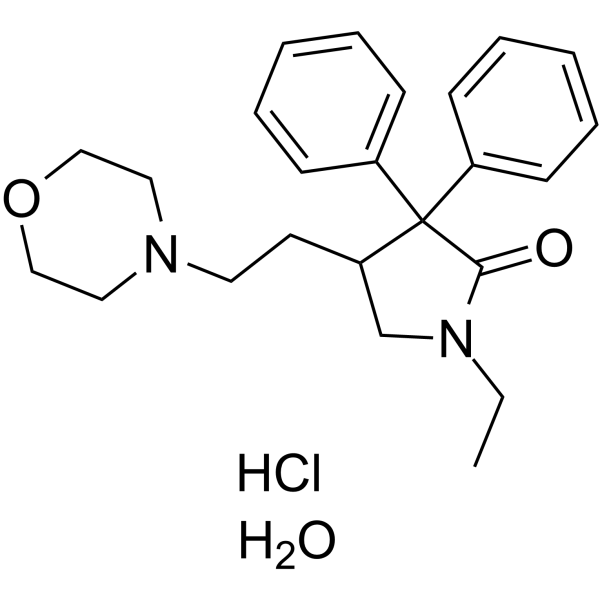
Doxapram hydrochloride hydrate is a respiratory stimulant. Doxapram hydrochloride hydrate increases breathing rate and depth by acting on the brain's respiratory centers and peripheral chemoreceptors. Doxapram hydrochloride hydrate inhibits TASK-1, TASK-3, TASK-1/TASK-3 heterodimeric channel function with EC50s of 410 nM, 37 μM, 9 μM, respectively. Doxapram hydrochloride hydrate inhibits the Ca²⁺-activated potassium current (IC50 ≈ 13 μM) and Ca²⁺-independent potassium current (IC50 ≈ 20 μM) in type I cells of the carotid body. Doxapram hydrochloride hydrate significantly prolongs the effective refractory period of the atrium and has an anti-arrhythmic effect. Doxapram hydrochloride hydrate can be used for the study of respiratory depression such as post-anesthesia respiratory depression, chronic obstructive pulmonary disease and apnea of prematurity .
|
-
-
- HY-B0439
-
|
Sulphadoxine
|
Parasite
HIV
Antibiotic
Endogenous Metabolite
|
Infection
|
|
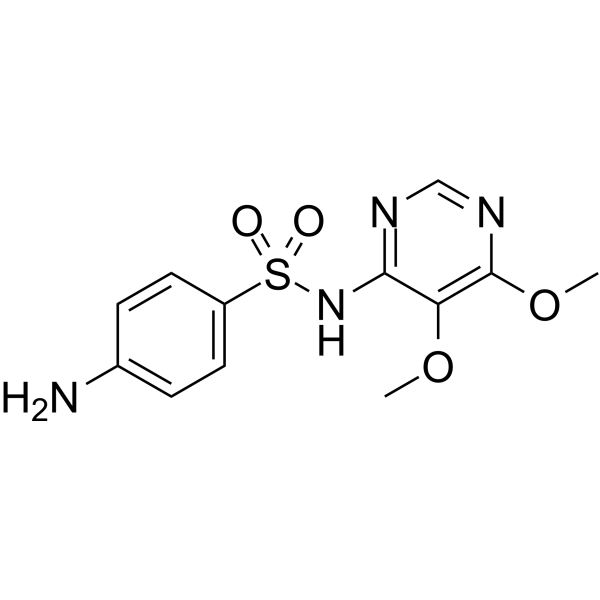
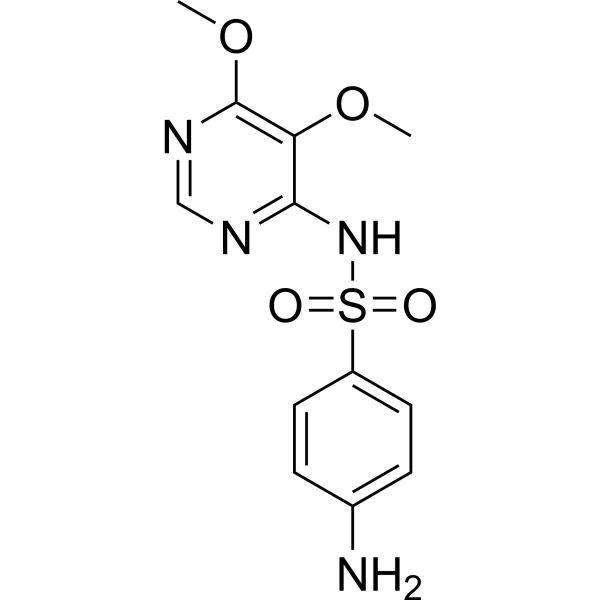
Sulfadoxine(Sulphadoxine) is a long acting sulfonamide that is used, usually in combination with other agents, for respiratory, urinary tract and malarial infections. Sulfadoxine inhibits HIV replication in peripheral blood mononuclear cells.
|
-
-
- HY-A0118A
-
|
NKTR-118 oxalate; AZ-13337019 oxalate
|
Opioid Receptor
|
Metabolic Disease
|
|
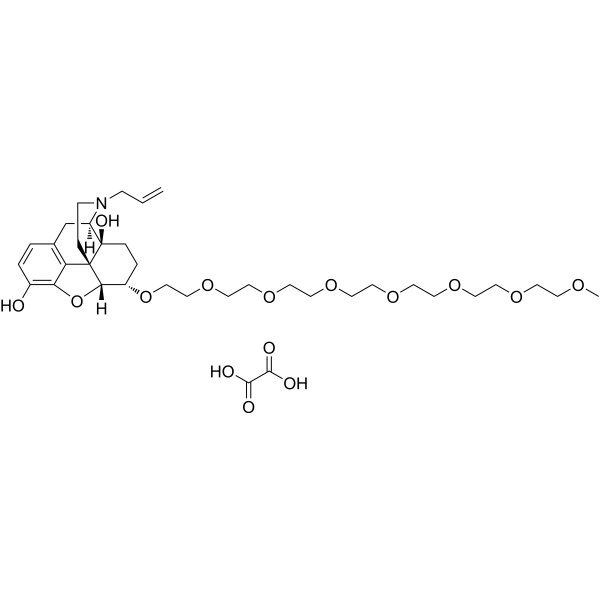
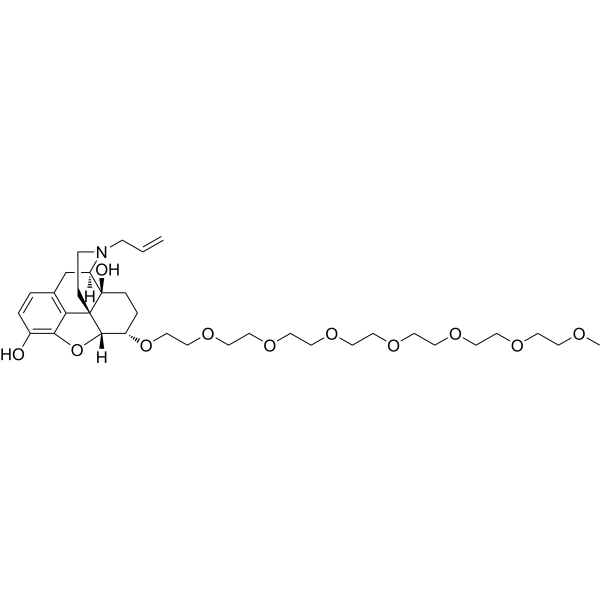
Naloxegol oxalate (NKTR-118 oxalate; AZ-13337019 oxalate) is an orally active peripherally acting μ-opioid receptor antagonist with a target Ki of 7.42 nM. Naloxegol oxalate inhibits the binding of opioids to μ-opioid receptors in the gastrointestinal tract, and alleviates opioid-induced gastrointestinal hypomotility, delayed transit, hypertonicity, and increased fluid reabsorption. Naloxegol oxalate is applicable to research related to opioid-induced constipation .
|
-
-
- HY-17436
-
|
|
Calcium Channel
|
Cardiovascular Disease
Cancer
|
|
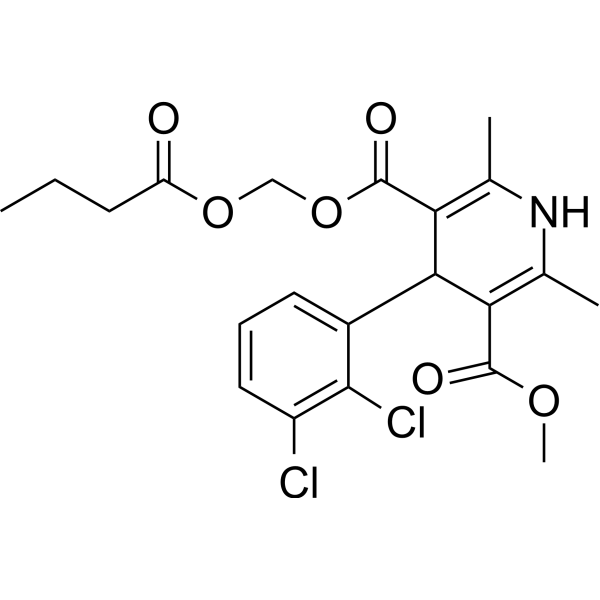
Clevidipine is a selective, short-acting L-type calcium channel antagonist with an IC50 of 7.1 nM. Clevidipine can competitively bind to calcium channels and exert rapid vasoselective vasodilation by blocking the influx of extracellular calcium ions, thereby reducing peripheral vascular resistance and effectively controlling acute severe hypertension. Clevidipine can also protect the myocardium from reperfusion injury by promoting the release of nitric oxide (NO). Clevidipine can be used in the research of acute hypertension, perioperative blood pressure management, and myocardial ischemia-reperfusion injury .
|
-
-
- HY-B0344
-
|
(-)-Scopolamine methyl bromide; Hyoscine methyl bromide
|
mAChR
|
Neurological Disease
|
|
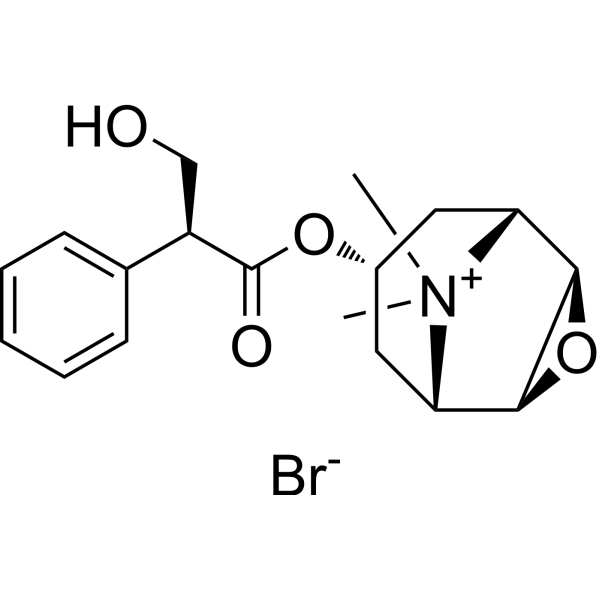
Methscopolamine bromide ((-)-Scopolamine methyl bromide; Hyoscine methyl bromide) is a peripherally acting muscarinic receptor (mAChR) antagonist that cannot cross the blood-brain barrier. Methscopolamine bromide blocks the muscarinic negative feedback regulation of acetylcholine release from striatal cholinergic terminals, thereby increasing acetylcholine release in the striatum of freely moving rats. Methscopolamine bromide does not induce motor excitation in freely moving rats, nor does it alter the duration of ethanol-induced loss of righting reflex in mice. Methscopolamine bromide fails to antagonize the arecoline-mediated reduction in the duration of ethanol-induced loss of righting reflex in mice .
|
-
-
- HY-19721
-
-
-
- HY-106405
-
|
BIA 3-202
|
COMT
|
Metabolic Disease
|
|
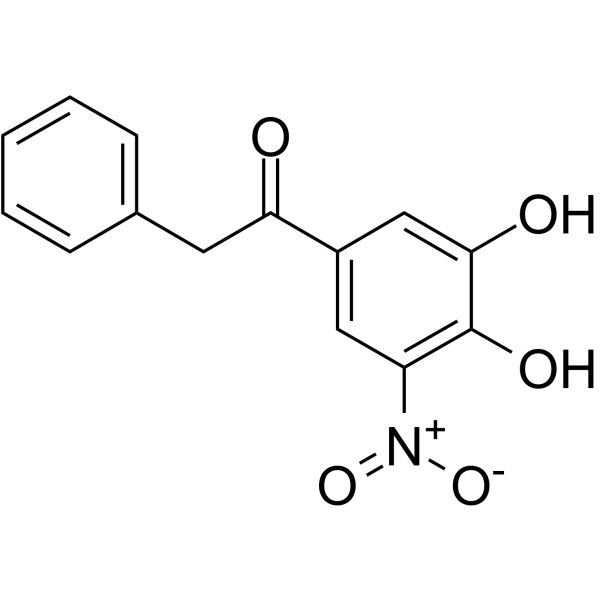
Nebicapone (BIA 3-202), a reversible catechol-O-methyltransferase (COMT) inhibitor, is mainly metabolized by glucuronidation. Nebicapone is mainly peripherally acting inhibitor that decreases the biotransformation of L-DOPA to 3-O-methyl-DOPA by inhibition of COMT, and it is potential for the treatment of Parkinson's disease .
|
-
-
- HY-136208
-
|
|
Opioid Receptor
|
Neurological Disease
|
|
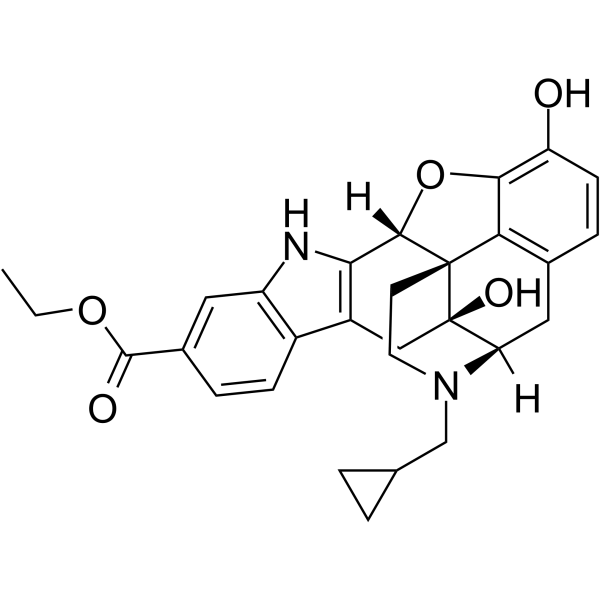
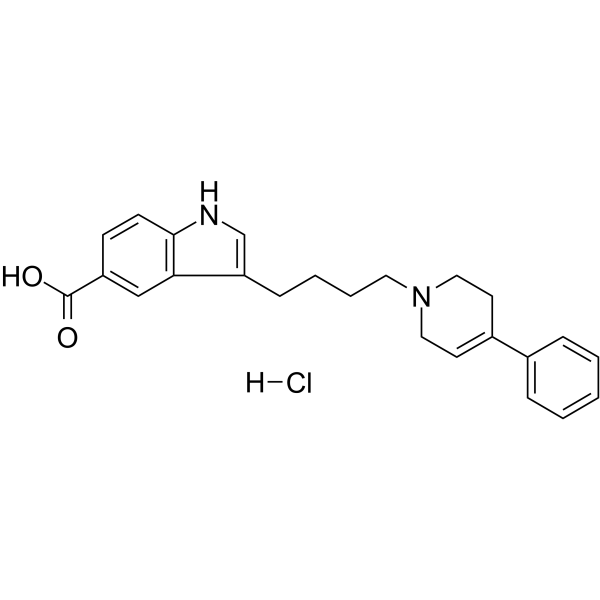
TAN-452 is an orally active, selective peripherally acting δ-opioid receptor (DOR) antagonist with a Ki of 0.47 nM and a Kb of 0.21 nM. TAN-452 is an antagonist for μ-opioid receptor (MOR; Ki=36.56 nM and Kb=9.43 nM) and κ-opioid receptor (KOR; Ki=5.31 nM and Kb=7.18 nM). TAN-452, a derivative of Naltrindole, demonstrates low brain penetrability and attenuates morphine-induced side effects without affecting pain control .
|
-
-
- HY-14280S
-
|
|
COMT
|
Neurological Disease
|
|
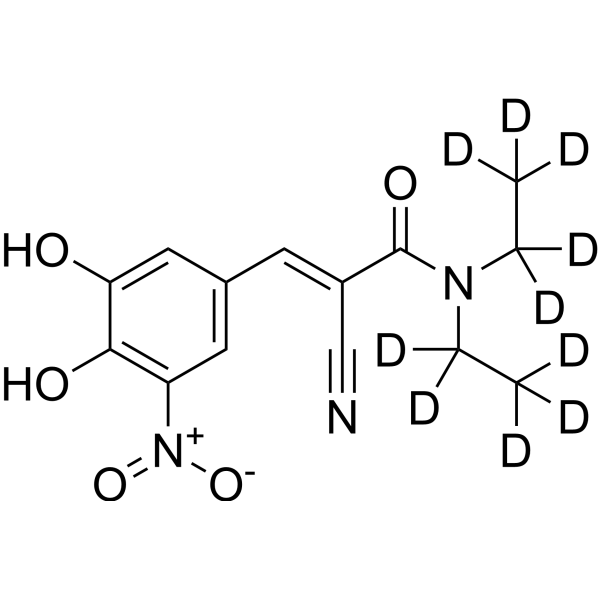
Entacapone-d10 is the deuterium labeled Entacapone. Entacapone is a potent, reversible, peripherally acting and orally active catechol-O-methyltransferase (COMT) inhibitor. Entacapone inhibits COMT from rat brain, erythrocytes and liver with IC50 values of 10 nM, 20 nM, and 160 nM, respectively. Entacapone is selective for COMT over other catecholamine metabolizing enzymes, including MAO-A, MAO-B, phenolsulphotransferase M (PST-M) and PST-P (IC50s>50 μM). Entacapone can be used for the research of Parkinson's disease . Entacapone serves as a inhibitor of FTO demethylation with an IC50 of 3.5 μM, can be used for the research of metabolic disorders .
|
-
-
- HY-14280R
-
|
|
Reference Standards
COMT
|
Neurological Disease
Cancer
|
|
Entacapone (Standard) is the analytical standard of Entacapone. This product is intended for research and analytical applications. Entacapone is a potent, reversible, peripherally acting and orally active catechol-O-methyltransferase (COMT) inhibitor. Entacapone inhibits COMT from rat brain, erythrocytes and liver with IC50 values of 10 nM, 20 nM, and 160 nM, respectively. Entacapone is selective for COMT over other catecholamine metabolizing enzymes, including MAO-A, MAO-B, phenolsulphotransferase M (PST-M) and PST-P (IC50s>50 µM). Entacapone can be used for the research of Parkinson's disease . Entacapone serves as a inhibitor of FTO demethylation with an IC50 of 3.5 μM, can be used for the research of metabolic disorders .
|
-
-
- HY-103410
-
|
EMD 45609 hydrochloride
|
Dopamine Receptor
|
Cardiovascular Disease
|
|
Carmoxirole hydrochloride (EMD 45609 hydrochloride) is a selective, peripherally acting dopamine D2 receptor agonist and exhibits antihypertensive activities in vivo .
|
-
-
- HY-P10965
-
|
ZT002
|
GLP Receptor
|
Metabolic Disease
|
|
Zovaglutide (ZT002) is a long-acting, selective GLP-1 receptor agonist. Zovaglutide enhances albumin binding capacity via dual fatty acid chain modification. Zovaglutide exerts metabolic effects through central and peripheral GLP-1 pathways, thereby promoting satiety, reducing caloric intake and enhancing glucose-dependent insulin secretion, with no activity against GIP or glucagon receptors. Zovaglutide can be used in research on type 2 diabetes or obesity .
|
-
-
- HY-B0439R
-
|
Sulphadoxine (Standard)
|
Reference Standards
Parasite
HIV
Antibiotic
Endogenous Metabolite
|
Infection
|
|
Sulfadoxine (Standard) is the analytical standard of Sulfadoxine. This product is intended for research and analytical applications. Sulfadoxine(Sulphadoxine) is a long acting sulfonamide that is used, usually in combination with other agents, for respiratory, urinary tract and malarial infections. Sulfadoxine inhibits HIV replication in peripheral blood mononuclear cells.
|
-
-
- HY-A0118
-
|
NKTR-118; AZ-13337019
|
Opioid Receptor
|
Neurological Disease
Cancer
|
|
Naloxegol (NKTR-118; AZ-13337019) is an orally active peripherally acting μ-opioid receptor antagonist with a target Ki of 7.42 nM. Naloxegol inhibits the binding of opioids to μ-opioid receptors in the gastrointestinal tract, and alleviates opioid-induced gastrointestinal hypomotility, delayed transit, hypertonicity, and increased fluid reabsorption. Naloxegol is applicable to research related to opioid-induced constipation .
|
-
-
- HY-14280A
-
|
|
COMT
|
Neurological Disease
Cancer
|
|
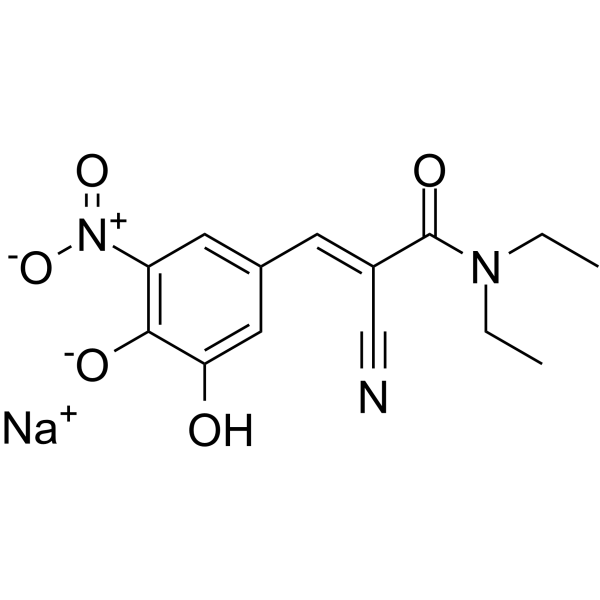
Entacapone sodium salt is a potent, reversible, peripherally acting and orally active catechol-O-methyltransferase (COMT) inhibitor. Entacapone sodium salt inhibits COMT from rat brain, erythrocytes and liver with IC50 values of 10 nM, 20 nM, and 160 nM, respectively. Entacapone sodium salt is selective for COMT over other catecholamine metabolizing enzymes, including MAO-A, MAO-B, phenolsulphotransferase M (PST-M) and PST-P (IC50s>50 µM). Entacapone sodium salt can be used for the research of Parkinson's disease . Entacapone sodium salt serves as as a inhibit of FTO demethylation with an IC50 of 3.5 μM, can be used for the research of metabolic disorders .
|
-
-
- HY-155297
-
|
FLA-136
|
Histamine Receptor
|
Cardiovascular Disease
|
|
Nebidrazine is a centrally-acting hypotensive agent compared to clonidine, demonstrating weaker cardiovascular effects in rats. It induces dose-dependent hypotension and bradycardia when administered intracerebroventricularly (i.c.v.), with significantly lower sedative potential than clonidine in conscious rats. Yohimbine attenuates the cardiovascular effects of both Nebidrazine and clonidine, suggesting involvement of central alpha-autoreceptors sensitive to yohimbine. Unlike clonidine, Nebidrazine does not affect peripheral alpha-adrenoceptors in pithed rats, indicating a selective central mechanism. Chemical sympathectomy reduces Nebidrazine's cardiovascular effects more than clonidine's, and metiamide diminishes responses to both drugs, implicating central histamine receptors. These findings highlight Nebidrazine's distinct pharmacological profile and potential therapeutic application in managing hypertension through central alpha-autoreceptor stimulation .
|
-
-
- HY-N2304A
-
|
|
Opioid Receptor
|
Inflammation/Immunology
|
|
Methyl-6-alpha-Naltrexol is a metabolite of Methylnaltrexone (MNTX). Methylnaltrexone is a selective mu-opioid receptor antagonist and functions as a peripherally acting receptor antagonist in tissues of the gastrointestinal tract .
|
-
-
- HY-101759
-
-
-
- HY-101616
-
-
-
- HY-105112
-
-
-
- HY-103410R
-
|
EMD 45609 hydrochloride (Standard)
|
Reference Standards
Dopamine Receptor
|
Cardiovascular Disease
|
|
Carmoxirole (hydrochloride) (Standard) is the analytical standard of Carmoxirole (hydrochloride). This product is intended for research and analytical applications. Carmoxirole hydrochloride (EMD 45609 hydrochloride) is a selective, peripherally acting dopamine D2 receptor agonist and exhibits antihypertensive activities in vivo .
|
-
-
- HY-B0439S
-
|
Sulphadoxine-d4
|
Parasite
HIV
Antibiotic
Endogenous Metabolite
|
Infection
|
|
Sulfadoxine-d4 is the deuterium labeled Sulfadoxine. Sulfadoxine(Sulphadoxine) is a long acting sulfonamide that is used, usually in combination with other agents, for respiratory, urinary tract and malarial infections. Sulfadoxine inhibits HIV replication in peripheral blood mononuclear cells.
|
-
-
- HY-127004
-
|
RGH-5002
|
Sodium Channel
|
Others
|
|
Silperisone hydrochloride is an organosilicone compound similar to tolperisone that has centrally acting muscle relaxant properties. Silperisone (hydrochloride) is a sodium channel protein type 2 alpha channel blocker that blocks sodium and calcium channels in cells, reduces muscle cell excitability and contraction, reduces peripheral tone, and acts as a muscle relaxant and peripheral vascular dilator. Silperisone (hydrochloride) is used to study recurrent painful myoclonus due to spinal cord injury, abnormal hypertonia due to cerebrovascular disease, myotonia symptoms, pyramidal tonia syndrome, multiple sclerosis myospasm, and myelitis .
|
-
-
- HY-106405R
-
|
BIA 3-202 (Standard)
|
Reference Standards
COMT
|
Metabolic Disease
|
|
Nebicapone (Standard) is the analytical standard of Nebicapone. This product is intended for research and analytical applications. Nebicapone (BIA 3-202), a reversible catechol-O-methyltransferase (COMT) inhibitor, is mainly metabolized by glucuronidation. Nebicapone is mainly peripherally acting inhibitor that decreases the biotransformation of L-DOPA to 3-O-methyl-DOPA by inhibition of COMT, and it is potential for the treatment of Parkinson's disease .
|
-
-
- HY-121670
-
|
|
Others
|
Neurological Disease
|
|
Ambenoxan is a central nervous system-acting skeletal muscle relaxant that is effective in mice, rats, rabbits, dogs, and monkeys without loss of the righting reflex. It has no peripheral neuromuscular blocking effects and significantly reduces or eliminates decerebrate rigidity in rabbits, but does not antagonize the effects of strychnine, leptazol, or tremorine. Like other central nervous system depressants, ambenoxan prolongs sleep duration with hexobarbitone, but it has no local anesthetic effects. In anesthetized cats, the agent lowers blood pressure and reduces the pressor response to epinephrine, but has no effect on norepinephrine.
|
-
-
- HY-121670A
-
|
|
Adrenergic Receptor
|
Neurological Disease
|
|
Ambenoxan hydrochloride is a central nervous system-acting skeletal muscle relaxant that is effective in mice, rats, rabbits, dogs, and monkeys without loss of the righting reflex. It has no peripheral neuromuscular blocking effects and significantly reduces or eliminates decerebrate rigidity in rabbits, but does not antagonize the effects of strychnine, leptazol, or tremorine. Like other central nervous system depressants, ambenoxan prolongs sleep duration with hexobarbitone, but it has no local anesthetic effects. In anesthetized cats, the agent lowers blood pressure and reduces the pressor response to epinephrine, but has no effect on norepinephrine.
|
-
-
- HY-129146S
-
|
|
Isotope-Labeled Compounds
Potassium Channel
|
Others
|
|
Doxapram-d5 hydrochloride is deuterium labeled Doxapram hydrochloride. Doxapram hydrochloride is a respiratory stimulant. Doxapram hydrochloride increases breathing rate and depth by acting on the brain's respiratory centers and peripheral chemoreceptors. Doxapram hydrochloride inhibits TASK-1, TASK-3, TASK-1/TASK-3 heterodimeric channel function with EC50s of 410 nM, 37 μM, 9 μM, respectively. Doxapram hydrochloride inhibits the Ca²⁺-activated potassium current (IC50 ≈ 13 μM) and Ca²⁺-independent potassium current (IC50 ≈ 20 μM) in type I cells of the carotid body. Doxapram hydrochloride significantly prolongs the effective refractory period of the atrium and has an anti-arrhythmic effect. Doxapram hydrochloride can be used for the study of respiratory depression such as post-anesthesia respiratory depression, chronic obstructive pulmonary disease and apnea of prematurity.
|
-
-
- HY-B0551S
-
|
|
Isotope-Labeled Compounds
Potassium Channel
|
Neurological Disease
|
|
Doxapram-d8 is deuterated labeled Doxapram (HY-B0551). Doxapram is a respiratory stimulant. Doxapram increases breathing rate and depth by acting on the brain's respiratory centers and peripheral chemoreceptors. Doxapram inhibits TASK-1, TASK-3, TASK-1/TASK-3 heterodimeric channel function with EC50s of 410 nM, 37 μM, 9 μM, respectively. Doxapram inhibits the Ca²⁺-activated potassium current (IC50 ≈ 13 μM) and Ca²⁺-independent potassium current (IC50 ≈ 20 μM) in type I cells of the carotid body. Doxapram significantly prolongs the effective refractory period of the atrium and has an anti-arrhythmic effect. Doxapram can be used for the study of respiratory depression such as post-anesthesia respiratory depression, chronic obstructive pulmonary disease and apnea of prematurity.
|
-
-
- HY-B0551AR
-
|
|
Reference Standards
Potassium Channel
|
Neurological Disease
|
|
Doxapram hydrochloride hydrate (Standard) is the analytical standard of Doxapram hydrochloride hydrate (HY-B0551A). This product is intended for research and analytical applications. Doxapram hydrochloride hydrate is a respiratory stimulant. Doxapram hydrochloride hydrate increases breathing rate and depth by acting on the brain's respiratory centers and peripheral chemoreceptors. Doxapram hydrochloride hydrate inhibits TASK-1, TASK-3, TASK-1/TASK-3 heterodimeric channel function with EC50s of 410 nM, 37 μM, 9 μM, respectively. Doxapram hydrochloride hydrate inhibits the Ca²⁺-activated potassium current (IC50 ≈ 13 μM) and Ca²⁺-independent potassium current (IC50 ≈ 20 μM) in type I cells of the carotid body. Doxapram hydrochloride hydrate significantly prolongs the effective refractory period of the atrium and has an anti-arrhythmic effect. Doxapram hydrochloride hydrate can be used for the study of respiratory depression such as post-anesthesia respiratory depression, chronic obstructive pulmonary disease and apnea of prematurity.
|
-
| Cat. No. |
Product Name |
Target |
Research Area |
-
- HY-P10746
-
|
|
Neurokinin Receptor
|
Metabolic Disease
|
|
EB1002 is a highly selective, long-acting NK2R agonist. EB1002 exerts central appetite suppression, increases peripheral energy expenditure and enhances insulin sensitivity, which effectively reduces body weight, improves glucose and lipid metabolism, with favorable safety profiles. EB1002 can be used for research on diseases such as obesity and type 2 diabetes .
|
-
- HY-P10965
-
|
ZT002
|
GLP Receptor
|
Metabolic Disease
|
|
Zovaglutide (ZT002) is a long-acting, selective GLP-1 receptor agonist. Zovaglutide enhances albumin binding capacity via dual fatty acid chain modification. Zovaglutide exerts metabolic effects through central and peripheral GLP-1 pathways, thereby promoting satiety, reducing caloric intake and enhancing glucose-dependent insulin secretion, with no activity against GIP or glucagon receptors. Zovaglutide can be used in research on type 2 diabetes or obesity .
|
| Cat. No. |
Product Name |
Category |
Target |
Chemical Structure |
| Cat. No. |
Product Name |
Chemical Structure |
-
- HY-14280S
-
|
|
|
Entacapone-d10 is the deuterium labeled Entacapone. Entacapone is a potent, reversible, peripherally acting and orally active catechol-O-methyltransferase (COMT) inhibitor. Entacapone inhibits COMT from rat brain, erythrocytes and liver with IC50 values of 10 nM, 20 nM, and 160 nM, respectively. Entacapone is selective for COMT over other catecholamine metabolizing enzymes, including MAO-A, MAO-B, phenolsulphotransferase M (PST-M) and PST-P (IC50s>50 μM). Entacapone can be used for the research of Parkinson's disease . Entacapone serves as a inhibitor of FTO demethylation with an IC50 of 3.5 μM, can be used for the research of metabolic disorders .
|
-
-
- HY-B0439S
-
|
|
|
Sulfadoxine-d4 is the deuterium labeled Sulfadoxine. Sulfadoxine(Sulphadoxine) is a long acting sulfonamide that is used, usually in combination with other agents, for respiratory, urinary tract and malarial infections. Sulfadoxine inhibits HIV replication in peripheral blood mononuclear cells.
|
-
-
- HY-129146S
-
|
|
|
Doxapram-d5 hydrochloride is deuterium labeled Doxapram hydrochloride. Doxapram hydrochloride is a respiratory stimulant. Doxapram hydrochloride increases breathing rate and depth by acting on the brain's respiratory centers and peripheral chemoreceptors. Doxapram hydrochloride inhibits TASK-1, TASK-3, TASK-1/TASK-3 heterodimeric channel function with EC50s of 410 nM, 37 μM, 9 μM, respectively. Doxapram hydrochloride inhibits the Ca²⁺-activated potassium current (IC50 ≈ 13 μM) and Ca²⁺-independent potassium current (IC50 ≈ 20 μM) in type I cells of the carotid body. Doxapram hydrochloride significantly prolongs the effective refractory period of the atrium and has an anti-arrhythmic effect. Doxapram hydrochloride can be used for the study of respiratory depression such as post-anesthesia respiratory depression, chronic obstructive pulmonary disease and apnea of prematurity.
|
-
-
- HY-B0551S
-
|
|
|
Doxapram-d8 is deuterated labeled Doxapram (HY-B0551). Doxapram is a respiratory stimulant. Doxapram increases breathing rate and depth by acting on the brain's respiratory centers and peripheral chemoreceptors. Doxapram inhibits TASK-1, TASK-3, TASK-1/TASK-3 heterodimeric channel function with EC50s of 410 nM, 37 μM, 9 μM, respectively. Doxapram inhibits the Ca²⁺-activated potassium current (IC50 ≈ 13 μM) and Ca²⁺-independent potassium current (IC50 ≈ 20 μM) in type I cells of the carotid body. Doxapram significantly prolongs the effective refractory period of the atrium and has an anti-arrhythmic effect. Doxapram can be used for the study of respiratory depression such as post-anesthesia respiratory depression, chronic obstructive pulmonary disease and apnea of prematurity.
|
-
Your information is safe with us. * Required Fields.
Inquiry Information
- Product Name:
- Cat. No.:
- Quantity:
- MCE Japan Authorized Agent:

