

1. Search Result
Search Result
Results for "

physical

" in MedChemExpress (MCE) Product Catalog:

51

Inhibitors & Agonists

8

Screening Libraries

1

Fluorescent Dyes

19

Biochemical Assay Reagents

2

Peptides

9

Natural
Products

2

Oligonucleotides

Cat. No. Product Name Target Research Areas Chemical Structure
  • HY-W134423

    Environmental Pollutants Biochemical Assay Reagents Others Cancer
    Agar, microbiology tested, for cell culture (powder) is a jelly like substance that contains agarose and agar gel. Agar, microbiology tested, for cell culture (powder) can be isolated from the cell walls of red algae species such as Gelidium and Gracilaria (Ogonori). The gelation and melting of Agar, microbiology tested, for cell culture (powder) is based on the hydrogen bridge (physical gels), so the gelation is reversible. Agar, microbiology tested, for cell culture (powder) is widely used in food additives, plant tissue culture, microorganisms culture media, fingerprint recognition, and medical fields .
    Agar, microbiology tested, for cell culture (powder)
  • HY-N2292
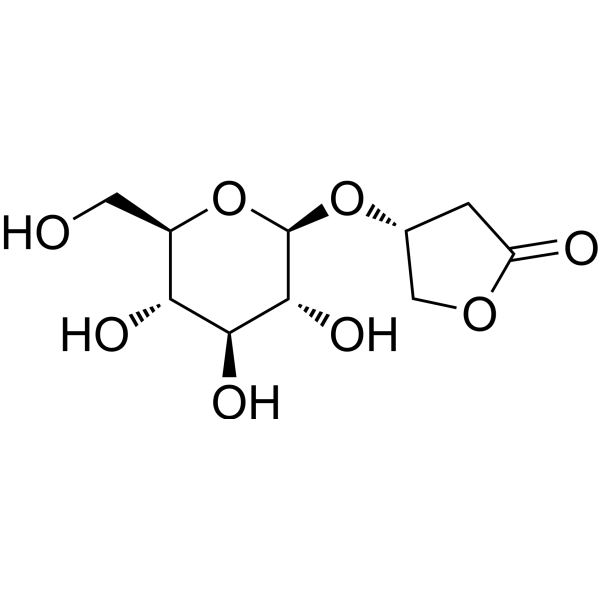
    Kinsenoside
    4 Publications Verification

    Keap1-Nrf2 Apoptosis Inflammation/Immunology
    Kinsenoside is the main active ingredient of the genus plant, and has various biological activities. Kinsenoside and Nrf2 depend on the protection of nuclear cells (NPCs), which significantly reduces their ability to survive. Kinsenoside Active NPC Medium AKT-ERK1/2-Nrf2 Signal passage, Prevent physical decline, aging, harmonious physical function impairment. Kinsenoside can improve the puncture guide model for intermediate vertebral wall discharge (IDD).
    Kinsenoside
  • HY-W096178B

    Biochemical Assay Reagents Others
    Silica sand, 1-2 mm is an inorganic, inert, and biocompatible (under certain conditions) solid matrix composed of high-purity silica particles. Silica sand, 1-2 mm is primarily used as a physical functional material in biochemical research .
    Silica sand, 1-2mm
  • HY-Y0850U6

    Polyvinyl alcohol (Mw 205000); Poly(Ethenol) (Mw 205000)

    Biochemical Assay Reagents Infection Inflammation/Immunology
    PVA (Polyvinyl alcohol) (Mw 205000) is a polyvinyl alcohol with a molecular weight of 205000, which is used as a biological additive. PVA (Mw 205000) can be cross-linked through physical or chemical methods to form hydrogels, and is widely applied in fields such as biomedicine, food packaging, textiles, papermaking, sensing, and electronic devices. After PVA enema, it has an improving effect on acute colitis induced by DSS (HY-116282C) in mice .
    PVA (Mw 205000)
  • HY-N16308

    Fluorescent Dye Others
    ER-Laurdan is a derivative of the membrane-permeable fluorescent probe Laurdan (HY-D0080) that targets the endoplasmic reticulum (ER). As a membrane fluidity reporter, ER-Laurdan specifically localizes to the ER luminal membrane, and exhibits a prominent solvatochromic response to fluidity changes caused by membrane packing and exogenous saturated fatty acid stress. ER-Laurdan shows no overlapping localization with mitochondria, enables quantitative analysis of ER membrane fluidity via generalized polarization ratio measurement, and allows automatic signal masking with the help of ER markers. With high specificity and quantitative capability, ER-Laurdan serves as an important tool for investigating metabolic disorders and associated changes in the physical properties of cell membranes .
    ER-Laurdan
  • HY-125870

    Agar substitute gelling agent, for cell culture

    Environmental Pollutants Biochemical Assay Reagents Inflammation/Immunology
    Gellan gum is a linear microbial exopolysaccharide that can be used as a cell scaffold for both soft tissue and load bearing applications. Gellan gum has many advantages such as biocompatibility, biodegradability, nontoxic in nature, and physical stability in the presence of cations .
    Gellan gum, for cell culture
  • HY-P11329

    Fluorescent Dye Others
    GFP11 is a protein fusion tag consisting of 16 amino acids. When GFP11 and GFP1-10 are sufficiently close in physical space, they undergo spontaneous, irreversible complementation to reassemble into an intact, functional GFP protein that emits green fluorescence. GFP11 can be used to form a split GFP system for high-throughput biotechnology and flow cytometry applications .
    GFP11
  • HY-W115727B

    PAM,Anion,Mw 18 million

    Biochemical Assay Reagents Others
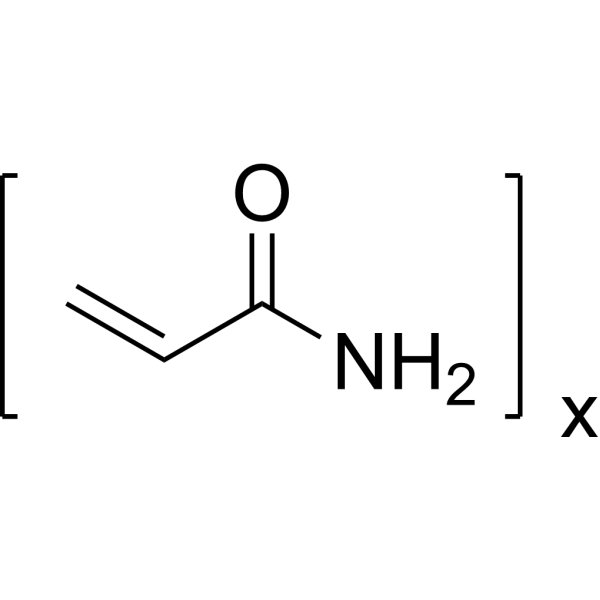
    Polyacrylamide,Anion,Mw 18 million (PAM,Anion,Mw 18 million) is a multifunctional high molecular weight anionic polyacrylamide copolymer. The anionic properties of Polyacrylamide,Anion,Mw 18 million enable it to be used as a flocculant to achieve charge neutralization and aggregation, while its high molecular weight properties provide viscoelastic properties for fluid applications. Polyacrylamide series materials can maintain enzyme activity in enzyme immobilization, act as drug carriers to achieve controlled release, serve as smart materials responding to temperature/pH stimuli, and be used for in vitro toxin adsorption and soft tissue filling through mechanisms such as physical entrapment, covalent binding or chemical crosslinking. Polyacrylamide finds applications in biomedical engineering, environmental management and industrial applications .
    Polyacrylamide,Anion,Mw 18 million
  • HY-145404
    Mitragynine pseudoindoxyl
    1 Publications Verification

    Opioid Receptor Metabolic Disease
    Mitragynine pseudoindoxyl is a potent orally active agonist of the μ-opioid receptor (MOR-1, Ki=0.8 nM) and an antagonist of the δ-opioid receptor (DOR-1, Ki=3.0 nM). Mitragynine pseudoindoxyl has moderate affinity for the κ-opioid receptor (KOR-1, Ki=24 nM) and does not recruit β-arrestin-2, acting through G protein-mediated signaling pathways without β-arrestin-2-related activation. Mitragynine pseudoindoxyl produces potent analgesic activity through a mixed μ-agonist/δ-antagonist mechanism, with low side effects such as physical dependence, respiratory depression, and constipation, and no rewarding or aversive behaviors. Mitragynine pseudoindoxyl reduces hyperactivity, inhibits GI transit, and enhances characteristics, making it a potential analgesic .
    Mitragynine pseudoindoxyl
  • HY-N1136

    Bacterial Infection
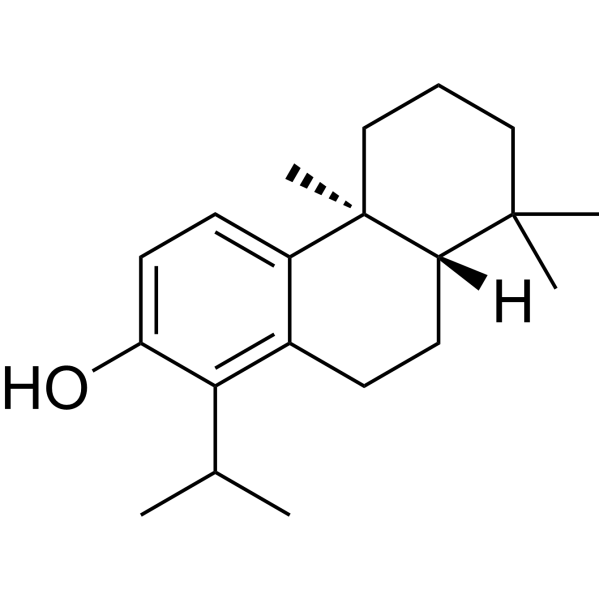
    (+)-Totarol is a diterpenoid membrane-disrupting agent and membrane structure regulator found in plants of the genus Podocarpus spp. (+)-Totarol inserts into phospholipid model membranes, disrupts phospholipid packing, and impairs the functional integrity of membranes. (+)-Totarol exhibits antibacterial activity against a variety of bacterial species and β-lactam-resistant strains, and its action is associated with changes in membrane physical properties. (+)-Totarol can be used in studies related to bacterial infections .
    (+)-Totarol
  • HY-W115727E

    PAM,average Mn 150000

    Biochemical Assay Reagents Others
    Polyacrylamide, average Mn 150000 (PAM, average Mn 150000) is a versatile, high-molecular-weight polyacrylamide copolymer. Polyacrylamide series materials can maintain enzyme activity in enzyme immobilization, act as drug carriers to achieve controlled release, serve as smart materials responding to temperature/pH stimuli, and be used for in vitro toxin adsorption and soft tissue filling through mechanisms such as physical entrapment, covalent binding or chemical crosslinking. Polyacrylamide finds applications in biomedical engineering, environmental management and industrial applications .
    Polyacrylamide,average Mn 150000
  • HY-119826

    WIN-40014

    Parasite Infection
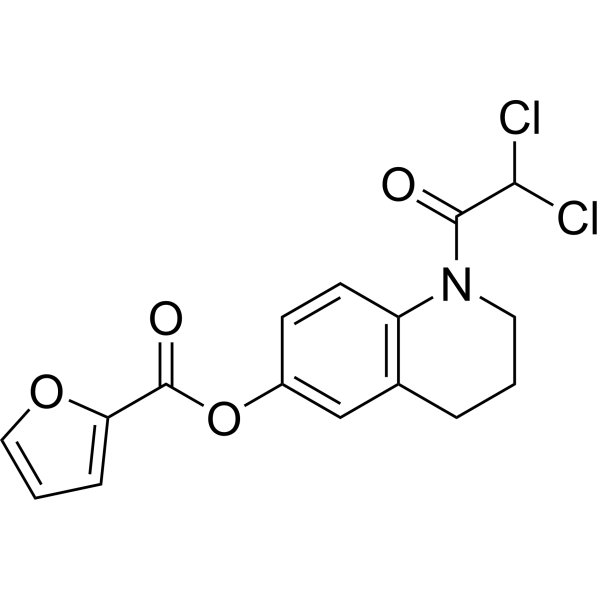
    Quinfamide (WIN-40014) is an orally active class of dichloroacetyl derivative with significant anti-intestinal protozoan, particularly mmoeba histolytica activity. Quinfamide exhibits antiamoebic activity under solvent-free conditions with an IC50 of 28.15 μg/mL in a suspension condition. Quinfamide particles are actively engulfed by the amoebas, then cells are affected, and finally, amoebas are killed and lysed, and this process directly relies on the physical intake of the drug particles. Quinfamide can be used in the research of tropical parasitic infections such as amoebiasis and helminthiasis .
    Quinfamide
  • HY-135712

    Acid Orange GG

    Environmental Pollutants Biochemical Assay Reagents Others
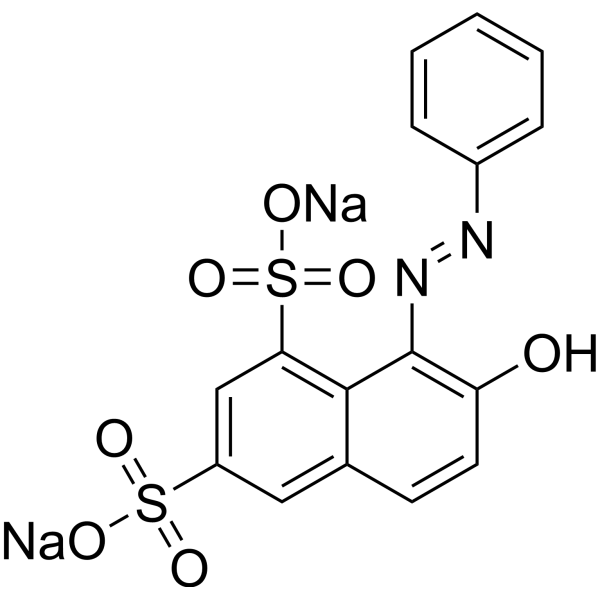
    Orange G is an azo dye commonly found in textile wastewater and is mainly used for textile dyeing. Orange G has a coloring function and can give textiles a specific color. The stability and potential hazards of Orange G in the environment are often used to study the removal effects of various wastewater treatment technologies on difficult-to-degrade organic pollutants, especially the degradation of azo dyes. Related research focuses on how to destroy the azo bond of Orange G through chemical, physical or biological methods to achieve harmless treatment to solve the problem of textile wastewater pollution .
    Orange G
  • HY-W115727A

    PAM,Anion,Mw 14-16 million

    Biochemical Assay Reagents Others
    Polyacrylamide, Anion, Mw 14-16 million is a multifunctional high molecular weight anionic polyacrylamide copolymer. The anionic properties of Polyacrylamide, Anion, Mw 14-16 million enable it to be used as a flocculant to achieve charge neutralization and aggregation, while its high molecular weight properties provide viscoelastic properties for fluid applications. Polyacrylamide series materials can maintain enzyme activity in enzyme immobilization, achieve controlled release as a drug carrier, respond to temperature/pH stimulation as a smart material, and can also be used for in vitro toxin adsorption and soft tissue filling through mechanisms such as physical embedding, covalent bonding or chemical cross-linking. Polyacrylamide can be used in biomedical engineering, environmental management and industrial applications .
    Polyacrylamide,Anion,Mw 14-16 million
  • HY-N8451

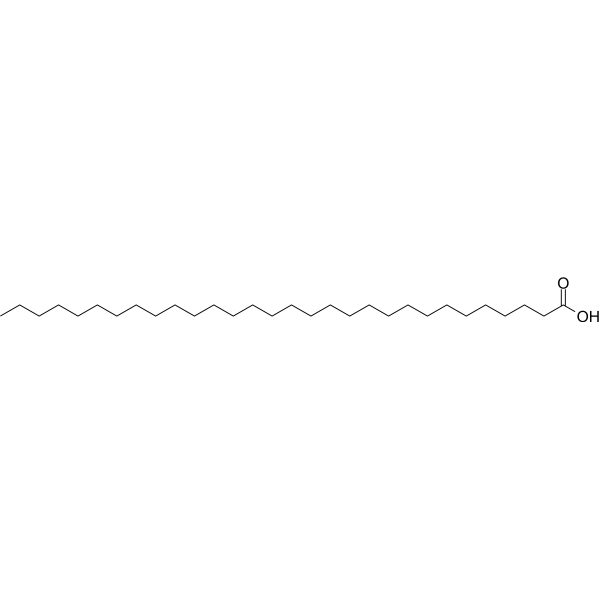
    Triacontanoic acid

    Biochemical Assay Reagents Others
    Melissic acid, which belongs to the category of long-chain saturated fatty acids. It is a 30-carbon straight-chain fatty acid found in a variety of natural sources, including beeswax and coconut oil. Due to its unique physical properties, such as high melting point and viscosity, Melissic acid has a variety of uses in industry. It can be used as a lubricant in the production of some plastics and rubber, and is also used in the manufacture of surfactants and detergents.
    Melissic acid
  • HY-B0507A
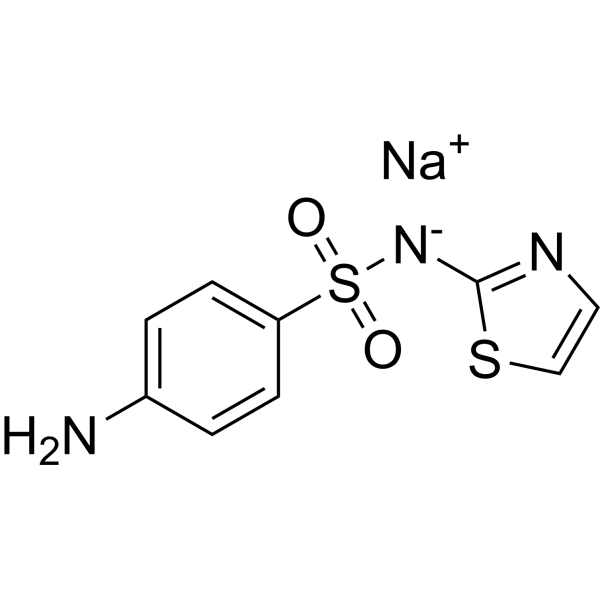
    Sulfathiazole sodium
    5 Publications Verification

    Antibiotic Bacterial Endocrinology Cancer
    Sulfathiazole sodium is an orally active, endocrine disruptor targeting the steroidogenic pathway, specifically enhancing the activity of CYP19 in human adrenal cancer cells (H295R) and upregulating the mRN expression of CYP17, CYP19, and 3β-HSD. Sulfathiazole sodium increases the production of 17-estradiol (E2) and has endocrine disrupting effects on aquatic organisms such as the Japanese medaka fish. Sulfathiazole sodium is also a cathodic corrosion inhibitor. It inhibits the corrosion of copper by chloride ions through chemical and physical adsorption on the copper surface, reduces the corrosion current density and shifts the corrosion potential negatively .
    Sulfathiazole sodium
  • HY-156004

    Bacterial Others
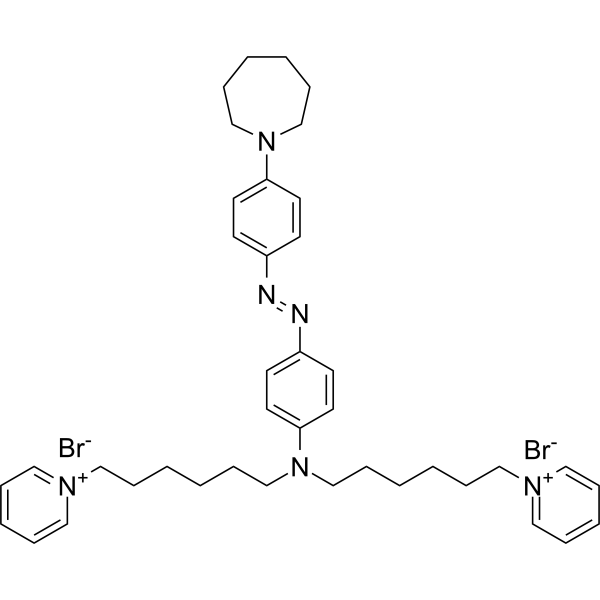
    Ziapin 2 is a membrane potential modulator and an intracellular membrane photoactuator. Ziapin 2 binds to the bacterial plasma membrane, and upon embedding into the lipid bilayer, undergoes trans-cis isomerization under 470 nm light irradiation, which triggers membrane potential hyperpolarization and induces the opening of ion channels on bacterial cell membranes. Through interactions with lipids, Ziapin 2 increases the overall flexibility of the lipid bilayer. Ziapin 2 can form photosensitive transmembrane dimers to trigger cellular signal transduction. Ziapin 2 is applicable to the research and regulation of bacterial electrical signal transduction and the regulation of membrane physical properties .
    Ziapin 2
  • HY-137994

    Drug Derivative Neurological Disease
    Deschloroetizolam is a designer Benzodiazepine. Deschloroetizolam is a psychoactive substance, with physical and cognitive effects .
    Deschloroetizolam
  • HY-126316
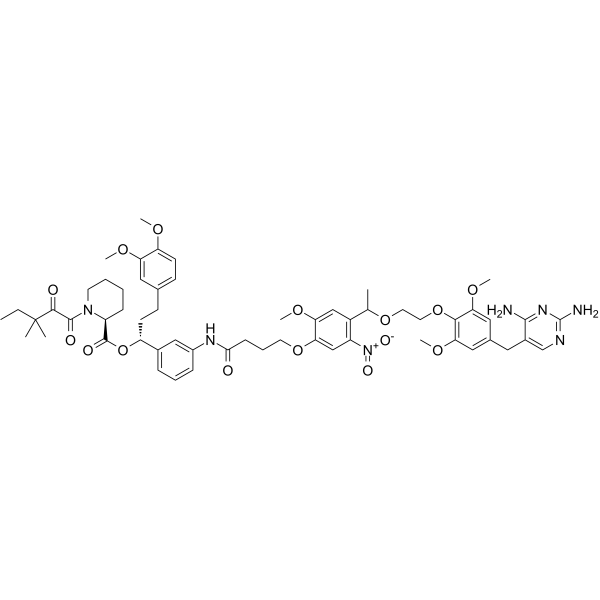
    Zapalog
    1 Publications Verification

    FKBP Others
    Zapalog is a photocleavable small-molecule heterodimerizer that can be used to repeatedly initiate, and instantaneously terminate, a physical interaction between two target proteins. Zapalog dimerizes any two proteins tagged with the FKBP and DHFR domains until exposure to light causes its photolysis .
    Zapalog
  • HY-W115727D

    PAM,average Mn 40000

    Biochemical Assay Reagents Others
    Polyacrylamide (PAM), average Mn 40000 is a versatile, high-molecular-weight polyacrylamide copolymer. Polyacrylamide series materials can maintain enzyme activity in enzyme immobilization, act as drug carriers to achieve controlled release, serve as smart materials responding to temperature/pH stimuli, and be used for in vitro toxin adsorption and soft tissue filling through mechanisms such as physical entrapment, covalent binding or chemical crosslinking. Polyacrylamide finds applications in biomedical engineering, environmental management and industrial applications .
    Polyacrylamide,average Mn 40000
  • HY-W115727C

    Acrylamide polymer,Nonionic,Mw 5-6 million

    Biochemical Assay Reagents Others
    Polyacrylamide (Acrylamide polymer),Nonionic,Mw 5-6 million is a multifunctional, high-molecular-weight nonionic polyacrylamide copolymer. Polyacrylamide-based materials can maintain enzyme activity in enzyme immobilization, act as drug carriers for controlled release, function as smart materials responsive to temperature/pH stimuli, and be applied in in vitro toxin adsorption and soft tissue filling, through action mechanisms such as physical entrapment, covalent binding or chemical crosslinking. Polyacrylamide finds applications in biomedical engineering, environmental management and industrial applications .
    Polyacrylamide,Nonionic,Mw 5-6 million
  • HY-158222A

    AlgMA (MW 300000)

    Biochemical Assay Reagents Others
    Alginate Methacryloyl (MW 300000) is a methacryloyl alginate with potential for use as a tissue engineering scaffold and 3D printing ink. Alginate Methacryloyl (MW 300000) is biocompatible, non-immunogenic, has low toxicity and is capable of physical cross-linking with divalent cations such as calcium . Alginate Methacryloyl (MW 300000) needs to self-assemble into fibrous hydrogel under the action of photoinitiator LAP (HY-44076), and target bioactive adhesion sites, play an inherent supporting role for tissue cells and biodegradable activity.
    Application: cell culture, biological 3D printing, tissue engineering, etc.
    Alginate Methacryloyl (MW 300000)
  • HY-W030562

    Others Inflammation/Immunology
    Bemethyl is a synthetic adaptogen that exhibits actoprotector and antihypoxant activities. Bemethyl has the ability to increase the body's resistance to stress and improve physical endurance. Bemethyl regulatory mechanisms include vasodilation and lowering blood sugar and lactate levels. Bemethyl is an analytical reference standard for adaptogen .

    Bemethyl
  • HY-150307

    Protein Arginine Deiminase Inflammation/Immunology
    KP-302 (Compound 23) is a selective inhibitor of protein arginine deaminase PAD2 with a Ki of 60 μM. KP-302 also reverses physical disability in the EAE mouse model of multiple sclerosis (MS) and eliminates T cell infiltration in the brain. KP-302 can be studied in research as a disease-modifying agent for MS .
    KP-302
  • HY-158222

    AlgMA (MW 50000)

    Biochemical Assay Reagents Others
    Alginate Methacryloyl (MW 50000) is a methacryloyl alginate with potential for use as a tissue engineering scaffold and 3D printing ink. Alginate Methacryloyl (MW 50000) is biocompatible, non-immunogenic, has low toxicity and is capable of physical cross-linking with divalent cations such as calcium . Alginate Methacryloyl (MW 50000) needs to self-assemble into fibrous hydrogel under the action of photoinitiator LAP (HY-44076), and target bioactive adhesion sites, play an inherent supporting role for tissue cells and biodegradable activity.
    Application: cell culture, biological 3D printing, tissue engineering, etc.
    Alginate Methacryloyl (MW 50000)
  • HY-Y1890B

    Biochemical Assay Reagents Others
    Cremophor EL-10 is a nonionic polyoxyethylene castor oil surfactant with multiple functions including organic solubilizer, mixed zinc anode corrosion inhibitor and dendrite growth inhibitor. By forming a physical barrier to block electrolyte contact and constructing oriented hydration channels to reduce the desolvation energy barrier of Zn 2+ , Cremophor EL-10 achieves a corrosion inhibition efficiency of over 99%. Cremophor EL-10 exerts no significant effects on the mitochondrial activity and cell viability of epithelial cells, making it suitable for in vitro drug delivery and biopharmaceutical research at concentrations ≤10% v/v. However, Cremophor EL-10 may induce sustained non-endothelium-dependent contraction in rat aortic rings and exert concentration-dependent inhibitory effects on acetylcholine-induced endothelium-dependent relaxation responses .
    Cremophor EL-10
  • HY-W096178C

    Biochemical Assay Reagents Others
    Silica sand, 2-7 mm is an inorganic, inert, and biocompatible (under certain conditions) solid matrix composed of high-purity silica particles. Silica sand, 2-7 mm is primarily used as a physical functional material in biochemical research .
    Silica sand, 2-7mm
  • HY-W016638

    1-Butyl-1-methylpyrrolidin-1-ium chloride

    Biochemical Assay Reagents Others
    1-Butyl-1-methylpyrrolidin-1-ium chloride, also known as BMIM chloride, belongs to the class of ionic liquids and consists of a positively charged pyrrolidine cation and a negatively charged chloride anion. This compound is commonly used as a solvent for various chemical reactions, especially those involving organic compounds and metals. Its unique physical and chemical properties, such as low volatility, high thermal stability, and tunable solubility, make it useful in a range of applications in catalysis, electrochemistry, and separation science. Furthermore, 1-butyl-1-methylpyrrolidin-1-ium chloride may have potential applications as a green solvent in energy storage devices and various industrial processes.
    1-Butyl-1-methylpyrrolidinium chloride
  • HY-B0507B

    Antibiotic Bacterial Endocrinology Cancer
    Sulfathiazole (100 μg/mL in acetonitrile) is an orally active, endocrine disruptor targeting the steroidogenic pathway, specifically enhancing the activity of CYP19 in human adrenal cancer cells (H295R) and upregulating the mRN expression of CYP17, CYP19, and 3β-HSD. Sulfathiazole (100 μg/mL in acetonitrile) increases the production of 17-estradiol (E2) and has endocrine disrupting effects on aquatic organisms such as the Japanese medaka fish. Sulfathiazole (100 μg/mL in acetonitrile) is also a cathodic corrosion inhibitor. Sulfathiazole (100 μg/mL in acetonitrile) inhibits the corrosion of copper by chloride ions through chemical and physical adsorption on the copper surface, reduces the corrosion current density and shifts the corrosion potential negatively .
    Sulfathiazole (100 µg/mL in acetonitrile)
  • HY-Y0661

    Biochemical Assay Reagents Others
    4-Methylbenzyl cyanide is an organic chemical probe used to study intramolecular rotation properties. 4-Methylbenzyl cyanide is promising for research of NMR spectroscopy and physical chemistry research on molecular dynamics .
    4-Methylbenzyl cyanide
  • HY-Y1150

    Trimethylmethanecarboxylic acid; Versatic 5 acid; tert-Pentanoic acid

    Antibiotic Inflammation/Immunology
    Pivalic acid (Trimethylmethanecarboxylic acid) is a carboxylic acid. Pivalic acid induces Carnitine deficiency. Pivalic acid conjugated with Antibiotics, such as Pivmecillinam (HY-B0810) and Pivampicillin (HY-119011), are used in urinary tract infection. Pivalic acid can be used in physical exercise research .
    Pivalic acid
  • HY-136654

    Opioid Receptor Neurological Disease
    LPK-26 hydrochloride is a selective kappa-opioid receptor agonist with a Ki of 0.68 nM. LPK-26 exhibits potent antinociceptive effects with low physical dependence potential and can be utilized in relevant research .
    LPK-26 hydrochloride
  • HY-N15147

    DNA/RNA Synthesis Cardiovascular Disease Neurological Disease Metabolic Disease Inflammation/Immunology Cancer
    Panax saponin C is a ginsenoside found in Ginseng with biological activities including regulatory effects on immunomodulation, protection functions in the central nervous and cardiovascular systems, anti-diabetic, anti-aging, anti-carcinogenic, anti-fatigue, anti-pyretic, anti-stress, boosting physical vitality, and promotion of DNA, RNA, and protein synthesis activities .
    Panax saponin C
  • HY-153770

    Biochemical Assay Reagents Others
    DHPN is a reversible carrier of singlet oxygen ( 1O2) and can be used as a chemical and physical quencher of 1O2 .
    DHPN
  • HY-W016613

    Biochemical Assay Reagents Others
    Tri(ethylene glycol) monoethyl ether is a physical solvent with a strong affinity for CO2. Tri(ethylene glycol) monoethyl ether can be used for the removal of acid gases from mixtures of gases .
    Tri(ethylene glycol) monoethyl ether
  • HY-106489

    Monoamine Oxidase Phosphodiesterase (PDE) 5-HT Receptor Neurological Disease
    Adafenoxate is a nootropic agent. Adafenoxate can improve Scopolamine (HY-N0296)-impaired memory, exploratory behavior and physical capabilities. Adafenoxate can be used for the research of neurological disease .
    Adafenoxate
  • HY-131587

    Others Others
    Integerrimine N-oxide, the main pyrrolizidine alkaloid found in the butanolic residue (BR) of Senecio brasiliensis. Prenatal exposure to integerrimine N-oxide induces maternal toxicity, impairment of maternal care and delays in physical and behavioral development of the offspring .
    Integerrimine N-oxide
  • HY-W040186

    Biochemical Assay Reagents Others
    1-Naphthenyl phosphate hydrate sodium is commonly used as a flame retardant for various materials such as plastics, textiles, and construction materials. In addition, its potential use as a corrosion inhibitor and as an ingredient in fertilizers and detergents has been investigated. Its hydrated form contains variable amounts of water molecules, which affects its physical properties and applications.
    1-Naphthenyl phosphate hydrate sodium
  • HY-W339206

    Endogenous Metabolite Others
    1,2-Dinonanoyl-sn-glycero-3-phosphocholine, a specific phosphatidylcholine, features fatty acyl configurations that can influence the physical properties of membranes, making it a key component for generating eicosanoids. As a phospholipid abundant in membranes, it has fatty acids attached to glycerol at the sn-1 and sn-2 positions via ester bonds.
    1,2-Dinonanoyl-sn-glycero-3-phosphocholine
  • HY-171458

    Fluorescent Dye Others
    U-104067 can be used as a molecular probe to observe and to quantitate a variety of physical phenomena, such as transfer into lipid membranes, partitioning between surface phases, and partitioning between lipid carriers and target membranes. U-104067 is a sensitive reporter of the tilt/ripple phase transition, monitored by its fluorescence anisotropy and quantum yield changes .
    U-104067
  • HY-11051

    Opioid Receptor Inflammation/Immunology
    JNJ-20788560 is a selective and orally active delta opioid receptor agonist with an affinity of 2.0 nM for DOR (rat brain cortex binding assay). JNJ-20788560 also is a potent and efficacious antihyperalgesic agent that does not produce respiratory depression, pharmacologic tolerance, or physical dependence. JNJ-20788560 can be used for the research of the relief of inflammatory hyperalgesia .
    JNJ-20788560
  • HY-158569

    Endogenous Metabolite Others
    SAR114137 is a highly effective drug with potent biological activity. SAR114137 exhibits altered amorphous content characteristics during physical processing of the crystalline active pharmaceutical ingredient. The amorphous API content of SAR114137 is significantly reduced when processed by different jet grinding techniques. SAR114137 exhibits good chemical stability in pharmaceutical formulations .
    SAR114137
  • HY-167808

    Endogenous Metabolite Biochemical Assay Reagents
    Cis-9,12-Hexadecadienoic acid is a polyunsaturated fatty acid that has the activity of regulating the physical properties of cell membranes. The presence of Cis-9,12-Hexadecadienoic acid can enhance the fluidity and flexibility of cell membranes. Cis-9,12-Hexadecadienoic acid participates in a variety of physiological processes in the body, affecting cell signal transduction and membrane structure stability.
    cis-9,12-Hexadecadienoic acid
  • HY-16035A

    DNA/RNA Synthesis Antibiotic Infection
    Alatrofloxacin mesylate is an antibiotic with antibacterial activity. Alatrofloxacin mesylate exhibits significant hydrophilicity in the aqueous phase, forming a very stable suspension. The degradation products of Alatrofloxacin mesylate become hydrophobic upon exposure, causing aggregation of its particles. The long-term stability of Alatrofloxacin mesylate is closely related to its polar interaction. The changes in surface tension characteristics of Alatrofloxacin mesylate particles under different lighting conditions affect their physical and chemical properties .
    Alatrofloxacin mesylate
  • HY-N12964

    Others Others
    4-Hydroxycanthin-6-one is a novel quinoline alkaloid isolated from the stem bark of the tree Ailanthus altissima. Five other known compounds were also found in the study. The structures of the new compounds were determined by interpretation of physical and spectroscopic data, and their absolute configurations were determined by electronic circular dichroism spectroscopy and quantum chemical calculations. These compounds showed significant inhibitory activity against lipopolysaccharide (LPS)-induced nitric oxide (NO) production in RAW 264.7 cells, showing potential anti-inflammatory properties .
    4-Hydroxycanthin-6-one
  • HY-B0507AR

    Reference Standards Antibiotic Bacterial Endocrinology Cancer
    Sulfathiazole sodium (Standard) is the analytical standard of Berberine sodium (HY-B0507A). This product is intended for research and analytical applications. Sulfathiazole sodium is an orally active, endocrine disruptor targeting the steroidogenic pathway, specifically enhancing the activity of CYP19 in human adrenal cancer cells (H295R) and upregulating the mRN expression of CYP17, CYP19, and 3β-HSD. Sulfathiazole sodium increases the production of 17-estradiol (E2) and has endocrine disrupting effects on aquatic organisms such as the Japanese medaka fish. Sulfathiazole sodium is also a cathodic corrosion inhibitor. Sulfathiazole sodium inhibits the corrosion of copper by chloride ions through chemical and physical adsorption on the copper surface, reduces the corrosion current density and shifts the corrosion potential negatively .
    Sulfathiazole sodium (Standard)
  • HY-W012952R

    trans,trans-2,4-Heptadienall (Standard)

    Biochemical Assay Reagents Reference Standards Others
    (2E,4E)-Hepta-2,4-dienal (Standard) is the analytical standard of (2E,4E)-Hepta-2,4-dienal. This product is intended for research and analytical applications. (2E,4E)-Hepta-2,4-dienal is a naturally occurring organic compound that belongs to the group of aldehydes. It is an unsaturated aldehyde with two conjugated double bonds, giving it unique chemical and physical properties. (2E,4E)-Hepta-2,4-dienal is commonly found in various plant sources, especially in spices such as parsley and coriander. It is used as a flavoring agent and food additive in the formulation of various foods such as baked goods, snacks and beverages. It is also used in the fragrance industry, especially in the production of perfume and cologne.
    (2E,4E)-Hepta-2,4-dienal (Standard)
  • HY-163113

    Endogenous Metabolite Cancer
    Anticancer agent 180 (compound 4) is a secondary metabolite present in fungal strains and extracted through physical interaction with Streptomyces sp. Anticancer agent 180 has potential anti-tumor activity and can inhibit the migration of MDA-MB-231 breast cancer cells .
    Anticancer agent 180
  • HY-118807A

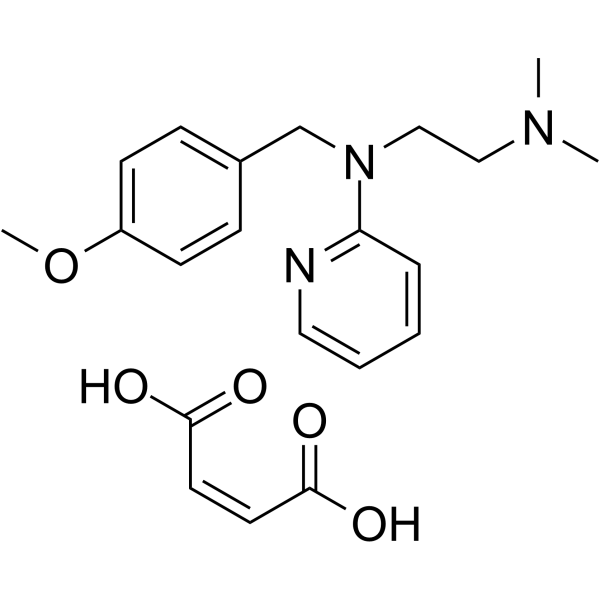
    Pyrilamine hydrochloride

    Histamine Receptor Potassium Channel Neurological Disease Inflammation/Immunology
    Mepyramine hydrochloride (Pyrilamine hydrochloride) is a selective histamine H1 receptor antagonist and KCNQ channel inhibitor, with an IC50 of 12.5 μM against KCNQ2/Q3. Mepyramine hydrochloride shows no activity against allergic asthma in mice when used alone, but modulates the effect of JNJ 7777120 (HY-13508) on allergic asthma in mice; it inhibits the development of morphine physical dependence and increases histamine levels in mouse brains. Mepyramine hydrochloride can be used in studies related to seizures, convulsions, allergic asthma and morphine physical dependence .
    Mepyramine hydrochloride
  • HY-116765

    Endogenous Metabolite Neurological Disease
    MAO-B-IN-35 is a potent, selective, reversible monoamine oxidase B (MAO-B) inhibitor with high inhibitory activity. MAO-B-IN-35 can exhibit high selectivity and potency at a small molecule scale. MAO-B-IN-35 is designed and synthesized so that it can be efficiently obtained during standard synthesis procedures and has superior physical and chemical properties .
    MAO-B-IN-35

Inquiry Online

Your information is safe with us. * Required Fields.

Salutation


Country or Region *

Applicant Name *


Organization Name *

Department *


Email Address *


Product Name *

Cat. No.


Requested quantity *

Phone Number *


Remarks

Inquiry Online

Inquiry Information

Product Name:
Cat. No.:
Quantity:
MCE Japan Authorized Agent:

