

1. Search Result
Search Result
Results for "

platelet function

" in MedChemExpress (MCE) Product Catalog:

62

Inhibitors & Agonists

1

Screening Libraries

3

Biochemical Assay Reagents

3

Peptides

11

Natural
Products

13

Isotope-Labeled Compounds

2

Oligonucleotides

Cat. No. Product Name Target Research Areas Chemical Structure
  • HY-B0228
    Adenosine
    Maximum Cited Publications
    18 Publications Verification

    Adenine riboside; D-Adenosine

    Environmental Pollutants Autophagy Nucleoside Antimetabolite/Analog Endogenous Metabolite Apoptosis Metabolic Disease Cancer
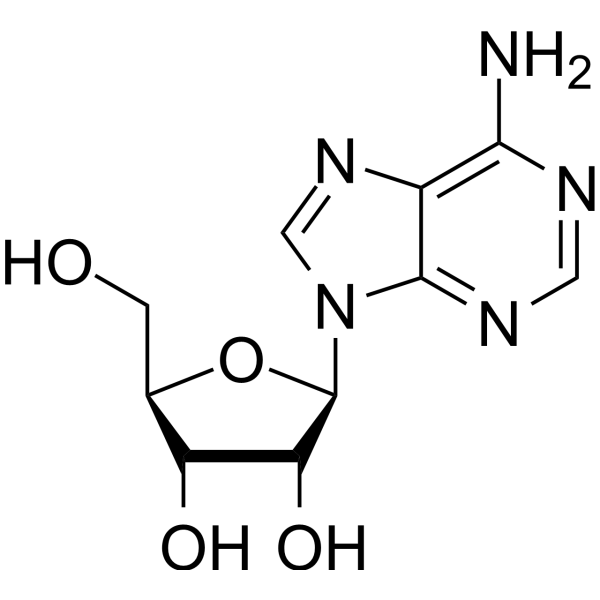
    Adenosine (Adenine riboside), a ubiquitous and BBB-permeable endogenous autacoid, acts through the enrollment of four G protein-coupled receptors: A1, A2A, A2B, and A3. Adenosine affects almost all aspects of cellular physiology, including neuronal activity, vascular function, platelet aggregation, and blood cell regulation .
    Adenosine
  • HY-P1956
    Human serum albumin
    4 Publications Verification

    HSA

    NF-κB NO Synthase Cardiovascular Disease Inflammation/Immunology Cancer
    Human serum albumin (HSA) is the most abundant protein in plasma and is a major determinant of plasma oncotic pressure. Human serum albumin exhibits antioxidant, anticoagulant, anti-inflammatory, anti-platelet aggregation activities as well as colloid osmotic action. Human serum albumin can block the inhibitory effect of GML on human T cells, providing protective function for T cells. Human serum albumin is also associated with cardiovascular diseases and can partially prevent the LPS (HY-D1056) induced oxidative stress, as well as the upregulation of NF-κB, NF-κB, and peroxynitrite (ONOO ) in the vascular wall, contributing to the reduction of blood pressure .
    This product is recombinant Human Serum Albumin expressed in a microbial expression system.
    Human serum albumin
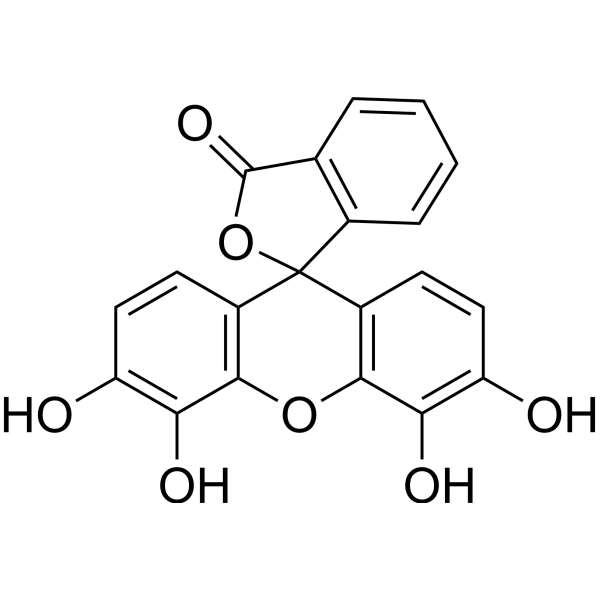
  • HY-D0254
    Gallein
    5+ Cited Publications

    Pyrogallol phthalein

    PI3K Cancer
    Gallein is a Gβγ subunit signaling inhibitor that can interfere with the interaction between Gβγ subunit and PI3Kγ, regulate platelet function, and exhibit anti-tumor activity [1][3].
    Gallein
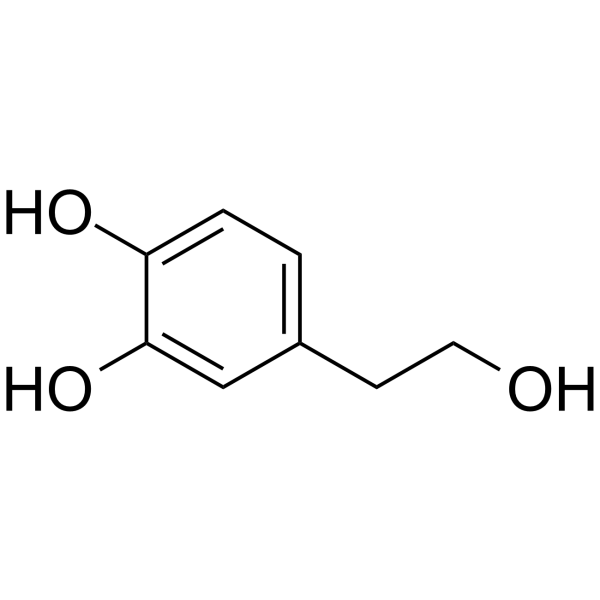
  • HY-N0570
    Hydroxytyrosol
    5+ Cited Publications

    DOPET; 3,4-Dihydroxyphenethyl alcohol; 3-Hydroxytyrosol

    Apoptosis Bacterial Reactive Oxygen Species (ROS) SARS-CoV Estrogen Receptor/ERR Infection Cardiovascular Disease Neurological Disease Metabolic Disease Inflammation/Immunology Cancer
    Hydroxytyrosol (DOPET; 3,4-Dihydroxyphenethyl alcohol) is an orally active, blood-brain barrier-permeable multi-active compound with multiple effects including antibacterial, antioxidant, anti-platelet aggregation, and neuroprotective activities. Hydroxytyrosol not only inhibits the growth of Vibrio by increasing bacterial membrane permeability, but also interacts with DNA and mediates supercoiled DNA relaxation. Meanwhile, Hydroxytyrosol effectively reduces thrombosis and inhibits lipid oxidation by inhibiting COX activity and promoting vascular nitric oxide production. In terms of neuroprotection, Hydroxytyrosol significantly alleviates neuronal apoptosis and inflammatory responses by up-regulating the expression level of ERβ, thereby improving cognitive function in Alzheimer's disease models. Hydroxytyrosol has been widely used in scientific research related to Vibrio infection, arterial thrombosis, Alzheimer's disease and other related fields .
    Hydroxytyrosol
  • HY-P1929
    Bivalirudin
    5+ Cited Publications

    Thrombin Interleukin Related RSV Infection Cardiovascular Disease Inflammation/Immunology
    Bivalirudin, a hirudin analog and anticoagulant, is a direct thrombin inhibitor. Bivalirudin inhibits thrombin-mediated fibrinogen cleavage, coagulation factor activation, and platelet activation by reversibly binding to thrombin. In addition, Bivalirudin also has certain effects of anti-virus, anti-inflammation, and vascular endothelial barrier function protection. Bivalirudin can be used for the research of thrombotic diseases and others .
    Bivalirudin
  • HY-15468
    IOX2
    Maximum Cited Publications
    18 Publications Verification

    HIF/HIF Prolyl-Hydroxylase Cancer
    IOX2, a chemical probe, is a specific prolyl hydroxylase-2 (PHD2) inhibitor with IC50 of 22 nM. IOX2 regulates platelet function and arterial thrombosis by upregulating HIF-1α expression and inhibiting ROS production. IOX2 can be used in the study of thrombotic diseases .
    IOX2
  • HY-P1956A

    HSA (Cell culture grade, Endotoxin<0.125 EU/mg)

    NF-κB NO Synthase Cardiovascular Disease Inflammation/Immunology
    Human serum albumin (Cell culture grade, Endotoxin<0.125 EU/mg) (HSA) is the most abundant protein in plasma and is a major determinant of plasma oncotic pressure. Human serum albumin (Cell culture grade, Endotoxin<0.125 EU/mg) exhibits antioxidant, anticoagulant, anti-inflammatory, anti-platelet aggregation activities as well as colloid osmotic action. Human serum albumin (Cell culture grade, Endotoxin<0.125 EU/mg) can block the inhibitory effect of GML on human T cells, providing protective function for T cells. Human serum albumin (Cell culture grade, Endotoxin<0.125 EU/mg) is also associated with cardiovascular diseases and can partially prevent the LPS (HY-D1056) induced oxidative stress, as well as the upregulation of NF-κB, iNOS, and peroxynitrite (ONOO ) in the vascular wall, contributing to the reduction of blood pressure. Human serum albumin (Cell culture grade, Endotoxin<0.125 EU/mg) can be used for in vitro cell culture .
    This product is human serum albumin recombinantly expressed in an Escherichia coli expression system.
    Human serum albumin (Cell culture grade, Endotoxin<0.125 EU/mg)
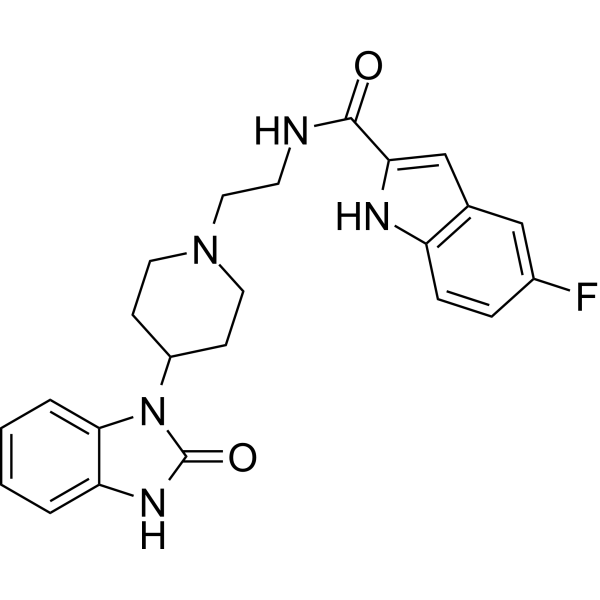
  • HY-12807
    FIPI
    5 Publications Verification

    5-Fluoro-2-indolyl deschlorohalopemide

    Phospholipase Cardiovascular Disease Neurological Disease Inflammation/Immunology Cancer
    FIPI is a phospholipase D (PLD) inhibitor with an IC50 for PLD1 and PLD2 of about 25 nM. FIPI regulates cytoskeletal recombination, cell diffusion and chemotaxis. FIPI can be used in cancer research. In addition, FIPI can enhance the secretion and aggregation of platelet dense particles, inhibit thrombosis, reduce ischemic stroke infarct volume and improve nerve function .
    FIPI
  • HY-W145519

    Environmental Pollutants Biochemical Assay Reagents Cardiovascular Disease
    Hydroxyethyl starch (MW170-230 kDa) is a type of hydroxyethyl starch with a molecular weight of 170-230 kDa. A medium-molecular-weight hydroxyethyl starch (HES 200/0.62) exhibits minimal intravascular hydrolysis. The rapidly degradable medium-molecular-weight Hydroxyethyl starch 200/0.5 causes almost no coagulation disorders and improves hemorheological parameters .
    Hydroxyethyl starch (MW170-230 kDa)
  • HY-16697
    CID 16020046
    2 Publications Verification

    GPR55 Cancer
    CID 16020046 is a potent and selective GPR55 antagonist and inhibits GPR55 constitutive activity with an IC50 of 0.15 μM. CID 16020046 inhibits GPR55-mediated Ca 2+ signaling and GPR55-mediated ERK1/2 phosphorylation. CID 16020046 reduces wound healing in endothelial cells and is involved in the regulation of platelet function .
    CID 16020046
  • HY-15284
    Prasugrel
    1 Publications Verification

    PCR 4099

    P2Y Receptor Cardiovascular Disease
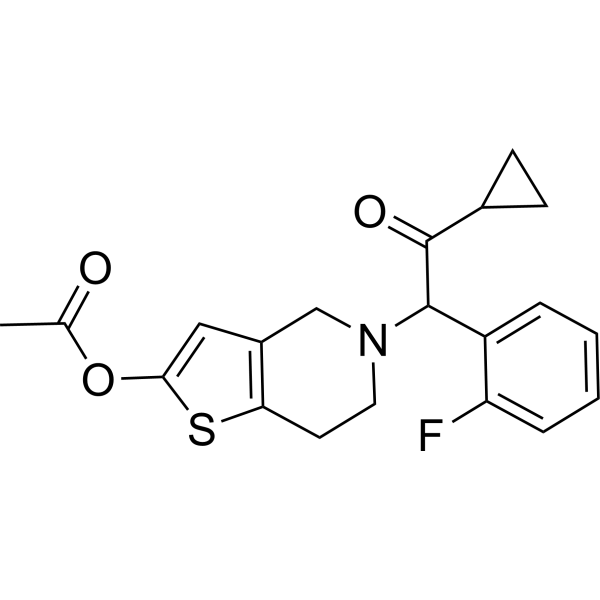
    Prasugrel (PCR 4099), a thienopyridine and proagent, inhibits platelet function. Prasugrel is an orally active and potent P2Y12 receptor antagonist, and inhibits ADP-induced platelet aggregation .
    Prasugrel
  • HY-107582

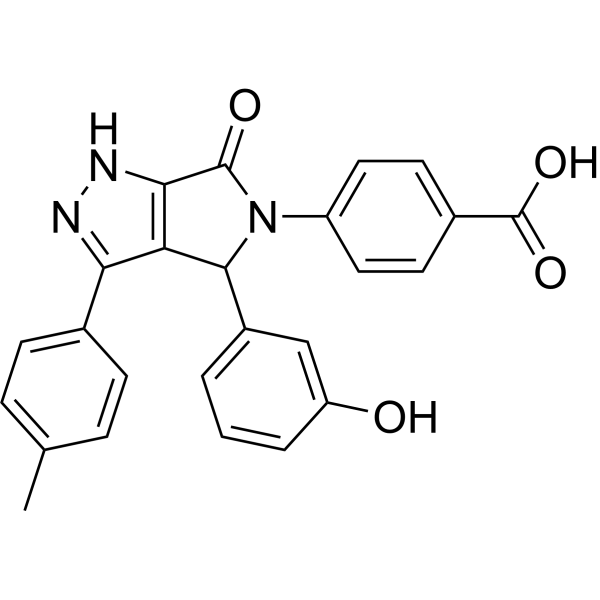
    Ser/Thr Protease Calcium Channel PKC Cancer
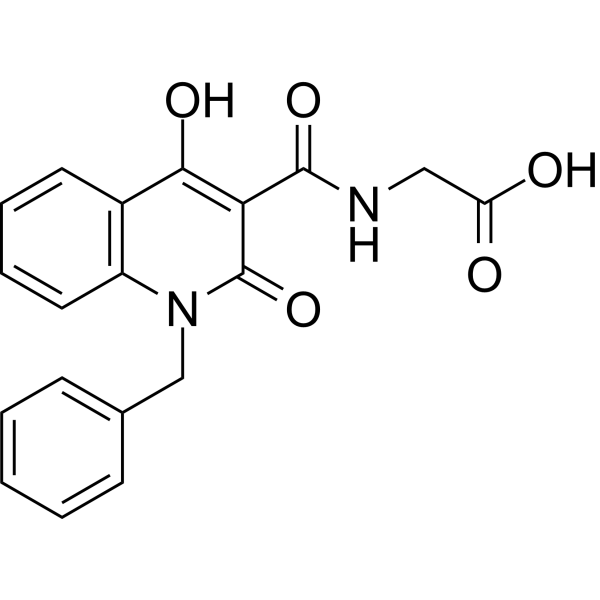
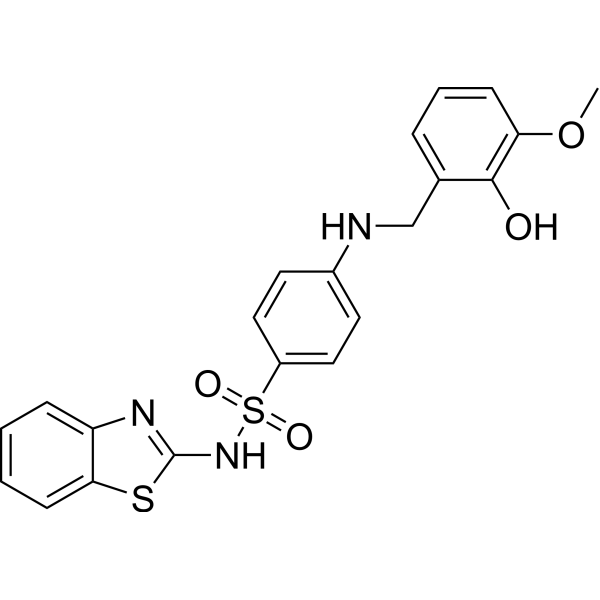
    JW480 is a selective KIAA1363/AADACL1 inhibitor with oral activity, featuring IC50 values of 12 nM against human KIAA1363, 20 nM against mouse KIAA1363. JW480 blocks lipid deacetylase activity to restrain HAG metabolism and lowers retinyl ester hydrolase function in hepatic stellate cells. JW480 reduces MAGE lipid levels and inhibits migration, invasion, survival and tumor growth of prostate cancer cells. JW480 lowers PKCδ phosphorylation, facilitates HAGP accumulation, diminishes platelet aggregation, dense granule secretion and Ca 2+ flux, delays arterial thrombosis and prolongs tail bleeding time in rats. JW480 can be used for the study of prostate cancer and thrombosis .
    JW480
  • HY-15284A
    Prasugrel hydrochloride
    1 Publications Verification

    PCR 4099 hydrochloride

    P2Y Receptor Cardiovascular Disease
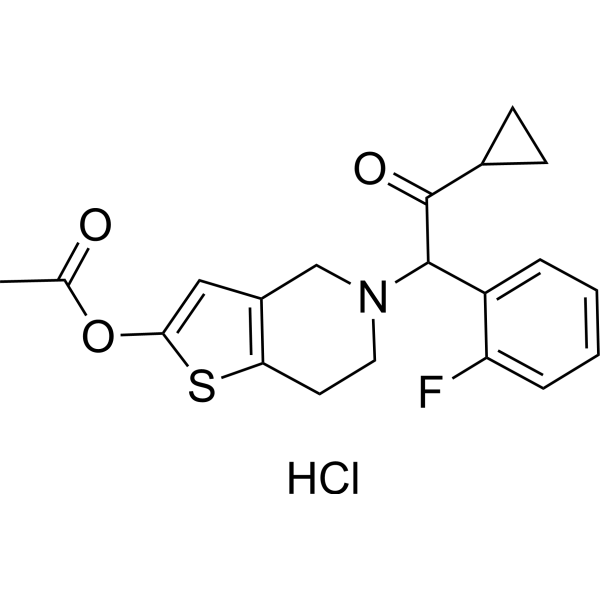
    Prasugrel hydrochloride (PCR 4099 hydrochloride), a thienopyridine and proagent, inhibits platelet function. Prasugrel hydrochloride is an orally active and potent P2Y12 receptor antagonist, and inhibits ADP-induced platelet aggregation .
    Prasugrel hydrochloride
  • HY-B0228S1

    Adenine riboside-13C5; D-Adenosine-13C5

    Apoptosis Nucleoside Antimetabolite/Analog Autophagy Endogenous Metabolite Cancer
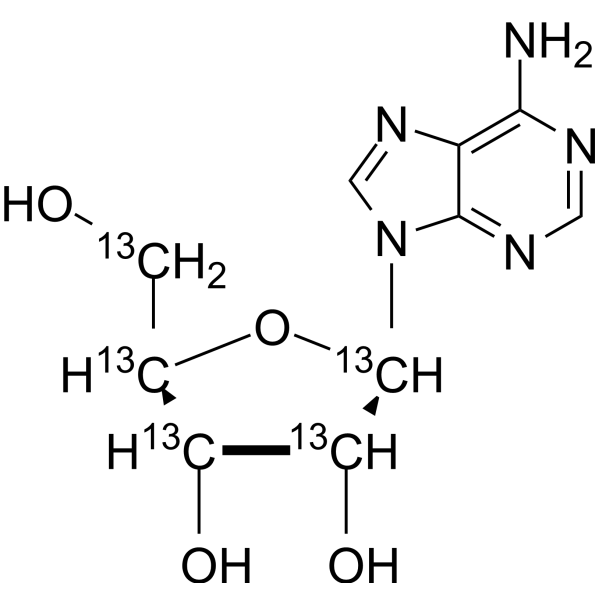
    Adenosine- 13C5 is the 13C labeled Adenosine . Adenosine (Adenine riboside), a ubiquitous endogenous autacoid, acts through the enrollment of four G protein-coupled receptors: A1, A2A, A2B, and A3. Adenosine affects almost all aspects of cellular physiology, including neuronal activity, vascular function, platelet aggregation, and blood cell regulation .
    Adenosine-13C5
  • HY-B0228S11

    Adenine riboside-15N5; D-Adenosine-15N5

    Isotope-Labeled Compounds Cancer
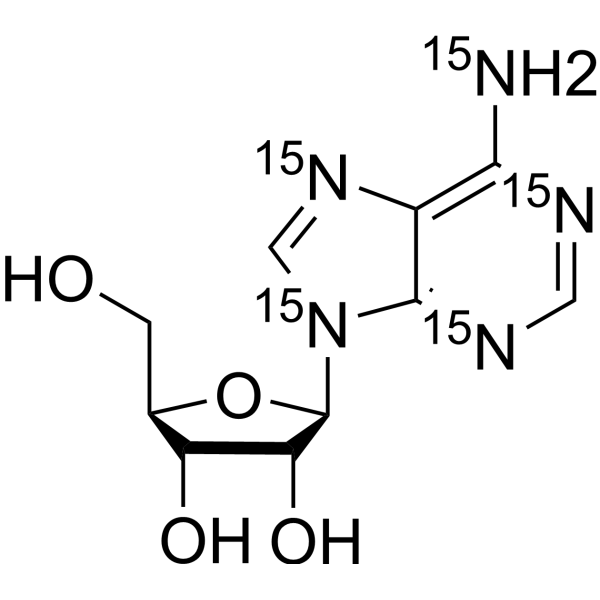
    Adenosine- 15N5 (Adenine riboside- 15N5; D-Adenosine- 15N5) is the 15N labled Adenosine (HY-B0228). Adenosine (Adenine riboside), a ubiquitous endogenous autacoid, acts through the enrollment of four G protein-coupled receptors: A1, A2A, A2B, and A3. Adenosine affects almost all aspects of cellular physiology, including neuronal activity, vascular function, platelet aggregation, and blood cell regulation .
    Adenosine-15N5
  • HY-N0120

    (E/Z)-Piceid

    Drug Isomer Cardiovascular Disease Metabolic Disease Inflammation/Immunology Cancer
    (E/Z)-Polydatin ((E/Z)-Piceid) is a mixture of the E/Z configurations of Polydatin (HY-N0120A). Polydatin can be isolated from Polygonum cuspidatum, grapes, peanuts, red wine, hop pellets, cocoa-containing products and chocolate products. Polydatin exhibits multiple biological properties, such as anti-platelet aggregation, anti-low-density lipoprotein oxidation, cardioprotective activity, anti-inflammatory and immunomodulatory functions. Polydatin shows favorable cytotoxic effects against various tumor cell lines, including cervical cancer cells, liver cancer cells, and nasopharyngeal carcinoma cells .
    (E/Z)-Polydatin
  • HY-173268

    TAM Receptor Cardiovascular Disease Cancer
    UNC9426 is a potent and selective TYRO3 inhibitor (IC50 = 2.1 nM), demonstrating 276-fold and 90-fold selectivity over MERTK and AXL, respectively. UNC9426 reduces platelet aggregation without increasing bleeding time and blocks TYRO3-dependent functions in tumor cells and macrophages. UNC9426 demonstrates a favorable safety profile with no significant increase in bleeding risk in vivo. UNC9426 can be used for functional studies of TYRO3-dependent phenotypes such as non-small cell lung cancer (NSCLC) .
    UNC9426
  • HY-N0785
    Ginkgolide C
    1 Publications Verification

    BN-52022

    AMPK Sirtuin MMP Endogenous Metabolite Neurological Disease Metabolic Disease
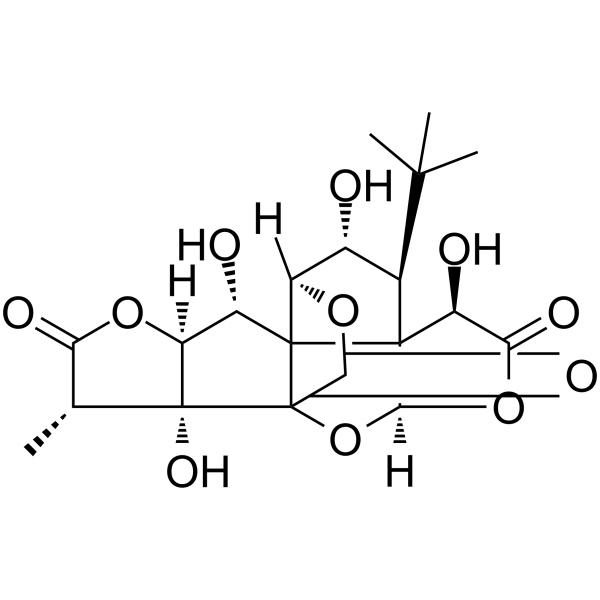
    Ginkgolide C is a flavone isolated from Ginkgo biloba leaves, possessing multiple biological functions, such as decreasing platelet aggregation and ameliorating Alzheimer disease.
    Ginkgolide C
  • HY-15664
    Bivalirudin TFA
    5+ Cited Publications

    Thrombin Interleukin Related RSV Infection Cardiovascular Disease Inflammation/Immunology
    Bivalirudin TFA, a hirudin analog and anticoagulant, is a direct thrombin inhibitor. Bivalirudin TFA inhibits thrombin-mediated fibrinogen cleavage, coagulation factor activation, and platelet activation by reversibly binding to thrombin. In addition, Bivalirudin TFA also has certain effects of anti-virus, anti-inflammation, and vascular endothelial barrier function protection. Bivalirudin TFA can be used for the research of thrombotic diseases and others .
    Bivalirudin TFA
  • HY-B0228R

    Adenine riboside (Standard); D-Adenosine (Standard)

    Reference Standards Nucleoside Antimetabolite/Analog Autophagy Apoptosis Endogenous Metabolite Metabolic Disease Cancer
    Adenosine (Standard) is the analytical standard of Adenosine. This product is intended for research and analytical applications. Adenosine (Adenine riboside), a ubiquitous endogenous autacoid, acts through the enrollment of four G protein-coupled receptors: A1, A2A, A2B, and A3. Adenosine affects almost all aspects of cellular physiology, including neuronal activity, vascular function, platelet aggregation, and blood cell regulation .
    Adenosine (Standard)
  • HY-B0228S13

    Adenine riboside-13C10; D-Adenosine-13C10

    Isotope-Labeled Compounds Nucleoside Antimetabolite/Analog Endogenous Metabolite Autophagy Apoptosis Metabolic Disease Cancer
    Adenosine- 13C10 (Adenine riboside- 13C10; D-Adenosine- 13C10) is 13C-labeled Adenosine (HY-B0228). Adenosine (Adenine riboside), a ubiquitous endogenous autacoid, acts through the enrollment of four G protein-coupled receptors: A1, A2A, A2B, and A3. Adenosine affects almost all aspects of cellular physiology, including neuronal activity, vascular function, platelet aggregation, and blood cell regulation.
    Adenosine-13C10
  • HY-B0228S9

    Isotope-Labeled Compounds Apoptosis Nucleoside Antimetabolite/Analog Autophagy Endogenous Metabolite Metabolic Disease Cancer
    Adenosine- 13C10, 15N5 is the 13C and 15N labeled Adenosine (HY-B0228) . Adenosine (Adenine riboside), a ubiquitous endogenous autacoid, acts through the enrollment of four G protein-coupled receptors: A1, A2A, A2B, and A3. Adenosine affects almost all aspects of cellular physiology, including neuronal activity, vascular function, platelet aggregation, and blood cell regulation .
    Adenosine-13C10,15N5
  • HY-N6043

    Apoptosis Reactive Oxygen Species (ROS) Bacterial SARS-CoV Estrogen Receptor/ERR Infection Neurological Disease Inflammation/Immunology
    Hydroxytyrosol acetate is an orally active, blood-brain barrier-permeable multi-active compound with multiple effects including antibacterial, antioxidant, anti-platelet aggregation, and neuroprotective activities. Hydroxytyrosol acetate not only inhibits the growth of Vibrio by increasing bacterial membrane permeability, but also interacts with DNA and mediates supercoiled DNA relaxation. Meanwhile, Hydroxytyrosol acetate effectively reduces thrombosis and inhibits lipid oxidation by inhibiting COX activity and promoting vascular nitric oxide production. In terms of neuroprotection, Hydroxytyrosol acetate significantly alleviates neuronal apoptosis and inflammatory responses by up-regulating the expression level of ERβ, thereby improving cognitive function in Alzheimer's disease models. Hydroxytyrosol acetate has been widely used in scientific research related to Vibrio infection, arterial thrombosis, Alzheimer's disease and other related fields .
    Hydroxytyrosol acetate
  • HY-N10530

    Difucosyllactose ; 2′,3-Difucosyllactose

    Endogenous Metabolite Inflammation/Immunology
    Lactodifucotetraose is a difucosylated human milk oligosaccharide. Lactodifucotetraose inhibits platelet function and the release of inflammatory factors. Lactodifucotetraose can be used for the research of *Campylobacter jejuni*-associated diarrhea and platelet-induced inflammatory processes .
    Lactodifucotetraose
  • HY-B1237

    Calcium Channel Fungal Cardiovascular Disease Infection
    Suloctidil is an orally active calcium channel blocker and antifungal agent. Suloctidil antagonizes vasoconstriction induced by norepinephrine, angiotensin and serotonin. Suloctidil inhibits platelet function and exhibits neuroprotective effects. Suloctidil exerts inhibitory effects on Candida albicans biofilm and virulence. Suloctidil can be used in research on vasospasm relief, antithrombosis and superficial candidiasis .
    Suloctidil
  • HY-B0228S

    Adenine riboside-d1; D-Adenosine-d

    Isotope-Labeled Compounds Nucleoside Antimetabolite/Analog Autophagy Apoptosis Endogenous Metabolite Metabolic Disease Cancer
    Adenosine-d is the deuterium labeled Adenosine. Adenosine (Adenine riboside), a ubiquitous endogenous autacoid, acts through the enrollment of four G protein-coupled receptors: A1, A2A, A2B, and A3. Adenosine affects almost all aspects of cellular physiology, including neuronal activity, vascular function, platelet aggregation, and blood cell regulation .
    Adenosine-d1
  • HY-N0570R

    DOPET (Standard); 3,4-Dihydroxyphenethyl alcohol (Standard); 3-Hydroxytyrosol (Standard)

    Reference Standards Apoptosis Bacterial Reactive Oxygen Species (ROS) SARS-CoV Estrogen Receptor/ERR Infection Cardiovascular Disease Neurological Disease Metabolic Disease Inflammation/Immunology Cancer
    Hydroxytyrosol (Standard) (DOPET (Standard)) is the analytical standard of Hydroxytyrosol (HY-N0570). This product is intended for research and analytical applications. Hydroxytyrosol is an orally active, blood-brain barrier-permeable multi-active compound with multiple effects including antibacterial, antioxidant, anti-platelet aggregation, and neuroprotective activities. Hydroxytyrosol not only inhibits the growth of Vibrio by increasing bacterial membrane permeability, but also interacts with DNA and mediates supercoiled DNA relaxation. Meanwhile, Hydroxytyrosol effectively reduces thrombosis and inhibits lipid oxidation by inhibiting COX activity and promoting vascular nitric oxide production. In terms of neuroprotection, Hydroxytyrosol significantly alleviates neuronal apoptosis and inflammatory responses by up-regulating the expression level of ERβ, thereby improving cognitive function in Alzheimer's disease models. Hydroxytyrosol has been widely used in scientific research related to Vibrio infection, arterial thrombosis, Alzheimer's disease and other related fields .
    Hydroxytyrosol (Standard)
  • HY-N0785R

    BN-52022 (Standard)

    Reference Standards AMPK Sirtuin MMP Endogenous Metabolite Neurological Disease Metabolic Disease
    Ginkgolide C (Standard) is the analytical standard of Ginkgolide C. This product is intended for research and analytical applications. Ginkgolide C is a flavone isolated from Ginkgo biloba leaves, possessing multiple biological functions, such as decreasing platelet aggregation and ameliorating Alzheimer disease.
    Ginkgolide C (Standard)
  • HY-122830

    PROTACs Btk NF-κB Cardiovascular Disease Cancer
    DD-03-171 is a PROTAC BTK degrader. DD-03-171 inhibits mantle cell lymphoma (MCL) cell proliferation (IC50 = 5.1 nM) and prolongs the survival of mice bearing a lymphoma PDX model by degrading BTK, IKFZ1, and IKFZ3. DD-03-171 also inhibits platelet function and thrombosis. (Pink: BTK ligand 9 (HY-168292); Black: linker (HY-28875); Blue: Thalidomide-NH-CH2-COOH (HY-131717)) .
    DD-03-171
  • HY-15284S2

    PCR 4099-d4

    P2Y Receptor Cardiovascular Disease
    Prasugrel-d4 is the deuterium labeled Prasugrel . Prasugrel (PCR 4099), a thienopyridine and proagent, inhibits platelet function. Prasugrel is an orally active and potent P2Y12 receptor antagonist, and inhibits ADP-induced platelet aggregation .
    Prasugrel-d4
  • HY-B0228S12

    Adenine riboside-d13; D-Adenosine-d13

    Isotope-Labeled Compounds Nucleoside Antimetabolite/Analog Endogenous Metabolite Autophagy Apoptosis Metabolic Disease Cancer
    Adenosine-d13 (Adenine riboside-d13; D-Adenosine-d13) is deuterium labeled Adenosine (HY-B0228). Adenosine (Adenine riboside), a ubiquitous endogenous autacoid, acts through the enrollment of four G protein-coupled receptors: A1, A2A, A2B, and A3. Adenosine affects almost all aspects of cellular physiology, including neuronal activity, vascular function, platelet aggregation, and blood cell regulation.
    Adenosine-d13
  • HY-137373

    PKG Others
    Rp-8-pCPT-cGMPS is a competitive inhibitor of cGMP-dependent protein kinase (PKG) (Ki=0.5 μM). Rp-8-pCPT-cGMPS has high lipid solubility and can more easily penetrate the cell membrane and reach sufficient concentration inside the cell to inhibit cGMP-dependent protein kinase. Rp-8-pCPT-cGMPS can be used to study the activity and function of cGMP-dependent protein kinase in platelets .
    Rp-8-pCPT-cGMPS
  • HY-W783254

    PA(18:0e/0:0)

    G Protein-coupled Receptor Kinase (GRK) Calcium Channel Cardiovascular Disease Cancer
    C18 LPA (PA(18:0e/0:0)) is a water-soluble phospholipid that functions as a signaling molecule, influencing various cellular responses through G protein-coupled receptors (GPCRs). It is known to promote smooth muscle contraction, cytoskeletal rearrangement, and chemotaxis, while also playing a role in neurotransmitter release, cell proliferation, platelet aggregation, and Ca2+ mobilization. Elevated levels of C18 LPA in human plasma are associated with ovarian cancer and atherosclerosis, suggesting its potential as a biomarker for ovarian cancer.
    C18 LPA
  • HY-N0570S

    DOPET-d4; 3,4-Dihydroxyphenethyl alcohol-d4; 3-Hydroxytyrosol-d4

    Isotope-Labeled Compounds Apoptosis Bacterial Reactive Oxygen Species (ROS) SARS-CoV Estrogen Receptor/ERR Cardiovascular Disease Infection Neurological Disease Metabolic Disease Inflammation/Immunology Cancer
    Hydroxytyrosol-d4 (DOPET-d4) is the deuterium labeled Hydroxytyrosol (HY-N0570). Hydroxytyrosol is an orally active, blood-brain barrier-permeable multi-active compound with multiple effects including antibacterial, antioxidant, anti-platelet aggregation, and neuroprotective activities. Hydroxytyrosol not only inhibits the growth of Vibrio by increasing bacterial membrane permeability, but also interacts with DNA and mediates supercoiled DNA relaxation. Meanwhile, Hydroxytyrosol effectively reduces thrombosis and inhibits lipid oxidation by inhibiting COX activity and promoting vascular nitric oxide production. In terms of neuroprotection, Hydroxytyrosol significantly alleviates neuronal apoptosis and inflammatory responses by up-regulating the expression level of ERβ, thereby improving cognitive function in Alzheimer's disease models. Hydroxytyrosol has been widely used in scientific research related to Vibrio infection, arterial thrombosis, Alzheimer's disease and other related fields .
    Hydroxytyrosol-d4
  • HY-N0570S1

    DOPET-d5; 3,4-Dihydroxyphenethyl alcohol-d5; 3-Hydroxytyrosol-d5

    Isotope-Labeled Compounds Apoptosis Bacterial Reactive Oxygen Species (ROS) SARS-CoV Estrogen Receptor/ERR Cardiovascular Disease Infection Neurological Disease Metabolic Disease Inflammation/Immunology Cancer
    Hydroxytyrosol-d5 (DOPET-d5) is the deuterium labeled Hydroxytyrosol (HY-N0570). Hydroxytyrosol is an orally active, blood-brain barrier-permeable multi-active compound with multiple effects including antibacterial, antioxidant, anti-platelet aggregation, and neuroprotective activities. Hydroxytyrosol not only inhibits the growth of Vibrio by increasing bacterial membrane permeability, but also interacts with DNA and mediates supercoiled DNA relaxation. Meanwhile, Hydroxytyrosol effectively reduces thrombosis and inhibits lipid oxidation by inhibiting COX activity and promoting vascular nitric oxide production. In terms of neuroprotection, Hydroxytyrosol significantly alleviates neuronal apoptosis and inflammatory responses by up-regulating the expression level of ERβ, thereby improving cognitive function in Alzheimer's disease models. Hydroxytyrosol has been widely used in scientific research related to Vibrio infection, arterial thrombosis, Alzheimer's disease and other related fields .
    Hydroxytyrosol-d5
  • HY-106559

    GCGR Cardiovascular Disease
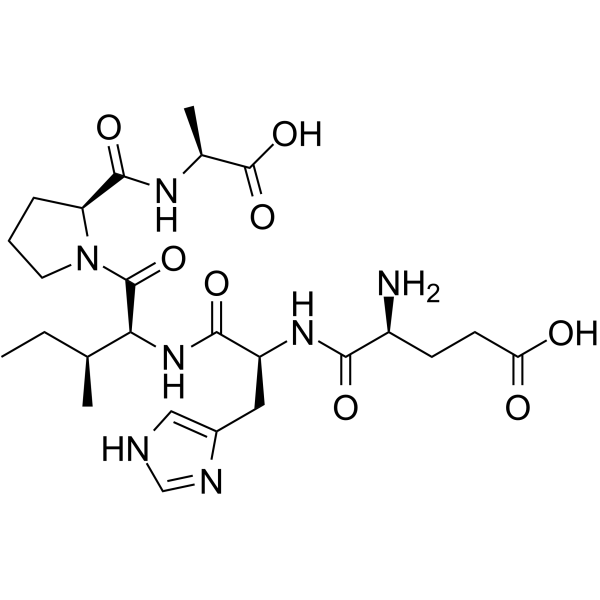
    Sorbinicate, a derivative of nicotinic acid, exerts a favourable influence on blood rheology and platelet function .
    Sorbinicate
  • HY-D0254R

    Pyrogallol phthalein (Standard)

    PI3K Reference Standards Cancer
    Gallein (Standard) is the analytical standard of Gallein. This product is intended for research and analytical applications. Gallein is a Gβγ subunit signaling inhibitor that can interfere with the interaction between Gβγ subunit and PI3Kγ, regulate platelet function, and exhibit anti-tumor activity .
    Gallein (Standard)
  • HY-16697R

    GPR55 Cancer
    CID 16020046 (Standard) is the analytical standard of CID 16020046. This product is intended for research and analytical applications. CID 16020046 is a potent and selective GPR55 antagonist and inhibits GPR55 constitutive activity with an IC50 of 0.15 μM. CID 16020046 inhibits GPR55-mediated Ca2+ signaling and GPR55-mediated ERK1/2 phosphorylation. CID 16020046 reduces wound healing in endothelial cells and is involved in the regulation of platelet function .
    CID 16020046 (Standard)
  • HY-101606

    Eterylate; Etherylate

    Prostaglandin Receptor Cardiovascular Disease Endocrinology
    Etersalate inhibits platelet function and decreases thromboxane A2 (TXA2) levels.
    Etersalate
  • HY-15284B

    PCR 4099 (Maleic acid)

    P2Y Receptor Cardiovascular Disease
    Prasugrel (PCR 4099) Maleic acid is a thienopyridine and proagent, inhibits platelet function. Prasugrel Maleic acid is an orally active and potent P2Y12 receptor antagonist, and inhibits ADP-induced platelet aggregation .
    Prasugrel (Maleic acid)
  • HY-15284S1

    PCR 4099-d3

    P2Y Receptor Cardiovascular Disease
    Prasugrel-d3 is the deuterium labeled Prasugrel. Prasugrel (PCR 4099), a thienopyridine and proagent, inhibits platelet function. Prasugrel is an orally active and potent P2Y12 receptor antagonist, and inhibits ADP-induced platelet aggregation .
    Prasugrel-d3
  • HY-15284S

    PCR 4099-d5

    Isotope-Labeled Compounds P2Y Receptor Cardiovascular Disease
    Prasugrel-d5 is deuterium labeled Prasugrel. Prasugrel (PCR 4099), a thienopyridine and prodrug, inhibits platelet function. Prasugrel is an orally active and potent P2Y12 receptor antagonist, and inhibits ADP-induced platelet aggregation .
    Prasugrel-d5
  • HY-15284R

    PCR 4099 (Standard)

    Reference Standards P2Y Receptor Cardiovascular Disease
    Prasugrel (Standard) is the analytical standard of Prasugrel. This product is intended for research and analytical applications. Prasugrel (PCR 4099), a thienopyridine and proagent, inhibits platelet function. Prasugrel is an orally active and potent P2Y12 receptor antagonist, and inhibits ADP-induced platelet aggregation .
    Prasugrel (Standard)
  • HY-15284AR

    PCR 4099 hydrochloride (Standard)

    Reference Standards P2Y Receptor Cardiovascular Disease
    Prasugrel (hydrochloride) (Standard) is the analytical standard of Prasugrel (hydrochloride). This product is intended for research and analytical applications. Prasugrel hydrochloride (PCR 4099 hydrochloride), a thienopyridine and proagent, inhibits platelet function. Prasugrel hydrochloride is an orally active and potent P2Y12 receptor antagonist, and inhibits ADP-induced platelet aggregation .
    Prasugrel hydrochloride (Standard)
  • HY-15284S3

    PCR 4099-13C6

    Isotope-Labeled Compounds P2Y Receptor Cardiovascular Disease
    Prasugrel-13C6 is a deuterated labeled Prasugrel . Prasugrel (PCR 4099), a thienopyridine and proagent, inhibits platelet function. Prasugrel is an orally active and potent P2Y12 receptor antagonist, and inhibits ADP-induced platelet aggregation .
    Prasugrel-13C6
  • HY-19121

    Platelet-activating Factor Receptor (PAFR) Cardiovascular Disease
    TCV-309 is an antagonist for platelet activating factor (PAF). TCV-309 improves the left ventricular function during ischemia-reperfusion (77.6% recover at 1 μM), protects the cardiac function .
    TCV-309
  • HY-176019

    p38 MAPK c-Myc Cardiovascular Disease Cancer
    Methylcarbamyl PAF C-8 is resistant to the degradation function of platelet-activating factor acetylhydrolase (PAF-AH). It has a half-life of more than 100 minutes in platelet-poor plasma and possesses the activity of inducing platelet aggregation. In NRK-49 cells overexpressing the PAF receptor, Methylcarbamyl PAF C-8 can induce the expression of c-myc and c-fos, and activate mitogen-activated protein kinase (MAPK). Additionally, Methylcarbamyl PAF C-8 can induce cell cycle arrest in the G1 phase. Methylcarbamyl PAF C-8 holds promise for research in the fields of cardiovascular diseases and anti-cancer therapy .
    Methylcarbamyl PAF C-8
  • HY-15468A

    HIF/HIF Prolyl-Hydroxylase Cardiovascular Disease Cancer
    IOX2 sodium is a specific prolyl hydroxylase-2 (PHD2) inhibitor with IC50 of 22 nM. IOX2 sodium regulates platelet function and arterial thrombosis by upregulating HIF-1α expression and inhibiting ROS production. IOX2 sodium can be used in the study of thrombotic diseases .
    IOX2 sodium
  • HY-B1237A

    Calcium Channel Fungal Cardiovascular Disease Infection
    Suloctidil hydrochloride is an orally active calcium channel blocker and antifungal agent. Suloctidil hydrochloride antagonizes vasoconstriction induced by norepinephrine, angiotensin and serotonin. Suloctidil hydrochloride inhibits platelet function and exhibits neuroprotective effects. Suloctidil hydrochloride exerts inhibitory effects on Candida albicans biofilm and virulence. Suloctidil hydrochloride can be used in research on vasospasm relief, antithrombosis and superficial candidiasis .
    Suloctidil hydrochloride
  • HY-12807A

    5-Fluoro-2-indolyl deschlorohalopemide hydrochloride

    Phospholipase Cardiovascular Disease Neurological Disease Inflammation/Immunology Cancer
    FIPI hydrochloride is a phospholipase D (PLD) inhibitor with an IC50 for PLD1 and PLD2 of about 25 nM. FIPI hydrochloride regulates cytoskeletal recombination, cell diffusion and chemotaxis. FIPI hydrochloride can be used in cancer research. In addition, FIPI hydrochloride can enhance the secretion and aggregation of platelet dense particles, inhibit thrombosis, reduce ischemic stroke infarct volume and improve nerve function .
    FIPI hydrochloride

Inquiry Online

Your information is safe with us. * Required Fields.

Salutation


Country or Region *

Applicant Name *


Organization Name *

Department *


Email Address *


Product Name *

Cat. No.


Requested quantity *

Phone Number *


Remarks

Inquiry Online

Inquiry Information

Product Name:
Cat. No.:
Quantity:
MCE Japan Authorized Agent:

