1. Search Result
Search Result
Results for "

rhythms

" in MedChemExpress (MCE) Product Catalog:

56

Inhibitors & Agonists

1

Screening Libraries

7

Peptides

6

Natural
Products

6

Isotope-Labeled Compounds

Cat. No. Product Name Target Research Areas Chemical Structure
  • HY-14415
    SR8278
    Maximum Cited Publications
    15 Publications Verification

    REV-ERB Neurological Disease Metabolic Disease
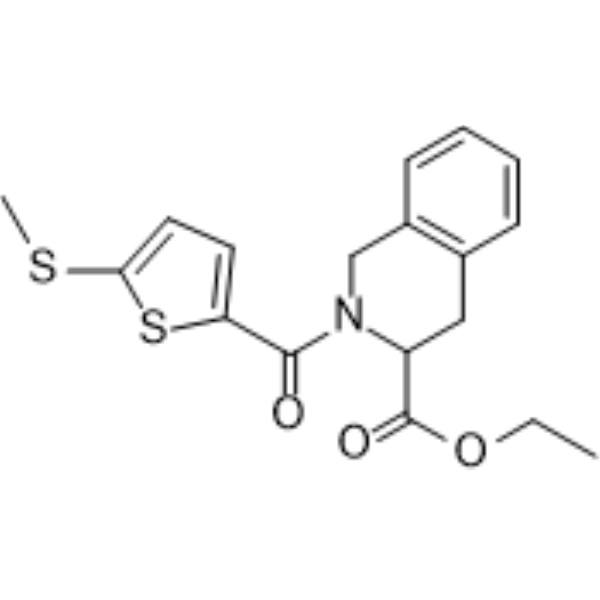
    SR8278 is a REV-ERBα antagonist and inhibits the REV-ERBα transcriptional repression activity with an EC50 of 0.47 μM. SR8278 is used to regulate the metabolism in organisms and study biological rhythm. SR8278 also can be used for the research of Duchenne muscular dystrophy and Alzheimer's disease .
    SR8278
  • HY-145967
    FT709
    1 Publications Verification

    Deubiquitinase Mitosis Cancer
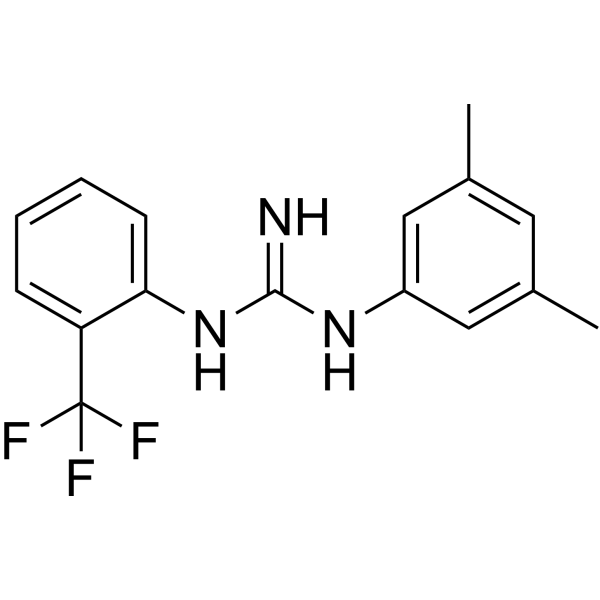
    FT709 is a potent and selective USP9X inhibitor, an IC50 of 82 nM. USP9X has been linked with centrosome function, chromosome alignment during mitosis, EGF receptor degradation, chemo-sensitization, and circadian rhythms .
    FT709
  • HY-100813
    Saclofen
    5 Publications Verification

    GABA Receptor Neurological Disease Inflammation/Immunology
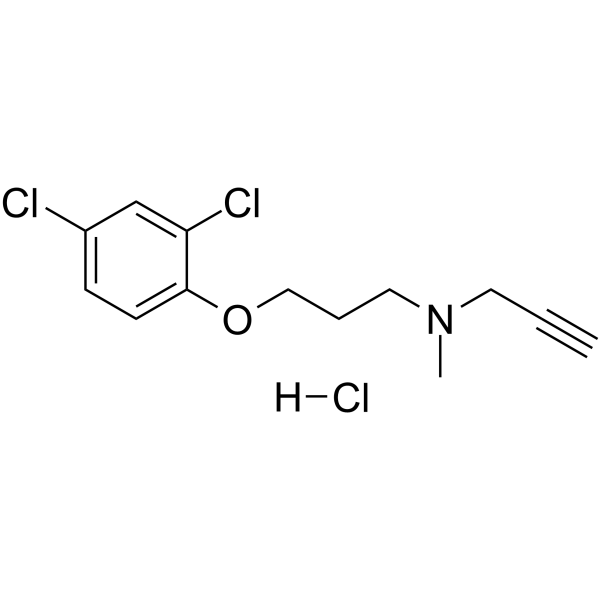
    Saclofen is an orally active and a competitive GABAB receptor antagonist with an IC50 of 7.8 μM. Saclofen has weak antagonistic effects on GABAB1b and GABAB2 heterodimeric recombinant receptors. Saclofen inhibits the binding of Baclofen (HY-B0007) to rat cerebellar membranes and blocks Baclofen-induced circadian phase shifts, and exhibits anti-inflammatory and analgesic effects in rats .
    Saclofen
  • HY-108468
    KL001
    2 Publications Verification

    Cryptochrome Metabolic Disease
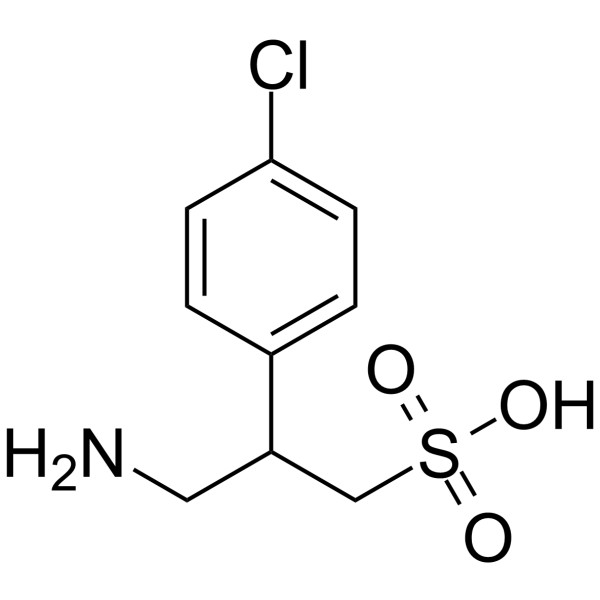
    KL001 is a first-in-class cryptochrome (CRY, a flavoproteins that are sensitive to blue light, and is involved in the circadian rhythms of plants and animals) stabilizer which specifically interacts with CRY1 and CRY2. KL001 prevents ubiquitin-dependent degradation of CRY, resulting in lengthening of the circadian period. KL001 has the potential to control fasting hormone-induced gluconeogenesis .
    KL001
  • HY-B0551

    Potassium Channel Neurological Disease
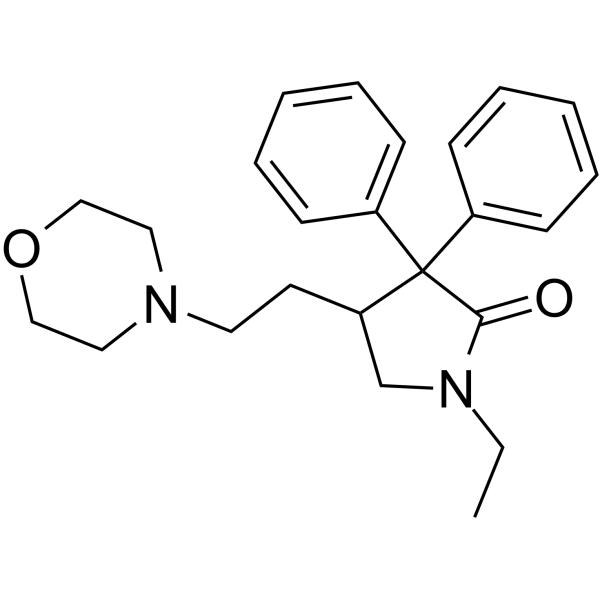
    Doxapram is a respiratory stimulant. Doxapram increases breathing rate and depth by acting on the brain's respiratory centers and peripheral chemoreceptors. Doxapram inhibits TASK-1, TASK-3, TASK-1/TASK-3 heterodimeric channel function with EC50s of 410 nM, 37 μM, 9 μM, respectively. Doxapram inhibits the Ca²⁺-activated potassium current (IC50 ≈ 13 μM) and Ca²⁺-independent potassium current (IC50 ≈ 20 μM) in type I cells of the carotid body. Doxapram significantly prolongs the effective refractory period of the atrium and has an anti-arrhythmic effect. Doxapram can be used for the study of respiratory depression such as post-anesthesia respiratory depression, chronic obstructive pulmonary disease and apnea of prematurity .
    Doxapram
  • HY-104064
    1A-116
    5+ Cited Publications

    Ras Apoptosis Cancer
    1A-116, a potent Rac1 inhibitor, is specific for W56 residues, can prevent EGF-induced Rac1 activation and block Rac1-P-Rex1 interaction. 1A-116 can induce apoptosis and inhibit cell proliferation, migration and cycle progression in a concentration-dependent manner. 1A-116 also demonstrates a high antimetastatic activity in vivo .
    1A-116
  • HY-148765
    CLK8
    1 Publications Verification

    Cryptochrome Metabolic Disease Cancer
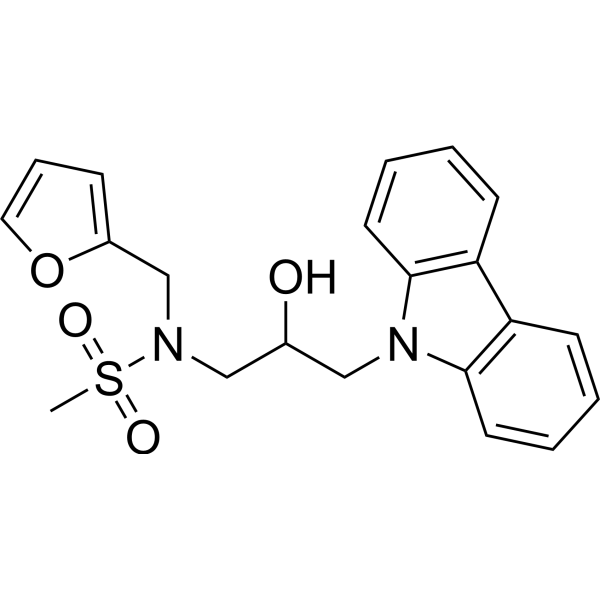
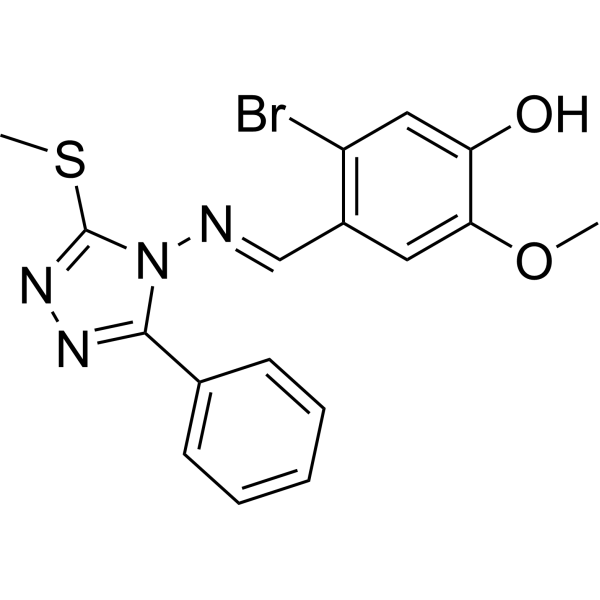
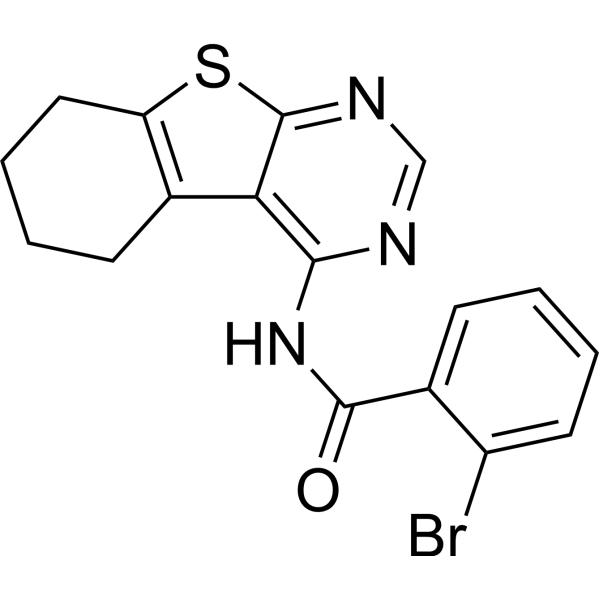
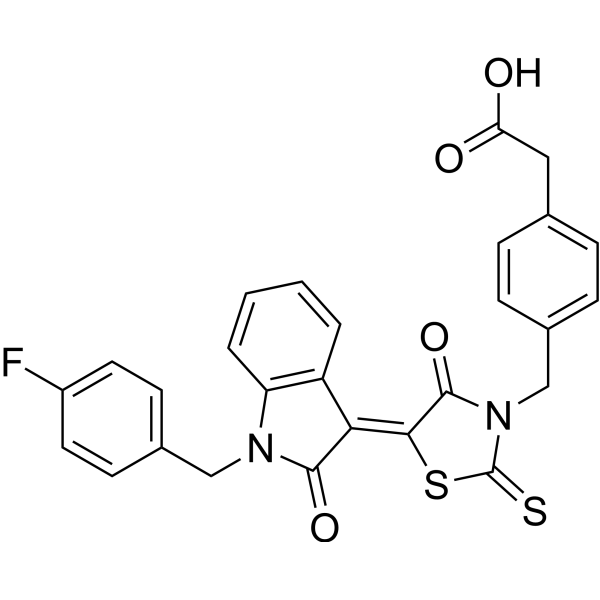
    CLK8 is a potent and specific CLOCK inhibitor that can disrupt the interaction between CLOCK and BMAL1 and interfere with nuclear translocation of CLOCK. CLK8 can be used for the research of disorders associated with dampened circadian rhythms .
    CLK8
  • HY-115519
    (E/Z)-GO289
    2 Publications Verification

    Casein Kinase Cancer
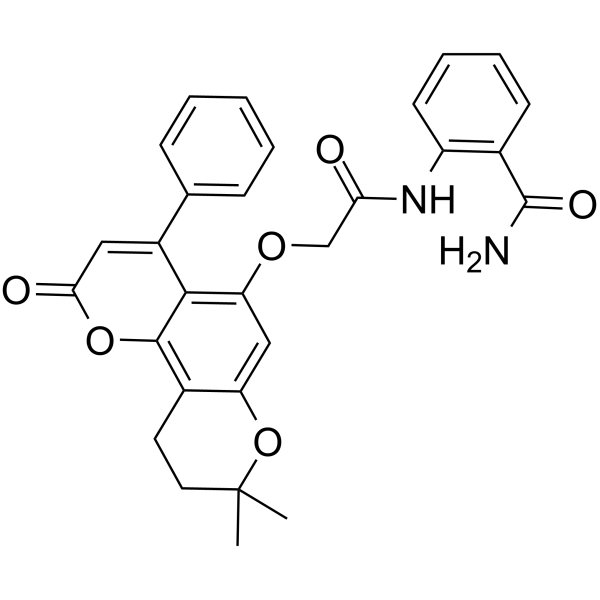
    (E/Z)-GO289 is a potent and selective casein kinase 2 (CK2) inhibitor (IC50=7 nM). (E/Z)-GO289 strongly lengthens circadian period. (E/Z)-GO289 exhibits cell type–dependent inhibition of cancer cell growth that correlated with cellular clock function .
    (E/Z)-GO289
  • HY-P2543
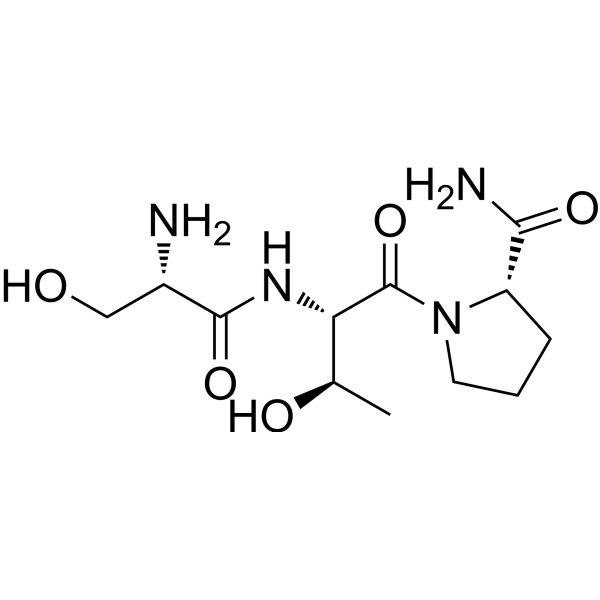
    Neuropeptide Y (3-36) (human, rat)
    1 Publications Verification

    Neuropeptide Y Receptor Cardiovascular Disease Neurological Disease
    Neuropeptide Y (3-36) (human, rat) is a neuropeptide Y fragment derived from humans or rats. Neuropeptide Y is an extremely abundant neurotransmitter in central and peripheral neurons, and it participates in the regulation of psychomotor activity, circadian rhythm, feeding behavior and cardiovascular function. Neuropeptide Y (3-36) (human, rat) can serve as a substrate to be sequentially degraded from its N-terminus by AfuS28, and it requires binding to AfuS28 and SedB to be decomposed into amino acids, dipeptides and tripeptides [1] [2].
    Neuropeptide Y (3-36) (human, rat)
  • HY-157521

    Acyltransferase Neurological Disease Metabolic Disease
    AANAT-IN-1 is an arylalkylamine N-acetyltransferase (AANAT) inhibitor with a sheep AANAT IC50 of 9.9 μM. AANAT-IN-1 binds to the active site of sheep AANAT, interacting with amino acid residues via hydrogen bonds, hydrophobic interactions, ionic interactions, and water bridges, inhibiting the enzyme's catalytic activity. AANAT-IN-1 can be used for the researches of circadian rhythm-associated neuropsychiatric conditions, seasonal affective disorder, and other diseases associated with abnormally elevated melatonin levels .
    AANAT-IN-1
  • HY-134194
    KL201
    2 Publications Verification

    Cryptochrome Metabolic Disease
    KL201 a circadian clock modulator, is a isoform-selective cryptochrome 1 (CRY1) stabilizer. KL201 has no stabilizing effect on CRY2. KL201 lengthens the period of circadian rhythms in cells and tissues .
    KL201
  • HY-B1812

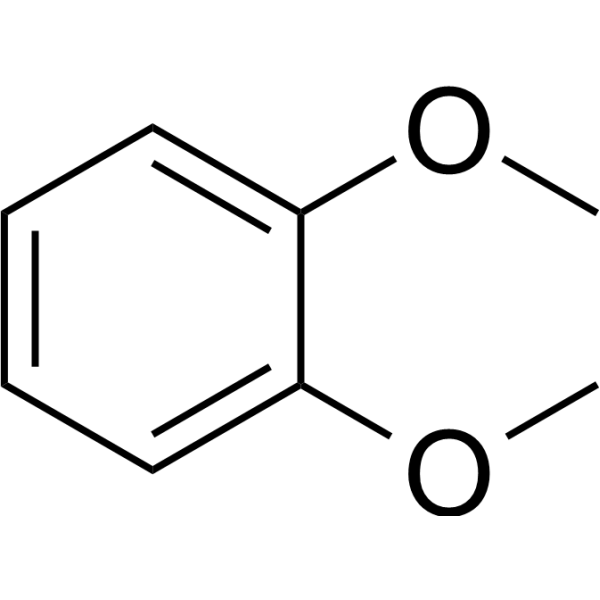
    1,2-Dimethoxybenzene

    Environmental Pollutants Cytochrome P450 Others
    Veratrole (1,2-Dimethoxybenzene) is a key compound that widely exists in plants and attracts pollinators. The release of Veratrole has a circadian rhythm and plays an important role in plant reproduction, species differentiation, and interactions with pollinators. In addition, Veratrole can be demethylated by cytochrome P-450 in Streptomyces setonii .
    Veratrole
  • HY-108015

    Trace Amine-associated Receptor (TAAR) Neurological Disease
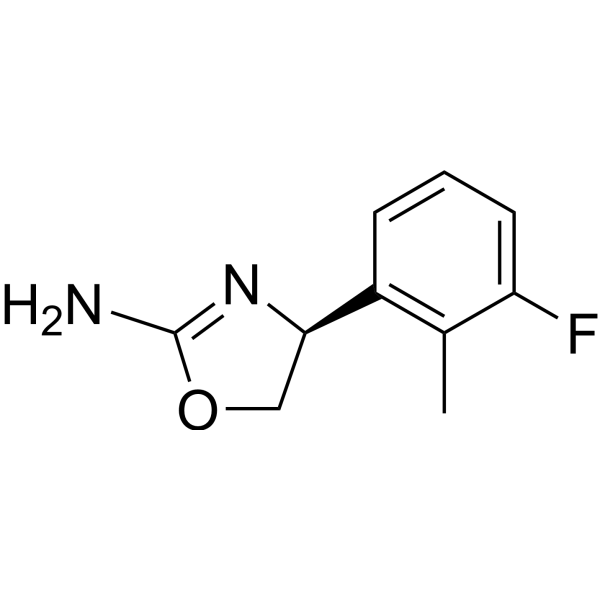
    RO5263397 is a potent, selective, and orally available TAAR1 agonist, with EC50s of 17 and 35 nM for human TAAR1 and rat TAAR1, respectively. RO5263397 regulates wakefulness and EEG spectral composition. Antidepressant-like effect .
    RO5263397
  • HY-113440
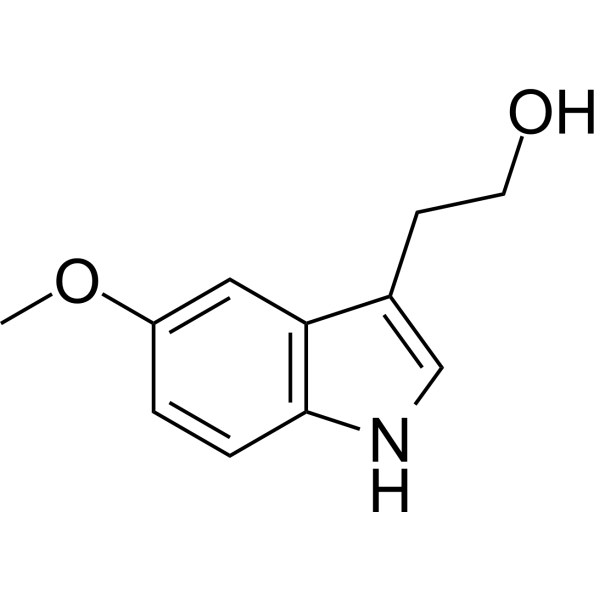
    5-Methoxytryptophol
    1 Publications Verification

    Melatonin Receptor ERK TNF Receptor Interleukin Related MMP Endogenous Metabolite Neurological Disease Metabolic Disease Inflammation/Immunology
    5-Methoxytryptophol is a 5-methoxyindole alcohol structurally homologous to Melatonin (HY-B0075). It is secreted by the mammalian pineal gland and exhibits an inverse circadian rhythm. 5-Methoxytryptophol regulates bone metabolism by activating the ERK1/2 pathway. It reduces the levels of pro-inflammatory cytokines TNF-α and IL-1β, as well as proteolytic enzymes MMP-1 and MMP-2, in serum and dental pulp tissues, thereby ameliorating acute pulpitis. 5-Methoxytryptophol induces rapid sleep in mice, while high doses cause respiratory depression and death. 5-Methoxytryptophol. 5-Methoxytryptophol can be used in studies related to acute pulpitis, hypnosis, and bone metabolism .
    5-Methoxytryptophol
  • HY-B1751S

    Parasite Infection Cardiovascular Disease
    Quinidine-d3 is the deuterium labeled Quinidine. Quinidine is an antiarrhythmic agent for the treatment of abnormal heart rhythms and also malaria.
    Quinidine-d3
  • HY-119747

    Potassium Channel Cardiovascular Disease
    WAY-123223 is an orally active potassium channel (Potassium Channel) blocker. WAY-123223 prolongs the transmembrane action potential duration and cardiac refractory period of canine Purkinje fibers. In canine models, WAY-123223 increases the ventricular fibrillation threshold, restores sinus rhythm from ventricular fibrillation, and exerts antiarrhythmic effects. WAY-123223 can be used in research related to cardiovascular diseases such as arrhythmias .
    WAY-123223
  • HY-15490A

    Casein Kinase Neurological Disease
    PF-670462 is a selective CKI ε/δ inhibitor. PF-670462 effectively regulates the phase of the circadian rhythm .
    PF-670462
  • HY-76632

    Cholinesterase (ChE) SOD Neurological Disease
    4-Hydroxyisophthalic acid activates antioxidant enzymes (such as catalase CAT and superoxide dismutase SOD), scavenges free radicals, and exhibits antioxidant property. 4-Hydroxyisophthalic acid activates AChE and BChE, enhances neuronal function and improves Tau-induced neurobehavioral defects. 4-Hydroxyisophthalic acid improves the cognitive defects, and ameliorates circadian rhythm disorders of fruit flies .
    4-Hydroxyisophthalic acid
  • HY-128677

    Casein Kinase Neurological Disease
    NCC007 is a dual casein kinase Iα (CKIα) and δ (CKIδ) inhibitor with IC50s of 1.8 and 3.6 μM, respectively. NCC007 can be used in research of modulating mammalian circadian rhythms .
    NCC007
  • HY-134193

    Cryptochrome Metabolic Disease
    KL101, a selective cryptochrome 1 (CRY1) stabilizer, is a circadian clock modulator. KL101 can stabilize the CRY1 protein and regulate its interaction with the core feedback loop of the biological clock, thereby modulating the circadian rhythm cycle of mammals .
    KL101
  • HY-148766

    Drug Derivative Metabolic Disease
    VU661, a phenazine carboxamide, is a modulator of circadian rhythms to produce a period lengthening of the circadian rhythm. VU661 is a redox-active small molecule .
    VU661
  • HY-B1812S1

    1,2-Dimethoxybenzene-d2

    Isotope-Labeled Compounds Cytochrome P450 Others
    Veratrole-d2 is the deuterium labeled Veratrole. Veratrole (1,2-Dimethoxybenzene) is a key compound that widely exists in plants and attracts pollinators. The release of Veratrole has a circadian rhythm and plays an important role in plant reproduction, species differentiation, and interactions with pollinators. In addition, Veratrole can be demethylated by cytochrome P-450 in Streptomyces setonii .
    Veratrole-d2
  • HY-B1812S3

    1,2-Dimethoxybenzene-d6

    Isotope-Labeled Compounds Cytochrome P450 Others
    Veratrole-d6 is the deuterium labeled Veratrole. Veratrole (1,2-Dimethoxybenzene) is a key compound that widely exists in plants and attracts pollinators. The release of Veratrole has a circadian rhythm and plays an important role in plant reproduction, species differentiation, and interactions with pollinators. In addition, Veratrole can be demethylated by cytochrome P-450 in Streptomyces setonii .
    Veratrole-d6
  • HY-B1812S

    1,2-Dimethoxybenzene-d4

    Isotope-Labeled Compounds Cytochrome P450 Others
    Veratrole-d4 is the deuterium labeled Veratrole. Veratrole (1,2-Dimethoxybenzene) is a key compound that widely exists in plants and attracts pollinators. The release of Veratrole has a circadian rhythm and plays an important role in plant reproduction, species differentiation, and interactions with pollinators. In addition, Veratrole can be demethylated by cytochrome P-450 in Streptomyces setonii .
    Veratrole-d4
  • HY-15469
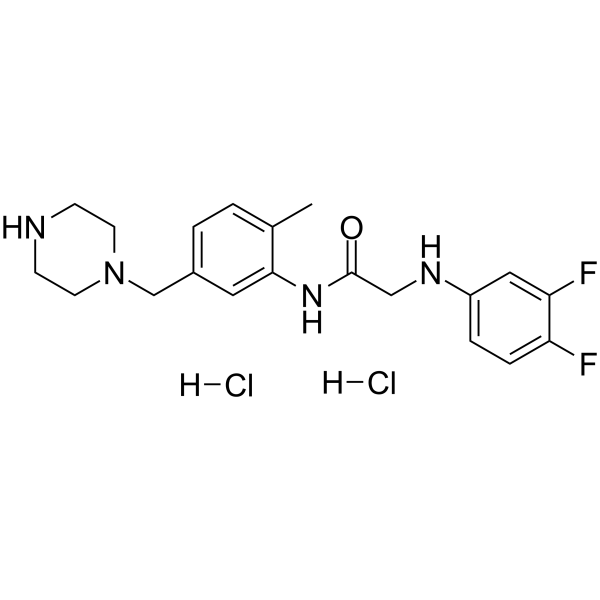
    GW791343 dihydrochloride
    1 Publications Verification

    P2X Receptor Neurological Disease
    GW791343 dihydrochloride is a potent human P2X7 receptor negative allosteric modulator (exhibits species-specific activity), produces a non-competitive antagonist effect on human P2X7 receptor, with a pIC50 of 6.9-7.2. GW791343 dihydrochloride can enhance ATP rhythm. GW791343 dihydrochloride can be used in study of neurological disease .
    GW791343 dihydrochloride
  • HY-106136

    PD-6735; LY-156735

    Melatonin Receptor 5-HT Receptor Neurological Disease
    TIK-301 (PD-6735) is a chlorinated melatonin derivative and a potent, high-affinity and orally active melatonin MT1 and MT2 receptors agonist with Kis of 0.081 nM and 0.042 nM, respectively. TIK-301 is also a 5-HT2B/5-HT2C receptors antagonist with antidepressant action. TIK-301 has the potential for sleep disorders and other circadian rhythm disorders treatment .
    TIK-301
  • HY-W039283

    MCHR1 (GPR24) Neurological Disease Cancer
    MCH-1 antagonist 2 (l-BROMO-2,4-DIFLUORO-5-NITROBEN-ZENE) is a melanin concentrating hormone-1 (MCH1) receptor-selective 4-aryl piperidine. MCH-1 antagonist 2 can be used for the research of depression, anxiety, obesity, urge incontinence, urinary incontinence, major depression, bipolar disorder, agoraphobia, specific phobia, social phobia, obsessive-compulsive disorder, post-traumatic stress disorder, acute stress disorder, urinary frequency, urinary urgency, nocturia, enuresis, bulimia, bulimia nervosa, anorexia nervosa, major depressive disorder, dysthymic disorder, bipolar 1 and 2 disorders, schizoaffective disorder, cognitive disorders with depressed mood, personality disorders, insomnia, hypersomnia, narcolepsy, circadian rhythm sleep disorder, nightmare disorder, sleep terror disorder, sleepwalking disorder, panic disorder, social anxiety disorder, generalized anxiety disorder, overactive bladder .
    MCH-1 antagonist 2
  • HY-W587817

    Drug Metabolite Metabolic Disease
    6-Sulfatoxymelatonin sodium salt is a metabolite of melatonin. Melatonin is a hormone naturally produced by the pineal gland in the brain and is involved in regulating the sleep-wake cycle and circadian rhythms.
    6-Sulfatoxymelatonin sodium
  • HY-116046

    Melatonin Receptor Others
    GR 196429 is a melatonin receptor agonist with some selectivity for the MT1 subtype. GR 196429 produces both sleep-promoting effects and alterations of circadian rhythm, as well as stimulating melatonin release in mice .
    GR 196429
  • HY-15470

    P2X Receptor Neurological Disease
    GW791343 trihydrochloride is a potent human P2X7 receptor negative allosteric modulator (exhibits species-specific activity), produces a non-competitive antagonist effect on human P2X7 receptor, with a pIC50 of 6.9-7.2. GW791343 trihydrochloride can enhance ATP rhythm. GW791343 trihydrochloride can be used in study of neurological disease .
    GW791343 trihydrochloride
  • HY-120672

    Sodium Channel Cardiovascular Disease
    LG 83-6-05 is an inhibitor for sodium channel. LG 83-6-05 can be used in the research about cardiac rhythm disorders .
    LG 83-6-05
  • HY-171300

    p38 MAPK Casein Kinase Inflammation/Immunology
    p38α inhibitor 8 (Compound 1) exhibits inhibitory activity against p38α MAPK and CK1δ with IC50 of 0.21 µM and 0.202 µM [1]>.
    p38α inhibitor 8
  • HY-171301

    p38 MAPK Casein Kinase Inflammation/Immunology
    p38α MAPK/CK1δ inhibitor-1 (Compound 3) exhibits inhibitory activity against p38α MAPK and CK1δ with IC50s of 0.185 µM and 0.089 µM .
    p38α MAPK/CK1δ inhibitor-1
  • HY-171292

    Casein Kinase p38 MAPK Others
    CK1δ-IN-9 (Compound 8) is the inhibitor for casein kinase 1 that inhibits CK1δ with IC50 of 1.4 nM. CK1δ-IN-9 inhibits p38α and p38β with IC50 of 0.25 μM and 0.78 μM. CK1δ-IN-9 exhibits pharmacokinetic characteristics with a good oral bioavailability (70%) and a moderate clearance .
    CK1δ-IN-9
  • HY-131947

    Melatonin Receptor Neurological Disease
    DH97 is a potent melatonin receptor 2 (MT2) antagonist with Ki values of 252 nM and 1100 nM for MT2 and MT1, respectively .
    DH97-7
  • HY-171278

    Casein Kinase Metabolic Disease Cancer
    Casein kinase 1δ-IN-28 (Compound 4) is the inhibitor for CK1ε with an IC50 of 0.0146 μM. Casein kinase 1δ-IN-28 exhibits a metabolite rate in human liver microsomes of 52% .
    Casein kinase 1δ-IN-28
  • HY-19117

    Potassium Channel Cardiovascular Disease
    BRL-32872 is a potent human ether-a-go-go-related gene (hERG) potassium channel blocker (IC50=241 nM in isolated cardiomyocytes; 19.8 nM in HEK293 cells). BRL-32872 is promising for research of cardiac arrhythmias (e.g., atrial/ventricular rhythms) .
    BRL-32872
  • HY-B1812S2

    1,2-Dimethoxybenzene-d10

    Isotope-Labeled Compounds Cytochrome P450 Others
    Veratrole-d10 is the deuterium labeled Veratrole. Veratrole (1,2-Dimethoxybenzene) is a key compound that widely exists in plants and attracts pollinators. The release of Veratrole has a circadian rhythm and plays an important role in plant reproduction, species differentiation, and interactions with pollinators. In addition, Veratrole can be demethylated by cytochrome P-450 in Streptomyces setonii .
    Veratrole-d10
  • HY-170862

    E3 Ligase Ligand-Linker Conjugates Cancer
    E3 Ligase Ligand-linker Conjugate 163 is the E3 ligase ligand (E3 ligase Ligand 58, HY-170861)-linker conjugate part of AH078 (HY-170859). AH078 is a PROTAC that targets the degradation of CK1δ and CK1ε, and can be used for research related to circadian rhythm disorders .
    E3 Ligase Ligand-linker Conjugate 163
  • HY-B1812R

    1,2-Dimethoxybenzene (Standard)

    Reference Standards Cytochrome P450 Others
    Veratrole (Standard) is the analytical standard of Veratrole. This product is intended for research and analytical applications. Veratrole (1,2-Dimethoxybenzene) is a key compound that widely exists in plants and attracts pollinators. The release of Veratrole has a circadian rhythm and plays an important role in plant reproduction, species differentiation, and interactions with pollinators. In addition, Veratrole can be demethylated by cytochrome P-450 in Streptomyces setonii .
    Veratrole (Standard)
  • HY-B1812S4

    1,2-Dimethoxybenzene-d2-1

    Isotope-Labeled Compounds Cytochrome P450 Others
    Veratrole-d2-1 is the deuterium labeled Veratrole (HY-B1812). Veratrole (1,2-Dimethoxybenzene) is a key compound that widely exists in plants and attracts pollinators. The release of Veratrole has a circadian rhythm and plays an important role in plant reproduction, species differentiation, and interactions with pollinators. In addition, Veratrole can be demethylated by cytochrome P-450 in Streptomyces setonii .
    Veratrole-d2-1
  • HY-100813R

    Reference Standards GABA Receptor Neurological Disease Inflammation/Immunology
    Saclofen (Standard) is the analytical standard of Saclofen.
    Saclofen (Standard)
  • HY-P2061

    Calcium Channel Cardiovascular Disease
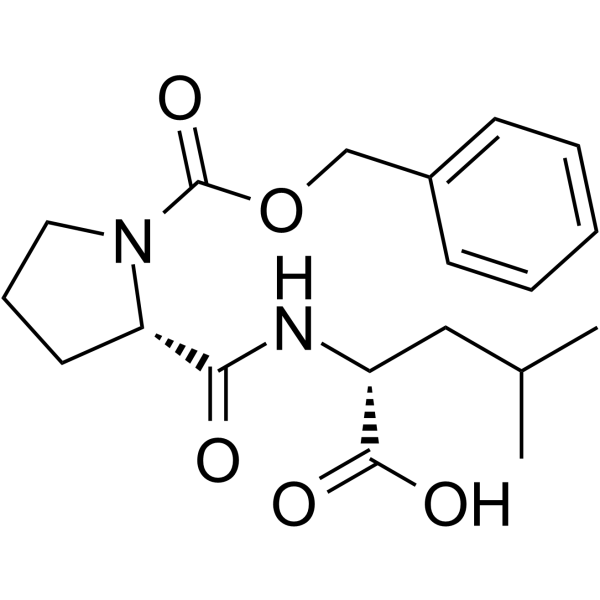
    Leualacin, a calcium channel blocker, can be isolated from the fungus Hapsidospora irregularis .
    Leualacin
  • HY-120355

    Potassium Channel Cardiovascular Disease
    AP14145 is an inhibitor for small conductance calcium-activated potassium channel, inhibits KCa2.2 channel and KCa channel with IC50 of 1.1 μM and 1.1 μM. AP14145 prolongs atrial effective refractory period (AERP) in rats, causes the conversion of atrial fibrillation to sinus rhythum in porcine left ventricular dysfunction models, and exhibits antiarrhythmic effect .
    AP14145
  • HY-162336

    Casein Kinase Neurological Disease
    Casein kinase 1δ-IN-15 is an inhibitor for casein kinase 1 (CK1δ), with an IC50 of 0.045 μM .
    Casein kinase 1δ-IN-15
  • HY-P10290

    Neuropeptide Y Receptor Neurological Disease
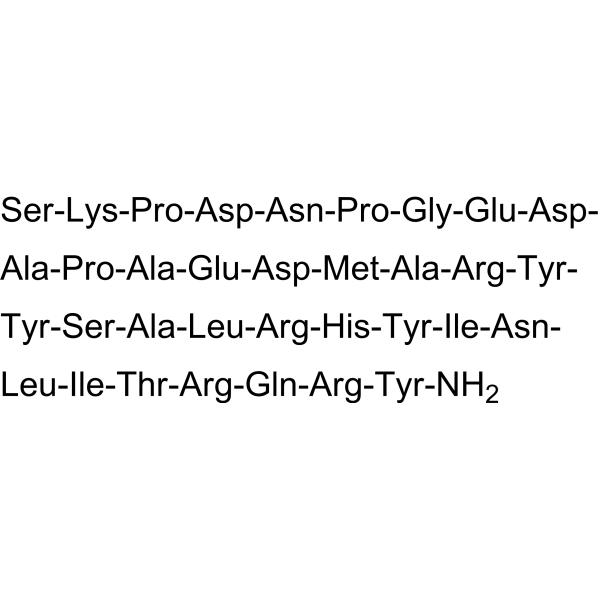
    Neuropeptide Y (human) free acid is the deamidated form of Neuropeptide Y (human, rat, mouse) (HY-P0198). The amidation of Neuropeptide Y C-terminal tyrosine is critical for its function. Non-amidated Neuropeptide Y fails to elicit G protein signaling .
    Neuropeptide Y (human) free acid
  • HY-179514

    Gala-SR1078

    ROR Inflammation/Immunology
    Gala-SR (Gala-SR1078) is an RORα agonist. Gala-SR ameliorates rhythm disorders by enhancing the amplitude of the circadian rhythm. Gala-SR can be used for the study of periodontitis .
    Gala-SR
  • HY-105439A

    LY 150378

    Drug Derivative Cardiovascular Disease
    Clofilium phosphate (LY 150378) is an antiarrhythmic/antifibrillatory agent. Clofilium phosphate significantly prolongs the action potential duration and effective refractory period of canine cardiac Purkinje fibers, increases the ventricular fibrillation threshold, reduces the risk of reentrant arrhythmias, and enables spontaneous conversion of some ventricular fibrillation episodes to sinus rhythm. Clofilium phosphate is applicable to research related to ventricular fibrillation, arrhythmias, and ventricular tachyarrhythmias .
    Clofilium phosphate
  • HY-104064R

    Reference Standards Ras Apoptosis Cancer
    1A-116 (Standard) is the analytical standard of 1A-116 (HY-104064). This product is intended for research and analytical applications. 1A-116, a potent Rac1 inhibitor, is specific for W56 residues, can prevent EGF-induced Rac1 activation and block Rac1-P-Rex1 interaction. 1A-116 can induce apoptosis and inhibit cell proliferation, migration and cycle progression in a concentration-dependent manner. 1A-116 also demonstrates a high antimetastatic activity in vivo .
    1A-116 (Standard)
  • HY-115839

    Tachmalcor free base

    Sodium Channel Others
    Detajmium (Tachmalcor free base) is a Na?-channel blocker with activity to inhibit ventricular conduction and refractoriness. Detajmium (0.3μM) prolongs intraventricular conduction time comparable to propafenone (0.3μM) during sinus rhythm, but the time constant for reaching steady state during rapid ventricular pacing is significantly longer for Detajmium, indicating a unique temporal profile for its heart rate-dependent effects.
    Detajmium

Inquiry Online

Your information is safe with us. * Required Fields.

Salutation


Country or Region *

Applicant Name *


Organization Name *

Department *


Email Address *


Product Name *

Cat. No.


Requested quantity *

Phone Number *


Remarks

Inquiry Online

Inquiry Information

Product Name:
Cat. No.:
Quantity:
MCE Japan Authorized Agent:

