1. Search Result
Search Result
Results for "

ring-opened

" in MedChemExpress (MCE) Product Catalog:

47

Inhibitors & Agonists

3

Fluorescent Dyes

16

Biochemical Assay Reagents

3

Natural
Products

9

Isotope-Labeled Compounds

3

Oligonucleotides

Cat. No. Product Name Target Research Areas Chemical Structure
  • HY-N0059

    Parasite Bacterial AMPK PPAR Infection Neurological Disease Metabolic Disease
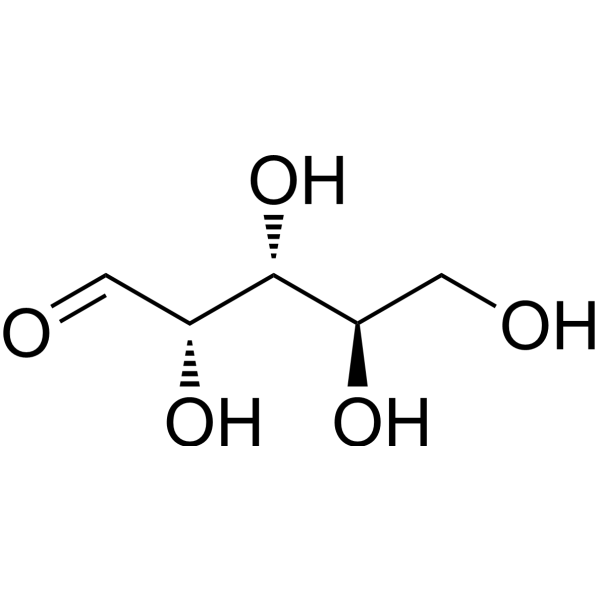
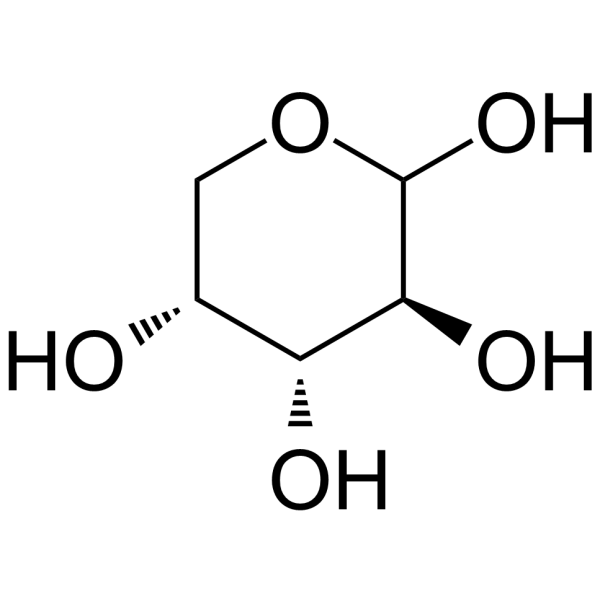
    D-Arabinose is is an orally active antidepressant and a growth inhibitor of C. elegans (IC50 is 7.5 mM). D-Arabinose can penetrate the blood-brain barrier, selectively interfere with the metabolism of D-ribose and D-fructose, and inhibit the growth of nematodes. D-Arabinose can also inhibit the synthesis of cell biofilm and exert antibacterial activity. D-Arabinose activates the ACSS2-PPARγ/TFEB-CRTC1 axis through the lysosomal AXIN-LKB1-AMPK pathway, inducing CRTC1 transcription, exerts antidepressant-like activity. D-Arabinose is the ring-opened form of the aldopentose D-?Arabinose (HY-N7082) .
    D-Arabinose
  • HY-135334
    ACP-5862
    1 Publications Verification

    Drug Metabolite Btk Cytochrome P450 Cancer
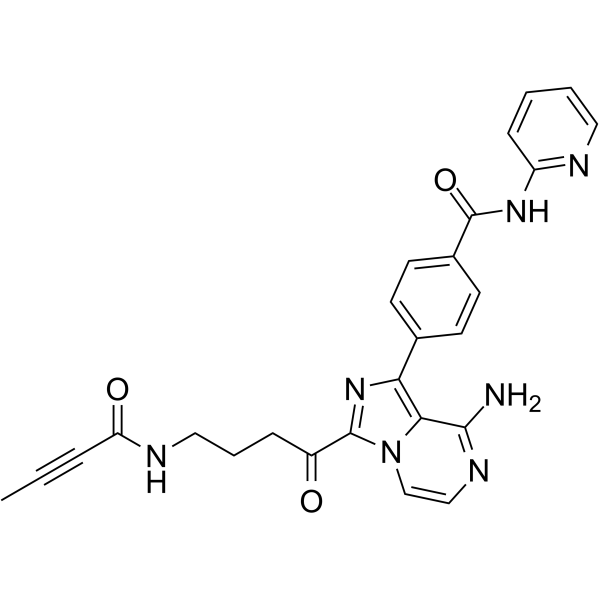
    ACP-5862 is a major active, circulating, pyrrolidine ring-opened metabolite of Acalabrutinib with an IC50 of 5.0 nM for Bruton tyrosine kinase (BTK). ACP‐5862 is a weak time‐dependent inactivator of CYP3A4 and CYP2C8. Acalabrutinib is an orally active, irreversible, and highly selective BTK inhibitor, with an IC50 of 3 nM and EC50 of 8 nM .
    ACP-5862
  • HY-140696E

    mPEG1000-Hydroxy; Polyethylene glycol monomethyl ether 1000

    Environmental Pollutants Biochemical Assay Reagents Cancer
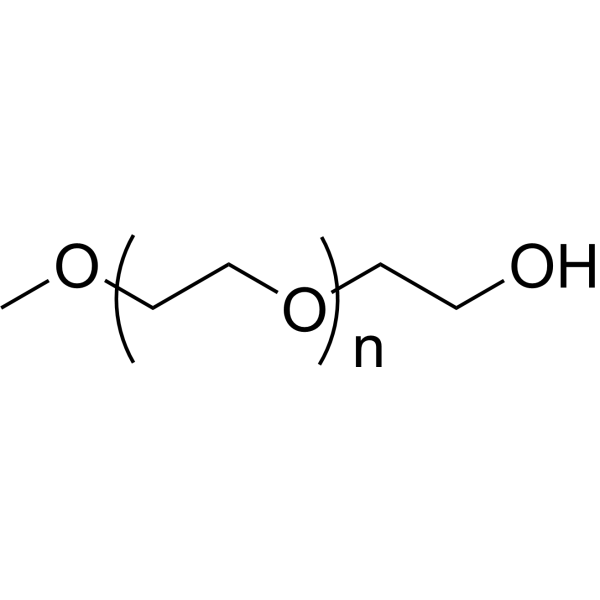
    m-PEG1000-OH (mPEG1000-Hydroxy) is a monomethoxypolyethylene glycol and also a macroinitiator for organocatalytic ring-opening polymerization of aliphatic cyclic carbonate monomers. m-PEG1000-OH can participate in the synthesis of amphiphilic block copolymers. Amphiphilic block copolymers can be used to prepare nanoscale micelles for active drug delivery .
    m-PEG1000-OH
  • HY-140697

    mPEG5000-Hydroxy; Polyethylene glycol monomethyl ether 5000

    Environmental Pollutants PROTAC Linkers Cancer
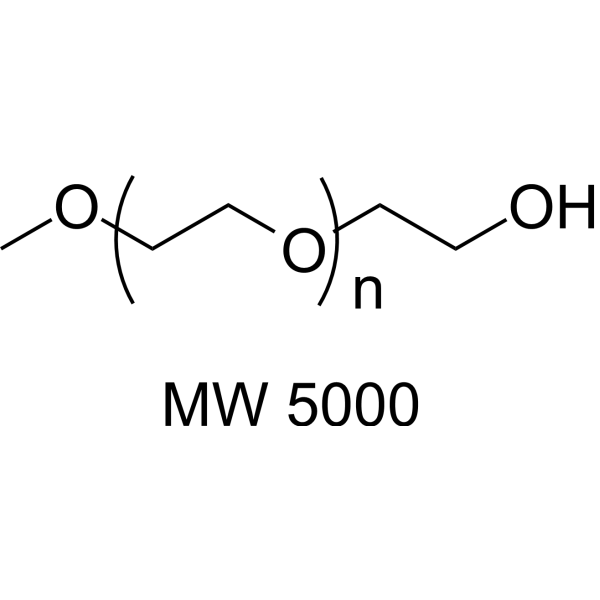
    m-PEG5000-OH (mPEG5000-Hydroxy) is a monomethoxypolyethylene glycol and also a macroinitiator for organocatalytic ring-opening polymerization of aliphatic cyclic carbonate monomers. m-PEG1000-OH can participate in the synthesis of amphiphilic block copolymers. Amphiphilic block copolymers can be used to prepare nanoscale micelles for active drug delivery .
    m-PEG5000-OH
  • HY-N7082

    Parasite Bacterial AMPK PPAR Infection Neurological Disease Metabolic Disease
    D-Arabinopyranose is a rare aldehyde pentose, and its ring-opened form is D-arabinose (HY-N0059). D-arabinose is is an orally active antidepressant and a growth inhibitor of C. elegans (IC50 is 7.5 mM). D-arabinose can penetrate the blood-brain barrier, selectively interfere with the metabolism of D-ribose and D-fructose, and inhibit the growth of nematodes. D-arabinose can also inhibit the synthesis of cell biofilm and exert antibacterial activity. D-arabinose activates the ACSS2-PPARγ/TFEB-CRTC1 axis through the lysosomal AXIN-LKB1-AMPK pathway, inducing CRTC1 transcription, exerts antidepressant-like activity. D-arabinose is the ring-opened form of the aldopentose D-?Arabinose (HY-N7082) .
    D-Arabinopyranose
  • HY-W010610

    Drug Intermediate Others
    2-Cyclopropylacetic acid is a substrate. 2-Cyclopropylacetic acid can produce a ring-opening product, which serves as an important precursor for the preparation of fused-ring molecules .
    2-Cyclopropylacetic acid
  • HY-W013205

    Biochemical Assay Reagents Others
    Bis(4-nitrophenyl) phosphate is a catalyst for metal micelles and can catalyze the hydrolysis of (4-nitrophenyl) phosphate. Bis(4-nitrophenyl) phosphate is also an effective catalyst for ring-opening polymerization (ROP), which can achieve controlled polymerization of β-butyrolactone (β-BL) ring-opening and can be used to prepare diembedded polymers without quenching. segment copolymer .
    Bis(4-nitrophenyl) phosphate
  • HY-W133920

    PPG 2000

    Environmental Pollutants Biochemical Assay Reagents Others
    Polypropylene glycol 2000 (PPG 2000) is a polyether produced by ring-opening polymerization of propylene oxide. Polypropylene glycol 2000 has low toxicity, and acts as a dispersant for leather finishing materials, as well as a surfactant and wetting agent for pharmaceutical preparations .
    Polypropylene glycol 2000
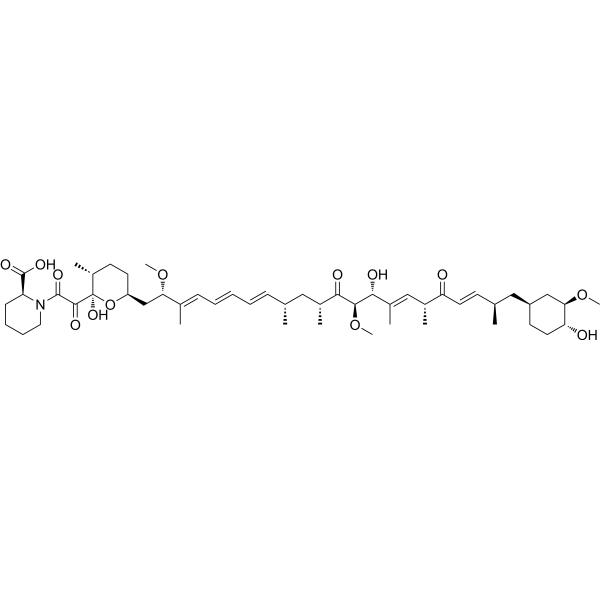
  • HY-19555A

    Secorapamycin A monosodium

    Drug Metabolite Others
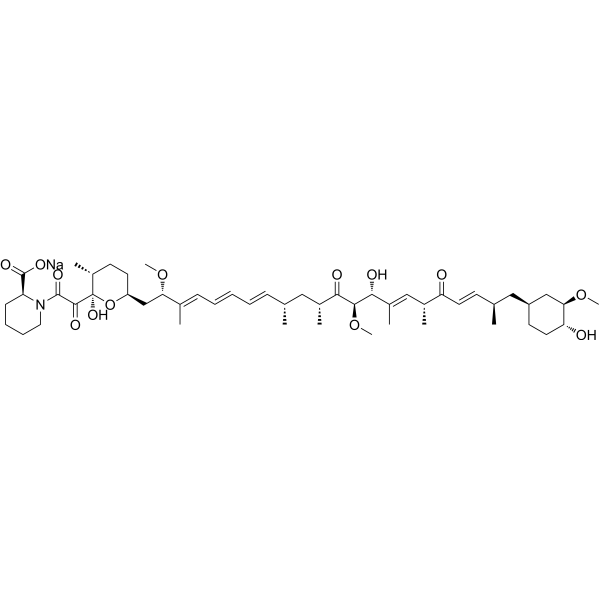
    Seco Rapamycin sodium salt is the ring-opened product of Rapamycin. Seco-rapamycin is reported not to affect the mTOR function.
    Seco Rapamycin sodium salt
  • HY-D0980

    Biotinyl-3,6-dioxaoctanediamine; EZ-Link Amine-PEO2-Biotin

    Biochemical Assay Reagents Infection
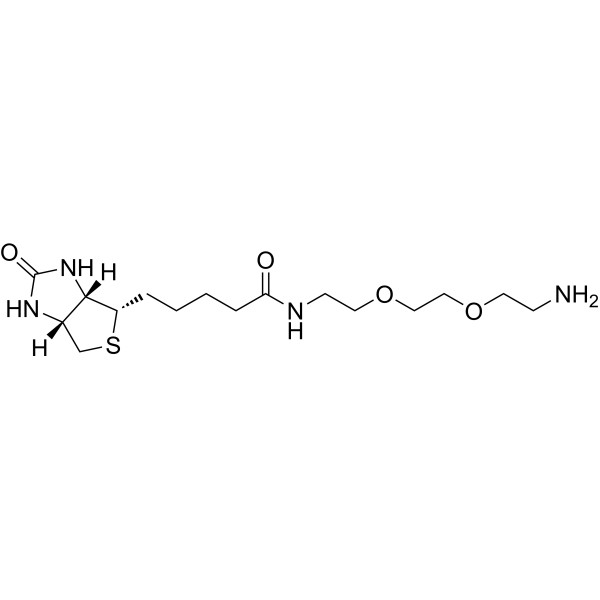
    Biotin-DADOO (Biotinyl-3,6-dioxaoctanediamine; EZ-Link Amine-PEO2-Biotin) is a biotin-containing amine compound and a biotinylation reagent. As an amino component, Biotin-DADOO participates in the nucleophilic ring-opening reaction of epoxidized ω-double bonds during the synthesis of biotinylated inhibitor derivatives. Biotin-DADOO can be conjugated with carboxymethyl cellulose derivatives. Biotin-DADOO is involved in the synthesis of biotin-estradiol conjugates for enzyme immunoassays. Biotin-DADOO can be used in the research of influenza A .
    Biotin-DADOO
  • HY-155902

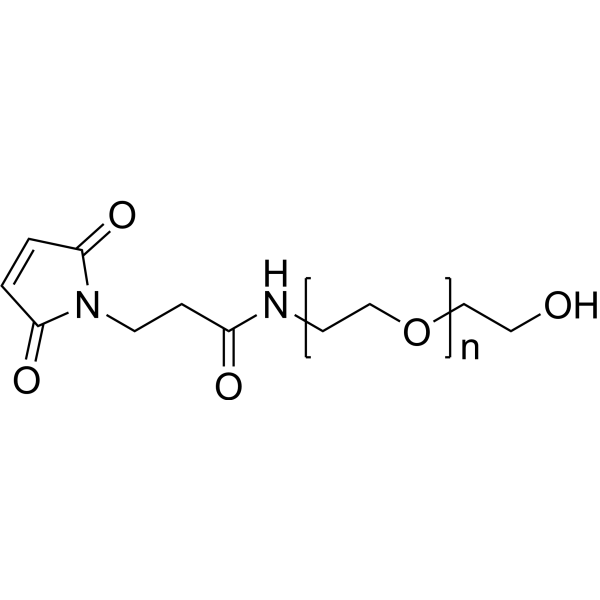
    Maleimide-PEG5000-Hydroxy

    Biochemical Assay Reagents Others
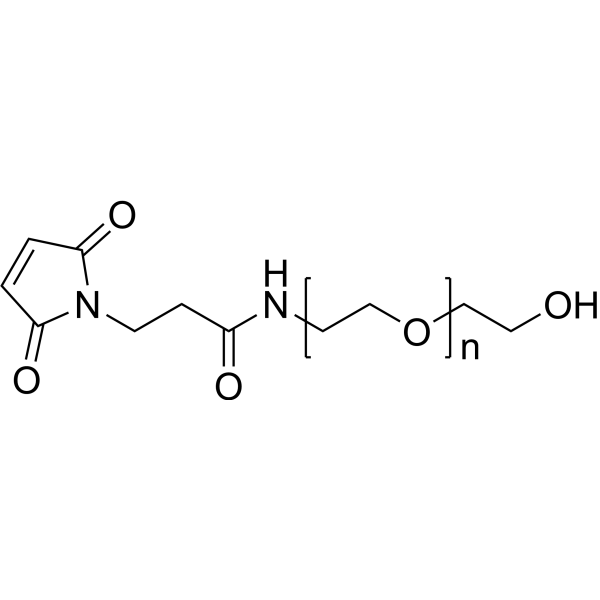
    Mal-PEG5000-OH can be used as a macroinitiator to obtain amphiphilic diblock copolymers by ring-opening polymerization of LA. Nanoparticles prepared using amphiphilic block copolymers can form active drug delivery systems. Nanoparticles encapsulate Triptolide (HY-32735), which can avoid the disadvantage of Triptolide’s poor water solubility and reduce its toxicity.
    Mal-PEG5000-OH
  • HY-W011238

    (Z)-1-Bromooctadec-9-ene

    Biochemical Assay Reagents Others
    Oleyl bromide ((Z)-1-Bromooctadec-9-ene) is a hydrophobic compound that can carry out ring-opening reaction through a process called "encapsulation". Oleyl bromine can also be used as the starting material in the synthesis of oleylphosphonates.
    Oleyl bromide
  • HY-140696B

    mPEG550-Hydroxy; Polyethylene glycol monomethyl ether 550

    Environmental Pollutants Biochemical Assay Reagents Cancer
    m-PEG550-OH (mPEG550-Hydroxy) is a monomethoxypolyethylene glycol and also a macroinitiator for organocatalytic ring-opening polymerization of aliphatic cyclic carbonate monomers. m-PEG550-OH can participate in the synthesis of amphiphilic block copolymers. Amphiphilic block copolymers can be used to prepare nanoscale micelles for active drug delivery .
    m-PEG550-OH
  • HY-155902A

    Maleimide-PEG2000-Hydroxy

    Biochemical Assay Reagents Others
    Mal-PEG2000-OH can be used as a macroinitiator to obtain amphiphilic diblock copolymers by ring-opening polymerization of LA. Nanoparticles prepared using amphiphilic block copolymers can form active drug delivery systems. Nanoparticles encapsulate Triptolide (HY-32735), which can avoid the disadvantage of Triptolide’s poor water solubility and reduce its toxicity.
    Mal-PEG2000-OH
  • HY-140696H

    mPEG750-Hydroxy; Polyethylene glycol monomethyl ether 750

    Biochemical Assay Reagents Cancer
    m-PEG750-OH (mPEG750-Hydroxy) is a monomethoxypolyethylene glycol and also a macroinitiator for organocatalytic ring-opening polymerization of aliphatic cyclic carbonate monomers. m-PEG750-OH can participate in the synthesis of amphiphilic block copolymers. Amphiphilic block copolymers can be used to prepare nanoscale micelles for active drug delivery .
    m-PEG750-OH
  • HY-19555

    Secorapamycin A

    Drug Metabolite Others
    Seco Rapamycin (Secorapamycin A) is the ring-opened product of Rapamycin. Seco-rapamycin is reported not to affect the mTOR function .
    Seco Rapamycin
  • HY-E70418

    Endogenous Metabolite Cardiovascular Disease Inflammation/Immunology
    Epoxide hydrolase is an enzyme responsible for catalyzing the reaction between epoxides and water, converting epoxide groups into diols. Epoxide hydrolase plays a key role in the metabolism of environmental pollutants and lipids, contributing to detoxification, inflammation responses, and the regulation of cardiovascular system health. Additionally, epoxide hydrolase can be used in asymmetric catalytic reactions, such as the asymmetric ring-opening of epoxides, to produce chiral drug molecules .
    Epoxide hydrolase
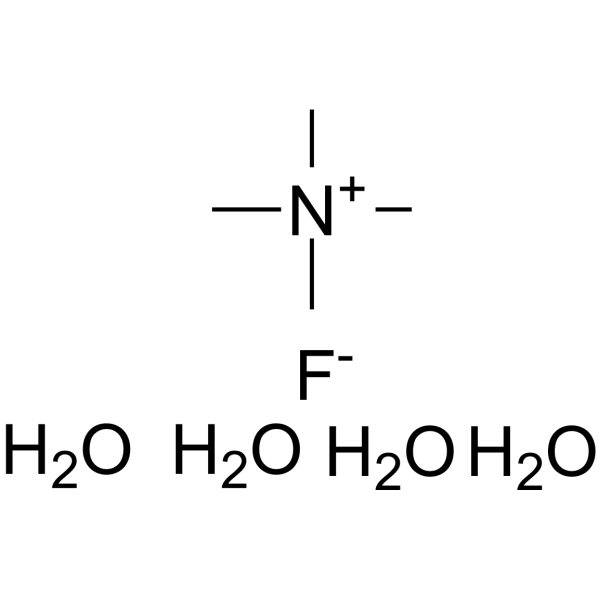
  • HY-W095635

    Biochemical Assay Reagents Others
    Tetramethylammonium fluoride tetrahydrate (TMAF) is a quaternary ammonium salt. TMAF is commonly used as a weak base and a source of fluoride ions in various organic reactions, including nucleophilic substitution, functional group deprotection, and ring-opening polymerization. Unlike other fluoride sources, TMAF is compatible with many functional groups, making it a versatile tool in synthetic chemistry. Functional reagents, In addition, TMAF has been used as a fluorinating agent in medicinal chemistry, for the preparation of radiotracers and protein modification in biochemistry, and the tetrahydrate form of TMAF is more stable and easier to handle than the anhydrous form.
    Tetramethylammonium fluoride tetrahydrate
  • HY-N0059R

    Reference Standards Parasite Bacterial AMPK PPAR Infection Neurological Disease Metabolic Disease
    D-Arabinose (Standard) is the analytical standard of D-Arabinose. This product is intended for research and analytical applications. D-Arabinose is is an orally active antidepressant and a growth inhibitor of C. elegans (IC50 is 7.5 mM). D-Arabinose can penetrate the blood-brain barrier, selectively interfere with the metabolism of D-ribose and D-fructose, and inhibit the growth of nematodes. D-Arabinose can also inhibit the synthesis of cell biofilm and exert antibacterial activity. D-Arabinose activates the ACSS2-PPARγ/TFEB-CRTC1 axis through the lysosomal AXIN-LKB1-AMPK pathway, inducing CRTC1 transcription, exerts antidepressant-like activity. D-Arabinose is the ring-opened form of the aldopentose D-?Arabinose (HY-N7082) .
    D-Arabinose (Standard)
  • HY-N0059S1

    Isotope-Labeled Compounds Parasite Bacterial AMPK PPAR Infection Neurological Disease Metabolic Disease
    D-Arabinose- 13C-1 is the 13C labeled D-Arabinose (HY-N0059). D-Arabinose is is an orally active antidepressant and a growth inhibitor of C. elegans (IC50 is 7.5 mM). D-Arabinose can penetrate the blood-brain barrier, selectively interfere with the metabolism of D-ribose and D-fructose, and inhibit the growth of nematodes. D-Arabinose can also inhibit the synthesis of cell biofilm and exert antibacterial activity. D-Arabinose activates the ACSS2-PPARγ/TFEB-CRTC1 axis through the lysosomal AXIN-LKB1-AMPK pathway, inducing CRTC1 transcription, exerts antidepressant-like activity. D-Arabinose is the ring-opened form of the aldopentose D-?Arabinose (HY-N7082) .
    D-Arabinose-13C-1
  • HY-N0059S3

    Isotope-Labeled Compounds Parasite Bacterial AMPK PPAR Infection Neurological Disease Metabolic Disease
    D-Arabinose- 13C-3 is the 13C labeled D-Arabinose (HY-N0059). D-Arabinose is is an orally active antidepressant and a growth inhibitor of C. elegans (IC50 is 7.5 mM). D-Arabinose can penetrate the blood-brain barrier, selectively interfere with the metabolism of D-ribose and D-fructose, and inhibit the growth of nematodes. D-Arabinose can also inhibit the synthesis of cell biofilm and exert antibacterial activity. D-Arabinose activates the ACSS2-PPARγ/TFEB-CRTC1 axis through the lysosomal AXIN-LKB1-AMPK pathway, inducing CRTC1 transcription, exerts antidepressant-like activity. D-Arabinose is the ring-opened form of the aldopentose D-?Arabinose (HY-N7082) .
    D-Arabinose-13C-3
  • HY-119392

    Biochemical Assay Reagents Others
    16-Hexadecanolide is a lactone that is commonly used in ring-opening polymerization reactions and can be catalyzed by enzymes to form polymers at a relatively high polymerization rate .
    16-Hexadecanolide
  • HY-172382

    PGCL, 50:50

    Biochemical Assay Reagents Others
    Poly(D,L-lactide-co-glycolide), 50:50 (PGCL, 50:50) is a copolymer formed by the ring-opening polymerization of lactide and glycolide, which can be used for drug delivery .
    Poly(D,L-lactide-co-glycolide), 50:50
  • HY-W318343

    2,2,2-Triphenylacetophenone; 1,2,2,2-Tetraphenylethanone

    Biochemical Assay Reagents Others
    Benzopinacolone (2,2,2-Triphenylacetophenone; 1,2,2,2-Tetraphenylethanone) can be synthesized when benzopinacol reacts with acids of moderate strength, causing the pinacol rearrangement. Benzopinacolone can undergo ring-opening rearrangement via appropriate epoxides reacting with acids .
    Benzopinacolone
  • HY-155902B

    Maleimide-PEG1000-Hydroxy

    Biochemical Assay Reagents Others
    Mal-PEG1000-OH was used as a macroinitiator to obtain amphiphilic diblock copolymers by ring-opening polymerization of LA. Nanoparticles prepared using amphiphilic block copolymers can form active drug delivery systems. Nanoparticles encapsulate Triptolide (HY-32735), which can avoid the disadvantage of Triptolide’s poor water solubility and reduce its toxicity.
    Mal-PEG1000-OH
  • HY-155902C

    Maleimide-PEG3400-Hydroxy

    Biochemical Assay Reagents Others
    Mal-PEG3400-OH (Maleimide-PEG3400-Hydroxy) is a linear heteroterminal bifunctional PEG product with maleimide and hydroxyl groups. Mal-PEG3400-OH can be used as a macroinitiator to obtain amphiphilic diblock copolymers through ring-opening polymerization of Lactate (Lactic Acid) (HY-B2227). Nanoparticles prepared using amphiphilic block copolymers can form active drug delivery systems .
    Mal-PEG3400-OH
  • HY-132003

    Akt Cancer
    Wortmannin-Rapamycin Conjugate 1 (compound 7c) is a furan ring-opened derivative of wortmannin-rapamycin conjugate with potent antitumor activities and a fine water solubility. Wortmannin-Rapamycin Conjugate 1 can inhibit the AKT phosphorylation in the tumor and can be used for cancer research .
    Wortmannin-Rapamycin Conjugate 1
  • HY-N7082S

    Isotope-Labeled Compounds Parasite Bacterial AMPK PPAR Infection Neurological Disease Metabolic Disease
    D-Arabinopyranos- 13C5 is 13C labeled D-Arabinopyranos (HY-N7082). D-Arabinopyranose is a rare aldehyde pentose, and its ring-opened form is D-arabinose (HY-N0059). D-arabinose is is an orally active antidepressant and a growth inhibitor of C. elegans (IC50 is 7.5 mM). D-arabinose can penetrate the blood-brain barrier, selectively interfere with the metabolism of D-ribose and D-fructose, and inhibit the growth of nematodes. D-arabinose can also inhibit the synthesis of cell biofilm and exert antibacterial activity. D-arabinose activates the ACSS2-PPARγ/TFEB-CRTC1 axis through the lysosomal AXIN-LKB1-AMPK pathway, inducing CRTC1 transcription, exerts antidepressant-like activity. D-arabinose is the ring-opened form of the aldopentose D-?Arabinose (HY-N7082) .
    D-Arabinopyranose-13C5
  • HY-135334S

    Isotope-Labeled Compounds Drug Metabolite Btk Cytochrome P450 Cancer
    ACP-5862-d4 is deuterium labeled ACP-5862. ACP-5862 is a major active, circulating, pyrrolidine ring-opened metabolite of Acalabrutinib with an IC50 of 5.0 nM for Bruton tyrosine kinase (BTK). ACP‐5862 is a weak time‐dependent inactivator of CYP3A4 and CYP2C8. Acalabrutinib is an orally active, irreversible, and highly selective BTK inhibitor, with an IC50 of 3 nM and EC50 of 8 nM .
    ACP-5862-d4
  • HY-N0059S4

    Isotope-Labeled Compounds Parasite Bacterial AMPK PPAR Infection Neurological Disease Metabolic Disease
    D-Arabinose-d2 is the deuterium labeled D-Arabinose (HY-N0059). D-Arabinose is is an orally active antidepressant and a growth inhibitor of C. elegans (IC50 is 7.5 mM). D-Arabinose can penetrate the blood-brain barrier, selectively interfere with the metabolism of D-ribose and D-fructose, and inhibit the growth of nematodes. D-Arabinose can also inhibit the synthesis of cell biofilm and exert antibacterial activity. D-Arabinose activates the ACSS2-PPARγ/TFEB-CRTC1 axis through the lysosomal AXIN-LKB1-AMPK pathway, inducing CRTC1 transcription, exerts antidepressant-like activity. D-Arabinose is the ring-opened form of the aldopentose D-?Arabinose (HY-N7082) .
    D-Arabinose-d2
  • HY-N0059S

    Isotope-Labeled Compounds Parasite Bacterial AMPK PPAR Infection Neurological Disease Metabolic Disease
    D-Arabinose- 13C is the 13C labeled D-Arabinose (HY-N0059). D-Arabinose is is an orally active antidepressant and a growth inhibitor of C. elegans (IC50 is 7.5 mM). D-Arabinose can penetrate the blood-brain barrier, selectively interfere with the metabolism of D-ribose and D-fructose, and inhibit the growth of nematodes. D-Arabinose can also inhibit the synthesis of cell biofilm and exert antibacterial activity. D-Arabinose activates the ACSS2-PPARγ/TFEB-CRTC1 axis through the lysosomal AXIN-LKB1-AMPK pathway, inducing CRTC1 transcription, exerts antidepressant-like activity. D-Arabinose is the ring-opened form of the aldopentose D-?Arabinose (HY-N7082) .
    D-Arabinose-13C
  • HY-N0059S6

    Isotope-Labeled Compounds Parasite Bacterial AMPK PPAR Infection Neurological Disease Metabolic Disease
    D-Arabinose-d6 is the deuterium labeled D-Arabinose (HY-N0059). D-Arabinose is is an orally active antidepressant and a growth inhibitor of C. elegans (IC50 is 7.5 mM). D-Arabinose can penetrate the blood-brain barrier, selectively interfere with the metabolism of D-ribose and D-fructose, and inhibit the growth of nematodes. D-Arabinose can also inhibit the synthesis of cell biofilm and exert antibacterial activity. D-Arabinose activates the ACSS2-PPARγ/TFEB-CRTC1 axis through the lysosomal AXIN-LKB1-AMPK pathway, inducing CRTC1 transcription, exerts antidepressant-like activity. D-Arabinose is the ring-opened form of the aldopentose D-?Arabinose (HY-N7082) .
    D-Arabinose-d6
  • HY-N0059S5

    Isotope-Labeled Compounds Parasite Bacterial AMPK PPAR Infection Neurological Disease Metabolic Disease
    D-Arabinose-d5 is the deuterium labeled D-Arabinose (HY-N0059). D-Arabinose is is an orally active antidepressant and a growth inhibitor of C. elegans (IC50 is 7.5 mM). D-Arabinose can penetrate the blood-brain barrier, selectively interfere with the metabolism of D-ribose and D-fructose, and inhibit the growth of nematodes. D-Arabinose can also inhibit the synthesis of cell biofilm and exert antibacterial activity. D-Arabinose activates the ACSS2-PPARγ/TFEB-CRTC1 axis through the lysosomal AXIN-LKB1-AMPK pathway, inducing CRTC1 transcription, exerts antidepressant-like activity. D-Arabinose is the ring-opened form of the aldopentose D-?Arabinose (HY-N7082) .
    D-Arabinose-d5
  • HY-N0059S2

    Isotope-Labeled Compounds Parasite Bacterial AMPK PPAR Infection Neurological Disease Metabolic Disease
    D-Arabinose- 13C-2 is the 13C labeled D-Arabinose (HY-N0059). D-Arabinose is is an orally active antidepressant and a growth inhibitor of C. elegans (IC50 is 7.5 mM). D-Arabinose can penetrate the blood-brain barrier, selectively interfere with the metabolism of D-ribose and D-fructose, and inhibit the growth of nematodes. D-Arabinose can also inhibit the synthesis of cell biofilm and exert antibacterial activity. D-Arabinose activates the ACSS2-PPARγ/TFEB-CRTC1 axis through the lysosomal AXIN-LKB1-AMPK pathway, inducing CRTC1 transcription, exerts antidepressant-like activity. D-Arabinose is the ring-opened form of the aldopentose D-?Arabinose (HY-N7082) .
    D-arabinose-13C-2
  • HY-124178

    (R)-ICRF 186

    Drug Intermediate Metabolic Disease
    (R)-Levrazoxane ((R)-ICRF 186) is enzymatically hydrolysed to one-ring open intermediates by dihydropyrimidine amidohydrolase (DPHase), which is present in the liver and kidney. The radiosensitizing efficiency of (R)-Levrazoxane towards EMT6 mouse mammary tumour cells is greater than that of Dexrazoxane (HY-B0581). (R)-Levrazoxane is promising for research of liver and kidney related diseases .
    (R)-Levrazoxane
  • HY-172382B

    PGCL, 65:35

    Biochemical Assay Reagents Others
    Poly(D,L-lactide-co-glycolide), 65:35 (PGCL, 65:35) is a copolymer formed by the ring-opening polymerization of lactide and glycolide, which can be used for drug delivery .
    Poly(D,L-lactide-co-glycolide), 65:35
  • HY-172382A

    PGCL, 75:25

    Biochemical Assay Reagents Others
    Poly(D,L-lactide-co-glycolide), 75:25 (PGCL, 75:25) is a copolymer formed by the ring-opening polymerization of lactide and glycolide, which can be used for drug delivery .
    Poly(D,L-lactide-co-glycolide), 75:25
  • HY-W013205R

    Biochemical Assay Reagents Reference Standards Others
    Bis(4-nitrophenyl) phosphate (Standard) is the analytical standard of Bis(4-nitrophenyl) phosphate. This product is intended for research and analytical applications. Bis(4-nitrophenyl) phosphate is a catalyst for metal micelles and can catalyze the hydrolysis of (4-nitrophenyl) phosphate. Bis(4-nitrophenyl) phosphate is also an effective catalyst for ring-opening polymerization (ROP), which can achieve controlled polymerization of β-butyrolactone (β-BL) ring-opening and can be used to prepare diembedded polymers without quenching. segment copolymer .
    Bis(4-nitrophenyl) phosphate (Standard)
  • HY-155902D

    Maleimide-PEG10000-Hydroxy

    Biochemical Assay Reagents Others
    Mal-PEG10000-OH (Maleimide-PEG10000-Hydroxy) is a linear heteroterminal bifunctional PEG product with maleimide and hydroxyl groups. Mal-PEG10000-OH can be used as a macroinitiator to obtain amphiphilic diblock copolymers through ring-opening polymerization of Lactate (Lactic Acid) (HY-B2227). Nanoparticles prepared using amphiphilic block copolymers can form active drug delivery systems .
    Mal-PEG10000-OH
  • HY-D3152

    Fluorescent Dye Others
    NRh-Cu is a highly sensitive near-infrared fluorescence turn-on indicator and Cu 2+-selective probe (λex=680 nm, λem=740 nm). When NRh-Cu interacts with Cu 2+, it undergoes a structural transition from a non-fluorescent spirocyclic state to a fluorescent ring-opened state, which drives the enhancement of fluorescence emission. NRh-Cu can be used for Cu 2+ imaging in live cells and in vivo .
    NRh-Cu
  • HY-181464

    NO Synthase Cardiovascular Disease
    CAY10565 (Compound 3d) is a nitric oxide (NO) donor. CAY10565 releases nitric acid via an acid-catalyzed ring-opening mechanism under acidic conditions. CAY10565 induces vasodilation .
    CAY10565
  • HY-181436

    NO Synthase Cardiovascular Disease
    CAY10563 is a pH-regulated NO donor. Under acidic conditions, CAY10563 releases NO via an acid-catalyzed ring-opening mechanism, generating sulfur-centered free radicals. CAY10563 induces pH-dependent vasodilation. CAY10563 can be used in studies related to cardiovascular and cerebrovascular diseases .
    CAY10563
  • HY-165864B

    12-Hydroxy-9(E)-octadecenol

    Biochemical Assay Reagents Others
    (E)-Octadec-9-ene-1,12-diol is a Castor oil (HY-107799)-derived diol and Chain Extender. (E)-Octadec-9-ene-1,12-diol acts as a ring-opening agent for epoxidized vegetable oils in polyurethane synthesis .
    (E)-Octadec-9-ene-1,12-diol
  • HY-D3244

    Fluorescent Dye Others
    RDDB is a rhodamine-based turn-on fluorescent and colorimetric chemosensor selective for Mn 2+, with a limit of detection of 5×10 -8 M (excitation wavelength: 480-550 nm; fluorescence signal collection range: >590 nm). In the presence of Mn 2+, RDDB undergoes a spirolactam ring-opening reaction of its rhodamine hydrazide moiety, resulting in turn-on fluorescence and a color change. RDDB can be used for intracellular Mn 2+ imaging .
    RDDB
  • HY-155902E

    Maleimide-PEG20000-Hydroxy

    Biochemical Assay Reagents Others
    Mal-PEG20000-OH (Maleimide-PEG20000-Hydroxy) is a linear heteroterminal bifunctional PEG product with maleimide and hydroxyl groups. Mal-PEG20000-OH can be used as a macroinitiator to obtain amphiphilic diblock copolymers through ring-opening polymerization of Lactate (Lactic Acid) (HY-B2227). Nanoparticles prepared using amphiphilic block copolymers can form active drug delivery systems .
    Mal-PEG20000-OH
  • HY-155902H

    Maleimide-PEG40000-Hydroxy

    Biochemical Assay Reagents Others
    Mal-PEG40000-OH (Maleimide-PEG40000-Hydroxy) is a linear heteroterminal bifunctional PEG product with maleimide and hydroxyl groups. Mal-PEG40000-OH can be used as a macroinitiator to obtain amphiphilic diblock copolymers through ring-opening polymerization of Lactate (Lactic Acid) (HY-B2227). Nanoparticles prepared using amphiphilic block copolymers can form active drug delivery systems .
    Mal-PEG40000-OH
  • HY-D3247

    Fluorescent Dye Others
    Cobalt (II) plant dye (Compound 3) is a Cobalt (II) probe. Cobalt (II) plant dye is used for the selective detection of bioaccumulated Cobalt (II) ions in root and stem tissues of Hybanthus enneaspermus plants .
    Cobalt(II) plant dye

Inquiry Online

Your information is safe with us. * Required Fields.

Salutation


Country or Region *

Applicant Name *


Organization Name *

Department *


Email Address *


Product Name *

Cat. No.


Requested quantity *

Phone Number *


Remarks

Inquiry Online

Inquiry Information

Product Name:
Cat. No.:
Quantity:
MCE Japan Authorized Agent:

