

1. Search Result
Search Result
Results for "

spider

" in MedChemExpress (MCE) Product Catalog:

50

Inhibitors & Agonists

2

Biochemical Assay Reagents

28

Peptides

5

Natural
Products

1

Isotope-Labeled Compounds

Cat. No. Product Name Target Research Areas Chemical Structure
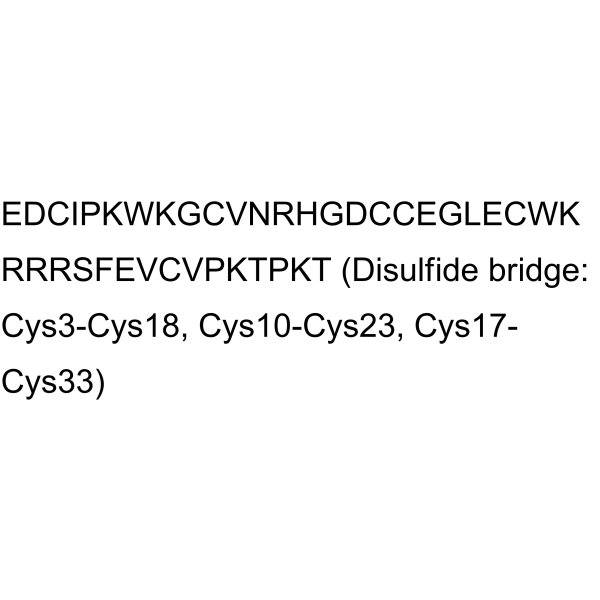
  • HY-P1410
    GsMTx4
    Maximum Cited Publications
    112 Publications Verification

    TRP Channel Piezo Channel Cardiovascular Disease Neurological Disease Inflammation/Immunology
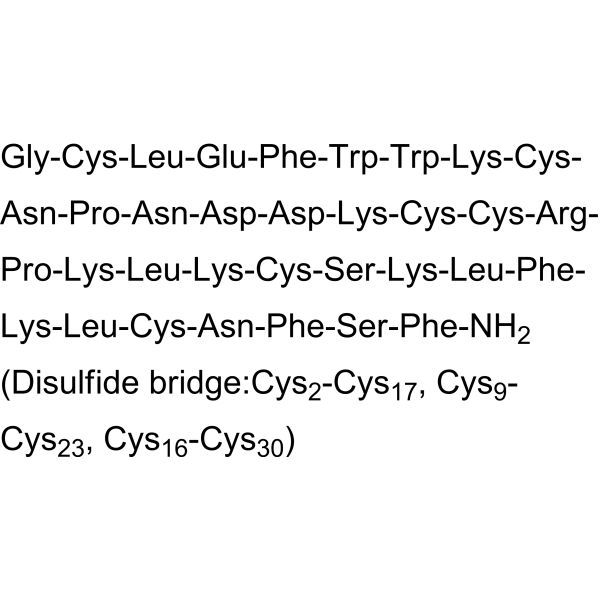
    GsMTx4 is a spider venom peptide that selectively inhibits cationic-permeable mechanosensitive channels (MSCs) belonging to the Piezo and TRP channel families. GsMTx4 also blocks cation-selective stretch-activated channels (SACs) , attenuates lysophosphatidylcholine (LPC)-induced astrocyte toxicity and microglial reactivity. GsMTx4 is an important pharmacological tool for identifying the role of these excitatory MSCs in normal physiology and pathology .
    GsMTx4
  • HY-P1410A
    GsMTx4 TFA
    Maximum Cited Publications
    112 Publications Verification

    TRP Channel Piezo Channel Cardiovascular Disease Neurological Disease Inflammation/Immunology
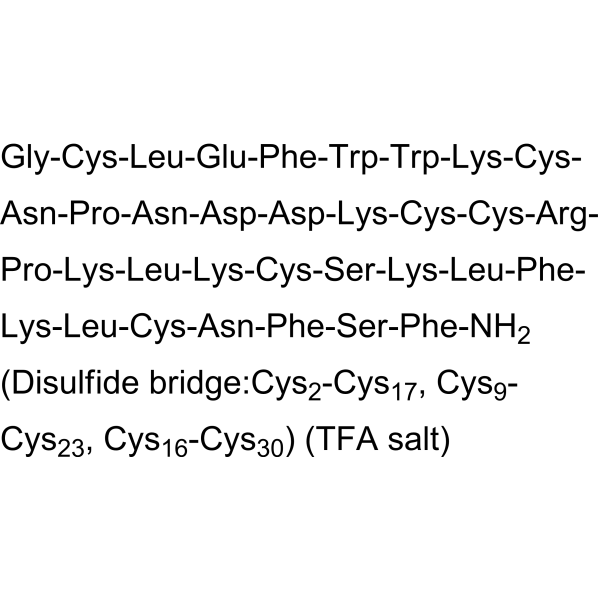
    GsMTx4 TFA is a spider venom peptide that selectively inhibits cationic-permeable mechanosensitive channels (MSCs) belonging to the Piezo and TRP channel families. GsMTx4 TFA also blocks cation-selective stretch-activated channels (SACs) , attenuates lysophosphatidylcholine (LPC)-induced astrocyte toxicity and microglial reactivity. GsMTx4 TFA is an important pharmacological tool for identifying the role of these excitatory MSCs in normal physiology and pathology .
    GsMTx4 TFA
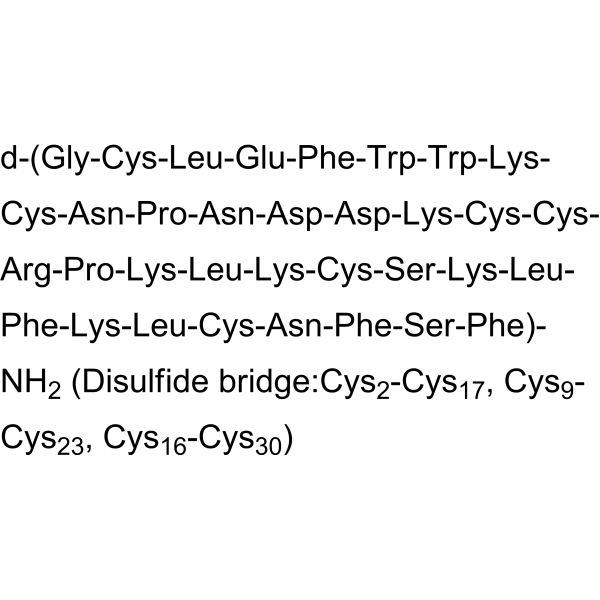
  • HY-P1410B
    D-GsMTx4
    3 Publications Verification

    Piezo Channel Calcium Channel mTOR PI3K Akt Cardiovascular Disease Neurological Disease Inflammation/Immunology
    D-GsMTx4 is a spider peptide and the D enantiomer of GsMTx4 (HY-P1410). D-GsMTx4 inhibits the mechanosensitive ion channel Piezo2. D-GsMTx4 inhibits [Ca 2+]i elevation. D-GsMTx4 inhibits mTOR and PI3K-Akt signaling pathways. D-GsMTx4 inhibits mechanical allodynia and thermal hyperalgesia. D-GsMTx4 can be used in researches of mechanical stress, chronic pain and idiopathic pulmonary fibrosis .
    D-GsMTx4
  • HY-W587486

    Endogenous Metabolite Bacterial Metabolic Disease
    N‑acetyltaurine is an orally active endogenous sulfonate that is synthesized from taurine and acetate in the renal cortex. N‑acetyltaurine supports bacterial growth as a sole fixed nitrogen or carbon source. N‑acetyltaurine buffers acetyl moieties of mitochondrial acetyl‑CoA in skeletal muscle. N‑acetyltaurine reduces food intake and body weight in obese and lean wild‑type mice in a GFRAL‑dependent manner. N‑acetyltaurine can be used for the research of diet‑induced obesity, hyperacetatemia and diabetes .
    N-Acetyltaurine
  • HY-12506A
    Naspm trihydrochloride
    5+ Cited Publications

    1-Naphthylacetyl spermine trihydrochloride

    iGluR Neurological Disease
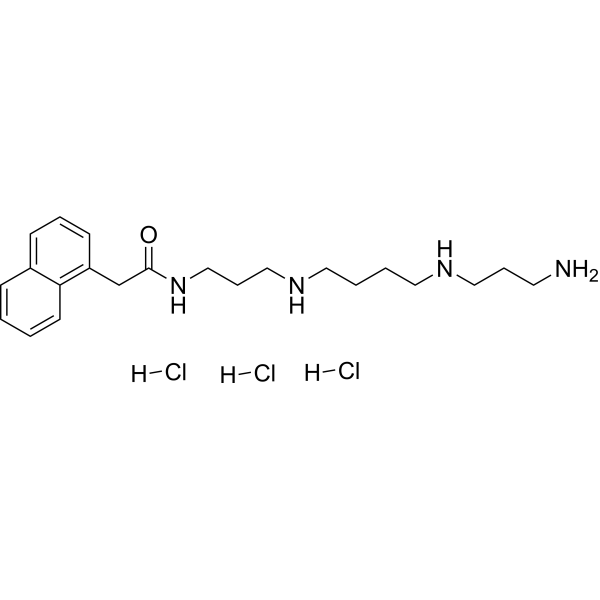
    Naspm trihydrochloride (1-Naphthylacetyl spermine trihydrochloride), a synthetic analogue of Joro spider toxin, is a calcium permeable AMPA (CP-AMPA) receptors antagonist.
    Naspm trihydrochloride
  • HY-12506
    Naspm
    5+ Cited Publications

    1-Naphthylacetyl spermine

    iGluR Neurological Disease
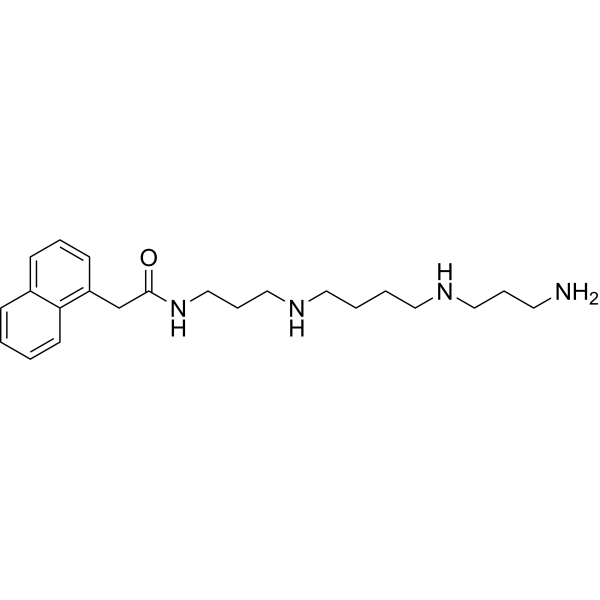
    Naspm (1-Naphthyl acetyl spermine), a synthetic analogue of Joro spider toxin, is a calcium permeable AMPA (CP-AMPA) receptors antagonist.
    Naspm
  • HY-P1411
    Psalmotoxin 1
    5+ Cited Publications

    PcTx1; Psalmopoeus cambridgei toxin-1

    Sodium Channel Apoptosis Neurological Disease Cancer
    Psalmotoxin 1 (PcTx1) is a protein toxin that can bind at subunit-subunit interfaces of acid-sensing ion channel 1a (ASIC1a). Psalmotoxin 1 is a potent and slective ASIC1a inhibitor (IC50: 0.9 nM) by increasing the apparent affinity for H + of ASIC1a. Psalmotoxin 1 can induce cell apoptosis, also inhibits cell migration, proferliration and invasion of cancer cells. Psalmotoxin 1 can be used in the research of cancers, or neurological disease .
    Psalmotoxin 1
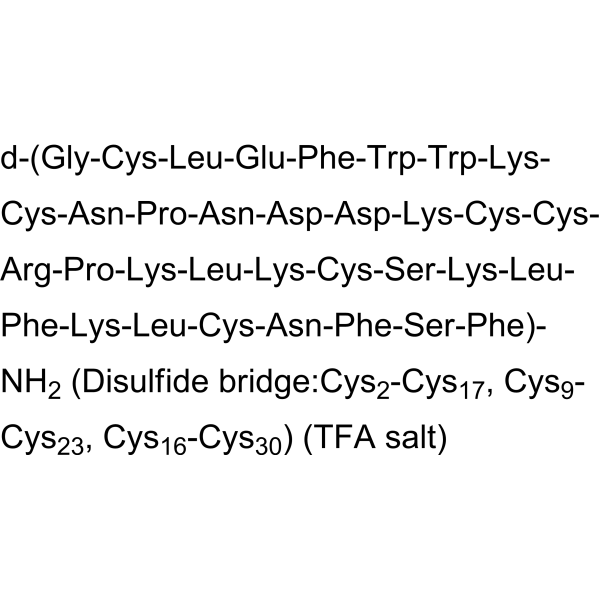
  • HY-P1410C
    D-GsMTx4 TFA
    3 Publications Verification

    Piezo Channel Calcium Channel mTOR PI3K Akt Cardiovascular Disease Neurological Disease Inflammation/Immunology
    D-GsMTx4 TFA is a spider peptide and the D enantiomer of GsMTx4 (HY-P1410). D-GsMTx4 TFA inhibits the mechanosensitive ion channel Piezo2. D-GsMTx4 TFA inhibits [Ca 2+]i elevation. D-GsMTx4 TFA inhibits mTOR and PI3K-Akt signaling pathways. D-GsMTx4 TFA inhibits mechanical allodynia and thermal hyperalgesia. D-GsMTx4 TFA can be used in researches of mechanical stress, chronic pain and idiopathic pulmonary fibrosis .
    D-GsMTx4 TFA
  • HY-W663938

    Parasite Others
    Cyflumetofen is a synthetic miticide that strongly inhibits mitochondrial complex II of spider mites, but not of insects, crustaceans, or mammals. Cyflumetofen is not significantly effective in inhibiting aflatoxin production in fungi .
    Cyflumetofen
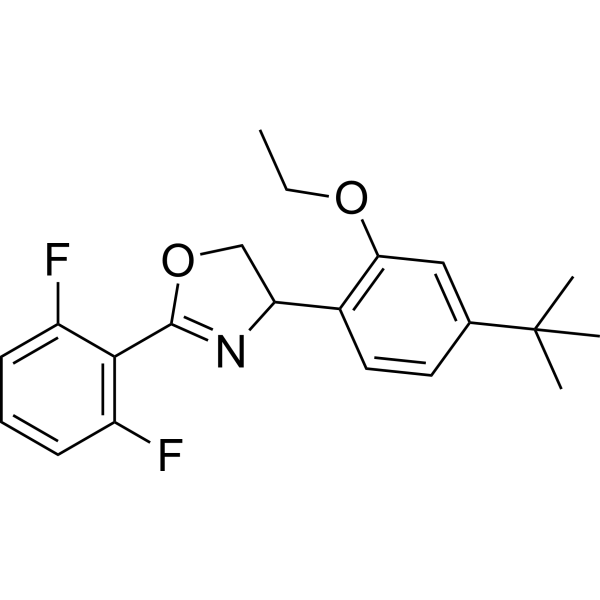
  • HY-W059342

    YI-5301

    Environmental Pollutants Biochemical Assay Reagents Infection
    Etoxazole (YI-5301) is an organofluorine insecticide widely used in agriculture. Etoxazole affects the nymphs, eggs, and larvae of spider mites by inhibiting chitin biosynthesis .
    Etoxazole
  • HY-P5786

    HpTx1

    Potassium Channel Sodium Channel Neurological Disease
    Heteropodatoxin-1 (HpTx1), a spider peptide toxin, is a Kv4.2 current inhibitor. Heteropodatoxin-1 also inhibits Nav1.7 and activates Nav1.9 but does not affect Nav1.8 .
    Heteropodatoxin-1
  • HY-P3095

    Endogenous Metabolite Neurological Disease
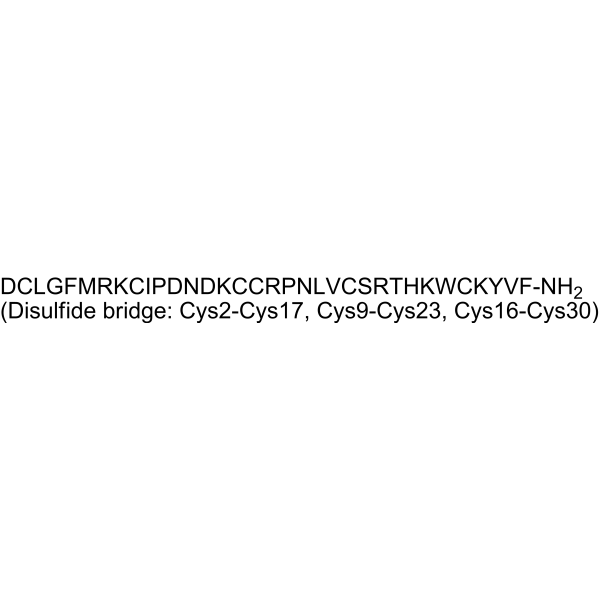
    α-Latrotoxin, a potent neurotoxin from black widow spider venom, triggers synaptic vesicle exocytosis from presynaptic nerve terminals .
    α-Latrotoxin
  • HY-138149

    epi-Avermectin B1a

    Drug Metabolite Infection
    2-epi-Abamectin is a degradation product of Abamectin. It is toxic to the two-spotted spider mite in a contact assay with an LC50 value of 4 ppm, which is approximately 100-fold less potent than abamectin.
    2-epi-Abamectin
  • HY-P1411A
    Psalmotoxin 1 TFA
    5+ Cited Publications

    PcTx1 TFA; Psalmopoeus cambridgei toxin-1 TFA

    Sodium Channel Apoptosis Neurological Disease Cancer
    Psalmotoxin 1 (PcTx1) TFA is a protein toxin that can bind at subunit-subunit interfaces of acid-sensing ion channel 1a (ASIC1a). Psalmotoxin 1 TFA is a potent and slective ASIC1a inhibitor (IC50: 0.9 nM) by increasing the apparent affinity for H + of ASIC1a. Psalmotoxin 1 TFA can induce cell apoptosis, also inhibits cell migration, proferliration and invasion of cancer cells. Psalmotoxin 1 TFA can be used in the research of cancers, or neurological disease .
    Psalmotoxin 1 TFA
  • HY-P5160A

    PhlTx1 TFA

    Sodium Channel Neurological Disease
    Phlotoxin-1 (PhlTx1) is a 34-amino acid and 3-disulfide bridge peptide. Phlotoxin-1 can be isolated from Phlogiellus genus spider. Phlotoxin-1 is an antinociceptive agent by inhibiting NaV1.7 channel .
    Phlotoxin-1 TFA
  • HY-P3655

    Calcium Channel Others
    Agelenin is a polypeptide composed of 35 amino acids. Agelenin could be isolated from the Agelenidae spider Agelena opulenta. Agelenin has structural similarity to insect-specific calcium channel inhibitor .
    Agelenin
  • HY-B0828

    Parasite Cholinesterase (ChE) Others
    Triazophos, a non-systemic insecticide and acaricide that acts as an acetylcholinesterase (AChE) inhibitor, covalently and irreversibly binds to the acetylcholine binding site, thus blocking the hydrolysis of acetylcholine and leading to hyperexcitability; it is effective against a variety of soil insects and mites, including aphids, thrips, midges, beetles, Lepidoptera larvae, cutworms, and spider mites in crops such as ornamentals, cotton, rice, maize, soybeans, oil palms, olives, and coffee.
    Triazophos
  • HY-P1681A

    Sodium Channel Neurological Disease
    GpTx-1 TFA is a peptide-based NaV1.7 sodium channel antagonist isolated from the venom of the Chilean spider Grammostola porter. GpTx-1 TFA demonstrates potent inhibitory activity against the NaV1.7 channel with an IC50 value of 10 nM, while exhibiting excellent selectivity for NaV1.4 (IC50 = 0.301 μM) and NaV1.5 (IC50 = 4.20 μM), showing >20-fold and >950-fold selectivity respectively .
    GpTx-1 TFA
  • HY-P1681

    Sodium Channel Neurological Disease
    GpTx-1 is a peptide-based NaV1.7 sodium channel antagonist isolated from the venom of the Chilean spider Grammostola porter. GpTx-1 demonstrates potent inhibitory activity against the NaV1.7 channel with an IC50 value of 10 nM, while exhibiting excellent selectivity for NaV1.4 (IC50 = 0.301 μM) and NaV1.5 (IC50 = 4.20 μM), showing >20-fold and >950-fold selectivity respectively .
    GpTx-1
  • HY-P5162

    Sodium Channel Inflammation/Immunology
    Dc1a potently promotes opening of the German cockroach Nav channel (BgNav1). Dc1a is a toxin can be isolated from the desert bush spider Diguetia canities .
    Dc1a
  • HY-P2699

    GrTx; ω-GsTx SIA

    Calcium Channel Neurological Disease
    ω-Grammotoxin SIA (GrTx) is P/Q and N-type voltage-gated Calcium channels inhibitor. ω-Grammotoxin SIA is also a protein toxin that can be obtained from spider venom. ω-Grammotoxin SIA has the potential to study neurological diseases as well as cardiovascular diseases .
    ω-Grammotoxin SIA
  • HY-170513

    Insecticide Infection Cancer
    3'-Ethoxy-5,6-dihydrospinosyn J 17-pseudoaglycone is a Spinosyn derivative with potent insecticidal activity. 3'-Ethoxy-5,6-dihydrospinosyn J 17-pseudoaglycone (500mg/L) achieves a 100% mortality rate against Mythimna separata, aphids, and red spiders .
    3'-Ethoxy-5,6-dihydrospinosyn J 17-pseudoaglycone
  • HY-P5790

    Sodium Channel Neurological Disease
    μ-TRTX-Hd1a, a spider venom, is a selective NaV 1.7 inhibitor. μ-TRTX-Hd1a is a gating modifier that inhibits human NaV 1.7 by interacting with the S3b-S4 paddle motif in channel domain II .
    μ-TRTX-Hd1a
  • HY-129642

    Fungal Others
    Hirsutide is a cyclic tetrapeptide that can be found in spider-derived entomopathogenic fungus .
    Hirsutide
  • HY-116511

    Parasite Infection
    Benzoximate is an acaricide that inhibits fruit tree red spider mite Panonychys ulmi (Koch) .
    Benzoximate
  • HY-172444

    Biochemical Assay Reagents Others
    Protein hydrolyzates, silk is a fibrous protein that can be produced by silkworms and spiders. Protein hydrolyzates, silk can be added to cosmetics .
    Protein hydrolyzates, silk
  • HY-P2785

    Potassium Channel Neurological Disease
    Phrixotoxin 1, from the venom of the theraphosid spider Phrixotrichus auratus, is a specific peptide inhibitor of Kv4 potassium channel .
    Phrixotoxin-1
  • HY-P2785A

    Potassium Channel Neurological Disease
    Phrixotoxin-1 (TFA), from the venom of the theraphosid spider Phrixotrichus auratus, is a specific peptide inhibitor of Kv4 potassium channel .
    Phrixotoxin-1 TFA
  • HY-P1330

    P2X Receptor Inflammation/Immunology
    Purotoxin 1 is a P2X3 receptor inhibitor. Purotoxin 1 shows antinociceptive properties in animal models of inflammatory pain. Purotoxin 1 can be isolated from the venom of the wolf spider Geolycosa sp .
    Purotoxin 1
  • HY-W059342R

    YI-5301 (Standard)

    Biochemical Assay Reagents Reference Standards Infection
    Etoxazole (Standard) is the analytical standard of Etoxazole. This product is intended for research and analytical applications. Etoxazole (YI-5301) is an organofluorine insecticide widely used in agriculture. Etoxazole affects the nymphs, eggs, and larvae of spider mites by inhibiting chitin biosynthesis .
    Etoxazole (Standard)
  • HY-W663938R

    Parasite Reference Standards Others
    Cyflumetofen (Standard) is the analytical standard of Cyflumetofen. This product is intended for research and analytical applications. Cyflumetofen is a synthetic miticide that strongly inhibits mitochondrial complex II of spider mites, but not of insects, crustaceans, or mammals. Cyflumetofen is not significantly effective in inhibiting aflatoxin production in fungi .
    Cyflumetofen (Standard)
  • HY-P5865

    Theraphotoxin-Tap1a; TRTX-Tap1a; µ/ω-TRTX-Tap1a

    Sodium Channel Neurological Disease
    Tap1a (Theraphotoxin-Tap1a) is a spider venom peptide that inhibits sodium channels with IC50s of 80 nM and 301 nM against Nav1.7 and Nav1.1, respectively. Tap1a shows analgesic effects .
    Tap1a
  • HY-P5160

    PhlTx1

    Sodium Channel Neurological Disease
    Phlotoxin-1 (PhlTx1) is a 34-amino acid and 3-disulfide bridge peptide. Phlotoxin-1 can be isolated from Phlogiellus genus spider. Phlotoxin-1 is an antinociceptive agent by inhibiting NaV1.7 channel .
    Phlotoxin-1
  • HY-P5770

    Sodium Channel Neurological Disease
    Jingzhaotoxin-V, a 29-residue polypeptide, is derived from the venom of the spider Chilobrachys jingzhao. Jingzhaotoxin-V inhibits tetrodotoxin-resistant and tetrodotoxin-sensitive sodium currents in rat dorsal root ganglion neurons with IC50 values of 27.6 nM and 30.2 nM, respectively. Jingzhaotoxin-V also inhibits Kv4.2 potassium currents expressed in Xenpus Laevis oocytes (IC50 of 604.2 nM) .
    Jingzhaotoxin-V
  • HY-P5813

    β-TRTX-cd1a; β-Theraphotoxin-cd1a

    Calcium Channel Neurological Disease
    Cd1a is a β-toxin derived from the African spider Ceratogyrus darlingi. Cd1a can regulate calcium ion channels. Cd1a inhibits human calcium ion channels (Cav2.2)(IC502.6 μM) and mouse sodium ion channels (Nav1.7). Cd1a can be used in the development of peripheral pain treatment drugs .
    Cd1a
  • HY-P5153

    μ-TRTX-Tp1a

    Sodium Channel Neurological Disease
    ProTx-III is a selective and potent inhibitor of voltage-gated sodium channel Nav1.7, with an IC50 of 2.1 nM. ProTx-III is a spider venom peptide isolated from the venom of the Peruvian green velvet tarantella. ProTx-III has a typical inhibitor cystine knot motif (ICK). ProTx-III is able to reverse the pain response. ProTx-III can be used to study diseases such as chronic pain, epilepsy, and arrhythmia .
    ProTx-III
  • HY-100196AR

    PQQ disodium salt (Standard); Methoxatin disodium salt (Standard)

    Reference Standards Endogenous Metabolite Inflammation/Immunology
    Triazophos (Standard) is the analytical standard of Triazophos. This product is intended for research and analytical applications. Triazophos, a non-systemic insecticide and acaricide that acts as an acetylcholinesterase (AChE) inhibitor, covalently and irreversibly binds to the acetylcholine binding site, thus blocking the hydrolysis of acetylcholine and leading to hyperexcitability; it is effective against a variety of soil insects and mites, including aphids, thrips, midges, beetles, Lepidoptera larvae, cutworms, and spider mites in crops such as ornamentals, cotton, rice, maize, soybeans, oil palms, olives, and coffee.
    Pyrroloquinoline quinone disodium salt (Standard)
  • HY-N10653

    (-)-Altemicidin

    Others Cancer
    Altemicidin is a monoterpene alkaloid originally isolated from S. sioyaensis with acaricidal and anticancer activities. It is acaricidal to two-spotted spider mites (T. urticae) in a greenhouse pot test at concentrations of 10 and 100 ppm. Altemicidin inhibits the growth of murine L1210 lymphocytic leukemia and IMC carcinoma cells (IC50s=0.84 and 0.82 μg/mL, respectively). It is toxic to mice with an LD50 value of 0.3 mg/kg.
    Altemicidin
  • HY-B0828R

    Parasite Reference Standards Others
    Triazophos (Standard) is the analytical standard of Triazophos. This product is intended for research and analytical applications. Triazophos, a non-systemic insecticide and acaricide that acts as an acetylcholinesterase (AChE) inhibitor, covalently and irreversibly binds to the acetylcholine binding site, thus blocking the hydrolysis of acetylcholine and leading to hyperexcitability; it is effective against a variety of soil insects and mites, including aphids, thrips, midges, beetles, Lepidoptera larvae, cutworms, and spider mites in crops such as ornamentals, cotton, rice, maize, soybeans, oil palms, olives, and coffee.
    Triazophos (Standard)
  • HY-P5164

    Sodium Channel Neurological Disease
    GrTx1 is a peptide toxin originally isolated from the venom of the spider Grammostola rosea. GrTx1 blocks sodium channel, with IC50s of 0.63 μM, 0.23 μM, 0.77 μM, 1.29 μM, 0.63 μM and 0.37 μM for Nav1.1, Nav1.2, Nav1.3, Nav1.4, Nav1.6 and Nav1.7, repectively . GrTx1 can be used for neurological disease research .
    GrTx1
  • HY-100821

    Bacterial Infection
    2,4-Dihydroxyphenylacetylasparagine is a potent and selective antagonist of glutamate. 2,4-Dihydroxyphenylacetylasparagine inhibits glutamate binding to rat brain synaptic membranes .
    2,4-Dihydroxyphenylacetylasparagine
  • HY-B1167A

    Cardiorythmine hydrochloride; (+)-Ajmaline hydrochloride

    Others Cardiovascular Disease
    Ajmaline hydrochloride is a Class Ia antiarrhythmic agent. It inhibits HERG potassium channels with IC50s of 1.0 μmol/l and 42.3 μmol/l in HEK cells and moth spider oocytes respectively. The inhibitory effect of Ajmaline hydrochloride is rapid, reversible, and positive frequency dependent. It acts primarily on the open state of the HERG channel and may also be combined with the inactivated state. The inhibitory effect of ajmaline hydrochloride is dependent on aromatic residues in the S6 domain, and the sensitivity is significantly reduced in the inactivation-deficient HERG S620T channel. It can also slightly affect the activation voltage of HERG channels. Ajmaline hydrochloride's inhibitory effect on HERG channels may contribute to both its potent antiarrhythmic effects and its potential proarrhythmic risk.
    Ajmaline hydrochloride
  • HY-W719544

    Parasite Infection
    Cyenopyrafen is a mitochondrial complex II inhibitor and acaricide. Cyenopyrafen controls spider mites on fruit trees, vegetables and flowers .
    Cyenopyrafen
  • HY-P5142A

    ω-ACTX-Hv1 TFA; ω-Atracotoxin-HV1 TFA

    Insecticide Apoptosis Calcium Channel Necroptosis Cardiovascular Disease Neurological Disease Inflammation/Immunology
    ω-Hexatoxin-Hv1a (ω-ACTX-Hv1; ω-Atracotoxin-HV1) TFA is an orally active insecticidal neurotoxin containing an inhibitor cystine knot motif and a selective calcium channel inhibitor. ω-Hexatoxin-Hv1a TFA blocks L-type voltage-dependent Ca 2+ channels and reduces intracellular calcium ion concentration, thereby decreasing apoptosis, necroptosis and oxidative stress, and promoting cell recovery and energy level elevation. ω-Hexatoxin-Hv1a TFA causes larval paralysis and death by impairing neurotransmission in the central nervous system of insects. It shows high injectable toxicity against insects of multiple orders, but exhibits weak oral toxicity. ω-Hexatoxin-Hv1a TFA is widely applicable to studies related to ischemia-reperfusion injury, atopic dermatitis, and ischemic injury of cardiomyocytes and neurons .
    ω-Hexatoxin-Hv1a TFA
  • HY-182413

    Phospholipase Infection
    SMases D-IN-1 is an inhibitor of SMase D (sphingomyelinase D) from Loxosceles (brown recluse spider), with a Ki value of 0.54 μM. SMases D-IN-1 inhibits the hydrolysis of sphingomyelin substrates by recombinant and native SMases D, reduces the binding ability of SMases D to human red blood cells, and prevents the shedding of glycophorin C from the surface of human red blood cells. SMases D-IN-1 partially inhibits Loxosceles venom-induced death of human keratinocytes and also suppresses systemic reactions triggered by Loxosceles venom. SMases D-IN-1 can be used in studies related to recluse spider envenomation .
    SMases D-IN-1
  • HY-P11136

    Bacterial Infection
    Latarcin 2a is a linear cationic antibacterial peptide that can be isolated from the venom of the spider Lachesana tarabaevi, with broad-spectrum antibacterial activity. Latarcin 2a has a MIC of 0.5 μM for both Bacillus subtilis and Escherichia coli. Latarcin 2a is often used in the research of infectious conditions .
    Latarcin 2a
  • HY-183930

    Insecticide Infection
    Anti-infective agent 13 is a naphthoquinone-based insecticide/acaricide. Anti-infective agent 13 exhibits insecticidal activity against Bemisia tabaci (sweetpotato whitefly) and Tetranychus urticae (two-spotted spider mite). Anti-infective agent 13 can be used in research related to insect and mite control .
    Anti-infective agent 13
  • HY-B0828S

    Hostathion 40EC-d5; Hostathion-d5; Hostation-d5

    Isotope-Labeled Compounds Parasite Cholinesterase (ChE) Others
    Triazophos-d5 (Hostathion 40EC-d5) is the deuterium labeled Triazophos(HY-B0828) . Triazophos, a non-systemic insecticide and acaricide that acts as an acetylcholinesterase (AChE) inhibitor, covalently and irreversibly binds to the acetylcholine binding site, thus blocking the hydrolysis of acetylcholine and leading to hyperexcitability; it is effective against a variety of soil insects and mites, including aphids, thrips, midges, beetles, Lepidoptera larvae, cutworms, and spider mites in crops such as ornamentals, cotton, rice, maize, soybeans, oil palms, olives, and coffee.
    Triazophos-d5
  • HY-W587486A

    Endogenous Metabolite Bacterial Metabolic Disease
    N-Acetyltaurine hemimagnesium is an orally active endogenous sulfonate that is synthesized from taurine and acetate in the renal cortex. N-Acetyltaurine hemimagnesium supports bacterial growth as a sole fixed nitrogen or carbon source. N-Acetyltaurine hemimagnesium buffers acetyl moieties of mitochondrial acetyl‑CoA in skeletal muscle. N-Acetyltaurine hemimagnesium reduces food intake and body weight in obese and lean wild‑type mice in a GFRAL‑dependent manner. N-Acetyltaurine hemimagnesium can be used for the research of diet‑induced obesity, hyperacetatemia and diabetes .
    N-Acetyltaurine hemimagnesium
  • HY-N18035

    Insecticide Infection
    Spinosyn K is an insecticide found in the actinomycete Saccharopolyspora spinosa. Spinosyn K shows strong insecticidal activity .
    Spinosyn K

Inquiry Online

Your information is safe with us. * Required Fields.

Salutation


Country or Region *

Applicant Name *


Organization Name *

Department *


Email Address *


Product Name *

Cat. No.


Requested quantity *

Phone Number *


Remarks

Inquiry Online

Inquiry Information

Product Name:
Cat. No.:
Quantity:
MCE Japan Authorized Agent:

