






Search Result
Results for "
viscosity
" in MedChemExpress (MCE) Product Catalog:
65
Biochemical Assay Reagents
3
Isotope-Labeled Compounds
| Cat. No. |
Product Name |
Target |
Research Areas |
Chemical Structure |
-
- HY-Y0703
-
-
-
- HY-N0293
-
|
Peoniflorin
|
HSP
|
Infection
Neurological Disease
Cancer
|
|
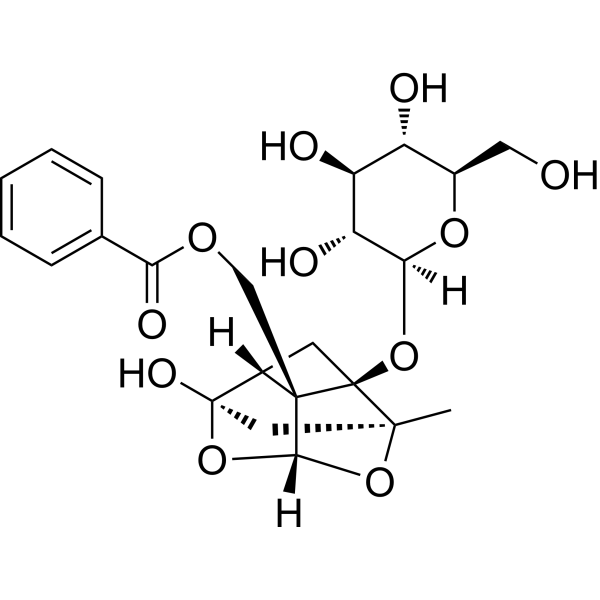
Paeoniflorin is a heat shock protein-inducing compound and commonly exists in the plants of Paeoniaceae family, with various biological activities, including anticancer activity, anti-inflammatory activity, enhancing cognition and attenuating learning impairment, anti-oxidative stress, antiplatelet aggregation, expansion of blood vessels, and reducing blood viscosity .
|
-
-
- HY-125861
-
|
MC(viscosity:100000mPa.s)
|
Environmental Pollutants
Biochemical Assay Reagents
|
Others
|
|
Methyl cellulose (MC) (Viscosity:100000mPa.s) is a non-ionic cellulose ether with surface activity and thermogelation properties. Methyl cellulose (Viscosity:100000mPa.s) is widely used as drug delivery agents, thickeners, stabilizers, emulsifiers, etc., in industries such as pharmaceuticals, food, cosmetics, and construction .
|
-
-
- HY-Y1889A
-
|
CMC-Na (MW 250000); CMC-Na (viscosity:1500-3100 mPa.s)
|
Environmental Pollutants
Biochemical Assay Reagents
|
Others
|
|
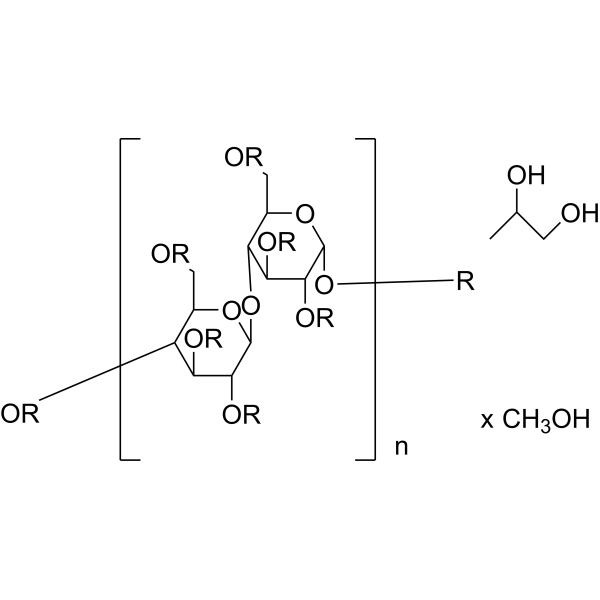
Sodium carboxymethyl cellulose (CMC-Na) (MW 250000) is a sodium salt of carboxymethyl cellulose. Sodium carboxymethyl cellulose has adsorption and corrosion inhibition on low-carbon steel in an acidic medium. Sodium carboxymethyl cellulose can be used as a thickener, paste and barrier agent .
|
-
-
- HY-A0104
-
-
-
- HY-A0104J
-
|
Hypromellose (Type II,viscosity:5mPa.s); (Hydroxypropyl)methyl cellulose (Type II,viscosity:5mPa.s); Celacol HPM 5000 (Type II,viscosity:5mPa.s)
|
Environmental Pollutants
Biochemical Assay Reagents
|
Others
|
|
HPMC (Hypromellose) (Type II,Viscosity:5mPa.s) is a hydrophilic, non-ionic cellulose ether used to form swellable-soluble matrices. HPMC (Type II,Viscosity:5mPa.s) is widely used in agent formulations due to its biocompatibility, uncharged nature, solubility in water and thermoplastic behavior .
|
-
-
- HY-125861E
-
|
MC(viscosity:4000mPa.s)
|
Environmental Pollutants
Biochemical Assay Reagents
|
Others
|
|
Methyl cellulose (MC) (Viscosity:4000mPa.s) is a non-ionic cellulose ether with surface activity and thermogelation properties. Methyl cellulose (Viscosity:4000mPa.s) is widely used as drug delivery agents, thickeners, stabilizers, emulsifiers, etc., in industries such as pharmaceuticals, food, cosmetics, and construction .
|
-
-
- HY-Y0703C
-
-
-
- HY-Y1310A
-
|
|
Environmental Pollutants
Biochemical Assay Reagents
|
Others
|
|
Sodium alginate is an anionic straight chain polysaccharide. Sodium alginate can be obtained from different species of algae. Sodium alginate has different properties, such as pH-sensitivity, nontoxicity, nonimmunogenicity. Sodium alginate has weak gelation, viscosity, and film-forming properties. Sodium alginate can be utilized to prepare gels and film materials for food preservation. Sodium alginate is a versatile functional biomaterial for viscosity enhancement, stabilizer, matrixing agent, encapsulation polymer, bioadhesive and film former .
|
-
-
- HY-B2144C
-
|
Deacetylated chitin (≥95% deacetylated,viscosity 100-200 mPa.s); Poly(D-glucosamine) (≥95% deacetylated,viscosity 100-200 mPa.s)
|
Environmental Pollutants
Biochemical Assay Reagents
Bacterial
Fungal
|
Infection
Cancer
|
|
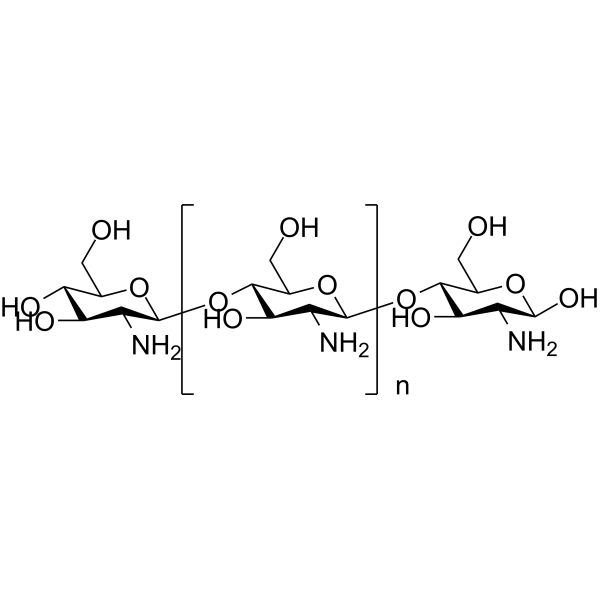
Chitosan (Deacetylated chitin) (≥95% deacetylated,viscosity 100-200 mPa.s) is a polysaccharide obtained by deacetylating chitin, and exhibits antimicrobial activity against various bacteria and fungi .
|
-
-
- HY-B0264
-
|
Guaiacol glyceryl ether; Guaiphenesin; Glycerol guaiacolate
|
Mucin
|
Neurological Disease
Inflammation/Immunology
|
|
Guaifenesin (Guaiacol glyceryl ether), a constituent of guaiac resin from the wood of Guajacum officinale Linné, is an expectorant. Guaifenesin can alleviate cough discomfortby increasing sputum volume and decreasing its viscosity, thereby promoting effective cough .
|
-
-
- HY-A0103
-
|
|
Environmental Pollutants
Biochemical Assay Reagents
|
Inflammation/Immunology
|
|
Xanthan gum interacts with gelatin (HY-Y1365) via hydrogen bonds, thereby increasing the viscosity and stability of the hydrogel while promoting cell growth and creating a microenvironment conducive to cell differentiation [1][2]. Xanthan gum induces pro-inflammatory responses by increasing the levels of TNF-α, IL-6, and IL-10. Xanthan gum can be used for inflammation and immunology research .
|
-
-
- HY-125861B
-
|
MC(viscosity:400mPa.s)
|
Environmental Pollutants
Biochemical Assay Reagents
|
Others
|
|
Methyl cellulose (MC) (Viscosity:400mPa.s) is a non-ionic cellulose ether with surface activity and thermogelation properties. Methyl cellulose (Viscosity:400mPa.s) is widely used as drug delivery agents, thickeners, stabilizers, emulsifiers, etc., in industries such as pharmaceuticals, food, cosmetics, and construction .
|
-
-
- HY-32067
-
|
Quinuclidin-3-yl acetate
|
mAChR
|
Cardiovascular Disease
Neurological Disease
|
|
Aceclidine (Quinuclidin-3-yl acetate) is a modulator of M3 muscarinic acetylcholine receptor and a M1 receptor agonist (EC50: 40 μM). Aceclidine is a cycloplegic agent, a surfactant, a tonicity adjustor and optionally a viscosity enhancer and an antioxidant. Aceclidine has the potential for the research of disorders such as refractive errors of the eye, xerostomia, Sjogren's syndrome, glaucoma, conjunctivitis, lacrimal gland disease, and esotropia .
|
-
-
- HY-W099535
-
|
|
Biochemical Assay Reagents
|
Others
|
|
Lithium dodecyl sulfate is an anionic hydrocarbon surfactant with both surface tension reduction and interfacial adsorption capabilities. Lithium dodecyl sulfate induces low surface viscosity; it forms micelles in aqueous solutions through entropy-driven (low temperature) and enthalpy-driven (high temperature) mechanisms. When acting synergistically with tetrabutylammonium bromide, Lithium dodecyl sulfate exhibits cloud point behavior due to micelle aggregation and phase separation. Lithium dodecyl sulfate can form an adsorption layer at the air-water interface with quantifiable surface excess and minimum area per molecule, and it has higher equilibrium surface tension and foamability compared to other dodecyl sulfate counterion variants. The foam stability of Lithium dodecyl sulfate above its critical micelle concentration is low, and its dynamic surface tension pattern changes dynamically with bubble frequency .
|
-
-
- HY-Y0703A
-
-
-
- HY-Y1889
-
-
-
- HY-B2144E
-
|
Deacetylated chitin (≥90% deacetylated, Low viscosity,<200mPa.s); Poly(D-glucosamine) (≥90% deacetylated, Low viscosity,<200mPa.s)
|
Environmental Pollutants
Biochemical Assay Reagents
Bacterial
Fungal
|
Infection
Cancer
|
|
Chitosan (Deacetylated chitin) (≥90% deacetylated, Low viscosity,<200mPa.s) is a polysaccharide obtained by deacetylating chitin, and exhibits antimicrobial activity against various bacteria and fungi .
|
-
-
- HY-Y0703D
-
|
CMC-Na (average Mw 90000, DS=0.7, viscosity:50-200 mPa.s)
|
Environmental Pollutants
Biochemical Assay Reagents
|
Others
|
|
Sodium carboxymethyl cellulose (average Mw 90000, DS=0.7, Viscosity:50-200 mPa.s) is the sodium salt of cellulose arboxymethyl and frequently used as viscous agent, paste and barrier agent .
|
-
-
- HY-W145522
-
|
|
Biochemical Assay Reagents
|
Others
|
|
Pullulan (Pullulan standard 5800) (Mw 362-480 kDa; Mn 100-200 kDa) is a class of orally active and water-soluble linear glucosic polysaccharide. Pullulan can be isolated from the polymorphic fungus Aureobasidium pullulans. Pullulan is composed of maltotriose repeating units linked by α-1,6 linkages and is an amorphous slime matter. Pullulan is widely used in food, environment, pharmaceutical, manufacturing, and electronics .
|
-
-
- HY-112624C
-
|
|
Biochemical Assay Reagents
Endogenous Metabolite
|
Others
|
|
Dextran (MW 40000) is a complex carbohydrate polymer consisting of glucose molecules linked by glycosidic bonds. Dextran has excellent solubility in water, making it useful as a viscosity modifier or stabilizer in foods, paints and adhesives. In the biomedical field, dextran is often used as a plasma expander because of its ability to increase blood volume when administered intravenously. It can also be modified to create dextran-based drug delivery systems, such as targeted nanoparticles.
|
-
-
- HY-125861A
-
|
MC(viscosity:15mPa.s)
|
Environmental Pollutants
Biochemical Assay Reagents
|
Others
|
|
Methyl cellulose (MC) (Viscosity:15mPa.s) is a non-ionic cellulose ether with surface activity and thermogelation properties. Methyl cellulose (Viscosity:15mPa.s) is widely used as drug delivery agents, thickeners, stabilizers, emulsifiers, etc., in industries such as pharmaceuticals, food, cosmetics, and construction .
|
-
-
- HY-A0104D
-
|
Hypromellose (Type I,viscosity:4000mPa.s); (Hydroxypropyl)methyl cellulose (Type I,viscosity:4000mPa.s); Celacol HPM 5000 (Type I,viscosity:4000mPa.s)
|
Environmental Pollutants
Biochemical Assay Reagents
|
Others
|
|
HPMC (Hypromellose) (Type I, Viscosity: 4000mPa.s) is a primary sodium alginate and controlled release hydrophilic polymer with an average viscosity of 4000mPa.s. The viscosity of HPMC may change due to concentration, pH, temperature or the presence of metal ions. When the pH is above 10, the viscosity decreases .
|
-
-
- HY-W250721A
-
|
CBM 940
|
Biochemical Assay Reagents
|
Others
|
|
Carbomer 940 (CBM 940) is an acrylic polymer with high viscosity, good thermal stability and histocompatibility. Carbomer 940 serves as a transdermal drug delivery carrier and an external gel matrix. Carbomer 940 has no cytotoxicity, and it can also improve blood supply in the stasis zone of burns and promote wound repair. Carbomer 940 is applicable to pharmaceutical research .
|
-
-
- HY-W127717
-
|
Perfluoro-compound FC-40
|
Biochemical Assay Reagents
|
Others
|
|
Fluorinert FC-40 is a non-conductive liquid containing a mixture of fluorinated compounds. It is commonly used as a cooling and heat transfer fluid in electronics, especially in high-performance computer systems and electronic components that generate a lot of heat. Fluorinert FC-40 has various properties that make it ideal for these applications, including its low viscosity, high thermal stability and excellent dielectric strength. In addition, it can be used as an inert solvent in chemical reactions and a lubricant in mechanical systems.
|
-
-
- HY-D1056B3
-
|
LPS, from bacterial (Klebsiella pneumoniae)
|
Toll-like Receptor (TLR)
|
Inflammation/Immunology
|
Lipopolysaccharides, from Klebsiella pneumoniae (LPS, from bacterial (Klebsiella pneumoniae)) are lipopolysaccharide endotoxins and TLR4 activators derived from Klebsiella pneumoniae, and are classified as S-type LPS. Lipopolysaccharides, from Klebsiella pneumoniae exhibit a typical three-part structure: O-antigen, core oligosaccharide, and lipid A. Lipopolysaccharides, from Klebsiella pneumoniae may participate in bacterial immune evasion by inhibiting complement-mediated killing and suppressing the host's secretion of antimicrobial peptides, thereby allowing the bacteria to escape immune defenses. Lipopolysaccharides, from Klebsiella pneumoniae possess high viscosity and resistance to serum-mediated killing, which may lead to sepsis. Lipopolysaccharides, from Klebsiella pneumoniae can be used to construct Acute Lung Injury Model .
It is recommended to prepare a solution with concentration ≥2 mg/mL. Vortex thoroughly for more than 10 minutes. Due to the adsorption characteristics of LPS, silanized container or low adsorption centrifuge tubes should be used for aliquoting and storage, and mix thoroughly before use.
|
-
-
- HY-125861C
-
|
MC(viscosity:1500mPa.s)
|
Environmental Pollutants
Biochemical Assay Reagents
|
Others
|
|
Methyl cellulose (MC) (Viscosity:1500mPa.s) is a non-ionic cellulose ether with surface activity and thermogelation properties. Methyl cellulose (Viscosity:1500mPa.s) is widely used as drug delivery agents, thickeners, stabilizers, emulsifiers, etc., in industries such as pharmaceuticals, food, cosmetics, and construction .
|
-
-
- HY-B2144K
-
-
-
- HY-B2144J
-
|
Deacetylated chitin (≥90% deacetylated,viscosity 650-700 mPa.s); Poly(D-glucosamine) (≥90% deacetylated,viscosity 650-700 mPa.s)
|
Environmental Pollutants
Biochemical Assay Reagents
Bacterial
Fungal
|
Infection
Cancer
|
|
Chitosan (Deacetylated chitin) (≥90% deacetylated, viscosity 650-700 mPa.s) is a polysaccharide obtained by deacetylating chitin, and exhibits antimicrobial activity against various bacteria and fungi. Chitosan (≥90% deacetylated, viscosity 650-700 mPa.s) can be used as a versatile biomaterial in drug delivery, tissue engineering, and wound healing .
|
-
-
- HY-D1553
-
|
|
Fluorescent Dye
|
Others
|
|
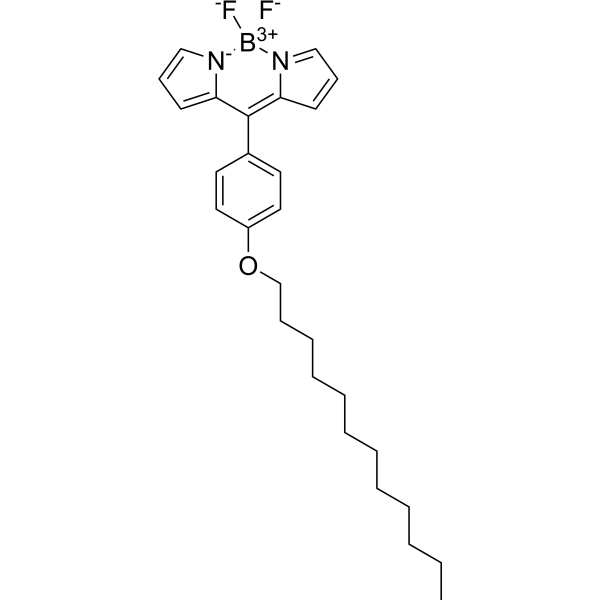
BODIPY-C12 is a boron-dipyrromethene derivative containing a lipophilic tail (excitation 490 nm). BODIPY-C12 is a hydrophobic molecular and sensitivity to the surrounding environment and can be used to quantify viscosity, critical micelle concentration, and critical micelle temperature .
|
-
-
- HY-108858
-
|
rhDNase
|
DNA/RNA Synthesis
Endonuclease
|
Inflammation/Immunology
|
|
Dornase alfa (rhDNase) is a recombinant human deoxyribonuclease I (rhDNase) that can specifically degrade extracellular DNA. Dornase alfa catalyzes the cleavage of DNA released by neutrophils in respiratory mucus, reduces sputum viscosity, thereby improving mucus clearance efficiency, reducing airway obstruction and alleviating inflammatory responses. Dornase alfa can be used to improve lung function (such as FEV_1) in cystic fibrosis (CF), reduce the risk of acute pulmonary exacerbations, and has good in vivo tolerability. Dornase alfa acts locally on the respiratory tract through aerosol inhalation, specifically improving the high viscosity of mucus caused by DNA accumulation and related respiratory symptoms .
|
-
-
- HY-B2225A
-
|
Edible corn starch (from potato)
|
Environmental Pollutants
Biochemical Assay Reagents
|
Others
|
|
Starch (from potato) (Edible corn starch (from potato)) is a type of starch derived from potatoes. Starch (from potato) consists of amylose and amylopectin, and has properties such as easy gelatinization and high viscosity. Starch (from potato) is the main carbohydrate in potatoes and an important raw material for the food industry .
|
-
-
- HY-W145516
-
|
|
Environmental Pollutants
Biochemical Assay Reagents
|
Metabolic Disease
|
|
Guar gum is an orally active nonionic galactomannan polysaccharide. It is present in the endosperm of Cyamopsis tetragonolobus seeds. Guar gum reduces cholesterol levels, regulates body weight, and acts as a thickener and viscosity modifier by forming hydrogen-bonded aqueous solutions. It serves as a rate-controlling excipient in compound delivery systems, and finds applications in the food, tissue engineering, nanosensing and industrial fields .
|
-
-
- HY-104035H
-
|
Poly(dimethylsiloxane) (PDMS), viscosity 10 cSt (25 °C); Dimethylsilcone fluid, viscosity 10 cSt (25 °C)
|
Environmental Pollutants
Biochemical Assay Reagents
|
Others
|
|
Dimethyl silicone oil, viscosity 10 cSt (25 °C) (Poly(dimethylsiloxane) (PDMS), viscosity 10 cSt (25 °C); Dimethylsilcone fluid, viscosity 10 cSt (25 °C)) is a low-viscosity polydimethylsiloxane fluid with high thermal stability. Dimethyl silicone oil, viscosity 10 cSt (25 °C) can be used as a laboratory bath solution, calibration solution, defoamer, and also has applications in the biomedical field, such as as an intraocular solution.
|
-
-
- HY-E70562
-
|
|
Bacterial
|
Infection
Cancer
|
|
Mucinase StcE is a zinc metalloproteinase belonging to the M66 family, which is secreted by enterohemorrhagic Escherichia coli via the type II general secretion pathway. Mucinase StcE specifically recognizes and cleaves the 'T*XT' motif in mucin-type glycoproteins with α-O-glycans (such as MUC2, Mucin 7, Glycoprotein 340, CD45, CD43, C1 Esterase Inhibitor (HY-P991629), etc.). By degrading the mucus layer to reduce its viscosity, inhibiting complement cascade activation, and localizing complement regulatory factors to the cell membrane, Mucinase StcE helps bacteria penetrate the mucosal barrier, adhere to host cells, and evade immune clearance. Mucinase StcE can serve as a mucin-specific proteolytic tool for research on mucinous carcinomas derived from the colon, esophagus, and salivary glands .
|
-
-
- HY-104035E
-
|
Poly(dimethylsiloxane) (PDMS), viscosity 100 cSt (25 °C); Dimethylsilcone fluid, viscosity 100 cSt (25 °C)
|
Environmental Pollutants
Biochemical Assay Reagents
|
Others
|
|
Dimethyl silicone oil, viscosity 100 cSt (25 °C) (Poly(dimethylsiloxane) (PDMS), viscosity 100 cSt (25 °C); Dimethylsilcone fluid, viscosity 100 cSt (25 °C)) is a transparent, colorless, and inert polydimethylsiloxane liquid with stable properties. Dimethyl silicone oil, viscosity 100 cSt (25 °C) exhibits high dielectric strength and excellent lubrication, cushioning, and thermal conductivity. Dimethyl silicone oil, viscosity 100 cSt (25 °C) can be used in cosmetics, lubricants, and electronics.
|
-
-
- HY-A0104C
-
|
Hypromellose (Type I,viscosity:400mPa.s); (Hydroxypropyl)methyl cellulose (Type I,viscosity:400mPa.s); Celacol HPM 5000 (Type I,viscosity:400mPa.s)
|
Environmental Pollutants
Biochemical Assay Reagents
|
Others
|
|
HPMC (Hypromellose) (Type I, Viscosity: 400mPa.s) is a first-grade sodium alginate with an average viscosity of 400 mPa.s. Typically, a 1% w/v HPMC aqueous solution has a viscosity of 20-400mPa.s (20-400cp) at 20°C. The viscosity of HPMC may vary depending on concentration, pH, temperature, or the presence of metal ions. Viscosity decreases at pH values above 10 .
|
-
-
- HY-N15135
-
|
|
Interleukin Related
Toll-like Receptor (TLR)
Fungal
|
Metabolic Disease
|
|
Arabinoxylan Medium viscosity is an orally active Dectin-1 splice variant modulator, glucose absorption inhibitor, and chyme viscosity enhancer. Arabinoxylan Medium viscosity inhibits particulate β-glucan-induced Dectin-1A activation and mildly suppresses Dectin-1B activation. In human dendritic cells stimulated with particulate β-glucan, Arabinoxylan Medium viscosity reduces the production of IL-10 and TNF-α, and increases the production of IL-4 and IL-23. Arabinoxylan Medium viscosity also supports antifungal immune responses without activating TLR2, TLR4 or TLR5, and does not induce cytokine production when used to stimulate human dendritic cells alone. Arabinoxylan Medium viscosity increases small intestinal chyme viscosity, gets degraded in the large intestine to produce short-chain fatty acids, reduces glucose absorption and insulin response, and improves glucose homeostasis. Arabinoxylan Medium viscosity supports microbial fermentation and the growth of beneficial microbiota in the gastrointestinal tract, prevents bile acid reabsorption, and delays starch digestion. Arabinoxylan Medium viscosity can be used in research related to type 2 diabetes, impaired glucose tolerance, and metabolic syndrome .
|
-
-
- HY-A0104G
-
|
Hypromellose (Type II,viscosity:4000mPa.s); (Hydroxypropyl)methyl cellulose (Type II,viscosity:4000mPa.s); Celacol HPM 5000 (Type II,viscosity:4000mPa.s)
|
Environmental Pollutants
Biochemical Assay Reagents
|
Others
|
|
Hypromellose (Hypromellose (Type II,Viscosity:4000mPa.s); (Hydroxypropyl)methyl cellulose (Type II,Viscosity:4000mPa.s); Celacol HPM 5000 (Type II,Viscosity:4000mPa.s)) is a biochemical reagent that can be used as a biological material or organic compound for life science related research.
|
-
-
- HY-B2144G
-
|
Deacetylated chitin (≥80% deacetylated, High viscosity,>400mPa.s); Poly(D-glucosamine) (≥80% deacetylated, High viscosity,>400mPa.s)
|
Environmental Pollutants
Biochemical Assay Reagents
Bacterial
Fungal
|
Infection
Cancer
|
|
Chitosan (Deacetylated chitin; Poly(D-glucosamine)) (≥80% deacetylated, High viscosity,>400mPa.s) is a polysaccharide obtained by deacetylating chitin, and exhibits antimicrobial activity against various bacteria and fungi .
|
-
-
- HY-B2144F
-
|
Deacetylated chitin (≥80% deacetylated, Medium viscosity,200-400mPa.s); Poly(D-glucosamine) (≥80% deacetylated, Medium viscosity,200-400mPa.s)
|
Environmental Pollutants
Biochemical Assay Reagents
Bacterial
Fungal
|
Infection
Cancer
|
|
Chitosan (Deacetylated chitin; Poly(D-glucosamine)) (≥80% deacetylated, Medium viscosity,200-400mPa.s) is a polysaccharide obtained by deacetylating chitin, and exhibits antimicrobial activity against various bacteria and fungi .
|
-
-
- HY-A0104K
-
|
Hypromellose (Type II,viscosity:3mPa.s); (Hydroxypropyl)methyl cellulose (Type II,viscosity:3mPa.s); Celacol HPM 5000 (Type II,viscosity:3mPa.s)
|
Environmental Pollutants
Biochemical Assay Reagents
|
Others
|
|
HPMC (Type II, Viscosity: 3 mPa.s) is a nonionic polymer prepared via synthetic modification of cellulose. As a hydrophilic matrix material, HPMC prolongs drug release through non-Fickian diffusion, which includes the diffusion of drugs in the hydrated matrix and the polymer relaxation process .
|
-
-
- HY-A0104B
-
|
Hypromellose (Type I,viscosity:100mPa.s); (Hydroxypropyl)methyl cellulose (Type I,viscosity:100mPa.s); Celacol HPM 5000 (Type I,viscosity:100mPa.s)
|
Environmental Pollutants
Biochemical Assay Reagents
|
Others
|
|
HPMC (Type I, Viscosity: 100 mPa·s) is a nonionic polymer obtained via synthetic modification of cellulose. As a hydrophilic matrix material, HPMC prolongs drug release through non-Fickian diffusion, including the diffusion of drugs within the hydrated matrix and the polymer relaxation process .
|
-
-
- HY-A0104E
-
|
Hypromellose (Type II,viscosity:100mPa.s); (Hydroxypropyl)methyl cellulose (Type II,viscosity:100mPa.s); Celacol HPM 5000 (Type II,viscosity:100mPa.s)
|
Environmental Pollutants
Biochemical Assay Reagents
|
Others
|
|
HPMC (Hypromellose; (Hydroxypropyl)methyl cellulose; Celacol HPM 5000) (Type II,Viscosity:100mPa.s) is a non-ionic polymer obtained via synthetic modification of cellulose. As a hydrophilic matrix material, HPMC prolongs drug release through non-Fickian diffusion, including the diffusion of drugs in the hydrated matrix and the polymer relaxation process .
|
-
-
- HY-32067A
-
|
Quinuclidin-3-yl acetate hydrochloride
|
mAChR
|
Neurological Disease
|
|
Aceclidine (Quinuclidin-3-yl acetate) hydrochloride is a modulator of M3 muscarinic acetylcholine receptor and a M1 receptor agonist (EC50: 40 μM). Aceclidine hydrochloride is a cycloplegic agent, a surfactant, a tonicity adjustor and optionally a viscosity enhancer and an antioxidant. Aceclidine hydrochloride has the potential for the research of disorders such as refractive errors of the eye, xerostomia, Sjogren's syndrome, glaucoma, conjunctivitis, lacrimal gland disease, and esotropia .
|
-
-
- HY-W250186
-
|
Teterdecyl dimethyl amine oxide; Myristyldimethylamine N-oxide
|
Environmental Pollutants
Biochemical Assay Reagents
|
Others
|
|
Myristyl dimethylamine oxide is a cationic surfactant belonging to the family of amine oxides. It is commonly used as a foam booster, thickener and conditioning agent in a variety of personal care and household cleaning products. Myristyl dimethylamine oxide has several properties suitable for these applications, including the ability to reduce surface tension, increase viscosity and provide antistatic properties. In addition, it can be used as a raw material for the production of other surfactants and specialty chemicals.
|
-
-
- HY-B1090
-
|
|
Calcium Channel
Histamine Receptor
|
Cardiovascular Disease
Endocrinology
|
|
Cinnarizine is an orally active, effective and selective inhibitor of L-type calcium channel Cav1.3 with an IC50 of 1.5 μM (in vestibular hair cells). Cinnarizine can cross the blood-brain barrier and regulate calcium homeostasis and dopamine neurotransmission. Cinnarizine inhibits the influx of calcium ions into smooth muscle cells by blocking L-type calcium channels, thereby relaxing vascular smooth muscle, improving cerebral circulation and reducing blood viscosity, while antagonizing dopamine receptors. Cinnarizine can be used in the study of vestibular vertigo, Meniere's disease and cerebrovascular diseases .
|
-
-
- HY-125861D
-
|
MC(viscosity:40000mPa.s)
|
Environmental Pollutants
Biochemical Assay Reagents
|
Others
|
|
Methyl cellulose (MC) (Viscosity:40000mPa.s) is a non-ionic cellulose ether with surface activity and thermogelation properties. Methyl cellulose (Viscosity:40000mPa.s) is widely used as drug delivery agents, thickeners, stabilizers, emulsifiers, etc., in industries such as pharmaceuticals, food, cosmetics, and construction .
|
-
-
- HY-B2221B1
-
|
|
Biochemical Assay Reagents
|
Others
|
|
Hydroxyethyl cellulose, Viscosity (2%):150mPa.s is a thickening agent. Hydroxyethyl cellulose, Viscosity(2%):150mPa.s is a kind of biological materials or organic compounds that are widely used in life science research .
|
-
-
- HY-W250120
-
|
|
Environmental Pollutants
Biochemical Assay Reagents
|
Others
|
|
Konjac glucomannan (Viscosity≥15000mPa.s) is an acetylated (1-4)-beta-D-glucomannan extracted from the tuber of konjac or konjac root. In Japan, it is a dietary supplement intended to reduce calorie intake because it swells in water.
|
-
- HY-A0104A
-
|
Hypromellose (Type I,viscosity:30mPa.s); (Hydroxypropyl)methyl cellulose (Type I,viscosity:30mPa.s); Celacol HPM 5000 (Type I,viscosity:30mPa.s)
|
Biochemical Assay Reagents
|
Others
|
|
Hydroxypropylmethylcellulose (Type I,Viscosity:30mPa.s) is a biochemical reagent that can be used as a biological material or organic compound for life science related research.
|
-
- HY-A0104I
-
|
Hypromellose (Type II,viscosity:100000mPa.s); (Hydroxypropyl)methyl cellulose (Type II,viscosity:100000mPa.s); Celacol HPM 5000 (Type II,viscosity:100000mPa.s)
|
Biochemical Assay Reagents
|
Others
|
|
HPMC (Hypromellose; (Hydroxypropyl)methyl cellulose; Celacol HPM 5000) (Type II,Viscosity:100000mPa.s) is a non-ionic polymer obtained via synthetic modification of cellulose. As a hydrophilic matrix material, HPMC prolongs drug release through non-Fickian diffusion, including the diffusion of drugs in the hydrated matrix and the polymer relaxation process .
|
-
- HY-135057
-
|
Lauramidopropyl betaine
|
Biochemical Assay Reagents
|
Others
|
|
Lauroylamide propylbetaine (35% in water) (Lauramidopropyl betaine) is an ampholytic surfactant for cosmetic and hair compositions to enhance viscosity and has good biodegradability. Lauroylamide propylbetaine (35% in water) promotes CH4 hydrate formation by reducing the induction time and increasing the CH4 consumption rate for hydrate growth .
|
-
- HY-W145493
-
|
Tetraglycol; Poly(ethylene glycol) tetrahydrofurfuryl ether
|
Biochemical Assay Reagents
|
Others
|
|
Glycofurol (Tetraglycol) is a hydrophilic, water-miscible cosolvent and absorption enhancer with skin tolerance. Glycofurol can be used as a carrier-based gel for the topical delivery of drugs, including water-insoluble drugs. Glycofurol can form gels with bioadhesiveness, spreadability and suitable viscosity for topical administration .
|
-
- HY-W010929
-
|
|
Biochemical Assay Reagents
|
Others
|
|
PYR14-TFSI is a room temperature ionic liquid (RTIL) with a wide electrochemical window (5.5V) and a high viscosity, making it a useful candidate for electrochemical energy applications .
|
-
- HY-W250721B
-
|
CBM 934
|
Biochemical Assay Reagents
|
Others
|
|
Carbomer 934 (CBM 934) is an acrylic acid polymer, which can be used as a thickening agent. Carbomer 934 which forms a high viscosity gel, provides a stable gel matrix, and exhibits good heat, light and microbial contamination resistance. Carbomer 934 facilitates the drug release and local application, which can be used in the pharmaceutical industry .
|
-
- HY-N8451
-
|
Triacontanoic acid
|
Biochemical Assay Reagents
|
Others
|
|
Melissic acid, which belongs to the category of long-chain saturated fatty acids. It is a 30-carbon straight-chain fatty acid found in a variety of natural sources, including beeswax and coconut oil. Due to its unique physical properties, such as high melting point and viscosity, Melissic acid has a variety of uses in industry. It can be used as a lubricant in the production of some plastics and rubber, and is also used in the manufacture of surfactants and detergents.
|
-
- HY-A0104F
-
|
Hypromellose (Type II,viscosity:400mPa.s); (Hydroxypropyl)methyl cellulose (Type II,viscosity:400mPa.s); Celacol HPM 5000 (Type II,viscosity:400mPa.s)
|
Biochemical Assay Reagents
|
Others
|
|
Hypromellose (Type II,Viscosity:400mPa.s) is a biochemical reagent that can be used as a biological material or organic compound for life science related research.
|
-
- HY-W089353
-
|
|
MOFs
Fluorescent Dye
|
Others
|
|
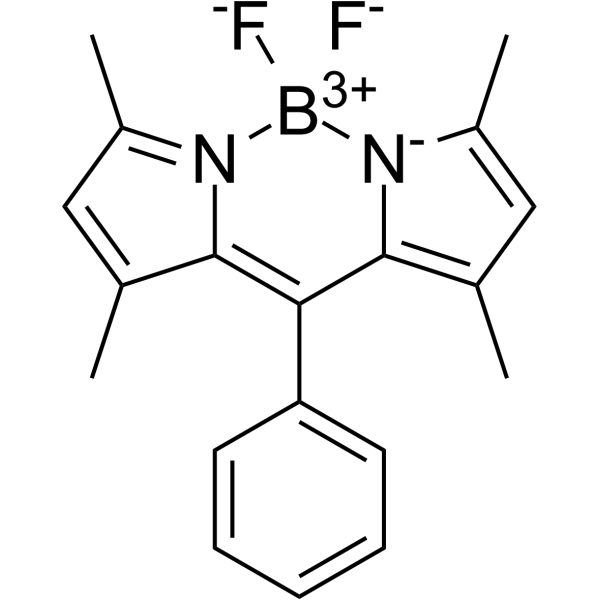
8-Phenyl-BODIPY 505/515 is a molecular rotor based on the BODIPY scaffold, specifically used as a microviscosity probe. The working principle of 8-Phenyl-BODIPY 505/515 is based on the restriction of molecular motion by viscosity: in a high-viscosity environment, the rotational freedom of its chemical bonds is inhibited, which leads to a significant extension of fluorescence lifetime. This property makes 8-Phenyl-BODIPY 505/515 an effective tool for monitoring changes in the viscosity of intracellular microenvironments via fluorescence lifetime imaging (FLIM) technology .
|
-
- HY-W019901B
-
|
Gypsum ustum (97%)
|
Environmental Pollutants
Biochemical Assay Reagents
RUNX
|
Metabolic Disease
|
|
Anhydrous calcium sulfate (97%) serves as an oil-based drilling fluid additive and an osteogenic material. Anhydrous calcium sulfate (97%) increases the plastic viscosity, yield point, apparent viscosity and gel strength of oil-based drilling fluids. Anhydrous calcium sulfate (97%) upregulates the expression of bone-related genes FOSL1, RUNX2 and SPP1. Anhydrous calcium sulfate (97%) significantly affects the behavior of dental pulp stem cells, enhancing their proliferation, differentiation and matrix deposition .
|
-
- HY-B1620O
-
|
PVP, average Mw~1300000; Polyvidone, average Mw~1300000; Povidone, average Mw~1300000
|
Environmental Pollutants
Biochemical Assay Reagents
|
Others
|
|
Polyvinylpyrrolidone, average Mw~1300000 is a multifunctional synthetic polymer with an average molecular weight of 1300000 Da. Polyvinylpyrrolidone, average Mw~1300000 shows the higher viscosity to form the fine polymer network as the molecular sieve .
|
-
- HY-125861H
-
|
MC(viscosity:25mPa.s)
|
Biochemical Assay Reagents
|
Others
|
|
Methyl cellulose (MC) (Viscosity:25mPa.s) is a non-ionic cellulose ether with surface activity and thermogelation properties. Methyl cellulose (Viscosity:25mPa.s) is widely used as drug delivery agents, thickeners, stabilizers, emulsifiers, etc., in industries such as pharmaceuticals, food, cosmetics, and construction .
|
-
- HY-B2144I
-
|
Deacetylated chitin (≥90% deacetylated,viscosity 10 mPa.s); Poly(D-glucosamine) (≥90% deacetylated,viscosity 10 mPa.s)
|
Environmental Pollutants
Biochemical Assay Reagents
Bacterial
Fungal
|
Infection
Cancer
|
|
Chitosan (Deacetylated chitin) (≥90% deacetylated,viscosity 10 mPa.s) is a polysaccharide obtained by deacetylating chitin, and exhibits antimicrobial activity against various bacteria and fungi. Chitosan (≥90% deacetylated,viscosity 10 mPa.s) can be used as a versatile biomaterial in drug delivery, tissue engineering, and wound healing .
|
-
- HY-100557D
-
|
Hydroxypropyl Cellulose, viscosity(5%):75-150mPa.s, MW 100000
|
Biochemical Assay Reagents
|
Others
|
|
HPC, Viscosity (5%):75-150mPa.s (Hydroxypropyl Cellulose, Viscosity (5%):75-150mPa.s, MW 100000) is a thickening agent. HPC, Viscosity(5%):75-150mPa.s is a kind of biological materials or organic compounds that are widely used in life science research .
|
-
- HY-Y0703E
-
|
|
Biochemical Assay Reagents
|
Others
|
|
Sodium carboxymethyl cellulose (Viscosity:2500-6000mpa.s) is the sodium salt of cellulose arboxymethyl and frequently used as viscous agent, paste and barrier agent .
|
-
- HY-141615
-
|
PDME; 16:0 Dimethyl PE
|
Liposome
|
Cancer
|
|
1,2-Dipalmitoyl-sn-glycero-3-phospho-N,N-dimethylethanolamine has been used in the generation of liposomes and monolayers for use in the study of membrane permeability and monolayer viscosity, respectively.
|
-
- HY-108300
-
|
|
Adrenergic Receptor
|
Cardiovascular Disease
|
|
Oxyfedrine hydrochloride, a vasodilator, is an orally active β-adrenoreceptor agonist. Oxyfedrine decreases the tonicity of coronary vessels. Oxyfedrine hydrochloride can be used in the research of cardiovascular disease .
|
-
- HY-N0293R
-
|
Peoniflorin (Standard)
|
Reference Standards
HSP
|
Infection
Neurological Disease
Cancer
|
|
Paeoniflorin (Standard) is the analytical standard of Paeoniflorin. This product is intended for research and analytical applications. Paeoniflorin is a heat shock protein-inducing compound and commonly exists in the plants of Paeoniaceae family, with various biological activities, including anticancer activity, anti-inflammatory activity, enhancing cognition and attenuating learning impairment, anti-oxidative stress, antiplatelet aggregation, expansion of blood vessels, and reducing blood viscosity .
|
-
- HY-100557B
-
|
Hydroxypropyl Cellulose, viscosity(1%):150-400mPa.s
|
Biochemical Assay Reagents
|
Others
|
|
HPC, Viscosity (1%):150-400mPa.s (Hydroxypropyl Cellulose, Viscosity (1%):150-400mPa.s) is a thickening agent. HPC, Viscosity(1%):150-400mPa.s is a kind of biological materials or organic compounds that are widely used in life science research .
|
-
- HY-100557E
-
|
Hydroxypropyl Cellulose, viscosity(1%):1275-3500mPa.s
|
Biochemical Assay Reagents
|
Others
|
|
HPC, Viscosity (1%):1275-3500mPa.s (Hydroxypropyl Cellulose, Viscosity (1%):1275-3500mPa.s) is a thickening agent. HPC, Viscosity(1%):1275-3500mPa.s is a kind of biological materials or organic compounds that are widely used in life science research .
|
-
- HY-100557C
-
|
Hydroxypropyl Cellulose, viscosity(1%):4000-6500mPa.s
|
Biochemical Assay Reagents
|
Others
|
|
HPC, Viscosity (1%):4000-6500mPa.s (Hydroxypropyl Cellulose, Viscosity (1%):4000-6500mPa.s) is a thickening agent. HPC, Viscosity(1%):4000-6500mPa.s is a kind of biological materials or organic compounds that are widely used in life science research .
|
-
- HY-100557H
-
|
Hydroxypropyl Cellulose, viscosity(2%):95000-105000mPa.s
|
Biochemical Assay Reagents
|
Others
|
|
HPC, Viscosity (2%):95000-105000mPa.s (Hydroxypropyl Cellulose, Viscosity (2%):95000-105000mPa.s) is a thickening agent. HPC, Viscosity(2%):95000-105000mPa.s is a kind of biological materials or organic compounds that are widely used in life science research .
|
-
- HY-B2221B3
-
|
|
Biochemical Assay Reagents
|
Others
|
|
Hydroxyethyl cellulose, Viscosity (2%):6000mPa.s is a thickening agent. Hydroxyethyl cellulose, Viscosity(2%):6000mPa.s is a kind of biological materials or organic compounds that are widely used in life science research .
|
-
- HY-B2221B2
-
|
|
Biochemical Assay Reagents
|
Others
|
|
Hydroxyethyl cellulose, Viscosity (2%):40000mPa.s is a thickening agent. Hydroxyethyl cellulose, Viscosity(2%):40000mPa.s is a kind of biological materials or organic compounds that are widely used in life science research .
|
-
- HY-B0264R
-
|
Guaiacol glyceryl ether(Standard); Guaiphenesin(Standard); Glycerol guaiacolate (Standard)
|
Reference Standards
Others
|
Neurological Disease
Inflammation/Immunology
|
|
Guaifenesin (Standard) is the analytical standard of Guaifenesin. This product is intended for research and analytical applications. Guaifenesin (Guaiacol glyceryl ether), a constituent of guaiac resin from the wood of Guajacum officinale Linné, is an expectorant. Guaifenesin can alleviate cough discomfortby increasing sputum volume and decreasing its viscosity, thereby promoting effective cough .
|
-
- HY-W250721J
-
|
CBM 960
|
Biochemical Assay Reagents
|
Others
|
|
Carbomer 960 is an acrylic acid polymer, which can be used as a thickening agent. Carbomer 960 which forms a high viscosity gel, provides a stable gel matrix, and exhibits good heat, light and microbial contamination resistance. Carbomer 960 facilitates the drug release and local application, which can be used in the pharmaceutical industry .
|
-
- HY-W115746B
-
|
|
Biochemical Assay Reagents
|
Others
|
|
Ethyl cellulose (viscosity 300 cP) serves as a non-toxic and biodegradable polymer, with unique properties such as oleogel formation, delivery of active component, and film-forming ability in the food and pharmaceutical sectors. Ethyl cellulose (viscosity 300 cP) can be used as an excipient, such as coating agent, flavoring agent, tablet filler .
|
-
- HY-W115746A
-
|
|
Biochemical Assay Reagents
|
Others
|
|
Ethyl cellulose (viscosity 10 cP) serves as a non-toxic and biodegradable polymer, with unique properties such as oleogel formation, delivery of active component, and film-forming ability in the food and pharmaceutical sectors. Ethyl cellulose (viscosity 10 cP) can be used as an excipient, such as coating agent, flavoring agent, tablet filler .
|
-
- HY-W250721E
-
|
Carboxy polymethylene (copolymer)
|
Biochemical Assay Reagents
|
Others
|
|
Carbomer copolymer can be used as an excipient, such as Bioadhesives, emulsifiers, release modifiers, suspending agents, tablet binders, viscosity enhancers, etc. Pharmaceutical excipients, or pharmaceutical auxiliaries, refer to other chemical substances used in the pharmaceutical process other than pharmaceutical ingredients. Pharmaceutical excipients generally refer to inactive ingredients in pharmaceutical preparations, which can improve the stability, solubility and processability of pharmaceutical preparations. Pharmaceutical excipients also affect the absorption, distribution, metabolism, and elimination (ADME) processes of co-administered drugs .
|
-
- HY-D1083
-
|
|
Fluorescent Dye
|
Others
|
|
7-Methoxycoumarin-3-carboxylic acid, SE can be used for the synthesis of hydrophilic dye compound 12. Compound 12 shows a homogeneous distribution inside the cell and represents a suitable probe for viscosity measurements in the cytoplasm .
|
-
- HY-112070
-
|
|
Adrenergic Receptor
|
Cardiovascular Disease
|
|
Oxyfedrine, a vasodilator, is an orally active β-adrenoreceptor agonist. Oxyfedrine decreases the tonicity of coronary vessels. Oxyfedrine can be used in the research of cardiovascular disease .
|
-
- HY-W250721K
-
|
CBM 996
|
Biochemical Assay Reagents
|
Others
|
|
Carbomer 996 is an acrylic acid polymer, which can be used as a thickening agent. Carbomer 996 which forms a high viscosity gel, provides a stable gel matrix, and exhibits good heat, light and microbial contamination resistance. Carbomer 996 facilitates the drug release and local application, which can be used in the pharmaceutical industry .
|
-
- HY-W250721H
-
|
CBM 970
|
Biochemical Assay Reagents
|
Others
|
|
Carbomer 970 is an acrylic acid polymer, which can be used as a thickening agent. Carbomer 970 which forms a high viscosity gel, provides a stable gel matrix, and exhibits good heat, light and microbial contamination resistance. Carbomer 970 facilitates the drug release and local application, which can be used in the pharmaceutical industry .
|
-
- HY-W250721L
-
|
CBM 676
|
Biochemical Assay Reagents
|
Others
|
|
Carbomer 676 is an acrylic acid polymer, which can be used as a thickening agent. Carbomer 676 which forms a high viscosity gel, provides a stable gel matrix, and exhibits good heat, light and microbial contamination resistance. Carbomer 676 facilitates the drug release and local application, which can be used in the pharmaceutical industry .
|
-
- HY-D2971
-
|
|
Fluorescent Dye
Autophagy
|
Neurological Disease
|
|
NCIC-VIS is a lysosome-targeted, viscosity-sensitive two-photon near-infrared fluorescent probe. NCIC-VIS has a rigid structure that can restrict molecular torsion, thereby increasing the fluorescence quantum yield and two-photon absorption cross-section. NCIC-VIS enables real-time imaging of the autophagy process in cells .
|
-
- HY-W250721I
-
|
CBM 990
|
Biochemical Assay Reagents
|
Others
|
|
Carbomer 990 is an acrylic acid polymer, which can be used as a thickening agent. Carbomer 990 which forms a high viscosity gel, provides a stable gel matrix, and exhibits good heat, light and microbial contamination resistance. Carbomer 990 facilitates the drug release and local application, which can be used in the pharmaceutical industry .
|
-
- HY-W127740
-
|
Isomethyl-α-ionone; α-Isomethylionone
|
Environmental Pollutants
Biochemical Assay Reagents
|
Others
|
|
Isonaline 70 is an industrial solvent that belongs to the family of high flash point aromatic naphtha solvents. It is commonly used in a variety of industries including paints and coatings, adhesives and rubber manufacturing, as a thinner and thinner for resins and polymers. Isonaline 70 has various properties that make it suitable for these applications, including its low viscosity, high solvency and good compatibility with other materials. In addition, it can also be used as a cleaning agent for mechanical equipment.
|
-
- HY-151536
-
|
|
Fluorescent Dye
|
Neurological Disease
|
|
meso-Benzothiazole-BODIPY 505/515 is a boron dipyrromethenes (BODIPY) -based fluorescent probeviscosity-responsive and aggregation-induced emission (AIE) properties. meso-Benzothiazole-BODIPY 505/515 can monitor cellular viscosity changes and autophagy. meso-Benzothiazole-BODIPY 505/515 can be used for the research of Alzheimer’s diseases, lysosomal storage diseases and neural degeneration diseases .
|
-
- HY-149203
-
|
|
Fluorescent Dye
|
Others
|
|
MQA-P is a multifunctional near-infrared (NIR) fluorescent probe for simultaneously detecting ONOO -, viscosity, and polarity within mitochondria. MQA-P exhibits a remarkable turn-on response to ONOO - (λem=645 nm) and is highly sensitive to viscosity/polarity in the NIR channel with λem>704 nm. MQA-P exhibits excited-state intramolecular charge transfer (ESICT) feature that is highly polarity-sensitive by engineering N,N-dimethylamino as the electron donor and a quinoline cationic unit as the electron acceptor. MQA-P is used for ferroptosis or cancer diagnosis in vitro and in vivo via dual-channel images .
|
-
- HY-149203A
-
|
|
Fluorescent Dye
|
Others
|
|
MQA-P is a multifunctional near-infrared (NIR) fluorescent probe that simultaneously detects ONOO -, viscosity, and polarity within mitochondria. MQA-P exhibits significant response to ONOO -, λem=645 nm; and NIR channel at λem>704 nm Medium is highly sensitive to viscosity/polarity. MQA-P possesses excited-state intramolecular charge transfer (ESICT) properties that are highly sensitive to polarity by designing the N,N-dimethylamino group as the electron donor and the quinoline cation unit as the electron acceptor. MQA-P is used for ferroptosis or cancer diagnosis in vitro and in vivo via dual-channel images .
|
-
- HY-B0264S
-
|
Guaiacol glyceryl ether-d3; Guaiphenesin-d3; Glycerol guaiacolate-d3
|
Isotope-Labeled Compounds
|
Neurological Disease
Inflammation/Immunology
|
|
Guaifenesin-d3 is the deuterium labeled Guaifenesin. Guaifenesin (Guaiacol glyceryl ether), a constituent of guaiac resin from the wood of Guajacum officinale Linné, is an expectorant. Guaifenesin can alleviate cough discomfortby increasing sputum volume and decreasing its viscosity, thereby promoting effective cough .
|
-
- HY-B0264S1
-
|
|
Isotope-Labeled Compounds
|
Neurological Disease
Inflammation/Immunology
|
|
Guaifenesin-d5 is the deuterium labeled Guaifenesin. Guaifenesin (Guaiacol glyceryl ether), a constituent of guaiac resin from the wood of Guajacum officinale Linné, is an expectorant. Guaifenesin can alleviate cough discomfortby increasing sputum volume and decreasing its viscosity, thereby promoting effective cough. Guaifenesin also has narcotic effect .
|
-
- HY-D3005
-
|
|
Fluorescent Dye
Autophagy
|
Inflammation/Immunology
|
|
NpCy-4 is a reliable reporter for monitoring lysosomal pH and viscosity changes in real time during Autophagy (λex = 650 nm; λem = 660-740 nm). NpCy-4 demonstrates a superior signal-to-background ratio (SBR) for cellular imaging. NpCy-4 facilitates real-time, noninvasive diagnostic imaging of acute gastritis model with high contrast .
|
-
- HY-158337
-
|
CO-1177
|
Histamine Receptor
|
Inflammation/Immunology
|
|
Nesosteine (CO-1177) is a bronchitis inhibitor that improves the rheology and production of airway bronchial mucus in rabbits. Nesosteine significantly reduced the viscosity of airway bronchial mucus in animals with sulfuric acid nebulized bronchitis and increased mucus production in healthy animals. Nesosteine is more active than mucus-regulating drugs such as Sobrerol, N-acetylcysteine, bromhexine, ambroxol, S-carboxymethylcysteine, and mercaptoalanine. Nesosteine also reduced the content of total proteins in airway bronchial mucus, such as albumin, α1, α2, β, and γ mucins .
|
-
- HY-D2942
-
|
|
Fluorescent Dye
|
Others
|
|
BDP-V BG-BODIPY is a SNAP tag fluorescent probe labeled with a BODIPY molecular motor. BDP-V BG-BODIPY contains a BODIPY molecular rotor that functions as a viscosity-sensitive fluorophore, which is highly responsive to local viscosity changes and enables the specific monitoring of the local microviscosity of proteins. BDP-V BG-BODIPY supports one-photon and two-photon imaging, with an excitation wavelength (Ex) of 488 nm (for one-photon excitation) and 850 nm (for two-photon excitation), and an emission wavelength (Em) of 500-600 nm .
|
-
- HY-182487
-
|
|
Arp2/3 Complex
|
Inflammation/Immunology
|
|
Deoxaphomin is a cytochalasin. Deoxaphomin inhibits Actin filament elongation and reduces the viscosity of polymerized actin filaments. Deoxaphomin induces rounding of fibroblasts, contraction of actin cables, formation of actin-containing hairy structures, and formation of actin-containing cytoplasmic rodlets in fibroblasts. Deoxaphomin inhibits membrane ruffling in fibroblasts and capping in lymphocytes .
|
-
- HY-D2985
-
|
|
Mitochondrial Metabolism
Fluorescent Dye
|
Others
|
|
MI-BP-CC is a mitochondrial-targeting near-infrared fluorescent probe. MI-BP-CC can specifically localize in the mitochondria of living cells. MI-BP-CC visualizes viscosity with an emission wavelength of 722 nm for detecting mitochondrial viscosity .
|
-
- HY-125601
-
-
- HY-108300R
-
|
|
Reference Standards
Adrenergic Receptor
|
Cardiovascular Disease
|
|
Oxyfedrine hydrochloride (Standard) is the analytical standard of Oxyfedrine (hydrochloride) (HY-108300). This product is intended for research and analytical applications. Oxyfedrine hydrochloride, a vasodilator, is an orally active β-adrenoreceptor agonist. Oxyfedrine decreases the tonicity of coronary vessels. Oxyfedrine hydrochloride can be used in the research of cardiovascular disease .
|
-
- HY-W714323
-
|
Teterdecyl dimethyl amine oxide-d6; Myristyldimethylamine N-oxide-d6
|
Isotope-Labeled Compounds
Biochemical Assay Reagents
|
Others
|
|
Myristyl dimethylamine oxide-d6 (Teterdecyl dimethyl amine oxide-d6) is the deuterium labeled Myristyl dimethylamine oxide (HY-W250186). Myristyl dimethylamine oxide is a cationic surfactant belonging to the family of amine oxides. It is commonly used as a foam booster, thickener and conditioning agent in a variety of personal care and household cleaning products. Myristyl dimethylamine oxide has several properties suitable for these applications, including the ability to reduce surface tension, increase viscosity and provide antistatic properties. In addition, it can be used as a raw material for the production of other surfactants and specialty chemicals.
|
-
- HY-Y1219E
-
|
|
Biochemical Assay Reagents
|
Others
|
|
Silica gel, high-purity grade, 130-270 mesh is a low-density, high-surface-area, high-purity inert additive that can be used to prepare chromatographic column sieve plates based on the sol-gel method. Silica gel, high-purity grade prevents DNA degradation by absorbing water from plant leaves, and is suitable for the preservation of field-collected samples for subsequent DNA extraction, restriction endonuclease digestion, PCR amplification and gene sequencing. It can also be reused after being saturated with water. Silica gel, high-purity grade can provide a non-toxic, inert aquatic environment for embedded cells, allowing nutrients, oxygen and metabolic waste to diffuse freely and blocking external pollution, thereby maintaining the activity of fibroblasts and epithelial cells .
|
-
| Cat. No. |
Product Name |
Type |
-
- HY-D1553
-
|
|
Fluorescent Dyes
|
|
BODIPY-C12 is a boron-dipyrromethene derivative containing a lipophilic tail (excitation 490 nm). BODIPY-C12 is a hydrophobic molecular and sensitivity to the surrounding environment and can be used to quantify viscosity, critical micelle concentration, and critical micelle temperature .
|
-
- HY-W089353
-
|
|
Fluorescent Dyes
|
|
8-Phenyl-BODIPY 505/515 is a molecular rotor based on the BODIPY scaffold, specifically used as a microviscosity probe. The working principle of 8-Phenyl-BODIPY 505/515 is based on the restriction of molecular motion by viscosity: in a high-viscosity environment, the rotational freedom of its chemical bonds is inhibited, which leads to a significant extension of fluorescence lifetime. This property makes 8-Phenyl-BODIPY 505/515 an effective tool for monitoring changes in the viscosity of intracellular microenvironments via fluorescence lifetime imaging (FLIM) technology .
|
-
- HY-D2971
-
|
|
Fluorescent Dyes
|
|
NCIC-VIS is a lysosome-targeted, viscosity-sensitive two-photon near-infrared fluorescent probe. NCIC-VIS has a rigid structure that can restrict molecular torsion, thereby increasing the fluorescence quantum yield and two-photon absorption cross-section. NCIC-VIS enables real-time imaging of the autophagy process in cells .
|
-
- HY-149203
-
|
|
Fluorescent Dyes
|
|
MQA-P is a multifunctional near-infrared (NIR) fluorescent probe for simultaneously detecting ONOO -, viscosity, and polarity within mitochondria. MQA-P exhibits a remarkable turn-on response to ONOO - (λem=645 nm) and is highly sensitive to viscosity/polarity in the NIR channel with λem>704 nm. MQA-P exhibits excited-state intramolecular charge transfer (ESICT) feature that is highly polarity-sensitive by engineering N,N-dimethylamino as the electron donor and a quinoline cationic unit as the electron acceptor. MQA-P is used for ferroptosis or cancer diagnosis in vitro and in vivo via dual-channel images .
|
-
- HY-D3005
-
|
|
Fluorescent Dyes
|
|
NpCy-4 is a reliable reporter for monitoring lysosomal pH and viscosity changes in real time during Autophagy (λex = 650 nm; λem = 660-740 nm). NpCy-4 demonstrates a superior signal-to-background ratio (SBR) for cellular imaging. NpCy-4 facilitates real-time, noninvasive diagnostic imaging of acute gastritis model with high contrast .
|
-
- HY-D2942
-
|
|
Fluorescent Dyes
|
|
BDP-V BG-BODIPY is a SNAP tag fluorescent probe labeled with a BODIPY molecular motor. BDP-V BG-BODIPY contains a BODIPY molecular rotor that functions as a viscosity-sensitive fluorophore, which is highly responsive to local viscosity changes and enables the specific monitoring of the local microviscosity of proteins. BDP-V BG-BODIPY supports one-photon and two-photon imaging, with an excitation wavelength (Ex) of 488 nm (for one-photon excitation) and 850 nm (for two-photon excitation), and an emission wavelength (Em) of 500-600 nm .
|
-
- HY-D2985
-
|
|
Fluorescent Dyes
|
|
MI-BP-CC is a mitochondrial-targeting near-infrared fluorescent probe. MI-BP-CC can specifically localize in the mitochondria of living cells. MI-BP-CC visualizes viscosity with an emission wavelength of 722 nm for detecting mitochondrial viscosity .
|
| Cat. No. |
Product Name |
Type |
-
- HY-Y0703
-
|
CMC-Na (viscosity:800-1200 mPa.s)
|
Biochemical Assay Reagents
|
|
Sodium carboxymethyl cellulose (Viscosity:800-1200 mPa.s) is the sodium salt of cellulose arboxymethyl and frequently used as viscous agent, paste and barrier agent.
|
-
- HY-125861
-
|
MC(viscosity:100000mPa.s)
|
Biochemical Assay Reagents
|
|
Methyl cellulose (MC) (Viscosity:100000mPa.s) is a non-ionic cellulose ether with surface activity and thermogelation properties. Methyl cellulose (Viscosity:100000mPa.s) is widely used as drug delivery agents, thickeners, stabilizers, emulsifiers, etc., in industries such as pharmaceuticals, food, cosmetics, and construction .
|
-
- HY-Y1889A
-
|
CMC-Na (MW 250000); CMC-Na (viscosity:1500-3100 mPa.s)
|
Biochemical Assay Reagents
|
|
Sodium carboxymethyl cellulose (CMC-Na) (MW 250000) is a sodium salt of carboxymethyl cellulose. Sodium carboxymethyl cellulose has adsorption and corrosion inhibition on low-carbon steel in an acidic medium. Sodium carboxymethyl cellulose can be used as a thickener, paste and barrier agent .
|
-
- HY-A0104
-
|
Hypromellose (viscosity:11250-21000mPa.s); (Hydroxypropyl)methyl cellulose (viscosity:11250-21000mPa.s); Celacol HPM 5000 (viscosity:11250-21000mPa.s)
|
Biochemical Assay Reagents
|
|
HPMC (Viscosity:11250-21000mPa.s) is a hydrophilic, non-ionic cellulose ether used to form swellable-soluble matrices.
|
-
- HY-125861E
-
|
MC(viscosity:4000mPa.s)
|
Biochemical Assay Reagents
|
|
Methyl cellulose (MC) (Viscosity:4000mPa.s) is a non-ionic cellulose ether with surface activity and thermogelation properties. Methyl cellulose (Viscosity:4000mPa.s) is widely used as drug delivery agents, thickeners, stabilizers, emulsifiers, etc., in industries such as pharmaceuticals, food, cosmetics, and construction .
|
-
- HY-Y0703C
-
|
CMC-Na (viscosity:300-800mpa.s)
|
Biochemical Assay Reagents
|
|
Sodium carboxymethyl cellulose (Viscosity:300-800mpa.s) is the sodium salt of cellulose arboxymethyl and frequently used as viscous agent, paste and barrier agent.
|
-
- HY-Y1310A
-
|
|
Biochemical Assay Reagents
|
|
Sodium alginate is an anionic straight chain polysaccharide. Sodium alginate can be obtained from different species of algae. Sodium alginate has different properties, such as pH-sensitivity, nontoxicity, nonimmunogenicity. Sodium alginate has weak gelation, viscosity, and film-forming properties. Sodium alginate can be utilized to prepare gels and film materials for food preservation. Sodium alginate is a versatile functional biomaterial for viscosity enhancement, stabilizer, matrixing agent, encapsulation polymer, bioadhesive and film former .
|
-
- HY-B2144C
-
|
Deacetylated chitin (≥95% deacetylated,viscosity 100-200 mPa.s); Poly(D-glucosamine) (≥95% deacetylated,viscosity 100-200 mPa.s)
|
Biochemical Assay Reagents
|
|
Chitosan (Deacetylated chitin) (≥95% deacetylated,viscosity 100-200 mPa.s) is a polysaccharide obtained by deacetylating chitin, and exhibits antimicrobial activity against various bacteria and fungi .
|
-
- HY-A0103
-
|
|
Biochemical Assay Reagents
|
|
Xanthan gum interacts with gelatin (HY-Y1365) via hydrogen bonds, thereby increasing the viscosity and stability of the hydrogel while promoting cell growth and creating a microenvironment conducive to cell differentiation [1][2]. Xanthan gum induces pro-inflammatory responses by increasing the levels of TNF-α, IL-6, and IL-10. Xanthan gum can be used for inflammation and immunology research .
|
-
- HY-125861B
-
|
MC(viscosity:400mPa.s)
|
Biochemical Assay Reagents
|
|
Methyl cellulose (MC) (Viscosity:400mPa.s) is a non-ionic cellulose ether with surface activity and thermogelation properties. Methyl cellulose (Viscosity:400mPa.s) is widely used as drug delivery agents, thickeners, stabilizers, emulsifiers, etc., in industries such as pharmaceuticals, food, cosmetics, and construction .
|
-
- HY-W099535
-
|
|
Biochemical Assay Reagents
|
|
Lithium dodecyl sulfate is an anionic hydrocarbon surfactant with both surface tension reduction and interfacial adsorption capabilities. Lithium dodecyl sulfate induces low surface viscosity; it forms micelles in aqueous solutions through entropy-driven (low temperature) and enthalpy-driven (high temperature) mechanisms. When acting synergistically with tetrabutylammonium bromide, Lithium dodecyl sulfate exhibits cloud point behavior due to micelle aggregation and phase separation. Lithium dodecyl sulfate can form an adsorption layer at the air-water interface with quantifiable surface excess and minimum area per molecule, and it has higher equilibrium surface tension and foamability compared to other dodecyl sulfate counterion variants. The foam stability of Lithium dodecyl sulfate above its critical micelle concentration is low, and its dynamic surface tension pattern changes dynamically with bubble frequency .
|
-
- HY-Y0703A
-
|
CMC-Na (viscosity:1200-1400 mPa.s)
|
Biochemical Assay Reagents
|
|
Sodium carboxymethyl cellulose (Viscosity:1200-1400 mPa.s) is the sodium salt of cellulose arboxymethyl and frequently used as viscous agent, paste and barrier agent.
|
-
- HY-Y1889
-
|
CMC-Na (viscosity:5000-15000 mPa.s)
|
Biochemical Assay Reagents
|
|
Sodium carboxymethyl cellulose (Viscosity:5000-15000 mPa.s) is the sodium salt of cellulose arboxymethyl and frequently used as viscous agent, paste and barrier agent.
|
-
- HY-B2144E
-
|
Deacetylated chitin (≥90% deacetylated, Low viscosity,<200mPa.s); Poly(D-glucosamine) (≥90% deacetylated, Low viscosity,<200mPa.s)
|
Biochemical Assay Reagents
|
|
Chitosan (Deacetylated chitin) (≥90% deacetylated, Low viscosity,<200mPa.s) is a polysaccharide obtained by deacetylating chitin, and exhibits antimicrobial activity against various bacteria and fungi .
|
-
- HY-Y0703D
-
|
CMC-Na (average Mw 90000, DS=0.7, viscosity:50-200 mPa.s)
|
Biochemical Assay Reagents
|
|
Sodium carboxymethyl cellulose (average Mw 90000, DS=0.7, Viscosity:50-200 mPa.s) is the sodium salt of cellulose arboxymethyl and frequently used as viscous agent, paste and barrier agent .
|
-
- HY-W145522
-
|
|
Biochemical Assay Reagents
|
|
Pullulan (Pullulan standard 5800) (Mw 362-480 kDa; Mn 100-200 kDa) is a class of orally active and water-soluble linear glucosic polysaccharide. Pullulan can be isolated from the polymorphic fungus Aureobasidium pullulans. Pullulan is composed of maltotriose repeating units linked by α-1,6 linkages and is an amorphous slime matter. Pullulan is widely used in food, environment, pharmaceutical, manufacturing, and electronics .
|
-
- HY-112624C
-
|
|
Biochemical Assay Reagents
|
|
Dextran (MW 40000) is a complex carbohydrate polymer consisting of glucose molecules linked by glycosidic bonds. Dextran has excellent solubility in water, making it useful as a viscosity modifier or stabilizer in foods, paints and adhesives. In the biomedical field, dextran is often used as a plasma expander because of its ability to increase blood volume when administered intravenously. It can also be modified to create dextran-based drug delivery systems, such as targeted nanoparticles.
|
-
- HY-125861A
-
|
MC(viscosity:15mPa.s)
|
Biochemical Assay Reagents
|
|
Methyl cellulose (MC) (Viscosity:15mPa.s) is a non-ionic cellulose ether with surface activity and thermogelation properties. Methyl cellulose (Viscosity:15mPa.s) is widely used as drug delivery agents, thickeners, stabilizers, emulsifiers, etc., in industries such as pharmaceuticals, food, cosmetics, and construction .
|
-
- HY-A0104D
-
|
Hypromellose (Type I,viscosity:4000mPa.s); (Hydroxypropyl)methyl cellulose (Type I,viscosity:4000mPa.s); Celacol HPM 5000 (Type I,viscosity:4000mPa.s)
|
Biochemical Assay Reagents
|
|
HPMC (Hypromellose) (Type I, Viscosity: 4000mPa.s) is a primary sodium alginate and controlled release hydrophilic polymer with an average viscosity of 4000mPa.s. The viscosity of HPMC may change due to concentration, pH, temperature or the presence of metal ions. When the pH is above 10, the viscosity decreases .
|
-
- HY-W250721A
-
|
CBM 940
|
Biochemical Assay Reagents
|
|
Carbomer 940 (CBM 940) is an acrylic polymer with high viscosity, good thermal stability and histocompatibility. Carbomer 940 serves as a transdermal drug delivery carrier and an external gel matrix. Carbomer 940 has no cytotoxicity, and it can also improve blood supply in the stasis zone of burns and promote wound repair. Carbomer 940 is applicable to pharmaceutical research .
|
-
- HY-W127717
-
|
Perfluoro-compound FC-40
|
Biochemical Assay Reagents
|
|
Fluorinert FC-40 is a non-conductive liquid containing a mixture of fluorinated compounds. It is commonly used as a cooling and heat transfer fluid in electronics, especially in high-performance computer systems and electronic components that generate a lot of heat. Fluorinert FC-40 has various properties that make it ideal for these applications, including its low viscosity, high thermal stability and excellent dielectric strength. In addition, it can be used as an inert solvent in chemical reactions and a lubricant in mechanical systems.
|
-
- HY-D1056B3
-
|
LPS, from bacterial (Klebsiella pneumoniae)
|
Biochemical Assay Reagents
|
Lipopolysaccharides, from Klebsiella pneumoniae (LPS, from bacterial (Klebsiella pneumoniae)) are lipopolysaccharide endotoxins and TLR4 activators derived from Klebsiella pneumoniae, and are classified as S-type LPS. Lipopolysaccharides, from Klebsiella pneumoniae exhibit a typical three-part structure: O-antigen, core oligosaccharide, and lipid A. Lipopolysaccharides, from Klebsiella pneumoniae may participate in bacterial immune evasion by inhibiting complement-mediated killing and suppressing the host's secretion of antimicrobial peptides, thereby allowing the bacteria to escape immune defenses. Lipopolysaccharides, from Klebsiella pneumoniae possess high viscosity and resistance to serum-mediated killing, which may lead to sepsis. Lipopolysaccharides, from Klebsiella pneumoniae can be used to construct Acute Lung Injury Model .
It is recommended to prepare a solution with concentration ≥2 mg/mL. Vortex thoroughly for more than 10 minutes. Due to the adsorption characteristics of LPS, silanized container or low adsorption centrifuge tubes should be used for aliquoting and storage, and mix thoroughly before use.
|
-
- HY-125861C
-
|
MC(viscosity:1500mPa.s)
|
Biochemical Assay Reagents
|
|
Methyl cellulose (MC) (Viscosity:1500mPa.s) is a non-ionic cellulose ether with surface activity and thermogelation properties. Methyl cellulose (Viscosity:1500mPa.s) is widely used as drug delivery agents, thickeners, stabilizers, emulsifiers, etc., in industries such as pharmaceuticals, food, cosmetics, and construction .
|
-
- HY-B2144K
-
|
Deacetylated chitin (≥85% deacetylated, viscosity>90 mPa.s, MW 15000); Poly(D-glucosamine) (≥85% deacetylated, viscosity>90 mPa.s, MW 15000)
|
Biochemical Assay Reagents
|
|
Chitosan (Deacetylated chitin) (≥85% deacetylated, viscosity>90 mPa.s, MW 15000) is a polysaccharide obtained by deacetylating chitin, and exhibits antimicrobial activity against various bacteria and fungi .
|
-
- HY-B2144J
-
|
Deacetylated chitin (≥90% deacetylated,viscosity 650-700 mPa.s); Poly(D-glucosamine) (≥90% deacetylated,viscosity 650-700 mPa.s)
|
Biochemical Assay Reagents
|
|
Chitosan (Deacetylated chitin) (≥90% deacetylated, viscosity 650-700 mPa.s) is a polysaccharide obtained by deacetylating chitin, and exhibits antimicrobial activity against various bacteria and fungi. Chitosan (≥90% deacetylated, viscosity 650-700 mPa.s) can be used as a versatile biomaterial in drug delivery, tissue engineering, and wound healing .
|
-
- HY-B2225A
-
|
Edible corn starch (from potato)
|
Biochemical Assay Reagents
|
|
Starch (from potato) (Edible corn starch (from potato)) is a type of starch derived from potatoes. Starch (from potato) consists of amylose and amylopectin, and has properties such as easy gelatinization and high viscosity. Starch (from potato) is the main carbohydrate in potatoes and an important raw material for the food industry .
|
-
- HY-104035H
-
|
Poly(dimethylsiloxane) (PDMS), viscosity 10 cSt (25 °C); Dimethylsilcone fluid, viscosity 10 cSt (25 °C)
|
Biochemical Assay Reagents
|
|
Dimethyl silicone oil, viscosity 10 cSt (25 °C) (Poly(dimethylsiloxane) (PDMS), viscosity 10 cSt (25 °C); Dimethylsilcone fluid, viscosity 10 cSt (25 °C)) is a low-viscosity polydimethylsiloxane fluid with high thermal stability. Dimethyl silicone oil, viscosity 10 cSt (25 °C) can be used as a laboratory bath solution, calibration solution, defoamer, and also has applications in the biomedical field, such as as an intraocular solution.
|
-
- HY-104035E
-
|
Poly(dimethylsiloxane) (PDMS), viscosity 100 cSt (25 °C); Dimethylsilcone fluid, viscosity 100 cSt (25 °C)
|
Biochemical Assay Reagents
|
|
Dimethyl silicone oil, viscosity 100 cSt (25 °C) (Poly(dimethylsiloxane) (PDMS), viscosity 100 cSt (25 °C); Dimethylsilcone fluid, viscosity 100 cSt (25 °C)) is a transparent, colorless, and inert polydimethylsiloxane liquid with stable properties. Dimethyl silicone oil, viscosity 100 cSt (25 °C) exhibits high dielectric strength and excellent lubrication, cushioning, and thermal conductivity. Dimethyl silicone oil, viscosity 100 cSt (25 °C) can be used in cosmetics, lubricants, and electronics.
|
-
- HY-A0104C
-
|
Hypromellose (Type I,viscosity:400mPa.s); (Hydroxypropyl)methyl cellulose (Type I,viscosity:400mPa.s); Celacol HPM 5000 (Type I,viscosity:400mPa.s)
|
Biochemical Assay Reagents
|
|
HPMC (Hypromellose) (Type I, Viscosity: 400mPa.s) is a first-grade sodium alginate with an average viscosity of 400 mPa.s. Typically, a 1% w/v HPMC aqueous solution has a viscosity of 20-400mPa.s (20-400cp) at 20°C. The viscosity of HPMC may vary depending on concentration, pH, temperature, or the presence of metal ions. Viscosity decreases at pH values above 10 .
|
-
- HY-A0104G
-
|
Hypromellose (Type II,viscosity:4000mPa.s); (Hydroxypropyl)methyl cellulose (Type II,viscosity:4000mPa.s); Celacol HPM 5000 (Type II,viscosity:4000mPa.s)
|
Biochemical Assay Reagents
|
|
Hypromellose (Hypromellose (Type II,Viscosity:4000mPa.s); (Hydroxypropyl)methyl cellulose (Type II,Viscosity:4000mPa.s); Celacol HPM 5000 (Type II,Viscosity:4000mPa.s)) is a biochemical reagent that can be used as a biological material or organic compound for life science related research.
|
-
- HY-B2144G
-
|
Deacetylated chitin (≥80% deacetylated, High viscosity,>400mPa.s); Poly(D-glucosamine) (≥80% deacetylated, High viscosity,>400mPa.s)
|
Biochemical Assay Reagents
|
|
Chitosan (Deacetylated chitin; Poly(D-glucosamine)) (≥80% deacetylated, High viscosity,>400mPa.s) is a polysaccharide obtained by deacetylating chitin, and exhibits antimicrobial activity against various bacteria and fungi .
|
-
- HY-B2144F
-
|
Deacetylated chitin (≥80% deacetylated, Medium viscosity,200-400mPa.s); Poly(D-glucosamine) (≥80% deacetylated, Medium viscosity,200-400mPa.s)
|
Biochemical Assay Reagents
|
|
Chitosan (Deacetylated chitin; Poly(D-glucosamine)) (≥80% deacetylated, Medium viscosity,200-400mPa.s) is a polysaccharide obtained by deacetylating chitin, and exhibits antimicrobial activity against various bacteria and fungi .
|
-
- HY-A0104B
-
|
Hypromellose (Type I,viscosity:100mPa.s); (Hydroxypropyl)methyl cellulose (Type I,viscosity:100mPa.s); Celacol HPM 5000 (Type I,viscosity:100mPa.s)
|
Biochemical Assay Reagents
|
|
HPMC (Type I, Viscosity: 100 mPa·s) is a nonionic polymer obtained via synthetic modification of cellulose. As a hydrophilic matrix material, HPMC prolongs drug release through non-Fickian diffusion, including the diffusion of drugs within the hydrated matrix and the polymer relaxation process .
|
-
- HY-A0104E
-
|
Hypromellose (Type II,viscosity:100mPa.s); (Hydroxypropyl)methyl cellulose (Type II,viscosity:100mPa.s); Celacol HPM 5000 (Type II,viscosity:100mPa.s)
|
Biochemical Assay Reagents
|
|
HPMC (Hypromellose; (Hydroxypropyl)methyl cellulose; Celacol HPM 5000) (Type II,Viscosity:100mPa.s) is a non-ionic polymer obtained via synthetic modification of cellulose. As a hydrophilic matrix material, HPMC prolongs drug release through non-Fickian diffusion, including the diffusion of drugs in the hydrated matrix and the polymer relaxation process .
|
-
- HY-W250186
-
|
Teterdecyl dimethyl amine oxide; Myristyldimethylamine N-oxide
|
Biochemical Assay Reagents
|
|
Myristyl dimethylamine oxide is a cationic surfactant belonging to the family of amine oxides. It is commonly used as a foam booster, thickener and conditioning agent in a variety of personal care and household cleaning products. Myristyl dimethylamine oxide has several properties suitable for these applications, including the ability to reduce surface tension, increase viscosity and provide antistatic properties. In addition, it can be used as a raw material for the production of other surfactants and specialty chemicals.
|
-
- HY-B2221B1
-
|
|
Biochemical Assay Reagents
|
|
Hydroxyethyl cellulose, Viscosity (2%):150mPa.s is a thickening agent. Hydroxyethyl cellulose, Viscosity(2%):150mPa.s is a kind of biological materials or organic compounds that are widely used in life science research .
|
-
- HY-W250120
-
|
|
Biochemical Assay Reagents
|
|
Konjac glucomannan (Viscosity≥15000mPa.s) is an acetylated (1-4)-beta-D-glucomannan extracted from the tuber of konjac or konjac root. In Japan, it is a dietary supplement intended to reduce calorie intake because it swells in water.
|
-
- HY-A0104A
-
|
Hypromellose (Type I,viscosity:30mPa.s); (Hydroxypropyl)methyl cellulose (Type I,viscosity:30mPa.s); Celacol HPM 5000 (Type I,viscosity:30mPa.s)
|
Biochemical Assay Reagents
|
|
Hydroxypropylmethylcellulose (Type I,Viscosity:30mPa.s) is a biochemical reagent that can be used as a biological material or organic compound for life science related research.
|
-
- HY-A0104I
-
|
Hypromellose (Type II,viscosity:100000mPa.s); (Hydroxypropyl)methyl cellulose (Type II,viscosity:100000mPa.s); Celacol HPM 5000 (Type II,viscosity:100000mPa.s)
|
Biochemical Assay Reagents
|
|
HPMC (Hypromellose; (Hydroxypropyl)methyl cellulose; Celacol HPM 5000) (Type II,Viscosity:100000mPa.s) is a non-ionic polymer obtained via synthetic modification of cellulose. As a hydrophilic matrix material, HPMC prolongs drug release through non-Fickian diffusion, including the diffusion of drugs in the hydrated matrix and the polymer relaxation process .
|
-
- HY-W145493
-
|
Tetraglycol; Poly(ethylene glycol) tetrahydrofurfuryl ether
|
Biochemical Assay Reagents
|
|
Glycofurol (Tetraglycol) is a hydrophilic, water-miscible cosolvent and absorption enhancer with skin tolerance. Glycofurol can be used as a carrier-based gel for the topical delivery of drugs, including water-insoluble drugs. Glycofurol can form gels with bioadhesiveness, spreadability and suitable viscosity for topical administration .
|
-
- HY-W010929
-
|
|
Biochemical Assay Reagents
|
|
PYR14-TFSI is a room temperature ionic liquid (RTIL) with a wide electrochemical window (5.5V) and a high viscosity, making it a useful candidate for electrochemical energy applications .
|
-
- HY-W250721B
-
|
CBM 934
|
Biochemical Assay Reagents
|
|
Carbomer 934 (CBM 934) is an acrylic acid polymer, which can be used as a thickening agent. Carbomer 934 which forms a high viscosity gel, provides a stable gel matrix, and exhibits good heat, light and microbial contamination resistance. Carbomer 934 facilitates the drug release and local application, which can be used in the pharmaceutical industry .
|
-
- HY-N8451
-
|
Triacontanoic acid
|
Biochemical Assay Reagents
|
|
Melissic acid, which belongs to the category of long-chain saturated fatty acids. It is a 30-carbon straight-chain fatty acid found in a variety of natural sources, including beeswax and coconut oil. Due to its unique physical properties, such as high melting point and viscosity, Melissic acid has a variety of uses in industry. It can be used as a lubricant in the production of some plastics and rubber, and is also used in the manufacture of surfactants and detergents.
|
-
- HY-A0104F
-
|
Hypromellose (Type II,viscosity:400mPa.s); (Hydroxypropyl)methyl cellulose (Type II,viscosity:400mPa.s); Celacol HPM 5000 (Type II,viscosity:400mPa.s)
|
Biochemical Assay Reagents
|
|
Hypromellose (Type II,Viscosity:400mPa.s) is a biochemical reagent that can be used as a biological material or organic compound for life science related research.
|
-
- HY-W019901B
-
|
Gypsum ustum (97%)
|
Biochemical Assay Reagents
|
|
Anhydrous calcium sulfate (97%) serves as an oil-based drilling fluid additive and an osteogenic material. Anhydrous calcium sulfate (97%) increases the plastic viscosity, yield point, apparent viscosity and gel strength of oil-based drilling fluids. Anhydrous calcium sulfate (97%) upregulates the expression of bone-related genes FOSL1, RUNX2 and SPP1. Anhydrous calcium sulfate (97%) significantly affects the behavior of dental pulp stem cells, enhancing their proliferation, differentiation and matrix deposition .
|
-
- HY-B1620O
-
|
PVP, average Mw~1300000; Polyvidone, average Mw~1300000; Povidone, average Mw~1300000
|
Biochemical Assay Reagents
|
|
Polyvinylpyrrolidone, average Mw~1300000 is a multifunctional synthetic polymer with an average molecular weight of 1300000 Da. Polyvinylpyrrolidone, average Mw~1300000 shows the higher viscosity to form the fine polymer network as the molecular sieve .
|
-
- HY-125861H
-
|
MC(viscosity:25mPa.s)
|
Biochemical Assay Reagents
|
|
Methyl cellulose (MC) (Viscosity:25mPa.s) is a non-ionic cellulose ether with surface activity and thermogelation properties. Methyl cellulose (Viscosity:25mPa.s) is widely used as drug delivery agents, thickeners, stabilizers, emulsifiers, etc., in industries such as pharmaceuticals, food, cosmetics, and construction .
|
-
- HY-B2144I
-
|
Deacetylated chitin (≥90% deacetylated,viscosity 10 mPa.s); Poly(D-glucosamine) (≥90% deacetylated,viscosity 10 mPa.s)
|
Biochemical Assay Reagents
|
|
Chitosan (Deacetylated chitin) (≥90% deacetylated,viscosity 10 mPa.s) is a polysaccharide obtained by deacetylating chitin, and exhibits antimicrobial activity against various bacteria and fungi. Chitosan (≥90% deacetylated,viscosity 10 mPa.s) can be used as a versatile biomaterial in drug delivery, tissue engineering, and wound healing .
|
-
- HY-100557D
-
|
Hydroxypropyl Cellulose, viscosity(5%):75-150mPa.s, MW 100000
|
Biochemical Assay Reagents
|
|
HPC, Viscosity (5%):75-150mPa.s (Hydroxypropyl Cellulose, Viscosity (5%):75-150mPa.s, MW 100000) is a thickening agent. HPC, Viscosity(5%):75-150mPa.s is a kind of biological materials or organic compounds that are widely used in life science research .
|
-
- HY-Y0703E
-
|
|
Biochemical Assay Reagents
|
|
Sodium carboxymethyl cellulose (Viscosity:2500-6000mpa.s) is the sodium salt of cellulose arboxymethyl and frequently used as viscous agent, paste and barrier agent .
|
- HY-Y1219E
-
|
|
Biochemical Assay Reagents
|
|
Silica gel, high-purity grade, 130-270 mesh is a low-density, high-surface-area, high-purity inert additive that can be used to prepare chromatographic column sieve plates based on the sol-gel method. Silica gel, high-purity grade prevents DNA degradation by absorbing water from plant leaves, and is suitable for the preservation of field-collected samples for subsequent DNA extraction, restriction endonuclease digestion, PCR amplification and gene sequencing. It can also be reused after being saturated with water. Silica gel, high-purity grade can provide a non-toxic, inert aquatic environment for embedded cells, allowing nutrients, oxygen and metabolic waste to diffuse freely and blocking external pollution, thereby maintaining the activity of fibroblasts and epithelial cells .
|
- HY-100557B
-
|
Hydroxypropyl Cellulose, viscosity(1%):150-400mPa.s
|
Biochemical Assay Reagents
|
|
HPC, Viscosity (1%):150-400mPa.s (Hydroxypropyl Cellulose, Viscosity (1%):150-400mPa.s) is a thickening agent. HPC, Viscosity(1%):150-400mPa.s is a kind of biological materials or organic compounds that are widely used in life science research .
|
- HY-100557E
-
|
Hydroxypropyl Cellulose, viscosity(1%):1275-3500mPa.s
|
Biochemical Assay Reagents
|
|
HPC, Viscosity (1%):1275-3500mPa.s (Hydroxypropyl Cellulose, Viscosity (1%):1275-3500mPa.s) is a thickening agent. HPC, Viscosity(1%):1275-3500mPa.s is a kind of biological materials or organic compounds that are widely used in life science research .
|
- HY-100557C
-
|
Hydroxypropyl Cellulose, viscosity(1%):4000-6500mPa.s
|
Biochemical Assay Reagents
|
|
HPC, Viscosity (1%):4000-6500mPa.s (Hydroxypropyl Cellulose, Viscosity (1%):4000-6500mPa.s) is a thickening agent. HPC, Viscosity(1%):4000-6500mPa.s is a kind of biological materials or organic compounds that are widely used in life science research .
|
- HY-100557H
-
|
Hydroxypropyl Cellulose, viscosity(2%):95000-105000mPa.s
|
Biochemical Assay Reagents
|
|
HPC, Viscosity (2%):95000-105000mPa.s (Hydroxypropyl Cellulose, Viscosity (2%):95000-105000mPa.s) is a thickening agent. HPC, Viscosity(2%):95000-105000mPa.s is a kind of biological materials or organic compounds that are widely used in life science research .
|
- HY-B2221B3
-
|
|
Biochemical Assay Reagents
|
|
Hydroxyethyl cellulose, Viscosity (2%):6000mPa.s is a thickening agent. Hydroxyethyl cellulose, Viscosity(2%):6000mPa.s is a kind of biological materials or organic compounds that are widely used in life science research .
|
- HY-B2221B2
-
|
|
Biochemical Assay Reagents
|
|
Hydroxyethyl cellulose, Viscosity (2%):40000mPa.s is a thickening agent. Hydroxyethyl cellulose, Viscosity(2%):40000mPa.s is a kind of biological materials or organic compounds that are widely used in life science research .
|
- HY-W250721J
-
|
CBM 960
|
Biochemical Assay Reagents
|
|
Carbomer 960 is an acrylic acid polymer, which can be used as a thickening agent. Carbomer 960 which forms a high viscosity gel, provides a stable gel matrix, and exhibits good heat, light and microbial contamination resistance. Carbomer 960 facilitates the drug release and local application, which can be used in the pharmaceutical industry .
|
- HY-W115746B
-
|
|
Biochemical Assay Reagents
|
|
Ethyl cellulose (viscosity 300 cP) serves as a non-toxic and biodegradable polymer, with unique properties such as oleogel formation, delivery of active component, and film-forming ability in the food and pharmaceutical sectors. Ethyl cellulose (viscosity 300 cP) can be used as an excipient, such as coating agent, flavoring agent, tablet filler .
|
- HY-W115746A
-
|
|
Biochemical Assay Reagents
|
|
Ethyl cellulose (viscosity 10 cP) serves as a non-toxic and biodegradable polymer, with unique properties such as oleogel formation, delivery of active component, and film-forming ability in the food and pharmaceutical sectors. Ethyl cellulose (viscosity 10 cP) can be used as an excipient, such as coating agent, flavoring agent, tablet filler .
|
- HY-W250721K
-
|
CBM 996
|
Biochemical Assay Reagents
|
|
Carbomer 996 is an acrylic acid polymer, which can be used as a thickening agent. Carbomer 996 which forms a high viscosity gel, provides a stable gel matrix, and exhibits good heat, light and microbial contamination resistance. Carbomer 996 facilitates the drug release and local application, which can be used in the pharmaceutical industry .
|
- HY-W250721H
-
|
CBM 970
|
Biochemical Assay Reagents
|
|
Carbomer 970 is an acrylic acid polymer, which can be used as a thickening agent. Carbomer 970 which forms a high viscosity gel, provides a stable gel matrix, and exhibits good heat, light and microbial contamination resistance. Carbomer 970 facilitates the drug release and local application, which can be used in the pharmaceutical industry .
|
- HY-W250721L
-
|
CBM 676
|
Biochemical Assay Reagents
|
|
Carbomer 676 is an acrylic acid polymer, which can be used as a thickening agent. Carbomer 676 which forms a high viscosity gel, provides a stable gel matrix, and exhibits good heat, light and microbial contamination resistance. Carbomer 676 facilitates the drug release and local application, which can be used in the pharmaceutical industry .
|
- HY-W250721I
-
|
CBM 990
|
Biochemical Assay Reagents
|
|
Carbomer 990 is an acrylic acid polymer, which can be used as a thickening agent. Carbomer 990 which forms a high viscosity gel, provides a stable gel matrix, and exhibits good heat, light and microbial contamination resistance. Carbomer 990 facilitates the drug release and local application, which can be used in the pharmaceutical industry .
|
- HY-W127740
-
|
Isomethyl-α-ionone; α-Isomethylionone
|
Biochemical Assay Reagents
|
|
Isonaline 70 is an industrial solvent that belongs to the family of high flash point aromatic naphtha solvents. It is commonly used in a variety of industries including paints and coatings, adhesives and rubber manufacturing, as a thinner and thinner for resins and polymers. Isonaline 70 has various properties that make it suitable for these applications, including its low viscosity, high solvency and good compatibility with other materials. In addition, it can also be used as a cleaning agent for mechanical equipment.
|
-
- HY-K0002
-
|
|
|
MCE Bacterial Protein Extraction Reagent integrates both lysozyme and nuclease activities and is specifically formulated for E. coli lysis. It efficiently disrupts the peptidoglycan layer under mild conditions to rapidly release intracellular proteins. Simultaneously, the incorporated nucleases degrade genomic DNA/RNA, significantly reducing lysate viscosity and minimizing nucleic-acid interference, thereby preserving the native conformation and functional integrity of target proteins to the greatest extent.
|
| Cat. No. |
Product Name |
Category |
Target |
Chemical Structure |
-
- HY-N0293
-
|
Peoniflorin
|
Other Monoterpenes
Paeonia lactiflora Pall.
Terpenoids
Plants
Paeoniaceae
Source Classification
|
HSP
|
|
Paeoniflorin is a heat shock protein-inducing compound and commonly exists in the plants of Paeoniaceae family, with various biological activities, including anticancer activity, anti-inflammatory activity, enhancing cognition and attenuating learning impairment, anti-oxidative stress, antiplatelet aggregation, expansion of blood vessels, and reducing blood viscosity .
|
-
-
- HY-B0264
-
-
-
- HY-N15135
-
|
|
Structural Classification
Polysaccharides
Antibiotics
Leguminosae
Pisum sativum Linn
Plants
Saccharides
Other Antibiotics
Source Classification
|
Interleukin Related
Toll-like Receptor (TLR)
Fungal
|
|
Arabinoxylan Medium viscosity is an orally active Dectin-1 splice variant modulator, glucose absorption inhibitor, and chyme viscosity enhancer. Arabinoxylan Medium viscosity inhibits particulate β-glucan-induced Dectin-1A activation and mildly suppresses Dectin-1B activation. In human dendritic cells stimulated with particulate β-glucan, Arabinoxylan Medium viscosity reduces the production of IL-10 and TNF-α, and increases the production of IL-4 and IL-23. Arabinoxylan Medium viscosity also supports antifungal immune responses without activating TLR2, TLR4 or TLR5, and does not induce cytokine production when used to stimulate human dendritic cells alone. Arabinoxylan Medium viscosity increases small intestinal chyme viscosity, gets degraded in the large intestine to produce short-chain fatty acids, reduces glucose absorption and insulin response, and improves glucose homeostasis. Arabinoxylan Medium viscosity supports microbial fermentation and the growth of beneficial microbiota in the gastrointestinal tract, prevents bile acid reabsorption, and delays starch digestion. Arabinoxylan Medium viscosity can be used in research related to type 2 diabetes, impaired glucose tolerance, and metabolic syndrome .
|
-
-
- HY-N0293R
-
-
-
- HY-B0264R
-
-
-
- HY-W127740
-
|
Isomethyl-α-ionone; α-Isomethylionone
|
Source Classification
|
Environmental Pollutants
Biochemical Assay Reagents
|
|
Isonaline 70 is an industrial solvent that belongs to the family of high flash point aromatic naphtha solvents. It is commonly used in a variety of industries including paints and coatings, adhesives and rubber manufacturing, as a thinner and thinner for resins and polymers. Isonaline 70 has various properties that make it suitable for these applications, including its low viscosity, high solvency and good compatibility with other materials. In addition, it can also be used as a cleaning agent for mechanical equipment.
|
-
| Cat. No. |
Product Name |
Chemical Structure |
-
- HY-B0264S
-
|
|
|
Guaifenesin-d3 is the deuterium labeled Guaifenesin. Guaifenesin (Guaiacol glyceryl ether), a constituent of guaiac resin from the wood of Guajacum officinale Linné, is an expectorant. Guaifenesin can alleviate cough discomfortby increasing sputum volume and decreasing its viscosity, thereby promoting effective cough .
|
-
-
- HY-B0264S1
-
|
|
|
Guaifenesin-d5 is the deuterium labeled Guaifenesin. Guaifenesin (Guaiacol glyceryl ether), a constituent of guaiac resin from the wood of Guajacum officinale Linné, is an expectorant. Guaifenesin can alleviate cough discomfortby increasing sputum volume and decreasing its viscosity, thereby promoting effective cough. Guaifenesin also has narcotic effect .
|
-
-
- HY-W714323
-
|
|
|
Myristyl dimethylamine oxide-d6 (Teterdecyl dimethyl amine oxide-d6) is the deuterium labeled Myristyl dimethylamine oxide (HY-W250186). Myristyl dimethylamine oxide is a cationic surfactant belonging to the family of amine oxides. It is commonly used as a foam booster, thickener and conditioning agent in a variety of personal care and household cleaning products. Myristyl dimethylamine oxide has several properties suitable for these applications, including the ability to reduce surface tension, increase viscosity and provide antistatic properties. In addition, it can be used as a raw material for the production of other surfactants and specialty chemicals.
|
-
| Cat. No. |
Product Name |
|
Classification |
-
- HY-Y0703
-
|
CMC-Na (viscosity:800-1200 mPa.s)
|
|
Binders
Disintegrants
Suspending Agents
|
|
Sodium carboxymethyl cellulose (Viscosity:800-1200 mPa.s) is the sodium salt of cellulose arboxymethyl and frequently used as viscous agent, paste and barrier agent.
|
-
- HY-125861
-
|
MC(viscosity:100000mPa.s)
|
|
Emulsifiers
Disintegrants
Suspending Agents
|
|
Methyl cellulose (MC) (Viscosity:100000mPa.s) is a non-ionic cellulose ether with surface activity and thermogelation properties. Methyl cellulose (Viscosity:100000mPa.s) is widely used as drug delivery agents, thickeners, stabilizers, emulsifiers, etc., in industries such as pharmaceuticals, food, cosmetics, and construction .
|
-
- HY-A0104
-
|
Hypromellose (viscosity:11250-21000mPa.s); (Hydroxypropyl)methyl cellulose (viscosity:11250-21000mPa.s); Celacol HPM 5000 (viscosity:11250-21000mPa.s)
|
|
Thickeners
Suspending Agents
|
|
HPMC (Viscosity:11250-21000mPa.s) is a hydrophilic, non-ionic cellulose ether used to form swellable-soluble matrices.
|
-
- HY-A0103
-
|
|
|
Emulsifiers
Thickeners
|
|
Xanthan gum interacts with gelatin (HY-Y1365) via hydrogen bonds, thereby increasing the viscosity and stability of the hydrogel while promoting cell growth and creating a microenvironment conducive to cell differentiation [1][2]. Xanthan gum induces pro-inflammatory responses by increasing the levels of TNF-α, IL-6, and IL-10. Xanthan gum can be used for inflammation and immunology research .
|
-
- HY-B2144E
-
|
Deacetylated chitin (≥90% deacetylated, Low viscosity,<200mPa.s); Poly(D-glucosamine) (≥90% deacetylated, Low viscosity,<200mPa.s)
|
|
Disintegrants
|
|
Chitosan (Deacetylated chitin) (≥90% deacetylated, Low viscosity,<200mPa.s) is a polysaccharide obtained by deacetylating chitin, and exhibits antimicrobial activity against various bacteria and fungi .
|
-
- HY-B2225A
-
|
Edible corn starch (from potato)
|
|
Binders
|
|
Starch (from potato) (Edible corn starch (from potato)) is a type of starch derived from potatoes. Starch (from potato) consists of amylose and amylopectin, and has properties such as easy gelatinization and high viscosity. Starch (from potato) is the main carbohydrate in potatoes and an important raw material for the food industry .
|
-
- HY-W145516
-
|
|
|
Thickeners
Suspending Agents
|
|
Guar gum is an orally active nonionic galactomannan polysaccharide. It is present in the endosperm of Cyamopsis tetragonolobus seeds. Guar gum reduces cholesterol levels, regulates body weight, and acts as a thickener and viscosity modifier by forming hydrogen-bonded aqueous solutions. It serves as a rate-controlling excipient in compound delivery systems, and finds applications in the food, tissue engineering, nanosensing and industrial fields .
|
-
- HY-141615
-
|
PDME; 16:0 Dimethyl PE
|
|
Phospholipids
|
|
1,2-Dipalmitoyl-sn-glycero-3-phospho-N,N-dimethylethanolamine has been used in the generation of liposomes and monolayers for use in the study of membrane permeability and monolayer viscosity, respectively.
|
-
- HY-W250721E
-
|
Carboxy polymethylene (copolymer)
|
|
Release-retarding Agents
|
|
Carbomer copolymer can be used as an excipient, such as Bioadhesives, emulsifiers, release modifiers, suspending agents, tablet binders, viscosity enhancers, etc. Pharmaceutical excipients, or pharmaceutical auxiliaries, refer to other chemical substances used in the pharmaceutical process other than pharmaceutical ingredients. Pharmaceutical excipients generally refer to inactive ingredients in pharmaceutical preparations, which can improve the stability, solubility and processability of pharmaceutical preparations. Pharmaceutical excipients also affect the absorption, distribution, metabolism, and elimination (ADME) processes of co-administered drugs .
|
Your information is safe with us. * Required Fields.
Inquiry Information
- Product Name:
- Cat. No.:
- Quantity:
- MCE Japan Authorized Agent:

