



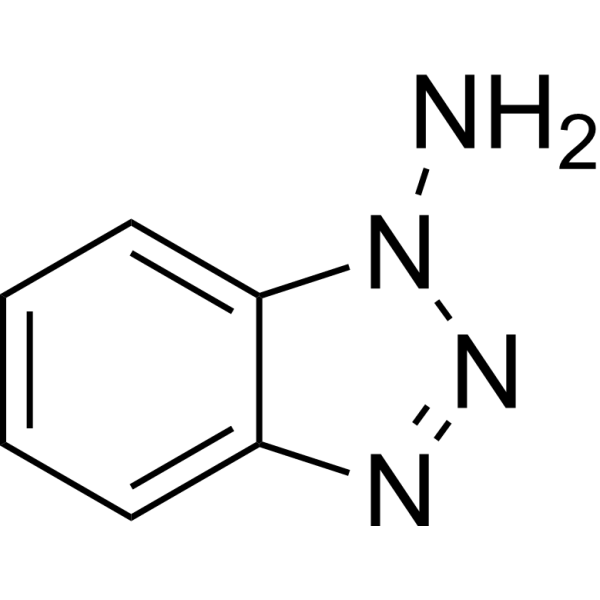
1-Aminobenzotriazole
Based on 12 publication(s) in Google Scholar
1-Aminobenzotriazole is a nonspecific and irreversible inhibitor of cytochrome P450 (P450).
商品は「研究用試薬」です。人や動物の医療用・臨床診断用・食品用の製品ではありません。
研究用途以外に使用した場合、当社は一切の責任を負いかねます。
- 純度 : 99.88%
- CAS 番号: 1614-12-6
- 分子式: C6H6N4
- 分子量:134.14
-
保管条件:Powder -20°C, 3 years , 4°C, 2 years ; In solvent -80°C, 6 months , -20°C, 1 month

To place orders, for customer services and technical support, please contact: MedChemExpress USA
Tel: 609-228-6898 E-mail: [email protected] [email protected]


-
 生物活性
生物活性
-
化学情報
-
溶剤 & 溶解度
- 純度とドキュメンテーション
- 参考文献
-
 Help & FAQs


-
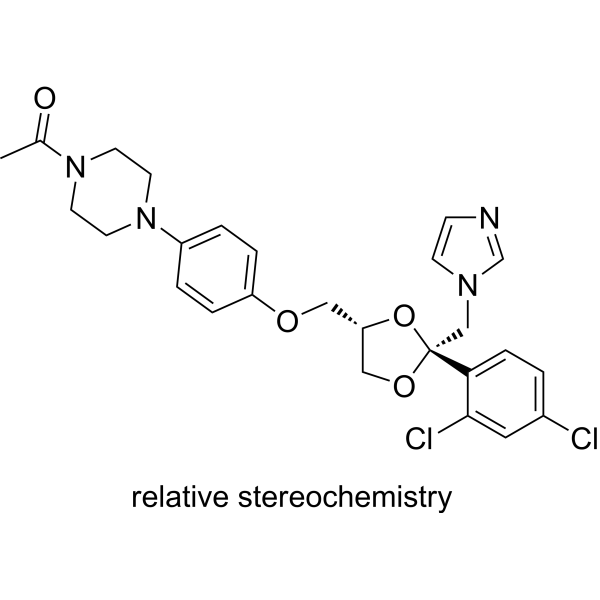
HY-B0105
KetoconazoleCYP3A4 Inhibitor -
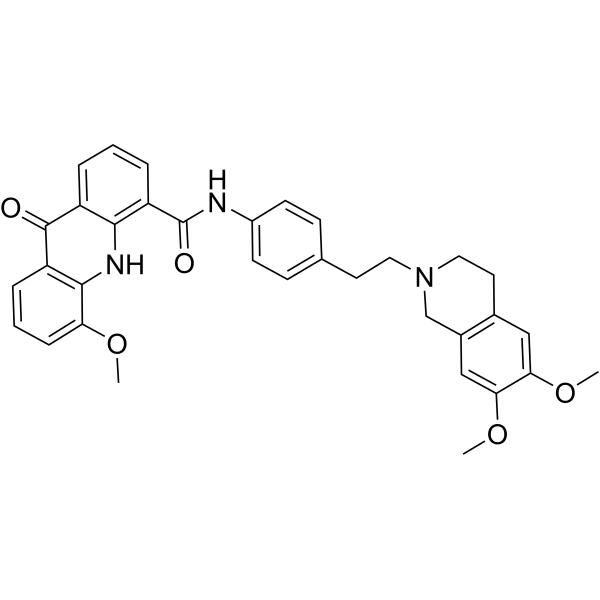
HY-50879
ElacridarP-gp And BCRP Dual-Inhibitor -
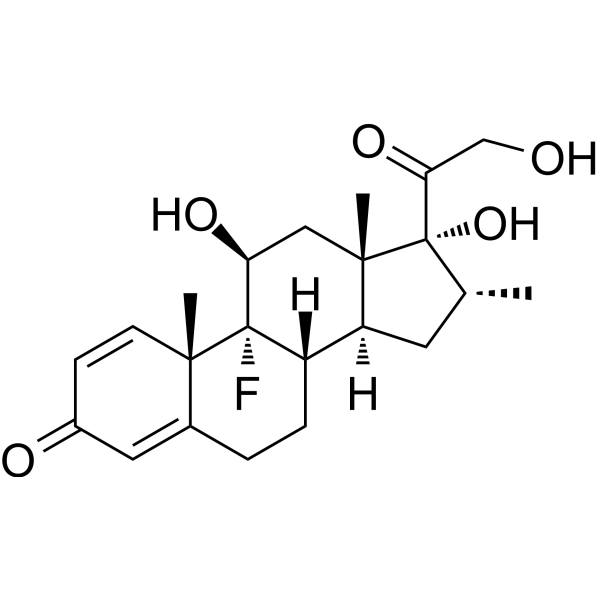
HY-14648
DexamethasoneGR Agonist -
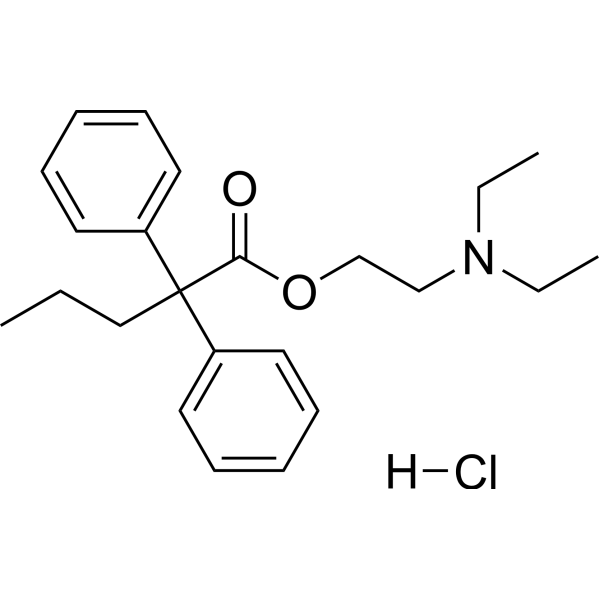
HY-B1311
Proadifen hydrochlorideCytochrome P450 Inhibitor, MAO-A Inhibitor -
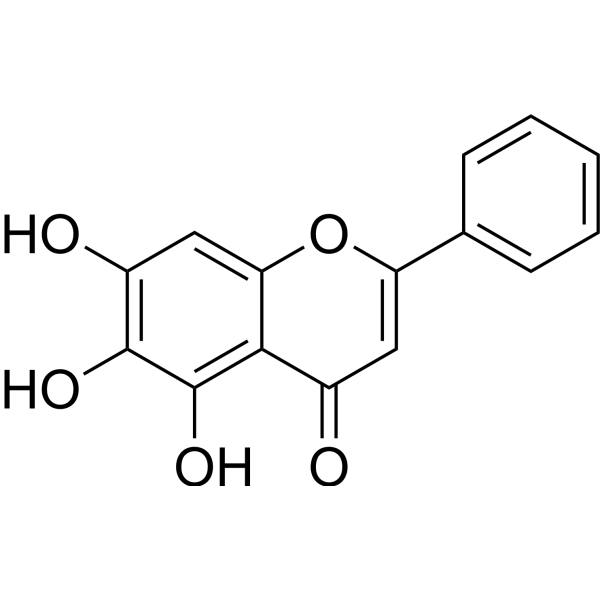
HY-N0196
BaicaleinXanthine Oxidase Inhibitor -
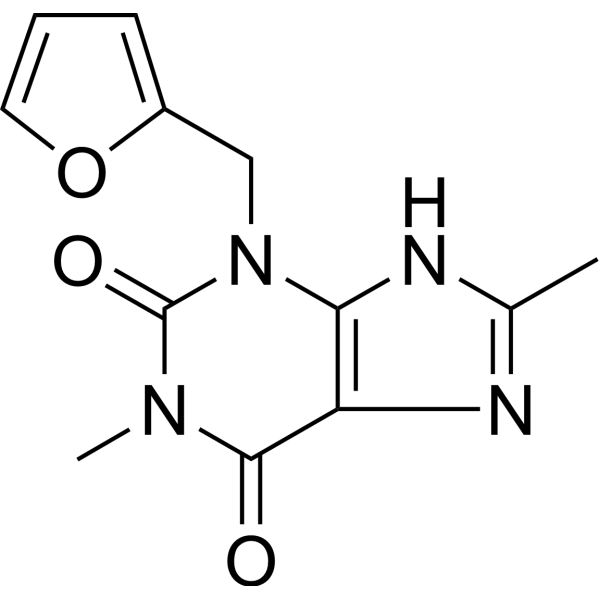
HY-107204
FurafyllineCytochrome P450 Inhibitor -
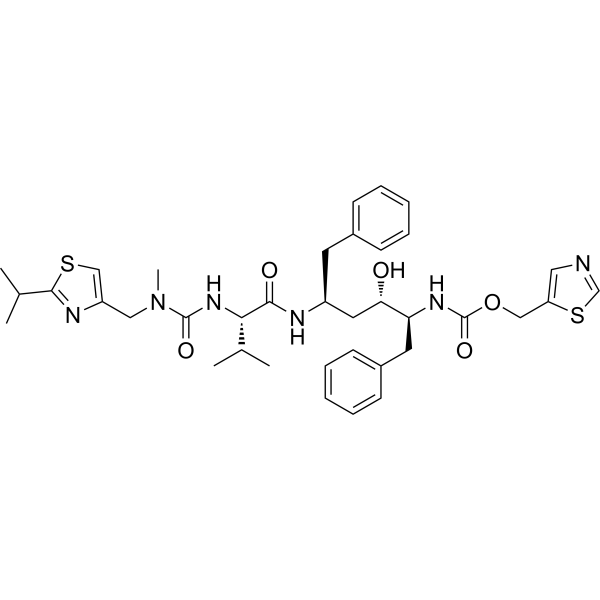
HY-90001
RitonavirHIV Protease Inhibitor -
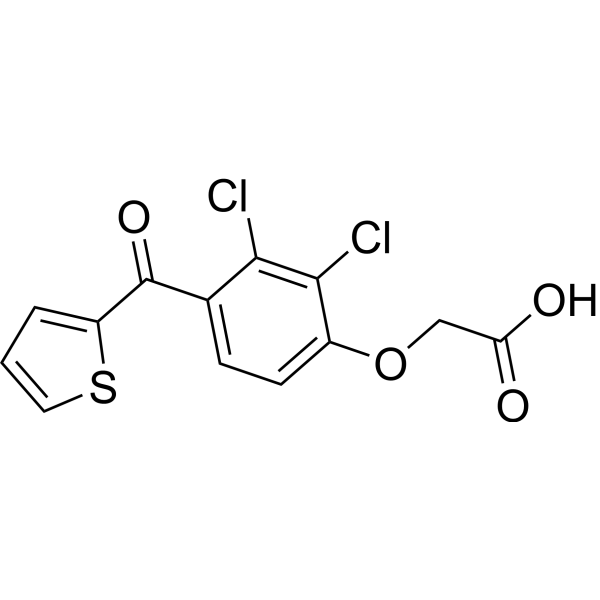
HY-21065
Tienilic acidDiuretic Hypotensive Agent -
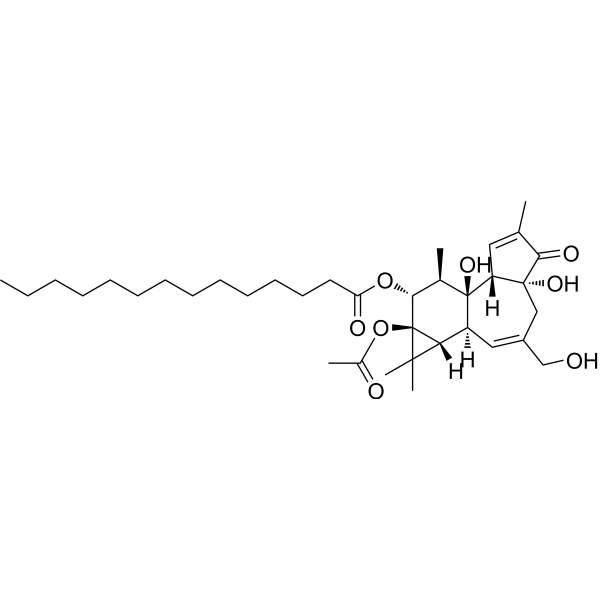
HY-18739
Phorbol 12-myristate 13-acetatePKC Activator -
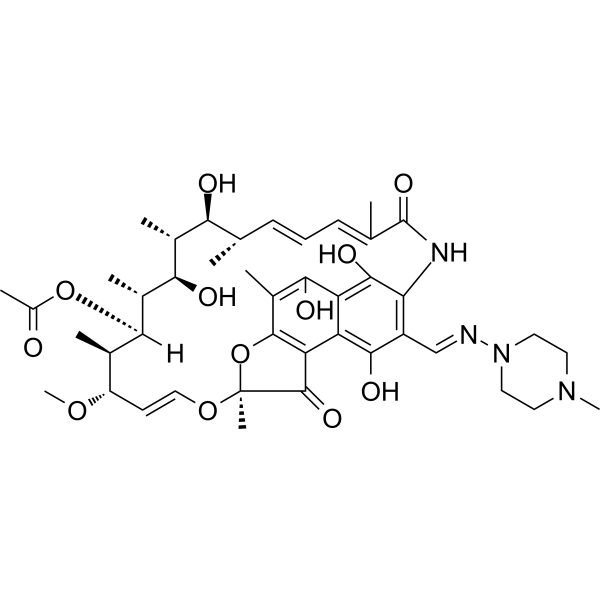
HY-B0272
RifampicinAntivirus Agent -
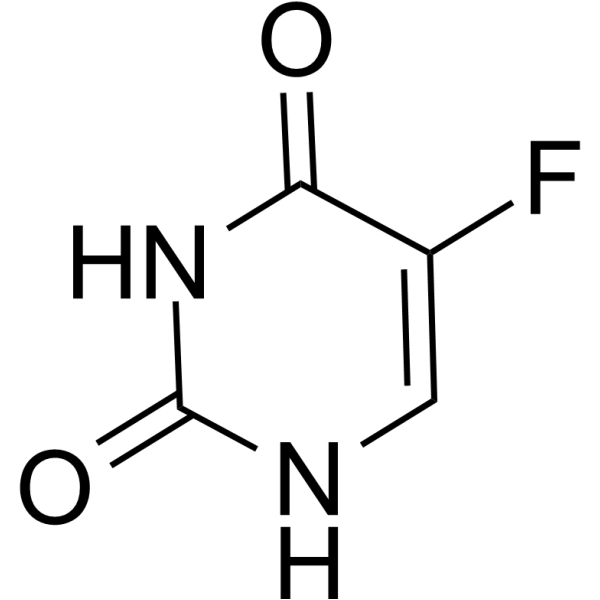
HY-90006
5-FluorouracilThymidylate Synthase Inhibitor -
HY-124527
HET001620-HETE Synthase Inhibitor
MedChemExpress(MCE)の使用を引用している文献 1-Aminobenzotriazole
More- Science. 2026 Mar 19;391(6791):eadu7686. [Abstract]
- Nat Commun. 2021 Sep 20;12(1):5548. [Abstract]
- Plant Cell. 2024 Dec 23;37(1):koae290. [Abstract]
- J Hazard Mater. 2025 Aug 5:493:138407. [Abstract]
- Pharmaceutics. 2026 Jun 10;18(6):718. [Abstract]
- BMC Plant Biol. 2025 Jul 21;25(1):937. [Abstract]
- Front Pharmacol. 2022 May 16;13:848957. [Abstract]
- Plants. 2026 Mar 9;15(5):844. [Abstract]
- Plant Sci. 2023 Nov:336:111859. [Abstract]
- Pharm Res. 2026 May;43(5):1425-1440. [Abstract]
- Xenobiotica. 2022 Aug;52(8):943-956. [Abstract]
- SSRN. 2025 Feb 5.
 Customer Validation & Images

-
Others
-
Others
-
Bio/Physico-chemical Assay
-
Flow Cytometry


生物活性
製品説明
IC50 & Target
|
CYP2 |
CYP3 |
Cellular Effect
|
Cell Line

|
Type | Value | Description | References |
|---|---|---|---|---|
| HepG2 | IC50 |
12 μM
Compound: ABT
|
Inhibition of CYP4Z1 (unknown origin) in human HepG2 cell membranes transduced with lentiviral vector using luciferin-benzyl ether as substrate preincubated with NADPH for 30 mins followed by substrate addition and measured after 10 mins by P450-glo lucif
Inhibition of CYP4Z1 (unknown origin) in human HepG2 cell membranes transduced with lentiviral vector using luciferin-benzyl ether as substrate preincubated with NADPH for 30 mins followed by substrate addition and measured after 10 mins by P450-glo lucif
|
[PMID: 32302132] |
| HepG2 | IC50 |
154 μM
Compound: ABT
|
Inhibition of CYP4Z1 (unknown origin) in human HepG2 cell membranes transduced with lentiviral vector using luciferin-benzyl ether as substrate incubated for 5 mins followed by NADPH addition and measured after 20 mins by P450-glo luciferase based lumines
Inhibition of CYP4Z1 (unknown origin) in human HepG2 cell membranes transduced with lentiviral vector using luciferin-benzyl ether as substrate incubated for 5 mins followed by NADPH addition and measured after 20 mins by P450-glo luciferase based lumines
|
[PMID: 32302132] |
体外実験
1-Aminobenzotriazole (ABT) alone significantly increases the expression levels of CYP2B6 in two different hepatocytes (7.3- and 10.8-fold, respectively). Upon co-treatment with 1-Aminobenzotriazole, the induction of CYP2B6 expression by CITCO or rifampin is potentiated: 12.6- and 4.0-fold for CITCO as well as 3.9- and 2.5-fold for rifampin. 1-Aminobenzotriazole has a greater potentiation effect on CITCO than on rifampin. 1-Aminobenzotriazole alone increases the expression levels of CYP3A4 in tow different hepatocytes (by 2.0- and 3.8-fold). Upon co-treatment with 1-Aminobenzotriazole, the effects of CITCO on CYP3A4 expression levels are potentiated by 3.8- and 6.0- fold as compare to cells treated with CITCO alone[1].
1-Aminobenzotriazole (ABT) (1 mM) shows pronounced (~95%) inhibition of the formation of N-acetylprocainamide compare with the control without 1-Aminobenzotriazole[2].
MedChemExpress (MCE) has not independently confirmed the accuracy of these methods. They are for reference only. .
体内実験
MedChemExpress (MCE) has not independently confirmed the accuracy of these methods. They are for reference only.


化学情報
-
CAS 番号 1614-12-6
-
性状 Solid
-
分子量 134.14
-
分子式 C6H6N4
-
Color White to light brown
-
SMILES
NN1N=NC2=CC=CC=C21
-
別名
ABT; 3-Aminobenzotriazole; 1-アミノベンゾトリアゾール
-
輸送条件
Room temperature in continental US; may vary elsewhere.
-
保管条件
Powder -20°C 3 years 4°C 2 years In solvent -80°C 6 months -20°C 1 month


Publications (12)
-
Journal Impact Factor
-
Most Recent
-
Science
Commensal-driven serotonin production modulates in vivo delivery of synthetic and viral vectors. [Abstract]2026 Mar 19;391(6791):eadu7686. PMID: 41855345 -
Nat Commun
Isonicotinylation is a histone mark induced by the anti-tuberculosis first-line drug isoniazid. [Abstract]2021 Sep 20;12(1):5548. PMID: 34545082 -
Plant Cell
The transcription factor TGA2 orchestrates salicylic acid signal to regulate cold-induced proline accumulation in Citrus. [Abstract]2024 Dec 23;37(1):koae290. PMID: 39656997
1-Aminobenzotriazole purchased from MedChemExpress. Usage Cited in: Plant Cell. 2024 Dec 23;37(1):koae290. [Abstract]
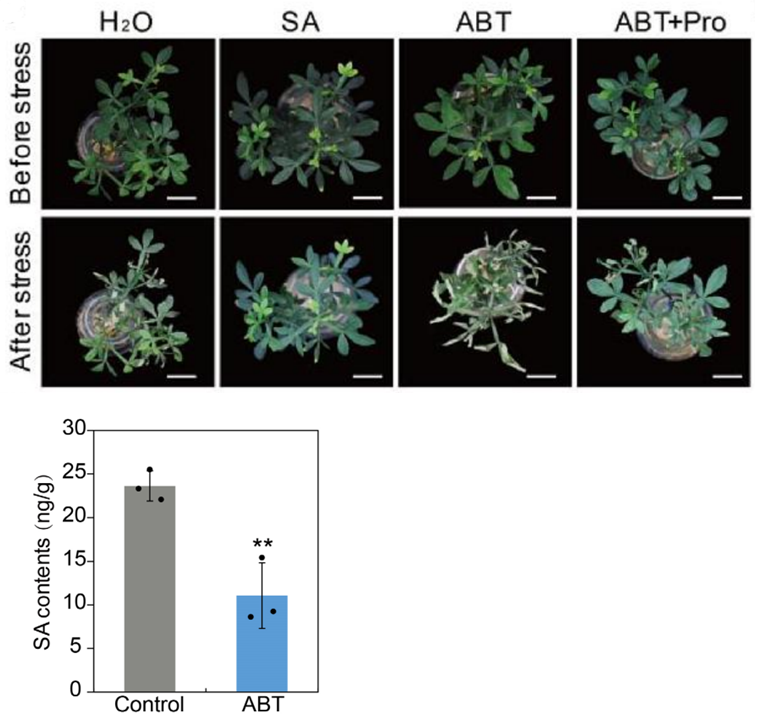
Phenotype examined before and after cold treatment (−4 °C, 12 h) of trifoliate orange plants that were pretreated with water (H2O), 200 μM SA, 100 μM 1-Aminobenzotriazole (ABT), or ABT plus 1 mm proline (ABT + Pro). Scale bars = 1 cm. The results demonstrated that ABT (an inhibitor of SA biosynthesis) significantly reduced the endogenous SA content within the plants, leading to a substantial decline in their cold tolerance—specifically, a marked increase in their sensitivity to low temperatures (relative to plants not treated with ABT).
-
J Hazard Mater
Underlying mechanisms of metabolic dysfunction-associated steatotic liver disease induced by 2-ethylhexyl diphenyl phosphate and its hydroxylated metabolite in zebrafish (Danio rerio). [Abstract]2025 Aug 5:493:138407. PMID: 40300519 -
Pharmaceutics
CYP3A-Mediated Metabolism of Zastaprazan in Humans and Associated Drug-Drug Interactions. [Abstract]2026 Jun 10;18(6):718. PMID: 42357334 -
BMC Plant Biol
Comparative transcriptome analysis reveals key genes and signaling pathways mediated by salicylic acid in potato. [Abstract]2025 Jul 21;25(1):937. PMID: 40691758 -
Front Pharmacol
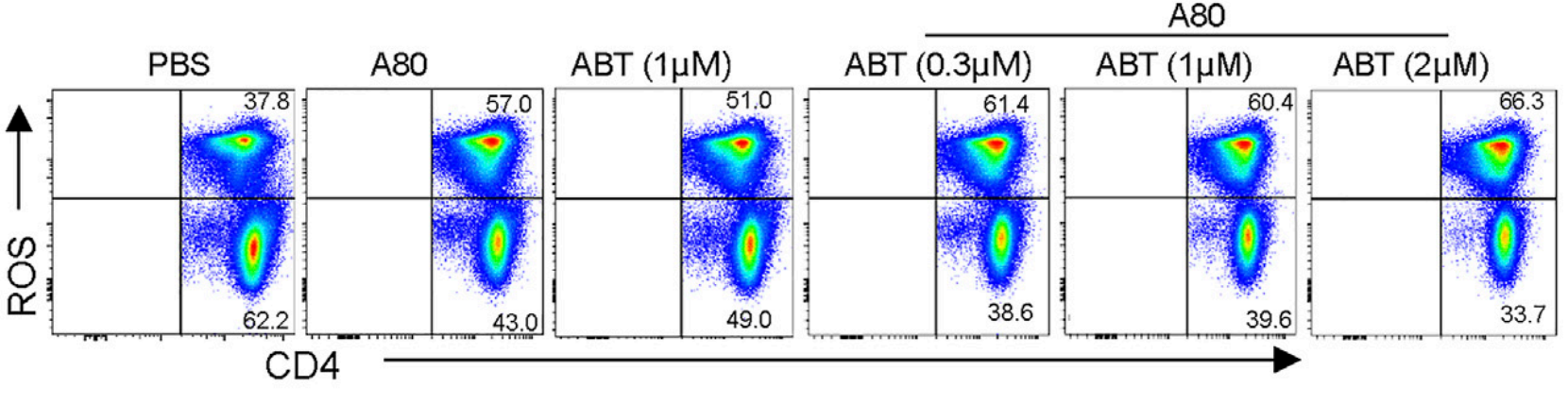
Astilbin Activates the Reactive Oxidative Species/PPARγ Pathway to Suppress Effector CD4+ T Cell Activities via Direct Binding With Cytochrome P450 1B1. [Abstract]2022 May 16;13:848957. PMID: 35652039
1-Aminobenzotriazole purchased from MedChemExpress. Usage Cited in: Front Pharmacol. 2022 May 16;13:848957. [Abstract]
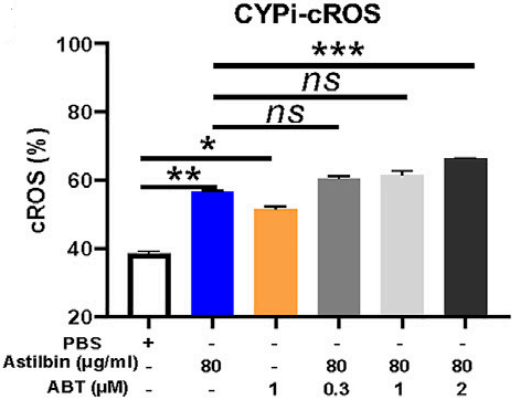
Astilbin promotes cellular ROS production similar to 1-Aminobenzotriazole (ABT, 0.3-2 μM) (a non-specific inhibitor of CYP). Mean ± SD; n = 3.
1-Aminobenzotriazole purchased from MedChemExpress. Usage Cited in: Front Pharmacol. 2022 May 16;13:848957. [Abstract]
Astilbin promotes cellular ROS production similar to 1-Aminobenzotriazole (ABT, 0.3-2 μM) (a non-specific inhibitor of CYP). Mean ± SD; n = 3.
-
Plants
Integrative Analysis of Metabolic Signature and Phytohormone Response in Potato Under Heat, Drought and Salt Stresses. [Abstract]2026 Mar 9;15(5):844. PMID: 41829874 -
Plant Sci
Salicylic acid accelerates carbon starvation-induced leaf senescence in Arabidopsis thaliana by inhibiting autophagy through Nonexpressor of pathogenesis-related genes 1. [Abstract]2023 Nov:336:111859. PMID: 37673221
1-Aminobenzotriazole purchased from MedChemExpress. Usage Cited in: Plant Sci. 2023 Nov:336:111859. [Abstract]
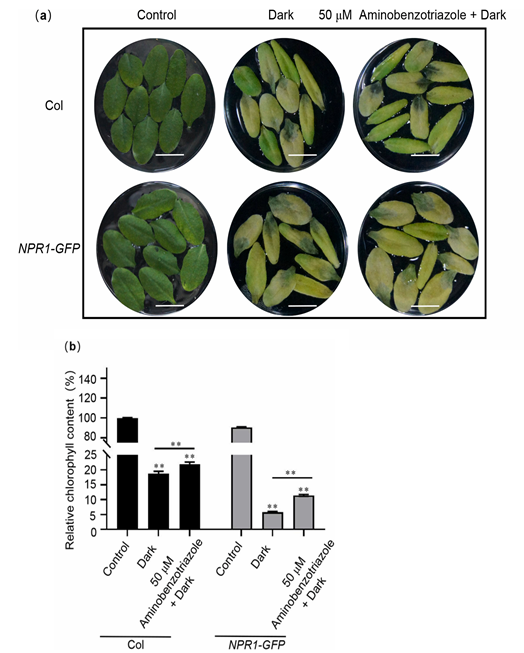
(a). Phenotypes of 3-week-old detached rosette leaves of Col and NPR1-GFP under constant dark and 50 μM 1-Aminobenzotriazole treatment for 4 days. Bar= 1 cm. (b). Relative chlorophyll content in (a). The results showed that, under dark treatment conditions, 1-Aminobenzotriazole delayed leaf senescence in the Col and NPR1-GFP lines by inhibiting Salicylic acid (SA).
-
Pharm Res
In vitro and ex vivo Pharmacological Profile of HY-022619, a Novel Intravenous P2Y12 Receptor Antagonist with Rapid-onset and Sustained Antiplatelet Activity. [Abstract]2026 May;43(5):1425-1440. PMID: 41951863 -
Xenobiotica
Non-specific binding of compounds in in vitro metabolism assays: A comparison of microsomal and hepatocyte binding in different species and an assessment of the accuracy of prediction models. [Abstract]2022 Aug;52(8):943-956. PMID: 36222269 -


溶剤 & 溶解度
体外:
DMSO : 100 mg/mL (745.49 mM; Need ultrasonic; Hygroscopic DMSO has a significant impact on the solubility of product, please use newly opened DMSO)
H2O : 50 mg/mL (372.74 mM; Need ultrasonic)
Please refer to the solubility information to select the appropriate solvent. Once prepared, please aliquot and store the solution to prevent product inactivation from repeated freeze-thaw cycles.
Storage method and period of stock solution: -80°C, 6 months; -20°C, 1 month. When stored at -80°C, please use it within 6 months. When stored at -20°C, please use it within 1 month.
* Note: If you choose water as the stock solution, please dilute it to the working solution, then filter and sterilize it with a 0.22 μm filter before use.
Please refer to the solubility information to select the appropriate solvent. Once prepared, please aliquot and store the solution to prevent product inactivation from repeated freeze-thaw cycles.
Storage method and period of stock solution: -80°C, 6 months; -20°C, 1 month. When stored at -80°C, please use it within 6 months. When stored at -20°C, please use it within 1 month.
* Note: If you choose water as the stock solution, please dilute it to the working solution, then filter and sterilize it with a 0.22 μm filter before use.
濃度 (開始) × 体積 (開始) = 濃度 (終了) × 体積 (終了)
体内:
Select the appropriate dissolution method based on your experimental animal and administration route.
- For the following dissolution methods, please ensure to first prepare a clear stock solution using an In Vitro approach and then sequentially add co-solvents:
- To ensure reliable experimental results, the clarified stock solution can be appropriately stored based on storage conditions. As for the working solution for In Vivo experiments, it is recommended to prepare freshly and use it on the same day.
- The percentages shown for the solvents indicate their volumetric ratio in the final prepared solution. If precipitation or phase separation occurs during preparation, heat and/or sonication can be used to aid dissolution.
Add each solvent one by one: 10% DMSO 40% PEG300 5% Tween-80 45% Saline
Solubility: ≥ 2.08 mg/mL (15.51 mM); Clear solution
This protocol yields a clear solution of ≥ 2.08 mg/mL (saturation unknown).
Taking 1 mL working solution as an example, add 100 μL DMSO stock solution (20.8 mg/mL) to 400 μL PEG300, and mix evenly; then add 50 μL Tween-80 and mix evenly; then add 450 μL Saline to adjust the volume to 1 mL.
Preparation of Saline: Dissolve 0.9 g sodium chloride in ddH₂O and dilute to 100 mL to obtain a clear Saline solution.
Add each solvent one by one: 10% DMSO 90% (20% SBE-β-CD in Saline)
Solubility: ≥ 2.08 mg/mL (15.51 mM); Clear solution
This protocol yields a clear solution of ≥ 2.08 mg/mL (saturation unknown).
Taking 1 mL working solution as an example, add 100 μL DMSO stock solution (20.8 mg/mL) to 900 μL 20% SBE-β-CD in Saline, and mix evenly.
Preparation of 20% SBE-β-CD in Saline (4°C, storage for one week): 2 g SBE-β-CD powder is dissolved in 10 mL Saline, completely dissolve until clear.
For the following dissolution methods, please prepare the working solution directly:
It is recommended to prepare fresh solutions and use them promptly within a short period of time.
The percentages shown for the solvents indicate their volumetric ratio in the final prepared solution. If precipitation or phase separation occurs during preparation, heat and/or sonication can be used to aid dissolution.
Add each solvent one by one: PBS
Solubility: 25 mg/mL (186.37 mM); Clear solution; Need ultrasonic and warming and heat to 60°C
In Vivo Dissolution Calculator
Please enter the basic information of animal experiments:
-
-
-
-
Recommended: Prepare an additional quantity of animals to account for potential losses during experiments.
Working solution concentration: 0.22 mg/mL
This product has good water solubility, please refer to the measured solubility data in water/PBS/Saline for details.


純度とドキュメンテーション
-
データシート (282 KB)
-
SDS (394 KB)
- English - EN (394 KB)
- Français - FR (394 KB)
- Deutsch - DE (394 KB)
- Norwegian - NO (394 KB)
- Español - ES (394 KB)
- Swedish - SV (394 KB)
- Italian - IT (394 KB)
- Korean - KR (394 KB)
- Portuguese - PT (394 KB)
-
取扱説明書 (2659 KB)
参考文献
[1]. Yang K, et al. Induction of CYP2B6 and CYP3A4 expression by 1-aminobenzotriazole (ABT) in human hepatocytes. Drug Metab Lett. 2010 Aug;4(3):129-33. [Content Brief]
[2]. Sun Q, et al. 1-Aminobenzotriazole, a known cytochrome P450 inhibitor, is a substrate and inhibitor of N-acetyltransferase. Drug Metab Dispos. 2011 Sep;39(9):1674-9. [Content Brief]
[3]. Stringer RA, et al. 1-Aminobenzotriazole modulates oral drug pharmacokinetics through cytochrome P450 inhibition and delay of gastric emptying in rats. Drug Metab Dispos. 2014 Jul;42(7):1117-24. [Content Brief]


Complete Stock Solution Preparation Table
Please refer to the solubility information to select the appropriate solvent. Once prepared, please aliquot and store the solution to prevent product inactivation from repeated freeze-thaw cycles.
Storage method and period of stock solution: -80°C, 6 months; -20°C, 1 month. When stored at -80°C, please use it within 6 months. When stored at -20°C, please use it within 1 month.
| Optional Solvent | Concentration Solvent Mass | 1 mg | 5 mg | 10 mg | 25 mg |
|---|---|---|---|---|---|
| H2O / DMSO | 1 mM | 7.4549 mL | 37.2745 mL | 74.5490 mL | 186.3724 mL |
| 5 mM | 1.4910 mL | 7.4549 mL | 14.9098 mL | 37.2745 mL | |
| 10 mM | 0.7455 mL | 3.7274 mL | 7.4549 mL | 18.6372 mL | |
| 15 mM | 0.4970 mL | 2.4850 mL | 4.9699 mL | 12.4248 mL | |
| 20 mM | 0.3727 mL | 1.8637 mL | 3.7274 mL | 9.3186 mL | |
| 25 mM | 0.2982 mL | 1.4910 mL | 2.9820 mL | 7.4549 mL | |
| 30 mM | 0.2485 mL | 1.2425 mL | 2.4850 mL | 6.2124 mL | |
| 40 mM | 0.1864 mL | 0.9319 mL | 1.8637 mL | 4.6593 mL | |
| 50 mM | 0.1491 mL | 0.7455 mL | 1.4910 mL | 3.7274 mL | |
| 60 mM | 0.1242 mL | 0.6212 mL | 1.2425 mL | 3.1062 mL | |
| 80 mM | 0.0932 mL | 0.4659 mL | 0.9319 mL | 2.3297 mL | |
| 100 mM | 0.0745 mL | 0.3727 mL | 0.7455 mL | 1.8637 mL |
* Note: If you choose water as the stock solution, please dilute it to the working solution, then filter and sterilize it with a 0.22 μm filter before use.


1-Aminobenzotriazole 関連分類
HY-103389 関連分類
 Powered by Bioz