



Others
-
Others Related Products (76350)
Related Products (76350)



-
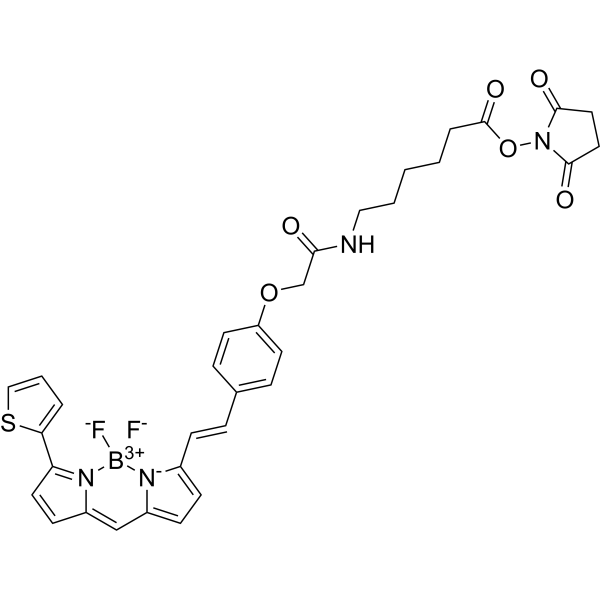
BODIPY 630/650X
 0 ImagesCat. No.: HY-110213CAS No.: 380367-48-6
BODIPY 630/650X is a red fluorescent dye that targets amine groups. BODIPY 630/650X displays excitation/emission maxima of 630/650 nm, respectively. BODIPY 630/650X can be used to covalently label proteins, antibodies, or other amine-containing biomolecules for detection and imaging.

-
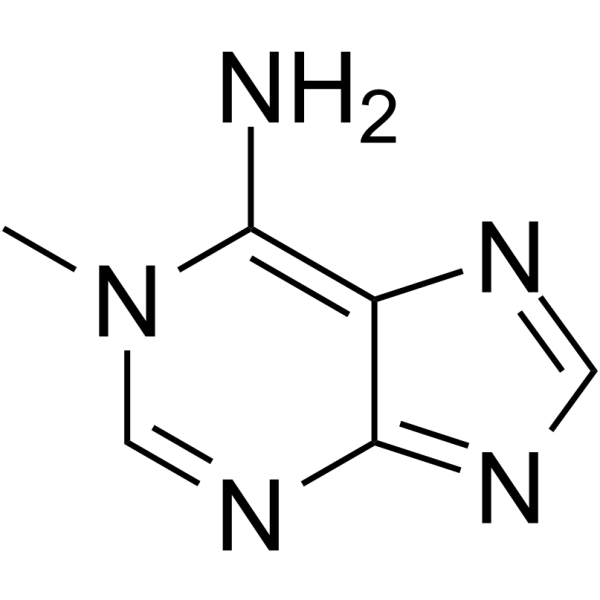
1-Methyladenine
 0 Images
1-Methyladenine is a gonad maturation-promoting regulator. 1-Methyladenine is produced in testes and ovarian follicle cells of starfish under the induction of gonad-stimulating substance (GSS). 1-Methyladenine promotes starfish oocyte maturation and spawning, and modifies bases that regulate DNA structure. 1-Methyladenine converts T-A base pairs in double-stranded DNA into non-disruptive T (anti)m1A (syn) Hoogsteen conformation. If this conformational base is not repaired in a timely manner, 1-Methyladenine transforms into cytotoxic DNA damage and blocks the replication process.
-
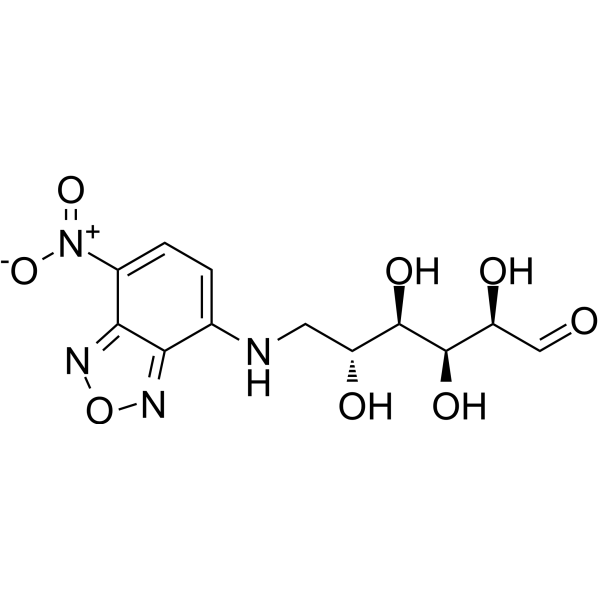
6-NBDG
 0 Images
6-NBDG is a fluorescent glucose analogue, it can be used for fluorescence imaging and monitoring glucose transport and uptake. 6-NBDG can be used as a fluorescent probe for detecting macrophage-rich atherosclerotic plaques.
-
Lubabegron
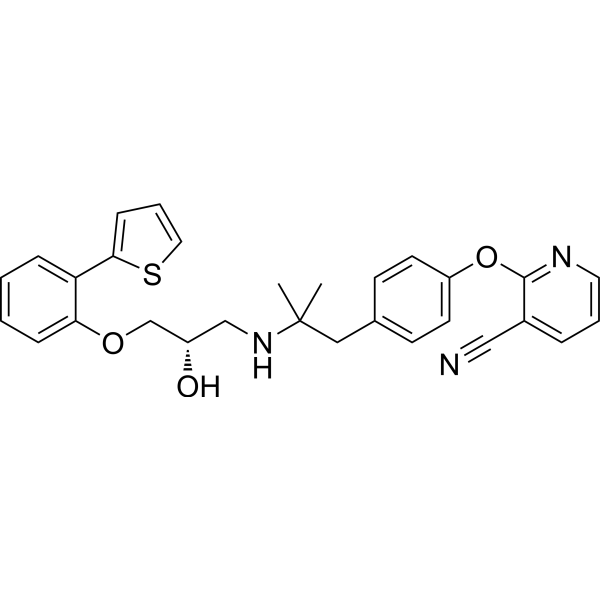 0 ImagesSynonyms: LY-488756
Lubabegron is a potent modulator of β-adrenergic receptor (β-AR). Lubabegron demonstrates antagonistic behavior at the β1 and β 2 receptor subtypes and agonistic behavior at the β 3 receptor subtype in cattle. Lubabegron reduces NH3 gas emissions from an animal or its waste. Lubabegron is available as an animal supplement.
-
Perillartine
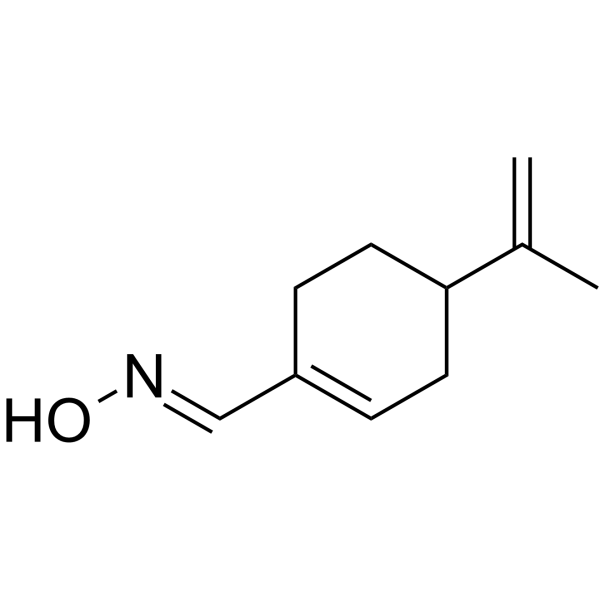 0 ImagesSynonyms: DL-Perillartine
Perillartine is a sweetener, which activates the taste receptor type 1 member 2 (Tas1r2) subunit in a species-dependent manner.
-
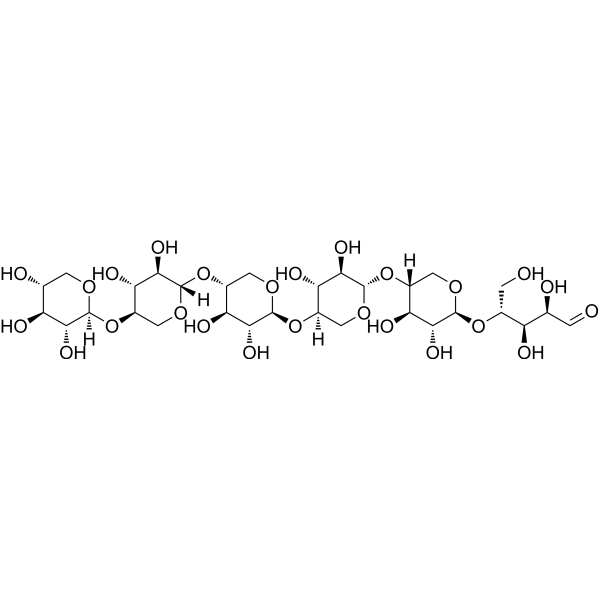
Xylohexaose
 0 Images
Xylohexaose is a xylooligosaccharide composed of six xylose residues. Xylohexaose can be produced by hydrolysis of beechwood xylan by AfXynA. Xylohexaose serves as a substrate for the determination of xylan hydrolysis activity.
-
Fructo-oligosaccharide DP7/GF6
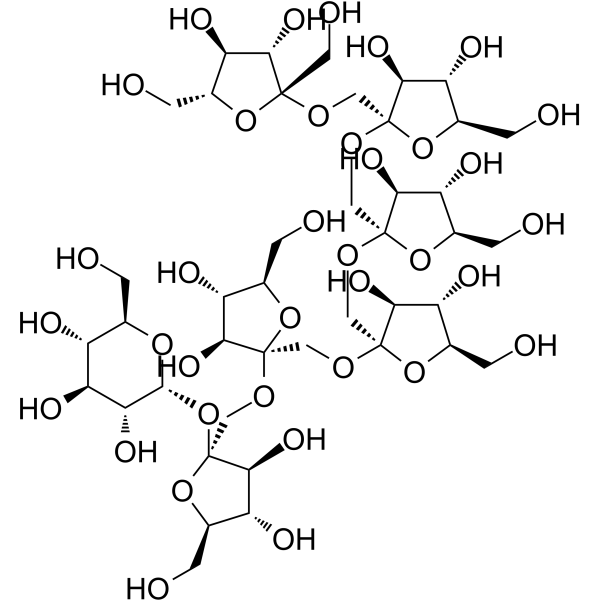 0 Images
Fructo-oligosaccharide DP7/GF6 belongs to fructooligosaccharides (FOS) with degree of polymerization (DP=7). Fructo-oligosaccharides (FOS) are composed of 6 fructose units linked by (2→1)-β-glycosidic bonds and having a single D-glucosyl unit at the non-reducing end.
-
Rebaudioside E
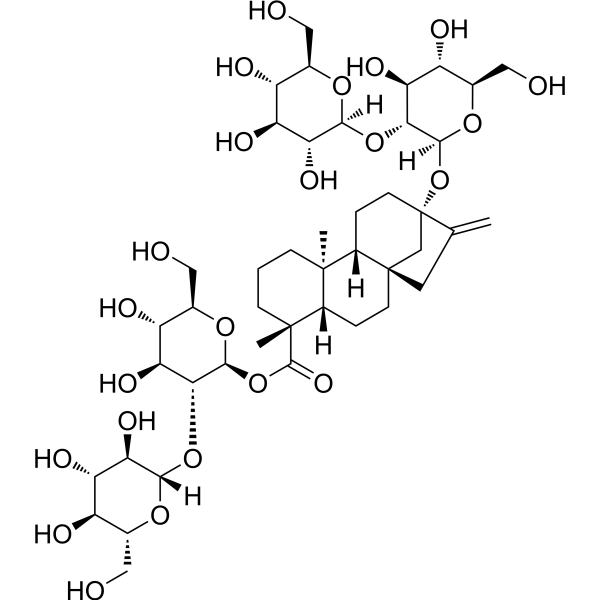 0 Images
Rebaudioside E is a steviol glycoside isolated from Stevia rebaudiana leaves.
-
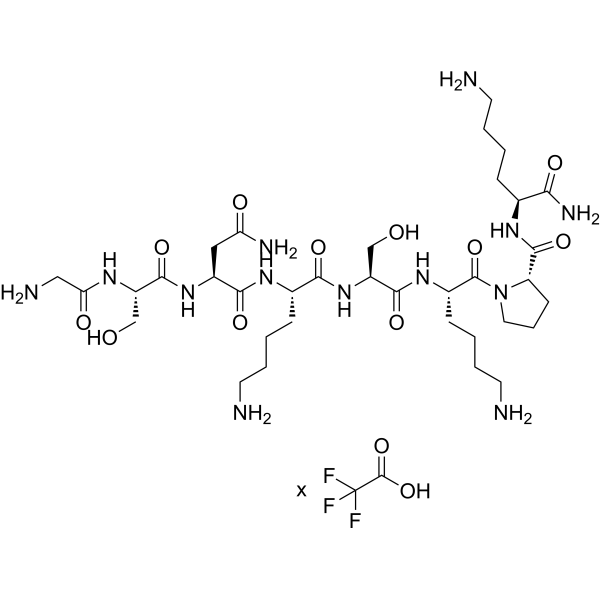
Histone H4 (2-21)
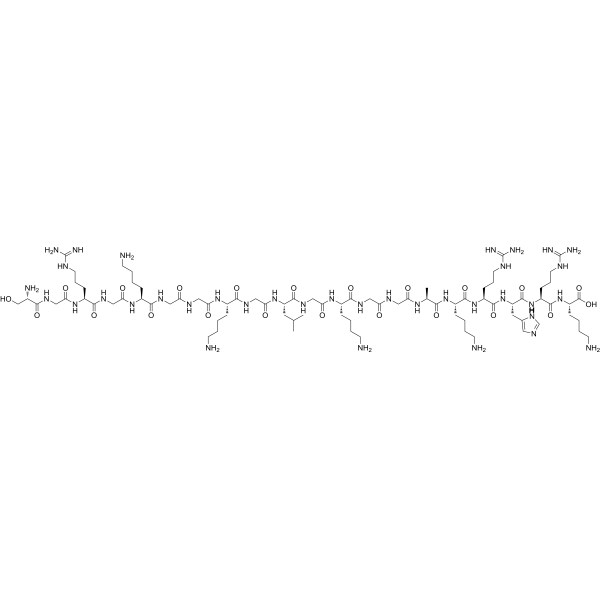 0 Images
Histone H4 (2-21) is a substrate peptide derived from the N-terminal region of histone H4, which serves as an acyl acceptor for lysine acetyltransferases of the MYST family (KAT). Histone H4 (2-21) participates in enzymatic reactions together with acyl-coenzyme A (acyl-CoA, and undergoes lysine acetylation and propionylation modifications catalyzed by KATs such as MOF. The apparent Km of Histone H4 (2-21) for MOF is 788.8 μM, while in the picNuA4 catalytic system, the Km and Kd values of the H4 peptide are 192 μM and 251 μM, respectively. Histone H4 (2-21) can be used in studies related to histone post-translational modifications, epigenetic regulation, and lysine acylation.
-
Glutamate dehydrogenase (NAD(P))
 0 Images
Glutamate dehydrogenase NAD(P) (GLDH) can be found in hepatocytes, renal tissue, brain, muscle, and intestinal cells. Glutamate dehydrogenase NAD(P) is often used in biochemical studies. Glutamate dehydrogenase is a mitochondrial enzyme, it catalyzes the reversible oxidative deamination of glutamate to α-ketoglutarate (α-KG) as part of the urea cycle.
-
Pd(Xantphos)Cl2
 0 Images
Pd(Xantphos)Cl2 is a palladium(II) complex catalyst that can be used in organic synthesis research.
-
Fmoc-D-Asp(OtBu)-OH
 0 Images
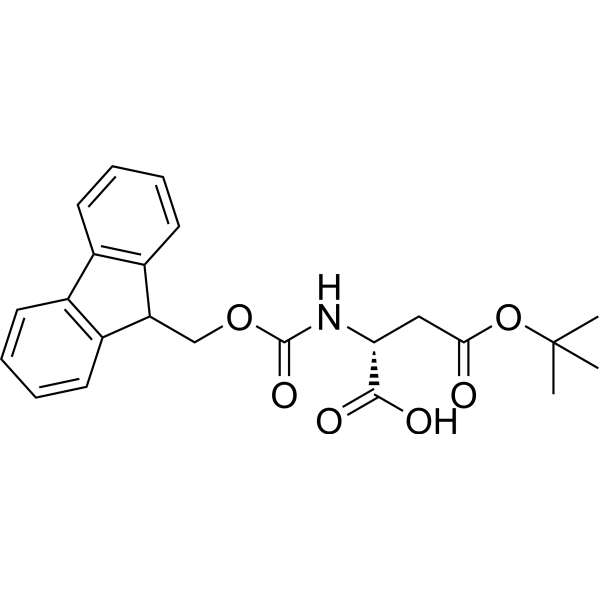
Fmoc-D-Asp(OtBu)-OH is an aspartic acid derivative.
-
(S)-2-((tert-Butoxycarbonyl)amino)-3-(4-hydroxyphenyl)propanoic acid
 0 Images
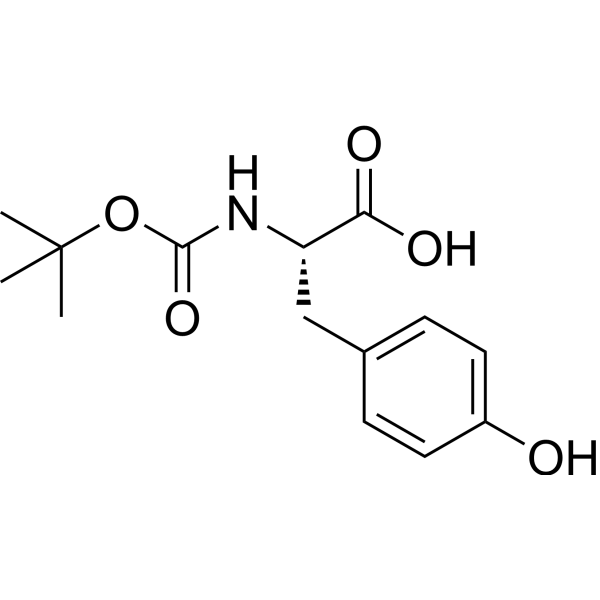
(S)-2-((tert-Butoxycarbonyl)amino)-3-(4-hydroxyphenyl)propanoic acid is a tyrosine derivative.
-
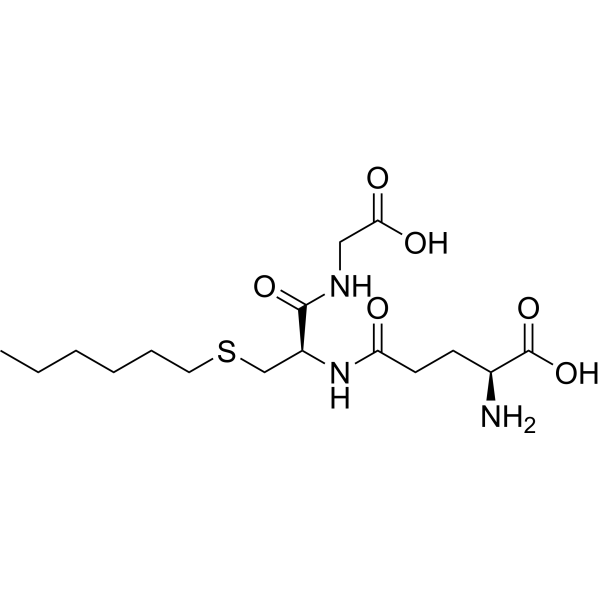
S-Hexylglutathione
 0 Images
S-Hexylglutathione is an S-substituted glutathione in which the hydrogen of the thiol has been replaced by a hexyl group. S-Hexylglutathione is also an competitive inhibitor against glutathione-S-transferase. S-Hexylglutathione can be used as an affinity chromatographic ligand for glutathione-S-transferase and glutathione peroxidase.



