



METTL3
Methyltransferase-like 3
Methyltransferase-like 3 (METTL3) is an enzyme that functions as a key methyltransferase in the process of N6-methyladenosine (m6A) RNA methylation. METTL3 contains a catalytic domain that is responsible for the transfer of methyl groups to adenosine residues in RNA. METTL3 usually forms a complex with METTL14 and other proteins to enhance its catalytic activity and substrate specificity. The m6A modification mediated by METTL3 plays crucial roles in various biological processes, including RNA splicing, stability, translation efficiency and degradation. METTL3 is involved in the regulation of gene expression and has a significant impact on cell differentiation, development and disease occurrence. Dysregulation of METTL3 has been implicated in many human diseases, especially in the occurrence and development of various cancers[1][2].
References:
- [1]. Wang CX, et al. METTL3-mediated m6A modification is required for cerebellar development. PLoS Biol. 2018 Jun 7;16(6):e2004880. [Content Brief]
- [2]. Xu P, et al. Roles and drug development of METTL3 (methyltransferase-like 3) in anti-tumor therapy. Eur J Med Chem. 2022 Feb 15;230:114118. [Content Brief]
All Product Categories
-
METTL3 Related Products (32)
Related Products (32)

- 1
- 2
-
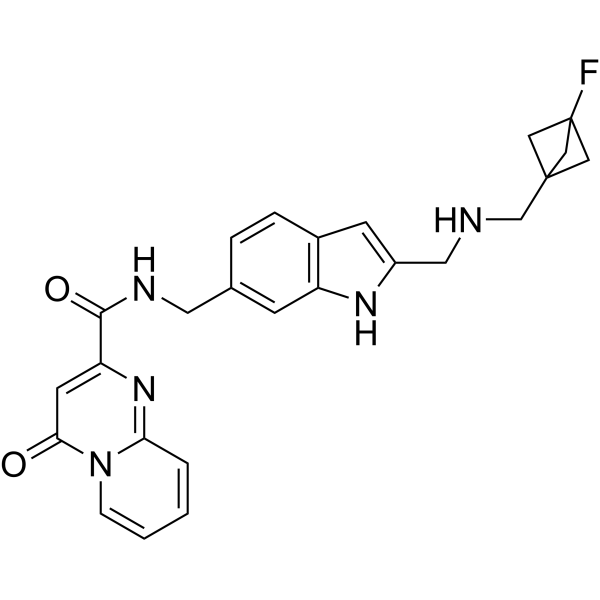
METTL3-IN-2
 0 ImagesCat. No.: HY-148468CAS No.: 2767258-88-6


-
PROTAC METTL3-14 degrader 1
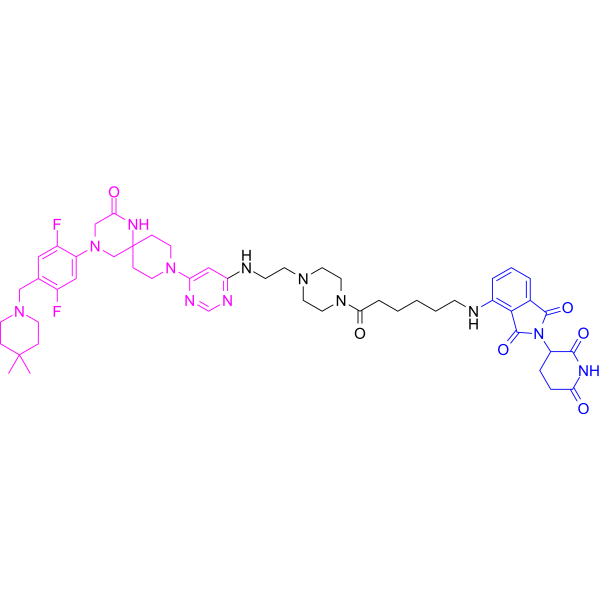 0 ImagesCat. No.: HY-162282CAS No.: 3039554-79-2PROTAC METTL3-14 degrader 1 is a METTL3-METTL14 heterodimer complex PROTAC degrader. PROTAC METTL3-14 degrader 1 binds to the E3 ubiquitin ligase CRBN, forms a ternary complex with METTL3-METTL14, and promotes the ubiquitination and degradation of METTL3. PROTAC METTL3-14 degrader 1 is applicable to the research of acute myeloid leukemia and prostate cancer.
-
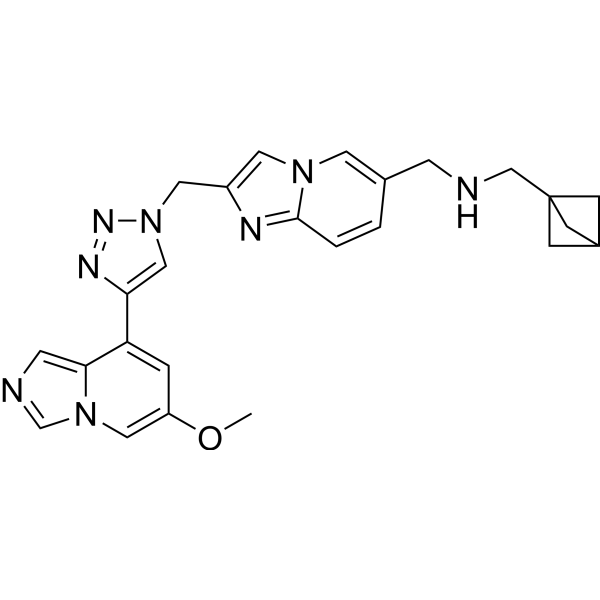
METTL3-IN-3
 0 ImagesCat. No.: HY-148469CAS No.: 2767003-71-2METTL3-IN-3 (compound 11) is a polyheterocyclic compound, acts as METTL3 inhibitor.
-
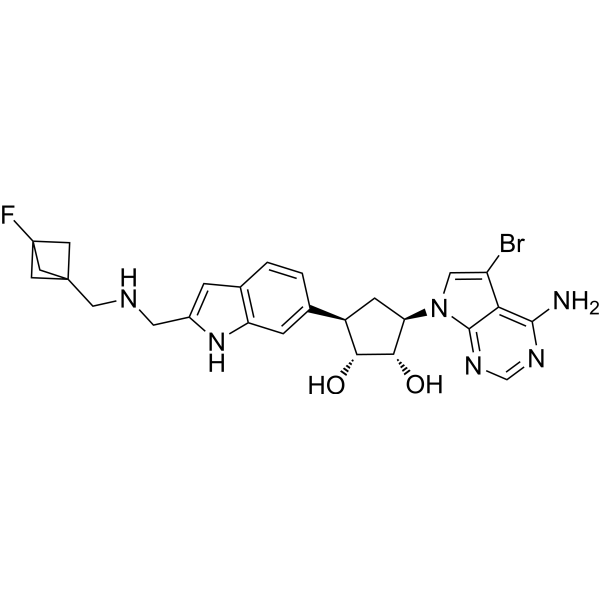
METTL3-IN-5
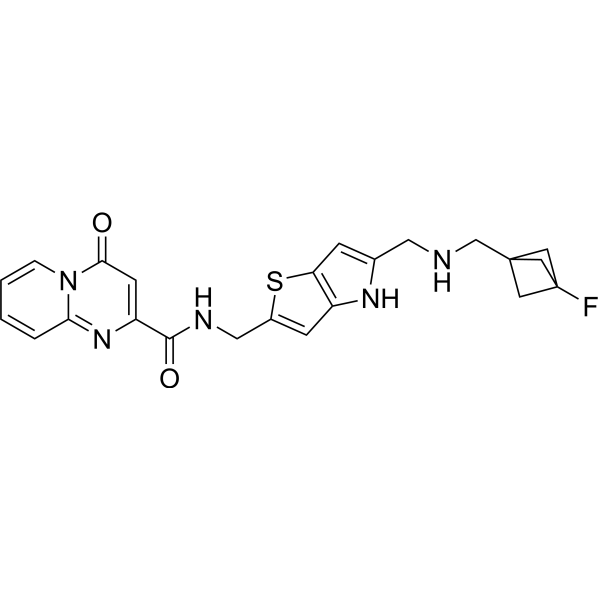 0 ImagesCat. No.: HY-156759CAS No.: 2965311-25-3METTL3-IN-5 (Compound 13) is a METTL3 inhibitor. METTL3-IN-5 inhibits MOLM-13 growth with an IC50 less than 2 μM. METTL3-IN-5 has weak hERG inhibitory activity (IC50 >30 μM). METTL3-IN-5 can be used for AML research.
-
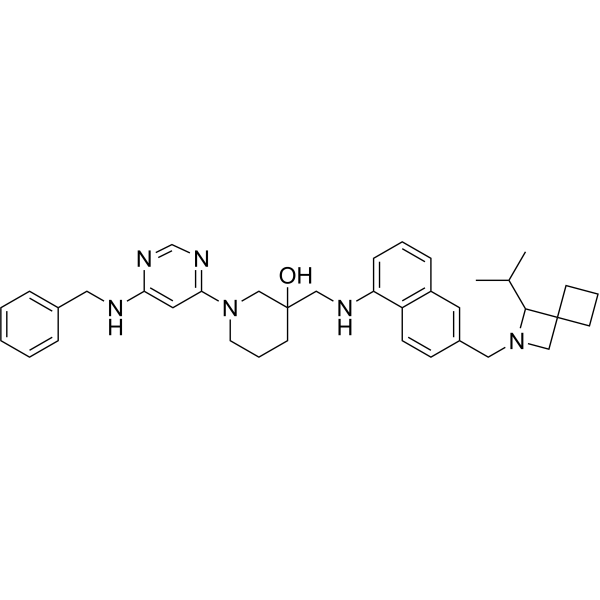
METTL3-IN-11
 0 ImagesCat. No.: HY-178446CAS No.: 3069369-05-4METTL3-IN-11 is an excellent, selective METTL3 inhibitor (IC50 = 45.31 nM). METTL3-IN-11 exhibits high selectivity towards METTL3 compared to DNMT1, EZH1, MLL1, and PRMT1. METTL3-IN-11 reduces the m6A level of total RNA in MOLM-13 and SKOV3 cells, induces cell apoptosis, and inhibits cell migration. METTL3-IN-11 can reduce the expression of m6A downstream target genes (c-MYC and BCL2). METTL3-IN-11 can be used for the study of ovarian cancer and acute myeloid leukemia.
-
CHMA1004
 0 ImagesCat. No.: HY-W125425CAS No.: 2758-98-7Synonyms: Methyl piperazine-2-carboxylate; METTL3 activator-1 free baseCHMA1004 (Methyl piperazine-2-carboxylate; METTL3 activator-1 free base) is a METTL3/METTL14/WTAP methyltransferase complex activator. CHMA1004 exhibits neuroprotective and anxiolytic potential by enhancing m6A methylation modification of RNA. CHMA1004 promotes HIV replication in an infection context. CHMA1004 can be used in studies related to anxiety disorders and HIV-1 infection.
-
METTL3-IN-13
 0 ImagesCat. No.: HY-181567CAS No.: 3079150-70-9
-
Humantenine
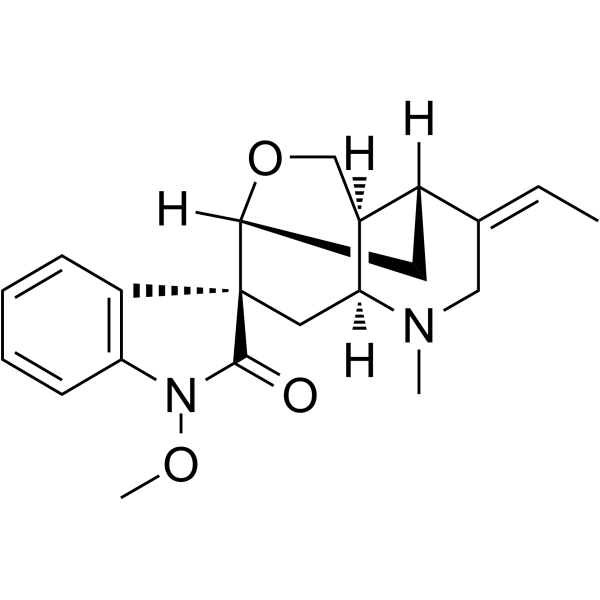 0 ImagesHumantenine is a highly toxic indole alkaloid from Gelsemium elegans (Gardn. & Champ.) Benth. that binds to RNA m6A modification regulatory proteins (ALKBH5, METTL). Humantenine stably binds via hydrogen bonding and hydrophobic interactions and disrupts the m6A methylation level of target genes, thereby impairing the expression of intestinal epithelial cell tight junction and cytoskeleton-related genes, causing intestinal barrier dysfunction and significant intestinal cytotoxicity. The intraperitoneal injection LD50 values of Humantenine are <1 mg/kg in mice, 1.2 mg/kg in male rats and 1.5 mg/kg in female rats, respectively. Species differences exist in the metabolism of Humantenine in human, porcine, goat and rat liver microsomes, and demethylation, dehydrogenation and oxidation occur in liver microsomes.
- 1
- 2



