



Shogaol
Based on 14 publication(s) in Google Scholar
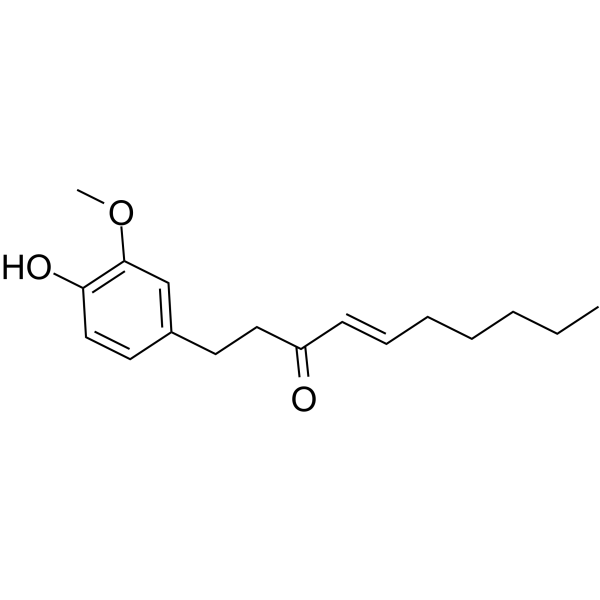
Shogaol ([6]-Shogaol), an active compound isolated from Ginger (Zingiber officinale Rosc), exhibits a variety of biological activities including anticancer, anti-inflammation, and anti-oxidation.
Nur für Forschungszwecke. Wir verkaufen nicht an Patienten.
- Reinheit : 99.64%
- CAS. Nr.: 555-66-8
- Formel: C17H24O3
- Molecular Weight:276.37
-
Speicherung:
4°C, protect from light
* In solvent : -80°C, 1 year; -20°C, 6 months (protect from light)

To place orders, for customer services and technical support, please contact: MedChemExpress USA
Tel: 609-228-6898 E-mail: [email protected] [email protected]


-
 Biologische Aktivität
-
Chemical Information
-
Lösungsmittel & Löslichkeit
- Protokoll
- Reinheit & Dokumentation
- Verweise
-
 Help & FAQs


-
![[6]-Gingerol](https://file.medchemexpress.com/product_pic/hy-14615.gif)
HY-14615
[6]-GingerolApoptosis Inducer -
HY-N0448
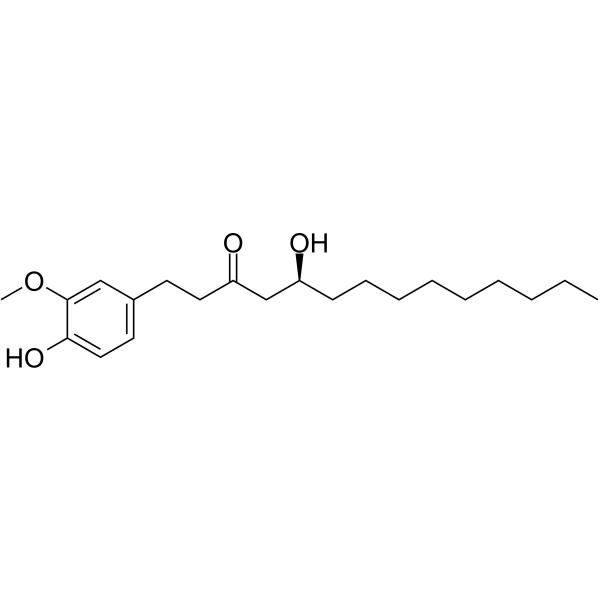
10-GingerolAMPK Agonist -
HY-N0447
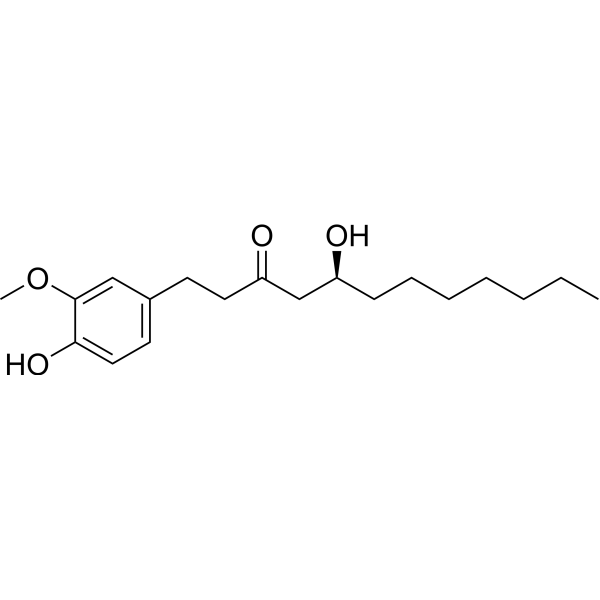
8-GingerolBacterial Inhibitor -
HY-14617
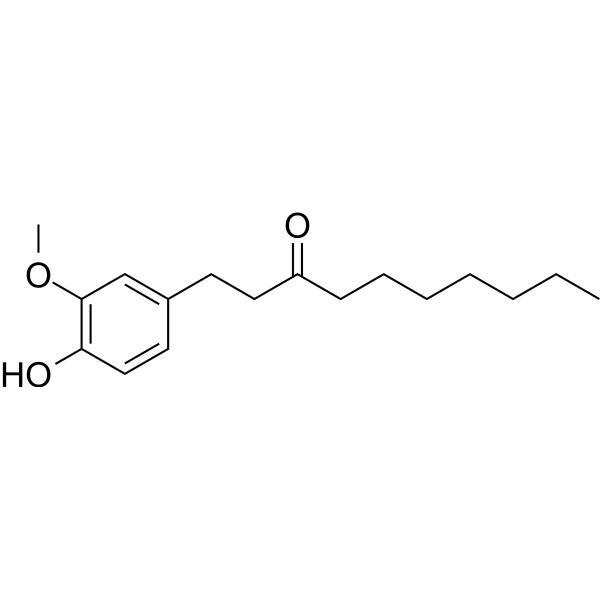
Paradol -

HY-14616R
Shogaol (Standard)Autophagy Inducer -
![[8]-Shogaol](https://file.medchemexpress.com/product_pic/hy-n2435.gif)
HY-N2435
[8]-ShogaolCOX Inhibitor -
![[10]-Shogaol](https://file.medchemexpress.com/product_pic/hy-n2434.gif)
HY-N2434
[10]-ShogaolAntioxidant -
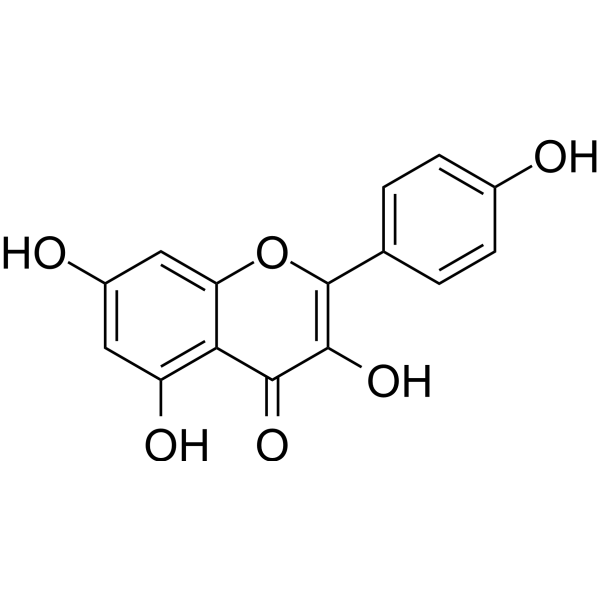
HY-14590
KaempferolEstrogen Receptor α Inhibitor -
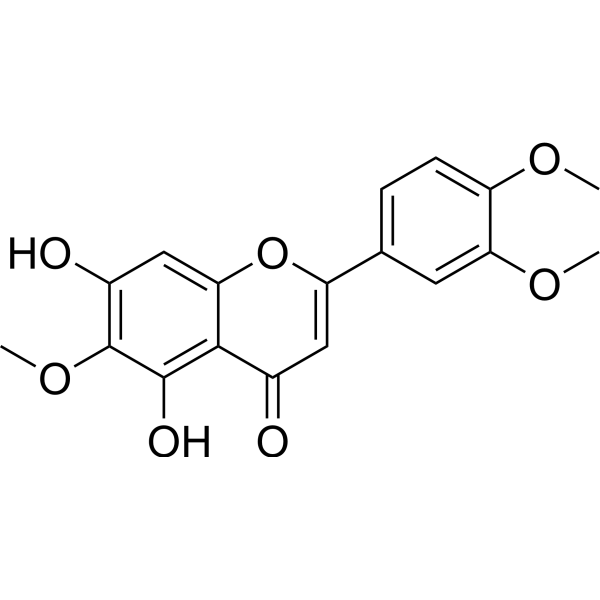
HY-N0783
EupatilinAutophagy Inducer -
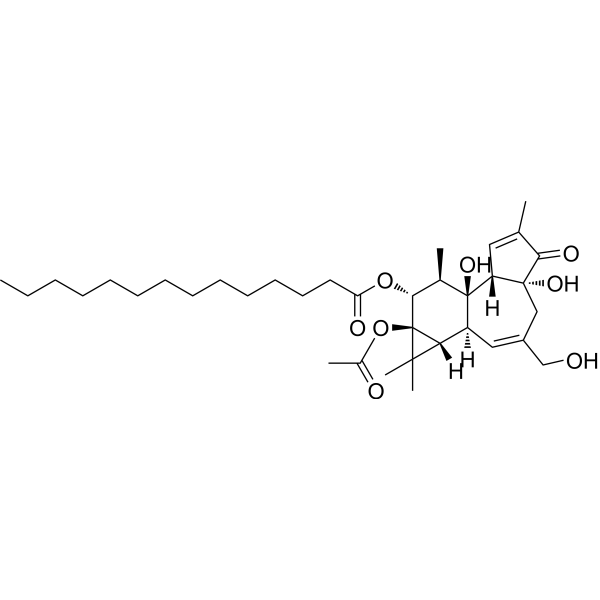
HY-18739
Phorbol 12-myristate 13-acetatePKC Activator -
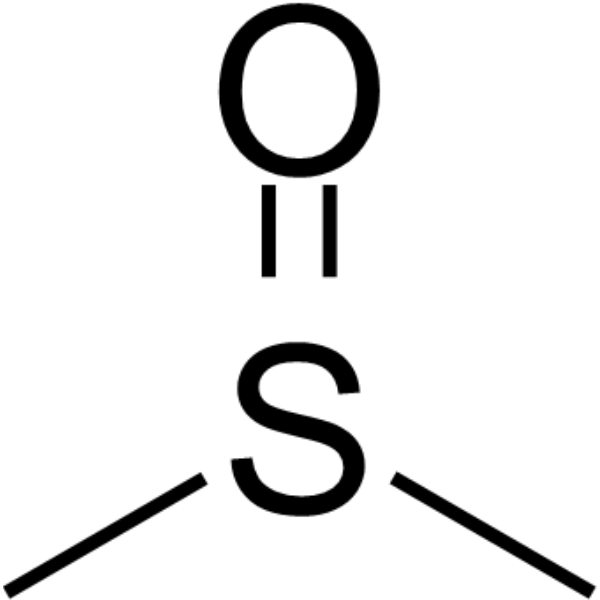
HY-Y0320
Dimethyl sulfoxide, meets analytical specification of Ch.P.Aprotic Solvent -
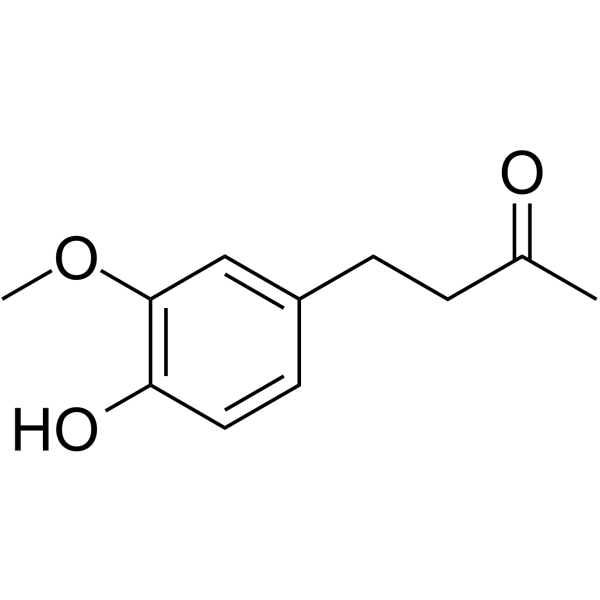
HY-14621
ZingeronePhenolic Ketone
Publications Citing Use of MedChemExpress (MCE) Shogaol
More- Bioact Mater. 2024 Dec 10:46:82-96. [Abstract]
- Acta Pharm Sin B. 2021 Jan;11(1):143-155. [Abstract]
- Phytomedicine. 2026 Oct:160:158693.
- J Pharm Anal. 2025 Feb;15(2):101053. [Abstract]
- Food Chem. 2024 Sep 15:452:139425. [Abstract]
- Phytother Res. 2025 Jul 29. [Abstract]
- Chin Med. 2026 May 27;21(1):146. [Abstract]
- PLoS Biol. 2018 Jul 12;16(7):e2004921. [Abstract]
- Microorganisms. 2026 Feb 26;14(3):539. [Abstract]
- Neurochem Res. 2025 Dec 1;51(1):8. [Abstract]
- ChemMedChem. 2025 May 5;20(9):e202400913. [Abstract]
- Vet Parasitol. 2023 Aug:320:109972. [Abstract]
- Chronobiol Int. 2026 Mar 5:1-16. [Abstract]
- Research Square Preprint. 2021 Jul.
 Customer Validation & Images

-
Cell Proliferation/Viability Assay
-
Cell Migration/Invasion Assay
-
WB
-
Bio/Physico-chemical Assay
-
Cell Proliferation/Viability Assay


Biologische Aktivität
Beschreibung
Cellular Effect
|
Cell Line

|
Type | Value | Description | References |
|---|---|---|---|---|
| BV-2 | IC50 |
5.59 μM
Compound: Shogaol
|
Anti-inflammatory activity in mouse BV2 cells assessed as inhibition of LPS-induced nitric oxide production pretreated followed by LPS-stimulation by griess assay
Anti-inflammatory activity in mouse BV2 cells assessed as inhibition of LPS-induced nitric oxide production pretreated followed by LPS-stimulation by griess assay
|
[PMID: 30472026] |
| HCT-116 | IC50 |
12.87 μM
Compound: D7
|
Cytotoxicity against human HCT116 cells assessed as reduction in cell viability after 48 hrs by WST1 assay
Cytotoxicity against human HCT116 cells assessed as reduction in cell viability after 48 hrs by WST1 assay
|
[PMID: 28065501] |
| HCT-116 | IC50 |
18.7 μM
Compound: [6]-shogaol
|
Cytotoxicity against human HCT116 cells assessed as growth inhibition after 24 hrs by MTT assay
Cytotoxicity against human HCT116 cells assessed as growth inhibition after 24 hrs by MTT assay
|
[PMID: 22246389] |
| HEK293 | EC50 |
0.32 μM
Compound: 4, [6]-Shogaol
|
Agonist activity at human TRPV1 ion channel expressed in HEK293 cells assessed as calcium influx by fluo-4-Am-based fluorimetry
Agonist activity at human TRPV1 ion channel expressed in HEK293 cells assessed as calcium influx by fluo-4-Am-based fluorimetry
|
[PMID: 22257892] |
| HEK293 | EC50 |
16 μM
Compound: 4, [6]-Shogaol
|
Agonist activity at rat TRPA1 ion channel expressed in HEK293 cells assessed as calcium influx by fluo-4-Am-based fluorimetry
Agonist activity at rat TRPA1 ion channel expressed in HEK293 cells assessed as calcium influx by fluo-4-Am-based fluorimetry
|
[PMID: 22257892] |
| HEK293 | IC50 |
0.29 μM
Compound: 4, [6]-Shogaol
|
Antagonist activity at human TRPV1 ion channel expressed in HEK293 cells assessed as inhibition of capsaicin-induced calcium influx incubated for 5 mins prior to capsicin-induction by fluo-4-AM-based fluorimetry
Antagonist activity at human TRPV1 ion channel expressed in HEK293 cells assessed as inhibition of capsaicin-induced calcium influx incubated for 5 mins prior to capsicin-induction by fluo-4-AM-based fluorimetry
|
[PMID: 22257892] |
| HEK293 | IC50 |
16.7 μM
Compound: 4, [6]-Shogaol
|
Antagonist activity at rat TRPA1 ion channel expressed in HEK293 cells assessed as inhibition of AITC-induced calcium influx incubated for 5 mins prior to AITC-induction by fluo-4-AM-based fluorimetry
Antagonist activity at rat TRPA1 ion channel expressed in HEK293 cells assessed as inhibition of AITC-induced calcium influx incubated for 5 mins prior to AITC-induction by fluo-4-AM-based fluorimetry
|
[PMID: 22257892] |
| HepG2 | IC50 |
88 μM
Compound: 79
|
Growth inhibition of human HepG2 cells
Growth inhibition of human HepG2 cells
|
[PMID: 31539776] |
| IMR-32 | ED50 |
24.2 μM
Compound: 8
|
Effective dose to protect IMR-32 cells from beta-Amyloid (BA) insult was determined using MTT reduction assay
Effective dose to protect IMR-32 cells from beta-Amyloid (BA) insult was determined using MTT reduction assay
|
[PMID: 14980683] |
| NCI-H1299 | IC50 |
8 μM
Compound: [6]-shogaol
|
Cytotoxicity against human H1299 cells assessed as growth inhibition after 24 hrs by MTT assay
Cytotoxicity against human H1299 cells assessed as growth inhibition after 24 hrs by MTT assay
|
[PMID: 22246389] |
| PC-12 | ED50 |
16.3 μM
Compound: 8
|
Effective dose to protect PC12 cells from beta-Amyloid (BA) insult was determined using MTT reduction assay
Effective dose to protect PC12 cells from beta-Amyloid (BA) insult was determined using MTT reduction assay
|
[PMID: 14980683] |
| RBL-2H3 | IC50 |
90.4 μM
Compound: 4
|
Cytotoxicity against rat RBL2H3 cells after 12 hrs by MTT assay
Cytotoxicity against rat RBL2H3 cells after 12 hrs by MTT assay
|
[PMID: 19271742] |
In Vitro
Shogaol ([6]-Shogaol) has anticancer activity against several cell lines[1]. Shogaol ([6]-Shogaol) is identified to be cytotoxic in various cell lines, with KB (IC50=7.4±2.2 μM) and HL60 (IC50=7.9±2.0 μM) cells most susceptible to 6-shogaol[2]. 6-shogaol (IC50=8 μM) has much stronger growth inhibitory effects than 6-gingerol (IC50=150 μM) on HCT-116 human colon cancer cells[3]. Shogaol ([6]-Shogaol) stimulates phosphorylations of mitogen-activated protein kinases (MAPKs) such as ERK, JNK, and p38. Moreover, the 6-shogaol-induced expressions of Nrf2 and HO-1 are attenuated by treatments of SB202190 (a p38 specific inhibitor) and LY294002 (an Akt specific inhibitor)[4].
MedChemExpress (MCE) has not independently confirmed the accuracy of these methods. They are for reference only.
In Vivo
MedChemExpress (MCE) has not independently confirmed the accuracy of these methods. They are for reference only.


Chemical Information
-
CAS. Nr. 555-66-8
-
Appearance Liquid (Density: 1.0448 g/cm3)
-
Molecular Weight 276.37
-
Formel C17H24O3
-
Color Colorless to light yellow
-
SMILES
OC1=C(OC)C=C(CCC(/C=C/CCCCC)=O)C=C1
-
Synonyms
[6]-Shogaol; 6-Shogaol
-
Structure Classification
-
Initial Source
-
Versand
Room temperature in continental US; may vary elsewhere.
-
Speicherung
4°C, protect from light
* In solvent : -80°C, 1 year; -20°C, 6 months (protect from light)


Publications (14)
-
Journal Impact Factor
-
Most Recent
-
Bioact Mater
Lipidomic analysis of plant-derived extracellular vesicles for guidance of potential anti-cancer therapy. [Abstract]2024 Dec 10:46:82-96. PMID: 39737211
Shogaol purchased from MedChemExpress. Usage Cited in: Bioact Mater. 2024 Dec 10:46:82-96. [Abstract]
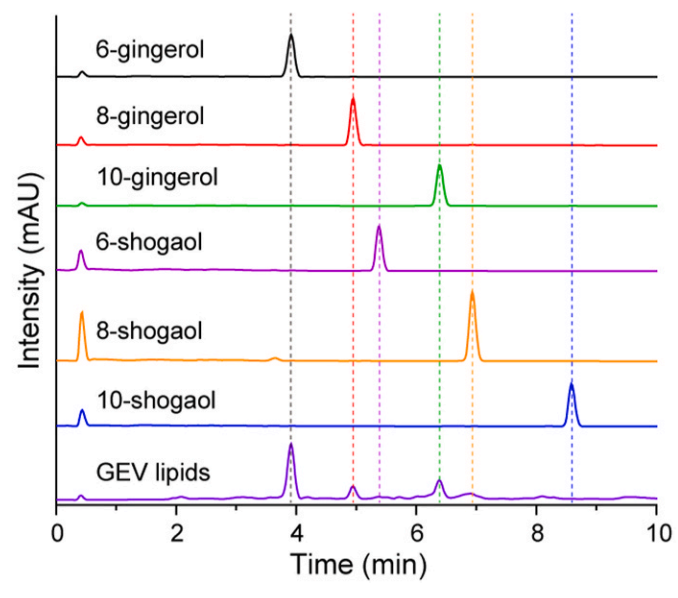
High-performance liquid chromatography (HPLC) analysis to detect the presence of 6-gingerol, 8-gingerol, 10-gingerol, 6-shogaol (Shogaol), 8-shogaol, and 10-shogaol in GEVs-derived lipid contents.
Shogaol purchased from MedChemExpress. Usage Cited in: Bioact Mater. 2024 Dec 10:46:82-96. [Abstract]
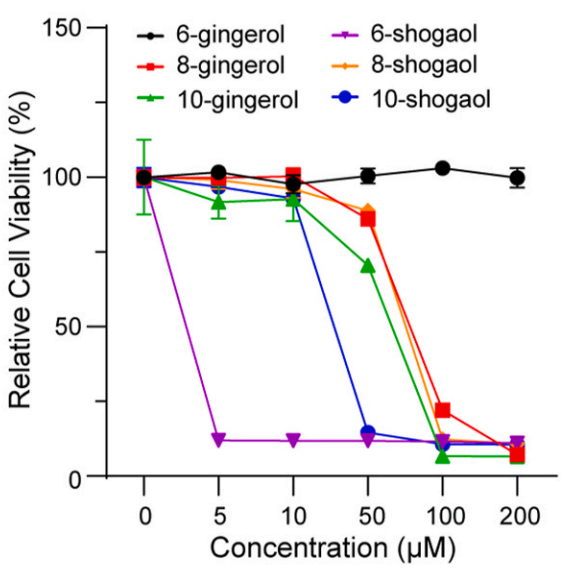
Relative cell viability of B16F10 cells after 24 h incubation of 6-gingerol, 8-gingerol, 10-gingerol, 6-shogaol (Shogaol), 8-shogaol, and 10-shogaol of different concentrations (0, 5, 10, 50, 100, 200 μM) as determined by the CCK-8 assay.
-
Acta Pharm Sin B
Chrysin serves as a novel inhibitor of DGK α/FAK interaction to suppress the malignancy of esophageal squamous cell carcinoma (ESCC). [Abstract]2021 Jan;11(1):143-155. PMID: 33532186 -
-
J Pharm Anal
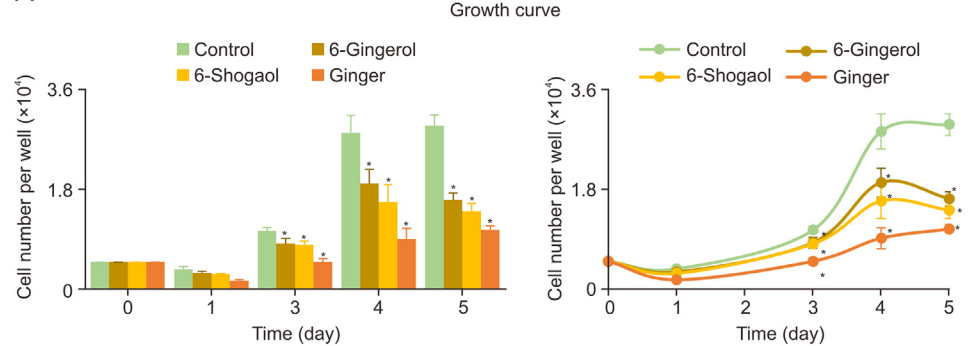
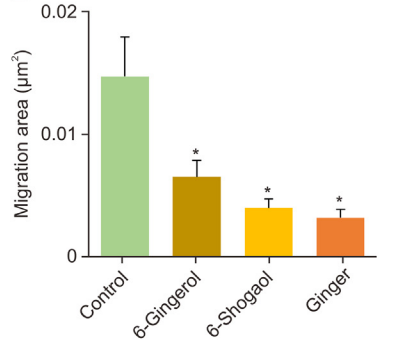
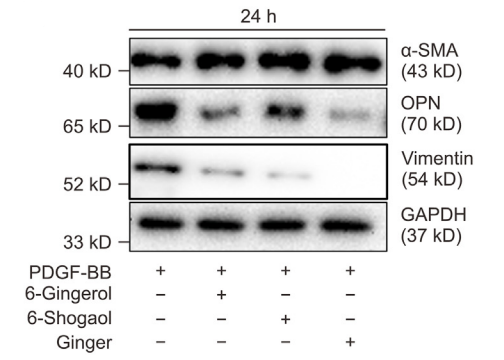
Ginger protects against vein graft remodeling by precisely modulating ferroptotic stress in vascular smooth muscle cell dedifferentiation. [Abstract]2025 Feb;15(2):101053. PMID: 39974619
Shogaol purchased from MedChemExpress. Usage Cited in: J Pharm Anal. 2025 Feb;15(2):101053. [Abstract]
Like ginger, both 6-gingerol and 6-shogaol (Shogaol, 6 μM) could inhibit the proliferation of dedifferentiated VSMCs.
Shogaol purchased from MedChemExpress. Usage Cited in: J Pharm Anal. 2025 Feb;15(2):101053. [Abstract]
Like ginger, both 6-gingerol and 6-shogaol (Shogaol, 6 μM) could inhibit the migration of dedifferentiated VSMCs.
Shogaol purchased from MedChemExpress. Usage Cited in: J Pharm Anal. 2025 Feb;15(2):101053. [Abstract]
They were also capable of promoting the expression of the contractile marker ⍺-SMA and inhibiting the expression of the synthetic markers OPN and vimentin. Indicated that 6-gingerol and 6-shogaol (Shogaol, 6 μM, 24 h) could also inhibit VSMC dedifferentiation.
-
Food Chem
2024 Sep 15:452:139425. PMID: 38744128 -
Phytother Res
6-Shogaol Reduces Renal Macrophage Infiltration by Targeting the STING Pathway to Alleviate Cisplatin Induced Renal Injury. [Abstract]2025 Jul 29. PMID: 40728195 -
Chin Med
6-Shogaol inhibits HSCs activation and liver fibrosis by regulating glycolytic reprogramming via targeting HIF-1α. [Abstract]2026 May 27;21(1):146. PMID: 42204558 -
PLoS Biol
2018 Jul 12;16(7):e2004921. PMID: 30001322 -
Microorganisms
The Effect of Variations in Temperature and Contact Time of Zingerone, [6]-Gingerol and Shogaol as Disinfectants on Staphylococcus aureus, Escherichia coli, Pseudomonas aeruginosa and Candida albicans. [Abstract]2026 Feb 26;14(3):539. PMID: 41900299 -
Neurochem Res
6-Shogaol Alleviates Post-Cardiopulmonary Resuscitation Brain Injury in Rats by Regulating the miRNA-26a-5p/DAPK1. [Abstract]2025 Dec 1;51(1):8. PMID: 41324695 -
ChemMedChem
Machine Learning-Driven Discovery of Structurally Related Natural Products as Activators of the Cardiac Calcium Pump SERCA2a. [Abstract]2025 May 5;20(9):e202400913. PMID: 39853697 -
Vet Parasitol
Inhibiting thioredoxin glutathione reductase is a promising approach to controlling Cryptocaryon irritans infection in fish. [Abstract]2023 Aug:320:109972. PMID: 37385103 -
Chronobiol Int
2026 Mar 5:1-16. PMID: 41787251 -


Lösungsmittel & Löslichkeit
In Vitro:
DMSO : ≥ 50 mg/mL (180.92 mM; Hygroscopic DMSO has a significant impact on the solubility of product, please use newly opened DMSO)
* "≥" means soluble, but saturation unknown.
Please refer to the solubility information to select the appropriate solvent. Once prepared, please aliquot and store the solution to prevent product inactivation from repeated freeze-thaw cycles.
Storage method and period of stock solution: -80°C, 1 year; -20°C, 6 months (protect from light). When stored at -80°C, please use it within 1 year. When stored at -20°C, please use it within 6 months.
Please refer to the solubility information to select the appropriate solvent. Once prepared, please aliquot and store the solution to prevent product inactivation from repeated freeze-thaw cycles.
Storage method and period of stock solution: -80°C, 1 year; -20°C, 6 months (protect from light). When stored at -80°C, please use it within 1 year. When stored at -20°C, please use it within 6 months.
Konzentration (Stammlösung) × Volumen (Stammlösung) = Konzentration (Ziellösung) × Volumen (Ziellösung)
In Vivo:
Select the appropriate dissolution method based on your experimental animal and administration route.
- For the following dissolution methods, please ensure to first prepare a clear stock solution using an In Vitro approach and then sequentially add co-solvents:
- To ensure reliable experimental results, the clarified stock solution can be appropriately stored based on storage conditions. As for the working solution for In Vivo experiments, it is recommended to prepare freshly and use it on the same day.
- The percentages shown for the solvents indicate their volumetric ratio in the final prepared solution. If precipitation or phase separation occurs during preparation, heat and/or sonication can be used to aid dissolution.
Add each solvent one by one: 10% DMSO 40% PEG300 5% Tween-80 45% Saline
Solubility: ≥ 2.5 mg/mL (9.05 mM); Clear solution
This protocol yields a clear solution of ≥ 2.5 mg/mL (saturation unknown).
Taking 1 mL working solution as an example, add 100 μL DMSO stock solution (25.0 mg/mL) to 400 μL PEG300, and mix evenly; then add 50 μL Tween-80 and mix evenly; then add 450 μL Saline to adjust the volume to 1 mL.
Preparation of Saline: Dissolve 0.9 g sodium chloride in ddH₂O and dilute to 100 mL to obtain a clear Saline solution.
Add each solvent one by one: 10% DMSO 90% (20% SBE-β-CD in Saline)
Solubility: ≥ 2.5 mg/mL (9.05 mM); Clear solution
This protocol yields a clear solution of ≥ 2.5 mg/mL (saturation unknown).
Taking 1 mL working solution as an example, add 100 μL DMSO stock solution (25.0 mg/mL) to 900 μL 20% SBE-β-CD in Saline, and mix evenly.
Preparation of 20% SBE-β-CD in Saline (4°C, storage for one week): 2 g SBE-β-CD powder is dissolved in 10 mL Saline, completely dissolve until clear.
In Vivo Dissolution Calculator
Please enter the basic information of animal experiments:
-
-
-
-
Recommended: Prepare an additional quantity of animals to account for potential losses during experiments.
Please enter your animal formula composition:
-
%DMSO +
Recommended: Keep the proportion of DMSO in working solution below 2% if your animal is weak.
-
%+
-
+%Tween-80 + +
-
%Saline +
The co-solvents required include: DMSO, . All of co-solvents are available by MedChemExpress (MCE). , Tween 80. All of co-solvents are available by MedChemExpress (MCE).
Working solution concentration: 0.22 mg/mL
Method for preparing stock solution: mg drug dissolved in μL DMSO. Stock solution concentration: mg/mL. * In solvent : -80°C, 1 year; -20°C, 6 months (protect from light)
1. Take μL DMSO stock solution;
2. Add μL .
μL , mix evenly;
3. Then add μL Tween 80, mix evenly;
4. Then add μL
Please ensure that the stock solution in the first step is dissolved to a clear state, and add co-solvents in sequence. You can use ultrasonic heating (ultrasonic cleaner, recommended frequency 20-40 kHz), vortexing, etc. to assist dissolution.


Reinheit & Dokumentation
-
Data Sheet (273 KB)
-
SDS (392 KB)
- English - EN (392 KB)
- Français - FR (392 KB)
- Deutsch - DE (392 KB)
- Norwegian - NO (392 KB)
- Español - ES (392 KB)
- Swedish - SV (392 KB)
- Italian - IT (392 KB)
- Korean - KR (392 KB)
- Portuguese - PT (392 KB)
-
Handling Instructions (2659 KB)
Verweise
[1]. Semwal RB, et al. Gingerols and shogaols: Important nutraceutical principles from ginger. Phytochemistry. 2015 Sep;117:554-68. [Content Brief]
[2]. Peng F, et al. Cytotoxic, cytoprotective and antioxidant effects of isolated phenolic compounds from fresh ginger. Fitoterapia. 2012 Apr;83(3):568-85. [Content Brief]
[3]. Sang S, et al. Increased growth inhibitory effects on human cancer cells and anti-inflammatory potency of shogaols from Zingiber officinale relative to gingerols. J Agric Food Chem. 2009 Nov 25;57(22):10645-50. [Content Brief]
[4]. Bak MJ, et al. 6-shogaol-rich extract from ginger up-regulated the antioxidant defense systems in cells and mice. Molecules. 2012 Jul 4;17(7):8037-55. [Content Brief]


Complete Stock Solution Preparation Table
Please refer to the solubility information to select the appropriate solvent. Once prepared, please aliquot and store the solution to prevent product inactivation from repeated freeze-thaw cycles.
Storage method and period of stock solution: -80°C, 1 year; -20°C, 6 months (protect from light). When stored at -80°C, please use it within 1 year. When stored at -20°C, please use it within 6 months.
| Optional Solvent | Concentration Solvent Mass | 1 mg | 5 mg | 10 mg | 25 mg |
|---|---|---|---|---|---|
| DMSO | 1 mM | 3.6183 mL | 18.0917 mL | 36.1834 mL | 90.4584 mL |
| 5 mM | 0.7237 mL | 3.6183 mL | 7.2367 mL | 18.0917 mL | |
| 10 mM | 0.3618 mL | 1.8092 mL | 3.6183 mL | 9.0458 mL | |
| 15 mM | 0.2412 mL | 1.2061 mL | 2.4122 mL | 6.0306 mL | |
| 20 mM | 0.1809 mL | 0.9046 mL | 1.8092 mL | 4.5229 mL | |
| 25 mM | 0.1447 mL | 0.7237 mL | 1.4473 mL | 3.6183 mL | |
| 30 mM | 0.1206 mL | 0.6031 mL | 1.2061 mL | 3.0153 mL | |
| 40 mM | 0.0905 mL | 0.4523 mL | 0.9046 mL | 2.2615 mL | |
| 50 mM | 0.0724 mL | 0.3618 mL | 0.7237 mL | 1.8092 mL | |
| 60 mM | 0.0603 mL | 0.3015 mL | 0.6031 mL | 1.5076 mL | |
| 80 mM | 0.0452 mL | 0.2261 mL | 0.4523 mL | 1.1307 mL | |
| 100 mM | 0.0362 mL | 0.1809 mL | 0.3618 mL | 0.9046 mL |


Shogaol Related Classifications
HY-14616 Related Classifications
 Powered by Bioz