


From 11:00 pm to 12:00 pm EST ( 8:00 pm to 9:00 pm PST ) on January 6th, the website will be under maintenance. We are sorry for the inconvenience. Please arrange your schedule properly.
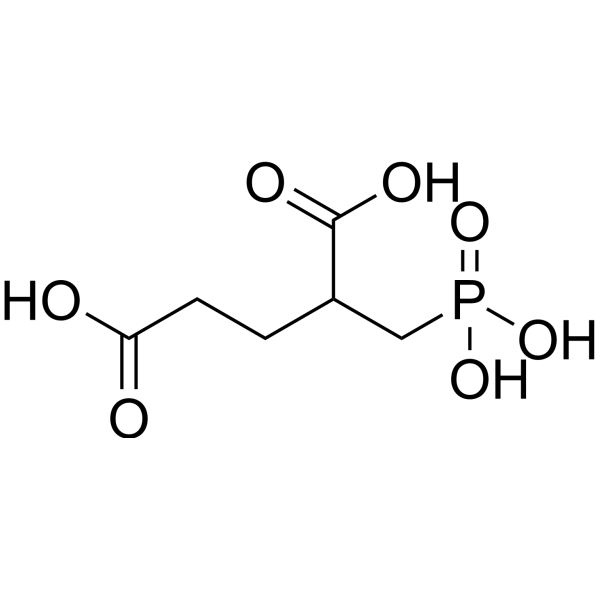
2-PMPA (2-(Phosphonomethyl)pentanedioic acid) is a glutamate carboxypeptidase II (GCPII) inhibitor with an IC50 of 0.0003 μM. 2-PMPA shows low blood-brain barrier penetration. 2-PMPA sodium blocks the hydrolysis of NAAG, regulates glutamate levels in the brain and neurovascular coupling. 2-PMPA is applicable to the research of neurological diseases .
MLN-4760 is a potent and selective human ACE2 inhibitor (IC50, 0.44 nM), with excellent selectivity (>5000-fold) versus related enzymes including human testicular ACE (IC50, >100 μM) and bovine carboxypeptidase A (CPDA; IC50, 27 μM).
D-Dopa (3-Hydroxy-D-tyrosine) is a potent, orally active, non-competitive and allosteric inhibitor of glutamate carboxypeptidase II (GCPII) with an IC50 of 200 nM. D-Dopa elevates brain dopamine and produce turning behavior in rats. D-Dopa inhibit severe fever with thrombocytopenia syndrome (SFTS) virus infection. D-Dopa can be used for neurological disease and virus infection research .
Carboxypeptidase B, Porcine pancreas (EC 3.4.2.2) is a peptide exonuclease that can specifically degrade peptide chains. Carboxypeptidase B is progressively degraded from the C-terminal to release free amino acids. Carboxypeptidase B hydrolyzes only peptide bonds with basic amino acids (such as arginine and lysine) as C-terminal residues .
2-PMPA (2-(Phosphonomethyl)pentanedioic acid) sodium is a glutamate carboxypeptidase II (GCPII) inhibitor with an IC50 of 0.0003 μM. 2-PMPA sodium shows low blood-brain barrier penetration. 2-PMPA sodium blocks the hydrolysis of NAAG, regulates glutamate levels in the brain and neurovascular coupling. 2-PMPA sodium is applicable to the research of neurological diseases .
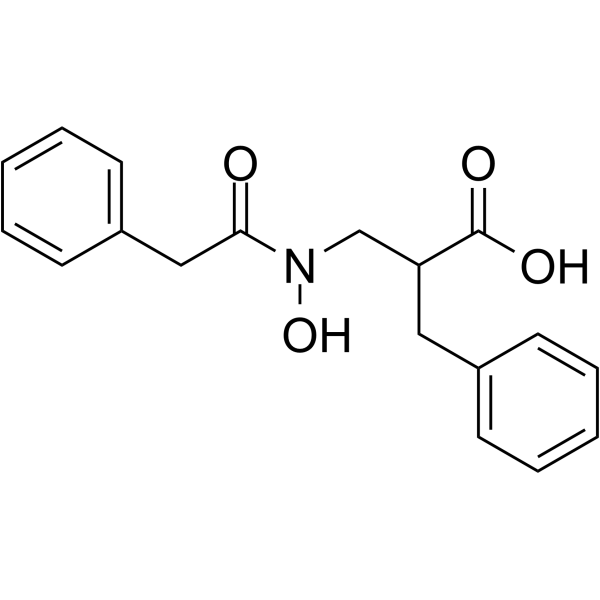
CPA inhibitor (Compound 5) (Carboxypeptidase inhibitor) is an orally active competitive carboxypeptidase A (CPA) inhibitor with a Ki value of 0.32 μM. CPA inhibitor blocks the activity of carboxypeptidase A3 (CPA3). CPA activator activates the Wnt/Lrp6/β-catenin signaling pathway. CPA inhibitor reduces epithelial damage. CPA inhibitor is applicable to research related to inflammatory bowel disease, including ulcerative colitis and Crohn's disease .
Mergetpa is a reversible Arg-carboxypeptidase inhibitor with high affinity. Mergetpa reduces B1R. Mergetpa blocks the overexpression of IL-1β protein and mRNA in glucose-fed rats. Mergetpa significantly increases the expression of IL-1β protein in the renal cortex. Mergetpa is used to block the conversion of kinins and B2 receptor antagonists into metabolites lacking the C-terminal arginine. Mergetpa inhibits the time-dependent enhancement of the response of isolated rabbit aorta to bradykinin. Mergetpa preserves the chemotactic activity of full-length SDF-1α on cells. Mergetpa reverses hyperglycemia, excessive weight gain, elevated levels of oxidative stress markers and overexpression of inflammatory markers in glucose-fed rats .
Semaglutide-d8 is the deuterium labeled Semaglutide (HY-114118). Semaglutide is a long-acting, selective, competitive GLP-1R agonist that can penetrate the blood-brain barrier. After activating GLP-1R, Semaglutide promotes insulin secretion, inhibits gastric emptying and appetite, and at the same time enhances autophagy, inhibits oxidative stress and apoptosis. Semaglutide also regulates mitochondrial function and lipid metabolism (such as reducing de novo lipogenesis in the liver). Semaglutide has activities such as lowering blood sugar, reducing weight, neuroprotection (such as improving motor function in Parkinson's disease models, reducing α-synuclein aggregation) and improving hepatic steatosis. Semaglutide can be used for the study of neurodegenerative diseases and liver diseases such as type 2 diabetes, obesity, Parkinson's disease, metabolic associated fatty liver disease (MASLD), and cancer .
Semaglutide-d8 tetraTFA is the deuterium labeled Semaglutide (HY-114118). Semaglutide is a long-acting, selective, competitive GLP-1R agonist that can penetrate the blood-brain barrier. After activating GLP-1R, Semaglutide promotes insulin secretion, inhibits gastric emptying and appetite, and at the same time enhances autophagy, inhibits oxidative stress and apoptosis. Semaglutide also regulates mitochondrial function and lipid metabolism (such as reducing de novo lipogenesis in the liver). Semaglutide has activities such as lowering blood sugar, reducing weight, neuroprotection (such as improving motor function in Parkinson's disease models, reducing α-synuclein aggregation) and improving hepatic steatosis. Semaglutide can be used for the study of neurodegenerative diseases and liver diseases such as type 2 diabetes, obesity, Parkinson's disease, metabolic associated fatty liver disease (MASLD), and cancer .
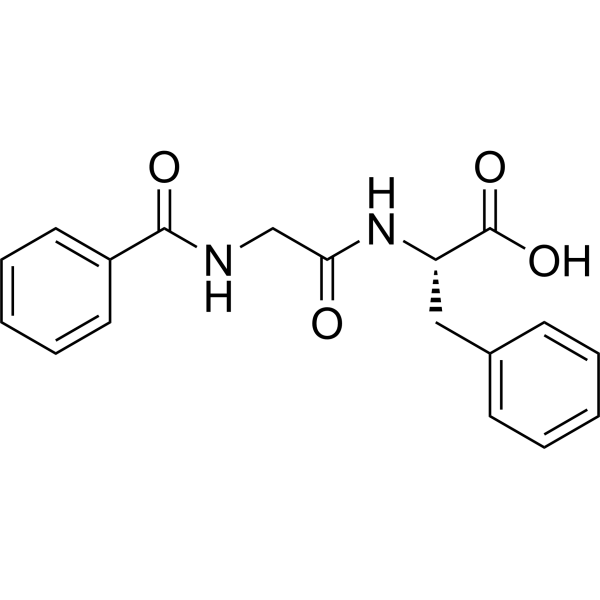
Hippuryl-L-phenylalanine is a substrate of carboxypeptidase. Carboxypeptidase is a protease enzyme that related with obesity, epilepsy and neurodegeneration. Hippuryl-L-phenylalanine can be used for the determination of carboxypeptidase activity .
Carboxypeptidase A, Bovine pancreas (EC 3.4.2.1) is a zinc-containing metalloprotease, is often used in biochemical studies. Carboxypeptidase A catalyzes the hydrolysis of the peptide bonds that are adjacent to the C-terminal end of a polypeptide chain. Carboxypeptidase A is a prototypical enzyme for metalloproteases that plays important roles in biological systems .
Carboxypeptidase B (MS grade) is a peptide exonuclease that can specifically degrade peptide chains. Carboxypeptidase B (MS grade) is progressively degraded from the C-terminal to release free amino acids. Carboxypeptidase B (MS grade) hydrolyzes only peptide bonds with basic amino acids (such as arginine and lysine) as C-terminal residues .
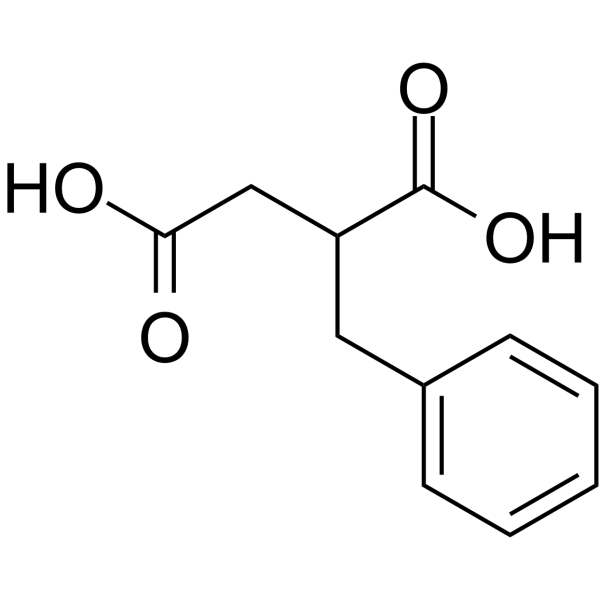
2-Benzylsuccinic acid (DL-Benzylsuccinic acid) is an orally active carboxypeptidase A and Nna1 inhibitor. 2-Benzylsuccinic acid reduces cold hyperalgesia. 2-Benzylsuccinic acid can be used for the researches of neuropathic pain, non-alcoholic steatohepatitis .
PrCP-7414 is a prolyl carboxypeptidase (PRCP) inhibitor. PrCP-7414 blocks PRCP-mediated activation of the IGF1R/HER3 signaling pathway and subsequent AKT activation. PrCP-7414 exhibits pro-apoptotic, anti-tumor and synergistic cytotoxic activities, and inhibits the proliferation and survival of triple-negative breast cancer cells. PrCP-7414 can be used for the research of breast cancer .
Carboxypeptidase G2 (CPG2) Inhibitor is a novel CPG2 inhibitor with an Ki of 0.3 μM. Carboxypeptidase G2 (CPG2) Inhibitor effectively neutralizes the CPG2 activity in non-tumor sites, allowing for earlier administration of the drug and forming a complementary strategy with antibody clearance strategies. Carboxypeptidase G2 (CPG2) Inhibitor can be used for the study of antibody-directed enzyme prodrug therapy (ADEPT) .
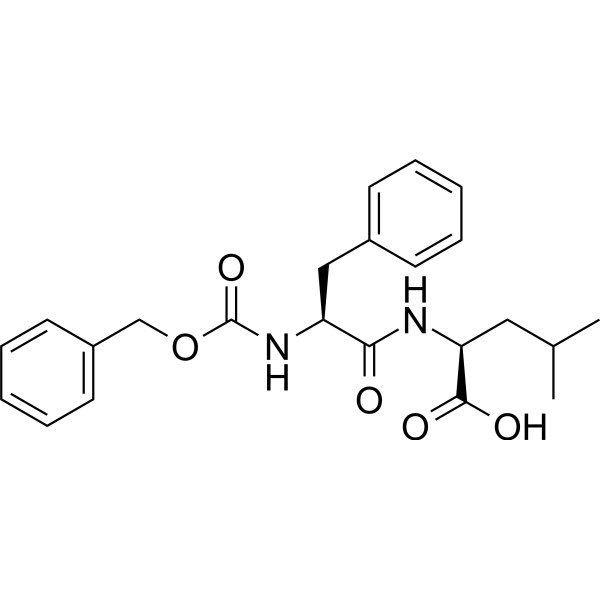
Z-Phe-Leu-OH (NSC 334018) is a dipeptide acid. Z-Phe-Leu-OH undergoes hydrolysis by carboxypeptidase Y to release L-leucine. Z-Phe-Leu-OH acts as a substrate to assay carboxypeptidase Y peptidase activity .
Carboxypeptidase C is a carboxypeptidase, is often used in biochemical studies. Carboxypeptidase C removes COOH-terminal lysine, arginine, and proline, as well as all other neutral, aliphatic, aromatic, and the acidic protein amino acids of a peptide chain .
ZJ43 is a NAAG peptidase inhibitor and glutamate carboxypeptidase II/III (GCP II/III) inhibitor with human GCP II IC50 of 2.4 nM and Ki of 0.8 nM. ZJ43 blocks N-acetylaspartylglutamate hydrolysis, elevates extracellular N-acetylaspartylglutamate levels, and activates group II metabotropic glutamate receptors (mGluR). ZJ43 can be used for the research of schizophrenia, inflammatory pain, neuropathic pain, and traumatic brain injury .
AN15368 is an orally active small-molecule precursor that can be activated by parasite carboxypeptidase to produce a compound that targets the messenger RNA processing pathway in T. cruzi.cruzi. AN15368 has the potential to prevent and research Chagas disease potential .
EpoY (SD-142) acts as an irreversible inhibitor of the brain's primary tubulin tyrosine carboxypeptidase (TCP), a complex formed by vasohibin-1 (VASH1) and the small vasohibin binding protein (SVBP). By inhibiting TCP with an IC50 value of approximately 500 nM, EpoY effectively decreases levels of detyrosinated alpha-tubulin, which is crucial for microtubule dynamics and neuronal differentiation. This inhibition leads to significant differentiation defects and has been linked to underlying issues associated with cancer and cardiomyopathies.
MMP-2/MMP-9 Substrate (Ac-Pro-Leu-Gly-[(S)-2-mercapto-4-methyl-pentanoyl]-Leu-Gly-OEt) is a synthetic chromogenic polypeptide substrate whose core structure mimics the cleavage sites of MMP-2 and MMP-9 (gelatinase A and B) in collagen. After being hydrolyzed by collagenase, MMP-2/MMP-9 Substrate reacts with 4,4'-dithiodipyridine or Ellman's Reagent via its thiol fragment to produce a product with ultraviolet absorption properties .
Histargin is a selective carboxypeptidase B inhibitor with an IC50 of 17 μg/mL and a Ki of 30 μM. Histargin exerts competitive inhibition with substrate, with inhibitory activity abolished by metal cations. Histargin shows no significant inhibitory activity against carboxypeptidase A, aminopeptidase A, or aminopeptidase B .
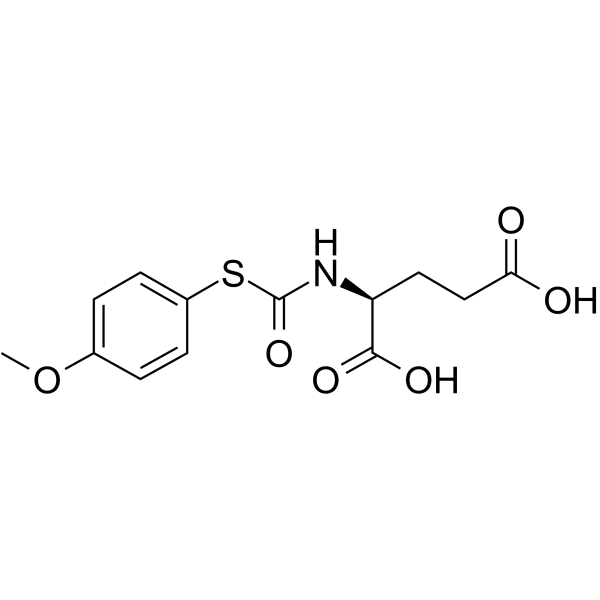
MIP-1072 is a small molecule specific prostate-specific membrane antigen (PSMA) inhibitor. MIP-1072 inhibits the glutamate carboxypeptidase activity of PSMA with an Ki value of 4.6 nM. MIP-1072 is promising for research of prostate cancer .
Sortin1 is a vacuolar protein sorting inhibitor that targets carboxypeptidase Y (CPY). Sortin1 is a soluble and membrane vacuolar marker molecule in plants and yeast .
2-PMPA (2-(Phosphonomethyl)pentanedioic acid) Standard is the analytical standard of 2-PMPA (HY-100788). This product is intended for research and analytical applications. 2-PMPA (2-(Phosphonomethyl)pentanedioic acid) sodium is a glutamate carboxypeptidase II (GCPII) inhibitor with an IC50 of 0.0003 μM. 2-PMPA sodium shows low blood-brain barrier penetration. 2-PMPA sodium blocks the hydrolysis of NAAG, regulates glutamate levels in the brain and neurovascular coupling. 2-PMPA sodium is applicable to the research of neurological diseases.
2-MPPA (Standard) is the analytical standard of 2-MPPA. This product is intended for research and analytical applications. 2-MPPA (GPI-5693) is an orally active and selective glutamate carboxypeptidase II (GCP II; PSMA) inhibitor with an IC50 of 90 nM .
Glutamate carboxypeptidase is an endo/exopeptidase targeting folate and antifolate agents. Glutamate carboxypeptidase regulates intracellular folate homeostasis by hydrolyzing γ-polyglutamate chains. Glutamate carboxypeptidase is promising for research of antifolate agents and cancers .
Carboxypeptidase Y, Baker's yeast (S. cerevisiae) is a biocatalyst and a key enzyme in new biocatalyst technology. Enzyme engineering focuses on enhancing enzyme reaction kinetics, substrate selectivity, and activity under harsh conditions such as low or high pH. By introducing stimulus responsiveness to these enzyme modifications, dynamic control of activity is also possible .
FA-Ala-Arg is a dipeptide with furylacryloyl group. FA-Ala-Arg breaks down to produce arginine. While cell-surface Carboxypeptidase-D (CPD) also increases intracellular Arg, which is converted to nitric oxide (NO). FA-Ala-Arg enhances NO production in MCF-7 cells. FA-Ala-Arg also increases the cell survival of prolactin (PRL)-treated cells, PRL regulates CPD mRNA levels in cells .
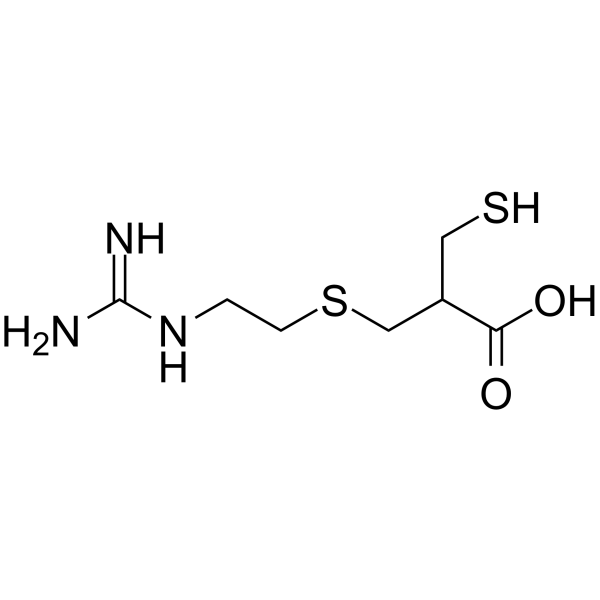
SQ-24,798 is a compound that inhibits carboxypeptidase B with high affinity and specificity. Its inhibitory effect may be achieved through the binding of the sulfhydryl group to the zinc ion of the enzyme and specific side chains.
2-Benzylsuccinic acid (DL-Benzylsuccinic acid) is an orally active carboxypeptidase A and Nna1 inhibitor. 2-Benzylsuccinic acid reduces cold hyperalgesia. 2-Benzylsuccinic acid can be used for the researches of neuropathic pain, non-alcoholic steatohepatitis .
Des-Leu10-angiotensin I is a nonapeptide that inhibits rabbit lung angiotensin-converting enzyme peptidyl-dipeptide hydrolase with a Ki value of 31 μM, which is generated from angiotensin I by the action of carboxypeptidase-like activities residing in the human platelet and mast cell .
Carboxypeptidase G, Pseudomonas sp. (EC 3.4.17.11) is a lysosomal thiol-dependent protease that stepwise cleaves γ-glutamylpteroyl polyγ-glutamic acid to generate pteroyl-α-glutamic acid (folic acid) and free glutamic acid. Carboxypeptidase G is highly specific for the γ-glutamyl bond but not for the C-terminal amino acid of the leaving group. Carboxypeptidase G can be activated by Zn 2+ ions.
Carboxypeptidase-B rat (EC 3.4.17.2) catalyzes the hydrolysis of the basic amino acids, lysine, arginine, and ornithine from the C-terminal position of polypeptides. Carboxypeptidase-B rat (EC 3.4.17.2) may be used for sequence analysis by successive cleavage of C-terminal basic amino acids.
5GluAF-2MeTG is an activatable fluorescent probe targeting the glutamate carboxypeptidase (CP) activity of PSMA (Ex/Em=490/500-600 nm). After being hydrolyzed by PSMA, 5GluAF-2MeTG releases a cell membrane-permeable fluorescent product, and achieves fluorescence activation by disrupting donor-excited photoinduced electron transfer (d-PeT). 5GluAF-2MeTG enables fluorescence imaging of live PSMA-expressing prostate cancer cells in vitro and visualizes the carboxypeptidase activity of PSMA. 5GluAF-2MeTG can be used to detect prostate cancer regions in preclinical excised tissue specimens .
γ-D-Glutamyl-meso-diaminopimelate peptidase (EC 3.4.19.11) is a 45-kDa metallopeptidase from Bacillus sphaericus, the substrates being components of the bacterial spore wall. A member of peptidase family M14 (carboxypeptidase A family) . Endopeptidase II has similar activity, but differs in cellular location, molecular mass and catalytic mechanism.
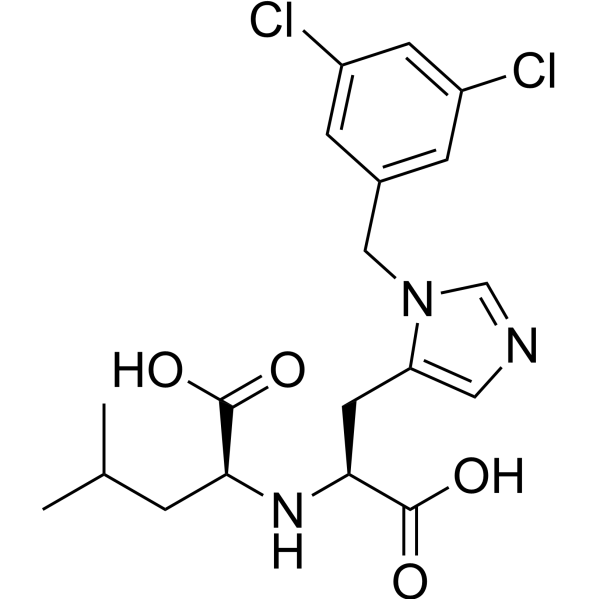
E2072 is a selective, orally active competitive inhibitor of glutamate carboxypeptidase II (GCPII) with a Ki of 10 nM. E2072 alleviates established thermal hyperalgesia in a rat model of chronic constriction injury. E2072 prevents oxaliplatin-induced reductions in nerve conduction velocity and amplitude in mice. E2072 is applicable to research related to neuropathic pain and neuropathy .
α-Thujaplicin, the isomer of Hinokitiol (HY-B2230), is an antimicrobial agent. α-Thujaplicin can be isolated from Aomori Hiba (Thujopsis dolabrata SIEB. et ZUCC. var. hondai MAKINO). α-Thujaplicin shows inhibition of Carboxypeptidase A (IC50: 32.4 μM). α-Thujaplicin shows rather strong antifungal activity against seven kinds of plant-pathogenic fungi, their MICs being in the range of 12.0-50.0 μg/mL. α-Thujaplicin shows clear antibacterial activity against Legionella pneumophila SG 1 and L. pneumophila SG 3, and their MICs are in the range of 12.5-50 μg/mL. α-Thujaplicin shows antibacterial activity against Enterococcus faecalis IFO-12965 with a MIC of 1.56 μg/mL. α-Thujaplicin shows germination inhibition toward the seed of Echinochloa utilis Ohwi et Yabuno. α-thujaplicin inhibits lymphocytic leukemia, stomach cancer, Ehrlich’s ascites carcinoma .
5GluAF-2MeTG is an activatable fluorescent probe targeting the glutamate carboxypeptidase (CP) activity of PSMA (Ex/Em=490/500-600 nm). After being hydrolyzed by PSMA, 5GluAF-2MeTG releases a cell membrane-permeable fluorescent product, and achieves fluorescence activation by disrupting donor-excited photoinduced electron transfer (d-PeT). 5GluAF-2MeTG enables fluorescence imaging of live PSMA-expressing prostate cancer cells in vitro and visualizes the carboxypeptidase activity of PSMA. 5GluAF-2MeTG can be used to detect prostate cancer regions in preclinical excised tissue specimens .
Hippuryl-L-phenylalanine is a substrate of carboxypeptidase. Carboxypeptidase is a protease enzyme that related with obesity, epilepsy and neurodegeneration. Hippuryl-L-phenylalanine can be used for the determination of carboxypeptidase activity .
D-Dopa (3-Hydroxy-D-tyrosine) is a potent, orally active, non-competitive and allosteric inhibitor of glutamate carboxypeptidase II (GCPII) with an IC50 of 200 nM. D-Dopa elevates brain dopamine and produce turning behavior in rats. D-Dopa inhibit severe fever with thrombocytopenia syndrome (SFTS) virus infection. D-Dopa can be used for neurological disease and virus infection research .
Semaglutide-d8 is the deuterium labeled Semaglutide (HY-114118). Semaglutide is a long-acting, selective, competitive GLP-1R agonist that can penetrate the blood-brain barrier. After activating GLP-1R, Semaglutide promotes insulin secretion, inhibits gastric emptying and appetite, and at the same time enhances autophagy, inhibits oxidative stress and apoptosis. Semaglutide also regulates mitochondrial function and lipid metabolism (such as reducing de novo lipogenesis in the liver). Semaglutide has activities such as lowering blood sugar, reducing weight, neuroprotection (such as improving motor function in Parkinson's disease models, reducing α-synuclein aggregation) and improving hepatic steatosis. Semaglutide can be used for the study of neurodegenerative diseases and liver diseases such as type 2 diabetes, obesity, Parkinson's disease, metabolic associated fatty liver disease (MASLD), and cancer .
Semaglutide-d8 tetraTFA is the deuterium labeled Semaglutide (HY-114118). Semaglutide is a long-acting, selective, competitive GLP-1R agonist that can penetrate the blood-brain barrier. After activating GLP-1R, Semaglutide promotes insulin secretion, inhibits gastric emptying and appetite, and at the same time enhances autophagy, inhibits oxidative stress and apoptosis. Semaglutide also regulates mitochondrial function and lipid metabolism (such as reducing de novo lipogenesis in the liver). Semaglutide has activities such as lowering blood sugar, reducing weight, neuroprotection (such as improving motor function in Parkinson's disease models, reducing α-synuclein aggregation) and improving hepatic steatosis. Semaglutide can be used for the study of neurodegenerative diseases and liver diseases such as type 2 diabetes, obesity, Parkinson's disease, metabolic associated fatty liver disease (MASLD), and cancer .
Z-Phe-Leu-OH (NSC 334018) is a dipeptide acid. Z-Phe-Leu-OH undergoes hydrolysis by carboxypeptidase Y to release L-leucine. Z-Phe-Leu-OH acts as a substrate to assay carboxypeptidase Y peptidase activity .
MMP-2/MMP-9 Substrate (Ac-Pro-Leu-Gly-[(S)-2-mercapto-4-methyl-pentanoyl]-Leu-Gly-OEt) is a synthetic chromogenic polypeptide substrate whose core structure mimics the cleavage sites of MMP-2 and MMP-9 (gelatinase A and B) in collagen. After being hydrolyzed by collagenase, MMP-2/MMP-9 Substrate reacts with 4,4'-dithiodipyridine or Ellman's Reagent via its thiol fragment to produce a product with ultraviolet absorption properties .
FA-Ala-Arg is a dipeptide with furylacryloyl group. FA-Ala-Arg breaks down to produce arginine. While cell-surface Carboxypeptidase-D (CPD) also increases intracellular Arg, which is converted to nitric oxide (NO). FA-Ala-Arg enhances NO production in MCF-7 cells. FA-Ala-Arg also increases the cell survival of prolactin (PRL)-treated cells, PRL regulates CPD mRNA levels in cells .
Des-Leu10-angiotensin I is a nonapeptide that inhibits rabbit lung angiotensin-converting enzyme peptidyl-dipeptide hydrolase with a Ki value of 31 μM, which is generated from angiotensin I by the action of carboxypeptidase-like activities residing in the human platelet and mast cell .
Glycylglycylcysteine is a Thrombin Activatable Fibrinolysis Inhibitor (TAFI) inhibitor with a Ki of 0.99 μM and a IC50 of 9.4 μM in TAFI substrate assays. TAFI is a basic carboxypeptidase that functions as a fibrinolysis inhibitor through the cleavage of C-terminal lysine on partially degraded fibrin .
Histargin is a selective carboxypeptidase B inhibitor with an IC50 of 17 μg/mL and a Ki of 30 μM. Histargin exerts competitive inhibition with substrate, with inhibitory activity abolished by metal cations. Histargin shows no significant inhibitory activity against carboxypeptidase A, aminopeptidase A, or aminopeptidase B .
α-Thujaplicin, the isomer of Hinokitiol (HY-B2230), is an antimicrobial agent. α-Thujaplicin can be isolated from Aomori Hiba (Thujopsis dolabrata SIEB. et ZUCC. var. hondai MAKINO). α-Thujaplicin shows inhibition of Carboxypeptidase A (IC50: 32.4 μM). α-Thujaplicin shows rather strong antifungal activity against seven kinds of plant-pathogenic fungi, their MICs being in the range of 12.0-50.0 μg/mL. α-Thujaplicin shows clear antibacterial activity against Legionella pneumophila SG 1 and L. pneumophila SG 3, and their MICs are in the range of 12.5-50 μg/mL. α-Thujaplicin shows antibacterial activity against Enterococcus faecalis IFO-12965 with a MIC of 1.56 μg/mL. α-Thujaplicin shows germination inhibition toward the seed of Echinochloa utilis Ohwi et Yabuno. α-thujaplicin inhibits lymphocytic leukemia, stomach cancer, Ehrlich’s ascites carcinoma .
CPVL protein, a serine carboxypeptidase, may be involved in the digestion of phagocytic granules in lysosomes and in the inflammatory protease cascade. CPVL protein, a potential biomarker, may promote glioma progression by inhibiting STAT1 phosphorylation. CPVL Protein, Human (HEK293, His) is the recombinant human-derived CPVL protein, expressed by HEK293 , with C-6*His labeled tag.
Carboxypeptidase B2 Protein, Human (HEK293, His) is an approximately 47.0 kDa human carboxypeptidase B2 with a His-flag. Carboxypeptidase B2 is a enzyme belonging to the peptidase M14 family and hydrolyze C-terminal peptide bonds.
PRCP protein acts as an enzyme that cleaves the C-terminal amino acid linked to proline in peptides, including angiotensin II, III and des-Arg9-bradykinin. Although some substrates retain enzymatic activity even at neutral pH, this cleavage activity is noteworthy because it occurs at acidic pH. PRCP Protein, Human (HEK293, His) is the recombinant human-derived PRCP protein, expressed by HEK293 , with C-6*His labeled tag.
Carboxypeptidase M Protein, Human (HEK293, His) is an approximately 55.0 kDa Carboxypeptidase M protein with a His-flag. Carboxypeptidase M is a membrane-bound arginine/lysine carboxypeptidase enzyme belongs to the carboxypeptidases family.
Carboxypeptidase M/CPM Protein, Mouse (HEK293, His) is an approximately 56.0 kDa mouse carboxypeptidase M protein with a His-flag. Carboxypeptidase M/CPM is a membrane-bound arginine/lysine carboxypeptidase enzyme belongs to the carboxypeptidases family.
Carboxypeptidase A1 (CPA1) is an enzyme responsible for catalyzing the release of a C-terminal amino acid; however, it exhibits limited or no activity with residues such as -Asp, -Glu, -Arg, -Lys, or -Pro. This specificity in substrate recognition underscores its role as a carboxypeptidase with selectivity towards certain amino acid sequences at the C-terminus of peptides. Carboxypeptidase A1/CPA1 Protein, Mouse (HEK293, His) is the recombinant mouse-derived Carboxypeptidase A1/CPA1 protein, expressed by HEK293 , with C-His labeled tag.
Carboxypeptidase B1/CPB1 protein is part of the PDGF/VEGF growth factor family and has the same structural and functional characteristics as proteins that affect cell growth, proliferation and angiogenesis. This family is critical for mediating endothelial cell responses and promoting blood vessel formation, including VEGF-C, which is involved in lymphangiogenesis. Carboxypeptidase B1/CPB1 Protein, Mouse (HEK293, His) is the recombinant mouse-derived Carboxypeptidase B1/CPB1 protein, expressed by HEK293 , with C-His labeled tag.
Carboxypeptidase A2/CPA2 protein is a member of the key peptidase M14 family, which plays an important role in peptide hydrolysis and contributes to the regulation of biological pathways. CPA2 may share conserved features with related proteins. Carboxypeptidase A2/CPA2 Protein, Rat (HEK293, His) is the recombinant rat-derived Carboxypeptidase A2/CPA2 protein, expressed by HEK293 , with C-His labeled tag.
Cathepsin A protein is an important protective factor for β-galactosidase and neuraminidase, maintaining their stability and optimizing enzyme activity. Its carboxypeptidase activity expands its functional repertoire and can deamid tachykinins and participate in a variety of biochemical processes. Cathepsin A Protein, Human (HEK293, His) is the recombinant human-derived Cathepsin A, expressed by HEK293, with C-6*His labeled tag. The total length of Cathepsin A Protein, Human (HEK293, His) is 452 a.a..
Carboxypeptidase B2 (CPB2) protein acts as an enzyme that cleaves C-terminal arginine or lysine residues from biologically active peptides, including kinins or anaphylatoxins circulating in the blood, thereby regulating their activity. Furthermore, CPB2 plays a key role in downregulating fibrinolysis by removing C-terminal lysine residues from fibrin that has been partially degraded by plasmin. Carboxypeptidase B2/CPB2 Protein, Rat (HEK293, His) is the recombinant rat-derived Carboxypeptidase B2/CPB2 protein, expressed by HEK293 , with C-His labeled tag.
Carboxypeptidase B2/CPB2 protein cleaves C-terminal arginine or lysine residues from active peptides, regulating their activities. It also down-regulates fibrinolysis by removing C-terminal lysine residues from degraded fibrin. CPB2 contributes to peptide signaling and fibrinolysis regulation. Carboxypeptidase B2/CPB2 Protein, Mouse (HEK293, His) is the recombinant mouse-derived Carboxypeptidase B2/CPB2 protein, expressed by HEK293 , with C-His labeled tag.
Carboxypeptidase A2/CPA2 Protein, Human (HEK293, His) is an approximately 50.0 kDa human carboxypeptidase A2 with a His-flag. Carboxypeptidase A2 is a secreted pancreatic procarboxy -peptidase, and cleaves the C-terminal amide or ester bond of peptides.
Cathepsin A Protein, Human (HEK293, His, solution) is a 58-60 kDa human cathepsin A protein with a His-flag. Cathepsin A is a multicatalytic enzyme with carboxypeptidase activities.
PGCP is a carboxypeptidase with a potentially critical role in the hydrolysis of circulating peptides. It catalyzes the cleavage of terminally unsubstituted dipeptides, releasing amino acids. PGCP Protein, Mouse (HEK293, His) is the recombinant mouse-derived PGCP protein, expressed by HEK293 , with C-6*His labeled tag.
Carboxypeptidase A4 (CPA4) protein is a metalloprotease associated with the histone hyperacetylation pathway, suggesting a possible involvement in epigenetic regulation. CPA4 is specific for C-terminal amino acids (such as -Phe, -Leu, -Ile, -Met, -Tyr, and -Val) and can selectively cleave substrates, suggesting a role in regulating protein composition and function. Carboxypeptidase A4/CPA4 Protein, Mouse (HEK293, His) is the recombinant mouse-derived Carboxypeptidase A4/CPA4 protein, expressed by HEK293 , with C-6*His labeled tag.
PSMA Protein, a multifunctional enzyme, acts as a folate hydrolase and NAALADase with a preference for tri-alpha-glutamate peptides. In the intestine, it aids folate uptake for metabolic processes. In the brain, PSMA modulates neurotransmission by hydrolyzing NAAG, releasing glutamate. It also shows dipeptidyl-peptidase IV type activity and effectively cleaves Gly-Pro-AMC, highlighting its versatile enzymatic functions. PSMA Protein, Mouse (HEK293, His) is the recombinant mouse-derived PSMA protein, expressed by HEK293 , with N-6*His labeled tag.
PSMA protein, with a preference for tri-alpha-glutamate peptides, acts as a folate hydrolase and NAALADase enzyme. It uptakes folate in the intestines, modulates excitatory neurotransmission by hydrolyzing NAAG to release glutamate in the brain, and exhibits dipeptidyl-peptidase IV type activity by cleaving Gly-Pro-AMC in vitro. PSMA Protein, Human (HEK293, His) is the recombinant human-derived PSMA protein, expressed by HEK293 , with N-6*His labeled tag.
PSMA protein, with a preference for tri-alpha-glutamate peptides, acts as a folate hydrolase and NAALADase enzyme. It uptakes folate in the intestines, modulates excitatory neurotransmission by hydrolyzing NAAG to release glutamate in the brain, and exhibits dipeptidyl-peptidase IV type activity by cleaving Gly-Pro-AMC in vitro. PSMA Protein, Human (Biotinylated, HEK293, His) is the recombinant human-derived PSMA protein, expressed by HEK293 , with N-6*His labeled tag.
PSMA Protein is a type II transmembrane glycoprotein highly expressed on the surface of prostate cancer cells. PSMA Protein hydrolyzes extracellular polyglutamic acid folate into monoglutamic acid folate through folate hydrolase activity, improving the uptake efficiency of folate by tumor cells to support proliferation; and participates in neuropeptide metabolism through NAALADase activity. PSMA Protein, Human (HEK293, His, solution) is a recombinant PSMA protein expressed by HEK293 with an N-6*His tag.
RISC proteins have emerged as potential regulators of blood vessel wall and renal homeostasis, suggesting a possible role for RISC proteins in regulating key processes in these physiological environments. RISC Protein, Mouse (HEK293, His) is the recombinant mouse-derived RISC protein, expressed by HEK293 , with C-His labeled tag.
RISC protein is intricately linked to maintaining homeostasis in the vascular wall and kidney, implying a regulatory role in physiological processes. Its potential involvement underscores its importance in sustaining balance and optimal functioning in these systems. Further exploration of RISC protein mechanisms holds promise for insights contributing to therapeutic potential in vascular and renal health. RISC Protein, Human (HEK293, His) is the recombinant human-derived RISC protein, expressed by HEK293 , with C-His labeled tag.
CPA2 Protein is A member of the carboxypeptidase family that encodes zinc metalloproteinases and is expressed by pancreatic exocrine cells. CPA2 Protein acts on aromatic C-terminal residues and plays an important role in the process of degrading food to form amino acids. CPA2 Protein, Mouse (HEK293, His) is the recombinant mouse-derived CPA2 protein, expressed by HEK293 , with C-6*His labeled tag.
The ACE2 protein is an important regulator of blood volume and cardiovascular homeostasis. ACE2 Protein, Human (HEK293, His) is the recombinant human-derived ACE2 protein, expressed by HEK293 , with C-His labeled tag.
The ACE2 protein is an important regulator of blood volume and cardiovascular homeostasis. ACE2 Protein, Human (sf9, His) is the recombinant human-derived ACE2 protein, expressed by Sf9 insect cells , with C-His labeled tag.
ACE2 is an important carboxypeptidase in the renin-angiotensin system that complexly regulates cardiovascular homeostasis. It specifically converts angiotensin I to angiotensin 1-9 and angiotensin II to angiotensin 1-7, exerting antihypertrophic and vasodilatory effects. ACE2 Protein, Rat (HEK293, His) is the recombinant rat-derived ACE2 protein, expressed by HEK293 , with C-His labeled tag.
ACE2 protein is an important carboxypeptidase in the renin-angiotensin system, which can regulate blood volume and vascular resistance and maintain cardiovascular homeostasis. It converts angiotensin I to the antihypertrophic angiotensin 1-9 and angiotensin II to the vasodilatory angiotensin 1-7, thereby opposing vasoconstriction. ACE2 Protein, Mouse (HEK293, His) is the recombinant mouse-derived ACE2 protein, expressed by HEK293, with C-His labeled tag.
ACE2 protein is an important carboxypeptidase in the renin-angiotensin system, which can regulate blood volume and vascular resistance and maintain cardiovascular homeostasis. It converts angiotensin I to the antihypertrophic angiotensin 1-9 and angiotensin II to the vasodilatory angiotensin 1-7, thereby opposing vasoconstriction. ACE2 Protein, Mouse (HEK293, His-Fc) is the recombinant mouse-derived ACE2 protein, expressed by HEK293 , with C-hFc, C-His, C-8*His labeled tag.
GGH (Glutamyl hydrolase gamma) protein hydrolyzes polyglutamate sidechains in pteroylpolyglutamates, progressively removing gamma-glutamyl residues to produce pteroyl-alpha-glutamate (folic acid) and free glutamate. Studies indicate GGH's crucial role in modulating the bioavailability of dietary pteroylpolyglutamates and its significance in the metabolism of both pteroylpolyglutamates and antifolates. GGH/Glutamyl hydrolase gamma Protein, Human (HEK293, His) is the recombinant human-derived GGH/Glutamyl hydrolase gamma protein, expressed by HEK293 , with C-6*His labeled tag.
ACE2 Protein, an indispensable counter-regulatory carboxypeptidase within the renin-angiotensin hormone system, plays a pivotal role in maintaining cardiovascular homeostasis by intricately regulating blood volume and systemic vascular resistance. ACE2 exhibits broad enzymatic activity, cleaving various vasoactive peptides such as neurotensin, kinetensin, and des-Arg bradykinin. Moreover, ACE2 is proficient in cleaving other biological peptides, including apelins, casomorphins, and dynorphin A. ACE2 Protein, Rhesus Macaque (HEK293, Fc) is the recombinant Rhesus Macaque-derived ACE2 protein, expressed by HEK293 , with C-hFc labeled tag.
The ACE2 protein is an important regulator of blood volume and cardiovascular homeostasis. ACE2 Protein, Human (Biotinylated, sf9, His-Avi) is the recombinant human-derived ACE2 protein, expressed by Sf9 insect cells , with C-Avi, C-His labeled tag.
The ACE2 protein is an important regulator of blood volume and cardiovascular homeostasis. PE-Labeled ACE2 Protein, Human (HEK293, His) is the recombinant human-derived PE-Labeled ACE2 protein, expressed by HEK293, with C-His labeled tag.
ACE2 Protein, Human (HEK293, mFc) is a SARS-CoV-2 receptor. Angiotensin-Converting Enzyme 2 efficiently hydrolyses the potent vasoconstrictor angiotensin II to angiotensin. It is a consequence of this action that ACE2 participates in the renin-angiotensin system.
ACE2 Protein, Human (HEK293, His, solution) is a SARS-CoV-2 receptor. Angiotensin-Converting Enzyme 2 efficiently hydrolyses the potent vasoconstrictor angiotensin II to angiotensin. It is a consequence of this action that ACE2 participates in the renin-angiotensin system.
ACE2 Protein, Human, (HEK293, Fc, solution) is a SARS-CoV-2 receptor. Angiotensin-Converting Enzyme 2 efficiently hydrolyses the potent vasoconstrictor angiotensin II to angiotensin. It is a consequence of this action that ACE2 participates in the renin-angiotensin system.
ACE2 is an important carboxypeptidase in the renin-angiotensin system, converting angiotensin I to anti-hypertrophic angiotensin 1-9 and vasoconstrictor angiotensin II to vasodilator angiotensin 1-7, thereby regulating cardiovascular homeostasis. It can remove the C-terminal residues of vasoactive peptides and cleave a variety of biological peptides. ACE2 Protein, Paguma larvata (HEK293, hFc) is the recombinant ACE2 protein, expressed by HEK293 , with C-hFc labeled tag.
ACE2 Protein, Human (Biotinylated, HEK 293, His-Avi) is a metallopeptidase which binds effectively to the S1 domain of the SARS‐CoV protein. ACE2 Protein, Human is also an essential regulator of cardiac function and blood pressure control.
The ACE2 protein is an important regulator of blood volume and cardiovascular homeostasis. ACE2 Protein, Human (Biotinylated, HEK293, mFc-Avi) is the recombinant human-derived ACE2 protein, expressed by HEK293 , with C-Avi, C-mFc labeled tag.
AE-binding protein 1/Aebp1 Protein, Mouse (His-SUMO) plays a critical role in regulating adipogenesis, and the proinflammation process in macrophages, including macrophage cholesterol homeostasis, foam cell formation and the development of atherosclerosis.
ACE2 Protein, Rhesus macaque (HEK 293, His) is a metallopeptidase which binds effectively to the S1 domain of the SARS‐CoV protein. ACE2 Protein, Rhesus macaque is also an essential regulator of cardiac function and blood pressure control.
CNDP2 Protein, an enzyme, plays a vital role in the metabolism of carnosine and homocarnosine. Dysregulation of CNDP2 Protein has been linked to diabetic nephropathy and neurodegenerative disorders. Targeting CNDP2 Protein may offer potential therapeutic strategies by regulating carnosine metabolism, improving renal function, and potentially treating these conditions. CNDP2 Protein, Mouse (HEK293, His) is the recombinant mouse-derived CNDP2 protein, expressed by HEK293 , with C-6*His labeled tag.
Carnosine Dipeptidase 1 Protein, Human (HEK293, His) is a human carnosine dipeptidase 1 protein with a his-flag, expressed in HEK293 cells. Carnosine Dipeptidase 1 is a member of the M20 metalloprotease family, encoded by the CNDP1 gene.
Glutamate carboxypeptidase II type non peptidase homologue; Inactive N acetylated alpha linked acidic dipeptidase like protein 2; Inactive N-acetylated-alpha-linked acidic dipeptidase-like protein 2; N acetylated alpha linked acidic dipeptidase like 2; NAALADase L2; NAALADL 2; NAALADL2
The NAALADL2 protein was identified as catalytically inactive, suggesting a role beyond enzymatic activity. The name implies that non-enzymatic functions contribute to different cellular processes. NAALADL2 Protein, Human (His-SUMO) is the recombinant human-derived NAALADL2 protein, expressed by E. coli , with N-His, N-SUMO labeled tag.
Semaglutide-d8 is the deuterium labeled Semaglutide (HY-114118). Semaglutide is a long-acting, selective, competitive GLP-1R agonist that can penetrate the blood-brain barrier. After activating GLP-1R, Semaglutide promotes insulin secretion, inhibits gastric emptying and appetite, and at the same time enhances autophagy, inhibits oxidative stress and apoptosis. Semaglutide also regulates mitochondrial function and lipid metabolism (such as reducing de novo lipogenesis in the liver). Semaglutide has activities such as lowering blood sugar, reducing weight, neuroprotection (such as improving motor function in Parkinson's disease models, reducing α-synuclein aggregation) and improving hepatic steatosis. Semaglutide can be used for the study of neurodegenerative diseases and liver diseases such as type 2 diabetes, obesity, Parkinson's disease, metabolic associated fatty liver disease (MASLD), and cancer .
Semaglutide-d8 tetraTFA is the deuterium labeled Semaglutide (HY-114118). Semaglutide is a long-acting, selective, competitive GLP-1R agonist that can penetrate the blood-brain barrier. After activating GLP-1R, Semaglutide promotes insulin secretion, inhibits gastric emptying and appetite, and at the same time enhances autophagy, inhibits oxidative stress and apoptosis. Semaglutide also regulates mitochondrial function and lipid metabolism (such as reducing de novo lipogenesis in the liver). Semaglutide has activities such as lowering blood sugar, reducing weight, neuroprotection (such as improving motor function in Parkinson's disease models, reducing α-synuclein aggregation) and improving hepatic steatosis. Semaglutide can be used for the study of neurodegenerative diseases and liver diseases such as type 2 diabetes, obesity, Parkinson's disease, metabolic associated fatty liver disease (MASLD), and cancer .
Western blot analysis of extracts from THP-1(lane 2(20μg), Jurkat (lane 3(20μg) and NIH3T3(lane 4(20μg) using FOXO1A (HY-P80132) Rabbit mAb. Proteins were transferred
to a PVDF membrane and blocked with 5% non-fat milk in TBST for 2 hour at room temperature. The primary antibody (1/1000) and Loading control antibody (Beta Actin, HY-P80438, 1/10000) was
used in 5% non-fat milk in TBST at 4°C overnight. Goat Anti-Mouse/Rabbit IgG-HRP Secondary Antibody (1/10000) was used for 1 hour at room temperature.
Western blot analysis of extracts from THP-1(lane 2(20μg), Jurkat (lane 3(20μg) and NIH3T3(lane 4(20μg) using FOXO1A (HY-P80132) Rabbit mAb. Proteins were transferred
to a PVDF membrane and blocked with 5% non-fat milk in TBST for 2 hour at room temperature. The primary antibody (1/1000) and Loading control antibody (Beta Actin, HY-P80438, 1/10000) was
used in 5% non-fat milk in TBST at 4°C overnight. Goat Anti-Mouse/Rabbit IgG-HRP Secondary Antibody (1/10000) was used for 1 hour at room temperature.
Western blot analysis of extracts from THP-1(lane 2(20μg), Jurkat (lane 3(20μg) and NIH3T3(lane 4(20μg) using FOXO1A (HY-P80132) Rabbit mAb. Proteins were transferred
to a PVDF membrane and blocked with 5% non-fat milk in TBST for 2 hour at room temperature. The primary antibody (1/1000) and Loading control antibody (Beta Actin, HY-P80438, 1/10000) was
used in 5% non-fat milk in TBST at 4°C overnight. Goat Anti-Mouse/Rabbit IgG-HRP Secondary Antibody (1/10000) was used for 1 hour at room temperature.
Western blot analysis of extracts from THP-1(lane 2(20μg), Jurkat (lane 3(20μg) and NIH3T3(lane 4(20μg) using FOXO1A (HY-P80132) Rabbit mAb. Proteins were transferred
to a PVDF membrane and blocked with 5% non-fat milk in TBST for 2 hour at room temperature. The primary antibody (1/1000) and Loading control antibody (Beta Actin, HY-P80438, 1/10000) was
MedchemExpress Validation 03
Western blot analysis of extracts from THP-1(lane 2(20μg), Jurkat (lane 3(20μg) and NIH3T3(lane 4(20μg) using FOXO1A (HY-P80132) Rabbit mAb. Proteins were transferred
MedchemExpress Validation 04
Western blot analysis of extracts from THP-1(lane 2(20μg), Jurkat (lane 3(20μg) and NIH3T3(lane 4(20μg) using FOXO1A (HY-P80132) Rabbit mAb. Proteins were transferred
to a PVDF membrane and blocked with 5% non-fat milk in TBST for 2 hour at room temperature. The primary antibody (1/1000) and Loading control antibody (Beta Actin, HY-P80438, 1/10000) was
used in 5% non-fat milk in TBST at 4°C overnight. Goat Anti-Mouse/Rabbit IgG-HRP Secondary Antibody (1/10000) was used for 1 hour at room temperature.
MedchemExpress Validation
Western blot analysis of extracts from THP-1(lane 2(20μg), Jurkat (lane 3(20μg) and NIH3T3(lane 4(20μg) using FOXO1A (HY-P80132) Rabbit mAb. Proteins were transferred
to a PVDF membrane and blocked with 5% non-fat milk in TBST for 2 hour at room temperature. The primary antibody (1/1000) and Loading control antibody (Beta Actin, HY-P80438, 1/10000) was
used in 5% non-fat milk in TBST at 4°C overnight. Goat Anti-Mouse/Rabbit IgG-HRP Secondary Antibody (1/10000) was used for 1 hour at room temperature.
Western blot analysis of extracts from THP-1(lane 2(20μg), Jurkat (lane 3(20μg) and NIH3T3(lane 4(20μg) using FOXO1A (HY-P80132) Rabbit mAb. Proteins were transferred
to a PVDF membrane and blocked with 5% non-fat milk in TBST for 2 hour at room temperature. The primary antibody (1/1000) and Loading control antibody (Beta Actin, HY-P80438, 1/10000) was
used in 5% non-fat milk in TBST at 4°C overnight. Goat Anti-Mouse/Rabbit IgG-HRP Secondary Antibody (1/10000) was used for 1 hour at room temperature.
MedchemExpress Validation
Western blot analysis of extracts from THP-1(lane 2(20μg), Jurkat (lane 3(20μg) and NIH3T3(lane 4(20μg) using FOXO1A (HY-P80132) Rabbit mAb. Proteins were transferred
to a PVDF membrane and blocked with 5% non-fat milk in TBST for 2 hour at room temperature. The primary antibody (1/1000) and Loading control antibody (Beta Actin, HY-P80438, 1/10000) was
used in 5% non-fat milk in TBST at 4°C overnight. Goat Anti-Mouse/Rabbit IgG-HRP Secondary Antibody (1/10000) was used for 1 hour at room temperature.
MedchemExpress Validation
Western blot analysis of extracts from THP-1(lane 2(20μg), Jurkat (lane 3(20μg) and NIH3T3(lane 4(20μg) using FOXO1A (HY-P80132) Rabbit mAb. Proteins were transferred
to a PVDF membrane and blocked with 5% non-fat milk in TBST for 2 hour at room temperature. The primary antibody (1/1000) and Loading control antibody (Beta Actin, HY-P80438, 1/10000) was
used in 5% non-fat milk in TBST at 4°C overnight. Goat Anti-Mouse/Rabbit IgG-HRP Secondary Antibody (1/10000) was used for 1 hour at room temperature.
MedchemExpress Validation
Western blot analysis of extracts from THP-1(lane 2(20μg), Jurkat (lane 3(20μg) and NIH3T3(lane 4(20μg) using FOXO1A (HY-P80132) Rabbit mAb. Proteins were transferred
to a PVDF membrane and blocked with 5% non-fat milk in TBST for 2 hour at room temperature. The primary antibody (1/1000) and Loading control antibody (Beta Actin, HY-P80438, 1/10000) was
used in 5% non-fat milk in TBST at 4°C overnight. Goat Anti-Mouse/Rabbit IgG-HRP Secondary Antibody (1/10000) was used for 1 hour at room temperature.
MedchemExpress Validation
Western blot analysis of extracts from THP-1(lane 2(20μg), Jurkat (lane 3(20μg) and NIH3T3(lane 4(20μg) using FOXO1A (HY-P80132) Rabbit mAb. Proteins were transferred
to a PVDF membrane and blocked with 5% non-fat milk in TBST for 2 hour at room temperature. The primary antibody (1/1000) and Loading control antibody (Beta Actin, HY-P80438, 1/10000) was
used in 5% non-fat milk in TBST at 4°C overnight. Goat Anti-Mouse/Rabbit IgG-HRP Secondary Antibody (1/10000) was used for 1 hour at room temperature.
MedchemExpress Validation
Western blot analysis of extracts from THP-1(lane 2(20μg), Jurkat (lane 3(20μg) and NIH3T3(lane 4(20μg) using FOXO1A (HY-P80132) Rabbit mAb. Proteins were transferred
to a PVDF membrane and blocked with 5% non-fat milk in TBST for 2 hour at room temperature. The primary antibody (1/1000) and Loading control antibody (Beta Actin, HY-P80438, 1/10000) was
used in 5% non-fat milk in TBST at 4°C overnight. Goat Anti-Mouse/Rabbit IgG-HRP Secondary Antibody (1/10000) was used for 1 hour at room temperature.
MedchemExpress Validation
Western blot analysis of extracts from THP-1(lane 2(20μg), Jurkat (lane 3(20μg) and NIH3T3(lane 4(20μg) using FOXO1A (HY-P80132) Rabbit mAb. Proteins were transferred
to a PVDF membrane and blocked with 5% non-fat milk in TBST for 2 hour at room temperature. The primary antibody (1/1000) and Loading control antibody (Beta Actin, HY-P80438, 1/10000) was
used in 5% non-fat milk in TBST at 4°C overnight. Goat Anti-Mouse/Rabbit IgG-HRP Secondary Antibody (1/10000) was used for 1 hour at room temperature.
MedChemExpress values your privacy and your trust is important to us. We use cookies to enhance your website experience. Some cookies are necessary to run the website.
Privacy and Cookie Policy

