

Delivery of temperature sensitive items including proteins and kits will be paused on 6/19 for the Juneteenth holiday. For urgent orders please contact customer service.
Sortase A, S. aureus (SrtA), a transpeptidase enzyme is present in many Gram-positive bacteria and helps in the recruitment of the cell surface proteins. Sortase A, S. aureus plays an important part in ligation of various molecules on the cell surfaces .
AIP-II is a cyclic peptide signaling molecule for quorum sensing, which is produced by Staphylococcus aureus. AIP-II potently inhibits AgrC-III in Methicillin (HY-121544)-resistant type III Staphylococcus aureus strain AH1747, with an IC50 of 0.532 nM. AIP-II binds to the AgrC-II receptor and regulates virulence gene expression in Staphylococcus aureus .
TXA707 is an FtsZ-targeting antibacterial agent. TXA707 disrupts bacterial septum formation, induces cell enlargement, causes penicillin-binding protein mislocalization, and triggers cell lysis in Staphylococcus aureus cells. TXA707 can be used for the research of Staphylococcus aureus infections .
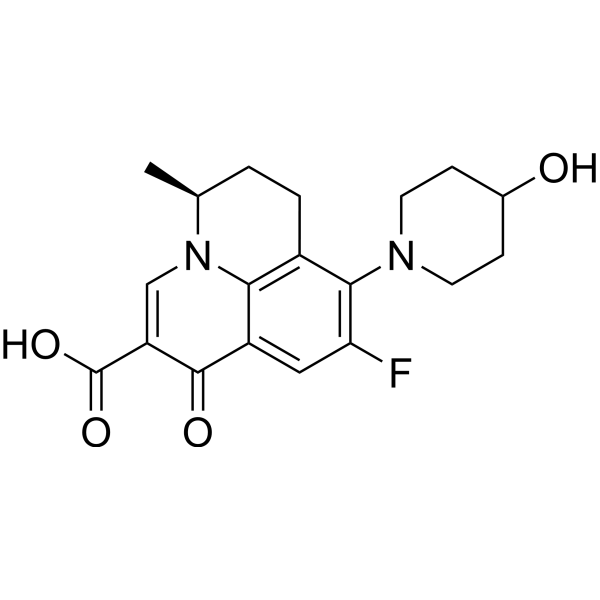
Levonadifloxacin ((S)-(-)-Nadifloxacin; WCK 771) is a broad-spectrum anti-staphylococcal agent. Levonadifloxacin shows antibacterial activity against Methicillin (HY-121544)-susceptible Staphylococcus aureus (MSSA) and Methicillin-resistant S. aureus (MRSA) strains, with a reduction of which phagocytized in THP-1 monocytes .
Sortase A, S. aureus (non-Ca 2+-dependent), a transpeptidase enzyme is present in many Gram-positive bacteria and helps in the recruitment of the cell surface proteins. Sortase A, S. aureus (non-Ca 2+-dependent) plays an important part in ligation of various molecules on the cell surfaces .
Coproporphyrin III dihydrochloride is a bioactive molecule excreted by nostril- and skin-associated Propionibacterium species that induces aggregation of Staphylococcus aureus (conditions: during early stationary phase growth, low pH: 4-6). Coproporphyrin III dihydrochloride also induces plasma-independent biofilm formation on abiotic surfaces by Staphylococcus aureus. Coproporphyrin III dihydrochloride may be an important mediator of S. aureus accumulation and/or biofilm formation in the nostrils or other sites where Propionibacterium and S. aureus inhabit .
Omodenbamab is an anti-SpA (Staphylococcal protein A) human monoclonal antibody with a KD value of 0.0467 nM. Omodenbamab circumvents a key S. aureus evasion mechanism by targeting the cell wall moiety Protein A (SpA). Omodenbamab can be used in research of S. aureus bloodstream infection .
Trimethyloctadecylammonium bromide is an inhibitor of dynamin, with an IC50 value of 1.9 μM for dynamin I. Trimethyloctadecylammonium bromide exhibits antibacterial activity against Staphylococcus aureus .
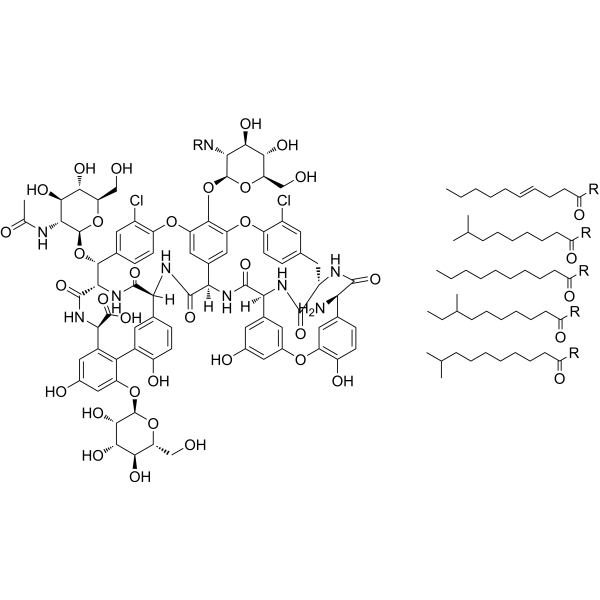
Norvancomycin hydrochloride is a glycopeptide antibiotic which can be found in Nocardia orientalis and active against several strains of S. aureus and S. epidermidis. Norvancomycin hydrochloride can be used for infection research .
nTZDpa is an antibiotic. nTZDpa is a PPARG partial agonist. nTZDpa has antibacterial activity. nTZDpa is effective against growing and persistent Staphylococcus aureus by lipid bilayer disruption .
Antibacterial agent 124 (Compound 3) is a potent bacterial prolyl-tRNA synthetase (ProRS) inhibitor with an IC50 of 0.18 μM against Staphylococcus aureus ProRS (SaProRS) .
Pisiferic acid is an antibacterial agent with inhibitory activity against Gram-negative/positive bacteria such as P. vulgaris, S. aureus and B. subtilis. Pisiferic acid can be used to study bacterial infections .
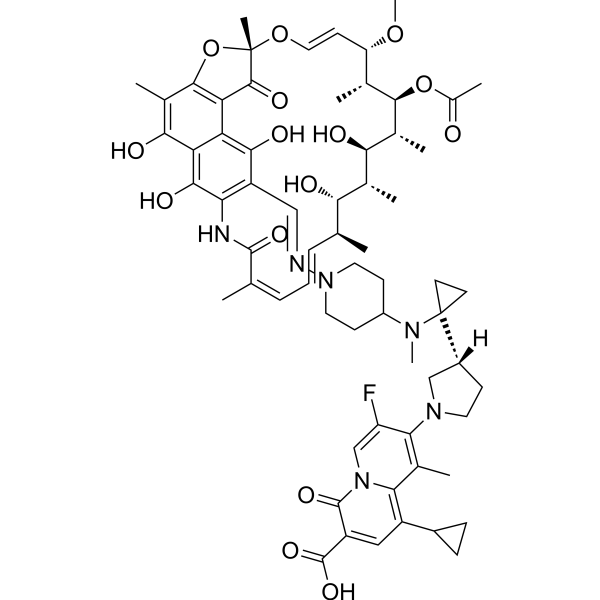
Rifaquizinone (CBR-2092) is a Rifamycin-Quinolone Hybrid Antibiotic. Rifaquizinone inhibits wild-type S. aureus RNA polymerase with an IC50 of 34 nM. Rifaquizinone is effective against S. aureus infections, with MICs ranged from 0.008 to 0.5 μg/mL for 300 clinical isolates of staphylococci and streptococci .
Taxiphyllin (2R-Taxiphyllin) is a plant cyanogenic glycoside, which exhibits inhibitory activity for tyrosinase . Taxiphyllin exhibits cytotoxicity in BRL-3A cellls with an IC50 of 18.75 μm and antimicrobial activities against Staphylococcus aureus with an EC50 of 0.96 μM .
Antibacterial agent 102 (compound 32) possesses potent in vitro and in vivo antibacterial activity, with MICs < 0.5 μg/mL in Staphylococcus aureus (S. aureus). Antibacterial agent 102 also moderately inhibits CYP3A4 with an IC50 value of 6.148 μM. Antibacterial agent 102 can reduce Methicillin-resistant Staphylococcus aureus (MRSA) load in thigh infected mice .
Cephalochromin is an antibiotic and an inhibitor for bacterial fatty acid synthase (FabI). Cephalochromin inhibits FabI of Staphylococcus aureus and Escherichia coli with IC50 of 1.9 and 1.8 μM. Cephalochromin inhibits gram-positive methicillin-resistant S. aureus (MRSA) and quinolone-resistant S. aureus (QRSA), with MIC of 2-8 µg/mL .
TXY541 is an orally active antibacterial agent that can be converted to PC190723 (HY-146331) under physiological conditions. TXY541 has good antibacterial effect against Staphylococcus aureus and low toxicity to mammalian cells .
DNA ligase-IN-2 (compound 2) is a potent LigA inhibitor and inhibits the DNA-independent autoadenylation activity of both full-length LigA and a truncated enzyme, LigA:AD (IC50=29 nM). DNA ligase-IN-2 effectively inhibits the growth of Staphylococcus aureus in vitro, with MIC valuse of 1, 1, and >64 μg/mL for S. aureus ATCC 29213, S. aureus ATCC 700699 and E. coli ATCC 25922, respectively .
Antibacterial agent 227 (Compd 29) is a SerRS (Seryl-tRNA synthetase) inhibitor. Antibacterial agent 227 has a significant inhibitory effect on the growth of planktonic and biofilm culture of Staphylococcus aureus 25923 with MIC (minimum inhibitory concentration) value of 32 µg/ml. Antibacterial agent 227 can be proposed as effective antiseptic toward multidrug-resistant biofilm-forming S. aureus isolates .
GSK 299423 is an antibiotic agent.GSK299423 shows potent inhibition of supercoiling by DNA gyrase from S. aureus(IC50=14 nM)and Escherichia coli(IC50=100 nM .
6,8-Diprenyleriodictyol is a flavonoid and bactericidal agent. 6,8-Diprenyleriodictyol can be isolated from the aerial parts of D. mannii. 6,8-Diprenyleriodictyol shows significant antibacterial activity against S. aureus including MRSA strains .
Kalafungin is an antibiotic, antimicrobial agent and a β-lactamase inhibitor from marine Streptomyces, with IC50 of 225.37 μM. Kalafungin destroys cell membranes. Kalafungin shows inhibitory activities against a variety of pathogenic fungi, yeasts, protozoa, gram-positive bacteria (such as S. aureus ATCC 33591 and S. aureus ATCC 23591), and, to a lesser extent, gram-negative bacteria .
8-Desmethyleleutherin (Compound 2) is an antibacterial agent that can be extracted from the bulbs of Eleutherine americana. 8-Desmethyleleutherin has MIC values of both 62.5 µg/mL for S. aureus strains ATCC27664 and ATCC25923 .
Staphylokinase, staphylococcus aureus (SAK) is a fibrin-specific plasminogen activator. Staphylokinase is an efficient, fibrin-selective thrombolytic agent .
EBP-59 is a bacterial inhibitor with antibiofilm activity against Gram-positive bacteria. EBP-59 is effective against Staphylococcus aureus and MRSA (methicillin–resistant staphylococcus aureus). EBP-59 can be used to study bacterial infections .
Levonadifloxacin (arginine) hydrate is a broad-spectrum anti-staphylococcal agent. Levonadifloxacin (arginine) hydrate shows antibacterial activity against Methicillin (HY-121544)-susceptible Staphylococcus aureus (MSSA) and Methicillin-resistant S. aureus (MRSA) strains, with a reduction of which phagocytized in THP-1 monocytes .
Antibacterial agent 19 (compound 8) is a potent antibacterial agent. Antibacterial agent 19 has antibacterial activity against K. pneumoniae, (M-R)S. aureus and (M-R,V-R)S. aureus with MIC values of 0.022, 0.022 and 0.045 mg/mL, respectively .
O-Demethylpaulomycin A is an antibiotic with antibacterial activity. O-Demethylpaulomycin A can inhibit Gram-positive bacteria, especially Staphylococcus aureus .
Levonadifloxacin (Standard) is the analytical standard of Levonadifloxacin. This product is intended for research and analytical applications. Levonadifloxacin ((S)-(-)-Nadifloxacin; WCK 771) is a broad-spectrum anti-staphylococcal agent. Levonadifloxacin shows antibacterial activity against Methicillin (HY-121544)-susceptible Staphylococcus aureus (MSSA) and Methicillin-resistant S. aureus (MRSA) strains, with a reduction of which phagocytized in THP-1 monocytes .
Antibiofilm agent-7 (Compound 9) exhibits potent antibiofilm activity with IC50 of 60, 133.32, and 19.67 µg/mL against S. aureus, E. coli, and methicillin-resistant S. aureus (MRSA), respectively. Antibiofilm agent-7 has antibacterial activity for S. aureus, E. coli, C. albicans, and MRSA, with MIC values of 4.88, 78.13, 9.77 and 39.06 µg/mL, respectively .
AM8191 is an orally active bactericidal and selectively inhibits DNA synthesis and Staphylococcus aureus gyrase (IC50=1.02 μM) and topo IV (IC50=10.4 μM). AM8191 inhibits S. aureus MSSA (MIC=0.02 μg/mL) and S. aureus MRSA (MIC=0.06 μg/mL) .
Antibacterial agent 97 (hit compound) is a potent antibacterial agent. Antibacterial agent 97 shows antibacterial activities with MIC of 16 and 16 µg/mL for Escherichia coli (E. coli) and Staphylococcus aureus (S. aureus), respectively .
Cephalonic acid is a pentaprenyl terpenoid compound that can be isolated from the fermentation broth of Cephaloscorlum caerulens. Cephalonic acid has weak antibacterial activity against Staphylococcus aureus .
Antibacterial agent 226 (Compound 7f) is an antibacterial agent, that inhibits Staphylococcus aureus strains and methicillin-resistant S. aureus strain with MIC of 2 μg/mL. Antibacterial agent 226 exhibits cytotoxicity to HEK293 with IC50 of 1.9 μM .
FtsZ-IN-13 (Compound C11) is an inhibitor of temperature-sensitive mutant Z (FtsZ), with IC50 values of 47.97, 34 μM against FtsZSa and FtsZPa, respectively. FtsZ-IN-13 has a notable antimicrobial activity against S. aureus (minimum inhibitory concentration value of 2 μg/mL), cystic fibrosis S. aureus clinical isolates, and methicillin-resistant S. aureus (MRSA) strains. FtsZ-IN-13 can be used for antimicrobial resistance study .
Corianin is a sesquiterpene lactone that can be isolated from the fruits of Coriaria ruscifolia. Corianin shows antibacterial activity against S. aureus and S. epidermis .
Viquidacin (NXL 101) is an antibiotic with inhibitory activity against topoisomerase IV and DNA gyrase. Viquidacin exhibits antibacterial activity against gram positive bacterial by inhibiting the supercoiling, decatenation and relaxation in strains Staphylococcus aureus and Escherichia coli in micromolar levels. Viquidacin inhibits S. aureus wildtype and mutants with MIC of 2-128 mg/L .
Sporminarin B is an antibacterial and antifungal agent. Sporminarin B exhibits inhibitory activity against microorganisms such as Candida albicans and Staphylococcus aureus .
Antibacterial agent 213 (compound Thy3d) shows potent antimicrobial activity by disrupting the integrity of
the membrane of bacterial, with the MIC of 0.5 μg/ml for Staphylococcus aureus (MRSA) .
Mikanolide is a sesquiterpene that has antibacterial properties. Mikanolide inhibits the growth of Staphylococcus aureus with a zone of 14 mm at a concentration of 100 μg per disk .
Antimicrobial agent-33 (Compound 2b) is an antimicrobial agent, with MIC values of 2-64 μg/mL. Antimicrobial agent-33 is an active compound against Staph. Aureus .
ZG297 is an agonist for Staphylococcus aureusClpP (SaClpP ) with an EC50 of 0.26 μM. ZG297 degrades SaFtsZ, inhibits the bacterial cell division, thereby exhibiting antistaphylococcal activity, that inhibits S. aureus 8325-4 strains and MRSA strains with MIC of 0.063-256 μg/mL. ZG297 exhibits anti-infectious efficacy in mouse models .
Austroside A is found in Evodia austrosinensis. Austroside A shows antibacterial activity against the Staphylococcus aureus antibiotic resistant strain .
Antimicrobial agent-29 (Compound C35) affects the interaction between human hemoglobin and Staphylococcus aureus IsdB hemophore. Antimicrobial agent-29 helps the discovery of IsdB:Hb PPI inhibitors .
Nodusmicin is a macrolide antibiotic against antibiotic-susceptible and -resistant S. aureus with MIC values of 125, 250 and 250 μg/mL for UC-76, UC-6685, and UC-6690 strains, respectively .
Albocycline (Ingramycin) is a macrolide antibiotic, which exhibits antibacterial activities against methicillin-resistant Staphylococcus aureus (MRSA), Vancomycin (HY-B0671)-intermediate (VISA), and Vancomycin (HY-B0671)-resistant S. aureus (VRSA) strains with MICs ranging from 0.5 to 1.0 μg/mL. Albocycline exhibits no toxicity to human cells at concentration of ≤64 μg/mL .
Polistes mastoparan is an antimicrobial peptide. Polistes mastoparan increases S. aureus cell K + efflux and inhibits cell viability with EC50 of 5 μM .
FLGFVGQALNALLGKL-NH2 is an antimicrobial peptide of frog origin. FLGFVGQALNALLGKL-NH2 has activity against Staphylococcus aureus ATCC 29213 (MIC=32 μM) .
Antibacterial agent 201 (Compound 3) is an antibacterial agent through disruption of membrane integrity. Antibacterial agent 201 inhibits proliferation of Staphylococcus aureus strain RN4220, methacillin-resistane S. aureus, Pseudomonas aeruginosa strain PA01 and Escherichia coli strain ANS1 with MIC99s of 2.0, 1, 8.1 and 2.2 μg/mL, respectively .
DNA Gyrase-IN-16 (Compound 9) is the inhibitor for DNA gyrase with an IC50 of 1.609 μM. DNA Gyrase-IN-16 exhibits antibacterial activity, inhibits S. aureus and MRSA with MIC of 3.125 μM and 3.125 μM .
Tetrahydrobostrycin is a secondary metabolite from Aspergillus sp., which exhibits a weak inhibitory activity against Staphylococcus aureus and Escherichia coli (100 mg/disc with the inhibition zones of 15 and 9.2 mm in diameter) .
Feglymycin is a HIV replication inhibitor. Feglymycin is also an antibiotic peptide that has antibacterial activity (MIC: 32-64 μg/mL for Staphylococcus aureus) .
Antibacterial agent 98 (compound g37) is a potent and orally active antibacterial agent. Antibacterial agent 98 inhibits the ATPase activity of Gyrase B and impairs Staphylococcus aureus (S. aureus ) DNA supercoiling. Antibacterial agent 98 shows antibacterial activity and not induce resistance development of MRSA (methicillin-resistant S. aureus) .
DHFR-IN-17 (compound j9) is an oral active SaDHFR inhibitor with the IC50 of 0.97 nM. DHFR-IN-17 shows antibacterial activity against S. aureus with the minimum inhibitory concentration of 0.031 μg/mL .
Isoaltenuene is an anti-bacterial agent with moderate activity against Staphylococcus aureus. Isoaltenuene can be isolated from fungus Alternaria alternate cib-137 .
UM-C162, a benzimidazole derivative, can rescue nematodes from a S. aureus infection. UM-C162 prevents the formation of biofilm without interfering with bacterial viability. UM-C162 mediates the disruption of S. aureus hemolysins, proteases and clumping factors production. UM-C162 has the potential to be used as an anti-virulence agent to control S. aureus infections .
Antibacterial agent 136 (compound 3) is an antibiotic of oxadiazolones. Antibacterial agent 136 have high antibacterial potency against Staphylococcus aureus (MRSA) with a MIC50 value of 0.8 μM .
Antibacterial agent 162 trifluoromethanesulfonate (compound 7) is an antibacterial agent that exhibits potent inhibitory activity against Staphylococcus aureus, including MRSA. Antibacterial agent 162 trifluoromethanesulfonate is also an anticancer agent and exhibits antiproliferative activity against colon cancer and non-small cell lung cancer cells. Antibacterial agent 162 trifluoromethanesulfonate can be used in anticancer and antibacterial research .
Talaroderxine D (compound 4) has biofilm inhibitory effect. Talaroderxine D shows antimicrobial activities against Bacillus subtilis and Staphylococcus aureus with MIC values of 2.1 and 8.3 μg/mL .
Ianthelliformisamine B diTFA is a bromotyrosine-derived antibacterial agent. Ianthelliformisamine B diTFA is against E. coli and S. aureus strains with MICs of 14.5 μM and 144.7 μM .
Cefalonium dihydrate is a cephalosporin antibiotic. Cefalonium (dihydrate) is effective against Staphylococcus aureus. Cefalonium (dihydrate) has anti-inflammatory and antibacterial activities .
Antibacterial agent 87 (Compound 4h) is a potent antibacterial agent with MIC values of 0.125, 0.0625 and 0.0625 μg/mL against MRSA, MRSE and S. aureus, respectively .
Thiolopyrrolone A (compound 1) exhibits antibacterial activities against BCG, M. tuberculosis and S. aureus with minimum inhibitory concentrations (MIC) of 10, 10 and 100 μg/mL, respectively .
Paldimycin B (Antibiotic 273 A1-beta) is a powerful semi-synthetic antibiotic with antibacterial activity against S. aureus and coagulase-negative staphylococci .
Anti-MRSA agent 12 (Compound SM-5) is an antibiotic, which exhibits antibacterial activity against Staphylococcus aureus, S. epidermidis and Escherichia coli with MIC of 7.81, 7.81 and 62.5 μM. Anti-MRSA agent 12 inhibits the methicillin-resistant S. aureus (MRSA) through inhibition of biofilm formation .
Fabl inhibitor 1 (Compound (S)-n31) is an orally active and potent SaFabI inhibitor (IC50 = 94.0 nM, MIC = 0.25-1 μg/mL). Fabl inhibitor 1 can be used for the research of methicillin-resistant S. aureus (MRSA) infection .
Anti-MRSA agent 27 (compound 4a) is a potent anti-methicillin-resistant Staphylococcus aureus agent with a MIC of 0.0975 μmol/L. Anti-MRSA agent 27 disrupts MRSA biofilms and suppresses hemolytic toxin production .
Antibacterial agent 221 (compound 3k) is a potent inhibitor of Gram-positive Methicillin-resistant Staphylococcus aureus (MRSA). Antibacterial agent 221 shows significant cytotoxicity against human LO2 and HepG2 cells .
VP-4509, an anti-methicillin‐resistant Staphylococcus aureus (MRSA) agent, with the MIC of 49.3 µM. VP-4509 also possesses high antibacterial activity towards gram-negative bacteria P. aeruginosa .
Chalcomycin is a macrolide antibiotic, which exhibits antimicrobial activities against gram-positive Staphylococcus aureus and Streptococcus pyogenes. Chalcomycin protects mice from infection with a variety of staphylococci and streptococc, without significant toxicity (LD50 >2500 mg/kg) .
Sphingomyelinase, Staphylococcus aureus (EC 3.1.4.12) is a hydrolase enzyme that is involved in sphingolipid metabolism reactions. Sphingomyelinase is a member of the DNase I superfamily of enzymes and is responsible for breaking sphingomyelin (SM) down into phosphocholine and ceramide.
Conimine is a steroidal alkaloid, antibacterial agent and potentiator. Conimine is isolated from the seeds of Holarrhena antidysenteriaca Wall.ex A.DC. Conimine exhibits intrinsic antibacterial activity against methicillin-sensitive Staphylococcus aureus and methicillin-resistant Staphylococcus aureus. When combined with Penicillin, Conimine shows synergistic antibacterial effects against methicillin-resistant Staphylococcus aureus; when combined with Vancomycin (HY-B0671), it exerts synergistic antibacterial effects against both methicillin-sensitive and methicillin-resistant Staphylococcus aureus .
(+)-trans-Limonene oxide is an antimicrobial essential oil component with activity against Staphylococcus aureus. (+)-trans-Limonene oxide acts as a selective agent for drug-resistant bacterial mutants without increasing the mutation frequency of Staphylococcus aureus USA300. (+)-trans-Limonene oxide can be used in studies of Staphylococcus aureus infection .
ZY36 is a SaClpP agonist with an EC50 of 1.01 μM against Staphylococcus aureus. ZY36 activates SaClpP-mediated proteolysis. ZY36 inhibits the growth of Staphylococcus aureus. ZY36 is applicable to studies related to Staphylococcus aureus infections, such as peritonitis .
Mammea B/BA is a bacteriostatic agent found in the seeds of Mammea americana L. Mammea B/BA inhibits growth of Staphylococcus aureus strains. Mammea B/BA can be used for the research of methicillin-resistant Staphylococcus aureus infection .
AgrC-IN-1 is an AgrC inhibitor with an IC50 of 3.5 μM against Staphylococcus aureus AgrC. AgrC-IN-1 competitively binds to AgrC, inhibiting its autophosphorylation activity in Staphylococcus aureus. AgrC-IN-1 inhibits quorum sensing in Staphylococcus aureus, blocking virulence factor production. AgrC-IN-1 can be used for the research of Staphylococcus aureus infections .
UCP1172 is an antibacterial (Antibacterial) agent and Dihydrofolate reductase inhibitor, with an IC50 of 0.0089 μM against Staphylococcus aureusDfrB, 0.22 μM against DfrG, 0.41 μM against DfrA, and 0.030 μM against DfrK. UCP1172 potently inhibits the growth of MRSA/MSSA isolates carrying dfrG and dfrK (MIC values of 0.3125-0.625 μg/mL), shows weak activity against MRSA carrying dfrA (MIC of 5 μg/mL), and exerts extremely potent inhibitory effects on wild-type S. aureus ATCC 43300 (MIC of 0.0098 μg/mL). UCP1172 can be used in studies related to tuberculosis and Staphylococcus aureus infections .
ZY38 is a SaClpP agonist that activates SaClpP-mediated α-casein hydrolysis with an EC50 of 1.52 μM. ZY38 exhibits bactericidal activity against Staphylococcus aureus. ZY38 is applicable to studies related to Staphylococcus aureus infections, such as peritonitis .
(1,5-Cyclooctadiene) dimethylplatinum (II) (Compound Pt3) is an Antibacterial agent. (1,5-Cyclooctadiene) dimethylplatinum (II) exhibits limited but selective activity against some Gram-positive Staphylococcus aureus strains, including methicillin-resistant Staphylococcus aureus (MRSA) and Glycopeptide-intermediate Staphylococcus aureus (GISA). (1,5-Cyclooctadiene) dimethylplatinum (II) shows no hemolytic activity .
Antibacterial agent 320, 1,5-disubstituted 1,2,3-triazole derivative, is an antibacterial agent. Antibacterial agent 320 exerts strong antibacterial activity against Pseudomonas aeruginosa and Staphylococcus aureus. Antibacterial agent 320 can be used for the research of bacterial infection .
ZY39 is a SaClpP agonist. ZY39 promotes the enzymatic hydrolysis of SaClpP and HsClpP in vitro. ZY39 inhibits the growth of Staphylococcus aureus strains. ZY39 reduces the load of Staphylococcus aureus in organs and ascites in mouse peritonitis models and zebrafish infection models, and improves the survival rate of model animals. ZY39 can be used in studies related to Staphylococcus aureus infection, such as peritonitis .
ClpP agonist 1 is a Staphylococcus aureus ClpP (SaClpP) agonist with an EC50 of 1.44 μM, Kd values of 2.95 μM (isothermal titration calorimetry) and 18 μM (bio-layer interferometry), and a low drug resistance frequency. ClpP agonist 1 reduces bacterial load, shrinks infected area and improves histopathological outcomes in a mouse skin infection model. ClpP agonist 1 can be used for the research of Methicillin (HY-121544)-resistant Staphylococcus aureus (MRSA) skin infections .
Antibacterial agent 295 is nitrofuran derivative. Antibacterial agent 295 is an antibiotic with anti-bacterial effects to S. aureus and E.coli. Antibacterial agent 295 showes an MIC of 0.78 μM in S. aureus USA300 and 1.6 μM in E.coli K12. Antibacterial agent 295 can be used for the research of infection .
Tetradecanenitrile is a nitrogen-containing saturated long-chain aliphatic nitrile that can be found in Pseudomonas veronii R02. Tetradecanenitrile can be used for the research of multiresistant Staphylococcus aureus infection .
Pisiferic acid is an antibacterial agent with inhibitory activity against Gram-negative/positive bacteria such as P. vulgaris, S. aureus and B. subtilis. Pisiferic acid can be used to study bacterial infections .
AIP-II is a cyclic peptide signaling molecule for quorum sensing, which is produced by Staphylococcus aureus. AIP-II potently inhibits AgrC-III in Methicillin (HY-121544)-resistant type III Staphylococcus aureus strain AH1747, with an IC50 of 0.532 nM. AIP-II binds to the AgrC-II receptor and regulates virulence gene expression in Staphylococcus aureus .
Aureusimine B (Phevalin) is a cyclic dipeptide. Aureusimine B can be produced by Staphylococcus aureus biofilms. Aureusimine B may be exploited as potential biomarker for chronic, S. aureus biofilm-based infections .
Polistes mastoparan is an antimicrobial peptide. Polistes mastoparan increases S. aureus cell K + efflux and inhibits cell viability with EC50 of 5 μM .
FLGFVGQALNALLGKL-NH2 is an antimicrobial peptide of frog origin. FLGFVGQALNALLGKL-NH2 has activity against Staphylococcus aureus ATCC 29213 (MIC=32 μM) .
Feglymycin is a HIV replication inhibitor. Feglymycin is also an antibiotic peptide that has antibacterial activity (MIC: 32-64 μg/mL for Staphylococcus aureus) .
Omodenbamab is an anti-SpA (Staphylococcal protein A) human monoclonal antibody with a KD value of 0.0467 nM. Omodenbamab circumvents a key S. aureus evasion mechanism by targeting the cell wall moiety Protein A (SpA). Omodenbamab can be used in research of S. aureus bloodstream infection .
Taxiphyllin (2R-Taxiphyllin) is a plant cyanogenic glycoside, which exhibits inhibitory activity for tyrosinase . Taxiphyllin exhibits cytotoxicity in BRL-3A cellls with an IC50 of 18.75 μm and antimicrobial activities against Staphylococcus aureus with an EC50 of 0.96 μM .
Aureusimine B (Phevalin) is a cyclic dipeptide. Aureusimine B can be produced by Staphylococcus aureus biofilms. Aureusimine B may be exploited as potential biomarker for chronic, S. aureus biofilm-based infections .
Cephalochromin is an antibiotic and an inhibitor for bacterial fatty acid synthase (FabI). Cephalochromin inhibits FabI of Staphylococcus aureus and Escherichia coli with IC50 of 1.9 and 1.8 μM. Cephalochromin inhibits gram-positive methicillin-resistant S. aureus (MRSA) and quinolone-resistant S. aureus (QRSA), with MIC of 2-8 µg/mL .
6,8-Diprenyleriodictyol is a flavonoid and bactericidal agent. 6,8-Diprenyleriodictyol can be isolated from the aerial parts of D. mannii. 6,8-Diprenyleriodictyol shows significant antibacterial activity against S. aureus including MRSA strains .
Kalafungin is an antibiotic, antimicrobial agent and a β-lactamase inhibitor from marine Streptomyces, with IC50 of 225.37 μM. Kalafungin destroys cell membranes. Kalafungin shows inhibitory activities against a variety of pathogenic fungi, yeasts, protozoa, gram-positive bacteria (such as S. aureus ATCC 33591 and S. aureus ATCC 23591), and, to a lesser extent, gram-negative bacteria .
8-Desmethyleleutherin (Compound 2) is an antibacterial agent that can be extracted from the bulbs of Eleutherine americana. 8-Desmethyleleutherin has MIC values of both 62.5 µg/mL for S. aureus strains ATCC27664 and ATCC25923 .
O-Demethylpaulomycin A is an antibiotic with antibacterial activity. O-Demethylpaulomycin A can inhibit Gram-positive bacteria, especially Staphylococcus aureus .
Cephalonic acid is a pentaprenyl terpenoid compound that can be isolated from the fermentation broth of Cephaloscorlum caerulens. Cephalonic acid has weak antibacterial activity against Staphylococcus aureus .
Corianin is a sesquiterpene lactone that can be isolated from the fruits of Coriaria ruscifolia. Corianin shows antibacterial activity against S. aureus and S. epidermis .
Sporminarin B is an antibacterial and antifungal agent. Sporminarin B exhibits inhibitory activity against microorganisms such as Candida albicans and Staphylococcus aureus .
Mikanolide is a sesquiterpene that has antibacterial properties. Mikanolide inhibits the growth of Staphylococcus aureus with a zone of 14 mm at a concentration of 100 μg per disk .
Austroside A is found in Evodia austrosinensis. Austroside A shows antibacterial activity against the Staphylococcus aureus antibiotic resistant strain .
Nodusmicin is a macrolide antibiotic against antibiotic-susceptible and -resistant S. aureus with MIC values of 125, 250 and 250 μg/mL for UC-76, UC-6685, and UC-6690 strains, respectively .
Albocycline (Ingramycin) is a macrolide antibiotic, which exhibits antibacterial activities against methicillin-resistant Staphylococcus aureus (MRSA), Vancomycin (HY-B0671)-intermediate (VISA), and Vancomycin (HY-B0671)-resistant S. aureus (VRSA) strains with MICs ranging from 0.5 to 1.0 μg/mL. Albocycline exhibits no toxicity to human cells at concentration of ≤64 μg/mL .
Tetrahydrobostrycin is a secondary metabolite from Aspergillus sp., which exhibits a weak inhibitory activity against Staphylococcus aureus and Escherichia coli (100 mg/disc with the inhibition zones of 15 and 9.2 mm in diameter) .
Isoaltenuene is an anti-bacterial agent with moderate activity against Staphylococcus aureus. Isoaltenuene can be isolated from fungus Alternaria alternate cib-137 .
Talaroderxine D (compound 4) has biofilm inhibitory effect. Talaroderxine D shows antimicrobial activities against Bacillus subtilis and Staphylococcus aureus with MIC values of 2.1 and 8.3 μg/mL .
Ianthelliformisamine B diTFA is a bromotyrosine-derived antibacterial agent. Ianthelliformisamine B diTFA is against E. coli and S. aureus strains with MICs of 14.5 μM and 144.7 μM .
Thiolopyrrolone A (compound 1) exhibits antibacterial activities against BCG, M. tuberculosis and S. aureus with minimum inhibitory concentrations (MIC) of 10, 10 and 100 μg/mL, respectively .
Chalcomycin is a macrolide antibiotic, which exhibits antimicrobial activities against gram-positive Staphylococcus aureus and Streptococcus pyogenes. Chalcomycin protects mice from infection with a variety of staphylococci and streptococc, without significant toxicity (LD50 >2500 mg/kg) .
Conimine is a steroidal alkaloid, antibacterial agent and potentiator. Conimine is isolated from the seeds of Holarrhena antidysenteriaca Wall.ex A.DC. Conimine exhibits intrinsic antibacterial activity against methicillin-sensitive Staphylococcus aureus and methicillin-resistant Staphylococcus aureus. When combined with Penicillin, Conimine shows synergistic antibacterial effects against methicillin-resistant Staphylococcus aureus; when combined with Vancomycin (HY-B0671), it exerts synergistic antibacterial effects against both methicillin-sensitive and methicillin-resistant Staphylococcus aureus .
Mammea B/BA is a bacteriostatic agent found in the seeds of Mammea americana L. Mammea B/BA inhibits growth of Staphylococcus aureus strains. Mammea B/BA can be used for the research of methicillin-resistant Staphylococcus aureus infection .
Tetradecanenitrile is a nitrogen-containing saturated long-chain aliphatic nitrile that can be found in Pseudomonas veronii R02. Tetradecanenitrile can be used for the research of multiresistant Staphylococcus aureus infection .
Enterotoxins (ETAs) trigger host immune system activation by binding to major histocompatibility complex class II and T-cell receptor (TCR) molecules. This interaction triggers a cascade of cell activation, cytokine production and migration, primarily mediated by Alphata T cells, affecting lung tissue and airways. Enterotoxin type A Protein, S. aureus (His) is the recombinant Staphylococcus aureus-derived Enterotoxin type A protein, expressed by E. coli , with N-6*His labeled tag.
Staphylokinase Protein efficiently converts plasminogen into active plasmin, a key enzyme in fibrinolysis. It forms a 1:1 complex with plasmin, activating additional plasminogen molecules and amplifying the fibrinolytic cascade. Staphylokinase Protein, S. aureus is the recombinant Staphylococcus aureus-derived Staphylokinase protein, expressed by E. coli , with tag free.
The MecA protein plays a crucial role in cellular machinery by facilitating the recognition and targeting of unfolded and aggregated proteins, directing them to the ClpC protease or other proteins involved in proteolysis. The function of this protein is critical for the efficient removal and degradation of abnormal proteins, ensuring cellular homeostasis and preventing the accumulation of potentially harmful protein aggregates. MecA Protein, S. aureus (His-SUMO) is the recombinant Staphylococcus aureus-derived MecA protein, expressed by E. coli , with N-His, N-SUMO labeled tag.
ENTE Proteinas are staphylococcal enterotoxins that activate the host immune system by binding to major histocompatibility complex class II and T-cell receptor (TCR) molecules. This interaction forms a ternary complex that activates T lymphocytes and induces the systemic release of proinflammatory cytokines. Enterotoxin type E Protein, S. aureus (His) is the recombinant Staphylococcus aureus-derived ENTE protein, expressed by E. coli , with N-6*His labeled tag.
Enterotoxin B (SEB) is an antigen derived from Staphylococcus aureus (S. aureus) that can be recognized and bound by MHC class II molecules on antigen-presenting cells. Enterotoxin B also interacts with T cell receptors (TCRs), triggering massive activation of CD4+ and CD8+ T cells, leading to the release of proinflammatory cytokines (TNF-α, IFN-γ) and Th2-type cytokines (IL-4, IL-5, IL-13), regulating inflammatory responses. Enterotoxin B also exerts anti-tumor potential in fibrosarcoma models, inducing tumor necrosis. Enterotoxin type B Protein, S. aureus (P.pastoris, His) is a recombinant Enterotoxin B protein expressed by P. pastoris yeast with N-6*His tag.
Enterotoxin (ETH) activates the host immune system by binding as a raw molecule to major histocompatibility complex class II and T-cell receptor (TCR) molecules, specifically through its alpha domain, specifically TRAV27 . This interaction forms a ternary complex that activates a large number of T lymphocytes and triggers the widespread release of proinflammatory cytokines. Enterotoxin type H Protein, S. aureus (P.pastoris, His) is the recombinant Staphylococcus aureus-derived Enterotoxin type H protein, expressed by P. pastoris , with N-His labeled tag.
Enterotoxins (ETAs) trigger host immune system activation by binding to major histocompatibility complex class II and T-cell receptor (TCR) molecules. This interaction triggers a cascade of cell activation, cytokine production and migration, primarily mediated by Alphata T cells, affecting lung tissue and airways. Enterotoxin type A Protein, S. aureus (sf9, His-Myc) is the recombinant Staphylococcus aureus-derived Enterotoxin type A protein, expressed by Sf9 insect cells , with N-10*His, C-Myc labeled tag.
TSST-1 protein induces symptoms related to toxic shock syndrome. TSST-1 Protein, S. aureus (His-SUMO) is the recombinant Staphylococcus aureus-derived TSST-1 protein, expressed by E. coli , with N-His, N-SUMO labeled tag.
Clumping factor B (ClfB) is a cell surface-associated protein implicated in virulence, playing a crucial role in bacterial pathogenicity by promoting bacterial attachment to both alpha- and beta-chains of human fibrinogen. Its significance lies in inducing the formation of bacterial clumps, a mechanism that contributes to the pathogenicity and virulence of the bacteria. Clumping factor B Protein, S. aureus (His, SUMO) is the recombinant Staphylococcus aureus-derived Clumping factor B protein, expressed by E. coli , with N-6*His-SUMO labeled tag.
Protein G is a cell wall protein isolated from Gram-negative streptococci, which mainly binds to mammalian IgGs via its Fc fragment. Protein G, Staphylococcus aureus (His) is a recombinant Protein G expressed by E. coli and tagged with C-6*His.
ENTE Proteinas are staphylococcal enterotoxins that activate the host immune system by binding to major histocompatibility complex class II and T-cell receptor (TCR) molecules. This interaction forms a ternary complex that activates T lymphocytes and induces the systemic release of proinflammatory cytokines. Enterotoxin type E Protein, S. aureus (HEK293, His, Myc) is the recombinant Staphylococcus aureus-derived ENTE protein, expressed by HEK293 , with N-6*His, N-Myc labeled tag.
Enterotoxin type C-2 (SEC2) activates the host immune system by binding the unprocessed molecule to major histocompatibility complex class II and T-cell receptor (TCR) molecules. This interaction forms a ternary complex that activates a large number of T lymphocytes and triggers the widespread release of proinflammatory cytokines. Enterotoxin type C-2 Protein, S. aureus is the recombinant Staphylococcus aureus-derived Enterotoxin type C-2 protein, expressed by E. coli , with tag free.
Chemotaxis Inhibitory Protein (CIP) strategically counters the host defense mechanisms, inhibiting reactions of human neutrophils and monocytes to complement anaphylatoxin C5a and fMLP. As a molecular sentinel, CIP directly engages with C5aR and FPR, obstructing calcium responses induced by C5a and fMLP. In this tactical intervention, CIP acts as a guardian, finessefully thwarting bacterium phagocytosis. Chemotaxis inhibitory Protein, S. aureus (P.pastoris, His) is the recombinant Staphylococcus aureus-derived Chemotaxis inhibitory protein, expressed by P. pastoris , with N-His labeled tag.
Enterotoxin type G Proteinas, a staphylococcal enterotoxin, is implicated in staphylococcal food poisoning syndrome, causing severe symptoms like high fever, hypotension, diarrhea, shock, and fatalities. Its ability to induce a range of adverse effects underscores its significance in foodborne illnesses, emphasizing the severity of impact on affected individuals. Enterotoxin type G Protein, S. aureus (His-SUMO) is the recombinant Staphylococcus aureus-derived Enterotoxin type G protein, expressed by E. coli , with N-His, N-SUMO labeled tag.
Exfoliative toxin A protein, with serine protease-like properties, binds to skin protein profilaggrin, demonstrating cleavage activity after acidic residues. Its involvement is associated with impetigous diseases, particularly staphylococcal scalded skin syndrome (SSSS). Exfoliative toxin A Protein, S. aureus (His) is the recombinant Staphylococcus aureus-derived Exfoliative toxin A protein, expressed by E. coli , with N-6*His labeled tag.
Clumping factor A protein facilitates bacterial attachment to human fibrinogen gamma-chain, promoting the formation of bacterial clumps. It is a cell surface-associated protein and plays a role in bacterial virulence. Clumping factor A Protein, S. aureus (P.pastoris, His) is the recombinant Staphylococcus aureus-derived Clumping factor A protein, expressed by P. pastoris , with N-His labeled tag.
Peptide deformylase, a crucial enzyme in protein biosynthesis, catalyzes the removal of the formyl group from the N-terminal methionine of newly synthesized proteins. Displaying broad specificity at positions beyond the N-terminal L-methionine, the enzyme ensures proper maturation and functionality of proteins, emphasizing its essential contribution to the intricate process of protein synthesis and modification. Peptide deformylase Protein, S. aureus (P.pastoris, His) is the recombinant Staphylococcus aureus-derived Peptide deformylase protein, expressed by P. pastoris , with N-6*His labeled tag.
Gamma-hemolysin component C (HLgC) acts as a toxin, forming cell membrane pores with hemolytic and leukotoxic activities. The toxicity of HlgC requires sequential binding and cooperative association with S- and F-class components to form heterooligomeric complexes. Gamma-hemolysin component C Protein, S. aureus (P.pastoris, His) is the recombinant Staphylococcus aureus-derived Gamma-hemolysin component C protein, expressed by P. pastoris , with N-His labeled tag.
Clustering factor A (ClfA) is a virulence-related cell surface-associated protein that plays a key role in bacterial pathogenicity. It promotes bacterial attachment exclusively to the gamma chain of human fibrinogen, demonstrating the specificity of its interaction with host proteins. Clumping factor A Protein, S. aureus is the recombinant Staphylococcus aureus-derived Clumping factor A protein, expressed by E. coli , with tag free.
Protein A/G is a recombinant fusion protein that combines IgG binding domains of both protein A and protein G. Protein A/G can be used for purifying polyclonal or monoclonal IgG antibodies. Protein A/G Protein, Staphylococcus aureus is the recombinant Protein A/G protein, expressed by E. coli, with no tag.
Leukocidin-F subunit/LukF protein induces cytotoxic changes in polymorphonuclear leukocytes, while gamma-hemolysin, with components H-gamma-I and H-gamma-II identical to F, causes hemolysis in red blood cells. These proteins collectively contribute to pathogenic mechanisms by exerting cytotoxic effects on immune cells and inducing hemolysis in red blood cells. Leukocidin-F subunit/LukF Protein, S. aureus (Myc, His-SUMO) is the recombinant Staphylococcus aureus-derived Leukocidin-F subunit/LukF protein, expressed by E. coli , with N-His, C-Myc, N-SUMO labeled tag.
Staphopain B is a cysteine protease that severely disrupts host immunity by degrading elastin, fibrin, fibronectin, and kininogen. It blocks phagocytosis of opsonized Staphylococcus aureus and induces neutrophil and monocyte death through proteolytic activity. Staphopain B Protein, S. aureus (GST) is the recombinant Staphylococcus aureus-derived Staphopain B protein, expressed by E. coli , with N-GST labeled tag.
Peptide deformylase, a crucial enzyme in protein biosynthesis, catalyzes the removal of the formyl group from the N-terminal methionine of newly synthesized proteins. Displaying broad specificity at positions beyond the N-terminal L-methionine, the enzyme ensures proper maturation and functionality of proteins, emphasizing its essential contribution to the intricate process of protein synthesis and modification. Peptide deformylase Protein, S. aureus (His, SUMO) is the recombinant staphylococcus aureus-derived Peptide deformylase protein, expressed by E. coli, with SUMO and N-6*His labeled tag.
MCT/SACOL1244 Protein intricately participates in lipid metabolism, specifically playing a vital role in fatty acid biosynthesis. MCT/SACOL1244 Protein, S. aureus (P.pastoris, His) is the recombinant Staphylococcus aureus-derived MCT/SACOL1244 protein, expressed by P. pastoris , with N-6*His labeled tag.
Gamma-hemolysin component B (HLgB) acts as a toxin, creating cell membrane pores with hemolytic and leukotoxic activities. Furthermore, HLgB promotes AMFR-mediated inflammation by promoting “Lys-27” linked ubiquitination of TAB3, mediating TAK1-TAB3 complex formation, and activating NF-kappa-B signaling. Gamma-hemolysin component B Protein, S. aureus (P.pastoris, His) is the recombinant Staphylococcus aureus-derived Gamma-hemolysin component B protein, expressed by P. pastoris , with N-His labeled tag.
Gamma-hemolysin component A (HLgA) functions as a toxin and creates cell membrane pores with hemolytic and leukotoxic activities. Its action depends on sequential binding and cooperative association with class S and class F components to form heterooligomeric complexes. Gamma-hemolysin component A Protein, S. aureus (Myc, His) is the recombinant Staphylococcus aureus-derived Gamma-hemolysin component A protein, expressed by E. coli , with N-His, C-Myc labeled tag.
(5)
Product Comparison
Compare
Clear All
Compare Products
Products
In-stock
-
+
Add to Cart
Cat. No.
Species
Source
Tag
Accession
Gene ID
Molecular Weight
Purity
Endotoxin Level
Biological Activity
Appearance
Formulation
Storage & Stability
Shipping
Free Sample
YesNo
Size
* This product has been "discontinued".
Optimized version of product available:
/
In-stock
-
+
Add to Cart
Get quote
Inquiry Online
Your information is safe with us. * Required Fields.
Western blot analysis of extracts from THP-1(lane 2(20μg), Jurkat (lane 3(20μg) and NIH3T3(lane 4(20μg) using FOXO1A (HY-P80132) Rabbit mAb. Proteins were transferred
to a PVDF membrane and blocked with 5% non-fat milk in TBST for 2 hour at room temperature. The primary antibody (1/1000) and Loading control antibody (Beta Actin, HY-P80438, 1/10000) was
used in 5% non-fat milk in TBST at 4°C overnight. Goat Anti-Mouse/Rabbit IgG-HRP Secondary Antibody (1/10000) was used for 1 hour at room temperature.
Western blot analysis of extracts from THP-1(lane 2(20μg), Jurkat (lane 3(20μg) and NIH3T3(lane 4(20μg) using FOXO1A (HY-P80132) Rabbit mAb. Proteins were transferred
to a PVDF membrane and blocked with 5% non-fat milk in TBST for 2 hour at room temperature. The primary antibody (1/1000) and Loading control antibody (Beta Actin, HY-P80438, 1/10000) was
used in 5% non-fat milk in TBST at 4°C overnight. Goat Anti-Mouse/Rabbit IgG-HRP Secondary Antibody (1/10000) was used for 1 hour at room temperature.
Western blot analysis of extracts from THP-1(lane 2(20μg), Jurkat (lane 3(20μg) and NIH3T3(lane 4(20μg) using FOXO1A (HY-P80132) Rabbit mAb. Proteins were transferred
to a PVDF membrane and blocked with 5% non-fat milk in TBST for 2 hour at room temperature. The primary antibody (1/1000) and Loading control antibody (Beta Actin, HY-P80438, 1/10000) was
used in 5% non-fat milk in TBST at 4°C overnight. Goat Anti-Mouse/Rabbit IgG-HRP Secondary Antibody (1/10000) was used for 1 hour at room temperature.
Western blot analysis of extracts from THP-1(lane 2(20μg), Jurkat (lane 3(20μg) and NIH3T3(lane 4(20μg) using FOXO1A (HY-P80132) Rabbit mAb. Proteins were transferred
to a PVDF membrane and blocked with 5% non-fat milk in TBST for 2 hour at room temperature. The primary antibody (1/1000) and Loading control antibody (Beta Actin, HY-P80438, 1/10000) was
MedchemExpress Validation 03
Western blot analysis of extracts from THP-1(lane 2(20μg), Jurkat (lane 3(20μg) and NIH3T3(lane 4(20μg) using FOXO1A (HY-P80132) Rabbit mAb. Proteins were transferred
MedchemExpress Validation 04
Western blot analysis of extracts from THP-1(lane 2(20μg), Jurkat (lane 3(20μg) and NIH3T3(lane 4(20μg) using FOXO1A (HY-P80132) Rabbit mAb. Proteins were transferred
to a PVDF membrane and blocked with 5% non-fat milk in TBST for 2 hour at room temperature. The primary antibody (1/1000) and Loading control antibody (Beta Actin, HY-P80438, 1/10000) was
used in 5% non-fat milk in TBST at 4°C overnight. Goat Anti-Mouse/Rabbit IgG-HRP Secondary Antibody (1/10000) was used for 1 hour at room temperature.
MedchemExpress Validation
Western blot analysis of extracts from THP-1(lane 2(20μg), Jurkat (lane 3(20μg) and NIH3T3(lane 4(20μg) using FOXO1A (HY-P80132) Rabbit mAb. Proteins were transferred
to a PVDF membrane and blocked with 5% non-fat milk in TBST for 2 hour at room temperature. The primary antibody (1/1000) and Loading control antibody (Beta Actin, HY-P80438, 1/10000) was
used in 5% non-fat milk in TBST at 4°C overnight. Goat Anti-Mouse/Rabbit IgG-HRP Secondary Antibody (1/10000) was used for 1 hour at room temperature.
Western blot analysis of extracts from THP-1(lane 2(20μg), Jurkat (lane 3(20μg) and NIH3T3(lane 4(20μg) using FOXO1A (HY-P80132) Rabbit mAb. Proteins were transferred
to a PVDF membrane and blocked with 5% non-fat milk in TBST for 2 hour at room temperature. The primary antibody (1/1000) and Loading control antibody (Beta Actin, HY-P80438, 1/10000) was
used in 5% non-fat milk in TBST at 4°C overnight. Goat Anti-Mouse/Rabbit IgG-HRP Secondary Antibody (1/10000) was used for 1 hour at room temperature.
MedchemExpress Validation
Western blot analysis of extracts from THP-1(lane 2(20μg), Jurkat (lane 3(20μg) and NIH3T3(lane 4(20μg) using FOXO1A (HY-P80132) Rabbit mAb. Proteins were transferred
to a PVDF membrane and blocked with 5% non-fat milk in TBST for 2 hour at room temperature. The primary antibody (1/1000) and Loading control antibody (Beta Actin, HY-P80438, 1/10000) was
used in 5% non-fat milk in TBST at 4°C overnight. Goat Anti-Mouse/Rabbit IgG-HRP Secondary Antibody (1/10000) was used for 1 hour at room temperature.
MedchemExpress Validation
Western blot analysis of extracts from THP-1(lane 2(20μg), Jurkat (lane 3(20μg) and NIH3T3(lane 4(20μg) using FOXO1A (HY-P80132) Rabbit mAb. Proteins were transferred
to a PVDF membrane and blocked with 5% non-fat milk in TBST for 2 hour at room temperature. The primary antibody (1/1000) and Loading control antibody (Beta Actin, HY-P80438, 1/10000) was
used in 5% non-fat milk in TBST at 4°C overnight. Goat Anti-Mouse/Rabbit IgG-HRP Secondary Antibody (1/10000) was used for 1 hour at room temperature.
MedchemExpress Validation
Western blot analysis of extracts from THP-1(lane 2(20μg), Jurkat (lane 3(20μg) and NIH3T3(lane 4(20μg) using FOXO1A (HY-P80132) Rabbit mAb. Proteins were transferred
to a PVDF membrane and blocked with 5% non-fat milk in TBST for 2 hour at room temperature. The primary antibody (1/1000) and Loading control antibody (Beta Actin, HY-P80438, 1/10000) was
used in 5% non-fat milk in TBST at 4°C overnight. Goat Anti-Mouse/Rabbit IgG-HRP Secondary Antibody (1/10000) was used for 1 hour at room temperature.
MedchemExpress Validation
Western blot analysis of extracts from THP-1(lane 2(20μg), Jurkat (lane 3(20μg) and NIH3T3(lane 4(20μg) using FOXO1A (HY-P80132) Rabbit mAb. Proteins were transferred
to a PVDF membrane and blocked with 5% non-fat milk in TBST for 2 hour at room temperature. The primary antibody (1/1000) and Loading control antibody (Beta Actin, HY-P80438, 1/10000) was
used in 5% non-fat milk in TBST at 4°C overnight. Goat Anti-Mouse/Rabbit IgG-HRP Secondary Antibody (1/10000) was used for 1 hour at room temperature.
MedchemExpress Validation
Western blot analysis of extracts from THP-1(lane 2(20μg), Jurkat (lane 3(20μg) and NIH3T3(lane 4(20μg) using FOXO1A (HY-P80132) Rabbit mAb. Proteins were transferred
to a PVDF membrane and blocked with 5% non-fat milk in TBST for 2 hour at room temperature. The primary antibody (1/1000) and Loading control antibody (Beta Actin, HY-P80438, 1/10000) was
used in 5% non-fat milk in TBST at 4°C overnight. Goat Anti-Mouse/Rabbit IgG-HRP Secondary Antibody (1/10000) was used for 1 hour at room temperature.
MedchemExpress Validation
Western blot analysis of extracts from THP-1(lane 2(20μg), Jurkat (lane 3(20μg) and NIH3T3(lane 4(20μg) using FOXO1A (HY-P80132) Rabbit mAb. Proteins were transferred
to a PVDF membrane and blocked with 5% non-fat milk in TBST for 2 hour at room temperature. The primary antibody (1/1000) and Loading control antibody (Beta Actin, HY-P80438, 1/10000) was
used in 5% non-fat milk in TBST at 4°C overnight. Goat Anti-Mouse/Rabbit IgG-HRP Secondary Antibody (1/10000) was used for 1 hour at room temperature.
MedChemExpress values your privacy and your trust is important to us. We use cookies to enhance your website experience. Some cookies are necessary to run the website.
Privacy and Cookie Policy

