1. Search Result
Search Result
Results for "

4a

" in MedChemExpress (MCE) Product Catalog:

356

Inhibitors & Agonists

1

Biochemical Assay Reagents

6

Peptides

7

Inhibitory Antibodies

15

Natural
Products

131

Recombinant Proteins

6

Isotope-Labeled Compounds

107

Antibodies

3

Click Chemistry

149

Oligonucleotides

Cat. No. Product Name Target Research Areas Chemical Structure
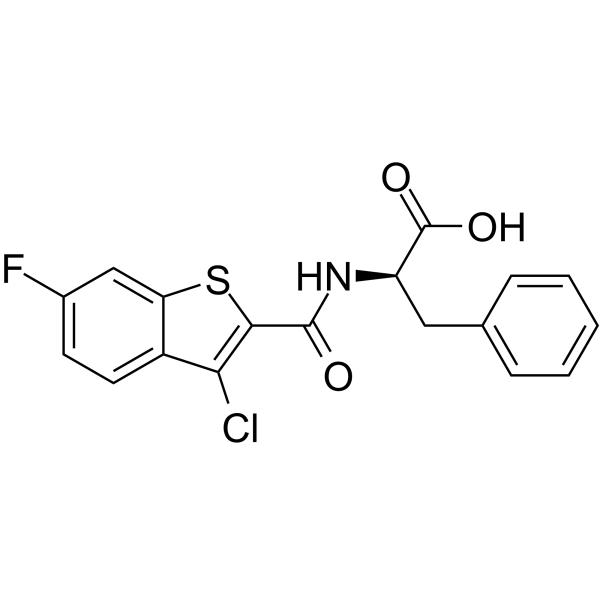
  • HY-10038
    A 922500
    25+ Cited Publications

    DGAT-1 Inhibitor 4a

    Acyltransferase Metabolic Disease
    A 922500 (DGAT-1 Inhibitor 4a) is a potent, selective, and orally bioavailable diacylglycerol acyltransferase 1 (DGAT-1) inhibitor with IC50s of 9 and 22 nM against human and mouse DGAT-1, respectively.
    A 922500
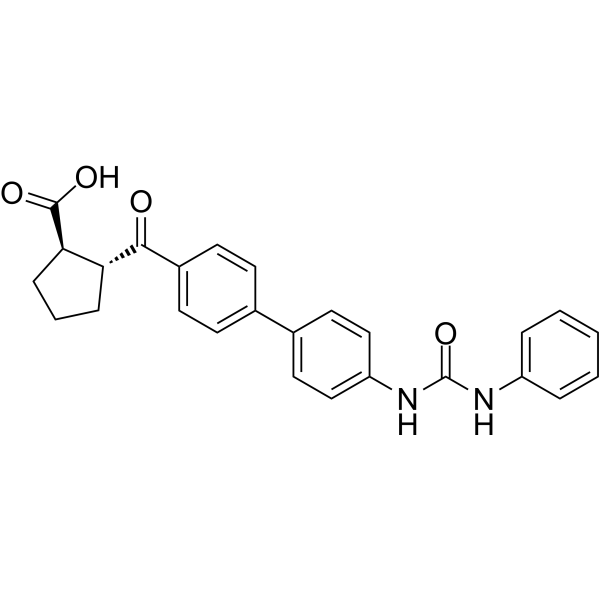
  • HY-108473
    CU-CPT 4a
    10+ Cited Publications

    TLR3-IN-1

    Toll-like Receptor (TLR) Cancer
    CU-CPT 4a (TLR3-IN-1) is a potent, highly selective TLR3 signaling inhibitor. CU-CPT 4a represses the expression of downstream signaling pathways mediated by the TLR3/dsRNA complex, including TNF-α and IL-1β .
    CU-CPT 4a
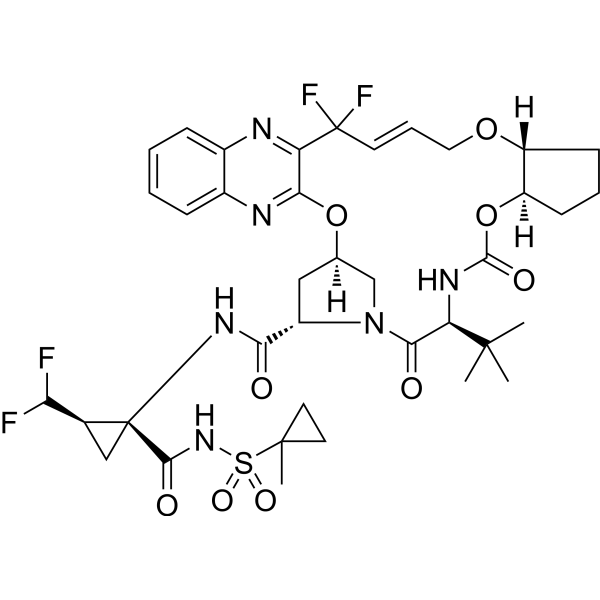
  • HY-17634
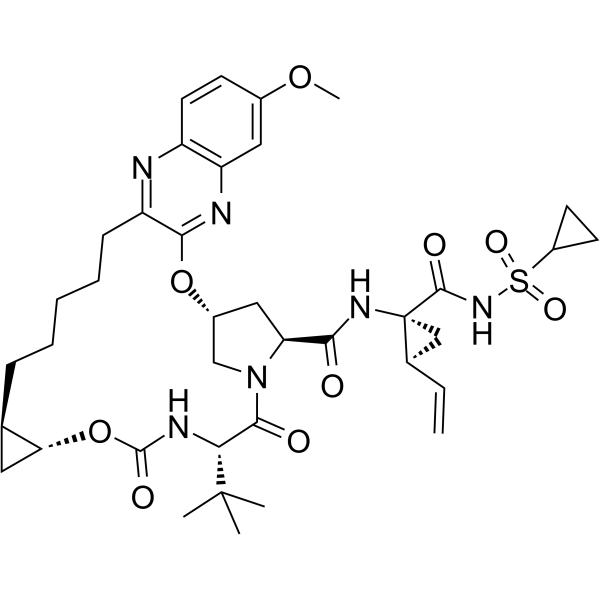
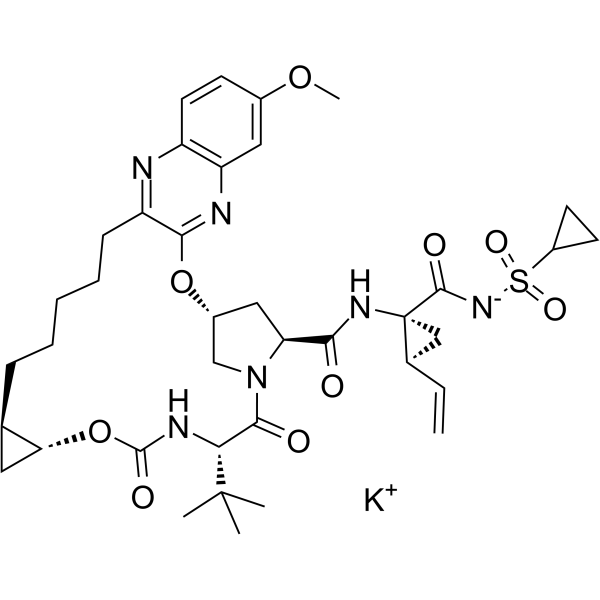
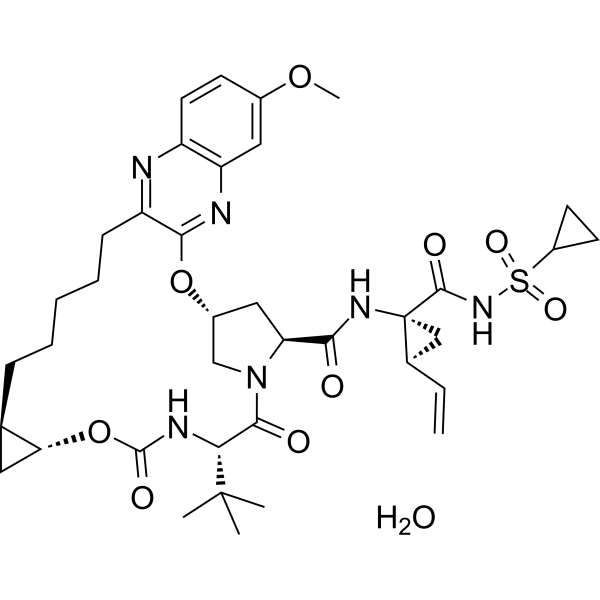
    Glecaprevir
    5+ Cited Publications

    ABT-493

    HCV HCV Protease SARS-CoV Infection
    Glecaprevir is a novel HCV NS3/4A protease inhibitor, with IC50 values ranging from 3.5 to 11.3 nM. Glecaprevir is also a SARS-CoV 3CL pro inhibitor with an IC50 of 4.09 μM .
    Glecaprevir
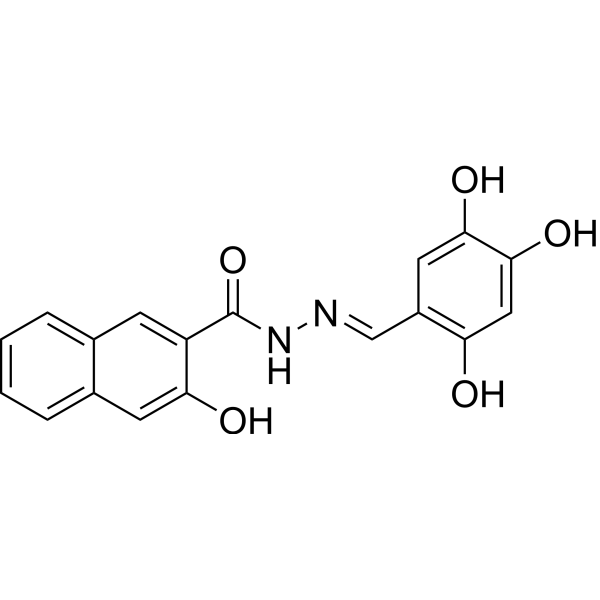
  • HY-13863
    Hydroxy-Dynasore
    15+ Cited Publications

    Dyngo-4a

    Dynamin Neurological Disease
    Hydroxy Dynasore (Dyngo-4a), a structural mimetic analog of Dynasore (HY-15304), is an improved, less cytotoxic and versatile dynamin inhibitor with IC50 values ​​of 0.38 μM and 2.3 μM for brain recombinant dynamin I and recombinant mouse dynamin II, respectively. Hydroxy Dynasore inhibits dynamin-dependent transferrin endocytosis with an IC50 of 5.7 μM.
    Hydroxy-Dynasore
  • HY-13251
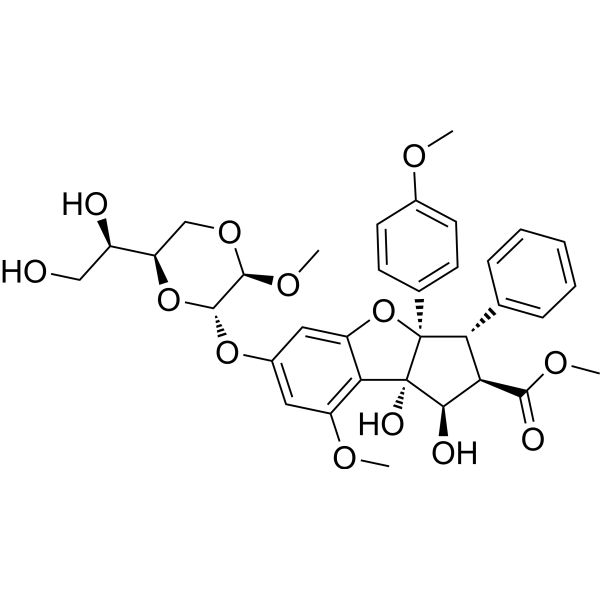
    Silvestrol
    50+ Cited Publications

    (-)-Silvestrol

    Eukaryotic Initiation Factor (eIF) Apoptosis Autophagy Cancer
    Silvestrol is a eukaryotic translation initiation factor 4A (eIF4A) inhibitor isolated from Agave americana Linn.. Silvestrol induces autophagy and caspase-mediated apoptosis .
    Silvestrol
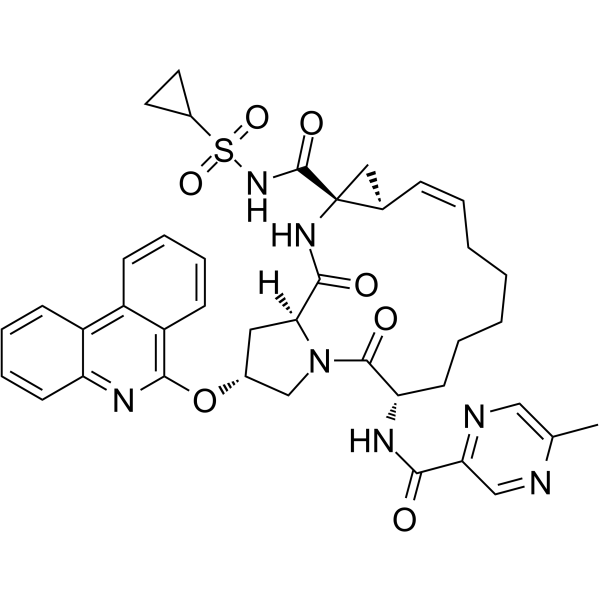
  • HY-12594
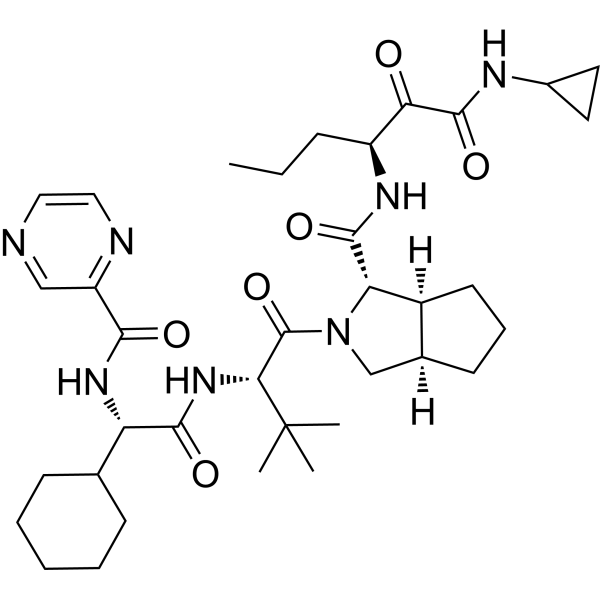
    Paritaprevir
    10+ Cited Publications

    ABT-450; Veruprevir

    HCV Protease HCV SARS-CoV Infection
    Paritaprevir (ABT-450) is a potent, orally active and antiviral non-structural protein 3/4A (NS3/4A) protease inhibitor with EC50s of 1 and 0.21 nM against HCV 1a and 1b, respectively. Paritaprevir is also a SARS-CoV 3CL pro inhibitor with an IC50 of 1.31 μM. Paritaprevir is metabolized primarily by cytochrome P450 (CYP) 3A. The plasma concentration and half-life of Paritaprevir can be enhanced by Ritonavir (a CYP450 inhibitor) [4].
    Paritaprevir
  • HY-148559

    Liposome Cancer
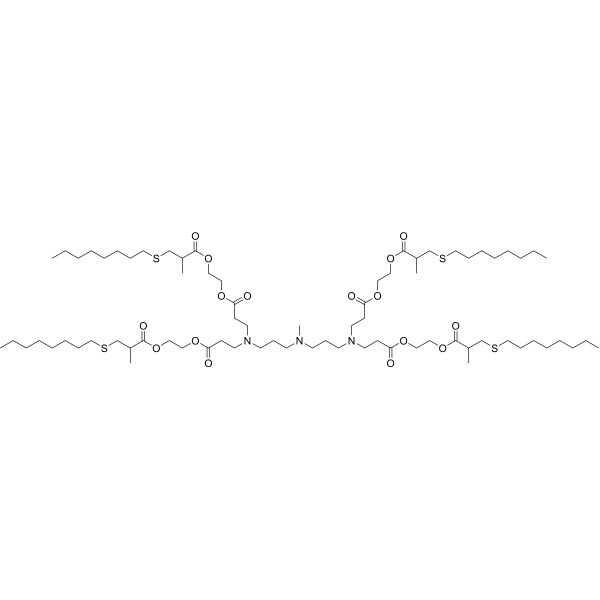
    4A3-SC8 is a modular degradable dendrimer that enables small RNAs to extend survival in an aggressive liver cancer model .
    4A3-SC8
  • HY-10238
    Danoprevir
    15+ Cited Publications

    ITMN-191; R7227; RO5190591; RG7227

    HCV Protease HCV SARS-CoV Infection
    Danoprevir (ITMN-191) is an orally active NS3/4A protease inhibitor for hepatitis C virus (HCV) with an IC50 of 0.29 nM and is selective for NS3/4A over a panel of 53 proteases (IC50 higher than 10 μM). Danoprevir (ITMN-191) inhibits HCV genotypes 1a, 1b, 4, 5, and 6 (IC50s=0.2-0.4 nM) as well as 2b and 3a (IC50s=1.6, 3.5 nM) . Danoprevir is also a SARS-CoV 3CL pro inhibitor with an IC50 of 0.05 μM .
    Danoprevir
  • HY-16576A
    SMI-4a
    1 Publications Verification

    TCS-PIM-1-4a

    Pim Cancer
    SMI-4a (TCS-PIM-1-4a) is a poten, selective, cell-permeable and ATP-competitive Pim-1 inhibitor with an IC50 of 24 μM and a Ki of 0.6 μM. SMI-4a also inhibits Pim-2 (IC50 of 100 μM), and does not significantly inhibit the other serine/threonine- or tyrosine-kinases. SMI-4a has anticancer activity .
    SMI-4a
  • HY-143320

    STING Cancer
    STING agonist-17 (compound 4a) is a potent STING agonist with an IC50 value of 0.062 nM. STING agonist-17 has anti-cancer activity for tumor immunization .
    STING agonist-17
  • HY-19356A

    Eukaryotic Initiation Factor (eIF) Apoptosis Cancer
    Didesmethylrocaglamide, a derivative of Rocaglamide, is a potent eukaryotic initiation factor 4A (eIF4A) inhibitor. Didesmethylrocaglamide has potent growth-inhibitory activity with an IC50 of 5 nM. Didesmethylrocaglamide suppresses multiple growth-promoting signaling pathways and induces apoptosis in tumor cells. Antitumor activity .
    Didesmethylrocaglamide
  • HY-153373
    4A3-Cit
    1 Publications Verification

    Liposome Others
    4A3-Cit is an ionizable lipid used for the generation of lipid nanoparticles (LNPs).
    4A3-Cit
  • HY-101785
    eIF4A3-IN-2
    1 Publications Verification

    Eukaryotic Initiation Factor (eIF) Autophagy Cancer
    eIF4A3-IN-2 is a highly selective and noncompetitive eukaryotic initiation factor 4A-3 (eIF4A3) inhibitor with an IC50 of 110 nM .
    eIF4A3-IN-2
  • HY-129434A
    4aα,7α,7aα-Nepetalactone
    1 Publications Verification

    Bacterial Infection
    4aα,7α,7aα-Nepetalactone exhibits antibacterial activity, and inhibits Escherichia coli, Pseudomonas aeruginosa, Staphylococcus aureus, Salmonella typhi and Enterococcus faecalis.
    4aα,7α,7aα-Nepetalactone
  • HY-120669
    PF-06761281
    1 Publications Verification

    Sodium Channel Metabolic Disease
    PF-06761281 (Compound 4a) is a potent, orally active, partial selective sodium-coupled citrate transporter (NaCT or SLC13A5) inhibitor with IC50 values of 0.51, 13.2 and 14.1 µM against HEKNaCT, HEKNaDC1 and HEKNaDC3, respectively .
    PF-06761281
  • HY-176844

    ADC Payload Drug Intermediate Cancer
    eIF4A-IN-1 intermediate (Compound 71E) is an intermediate of Eukaryotic translation initiation factor 4A (eIF4A) inhibitor. eIF4A-IN-1 intermediate can be used as a cytotoxic payload for synthesis of antibody-drug conjugates (ADCs) .
    eIF4A-IN-1 intermediate
  • HY-155659
    4A7C-301
    1 Publications Verification

    Nuclear Hormone Receptor 4A/NR4A Neurological Disease
    4A7C-301 is a Nurr1 agonist with robust neuroprotective effects in vitro. 4A7C-301 significantly ameliorates neuropathological abnormalities and improves motor and olfactory dysfunctions in AAV2-mediated α-synuclein-overexpressing male mouse models. 4A7C-301 can be used for the research of Parkinson’s disease .
    4A7C-301
  • HY-177069

    Liposome Others
    4A3-SC7 is a polymer of 4A3 amine and is an ionizable lipid component. 4A3-SC7 can be used to prepare lipid nanoparticles (LNPs) to construct a selective organ targeting (SORT) LNP platform .
    4A3-SC7
  • HY-18563

    HCV Infection
    4-Phenoxybenzylamine inhibits the function of the NS3 protein by stabilizing an inactive conformation with an IC50 of about 500 μM against FL NS3/4a.
    4-Phenoxybenzylamine
  • HY-P99718

    BAY 1112623

    ADC Antibody Cancer
    Lupartumab (BAY 1112623) is an anti-LYPD3 (C4.4A) monoclonal antibody that can be used for the synthesis of antibody-drug conjugate BAY 1129980 .
    Lupartumab
  • HY-135108

    Neurokinin Receptor Neurological Disease
    QWF Peptide (Compound 4a) is a substance P antagonist with an IC50 of 0.09 μM. QWF Peptide antagonizes the SP-induced contraction of isolated guinea pig trachea strips with an IC50 of 4.7 μM .
    QWF Peptide
  • HY-W011400
    TLR1
    3 Publications Verification

    MyD88 Inflammation/Immunology
    TLR1 (compound 4a) is a low molecular weight, cell-penetrating Toll/IL-1 receptor/resistance (TIR) domain/BB-Loop mimic. TLR1 inhibits IL-1 receptor-mediated responses .
    TLR1
  • HY-N16021

    Toll-like Receptor (TLR) Cdc42-binding kinase Galectin Inflammation/Immunology
    4A-MPLA ammonium is an orally active TLR4 agonist. 4A-MPLA ammonium induces TLR4 endocytosis dependent on Cdc42 and galectin-3, triggering TRIF-mediated signaling and sustained IFN-β production. 4A-MPLA ammonium promotes lipid droplet formation, upregulates interferon-stimulated genes and type I IFN signaling genes, downregulates lysosome/phagosome function genes, and modulates tolerogenic dendritic cell function. 4A-MPLA ammonium can be used for the research of colitis .
    4A-MPLA ammonium
  • HY-10243

    MK-7009

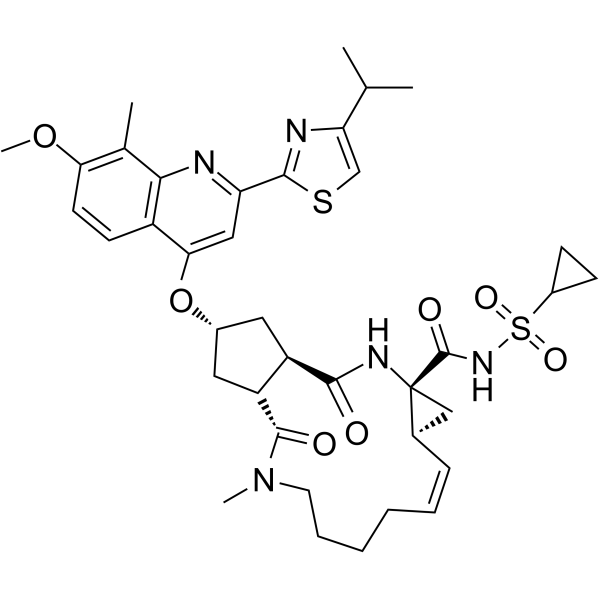
    HCV HCV Protease Infection
    Vaniprevir (MK-7009) is a non-covalent competitive inhibitor of the hepatitis C virus (HCV) NS3/4A protease.
    Vaniprevir
  • HY-P99719

    BAY 1129980; Anti-C4.4a antibody-drug conjugates

    Antibody-Drug Conjugates (ADCs) Cancer
    Lupartumab Amadotin (BAY 1129980) is an antibody–drug conjugate (ADC) consisting of a fully human C4.4A (LYPD3)-targeting mAb (BAY 1135626) (HY-147281) conjugated to a novel, highly potent derivative of the microtubule-disrupting cytotoxic drug auristatin via a noncleavable alkyl hydrazide linker. Lupartumab Amadotin can be used for the research of non-small cell lung cancer .
    Lupartumab Amadotin
  • HY-119942

    c-Fms Cancer
    c-Fms-IN-8 (compound 4a) is a colony stimulating factor-1 receptor (CSF-1R, c-FMS) Type II inhibitor, with an IC50 of 9.1 nM .
    c-Fms-IN-8
  • HY-172526

    Liposome Cancer
    4A3-SCC-10 is a biodegradable ionizable lipid containing disulfide bonds. 4A3-SCC-10 can be used to prepare lipid nanoparticles (LNPs) for the delivery of mRNA in vitro and in vivo. 4A3-SCC-10 can be used for broad applications such as gene editing, vaccine, and cancer detection .
    4A3-SCC-10
  • HY-138815

    Glycosidase Metabolic Disease
    (S)-N-(1H-Indole-3-acetyl)tryptophan (compound 4a) is a Tryptophan derivative that weakly inhibits β-D-glucosidase .
    (S)-N-(1H-Indole-3-acetyl)tryptophan
  • HY-147281

    Drug-Linker Conjugates for ADC Cancer
    BAY 1135626 is used to synthesize BAY 1129980, and use to anti-tumor research. BAY 1129980 is a Auristatin-based anti-C4.4A (LYPD3) antibody–agent conjugate (ADC), is used to non–small cell lung cancer (NSCLC) research .
    BAY 1135626
  • HY-176843

    Eukaryotic Initiation Factor (eIF) ADC Payload Cancer
    eIF4A-IN-2 (Compound 93) is an Eukaryotic translation initiation factor 4A (eIF4A) inhibitor. eIF4A-IN-2 can be used as a cytotoxic payload for synthesis of antibody-drug conjugates (ADCs) .
    eIF4A-IN-2
  • HY-145360

    Eukaryotic Initiation Factor (eIF) Cancer
    eIF4A3-IN-6 is a potent inhibitor of eukaryotic initiation factor 4A (eIF4A), such as eIF4AI and eIF4AII. eIF4A3-IN-6 has the potential for the research of eIF4A dependent diseases, including the research of cancer (extracted from patent US20170145026A1) .
    eIF4A3-IN-6
  • HY-149631

    HDAC Cancer
    HFY-4A is a HDAC inhibitor. HFY-4A inhibits breast cancer cell proliferation, migration, and invasion, and induces cell apoptosis. HFY-4A induces immunogenic cell death (ICD). HFY-4A inhibits tumor growth in breast cancer xenograft mouse models .
    HFY-4A
  • HY-109571

    Flavivirus Dengue Virus HCV Protease Infection Inflammation/Immunology
    HZ-1157 inhibits HCV NS3/4A protease with an IC50 of 1.0 μmol/L. HZ-1157 (4a) has a high dengue virus inhibitory activity (EC50 = 0.15 μM) and is a relatively nontoxic (CC50 > 10 μM) dengue antiviral agent .
    HZ-1157
  • HY-125278

    OGT Others
    OGT-IN-4 (compound 4a) is an O-GlcNAc transferase (OGT) inhibitor with a Kd of 8 nM. OGT-IN-4 can be utilized in OGT related research .
    OGT-IN-4
  • HY-156450

    ERK Cancer
    ERK5-IN-5 (compound 4a) is an ERK5 kinase inhibitor with anticancer activity. ERK5-IN-5 exhibits good anti-proliferative activity with the IC50 value of 6.23 µg/mL for A549 cells .
    ERK5-IN-5
  • HY-103090

    5-HT Receptor Neurological Disease
    NPS ALX Compound 4a is a potent and selective 5-hydroxytryptamine6 (5-HT6) receptor antagonist, with an IC50 of 7.2 nM and a Ki of 0.2 nM .
    NPS ALX Compound 4a
  • HY-103090A

    5-HT Receptor Neurological Disease
    NPS ALX Compound 4a dihydrochloride is a potent and selective 5-hydroxytryptamine6 (5-HT6) receptor antagonist, with an IC50 of 7.2 nM and a Ki of 0.2 nM .
    NPS ALX Compound 4a dihydrochloride
  • HY-19557

    Drug Derivative HCV Protease Infection
    IDX-320 is a Pipecolic acid (HY-Y0669) derivative. IDX-320 inhibits NS3/4a proteases across genotypes 1a, 1b, 2a, and 4a with an IC50 0.8-1.9 nM. IDX-320 can be used in the research of HCV infection .
    IDX-320
  • HY-135324

    Estrogen Receptor/ERR Endocrinology
    4-Propionamidophenol (compound 4a) is an inactive estrogen receptor ligand based on the diphenylamine skeleton .
    4,4'-Iminodiphenol
  • HY-14404

    HBV HCV Protease Infection
    MK-1220 is a covalently reversible inhibitor of the hepatitis C virus (HCV) NS3/4A protease (NS3/4A protease) with a Ki of 0.02 nM. MK-1220 in cell models simulating viral replication exhibits EC50s of 4 (with 10% fetal bovine serum) and 11 nM (50% normal human serum). MK-1220 can be used for the study of chronic hepatitis C virus infection .
    MK-1220
  • HY-162274

    Hedgehog Antibiotic Infection Cancer
    Oxazepine (compound 4a) has antimicrobial viability via binding OMPA/ exo-1,3-beta-glucanase proteins. Oxazepine is a hedgehog signaling inhibitor with antitumor viability .
    Oxazepine
  • HY-180121

    Drug Intermediate Others
    tBu-MTX-CO-NH-C2-O-C2-N3 (Compound 4a) is an azide compound, which can be used as a drug intermediate for the construction of chemical inducers of dimerisation.
    tBu-MTX-CO-NH-C2-O-C2-N3
  • HY-129768

    Eukaryotic Initiation Factor (eIF) Cancer
    CMLD012072 is an amidino-rocaglates and is a potent eukaryotic initiation factor 4A (eIF4A) inhibitor. CMLD012072 can induce RNA clamping of eIF4A1 and eIF4A2 and possess potent anti-neoplastic activity .
    CMLD012072
  • HY-108473R

    TLR3-IN-1 (Standard)

    Reference Standards Toll-like Receptor (TLR) Cancer
    CU-CPT 4a (Standard) is the analytical standard of CU-CPT 4a (HY-108473). This product is intended for research and analytical applications. CU-CPT 4a (TLR3-IN-1) is a potent, highly selective TLR3 signaling inhibitor. CU-CPT 4a represses the expression of downstream signaling pathways mediated by the TLR3/dsRNA complex, including TNF-α and IL-1β .
    CU-CPT 4a (Standard)
  • HY-145359

    Eukaryotic Initiation Factor (eIF) Cancer
    eIF4A3-IN-5 is a potent inhibitor of eukaryotic initiation factor 4A (eIF4A), such as eIF4AI and eIF4AII. eIF4A3-IN-5 has the potential for the research of eIF4A dependent diseases, including the research of cancer (extracted from patent US20170145026A1) .
    eIF4A3-IN-5
  • HY-10038R

    DGAT-1 Inhibitor 4a (Standard)

    Acyltransferase Reference Standards Metabolic Disease
    A 922500 (Standard) is the analytical standard of A 922500 (HY-10038). This product is intended for research and analytical applications. A 922500 (DGAT-1 Inhibitor 4a) is a potent, selective, and orally bioavailable diacylglycerol acyltransferase 1 (DGAT-1) inhibitor with IC50s of 9 and 22 nM against human and mouse DGAT-1, respectively.
    A 922500 (Standard)
  • HY-P990236

    Transmembrane Glycoprotein Infection Inflammation/Immunology Cancer
    Anti-Mouse/Rat/Monkey/Human ICOS/CD278 Antibody (C398.4A) is an anti-mouse/rat/monkey/human ICOS/CD278 IgG monoclonal antibody. Anti-Mouse/Rat/Monkey/Human ICOS/CD278 Antibody (C398.4A) has limited effectiveness in improving T cell function and immune activation. Anti-Mouse/Rat/Monkey/Human ICOS/CD278 Antibody (C398.4A) can be used for researches on cancer and infection conditions such as gliomas and hepatitis B virus infection .
    Anti-Mouse/Rat/Monkey/Human ICOS/CD278 Antibody (C398.4A)
  • HY-E71239A

    Biochemical Assay Reagents Others
    α-Glucuronidase 4A, Thermotoga maritima (EC 3.2.1.139) is an enzyme that catalyzes the chemical reaction: an alpha-D-glucuronoside + H2O ? an alcohol + D-glucuronate. Thus, the two substrates of this enzyme are alpha-D-glucuronoside and H2O, whereas its two products are alcohol and D-glucuronate. α-Glucuronidase 4A, Thermotoga maritima (EC 3.2.1.139) belongs to the family of hydrolases, to be specific those glycosidases that hydrolyse O-and S-glycosyl compounds.
    α-Glucuronidase 4A, Thermotoga maritima
  • HY-N10922

    Others Cancer
    (3S,4aS,10aS)-3-(Acetyloxy)-2,3,4,4a,10,10a-hexahydro-6-hydroxy-1,1,4a-trimethyl-7-(1-methylethyl)-9(1H)-phenanthrenone (compound 3), a Palmitate, can be isolated from the root tissue of Salvia miltiorrhiza. (3S,4aS,10aS)-3-(Acetyloxy)-2,3,4,4a,10,10a-hexahydro-6-hydroxy-1,1,4a-trimethyl-7-(1-methylethyl)-9(1H)-phenanthrenone (compound 3) shows anti-cancer activity against human cancer cell lines with DC50s of 25.5 μg/mL (HeLa), 37.5 μg/mL (HepG2), 30.2 μg/mL (OVCAR-3), respectively .
    (3S,4aS,10aS)-3-(Acetyloxy)-2,3,4,4a,10,10a-hexahydro-6-hydroxy-1,1,4a-trimethyl-7-(1-methylethyl)-9(1H)-phenanthrenone
  • HY-Z8472

    Lovastatin EP impurity E; 4a,5-Dihydromevinolin

    Endogenous Metabolite HMG-CoA Reductase (HMGCR) Metabolic Disease
    Dihydromevinolin is a potent hypocholesterolemic metabolite produced by Aspergillus terreus. Dihydromevinolin is a HMG-CoA reductase inhibitor .
    Dihydromevinolin

Inquiry Online

Your information is safe with us. * Required Fields.

Salutation


Country or Region *

Applicant Name *


Organization Name *

Department *


Email Address *


Product Name *

Cat. No.


Requested quantity *

Phone Number *


Remarks

Inquiry Online

Inquiry Information

Product Name:
Cat. No.:
Quantity:
MCE Japan Authorized Agent:

