Search Result
Results for "
ABT
" in MedChemExpress (MCE) Product Catalog:
1
Biochemical Assay Reagents
18
Isotope-Labeled Compounds
| Cat. No. |
Product Name |
Target |
Research Areas |
Chemical Structure |
-
- HY-15531
-
Venetoclax
Maximum Cited Publications
227 Publications Verification
ABT-199; GDC-0199; RG7601
|
Bcl-2 Family
Autophagy
|
Cancer
|
|
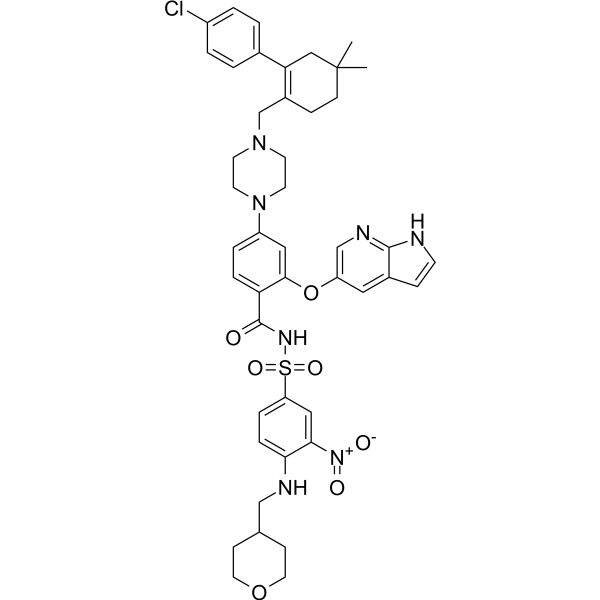
Venetoclax (ABT-199; GDC-0199) is a highly potent, selective and orally bioavailable Bcl-2 inhibitor with a Ki of less than 0.01 nM. Venetoclax induces autophagy .
|
-
-
- HY-10087
-
|
ABT-263
|
Bcl-2 Family
|
Cancer
|
|
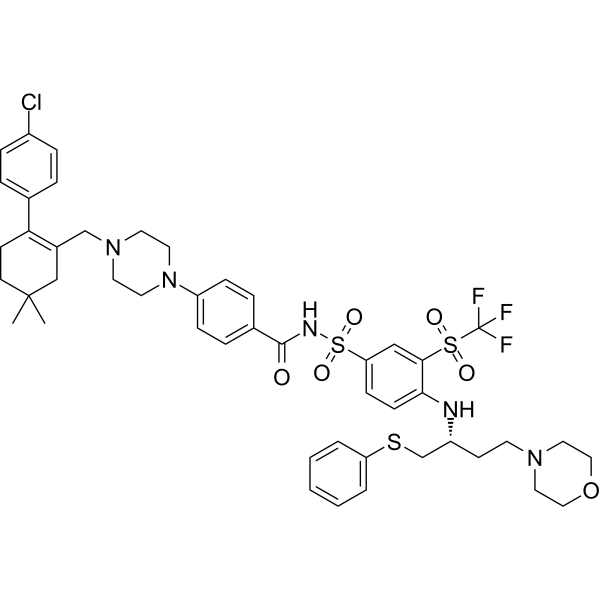
Navitoclax (ABT-263) is a potent and orally active Bcl-2 family protein inhibitor that binds to multiple anti-apoptotic Bcl-2 family proteins, such as Bcl-xL, Bcl-2 and Bcl-w, with a Ki of less than 1 nM .
|
-
-
- HY-19569
-
|
ABT-494
|
JAK
|
Inflammation/Immunology
|
|
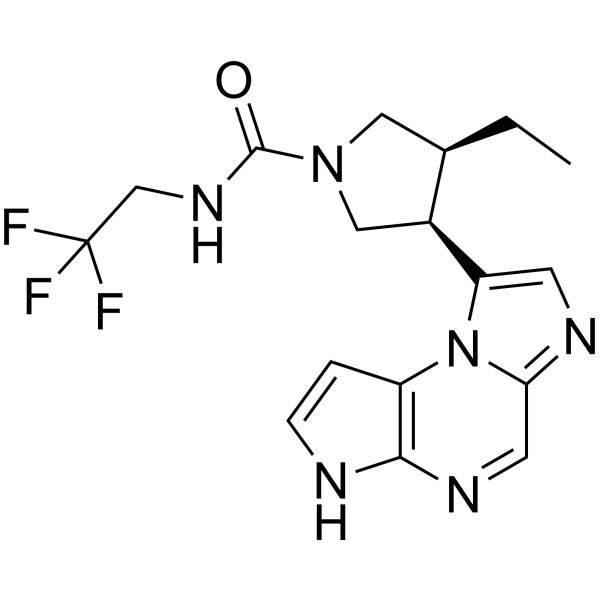
Upadacitinib (ABT-494) is a potent, orally active and selective Janus kinase 1 (JAK1) inhibitor (IC50=43 nM). Upadacitinib (ABT-494) displays approximately 74 fold selective for JAK1 over JAK2 (200 nM) in cellular assays dependent on specific, relevant cytokines. Upadacitinib (ABT-494) can be used for several autoimmune disorders research .
|
-
-
- HY-50907
-
|
|
Bcl-2 Family
Apoptosis
Autophagy
Mitophagy
|
Inflammation/Immunology
Cancer
|
|
ABT-737, a BH3 mimetic, is a potent Bcl-2, Bcl-xL and Bcl-w inhibitor with EC50s of 30.3 nM, 78.7 nM, and 197.8 nM, respectively. ABT-737 induces the disruption of the BCL-2/BAX complex and BAK-dependent but BIM-independent activation of the intrinsic apoptotic pathway. ABT-737 induces autophagy and has the potential for acute myeloid leukemia (AML) research .
|
-
-
- HY-10129
-
|
ABT-888
|
PARP
Autophagy
|
Cancer
|
|
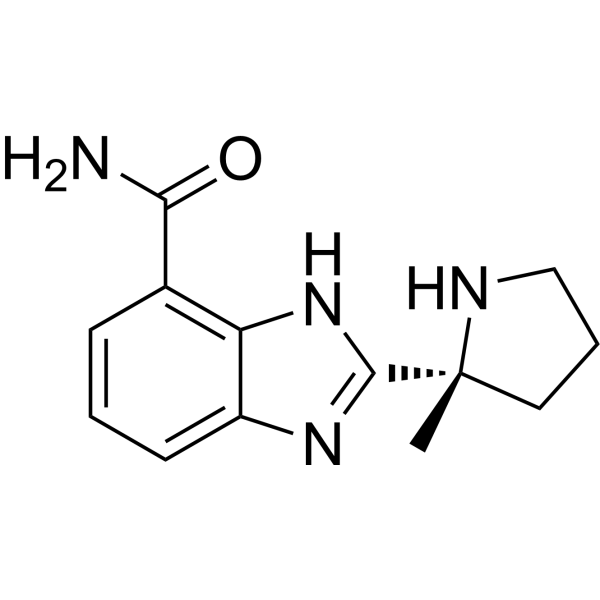
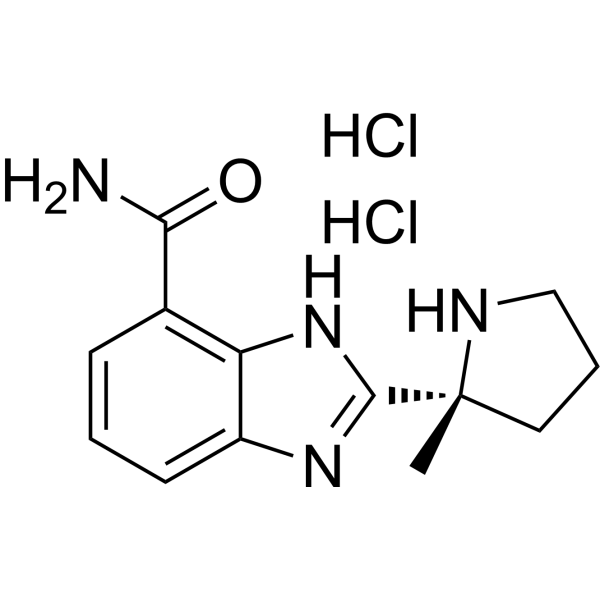
Veliparib (ABT-888) is a potent PARP inhibitor, inhibiting PARP1 and PARP2 with Kis of 5.2 and 2.9 nM, respectively .
|
-
-
- HY-90001
-
-
-
- HY-103389
-
|
ABT; 3-Aminobenzotriazole
|
Cytochrome P450
|
Cancer
|
|
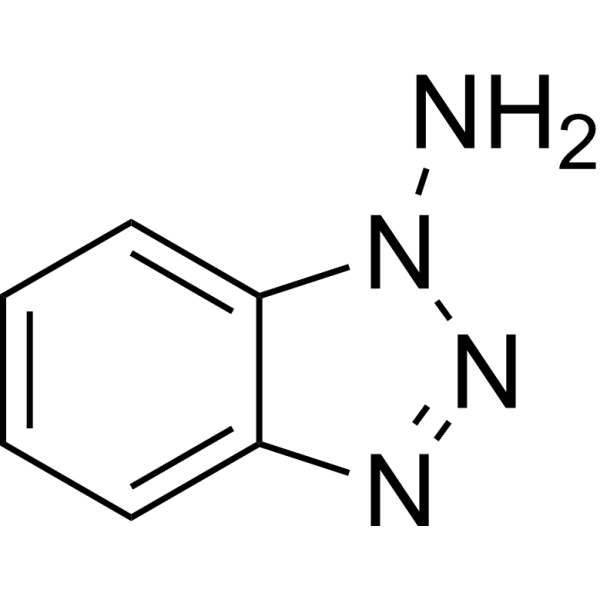
1-Aminobenzotriazole is a nonspecific and irreversible inhibitor of cytochrome P450 (P450).
|
-
-
- HY-103161
-
-
-
- HY-14588
-
|
ABT-378
|
HIV
HIV Protease
SARS-CoV
|
Infection
Neurological Disease
Cancer
|
|
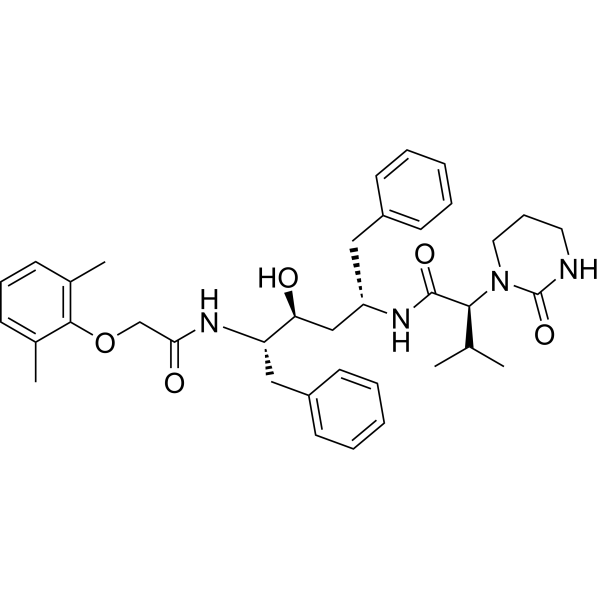
Lopinavir (ABT-378) is a highly potent, selective peptidomimetic inhibitor of the HIV-1 protease, with Kis of 1.3 to 3.6 pM for wild-type and mutant HIV protease. Lopinavir acts by arresting maturation of HIV-1 thereby blocking its infectivity . Lopinavir is also a SARS-CoV 3CL pro inhibitor with an IC50 of 14.2 μM .
|
-
-
- HY-50751
-
|
ABT-869; AL-39324
|
PDGFR
VEGFR
FLT3
c-Fms
c-Kit
Autophagy
Apoptosis
|
Cancer
|
|
Linifanib (ABT-869) is a potent and orally active multi-target inhibitor of VEGFR and PDGFR family with IC50s of 4, 3, 66, and 4 nM for KDR, FLT1, PDGFRβ, and FLT3, respectively. Linifanib shows prominent antitumor activity. Linifanib has much less activity against unrelated RTKs, soluble tyrosine kinases, or serine/threonine kinases. Linifanib is a specific miR-10b inhibitor that blocks miR-10b biogenesis .
|
-
-
- HY-P99486
-
|
ABT-874
|
Interleukin Related
|
Inflammation/Immunology
|
|
Briakinumab (ABT-874) is a fully human anti-IL-12/23p40 monoclonal antibody. Briakinumab targets and neutralizes IL-12 and IL-23. Briakinumab can be used for the research of rheumatoid arthritis, inflammatory bowel disease, and multiple sclerosis .
|
-
-
- HY-P99391
-
|
ABT-700; ABBV-400 Antibody
|
c-Met/HGFR
Apoptosis
|
Cancer
|
|
Telisotuzumab (ABT-700) is a bivalent humanized IgG1 anti-c-Met monoclonal antibody. Telisotuzumab binds cellular c-Met and disrupts its productive dimerization and activation induced by HGF or by the high density of c-Met on the cell surface independent of ligand. Telisotuzumab induces apoptosis. Telisotuzumab can be used for the study of cancers harboring amplified MET, such as gastric and lung cancers .
|
-
-
- HY-12594
-
|
ABT-450; Veruprevir
|
HCV Protease
HCV
SARS-CoV
|
Infection
|
|
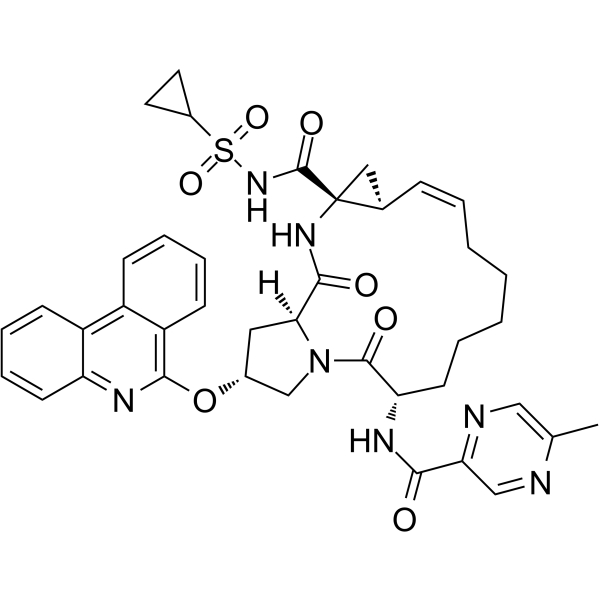
Paritaprevir (ABT-450) is a potent, orally active and antiviral non-structural protein 3/4A (NS3/4A) protease inhibitor with EC50s of 1 and 0.21 nM against HCV 1a and 1b, respectively. Paritaprevir is also a SARS-CoV 3CL pro inhibitor with an IC50 of 1.31 μM. Paritaprevir is metabolized primarily by cytochrome P450 (CYP) 3A. The plasma concentration and half-life of Paritaprevir can be enhanced by Ritonavir (a CYP450 inhibitor) .
|
-
-
- HY-13270
-
|
E7010
|
Microtubule/Tubulin
Autophagy
Apoptosis
|
Cancer
|
|
ABT-751 (E7010) is a novel, highly orally bioavailable sulfonamides antimitotic compound and tubulin binder. It prevents tubulin aggregation by binding to the colchicine site on β-tubulin, leading to cell cycle arrest in G2/M phase and inducing apoptosis, thus effectively preventing cell division. ABT-751 induces autophagy by inhibiting the AKT/MTOR signaling pathway. ABT-751 showed significant inhibition against various types of cancer cells, including lung, gastric, colon, and breast cancer .
|
-
-
- HY-15403
-
-
-
- HY-13998
-
|
ABT-333
|
HCV
DNA/RNA Synthesis
|
Infection
|
|
Dasabuvir (ABT-333) is a nonnucleoside hepatitis C virus (HCV) polymerase inhibitor. Dasabuvir inhibits RNA-dependent RNA polymerase encoded by the HCV NS5B gene. Dasabuvir inhibits genotype 1a (strain H77) and 1b (strain Con1) replicons, with EC50 values of 7.7 and 1.8 nM, respectively .
|
-
-
- HY-14739
-
|
ABT-335
|
PPAR
COX
|
Cardiovascular Disease
|
|
Choline Fenofibrate (ABT-335), a choline salt of Fenofibric acid (HY-B0760), releases free Fenofibric acid in the gastrointestinal tract. Fenofibric acid is a PPAR activator with antihyperlipidemic effect .
|
-
-
- HY-P99721
-
|
ABT-981
|
Interleukin Related
|
Inflammation/Immunology
|
|
Lutikizumab (ABT-981) is an anti-IL-1α and IL-1β dual variable domain immunoglobulin. Lutikizumab binds and inhibits IL-1α and IL-1β. Lutikizumab can be used for the research of osteoarthritis .
|
-
-
- HY-44432
-
|
ABT-263-piperazine
|
Ligands for Target Protein for PROTAC
Bcl-2 Family
|
Cancer
|
|
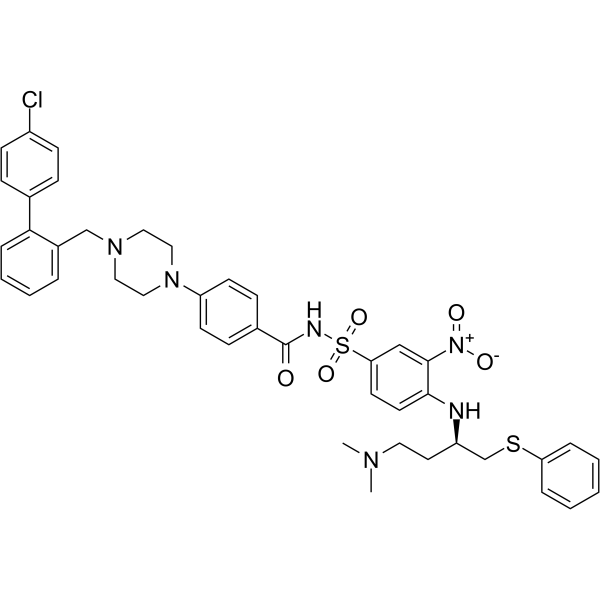
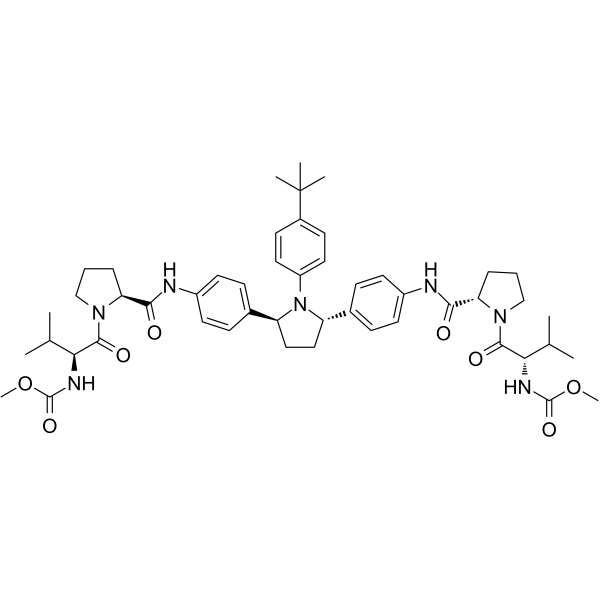
Navitoclax-piperazine (ABT-263-piperazine) is a Navitoclax (HY-10087) analog and BCL-XL inhibitor. Navitoclax-piperazine is the ligand for target protein of PROTAC DT2216 (HY-130604). Navitodax-pperaie and E3 ubiquitin ligase VHL ligand can be used to synthesize PROTAC DT2216 (HY-130604) .
|
-
-
- HY-15531R
-
|
ABT-199 (Standard); GDC-0199 (Standard); RG7601 (Standard)
|
Reference Standards
Bcl-2 Family
Autophagy
|
Cancer
|
|
Venetoclax (Standard) is the analytical standard of Venetoclax. This product is intended for research and analytical applications. Venetoclax (ABT-199; GDC-0199) is a highly potent, selective and orally bioavailable Bcl-2 inhibitor with a Ki of less than 0.01 nM. Venetoclax induces autophagy .
|
-
-
- HY-112482
-
ABT-702
3 Publications Verification
|
Adenosine Kinase
Adenosine Receptor
|
Neurological Disease
Inflammation/Immunology
|
|
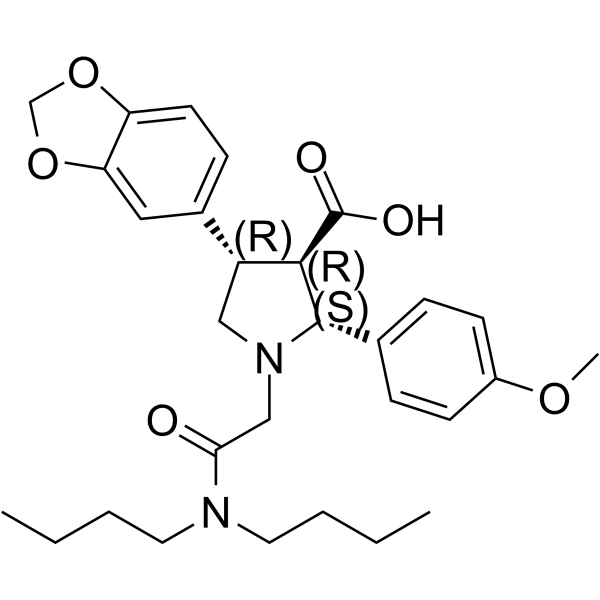
ABT-702 (Adenosine Kinase Inhibitor) is a potent, orally active, and selective adenosine kinase (AK) inhibitor with an IC50 of 1.7 nM. ABT-702 shows >1300-fold selectivity for AK over other biological targets, including cyclooxygenases-1 and -2. ABT-702 attenuates inflammation in diabetic retinopathy by increasing free adenosine levels. ABT-702 shows analgesic and anti-inflammatory effects in vivo. ABT-702 can be used for diabetic retinopathy research .
|
-
-
- HY-19569R
-
|
ABT-494 (Standard)
|
Reference Standards
JAK
|
Inflammation/Immunology
|
|
Upadacitinib (Standard) is the analytical standard of Upadacitinib. This product is intended for research and analytical applications. Upadacitinib (ABT-494) is a potent, orally active and selective Janus kinase 1 (JAK1) inhibitor (IC50=43 nM). Upadacitinib (ABT-494) displays approximately 74 fold selective for JAK1 over JAK2 (200 nM) in cellular assays dependent on specific, relevant cytokines. Upadacitinib (ABT-494) can be used for several autoimmune disorders research .
|
-
-
- HY-15403A
-
-
-
- HY-12424
-
|
ABT-578; A 179578
|
Drug Derivative
|
Cardiovascular Disease
Inflammation/Immunology
Cancer
|
|
Zotarolimus (ABT-578) is a derivative of Rapamycin (HY-10219), with anti-proliferative activity. Zotarolimus is an immunosuppressant. Zotarolimus is developed specifically for local delivery from stents for the prevention of coronary artery restenosis .
|
-
-
- HY-132259
-
|
ABT-414
|
Antibody-Drug Conjugates (ADCs)
EGFR
|
Cancer
|
|
Depatuxizumab mafodotin (ABT-414) is an antibody-drug conjugate (ADC). Depatuxizumab mafodotin specifically targets the epidermal growth factor receptor (EGFR). Depatuxizumab mafodotin can be used in the study of glioma, head and neck squamous cell carcinoma, non-small cell lung cancer, epidermoid carcinoma of the skin, and squamous cell carcinoma of the tongue .
|
-
-
- HY-112482A
-
|
|
Adenosine Kinase
Adenosine Receptor
|
Neurological Disease
Inflammation/Immunology
|
|
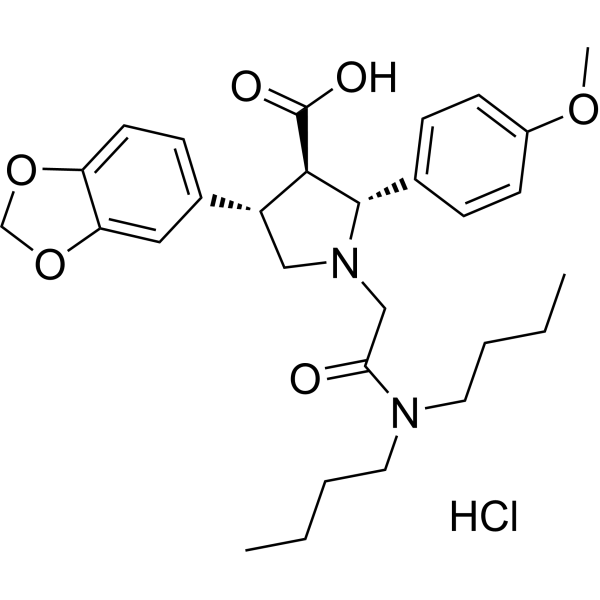
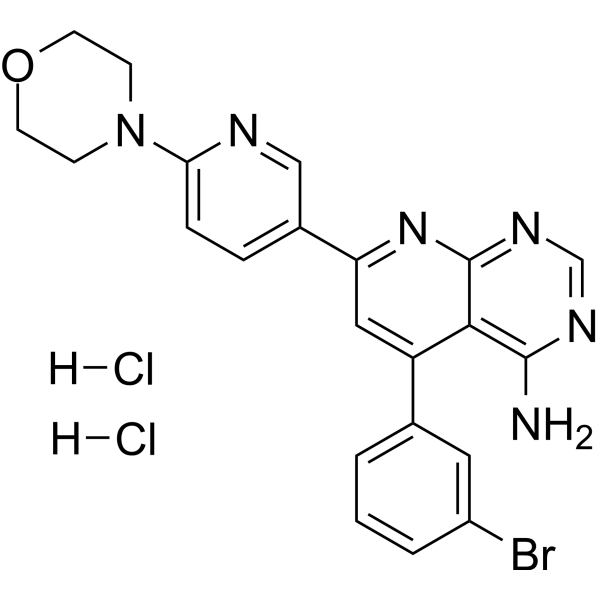
ABT-702 hydrochloride is a potent, orally active, and selective adenosine kinase (AK) inhibitor with an IC50 of 1.7 nM. ABT-702 hydrochloride shows >1300-fold selectivity for AK over other biological targets, including cyclooxygenases-1 and -2. ABT-702 hydrochloride attenuates inflammation in diabetic retinopathy by increasing free adenosine levels. ABT-702 hydrochloride shows analgesic and anti-inflammatory effects in vivo. ABT-702 hydrochloride can be used for diabetic retinopathy research .
|
-
-
- HY-109001
-
|
ABT-957
|
Proteasome
|
Neurological Disease
|
|
Alicapistat (ABT-957) is an orally active selective inhibitor of human calpains 1 and 2 for the potential application of Alzheimer's disease (AD) . Alicapistat mitigates the metabolic liability of carbonyl reduction and inhibits calpain 1 with an IC50 value of 395 nM .
|
-
-
- HY-13545
-
ABT-510
1 Publications Verification
|
Apoptosis
|
Inflammation/Immunology
Cancer
|
|
ABT-510 is an anti-angiogenic TSP peptide (Thrombospondin-1 analogue) that induces apoptosis and inhibits ovarian tumour growth in an orthotopic, syngeneic model of epithelial ovarian cancer. ABT-510 also reduces angiogenesis and inflammatory responses in a murine model of inflammatory bowel disease. ABT-510 can be used in studies of cancer (particularly epithelial ovarian cancer) and inflammatory bowel disease (IBD) .
|
-
-
- HY-14824
-
|
ABT 894
|
nAChR
|
Neurological Disease
|
|
Sofiniclin (ABT 894), an agonist of nicotinic acetylcholine receptor (nAChR), is used as a potential non-stimulant research for attention-deficit/hyperactivity disorder (ADHD) .
|
-
-
- HY-16018A
-
|
ABT-348 hydrochloride
|
Aurora Kinase
PDGFR
VEGFR
|
Cancer
|
|
Ilorasertib (ABT-348) hydrochloride is a potent, orally active and ATP-competitive aurora inhibitor with IC50s of116, 5, 1 nM for aurora A, aurora B, aurora C, respectively. Ilorasertib hydrochloride also is a potent VEGF, PDGF inhibitor. Ilorasertib hydrochloride has the potential for the research of acute myeloid leukemia (AML) and myelodysplastic syndrome (MDS) .
|
-
-
- HY-16018
-
|
ABT-348
|
Aurora Kinase
VEGFR
PDGFR
|
Cancer
|
|
Ilorasertib (ABT-348) is a potent, orally active and ATP-competitive aurora inhibitor with IC50s of116, 5, 1 nM for aurora A, aurora B, aurora C, respectively. Ilorasertib also is a potent VEGF, PDGF inhibitor. Ilorasertib has the potential for the research of acute myeloid leukemia (AML) and myelodysplastic syndrome (MDS) .
|
-
-
- HY-P990312
-
|
|
Interleukin Related
|
Inflammation/Immunology
|
|
ABT-325 is a humanized antibody expressed in CHO that targets IL-18. ABT-325 has a huIgG1 type heavy chain and a huκ type light chain, with a predicted molecular weight (MW) of 146.28 kDa. The isotype control for ABT-325 can refer to Human IgG1 kappa, Isotype Control (HY-P99001).
|
-
-
- HY-13545B
-
|
|
Apoptosis
|
Inflammation/Immunology
Cancer
|
|
ABT-510 acetate is an anti-angiogenic TSP peptide (Thrombospondin-1 analogue) that induces apoptosis and inhibits ovarian tumour growth in an orthotopic, syngeneic model of epithelial ovarian cancer. ABT-510 acetate also reduces angiogenesis and inflammatory responses in a murine model of inflammatory bowel disease. ABT-510 acetate can be used in studies of cancer (particularly epithelial ovarian cancer) and inflammatory bowel disease (IBD) .
|
-
-
- HY-19721
-
-
-
- HY-12195
-
-
-
- HY-117853
-
|
ABT-761; VIA-2291
|
Lipoxygenase
|
Cardiovascular Disease
|
|
Atreleuton (ABT-761) is a selective, reversible, and orally bioavailable 5-Lipoxygenase (5-LO) inhibitor. Atreleuton (ABT-761) exhibits potent and selective inhibition of leukotriene formation . Atreleuton is a click chemistry reagent, it contains an Alkyne group and can undergo copper-catalyzed azide-alkyne cycloaddition (CuAAc) with molecules containing Azide groups.
|
-
-
- HY-101634
-
|
|
HCV
|
Infection
|
|
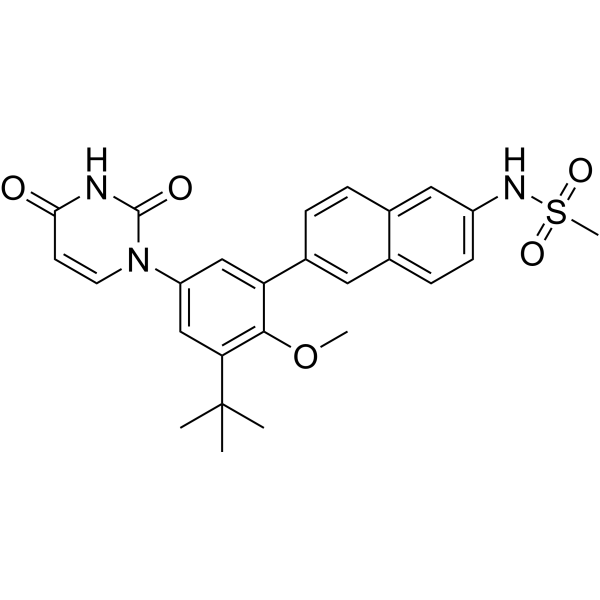
ABT-072 is an orally active and potent non-nucleoside HCV NS5B polymerase inhibitor (HCV GT1a EC50=1 nM; HCV GT1b EC50=0.3 nM) .
|
-
-
- HY-110160
-
|
ABT-089 dihydrochloride
|
nAChR
|
Neurological Disease
|
|
Pozanicline dihydrochloride (ABT-089 dihydrochloride) is an orally bioavailable nicotinic acetylcholine receptor (nAChR) agonist with a Ki of 16.7 nM for binding to [ 3H]cytisine sites . Pozanicline is an α4β2-selective nAChR agonist, which binds to rat brain α4β2 nAChR with a Ki of 17 nM while binding to α7 nAChR is insignificant .
|
-
-
- HY-10087R
-
|
ABT-263 (Standard)
|
Reference Standards
Bcl-2 Family
|
Cancer
|
|
Navitoclax (Standard) is the analytical standard of Navitoclax. This product is intended for research and analytical applications. Navitoclax (ABT-263) is a potent and orally active Bcl-2 family protein inhibitor that binds to multiple anti-apoptotic Bcl-2 family proteins, such as Bcl-xL, Bcl-2 and Bcl-w, with a Ki of less than 1 nM .
|
-
-
- HY-W727879
-
|
ABT-494-15N,d2
|
Isotope-Labeled Compounds
|
Others
|
|
Upadacitinib- 15N,d2 (ABT-494- 15N,d2) is the deuterium-labeled Upadacitinib (HY-19569). Upadacitinib- 15N,d2 (ABT-494) is a potent, orally active and selective Janus kinase 1 (JAK1) inhibitor (IC50=43 nM). Upadacitinib- 15N,d2 (ABT-494) displays approximately 74 fold selective for JAK1 over JAK2 (200 nM) in cellular assays dependent on specific, relevant cytokines. Upadacitinib- 15N,d2 (ABT-494) can be used for several autoimmune disorders research .
|
-
-
- HY-108038
-
|
|
nAChR
|
Neurological Disease
|
|
ABT-107 is a selective α7 neuronal nicotinic receptor agonist. ABT-107 protects against nigrostriatal damage in rats with unilateral 6-hydroxydopamine lesions .
|
-
-
- HY-103409
-
|
|
Dopamine Receptor
|
Neurological Disease
|
|
ABT-724 trihydrochloride is a potent and highly selective dopamine D4 receptor agonist with an EC50 of 12.4 nM for human dopamine D4 receptor. ABT-724 trihydrochloride is a potent partial agonist at the rat D4 (EC50 of 14.3 nM) and the ferret D4 receptor (EC50 of 23.2 nM), and has no effect on dopamine D1, D2, D3, or D5 receptors. ABT-724 trihydrochloride could be useful for the treatment of erectile dysfunction and has favorable side-effect profile .
|
-
-
- HY-118956
-
|
ABT-431 hydrochloride; DAS-431 hydrochloride
|
Dopamine Receptor
|
Neurological Disease
|
|
Adrogolide hydrochloride (ABT-431 hydrochloride) is a chemically stable prodrug that can convert to the dopamine D1 receptor agonist A-86929. Adrogolide hydrochloride ameliorates the MPTP (HY-15608)-induced Parkinson's Disease in marmoset model, reduces the dyskinesias tendency. Adrogolide hydrochloride reverses Risperidone (HY-11018)-induced cognitive deficits in monkey .
|
-
-
- HY-111262
-
|
|
11β-HSD
|
Neurological Disease
Metabolic Disease
|
|
ABT-384 is a potent, selective 11-β-hydroxysteroid dehydrogenase type 1 (11β-HSD1) inhibitor. ABT-384 exhibits high affinity (Ki 0.1-2.7 nM) against rodent, monkey, and human 11β-HSD1. ABT-384 blocks regeneration of active cortisol. ABT-384 can be used for the research of Alzheimer’s disease (AD) .
|
-
-
- HY-119257
-
ABT-100
1 Publications Verification
|
Farnesyl Transferase
Apoptosis
|
Cancer
|
|
ABT-100, a chemical probe, is a potent, highly selective and orally active farnesyltransferase inhibitor. ABT-100 inhibits cell proliferation (IC50s of 2.2 nM, 3.8 nM, 5.9 nM, 6.9 nM, 9.2 nM, 70 nM and 818 nM for EJ-1, DLD-1, MDA-MB-231, HCT-116, MiaPaCa-2, PC-3, and DU-145 cells, respectively), increases apoptosis and decreases angiogenesis. ABT-100 possesses broad-spectrum antitumor activity .
|
-
-
- HY-15197
-
|
|
Acyltransferase
|
Metabolic Disease
|
|
ABT-046 is a potent, selective, and orally active acyl CoA:diacylglycerol acyltransferase 1 (DGAT-1) inhibitor with IC50s of both 8 nM against human and mouse DGAT-1 .
|
-
-
- HY-19569S1
-
|
ABT-494-d5
|
Isotope-Labeled Compounds
JAK
|
Inflammation/Immunology
|
|
Upadacitinib-d5 (ABT-494-d5) is the deuterium labeled Upadacitinib (HY-19569). Upadacitinib (ABT-494) is a potent, orally active and selective JAK1 inhibitor (IC50 = 43 nM). Upadacitinib (ABT-494) displays approximately 74 fold selective for JAK1 over JAK2 (200 nM) in cellular assays dependent on specific, relevant cytokines. Upadacitinib (ABT-494) can be used for several autoimmune disorders research .
|
-
-
- HY-101634A
-
|
|
HCV
|
Infection
|
|
ABT-072 (potassium trihydrate) is an orally active and potent non-nucleoside HCV NS5B polymerase inhibitor (HCV GT1a EC50=1 nM; HCV GT1b EC50=0.3 nM) .
|
-
-
- HY-16748
-
|
ABT-126
|
nAChR
|
Neurological Disease
|
|
Nelonicline (ABT-126) is an orally active and selective α7 nicotinic receptor agonist with high affinity to α7 nAChRs in human brain (Ki=12.3 nM). Nelonicline is used for the research of shizophrenia and Alzheimer's disease .
|
-
-
- HY-U00399A
-
|
ABT 980
|
Adrenergic Receptor
|
Endocrinology
|
|
Fiduxosin hydrochloride (ABT 980) is a potent α1-adrenoceptor antagonist, with Ki of 0.160 nM, 24.9 nM, and 0.920 nM for α1a-, α1b-, and α1d-adrenoceptors, respectively .
|
-
- HY-105305
-
|
ABT-719; AP-214
|
Melanocortin Receptor
|
Inflammation/Immunology
|
|
Modimelanotide (ABT-719) is an α-melanocyte-stimulating hormone analog. Modimelanotide has high specific binding ability to melanocortin receptors (MCR1, 3, 4, 5). Modimelanotide possesses anti-inflammatory and organ-protective effects. Modimelanotide can be used in the research of diseases such as acute kidney injury .
|
-
- HY-90001R
-
|
ABT 538 (Standard); RTV (Standard)
|
Reference Standards
HIV Protease
HIV
SARS-CoV
Apoptosis
|
Infection
Cancer
|
|
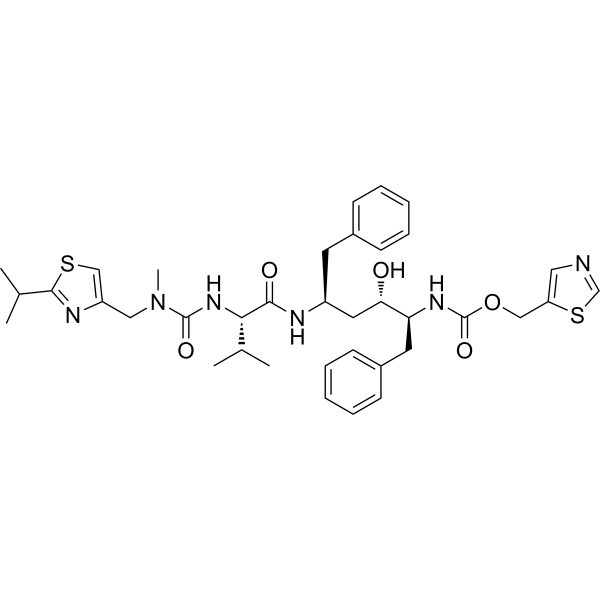
Ritonavir (Standard) is the analytical standard of Ritonavir. This product is intended for research and analytical applications. Ritonavir (ABT 538) is an inhibitor of HIV protease used to treat HIV infection and AIDS. Ritonavir is also a SARS-CoV 3CL pro inhibitor with an IC50 of 1.61 μM.
|
-
- HY-19569A
-
|
ABT-494 tartrate tetrahydrate
|
JAK
|
Inflammation/Immunology
|
|
Upadacitinib (ABT-494) tartrate tetrahydrate is a potent, orally active and selective Janus kinase 1 (JAK1) inhibitor (IC50=43 nM). Upadacitinib tartrate tetrahydrate displays approximately 74 fold selective for JAK1 over JAK2 (200 nM) in cellular assays dependent on specific, relevant cytokines. Upadacitinib tartrate tetrahydrate can be used for several autoimmune disorders research .
|
-
- HY-175283
-
|
|
Molecular Glues
NEKs
|
Cancer
|
|
ABT-002 is a molecular glue degrader targeting GSPT1 and NEK7. ABT-002 is the active metabolite of ABS-752 (HY-W599279). ABT-002 is promising for research of hepatocellular carcinoma (HCC) .
|
-
- HY-10635
-
|
|
TRP Channel
|
Inflammation/Immunology
Cancer
|
|
ABT-102 is a potent and highly selective Vanilloid Receptor (TRPV1) receptor antagonist. ABT-102 potently and reversibly increases heat pain thresholds and reduced painfulness of suprathreshold oral/cutaneous heat. ABT-102 reduces nociceptive responses of animals in models of inflammatory, bone cancer, postoperative, and osteoarthritic pain .
|
-
- HY-105170B
-
|
|
nAChR
|
Neurological Disease
|
|
ABT-418 hydrochloride is a potent and selective agonist of nAChRs with cognitive enhancing and anxiolytic activities. ABT-418 hydrochloride activates cholinergic channel and can be used for research of Alzheimer's disease .
|
-
- HY-14330
-
|
|
Dopamine Receptor
|
Neurological Disease
|
|
ABT-724, a chemical probe, is a potent and highly selective dopamine D4 receptor agonist with an EC50 of 12.4 nM for human dopamine D4 receptor. ABT-724 is a potent partial agonist at the rat D4 (EC50 of 14.3 nM) and the ferret D4 receptor (EC50 of 23.2 nM). ABT-724 has no effect on dopamine D1, D2, D3, or D5 receptors. ABT-724 could be useful for the treatment of erectile dysfunction and has favorable side-effect profile .
|
-
- HY-19655
-
-
- HY-113619
-
|
|
Bacterial
|
Infection
|
|
ABT-255 free base is an orally active anti-bacterial agent. ABT-255 free base exhibits potent in vitro potency (MIC = 0.016-0.031 μg/mL) against drug-susceptible and Rifampin (HY-B0272)- or Ethambutol (HY-B0535)-resistant Mycobacterium tuberculosis. ABT-255 free base shows efficacy against S. aureus, S. pneumoniae and E. coli and reduces viable counts of drug-resistant Mycobacterium tuberculosis in CF-1 mice. ABT-255 free base can be used for the study of pulmonary tuberculosis .
|
-
- HY-135283
-
|
A-216546
|
Endothelin Receptor
|
Cardiovascular Disease
Endocrinology
|
|
ABT-546 (A-216546), a chemical probe, is a potent, highly selective and active endothelin ETA receptor antagonist with a Ki of 0.46 nM for [ 125I]endothelin-1 binding to cloned human endothelin ETA. ABT-546 is >25,000-fold more selective for the ETA receptor than for the ETB receptor. ABT-546 blocks endothelin-1-induced arachidonic acid release and phosphatidylinositol hydrolysis with IC50 of 0.59 nM and 3 nM, respectively .
|
-
- HY-19483
-
|
|
Dopamine Receptor
|
Neurological Disease
|
|
ABT-670 is a selective, oral bioavailable agonist of dopamine D4 receptor, with EC50 of 89 nM, 160 nM, and 93 nM for human D4, ferret D4, and rat D4, respectively.
|
-
- HY-10885
-
|
ABT-472
|
PARP
|
Cancer
|
|
A-620223 succinate (ABT-472) is an orally available poly(ADP-ribose) polymerase (PARP) inhibitor. A-620223 succinate (ABT-472) exhibits very good potency against the PARP-1 enzyme with a Ki value of 8 nM and an EC50 value of 3 nM in whole cell assay, making it useful in cancer research .
|
-
- HY-10087A1
-
|
ABT-263 dihydrochloride
|
Bcl-2 Family
|
Cancer
|
|
Navitoclax (ABT-263) dihydrochloride is an orally active Bcl-2 inhibitor that binds to various Bcl-2 family proteins, including Bcl-xL, Bcl-2, and Bcl-w, with a Ki value of less than 1 nM. Navitoclax dihydrochloride can be used in cancer research .
|
-
- HY-13998A
-
|
ABT-333 sodium
|
HCV
DNA/RNA Synthesis
|
Infection
|
|
Dasabuvir (ABT-333) sodium is a nonnucleoside hepatitis C virus (HCV) polymerase inhibitor. Dasabuvir sodium inhibits RNA-dependent RNA polymerase encoded by the HCV NS5B gene. Dasabuvir sodium inhibits genotype 1a (strain H77) and 1b (strain Con1) replicons, with EC50 values of 7.7 and 1.8 nM, respectively .
|
-
- HY-P99391A
-
|
ABT-700 (powder)
|
c-Met/HGFR
Apoptosis
|
Cancer
|
|
Telisotuzumab (ABT-700) (powder) is a bivalent humanized IgG1 anti-c-Met monoclonal antibody. Telisotuzumab (powder) binds cellular c-Met and disrupts its productive dimerization and activation induced by HGF or by the high density of c-Met on the cell surface independent of ligand. Telisotuzumab (powder) induces apoptosis. Telisotuzumab (powder) can be used for the study of cancers harboring amplified MET, such as gastric and lung cancers .
|
-
- HY-14565
-
|
ABT-089
|
nAChR
|
Neurological Disease
|
|
Pozanicline (ABT-089) selectively activate neuronal nicotinic acetylcholine receptor (nAChR) subtypes, is a novel cholinergic agent that is a partial agonist at α4β2* nAChRs (Ki=16 nM) and shows high selectivity for α6β2* and α4α5β2 nAChR subtypes, the binding affinity (Ki, rat) for Pozanicline to [ 3H] cytisine sites is 16.7 nM.
Pozanicline reverses nicotine withdrawal-induced cognitive deficits, may be an effective component of novel therapeutic strategies for nicotine addiction .
|
-
- HY-19288
-
|
ABT 606; MIV 606; A 174606.0
|
HSV
VZV
|
Infection
|
|
Valomaciclovir stearate (ABT 606), a nucleoside analog, is the Omaciclovir (HY-116174) prodrug. Valomaciclovir stearate has antiviral activity against HSV-1 and varicella zoster virus (VZV) .
|
-
- HY-15531S1
-
|
ABT-199-d6; GDC-0199-d6; RG7601-d6
|
Isotope-Labeled Compounds
Autophagy
Bcl-2 Family
|
Cancer
|
|
Venetoclax-d6 (ABT-199-d6) is deuterium labeled Venetoclax. Venetoclax (ABT-199; GDC-0199) is a highly potent, selective and orally bioavailable Bcl-2 inhibitor with a Ki of less than 0.01 nM. Venetoclax induces autophagy .
|
-
- HY-115133
-
|
|
TRP Channel
|
Neurological Disease
|
|
ABT-116 is an orally active antagonist of transient receptor potential vanilloid type 1 (TRPV1). ABT-116 has analgesic efficacy. ABT-116 can be used for the research of neurological disease .
|
-
- HY-119262
-
|
|
Adrenergic Receptor
|
Cardiovascular Disease
Endocrinology
|
|
ABT-866 is an α1A-adrenoceptor agonist and an antagonist at the α1B- and α1D-adrenoceptor subtypes. ABT-866 has an EC50 of 0.60 μM for the α1A in the rabbit urethra. ABT-866 has a pA2 value of 5.4 for the α1B in the rat spleen. ABT-866 has a pA2 value of 6.2 for the α1D in the rat aorta. ABT-866 exhibits good urethral selectivity and lower cardiovascular side effects in stress urinary incontinence models. ABT-866 can be used for the research of diseases such as stress urinary incontinence .
|
-
- HY-19881
-
|
|
Histamine Receptor
|
Neurological Disease
|
|
ABT-288 is a competitive, potent and selective histamine H3 receptor (H3R) antagonist. ABT-288 has Ki values of 1.9 and 8.2 nM for human and rat H3Rs, respectively. ABT-288 can be used in cognitive impairment research. .
|
-
- HY-124540
-
-
- HY-13546
-
|
|
MMP
|
Cancer
|
|
ABT-518 is a matrix metalloproteinase inhibitor with anti-tumor activity. ABT-518 has potent inhibitory effects on gelatinase A and gelatinase B, which can inhibit tumor growth and metastasis .
|
-
- HY-113619A
-
|
|
Bacterial
|
Infection
|
|
ABT-255 hydrochloride is an orally active anti-bacterial agent. ABT-255 hydrochloride exhibits potent in vitro potency (MIC = 0.016-0.031 μg/mL) against drug-susceptible and Rifampin (HY-B0272)- or Ethambutol (HY-B0535)-resistant Mycobacterium tuberculosis. ABT-255 hydrochloride shows efficacy against S. aureus, S. pneumoniae and E. coli and reduces viable counts of drug-resistant Mycobacterium tuberculosis in CF-1 mice. ABT-255 hydrochloride can be used for the study of pulmonary tuberculosis .
|
-
- HY-113628
-
|
VML-530
|
Leukotriene Receptor
|
Inflammation/Immunology
|
|
ABT-080 is an orally active inhibitor of leukotriene biosynthesis. ABT-080 simultaneously blocks the leukotriene pathways leading to the synthesis of LTB4 and LTC4, but does not inhibit PGH2 biosynthesis. ABT-080 can block bronchoconstriction and be used in the research of asthma and related inflammations
|
-
- HY-50907S
-
|
|
Biochemical Assay Reagents
|
Cancer
|
|
ABT 737-d8 is the deuterium labeled ABT-737. ABT-737, a BH3 mimetic, is a potent Bcl-2, Bcl-xL and Bcl-w inhibitor with EC50s of 30.3 nM, 78.7 nM, and 197.8 nM, respectively. ABT-737 induces the disruption of the BCL-2/BAX complex and BAK-dependent but BIM-independent activation of the intrinsic apoptotic pathway. ABT-737 induces autophagy and has the potential for acute myeloid leukemia (AML) research .
|
-
- HY-101616
-
-
- HY-120232
-
-
- HY-123130
-
|
|
MMP
|
Cancer
|
|
ABT-770 (compound 11) is a highly selective and orally active MMP inhibitor, demonstrating over 1000-fold selectivity for MMP-2 (IC50=4 nM) compared to MMP-1 (IC50=4600 nM). ABT-770 can be utilized in studies related to tumor growth, invasion, and metastasis .
|
-
- HY-13270R
-
|
E7010 (Standard)
|
Microtubule/Tubulin
Autophagy
Apoptosis
Reference Standards
|
Cancer
|
|
ABT-751 (Standard) is the analytical standard of ABT-751. This product is intended for research and analytical applications. ABT-751 (E7010) is a novel, highly orally bioavailable sulfonamides antimitotic compound and tubulin binder. It prevents tubulin aggregation by binding to the colchicine site on β-tubulin, leading to cell cycle arrest in G2/M phase and inducing apoptosis, thus effectively preventing cell division. ABT-751 induces autophagy by inhibiting the AKT/MTOR signaling pathway. ABT-751 showed significant inhibition against various types of cancer cells, including lung, gastric, colon, and breast cancer .
|
-
- HY-13270A
-
|
E7010 hydrochloride
|
Microtubule/Tubulin
Autophagy
Apoptosis
|
Cancer
|
|
ABT-751 (E7010) hydrochloride is a novel, highly orally bioavailable sulfonamides antimitotic compound and tubulin binder. It prevents tubulin aggregation by binding to the colchicine site on β-tubulin, leading to cell cycle arrest in G2/M phase and inducing apoptosis, thus effectively preventing cell division. ABT-751 (E7010) hydrochloride induces autophagy by inhibiting the AKT/MTOR signaling pathway. ABT-751 (E7010) hydrochloride showed significant inhibition against various types of cancer cells, including lung, gastric, colon, and breast cancer .
|
-
- HY-125309
-
|
|
Platelet-activating Factor Receptor (PAFR)
|
Others
|
|
ABT-299 is a prodrug of a platelet-activating factor (PAF) antagonist that exhibits significant inhibitory activity on PAF-induced β-platelet globulin release in vitro after in vivo administration in humans, an effect that may be partially attributed to the pyridine-N-oxide metabolite.
|
-
- HY-17018A
-
|
ABT 200; A-75200 mesylate
|
Adrenergic Receptor
|
Neurological Disease
|
|
Napitane mesylate (ABT 200 mesylate) is an inhibitor for norepinephrine reuptake and an antagonist for presynaptic α2 receptor. Napitane mesylate exhibits antidepressant activity .
|
-
- HY-10129R
-
|
ABT-888 (Standard)
|
Reference Standards
PARP
Autophagy
|
Cancer
|
|
Veliparib (Standard) is the analytical standard of Veliparib. This product is intended for research and analytical applications. Veliparib (ABT-888) is a potent PARP inhibitor, inhibiting PARP1 and PARP2 with Kis of 5.2 and 2.9 nM, respectively .
|
-
- HY-16748A
-
|
ABT-126 citrate
|
nAChR
|
Neurological Disease
|
|
Nelonicline (ABT-126) citrate is an orally active and selective α7 nicotinic receptor agonist with high affinity to α7 nAChRs in human brain (Ki=12.3 nM). Nelonicline citrate is used for the research of shizophrenia and Alzheimer's disease .
|
-
- HY-RS00114
-
|
|
Small Interfering RNA (siRNA)
|
Others
|
|
ABT1 Human Pre-designed siRNA Set A contains three designed siRNAs for ABT1 gene (Human), as well as a negative control, a positive control, and a FAM-labeled negative control.
|
-
ABT1 Human Pre-designed siRNA Set A
- HY-14739R
-
|
ABT-335 (Standard)
|
Reference Standards
PPAR
COX
|
Cardiovascular Disease
|
|
Choline Fenofibrate (Standard) is the analytical standard of Choline Fenofibrate. This product is intended for research and analytical applications. Choline Fenofibrate (ABT-335), a choline salt of Fenofibric acid (HY-B0760), releases free Fenofibric acid in the gastrointestinal tract. Fenofibric acid is a PPAR activator with antihyperlipidemic effect .
|
-
- HY-14824A
-
|
ABT 894 benzenesulfonate
|
nAChR
|
Neurological Disease
|
|
Sofinicline benzenesulfonate (ABT 894 benzenesulfonate) is a novel nicotinic acetylcholine receptor agonist, specifically acting on the α4β2 subtype of nAChR (IC50=0.1 nM). Sofinicline benzenesulfonate has the potential to improve cognitive function, including attention, memory and working memory. Sofinicline benzenesulfonate can be used in studies of attention deficit, hyperactivity disorder (ADHD) .
|
-
- HY-13998R
-
|
ABT-333 (Standard)
|
Reference Standards
HCV
DNA/RNA Synthesis
|
Infection
|
|
Dasabuvir (Standard) is the analytical standard of Dasabuvir. This product is intended for research and analytical applications. Dasabuvir (ABT-333) is a nonnucleoside hepatitis C virus (HCV) polymerase inhibitor. Dasabuvir inhibits RNA-dependent RNA polymerase encoded by the HCV NS5B gene. Dasabuvir inhibits genotype 1a (strain H77) and 1b (strain Con1) replicons, with EC50 values of 7.7 and 1.8 nM, respectively .
|
-
- HY-14588R
-
|
ABT-378 (Standard)
|
Reference Standards
HIV
HIV Protease
SARS-CoV
|
Infection
Cancer
|
|
Lopinavir (Standard) is the analytical standard of Lopinavir. This product is intended for research and analytical applications. Lopinavir (ABT-378) is a highly potent, selective peptidomimetic inhibitor of the HIV-1 protease, with Kis of 1.3 to 3.6 pM for wild-type and mutant HIV protease. Lopinavir acts by arresting maturation of HIV-1 thereby blocking its infectivity . Lopinavir is also a SARS-CoV 3CL pro inhibitor with an IC50 of 14.2 μM .
|
-
- HY-14314
-
|
|
Endogenous Metabolite
|
Neurological Disease
|
|
ABT-418 is a selective neuronal nicotinic acetylcholine receptor ligand with activity in improving spatial memory. ABT-418 administered before training can significantly reduce the spatial discrimination deficit caused by ventricular damage. ABT-418 is considered to be a potential treatment for attention deficit disorder .
|
-
- HY-105170BR
-
|
|
Reference Standards
nAChR
|
Neurological Disease
|
|
ABT-418 hydrochloride (Standard) is the analytical standard of ABT-418 hydrochloride (HY-105170B). This product is intended for research and analytical applications. ABT-418 hydrochloride is a potent and selective agonist of nAChRs with cognitive enhancing and anxiolytic activities. ABT-418 hydrochloride activates cholinergic channel and can be used for research of Alzheimer's disease .
|
-
- HY-103161R
-
|
|
Reference Standards
Adenosine Kinase
|
Inflammation/Immunology
|
|
ABT-702 dihydrochloride (Standard) is the analytical standard of ABT-702 dihydrochloride (HY-103161). This product is intended for research and analytical applications. ABT-702 dihydrochloride is a potent adenosine kinase (AK) inhibitor (IC50=1.7 nM).
|
-
- HY-P991941
-
-
- HY-103409R
-
|
|
Reference Standards
Dopamine Receptor
|
Neurological Disease
|
|
ABT-724 trihydrochloride (Standard) is the analytical standard of ABT-724 trihydrochloride (HY-103409). This product is intended for research and analytical applications. ABT-724 trihydrochloride is a potent and highly selective dopamine D4 receptor agonist with an EC50 of 12.4 nM for human dopamine D4 receptor. ABT-724 trihydrochloride is a potent partial agonist at the rat D4 (EC50 of 14.3 nM) and the ferret D4 receptor (EC50 of 23.2 nM), and has no effect on dopamine D1, D2, D3, or D5 receptors. ABT-724 trihydrochloride could be useful for the treatment of erectile dysfunction and has favorable side-effect profile .
|
-
- HY-P991593
-
|
|
Interleukin Related
|
Inflammation/Immunology
|
|
ABT-147 is a humanized IgG1 monoclonal antibody inhibitor targeting IL-12. ABT-147 can be used to study autoimmune diseases like rheumatoid arthritis (RA), inflammatory diseases like inflammatory bowel disease (IBD) and other diseases like Asthma .
|
-
- HY-101634R
-
|
|
HCV
Reference Standards
|
Infection
|
|
ABT-072 (Standard) is the analytical standard of ABT-072 (HY-101634). This product is intended for research and analytical applications. ABT-072 is an orally active and potent non-nucleoside HCV NS5B polymerase inhibitor (HCV GT1a EC50=1 nM; HCV GT1b EC50=0.3 nM) .
|
-
- HY-101634AR
-
|
|
HCV
Reference Standards
|
Infection
|
|
ABT-072 (potassium trihydrate) (Standard) is the analytical standard of ABT-072 (potassium trihydrate) (HY-101634A). This product is intended for research and analytical applications. ABT-072 (potassium trihydrate) is an orally active and potent non-nucleoside HCV NS5B polymerase inhibitor (HCV GT1a EC50=1 nM; HCV GT1b EC50=0.3 nM) .
|
-
- HY-105305A
-
|
ABT-719 acetate; AP-214 acetate
|
Melanocortin Receptor
|
Endocrinology
|
|
Modimelanotide (ABT-719) acetate is an α-melanocyte-stimulating hormone analog. Modimelanotide acetate has high specific binding ability to melanocortin receptors (MCR1, 3, 4, 5). Modimelanotide acetate possesses anti-inflammatory and organ-protective effects. Modimelanotide acetate can be used in the research of diseases such as acute kidney injury .
|
-
- HY-109001R
-
|
ABT-957 (Standard)
|
Reference Standards
Proteasome
|
Neurological Disease
|
|
Alicapistat (Standard) is the analytical standard of Alicapistat (HY-109001). This product is intended for research and analytical applications. Alicapistat (ABT-957) is an orally active selective inhibitor of human calpains 1 and 2 for the potential application of Alzheimer's disease (AD) . Alicapistat mitigates the metabolic liability of carbonyl reduction and inhibits calpain 1 with an IC50 value of 395 nM .
|
-
- HY-117853S
-
-
- HY-50751S
-
-
- HY-123459
-
|
ABT-232; NS-49; PNO-49B
|
Adrenergic Receptor
|
Endocrinology
|
|
Garomefrine hydrochlorid (ABT-232) is an α1A-adrenergic agonist with the potential to inhibit urinary incontinence. Garomefrine hydrochlorid showed the greatest contractility in pig nasal mucosal vessels. The biological activity of Garomefrine hydrochlorid has been shown to give it a competitive advantage compared to other drugs. The potency of Garomefrine hydrochlorid makes it a valuable research object in related research .
|
-
- HY-P99852
-
|
ABT165; PR1283233
|
VEGFR
Notch
|
Cancer
|
|
Dilpacimab (ABT165) is a bispecific variable domain immunoglobulin. Dilpacimab binds to and inhibits DLL4 and VEGF and acts as a tumor growth inhibitor. Dilpacimab can be used in research related to metastatic colorectal cancer and advanced solid tumors .
|
-
- HY-50751G
-
|
ABT-869; AL-39324
|
VEGFR
PDGFR
|
Cancer
|
|
Linifanib (ABT-869) (GMP) is Linifanib (HY-50751) produced by using GMP guidelines. GMP small molecules work appropriately as an auxiliary reagent for cell therapy manufacture. Linifanib is a potent and orally active multi-target inhibitor of VEGFR and PDGFR family with IC50s of 4, 3, 66, and 4 nM for KDR, FLT1, PDGFRβ, and FLT3, respectively. Linifanib (GMP) promotes the generation and reprogramming of iPSCs from somatic cells .
|
-
- HY-14814
-
|
RX-3341; WQ-3034; ABT492
|
Bacterial
Antibiotic
|
Infection
|
|
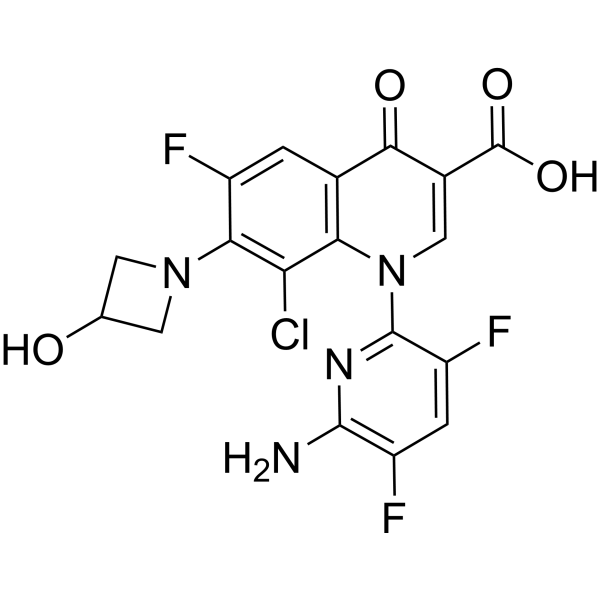
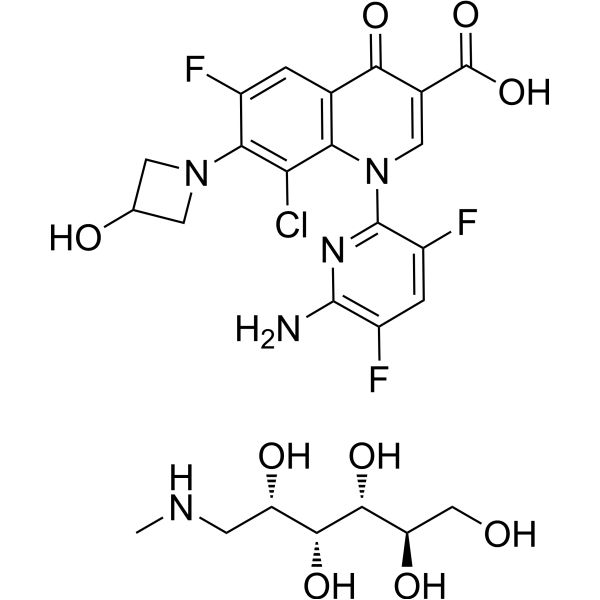
Delafloxacin (RX-3341; WQ-3034; ABT492) is a broad-spectrum fluoroquinolone antibiotic. Delafloxacin has a broad spectrum of activity that includes drug-resistant Staphylococcus aureus, Streptococcus pneumoniae, and Klebsiella pneumonia .
|
-
- HY-12594A
-
|
ABT-450 dihydrate; Veruprevir dihydrate
|
HCV Protease
HCV
SARS-CoV
|
Infection
|
|
Paritaprevir (ABT-450) dihydrate is a potent, orally active and antiviral non-structural protein 3/4A (NS3/4A) protease inhibitor with EC50s of 1 and 0.21 nM against HCV 1a and 1b, respectively. Paritaprevir dihydrate is also a SARS-CoV 3CL pro inhibitor with an IC50 of 1.31 μM. Paritaprevir dihydrate is metabolized primarily by cytochrome P450 (CYP) 3A. The plasma concentration and half-life of Paritaprevir dihydrate can be enhanced by Ritonavir (a CYP450 inhibitor) .
|
-
- HY-14588S2
-
|
ABT-378-d7
|
HIV
SARS-CoV
HIV Protease
Isotope-Labeled Compounds
|
Infection
Cancer
|
|
Lopinavir-d7 is deuterated labeled Lopinavir (HY-14588). Lopinavir (ABT-378) is a highly potent, selective peptidomimetic inhibitor of the HIV-1 protease, with Kis of 1.3 to 3.6 pM for wild-type and mutant HIV protease. Lopinavir acts by arresting maturation of HIV-1 thereby blocking its infectivity . Lopinavir is also a SARS-CoV 3CL pro inhibitor with an IC50 of 14.2 μM .
|
-
- HY-12594R
-
|
ABT-450 (Standard); Veruprevir (Standard)
|
HCV Protease
HCV
SARS-CoV
Reference Standards
|
Infection
|
|
Paritaprevir (Standard) is the analytical standard of Paritaprevir. This product is intended for research and analytical applications. Paritaprevir (ABT-450) is a potent, orally active and antiviral non-structural protein 3/4A (NS3/4A) protease inhibitor with EC50s of 1 and 0.21 nM against HCV 1a and 1b, respectively. Paritaprevir is also a SARS-CoV 3CLpro inhibitor with an IC50 of 1.31 μM. Paritaprevir is metabolized primarily by cytochrome P450 (CYP) 3A. The plasma concentration and half-life of Paritaprevir can be enhanced by Ritonavir (a CYP450 inhibitor) .
|
-
- HY-50751R
-
|
ABT-869 (Standard); AL-39324 (Standard)
|
PDGFR
VEGFR
FLT3
c-Fms
c-Kit
Autophagy
Apoptosis
Reference Standards
|
Cancer
|
|
Linifanib (Standard) is the analytical standard of Linifanib. This product is intended for research and analytical applications. Linifanib (ABT-869) is a potent and orally active multi-target inhibitor of VEGFR and PDGFR family with IC50s of 4, 3, 66, and 4 nM for KDR, FLT1, PDGFRβ, and FLT3, respectively. Linifanib shows prominent antitumor activity. Linifanib has much less activity against unrelated RTKs, soluble tyrosine kinases, or serine/threonine kinases. Linifanib is a specific miR-10b inhibitor that blocks miR-10b biogenesis .
|
-
- HY-19655S
-
-
- HY-15531S
-
|
ABT-199-d8; GDC-0199-d8; RG7601-d8
|
Bcl-2 Family
Autophagy
|
Cancer
|
|
Venetoclax-d8 is deuterium labeled Venetoclax. Venetoclax (ABT-199; GDC-0199) is a highly potent, selective and orally bioavailable Bcl-2 inhibitor with a Ki of less than 0.01 nM. Venetoclax induces autophagy .
|
-
- HY-14814A
-
|
ABT492 meglumine; RX-3341 meglumine; WQ-3034 meglumine
|
Bacterial
Antibiotic
|
Infection
|
|
Delafloxacin meglumine (ABT492 meglumine; RX-3341 meglumine; WQ-3034 meglumine) is a broad-spectrum fluoroquinolone antibiotic. Delafloxacin has a broad spectrum of activity that includes drug-resistant Staphylococcus aureus, Streptococcus pneumoniae, and Klebsiella pneumonia .
|
-
- HY-P99359
-
|
ABT-555; AE12-1Y-QL; Anti-RGMA Reference Antibody (elezanumab)
|
TGF-beta/Smad
|
Metabolic Disease
|
|
Elezanumab (ABT-555; AE12-1Y-QL) is a human monoclonal antibody that selectively targets repulsive guidance molecule A (RGMa). Elezanumab potently inhibited RGMa mediated BMP signalling via the SMAD1/5/8 pathway, with an IC50 around 97 pM. Elezanumab promotes neuroregeneration and neuroprotection in neuronal injury and demyelination models binds N-terminal RGMa, blocks BMP signaling and lacks RGMc cross-reactivity. elezanumab has neuroregenerative and neuroprotective activities without impact on iron metabolism .
|
-
- HY-14814R
-
|
RX-3341 (Standard); WQ-3034 (Standard); ABT492 (Standard)
|
Reference Standards
Bacterial
Antibiotic
|
Infection
|
|
Delafloxacin (Standard) is the analytical standard of Delafloxacin. This product is intended for research and analytical applications. Delafloxacin (RX-3341; WQ-3034; ABT492) is a broad-spectrum fluoroquinolone antibiotic. Delafloxacin has a broad spectrum of activity that includes drug-resistant Staphylococcus aureus, Streptococcus pneumoniae, and Klebsiella pneumonia .
|
-
- HY-P99496
-
|
RPC 4046; ABT 308; CC-93538
|
Interleukin Related
|
Inflammation/Immunology
|
|
Cendakimab (RPC4046; ABT 308; CC-93538) is a selective, humanized, recombinant monoclonal antibody against the IL-13 molecule. Cendakimab has a high affinity and potency for both human wild-type and variant IL-13 and blocks binding of IL-13 to both IL-13Rα1 and IL-13Rα2 with IC50s of 352 pM and 631 pM by ELISA, respectively. Cendakimab recognizes both wild-type human IL-13 and the common polymorphic variant R110Q, with binding affinities of 52 and 50 pM, respectively. Cendakimab has the potential for IL-13-related allergic/inflammatory diseases (e.g., asthma and eosinophilic esophagitis) .
|
-
- HY-90001S
-
|
ABT 538-d6; RTV-d6
|
HIV Protease
HIV
SARS-CoV
Apoptosis
|
Infection
|
|
Ritonavir-d6 is the deuterium labeled Ritonavir. Ritonavir (ABT 538) is an inhibitor of HIV protease used to treat HIV infection and AIDS. Ritonavir is also a SARS-CoV 3CLpro inhibitor with an IC50 of 1.61 μM .
|
-
- HY-P99361
-
|
PDL192; ABT-361; Anti-TNFRSF12A/TWEAKR/CD266 Reference Antibody (enavatuzumab)
|
TNF Receptor
|
Cancer
|
|
Enavatuzumab (PDL192; ABT-361) is a humanized IgG1 monoclonal antibody targeting the receptor of TNF-like weak inducer of apoptosis (TWEAK). TWEAK (Fn14; TNFRSF12A), the natural ligand of the TWEAK receptor (TweakR), stimulates multiple cellular responses. Enavatuzumab induces tumor growth inhibition through direct TweakR signaling and antibody dependent cell-mediated cytotoxicity (ADCC). Enavatuzumab can actively recruits and activates myeloid effectors to kill tumor cells. Enavatuzumab inhibits the growth of various human TweakR-positive cancer cell lines and xenografts in vitro and in vivo .
|
-
- HY-124295
-
|
ABT-301; MPT0E028; TMU-C-0012
|
HDAC
Akt
Apoptosis
|
Inflammation/Immunology
Cancer
|
|
Imofinostat (ABT-301; MPT0E028) is an orally active and selective HDAC inhibitor with IC50s of 53.0 nM, 106.2 nM, 29.5 nM for HDAC1, HDAC2 and HDAC6, respectively. Imofinostat has a weak inhibitory effect on HDAC8 (IC50 of 2.5 μM), but no inhibitory effect on HDAC4 (IC50>10 μM). Imofinostat reduces the viability of B-cell lymphomas by inducing apoptosis and possesses potent direct Akt targeting ability and reduces Akt phosphorylation in B-cell lymphoma. Imofinostat has a broad-spectrum antitumor activity, including colorectal cancer, B-cell lymphoma, non-small cell lung carcinoma (NSCLC), and pancreatic cancer, while also showing therapeutic potential in non-tumor diseases like emphysema and pulmonary fibrosis .
|
-
- HY-90001S2
-
-
- HY-14814AR
-
|
ABT492 meglumine (Standard); RX-3341 meglumine (Standard); WQ-3034 meglumine (Standard)
|
Reference Standards
Bacterial
Antibiotic
|
Infection
|
|
Delafloxacin (meglumine) (Standard) is the analytical standard of Delafloxacin (meglumine). This product is intended for research and analytical applications. Delafloxacin meglumine (ABT492 meglumine; RX-3341 meglumine; WQ-3034 meglumine) is a broad-spectrum fluoroquinolone antibiotic. Delafloxacin has a broad spectrum of activity that includes drug-resistant Staphylococcus aureus, Streptococcus pneumoniae, and Klebsiella pneumonia[1].
|
-
- HY-W653853
-
-
- HY-14814S
-
|
RX-3341-d5; WQ-3034-d5; ABT492-d5
|
Isotope-Labeled Compounds
Bacterial
Antibiotic
|
Infection
|
|
Delafloxacin-d5 is deuterium labeled Delafloxacin. Delafloxacin (RX-3341; WQ-3034; ABT492) is a broad-spectrum fluoroquinolone antibiotic. Delafloxacin has a broad spectrum of activity that includes drug-resistant Staphylococcus aureus, Streptococcus pneumoniae, and Klebsiella pneumonia .
|
-
- HY-90001S1
-
|
ABT 538-13C,d3; RTV-13C,d3
|
HIV Protease
HIV
SARS-CoV
Apoptosis
|
Infection
|
|
Ritonavir- 13C,d3 is the 13C- and deuterium labeled Ritonavir. Ritonavir (ABT 538) is an inhibitor of HIV protease used to treat HIV infection and AIDS. Ritonavir is also a SARS-CoV 3CLpro inhibitor with an IC50 of 1.61 μM.
|
-
- HY-17018
-
|
ABT 200 free acid; A-75200
|
Adrenergic Receptor
|
Neurological Disease
|
|
Napitane (A 75200) is a groundbreaking catecholamine uptake inhibitor that exhibits inhibitory effects on α-adrenergic receptors and shows promise for antidepressant activity in depression research.
|
-
- HY-120357
-
-
- HY-101662
-
|
ABT-530
|
HCV
|
Infection
|
|
Pibrentasvir is a novel and pan-genotypic hepatitis C virus (HCV) NS5A inhibitor with EC50s ranging from 1.4 to 5.0 pM against HCV replicons containing NS5A from genotypes 1 to 6.
|
-
- HY-P99849
-
|
ABT-806
|
EGFR
|
Cancer
|
|
Depatuxizumab is a brain-penetrant and humanized tumor-specific anti EGFR monoclonal antibody. Depatuxizumab inhibits the growth of xenograft models of mutant EGFRvIII and wild-type EGFR. Depatuxizumab can be used for research on cancer .
|
-
- HY-10130
-
|
ABT-888 dihydrochloride
|
PARP
Autophagy
|
Cancer
|
|
Veliparib (dihydrochloride) is a potent inhibitor of PARP1 and PARP2 with Kis of 5.2 nM and 2.9 nM in cell-free assays, respectively.
|
-
- HY-P99940
-
|
ABT-122
|
TNF Receptor
Interleukin Related
|
Inflammation/Immunology
|
|
Remtolumab is a bispecific variable domain immunoglobulin molecule with human affinities for TNFα and IL-17 in the low pM range of Kd. Remtolumab can be used in research related to rheumatoid arthritis, psoriatic arthritis, and moderate-to-severe plaque psoriasis .
|
-
- HY-13997
-
|
ABT-267
|
HCV
|
Infection
|
|
Ombitasvir is a potent inhibitor of the hepatitis C virus protein NS5A, with EC50s of 0.82 to 19.3 pM against HCV genotypes 1 to 5, and 366 pM against genotype 6a.
|
-
- HY-17634
-
|
ABT-493
|
HCV
HCV Protease
SARS-CoV
|
Infection
|
|
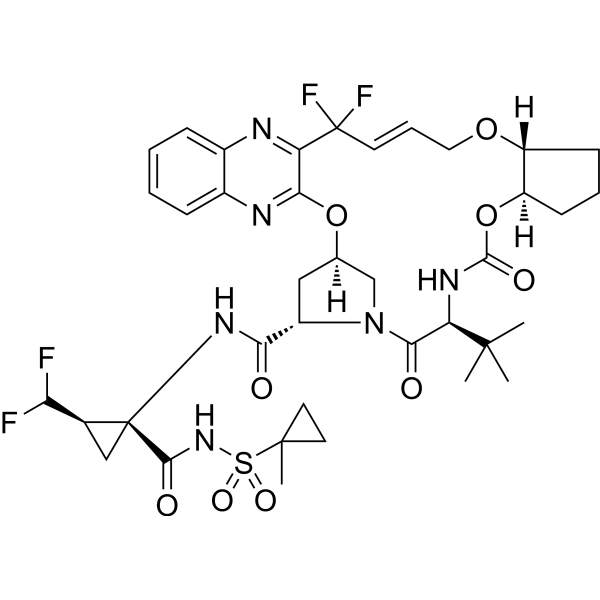
Glecaprevir is a novel HCV NS3/4A protease inhibitor, with IC50 values ranging from 3.5 to 11.3 nM. Glecaprevir is also a SARS-CoV 3CL pro inhibitor with an IC50 of 4.09 μM .
|
-
- HY-14316B
-
|
Ebanicline hydrochloride; ABT-594 hydrochloride
|
nAChR
|
Neurological Disease
|
|
Tebanicline hydrochloride (Ebanicline hydrochloride) is a nAChR modulator with potent, orally effective analgesic activity. Tebanicline hydrochloride inhibits the binding of cytisine to α4β2 neuronal nAChRs with a Ki of 37 pM .
|
-
- HY-14316A
-
|
Ebanicline dihydrochloride; ABT-594 dihydrochloride
|
nAChR
|
Neurological Disease
|
|
Tebanicline dihydrochloride (Ebanicline dihydrochloride) is a nAChR modulator with potent, orally effective analgesic activity. It inhibits the binding of cytisine to α4β2 neuronal nAChRs with a Ki of 37 pM .
|
-
- HY-14316
-
|
Ebanicline; ABT-594
|
nAChR
|
Neurological Disease
|
|
Tebanicline, an analogue of epibatidine, is a neuronal nicotinic acetylcholine receptor agonist. Tebanicline exhibits potent antinociceptive effects and has a high affinity for the α4β2 neuronal nicotinic acetylcholine receptor subunit in the central nervous system.
|
-
- HY-14316C
-
|
Ebanicline tosylate; ABT-594 tosylate
|
nAChR
|
Neurological Disease
|
|
Tebanicline tosylate, an analogue of epibatidine, is a neuronal nicotinic acetylcholine receptor agonist. Tebanicline tosylate exhibits potent antinociceptive effects and has a high affinity for the α4β2 neuronal nicotinic acetylcholine receptor subunit in the central nervous system.
|
-
- HY-17634R
-
|
ABT-493 (Standard)
|
HCV
HCV Protease
SARS-CoV
Reference Standards
|
Infection
|
|
Glecaprevir (Standard) is the analytical standard of Glecaprevir. This product is intended for research and analytical applications. Glecaprevir is a novel HCV NS3/4A protease inhibitor, with IC50 values ranging from 3.5 to 11.3 nM. Glecaprevir is also a SARS-CoV 3CLpro inhibitor with an IC50 of 4.09 μM .
|
-
- HY-160718
-
|
ABT-431; DAS-431
|
Dopamine Receptor
|
Neurological Disease
|
|
Adrogolide is an A-86929 (HY-171472) prodrug and dopamine D1 receptor agonist. Adrogolide is converted rapidly in plasma to A-86929. Adrogolide improves behavioral disability and locomotor activity scores. Adrogolide can also attenuate the ability of Cocaine to induce Cocaine-seeking behavior. Adrogolide can be used in the research of Parkinson's disease .
|
-
- HY-13997R
-
|
ABT-267 (Standard)
|
HCV
Reference Standards
|
Infection
|
|
Ombitasvir (Standard) is the analytical standard of Ombitasvir. This product is intended for research and analytical applications. Ombitasvir is a potent inhibitor of the hepatitis C virus protein NS5A, with EC50s of 0.82 to 19.3 pM against HCV genotypes 1 to 5, and 366 pM against genotype 6a.
|
-
- HY-10130R
-
|
ABT-888 dihydrochloride (Standard)
|
PARP
Reference Standards
Autophagy
|
Cancer
|
|
Veliparib (dihydrochloride) (Standard) is the analytical standard of Veliparib (dihydrochloride) (HY-10130). This product is intended for research and analytical applications. Veliparib (dihydrochloride) is a potent inhibitor of PARP1 and PARP2 with Kis of 5.2 nM and 2.9 nM in cell-free assays, respectively.
|
-
- HY-P99627
-
|
NV-02; PG110; ABT-110
|
Trk Receptor
|
Inflammation/Immunology
|
|
Frunevetmab (NV-02) is a felinized anti-nerve growth factor (NGF) monoclonal antibody with a Kd of 20 pM. Frunevetmab can effectively decrease osteoarthritis (OA) pain in cats .
|
-
- HY-103389R
-
|
ABT (Standard); 3-Aminobenzotriazole (Standard)
|
Reference Standards
Cytochrome P450
|
Cancer
|
|
1-Aminobenzotriazole (Standard) is the analytical standard of 1-Aminobenzotriazole. This product is intended for research and analytical applications. 1-Aminobenzotriazole is a nonspecific and irreversible inhibitor of cytochrome P450 (P450).
|
-
- HY-124540B
-
|
|
nAChR
|
Neurological Disease
|
|
(Rac)-ABT-202 dihydrochloride is a racemate of ABT-202. ABT-202 is an agonist of nicotinic acetylcholine receptors (nAChRs) and can be used as an analgesic .
|
-
- HY-10635AR
-
|
|
TRP Channel
Reference Standards
|
Inflammation/Immunology
Cancer
|
|
(S)-ABT-102 (Standard) is the analytical standard of (S)-ABT-102 (HY-10635A). This product is intended for research and analytical applications. (S)-ABT-102 is a TRPV1 Antagonist, with an IC50 of 123 nM. (S)-ABT-102 has analgesic activity .
|
-
- HY-10635A
-
-
- HY-131001
-
|
|
nAChR
|
Neurological Disease
|
|
DPNB-ABT594 is a nitrobenzyl-caged ABT594 (HY-14316A) and activates nAChRs containing the α4β2 subunits with good selectivity than the α7 subunit. DPNB-ABT594 can be used to map the distribution of nAChRs on neurons of the medial habenula (MHb) and helps to gain a deeper understanding of the nAChR-mediated Ca 2+ signalling in the MHb .
|
-
- HY-14588A
-
-
- HY-14588S
-
|
(rel)-ABT-378-d8
|
Isotope-Labeled Compounds
HIV Protease
SARS-CoV
HIV
|
Others
|
|
(rel)-Lopinavir-d8 ((rel)-ABT-378-d8) is the deuterium labeled Lopinavir (HY-14588) . Lopinavir (ABT-378) is a highly potent, selective peptidomimetic inhibitor of the HIV-1 protease, with Kis of 1.3 to 3.6 pM for wild-type and mutant HIV protease. Lopinavir acts by arresting maturation of HIV-1 thereby blocking its infectivity . Lopinavir is also a SARS-CoV 3CL pro inhibitor with an IC50 of 14.2 μM .
|
-
- HY-90001S3
-
|
rel-ABT 538-d6; rel-RTV-d6
|
Isotope-Labeled Compounds
|
Infection
|
|
rel-Ritonavir-d6 (rel-ABT 538-d6) is the deuterium labeled rel-Ritonavir. rel-Ritonavir is a relative configuration of Ritonavir (HY-90001). Ritonavir (ABT 538) is an inhibitor of HIV protease used to study of HIV infection and AIDS. Ritonavir is also a SARS-CoV 3CLpro inhibitor with an IC50 of 1.61 μM .
|
-
- HY-138953A
-
|
|
nAChR
|
Neurological Disease
|
|
Epiboxidine hydrochloride is a potent and selective neural nAChR agonist with Kis of 0.46 nM and 1.2 nM for rat and human α4β2 nAChRs, respectively. Epiboxidine hydrochloride is a methylisoxazole analog of the alkaloid Epibatidine, and is also an analog of another nAChR agonist, ABT 418 .
|
-
- HY-138953
-
|
|
nAChR
|
Neurological Disease
|
|
Epiboxidine is a potent and selective neural nAChR agonist with Kis of 0.46 nM and 1.2 nM for rat and human α4β2 nAChRs, respectively. Epiboxidine is a methylisoxazole analog of the alkaloid Epibatidine, and is also an analog of another nAChR agonist, ABT 418 .
|
-
- HY-109001A
-
|
(1S,2R)-ABT-957
|
Proteasome
|
Neurological Disease
|
|
(1S,2R)-Alicapistat ((1S,2R)-ABT-957) is an orally active selective inhibitor of human calpains 1 and 2 for the potential application of Alzheimer's disease (AD) . (1S,2R)-Alicapistat mitigates the metabolic liability of carbonyl reduction and inhibits calpain 1 with an IC50 value of 395 nM .
|
-
- HY-167869
-
|
|
Drug Metabolite
|
Others
|
|
A-849529 is an acid metabolite of ABT-869 (HY-50751). ABT-869 is a potent and orally active multi-target inhibitor of VEGFR and PDGFR family .
|
-
- HY-145375
-
-
- HY-14588S1
-
|
|
Isotope-Labeled Compounds
HIV
HIV Protease
SARS-CoV
|
Infection
|
|
Lopinavir-d8 (ABT-378-d8) is the deuterium labeled Lopinavir. Lopinavir (ABT-378) is a highly potent, selective peptidomimetic inhibitor of the HIV-1 protease, with Kis of 1.3 to 3.6 pM for wild-type and mutant HIV protease. Lopinavir acts by arresting maturation of HIV-1 thereby blocking its infectivity . Lopinavir is also a SARS-CoV 3CLpro inhibitor with an IC50 of 14.2 μM .
|
-
- HY-133772
-
|
|
Drug Metabolite
|
Others
|
|
Venetoclax N-oxide is an impurity of Venetoclax. Venetoclax (ABT-199; GDC-0199) is a highly potent, selective and orally bioavailable Bcl-2 inhibitor with a Ki of less than 0.01 nM .
|
-
- HY-10087S
-
|
|
Bcl-2 Family
|
Cancer
|
|
Navitoclax-d8 is the deuterium labeled Navitoclax. Navitoclax (ABT-263) is a potent and orally active Bcl-2 family protein inhibitor that binds to multiple anti-apoptotic Bcl-2 family proteins, such as Bcl-xL, Bcl-2 and Bcl-w, with a Ki of less than 1 nM .
|
-
- HY-155012
-
|
|
Bcl-2 Family
|
Cancer
|
|
Mcl-1 inhibitor 16 (Compound 9) is a mitochondrial targeting Platinum-based inhibitor of Mcl-1. Mcl-1 inhibitor 1 induces Bax/Bak-dependent apoptosis in cancer cells. Mcl-1 inhibitor 16 can be used alone or together with ABT-199 (HY-15531) and shows anti-tumor activity .
|
-
- HY-149670
-
|
|
Ferroptosis
|
Inflammation/Immunology
|
|
Ferroptosis-IN-3 (Compound 25) is a ferroptosis inhibitor. Ferroptosis-IN-3 inhibits RSL3-induced ferroptosis (EC50: 8.6?nM in HT-1080?cells). Ferroptosis-IN-3 scavenges DPPH and ABTS radicals (EC50: 3.94?and 6.3 μM respectively). Ferroptosis-IN-3 decreases lipid peroxidation .
|
-
- HY-15867
-
|
(+)-Meayamycin B
|
SF3B1
Bcl-2 Family
Apoptosis
|
Cancer
|
|
Meayamycin B ((+)-Meayamycin B) is a potent SF3B1 inhibitor. Meayamycin B upregulates the proapoptotic Mcl-1S and downregulates Mcl-1L at the pre-mRNA splicing level. Meayamycin B does not regulate the alternative splicing of Bcl-x. Meayamycin B and ABT-737 (HY-50907) synergistically causes Apoptosis. Meayamycin B exhibits anticancer activity against non-small cell lung cancer .
|
-
- HY-116149
-
|
|
nAChR
|
Others
|
|
A-424274 is a positive allosteric modulator of the α4β2 neuronal nicotinic acetylcholine receptor with activity to enhance the efficacy of analgesics. A-424274 selectively enhances the potency of a range of nicotinic acetylcholine receptor agonists at the α4β2 receptor and, in preclinical models, co-administration with an α4β2 PAM significantly enhances the analgesic efficacy of ABT-594 at clinically well-tolerated doses in humans.
|
-
- HY-141601
-
|
ABBV-399
|
Antibody-Drug Conjugates (ADCs)
c-Met/HGFR
Microtubule/Tubulin
|
Cancer
|
|
Telisotuzumab vedotin (ABBV-399) (Teliso-V) is an anti-c-Met antibody-drug conjugate. Telisotuzumab vedotin consists of an anti-c-Met monoclonal antibody Telisotuzumab (ABT-700) (HY-P99391) and Monomethyl Auristatin E (HY-15162). Telisotuzumab vedotin exerts antitumor activity with acceptable toxicity in vivo. Telisotuzumab vedotin can be used for non-small cell lung cancer (NSCLC) research .
|
-
- HY-131232
-
|
Desmorpholinyl ABT-263-NH-Me
|
Bcl-2 Family
Ligands for Target Protein for PROTAC
|
Cancer
|
|
Desmorpholinyl Navitoclax-NH-Me is a Bcl-xL inhibitor. Desmorpholinyl Navitoclax-NH-Me and a CRBN ligand for the E3 ubiquitin ligase can be used in the synthesis of PROTAC BCL-XL degrader XZ739 (HY-133557) .
|
-
- HY-W998347
-
|
|
Molecular Glues
NEKs
|
Cancer
|
|
ABS-752 is an orally active prodrug of CRBN-modulating molecular glue targeting. ABS-752 can effectively degrade GSPT1. ABS-752 can degrade NEK7. ABS-752 does not form ternary complexes with CRBN and the neosubstrates. ABS-752 is a prodrug activated by the monoamine oxidase, VAP-1, to an aldehyde intermediate and subsequently to the active molecule, ABT-002. ABS-752 can be used for the study of hepatocellular carcinoma (HCC) .
|
-
- HY-P991611
-
|
|
iGluR
|
Inflammation/Immunology
|
|
ART5803 is a humanized IgG1 monoclonal antibody inhibitor targeting NMDAR. ART5803 binds to the N-terminal domain (NTD) of the NMDAR GluN1 subunit (GluN1-NTD) with a high affinity. ART5803 blocks NMDAR internalization induced by pathogenic autoantibodies and restores cell-surface NMDAR expression and functions. ART5803 reverses behavioral abnormalities and NMDAR expression in marmoset disease models. ABT-147 can be used to study anti-NMDAR encephalitis .
|
-
- HY-W599279
-
|
|
Molecular Glues
NEKs
|
Cancer
|
|
ABS-752 is a potent and orally active GSPT1 and NEK7 molecular glue degrader. ABS-752 shows cytotoxicity. ABS-752 decreases the protein expression of GSPT1 and SALL4, NEK7. ABS-752 is a prodrug activated by the monoamine oxidase, VAP-1, to an aldehyde intermediate and subsequently to the active molecule, ABT-002 (HY-175283). ABS-752 has the potential for the research of hepatocellular carcinoma .
|
-
- HY-N0778
-
|
|
Xanthine Oxidase
|
Endocrinology
|
|
Isorhamnetin-3-O-neohespeidoside is a flavonoid. Isorhamnetin-3-O-neohespeidoside can be isolated from Typha angustifolia. Isorhamnetin-3-O-neohespeidoside inhibits xanthine oxidase activity with an IC50 of 48.75 μg mL. Isorhamnetin-3-O-neohespeidoside has antioxidant and osteoclastogenic activities. Isorhamnetin-3-O-neohespeidoside can be used in research of bone .
|
-
- HY-156711
-
|
|
IFNAR
|
Inflammation/Immunology
|
|
Ternatumoside II is a flavonoid glycoside that can be isolated from R. crenulata. Ternatumoside II can stimulate IFN-γ expression. Ternatumoside II has radical-scavenging activities (IC50s: 260.5 μM and 320.2 μM for DPPH and ABTS) .
|
-
- HY-N8194
-
|
Syringetin 3-O-β-D-glucoside
|
Others
|
Neurological Disease
|
|
Syringetin-3-O-glucosid (Syringetin 3-O-β-D-glucoside), a flavonol glycoside, shows relatively weak DPPH and ABTS radical scavenging activity .
|
-
- HY-180506
-
|
|
Tyrosinase
Glycosidase
Cholinesterase (ChE)
|
Others
|
|
Tyrosinase-IN-47 (compound 6a) is a potent competitive tyrosinase inhibitor with an IC50 of 1.43 µM and a Ki of 0.1142 μM. Tyrosinase-IN-47 also shows inhibition activity in α-Glucosidase (IC50 = 36.26 μM) and acetylcholinesterase (IC50 = 8.26 μM). Tyrosinase-IN-47 exhibits in vitro antioxidant activity, with good scavenging ability for DPPH (IC50 = 4.75 μM) and ABTS (IC50 = 0.04 μM). Tyrosinase-IN-47 displays anti-browning effect on freshly cut potatoes. Tyrosinase-IN-47 can be used for pharmaceutical research .
|
-
- HY-177306
-
|
|
Dynamin
|
Cancer
|
|
Opitor-0 is a potent and selective inhibitor of mitochondrial dynamin-related protein Optic Atrophy 1 (OPA1) guanosine triphosphatase (GTPase) with an IC50 of 3 μM. Opitor-0 can induce fragmentation of mitochondria and remodeling of cristae, disrupt the stability of OPA1 oligomers, and significantly enhance the release of cytochrome c and induce apoptosis. Opitor-0 has a synergistic antitumor effect with Bcl-2 inhibitors, such as ABT-737 (HY-50907) and Venetoclax (HY-15531). Opitor-0 can be used for the research of malignant tumors that are resistant to Bcl-2 inhibitors, such as triple-negative breast cancer (TNBC) .
|
-
- HY-159143
-
|
|
Cholinesterase (ChE)
Cytochrome P450
|
Neurological Disease
|
|
BChE-IN-33 (compound 4r), an arylaminonaphthol derivative, is a potent butyrylcholinesterase (BChE) inhibitor with an IC50 of 14.78 µM. BChE-IN-33 also inhibits CYP2C19, CYP2C9, CYP2D6. BChE-IN-33 shows potent antioxidant activity with IC50 values of 150.48 μM, 2.56 μM and 4.61 μM by DPPH, ABTS, Ferric-phenanthroline assay, respectively. BChE-IN-33 has the potential for Alzheimer research .
|
-
- HY-12193
-
|
|
Histamine Receptor
|
Others
|
|
A-349821 is a histamine H3 receptor antagonist characterized as a radioligand ([3H]-A-349821) for in vivo receptor occupancy assessment. In rats, [3H]-A-349821 penetrated the brain, showing higher levels in the cortex compared to the cerebellum, indicating selective H3 receptor binding. Its cortical occupancy was saturable, correlating with in vitro binding data. Inhibition studies with ABT-239 and other H3 antagonists showed dose-dependent reductions in receptor occupancy, matching blood levels associated with cognitive efficacy in preclinical models. [3H]-A-349821 thus serves as a valid tracer for H3 receptor occupancy, aiding in the development and clinical interpretation of H3 receptor antagonists .
|
-
- HY-P5317
-
|
|
Reactive Oxygen Species (ROS)
|
Inflammation/Immunology
|
|
MAQAAEYYR is an antioxidant active peptide that can be isolated from pancreatin hydrolysate of C-phycocyanin. MAQAAEYYR has high DPPH, ABTS radical and ROS-scavenging ability. MAQAAEYYR protects zebrafish larvae from H2O2-induced oxidative damage .
|
-
- HY-P5318
-
|
|
Reactive Oxygen Species (ROS)
|
Inflammation/Immunology
|
|
MDYYFEER is an antioxidant active peptide that can be isolated from pancreatin hydrolysate of C-phycocyanin. MDYYFEER has high DPPH and ABTS radical scavenging ability. MDYYFEER protects zebrafish larvae from H2O2-induced oxidative damage .
|
-
- HY-P5317A
-
|
|
Reactive Oxygen Species (ROS)
|
Inflammation/Immunology
|
|
MAQAAEYYR TFA is an antioxidant active peptide that can be isolated from pancreatin hydrolysate of C-phycocyanin. MAQAAEYYR TFA has high DPPH, ABTS radical and ROS-scavenging ability. MAQAAEYYR TFA protects zebrafish larvae from H2O2-induced oxidative damage .
|
-
- HY-N12291
-
|
|
Others
|
Others
|
|
7,4'-Dihydroxyhomoisoflavane is a natural antioxidant. 7,4'-Dihydroxyhomoisoflavane has ABTS radical-scavenging capacity with an IC50 of 0.22 mg/mL .
|
-
- HY-149008
-
|
|
Amylases
Cholinesterase (ChE)
|
Inflammation/Immunology
|
|
α-Amylase-IN-3 (Compound 4) is the inhibitor for α-Amylase, AChE and AChE with IC50s of 18.04 μM, 21.04 μM and 22.2 μM, respectively. α-Amylase-IN-3 exhibits antioxidant activity. α-Amylase-IN-3 can be used in research of diabetes and oxidative stress associated disease .
|
-
- HY-176437
-
|
|
Tyrosinase
|
Metabolic Disease
|
|
Tyrosinase-IN-42 (Compound 13t) is a tyrosinase inhibitor (IC50: 1.363 µM). Tyrosinase-IN-42 exhibits anti-browning effects on fresh-cut apples. Tyrosinase-IN-42 has antioxidant activity by scavenging DPPH and ABTS free radicals (IC50: 57.90 and 45.64 µM, respectively) .
|
-
- HY-181069
-
-
- HY-N10770
-
|
|
Others
|
Metabolic Disease
|
|
5'-Geranyl-5,7,2',4'-tetrahydroxyflavone, a phenolic compound, presents strong oxygen radical absorbance capacity (ORAC), DPPH radical-scavenging capacity, ABTS radical-scavenging capacity, ferric reducing antioxidant power (FRAP) and nitrite-scavenging capacity. 5'-Geranyl-5,7,2',4'-tetrahydroxyflavone has the potential for natural antioxidant research .
|
-
- HY-N11997
-
|
|
Cholinesterase (ChE)
|
Neurological Disease
|
|
Feralolide is a dihydroisocoumarin isolated from the methanolic extract of aloe vera resin. Feralolide is also a dual inhibitor of AChE and BuChE, with IC50s of 55 μg/mL and 52 μg/mL respectively. Feralolide has antioxidant activity and inhibits 2,2-diphenyl-1-picrylhydrazyl (DPPH) and 2, 2′-azinobis-3-ethylbenzothiazoline-6-sulfonic acid (ABTS). Feralolide could be used in research into cognitive disorders such as Alzheimer's disease, potentially restoring and enhancing memory .
|
-
- HY-N17925
-
|
|
Glycosidase
|
Metabolic Disease
|
|
Falandioside B is an α-glucosidase inhibitor with an IC50 of 107.52 μM. Falandioside B scavenges ABTS radical cations. Falandioside B is applicable to research related to postprandial hyperglycemia .
|
-
- HY-N19783
-
|
|
Drug Derivative
|
Others
|
|
Carambolaside M acts as an ABTS radical cation scavenger. Carambolaside M scavenges ABTS radical cations. Carambolaside M is isolated from the fresh sweet fruits of Averrhoa carambola L., a plant belonging to the genus Averrhoa in the Oxalidaceae family .
|
-
- HY-N18052
-
|
|
Others
|
Inflammation/Immunology
|
|
Massonianoside E is an antioxidant that has been found to be present in the fruits of Viburnum rhytidophyllum Hemsl. Massonianoside E can exert antioxidant activity in DPPH, ABTS and PTIO assays .
|
-
- HY-N18281
-
|
|
Drug Derivative
|
Inflammation/Immunology
|
|
Hazelnutin F is an indoleacetic acid glycoside found in the kernels of Corylus avellana L.. Hazelnutin F lacks significant antioxidant activity against ABTS and DPPH radicals .
|
-
- HY-146172
-
|
|
Reactive Oxygen Species (ROS)
|
Inflammation/Immunology
Cancer
|
|
Antioxidant agent-3 (Compound 14q), an potent antioxidant, displays potent DPPH radicals scavenging activity and ABTS + scavenging activity with IC50s of 26.58 and 30.31 μM, respectively. Antioxidant agent-3 (Compound 14q) increases reactive oxygen species (ROS), superoxide dismutase (SOD) and glutathione (GSH), and reduced lactate dehydrogenase (LDH) in H2O2-treated HepG2 cells .
|
-
- HY-157745
-
|
mPEG40000-SC; mPEG40000-Succinimidyl ester
|
Biochemical Assay Reagents
|
Others
|
|
m-PEG-NHS ester (mPEG-SC; mPEG-Succinimidyl ester) (MW 40000) is a polyethylene glycol derivative. m-PEG-NHS ester serves as a modifying agent that reacts with free amino groups on the surface of protein or polypeptide molecules to form stable amide bonds, thereby covalently linking PEG chains to biomacromolecules, improving their antigenicity and immunogenicity, and facilitating the preparation of injectable formulations .
|
-
- HY-N17733
-
|
|
Others
|
Metabolic Disease
|
|
4,5-O-Dicaffeoylquinic acid ethyl ester is an ABTS free radical scavenger with an IC50 of 5.95 μM. 4,5-O-Dicaffeoylquinic acid ethyl ester shows no antibacterial activity against Staphylococcus aureus, Escherichia coli, and Pseudomonas aeruginosa. 4,5-O-Dicaffeoylquinic acid ethyl ester can be used in liver injury protection studies .
|
-
- HY-W101585
-
|
Isopentyl benzoate
|
Environmental Pollutants
|
Inflammation/Immunology
|
|
Isoamyl benzoate (Isopentyl benzoate) is a natural aromatic ester compound. Isoamyl benzoate exhibits free radical scavenging capabilities against DPPH and ABTS, with its IC50 values being 9.55 μg/mL and 7455.54 μM TE/g respectively. Isoamyl benzoate can be used in antioxidant research .
|
-
- HY-N16851
-
-
- HY-182333
-
|
|
Cholinesterase (ChE)
|
Neurological Disease
|
|
AChE-IN-112 is an acetylcholinesterase (AChE) inhibitor with an IC50 of 0.41 μM. AChE-IN-112 scavenges various reactive oxygen and reactive nitrogen species, including DPPH, ABTS, NO, hydroxyl and hydrogen peroxide free radicals. AChE-IN-112 can be used for the research of Alzheimer's disease .
|
-
- HY-N0627
-
|
|
LDLR
|
Others
|
|
Kaempferol-7-O-β-D-glucopyranoside is a flavonoid glycoside. Kaempferol-7-O-β-D-glucopyranoside exists in the root bark of Cudrania tricuspidata. Kaempferol-7-O-β-D-glucopyranoside inhibits Cu 2+-induced lipid peroxidation of low-density lipoprotein. Kaempferol-7-O-β-D-glucopyranoside possesses antioxidant activity and scavenges DPPH free radicals .
|
-
- HY-N9229
-
|
|
NO Synthase
Bacterial
|
Infection
Inflammation/Immunology
|
|
Myricadenin A is an iNOS inhibitor, capable of effectively inhibiting the production of NO (EC₅₀ = 18.1 μM). Myricadenin A has moderate ABTS free radical scavenging activity (SC₅₀ = 175.4 μM) and relatively weak anti-tuberculosis activity (MIC = 80.0 μg/mL). Myricadenin A can be used in inflammation-related research .
|
-
- HY-P2888
-
|
BOD
|
Biochemical Assay Reagents
|
Metabolic Disease
|
|
Bilirubin oxidase (BOD) is an electrocatalyst with oxygen removal activity. Bilirubin oxidase can catalyze the oxidation of bilirubin to biliverdin. Bilirubin oxidase participates in the metabolism of porphyrins and chlorophyll, and acts as a catalyst for oxygen reduction. Bilirubin oxidase can serve as a component of a single-enzyme oxygen removal system for reductase-based voltammetric biosensors .
|
-
- HY-181253
-
|
|
Glycosidase
|
Metabolic Disease
|
|
α-Glucosidase-IN-111 (Compound 5d) is an α-glucosidase (α-Glucosidase) inhibitor with a IC50 of 34.99 μg/mL. α-Glucosidase-IN-111 effectively scavenges DPPH free radicals and ABTS free radicals, with IC50 values of 5.33 and 5.84 μg/mL, respectively. α-Glucosidase-IN-111 can be used in the research of type 2 diabetes .
|
-
- HY-N7627
-
-
| Cat. No. |
Product Name |
Type |
-
- HY-141601
-
|
ABBV-399
|
Fluorescent Dyes
|
|
Telisotuzumab vedotin (ABBV-399) (Teliso-V) is an anti-c-Met antibody-drug conjugate. Telisotuzumab vedotin consists of an anti-c-Met monoclonal antibody Telisotuzumab (ABT-700) (HY-P99391) and Monomethyl Auristatin E (HY-15162). Telisotuzumab vedotin exerts antitumor activity with acceptable toxicity in vivo. Telisotuzumab vedotin can be used for non-small cell lung cancer (NSCLC) research .
|
-
- HY-50751G
-
|
ABT-869; AL-39324
|
Fluorescent Dyes
|
|
Linifanib (ABT-869) (GMP) is Linifanib (HY-50751) produced by using GMP guidelines. GMP small molecules work appropriately as an auxiliary reagent for cell therapy manufacture. Linifanib is a potent and orally active multi-target inhibitor of VEGFR and PDGFR family with IC50s of 4, 3, 66, and 4 nM for KDR, FLT1, PDGFRβ, and FLT3, respectively. Linifanib (GMP) promotes the generation and reprogramming of iPSCs from somatic cells .
|
| Cat. No. |
Product Name |
Type |
-
- HY-50751G
-
|
ABT-869; AL-39324
|
Biochemical Assay Reagents
|
|
Linifanib (ABT-869) (GMP) is Linifanib (HY-50751) produced by using GMP guidelines. GMP small molecules work appropriately as an auxiliary reagent for cell therapy manufacture. Linifanib is a potent and orally active multi-target inhibitor of VEGFR and PDGFR family with IC50s of 4, 3, 66, and 4 nM for KDR, FLT1, PDGFRβ, and FLT3, respectively. Linifanib (GMP) promotes the generation and reprogramming of iPSCs from somatic cells .
|
| Cat. No. |
Product Name |
Target |
Research Area |
-
- HY-13545
-
ABT-510
1 Publications Verification
|
Apoptosis
|
Inflammation/Immunology
Cancer
|
|
ABT-510 is an anti-angiogenic TSP peptide (Thrombospondin-1 analogue) that induces apoptosis and inhibits ovarian tumour growth in an orthotopic, syngeneic model of epithelial ovarian cancer. ABT-510 also reduces angiogenesis and inflammatory responses in a murine model of inflammatory bowel disease. ABT-510 can be used in studies of cancer (particularly epithelial ovarian cancer) and inflammatory bowel disease (IBD) .
|
-
- HY-13545B
-
|
|
Apoptosis
|
Inflammation/Immunology
Cancer
|
|
ABT-510 acetate is an anti-angiogenic TSP peptide (Thrombospondin-1 analogue) that induces apoptosis and inhibits ovarian tumour growth in an orthotopic, syngeneic model of epithelial ovarian cancer. ABT-510 acetate also reduces angiogenesis and inflammatory responses in a murine model of inflammatory bowel disease. ABT-510 acetate can be used in studies of cancer (particularly epithelial ovarian cancer) and inflammatory bowel disease (IBD) .
|
-
- HY-105305
-
|
ABT-719; AP-214
|
Melanocortin Receptor
|
Inflammation/Immunology
|
|
Modimelanotide (ABT-719) is an α-melanocyte-stimulating hormone analog. Modimelanotide has high specific binding ability to melanocortin receptors (MCR1, 3, 4, 5). Modimelanotide possesses anti-inflammatory and organ-protective effects. Modimelanotide can be used in the research of diseases such as acute kidney injury .
|
-
- HY-P5317
-
|
|
Reactive Oxygen Species (ROS)
|
Inflammation/Immunology
|
|
MAQAAEYYR is an antioxidant active peptide that can be isolated from pancreatin hydrolysate of C-phycocyanin. MAQAAEYYR has high DPPH, ABTS radical and ROS-scavenging ability. MAQAAEYYR protects zebrafish larvae from H2O2-induced oxidative damage .
|
-
- HY-P5316A
-
|
|
Peptides
|
Inflammation/Immunology
|
|
MHLWAAK TFA is an antioxidant active peptide that can be isolated from pancreatin hydrolysate of C-phycocyanin. MHLWAAK TFA has high DPPH and ABTS radical scavenging ability. MHLWAAK TFA protects zebrafish larvae from H2O2-induced oxidative damage .
|
-
- HY-P5318
-
|
|
Reactive Oxygen Species (ROS)
|
Inflammation/Immunology
|
|
MDYYFEER is an antioxidant active peptide that can be isolated from pancreatin hydrolysate of C-phycocyanin. MDYYFEER has high DPPH and ABTS radical scavenging ability. MDYYFEER protects zebrafish larvae from H2O2-induced oxidative damage .
|
-
- HY-P5317A
-
|
|
Reactive Oxygen Species (ROS)
|
Inflammation/Immunology
|
|
MAQAAEYYR TFA is an antioxidant active peptide that can be isolated from pancreatin hydrolysate of C-phycocyanin. MAQAAEYYR TFA has high DPPH, ABTS radical and ROS-scavenging ability. MAQAAEYYR TFA protects zebrafish larvae from H2O2-induced oxidative damage .
|
-
- HY-P5318A
-
|
|
Peptides
|
Inflammation/Immunology
|
|
MDYYFEER TFA is an antioxidant active peptide that can be isolated from pancreatin hydrolysate of C-phycocyanin. MDYYFEER TFA has high DPPH and ABTS radical scavenging ability. MDYYFEER TFA protects zebrafish larvae from H2O2-induced oxidative damage .
|
-
- HY-105305A
-
|
ABT-719 acetate; AP-214 acetate
|
Melanocortin Receptor
|
Endocrinology
|
|
Modimelanotide (ABT-719) acetate is an α-melanocyte-stimulating hormone analog. Modimelanotide acetate has high specific binding ability to melanocortin receptors (MCR1, 3, 4, 5). Modimelanotide acetate possesses anti-inflammatory and organ-protective effects. Modimelanotide acetate can be used in the research of diseases such as acute kidney injury .
|
-
- HY-P5316
-
|
|
Peptides
|
Inflammation/Immunology
|
|
MHLWAAK is an antioxidant active peptide that can be isolated from pancreatin hydrolysate of C-phycocyanin. MHLWAAK has high DPPH and ABTS radical scavenging ability. MHLWAAK protects zebrafish larvae from H2O2-induced oxidative damage .
|
| Cat. No. |
Product Name |
Target |
Research Area |
Image |
-
- HY-P99486
-
|
ABT-874
|
Interleukin Related
|
Inflammation/Immunology
|
|
Briakinumab (ABT-874) is a fully human anti-IL-12/23p40 monoclonal antibody. Briakinumab targets and neutralizes IL-12 and IL-23. Briakinumab can be used for the research of rheumatoid arthritis, inflammatory bowel disease, and multiple sclerosis .
|
-
(5)
-
- HY-P99391
-
|
ABT-700; ABBV-400 Antibody
|
c-Met/HGFR
Apoptosis
|
Cancer
|
|
Telisotuzumab (ABT-700) is a bivalent humanized IgG1 anti-c-Met monoclonal antibody. Telisotuzumab binds cellular c-Met and disrupts its productive dimerization and activation induced by HGF or by the high density of c-Met on the cell surface independent of ligand. Telisotuzumab induces apoptosis. Telisotuzumab can be used for the study of cancers harboring amplified MET, such as gastric and lung cancers .
|
-
(5)
-
- HY-P99361
-
|
PDL192; ABT-361; Anti-TNFRSF12A/TWEAKR/CD266 Reference Antibody (enavatuzumab)
|
TNF Receptor
|
Cancer
|
|
Enavatuzumab (PDL192; ABT-361) is a humanized IgG1 monoclonal antibody targeting the receptor of TNF-like weak inducer of apoptosis (TWEAK). TWEAK (Fn14; TNFRSF12A), the natural ligand of the TWEAK receptor (TweakR), stimulates multiple cellular responses. Enavatuzumab induces tumor growth inhibition through direct TweakR signaling and antibody dependent cell-mediated cytotoxicity (ADCC). Enavatuzumab can actively recruits and activates myeloid effectors to kill tumor cells. Enavatuzumab inhibits the growth of various human TweakR-positive cancer cell lines and xenografts in vitro and in vivo .
|
-
(5)
-
- HY-P99849
-
|
ABT-806
|
EGFR
|
Cancer
|
|
Depatuxizumab is a brain-penetrant and humanized tumor-specific anti EGFR monoclonal antibody. Depatuxizumab inhibits the growth of xenograft models of mutant EGFRvIII and wild-type EGFR. Depatuxizumab can be used for research on cancer .
|
-
(5)
-
- HY-P99721
-
|
ABT-981
|
Interleukin Related
|
Inflammation/Immunology
|
|
Lutikizumab (ABT-981) is an anti-IL-1α and IL-1β dual variable domain immunoglobulin. Lutikizumab binds and inhibits IL-1α and IL-1β. Lutikizumab can be used for the research of osteoarthritis .
|
-
(5)
-
- HY-P99496
-
|
RPC 4046; ABT 308; CC-93538
|
Interleukin Related
|
Inflammation/Immunology
|
|
Cendakimab (RPC4046; ABT 308; CC-93538) is a selective, humanized, recombinant monoclonal antibody against the IL-13 molecule. Cendakimab has a high affinity and potency for both human wild-type and variant IL-13 and blocks binding of IL-13 to both IL-13Rα1 and IL-13Rα2 with IC50s of 352 pM and 631 pM by ELISA, respectively. Cendakimab recognizes both wild-type human IL-13 and the common polymorphic variant R110Q, with binding affinities of 52 and 50 pM, respectively. Cendakimab has the potential for IL-13-related allergic/inflammatory diseases (e.g., asthma and eosinophilic esophagitis) .
|
-
(5)
-
- HY-P99359
-
|
ABT-555; AE12-1Y-QL; Anti-RGMA Reference Antibody (elezanumab)
|
TGF-beta/Smad
|
Metabolic Disease
|
|
Elezanumab (ABT-555; AE12-1Y-QL) is a human monoclonal antibody that selectively targets repulsive guidance molecule A (RGMa). Elezanumab potently inhibited RGMa mediated BMP signalling via the SMAD1/5/8 pathway, with an IC50 around 97 pM. Elezanumab promotes neuroregeneration and neuroprotection in neuronal injury and demyelination models binds N-terminal RGMa, blocks BMP signaling and lacks RGMc cross-reactivity. elezanumab has neuroregenerative and neuroprotective activities without impact on iron metabolism .
|
-
(5)
-
- HY-P99627
-
|
NV-02; PG110; ABT-110
|
Trk Receptor
|
Inflammation/Immunology
|
|
Frunevetmab (NV-02) is a felinized anti-nerve growth factor (NGF) monoclonal antibody with a Kd of 20 pM. Frunevetmab can effectively decrease osteoarthritis (OA) pain in cats .
|
-
(5)
-
- HY-P99852
-
|
ABT165; PR1283233
|
VEGFR
Notch
|
Cancer
|
|
Dilpacimab (ABT165) is a bispecific variable domain immunoglobulin. Dilpacimab binds to and inhibits DLL4 and VEGF and acts as a tumor growth inhibitor. Dilpacimab can be used in research related to metastatic colorectal cancer and advanced solid tumors .
|
-
(5)
-
- HY-P99940
-
|
ABT-122
|
TNF Receptor
Interleukin Related
|
Inflammation/Immunology
|
|
Remtolumab is a bispecific variable domain immunoglobulin molecule with human affinities for TNFα and IL-17 in the low pM range of Kd. Remtolumab can be used in research related to rheumatoid arthritis, psoriatic arthritis, and moderate-to-severe plaque psoriasis .
|
-
(5)
-
- HY-P990312
-
|
|
Interleukin Related
|
Inflammation/Immunology
|
|
ABT-325 is a humanized antibody expressed in CHO that targets IL-18. ABT-325 has a huIgG1 type heavy chain and a huκ type light chain, with a predicted molecular weight (MW) of 146.28 kDa. The isotype control for ABT-325 can refer to Human IgG1 kappa, Isotype Control (HY-P99001).
|
-
(5)
-
- HY-P991611
-
|
|
iGluR
|
Inflammation/Immunology
|
|
ART5803 is a humanized IgG1 monoclonal antibody inhibitor targeting NMDAR. ART5803 binds to the N-terminal domain (NTD) of the NMDAR GluN1 subunit (GluN1-NTD) with a high affinity. ART5803 blocks NMDAR internalization induced by pathogenic autoantibodies and restores cell-surface NMDAR expression and functions. ART5803 reverses behavioral abnormalities and NMDAR expression in marmoset disease models. ABT-147 can be used to study anti-NMDAR encephalitis .
|
-
(5)
-
- HY-P99391A
-
|
ABT-700 (powder)
|
c-Met/HGFR
Apoptosis
|
Cancer
|
|
Telisotuzumab (ABT-700) (powder) is a bivalent humanized IgG1 anti-c-Met monoclonal antibody. Telisotuzumab (powder) binds cellular c-Met and disrupts its productive dimerization and activation induced by HGF or by the high density of c-Met on the cell surface independent of ligand. Telisotuzumab (powder) induces apoptosis. Telisotuzumab (powder) can be used for the study of cancers harboring amplified MET, such as gastric and lung cancers .
|
-
(5)
-
- HY-P991941
-
-
(5)
-
- HY-P991593
-
|
|
Interleukin Related
|
Inflammation/Immunology
|
|
ABT-147 is a humanized IgG1 monoclonal antibody inhibitor targeting IL-12. ABT-147 can be used to study autoimmune diseases like rheumatoid arthritis (RA), inflammatory diseases like inflammatory bowel disease (IBD) and other diseases like Asthma .
|
-
(5)
| Cat. No. |
Product Name |
Category |
Target |
Chemical Structure |
-
- HY-N0778
-
-
-
- HY-N0627
-
-
-
- HY-N7627
-
-
-
- HY-N8194
-
-
-
- HY-156711
-
-
-
- HY-N12291
-
-
-
- HY-N10770
-
|
|
Flavonoids
Gramineae
Plants
Other Flavonoids
Saccharum officinarum
Source Classification
|
Others
|
|
5'-Geranyl-5,7,2',4'-tetrahydroxyflavone, a phenolic compound, presents strong oxygen radical absorbance capacity (ORAC), DPPH radical-scavenging capacity, ABTS radical-scavenging capacity, ferric reducing antioxidant power (FRAP) and nitrite-scavenging capacity. 5'-Geranyl-5,7,2',4'-tetrahydroxyflavone has the potential for natural antioxidant research .
|
-
-
- HY-N11997
-
|
|
Liliaceae
Coumarins
Phenols
Polyphenols
Aloe vera (L.) Burm. f.
Phenylpropanoids
Plants
Source Classification
|
Cholinesterase (ChE)
|
|
Feralolide is a dihydroisocoumarin isolated from the methanolic extract of aloe vera resin. Feralolide is also a dual inhibitor of AChE and BuChE, with IC50s of 55 μg/mL and 52 μg/mL respectively. Feralolide has antioxidant activity and inhibits 2,2-diphenyl-1-picrylhydrazyl (DPPH) and 2, 2′-azinobis-3-ethylbenzothiazoline-6-sulfonic acid (ABTS). Feralolide could be used in research into cognitive disorders such as Alzheimer's disease, potentially restoring and enhancing memory .
|
-
-
- HY-N17925
-
-
-
- HY-N19783
-
-
-
- HY-N18052
-
-
-
- HY-N18281
-
-
-
- HY-N17733
-
-
-
- HY-N16851
-
-
-
- HY-N9229
-
-
| Cat. No. |
Product Name |
Chemical Structure |
-
- HY-15531S
-
|
|
|
Venetoclax-d8 is deuterium labeled Venetoclax. Venetoclax (ABT-199; GDC-0199) is a highly potent, selective and orally bioavailable Bcl-2 inhibitor with a Ki of less than 0.01 nM. Venetoclax induces autophagy .
|
-
-
- HY-W727879
-
1 Publications Verification
|
|
Upadacitinib- 15N,d2 (ABT-494- 15N,d2) is the deuterium-labeled Upadacitinib (HY-19569). Upadacitinib- 15N,d2 (ABT-494) is a potent, orally active and selective Janus kinase 1 (JAK1) inhibitor (IC50=43 nM). Upadacitinib- 15N,d2 (ABT-494) displays approximately 74 fold selective for JAK1 over JAK2 (200 nM) in cellular assays dependent on specific, relevant cytokines. Upadacitinib- 15N,d2 (ABT-494) can be used for several autoimmune disorders research .
|
-
-
- HY-90001S
-
|
|
|
Ritonavir-d6 is the deuterium labeled Ritonavir. Ritonavir (ABT 538) is an inhibitor of HIV protease used to treat HIV infection and AIDS. Ritonavir is also a SARS-CoV 3CLpro inhibitor with an IC50 of 1.61 μM .
|
-
-
- HY-19569S1
-
|
|
|
Upadacitinib-d5 (ABT-494-d5) is the deuterium labeled Upadacitinib (HY-19569). Upadacitinib (ABT-494) is a potent, orally active and selective JAK1 inhibitor (IC50 = 43 nM). Upadacitinib (ABT-494) displays approximately 74 fold selective for JAK1 over JAK2 (200 nM) in cellular assays dependent on specific, relevant cytokines. Upadacitinib (ABT-494) can be used for several autoimmune disorders research .
|
-
-
- HY-10087S
-
1 Publications Verification
|
|
Navitoclax-d8 is the deuterium labeled Navitoclax. Navitoclax (ABT-263) is a potent and orally active Bcl-2 family protein inhibitor that binds to multiple anti-apoptotic Bcl-2 family proteins, such as Bcl-xL, Bcl-2 and Bcl-w, with a Ki of less than 1 nM .
|
-
-
- HY-15531S1
-
|
|
|
Venetoclax-d6 (ABT-199-d6) is deuterium labeled Venetoclax. Venetoclax (ABT-199; GDC-0199) is a highly potent, selective and orally bioavailable Bcl-2 inhibitor with a Ki of less than 0.01 nM. Venetoclax induces autophagy .
|
-
-
- HY-50751S
-
|
|
|
Linifanib-d4 (ABT-869-d4; AL-39324-d4) is deuterium-labeled Linifanib (HY-50751) .
|
-
-
- HY-14814S
-
|
|
|
Delafloxacin-d5 is deuterium labeled Delafloxacin. Delafloxacin (RX-3341; WQ-3034; ABT492) is a broad-spectrum fluoroquinolone antibiotic. Delafloxacin has a broad spectrum of activity that includes drug-resistant Staphylococcus aureus, Streptococcus pneumoniae, and Klebsiella pneumonia .
|
-
-
- HY-14588S1
-
|
|
|
Lopinavir-d8 (ABT-378-d8) is the deuterium labeled Lopinavir. Lopinavir (ABT-378) is a highly potent, selective peptidomimetic inhibitor of the HIV-1 protease, with Kis of 1.3 to 3.6 pM for wild-type and mutant HIV protease. Lopinavir acts by arresting maturation of HIV-1 thereby blocking its infectivity . Lopinavir is also a SARS-CoV 3CLpro inhibitor with an IC50 of 14.2 μM .
|
-
-
- HY-50907S
-
|
|
|
ABT 737-d8 is the deuterium labeled ABT-737. ABT-737, a BH3 mimetic, is a potent Bcl-2, Bcl-xL and Bcl-w inhibitor with EC50s of 30.3 nM, 78.7 nM, and 197.8 nM, respectively. ABT-737 induces the disruption of the BCL-2/BAX complex and BAK-dependent but BIM-independent activation of the intrinsic apoptotic pathway. ABT-737 induces autophagy and has the potential for acute myeloid leukemia (AML) research .
|
-
-
- HY-117853S
-
|
|
|
Atreleuton-d4 (ABT-761-d4; VIA-2291-d4) is deuterium-labeled Atreleuton (HY-117853) .
|
-
-
- HY-14588S
-
|
|
|
(rel)-Lopinavir-d8 ((rel)-ABT-378-d8) is the deuterium labeled Lopinavir (HY-14588) . Lopinavir (ABT-378) is a highly potent, selective peptidomimetic inhibitor of the HIV-1 protease, with Kis of 1.3 to 3.6 pM for wild-type and mutant HIV protease. Lopinavir acts by arresting maturation of HIV-1 thereby blocking its infectivity . Lopinavir is also a SARS-CoV 3CL pro inhibitor with an IC50 of 14.2 μM .
|
-
-
- HY-14588S2
-
|
|
|
Lopinavir-d7 is deuterated labeled Lopinavir (HY-14588). Lopinavir (ABT-378) is a highly potent, selective peptidomimetic inhibitor of the HIV-1 protease, with Kis of 1.3 to 3.6 pM for wild-type and mutant HIV protease. Lopinavir acts by arresting maturation of HIV-1 thereby blocking its infectivity . Lopinavir is also a SARS-CoV 3CL pro inhibitor with an IC50 of 14.2 μM .
|
-
-
- HY-19655S
-
|
|
|
Cethromycin-d6 (ABT-773-d6; Abbott-195773-d6; A-195773-d6) is deuterium-labeled Cethromycin (HY-19655) .
|
-
-
- HY-90001S3
-
|
|
|
rel-Ritonavir-d6 (rel-ABT 538-d6) is the deuterium labeled rel-Ritonavir. rel-Ritonavir is a relative configuration of Ritonavir (HY-90001). Ritonavir (ABT 538) is an inhibitor of HIV protease used to study of HIV infection and AIDS. Ritonavir is also a SARS-CoV 3CLpro inhibitor with an IC50 of 1.61 μM .
|
-
-
- HY-90001S2
-
|
|
|
Ritonavir-d8 is deuterated labeled Ritonavir (HY-90001). Ritonavir (ABT 538) is an inhibitor of HIV protease used to treat HIV infection and AIDS. Ritonavir is also a SARS-CoV 3CL pro inhibitor with an IC50 of 1.61 μM.
|
-
-
- HY-W653853
-
|
|
|
Ritonavir- 13C3 is 13C labeled Ritonavir. Ritonavir (ABT 538) is an inhibitor of HIV protease used to treat HIV infection and AIDS. Ritonavir is also a SARS-CoV 3CL pro inhibitor with an IC50 of 1.61 μM .
|
-
-
- HY-90001S1
-
|
|
|
Ritonavir- 13C,d3 is the 13C- and deuterium labeled Ritonavir. Ritonavir (ABT 538) is an inhibitor of HIV protease used to treat HIV infection and AIDS. Ritonavir is also a SARS-CoV 3CLpro inhibitor with an IC50 of 1.61 μM.
|
-
| Cat. No. |
Product Name |
|
Classification |
-
- HY-157745
-
|
mPEG40000-SC; mPEG40000-Succinimidyl ester
|
|
Polymers
|
|
m-PEG-NHS ester (mPEG-SC; mPEG-Succinimidyl ester) (MW 40000) is a polyethylene glycol derivative. m-PEG-NHS ester serves as a modifying agent that reacts with free amino groups on the surface of protein or polypeptide molecules to form stable amide bonds, thereby covalently linking PEG chains to biomacromolecules, improving their antigenicity and immunogenicity, and facilitating the preparation of injectable formulations .
|
-
- HY-RS00114
-
|
|
|
siRNAs
Human Pre-designed siRNA Sets
|
|
ABT1 Human Pre-designed siRNA Set A contains three designed siRNAs for ABT1 gene (Human), as well as a negative control, a positive control, and a FAM-labeled negative control.
|
| Cat. No. |
Product Name |
Target |
Research Areas |
Chemical Structure |
-
- HY-50751G
-
|
ABT-869; AL-39324
|
VEGFR
PDGFR
|
Cancer
|
|
Linifanib (ABT-869) (GMP) is Linifanib (HY-50751) produced by using GMP guidelines. GMP small molecules work appropriately as an auxiliary reagent for cell therapy manufacture. Linifanib is a potent and orally active multi-target inhibitor of VEGFR and PDGFR family with IC50s of 4, 3, 66, and 4 nM for KDR, FLT1, PDGFRβ, and FLT3, respectively. Linifanib (GMP) promotes the generation and reprogramming of iPSCs from somatic cells .
|
-
Your information is safe with us. * Required Fields.
Inquiry Information
- Product Name:
- Cat. No.:
- Quantity:
- MCE Japan Authorized Agent:

