


1. Search Result
Search Result
Results for "

Acute ischemic stroke

" in MedChemExpress (MCE) Product Catalog:

34

Inhibitors & Agonists

1

Fluorescent Dyes

1

Biochemical Assay Reagents

1

Peptides

1

Inhibitory Antibodies

3

Natural
Products

10

Isotope-Labeled Compounds

1

GMP Molecules

Cat. No. Product Name Target Research Areas Chemical Structure
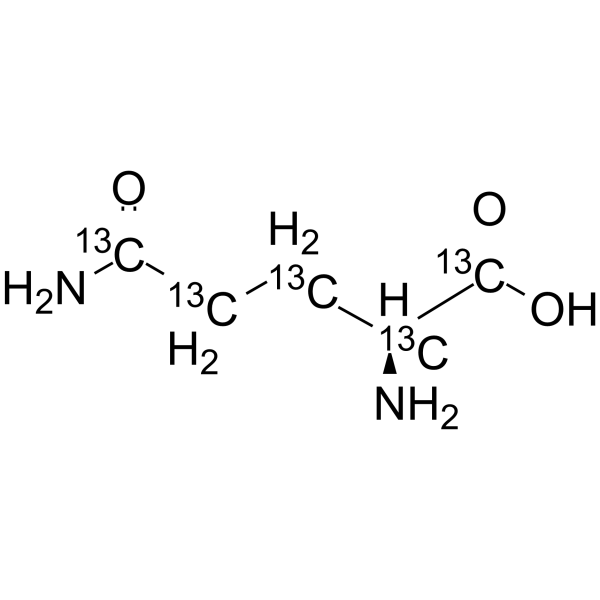
  • HY-N0390S1
    L-Glutamine-13C5
    Maximum Cited Publications
    9 Publications Verification

    L-Glutamic acid 5-amide-13C5

    Isotope-Labeled Compounds mGluR Ferroptosis Environmental Pollutants Endogenous Metabolite HIF/HIF Prolyl-Hydroxylase mTOR STAT NF-κB Cardiovascular Disease Neurological Disease Metabolic Disease Inflammation/Immunology
    L-Glutamine- 13C5 is the 13C-labeled L-Glutamine (HY-N0390). L-Glutamine is an orally active nutritional agent and cellular metabolism regulator. L-Glutamine is taken up in a Na +-dependent manner and targets multiple key molecules including glutaminase, mTORC1, NF-κB, STAT-3 and HIF-1α. L-Glutamine enhances glutaminolytic catabolism, drives the conversion of glutamate to α-ketoglutarate, thereby regulating gene expression, integrating metabolic signals, mediating glutamine flux and maintaining redox homeostasis. L-Glutamine also promotes cell proliferation, osteogenic differentiation and fracture healing, exerts neuroprotective and cardioprotective effects, and inhibits osteoarthritis. L-Glutamine can be applied to research related to osteoporosis, osteoarthritis, ischemic stroke and acute cantharidin-induced cardiotoxicity .
    L-Glutamine-13C5
  • HY-108865

    Actilyse; Activase

    Ser/Thr Protease Cardiovascular Disease Cancer
    Alteplase (Actilyse; Activase), a tissue plasminogen activator prepared by recombination, is a thrombolytic agent that play important roles in acute ischemic stroke, pulmonary embolism, acute myocardial infarction, and occluded catheters .
    The product size below only indicate the effective content of Alteplase. The ratio of Alteplase effective content : total content = 1:46-1:50. The actual ratio depends on the batch.)
    Alteplase
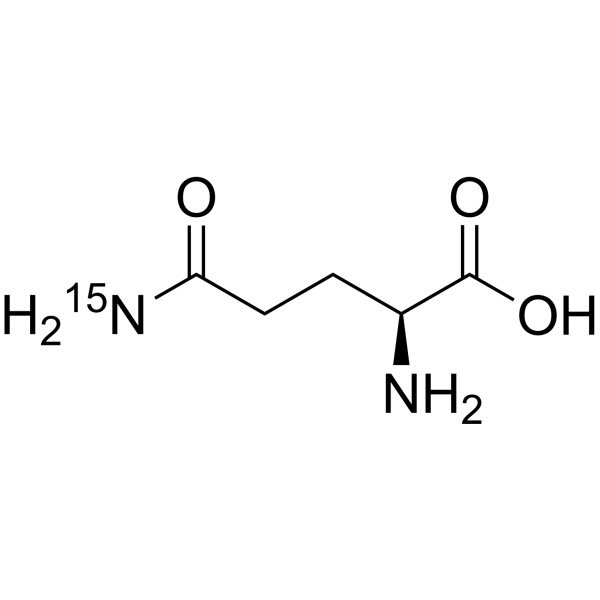
  • HY-N0390S
    L-Glutamine-15N
    3 Publications Verification

    L-Glutamic acid 5-amide-15N

    Isotope-Labeled Compounds mGluR Ferroptosis Environmental Pollutants Endogenous Metabolite HIF/HIF Prolyl-Hydroxylase mTOR STAT NF-κB Cardiovascular Disease Neurological Disease Metabolic Disease Inflammation/Immunology
    L-Glutamine- 15N is the 15N-labeled L-Glutamine (HY-N0390). L-Glutamine is an orally active nutritional agent and cellular metabolism regulator. L-Glutamine is taken up in a Na +-dependent manner and targets multiple key molecules including glutaminase, mTORC1, NF-κB, STAT-3 and HIF-1α. L-Glutamine enhances glutaminolytic catabolism, drives the conversion of glutamate to α-ketoglutarate, thereby regulating gene expression, integrating metabolic signals, mediating glutamine flux and maintaining redox homeostasis. L-Glutamine also promotes cell proliferation, osteogenic differentiation and fracture healing, exerts neuroprotective and cardioprotective effects, and inhibits osteoarthritis. L-Glutamine can be applied to research related to osteoporosis, osteoarthritis, ischemic stroke and acute cantharidin-induced cardiotoxicity .
    L-Glutamine-15N
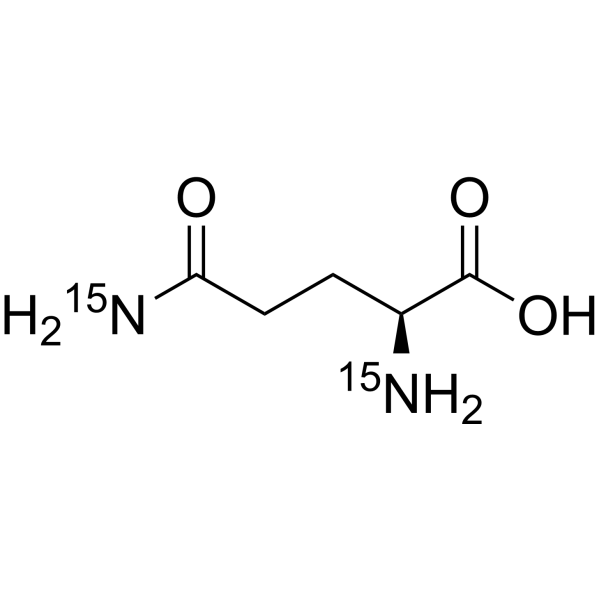
  • HY-N0390S8
    L-Glutamine-15N2
    1 Publications Verification

    L-Glutamic acid 5-amide-15N2

    Isotope-Labeled Compounds mGluR Ferroptosis Environmental Pollutants Endogenous Metabolite HIF/HIF Prolyl-Hydroxylase mTOR STAT NF-κB Cardiovascular Disease Neurological Disease Metabolic Disease Inflammation/Immunology
    L-Glutamine- 15N2 is the 15N-labeled L-Glutamine (HY-N0390). L-Glutamine is an orally active nutritional agent and cellular metabolism regulator. L-Glutamine is taken up in a Na +-dependent manner and targets multiple key molecules including glutaminase, mTORC1, NF-κB, STAT-3 and HIF-1α. L-Glutamine enhances glutaminolytic catabolism, drives the conversion of glutamate to α-ketoglutarate, thereby regulating gene expression, integrating metabolic signals, mediating glutamine flux and maintaining redox homeostasis. L-Glutamine also promotes cell proliferation, osteogenic differentiation and fracture healing, exerts neuroprotective and cardioprotective effects, and inhibits osteoarthritis. L-Glutamine can be applied to research related to osteoporosis, osteoarthritis, ischemic stroke and acute cantharidin-induced cardiotoxicity .
    L-Glutamine-15N2
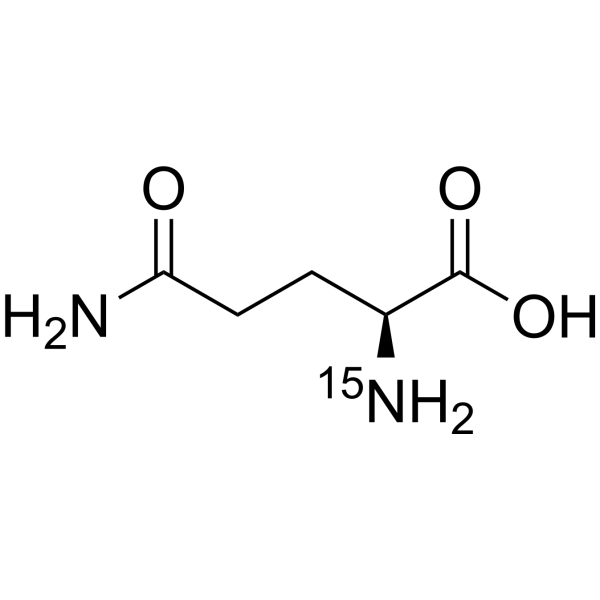
  • HY-N0390S9
    L-Glutamine-15N-1
    3 Publications Verification

    L-Glutamic acid 5-amide-15N-1

    Isotope-Labeled Compounds mGluR Ferroptosis Environmental Pollutants Endogenous Metabolite HIF/HIF Prolyl-Hydroxylase mTOR STAT NF-κB Cardiovascular Disease Neurological Disease Metabolic Disease Inflammation/Immunology
    L-Glutamine- 15N-1 is the 15N-labeled L-Glutamine (HY-N0390). L-Glutamine is an orally active nutritional agent and cellular metabolism regulator. L-Glutamine is taken up in a Na +-dependent manner and targets multiple key molecules including glutaminase, mTORC1, NF-κB, STAT-3 and HIF-1α. L-Glutamine enhances glutaminolytic catabolism, drives the conversion of glutamate to α-ketoglutarate, thereby regulating gene expression, integrating metabolic signals, mediating glutamine flux and maintaining redox homeostasis. L-Glutamine also promotes cell proliferation, osteogenic differentiation and fracture healing, exerts neuroprotective and cardioprotective effects, and inhibits osteoarthritis. L-Glutamine can be applied to research related to osteoporosis, osteoarthritis, ischemic stroke and acute cantharidin-induced cardiotoxicity .
    L-Glutamine-15N-1
  • HY-N0559
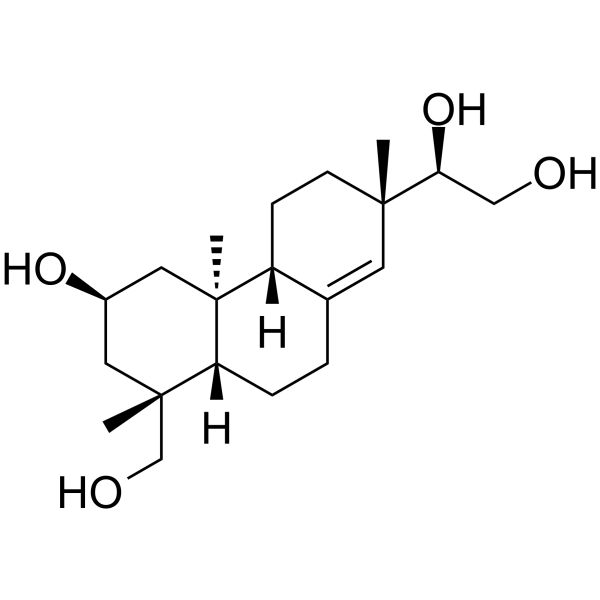
    Kirenol
    1 Publications Verification

    Casein Kinase Apoptosis AMPK Akt NF-κB TGF-beta/Smad Cardiovascular Disease Neurological Disease Metabolic Disease Inflammation/Immunology Cancer
    Kirenol is a diterpenoid compound, an orally active apoptosis inducer and signaling pathway regulator, with a Kd value of 5.47 μM against the target CK2. Kirenol promotes the cleavage of Bid into tBid, regulates the protein levels/phosphorylation of Bax, Bcl-2, p53 and p21, and induces caspase-independent apoptosis, S-phase cell cycle arrest, ROS accumulation and cytotoxicity in cancer cells. Kirenol activates the CK2/AKT and AMPK-mTOR-ULK1 pathways, inhibits the signaling of NF-κB, TGF-β/Smads and NLRP3 inflammasome, and regulates the GSK3β, BMP and Wnt/β-catenin pathways. Kirenol induces autophagy, mitophagy and osteoblast differentiation, promotes mitochondrial fusion, and exerts antioxidant, anti-inflammatory, antifibrotic, renoprotective, cardioprotective, neuroprotective and analgesic effects. Kirenol is applicable to research related to chronic myeloid leukemia, ischemic stroke, diabetic nephropathy, heart failure, acute lung injury and osteoporosis .
    Kirenol
  • HY-N0390S2
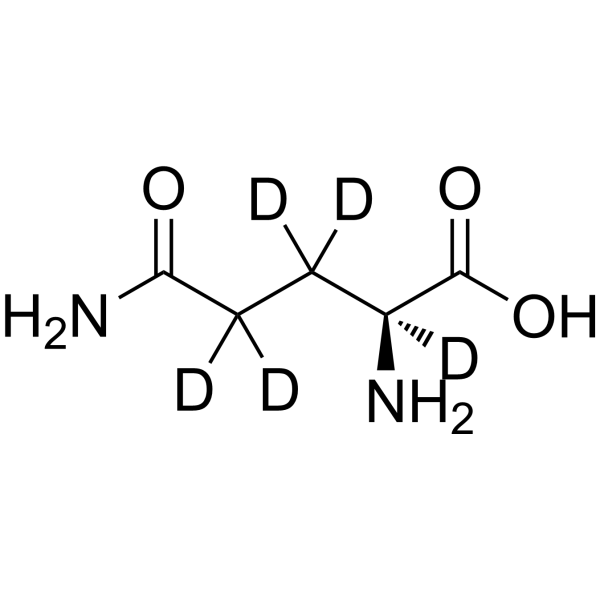
    L-Glutamine-d5
    1 Publications Verification

    L-Glutamic acid 5-amide-d5

    Isotope-Labeled Compounds mGluR Ferroptosis Environmental Pollutants Endogenous Metabolite HIF/HIF Prolyl-Hydroxylase mTOR STAT NF-κB Cardiovascular Disease Neurological Disease Metabolic Disease Inflammation/Immunology
    L-Glutamine-d5 is the deuterium labeled L-Glutamine (HY-N0390). L-Glutamine is an orally active nutritional agent and cellular metabolism regulator. L-Glutamine is taken up in a Na +-dependent manner and targets multiple key molecules including glutaminase, mTORC1, NF-κB, STAT-3 and HIF-1α. L-Glutamine enhances glutaminolytic catabolism, drives the conversion of glutamate to α-ketoglutarate, thereby regulating gene expression, integrating metabolic signals, mediating glutamine flux and maintaining redox homeostasis. L-Glutamine also promotes cell proliferation, osteogenic differentiation and fracture healing, exerts neuroprotective and cardioprotective effects, and inhibits osteoarthritis. L-Glutamine can be applied to research related to osteoporosis, osteoarthritis, ischemic stroke and acute cantharidin-induced cardiotoxicity .
    L-Glutamine-d5
  • HY-N0390S6

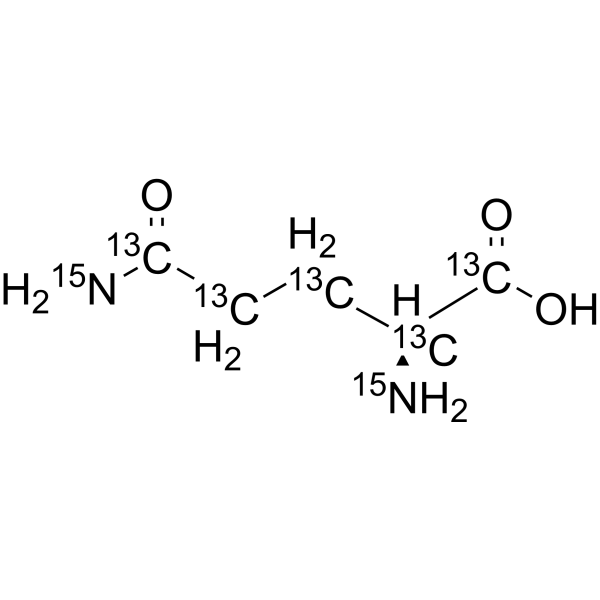
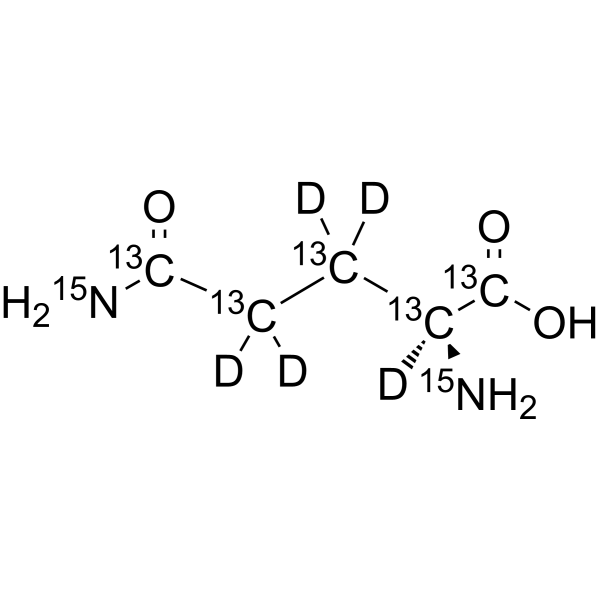
    L-Glutamic acid 5-amide-13C5,15N2

    Isotope-Labeled Compounds mGluR Ferroptosis Environmental Pollutants Endogenous Metabolite HIF/HIF Prolyl-Hydroxylase mTOR STAT NF-κB Cardiovascular Disease Neurological Disease Metabolic Disease Inflammation/Immunology
    L-Glutamine- 13C5, 15N2 is the 13C- and 15N-labeled L-Glutamine (HY-N0390). L-Glutamine is an orally active nutritional agent and cellular metabolism regulator. L-Glutamine is taken up in a Na +-dependent manner and targets multiple key molecules including glutaminase, mTORC1, NF-κB, STAT-3 and HIF-1α. L-Glutamine enhances glutaminolytic catabolism, drives the conversion of glutamate to α-ketoglutarate, thereby regulating gene expression, integrating metabolic signals, mediating glutamine flux and maintaining redox homeostasis. L-Glutamine also promotes cell proliferation, osteogenic differentiation and fracture healing, exerts neuroprotective and cardioprotective effects, and inhibits osteoarthritis. L-Glutamine can be applied to research related to osteoporosis, osteoarthritis, ischemic stroke and acute cantharidin-induced cardiotoxicity .
    L-Glutamine-13C5,15N2
  • HY-162596

    BA-1049 free base

    ROCK Neurological Disease
    NRL-1049 (BA-1049 (free base)) is an orally available and selective ROCK2 inhibitor with IC50 values of 0.59 µM for ROCK2 and 26 µM for ROCK1, respectively. NRL-1049 modulates ROCK signaling, preserves blood-brain barrier integrity, reduces edema, seizures and hemorrhage, and alleviates cerebral cavernous malformation lesion burden. NRL-1049 can be used for the study of acute brain injury, ischemic stroke, and cerebral cavernous malformations .
    NRL-1049
  • HY-P99644
    ACT017
    1 Publications Verification

    Glycoprotein VI Cardiovascular Disease
    ACT017 is a Fab fragment of humanized anti-GPVI monoclonal antibody. ACT017 inhibits collagen-induced platelet aggregation. ACT017 has the potential for the research of acute ischemic stroke .
    ACT017
  • HY-115460
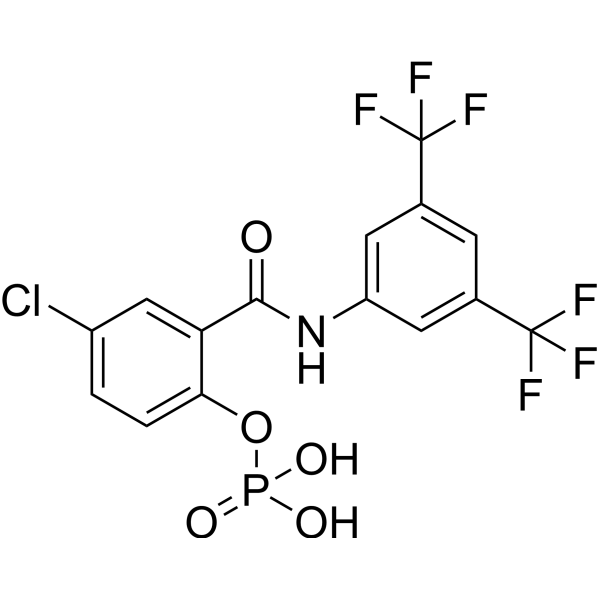
    AER-271
    1 Publications Verification

    Aquaporin Cardiovascular Disease Neurological Disease
    AER-271, a phosphonate proagent derivative of AER-270, is an aquaporin-4 (AQP4) inhibitor for the research of acute ischemic stroke .
    AER-271
  • HY-120380

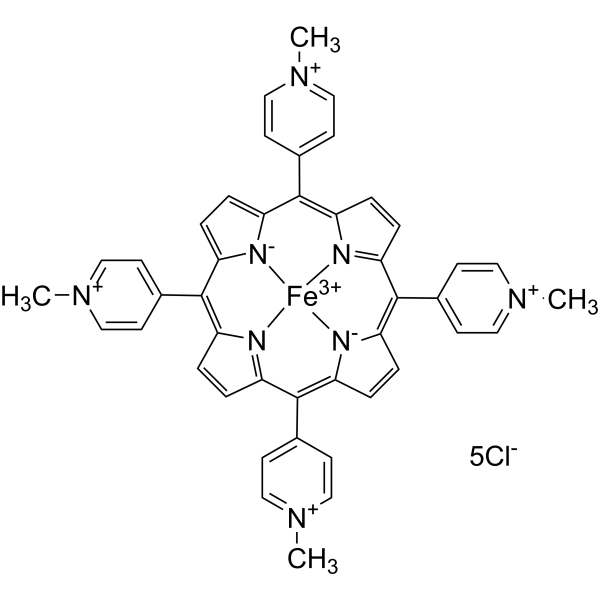
    MOFs PARP Neurological Disease
    FeTMPyP is an orally active poly (ADP-ribose) polymerase (PARP) inhibitor. FeTMPyP inhibits cell death, nitrotyrosine formation, and depolarization of mitochondrial transmembrane potential. FeTMPyP reduces homocysteine-induced nitrosative stress and partially restores TFEB protein and mRNA levels. FeTMPyP improves functional and behavioral deficits caused by chronic constriction injury in rats. FeTMPyP alleviates acute cerebral infarction in a rat model of middle cerebral artery occlusion with mild hyperglycemia. FeTMPyP can be used in studies related to neuropathic pain, renal aging, ischemic penumbra, and hyperglycemic stroke .
    FeTMPyP
  • HY-N0390R
    L-Glutamine (Standard)
    25+ Cited Publications

    L-Glutamic acid 5-amide (Standard)

    Reference Standards mGluR Ferroptosis Environmental Pollutants Endogenous Metabolite HIF/HIF Prolyl-Hydroxylase mTOR STAT NF-κB Cardiovascular Disease Neurological Disease Metabolic Disease Inflammation/Immunology
    L-Glutamine (Standard) is the analytical standard of L-Glutamine (HY-N0390). This product is intended for research and analytical applications. L-Glutamine is an orally active nutritional agent and cellular metabolism regulator. L-Glutamine is taken up in a Na +-dependent manner and targets multiple key molecules including glutaminase, mTORC1, NF-κB, STAT-3 and HIF-1α. L-Glutamine enhances glutaminolytic catabolism, drives the conversion of glutamate to α-ketoglutarate, thereby regulating gene expression, integrating metabolic signals, mediating glutamine flux and maintaining redox homeostasis. L-Glutamine also promotes cell proliferation, osteogenic differentiation and fracture healing, exerts neuroprotective and cardioprotective effects, and inhibits osteoarthritis. L-Glutamine can be applied to research related to osteoporosis, osteoarthritis, ischemic stroke and acute cantharidin-induced cardiotoxicity .
    L-Glutamine (Standard)
  • HY-108845

    TNK-tPA

    Ser/Thr Protease Cardiovascular Disease
    Tenecteplase (TNK-tPA) is a modified tissue plasminogen activator. Tenecteplase is a recombinant human tissue plasminogen activator (rt-PA) that has been bioengineered to produce mutations in three gene loci. Tenecteplase (TNK-tPA) can be used in the study of acute ischemic stroke .
    Tenecteplase
  • HY-107700

    GV 150526A

    iGluR Cardiovascular Disease
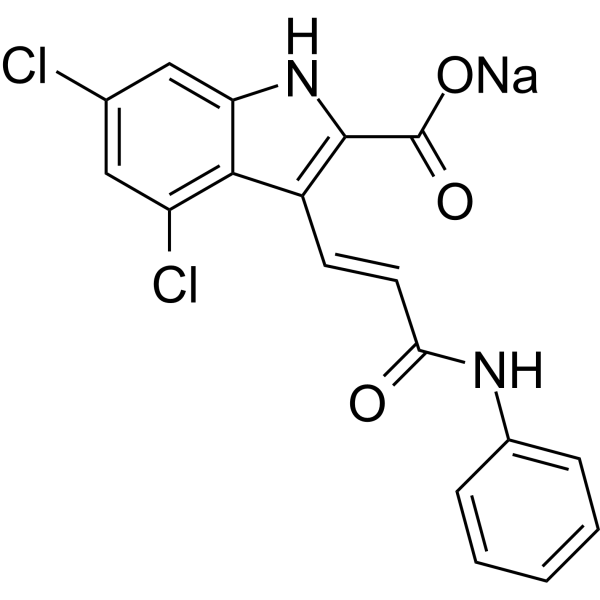
    Gavestinel (GV 150526A) is a potent, selective, orally active and non-competitive antagonist of NMDA receptor. Gavestinel binds to the glycine site of the NMDA receptor, with a pKi of 8.5. Gavestinel can be used for the research of acute ischemic stroke .
    Gavestinel sodium salt
  • HY-N0390S5
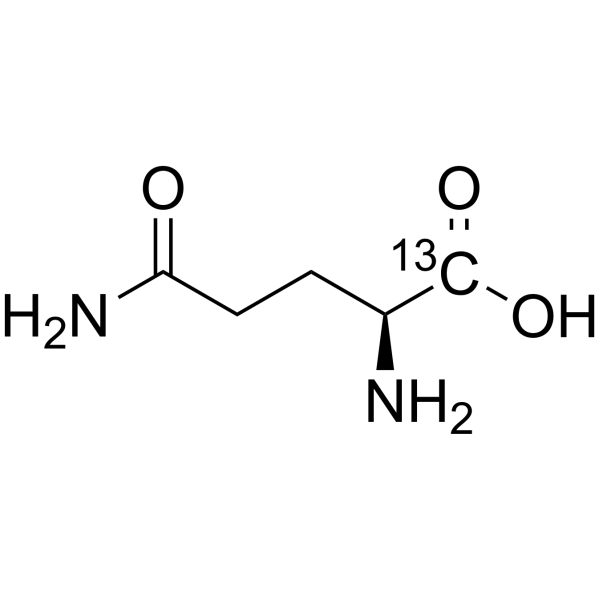
    L-Glutamine-1-13C
    1 Publications Verification

    L-Glutamic acid 5-amide-1-13C

    Isotope-Labeled Compounds mGluR Ferroptosis Environmental Pollutants Endogenous Metabolite HIF/HIF Prolyl-Hydroxylase mTOR STAT NF-κB Cardiovascular Disease Neurological Disease Metabolic Disease Inflammation/Immunology
    L-Glutamine-1- 13C is the 13C-labeled L-Glutamine (HY-N0390). L-Glutamine is an orally active nutritional agent and cellular metabolism regulator. L-Glutamine is taken up in a Na +-dependent manner and targets multiple key molecules including glutaminase, mTORC1, NF-κB, STAT-3 and HIF-1α. L-Glutamine enhances glutaminolytic catabolism, drives the conversion of glutamate to α-ketoglutarate, thereby regulating gene expression, integrating metabolic signals, mediating glutamine flux and maintaining redox homeostasis. L-Glutamine also promotes cell proliferation, osteogenic differentiation and fracture healing, exerts neuroprotective and cardioprotective effects, and inhibits osteoarthritis. L-Glutamine can be applied to research related to osteoporosis, osteoarthritis, ischemic stroke and acute cantharidin-induced cardiotoxicity .
    L-Glutamine-1-13C
  • HY-N0390S4

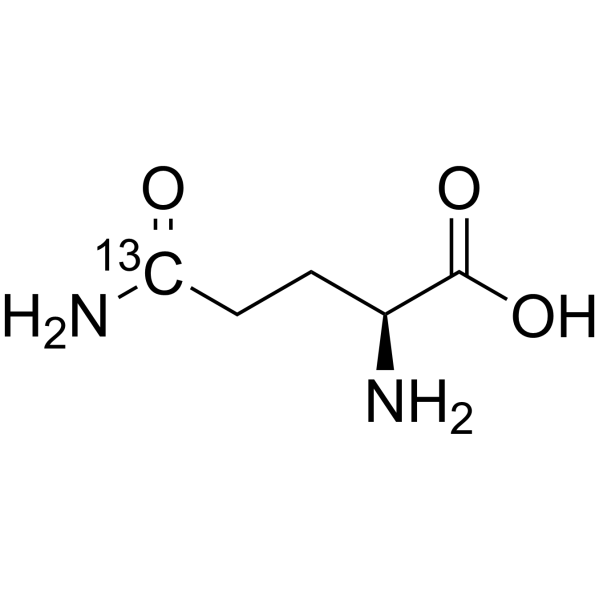
    L-Glutamic acid 5-amide-5-13C

    Isotope-Labeled Compounds mGluR Ferroptosis Environmental Pollutants Endogenous Metabolite HIF/HIF Prolyl-Hydroxylase mTOR STAT NF-κB Cardiovascular Disease Neurological Disease Metabolic Disease Inflammation/Immunology
    L-Glutamine-5- 13C is the 13C-labeled L-Glutamine (HY-N0390). L-Glutamine is an orally active nutritional agent and cellular metabolism regulator. L-Glutamine is taken up in a Na +-dependent manner and targets multiple key molecules including glutaminase, mTORC1, NF-κB, STAT-3 and HIF-1α. L-Glutamine enhances glutaminolytic catabolism, drives the conversion of glutamate to α-ketoglutarate, thereby regulating gene expression, integrating metabolic signals, mediating glutamine flux and maintaining redox homeostasis. L-Glutamine also promotes cell proliferation, osteogenic differentiation and fracture healing, exerts neuroprotective and cardioprotective effects, and inhibits osteoarthritis. L-Glutamine can be applied to research related to osteoporosis, osteoarthritis, ischemic stroke and acute cantharidin-induced cardiotoxicity .
    L-Glutamine-5-13C
  • HY-N0390S3

    L-Glutamic acid 5-amide-13C5,15N2,d5

    Isotope-Labeled Compounds mGluR Ferroptosis Environmental Pollutants Endogenous Metabolite HIF/HIF Prolyl-Hydroxylase mTOR STAT NF-κB Cardiovascular Disease Neurological Disease Metabolic Disease Inflammation/Immunology
    L-Glutamine- 13C5, 15N2,d5 is the deuterium, 13C-, and 15N-labeled L-Glutamine (HY-N0390). L-Glutamine is an orally active nutritional agent and cellular metabolism regulator. L-Glutamine is taken up in a Na +-dependent manner and targets multiple key molecules including glutaminase, mTORC1, NF-κB, STAT-3 and HIF-1α. L-Glutamine enhances glutaminolytic catabolism, drives the conversion of glutamate to α-ketoglutarate, thereby regulating gene expression, integrating metabolic signals, mediating glutamine flux and maintaining redox homeostasis. L-Glutamine also promotes cell proliferation, osteogenic differentiation and fracture healing, exerts neuroprotective and cardioprotective effects, and inhibits osteoarthritis. L-Glutamine can be applied to research related to osteoporosis, osteoarthritis, ischemic stroke and acute cantharidin-induced cardiotoxicity .
    L-Glutamine-13C5,15N2,d5
  • HY-124304

    LOE-908

    TRP Channel SARS-CoV Neurological Disease
    Pinokalant is a broad-spectrum and non-selectivecation channel inhibitor. Pinokalant significantly reduces cortical infarct volume. Pinokalant o improves the metabolic and electrophysiologic status of the ischemic penumbra. Pinokalant reduces lesion size on magnetic resonance images in the acute phase following middle cerebral artery occlusion in rats. Pinokalant has the potential for the research of stroke. Pinokalant also shows anti-SARS-CoV-2 activity .
    Pinokalant
  • HY-106969A

    Glycine Receptor (GlyR) iGluR Cardiovascular Disease Neurological Disease
    ZD 9379 sodium is a competitive glycine/NMDA receptor antagonist, with an IC50 value of 75 nM (glutamate site). ZD 9379 sodium selectively antagonizes the glycine binding site (GlyB site) on the NMDA receptor, inhibiting the binding of glycine to the NMDA receptor and alleviating excitotoxicity. ZD 9379 sodium reduces the frequency of cortical spreading depression (SDs), alleviates energy depletion in the ischemic penumbra, and delays the expansion of infarction. ZD 9379 sodium reduces the infarct volume and improves neurological function in mouse models. ZD 9379 sodium can be used in studies of acute ischemic stroke, etc .
    ZD 9379 sodium
  • HY-W040176

    N-Palmitoyl-tyrosine phosphoric acid ammonium

    LPL Receptor Cardiovascular Disease Neurological Disease Inflammation/Immunology
    N-PTyrosine PA (N-Palmitoyl-tyrosine phosphoric acid) ammonium is a lysophosphatidic acid (LPA) receptor modulator, which exhibits weak inhibitory activity against LPA1 and partial agonist properties towards LPA5. N-PTyrosine PA ammonium inhibits the activation of LPA receptors and downstream responses by competing with agonists for binding sites. N-PTyrosine PA ammonium can induce morphological changes and aggregation, and also inhibit LPA-induced morphological changes through receptor desensitization caused by pre-incubation. N-PTyrosine PA ammonium can be used in the research of related diseases such as atherosclerosis and acute ischemic syndromes (e.g., unstable angina, myocardial infarction, stroke) .
    N-PTyrosine PA ammonium
  • HY-178464

    RIP kinase Mixed Lineage Kinase Necroptosis Neurological Disease Inflammation/Immunology
    RIPK1-IN-34 is a selective, brain-penetrant RIPK1 inhibitor (IC50 = 126.70 nM) with almost no inhibitory effect on RIPK3 (IC50 > 10, 000 nM). RIPK1-IN-34 offers substantial neuroprotection by inhibiting the phosphorylation of RIPK1, RIPK3, and mixed lineage kinase domain-like pseudokinase (MLKL) within the necroptosis pathway. RIPK1-IN-34 shows the neuroprotective effect in a rat middle cerebral artery occlusion (MCAO) model. RIPK1-IN-34 can be used for the study of anti-acute ischemic stroke (AIS) .
    RIPK1-IN-34
  • HY-100206

    AMPK Neurological Disease
    5α-Androstane-3β,5,6β-triol is a neuroprotectant. 5α-Androstane-3β,5,6β-triol can remarkably reverse intracellular acidification and alleviate neuronal injury through the inhibition of AMPK signaling. 5α-Androstane-3β,5,6β-triol remarkably reduced the infarct volume and attenuated neurologic impairment in acute ischemic stroke models of middle cerebral artery occlusion in vivo .
    5α-Androstane-3β,5,6β-triol
  • HY-175675

    P2Y Receptor Keap1-Nrf2 Cardiovascular Disease Neurological Disease
    P2Y1 antagonist 4 is a selective P2Y1 receptor antagonist with excellent blood-brain barrier (BBB) penetration. P2Y1 antagonist 4 inhibits P2Y1 receptor-mediated cytosolic Ca 2+ increase (IC50 = 1.95 μM) and platelet aggregation (IC50 = 3.24 μM) induced by ADP in rabbit washed platelets. P2Y1 antagonist 4 significantly upregulates the level of nuclear Nrf2 protein in H2O2-treated HT22 cells. P2Y1 antagonist 4 reduces myocardial infarct size in a mouse acute myocardial infarction (MI) model. P2Y1 antagonist 4 can be used for the study of ischemic stroke and myocardial infarction .
    P2Y1 antagonist 4
  • HY-W612557

    Drug Derivative Neurological Disease
    Edaravone dimer impurity (Dimer 2) is a stable conjugated Edaravone (HY-B0099) dimer. Edaravone is a free radical scavenging agent for the study of acute ischemic stroke .
    Edaravone dimer impurity
  • HY-155997

    COX Inflammation/Immunology
    Anti-inflammatory agent 56 (Compound 9) is a selective COX-2 inhibitor (IC50: 0.54 μM). Anti-inflammatory agent 56 has anti-oxidant and anti-inflammatory effects. Anti-inflammatory agent 56 inhibits oxidative stress induced cell death. Anti-inflammatory agent 56 inhibits oxidative stress and neuroinflammation by inhibiting Keap1, COX-2 and iNOS. Anti-inflammatory agent 56 has low acute toxicity in mice (LD50: 1000 mg/kg) .
    Anti-inflammatory agent 56
  • HY-N0390S7

    L-Glutamic acid 5-amide-15N2,d5

    Isotope-Labeled Compounds mGluR Ferroptosis Environmental Pollutants Endogenous Metabolite HIF/HIF Prolyl-Hydroxylase mTOR STAT NF-κB Cardiovascular Disease Neurological Disease Metabolic Disease Inflammation/Immunology
    L-Glutamine- 15N2,d5 is the deuterium and 15N-labeled L-Glutamine (HY-N0390). L-Glutamine is an orally active nutritional agent and cellular metabolism regulator. L-Glutamine is taken up in a Na +-dependent manner and targets multiple key molecules including glutaminase, mTORC1, NF-κB, STAT-3 and HIF-1α. L-Glutamine enhances glutaminolytic catabolism, drives the conversion of glutamate to α-ketoglutarate, thereby regulating gene expression, integrating metabolic signals, mediating glutamine flux and maintaining redox homeostasis. L-Glutamine also promotes cell proliferation, osteogenic differentiation and fracture healing, exerts neuroprotective and cardioprotective effects, and inhibits osteoarthritis. L-Glutamine can be applied to research related to osteoporosis, osteoarthritis, ischemic stroke and acute cantharidin-induced cardiotoxicity .
    L-Glutamine-15N2,d5
  • HY-N0559R

    Reference Standards Casein Kinase Apoptosis AMPK Akt NF-κB TGF-beta/Smad Cardiovascular Disease Neurological Disease Metabolic Disease Inflammation/Immunology Cancer
    Kirenol (Standard) is the analytical standard of Kirenol (HY-N0559). This product is intended for research and analytical applications. Kirenol is a diterpenoid compound, an orally active apoptosis inducer and signaling pathway regulator, with a Kd value of 5.47 μM against the target CK2. Kirenol promotes the cleavage of Bid into tBid, regulates the protein levels/phosphorylation of Bax, Bcl-2, p53 and p21, and induces caspase-independent apoptosis, S-phase cell cycle arrest, ROS accumulation and cytotoxicity in cancer cells. Kirenol activates the CK2/AKT and AMPK-mTOR-ULK1 pathways, inhibits the signaling of NF-κB, TGF-β/Smads and NLRP3 inflammasome, and regulates the GSK3β, BMP and Wnt/β-catenin pathways. Kirenol induces autophagy, mitophagy and osteoblast differentiation, promotes mitochondrial fusion, and exerts antioxidant, anti-inflammatory, antifibrotic, renoprotective, cardioprotective, neuroprotective and analgesic effects. Kirenol is applicable to research related to chronic myeloid leukemia, ischemic stroke, diabetic nephropathy, heart failure, acute lung injury and osteoporosis.
    Kirenol (Standard)
  • HY-175824

    iGluR NO Synthase Apoptosis Reactive Oxygen Species (ROS) Neurological Disease
    PSD-95/nNOS PPI-IN-1 is a inhibitor targeting the PSD-95/nNOS interaction with potential blood-brain barrier penetration. PSD-95/nNOS PPI-IN-1 binds to the PSD-95 PDZ2 domain with high affinity (Ki = 19.45 μM). PSD-95/nNOS PPI-IN-1 inhibits glutamate-induced excitotoxicity by reducing intracellular ROS levels and inhibiting apoptosis. PSD-95/nNOS PPI-IN-1 significantly reduces cerebral infarct volume in rat tMCAO models. PSD-95/nNOS PPI-IN-1 can be used for the study of acute ischemic stroke .
    PSD-95/nNOS PPI-IN-1
  • HY-180806

    RIP kinase Apoptosis Cardiovascular Disease Neurological Disease
    RIPK1-IN-39 (compound 2) is a potent and selective RIPK1 inhibitor (IC50 = 69.40 nM) exhibiting >100-fold selectivity over RIPK3 (IC50 = 6946 nM). RIPK1-IN-39 protects HT-22 and HT-29 cells from necroptosis by inhibiting the phosphorylation and activation of the RIPK1-RIPK3-MLKL pathway. RIPK1-IN-39 demonstrates neuroprotective effects in a rat model of middle cerebral artery occlusion (MCAO). RIPK1-IN-39 can be used for acute ischemic stroke (AIS) research .
    RIPK1-IN-39
  • HY-135166

    Endogenous Metabolite Neurological Disease
    2-(1-Hydroxypentyl)benzoic acid is a compound being explored for its potential use in the treatment of acute ischemic stroke (AIS).
    2-(1-Hydroxypentyl)benzoic acid
  • HY-112042

    Drug Intermediate Infection Cardiovascular Disease Inflammation/Immunology
    Aspirin Trelamine is a salicylic acid prodrug. Aspirin Trelamine has been used in research related to ischemic stroke, as well as COVID-19-associated acute respiratory distress syndrome (ARDS) and pneumonia .
    Aspirin Trelamine
  • HY-162596A

    (Rac)-BA-1049

    ROCK Neurological Disease
    (Rac)-NRL-1049 is the racemic mixture of NRL-1049 (BA-1049 (free base)) (HY-162596). NRL-1049 is an orally available and selective ROCK2 inhibitor with IC50 values of 0.59 µM for ROCK2 and 26 µM for ROCK1, respectively. NRL-1049 modulates ROCK signaling, preserves blood-brain barrier integrity, reduces edema, seizures and hemorrhage, and alleviates cerebral cavernous malformation lesion burden. NRL-1049 can be used for the study of acute brain injury, ischemic stroke, and cerebral cavernous malformations .
    (Rac)-NRL-1049 dihydrochloride
  • HY-N0390G

    mTOR NF-κB STAT HIF/HIF Prolyl-Hydroxylase Cardiovascular Disease Neurological Disease Metabolic Disease Inflammation/Immunology
    L-Glutamine GMP is L-Glutamine (HY-N0390) produced by using GMP guidelines. GMP small molecules works appropriately as an auxiliary reagent for cell therapy manufacture. L-Glutamine is an orally active nutritional agent and cellular metabolism regulator. L-Glutamine is taken up in a Na +-dependent manner and targets multiple key molecules including glutaminase, mTORC1, NF-κB, STAT-3 and HIF-1α. L-Glutamine enhances glutaminolytic catabolism, drives the conversion of glutamate to α-ketoglutarate, thereby regulating gene expression, integrating metabolic signals, mediating glutamine flux and maintaining redox homeostasis. L-Glutamine also promotes cell proliferation, osteogenic differentiation and fracture healing, exerts neuroprotective and cardioprotective effects, and inhibits osteoarthritis. L-Glutamine can be applied to research related to osteoporosis, osteoarthritis, ischemic stroke and acute cantharidin-induced cardiotoxicity .
    L-Glutamine

Inquiry Online

Your information is safe with us. * Required Fields.

Salutation


Country or Region *

Applicant Name *


Organization Name *

Department *


Email Address *


Product Name *

Cat. No.


Requested quantity *

Phone Number *


Remarks

Inquiry Online

Inquiry Information

Product Name:
Cat. No.:
Quantity:
MCE Japan Authorized Agent:

