From 11:00 pm to 12:00 pm EST ( 8:00 pm to 9:00 pm PST ) on January 6th, the website will be under maintenance. We are sorry for the inconvenience. Please arrange your schedule properly.
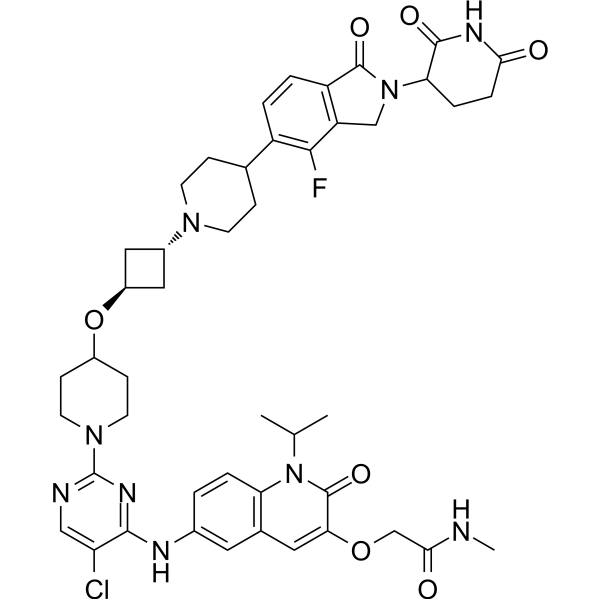
ARV-393 is a potent and orally active BCL6 PROTAC degrader. ARV-393 induces ubiquitination of BCL6 and its subsequent degradation by the proteasome. ARV-393 has the potential for the research of advanced non-hodgkin lymphoma .
BI-3802, a chemical probe, is a highly potent BCL6 degrader and inhibits the Bric-à-brac (BTB) domain of BCL6 with an IC50 of ≤3 nM. BI-3802 induces the polymerization of BCL6 and promotes BCL6 degration depended on E3 ligase SIAH1. BI-3802 has antitumor activity .
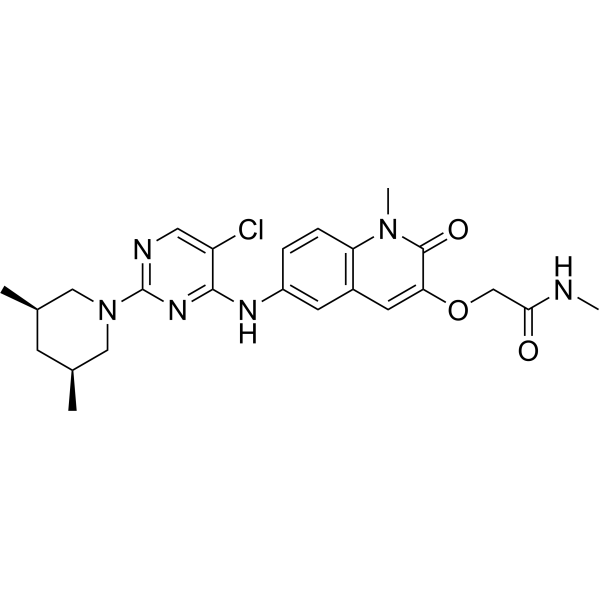
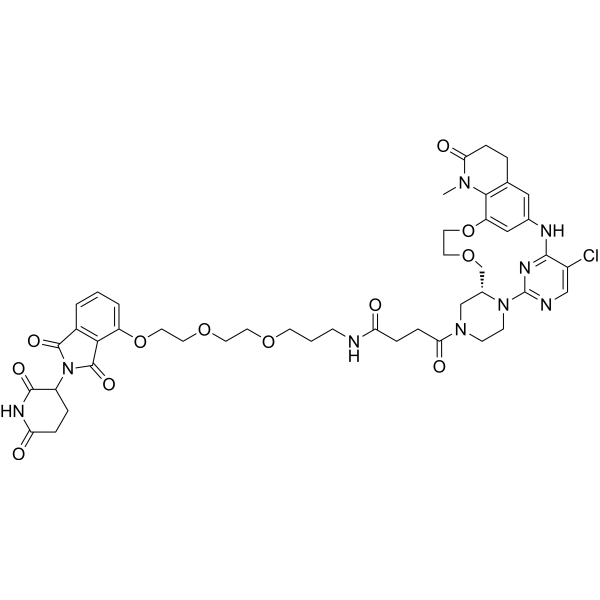
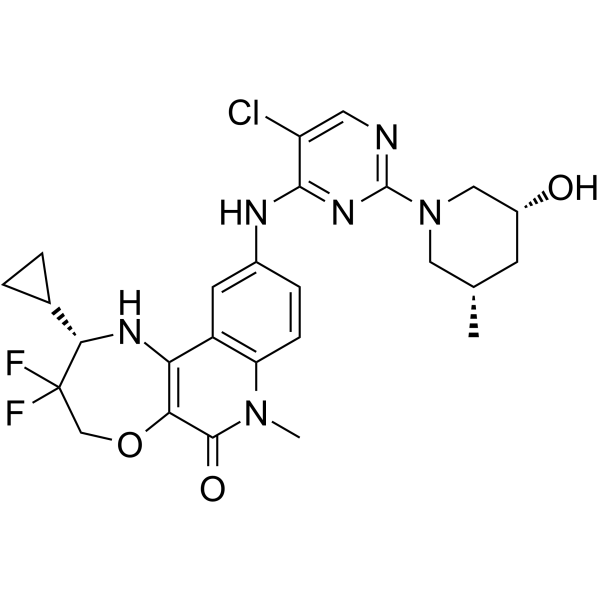
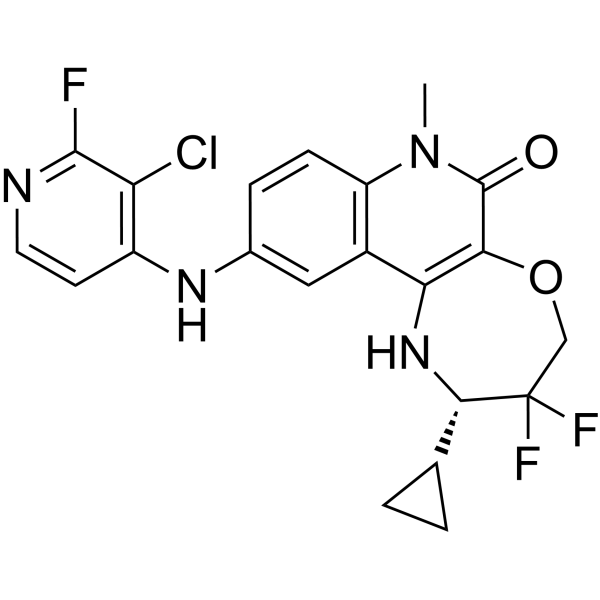
BMS-986458 is a highly selective, orally active cereblon-based BCL6PROTAC degrader and antitumor agent. BMS-986458 selectively degrades BCL6 by binding cereblon to the BTB domain of BCL6, thereby regulating the cell cycle, antiproliferative and interferon signaling pathways, and upregulating the expression and distribution of CD20. BMS-986458 modulates the phenotype of follicular helper T cells and reduces circulating tumor DNA levels. The combination of BMS-986458 with CD20xCD3 bispecific antibody also enhances the efficiency of T cell tumor infiltration and expansion. BMS-986458 induces regression of BCL6-positive tumors and prolongs survival, and it is suitable for research related to B-cell non-Hodgkin lymphoma, diffuse large B-cell lymphoma, follicular lymphoma, and relapsed/refractory lymphoma .
CDK-TCIP1 is a bivalent molecule linking CDK9 inhibitor SNS-032 (HY-10008) to BCL6 ligand BI3812 (HY-111381). CDK-TCIP1 potently and specifically kills BCL6-overexpressing cells with EC50 of 7.7 nM for SUDHL5 cells .
BI-3812, a chemical probe, is a highly efficient BCL6 inhibitor that is capable of suppressing the BTB domain of BCL6, with an IC50 value of ≤ 3 nM, exhibiting antitumor activity .
BCL6 PROTAC 1 is a selective B-cell lymphoma 6(BCL6)PROTAC. BCL6 PROTAC 1 inhibits BCL6 cell reporter with an IC50 value of 8.8 µM. BCL6 PROTAC 1 significantly degrades BCL6 in diffuse large B-cell lymphoma (DLBCL) cell lines. BCL6 PROTAC 1 can be used in tumor related research .
WK369 is a novel BCL6 small molecule inhibitor, which exhibits excellent anti-ovarian cancer bioactivity, induces cell cycle arrest and causes apoptosis. WK369 can directly bind to the BCL6-BTB domain and block the interaction between BCL6 and SMRT, leading to the reactivation of p53, ATR and CDKN1A .
TCIP3 is a bivalent molecular glue with with dual binding to p300/CBP and BCL6. TCIP3 redirects p300 and CBP to activate programmed cell death genes normally repressed by the oncogenic driver, BCL6. TCIP3 can be used for the study of diffuse large B cell lymphomas (DLBCLs). TCIP3 exhibits no toxicity in non-transformed tonsillar lymphocytes or fibroblasts .
CCT373566 is a potent and orally active molecular glue degrader of transcriptional repressor BCL6, with an IC50 of 2.2 nM. CCT373566 shows strong antiproliferative efficacy in vitro and reduction in tumor growth in vivo .
CCT374705 is an orally active BCL6 inhibitor (IC50 = 4.8 nM) with potent antiproliferative effects in vitro. CCT374705 effectively inhibits tumor growth in a lymphoma xenograft mouse model .
TL4-12 is a selective MAP4K2/GCK inhibitor, dose-dependently downregulates IKZF1 and BCL-6 and leads to MM cell proliferation inhibition (IC50=37 nM) accompanied by induction of apoptosis. TL4-12 can be used to overcome immunomodulatory agent resistance in multiple myeloma (MM) .
YCH2823 is an inhibitor of USP7 (IC50 = 49.6 nM; Kd = 0.117 μM). YCH2823 shows significant efficacy in inhibiting TP53 wild-type and mutant tumors, with approximately 5-fold higher potency than FT671. YCH2823 induce apoptosis. YCH2823 synergistic effects with mTOR inhibitors .
BCL6-IN-6 is a potent inhibitor of transcriptional repressor B-cell lymphoma 6(BCL6).BCL6-IN-6 significantly blocks the interaction of BCL6 with its corepressors and reactivates BCL6 target genes in a dose-dependent manner. BCL6-IN-6 has the potential for the research of diffuse large B-cell lymphoma (DLBCL) .
EB-TCIP (BAK-04-212) is a proof-of-concept tool specifically designed for Ewing sarcoma research, serving as an EWSR1::FLI1 binder tagged with BCL6 and FKBP12F36V. EB-TCIP forms a ternary complex with the tagged fusion protein, specifically recruits EWSR1::FLI1 to BCL6-bound DNA loci, and induces rapid chromatin remodeling and relocalization. By mediating relocalization, EB-TCIP remodels the transcriptional machinery and activates the expression of BCL6 target genes that are originally repressed. EB-TCIP is used in studies related to novel epigenetic therapies for Ewing sarcoma .
BCL6 Human Pre-designed siRNA Set A contains three designed siRNAs for BCL6 gene (Human), as well as a negative control, a positive control, and a FAM-labeled negative control.
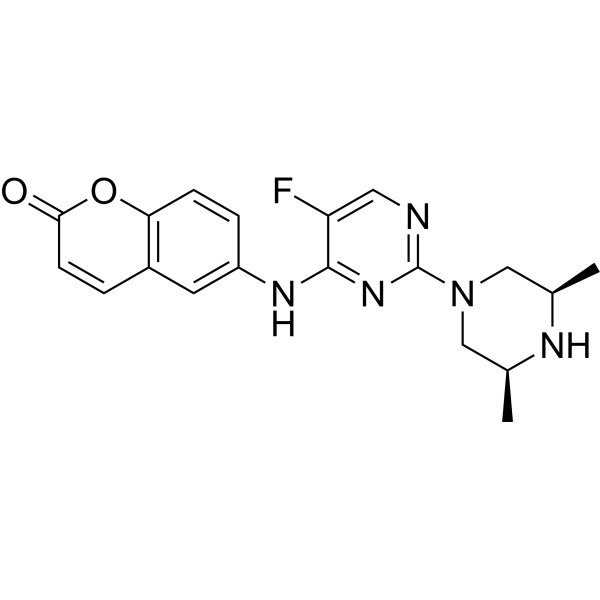
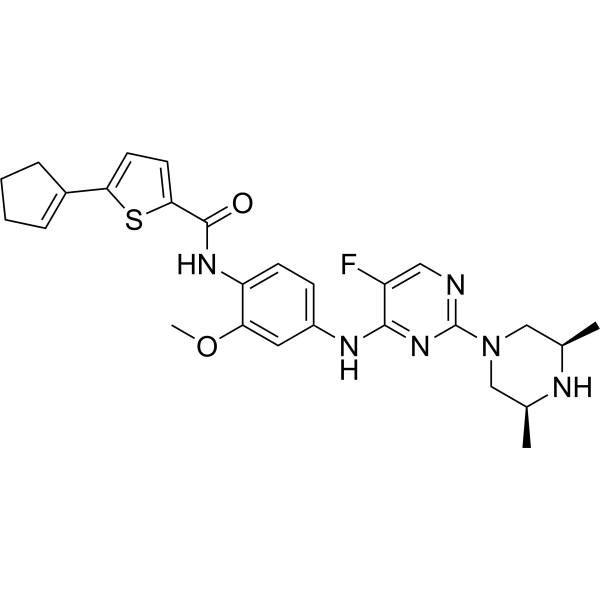
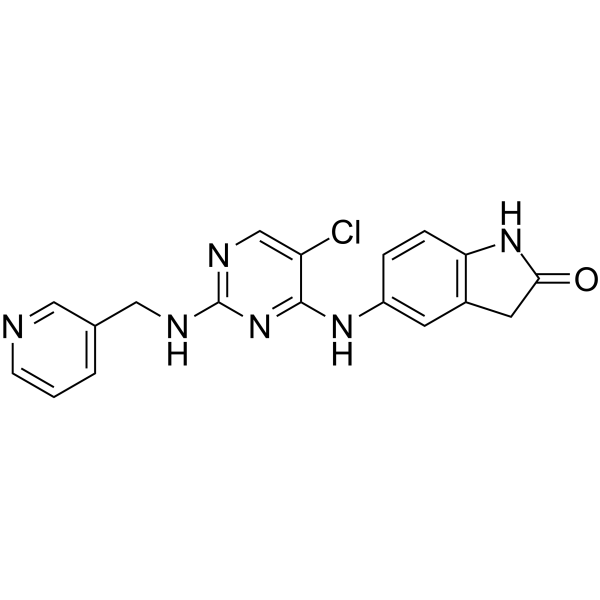
CCT369260 (compound 1), a chemical probe, is an orally avtive B-cell lymphoma 6 (BCL6) inhibitor with anti-tumor activity. CCT369260 (compound 1) exhibits an IC50 of 520 nM .
DK-TCIP2, linking inhibitor of CDK9 SNS-032 (HY-10008) with ligands of BCL6 BI-3812 (HY-111381), is a anticancer agent. DK-TCIP2 shows anticancer activity in vivo and in vitro and can be used for study of lymphoma cancer .
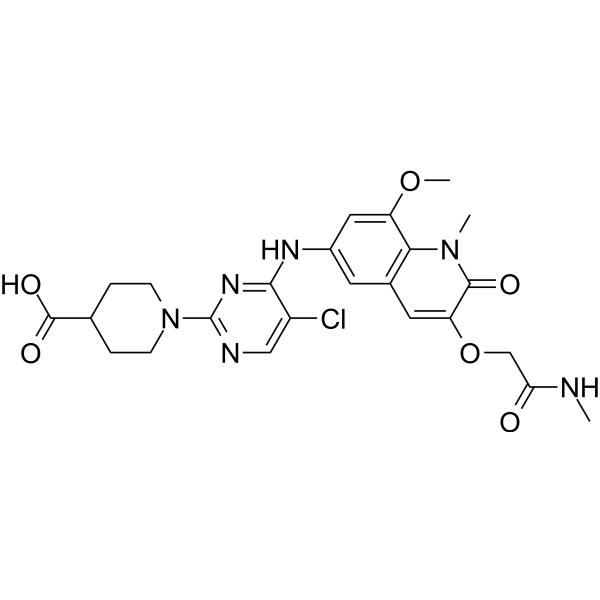
BCL6 ligand-5 (Compound 37) is a BCL6 ligand. BCL6 ligand-5 can be used as a ligand for target protein for PROTAC to develop and design degraders for PROTAC BCL6, such as PROTAC BCL6 Degrader-2 (HY-178803). BCL6 ligand-5 can also be used in tumor research .
BCL6-IN-10 (Compound 6) is a selective partially degradable molecular glue inhibitor that targets the BTB domain of BCL6 with an IC50 of 4 nM. BCL6-IN-10 shows anti-proliferative effect in diffuse large B-cell lymphoma (DLBCL) cell lines. BCL6-IN-10 can be used for the research of cancer .
BCL6-760 is an orally active BCL-6 PROTAC degrader with an EC50 of 0.8 nM. BCL6-760 only degrades BCL6 and has no effect on other CRBN substrates. BCL6-760 demonstrates significant efficacy in the orthotopic xenograft mouse model of OCI-LY-1 tumors. BCL6-760 can be used in the research of diffuse Large B-cell Lymphoma (DLBCL) (Pink: BCL-6 ligand (HY-179317); Blue: CRBN ligand (HY-179305); Black: Linker) .
TP-021 (BCL6-IN-8c), a chemical probe, is a potent and orally active B-cell lymphoma 6 (BCL6)-corepressor interaction inhibitor with an IC50 of 0.10 μM in cell-free enzyme-linked immunosorbent assay .
TMX-2164 is a potent, irreversible B-cell lymphoma 6(BCL6) inhibitor with an IC50 value of 152 nM. TMX-2164 displays sustained target engagement and antiproliferative activity in cells .
DZ-837 (compound 3d) is a PROTAC targeting BCL6 with a DC50 of approximately 600 nM. DZ-837 can induce cell cycle arrest and exert synergistic anticancer effects with Ibrutinib (HY-10997). DZ-837 is composed of PROTAC target protein ligand BCL6 ligand-2 (HY-161990) (red part), E3 ubiquitin ligase ligand Thalidomide-4-OH (HY-103596) (blue part), and PROTAC Linker (HY-W245803) (black part), among which the conjugate of E3 ubiquitin ligase ligand + Linker is 2-(2,6-Dioxopiperidin-3-yl)-4-((2-(2-hydroxyethoxy)ethyl)amino)isoindoline-1,3-dione (HY-W924949) [1] .
BCL6 ligand-8 is a PROTAC target protein ligand that can be used for synthesis of PROTACs, such as BCL6-760 (HY-178777). BCL6-760 is a potent BCL6 PROTAC degrader with anti-tumor activity .
GSK137 is an orally active, potent and selective B-cell lymphoma 6(BCL6) inhibitor. GSK137 blocks the interaction between BCL6 and corepressors (e.g., SMRT), reducing the number of germinal center B cells. GSK137 is promising for research of autoimmune diseases such as systemic lupus erythematosus (SLE) and B-cell-related tumors such as diffuse large B-cell lymphoma .
BCL6-IN-11 (Compound 8) is an efficient inhibitor that induces partial degradation of BCL6 with its IC50 value for inhibiting the interaction between BCL6 and its co-inhibitory proteins (such as NCOR1) of 6 nM. BCL6-IN-11 can induce approximately 52% degradation of BCL6 after being treated with 5 μM concentration for 90 minutes, and thus is also classified as a partial degrader. BCL6-IN-11 can be used for the study of lymphoma .
BCL6 ligand-3 is a PROTAC target protein ligand (Ligands for Target Protein for PROTACs). BCL6 ligand-3 can serve as an active control for the target protein ligand of BMS-986458 (HY-172736) .
PROTAC BCL6/IKZF1/3 Degrader-1 is a selective and orally active BCL6 and IKZF1/3 PROTAC degrader. PROTAC BCL6/IKZF1/3 Degrader-1 exhibits superior antiproliferative effects in various germinal center B-cell-like (GCB) and activated B-cell-like (ABC) diffuse large B-cell lymphoma (DLBCL) cell lines. PROTAC BCL6/IKZF1/3 Degrader-1 can be used for the research of cancer, such as lymphoma . (Structure Note: Pink: BCL6/IKZF1/3 ligand (HY-179064); Blue: CRBN ligand (HY-41547); Black: linker (HY-42427); CRBN ligand-Linker: (HY-179066))
Bcl6 Rat Pre-designed siRNA Set A contains three designed siRNAs for Bcl6 gene (Rat), as well as a negative control, a positive control, and a FAM-labeled negative control.
BCL6 ligand-9, a BCL6 ligand, is a PROTAC target protein ligand (Ligand for Target Protein for PROTAC). BCL6 ligand-9 can be used for the synthesis of PROTAC BCL6 Degrader-3 (HY-186067) .
ALV-05-077-01 is a BLC6/BLC6B degrader. ALV-05-077-01 depletes endogenous BCL6 levels in SuDHL4 cells (high BCL6 expression) and BCL6B levels in KYO1 cells (high BCL6B expression). ALV-05-077-01 can be used for the study of hematological malignancies .
ALV-05-151-02 is a BLC6/BLC6B degrader. ALV-05-151-02 depletes endogenous BCL6 levels in SuDHL4 cells (high BCL6 expression) and BCL6B levels in KYO1 cells (high BCL6B expression). ALV-05-151-02 can be used for the study of hematological malignancies .
BCL6-IN-9 (compound 1) is a potent B-cell lymphoma 6 protein (BCL6) inhibitor, with an IC50 of 3.9 nM. BCL6-IN-9 can be used for the research of cancer .
CBM-4077 is a PROTAC E3 ligand that can be used for synthesis of PROTACs, such as BCL6-760 (HY-178777). BCL6-760 is a potent BCL6 PROTAC degrader with anti-tumor activity .
WK692 is a BCL6 inhibitor that inhibits the BCL6BTB/SMRT interaction. WK692 can effectively inhibit the growth of diffuse large B-cell lymphoma cells and synergize with EZH2 and PRMT5 inhibitors. .
Bcl6 Mouse Pre-designed siRNA Set A contains three designed siRNAs for Bcl6 gene (Mouse), as well as a negative control, a positive control, and a FAM-labeled negative control.
PROTAC BTK/IKZF1/3 Degrader-1 is a selective and orally active BCL6 and IKZF1/3 PROTAC degrader. PROTAC BTK/IKZF1/3 Degrader-1 exhibits antitumor activity. PROTAC BTK/IKZF1/3 Degrader-1 can be used for the research of cancer, such as lymphoma . (Structure Note: Pink: BCL6/IKZF1/3 ligand (HY-179076); Blue: CRBN ligand (HY-41547))
Thalidomide-PEG3-amide-C2-COOH is a synthesized E3 ligase ligand-linker conjugate that can be used in the synthesis of PROTACs, such as BCL6 PROTAC 1 (HY-122829) .
JWZ-7-7-Neg1 is a transcriptional chemical inducers of proximity (TCIP) with negative chemical control. JWZ-7-7-Neg1 reduces the ability to bind to BRD4 or BCL6, so it has less cytotoxicity to DLBCL cells, in compared with JWZ-7-7 .
SMRT peptide is one of the co-repressors of BCL6 BTB domain interaction. SMRT peptide binds to the BTB domain of BCL6 and enhances the transcriptional repression function of BCL6. SMRT peptide can be used to study protein-protein interactions .
BCOR(498-514), biotinylated is the minimal BCL6 binding domain with an KD value of 1.32 µM. BCOR(498-514), biotinylated blocks BCL6-mediated transcriptional repression and kills lymphoma cells .
F1324 acetate is a potent, high affinity peptidic inhibitor of B cell lymphoma 6(BCL6), with an IC50 of 1 nM. F1324 acetate exhibits binding t1/2 value of 441 s and has strong inhibition activity against BCL6 PPI .
F1324 is a potent, high affinity peptidic inhibitor of B cell lymphoma 6(BCL6) with an IC50 of 1 nM. F1324 exhibits binding t1/2 value of 441 s and has strong inhibition activity against BCL6 PPI .
F1324 TFA is a potent, high affinity peptidic inhibitor of B cell lymphoma 6(BCL6), with an IC50 of 1 nM. F1324 TFA exhibits binding t1/2 value of 441 s and has strong inhibition activity against BCL6 PPI .
MNN-02-155 is a bivalent molecular glue with with dual binding to p300/CBP and BCL6. MNN-02-155 induces potent activation of the BCL6-target reporter gene and cell death. MNN-02-155 can be used for the study of diffuse large B cell lymphomas (DLBCLs) .
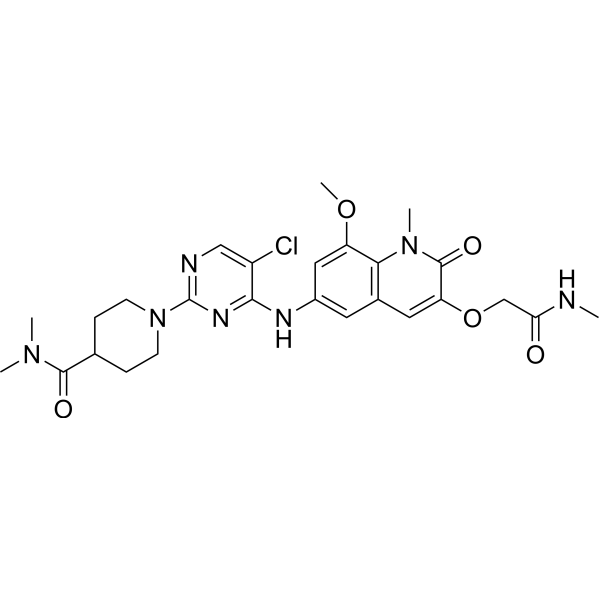
CCT373567 is a potent molecular glue degrader of transcriptional repressor BCL6, with an IC50 of 2.9 nM. CCT373567 exhibits antiproliferative activity .
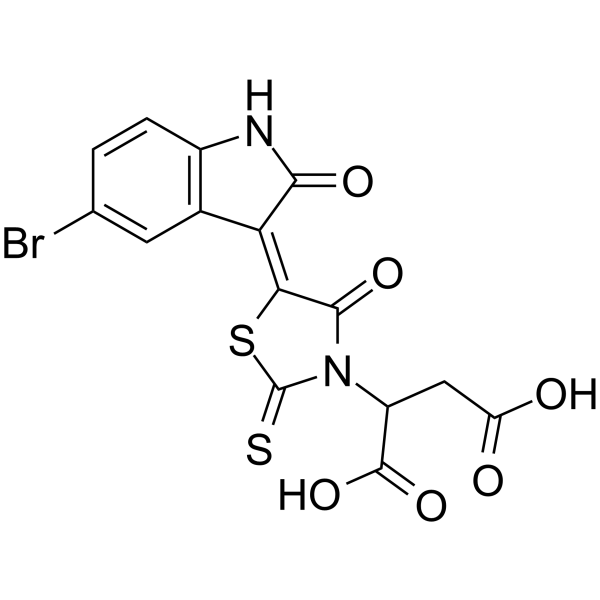
BCL6-IN-10 (Compound WK499) is a BCL6 inhibitor. BCL6-IN-10 interrupts the binding of BCL6 to SMRT protein. BCL6-IN-10 induces cell apoptosis, cell cycle arrest and DNA damage. BCL6-IN-10 inhibits AML cell proliferation (IC50s: 0.91, 1.63, 1.026, 7.42, 0.87, 0.85μM for OCl-AML3, THP1, MOLM13, HL60, KG1, NB4 cell respectively) .
BCL6-IN-12 (Compound 11e) is a BCL6 inhibitor with a Kd of 0.81 μM. BCL6-IN-12 binds to the BTB domain of BCL6. BCL6-IN-12 can be used in the research of diffuse large B-cell lymphoma .
PROTAC BCL6/GSPT1 Degrader-1 is a dual-target PROTAC degrader that targets BCL6 and GSPT1. PROTAC BCL6/GSPT1 Degrader-1 inhibits cell proliferation, promotes DNA damage, and induces cell cycle arrest and apoptosis in diffuse large B-cell lymphoma. PROTAC BCL6/GSPT1 Degrader-1 can be used for research on tumors such as lymphoma .
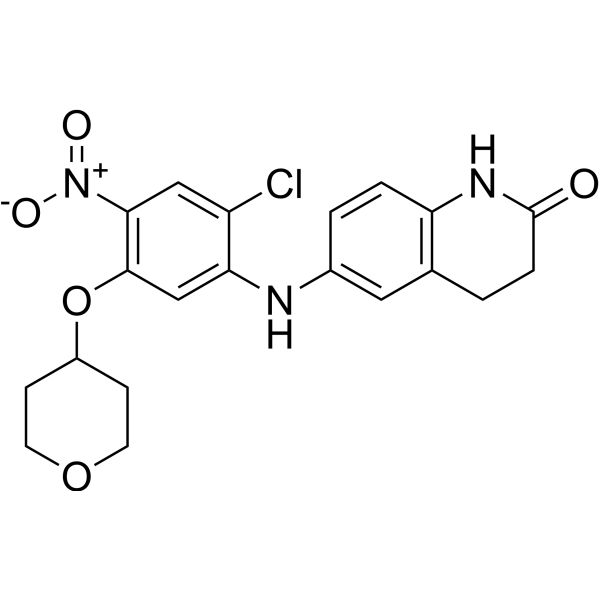
CCT365386 is a BCL6 inhibitor. CCT365386 serves as an optimized lead compound for cell-active BCL6 degraders (including CCT369260 (HY-129188)). CCT365386 can be used in the research of B-cell lymphoma .
BCL6B Human Pre-designed siRNA Set A contains three designed siRNAs for BCL6B gene (Human), as well as a negative control, a positive control, and a FAM-labeled negative control.
WK500B is a potent and orally active BCL6 inhibitor with a KD of 1.61 μM. WK500B engages intracellular BCL6 and disrupts BCL6‑corepressor interactions to reactivate BCL6 target genes. WK500B exerts cytotoxicity against diffuse large B‑cell lymphoma cells and induces apoptosis and cell cycle arrest. WK500B suppresses germinal center formation in C57BL/6 mice and DLBCL tumor growth in SCID xenograft models without observable toxicity. WK500B can be used for the study of diffuse large B‑cell lymphoma (DLBCL) .
BI-3802 (Standard) is the analytical standard of BI-3802 (HY-108705). This product is intended for research and analytical applications. BI-3802, a chemical probe, is a highly potent BCL6 degrader and inhibits the Bric-à-brac (BTB) domain of BCL6 with an IC50 of ≤3 nM. BI-3802 induces the polymerization of BCL6 and promotes BCL6 degration depended on E3 ligase SIAH1. BI-3802 has antitumor activity .
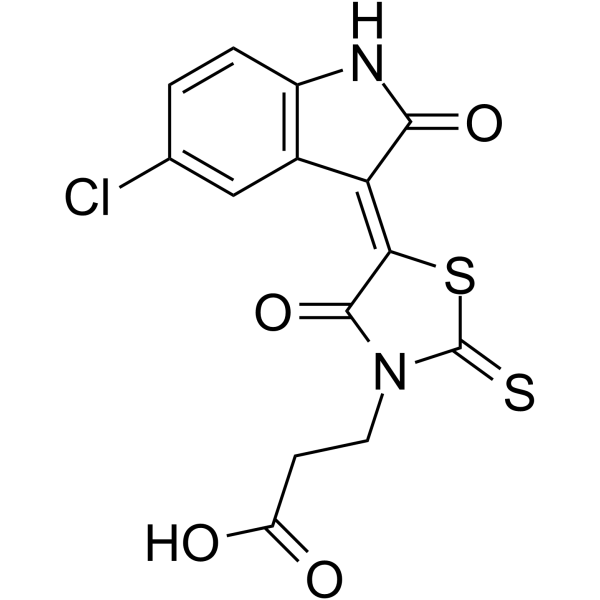
FX1 (Standard) is the analytical standard of FX1 (HY-102027). This product is intended for research and analytical applications. FX1 is a potent and specific BCL6 inhibitor, with an IC50 of around 35 μM.
ZD-1-186 is a nondegradative molecular glue that potently suppresses MYC and robustly induces CDKN1A (p21) in diffuse large B-cell lymphoma cells. ZD-1-186 brings together BCL6 with BRD9, a noncanonical BAF complex bromodomain protein implicated in maintaining MYC transcriptional output in specific lymphoma contexts. ZD-1-186 can be used for targeted transcriptional rewiring research .
CID5721353 (Standard) is the analytical standard of CID5721353 (HY-100502). This product is intended for research and analytical applications. CID5721353 is an inhibitor of BCL6 with an IC50 value of 212 μM, which corresponds to a Ki of 147 μM.
(3R,4R)-3-Methyl-4-piperidinol is a PROTAC linker. (3R,4R)-3-Methyl-4-piperidinol can be used for the synthesis of PROTAC BCL6 Degrader-3 (HY-186067) .
Transcription is the essential first step in the conversion of the genetic information in the DNA into protein and the major point at which gene expression is controlled. Transcription of protein-coding genes is accomplished by the multi-subunit enzyme RNA polymerase II and an ensemble of ancillary proteins, called transcription factors (TFs). Transcription factors play an important role in the long-term regulation of cell growth, differentiation and responses to environmental cues. Deregulated transcription factors contribute to the pathogenesis of a plethora of human diseases, ranging from diabetes, inflammatory disorders and cardiovascular disease to many cancers, and thus these proteins hold great therapeutic potential.
MCE offers a unique collection of 2,383 compounds with validated transcription factor targets modulating properties. MCE transcription factor-targeted compound library is an effective tool for researching transcription factors as drug targets as well as modulation of TFs for different therapeutic applications.
SMRT peptide is one of the co-repressors of BCL6 BTB domain interaction. SMRT peptide binds to the BTB domain of BCL6 and enhances the transcriptional repression function of BCL6. SMRT peptide can be used to study protein-protein interactions .
BCOR(498-514), biotinylated is the minimal BCL6 binding domain with an KD value of 1.32 µM. BCOR(498-514), biotinylated blocks BCL6-mediated transcriptional repression and kills lymphoma cells .
F1324 acetate is a potent, high affinity peptidic inhibitor of B cell lymphoma 6(BCL6), with an IC50 of 1 nM. F1324 acetate exhibits binding t1/2 value of 441 s and has strong inhibition activity against BCL6 PPI .
F1324 is a potent, high affinity peptidic inhibitor of B cell lymphoma 6(BCL6) with an IC50 of 1 nM. F1324 exhibits binding t1/2 value of 441 s and has strong inhibition activity against BCL6 PPI .
F1324 TFA is a potent, high affinity peptidic inhibitor of B cell lymphoma 6(BCL6), with an IC50 of 1 nM. F1324 TFA exhibits binding t1/2 value of 441 s and has strong inhibition activity against BCL6 PPI .
BCL6 is a key transcriptional repressor of germinal centers and regulates multiple biological functions and lineages. It forms a complex with corepressors and histone deacetylase, directly binds to 5'-TTCCTAGAA-3', and inhibits genes involved in differentiation, inflammation, apoptosis and cell cycle control in GC B cells. BCL6 Protein, Human is the recombinant human-derived BCL6 protein, expressed by E. coli , with tag free.
BCL6 is a key transcriptional repressor of germinal centers and regulates multiple biological functions and lineages. It forms a complex with corepressors and histone deacetylase, directly binds to 5'-TTCCTAGAA-3', and inhibits genes involved in differentiation, inflammation, apoptosis and cell cycle control in GC B cells. BCL6 Protein, Human (GST) is the recombinant human-derived BCL6 protein, expressed by E. coli , with N-GST labeled tag.
BCL6 Human Pre-designed siRNA Set A contains three designed siRNAs for BCL6 gene (Human), as well as a negative control, a positive control, and a FAM-labeled negative control.
Bcl6 Rat Pre-designed siRNA Set A contains three designed siRNAs for Bcl6 gene (Rat), as well as a negative control, a positive control, and a FAM-labeled negative control.
Bcl6 Mouse Pre-designed siRNA Set A contains three designed siRNAs for Bcl6 gene (Mouse), as well as a negative control, a positive control, and a FAM-labeled negative control.
BCL6B Human Pre-designed siRNA Set A contains three designed siRNAs for BCL6B gene (Human), as well as a negative control, a positive control, and a FAM-labeled negative control.
Inquiry Online
Your information is safe with us. * Required Fields.
Western blot analysis of extracts from THP-1(lane 2(20μg), Jurkat (lane 3(20μg) and NIH3T3(lane 4(20μg) using FOXO1A (HY-P80132) Rabbit mAb. Proteins were transferred
to a PVDF membrane and blocked with 5% non-fat milk in TBST for 2 hour at room temperature. The primary antibody (1/1000) and Loading control antibody (Beta Actin, HY-P80438, 1/10000) was
used in 5% non-fat milk in TBST at 4°C overnight. Goat Anti-Mouse/Rabbit IgG-HRP Secondary Antibody (1/10000) was used for 1 hour at room temperature.
Western blot analysis of extracts from THP-1(lane 2(20μg), Jurkat (lane 3(20μg) and NIH3T3(lane 4(20μg) using FOXO1A (HY-P80132) Rabbit mAb. Proteins were transferred
to a PVDF membrane and blocked with 5% non-fat milk in TBST for 2 hour at room temperature. The primary antibody (1/1000) and Loading control antibody (Beta Actin, HY-P80438, 1/10000) was
used in 5% non-fat milk in TBST at 4°C overnight. Goat Anti-Mouse/Rabbit IgG-HRP Secondary Antibody (1/10000) was used for 1 hour at room temperature.
Western blot analysis of extracts from THP-1(lane 2(20μg), Jurkat (lane 3(20μg) and NIH3T3(lane 4(20μg) using FOXO1A (HY-P80132) Rabbit mAb. Proteins were transferred
to a PVDF membrane and blocked with 5% non-fat milk in TBST for 2 hour at room temperature. The primary antibody (1/1000) and Loading control antibody (Beta Actin, HY-P80438, 1/10000) was
used in 5% non-fat milk in TBST at 4°C overnight. Goat Anti-Mouse/Rabbit IgG-HRP Secondary Antibody (1/10000) was used for 1 hour at room temperature.
Western blot analysis of extracts from THP-1(lane 2(20μg), Jurkat (lane 3(20μg) and NIH3T3(lane 4(20μg) using FOXO1A (HY-P80132) Rabbit mAb. Proteins were transferred
to a PVDF membrane and blocked with 5% non-fat milk in TBST for 2 hour at room temperature. The primary antibody (1/1000) and Loading control antibody (Beta Actin, HY-P80438, 1/10000) was
MedchemExpress Validation 03
Western blot analysis of extracts from THP-1(lane 2(20μg), Jurkat (lane 3(20μg) and NIH3T3(lane 4(20μg) using FOXO1A (HY-P80132) Rabbit mAb. Proteins were transferred
MedchemExpress Validation 04
Western blot analysis of extracts from THP-1(lane 2(20μg), Jurkat (lane 3(20μg) and NIH3T3(lane 4(20μg) using FOXO1A (HY-P80132) Rabbit mAb. Proteins were transferred
to a PVDF membrane and blocked with 5% non-fat milk in TBST for 2 hour at room temperature. The primary antibody (1/1000) and Loading control antibody (Beta Actin, HY-P80438, 1/10000) was
used in 5% non-fat milk in TBST at 4°C overnight. Goat Anti-Mouse/Rabbit IgG-HRP Secondary Antibody (1/10000) was used for 1 hour at room temperature.
MedchemExpress Validation
Western blot analysis of extracts from THP-1(lane 2(20μg), Jurkat (lane 3(20μg) and NIH3T3(lane 4(20μg) using FOXO1A (HY-P80132) Rabbit mAb. Proteins were transferred
to a PVDF membrane and blocked with 5% non-fat milk in TBST for 2 hour at room temperature. The primary antibody (1/1000) and Loading control antibody (Beta Actin, HY-P80438, 1/10000) was
used in 5% non-fat milk in TBST at 4°C overnight. Goat Anti-Mouse/Rabbit IgG-HRP Secondary Antibody (1/10000) was used for 1 hour at room temperature.
Western blot analysis of extracts from THP-1(lane 2(20μg), Jurkat (lane 3(20μg) and NIH3T3(lane 4(20μg) using FOXO1A (HY-P80132) Rabbit mAb. Proteins were transferred
to a PVDF membrane and blocked with 5% non-fat milk in TBST for 2 hour at room temperature. The primary antibody (1/1000) and Loading control antibody (Beta Actin, HY-P80438, 1/10000) was
used in 5% non-fat milk in TBST at 4°C overnight. Goat Anti-Mouse/Rabbit IgG-HRP Secondary Antibody (1/10000) was used for 1 hour at room temperature.
MedchemExpress Validation
Western blot analysis of extracts from THP-1(lane 2(20μg), Jurkat (lane 3(20μg) and NIH3T3(lane 4(20μg) using FOXO1A (HY-P80132) Rabbit mAb. Proteins were transferred
to a PVDF membrane and blocked with 5% non-fat milk in TBST for 2 hour at room temperature. The primary antibody (1/1000) and Loading control antibody (Beta Actin, HY-P80438, 1/10000) was
used in 5% non-fat milk in TBST at 4°C overnight. Goat Anti-Mouse/Rabbit IgG-HRP Secondary Antibody (1/10000) was used for 1 hour at room temperature.
MedchemExpress Validation
Western blot analysis of extracts from THP-1(lane 2(20μg), Jurkat (lane 3(20μg) and NIH3T3(lane 4(20μg) using FOXO1A (HY-P80132) Rabbit mAb. Proteins were transferred
to a PVDF membrane and blocked with 5% non-fat milk in TBST for 2 hour at room temperature. The primary antibody (1/1000) and Loading control antibody (Beta Actin, HY-P80438, 1/10000) was
used in 5% non-fat milk in TBST at 4°C overnight. Goat Anti-Mouse/Rabbit IgG-HRP Secondary Antibody (1/10000) was used for 1 hour at room temperature.
MedchemExpress Validation
Western blot analysis of extracts from THP-1(lane 2(20μg), Jurkat (lane 3(20μg) and NIH3T3(lane 4(20μg) using FOXO1A (HY-P80132) Rabbit mAb. Proteins were transferred
to a PVDF membrane and blocked with 5% non-fat milk in TBST for 2 hour at room temperature. The primary antibody (1/1000) and Loading control antibody (Beta Actin, HY-P80438, 1/10000) was
used in 5% non-fat milk in TBST at 4°C overnight. Goat Anti-Mouse/Rabbit IgG-HRP Secondary Antibody (1/10000) was used for 1 hour at room temperature.
MedchemExpress Validation
Western blot analysis of extracts from THP-1(lane 2(20μg), Jurkat (lane 3(20μg) and NIH3T3(lane 4(20μg) using FOXO1A (HY-P80132) Rabbit mAb. Proteins were transferred
to a PVDF membrane and blocked with 5% non-fat milk in TBST for 2 hour at room temperature. The primary antibody (1/1000) and Loading control antibody (Beta Actin, HY-P80438, 1/10000) was
used in 5% non-fat milk in TBST at 4°C overnight. Goat Anti-Mouse/Rabbit IgG-HRP Secondary Antibody (1/10000) was used for 1 hour at room temperature.
MedchemExpress Validation
Western blot analysis of extracts from THP-1(lane 2(20μg), Jurkat (lane 3(20μg) and NIH3T3(lane 4(20μg) using FOXO1A (HY-P80132) Rabbit mAb. Proteins were transferred
to a PVDF membrane and blocked with 5% non-fat milk in TBST for 2 hour at room temperature. The primary antibody (1/1000) and Loading control antibody (Beta Actin, HY-P80438, 1/10000) was
used in 5% non-fat milk in TBST at 4°C overnight. Goat Anti-Mouse/Rabbit IgG-HRP Secondary Antibody (1/10000) was used for 1 hour at room temperature.
MedchemExpress Validation
Western blot analysis of extracts from THP-1(lane 2(20μg), Jurkat (lane 3(20μg) and NIH3T3(lane 4(20μg) using FOXO1A (HY-P80132) Rabbit mAb. Proteins were transferred
to a PVDF membrane and blocked with 5% non-fat milk in TBST for 2 hour at room temperature. The primary antibody (1/1000) and Loading control antibody (Beta Actin, HY-P80438, 1/10000) was
used in 5% non-fat milk in TBST at 4°C overnight. Goat Anti-Mouse/Rabbit IgG-HRP Secondary Antibody (1/10000) was used for 1 hour at room temperature.
MedChemExpress values your privacy and your trust is important to us. We use cookies to enhance your website experience. Some cookies are necessary to run the website.
Privacy and Cookie Policy

