Search Result
Results for "
BT474
" in MedChemExpress (MCE) Product Catalog:
| Cat. No. |
Product Name |
Target |
Research Areas |
Chemical Structure |
-
- HY-32721
-
Neratinib
Maximum Cited Publications
24 Publications Verification
HKI-272
|
EGFR
|
Cancer
|
|
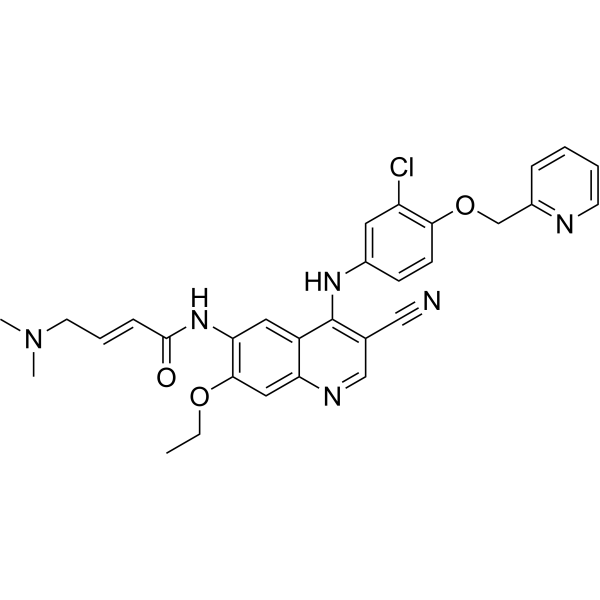
Neratinib (HKI-272) is an orally available, irreversible, highly selective HER2 and EGFR inhibitor with IC50s of 59 nM and 92 nM, respectively .
|
-
-
- HY-164202
-
|
|
Antibody-Drug Conjugates (ADCs)
|
Cancer
|
|
ORM-5029 is a first-in-class human epidermal growth factor receptor 2 (HER2)-targeted antibody-drug conjugate (ADC) comprised of SMol006, a highly potent GSPT1 degrader, conjugated to Pertuzumab (HY-P9912). ORM-5029 exhibits robust efficacy across 14 HER2-positive breast cancer cell lines, with IC50 values ranging from 0.3 to 14.4 nM.ORM-5029 demonstrates anti-tumor activity in the BT474 xenograft model. ORM-5029 can be used for study of breast cancer .
|
-
-
- HY-32721B
-
|
HKI-272 maleate
|
EGFR
|
Cancer
|
|
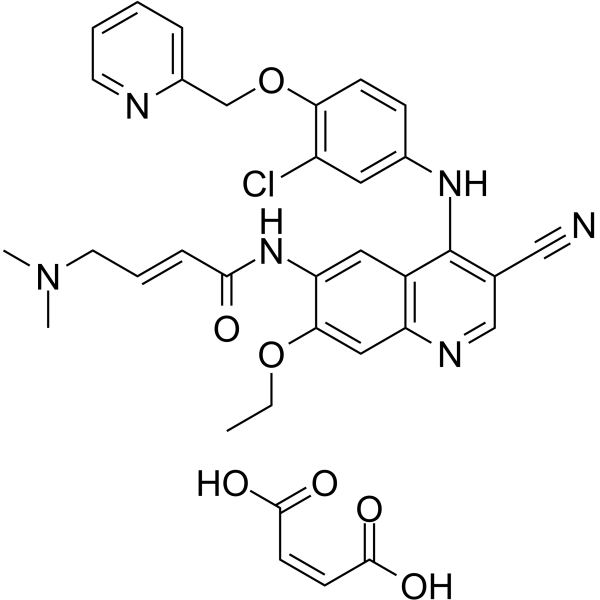
Neratinib (HKI-272) maleate is an orally available, irreversible, highly selective HER2 and EGFR inhibitor with IC50s of 59 nM and 92 nM, respectively .
|
-
-
- HY-13260
-
|
|
Akt
Autophagy
Apoptosis
|
Cancer
|
|
CCT128930 is a ATP-competitive and selective inhibitor of AKT (IC50=6 nM for AKT2). CCT128930 has 28-fold selectivity over the closely related PKA kinase (IC50=168 nM) through the targeting of Met282 of AKT (Met173 of PKA-AKT chimera), as well as 20-fold selectivity over p70S6K (IC50=120 nM). Antitumor activity.
|
-
-
- HY-111551
-
FT113
3 Publications Verification
|
Fatty Acid Synthase (FASN)
|
Cancer
|
|
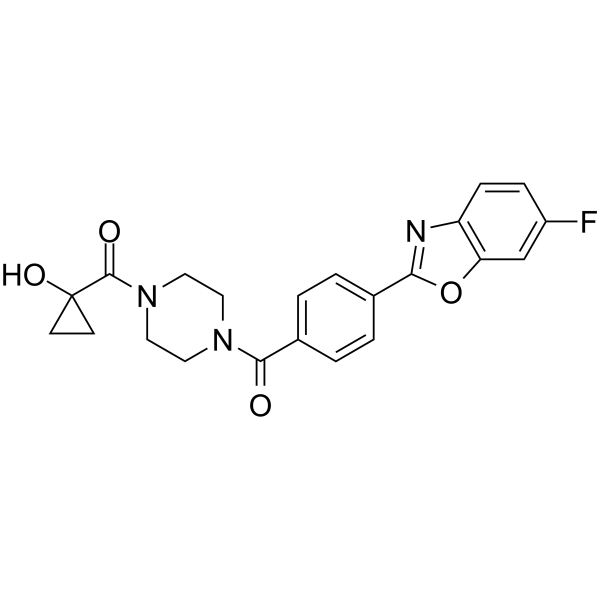
FT113 is a potent and orally active fatty acid synthase (FASN) inhibitor, with an IC50 of 213 nM for full-length recombinant human FASN enzyme. In cell-based assay, FT113 blocks FASN activity in BT474 cells (IC50, 90 nM). FT113 shows anti-proliferative activity, and exhibits anti-cancer activity both in vitro and in vivo .
|
-
-
- HY-163428
-
|
ZN-A-1041
|
EGFR
|
Inflammation/Immunology
Cancer
|
|
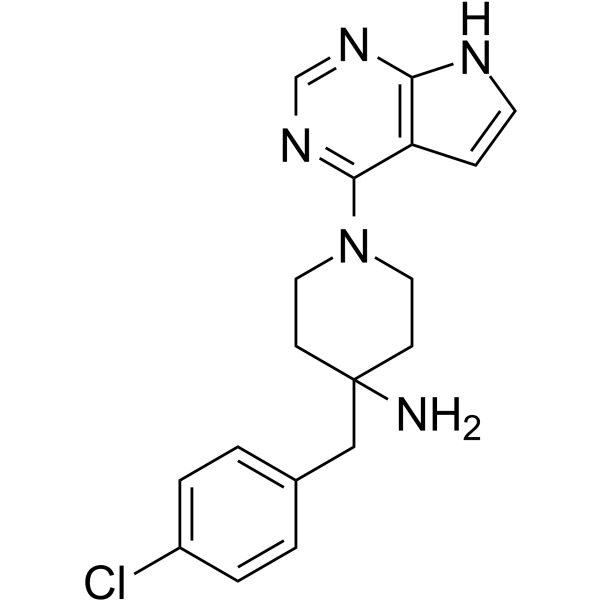
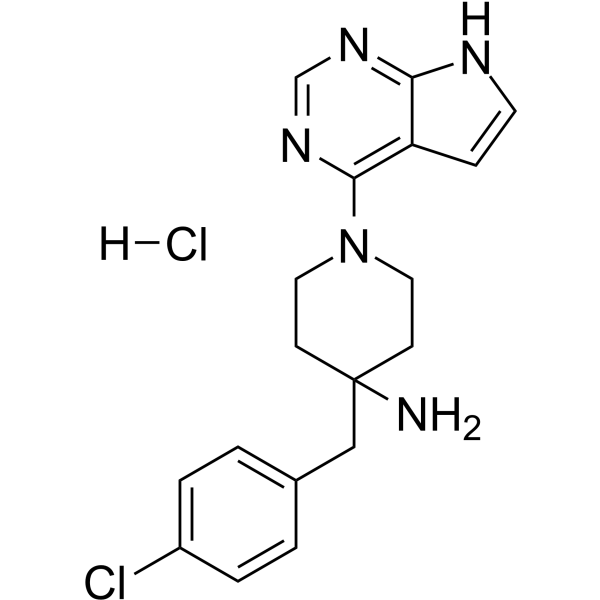
ZN-A-1041 inhibits HER2 in BT474 cell and wt-EGFR in H838 cells, with IC50s of 9.5 nM and 12 μM respectively. ZN-A-1041 can be used for research of cancer and inflammation .
|
-
-
- HY-B2099A
-
|
1-Butylbiguanide hydrochloride
|
AMPK
|
Cancer
|
|
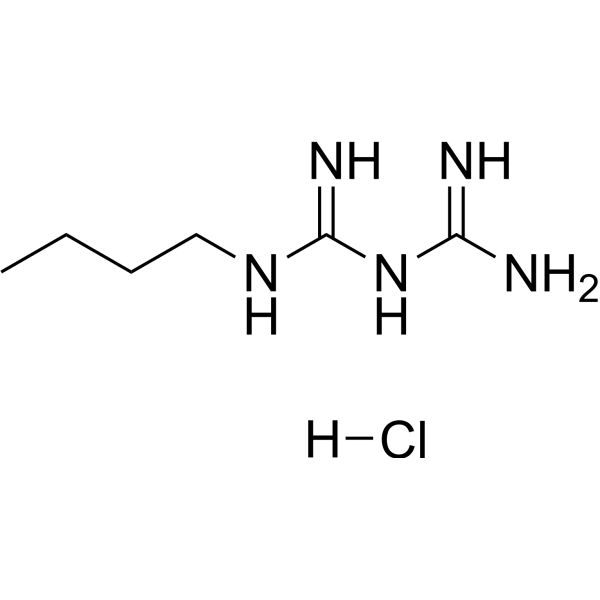
Buformin hydrochloride (1-Butylbiguanide hydrochloride), a potent AMPK activator, acts as an orally active biguanide antidiabetic agent. Buformin hydrochloride decreases hepatic gluconeogenesis and lowers blood glucose production in vivo. Buformin hydrochloride also has anti-cancer activities and is applied in cancer study (such as, cervical cancer and breast cancer, et al) .
|
-
-
- HY-U00447
-
|
|
MDM-2/p53
DNA Alkylator/Crosslinker
|
Cancer
|
|
PK11000 is an alkylating agent, and stabilizes the DNA-binding domain of both WT and mutant p53 proteins by covalent cysteine modification without compromising DNA binding. PK11000 has anti-tumor activities .
|
-
-
- HY-177008
-
|
|
PROTACs
EGFR
Apoptosis
Akt
ERK
|
Cancer
|
|
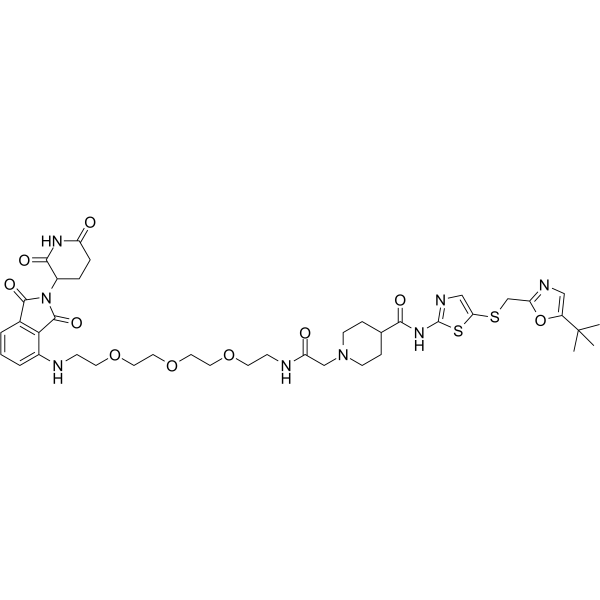
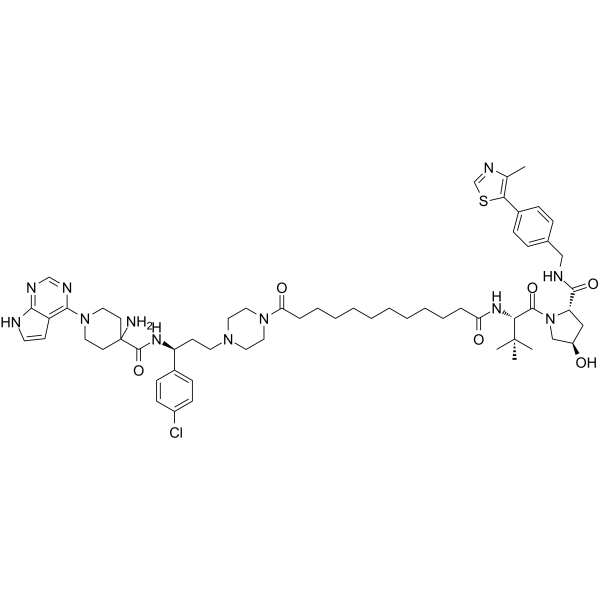
PROTAC HER2 degrader-1 is a highly selective HER2 PROTAC degrader, with a DC50 of 69 nM and a Dmax of 96%. PROTAC HER2 degrader-1 inhibits HER2-positive cell proliferation and tumor growth through persistent HER2 degradation and potent inhibition of downstream pathways (AKT and ERK). PROTAC HER2 degrader-1 induces apoptosis in BT-474 cells. PROTAC HER2 degrader-1 can be used for research of HER2-positive cancers. (Pink: HER2 ligand: (HY-177009); Black: Linker; Blue: CRBN ligand: (HY-W023573) .
|
-
-
- HY-100764
-
YUKA1
1 Publications Verification
|
Histone Demethylase
|
Cancer
|
|
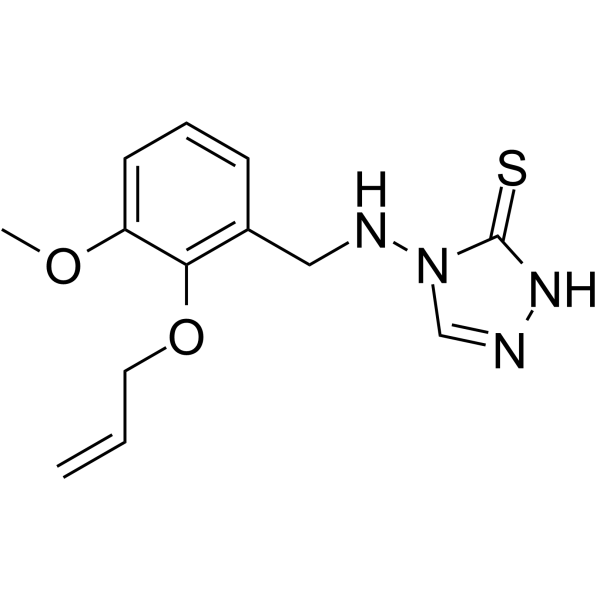
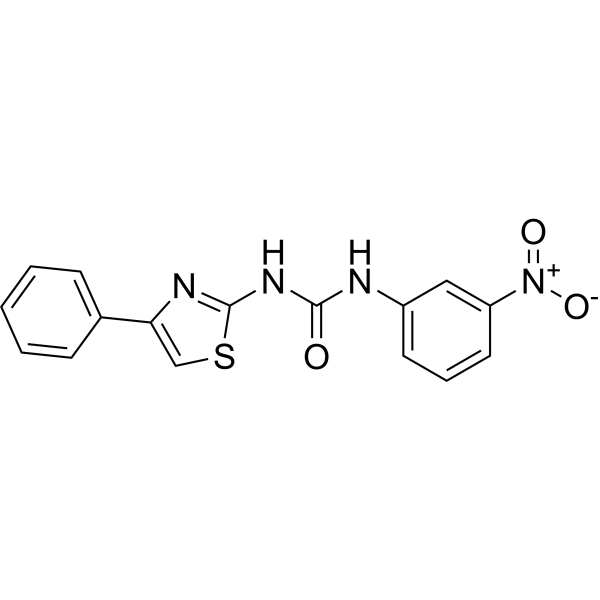
YUKA1 is a potent and cell permeable Lysine demethylase 5A (KDM5A) inhibitor, with an IC50 of 2.66 μM. YUKA1 has less inhibitory active on KDM5C (IC50 = 7.12 μM) and is inactive on KDM5B, KDM6A or KDM6B. YUKA1 can increase H3K4me3 levels and inhibit cell proliferation. YUKA1 can be used for the research of cancer, such as lung and breast cancers .
|
-
-
- HY-161781
-
-
-
- HY-108931
-
|
|
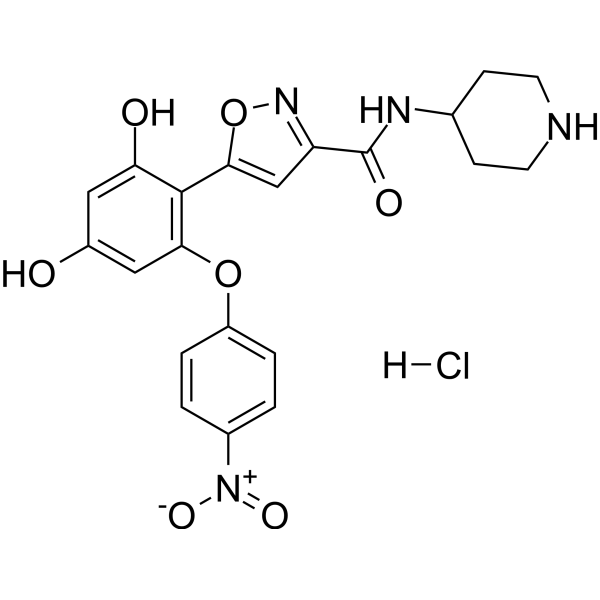
EGFR
|
Cancer
|
|
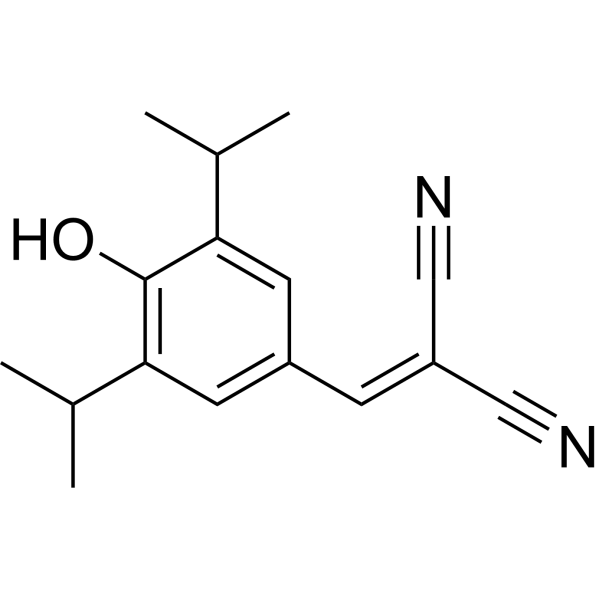
AG 1406 (compound M19) is a HER2 inhibitor, with an IC50 of 10.57 μM for HER2 in BT474 cell and >50 μM for EGFR in EGF-3T3 cell .
|
-
-
- HY-141890
-
|
|
Epigenetic Reader Domain
|
Cancer
|
|
BAZ1A-IN-1 is a potent inhibitor of BAZ1A (bromodomain-containing protein). BAZ1A-IN-1 shows a KD value of 0.52 μM against BAZ1A bromodomain. BAZ1A-IN-1 shows good anti-viability activity against cancer cell lines expressing a high level of BAZ1A, but weak or no activity against cancer cells with a low expression level of BAZ1A .
|
-
-
- HY-164399
-
|
|
HSP
EGFR
CDK
Akt
|
Cancer
|
|
SST0116CL1 is a HSP90 inhibitor (IC50: 0.21 μM). SST0116CL1 binds to the ATP binding pocket of Hsp90, and interferes with Hsp90 chaperone function thus resulting in client protein (EGFR, CDK4 and AKT) degradation. SST0116CL1 induces degradation of Her2 in BT-474 cell (IC50: 0.2 μM). SST0116CL1 has antiproliferative activity and inhibits tumor growth. SST0116CL1 can be used for the study of leukemia, gastric and ovarian carcinoma .
|
-
-
- HY-164088
-
-
-
- HY-120234
-
|
Z-Leu-Leu-Nle-CHO; GSII
|
γ-secretase
Proteasome
Apoptosis
|
Cancer
|
|
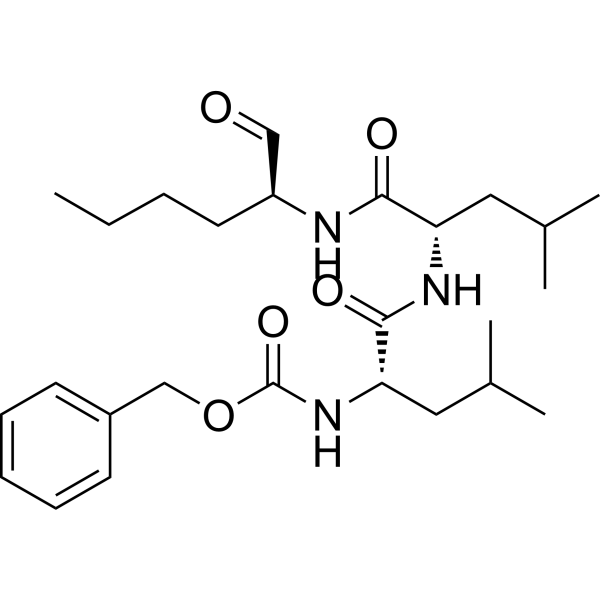
Z-LLNle-CHO (Z-Leu-Leu-Nle-CHO) is a γ-secretase inhibitor I. Z-LLNle-CHO induces caspase and ROS-dependent apoptosis by blocking the Akt-mediated pro-survival pathway. Z-LLNle-CHO can be used in cancer research, such as breast cancer and leukaemia .
|
-
-
- HY-13260A
-
|
|
Akt
Autophagy
Apoptosis
|
Cancer
|
|
CCT128930 hydrochloride is a potent and selective inhibitor of AKT (IC50=6 nM). CCT128930 hydrochloride has 28-fold selectivity over the closely related PKA kinase (IC50=168 nM) through the targeting of Met282 of AKT (Met173 of PKA-AKT chimera), as well as 20-fold selectivity over p70S6K (IC50=120 nM). CCT128930 hydrochloride induces cell cycle arrest, DNA damage, and autophagy. Antitumor activity .
|
-
-
- HY-135312
-
|
|
Estrogen Receptor/ERR
PROTACs
|
Cancer
|
|
AZ'6421 acts as Protcolysis Targeting Chimera (PROTAC) to selectively degrade estrogen receptor alpha. AZ'6421 has a potent anti-tumour effect to inhibit the uncontrolled cellular proliferation which arises from malignant disease. AZ'6421 can be used for the research of cancer such as breast cancer .
|
-
-
- HY-32721R
-
|
HKI-272 (Standard)
|
Reference Standards
EGFR
|
Cancer
|
|
Neratinib (Standard) is the analytical standard of Neratinib. This product is intended for research and analytical applications. Neratinib (HKI-272) is an orally available, irreversible, highly selective HER2 and EGFR inhibitor with IC50s of 59 nM and 92 nM, respectively .
|
-
-
- HY-B2099
-
|
1-Butylbiguanide
|
AMPK
|
Metabolic Disease
Cancer
|
|
Buformin (1-Butylbiguanide), a potent AMPK activator, acts as an orally active biguanide antidiabetic agent. Buformin decreases hepatic gluconeogenesis and lowers blood glucose production in vivo. Buformin also has anti-cancer activities and is applied in cancer study (such as, cervical cancer and breast cancer, et al) .
|
-
-
- HY-103441
-
|
|
EGFR
|
Cancer
|
|
JNJ28871063 hydrochloride is an orally active, highly selective and ATP competitive pan-ErbB kinase inhibitor with IC50 values of 22 nM, 38 nM, and 21 nM for ErbB1, ErbB2, and ErbB4, respectively. JNJ28871063 hydrochloride inhibits phosphorylation of functionally important tyrosine residues in both EGFR and ErbB2. JNJ28871063 hydrochloride crosses the blood-brain barrier and has antitumor activity in human tumor xenograft models that overexpress EGFR and ErbB2 .
|
-
-
- HY-160899A
-
|
|
Drug-Linker Conjugates for ADC
|
Cancer
|
|
Thailanstatin A cyclohexane diamine formic is an analog of Spliceostatin (HY-16466). Thailanstatin A cyclohexane diamine formic inhibits proliferations of cells N87 (IC50 is 0.33 μM), BT474 (IC50 is 0.34 μM), MDA-MB-361-DYT2 (IC50 is 0.88 μM) and MDA-MB-468 (IC50 is 0.27 μM). Thailanstatin A cyclohexane diamine formic is used as a drug-linker conjugate for ADC molecule .
|
-
-
- HY-169307
-
|
|
Btk
|
Cancer
|
|
BTK-IN-38 (Example 125) is a potent BTK inhibitor. BTK-IN-38 inhibits DOHH2 and BT474
cells proliferation with IC50s of 114 and 340 nM, respectively .
|
-
-
- HY-163134
-
|
|
DNA-PK
|
Cancer
|
|
DNA-PK-IN-12 (compound 31t) is an oral active DNA-PK inhibitor with the IC50 of 0.1 nM. DNA-PK-IN-12 inhibits cell growth and Hct116 cell colony formation with the IC50 of 33.28 μM, and shows antitumor activity in vivo .
|
-
-
- HY-P10785
-
|
|
Bacterial
Antibiotic
|
Infection
|
|
Iturin A-2 is a cyclic lipopeptide discovered in B. subtilis and exhibits inhibitory activity against the plant pathogenic fungus P. expansum (MIC = 8 µg/disk). Iturin A-2 is cytotoxic to MCF-7 and BT474 breast cancer cells, as well as HeLa cervical cancer cells, with IC50 values of 66.81, 95.04, and 77.5 µg/mL, respectively. In greenhouse studies, Iturin A-2 at concentrations of 100 and 300 mg/kg Iturin A-2 reduces the lesion area of southern corn leaf blight caused by B. maydis, and in field studies, concentrations of 300 and 500 mg/kg Iturin A-2 reduce the incidence of the disease. Iturin A-2 (12.5 µg/mL) inhibits cell division, but not nuclear division, in isolated fertilized starfish eggs .
|
-
-
- HY-155098
-
|
|
SHP2
|
Cancer
|
|
CNBCA is a potent, selective, competitive SHP2 enzyme inhibitor, with the IC50 of 0.87 μM. CNBCA binds to full-length SHP2 and inhibits enzyme activity. CNBCA inhibits pAkt and pERK1/2, and the cell growth of BT474 and MDA-MB468 cells. CNBCA can be used for breast cancer study .
|
-
-
- HY-163453
-
|
|
EGFR
|
Cancer
|
|
HER2-IN-19 (Compound 10e) is a potent inhibitor of HER2 and EGFR with IC50 values of 0.87 respectively and 3.5 nM. HER2-IN-19 has potent inhibitory activity against tumor cells, IC50 NCI-N87 = 1.63 nM, IC50 BT474= 15.17 nM, IC50 BaF3-HER2YVMA = 1.49 nM .
|
-
-
- HY-160613
-
|
|
EGFR
|
Cancer
|
|
EGFR/HER2-IN-11 (compound 20) is an orally active dual inhibitor for human epidermal growth factor receptor 2 (HER2) and epidermal growth factor receptor (EGFR), with IC50s of 7.7 and 22 nM, respectively. EGFR/HER2-IN-11 exhibits antitumor efficacy and inhibits proliferation against cancer cells BT-474 with GI50 of 601 nM .
|
-
-
- HY-P991328
-
|
|
Notch
|
Cancer
|
|
MAb604.107 is a human monoclonal antibody (mAb) targeting NOTCH1. MAb604.107 inhibits the proliferation and CD34/CD44 expression of primary T-ALL cells. MAb604.107 has anti-tumor activity in four tumor xenograft mouse models: MDA-MB-231, HCC-1806, BT-474, and HCT-116. MAb604.107 can be used in T acute lymphoblastic leukemia research .
|
-
-
- HY-N3626
-
|
|
Others
|
Cancer
|
|
Coronalolide is a natural triterpene with anticancer effects. Coronalolide exhibits a broad cytotoxic activity for human breast (BT474), gastric (KATO-3), lung (CHAGO), colon (SW-620), and liver (Hep-G2) cancer cell lines, with IC50 values of 6.59 µg/mL, 5.85 µg/mL, 5.42 µg/mL, 4.98 µg/mL, and 6.41 µg/mL, respectively .
|
-
-
- HY-164399A
-
|
|
HSP
ERK
CDK
Akt
|
Cancer
|
|
SST0116CL1 free base is a HSP90 inhibitor (IC50: 0.21 μM). SST0116CL1 free base binds to the ATP binding pocket of Hsp90, and interferes with Hsp90 chaperone function thus resulting in client protein (EGFR, CDK4 and AKT) degradation. SST0116CL1 free base induces degradation of Her2 in BT-474 cell (IC50: 0.2 μM). SST0116CL1 free base has antiproliferative activity and inhibits tumor growth. SST0116CL1 free base has antiproliferative activity and inhibits tumor growth. SST0116CL1 free base can be used for the study of leukemia, gastric and ovarian carcinoma .
|
-
-
- HY-174414
-
|
|
EGFR
|
Cancer
|
EGFR/HER2-IN-18 is a stable EGFR/HER2 dual inhibitor with IC50 values of 0.09 (EGFR) and 0.08 μM (HER2) respectively. EGFR/HER2-IN-18 exhibits broad-spectrum anti-cancer activity. EGFR/HER2-IN-18 induces MCF-7 cells apoptosis and inhibits the cell cycle. EGFR/HER2-IN-18 can be used for the study of breast cancer .
|
-
-
- HY-176744
-
|
|
EGFR
Apoptosis
|
Cancer
|
|
HER2-IN-22 is a potent and selective HER2 inhibitor with an IC50 of 215 μM. HER2-IN-22 possesses killing activity against various tumor cells and can induce cell apoptosis. HER2-IN-22 significantly inhibits tumor growth. HER2-IN-22 can be used in the study for tumors such as HER2+ breast cancer .
|
-
-
- HY-P990248
-
|
|
Cadherin
EGFR
PERK
Akt
mTOR
|
Neurological Disease
Inflammation/Immunology
Cancer
|
|
Anti-Mouse E-Cadherin/CD324 Antibody (DECMA-1) is an anti-mouse E-Cadherin/CD324 IgG1 monoclonal antibody. Anti-Mouse E-Cadherin/CD324 Antibody (DECMA-1) can downregulate the HER signaling axis and PI3K/Akt/mTOR signaling pathway. Anti-Mouse E-Cadherin/CD324 Antibody (DECMA-1) can inhibit the proliferation of tumor cells and induce their apoptosis. Anti-Mouse E-Cadherin/CD324 Antibody (DECMA-1) can be used for researches on cancer and inflammation conditions such as breast cancer, chronic compression injury (CCI) and asthma .
|
-
-
- HY-161630
-
|
|
Toll-like Receptor (TLR)
|
Cancer
|
|
TLR8 agonist 8 (Compound II-72) is an agonist for Toll-like receptor 8 (TLR8) with EC50 of 0.25-1 μM. TLR8 agonist 8 is stable in human and murine plasma, induces secretion of cytokines TNFα, with EC50 <1 μM. TLR8 agonist 8 exhibits antitumor activity in MC38-HER2 xenograft mouse model with a tumor growth inhibition (TGI) rate of 89% .
|
-
-
- HY-179343
-
|
|
HSP
|
Cancer
|
|
Hsp90-IN-43 (Compound 12) is a Hsp90-TPR2A interaction inhibitor with an IC50 of 360 nM and a Kd of 928 nM. Hsp90-IN-43 effectively inhibits the proliferation of BT474 cells. Hsp90-IN-43 can be used for the study of breast cancer .
|
-
-
- HY-107226
-
|
|
Others
|
Cancer
|
|
Crovatin, isolated from the stem bark of C. oblongifolius, shows anti-tumor effect .
|
-
-
- HY-158649
-
|
|
Fatty Acid Synthase (FASN)
Apoptosis
|
Cancer
|
|
Fasnall benzenesulfonate is the benzenesulfonate salt form of Fasnall (HY-121250). Fasnall benzenesulfonate is the inhibitor for fatty acid synthase (FASN) with IC50 of 3.7 μM. Fasnall benzenesulfonate inhibits the proliferation and induces apoptosis in breast cancer cells. Fasnall benzenesulfonate exhibits antitumor efficacy in mice .
|
-
-
- HY-141478
-
|
|
ATM/ATR
|
Cancer
|
|
Antitumor agent-28 selectively inhibits ataxia telangiectasia mutated (ATM) kinase. Antitumor agent-28 prevents ATM mediated disease and has potent anti-cancer activity .
|
-
-
- HY-161629
-
|
|
Toll-like Receptor (TLR)
|
Cancer
|
|
TLR8 agonist 7 (Compound II-36) is an agonist for Toll-like receptor 8 (TLR8) with EC50 <250 nM. TLR8 agonist 7 is stable in human and murine plasma, induces secretion of cytokines TNFα, with EC50 <1 μM. TLR8 agonist 7 exhibits antitumor activity in MC38-HER2 xenograft mouse model with a tumor growth inhibition (TGI) rate of 98% .
|
-
-
- HY-161631
-
|
|
Toll-like Receptor (TLR)
|
Cancer
|
|
TLR8 agonist 9 (Compound II-77) is an agonist for Toll-like receptor 8 (TLR8) with EC50 of 0.25-1 μM. TLR8 agonist 9 is stable in human and murine plasma, induces secretion of cytokines TNFα, with EC50 <1 μM. TLR8 agonist 9 exhibits antitumor activity in MC38-HER2 xenograft mouse model with a tumor growth inhibition (TGI) rate of 97% .
|
-
-
- HY-B2099AR
-
|
1-Butylbiguanide hydrochloride (Standard)
|
AMPK
Reference Standards
|
Cancer
|
|
Buformin (hydrochloride) (Standard) is the analytical standard of Buformin (hydrochloride). This product is intended for research and analytical applications. Buformin hydrochloride (1-Butylbiguanide hydrochloride), a potent AMPK activator, acts as an orally active biguanide antidiabetic agent. Buformin hydrochloride decreases hepatic gluconeogenesis and lowers blood glucose production in vivo. Buformin hydrochloride also has anti-cancer activities and is applied in cancer study (such as, cervical cancer and breast cancer, et al) .
|
-
-
- HY-183140
-
|
|
Acyltransferase
Caspase
|
Cancer
|
|
DH20931 is a ceramide synthase 2 (CerS2) activator. DH20931 inhibits growth of cancer cells by inducing lipotoxic endoplasmic reticulum (ER) stress. DH20931 shows synergistic anti-tumor efficacy with Doxorubicin (HY-15142A). DH20931 can be used for the research of breast cancer .
|
-
-
- HY-100764R
-
|
|
Histone Demethylase
Reference Standards
|
Cancer
|
|
YUKA1 (Standard) is the analytical standard of YUKA1 (HY-100764). This product is intended for research and analytical applications. YUKA1 is a potent and cell permeable Lysine demethylase 5A (KDM5A) inhibitor, with an IC50 of 2.66 μM. YUKA1 has less inhibitory active on KDM5C (IC50 = 7.12 μM) and is inactive on KDM5B, KDM6A or KDM6B. YUKA1 can increase H3K4me3 levels and inhibit cell proliferation. YUKA1 can be used for the research of cancer, such as lung and breast cancers .
|
-
-
- HY-185344
-
|
TRX01
|
NF-κB
|
Cancer
|
|
Ratutrelvir is a NF-κB p65 inhibitor. Ratutrelvir blocks the translocation of NF-κB p65 from the cytoplasm to the nucleus, reduces the phosphorylation levels of NF-κB p65 and IκBα, and inhibits the DNA-binding activity of NF-κB p65. Ratutrelvir inhibits the migration and invasion abilities of breast cancer cells, and reduces their viability and colony-forming capacity. Ratutrelvir can be used for the research of luminal A breast cancer .
|
-
-
- HY-N9804
-
-
-
- HY-181968
-
|
|
ERK
Ferroptosis
|
Cancer
|
|
JWG-045 is a selective ERK5 inhibitor. JWG-045 exhibits unique ferroptosis-resistant activity independent of ERK5 inhibition. JWG-045 can be used in breast cancer research .
|
-
-
- HY-183587
-
|
|
Apoptosis
Drug Derivative
|
Cancer
|
|
Anticancer agent 322 is a spirocyclohexane-chroman-4-one derivative. Anticancer agent 322 induces apoptosis and G1 cell cycle arrest in breast cancer cells. Anticancer agent 322 can be used for the research of breast cancer .
|
-
-
- HY-182307
-
|
|
Apoptosis
Caspase
TNF Receptor
|
Cancer
|
|
OH14 is a cellular FLICE-like inhibitory protein (cFLIP) inhibitor and TNF-related apoptosis-inducing ligand (TRAIL) sensitizer. OH14 selectively binds to the DED1 pocket of cFLIP, disrupting its recruitment to the TRAIL-death inducing signalling complex without affecting procaspase-8 recruitment to FADD, allowing procaspase-8 activation. OH14 promotes TRAIL-mediated apoptosis and impairs cell viability in breast cancer systems when combined with TRAIL. OH14 can be used for the research of breast cancer .
|
-
-
- HY-123726
-
|
|
EGFR
|
Cancer
|
|
ErbB-1/ErbB-2 tyrosine kinase-IN-1 is a dual ErbB-1/ErbB-2 tyrosine kinase inhibitor with IC50 values of 0.027 μM and 0.026 μM. ErbB-1/ErbB-2 tyrosine kinase-IN-1 targets the ATP binding region of ErbB-1 and ErbB-2 tyrosine kinases. ErbB-1/ErbB-2 tyrosine kinase-IN-1 inhibits cancer cells proliferation .
|
-
- HY-182397
-
|
|
Cyclophilin
|
Cancer
|
|
ZX-J-19L is a CyPJ inhibitor with inhibitory activity against a variety of tumor cell lines. ZX-J-19L inhibits the growth of human liver cancer cells, human breast cancer cells, ovarian cancer cells and prostate cancer cells in vitro. ZX-J-19L can be used for tumor research .
|
-
| Cat. No. |
Product Name |
Target |
Research Area |
-
- HY-120234
-
|
Z-Leu-Leu-Nle-CHO; GSII
|
γ-secretase
Proteasome
Apoptosis
|
Cancer
|
|
Z-LLNle-CHO (Z-Leu-Leu-Nle-CHO) is a γ-secretase inhibitor I. Z-LLNle-CHO induces caspase and ROS-dependent apoptosis by blocking the Akt-mediated pro-survival pathway. Z-LLNle-CHO can be used in cancer research, such as breast cancer and leukaemia .
|
-
- HY-P10785
-
|
|
Bacterial
Antibiotic
|
Infection
|
|
Iturin A-2 is a cyclic lipopeptide discovered in B. subtilis and exhibits inhibitory activity against the plant pathogenic fungus P. expansum (MIC = 8 µg/disk). Iturin A-2 is cytotoxic to MCF-7 and BT474 breast cancer cells, as well as HeLa cervical cancer cells, with IC50 values of 66.81, 95.04, and 77.5 µg/mL, respectively. In greenhouse studies, Iturin A-2 at concentrations of 100 and 300 mg/kg Iturin A-2 reduces the lesion area of southern corn leaf blight caused by B. maydis, and in field studies, concentrations of 300 and 500 mg/kg Iturin A-2 reduce the incidence of the disease. Iturin A-2 (12.5 µg/mL) inhibits cell division, but not nuclear division, in isolated fertilized starfish eggs .
|
| Cat. No. |
Product Name |
Target |
Research Area |
Image |
-
- HY-P991328
-
|
|
Notch
|
Cancer
|
|
MAb604.107 is a human monoclonal antibody (mAb) targeting NOTCH1. MAb604.107 inhibits the proliferation and CD34/CD44 expression of primary T-ALL cells. MAb604.107 has anti-tumor activity in four tumor xenograft mouse models: MDA-MB-231, HCC-1806, BT-474, and HCT-116. MAb604.107 can be used in T acute lymphoblastic leukemia research .
|
-
(5)
-
- HY-P990248
-
|
|
Cadherin
EGFR
PERK
Akt
mTOR
|
Neurological Disease
Inflammation/Immunology
Cancer
|
|
Anti-Mouse E-Cadherin/CD324 Antibody (DECMA-1) is an anti-mouse E-Cadherin/CD324 IgG1 monoclonal antibody. Anti-Mouse E-Cadherin/CD324 Antibody (DECMA-1) can downregulate the HER signaling axis and PI3K/Akt/mTOR signaling pathway. Anti-Mouse E-Cadherin/CD324 Antibody (DECMA-1) can inhibit the proliferation of tumor cells and induce their apoptosis. Anti-Mouse E-Cadherin/CD324 Antibody (DECMA-1) can be used for researches on cancer and inflammation conditions such as breast cancer, chronic compression injury (CCI) and asthma .
|
-
(5)
| Cat. No. |
Product Name |
Category |
Target |
Chemical Structure |
-
- HY-N3626
-
|
|
Triterpenes
Terpenoids
Rubiaceae
Gardenia sootepensis hutchins.
Plants
Source Classification
|
Others
|
|
Coronalolide is a natural triterpene with anticancer effects. Coronalolide exhibits a broad cytotoxic activity for human breast (BT474), gastric (KATO-3), lung (CHAGO), colon (SW-620), and liver (Hep-G2) cancer cell lines, with IC50 values of 6.59 µg/mL, 5.85 µg/mL, 5.42 µg/mL, 4.98 µg/mL, and 6.41 µg/mL, respectively .
|
-
-
- HY-107226
-
-
-
- HY-N9804
-
-
Your information is safe with us. * Required Fields.
Inquiry Information
- Product Name:
- Cat. No.:
- Quantity:
- MCE Japan Authorized Agent:

