




From 11:00 pm to 12:00 pm EST ( 8:00 pm to 9:00 pm PST ) on January 6th, the website will be under maintenance. We are sorry for the inconvenience. Please arrange your schedule properly.
Rosnilimab (ANB030) is a PD-1 agonist IgG1 monoclonal antibody. Rosnilimab can inhibit T cell proliferation, the secretion of inflammatory cytokines, and reduce CD4 and CD8 T cells with high PD-1 expression. Rosnilimab can be used in the research of inflammatory diseases such as colitis and rheumatoid arthritis .
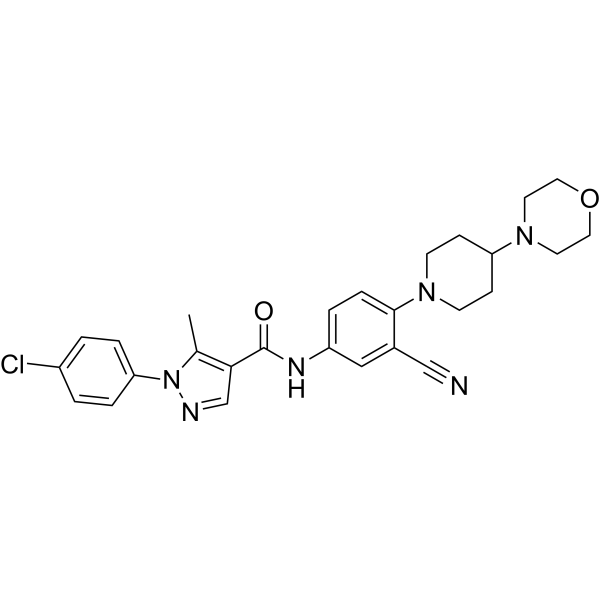
Zelasudil (RXC007) is an orally active, highly selective small molecule Rho-associated coiled-coil containing protein kinase 2 (ROCK2) inhibitor with anti-fibrotic efficacy. Zelasudil elicits positive immunomodulatory effects in metastatic pancreatic tumors with increase of CD8+ and CD4+ T cell infiltrate into the tumor cortex and reduction in immunosuppressive FOXP3+ regulatory T cells at the tumor border. Zelasudil is promising for research of pancreatic ductal adenocarcinoma .
ODN 2216 is a type A CpG oligodeoxynucleotide vaccine adjuvant and a TLR9 agonist. ODN 2216 interacts with TLR9 in the lysosomes of CD4+ T cells and activates feedback-dependent signaling pathways. ODN 2216 induces the production of type I interferons, IL-6 and TGF-β via the IRAK4/IRF7 axis, while increasing intracellular ATP levels. ODN 2216 not only induces the differentiation of CD4+ T cells into anti-inflammatory Th3-like regulatory phenotypes to inhibit autologous proliferation, but also enhances the specific CD8 + T cell-mediated cytotoxicity against Mammaglobin-A in breast cancer cells. ODN 2216 is widely used in studies related to breast cancer and systemic lupus erythematosus .
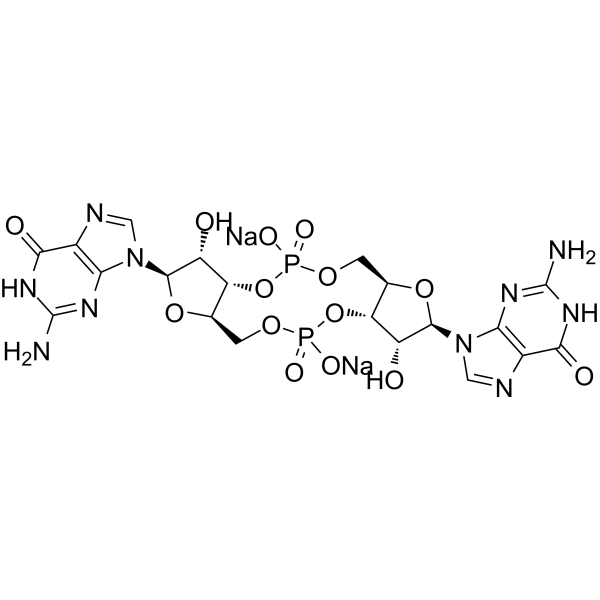
Cyclic-di-GMP disodium is a STING agonist and a bacterial second messenger that coordinates different aspects of bacterial growth and behavior, including motility, virulence, biofilm formation, and cell cycle progression. Cyclic-di-GMP disodium has anti-cancer cell proliferation activity and also induces elevated CD4 receptor expression and cell cycle arrest. Cyclic-di-GMP disodium can be used in cancer research .
Efineptakin alfa (NT-17) is a long-acting recombinant human IL-7. Efineptakin alfa supports the proliferation and survival CD4+ and CD8 +cells in both human and mice. Efineptakin alfa can be used for glioblastoma research .
Anti-Mouse CD4 Antibody (GK1.5) is an anti-mouse CD4 IgG2b monoclonal antibody. Anti-Mouse CD4 Antibody (GK1.5) can significantly deplete CD4+ T cells. Anti-Mouse CD4 Antibody (GK1.5) can extend the survival rate of xenograft models. Anti-Mouse CD4 Antibody (GK1.5) can be used for research on immunology. The recommend isotype control of Anti-Mouse CD4 Antibody (GK1.5): Rat IgG2b kappa, Isotype Control (HY-P990682) .
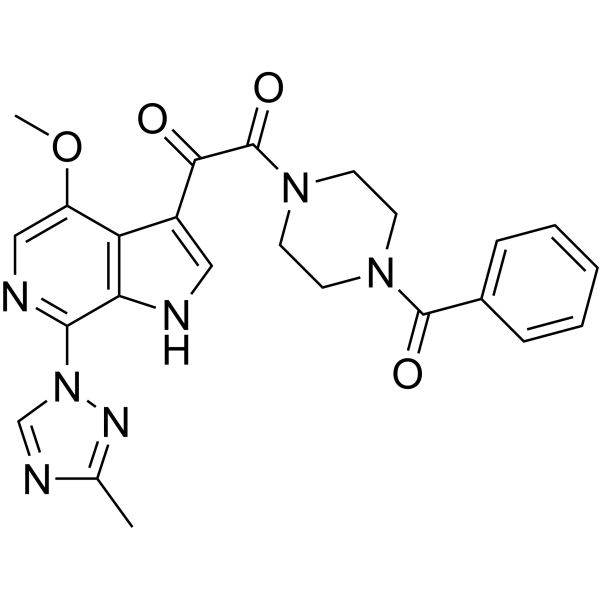
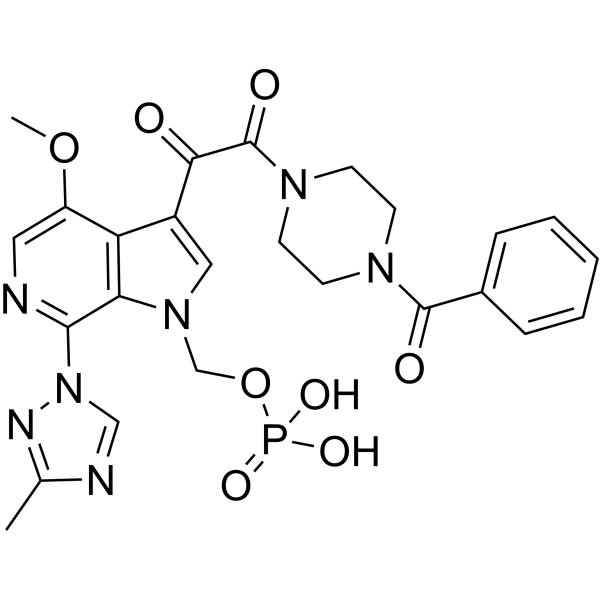
Fostemsavir (BMS-663068) is the phosphonooxymethyl prodrug of BMS-626529. Fostemsavir (BMS-663068) is a novel attachment inhibitor that targets HIV-1 gp120 and prevents its binding to CD4+ T cells.
ODN 2216 sodium is a type A CpG oligodeoxynucleotide vaccine adjuvant and a TLR9 agonist. ODN 2216 sodium interacts with TLR9 in the lysosomes of CD4+ T cells and activates feedback-dependent signaling pathways. ODN 2216 sodium induces the production of type I interferons, IL-6 and TGF-β via the IRAK4/IRF7 axis, while increasing intracellular ATP levels. ODN 2216 sodium not only induces the differentiation of CD4+ T cells into anti-inflammatory Th3-like regulatory phenotypes to inhibit autologous proliferation, but also enhances the specific CD8 + T cell-mediated cytotoxicity against Mammaglobin-A in breast cancer cells. ODN 2216 sodium is widely used in studies related to breast cancer and systemic lupus erythematosus .
LCMV GP (61-80) is a peptide fragment derived from lymphocytic choriomeningitis virus (LCMV) glycoprotein (GP), and corresponds to amino acids 61-80. LCMV GP (61-80) is a specific epitope which can induce CD4+ T-cell response .
ESAT6 Epitope is a ESAT6CD4+ T cell epitope. ESAT6 Epitope binds to MHC class I molecules with an IC50 value of approximately 180 nM. ESAT6 Epitope has weak immunogenicity. ESAT6 Epitope can be used in studies related to pulmonary tuberculosis .
JNJ-61803534 is a potent and orally active RORγt inverse agonist with an IC50 of 9.6 nM. JNJ-61803534 has anti-inflammatory activity. JNJ-61803534 inhibits IL-17A production in human CD4+ T cells under Th17 differentiation conditions .
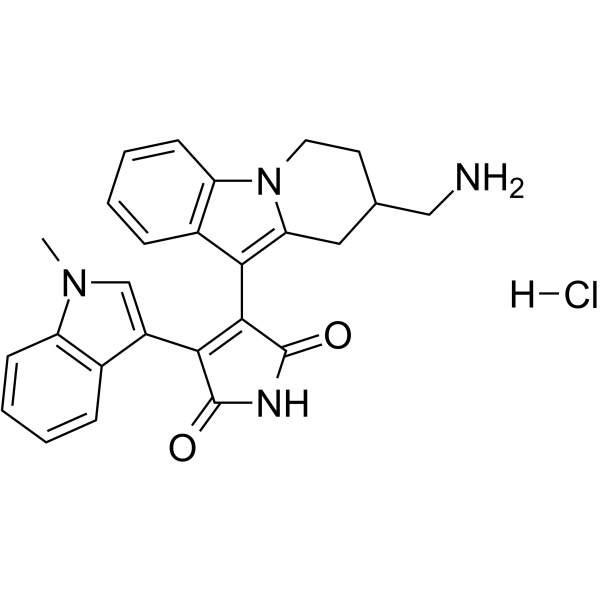
Bisindolylmaleimide X hydrochloride(Ro 31-8425 hydrochloride, BIM-X hydrochloride) is a cell-penetrating PKC inhibitor. Bisindolylmaleimide X hydrochloride is a potent cyclin-dependent kinase 2 (CDK2) antagonist with an IC50 of 200 nM. Bisindolylmaleimide X hydrochloride inhibits the proliferation of CD4 T cells in vitro. Bisindolylmaleimide X hydrochloride inhibits eNOS-Ser1177 phosphorylation in human embryonic vein endothelial cells. Bisindolylmaleimide X hydrochloride can be used for research on the immune system and cardiovascular diseases .
Ivuxolimab is a fully human IgG2 agonist targeting OX40 (CD134), which selectively binds to the OX40 receptor on the surface of activated CD4+ and CD8 + T cells without inducing antibody-dependent cytotoxicity. Ivuxolimab can promote T cell proliferation, survival and cytokine (such as IFN-γ, IL-2) secretion, inhibit regulatory T cell function, and enhance anti-tumor immune response. Ivuxolimab can be used in the study of melanoma, hepatocellular carcinoma, head and neck squamous cell carcinoma, etc .
Apelin-17(human, bovine) is an endogenous orphan G protein-coupled receptor APJ agonist. Apelin-17(human, bovine) binds to human APJ receptors expressed in HEK 293 cells (pIC50=9.02). Apelin-17(human, bovine) inhibits the entry of some HIV-1 and HIV-2 into the NP2/CD4cells expressing APJ .
Cyclic-di-GMP is a STING agonist and a bacterial second messenger that coordinates different aspects of bacterial growth and behavior, including motility, virulence, biofilm formation, and cell cycle progression. Cyclic-di-GMP has anti-cancer cell proliferation activity and also induces elevated CD4 receptor expression and cell cycle arrest. Cyclic-di-GMP can be used in cancer research .
RDN2150 (Compound 25) TFA is a ZAP-70 inhibitor (IC50: 14.6 nM). RDN2150 TFA covalently binds to the C346 residue of ZAP-70. RDN2150 TFA inhibits the expression of CD25 and CD69, and inhibits CD4+ T cell activation. RDN2150 TFA can be used for research of psoriasis .
(±)-ML 209 (compound 4n), a diphenylpropanamide, is a retinoic acid-related orphan receptor RORγ antagonist with an IC50 of 1.1 μM. (±)-ML 209 inhibits RORγt transcriptional activity with an IC50 of 300 nM in HEK293t cells. (±)-ML 209 inhibits the transcriptional activity of RORγt, but not RORα in cells. (±)-ML 209 selectively inhibits murine Th17 cell differentiation without affecting the differentiation of naïve CD4+ T cells into other lineages, including Th1 and regulatory T cells .
Ordastobart (INBRX-106; ES-102) is a hexavalent OX40 agonist antibody. Ordastobart enhances OX40 receptor clustering, signaling, and downstream activation, thereby increasing the proliferation and activation of CD4+ and CD8 + T cells in vitro and in vivo. Ordastobart exhibits anti-tumor effects and improves survival in mouse models of cancer. Ordastobart is indicated for research in cancers such as fibrosarcoma and colorectal cancer .
Zanolimumab (Anti-Human CD4 Recombinant Antibody) is a fully human monoclonal antibody targets CD4. Zanolimumab effectively inhibits T-cell receptor (TCR) signal transduction. Zanolimumab can be used for the research of heumatoid arthritis, psoriasis, melanoma, cutaneous and peripheral T-cell lymphoma .
Semzuvolimab is a human IgG1κ antibody, targeting to p55, T cell surface antigen T4/Leu-3 (CD4). Human CD4 antibodies can neutralize HIV infection and have the potential to inhibit HAART stable HIV infection .
BNM-III-170, CD4-mimeticcompound, is an anti-HIV-1 agent. BNM-III-170 binds to the Phe43 cavity of HIV 1 gp120. BNM-III-170 can inhibits HIV-1 viral entry into target cells. BNM-III-170 can be used for the research of HIV-1 infection .
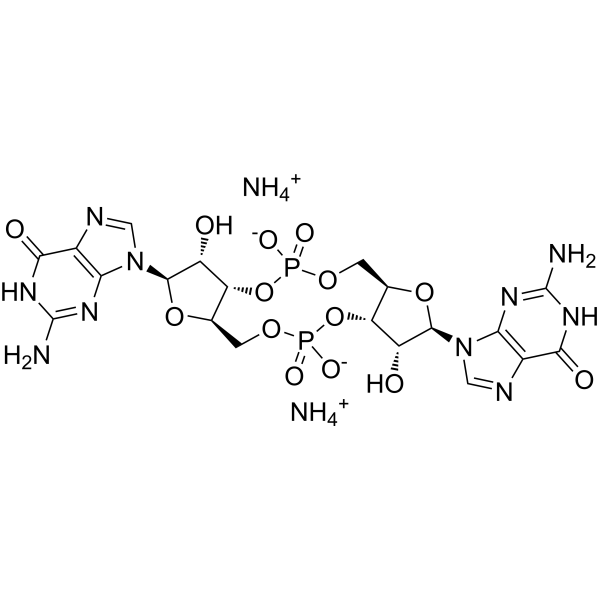
Cyclic-di-GMP diammonium is a STING agonist and a bacterial second messenger that coordinates different aspects of bacterial growth and behavior, including motility, virulence, biofilm formation, and cell cycle progression. Cyclic-di-GMP diammonium has anti-cancer cell proliferation activity and also induces elevated CD4 receptor expression and cell cycle arrest. Cyclic-di-GMP diammonium can be used in cancer research .
HEI3090 is a P2X7R activator. HEI3090 stimulates dendritic cells expressing P2X7R to produce IL-18, which subsequently promotes Natural Killer cells and CD4 T cells within tumors to produce IFN-γ, leading to a sustained antitumor response. HEI3090 can be used to enhance the efficacy of αPD-1 therapy in non-small cell lung cancer (NSCLC) .
7ß,27-Dihydroxycholesterol (7β, 27-OHC) is a potent and selective activator of RORγt (Ki=120 nM). 7ß,27-Dihydroxycholesterol promotes the differentiation of mouse and human CD4+ Th17 cells. 7ß,27-Dihydroxycholesterol also increases the production of IL-17 depended on CYP27A1 .
Apelin-36(human) is an endogenous orphan G protein-coupled receptor APJ agonist, with an EC50 of 20 nM. Apelin-36(human) shows high affinity to human APJ receptors expressed in HEK 293 cells (pIC50=8.61). Apelin-36 has been linked to two major types of biological activities: cardiovascular and metabolic. Apelin-36(human) inhibits the entry of some HIV-1 and HIV-2 into the NP2/CD4cells expressing APJ .
Anti-Rat CD4 Antibody (OX-38) is a mouse-derived IgG2a κ type antibody inhibitor, targeting to rat CD4. Anti-Rat CD4 Antibody (OX-38) can deplete CD4+cells. Anti-Rat CD4 Antibody (OX-38) can be used for the researches of immunology and infection, such as borna disease and transplantation .
Tetanus Toxin (830–844) TFA is a biological active peptide. (tetanus toxin-derived peptide TT830–844 CD4+ T-cell epitope. This promiscuous CD4+ T-cell epitope can bind to a wide range of HLA–DRB molecules and is thus expected to activate CD4+ T-cell responses in a large part of the human population) .
NBD-556, a CD4 mimetic, is a potent HIV-1 entry inhibitor that blocks the gp120-CD4 interaction. NBD-556 shows potent cell fusion and virus-cell fusion inhibitory activity at low micromolar levels .
VRC01LS is a humanized monoclonal antibody inhibitor targeting the CD4-binding site of HIV-1 envelope glycoprotein (Env). VRC01LS blocks the binding of HIV-1 to host cellCD4 receptor, inhibiting viral entry. VRC01LS is promising for research of HIV-1 infection .
KLF10-IN-1 (#48-15) is a KLF10 inhibitor with an IC50 value of 40 μM for KLF10 reporter gene. KLF10-IN-1 can inhibit KLF10-DNA binding and transcriptional activity, block the conversion of CD4+CD25 T cells to CD4+CD25+T regulatory cells, and inhibit the expression of KLF10 target genes. KLF10-IN-1 can be used as a useful mechanistic probe to study KLF10-mediated effects and T regulatory cell biology .
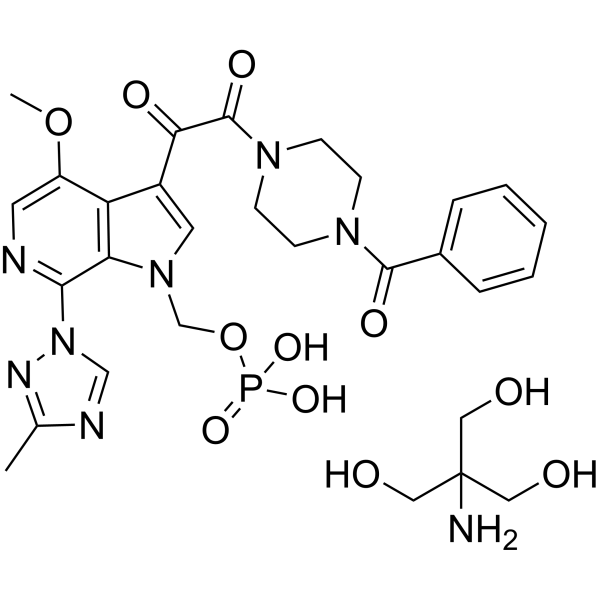
Fostemsavir Tris (BMS-663068 (Tris)) is the phosphonooxymethyl proagent of BMS-626529. Fostemsavir Tris (BMS-663068 (Tris)) is a novel attachment inhibitor that targets HIV-1 gp120 and prevents its binding to CD4+ T cells.
Apelin-36(rat, mouse) is an endogenous orphan G protein-coupled receptor APJ agonist. Apelin-36(rat, mouse) binds to APJ receptors with an IC50 of 5.4 nM, and potently inhibits cAMP production with an EC50 of 0.52 nM. Apelin-36(rat, mouse) blocks entry of some HIV-1 and HIV-2 strains into NP-2/CD4cells expressing APJ .
Priliximab (CEN 000029) is an anti-CD4 humanized monoclonal antibody. Priliximab binds to CD4 on the surface of T cells, resulting in a significant and sustained reduction in circulating CD4+ T cells. Priliximab can be used in research of rheumatoid arthritis (RA) .
Anti-CD4 Antibody (OKT-4) is a kind of mouse IgG2b κ chimeric antibody inhibitor, targeting to human CD4. Anti-CD4 Antibody (OKT-4) can deplete T cells. Anti-CD4 Antibody (OKT-4) can be used for the researches of cancer, infection and immunology, such as melanoma and adenovirus infection .
Ibalizumab (TMB-355) is a humanized anti-CD4 IgG4 monoclonal antibody. Ibalizumab prevents HIVcell entry by binding to CD4 receptor. Ibalizumab can be used for the research of infection, such as HIV-1 infection .
Keliximab (SB-210396) is a chimeric human/macaque IgG1 anti-CD4 monoclonal antibody with a Ki value of 1.0 nM for soluble CD4. Keliximab blocks T cell proliferation and inhibits IL-2 production. Keliximab can be used for cancer research .
CFP10 (71–85) is a biological active peptide. (CFP1071–85, that elicited IFN-γ production and CTL activity by both CD4+ and CD8+ T cells from persons expressing multiple MHC class II and class I molecules)
Anti-Mouse CD25 Antibody (7D4) is a mouse IgG2 monoclonal antibody targeting CD25. Anti-Mouse CD25 Antibody (7D4) enables the isolation of naive CD4+ T cells by depleting CD25-expressing cells .
Murabutide is a safe synthetic immunomodulator. Murabutide can reduce CD4 and CCR5 receptor expression and secrete high levels of beta-chemokines. Murabutide enhances nonspecific resistance against viral infections. Murabutide did not affect virus entry, reverse transcriptase activity or early proviral DNA formation in the cytoplasm of infected cells .
Forigerimod TFA (IPP-201101 TFA) is a CD4T-cell modulator. Forigerimod TFA is a 21-amino-acid fragment of U1 small nuclear ribonucleoprotein 70 kDa that is phosphorylated at Ser140. Forigerimod TFA can potently inhibit autophagy. Forigerimod can be used for the research of autoimmune disorders, such as systemic lupus erythematosus (SLE) .
Retrocyclin-1 is a kind of Theta-defensin. Retrocyclin-1 recognizes and binds to carbohydrate-containing surface molecules, to protect cells from HIV-1 infection. Retrocyclin-1 exhibits high affinity to fetuin, gp120 (Kd=35.4 nM), CD4 (Kd=31 nM), and galactosylceramide (Kd=24.1 nM) .
PTX-35 is a human IgG monoclonal antibody (mAb) targeting TNFRSF25. PTX-35 reduces the suppressive activity of regulatory T cells and enhances CD4+ T cell effector responses in a mouse melanoma model. PTX-35 can be used in Islet cell transplant rejection and Solid tumours research. Recommended isotype control: Human IgG1 lambda2, Isotype Control (HY-P990096) .
CCL-34 is a Toll-like receptor 4 (TLR4) activator. CCL-34 significantly induced dendritic cell (DC) CD83 expression and IL-12p70 production in a dose-dependent manner, thereby inducing DC maturation. CCL-34 enhanced the allostimulatory activity of DC on naive CD4+CD45+RA+ T cell proliferation and IFN-γ secretion. CCL-34 further induced antigen presentation ability in mice inoculated with doxorubicin-treated colorectal cancer cells. CCL-34 can be used in studies of immune stimulation.
Apelin-36(human) TFA is an endogenous orphan G protein-coupled receptor APJ agonist, with an EC50 of 20 nM. Apelin-36(human) TFA shows high affinity to human APJ receptors expressed in HEK 293 cells (pIC550=8.61). Apelin-36(human) TFA has been linked to two major types of biological activities: cardiovascular and metabolic. Apelin-36(human) TFA inhibits the entry of some HIV-1 and HIV-2 into the NP2/CD4cells expressing APJ .
RDN2150 (Compound 25) is a ZAP-70 inhibitor (IC50: 14.6 nM). RDN2150 covalently binds to the C346 residue of ZAP-70. RDN2150 inhibits the expression of CD25 and CD69, and inhibits CD4+ T cell activation. RDN2150 can be used for research of psoriasis .
Etrasimod arginine is an orally available S1P receptor modulator that is a potent full agonist of the S1P1 receptor and has partial agonist activity at S1P4. Etrasimod arginine reduces inflammation in a CD4+CD45RB high T cell-transferred mouse colitis model .
Forigerimod (IPP-201101) is a CD4T-cell modulator. Forigerimod is a 21-amino-acid fragment of U1 small nuclear ribonucleoprotein 70 kDa that is phosphorylated at Ser140. Forigerimod can potently inhibit autophagy. Forigerimod can be used for the research of autoimmune disorders, such as systemic lupus erythematosus (SLE) .
Vitamin E nicotinate is the derivative of Vitamin E. Vitamin E nicotinate exhibits antioxidant activity and prevents lipid peroxidation. Vitamin E nicotinate upregulates levels of CD4+ T cells and IL-2, exhibits immunomodulatory activity. Vitamin E nicotinate exhibits antiplatelet and antihypertensive activities, that can be used in atherosclerosis and thrombosis ressearch .
Cyclic-di-GMP sodium is a STING agonist and a bacterial second messenger that coordinates different aspects of bacterial growth and behavior, including motility, virulence, biofilm formation, and cell cycle progression. Cyclic-di-GMP sodium has anti-cancer cell proliferation activity and also induces elevated CD4 receptor expression and cell cycle arrest. Cyclic-di-GMP sodium can be used in cancer research .
Anti-CD4 Antibody (TRX1) is a humanized antibody expressed in CHO cells that targets CD4. Anti-CD4 Antibody (TRX1) has a huIgG1 heavy chain and a huκ light chain, with a predicted molecular weight (MW) of 145 kDa. The isotype control for Anti-CD4 Antibody (TRX1) can be referenced as Human IgG1 kappa, Isotype Control (HY-P99001).
TJU103 is a CD4 inhibitor. TJU103 inhibits autoreactive CD4+ T cells by disrupting the function of the CD4 during activation. TJU103 decreases mononuclear cell infiltration in brain and spinal cord tissue of experimental allergic encephalomyelitis (EAE) mice model. TJU103 downregulates Th1 and Th2 cytokine levels in response to proteolipid protein epitope 139-151 (PLPe) and exhibits inhibitory effects both after the appearance of EAE symptoms and upon rechallenge with Ag. TJU103 can be used for autoimmune diseases like EAE and sclerosis (MS) research .
iST2-1 is an Stimulation-2 (ST2) inhibitor with an IC50 value of 46.65 μM, blocks interaction between ST2 and IL-33, inhibits downstream signaling. iST2-1 functions as an immunomodulator, reduces proliferation of CD4+ and CD8 + T cells, increases regulatory T cell populations, reduces IFN-γ +CD4 + T cell populations, increases Foxp3 +CD4 + regulatory T cell populations in the gastrointestinal tract. iST2-1 reduces plasma soluble ST2 and IFN-γ levels, reduces graft-versus-host disease scores, improves survival in graft-versus-host disease animal models, preserves graft-versus-tumor effect. iST2-1 can be used for the research of graft-versus-host disease .
Ophiobolin C inhibits CCR5 binding to the envelop protein gp120 and CD4, which is responsible for mediating the entry of HIV-1 into cells . Ophiobolin C is also cytotoxic to chronic lymphocytic leukemia cells .
Temsavir (Standard) is the analytical standard of Temsavir. This product is intended for research and analytical applications. Temsavir (BMS-626529) is a novel attachment inhibitor that targets HIV-1 gp120 and prevents its binding to CD4+ T cells.
ST7612AA1 is a histone deacetylase (HDAC) inhibitor that controls chromatin condensation and DNA transcription by removing acetyl groups from histones. ST7612AA1 is also a potent HIV reactivation inducer, and its reactivation activity is exerted without activating or proliferating CD4+Tcells, and can be used in the study of HIV reactivation strategies and elimination of viral reservoirs .
CH-100 is an immunomodulatory agent targeting T-cell activation and inflammatory mediator production. CH-100 demonstrates anti-inflammatory and hepatoprotective effects by reducing TNF-α secretion, suppressing CD4+ T-cell proliferation, and lowering endotoxin levels in alcohol-fed rats. CH-100 is promising for research of alcoholic liver disease and T-cell-mediated hepatitis .
AGS-009 is a humanized monoclonal neutralising antibody targeting IFN-α. AGS-009 significantly reduces activated lymphocytes, such as CD4+ and CD8 + T cells as well as B cells in SIV infection rhesus macaque models. AGS-009 can be used for autoimmune diseases like systemic lupus erythematosus (SLE) and HIV infections research .
Apelin-17(human, bovine) TFA is an endogenous orphan G protein-coupled receptor APJ agonist. Apelin-17(human, bovine) TFA binds to human APJ receptors expressed in HEK 293 cells (pIC50=9.02). Apelin-17(human, bovine) TFA inhibits the entry of some HIV-1 and HIV-2 into the NP2/CD4cells expressing APJ .
KHK-6 is an inhibitor for serine/threonine kinase hematopoietic progenitor kinase 1 (HPK 1) with an IC50 of 20 nM. KHK-6 enhances CD3/CD28-induced cytokine production, enhances CD69, CD25 and HLA-DR markers on CD4+ and CD8+ T cells, and enhances T cell-mediated killing activity of SKOV3 and A549 cells .
MSP-1 P2 is a synthetic peptide of merozoite surface protein-1 (MSP-1). MSP-1 P2 stimulates umbilical cord blood lymphocytes to produce IFN-γ and IL-13, and this immune response is primarily mediated by CD4+ T cells. MSP-1 P2 can be used as a specific antigen stimulus to detect T cell responses and cytokine levels .
Influenza A NP (383-391) (HLA-B27) is a peptide sequence derived from tetanus toxin. Influenza A NP (383-391) (HLA-B27) is a broadly immunogenic CD4+ T helper cell epitope that enhances CD8+ cytotoxic T lymphocyte (CTL) responses. Influenza A NP (383-391) (HLA-B27) can be used in breast cancer research .
Amtabafusp alfa (GS-8588) is an envelope-targeting bispecific T-cell engager for HIV treatment. Amtabafusp alfa redirects effector T cells by binding to CD3 via a humanized anti-CD3 Fab domain and to HIV envelope proteins via an engineered CD4 domain 1 variant. Amtabafusp alfa exhibits potent, broad-spectrum activity against a variety of HIV isolates and specifically kills HIV-infected cells. Amtabafusp alfa can be used for research on HIV infection .
Gusperimus is a fully synthetic racemate that has a novel mechanism of action by binding to the intracellular heat shock protein hsp70 and interfering with intracellular signal transduction. This mechanism of action can enhance the effect of immunosuppressive therapy. Gusperimus can inhibit the differentiation of T cells into cytotoxic T cells, reduce the expression of IL-2 receptors on CD4 and CD8 cells, and inhibit IFN-γ-induced B cell maturation. In addition, when used with cyclosporine, tacrolimus or mycophenolate mofetil, Gusperimus can enhance the immunosuppressive effect and prevent allogeneic transplant rejection.
[(Cys(Bzl)84,Glu(OBzl)85)]CD4 (81-92) is a selective inhibitor of HIV-1. [(Cys(Bzl)84,Glu(OBzl)85)]CD4 (81-92) inhibits viral infection and cell fusion by blocking the interaction between HIV-1 and CD4 molecules. [(Cys(Bzl)84,Glu(OBzl)85)]CD4 (81-92) can completely inhibit fusion formation at a concentration of 25 μM .
Carbomethoxycarbonyl-D-Pro-D-Phe-OBzl (compound (CPF(LL)) is an HIV-1 inhibitor. Carbomethoxycarbonyl-D-Pro-D-Phe-OBzl interacts with gp120 to block gp120 binding to CD4 and preserve CD4-dependent T cell function .
M133 peptide is a coronavirus-specific CD4 T cell epitope. M133 peptide is immunodominant in mice infected with the neurotropic coronavirus (the JHM strain of mouse hepatitis virus). M133 peptide forms a complex with MHC II molecules, which is recognized by specific TCRs, thereby activating CD4 T cells .
Cyclotriazadisulfonamide (CADA) hydrochloride is a specific CD4-targeted HIV entry inhibitor with activity against HIV-1 replication. Cyclotriazadisulfonamide hydrochloride can specifically downregulate the expression of CD4 receptors on the cell surface, effectively inhibiting HIV transmission. Cyclotriazadisulfonamide hydrochloride can inhibit HIV-1(NL4.3) and SIV(mac251), and has a synergistic effect when used in combination with cellulose acetate (CAP). Cyclotriazadisulfonamide hydrochloride can also be used as a microbial gel formulation to maintain CD4 downregulation and antiviral activity, and is a broad-spectrum anti-HIV agent.
CD12681 (compound 14) is a potent and selective RORγ inverse agonist with IC50 of 19 nM and 10 nM for RORγ GAL4 and CD4-IL-17cells, respectively. CD12681 decreases the IL-17 inflammatory cell recruitment. CD12681 has the potential for the research of psoriasis .
Influenza Matrix Protein (61-72) is a peptide fragment derived from matrix protein of influenza viruses, corresponds to amino acids 61-72. Influenza Matrix Protein (61-72) is a specific epitope which can induce CD4+ T-cell response .
Human CCL18 mRNA encodes the human C-C motif chemokine ligand 18 (CCL18) protein, a cytokine that displays chemotactic activity for naive T cells, CD4+ and CD8+ T cells and nonactivated lymphocytes, but not for monocytes or granulocytes. CCL18 may play a role in both humoral and cell-mediated immunity responses.
AR20.5 is a human monoclonal antibody (mAb) targeting MUC1. AR20.5 increases the number of activated CD8 T cells, CD3+CD4−CD8−(DN) T cells, and mature dendritic cells in pancreatic tumor-bearing mice. AR20.5 can be used in anti-pancreatic cancer immunity research .
Fostemsavir (Standard) is the analytical standard of Fostemsavir. This product is intended for research and analytical applications. Fostemsavir (BMS-663068) is the phosphonooxymethyl prodrug of BMS-626529. Fostemsavir (BMS-663068) is a novel attachment inhibitor that targets HIV-1 gp120 and prevents its binding to CD4+ T cells.
Human CCL28 mRNA encodes the human C-C motif chemokine ligand 28 (CCL28) protein, a cytokine that displays chemotactic activity for resting CD4 or CD8 T cells and eosinophils. CCL28 may play a role in the physiology of extracutaneous epithelial tissues, including diverse mucosal organs.
Fostemsavir-d8 (BMS-663068-d8) is deuterium labeled Fostemsavir. Fostemsavir (BMS-663068) is the phosphonooxymethyl prodrug of BMS-626529. Fostemsavir (BMS-663068) is a novel attachment inhibitor that targets HIV-1 gp120 and prevents its binding to CD4+ T cells.
5J-4 is a potent CRAC inhibitor. 5J-4 decreases the numbers of infiltrated mononuclear cell into the CNS, and significantly decreases the population of infiltrated CD4+ population. 5J-4 reduces the symptoms and delayed the onset of EAE (experimental autoimmune encephalomyelitis) in mouse model of inflammation .
Fostemsavir Tris (Standard) is the analytical standard of Fostemsavir Tris. This product is intended for research and analytical applications. Fostemsavir Tris (BMS-663068 (Tris)) is the phosphonooxymethyl proagent of BMS-626529. Fostemsavir Tris (BMS-663068 (Tris)) is a novel attachment inhibitor that targets HIV-1 gp120 and prevents its binding to CD4+ T cells.
Rp-dGTPαS is the nucleotide substrate of SAMHD1 and is one of the enantiomers of the dNTPαS nucleotide. SAMHD1 is an essential regulator of cellular dNTPs that limits virus (HIV-1, etc.) replication in the CD4+ myeloid lineage and resting T cells. The SAMHD1 tetrameric complex catalyzes the hydrolysis of Rp-dGTPαS into 2'-deoxynucleosides and triphosphates .
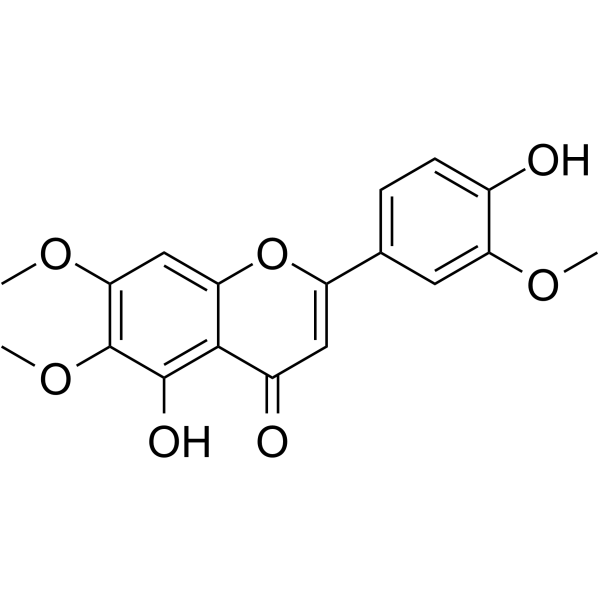
Cirsilineol (Standard) is the analytical standard of Cirsilineol. This product is intended for research and analytical applications. Cirsilineol, a natural flavone compound, selectively inhibits IFN-γ/STAT1/T-bet signaling in intestinal CD4+ T cells. Cirsilineol has potent immunosuppressive and anti-tumor properties. Cirsilineol significantly ameliorates trinitro-benzene sulfonic acid (TNBS)-induced T-cell-mediated experimental colitis in mice .
STAT3-IN-40 (Compound 8b) is an anti-cancer agent. STAT3-IN-40 can trigger the immune responses of CD4+ and CD8+ T lymphocytes and induce ferroptosis and apoptosis of tumor cells by inhibiting the expression and phosphorylation of STAT3. STAT3-IN-40 can be used in the research of chemoimmunotherapeutic agents for cancer .
Anisperimus (LF-150195) is an immunosuppressant with the activity of enhancing activation-induced T cell death. Anisperimus enhances the sensitivity of T cells to anti-CD95 antibodies and other inducers by promoting the activation of caspase-8 and caspase-10 at the level of the death-inducing signaling complex (DISC). Anisperimus also promotes the development of Foxp3-expressing regulatory CD4 T cells, thereby preventing central nervous system autoimmunity .
Apelin-36(rat, mouse) TFA is an endogenous orphan G protein-coupled receptor APJ agonist. Apelin-36(rat, mouse) TFA binds to APJ receptors with an IC50 of 5.4 nM, and potently inhibits cAMP production with an EC50 of 0.52 nM. Apelin-36(rat, mouse) TFA blocks entry of some HIV-1 and HIV-2 strains into NP-2/CD4cells expressing APJ .
PD-1/PD-L1 inhibitory peptide C8 is inhibits PD-1/PD-L1 interaction, promotes the activation of CD8+ and CD4+ T cells, and increases the IFN-γ secretion. PD-1/PD-L1 inhibitory peptide C8 exhibits antitumor efficacy in mouse model .
3,4-DAA is an orally active Anthranilic acid derivative with potent immunosuppressive activities. 3, 4-DAA can alleviate the severity of colitis through inhibiting Th1 cells response, promoting Th2 cytokines expression and inducing CD4+CD25 + T cells expression . 3,4-DAA suppressed expression of inducible nitric oxide synthase (iNOS) and nitric oxide (NO) release from EOC20 cells induced by IFN-γ and Lipopolysaccharide .
RORγt inverse agonist 35 (Compound 22) is a RORγt inverse agonist with an IC50 of 1.51 μM. RORγt inverse agonist 35 significantly inhibits Th17 differentiation and proinflammatory properties in human CD4+ T cells. RORγt inverse agonist 35 can be used for research of Th17-driven autoimmune diseases, such as psoriasis, multiple sclerosis, and inflammatory bowel disease (IBD) .
SLW131 (Compound 10) is the antagonist for CCR7 with a good affinity of Ki of 9.85 nM. SLW131 inhibits CCL19-induced Go protein activation with an IC50 of 29.4 μM, inhibits β-arrestin2 recruitment with an IC50 of 6.0 μM. SLW131 inhibits CCL19-induced cell morphological changes in primary BMDCs, and CCR7-mediated migration in mouse CD4+ T cell .
Anti-Mouse CD4 Antibody (YTS 177) reacts with the mouse CD4. Anti-Mouse CD4 Antibody (YTS 177) shows non-depleting but binding does induce rapid internalization of CD4 on both CD4+ Foxp3- T cells and Foxp3 + regulatory T cells. Recommend Isotype Controls: Rat IgG2a kappa, Isotype Control (HY-P990679) .
Anti-Rat CD4 Antibody (W3/25) reacts with rat CD4. Anti-Rat CD4 Antibody (W3/25) inhibits CD4+ T cell activation by downregulating the CD4 molecule on the surface of lymphocytes. Anti-Rat CD4 Antibody (W3/25) inhibits antigen-induced T cell proliferation and IL2 production in MLR experiments. Anti-Rat CD4 Antibody (W3/25) can be used for the study of experimental allergic encephalomyelitis (EAE). Recommend Isotype Controls: Mouse IgG1 kappa, Isotype Control (HY-P99977) .
IT1208 is a humanized anti-CD4 monoclonal IgG1 antibody. IT1208 depletes CD4+ T cells with a manageable safety profile in vivo. IT1208 can be used for colon cancer research .
Dendronobiloside D is a sesquiterpene glycoside that can be isolated from Dendrobium officinale. Dendronobiloside D is an immunosuppressant that promotes the differentiation of CD4+ T cells into Treg cells .
IT1208 (FUT8-KO) is a humanized anti-CD4 monoclonal IgG1 antibody that has knocked out the fucosyltransferase 8 gene (FUT8). It exhibits enhanced antibody-mediated cytotoxicity (ADCC) effect. IT1208 (FUT8-KO) can effectively eliminate CD4+ T cells in vivo and shows controllable safety. IT1208 (FUT8-KO) can be used in related research on colon cancer .
Human CXCR4 mRNA encodes the human C-X-C motif chemokine receptor 4 (CXCR4) protein, a CXC chemokine receptor specific for stromal cell-derived factor-1. CXCR4 acts with the CD4 protein to support HIV entry into cells.
BNM-III-170 free base, CD4-mimeticcompound, is an anti-HIV-1 agent. BNM-III-170 free base, binds to the Phe43 cavity of HIV 1 gp120. BNM-III-170 can inhibits HIV-1 viral entry into target cells. BNM-III-170 free base, can be used for the research of HIV-1 infection .
Bisindolylmaleimide X (Ro 31-8425, BIM-X) is a cell-penetrating PKC inhibitor. Bisindolylmaleimide X is a potent cyclin-dependent kinase 2 (CDK2) antagonist with an IC50 of 200 nM. Bisindolylmaleimide X inhibits the proliferation of CD4 T cells in vitro. Bisindolylmaleimide X inhibits eNOS-Ser1177 phosphorylation in human embryonic vein endothelial cells. Bisindolylmaleimide X can be used for research on the immune system and cardiovascular diseases .
D-α-Methyl DOPA is an inhibitor of the binding of DQ8 peptide to MHC class II molecules. D-α-Methyl DOPA occupies a pocket along the DQ8 peptide binding groove. D-α-Methyl DOPA inhibits the binding of a DQ8 peptide to an MHC class II molecule for presentation to CD4+ T cells, thereby slowing the development or progression of type 1 diabete or celiac disease .
CK147 is a Sec61α translocase inhibitor that blocks the co-translational translocation of proteins by binding to and inhibiting the Sec61 protein translocation channel on the endoplasmic reticulum membrane. CK147 exhibits potent CD4 downregulation activity with an IC50 of 0.04 µM. CK147 prevents HIV entry into host cells and shows significant cytotoxicity. CK147 can be used in studies related to HIV infection .
FB102 is an anti-human CD122 (IL-2Rβ) monoclonal antibody with selective activity. FB102 blocks the proliferation and activation of pathogenic NKcells and specific T cell subsets induced by IL-2 and IL-15, without affecting the proliferation of regulatory T cells. FB102 inhibits IL-2/IL-15-induced activation of CD4+ and CD8+ T cells in in vitro disease models. FB102 is applicable to research related to celiac disease .
TLR8 agonist 10 is a selective TLR8 agonist with an EC50 of 0.019 μM in humans. TLR8 agonist 10 activates TLR8-mediated signaling pathways. As a latency-reversing agent, TLR8 agonist 10 reactivates latent HIV-1 reservoirs. TLR8 agonist 10 activates innate cytotoxic natural killer cells to target HIV-infected CD4+ T cells. TLR8 agonist 10 is applicable to research related to HIV-1 infection .
SMU-L11 is a specific TLR7 agonist (EC50=0.024 μM), which recruits MyD88 adapter protein and activates downstream NF-κB and MAPK signaling pathways. In murine models, SMU-L11 significantly enhances immune cell activation and promotes the proliferation of CD4+ T and CD8 + T cells, thereby directly killing tumor cells and inhibiting tumor growth. SMU-L11 can be used for cancer research, and also has the potential for studying immune system diseases .
Ferrichrome is a hydroxamate siderophore produced by various fungi, including U. sphaerogena, that facilitates iron chelation and uptake by these organisms. It can be used as a heterosiderophore by bacteria, including Pseudomonas aeruginosa and Vibrio parahaemolyticus. Ferrichrome (0.8 μM) inhibits concanavalin A-induced proliferation of mouse spleen monocytes and reduces the number of concanavalin A-stimulated CD4+ T cells expressing IL-2 receptor. It also inhibits the heme-catalyzed oxidation of LDL by hydrogen peroxide in a concentration-dependent manner.
MSA-2-Pt, platinum salt-modified MSA-2 (HY-136927), is a STING agonist. MSA-2-Pt inducing cell death by platinum and activating the STING pathway by MSA-2. MSA-2-Pt direct activates STING pathway, induces phosphorylation of TBK1, IRF3, and NF-κB p65. MSA-2-Pt enhances tumor infiltration of CD4+ and CD8 + T cells, and induces tumor cell death and apoptosis in mouse colon carcinoma and melanoma models .
Anti-Mouse CD8α Antibody (YTS 105.18) is a non-depleting rat IgG2a monoclonal antibody. Anti-Mouse CD8α Antibody (YTS 105.18) binds to CD8α (epitope c) on mouse CD8 + T cells; when used in combination with a non-depleting anti-CD4 antibody, it does not deplete CD8 + T cells but instead promotes the induction of peripheral tolerance in this cell subset. Anti-Mouse CD8α Antibody (YTS 105.18) can be used in studies of graft rejection .
FC-14369 is a PROTAC degrader targeting the HIV-1 Nef protein, with a DC50 value of 160 nM. Through its bifunctional structure, FC-14369 binds to Nef and the Cereblon E3 ubiquitin ligase, induces Nef ubiquitination and proteasomal degradation, restores the expression of cell-surface CD4 and MHC-I, and inhibits HIV-1 replication. FC-14369 can be used in research on HIV infection and AIDS. FC-14369 is applicable to studies related to HIV-1 infection .
PD-1/PD-L1-IN-26 (Compound II-14) is a potent inhibitor of PD-1/PD-L1 with an IC50 of 0.0380 μM. PD-1/PD-L1-IN-26 activates the immune microenvironment by promoting the infiltration of CD4+ T cells into tumor tissues. PD-1/PD-L1-IN-26 has the potential for the research of cancer diseases .
SARS-CoV-2-IN-115 (Compound 3e) is a SARS-CoV-2 inhibitor. SARS-CoV-2-IN-115 has potent antiviral activity against SARS-CoV-2 in infected Calu-3 cells (EC50: 1.7 μM). SARS-CoV-2-IN-115 effectively inhibits the activity of human dihydroorotate dehydrogenase (HsDHODH) (IC50: 1.5 μM). SARS-CoV-2-IN-115 preserves immune response without antiproliferative effects on CD4 T cells .
Anti-Mouse LAG-3 Antibody (C9B7W) is an anti-mouse LAG-3 IgG1 monoclonal antibody. Anti-Mouse LAG-3 Antibody (C9B7W) can enhance CD4+ T cell function and exert anti-tumor effects without blocking the interaction between LAG-3 and MHCII. Anti-Mouse LAG-3 Antibody (C9B7W) can be used for research on cancer such as head and neck squamous cell carcinoma (HNSCC) .
VGD020 is a highly potent and selective Sec61 translocon inhibitor . VGD020 suppresses the expression of cell surface CD4 by inhibiting signal peptide-dependent co-translational ER translocation, interferes with the initiation of ER translocation of dengue virus polyprotein, and reduces the expression of Sortilin in breast cancer cells. VGD020 exhibits broad anti-flavivirus and anti-HIV activities. VGD020 can be used in research related to dengue virus infection, Zika virus infection, yellow fever virus infection, human immunodeficiency virus infection, and breast cancer .
GSK2618960 is a human monoclonal antibody (mAb) targeting IL-7Ra/CD127. GSK2618960 inhibits IL-7-induced STAT5 phosphorylation. GSK2618960 enhances CD4 T cell proliferation response and increases CD83, CD86, and CD209 expression in PBMCs. GSK2618960 can be used for the research of autoimmune and allergic inflammatory diseases. Recommended isotype control: Human IgG1 kappa, Isotype Control (HY-P99001) .
A2AR modulator-1 (Compound 45) is a selective negative allosteric adenosine A2a receptor (A2aR) modulator with an IC50 value of 9 nM. A2AR modulator-1 reduces the affinity of endogenous adenosine for the receptor and inhibits cAMP signaling pathway activation. A2AR modulator-1 potently restores pCREB phosphorylation in CD4+ T cells, reversing immunosuppression in the tumor microenvironment, and shows potential to suppress tumor growth and metastasis in triple-negative breast cancer models .
Perenostobart (SRF617) is a human IgG4 antibody with inhibitory activity against CD39 ATPase. Perenostobart inhibits CD39-mediated hydrolysis of extracellular ATP to AMP, with IC50 values of 1.9 nM (HEK293 OE cells), 0.7 nM (MOLP-8 cells), and 1.2 nM (RBC-lysed whole blood). Perenostobart enhances CD4+ T-cell proliferation, promotes dendritic cell maturation, and boosts inflammasome activation in macrophages in the presence of ATP. Perenostobart demonstrates significant single-agent anti-tumor efficacy in MOLP-8 and H520 xenograft models. Perenostobart can be used for the study of cancer .
InsB (9-23) (Insulin B chain (9-23)) is an HLA-DQ8-restricted insulin B-chain peptide composed of amino acid residues 9-23. InsB (9-23) serves as a major MHC II class-restricted antigen. InsB (9-23) supports the recognition and activation of T cells, stimulates the secretion of IFN-γ and cytokines, and induces cross-reactive immune responses. InsB (9-23)-specific CD4 T cells can initiate diabetes . InsB (9-23) can be used in research related to type 1 diabetes and autoimmune diabetes .
Ferroptosis inducer-15 is a ferroptosis inducer. Ferroptosis inducer-15 downregulates GPX4 expression, triggers lipid peroxidation via ROS accumulation, and disrupts mitochondrial membrane potential to drive ferroptosis. Ferroptosis inducer-15 increases splenic CD4+ T cell proportion, promotes CD8 + cytotoxic T cell tumor infiltration, and activates antitumor immune responses. Ferroptosis inducer-15 exerts antiproliferative activity against colorectal cancer cells and inhibits tumor growth in xenograft mice models without significant body weight loss. Ferroptosis inducer-15 can be used for the research of cancer, such as colorectal cancer .
FC-14367 is a PROTAC degrader targeting HIV-1 Nef protein. FC-14367 forms a ternary complex by binding Nef and Cereblon E3 ubiquitin ligase, inducing Nef ubiquitination and proteasomal degradation, restoring cell-surface CD4 and MHC-I expression and inhibiting HIV-1 replication. FC-14367 can be used in research on HIV infection and AIDS . (Black: Glycolic acid (HY-W015967); Blue: 2-(2,6-Dioxopiperidin-3-yl)phthalimidine (HY-138793))
OSE-279 is a high-affinity humanized monoclonal bivalent antibody targeting PD-1, the recommended isotype control is HY-P99003. OSE-279 blocks PD-1 ligand binding, inhibits PDL1-induced SHP1 phosphorylation, restores T cell activation, and promotes reactivation of primary T cell effector functions. OSE-279 binds hFcRn receptor, predicts long half-life, induces CD4 and CD8 T cell proliferation, and promotes interleukin 2 and interferon gamma secretion. OSE-279 can be used for the research of advanced malignancies, colon cancer, hepatocarcinoma, mesothelioma .
PE-CF594 is a labeled monoclonal antibody conjugate that specifically binds to HLA-DR on the surface of monocytes and Bcells, while acting as a signal attenuator. Through steric hindrance and a possible fluorescence resonance energy transfer mechanism, PE-CF594 specifically reduces the fluorescence intensity of PE-CD124 staining, but does not interfere with the staining of other PE-labeled antibodies such as CD40, CD4 or CD14. PE-CF594 can also be used to detect the emission signal of mt-Keima after excitation with a 561-nm laser, thereby effectively evaluating mitophagy activity .
Allolithocholic acid is an orally active metabolite of Lithocholic acid (HY-B0172). Allolithocholic acid is a dual GPBAR1 agonist (EC50 = 2.7 μM) and RORγt inverse agonist (IC50 = 3.4 μM). Allolithocholic acid modulates immune and metabolic pathways, regulates immune cell polarization, prevents M1 macrophage and Th17 CD4cell polarization. Allolithocholic acid improves insulin sensitivity, reduces liver lipid accumulation, reverses liver immunological, inflammatory and metabolic signaling dysregulation, restores bile acid homeostasis, adipose tissue histopathology/function, and intestinal microbiota composition, modulates intestinal immunity. Allolithocholic acid can be used for the researches of cancer, inflammayion, immunology and metabolic disease .
13C20, 15N10-Cyclic di-GMP ( 13C20, 15N10-c-di-GMP) is 13C and 15N labeled Cyclic-di-GMP (disodium). Cyclic-di-GMP disodium is a STING agonist and a bacterial second messenger that coordinates different aspects of bacterial growth and behavior, including motility, virulence, biofilm formation, and cell cycle progression. Cyclic-di-GMP disodium has anti-cancer cell proliferation activity and also induces elevated CD4 receptor expression and cell cycle arrest. Cyclic-di-GMP disodium can be used in cancer research .
Vm24-toxin (Vaejovis mexicanus peptide 24), a 36-residue peptide, is a potent and selective Kv1.3 blocker with a Kd of ~3 pM in lymphocytes. Vm24-toxin shows >1500-fold affinity for Kv1.3 over other assayed potassium channels. Vm24-toxin folds into a distorted cystine-stabilized α/β motif consisting of a single-turn α-helix and a three-stranded antiparallel β-sheet, stabilized by four disulfide bridges. Vm24-toxin attenuates the CD4+ effector memory T cell response to T cell receptor (TCR) stimulation .
XAN-5 is a mitochondrial DNA G-quadruplex (mtG4) ligand with a Kd of 3.8 μM. XAN-5 selectively binds and stabilizes mtG4 structures, disrupting mitochondrial gene transcription and DNA replication. XAN-5 triggers mitochondrial dysfunction, ROS overproduction, G0 phase arrest and caspase-dependent apoptosis. XAN-5 inhibits autophagy and induces immunogenic cell death. XAN-5 inhibits tumor growth in a mouse liver cancer model while enhancing tumor-infiltrating CD4+ and CD8 + T cells. XAN-5 targets two cancer resistance mechanisms simultaneously. XAN-5 can be used for the research of liver cancer .
Vm24-toxin (Vaejovis mexicanus peptide 24) TFA, a 36-residue peptide, is a potent and selective Kv1.3 blocker with a Kd of ~3 pM in lymphocytes. Vm24-toxin TFA shows >1500-fold affinity for Kv1.3 over other assayed potassium channels. Vm24-toxin TFA folds into a distorted cystine-stabilized α/β motif consisting of a single-turn α-helix and a three-stranded antiparallel β-sheet, stabilized by four disulfide bridges. Vm24-toxin TFA attenuates the CD4+ effector memory T cell response to T cell receptor (TCR) stimulation .
VA06 is a derivative of QS-21 (HY-101092A) that retains potent adjuvant activity while significantly reducing toxicity. VA06 self-assembles into flexible worm-like micelles with continuously elongated nanostructures and enhanced drug-loading encapsulation capacity. VA06 induces antigen-specific antibody production, enhances the secretion of TNF-α, IFN-γ and IL-2 in CD4+ and CD8 + T cells, and promotes the expression of immune-related and antiviral-related genes in mature dendritic cells. VA06 does not require liposome formulation, which simplifies production and storage processes. VA06 can be used in the research of varicella-zoster virus infection and Mycobacterium tuberculosis infection .
DPMI-ω is a dual-specificity d-peptide antagonist of oncogenic proteins MDM2 and MDMX. DPMI-ω, upon fabrication on gold nanoparticles, efficiently traverses tumor cells and kills them by reactivating the p53 signaling pathway. DPMI-ω can disrupte the p53-MDM2/MDMX complex. DPMI-ω can inhibit B16 melanoma growth and induce cells G0/G1 phase arrest. DPMI-ω can augment the efficacy of immunotherapy by expanding CD3 +/CD8 + cytotoxic T cells and suppressing CD4+/CD25 + regulatory T cells companied with anti-PD1 antibody. DPMI-ω can be used for research of melanoma .
Cosalane (NSC 658586) is a CCR7 (IC50 = 2.43 μM) and CXCR2 antagonist (IC50 = 0.66 μM). Cosalane is an inhibitor of HIV replication with a wide range of activity against HIV-1 isolates, HIV-2, Rauscher murine leukemia virus, HSV-1, HSV-2 and human cytomegalovirus. Cosalane inhibits both attachment of gp120 to CD4. Cosalane inhibits human and murine CCR7 in response to both CCL19 and CCL21 agonists. Cosalane can be studied in research for HIV or attenuating acute graft-versus-host disease (aGVHD) in allogeneic hematopoietic stem cell transplantation (HSCT) .
PJ27 is a dual PD-1/PD-L1/JAK1 inhibitor, with an IC50 of 414 nM against PD-1/PD-L1, an IC50 of 786 nM against JAK1, a Ka of 294 nM for human PD-1/PD-L1, and a Ka of 473 nM for murine PD-1/PD-L1. PJ27 promotes the infiltration of CD3 +CD8 + and CD3 +CD4 +cells into the tumor microenvironment and exerts a significant immune activation effect. PJ27 inhibits tumor growth in a dose-dependent manner in the LLC lung cancer mouse model. PJ27 is applicable to relevant research on lung cancer .
Y-320 is a potent, orally active phenylpyrazoleanilide immunomodulator. Y-320 inhibits IL-17 production by CD4 T cells stimulated with IL-15 with IC50 values of 20 to 60 nM. Y-320 enhances TP53, DMD, and COL17A1 PTC readthrough by G418 and increases cellular protein levels and protein synthesis. Y-320 concomitants use of with a low dose of Paclitaxel (HY-B0015) significantly sensitized multidrug resistance (MDR) tumors by inducing G2/M phase arrest and apoptosis. Y-320 can be used for research of rheumatoid arthritis (RA) and cancer .
Allolithocholic acid (Standard) is the analytical standard of Allolithocholic acid (HY-143712). This product is intended for research and analytical applications. Allolithocholic acid is an orally active metabolite of Lithocholic acid (HY-B0172). Allolithocholic acid is a dual GPBAR1 agonist (EC50 = 2.7 μM) and RORγt inverse agonist (IC50 = 3.4 μM). Allolithocholic acid modulates immune and metabolic pathways, regulates immune cell polarization, prevents M1 macrophage and Th17 CD4cell polarization. Allolithocholic acid improves insulin sensitivity, reduces liver lipid accumulation, reverses liver immunological, inflammatory and metabolic signaling dysregulation, restores bile acid homeostasis, adipose tissue histopathology/function, and intestinal microbiota composition, modulates intestinal immunity. Allolithocholic acid can be used for the researches of cancer, inflammayion, immunology and metabolic disease .
P2X7R antagonist-1 is an orally active P2X7 receptor antagonist with an IC50 of 3.57 μM. P2X7R antagonist-1 inhibits the proliferation, invasion and metastasis abilities of cancer cells. P2X7R antagonist-1 downregulates the expression of FAK and MMP-9. P2X7R antagonist-1 suppresses tumor growth and metastasis in a mouse breast cancer model. P2X7R antagonist-1 promotes the activation of CD4 and CD8 T cells. P2X7R antagonist-1 can be used in breast cancer-related research .
HM5023507 is an orally active and selective PI3Kδ/γ inhibitor with IC50s of 4 and 5 μM for PI3Kδ and PI3Kγ over PI3Kβ and PI3Kα. HM5023507 attenuates the PI3Kδ/γ signaling in human basophils. HM5023507 also attenuates the activation and function of human B and T cells and cytokine and IgG production during cocultures, and Th17 differentiation of CD4 T cells. HM5023507 inhibited semiestablished collagen-induced arthritic inflammation in the rat models. HM5023507 can be used for inflammatory diseases like rheumatoid arthritis research .
Vidutolimod (CMP-001) is a virus-like particle containing a TLR9 activator . Vidutolimod induces human peripheral blood mononuclear cells to secrete IFNα, and upregulates the gene expression of CXCL10, PDL1, IDO and CD80. Vidutolimod activates TLR9, which in turn triggers plasmacytoid dendritic cell activation, production of IFNγ and TNFα, induction of CXCL10, and recruitment of antitumor T cells. Vidutolimod causes influenza-like symptoms, hypotension and tumor regression, and its activity depends on the presence of anti-Qβ antibodies. Vidutolimod modulates monocyte function, promotes CD4 T cell proliferation, and activates multiple immune cell types in an environment with anti-Qβ antibodies. Vidutolimod prolongs the survival of tumor-bearing mice. Vidutolimod is used in research related to advanced melanoma, head and neck squamous cell carcinoma, and advanced non-small cell lung cancer .
Olopatadine (ALO4943A; KW4679) is an orally active histamine H1 receptor antagonist and mast cell stabilizer. Olopatadine exerts antiallergic effects by blocking histamine H1 receptor-mediated activities. Olopatadine inhibits exocytosis, chemokine release, F-actin polymerization, CXCL10-induced calcium influx, and T cell chemotactic activity. Olopatadine also reduces the expression levels of CXCR3 on the surface of CD4+ and CD8 + T cells. Olopatadine inhibits scratching behavior, improves dermatitis scores, and suppresses intraepidermal neurite outgrowth. Olopatadine simultaneously decreases the levels of inflammatory markers, growth factors, histamine, and specific IgE, while increasing the expression of ErbB3A/HER3A. Olopatadine can be used in research related to seasonal pollinosis, chronic rhinitis, urticaria, allergic conjunctivitis, alopecia areata, and atopic dermatitis .
Peptide P60 is a FOXP3 inhibitor. Peptide P60 reduces the nuclear translocation of FOXP3 and impairs FOXP3-mediated inhibition of NF-κB and NFAT activity. Peptide P60 inhibits the immunosuppressive activity of regulatory T cells and restores the proliferation and activation of effector T cells. Peptide P60 induces lymphoproliferative autoimmune syndrome in neonatal ICR mice and reduces the number of CD4+CD25 +Foxp3 + T cells in the spleen. Peptide P60 enhances the efficacy of AH1 (HY-P4193) peptide vaccine and recombinant adenovirus-based HCV NS3 vaccine in BALB/c mice, including protective effects against CT26 tumor implantation. Peptide P60 can be used in studies related to tumor immunity, viral infection and lymphoproliferative autoimmune syndrome .
Olopatadine hydrochloride (ALO4943A; KW4679) is an orally active histamine H1 receptor antagonist and mast cell stabilizer. Olopatadine hydrochloride exerts antiallergic effects by blocking histamine H1 receptor-mediated activities. Olopatadine hydrochloride inhibits exocytosis, chemokine release, F-actin polymerization, CXCL10-induced calcium influx, and T cell chemotactic activity. Olopatadine hydrochloride also reduces the expression levels of CXCR3 on the surface of CD4+ and CD8 + T cells. Olopatadine hydrochloride inhibits scratching behavior, improves dermatitis scores, and suppresses intraepidermal neurite outgrowth. Olopatadine hydrochloride simultaneously decreases the levels of inflammatory markers, growth factors, histamine, and specific IgE, while increasing the expression of ErbB3A/HER3A. Olopatadine hydrochloride can be used in research related to seasonal pollinosis, chronic rhinitis, urticaria, allergic conjunctivitis, alopecia areata, and atopic dermatitis .
Anti-Mouse CXCR3/CD183 Antibody (CXCR3-173) is an anti-mouse CXCR3/CD183 IgG monoclonal antibody. Anti-Mouse CXCR3/CD183 Antibody (CXCR3-173) weakens the immune response by reducing the infiltration of CD4+ and CD8 + T cells. Anti-Mouse CXCR3/CD183 Antibody (CXCR3-173) significantly prolongs the survival time of heart or islet transplants in mice. Anti-Mouse CXCR3/CD183 Antibody (CXCR3-173) can be used for researches on immunology and cancer such as pancreatic cancer .
Anti-Mouse 4-1BBL/CD137L Antibody (TKS-1) is a rat-derived IgG2a κ antibody inhibitor, targeting to mouse 4-1BBL/CD137L. Anti-Mouse 4-1BBL/CD137L Antibody (TKS-1) can block 4-1BB ligand (4-1BBL) and inhibit CD4+ and CD8 + T cells. Anti-Mouse 4-1BBL/CD137L Antibody (TKS-1) can be used for the researches of cancer, infection, inflammation and immunology, such as MC38 tumor, lymphocytic choriomeningitis virus (LCMV) infection and herpetic stromal keratitis (HSK) .
ICD inducer-2 is a immunogenic cell death inducer. ICD inducer-2 binds to the colchicine binding site on tubulin to inhibit tubulin polymerization. ICD inducer-2 exhibits broad-spectrum antiproliferative activity across multiple cancer cell lines. ICD inducer-2 inhibits cells migration, causes G2/M phase and induces apoptosis. ICD inducer-2 promotes infiltration of CD4+ and CD8+ T cells into the tumor microenvironment. ICD inducer-2 downregulates antiapoptotic protein Bcl-2, upregulates proapoptotic proteins Bax and Bim-1, and increases cleaved caspase 3, cleaved caspase 9, and cleaved PARP levels. ICD inducer-2 overcomes paclitaxel resistance in xenograft models and achieves tumor growth inhibition. ICD inducer-2 can be used for the research of cancer, such as lung carcinoma .
PADRE peptide is a pan-HLA-DR binding epitope and immunostimulant. PADRE peptide binds to the peptide-binding groove of MHC class II molecules for presentation to CD4+ T cells, thereby effectively stimulating specific immune responses. PADRE peptide not only enhances anti-tumor immune responses, inhibits tumor growth and prolongs survival; it also significantly increases the frequency of E7-specific CD8 + T cells and improves therapeutic efficacy against TC-1 tumors when used in combination with E7 peptide-based vaccines and poly (I:C). The intensity of the immune response induced by PADRE peptide is lower than that of the Ii-PADRE DNA vaccine, and it fails to enhance the immune effect of CRT-E7 DNA. PADRE peptide is widely applicable to research on related tumors such as melanoma, glioblastoma and cervical cancer .
Anti-Mouse Galectin-9 Antibody (RG9-1) is an anti-mouse Galectin-9 IgG2b monoclonal antibody. Anti-Mouse Galectin-9 Antibody (RG9-1) promotes inflammatory response by enhancing the secretion of IFN-γ, TNF-α, and IL-6. Anti-Mouse Galectin-9 Antibody (RG9-1) can increase CD8 T cell and Treg frequency. Anti-Mouse Galectin-9 Antibody (RG9-1) reduces graft survival time by increasing CD4+ and CD8 + T cell infiltration. Anti-Mouse Galectin-9 Antibody (RG9-1) can be used for researches on inflammation conditions, cancer and xenotransplantation such as ischemia-reperfusion, colon cancer, breast cancer and leukemia .
Olopatadine-d6 is the deuterium labeled Olopatadine. Olopatadine hydrochloride (ALO4943A; KW4679) is an orally active histamine H1 receptor antagonist and mast cell stabilizer. Olopatadine hydrochloride exerts antiallergic effects by blocking histamine H1 receptor-mediated activities. Olopatadine hydrochloride inhibits exocytosis, chemokine release, F-actin polymerization, CXCL10-induced calcium influx, and T cell chemotactic activity. Olopatadine hydrochloride also reduces the expression levels of CXCR3 on the surface of CD4+ and CD8 + T cells. Olopatadine hydrochloride inhibits scratching behavior, improves dermatitis scores, and suppresses intraepidermal neurite outgrowth. Olopatadine hydrochloride simultaneously decreases the levels of inflammatory markers, growth factors, histamine, and specific IgE, while increasing the expression of ErbB3A/HER3A. Olopatadine hydrochloride can be used in research related to seasonal pollinosis, chronic rhinitis, urticaria, allergic conjunctivitis, alopecia areata, and atopic dermatitis .
Natalizumab (AN100226; BG00002) is a humanized monoclonal IgG4 antibody inhibitor that selectively targets α4 integrin (CD49d). It blocks the interaction of integrins such as α4β1 (VLA-4) with vascular cell adhesion molecule VCAM-1, intercellular adhesion molecule ICAM-1, and fibronectin by competitively binding to the α4 subunit. Natalizumab inhibits the adhesion, retention, and transendothelial migration of immune cells (such as CD4+ T cells), reducing the infiltration of inflammatory cells into the central nervous system or lesion sites, thus exerting anti-inflammatory and immunomodulatory activity. Natalizumab is used in the study of relapsing-remitting multiple sclerosis (RRMS) and also has applications in the study of autoimmune or inflammation-related diseases such as Crohn's disease, B-cell lymphoma, and non-infectious uveitis. Natalizumab can also prevent lymphocytes from entering the central nervous system, thereby preventing acute demyelinating relapses .
iPAF1C is a inhibitor of the polymerase-associated factor 1 complex (PAF1C) with specific targeting to the PAF1 binding groove of CTR9 (a key subunit of PAF1C). iPAF1C disrupts PAF1C assembly by interfering with the PAF1-CTR9 interaction. iPAF1C selectively impairs BRD4-mediated recruitment of PAF1 to chromatin at hypoxia-responsive genes and inhibits RNA polymerase II (RNAPII) pause release. iPAF1C increases the population of HIV-1 NL4.3 Nef-IRES-GFP infected primary human CD4+T cells in a dose-dependent manner. PAF1C can be used for the study of infection and diseases associated with abnormal hypoxic adaptation (e.g., cancers, neurological disorders) .
Anti-Mouse IL-2 Antibody (S4B6-1) is an anti-mouse IL-2 IgG2a monoclonal antibody. Anti-Mouse IL-2 Antibody (S4B6-1) can reduce CD4+ T cells and increase Tregs. Anti-Mouse IL-2 Antibody (S4B6-1) can induce Th17 cell differentiation. Anti-Mouse IL-2 Antibody (S4B6-1) can be used for research on cancer such as melanoma. The recommend isotype control of Anti-Mouse IL-2 Antibody (S4B6-1): Rat IgG2a kappa, Isotype Control (HY-P990679) .
Olopatadine-d3 hydrochloride (ALO4943A-d3) is the deuterium labeled Olopatadine hydrochloride. Olopatadine hydrochloride (ALO4943A; KW4679) is an orally active histamine H1 receptor antagonist and mast cell stabilizer. Olopatadine hydrochloride exerts antiallergic effects by blocking histamine H1 receptor-mediated activities. Olopatadine hydrochloride inhibits exocytosis, chemokine release, F-actin polymerization, CXCL10-induced calcium influx, and T cell chemotactic activity. Olopatadine hydrochloride also reduces the expression levels of CXCR3 on the surface of CD4+ and CD8 + T cells. Olopatadine hydrochloride inhibits scratching behavior, improves dermatitis scores, and suppresses intraepidermal neurite outgrowth. Olopatadine hydrochloride simultaneously decreases the levels of inflammatory markers, growth factors, histamine, and specific IgE, while increasing the expression of ErbB3A/HER3A. Olopatadine hydrochloride can be used in research related to seasonal pollinosis, chronic rhinitis, urticaria, allergic conjunctivitis, alopecia areata, and atopic dermatitis .
Olopatadine (hydrochloride) (Standard) is the analytical standard of Olopatadine (hydrochloride). This product is intended for research and analytical applications. Olopatadine hydrochloride (ALO4943A; KW4679) is an orally active histamine H1 receptor antagonist and mast cell stabilizer. Olopatadine hydrochloride exerts antiallergic effects by blocking histamine H1 receptor-mediated activities. Olopatadine hydrochloride inhibits exocytosis, chemokine release, F-actin polymerization, CXCL10-induced calcium influx, and T cell chemotactic activity. Olopatadine hydrochloride also reduces the expression levels of CXCR3 on the surface of CD4+ and CD8 + T cells. Olopatadine hydrochloride inhibits scratching behavior, improves dermatitis scores, and suppresses intraepidermal neurite outgrowth. Olopatadine hydrochloride simultaneously decreases the levels of inflammatory markers, growth factors, histamine, and specific IgE, while increasing the expression of ErbB3A/HER3A. Olopatadine hydrochloride can be used in research related to seasonal pollinosis, chronic rhinitis, urticaria, allergic conjunctivitis, alopecia areata, and atopic dermatitis .
PD-L1/LpxC-IN-1 (Conpound 12b) is the inhibitor for PD-L1 and LpxC with IC50 of 5.2 μM and 0.081 μM. PD-L1/LpxC-IN-1 inhibits the biosynthesis of bacterial lipopolysaccharide, causes the lysis and death of bacterial cells. PD-L1/LpxC-IN-1 inhibits Gram-negative bacteria, MIC for K. pneumoniae ATCC 13883, E. coli ATCC 8739, S. typhimurium ATCC 14028 and P. aeruginosa ATCC 9027 is 0.25-0.5 μg/mL. PD-L1/LpxC-IN-1 downregulates the expression of inflammatory factors IL-2 and IFN-γ, upregulates the expression of CD4+ and CD8+ cells, thereby activating the immune system and inhibiting excessive inflammatory responses. PD-L1/LpxC-IN-1 exhibits antibacterial activity in K. pneumoniae ATCC 13883 infected mouse models .
Anti-Mouse OX40L/CD134L Antibody (RM134L) is an anti-mouse OX40L/CD134L IgG2b monoclonal antibody. Anti-Mouse OX40L/CD134L Antibody (RM134L) reduces immune response by inhibiting the OX40/OX40L signaling pathway. Anti-Mouse OX40L/CD134L Antibody (RM134L) can inhibit plasma cell differentiation and antibody secretion. Anti-Mouse OX40L/CD134L Antibody (RM134L) can prolong the survival time of cell transplantation by inhibiting CD4+ T cells. Anti-Mouse OX40L/CD134L Antibody (RM134L) can be used for researches on inflammation and cancer such as graft versus host disease (GVHD), allergic reaction, lupus nephritis and hepatocellular carcinoma (HCC) .
Natalizumab (Anti-CD49d) (AN100226; BG00002) Solution is a humanized monoclonal IgG4 antibody inhibitor that selectively targets α4 integrin (CD49d), blocking the interaction of integrins such as α4β1 (VLA-4) with vascular cell adhesion molecule VCAM-1, intercellular adhesion molecule ICAM-1, and fibronectin by competitively binding to the α4 subunit. Natalizumab solution inhibits the adhesion, retention, and transendothelial migration of immune cells (such as CD4+ T cells), reducing the infiltration of inflammatory cells into the central nervous system or lesion sites, thereby exerting anti-inflammatory and immunomodulatory activity. Natalizumab (Anti-CD49d) solution is used in the study of relapsing-remitting multiple sclerosis (RRMS) and is also applied in the research of autoimmune or inflammation-related diseases such as Crohn's disease, B-cell lymphoma, and non-infectious uveitis. Natalizumab (Anti-CD49d) can also prevent lymphocytes from entering the central nervous system, thus preventing acute demyelinating relapses .
Olopatadine-d6 (ALO4943A-d6; KW4679-d6) hydrochloride is deuterium-labeled Olopatadine (hydrochloride) (HY-B0426A). Olopatadine hydrochloride (ALO4943A; KW4679) is an orally active histamine H1 receptor antagonist and mast cell stabilizer. Olopatadine hydrochloride exerts antiallergic effects by blocking histamine H1 receptor-mediated activities. Olopatadine hydrochloride inhibits exocytosis, chemokine release, F-actin polymerization, CXCL10-induced calcium influx, and T cell chemotactic activity. Olopatadine hydrochloride also reduces the expression levels of CXCR3 on the surface of CD4+ and CD8 + T cells. Olopatadine hydrochloride inhibits scratching behavior, improves dermatitis scores, and suppresses intraepidermal neurite outgrowth. Olopatadine hydrochloride simultaneously decreases the levels of inflammatory markers, growth factors, histamine, and specific IgE, while increasing the expression of ErbB3A/HER3A. Olopatadine hydrochloride can be used in research related to seasonal pollinosis, chronic rhinitis, urticaria, allergic conjunctivitis, alopecia areata, and atopic dermatitis .
Anti-Human/Mouse LY6E Antibody (9B12) is a high-affinity, multi-target antibody that binds specifically to LY6E. Anti-Human/Mouse LY6E Antibody (9B12) binds specifically to cell-surface LY6E and enters lysosomes via lipid raft-dependent endocytosis, thereby effectively inhibiting the growth of various LY6E-expressing solid tumors (such as breast cancer and lung cancer) in both in vitro and in vivo models. Anti-Human/Mouse LY6E Antibody (9B12) exerts a dual mechanism of action: on one hand, it blocks the interaction between PILRα and CD8α, specifically reduces the survival rate of peripheral CD8 + T cells and induces their activation, breaking the state of cellular quiescence; on the other hand, it recognizes and immunoprecipitates IDE under both non-denaturing and denaturing conditions, which is applicable to studies on the subcellular localization and protein interactions of IDE. The regulatory effect of Anti-Human/Mouse LY6E Antibody (9B12) on CD8 + T cells strictly depends on the presence of PILRα, and it does not affect CD4+ T cells or T cell development in the thymus, exhibiting high specificity .
Pam2Cys (Dipalmitoyl-S-glyceryl-cysteine; S-[2,3-Bis(palmitoyloxy)propyl]cysteine) is a TLR2 agonist and immunostimulant. Pam2Cys binds to TLR2 to activate dendritic cells and trigger the TLR2-dependent NF-κB signaling pathway. Pam2Cys also induces dendritic cell maturation by upregulating the expression of cell surface MHC II molecules. Pam2Cys activates innate immune signaling pathways, drives pro-inflammatory and antimicrobial responses, enhances the expression of macrophage activation markers, increases phagocytic activity, induces the release of IL-12 and pro-inflammatory cytokines, and polarizes macrophages into a pro-inflammatory, antimicrobial phenotype without interfering with IL-10-induced macrophage polarization. Pam2Cys also serves as the lipid moiety in synthetic lipopeptide vaccines and possesses self-adjuvant properties. Pam2Cys enhances the immunogenicity of conjugated peptide segments and induces cellular and humoral immune responses. However, it does not activate CD4 Tcells in mouse splenocyte cultures when used alone. Pam2Cys activates pulmonary TLR2 signaling pathways, triggers innate immune responses, recruits neutrophils and macrophages, induces the secretion of various cytokines, alleviates symptoms and damages associated with influenza A virus infection in mice without impairing adaptive immunity. Pam2Cys can be used in studies related to tuberculosis and influenza A virus infection .
Artemisinin- 13C,d4 is 13C and deuterated labeled Artemisinin (HY-B0094). Artemisinin (Qinghaosu), a sesquiterpene lactone, is an anti-malarial agent isolated from the aerial parts of Artemisia annua L. plants . Artemisinin inhibits AKT signaling pathway by decreasing pAKT in a dose-dependent manner. Artemisinin reduces cancer cell proliferation, migration, invasion, tumorigenesis and metastasis and has neuroprotective effects .
PE-CF594 is a labeled monoclonal antibody conjugate that specifically binds to HLA-DR on the surface of monocytes and Bcells, while acting as a signal attenuator. Through steric hindrance and a possible fluorescence resonance energy transfer mechanism, PE-CF594 specifically reduces the fluorescence intensity of PE-CD124 staining, but does not interfere with the staining of other PE-labeled antibodies such as CD40, CD4 or CD14. PE-CF594 can also be used to detect the emission signal of mt-Keima after excitation with a 561-nm laser, thereby effectively evaluating mitophagy activity .
InsB (9-23) (Insulin B chain (9-23)) is an HLA-DQ8-restricted insulin B-chain peptide composed of amino acid residues 9-23. InsB (9-23) serves as a major MHC II class-restricted antigen. InsB (9-23) supports the recognition and activation of T cells, stimulates the secretion of IFN-γ and cytokines, and induces cross-reactive immune responses. InsB (9-23)-specific CD4 T cells can initiate diabetes . InsB (9-23) can be used in research related to type 1 diabetes and autoimmune diabetes .
LCMV GP (61-80) is a peptide fragment derived from lymphocytic choriomeningitis virus (LCMV) glycoprotein (GP), and corresponds to amino acids 61-80. LCMV GP (61-80) is a specific epitope which can induce CD4+ T-cell response .
ESAT6 Epitope is a ESAT6CD4+ T cell epitope. ESAT6 Epitope binds to MHC class I molecules with an IC50 value of approximately 180 nM. ESAT6 Epitope has weak immunogenicity. ESAT6 Epitope can be used in studies related to pulmonary tuberculosis .
PADRE peptide is a pan-HLA-DR binding epitope and immunostimulant. PADRE peptide binds to the peptide-binding groove of MHC class II molecules for presentation to CD4+ T cells, thereby effectively stimulating specific immune responses. PADRE peptide not only enhances anti-tumor immune responses, inhibits tumor growth and prolongs survival; it also significantly increases the frequency of E7-specific CD8 + T cells and improves therapeutic efficacy against TC-1 tumors when used in combination with E7 peptide-based vaccines and poly (I:C). The intensity of the immune response induced by PADRE peptide is lower than that of the Ii-PADRE DNA vaccine, and it fails to enhance the immune effect of CRT-E7 DNA. PADRE peptide is widely applicable to research on related tumors such as melanoma, glioblastoma and cervical cancer .
Apelin-17(human, bovine) is an endogenous orphan G protein-coupled receptor APJ agonist. Apelin-17(human, bovine) binds to human APJ receptors expressed in HEK 293 cells (pIC50=9.02). Apelin-17(human, bovine) inhibits the entry of some HIV-1 and HIV-2 into the NP2/CD4cells expressing APJ .
Peptide P60 is a FOXP3 inhibitor. Peptide P60 reduces the nuclear translocation of FOXP3 and impairs FOXP3-mediated inhibition of NF-κB and NFAT activity. Peptide P60 inhibits the immunosuppressive activity of regulatory T cells and restores the proliferation and activation of effector T cells. Peptide P60 induces lymphoproliferative autoimmune syndrome in neonatal ICR mice and reduces the number of CD4+CD25 +Foxp3 + T cells in the spleen. Peptide P60 enhances the efficacy of AH1 (HY-P4193) peptide vaccine and recombinant adenovirus-based HCV NS3 vaccine in BALB/c mice, including protective effects against CT26 tumor implantation. Peptide P60 can be used in studies related to tumor immunity, viral infection and lymphoproliferative autoimmune syndrome .
Apelin-36(human) is an endogenous orphan G protein-coupled receptor APJ agonist, with an EC50 of 20 nM. Apelin-36(human) shows high affinity to human APJ receptors expressed in HEK 293 cells (pIC50=8.61). Apelin-36 has been linked to two major types of biological activities: cardiovascular and metabolic. Apelin-36(human) inhibits the entry of some HIV-1 and HIV-2 into the NP2/CD4cells expressing APJ .
Tetanus Toxin (830–844) TFA is a biological active peptide. (tetanus toxin-derived peptide TT830–844 CD4+ T-cell epitope. This promiscuous CD4+ T-cell epitope can bind to a wide range of HLA–DRB molecules and is thus expected to activate CD4+ T-cell responses in a large part of the human population) .
Apelin-36(rat, mouse) is an endogenous orphan G protein-coupled receptor APJ agonist. Apelin-36(rat, mouse) binds to APJ receptors with an IC50 of 5.4 nM, and potently inhibits cAMP production with an EC50 of 0.52 nM. Apelin-36(rat, mouse) blocks entry of some HIV-1 and HIV-2 strains into NP-2/CD4cells expressing APJ .
Ferrichrome is a hydroxamate siderophore produced by various fungi, including U. sphaerogena, that facilitates iron chelation and uptake by these organisms. It can be used as a heterosiderophore by bacteria, including Pseudomonas aeruginosa and Vibrio parahaemolyticus. Ferrichrome (0.8 μM) inhibits concanavalin A-induced proliferation of mouse spleen monocytes and reduces the number of concanavalin A-stimulated CD4+ T cells expressing IL-2 receptor. It also inhibits the heme-catalyzed oxidation of LDL by hydrogen peroxide in a concentration-dependent manner.
CFP10 (71–85) is a biological active peptide. (CFP1071–85, that elicited IFN-γ production and CTL activity by both CD4+ and CD8+ T cells from persons expressing multiple MHC class II and class I molecules)
Forigerimod TFA (IPP-201101 TFA) is a CD4T-cell modulator. Forigerimod TFA is a 21-amino-acid fragment of U1 small nuclear ribonucleoprotein 70 kDa that is phosphorylated at Ser140. Forigerimod TFA can potently inhibit autophagy. Forigerimod can be used for the research of autoimmune disorders, such as systemic lupus erythematosus (SLE) .
Retrocyclin-1 is a kind of Theta-defensin. Retrocyclin-1 recognizes and binds to carbohydrate-containing surface molecules, to protect cells from HIV-1 infection. Retrocyclin-1 exhibits high affinity to fetuin, gp120 (Kd=35.4 nM), CD4 (Kd=31 nM), and galactosylceramide (Kd=24.1 nM) .
Apelin-36(human) TFA is an endogenous orphan G protein-coupled receptor APJ agonist, with an EC50 of 20 nM. Apelin-36(human) TFA shows high affinity to human APJ receptors expressed in HEK 293 cells (pIC550=8.61). Apelin-36(human) TFA has been linked to two major types of biological activities: cardiovascular and metabolic. Apelin-36(human) TFA inhibits the entry of some HIV-1 and HIV-2 into the NP2/CD4cells expressing APJ .
Tetanus Toxin (830–844) is a biological active peptide. (tetanus toxin-derived peptide TT830–844 CD4+ T-cell epitope. This promiscuous CD4+ T-cell epitope can bind to a wide range of HLA–DRB molecules and is thus expected to activate CD4+ T-cell responses in a large part of the human population)
BDC2.5 mimotope is a potent antigen-mimicking peptide that can activate CD4+ T cell populations that have the same antigen recognition properties as BDC2.5 cells. BDC2.5 mimotope can be used to study the prevention or treatment of type 1 diabetes by targeting specific T cell populations .
Forigerimod (IPP-201101) is a CD4T-cell modulator. Forigerimod is a 21-amino-acid fragment of U1 small nuclear ribonucleoprotein 70 kDa that is phosphorylated at Ser140. Forigerimod can potently inhibit autophagy. Forigerimod can be used for the research of autoimmune disorders, such as systemic lupus erythematosus (SLE) .
Vm24-toxin (Vaejovis mexicanus peptide 24) TFA, a 36-residue peptide, is a potent and selective Kv1.3 blocker with a Kd of ~3 pM in lymphocytes. Vm24-toxin TFA shows >1500-fold affinity for Kv1.3 over other assayed potassium channels. Vm24-toxin TFA folds into a distorted cystine-stabilized α/β motif consisting of a single-turn α-helix and a three-stranded antiparallel β-sheet, stabilized by four disulfide bridges. Vm24-toxin TFA attenuates the CD4+ effector memory T cell response to T cell receptor (TCR) stimulation .
Apelin-17(human, bovine) TFA is an endogenous orphan G protein-coupled receptor APJ agonist. Apelin-17(human, bovine) TFA binds to human APJ receptors expressed in HEK 293 cells (pIC50=9.02). Apelin-17(human, bovine) TFA inhibits the entry of some HIV-1 and HIV-2 into the NP2/CD4cells expressing APJ .
MSP-1 P2 is a synthetic peptide of merozoite surface protein-1 (MSP-1). MSP-1 P2 stimulates umbilical cord blood lymphocytes to produce IFN-γ and IL-13, and this immune response is primarily mediated by CD4+ T cells. MSP-1 P2 can be used as a specific antigen stimulus to detect T cell responses and cytokine levels .
Influenza A NP (383-391) (HLA-B27) is a peptide sequence derived from tetanus toxin. Influenza A NP (383-391) (HLA-B27) is a broadly immunogenic CD4+ T helper cell epitope that enhances CD8+ cytotoxic T lymphocyte (CTL) responses. Influenza A NP (383-391) (HLA-B27) can be used in breast cancer research .
[(Cys(Bzl)84,Glu(OBzl)85)]CD4 (81-92) is a selective inhibitor of HIV-1. [(Cys(Bzl)84,Glu(OBzl)85)]CD4 (81-92) inhibits viral infection and cell fusion by blocking the interaction between HIV-1 and CD4 molecules. [(Cys(Bzl)84,Glu(OBzl)85)]CD4 (81-92) can completely inhibit fusion formation at a concentration of 25 μM .
Carbomethoxycarbonyl-D-Pro-D-Phe-OBzl (compound (CPF(LL)) is an HIV-1 inhibitor. Carbomethoxycarbonyl-D-Pro-D-Phe-OBzl interacts with gp120 to block gp120 binding to CD4 and preserve CD4-dependent T cell function .
M133 peptide is a coronavirus-specific CD4 T cell epitope. M133 peptide is immunodominant in mice infected with the neurotropic coronavirus (the JHM strain of mouse hepatitis virus). M133 peptide forms a complex with MHC II molecules, which is recognized by specific TCRs, thereby activating CD4 T cells .
Quazomotide is a WT1 class II peptide epitope with sequences of RSDELVRHHNMHQRNMTKL. Quazomotide stimulates a peptide-specific CD4(+) response, to recognize WT1(+) tumor cells. Quazomotide is an immunological agent for active immunization, as well as an antineoplastic agent .
Influenza Matrix Protein (61-72) is a peptide fragment derived from matrix protein of influenza viruses, corresponds to amino acids 61-72. Influenza Matrix Protein (61-72) is a specific epitope which can induce CD4+ T-cell response .
Apelin-36(rat, mouse) TFA is an endogenous orphan G protein-coupled receptor APJ agonist. Apelin-36(rat, mouse) TFA binds to APJ receptors with an IC50 of 5.4 nM, and potently inhibits cAMP production with an EC50 of 0.52 nM. Apelin-36(rat, mouse) TFA blocks entry of some HIV-1 and HIV-2 strains into NP-2/CD4cells expressing APJ .
PD-1/PD-L1 inhibitory peptide C8 is inhibits PD-1/PD-L1 interaction, promotes the activation of CD8+ and CD4+ T cells, and increases the IFN-γ secretion. PD-1/PD-L1 inhibitory peptide C8 exhibits antitumor efficacy in mouse model .
NY-ESO-1 (87-111) is a pan-MHC class II-restricted peptide sequence. NY-ESO-1 (87-111) binds to multiple HLA-DR and HLA-DP4 molecules, and stimulates Th1-type and Th-2/Th0-type CD4+ T cells when presented in the context of HLA-DR and HLA-DP4 molecules .
Vm24-toxin (Vaejovis mexicanus peptide 24), a 36-residue peptide, is a potent and selective Kv1.3 blocker with a Kd of ~3 pM in lymphocytes. Vm24-toxin shows >1500-fold affinity for Kv1.3 over other assayed potassium channels. Vm24-toxin folds into a distorted cystine-stabilized α/β motif consisting of a single-turn α-helix and a three-stranded antiparallel β-sheet, stabilized by four disulfide bridges. Vm24-toxin attenuates the CD4+ effector memory T cell response to T cell receptor (TCR) stimulation .
DPMI-ω is a dual-specificity d-peptide antagonist of oncogenic proteins MDM2 and MDMX. DPMI-ω, upon fabrication on gold nanoparticles, efficiently traverses tumor cells and kills them by reactivating the p53 signaling pathway. DPMI-ω can disrupte the p53-MDM2/MDMX complex. DPMI-ω can inhibit B16 melanoma growth and induce cells G0/G1 phase arrest. DPMI-ω can augment the efficacy of immunotherapy by expanding CD3 +/CD8 + cytotoxic T cells and suppressing CD4+/CD25 + regulatory T cells companied with anti-PD1 antibody. DPMI-ω can be used for research of melanoma .
MCE Mouse CD4+ T Cells Negative Selection Kit is designed for the isolation of CD4+ T cells from single cell suspensions of mouse spleen cells and lymph nodes.
MCE Mouse CD4+Cells Positive Selection Kit is designed for the isolation of CD4+cells from single cell suspensions of mouse spleen cells, lymph nodes or other tissues.
Rosnilimab (ANB030) is a PD-1 agonist IgG1 monoclonal antibody. Rosnilimab can inhibit T cell proliferation, the secretion of inflammatory cytokines, and reduce CD4 and CD8 T cells with high PD-1 expression. Rosnilimab can be used in the research of inflammatory diseases such as colitis and rheumatoid arthritis .
Natalizumab (Anti-CD49d) (AN100226; BG00002) Solution is a humanized monoclonal IgG4 antibody inhibitor that selectively targets α4 integrin (CD49d), blocking the interaction of integrins such as α4β1 (VLA-4) with vascular cell adhesion molecule VCAM-1, intercellular adhesion molecule ICAM-1, and fibronectin by competitively binding to the α4 subunit. Natalizumab solution inhibits the adhesion, retention, and transendothelial migration of immune cells (such as CD4+ T cells), reducing the infiltration of inflammatory cells into the central nervous system or lesion sites, thereby exerting anti-inflammatory and immunomodulatory activity. Natalizumab (Anti-CD49d) solution is used in the study of relapsing-remitting multiple sclerosis (RRMS) and is also applied in the research of autoimmune or inflammation-related diseases such as Crohn's disease, B-cell lymphoma, and non-infectious uveitis. Natalizumab (Anti-CD49d) can also prevent lymphocytes from entering the central nervous system, thus preventing acute demyelinating relapses .
Efineptakin alfa (NT-17) is a long-acting recombinant human IL-7. Efineptakin alfa supports the proliferation and survival CD4+ and CD8 +cells in both human and mice. Efineptakin alfa can be used for glioblastoma research .
Anti-Mouse CD4 Antibody (GK1.5) is an anti-mouse CD4 IgG2b monoclonal antibody. Anti-Mouse CD4 Antibody (GK1.5) can significantly deplete CD4+ T cells. Anti-Mouse CD4 Antibody (GK1.5) can extend the survival rate of xenograft models. Anti-Mouse CD4 Antibody (GK1.5) can be used for research on immunology. The recommend isotype control of Anti-Mouse CD4 Antibody (GK1.5): Rat IgG2b kappa, Isotype Control (HY-P990682) .
Ivuxolimab is a fully human IgG2 agonist targeting OX40 (CD134), which selectively binds to the OX40 receptor on the surface of activated CD4+ and CD8 + T cells without inducing antibody-dependent cytotoxicity. Ivuxolimab can promote T cell proliferation, survival and cytokine (such as IFN-γ, IL-2) secretion, inhibit regulatory T cell function, and enhance anti-tumor immune response. Ivuxolimab can be used in the study of melanoma, hepatocellular carcinoma, head and neck squamous cell carcinoma, etc .
Anti-Mouse CXCR3/CD183 Antibody (CXCR3-173) is an anti-mouse CXCR3/CD183 IgG monoclonal antibody. Anti-Mouse CXCR3/CD183 Antibody (CXCR3-173) weakens the immune response by reducing the infiltration of CD4+ and CD8 + T cells. Anti-Mouse CXCR3/CD183 Antibody (CXCR3-173) significantly prolongs the survival time of heart or islet transplants in mice. Anti-Mouse CXCR3/CD183 Antibody (CXCR3-173) can be used for researches on immunology and cancer such as pancreatic cancer .
Natalizumab (AN100226; BG00002) is a humanized monoclonal IgG4 antibody inhibitor that selectively targets α4 integrin (CD49d). It blocks the interaction of integrins such as α4β1 (VLA-4) with vascular cell adhesion molecule VCAM-1, intercellular adhesion molecule ICAM-1, and fibronectin by competitively binding to the α4 subunit. Natalizumab inhibits the adhesion, retention, and transendothelial migration of immune cells (such as CD4+ T cells), reducing the infiltration of inflammatory cells into the central nervous system or lesion sites, thus exerting anti-inflammatory and immunomodulatory activity. Natalizumab is used in the study of relapsing-remitting multiple sclerosis (RRMS) and also has applications in the study of autoimmune or inflammation-related diseases such as Crohn's disease, B-cell lymphoma, and non-infectious uveitis. Natalizumab can also prevent lymphocytes from entering the central nervous system, thereby preventing acute demyelinating relapses .
Ordastobart (INBRX-106; ES-102) is a hexavalent OX40 agonist antibody. Ordastobart enhances OX40 receptor clustering, signaling, and downstream activation, thereby increasing the proliferation and activation of CD4+ and CD8 + T cells in vitro and in vivo. Ordastobart exhibits anti-tumor effects and improves survival in mouse models of cancer. Ordastobart is indicated for research in cancers such as fibrosarcoma and colorectal cancer .
GSK2618960 is a human monoclonal antibody (mAb) targeting IL-7Ra/CD127. GSK2618960 inhibits IL-7-induced STAT5 phosphorylation. GSK2618960 enhances CD4 T cell proliferation response and increases CD83, CD86, and CD209 expression in PBMCs. GSK2618960 can be used for the research of autoimmune and allergic inflammatory diseases. Recommended isotype control: Human IgG1 kappa, Isotype Control (HY-P99001) .
Zanolimumab (Anti-Human CD4 Recombinant Antibody) is a fully human monoclonal antibody targets CD4. Zanolimumab effectively inhibits T-cell receptor (TCR) signal transduction. Zanolimumab can be used for the research of heumatoid arthritis, psoriasis, melanoma, cutaneous and peripheral T-cell lymphoma .
Semzuvolimab is a human IgG1κ antibody, targeting to p55, T cell surface antigen T4/Leu-3 (CD4). Human CD4 antibodies can neutralize HIV infection and have the potential to inhibit HAART stable HIV infection .
Tregalizumab is a humanized anti-human CD4 monoclonal antibody (IgG1 type) that selectively activates the suppressive properties of regulatory T cells (Tregs) in vitro. Tregalizumab can be used in the research of autoimmune diseases (resulting from insufficient Treg activity) and allergies .
Anti-Mouse LAG-3 Antibody (C9B7W) is an anti-mouse LAG-3 IgG1 monoclonal antibody. Anti-Mouse LAG-3 Antibody (C9B7W) can enhance CD4+ T cell function and exert anti-tumor effects without blocking the interaction between LAG-3 and MHCII. Anti-Mouse LAG-3 Antibody (C9B7W) can be used for research on cancer such as head and neck squamous cell carcinoma (HNSCC) .
Perenostobart (SRF617) is a human IgG4 antibody with inhibitory activity against CD39 ATPase. Perenostobart inhibits CD39-mediated hydrolysis of extracellular ATP to AMP, with IC50 values of 1.9 nM (HEK293 OE cells), 0.7 nM (MOLP-8 cells), and 1.2 nM (RBC-lysed whole blood). Perenostobart enhances CD4+ T-cell proliferation, promotes dendritic cell maturation, and boosts inflammasome activation in macrophages in the presence of ATP. Perenostobart demonstrates significant single-agent anti-tumor efficacy in MOLP-8 and H520 xenograft models. Perenostobart can be used for the study of cancer .
Anti-Rat CD4 Antibody (OX-38) is a mouse-derived IgG2a κ type antibody inhibitor, targeting to rat CD4. Anti-Rat CD4 Antibody (OX-38) can deplete CD4+cells. Anti-Rat CD4 Antibody (OX-38) can be used for the researches of immunology and infection, such as borna disease and transplantation .
VRC01LS is a humanized monoclonal antibody inhibitor targeting the CD4-binding site of HIV-1 envelope glycoprotein (Env). VRC01LS blocks the binding of HIV-1 to host cellCD4 receptor, inhibiting viral entry. VRC01LS is promising for research of HIV-1 infection .
Anti-Mouse IL-2 Antibody (S4B6-1) is an anti-mouse IL-2 IgG2a monoclonal antibody. Anti-Mouse IL-2 Antibody (S4B6-1) can reduce CD4+ T cells and increase Tregs. Anti-Mouse IL-2 Antibody (S4B6-1) can induce Th17 cell differentiation. Anti-Mouse IL-2 Antibody (S4B6-1) can be used for research on cancer such as melanoma. The recommend isotype control of Anti-Mouse IL-2 Antibody (S4B6-1): Rat IgG2a kappa, Isotype Control (HY-P990679) .
Anti-Mouse OX40L/CD134L Antibody (RM134L) is an anti-mouse OX40L/CD134L IgG2b monoclonal antibody. Anti-Mouse OX40L/CD134L Antibody (RM134L) reduces immune response by inhibiting the OX40/OX40L signaling pathway. Anti-Mouse OX40L/CD134L Antibody (RM134L) can inhibit plasma cell differentiation and antibody secretion. Anti-Mouse OX40L/CD134L Antibody (RM134L) can prolong the survival time of cell transplantation by inhibiting CD4+ T cells. Anti-Mouse OX40L/CD134L Antibody (RM134L) can be used for researches on inflammation and cancer such as graft versus host disease (GVHD), allergic reaction, lupus nephritis and hepatocellular carcinoma (HCC) .
Priliximab (CEN 000029) is an anti-CD4 humanized monoclonal antibody. Priliximab binds to CD4 on the surface of T cells, resulting in a significant and sustained reduction in circulating CD4+ T cells. Priliximab can be used in research of rheumatoid arthritis (RA) .
Anti-CD4 Antibody (OKT-4) is a kind of mouse IgG2b κ chimeric antibody inhibitor, targeting to human CD4. Anti-CD4 Antibody (OKT-4) can deplete T cells. Anti-CD4 Antibody (OKT-4) can be used for the researches of cancer, infection and immunology, such as melanoma and adenovirus infection .
Ibalizumab (TMB-355) is a humanized anti-CD4 IgG4 monoclonal antibody. Ibalizumab prevents HIVcell entry by binding to CD4 receptor. Ibalizumab can be used for the research of infection, such as HIV-1 infection .
Keliximab (SB-210396) is a chimeric human/macaque IgG1 anti-CD4 monoclonal antibody with a Ki value of 1.0 nM for soluble CD4. Keliximab blocks T cell proliferation and inhibits IL-2 production. Keliximab can be used for cancer research .
Anti-Mouse CD25 Antibody (7D4) is a mouse IgG2 monoclonal antibody targeting CD25. Anti-Mouse CD25 Antibody (7D4) enables the isolation of naive CD4+ T cells by depleting CD25-expressing cells .
PTX-35 is a human IgG monoclonal antibody (mAb) targeting TNFRSF25. PTX-35 reduces the suppressive activity of regulatory T cells and enhances CD4+ T cell effector responses in a mouse melanoma model. PTX-35 can be used in Islet cell transplant rejection and Solid tumours research. Recommended isotype control: Human IgG1 lambda2, Isotype Control (HY-P990096) .
Anti-Mouse Galectin-9 Antibody (RG9-1) is an anti-mouse Galectin-9 IgG2b monoclonal antibody. Anti-Mouse Galectin-9 Antibody (RG9-1) promotes inflammatory response by enhancing the secretion of IFN-γ, TNF-α, and IL-6. Anti-Mouse Galectin-9 Antibody (RG9-1) can increase CD8 T cell and Treg frequency. Anti-Mouse Galectin-9 Antibody (RG9-1) reduces graft survival time by increasing CD4+ and CD8 + T cell infiltration. Anti-Mouse Galectin-9 Antibody (RG9-1) can be used for researches on inflammation conditions, cancer and xenotransplantation such as ischemia-reperfusion, colon cancer, breast cancer and leukemia .
Anti-Rat Kappa Immunoglobulin Light Chain Antibody (MAR 18.5) is an anti-rat Kappa Immunoglobulin Light Chain IgG2a monoclonal antibody. Anti-Rat Kappa Immunoglobulin Light Chain Antibody (MAR 18.5) can enhance B cell depletion. Anti-Rat Kappa Immunoglobulin Light Chain Antibody (MAR 18.5) can enhance T cell exhaustion after the injection of CD4 mAb (HY-P990792) and CD8 mAb (HY-P99129). Anti-Rat Kappa Immunoglobulin Light Chain Antibody (MAR 18.5) can be used for research on immunology .
Anti-Mouse 4-1BBL/CD137L Antibody (TKS-1) is a rat-derived IgG2a κ antibody inhibitor, targeting to mouse 4-1BBL/CD137L. Anti-Mouse 4-1BBL/CD137L Antibody (TKS-1) can block 4-1BB ligand (4-1BBL) and inhibit CD4+ and CD8 + T cells. Anti-Mouse 4-1BBL/CD137L Antibody (TKS-1) can be used for the researches of cancer, infection, inflammation and immunology, such as MC38 tumor, lymphocytic choriomeningitis virus (LCMV) infection and herpetic stromal keratitis (HSK) .
Anti-CD4 Antibody (TRX1) is a humanized antibody expressed in CHO cells that targets CD4. Anti-CD4 Antibody (TRX1) has a huIgG1 heavy chain and a huκ light chain, with a predicted molecular weight (MW) of 145 kDa. The isotype control for Anti-CD4 Antibody (TRX1) can be referenced as Human IgG1 kappa, Isotype Control (HY-P99001).
AGS-009 is a humanized monoclonal neutralising antibody targeting IFN-α. AGS-009 significantly reduces activated lymphocytes, such as CD4+ and CD8 + T cells as well as B cells in SIV infection rhesus macaque models. AGS-009 can be used for autoimmune diseases like systemic lupus erythematosus (SLE) and HIV infections research .
Amtabafusp alfa (GS-8588) is an envelope-targeting bispecific T-cell engager for HIV treatment. Amtabafusp alfa redirects effector T cells by binding to CD3 via a humanized anti-CD3 Fab domain and to HIV envelope proteins via an engineered CD4 domain 1 variant. Amtabafusp alfa exhibits potent, broad-spectrum activity against a variety of HIV isolates and specifically kills HIV-infected cells. Amtabafusp alfa can be used for research on HIV infection .
AR20.5 is a human monoclonal antibody (mAb) targeting MUC1. AR20.5 increases the number of activated CD8 T cells, CD3+CD4−CD8−(DN) T cells, and mature dendritic cells in pancreatic tumor-bearing mice. AR20.5 can be used in anti-pancreatic cancer immunity research .
Anti-Mouse CD4 Antibody (YTS 177) reacts with the mouse CD4. Anti-Mouse CD4 Antibody (YTS 177) shows non-depleting but binding does induce rapid internalization of CD4 on both CD4+ Foxp3- T cells and Foxp3 + regulatory T cells. Recommend Isotype Controls: Rat IgG2a kappa, Isotype Control (HY-P990679) .
Anti-Rat CD4 Antibody (W3/25) reacts with rat CD4. Anti-Rat CD4 Antibody (W3/25) inhibits CD4+ T cell activation by downregulating the CD4 molecule on the surface of lymphocytes. Anti-Rat CD4 Antibody (W3/25) inhibits antigen-induced T cell proliferation and IL2 production in MLR experiments. Anti-Rat CD4 Antibody (W3/25) can be used for the study of experimental allergic encephalomyelitis (EAE). Recommend Isotype Controls: Mouse IgG1 kappa, Isotype Control (HY-P99977) .
IT1208 is a humanized anti-CD4 monoclonal IgG1 antibody. IT1208 depletes CD4+ T cells with a manageable safety profile in vivo. IT1208 can be used for colon cancer research .
IT1208 (FUT8-KO) is a humanized anti-CD4 monoclonal IgG1 antibody that has knocked out the fucosyltransferase 8 gene (FUT8). It exhibits enhanced antibody-mediated cytotoxicity (ADCC) effect. IT1208 (FUT8-KO) can effectively eliminate CD4+ T cells in vivo and shows controllable safety. IT1208 (FUT8-KO) can be used in related research on colon cancer .
FB102 is an anti-human CD122 (IL-2Rβ) monoclonal antibody with selective activity. FB102 blocks the proliferation and activation of pathogenic NKcells and specific T cell subsets induced by IL-2 and IL-15, without affecting the proliferation of regulatory T cells. FB102 inhibits IL-2/IL-15-induced activation of CD4+ and CD8+ T cells in in vitro disease models. FB102 is applicable to research related to celiac disease .
Anti-Mouse CD8α Antibody (YTS 105.18) is a non-depleting rat IgG2a monoclonal antibody. Anti-Mouse CD8α Antibody (YTS 105.18) binds to CD8α (epitope c) on mouse CD8 + T cells; when used in combination with a non-depleting anti-CD4 antibody, it does not deplete CD8 + T cells but instead promotes the induction of peripheral tolerance in this cell subset. Anti-Mouse CD8α Antibody (YTS 105.18) can be used in studies of graft rejection .
OSE-279 is a high-affinity humanized monoclonal bivalent antibody targeting PD-1, the recommended isotype control is HY-P99003. OSE-279 blocks PD-1 ligand binding, inhibits PDL1-induced SHP1 phosphorylation, restores T cell activation, and promotes reactivation of primary T cell effector functions. OSE-279 binds hFcRn receptor, predicts long half-life, induces CD4 and CD8 T cell proliferation, and promotes interleukin 2 and interferon gamma secretion. OSE-279 can be used for the research of advanced malignancies, colon cancer, hepatocarcinoma, mesothelioma .
Anti-Human/Mouse LY6E Antibody (9B12) is a high-affinity, multi-target antibody that binds specifically to LY6E. Anti-Human/Mouse LY6E Antibody (9B12) binds specifically to cell-surface LY6E and enters lysosomes via lipid raft-dependent endocytosis, thereby effectively inhibiting the growth of various LY6E-expressing solid tumors (such as breast cancer and lung cancer) in both in vitro and in vivo models. Anti-Human/Mouse LY6E Antibody (9B12) exerts a dual mechanism of action: on one hand, it blocks the interaction between PILRα and CD8α, specifically reduces the survival rate of peripheral CD8 + T cells and induces their activation, breaking the state of cellular quiescence; on the other hand, it recognizes and immunoprecipitates IDE under both non-denaturing and denaturing conditions, which is applicable to studies on the subcellular localization and protein interactions of IDE. The regulatory effect of Anti-Human/Mouse LY6E Antibody (9B12) on CD8 + T cells strictly depends on the presence of PILRα, and it does not affect CD4+ T cells or T cell development in the thymus, exhibiting high specificity .
Cyclic-di-GMP disodium is a STING agonist and a bacterial second messenger that coordinates different aspects of bacterial growth and behavior, including motility, virulence, biofilm formation, and cell cycle progression. Cyclic-di-GMP disodium has anti-cancer cell proliferation activity and also induces elevated CD4 receptor expression and cell cycle arrest. Cyclic-di-GMP disodium can be used in cancer research .
Allolithocholic acid is an orally active metabolite of Lithocholic acid (HY-B0172). Allolithocholic acid is a dual GPBAR1 agonist (EC50 = 2.7 μM) and RORγt inverse agonist (IC50 = 3.4 μM). Allolithocholic acid modulates immune and metabolic pathways, regulates immune cell polarization, prevents M1 macrophage and Th17 CD4cell polarization. Allolithocholic acid improves insulin sensitivity, reduces liver lipid accumulation, reverses liver immunological, inflammatory and metabolic signaling dysregulation, restores bile acid homeostasis, adipose tissue histopathology/function, and intestinal microbiota composition, modulates intestinal immunity. Allolithocholic acid can be used for the researches of cancer, inflammayion, immunology and metabolic disease .
Olopatadine hydrochloride (ALO4943A; KW4679) is an orally active histamine H1 receptor antagonist and mast cell stabilizer. Olopatadine hydrochloride exerts antiallergic effects by blocking histamine H1 receptor-mediated activities. Olopatadine hydrochloride inhibits exocytosis, chemokine release, F-actin polymerization, CXCL10-induced calcium influx, and T cell chemotactic activity. Olopatadine hydrochloride also reduces the expression levels of CXCR3 on the surface of CD4+ and CD8 + T cells. Olopatadine hydrochloride inhibits scratching behavior, improves dermatitis scores, and suppresses intraepidermal neurite outgrowth. Olopatadine hydrochloride simultaneously decreases the levels of inflammatory markers, growth factors, histamine, and specific IgE, while increasing the expression of ErbB3A/HER3A. Olopatadine hydrochloride can be used in research related to seasonal pollinosis, chronic rhinitis, urticaria, allergic conjunctivitis, alopecia areata, and atopic dermatitis .
Cyclic-di-GMP is a STING agonist and a bacterial second messenger that coordinates different aspects of bacterial growth and behavior, including motility, virulence, biofilm formation, and cell cycle progression. Cyclic-di-GMP has anti-cancer cell proliferation activity and also induces elevated CD4 receptor expression and cell cycle arrest. Cyclic-di-GMP can be used in cancer research .
Cyclic-di-GMP diammonium is a STING agonist and a bacterial second messenger that coordinates different aspects of bacterial growth and behavior, including motility, virulence, biofilm formation, and cell cycle progression. Cyclic-di-GMP diammonium has anti-cancer cell proliferation activity and also induces elevated CD4 receptor expression and cell cycle arrest. Cyclic-di-GMP diammonium can be used in cancer research .
Olopatadine (ALO4943A; KW4679) is an orally active histamine H1 receptor antagonist and mast cell stabilizer. Olopatadine exerts antiallergic effects by blocking histamine H1 receptor-mediated activities. Olopatadine inhibits exocytosis, chemokine release, F-actin polymerization, CXCL10-induced calcium influx, and T cell chemotactic activity. Olopatadine also reduces the expression levels of CXCR3 on the surface of CD4+ and CD8 + T cells. Olopatadine inhibits scratching behavior, improves dermatitis scores, and suppresses intraepidermal neurite outgrowth. Olopatadine simultaneously decreases the levels of inflammatory markers, growth factors, histamine, and specific IgE, while increasing the expression of ErbB3A/HER3A. Olopatadine can be used in research related to seasonal pollinosis, chronic rhinitis, urticaria, allergic conjunctivitis, alopecia areata, and atopic dermatitis .
Cyclic-di-GMP sodium is a STING agonist and a bacterial second messenger that coordinates different aspects of bacterial growth and behavior, including motility, virulence, biofilm formation, and cell cycle progression. Cyclic-di-GMP sodium has anti-cancer cell proliferation activity and also induces elevated CD4 receptor expression and cell cycle arrest. Cyclic-di-GMP sodium can be used in cancer research .
Olopatadine (hydrochloride) (Standard) is the analytical standard of Olopatadine (hydrochloride). This product is intended for research and analytical applications. Olopatadine hydrochloride (ALO4943A; KW4679) is an orally active histamine H1 receptor antagonist and mast cell stabilizer. Olopatadine hydrochloride exerts antiallergic effects by blocking histamine H1 receptor-mediated activities. Olopatadine hydrochloride inhibits exocytosis, chemokine release, F-actin polymerization, CXCL10-induced calcium influx, and T cell chemotactic activity. Olopatadine hydrochloride also reduces the expression levels of CXCR3 on the surface of CD4+ and CD8 + T cells. Olopatadine hydrochloride inhibits scratching behavior, improves dermatitis scores, and suppresses intraepidermal neurite outgrowth. Olopatadine hydrochloride simultaneously decreases the levels of inflammatory markers, growth factors, histamine, and specific IgE, while increasing the expression of ErbB3A/HER3A. Olopatadine hydrochloride can be used in research related to seasonal pollinosis, chronic rhinitis, urticaria, allergic conjunctivitis, alopecia areata, and atopic dermatitis .
Cirsilineol (Standard) is the analytical standard of Cirsilineol. This product is intended for research and analytical applications. Cirsilineol, a natural flavone compound, selectively inhibits IFN-γ/STAT1/T-bet signaling in intestinal CD4+ T cells. Cirsilineol has potent immunosuppressive and anti-tumor properties. Cirsilineol significantly ameliorates trinitro-benzene sulfonic acid (TNBS)-induced T-cell-mediated experimental colitis in mice .
Allolithocholic acid (Standard) is the analytical standard of Allolithocholic acid (HY-143712). This product is intended for research and analytical applications. Allolithocholic acid is an orally active metabolite of Lithocholic acid (HY-B0172). Allolithocholic acid is a dual GPBAR1 agonist (EC50 = 2.7 μM) and RORγt inverse agonist (IC50 = 3.4 μM). Allolithocholic acid modulates immune and metabolic pathways, regulates immune cell polarization, prevents M1 macrophage and Th17 CD4cell polarization. Allolithocholic acid improves insulin sensitivity, reduces liver lipid accumulation, reverses liver immunological, inflammatory and metabolic signaling dysregulation, restores bile acid homeostasis, adipose tissue histopathology/function, and intestinal microbiota composition, modulates intestinal immunity. Allolithocholic acid can be used for the researches of cancer, inflammayion, immunology and metabolic disease .
Dendronobiloside D is a sesquiterpene glycoside that can be isolated from Dendrobium officinale. Dendronobiloside D is an immunosuppressant that promotes the differentiation of CD4+ T cells into Treg cells .
CD4 is a glycoprotein critical in immune responses that binds to interleukin-16 and forms a homodimer. It enhances helper T cell-mediated immune responses and regulates processes such as defense against Gram-negative bacteria and calcium signaling. CD4 Protein, Mouse (HEK293, His) is the recombinant mouse-derived CD4 protein, expressed by HEK293 , with C-His, C-6*His labeled tag.
CD4 Protein, an integral membrane glycoprotein, plays a pivotal role in immune responses. In T-cells, it serves as a coreceptor for MHC class II molecules, interacting with the T-cell receptor and initiating intracellular signaling pathways. In macrophages and NK cells, CD4 contributes to differentiation, cytokine expression, and cell migration independently of TCR/LCK. Additionally, CD4 is crucial in T-helper cell development, monocyte differentiation, and acts as the primary receptor for HIV-1, down-regulated by HIV-1 Vpu, and Human Herpesvirus 7/HHV-7. CD4 Protein, Ferret (HEK293, His) is the recombinant CD4 protein, expressed by HEK293 , with C-His labeled tag.
The CD4 protein is an integral membrane glycoprotein that plays a key role in immune responses. In T cells, it serves as a coreceptor for MHC class II molecules, interacting with T cell receptors and initiating intracellular signaling pathways. CD4 Protein, Human (HEK293, Fc) is the recombinant human-derived CD4 protein, expressed by HEK293 , with C-hFc labeled tag.
CD4 Protein is expressed on the surface of helper T cells.It plays a key role in immune responses by binding to major histocompatibility complex class II molecules on antigen-presenting cells, facilitating T cell activation and cytokine production.CD4 Protein is also involved in immune regulation and tolerance.Understanding its functions can aid in developing therapies for autoimmune diseases and immunodeficiencies.CD4 Protein, Rat (HEK293, His) is the recombinant rat-derived CD4 protein, expressed by HEK293 , with C-His labeled tag.
CD4 Protein, an integral membrane glycoprotein, plays a pivotal role in immune responses.In T-cells, it serves as a coreceptor for MHC class II molecules, interacting with the T-cell receptor and initiating intracellular signaling pathways.In macrophages and NK cells, CD4 contributes to differentiation, cytokine expression, and cell migration independently of TCR/LCK.Additionally, CD4 is crucial in T-helper cell development, monocyte differentiation, and acts as the primary receptor for HIV-1, down-regulated by HIV-1 Vpu, and Human Herpesvirus 7/HHV-7.CD4 Protein, Rhesus Macaque (HEK293, Fc) is the recombinant Rhesus Macaque-derived CD4 protein, expressed by HEK293 , with C-hFc labeled tag.
CD4 is a glycoprotein critical in immune responses that binds to interleukin-16 and forms a homodimer. It enhances helper T cell-mediated immune responses and regulates processes such as defense against Gram-negative bacteria and calcium signaling. CD4 Protein, Mouse (Biotinylated, HEK293, His-Avi) is the recombinant mouse-derived CD4 protein, expressed by HEK293 , with C-His, C-Avi labeled tag.
The CD4 protein is an integral membrane glycoprotein that plays a key role in immune responses. In T cells, it serves as a coreceptor for MHC class II molecules, interacting with T cell receptors and initiating intracellular signaling pathways. CD4 Protein, Human (183a.a, HEK293, His) is the recombinant human-derived CD4 protein, expressed by HEK293 , with C-His labeled tag.
CD4 Protein is an integrated membrane glycoprotein that plays various roles in immune responses and defending against internal and external attacks. The alpha-helix structure of CD4 Protein and HIV-1 Vpu can be involved in the binding and degradation of CD4 molecules. CD4 Protein participates in the differentiation/activation, cytokine expression, and cell migration in macrophages or NK cells through a TCR/LCK-independent pathway. CD4 Protein can enhance the host's immune response to viral infections and boost anti-tumor immunity. CD4 Protein, Human (HEK293, His) is a recombinant CD4 protein with a His tag, expressed in HEK293.
The CD4 protein is an integral membrane glycoprotein that plays a key role in immune responses. In T cells, it serves as a coreceptor for MHC class II molecules, interacting with T cell receptors and initiating intracellular signaling pathways. FITC-Labeled CD4 Protein, Human (HEK293, hFc) is the recombinant human-derived FITC-Labeled CD4 protein, expressed by HEK293, with C-hFc labeled tag.
Olopatadine-d6 is the deuterium labeled Olopatadine. Olopatadine hydrochloride (ALO4943A; KW4679) is an orally active histamine H1 receptor antagonist and mast cell stabilizer. Olopatadine hydrochloride exerts antiallergic effects by blocking histamine H1 receptor-mediated activities. Olopatadine hydrochloride inhibits exocytosis, chemokine release, F-actin polymerization, CXCL10-induced calcium influx, and T cell chemotactic activity. Olopatadine hydrochloride also reduces the expression levels of CXCR3 on the surface of CD4+ and CD8 + T cells. Olopatadine hydrochloride inhibits scratching behavior, improves dermatitis scores, and suppresses intraepidermal neurite outgrowth. Olopatadine hydrochloride simultaneously decreases the levels of inflammatory markers, growth factors, histamine, and specific IgE, while increasing the expression of ErbB3A/HER3A. Olopatadine hydrochloride can be used in research related to seasonal pollinosis, chronic rhinitis, urticaria, allergic conjunctivitis, alopecia areata, and atopic dermatitis .
Olopatadine-d3 hydrochloride (ALO4943A-d3) is the deuterium labeled Olopatadine hydrochloride. Olopatadine hydrochloride (ALO4943A; KW4679) is an orally active histamine H1 receptor antagonist and mast cell stabilizer. Olopatadine hydrochloride exerts antiallergic effects by blocking histamine H1 receptor-mediated activities. Olopatadine hydrochloride inhibits exocytosis, chemokine release, F-actin polymerization, CXCL10-induced calcium influx, and T cell chemotactic activity. Olopatadine hydrochloride also reduces the expression levels of CXCR3 on the surface of CD4+ and CD8 + T cells. Olopatadine hydrochloride inhibits scratching behavior, improves dermatitis scores, and suppresses intraepidermal neurite outgrowth. Olopatadine hydrochloride simultaneously decreases the levels of inflammatory markers, growth factors, histamine, and specific IgE, while increasing the expression of ErbB3A/HER3A. Olopatadine hydrochloride can be used in research related to seasonal pollinosis, chronic rhinitis, urticaria, allergic conjunctivitis, alopecia areata, and atopic dermatitis .
Fostemsavir-d8 (BMS-663068-d8) is deuterium labeled Fostemsavir. Fostemsavir (BMS-663068) is the phosphonooxymethyl prodrug of BMS-626529. Fostemsavir (BMS-663068) is a novel attachment inhibitor that targets HIV-1 gp120 and prevents its binding to CD4+ T cells.
13C20, 15N10-Cyclic di-GMP ( 13C20, 15N10-c-di-GMP) is 13C and 15N labeled Cyclic-di-GMP (disodium). Cyclic-di-GMP disodium is a STING agonist and a bacterial second messenger that coordinates different aspects of bacterial growth and behavior, including motility, virulence, biofilm formation, and cell cycle progression. Cyclic-di-GMP disodium has anti-cancer cell proliferation activity and also induces elevated CD4 receptor expression and cell cycle arrest. Cyclic-di-GMP disodium can be used in cancer research .
Olopatadine-d6 (ALO4943A-d6; KW4679-d6) hydrochloride is deuterium-labeled Olopatadine (hydrochloride) (HY-B0426A). Olopatadine hydrochloride (ALO4943A; KW4679) is an orally active histamine H1 receptor antagonist and mast cell stabilizer. Olopatadine hydrochloride exerts antiallergic effects by blocking histamine H1 receptor-mediated activities. Olopatadine hydrochloride inhibits exocytosis, chemokine release, F-actin polymerization, CXCL10-induced calcium influx, and T cell chemotactic activity. Olopatadine hydrochloride also reduces the expression levels of CXCR3 on the surface of CD4+ and CD8 + T cells. Olopatadine hydrochloride inhibits scratching behavior, improves dermatitis scores, and suppresses intraepidermal neurite outgrowth. Olopatadine hydrochloride simultaneously decreases the levels of inflammatory markers, growth factors, histamine, and specific IgE, while increasing the expression of ErbB3A/HER3A. Olopatadine hydrochloride can be used in research related to seasonal pollinosis, chronic rhinitis, urticaria, allergic conjunctivitis, alopecia areata, and atopic dermatitis .
Artemisinin- 13C,d4 is 13C and deuterated labeled Artemisinin (HY-B0094). Artemisinin (Qinghaosu), a sesquiterpene lactone, is an anti-malarial agent isolated from the aerial parts of Artemisia annua L. plants . Artemisinin inhibits AKT signaling pathway by decreasing pAKT in a dose-dependent manner. Artemisinin reduces cancer cell proliferation, migration, invasion, tumorigenesis and metastasis and has neuroprotective effects .
ODN 2216 is a type A CpG oligodeoxynucleotide vaccine adjuvant and a TLR9 agonist. ODN 2216 interacts with TLR9 in the lysosomes of CD4+ T cells and activates feedback-dependent signaling pathways. ODN 2216 induces the production of type I interferons, IL-6 and TGF-β via the IRAK4/IRF7 axis, while increasing intracellular ATP levels. ODN 2216 not only induces the differentiation of CD4+ T cells into anti-inflammatory Th3-like regulatory phenotypes to inhibit autologous proliferation, but also enhances the specific CD8 + T cell-mediated cytotoxicity against Mammaglobin-A in breast cancer cells. ODN 2216 is widely used in studies related to breast cancer and systemic lupus erythematosus .
ODN 2216 sodium is a type A CpG oligodeoxynucleotide vaccine adjuvant and a TLR9 agonist. ODN 2216 sodium interacts with TLR9 in the lysosomes of CD4+ T cells and activates feedback-dependent signaling pathways. ODN 2216 sodium induces the production of type I interferons, IL-6 and TGF-β via the IRAK4/IRF7 axis, while increasing intracellular ATP levels. ODN 2216 sodium not only induces the differentiation of CD4+ T cells into anti-inflammatory Th3-like regulatory phenotypes to inhibit autologous proliferation, but also enhances the specific CD8 + T cell-mediated cytotoxicity against Mammaglobin-A in breast cancer cells. ODN 2216 sodium is widely used in studies related to breast cancer and systemic lupus erythematosus .
Vidutolimod (CMP-001) is a virus-like particle containing a TLR9 activator . Vidutolimod induces human peripheral blood mononuclear cells to secrete IFNα, and upregulates the gene expression of CXCL10, PDL1, IDO and CD80. Vidutolimod activates TLR9, which in turn triggers plasmacytoid dendritic cell activation, production of IFNγ and TNFα, induction of CXCL10, and recruitment of antitumor T cells. Vidutolimod causes influenza-like symptoms, hypotension and tumor regression, and its activity depends on the presence of anti-Qβ antibodies. Vidutolimod modulates monocyte function, promotes CD4 T cell proliferation, and activates multiple immune cell types in an environment with anti-Qβ antibodies. Vidutolimod prolongs the survival of tumor-bearing mice. Vidutolimod is used in research related to advanced melanoma, head and neck squamous cell carcinoma, and advanced non-small cell lung cancer .
CD4 aptamer sodium is a single-strand DNA aptamer that targets CD4. It significantly blocks the interaction between viral gp120 and CD4-expressingcells
Human CCL18 mRNA encodes the human C-C motif chemokine ligand 18 (CCL18) protein, a cytokine that displays chemotactic activity for naive T cells, CD4+ and CD8+ T cells and nonactivated lymphocytes, but not for monocytes or granulocytes. CCL18 may play a role in both humoral and cell-mediated immunity responses.
Human CCL28 mRNA encodes the human C-C motif chemokine ligand 28 (CCL28) protein, a cytokine that displays chemotactic activity for resting CD4 or CD8 T cells and eosinophils. CCL28 may play a role in the physiology of extracutaneous epithelial tissues, including diverse mucosal organs.
Human CXCR4 mRNA encodes the human C-X-C motif chemokine receptor 4 (CXCR4) protein, a CXC chemokine receptor specific for stromal cell-derived factor-1. CXCR4 acts with the CD4 protein to support HIV entry into cells.
Inquiry Online
Your information is safe with us. * Required Fields.
Western blot analysis of extracts from THP-1(lane 2(20μg), Jurkat (lane 3(20μg) and NIH3T3(lane 4(20μg) using FOXO1A (HY-P80132) Rabbit mAb. Proteins were transferred
to a PVDF membrane and blocked with 5% non-fat milk in TBST for 2 hour at room temperature. The primary antibody (1/1000) and Loading control antibody (Beta Actin, HY-P80438, 1/10000) was
used in 5% non-fat milk in TBST at 4°C overnight. Goat Anti-Mouse/Rabbit IgG-HRP Secondary Antibody (1/10000) was used for 1 hour at room temperature.
Western blot analysis of extracts from THP-1(lane 2(20μg), Jurkat (lane 3(20μg) and NIH3T3(lane 4(20μg) using FOXO1A (HY-P80132) Rabbit mAb. Proteins were transferred
to a PVDF membrane and blocked with 5% non-fat milk in TBST for 2 hour at room temperature. The primary antibody (1/1000) and Loading control antibody (Beta Actin, HY-P80438, 1/10000) was
used in 5% non-fat milk in TBST at 4°C overnight. Goat Anti-Mouse/Rabbit IgG-HRP Secondary Antibody (1/10000) was used for 1 hour at room temperature.
Western blot analysis of extracts from THP-1(lane 2(20μg), Jurkat (lane 3(20μg) and NIH3T3(lane 4(20μg) using FOXO1A (HY-P80132) Rabbit mAb. Proteins were transferred
to a PVDF membrane and blocked with 5% non-fat milk in TBST for 2 hour at room temperature. The primary antibody (1/1000) and Loading control antibody (Beta Actin, HY-P80438, 1/10000) was
used in 5% non-fat milk in TBST at 4°C overnight. Goat Anti-Mouse/Rabbit IgG-HRP Secondary Antibody (1/10000) was used for 1 hour at room temperature.
Western blot analysis of extracts from THP-1(lane 2(20μg), Jurkat (lane 3(20μg) and NIH3T3(lane 4(20μg) using FOXO1A (HY-P80132) Rabbit mAb. Proteins were transferred
to a PVDF membrane and blocked with 5% non-fat milk in TBST for 2 hour at room temperature. The primary antibody (1/1000) and Loading control antibody (Beta Actin, HY-P80438, 1/10000) was
MedchemExpress Validation 03
Western blot analysis of extracts from THP-1(lane 2(20μg), Jurkat (lane 3(20μg) and NIH3T3(lane 4(20μg) using FOXO1A (HY-P80132) Rabbit mAb. Proteins were transferred
MedchemExpress Validation 04
Western blot analysis of extracts from THP-1(lane 2(20μg), Jurkat (lane 3(20μg) and NIH3T3(lane 4(20μg) using FOXO1A (HY-P80132) Rabbit mAb. Proteins were transferred
to a PVDF membrane and blocked with 5% non-fat milk in TBST for 2 hour at room temperature. The primary antibody (1/1000) and Loading control antibody (Beta Actin, HY-P80438, 1/10000) was
used in 5% non-fat milk in TBST at 4°C overnight. Goat Anti-Mouse/Rabbit IgG-HRP Secondary Antibody (1/10000) was used for 1 hour at room temperature.
MedchemExpress Validation
Western blot analysis of extracts from THP-1(lane 2(20μg), Jurkat (lane 3(20μg) and NIH3T3(lane 4(20μg) using FOXO1A (HY-P80132) Rabbit mAb. Proteins were transferred
to a PVDF membrane and blocked with 5% non-fat milk in TBST for 2 hour at room temperature. The primary antibody (1/1000) and Loading control antibody (Beta Actin, HY-P80438, 1/10000) was
used in 5% non-fat milk in TBST at 4°C overnight. Goat Anti-Mouse/Rabbit IgG-HRP Secondary Antibody (1/10000) was used for 1 hour at room temperature.
Western blot analysis of extracts from THP-1(lane 2(20μg), Jurkat (lane 3(20μg) and NIH3T3(lane 4(20μg) using FOXO1A (HY-P80132) Rabbit mAb. Proteins were transferred
to a PVDF membrane and blocked with 5% non-fat milk in TBST for 2 hour at room temperature. The primary antibody (1/1000) and Loading control antibody (Beta Actin, HY-P80438, 1/10000) was
used in 5% non-fat milk in TBST at 4°C overnight. Goat Anti-Mouse/Rabbit IgG-HRP Secondary Antibody (1/10000) was used for 1 hour at room temperature.
MedchemExpress Validation
Western blot analysis of extracts from THP-1(lane 2(20μg), Jurkat (lane 3(20μg) and NIH3T3(lane 4(20μg) using FOXO1A (HY-P80132) Rabbit mAb. Proteins were transferred
to a PVDF membrane and blocked with 5% non-fat milk in TBST for 2 hour at room temperature. The primary antibody (1/1000) and Loading control antibody (Beta Actin, HY-P80438, 1/10000) was
used in 5% non-fat milk in TBST at 4°C overnight. Goat Anti-Mouse/Rabbit IgG-HRP Secondary Antibody (1/10000) was used for 1 hour at room temperature.
MedchemExpress Validation
Western blot analysis of extracts from THP-1(lane 2(20μg), Jurkat (lane 3(20μg) and NIH3T3(lane 4(20μg) using FOXO1A (HY-P80132) Rabbit mAb. Proteins were transferred
to a PVDF membrane and blocked with 5% non-fat milk in TBST for 2 hour at room temperature. The primary antibody (1/1000) and Loading control antibody (Beta Actin, HY-P80438, 1/10000) was
used in 5% non-fat milk in TBST at 4°C overnight. Goat Anti-Mouse/Rabbit IgG-HRP Secondary Antibody (1/10000) was used for 1 hour at room temperature.
MedchemExpress Validation
Western blot analysis of extracts from THP-1(lane 2(20μg), Jurkat (lane 3(20μg) and NIH3T3(lane 4(20μg) using FOXO1A (HY-P80132) Rabbit mAb. Proteins were transferred
to a PVDF membrane and blocked with 5% non-fat milk in TBST for 2 hour at room temperature. The primary antibody (1/1000) and Loading control antibody (Beta Actin, HY-P80438, 1/10000) was
used in 5% non-fat milk in TBST at 4°C overnight. Goat Anti-Mouse/Rabbit IgG-HRP Secondary Antibody (1/10000) was used for 1 hour at room temperature.
MedchemExpress Validation
Western blot analysis of extracts from THP-1(lane 2(20μg), Jurkat (lane 3(20μg) and NIH3T3(lane 4(20μg) using FOXO1A (HY-P80132) Rabbit mAb. Proteins were transferred
to a PVDF membrane and blocked with 5% non-fat milk in TBST for 2 hour at room temperature. The primary antibody (1/1000) and Loading control antibody (Beta Actin, HY-P80438, 1/10000) was
used in 5% non-fat milk in TBST at 4°C overnight. Goat Anti-Mouse/Rabbit IgG-HRP Secondary Antibody (1/10000) was used for 1 hour at room temperature.
MedchemExpress Validation
Western blot analysis of extracts from THP-1(lane 2(20μg), Jurkat (lane 3(20μg) and NIH3T3(lane 4(20μg) using FOXO1A (HY-P80132) Rabbit mAb. Proteins were transferred
to a PVDF membrane and blocked with 5% non-fat milk in TBST for 2 hour at room temperature. The primary antibody (1/1000) and Loading control antibody (Beta Actin, HY-P80438, 1/10000) was
used in 5% non-fat milk in TBST at 4°C overnight. Goat Anti-Mouse/Rabbit IgG-HRP Secondary Antibody (1/10000) was used for 1 hour at room temperature.
MedchemExpress Validation
Western blot analysis of extracts from THP-1(lane 2(20μg), Jurkat (lane 3(20μg) and NIH3T3(lane 4(20μg) using FOXO1A (HY-P80132) Rabbit mAb. Proteins were transferred
to a PVDF membrane and blocked with 5% non-fat milk in TBST for 2 hour at room temperature. The primary antibody (1/1000) and Loading control antibody (Beta Actin, HY-P80438, 1/10000) was
used in 5% non-fat milk in TBST at 4°C overnight. Goat Anti-Mouse/Rabbit IgG-HRP Secondary Antibody (1/10000) was used for 1 hour at room temperature.
MedChemExpress values your privacy and your trust is important to us. We use cookies to enhance your website experience. Some cookies are necessary to run the website.
Privacy and Cookie Policy

