1702 Results for "

Cancer cell growth

" in MedChemExpress (MCE) Product Catalog:
Products (1702)

1702 Results for "Cancer cell growth" in MCE Product Catalog:

307
307 Publications Verification
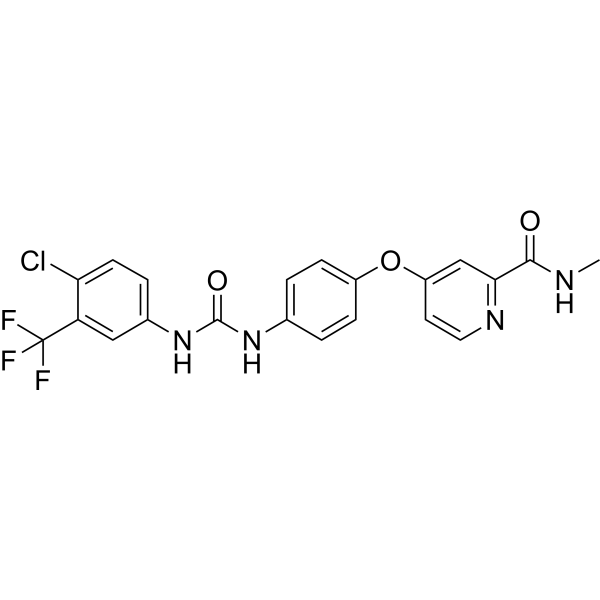
Cat. No.: HY-10201
CAS No.: 284461-73-0
Purity:  99.92%
Synonyms: Bay 43-9006
Sorafenib (Bay 43-9006) is a potent oral active multikinase inhibitor. Sorafenib blocks autophosphorylation and activity of receptor tyrosine kinases (VEGFR-2, VEGFR-3) and RAF family kinases, thereby suppressing the RAF/MEK/ERK and PI3K/Akt pathways, inhibiting STAT3 phosphorylation, and selectively inhibiting the MAPK pathway in cancer cells. Sorafenib induces cell cycle arrest, autophagy, apoptosis, and PARP cleavage, reduces Bcl-2, Bcl-XL, cyclin D1 levels, and activates Bak and Bax. Sorafenib inhibits tumor growth and metastasis in mouse and rat models. Sorafenib can be used for cancer research, such as colon, breast, non-small-cell lung cancer (NSCLC), ovarian, pancreatic, melanoma, colorectal and hepatocellular carcinoma .
loading...
    loading...
307
307 Publications Verification
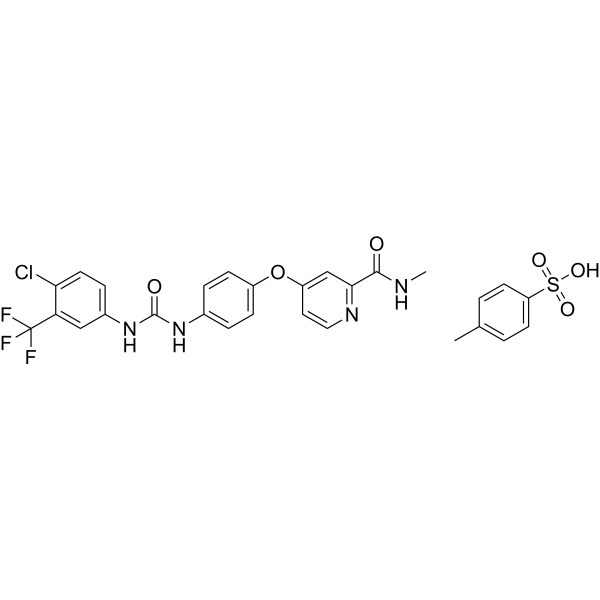
Cat. No.: HY-10201A
CAS No.: 475207-59-1
Purity:  99.75%
Synonyms: Bay 43-9006 tosylate
Sorafenib (Bay 43-9006) tosylate is a potent oral active multikinase inhibitor. Sorafenib blocks autophosphorylation and activity of receptor tyrosine kinases (VEGFR-2, VEGFR-3) and RAF family kinases, thereby suppressing the RAF/MEK/ERK and PI3K/Akt pathways, inhibiting STAT3 phosphorylation, and selectively inhibiting the MAPK pathway in cancer cells. Sorafenib tosylate induces cell cycle arrest, autophagy, apoptosis, and PARP cleavage, reduces Bcl-2, Bcl-XL, cyclin D1 levels, and activates Bak and Bax. Sorafenib tosylate inhibits tumor growth and metastasis in mouse and rat models. Sorafenib tosylate can be used for cancer research, such as colon, breast, non-small-cell lung cancer (NSCLC), ovarian, pancreatic, melanoma, colorectal and hepatocellular carcinoma .
loading...
    loading...
217
217 Cited Publications
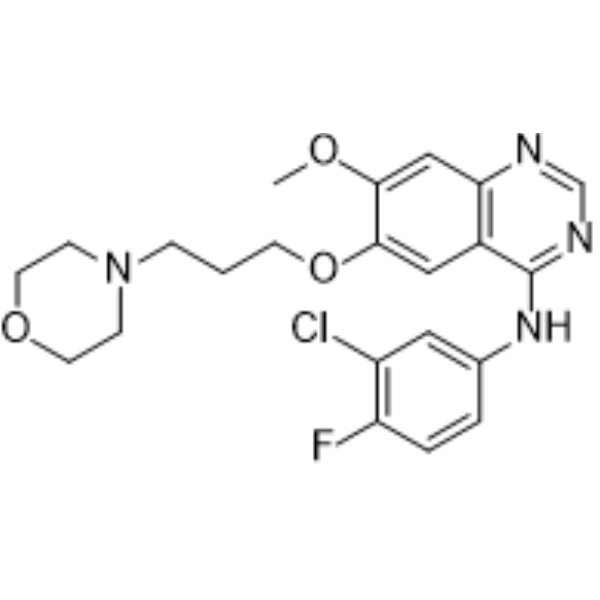
Cat. No.: HY-50895
CAS No.: 184475-35-2
Synonyms: ZD1839
Target:  

EGFR Autophagy Apoptosis

Research Areas:  

Cancer

Gefitinib (ZD1839) is a potent, selective and orally active EGFR tyrosine kinase inhibitor with an IC50 of 33 nM. Gefitinib selectively inhibits EGF-stimulated tumor cell growth (IC50 of 54 nM) and that blocks EGF-stimulated EGFR autophosphorylation in tumor cells. Gefitinib also induces autophagy and cell apoptosis, which can be used for cancer related research, such as Lung cancer and breast cancer .
loading...
    loading...
143
143 Cited Publications
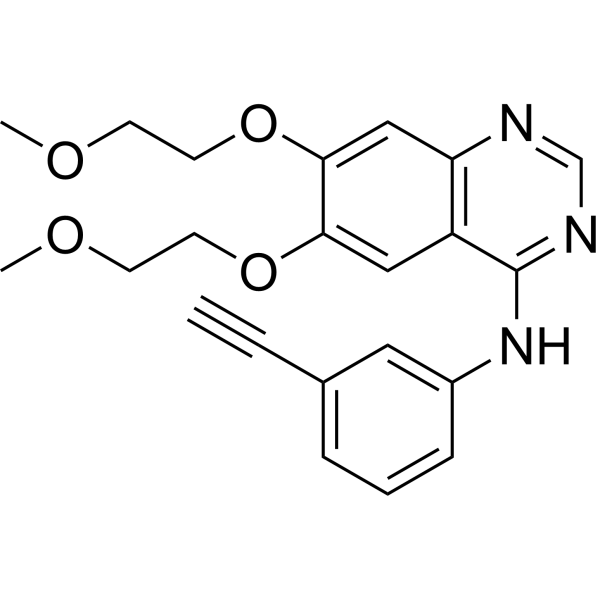
Cat. No.: HY-50896
CAS No.: 183321-74-6
Synonyms: CP-358774; NSC 718781; OSI-774
Target:  

EGFR OAT ERK GSK-3 β-catenin

Research Areas:  

Endocrinology Cancer

Erlotinib (CP-358774) is a selective, orally active EGFR tyrosine kinase inhibitor. Erlotinib also acts as a substrate and inhibitor of OATP2B1, with an IC50 of approximately 0.079 μM for inhibiting OATP2B1-mediated uptake of estrone 3-sulfate. Erlotinib blocks EGFR phosphorylation, downstream signal transduction, as well as the growth and proliferation of cancer cells. Erlotinib inhibits MMP-10-mediated renal injury, fibrotic lesions, the ERK1/2, GSK-3β and β-catenin signaling pathways, fibronectin, α-SMA, collagen deposition, and renal injury markers. Erlotinib is metabolized via CYP3A to produce the active metabolite OSI-420. Erlotinib can be used in research related to non-small cell lung cancer, gastric cancer, papillary renal cell carcinoma, pancreatic cancer, renal fibrosis, and other conditions .
loading...
    loading...
143
143 Cited Publications
Cat. No.: HY-12008
CAS No.: 183319-69-9
Purity:  99.94%
Synonyms: CP-358774 hydrochloride; NSC 718781 hydrochloride; OSI-774 hydrochloride
Target:  

EGFR OAT ERK GSK-3 β-catenin

Research Areas:  

Endocrinology Cancer

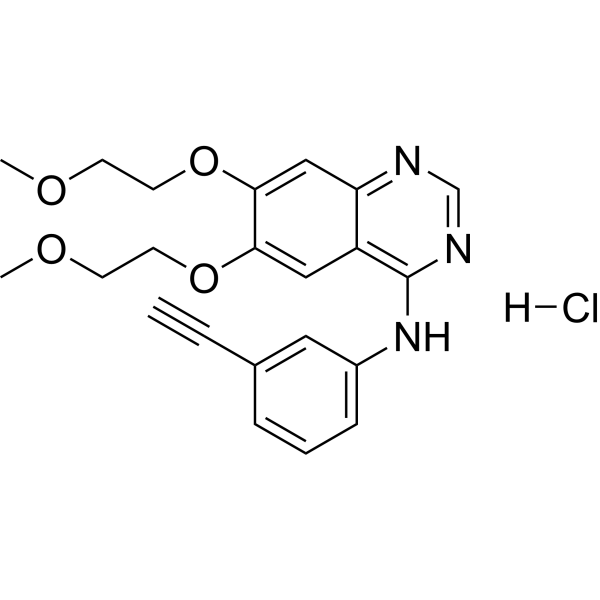
Erlotinib (CP-358774) Hydrochloride is a selective, orally active EGFR tyrosine kinase inhibitor. Erlotinib Hydrochloride also acts as a substrate and inhibitor of OATP2B1, with an IC50 of approximately 0.079 μM for inhibiting OATP2B1-mediated uptake of estrone 3-sulfate. Erlotinib Hydrochloride blocks EGFR phosphorylation, downstream signal transduction, as well as the growth and proliferation of cancer cells. Erlotinib Hydrochloride inhibits MMP-10-mediated renal injury, fibrotic lesions, the ERK1/2, GSK-3β and β-catenin signaling pathways, as well as the deposition of fibronectin, α-SMA, collagen and renal injury markers. Erlotinib Hydrochloride is metabolized via CYP3A to produce the active metabolite OSI-420. Erlotinib Hydrochloride can be used in research related to non-small cell lung cancer, gastric cancer, papillary renal cell carcinoma, EGFR inhibitor resistance and renal fibrosis .
loading...
    loading...
109
109 Cited Publications
Cat. No.: HY-10231
CAS No.: 685898-44-6
Purity:  ≥98.0%
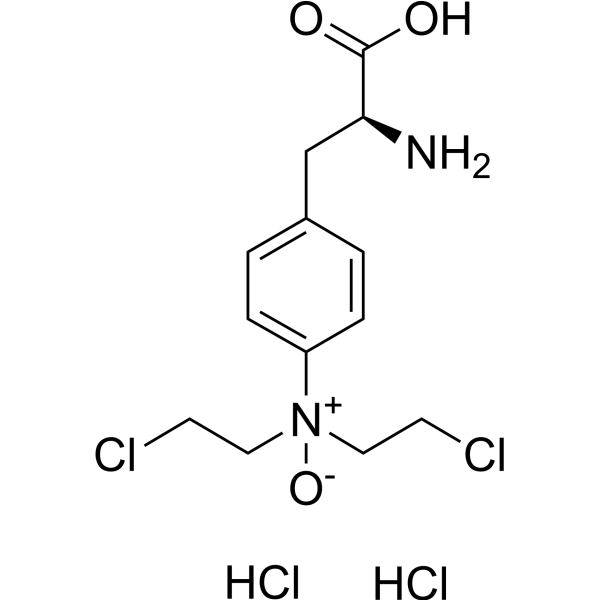
PX-478 is a multifunctional HIF-1α inhibitor with properties including radiosensitization, autophagy activation, and lipid accumulation inhibition. PX-478 also blocks hypoxia-induced VEGF production and regulates β-cell phenotypes under hypoxic conditions. PX-478 induces cell cycle arrest and DNA damage, restores autophagic function, reduces foam cell formation, and maintains glucose homeostasis. PX-478 is widely used in research on related diseases such as human tumors (e.g., prostate cancer), type 2 diabetes, and atherosclerosis .
loading...
    loading...
76
76 Cited Publications
Cat. No.: HY-100388
CAS No.: 1801747-42-1
Purity:  99.81%
Target:  

SHP2 Phosphatase

Research Areas:  

Cancer

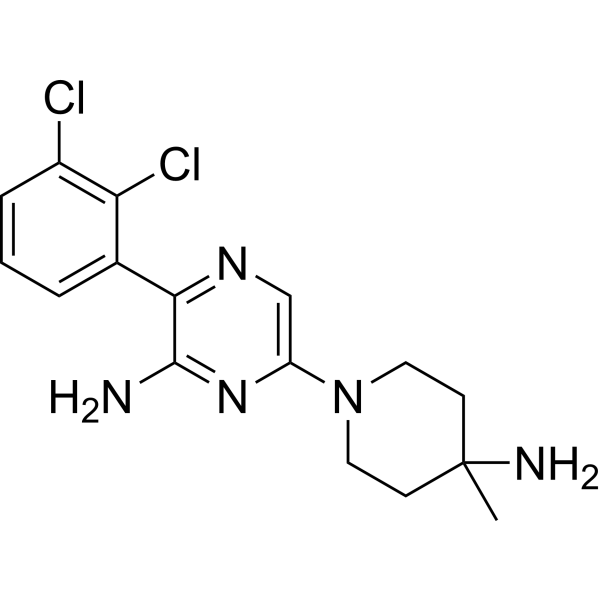
SHP099 is an allosteric SHP2 inhibitor, with IC50s of 0.690, 1.241, 0.416, 1.968, 2.896 μM for SHP2, SHP2 D61Y, SHP2E69K, SHP2 A72V, SHP2 E76K. SHP099 inhibits cancer cell growth, such as MV4-11 and TF-1 cell (IC50: 0.32 and 1.73 μM). SHP099 inhibits RAS-ERK signaling and inhibits tumor growth .
loading...
    loading...
66
66 Cited Publications
Cat. No.: HY-15186
CAS No.: 1001264-89-6
Purity:  99.79%
Synonyms: GDC-0068; RG7440
Target:  

Organoid Akt Apoptosis

Research Areas:  

Cancer

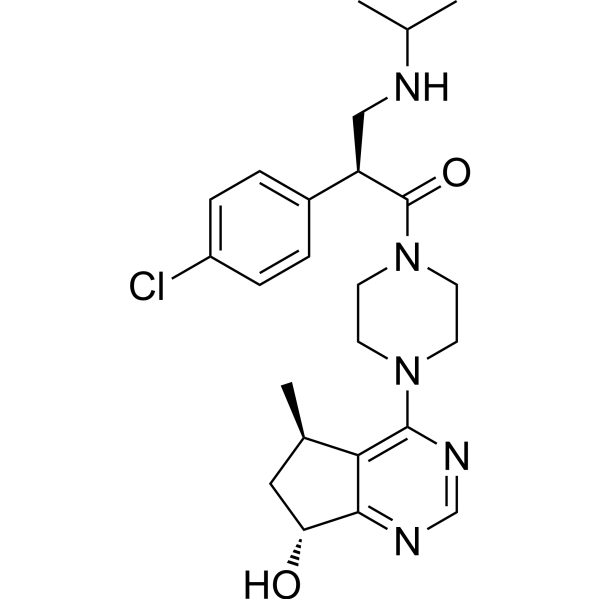
Ipatasertib (GDC-0068) is an orally active, highly selective and ATP-competitive pan-Akt inhibitor with IC50 values of 5, 18, 8 nM for Akt1/2/3, respectively. Ipatasertib synchronously activates FoxO3a and NF-κB through inhibition of Akt leading to p53-independent activation of PUMA. Ipatasertib also induces apoptosis in cancer cells and inhibits tumor growth in xenograft mouse models .
loading...
    loading...
52
52 Cited Publications
Cat. No.: HY-15597
CAS No.: 53003-10-4
Purity:  99.66%
Synonyms: Procoxacin
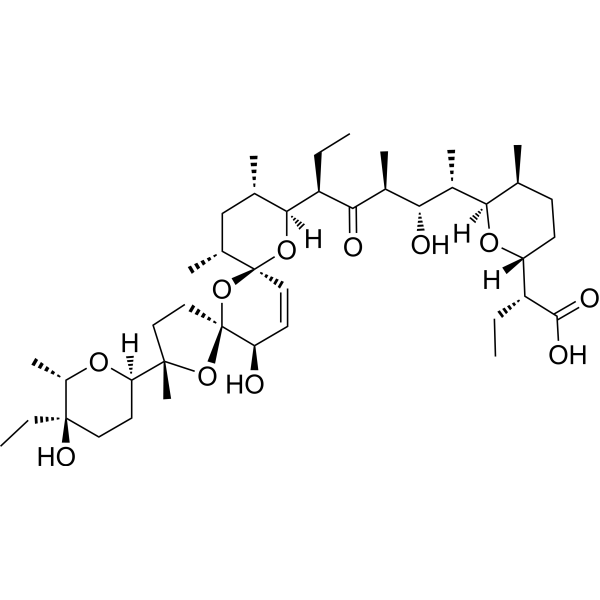
Salinomycin (Procoxacin), a polyether potassium ionophore antibiotic, selectively inhibits the growth of gram-positive bacteria. Salinomycin is a potent inhibitor of Wnt/β-catenin signaling, blocks Wnt-induced LRP6 phosphorylation. Salinomycin shows selective activity against human cancer stem cells .
loading...
    loading...
36
36 Cited Publications
Cat. No.: HY-19992
CAS No.: 1113-59-3
Synonyms: Bromopyruvic acid; 3-BrPA; Hexokinase II Inhibitor II, 3-BP
Research Areas:  

Cancer

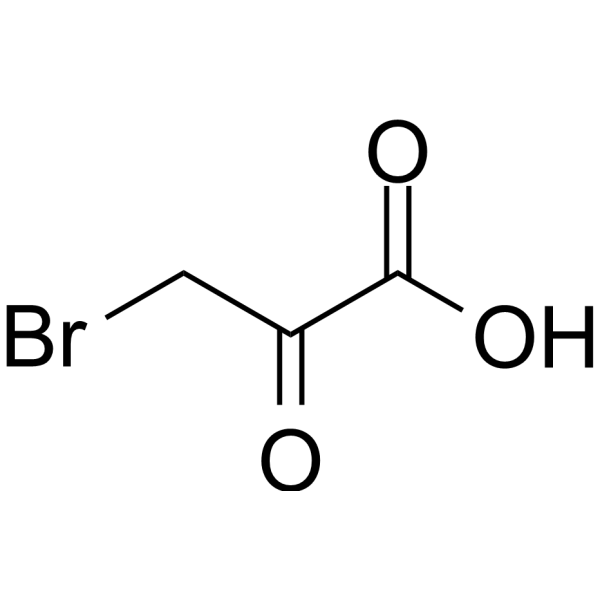
3-Bromopyruvate (Bromopyruvic acid) is an analogue of pyruvate and a potent hexokinase (HK)-II inhibitor with high tumor selectivity. 3-Bromopyruvate inhibits cell growth and induces apoptosis through interfering with glycolysis. 3-Bromopyruvate induces autophagy by stimulating ROS formation in breast cancer cells. Antimicrobial activities .
loading...
    loading...
36
36 Cited Publications
Cat. No.: HY-112288
CAS No.: 432001-19-9
Purity:  99.90%
Synonyms: TTI-101
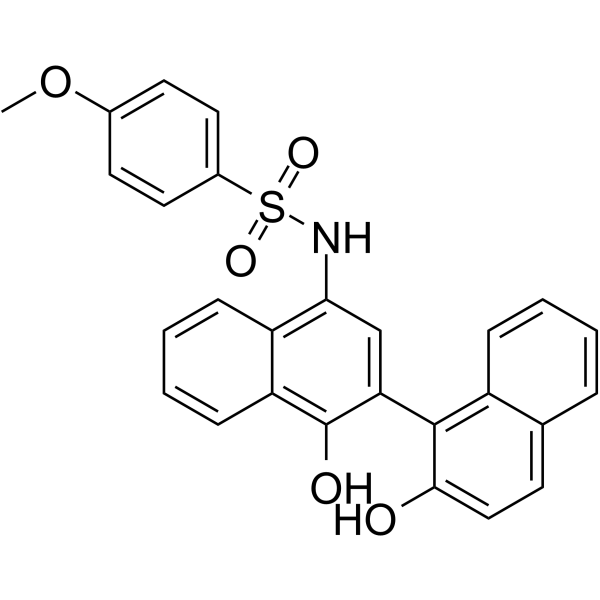
C188-9 (TTI-101) is a STAT3 inhibitor with a Kd value of 4.7 nM. C188-9 targets the SH2 domain of STAT3, blocks the processes of STAT3 ligand binding, receptor recruitment, homodimerization and phosphorylation, and regulates STAT3-mediated genes associated with tumorigenesis and radioresistance. C188-9 regulates STAT1-mediated genes related to radioresistance and reduces the activation level of STAT1. C188-9 downregulates the expression of DNMT1, enhances DAC-induced demethylation and re-expression of RASSF1A, and simultaneously potentiates the anti-tumor effect of DAC on pancreatic cancer cells. C188-9 inhibits both anchorage-dependent and anchorage-independent growth of cancer cells, induces Apoptosis, blocks the growth of tumor xenografts, and suppresses muscle atrophy. C188-9 maintains muscle mass, increases body weight and improves grip strength in tumor-bearing mice. C188-9 can be used in research related to head and neck squamous cell carcinoma, pancreatic cancer, sepsis-related skeletal muscle wasting, non-small cell lung cancer, acute myeloid leukemia and cancer cachexia .
loading...
    loading...
34
34 Cited Publications
Cat. No.: HY-15176A
CAS No.: 1781882-65-2
Purity:  98.53%
Synonyms: RR82 hydrochloride
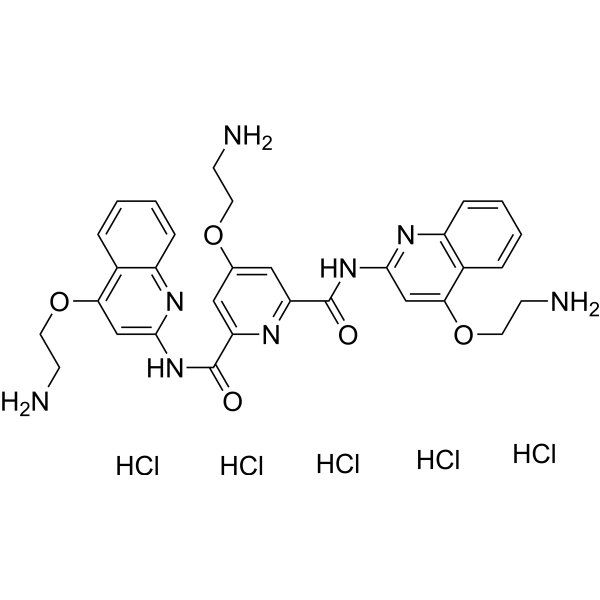
Pyridostatin (RR82) hydrochloride is a G-quadruplex DNA stabilizing agent (Kd=490 nM) and can target DNA and RNA G4s in cells. Pyridostatin hydrochloride promotes growth arrest in human cancer cells by inducing replication- and transcription-dependent DNA damage. Pyridostatin hydrochloride targets the proto-oncogene Src. Pyridostatin hydrochloride reduced SRC protein levels and SRC-dependent cellular motility in human breast cancer cells .
loading...
    loading...
29
29 Cited Publications
Cat. No.: HY-12444
CAS No.: 4506-66-5
Purity:  ≥98.0%
Synonyms: FAK Inhibitor 14
Target:  

FAK

Research Areas:  

Cancer

Y15 is a potent and specific inhibitor of focal adhesion kinase (FAK) that inhibits its autophosphorylation activity, decreases the viability of cancer cells, and blocks tumor growth.
loading...
    loading...
28
28 Cited Publications
Cat. No.: HY-16637D
CAS No.: 29704-76-5
Synonyms: Vitamin B9 disodium; Vitamin M disodium
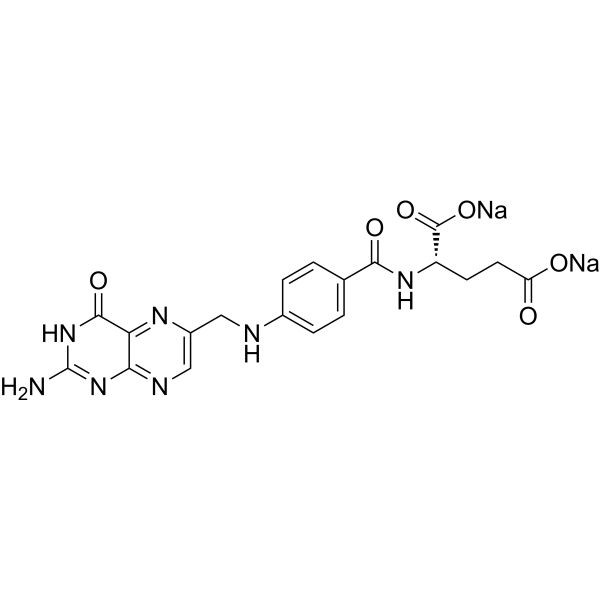
Folic acid disodium (Vitamin B9 disodium; Vitamin M disodium) is an orally active disodium salt form of Folic acid (HY-16637) with an intrinsic dissolution rate (IDR) of 4.96·10 5 g/s . Folic acid disodium serves as cofactor in single-carbon transfer reactions and exhibits protective effects against neural tube defects, ischemic events, and cancer. Folate acid disodium overload leads to impaired brain development in embryogenesis and promotes growth of precancerous altered cells. Folic acid deficiency leads to megaloblastic anemia .
loading...
    loading...
28
28 Cited Publications
Cat. No.: HY-100001
CAS No.: 130495-35-1
Purity:  ≥99.01%
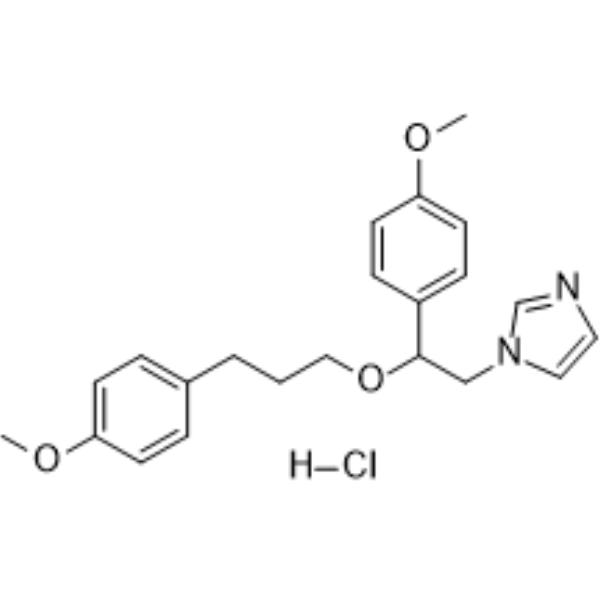
SKF-96365 hydrochloride is a TRPC channel antagonist and store-operated calcium entry (SOCE) inhibitor. SKF-96365 hydrochloride reduces calcium ion influx by inhibiting the activity and expression of TRPC6, STIM1 and Orai1. SKF-96365 hydrochloride inhibits voltage-gated sodium current (cardiac INa/NaV1.5) and slows myocardial conduction. SKF-96365 hydrochloride inhibits phosphorylation/activation of CaMKIIγ and suppresses the downstream AKT signaling pathway. SKF-96365 hydrochloride induces G2/M phase cell cycle arrest, apoptosis and cytoprotective autophagy in colorectal cancer cells. SKF-96365 hydrochloride alleviates allergic rhinitis symptoms by reducing inflammatory cytokine levels. SKF-96365 hydrochloride reduces intracellular calcium overload, inhibits Homer1 expression, prevents nuclear damage and suppresses apoptosis. SKF-96365 hydrochloride inhibits the growth of colorectal cancer xenografts in nude mice . SKF-96365 hydrochloride is applicable to research related to allergic rhinitis, colorectal cancer, Parkinson's disease, persistent spontaneous nociception and hyperalgesia .
loading...
    loading...
28
28 Cited Publications
Cat. No.: HY-125942
CAS No.: 162849-90-3
SKF-96365 is a TRPC channel antagonist and store-operated calcium entry (SOCE) inhibitor. SKF-96365 reduces calcium ion influx by inhibiting the activity and expression of TRPC6, STIM1 and Orai1. SKF-96365 inhibits voltage-gated sodium current (cardiac INa/NaV1.5) and slows myocardial conduction. SKF-96365 inhibits phosphorylation/activation of CaMKIIγ and suppresses the downstream AKT signaling pathway. SKF-96365 induces G2/M phase cell cycle arrest, apoptosis and cytoprotective autophagy in colorectal cancer cells. SKF-96365 alleviates allergic rhinitis symptoms by reducing inflammatory cytokine levels. SKF-96365 reduces intracellular calcium overload, inhibits Homer1 expression, prevents nuclear damage and suppresses apoptosis. SKF-96365 inhibits the growth of colorectal cancer xenografts in nude mice . SKF-96365 is applicable to research related to allergic rhinitis, colorectal cancer, Parkinson's disease, persistent spontaneous nociception and hyperalgesia .
loading...
    loading...
26
26 Cited Publications
Cat. No.: HY-135146
CAS No.: 2170136-65-7
Purity:  99.95%
Synonyms: (R)-GSK3482364
Research Areas:  

Cancer

GSK-3484862 is a highly potent non-covalent inhibitor and demethylating agent of DNMT1. GSK-3484862 induces genome-wide DNA demethylation, including the regulatory elements of DNMT3B and the promoter region of TERT, and significantly inhibits cell viability, growth, proliferation and self-renewal. GSK-3484862 blocks the transformation of young AT2 cells, induces apoptosis, and generates transcriptomic features similar to those of senescent cells. GSK-3484862 is widely used in studies related to lung cancer, oral squamous cell carcinoma and lung adenocarcinoma .
loading...
    loading...
25
25 Cited Publications
Cat. No.: HY-10127
CAS No.: 722543-31-9
Purity:  99.62%
Synonyms: AZD1152
Target:  

Aurora Kinase Apoptosis

Research Areas:  

Cancer

Barasertib (AZD1152), a pro-drug of Barasertib-hQPA, is a highly selective Aurora B inhibitor with an IC50 of 0.37 nM in a cell-free assay. Barasertib (AZD1152) induces growth arrest and apoptosis in cancer cells .
loading...
    loading...
25
25 Cited Publications
Cat. No.: HY-13817
CAS No.: 314245-33-5
Purity:  99.30%
IU1 is a selective, reversible USP14 inhibitor with an IC50 of 4-5 μM. IU1 binds USP14’s catalytic cleft to block deubiquitinase activity. IU1 induces calpain-dependent Tau cleavage, causes ATP deficits, reduces E1~Ub thioester levels and 26S proteasome assembly. IU1 enhances 26S proteasome chymotrypsin-like activity, modulates LC3B-dependent autophagy flux, reduces cancer cell proliferation and migration, and blocks G0/G1 to S phase cell cycle transition in follicular thyroid cancer cells. IU1 activates autophagy-lysosomal and ubiquitin-proteasome pathways, triggers apoptosis, and reduces cervical cancer cell growth. IU1 enhances degradation of proteasome substrates linked to neurodegenerative disease, accelerates oxidized protein degradation, and increases oxidative stress resistance. IU1 can be used for the research of Alzheimer’s disease, follicular thyroid cancer, ischemic stroke, cervical cancer, and neurodegenerative disease .
loading...
    loading...
24
24 Cited Publications
Cat. No.: HY-13032B
CAS No.: 1895049-20-3
Purity:  97.04%
Synonyms: GSK 525762C; I-BET 762 besylate
Research Areas:  

Cancer

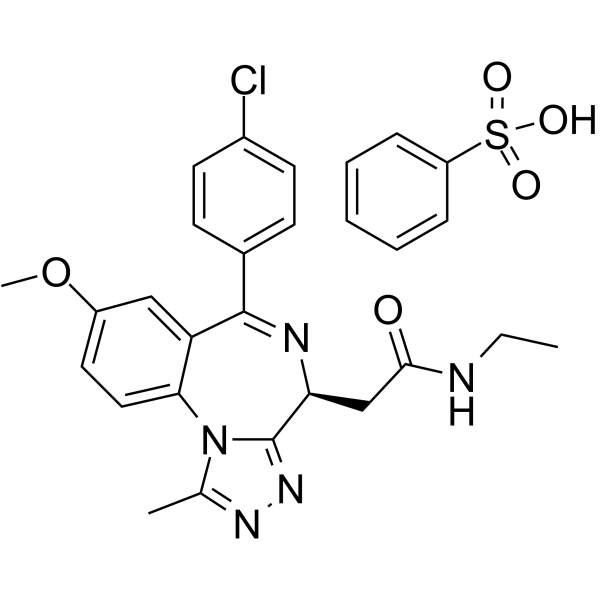
Molibresib besylate (GSK 525762C; I-BET 762 besylate) is an orally active pan-BET inhibitor that targets and binds to BRD2, BRD3, BRD4 and BRDT. By competitively occupying acetylated lysine binding sites, Molibresib besylate disrupts the interaction between BET proteins and chromatin, thereby effectively inhibiting MYC expression and target gene transcription. Molibresib besylate exhibits broad antiproliferative activity, which not only inhibits cancer cell growth and induces growth arrest, but also downregulates mitosis-related genes and upregulates the level of p-ERK1/2. When combined with MEK inhibitors, Molibresib besylate shows a significant synergistic effect, reduces tumor burden in mouse models of leukemia, modulates the immune microenvironment and prolongs survival. Molibresib besylate is widely applicable to research related to acute myeloid leukemia, multiple myeloma, triple-negative breast cancer, small-cell lung cancer and various advanced refractory solid tumors .
loading...
    loading...

