

Search Result
Results for "
DNA integrity
" in MedChemExpress (MCE) Product Catalog:
2
Biochemical Assay Reagents
| Cat. No. |
Product Name |
Target |
Research Areas |
Chemical Structure |
-
- HY-126124
-
|
|
Reactive Oxygen Species (ROS)
|
Cardiovascular Disease
Neurological Disease
|
|
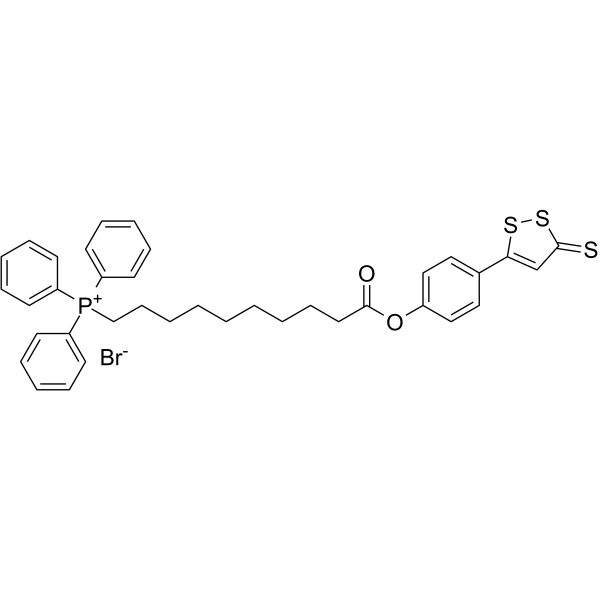
AP39 is a triphenylphosphonium derivatised anethole dithiolethione and mitochondria-targeting hydrogen sulfide (H2S) donor. AP39 increases intracellular H2S levels. AP39 exerts cytoprotective effects and maintains mitochondrial DNA integrity under oxidative stress conditions. AP39 protects against myocardial reperfusion injury in mice model and has the potential for Alzheimer's disease research .
|
-
-
- HY-D0917
-
|
|
DNA Stain
|
Cancer
|
|
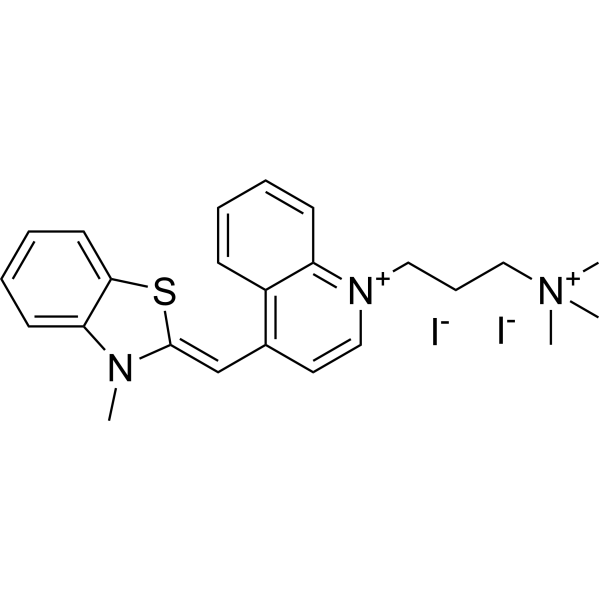
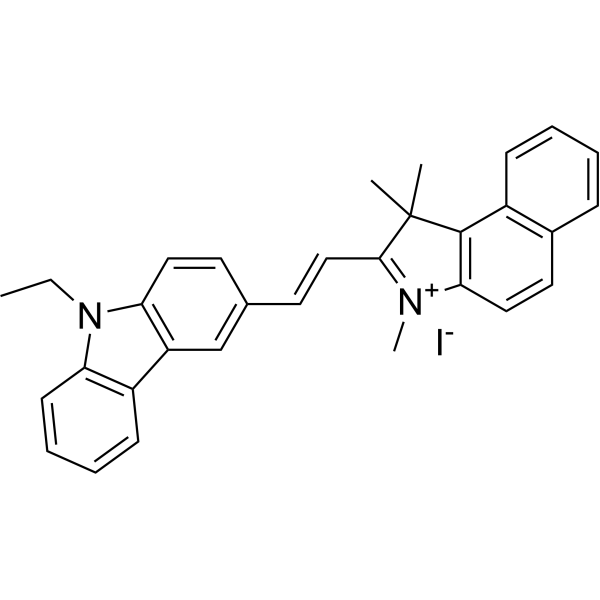
NIR-Red Dead Cell-1 Dye is a DNA-binding fluorescent dye for non-living cells (Ex/Em=515 nm/531 nm). NIR-Red Dead Cell-1 Dye can intercalate into base pairs of double-stranded DNA and produce stronger fluorescence. NIR-Red Dead Cell-1 Dye is suitable for necrotic cells or late apoptotic cells with damaged cell membranes, showing green fluorescence under fluorescence microscopy or flow cytometry. NIR-Red Dead Cell-1 Dye can be used to distinguish live cells from dead cells and distinguish cell membrane integrity. NIR-Red Dead Cell-1 Dye can be attached to the surface of Feraheme (FH) nanoparticles (NPs) to obtain fluorescent dye-functionalized NPs for drug delivery studies .
|
-
-
- HY-E70098
-
|
|
Others
|
Cancer
|
|
RNase H2 is the predominant source of RNase H activity in mammalian and human cells. RNase H2 protects genome integrity. RNase H2 has been associated with ribonucleotide removal from genomic DNA in yeast and mouse, where it is required for embryonic development .
|
-
-
- HY-P2302
-
|
|
Antibiotic
Bacterial
Fungal
|
Infection
Inflammation/Immunology
Cancer
|
|
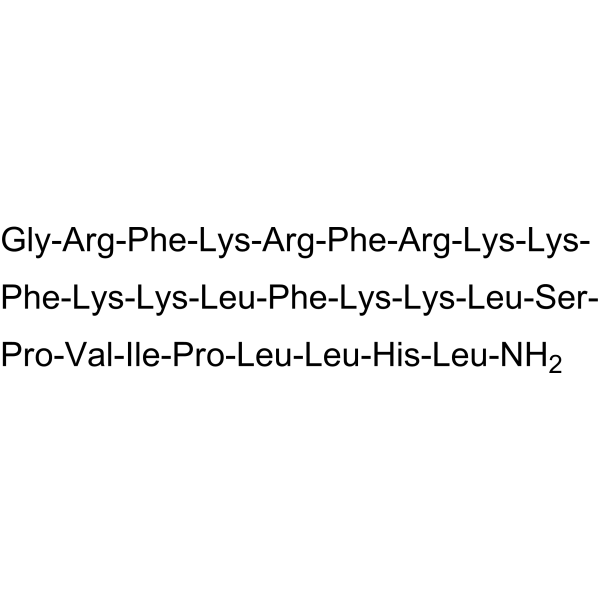
Defensin HNP-3 human is an α-defensin stored in the azurophilic granules of human neutrophils. Defensin HNP-3 human exerts broad-spectrum bactericidal, antifungal and antiviral activities mainly by forming bacterial membrane pores, and acts as a chemoattractant for monocytes and T cells. Defensin HNP-3 human maintains epithelial integrity to support periodontal tissue homeostasis, and exerts concentration-dependent effects on epithelial cell proliferation, adhesion and bacterial adhesion. Defensin HNP-3 human targets solid tumors and leukemia by inducing single-strand DNA breaks and membrane permeabilization in tumor cells via electrostatic binding and pore formation. Defensin HNP-3 human is abundant in human tongue squamous cell carcinoma and neutrophils infiltrating oral squamous cell carcinoma. Defensin HNP-3 human can be applied to research related to periodontitis and human tongue squamous cell carcinoma .
|
-
-
- HY-155801
-
|
|
Toll-like Receptor (TLR)
NF-κB
TNF Receptor
MyD88
Apoptosis
DNA/RNA Synthesis
|
Cardiovascular Disease
Infection
Neurological Disease
Inflammation/Immunology
Cancer
|
|
CRX 527 is a TLR4 agonist. CRX 527 activates the MyD88-dependent, TRIF-dependent, and TRAF6/NF-κB signaling pathways downstream of TLR4, mimics lipid A, and regulates antigen processing and presentation by dendritic cells. CRX 527 stimulates innate immune responses and enhances vaccine efficacy. CRX 527 maintains the structural integrity of hematopoietic tissues, spleen and intestine, alleviates radiation-induced damage, preserves intestinal homeostasis, and inhibits apoptosis, inflammatory responses, oxidative stress and DNA damage. CRX 527 can be used in the research of acute radiation syndrome, melanoma, HPV-related tumors and intracerebral hemorrhage .
|
-
-
- HY-P10230
-
|
|
Bacterial
|
Infection
|
|
Sublancin is an antimicrobial peptide, which inhibits DNA replication, transcription and translation, without affecting membrane integrity. Sublancin suppresses glucose uptake for the competition of phosphotransferase system (PTS). Sublancin inhibits B. subtilis strain 168 ΔSPβ with MIC of 0.312 μM .
|
-
-
- HY-162084
-
|
|
Autophagy
Apoptosis
|
Cancer
|
|
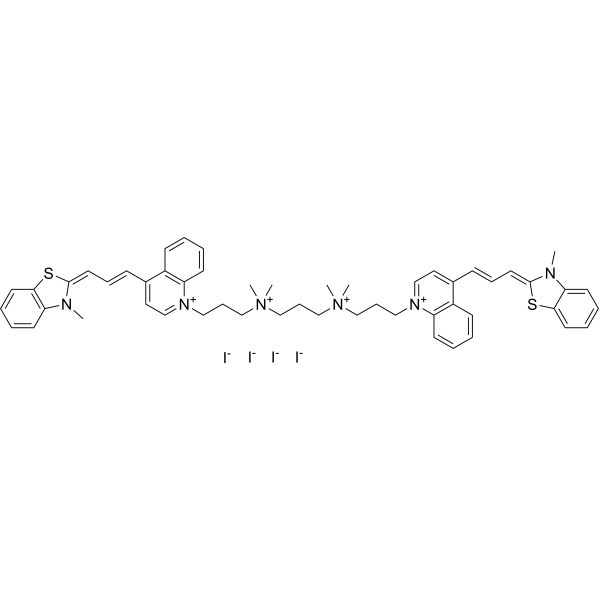
BKN-1 is a bifunctional ligand that can not only track the formation of mtG4s (G-quadruplexes, four-stranded DNA structures containing Hoogsteen bonds) through far-red emission, but can also induce mitochondrial dysfunction. BKN-1 has anti-tumor activity and may cause mtDNA loss, damage mitochondrial integrity, reduce ATP levels, and trigger ROS imbalance, leading to apoptosis and autophagy .
|
-
-
- HY-178476
-
|
|
Bacterial
Reactive Oxygen Species (ROS)
|
Infection
|
|
Anti-MRSA agent 36 (Compound III13) is an antibacterial agent with strong anti MRSA activity (MIC = 1 μg/mL). Anti-MRSA agent 36 targets phosphatidylglycerol (PG) on bacterial membranes, disrupting membrane integrity, leading to DNA leakage and increased ROS. Anti-MRSA agent 36 has advantages such as low cytotoxicity, low hemolysis, difficulty in inducing drug resistance, and good plasma stability. Anti-MRSA agent 36 can be used for the study of skin abscess and systemic infection models .
|
-
-
- HY-E70605
-
|
|
DNA/RNA Synthesis
|
Others
|
|
Human alkyl adenine DNA glycosylase is a monomeric DNA glycosylase that corrects a broad range of alkylated and deaminated nucleobases to maintain genomic integrity .
|
-
-
- HY-E70380
-
|
|
Biochemical Assay Reagents
|
Others
|
|
Endopeptidase, arctic marine microbial (ArcticZymes Proteinase), a proteinase, is used for the digestion of chromatin, thus releasing naked DNA. As it is thermolable, it can be inactivated at temperatures compatible with RNA integrity and DNA as double strands .
|
-
-
- HY-179668A
-
|
|
Biochemical Assay Reagents
|
Others
|
|
10x TE buffer, pH 8.0 is weakly alkaline and protects the bases of DNA. DNA is relatively stable in TE and is not easily damaged in terms of integrity or prone to ring opening and breakage. 1x TE buffer, pH 8.0 composition concentration: 100 mM Tris-HCl, 10 mM EDTA, pH 8.0.
|
-
-
- HY-161813
-
|
|
Bacterial
Fungal
Topoisomerase
|
Infection
|
|
Antibacterial agent 229 (compound 8a) is a potent antibacterial agent. Antibacterial agent 229 shows antibacterial and antifungal abilities. Antibacterial agent 229 disrupts the integrity of the bacterial membrane, intercalates into DNA. Antibacterial agent 229 inhibits topoisomerase IV with an IC50 value of 10.88 µM .
|
-
-
- HY-173239
-
|
|
Bacterial
|
Infection
|
|
Antibacterial agent 274 (Compound 18b) is a membrane-targeting antibacterial agent that demonstrates a MIC of 8 μg/mL against Acinetobacter baumannii ATCC 17978. By disrupting bacterial membrane integrity, it induces intracellular ROS accumulation and causes leakage of DNA and proteins, thereby exhibiting potent antibacterial activity. This compound is suitable for research applications targeting Gram-negative bacterial infections .
|
-
-
- HY-162430
-
|
|
Bacterial
|
Infection
|
|
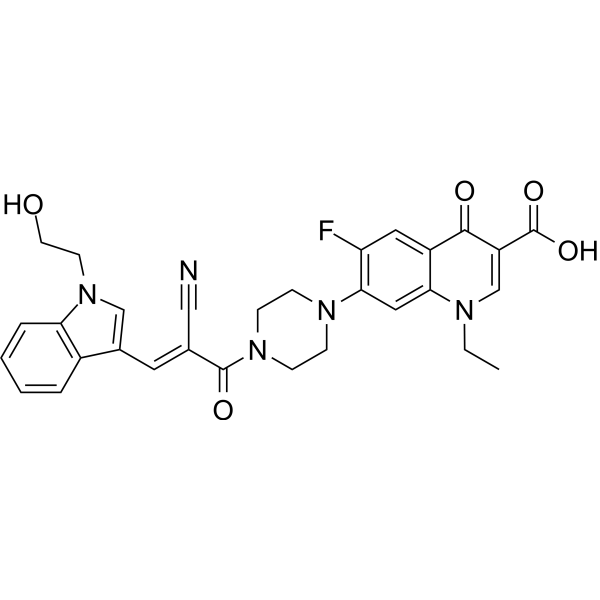
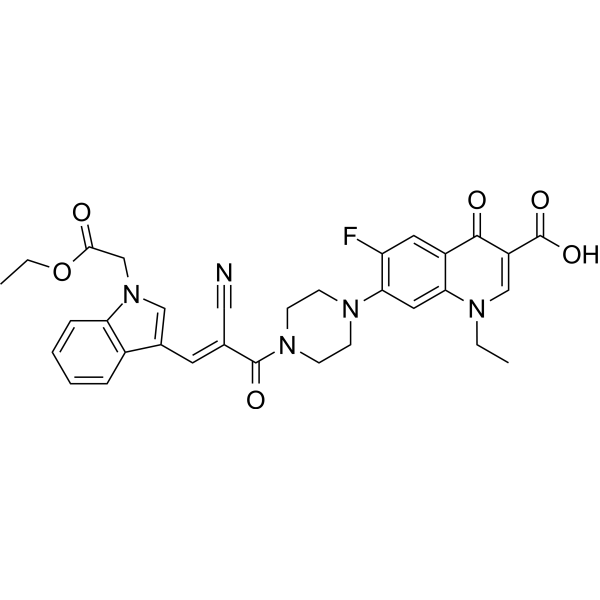
Antibacterial agent 206 (Compound 10e) is a indolylacryloyl-derived oxacins, which exhibits broad antibacterial spectrum with MIC of 0.25-1 μg/mL. Antibacterial agent 206 reduces the exopolysaccharide, eliminates the biofilm, and thus attenuates the drug resistance. Antibacterial agent 206 exhibits antibacterial activity through destory of membrane integrity, accumulation of reactive oxygen species ROS, and inhibition of DNA replication .
|
-
-
- HY-162429
-
|
|
Bacterial
|
Infection
|
|
Antibacterial agent 205 (Compound 10d) is a indolylacryloyl-derived oxacins, which exhibits broad antibacterial spectrum with MIC of 0.25-0.5 μg/mL. Antibacterial agent 205 reduces the exopolysaccharide, eliminates the biofilm, and thus attenuates the drug resistance. Antibacterial agent 205 exhibits antibacterial activity through destory of membrane integrity, accumulation of reactive oxygen species ROS, and inhibition of DNA replication .
|
-
-
- HY-173190
-
|
|
Bacterial
DNA/RNA Synthesis
Reactive Oxygen Species (ROS)
|
Infection
|
|
Antibacterial agent 271 is an antibacterial agent with significant inhibition against Escherichia coli (MIC: 2.2 μM). Antibacterial agent 271 reduces metabolic activity by disrupting the integrity of bacterial membranes. Antibacterial agent 271 binds to DNA grooves to inhibit replication and induces accumulation of reactive oxygen species (ROS) , ultimately leading to bacterial death. Antibacterial agent 271 shows significant potential in combating bacterial infections .
|
-
-
- HY-161364
-
|
|
Bacterial
|
Inflammation/Immunology
|
|
Antibacterial agent 200 (pyridyl HH 7), a unique hydrazyl hydroxycoumarin (HH), has strong antibacterial efficacy and broad antibacterial spectrum with MIC values ranging from 0.5 to 32 μg/mL for Gram-positive and Gram-negative bacteria. Antibacterial agent 200 exhibits a good inhibition against Pseudomonas aeruginosa 27853 with a low MIC value of 0.5 μg/mL. Antibacterial agent 200 can eradicate the integrity of bacterial membrane, result in the leakage of intracellular proteins, and interact with bacterial DNA gyrase via non-covalent binding .
|
-
-
- HY-168258
-
|
|
Bacterial
|
Infection
|
|
Antibiofilm agent-13 (compound 14b) is a potent antibacterial agent that displays a broad-spectrum antimicrobial activity. Antibiofilm agent-13 could disintegrate the integrity of bacterial cell membranes by destroying transmembrane potential and enhancing membrane permeability, and causing the generation of intracellular ROS and the leakage of DNA and proteins, ultimately leading to bacterial death. Antibiofilm agent-13 inhibits both Gram-positive bacteria (MIC of 0.5-1 μg/mL) and Gram-negative bacteria (MIC of 1-32 μg/mL) .
|
-
-
- HY-173318
-
|
|
Bacterial
|
Infection
|
|
Anti-MRSA agent 25 (Compound 10c) is an antibacterial agent with a MIC of 0.25 μg/mL against methicillin-resistant Staphylococcus aureus (MRSA). Anti-MRSA agent 25 exerts its antibacterial activity by inhibiting biofilm formation, disrupting the cell wall (interacting with peptidoglycan and lipoteichoic acids), acting on the cell membrane (causing depolarization, increasing permeability, and disrupting integrity), reducing metabolic activity, interfering with cellular redox homeostasis, and binding to DNA. Anti-MRSA agent 25 is expected to be used in the research of the anti-infection field .
|
-
-
- HY-161988
-
|
|
Bacterial
|
Infection
Inflammation/Immunology
|
|
Antimicrobial agent-34 (compound 4h) is an antibacterial agent (MIC = 1–4 μg/mL), with a clogP value of 9.14. Antimicrobial agent-34 has good plasma stability (HC50 of 131.1 μg/mL) and good membrane selectivity (HC50/MIC is 65.6), with rapid sterilization capability. Antimicrobial agent-34 destroys the integrity of bacterial cell membranes, induces an increase in intracellular reactive oxygen species, and leaks protein and DNA, ultimately leading to bacterial death. Antimicrobial agent-34 demonstrates significant in vivo antibacterial potency in a mouse sepsis model infected with Staphylococcus aureus ATCC43300 .
|
-
-
- HY-179668
-
|
|
Biochemical Assay Reagents
|
Others
|
|
1x TE buffer, pH 8.0 is weakly alkaline and protects the bases of DNA. DNA is relatively stable in TE and is not easily damaged in terms of integrity or prone to ring opening and breakage. 1x TE buffer, pH 8.0 composition concentration: 10 mM Tris-HCl, 1 mM EDTA, pH 8.0.
|
-
-
- HY-183275
-
|
|
DNA/RNA Synthesis
Bacterial
Reactive Oxygen Species (ROS)
|
Infection
|
|
Antibacterial agent 340 is a DNA gyrase inhibitor. Antibacterial agent 340 exhibits broad-spectrum bactericidal activity against Gram-positive and Gram-negative bacteria. Antibacterial agent 340 disrupts bacterial cell membrane integrity, induces reactive oxygen species (ROS) accumulation, and inhibits and eradicates bacterial biofilms. Antibacterial agent 340 can be used for the research of bacterial infections .
|
-
-
- HY-185494
-
|
|
Drug-Linker Conjugates for ADC
DNA Alkylator/Crosslinker
|
Cancer
|
|
Mal-Val-Lys-PAB-CBI-PBD dimer is a Drug-Linker Conjugates for ADC. Mal-Val-Lys-PAB-CBI-PBD dimer consists of the ADC Cytotoxin CBI-PBD dimer and a linker Mal-Val-Lys-PAB. Mal-Val-Lys-PAB-CBI-PBD dimer exhibits alkylating activity at A-T-rich DNA minor groove adenine residues, disrupting DNA integrity. Mal-Val-Lys-PAB-CBI-PBD dimer induces cancer cell growth inhibition and cellular death. Mal-Val-Lys-PAB-CBI-PBD dimer can be used for the research of cancer .
|
-
-
- HY-P11398
-
|
|
Bacterial
HIV
Fungal
DNA Alkylator/Crosslinker
|
Infection
Cancer
|
|
Tachyplesin II is a broad-spectrum cationic antimicrobial peptide. Tachyplesin II has significant inhibitory effects on Gram-positive bacteria, Gram-negative bacteria, and some fungi. Tachyplesin II binds to bacterial membrane lipopolysaccharides through its positive charge, disrupting membrane integrity and causing leakage of cellular contents. Tachyplesin II can bind to DNA grooves, inhibiting microbial replication, and also suppressing HIV-1 replication and the proliferation of liver cancer cells .
|
-
-
- HY-180151
-
|
|
Lactate Dehydrogenase
Bacterial
DNA/RNA Synthesis
Reactive Oxygen Species (ROS)
|
Infection
|
|
Antibacterial agent 306 (Compound 8c), a lactate dehydrogenase inhibitor, is a highly effective antibacterial agent, especially effective against Gram-positive bacteria. Antibacterial agent 306 exhibits MIC against Staphylococcus aureus of as low as 1 μg/mL. Antibacterial agent 306 can not only damage membrane integrity and block the replication of DNA by intercalation, but also make reactive oxygen species (ROS) burst. Antibacterial agent 306 can be used for research on anti-multi-drug resistant bacteria .
|
-
-
- HY-182009
-
|
|
DNA Methyltransferase
Apoptosis
Caspase
Mitochondrial Metabolism
|
Cancer
|
|
DNMT-IN-6 is a DNA methyltransferase inhibitor with activity against DNMT1, DNMT3A, and DNMT3B. DNMT-IN-6 drives demethylation, and restores TMS1 tumor suppressor gene expression. DNMT-IN-6 induces apoptosis, causes G2/M phase arrest, disrupts mitochondrial integrity, and activates the intrinsic caspase cascade (3/7/9). DNMT-IN-6 inhibits tumor growth, and improves survival in xenograft models. DNMT-IN-6 can be used for the research of cancer, such as diffuse large B-cell lymphoma .
|
-
-
- HY-182022
-
|
|
Bacterial
Reactive Oxygen Species (ROS)
Drug Derivative
DNA/RNA Synthesis
|
Infection
|
|
ZLWH-67 is a β-Carboline derivative and Antibacterial agent. ZLWH-67 inhibits DNA synthesis, suppresses biofilm formation, and increases reactive oxygen species (ROS) levels. ZLWH-67 exhibits potent in vitro antibacterial activity against MRSA (MIC = 0.5-4 μg/mL), S. epidermidis (MIC = 4 μg/mL), E. faecalis (MIC = 4-8 μg/mL), and S. pneumoniae (MIC = 16 μg/mL). ZLWH-67 displays anti-MRSA effects in murine skin and pneumonia infection models .
|
-
-
- HY-W459577
-
|
|
SOD
HSP
DNA/RNA Synthesis
Phosphatase
|
Inflammation/Immunology
Cancer
|
|
Zinc picolinate is an orally effective zinc supplement. Zinc picolinate reduces the expression of Hsp70, inhibits oxidative DNA damage, increases serum ALP activity, decreases MDA concentration, elevates SOD levels, and raises zinc concentrations in serum, whole body and plasma. Zinc picolinate does not alter copper and manganese contents in rainbow trout. Zinc picolinate exerts a protective effect against Acetic acid (HY-Y0319)-induced experimental colitis in Sprague Dawley rats. Zinc picolinate reduces uterine fibroid volume, alleviates colonic oxidative damage, relieves colonic inflammation, and enhances intestinal barrier integrity. Zinc picolinate can be used in research related to uterine fibroids, ulcerative colitis and chronic obstructive pulmonary disease .
|
-
-
- HY-180191
-
|
|
Bacterial
Reactive Oxygen Species (ROS)
DNA/RNA Synthesis
|
Infection
|
|
Anti-MRSA agent 42 (Compound 6d) is an anti-methicillin-resistant Staphylococcus aureus (MRSA) agent. Anti-MRSA agent 42 shows strong inhibitory effects on MRSA standard strains and 11 clinical isolates with MIC values of 0.25-0.5 μg/mL. Anti-MRSA agent 42 has low hemolytic activity and minimal cytotoxicity toward mammalian cells. Anti-MRSA agent 42 can suppress biofilm formation, compromise the cell wall, and disrupt the cytoplasmic membrane, which are accompanied by membrane depolarization, enhanced permeability, and loss of membrane integrity. Anti-MRSA agent 42 can induce ROS production and bind to DNA grooves, interfering with nucleic acid function. Anti-MRSA agent 42 can be used for the research of MRSA infection .
|
-
-
- HY-181966
-
|
|
Bacterial
DNA/RNA Synthesis
Potassium Channel
|
Infection
|
|
Sideromycin 7 is an antibacterial agent. Sideromycin 7 forms a 7-Bi 3+ coordination complex with bismuth citrate, exerting a three-pronged antibacterial mode of action: direct DNA binding to induce damage and arrest replication, suppression of KdpC synthesis to block KdpFABC-mediated potas-sium transport, and inhibition of ATP production. Sideromycin 7 exhibits potent antibacterial activity against Ciprofloxacin (HY-B0356)-resistant Pseudomonas aeruginosa strains. Sideromycin 7 exerts antibiofilm activity against Pseudomonas aeruginosa. Sideromycin 7 can be used for the research of ciprofloxacin-resistant Pseudomonas aeruginosa infection .
|
-
| Cat. No. |
Product Name |
Type |
-
- HY-D0917
-
|
|
Fluorescent Dyes
|
|
NIR-Red Dead Cell-1 Dye is a DNA-binding fluorescent dye for non-living cells (Ex/Em=515 nm/531 nm). NIR-Red Dead Cell-1 Dye can intercalate into base pairs of double-stranded DNA and produce stronger fluorescence. NIR-Red Dead Cell-1 Dye is suitable for necrotic cells or late apoptotic cells with damaged cell membranes, showing green fluorescence under fluorescence microscopy or flow cytometry. NIR-Red Dead Cell-1 Dye can be used to distinguish live cells from dead cells and distinguish cell membrane integrity. NIR-Red Dead Cell-1 Dye can be attached to the surface of Feraheme (FH) nanoparticles (NPs) to obtain fluorescent dye-functionalized NPs for drug delivery studies .
|
| Cat. No. |
Product Name |
Type |
-
- HY-179668A
-
|
|
Biochemical Assay Reagents
|
|
10x TE buffer, pH 8.0 is weakly alkaline and protects the bases of DNA. DNA is relatively stable in TE and is not easily damaged in terms of integrity or prone to ring opening and breakage. 1x TE buffer, pH 8.0 composition concentration: 100 mM Tris-HCl, 10 mM EDTA, pH 8.0.
|
-
- HY-179668
-
|
|
Biochemical Assay Reagents
|
|
1x TE buffer, pH 8.0 is weakly alkaline and protects the bases of DNA. DNA is relatively stable in TE and is not easily damaged in terms of integrity or prone to ring opening and breakage. 1x TE buffer, pH 8.0 composition concentration: 10 mM Tris-HCl, 1 mM EDTA, pH 8.0.
|
| Cat. No. |
Product Name |
Target |
Research Area |
-
- HY-P2302
-
|
|
Antibiotic
Bacterial
Fungal
|
Infection
Inflammation/Immunology
Cancer
|
|
Defensin HNP-3 human is an α-defensin stored in the azurophilic granules of human neutrophils. Defensin HNP-3 human exerts broad-spectrum bactericidal, antifungal and antiviral activities mainly by forming bacterial membrane pores, and acts as a chemoattractant for monocytes and T cells. Defensin HNP-3 human maintains epithelial integrity to support periodontal tissue homeostasis, and exerts concentration-dependent effects on epithelial cell proliferation, adhesion and bacterial adhesion. Defensin HNP-3 human targets solid tumors and leukemia by inducing single-strand DNA breaks and membrane permeabilization in tumor cells via electrostatic binding and pore formation. Defensin HNP-3 human is abundant in human tongue squamous cell carcinoma and neutrophils infiltrating oral squamous cell carcinoma. Defensin HNP-3 human can be applied to research related to periodontitis and human tongue squamous cell carcinoma .
|
-
- HY-P10230
-
|
|
Bacterial
|
Infection
|
|
Sublancin is an antimicrobial peptide, which inhibits DNA replication, transcription and translation, without affecting membrane integrity. Sublancin suppresses glucose uptake for the competition of phosphotransferase system (PTS). Sublancin inhibits B. subtilis strain 168 ΔSPβ with MIC of 0.312 μM .
|
-
- HY-P11398
-
|
|
Bacterial
HIV
Fungal
DNA Alkylator/Crosslinker
|
Infection
Cancer
|
|
Tachyplesin II is a broad-spectrum cationic antimicrobial peptide. Tachyplesin II has significant inhibitory effects on Gram-positive bacteria, Gram-negative bacteria, and some fungi. Tachyplesin II binds to bacterial membrane lipopolysaccharides through its positive charge, disrupting membrane integrity and causing leakage of cellular contents. Tachyplesin II can bind to DNA grooves, inhibiting microbial replication, and also suppressing HIV-1 replication and the proliferation of liver cancer cells .
|
-
- HY-K0002
-
|
|
|
MCE Bacterial Protein Extraction Reagent integrates both lysozyme and nuclease activities and is specifically formulated for E. coli lysis. It efficiently disrupts the peptidoglycan layer under mild conditions to rapidly release intracellular proteins. Simultaneously, the incorporated nucleases degrade genomic DNA/RNA, significantly reducing lysate viscosity and minimizing nucleic-acid interference, thereby preserving the native conformation and functional integrity of target proteins to the greatest extent.
|
Your information is safe with us. * Required Fields.
Inquiry Information
- Product Name:
- Cat. No.:
- Quantity:
- MCE Japan Authorized Agent:

