Search Result
Results for "
DP receptor
" in MedChemExpress (MCE) Product Catalog:
-
- HY-101987
-
-
-
- HY-16763
-
-
-
- HY-14973
-
|
AMG 853
|
Prostaglandin Receptor
|
Inflammation/Immunology
|
|
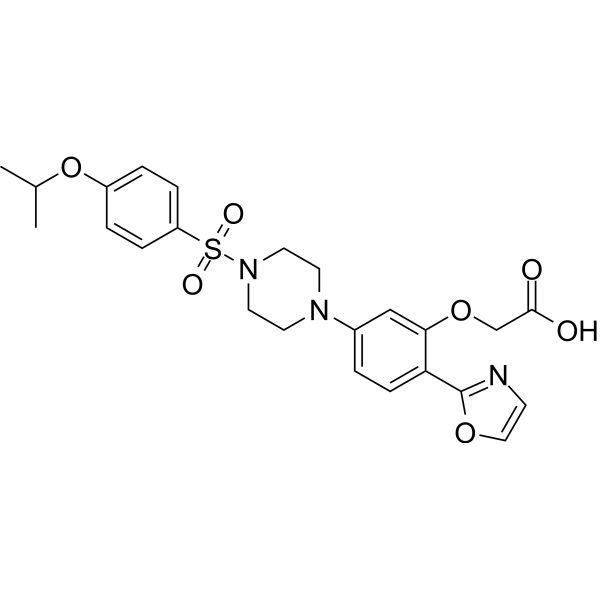
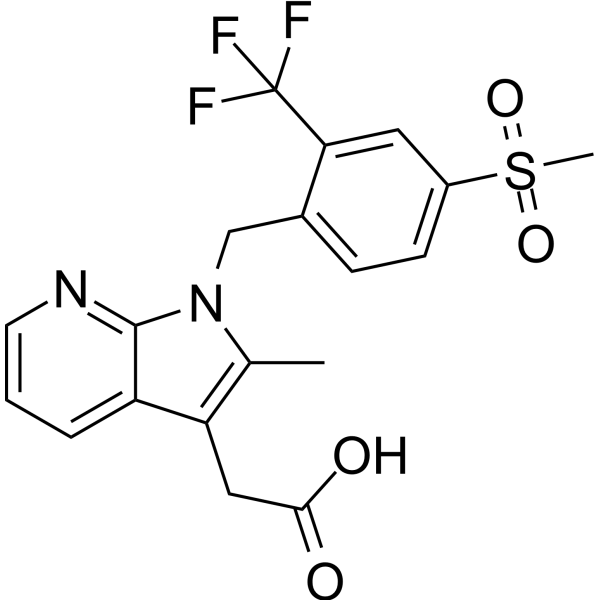
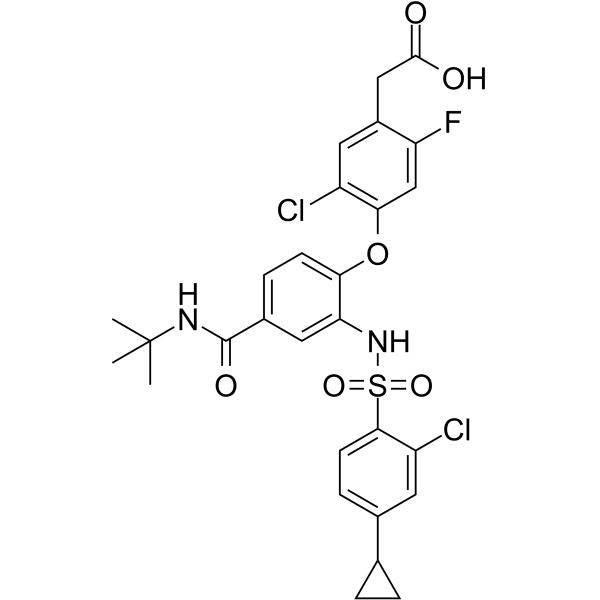
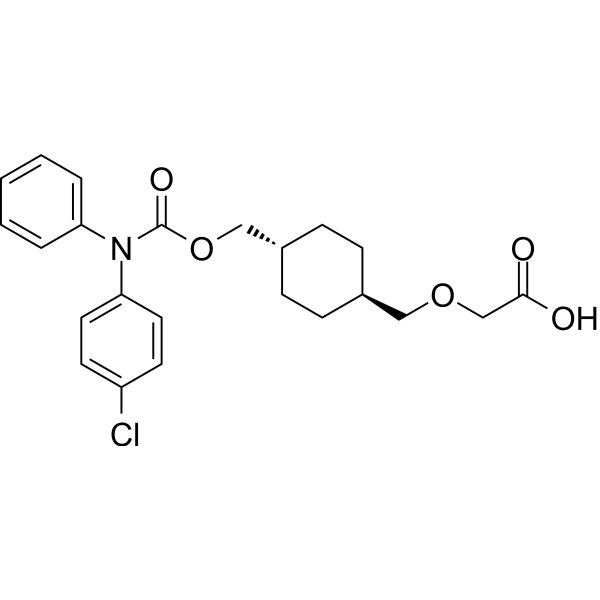
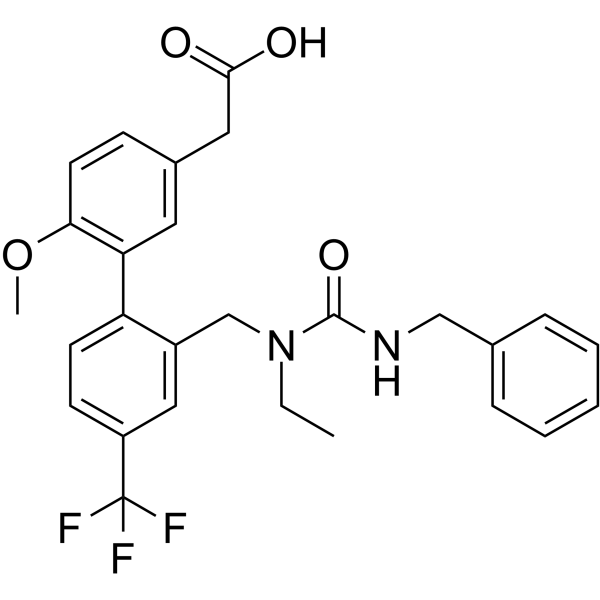
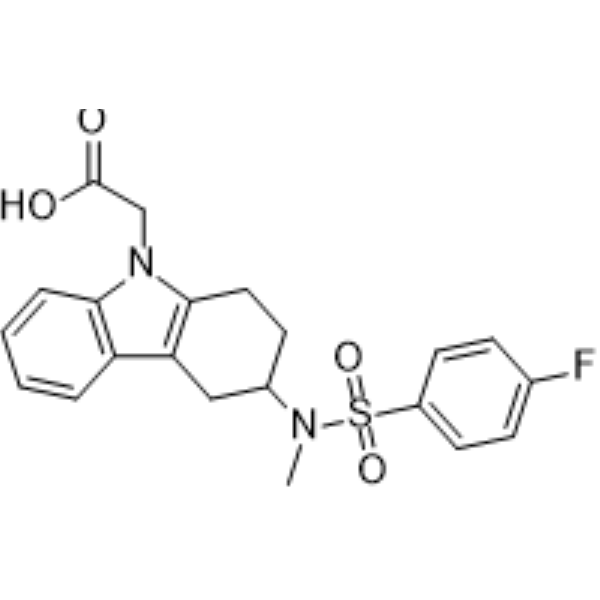
Vidupiprant (AMG 853) is a phenylacetic acid derivative. Vidupiprant is a potent and orally active CRTH2 (DP2) and prostanoid D receptor (DP or DP1) dual antagonist with IC50s of 3 nM and 4 nM in buffer, and 8 nM and 35 nM in human plasma, respectively. Vidupiprant has the potential for asthma treatment .
|
-
-
- HY-16751
-
-
-
- HY-16768
-
|
QAW039; NVP-QAW039
|
Prostaglandin Receptor
|
Cardiovascular Disease
|
|
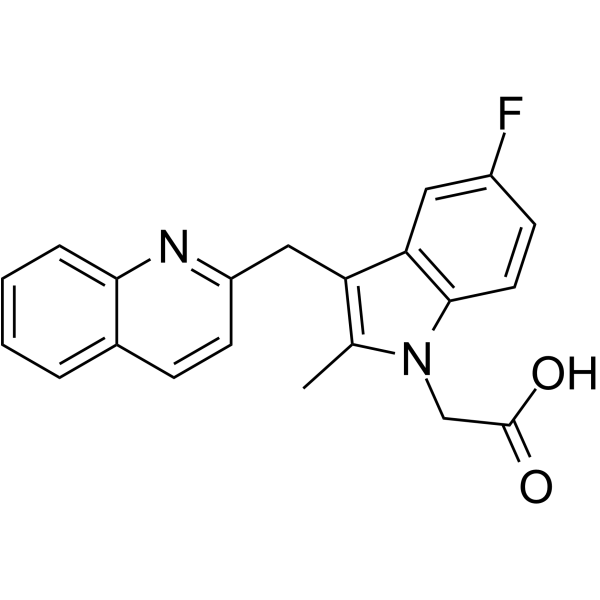
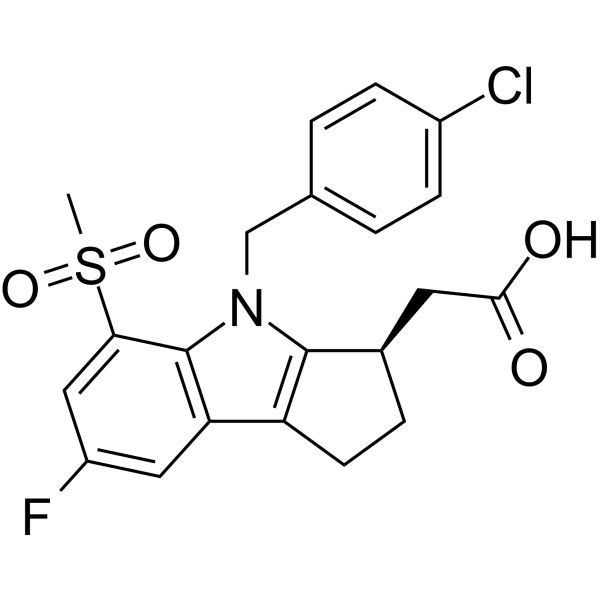
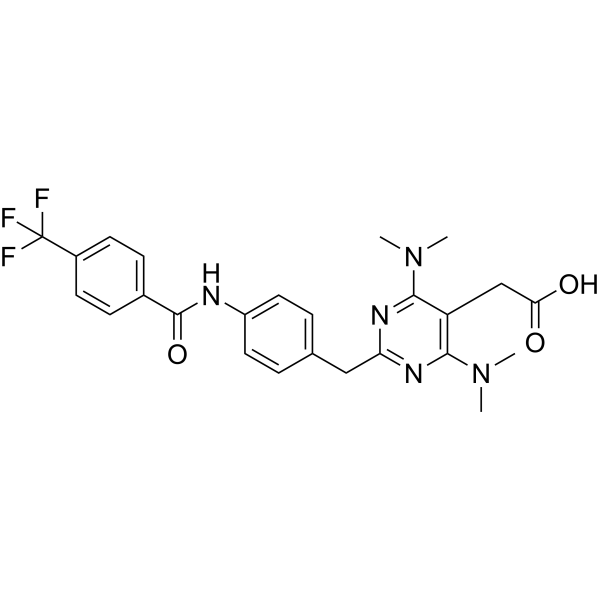
Fevipiprant (QAW039, NVP-QAW039) is s an orally active, selective, reversible prostaglandin D2 (DP2) receptor antagonist with an Kd value of 1.14 nM. Fevipiprant has the potential for the research of bronchial asthma .
|
-
-
- HY-50175
-
-
-
- HY-113366
-
|
PGJ2
|
Prostaglandin Receptor
Endogenous Metabolite
|
Neurological Disease
|
|
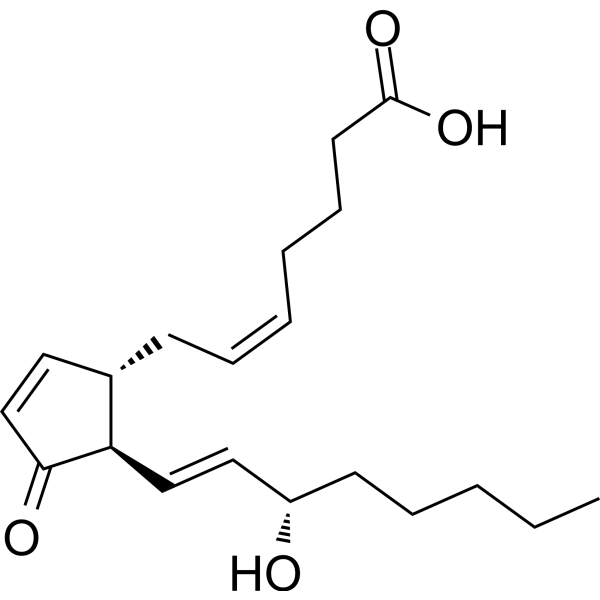
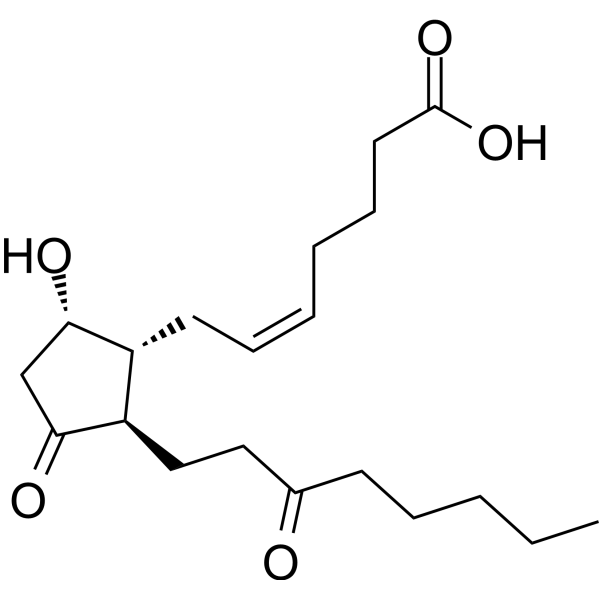
Prostaglandin J2 (PGJ2), an endogenous metabolite of Prostaglandin D2 (PGD2; HY-101988), is a potent PGD2 receptor (DP) agonist with Kis of 0.9 nM and 6.6 nM for hDP and hCRTH2, respectively. Prostaglandin J2 stimulates intracellular cyclic AMP production with an EC50 value of 1.2 nM. Prostaglandin J2 induces oxidative stress and neuronal apoptosis. Prostaglandin J2 induces the accumulation/aggregation of ubiquitinated (Ub) proteins. Prostaglandin J2 is highly neurotoxic and potentially contributes to many neurodegenerative conditions, including Alzheimer's (AD) and Parkinson's diseases (PD) .
|
-
-
- HY-10418
-
-
-
- HY-15342
-
|
OC000459
|
Prostaglandin Receptor
|
Inflammation/Immunology
Endocrinology
|
|
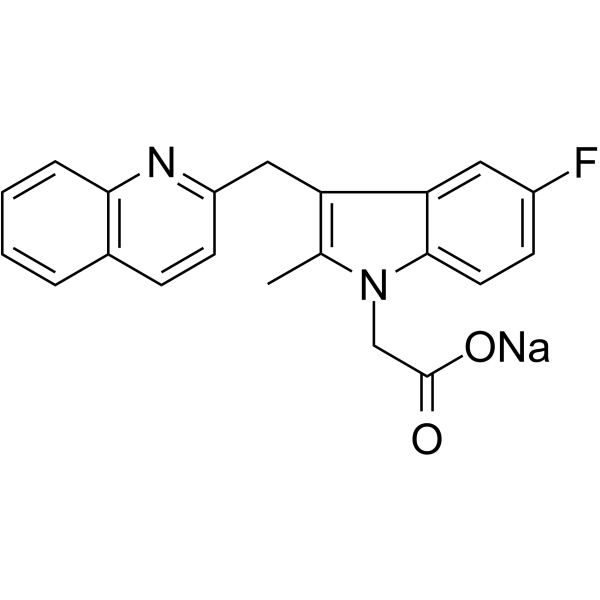
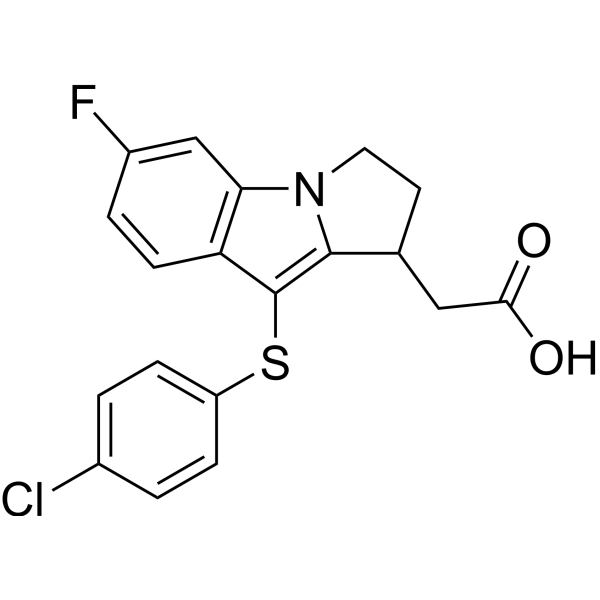
Timapiprant (OC000459) is a potent, selective, and orally active D prostanoid receptor 2 (DP2, also known as CRTH2) antagonist. Timapiprant (OC000459) potently displaces [ 3H] PGD2 from human recombinant DP2 (Ki=13 nM), rat recombinant DP2 (Ki=3 nM), and human native DP2 (Ki=4 nM). Timapiprant (OC000459) inhibits mast cell activation of Th2 lymphocytes and eosinophils .
|
-
-
- HY-18971
-
TG4-155
1 Publications Verification
|
Prostaglandin Receptor
|
Neurological Disease
Inflammation/Immunology
Endocrinology
Cancer
|
|
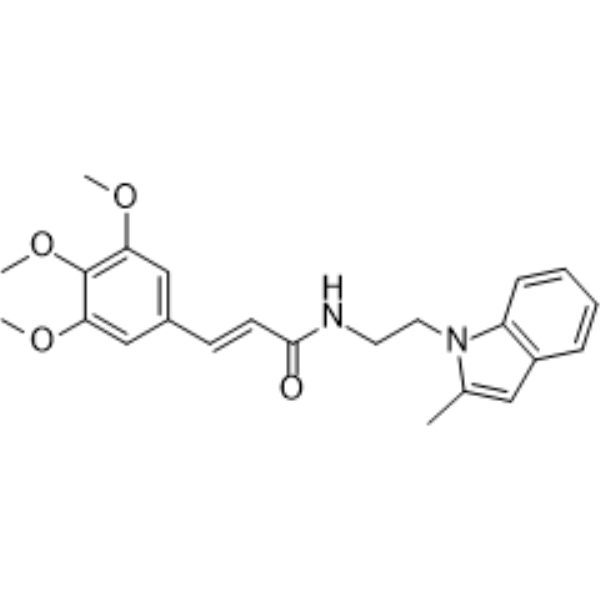
TG4-155 is a potent, brain-permeant and selective EP2 receptor antagonist with a Ki of 9.9 nM . TG4-155 shows low nanomolar antagonist activity against only EP2 and DP1 . TG4-155 has an EP2 Schild KB of 2.4 nM and displays 550-4750-fold selectivity for EP2 over EP1, EP3, EP4 and IP, but only 14-fold selectivity against the DP1 receptor .
|
-
-
- HY-135783
-
AT 1001
1 Publications Verification
|
nAChR
|
Neurological Disease
Metabolic Disease
Inflammation/Immunology
|
|
AT 1001 is an orally effective α3β4 nicotinic acetylcholine receptor (α3β4 nAChR) antagonist with a Ki value of 2.64 nM. AT 1001 reversibly blocks Epibatidine (HY-101078)-induced inward currents in HEK cells transfected with α3β4 nAChR. AT 1001 dose-dependently blocks nicotine self-administration behavior in rats, alleviates gluten-induced gastrointestinal symptoms, blocks tight junction toxin-induced immune responses, and reduces the incidence of type 1 diabetes in rats. AT 1001 can be used in the research of nicotine addiction and celiac disease .
|
-
-
- HY-15342A
-
|
OC000459 sodium
|
Prostaglandin Receptor
|
Inflammation/Immunology
Endocrinology
|
|
Timapiprant sodium (OC000459 sodium) is a potent, selective, and orally active D prostanoid receptor 2 (DP2, also known as CRTH2) antagonist. Timapiprant sodium (OC000459 sodium) potently displaces [ 3H] PGD2 from human recombinant DP2 (Ki=13 nM), rat recombinant DP2 (Ki=3 nM), and human native DP2 (Ki=4 nM). Timapiprant sodium (OC000459 sodium) inhibits mast cell activation of Th2 lymphocytes and eosinophils .
|
-
-
- HY-136500
-
|
PGH2
|
Endogenous Metabolite
Amyloid-β
|
Neurological Disease
Inflammation/Immunology
|
|
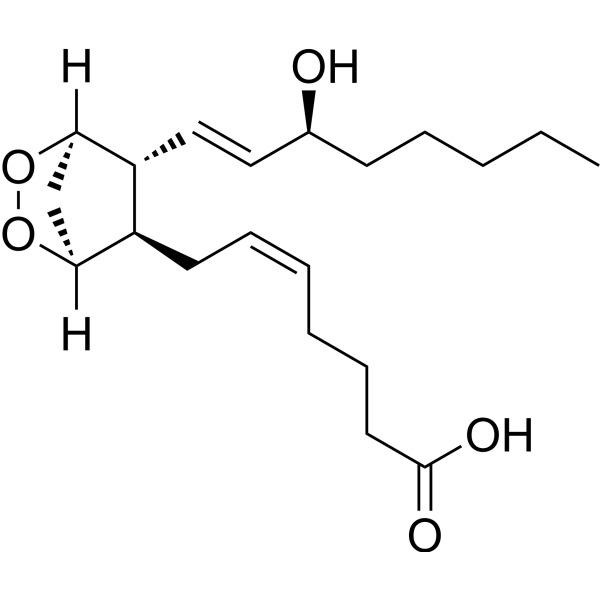
Prostaglandin H2 (PGH2) is an endothelium-derived contracting factor. Prostaglandin H2 can cause vasoconstriction. Prostaglandin H2 is the common precursor of all PGs and is produced by several cells that express cyclooxygen-ases. Prostaglandin H2 can activate PGD2 receptors CRTH2 and DP via interacting directly with the receptors and/or by giving rise to PGD2 after catalytic conversion by plasma proteins. Prostaglandin H2 can induce eosinophils migration and inhibit platelet aggregation. Prostaglandin H2 can accelerate the formation of dimers and higher oligomers of amyloid β1-42. Prostaglandin H2 can be used for the researches of inflammation and neurological disease, such as Alzheimer disease .
|
-
-
- HY-13213
-
|
AM211 free acid
|
Prostaglandin Receptor
|
Inflammation/Immunology
Endocrinology
|
|
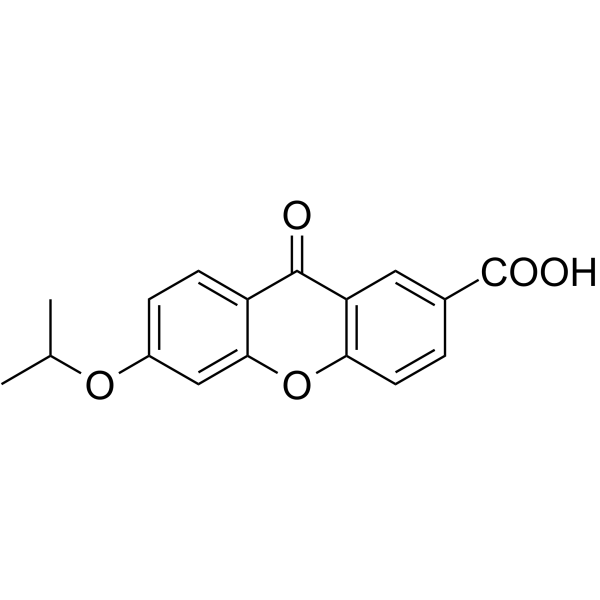
AM211 is a potent, selective and orally bioavailable prostaglandin D2 (PGD2) receptor type 2 (DP2) antagonist, with IC50s of 4.9 nM, 7.8 nM, 4.9 nM, 10.4 nM for human, mouse, guinea pig, and rat DP2, respectively.
|
-
-
- HY-114141
-
|
|
Prostaglandin Receptor
|
Inflammation/Immunology
Endocrinology
|
|
BI-671800 is a highly specific and potent antagonist of chemoattractant receptor-homologous molecule on Th2 cells (DP2/CRTH2), with IC50 values of 4.5 nM and 3.7 nM for PGD2 binding to CRTH2 in hCRTH2 and mCRTH2 transfected cells, respectively . BI-671800 has potential for the treatment of poorly controlled asthma .
|
-
-
- HY-118830
-
|
DK-PGD2; 15-Oxo-13,14-dihydro-PGD2; 13,14-Dihydro-15-keto-PGD2
|
Prostaglandin Receptor
|
Endocrinology
|
|
13, 14-Dihydro-15-keto prostaglandin D2 (DK-PGD2) is a PGD2 metabolite formed by the 15-hydroxyl PGDH pathway. 13, 14-Dihydro-15-keto prostaglandin D2 is a selective agonist for the DP2 receptor. 13, 14-Dihydro-15-keto prostaglandin D2 can inhibit ion flux in canine colonic mucosa preparation .
|
-
-
- HY-111271A
-
-
-
- HY-125782
-
|
15(R)-15-Methyl PGD2
|
Prostaglandin Receptor
|
Metabolic Disease
|
|
15(R)-15-Methyl prostaglandin D2 (15(R)-15-methyl PGD2) is a metabolically stable synthetic analog of PGD2. The physiological actions of PGD2 include regulation of sleep, lowering of body temperature, inhibition of platelet aggregation and relaxation of vascular smooth muscle. PGD2 mediates its effects by 2 distinct G-protein-coupled receptors, DP1and CRTH2/DP2. 15(R)-15-Methyl prostaglandin D2 is a potent, selective agonist for the CRTH2/DP2 receptor. The EC50 values for eosinophil CD11b expression, actin polymerization, and chemotaxis are 1.4, 3.8, and 1.7 nM, respectively, each of which is approximately 3-5 fold lower than those for PGD2. In contrast the EC50 for the DP1-mediated increase in platelet cAMP by 15(R)-15-methyl PGD2 is >10 μM.
|
-
-
- HY-13706
-
|
TM30089 Racemate
|
Prostaglandin Receptor
|
Endocrinology
Cancer
|
|
CAY10471 Racemate (TM30089 Racemate) is a potent and highly selective prostaglandin D2 receptor CRTH2 antagonist, with a Ki of 0.6 nM for hCRTH2, selective over human thromboxane A2 receptor TP (Ki, >10000 nM) or PGD2 receptor DP (Ki, 1200 nM). CAY10471 Racemate also has effect on mouse and rat orthologs of CRTH2 .
|
-
-
- HY-118180
-
-
-
- HY-P10395
-
-
-
- HY-P10394
-
-
-
- HY-172820
-
|
DP303c
|
Antibody-Drug Conjugates (ADCs)
EGFR
|
Cancer
|
|
Trastuzumab envedotin (DP303c) is a anti-human epidermal growth factor receptor 2 (HER2) antibody-drug conjugate (ADC). Trastuzumab envedotin is composed of the tubulin polymerization inhibitor Monomethyl auristatin E (MMAE) (HY-15162) to the anti-HER2 antibody DP001 via a cleavable linker. Trastuzumab envedotin can be used for the research of HER2-positive solid tumors, such as breast cancer, colorectal cancer, and gastric cancer .
|
-
-
- HY-122558
-
|
|
Prostaglandin Receptor
|
Neurological Disease
|
|
AM432 (sodium) is a potent and selective antagonist of the DP2 receptor (CRTH2). AM432 (sodium) exhibits excellent potency in a human whole blood eosinophil shape change assay with prolonged incubation. AM432 (sodium) also demonstrates excellent pharmacokinetics in dog and mouse models of inflammatory disease .
|
-
-
- HY-50175A
-
-
-
- HY-114623
-
-
-
- HY-19755
-
|
|
Prostaglandin Receptor
|
Inflammation/Immunology
|
|
S-5751 is an orally active prostaglandin DP receptor antagonist. S-5751 inhibits cAMP generation in platelet-rich plasma induced by PGD2 with IC50 0.12 μM. S-5751 has anti-inflammatory activity. S-5751 can be used in asthma research .
|
-
-
- HY-109186
-
|
|
Prostaglandin Receptor
|
Others
|
|
Pexopiprant is an oral antagonist of the prostaglandin D2 receptor 2 (DP2),Ki < 100nM. Pexopiprant can be used in studies of asthma .
|
-
-
- HY-U00423
-
-
-
- HY-137308
-
|
15R-PGD2
|
Prostaglandin Receptor
|
Inflammation/Immunology
|
|
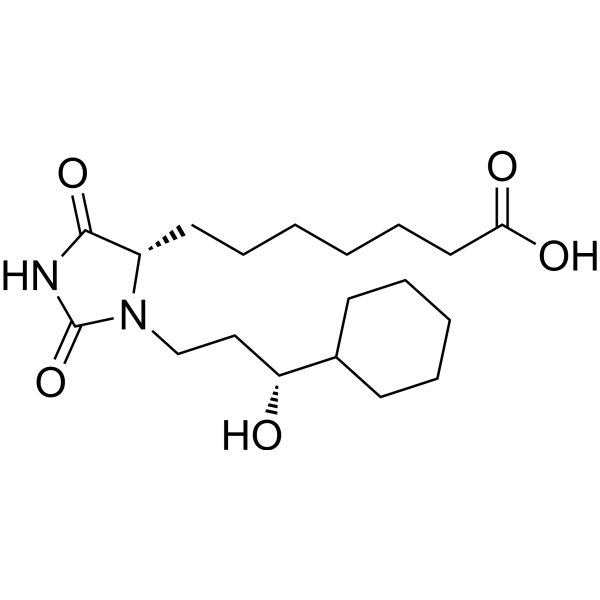
15(R)-Prostaglandin D2 is a potential prostatic hormone DP(2) receptor (Prostaglandin Receptor) agonist with anti-inflammatory activity. 15(R)-Prostaglandin D2 increases actin polymerization in human eosinophils and increases cAMP levels in platelets .
|
-
-
- HY-126911
-
|
Fluprostenol Prostaglandin D2
|
Prostaglandin Receptor
|
Endocrinology
|
|
11-keto Fluprostenol is an analog of prostaglandin D2 (PGD2) with structural modifications intended to give it a prolonged half-life and greater potency. Fluprostenol is a well-studied, potent analog of PGF2α and acts primarily through the FP receptor. Oxidation at C-11 of fluprostenol yields 11-keto fluprostenol. 11-keto Fluprostenol exhibits moderate binding to the CRTH2/DP2 receptor compared to PGD2 and essentially no activity at the DP1 receptor.
|
-
-
- HY-10418R
-
|
|
Reference Standards
Prostaglandin Receptor
|
Inflammation/Immunology
Endocrinology
|
|
AH 6809 (Standard) is the analytical standard of AH 6809. This product is intended for research and analytical applications. AH 6809 is an antagonist of EP and DP receptor, with Kis of 1217, 1150, 1597, and 1415 nM for the cloned human EP1, EP2, EP3-III, and DP receptor respectively. AH 6809 has a Ki of 350 nM for mouse EP2 receptor .
|
-
-
- HY-13214
-
-
-
- HY-19499
-
-
-
- HY-106206
-
-
-
- HY-P3213
-
-
-
- HY-116890
-
|
|
Prostaglandin Receptor
|
Inflammation/Immunology
|
|
CRTh2 antagonist 4 (compound 58) is an inhibitor (IC50: 212 nM) of TH2 lymphocyte (CRTH2 or DP2) receptor with high binding affinity (Ki= 37 nM). CRTh2 antagonist 4 can be used in the study of severe allergic diseases .
|
-
-
- HY-118190
-
|
|
Prostaglandin Receptor
|
Endocrinology
|
|
AL 8810 methyl ester is a prostaglandin F(2α) analog and a prostaglandin F(2α) receptor agonist. Can competitively antagonize the effects of the FP receptor agonist Fluprostenol (HY-108560). AL 8810 methyl ester has no significant potency against TP, DP, EP(2), EP(4) receptor subtypes in cell lines .
|
-
-
- HY-135208
-
|
|
Drug Intermediate
|
Neurological Disease
|
|
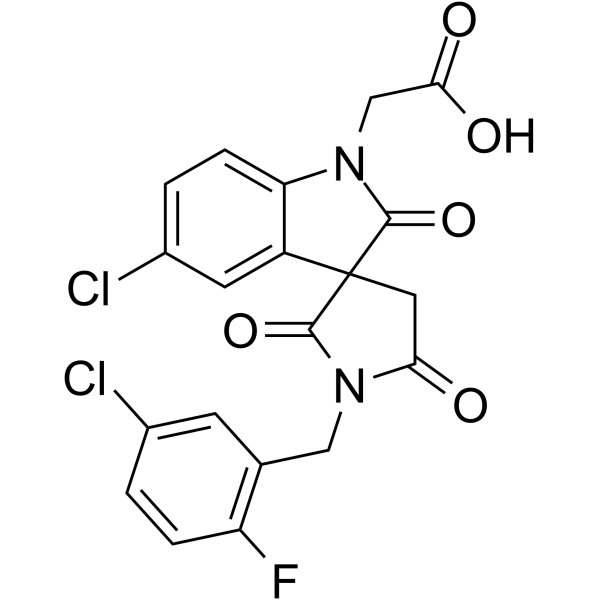
tert-Butyl 2-(5-chloro-2,2'-dioxospiro[indole-3,3'-pyrrolidine]-1-yl)acetate is an intermediate used in the synthesis of potent DP2 receptor antagonists based on a novel spiro-indolinone compound .
|
-
-
- HY-116028
-
|
15-Deoxy-Δ12,14-PGD2
|
Endogenous Metabolite
Prostaglandin Receptor
PPAR
Src
|
Cardiovascular Disease
|
|
15-deoxy-Δ12,14-Prostaglandin D2 (15-Deoxy-Δ12,14-PGD2), a metabolite of PGD2 (HY-101988), is an agonist of prostaglandin receptor 2 (DP2). 15-deoxy-Δ12,14-Prostaglandin D2 binds to DP2 (Ki=50 nM) and induces eosinophil activation (EC50=8 nM). 15-deoxy-Δ12,14-Prostaglandin D2 also stimulates the recruitment of steroid receptor coactivator-1 (SRC-1) to peroxisome proliferator-activated receptor γ (PPARγ), inducing PPARγ-mediated transcription. 15-deoxy-Δ12,14-Prostaglandin D2 (15-Deoxy-Δ12,14-PGD2) is cytotoxic to L1210 murine leukemia cells (IC50=0.3 μg/ml) and inhibits ADP-induced platelet aggregation (IC50=320 ng/mL).
|
-
-
- HY-118830S1
-
|
DK-PGD2-d9; 15-Oxo-13,14-dihydro-PGD2-d9; 13,14-Dihydro-15-keto-PGD2-d9
|
Isotope-Labeled Compounds
Prostaglandin Receptor
|
Endocrinology
|
|
13,14-Dihydro-15-keto prostaglandin D2-d9 (DK-PGD2-d9) is deuterium labeled 13,14-Dihydro-15-keto prostaglandin D2. 13, 14-Dihydro-15-keto prostaglandin D2 (DK-PGD2) is a PGD2 metabolite formed by the 15-hydroxyl PGDH pathway. 13, 14-Dihydro-15-keto prostaglandin D2 is a selective agonist for the DP2 receptor. 13, 14-Dihydro-15-keto prostaglandin D2 can inhibit ion flux in canine colonic mucosa preparation .
|
-
-
- HY-182473
-
|
|
Prostaglandin Receptor
|
Neurological Disease
|
|
AL-6556 is a full agonist of the DP receptor and a partial agonist of the EP2 receptor. AL-6556 has an EC50 of 799 nM for bovine DP, a Ki of 3200 nM for human DP, and an EC50 of 1180 nM for human EP2, with selectivity over EP3, FP, IP, TP and 19 non-prostaglandin receptors. AL-6556 stimulates cAMP production via receptor activation and reduces intraocular pressure through aqueous humor inflow and outflow mechanisms. AL-6556 can be used in research related to ocular hypertension and glaucoma .
|
-
-
- HY-116028S1
-
|
15-Deoxy-Δ12,14-PGD2-d4
|
Isotope-Labeled Compounds
Endogenous Metabolite
Prostaglandin Receptor
PPAR
Src
|
Inflammation/Immunology
Cancer
|
|
15-Deoxy-Δ12,14-Prostaglandin D2-d4 (15-Deoxy-Δ12,14-PGD2-d4) is the deuterium labeled 15-deoxy-Δ12,14-Prostaglandin D2. 15-deoxy-Δ12,14-Prostaglandin D2 (15-Deoxy-Δ12,14-PGD2) is a metabolite of prostaglandin D₂ (PGD₂) (HY-101988), which can undergo further dehydration metabolism to 15-deoxy-Δ12,14-PGJ₂. 15-deoxy-Δ12,14-Prostaglandin D2 is a highly selective agonist for DP2 receptor and PPARγ. 15-deoxy-Δ12,14-Prostaglandin D2 causes morphological changes in eosinophils and migration of type II innate lymphoid cells (ILC2). 15-deoxy-Δ12,14-Prostaglandin D2 has a growth inhibitory effect on prostate cancer cells expressing PPARγ, induces cell cycle arrest and promotes apoptosis. 15-deoxy-Δ12,14-Prostaglandin D2 can be used in related research on asthma and prostate cancer.
|
-
-
- HY-101987A
-
-
-
- HY-101987R
-
-
-
- HY-13213A
-
-
-
- HY-16768R
-
|
QAW039 (Standard); NVP-QAW039 (Standard)
|
Prostaglandin Receptor
Reference Standards
|
Cardiovascular Disease
|
|
Fevipiprant (Standard) is the analytical standard of Fevipiprant. This product is intended for research and analytical applications. Fevipiprant (QAW039, NVP-QAW039) is s an orally active, selective, reversible prostaglandin D2 (DP2) receptor antagonist with an Kd value of 1.14 nM. Fevipiprant has the potential for the research of bronchial asthma .
|
-
-
- HY-116811
-
-
-
- HY-183037
-
|
|
Prostaglandin Receptor
Interleukin Related
|
Neurological Disease
Inflammation/Immunology
|
|
AGN 225660 is a multi-prostanoid receptor antagonist with human IC50 values of 70, 70, 5, 220 and 180 nM for EP1, EP4, TP, DP1, FP. AGN 225660 inhibits secretion of RANTES, IL-8, MCP-1, IL-12p70, and IL-23. AGN 225660 exhibits good ocular bioavailability and reduces ocular inflammation linked to phacoemulsification surgery and uveitis .
|
-
-
- HY-160844
-
|
|
Prostaglandin Receptor
TNF Receptor
Interleukin Related
|
Inflammation/Immunology
|
|
CT-133 is a selective and potent CRTH2 Receptor antagonist, with a Ki value of 2.2 nM. The Ki value for the DP1 receptor is greater than 3800 nM. CT-133 inhibits neutrophil migration induced by PGD2 (HY-101988). CT-133 significantly alleviates lung inflammation and improves lung function impairment in a mouse model of acute lung injury (ALI) induced by cigarette smoke. CT-133 effectively inhibits the excessive expression of pro-inflammatory cytokines (TNF-α, IL-1β, and IL-6) and chemokines (KC), and reverses the inhibition of the anti-inflammatory factor IL-10. CT-133 can be used for the study of ALI .
|
-
- HY-118830S
-
|
DK-PGD2-d4; 15-Oxo-13,14-dihydro-PGD2-d4; 13,14-Dihydro-15-keto-PGD2-d4
|
Isotope-Labeled Compounds
|
Endocrinology
|
|
13,14-Dihydro-15-keto prostaglandin D2-d4 (DK-PGD2-d4) is deuterium labeled 13,14-Dihydro-15-keto prostaglandin D2. 13, 14-Dihydro-15-keto prostaglandin D2 (DK-PGD2) is a PGD2 metabolite formed by the 15-hydroxyl PGDH pathway. 13, 14-Dihydro-15-keto prostaglandin D2 is a selective agonist for the DP2 receptor. 13, 14-Dihydro-15-keto prostaglandin D2 can inhibit ion flux in canine colonic mucosa preparation .
|
-
-
- HY-172820
-
|
DP303c
|
蛍光色素
|
|
Trastuzumab envedotin (DP303c) is a anti-human epidermal growth factor receptor 2 (HER2) antibody-drug conjugate (ADC). Trastuzumab envedotin is composed of the tubulin polymerization inhibitor Monomethyl auristatin E (MMAE) (HY-15162) to the anti-HER2 antibody DP001 via a cleavable linker. Trastuzumab envedotin can be used for the research of HER2-positive solid tumors, such as breast cancer, colorectal cancer, and gastric cancer .
|
| 製品番号 |
製品名 |
Category |
Target |
構造式 |
-
- HY-118830S1
-
|
|
|
13,14-Dihydro-15-keto prostaglandin D2-d9 (DK-PGD2-d9) is deuterium labeled 13,14-Dihydro-15-keto prostaglandin D2. 13, 14-Dihydro-15-keto prostaglandin D2 (DK-PGD2) is a PGD2 metabolite formed by the 15-hydroxyl PGDH pathway. 13, 14-Dihydro-15-keto prostaglandin D2 is a selective agonist for the DP2 receptor. 13, 14-Dihydro-15-keto prostaglandin D2 can inhibit ion flux in canine colonic mucosa preparation .
|
-
-
- HY-116028S1
-
|
|
|
15-Deoxy-Δ12,14-Prostaglandin D2-d4 (15-Deoxy-Δ12,14-PGD2-d4) is the deuterium labeled 15-deoxy-Δ12,14-Prostaglandin D2. 15-deoxy-Δ12,14-Prostaglandin D2 (15-Deoxy-Δ12,14-PGD2) is a metabolite of prostaglandin D₂ (PGD₂) (HY-101988), which can undergo further dehydration metabolism to 15-deoxy-Δ12,14-PGJ₂. 15-deoxy-Δ12,14-Prostaglandin D2 is a highly selective agonist for DP2 receptor and PPARγ. 15-deoxy-Δ12,14-Prostaglandin D2 causes morphological changes in eosinophils and migration of type II innate lymphoid cells (ILC2). 15-deoxy-Δ12,14-Prostaglandin D2 has a growth inhibitory effect on prostate cancer cells expressing PPARγ, induces cell cycle arrest and promotes apoptosis. 15-deoxy-Δ12,14-Prostaglandin D2 can be used in related research on asthma and prostate cancer.
|
-
-
- HY-118830S
-
|
|
|
13,14-Dihydro-15-keto prostaglandin D2-d4 (DK-PGD2-d4) is deuterium labeled 13,14-Dihydro-15-keto prostaglandin D2. 13, 14-Dihydro-15-keto prostaglandin D2 (DK-PGD2) is a PGD2 metabolite formed by the 15-hydroxyl PGDH pathway. 13, 14-Dihydro-15-keto prostaglandin D2 is a selective agonist for the DP2 receptor. 13, 14-Dihydro-15-keto prostaglandin D2 can inhibit ion flux in canine colonic mucosa preparation .
|
-
入力情報は安全に管理されます. ※ 必須入力項目.
Inquiry Information
- 製品名:
- 製品番号:
- 数量:
- MCE 日本正規代理店:

