9720 Results for "

Double

" in MedChemExpress (MCE) Product Catalog:
Products (9720)

9720 Results for "Double" in MCE Product Catalog:

151
151 Publications Verification
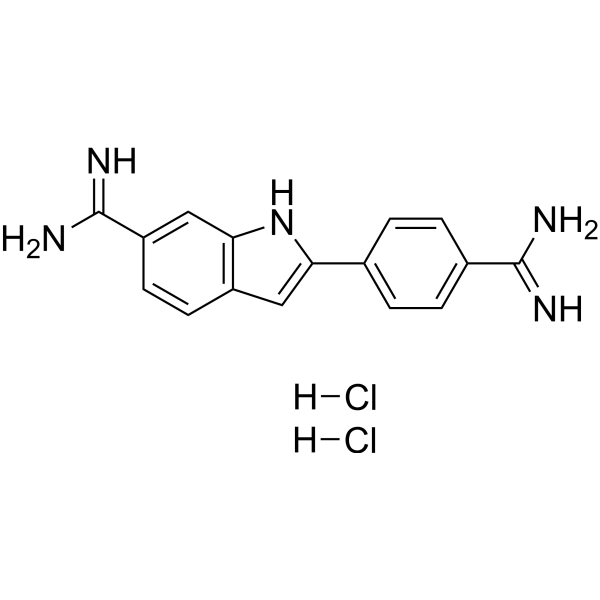
Cat. No.: HY-D0814
CAS No.: 28718-90-3
Synonyms: 4',6-Diamidino-2-phenylindole dihydrochloride
DAPI (4',6-Diamidino-2-phenylindole) dihydrochloride is a DAPI dye. DAPI is a fluorescent dye that binds strongly to DNA. It binds to the AT base pair of the double-stranded DNA minor groove, and one DAPI molecule can occupy three base pair positions. The fluorescence intensity of DAPI molecules bound to double-stranded DNA is increased by about 20 times, and it is commonly observed with fluorescence microscopy, and the amount of DNA can be determined based on the intensity of fluorescence. In addition, because DAPI can pass through intact cell membranes, it can be used to stain both live and fixed cells . DAPI (Compound 3) is an acid-sensing ion channel 3 (ASIC3) inhibitor. DAPI binds to ASIC3 and blocks the channel function. DAPI can be used in the study of chronic pain treatment (Ex/Em = 356/451 nm).
141
141 Cited Publications
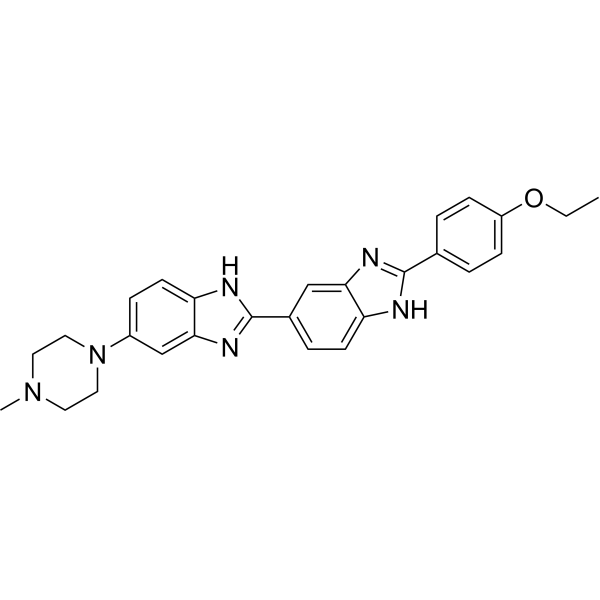
Cat. No.: HY-15559
CAS No.: 23491-52-3
Purity:  99.94%
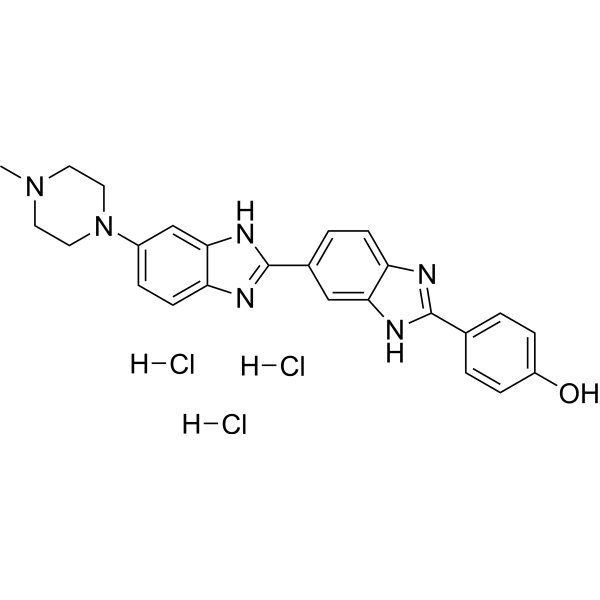
Synonyms: bisBenzimide H 33342; HOE 33342
Hoechst 33342 is a marker dye in Hoechst series. Hoechst is A live nuclear marker dye. Hoechst binds to the grooves in the DNA double strand, which tends to be A/ T-rich DNA strand. Although it binds to all nucleic acids, the A/ T-rich double strand DNA significantly enhances fluorescence intensity Therefore,Hoechst dye can be used for living cell labeling. The fluorescence intensity of Hoechst dye increases with the increase of pH of solution .
141
141 Cited Publications
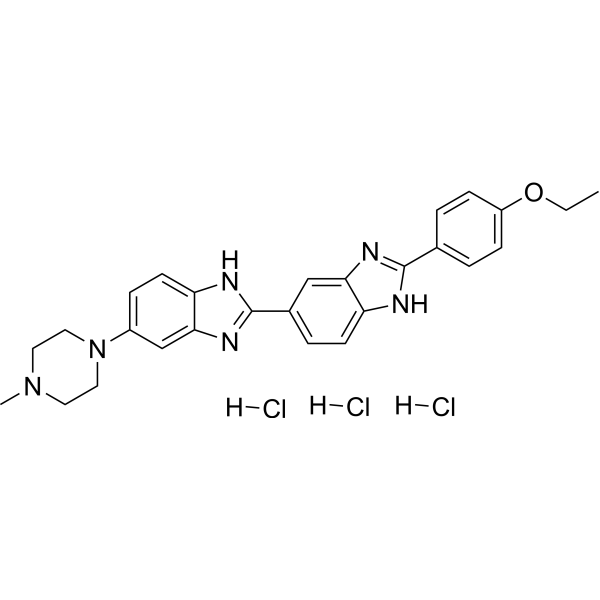
Cat. No.: HY-15559A
CAS No.: 875756-97-1
Purity:  99.81%
Synonyms: bisBenzimide H 33342 trihydrochloride; HOE 33342 trihydrochloride
Hoechst 33342 trihydrochloride is a marker dye in Hoechst series. Hoechst is A live nuclear marker dye. Hoechst binds to the grooves in the DNA double strand, which tends to be A/ T-rich DNA strand. Although it binds to all nucleic acids, the A/ T-rich double strand DNA significantly enhances fluorescence intensity Therefore,Hoechst dye can be used for living cell labeling. The fluorescence intensity of Hoechst dye increases with the increase of pH of solution .
140
140 Cited Publications
Cat. No.: HY-D2868
CAS No.: 47165-04-8
Synonyms: 4',6-Diamidino-2-phenylindole
DAPI (4',6-Diamidino-2-phenylindole) is a DAPI dye. DAPI is a fluorescent dye that binds strongly to DNA. It binds to the AT base pair of the double-stranded DNA minor groove, and one DAPI molecule can occupy three base pair positions. The fluorescence intensity of DAPI molecules bound to double-stranded DNA is increased by about 20 times, and it is commonly observed with fluorescence microscopy, and the amount of DNA can be determined based on the intensity of fluorescence. In addition, because DAPI can pass through intact cell membranes, it can be used to stain both live and fixed cells . DAPI (Compound 3) is an acid-sensing ion channel 3 (ASIC3) inhibitor. DAPI binds to ASIC3 and blocks the channel function. DAPI can be used in the study of chronic pain treatment (Ex/Em = 356/451 nm).
140
140 Cited Publications
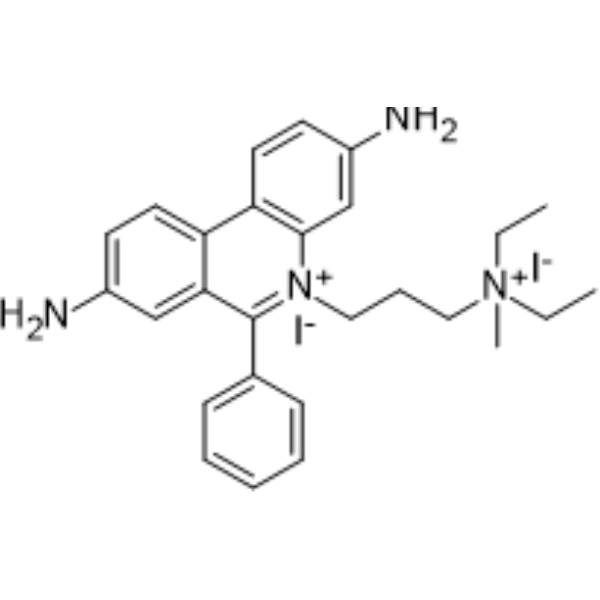
Cat. No.: HY-D0815
CAS No.: 25535-16-4
Propidium Iodide (PI) is a nuclear staining agent that stains DNA. Propidium Iodide is an analogue of ethidine bromide that emits red fluorescence upon embedding in double-stranded DNA. Propidium Iodide cannot pass through living cell membranes, but it can pass through damaged cell membranes to stain the nucleus. Propidium Iodide has a fluorescence wavelength of 493/617 nm and a wavelength of 536/635 nm after Mosaic with DNA. Propidium Iodide is commonly used in the detection of apoptosis (apoptosis) or necrosis (necrosis), and is often used in flow cytometry analysis.
118
118 Cited Publications
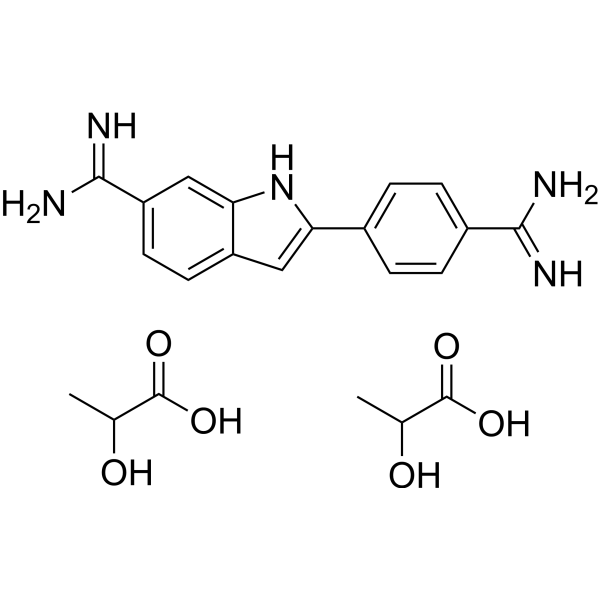
Cat. No.: HY-D1738
CAS No.: 28718-91-4
Synonyms: 4',6-Diamidino-2-phenylindole dilactate
DAPI (4',6-Diamidino-2-phenylindole) dilactate is a DAPI dye. DAPI is a fluorescent dye that binds strongly to DNA. It binds to the AT base pair of the double-stranded DNA minor groove, and one DAPI molecule can occupy three base pair positions. The fluorescence intensity of DAPI molecules bound to double-stranded DNA is increased by about 20 times, and it is commonly observed with fluorescence microscopy, and the amount of DNA can be determined based on the intensity of fluorescence. DAPI cannot penetrate intact cell membranes and is commonly used for staining both live and fixed cells . DAPI (Compound 3) is an acid-sensing ion channel 3 (ASIC3) inhibitor. DAPI binds to ASIC3 and blocks the channel function. DAPI can be used in the study of chronic pain treatment (Ex/Em = 356/451 nm) .
69
69 Cited Publications
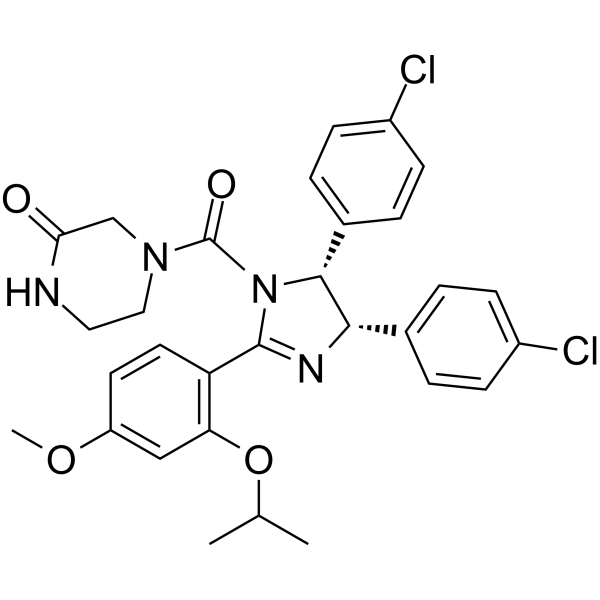
Cat. No.: HY-10029
CAS No.: 675576-98-4
Purity:  99.00%
Synonyms: Rebemadlin
Research Areas:  

Cancer

Nutlin-3a (Rebemadlin), an active enantiomer of Nutlin-3, is a potent murine double minute (MDM2) inhibitor (IC50=90 nM). Nutlin-3a inhibits MDM2-p53 interactions and stabilizes the p53 protein, and induces cell autophagy and apoptosis. Nutlin-3a has the potential for the study of TP53 wild-type ovarian carcinomas .
63
63 Cited Publications
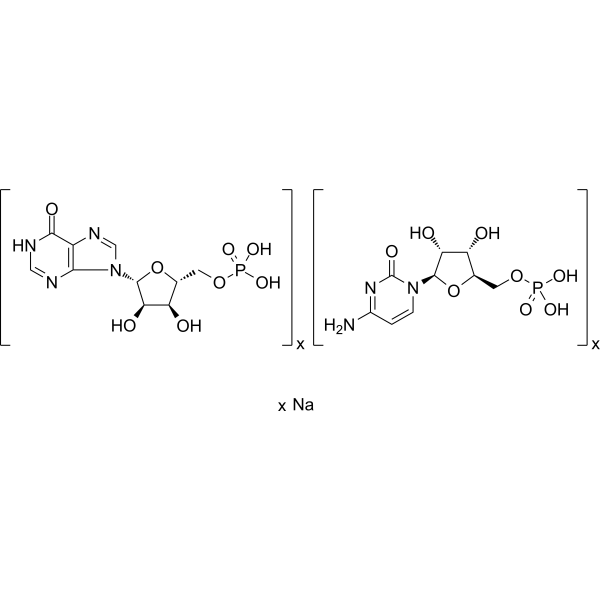
Cat. No.: HY-135748
CAS No.: 42424-50-0
Purity:  99.4%
Synonyms: Poly(I:C) sodium
Polyinosinic-polycytidylic acid (Poly(I:C)) sodium is a synthetic analog of double-stranded RNA and an agonist of toll-like receptor 3 (TLR3) and retinoic acid inducible gene I (RIG-I)-like receptors (RIG-I and MDA5). Polyinosinic-polycytidylic acid sodium can be used as a vaccine adjuvant to enhance innate and adaptive immune responses, and to alter the tumor microenvironment. Polyinosinic-polycytidylic acid sodium can directly trigger cancer cells to undergo apoptosis .
62
62 Cited Publications
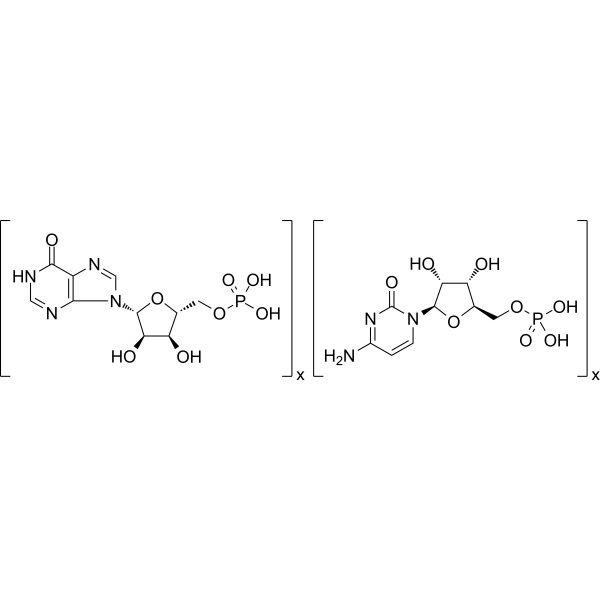
Cat. No.: HY-107202
CAS No.: 24939-03-5
Purity:  99.40%
Synonyms: Poly(I:C)
Polyinosinic-polycytidylic acid (Poly(I:C)) is a synthetic analog of double-stranded RNA and an agonist of toll-like receptor 3 (TLR3) and retinoic acid inducible gene I (RIG-I)-like receptors (RIG-I and MDA5). Polyinosinic-polycytidylic acid can be used as a vaccine adjuvant to enhance innate and adaptive immune responses, and to alter the tumor microenvironment. Polyinosinic-polycytidylic acid can directly trigger cancer cells to undergo apoptosis .
57
57 Cited Publications
Cat. No.: HY-135748A
Poly (I:C):Kanamycin (1:1) sodium is an isometric complex of Poly (I:C) (HY-135748) and Kanamycin (HY-16566). Poly(I:C) sodium, a synthetic analog of double-stranded RNA, is a TLR3 and retinoic acid-inducible gene I receptor (RIG-I and b>MDA5) agonist. Poly(I:C) sodium can be used as a vaccine adjuvant to enhance innate and adaptive immune responses and induce apoptosis in cancer cells . Kanamycin is an orally active antibacterial agent (Gram-negative/positive bacteria) that inhibits translocation and causes miscoding by binding to the 70S ribosomal subunit. Kanamycin shows good inhibitory activity against Mycobacterium tuberculosis (susceptible and drug-resistant) and Klebsiella pneumoniae, and can be used in the research of tuberculosis and pneumonia .
36
36 Cited Publications
Cat. No.: HY-18174
CAS No.: 1234015-52-1
Synonyms: LY2606368
Research Areas:  

Cancer

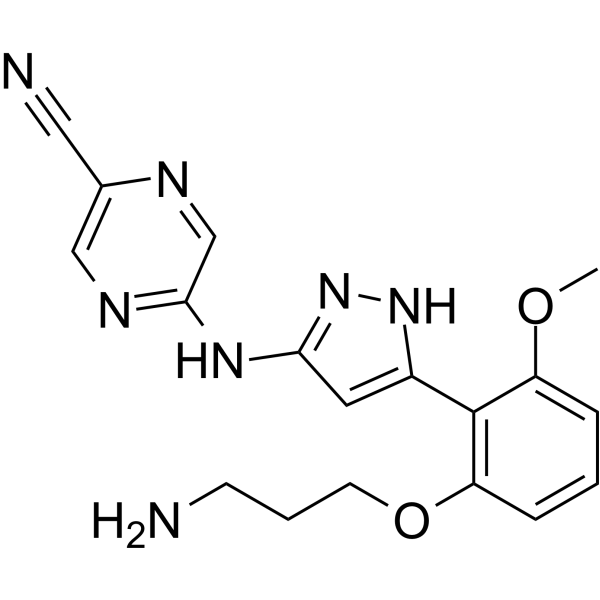
Prexasertib (LY2606368) is a selective, ATP-competitive second-generation checkpoint kinase 1 (CHK1) inhibitor with a Ki of 0.9 nM and an IC50 of <1 nM. Prexasertib inhibits CHK2 (IC50=8 nM) and RSK1 (IC50=9 nM). Prexasertib causes double-stranded DNA breakage and replication catastrophe resulting in apoptosis. Prexasertib shows potent anti-tumor activity .
36
36 Cited Publications
Cat. No.: HY-18174A
CAS No.: 1234015-54-3
Synonyms: LY2606368 dihydrochloride
Research Areas:  

Cancer

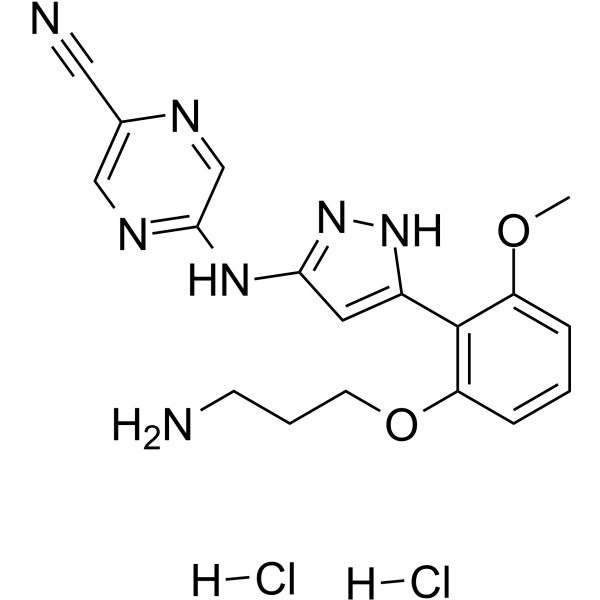
Prexasertib dihydrochloride (LY2606368 dihydrochloride) is a selective, ATP-competitive second-generation checkpoint kinase 1 (CHK1) inhibitor with a Ki of 0.9 nM and an IC50 of <1 nM. Prexasertib dihydrochloride inhibits CHK2 (IC50=8 nM) and RSK1 (IC50=9 nM). Prexasertib dihydrochloride causes double-stranded DNA breakage and replication catastrophe resulting in apoptosis. Prexasertib dihydrochloride shows potent anti-tumor activity .
36
36 Cited Publications
Cat. No.: HY-18174E
CAS No.: 1234015-58-7
Synonyms: LY2606368 dimesylate
Research Areas:  

Cancer

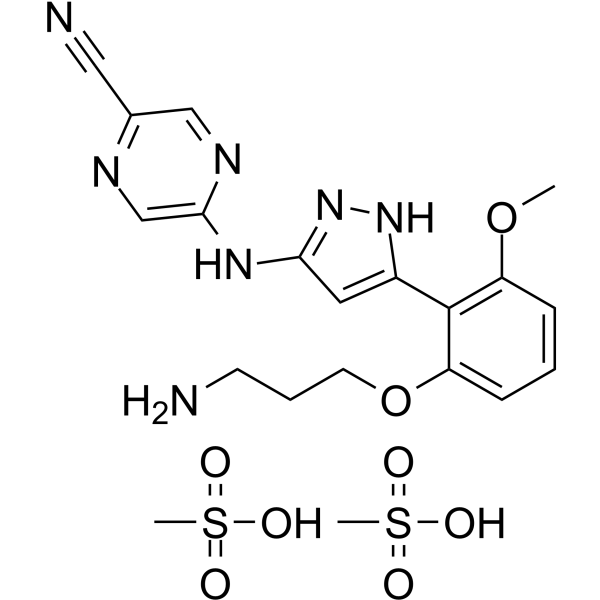
Prexasertib dimesylate (LY2606368 dimesylate) is a selective, ATP-competitive second-generation checkpoint kinase 1 (CHK1) inhibitor with a Ki of 0.9 nM and an IC50 of <1 nM. Prexasertib dimesylate inhibits CHK2 (IC50=8 nM) and RSK1 (IC50=9 nM). Prexasertib dimesylate causes double-stranded DNA breakage and replication catastrophe resulting in apoptosis. Prexasertib dimesylate shows potent anti-tumor activity .
30
30 Cited Publications
Cat. No.: HY-101570
CAS No.: 1637542-33-6
Purity:  99.70%
Synonyms: Peposertib; M3814
Target:  

DNA-PK BCRP

Research Areas:  

Cancer

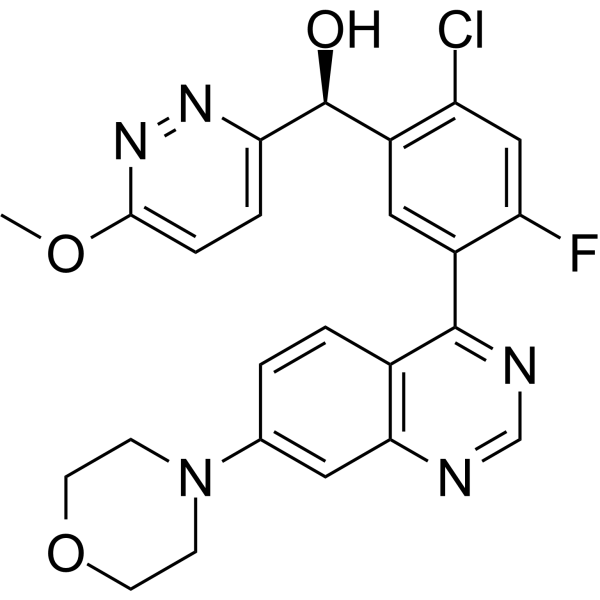
Nedisertib (Peposertib) is an orally active selective DNA-dependent protein kinase (DNA-PK) inhibitor with an IC50 value of less than 3 nM. Nedisertib also acts as a modulator of ABCG2, capable of reversing ABCG2-mediated multidrug resistance (MDR), thus providing new strategies for combination therapy. By inhibiting DNA double-strand break repair, Nedisertib can enhance the efficacy of chemotherapy and radiotherapy. Nedisertib exhibits antitumor activity .
22
22 Cited Publications
Cat. No.: HY-15558A
CAS No.: 23491-45-4
Purity:  99.51%
Synonyms: bisBenzimide H 33258 trihydrochloride; H 33258 trihydrochloride
Hoechst 33258 trihydrochloride is a marker dye in Hoechst series. Hoechst is A live nuclear marker dye. Hoechst binds to the grooves in the DNA double strand, which tends to be A/ T-rich DNA strand. Although it binds to all nucleic acids, the A/ T-rich double strand DNA significantly enhances fluorescence intensity Therefore,Hoechst dye can be used for living cell labeling. The fluorescence intensity of Hoechst dye increases with the increase of pH of solution .
15
15 Cited Publications
Cat. No.: HY-13767
CAS No.: 27314-97-2
Purity:  99.02%
Synonyms: SR259075; SR4233; Win59075; SML 0552; SR 259075; Tirazone
Target:  

DNA/RNA Synthesis

Research Areas:  

Cancer

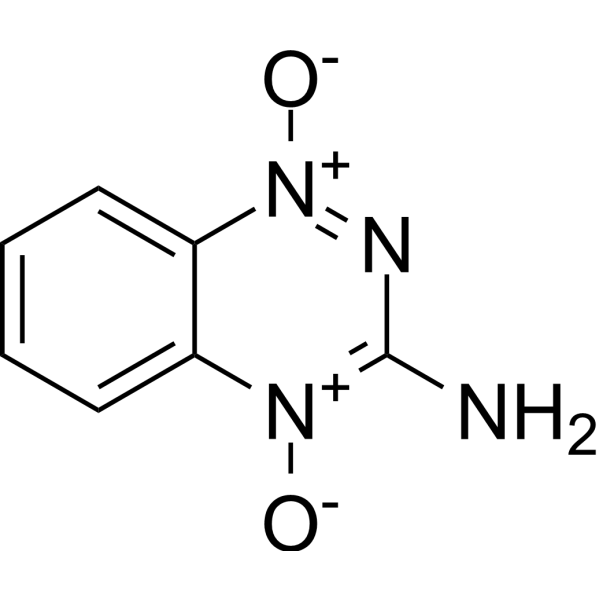
Tirapazamine (SR259075) is an anticancer agent that shows selective cytotoxicity for hypoxic cells in solid tumors, thereby inducing single-and double-strand breaks in DNA, base damage, and cell death. Tirapazamine is an anticancer and bioreductive agent.Tirapazamine (SR259075) can enhance the cytotoxic effects of ionizing radiation in hypoxic cells .
13
13 Cited Publications
Cat. No.: HY-19609
CAS No.: 108212-75-5
Synonyms: Calicheamicin γ1
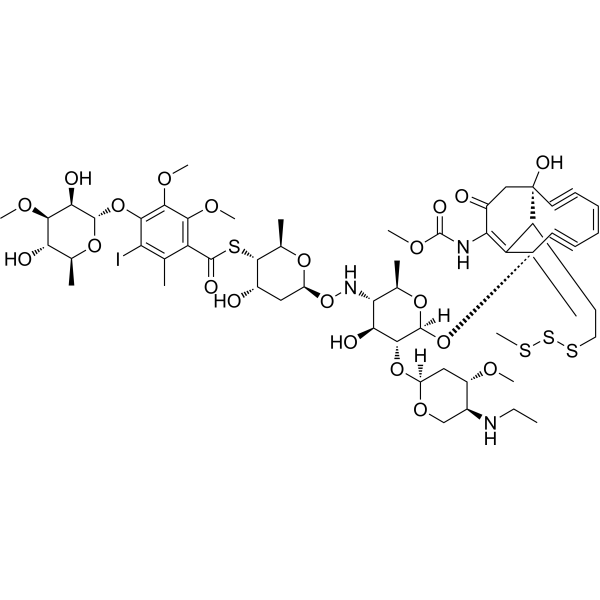
Calicheamicin, an antitumor antibiotic, is a cytotoxic agent that causes double-strand DNA breaks. Calicheamicin is a DNA synthesis inhibitor .
12
12 Cited Publications
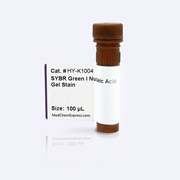
Cat. No.: HY-K1004

MCE SYBR Green I Nucleic Acid Gel Stain is one of the most sensitive stains available for detecting double-stranded DNA (dsDNA) in agarose and polyacrylamide gels.

9
9 Cited Publications
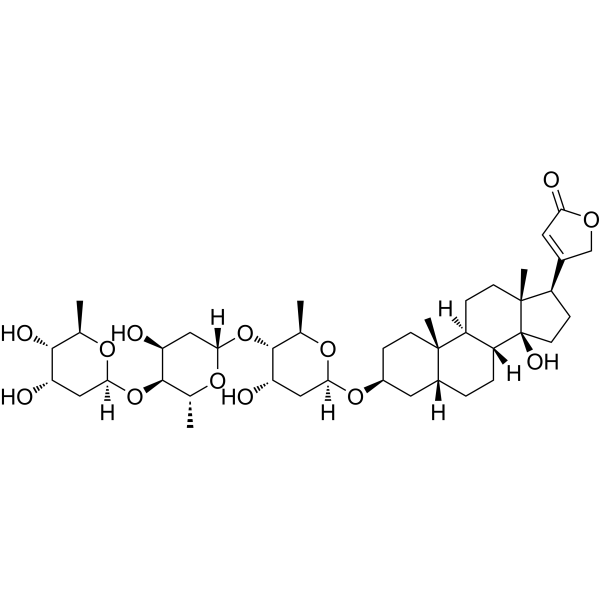
Cat. No.: HY-B1357
CAS No.: 71-63-6
Digitoxin is an anti-cancer agent. Digitoxin induces apoptosis, inhibits influenza cytokine storm, causes DNA double-stranded breaks (DSBs) and blocks the cell cycle at the G2/M phase. Digitoxin induces calcium uptake into cells by forming transmembrane calcium channels and can be used for research of heart failure .
9
9 Cited Publications
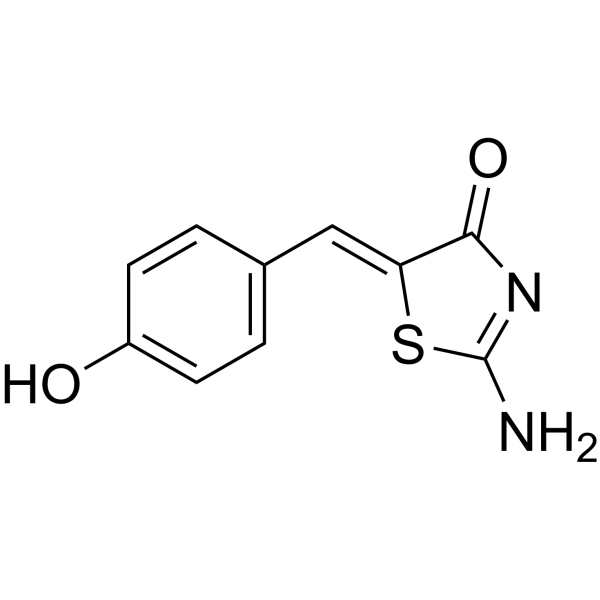
Cat. No.: HY-19959
CAS No.: 1198097-97-0
Target:  

ATM/ATR Apoptosis

Research Areas:  

Cancer

Mirin is a potent Mre11-Rad50-Nbs1 (MRN) complex inhibitor. Mirin prevents MRN-dependent activation of ATM (IC50=12 μM) without affecting ATM protein kinase activity, and it inhibits Mre11-associated exonuclease activity. Mirin abolishes the G2/M checkpoint and homology-dependent repair in mammalian cells. Mirin prevents ATM activation in response to DNA double-strand breaks (DSBs) and blocks homology-directed repair (HDR) in mammalian cells .

