58 Results for "

FGF inhibitor

" in MedChemExpress (MCE) Product Catalog:
Products (58)

58 Results for "FGF inhibitor" in MCE Product Catalog:

9
9 Publications Verification
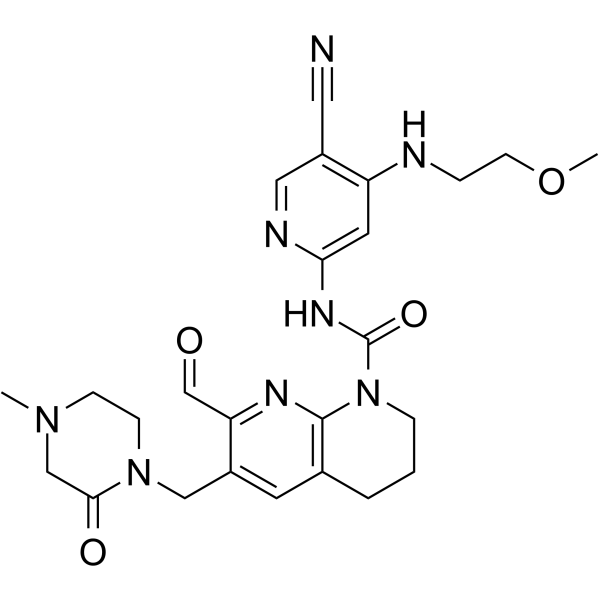
Cat. No.: HY-101568
CAS No.: 1708971-55-4
Purity:  99.67%
Synonyms: FGF-401
Target:  

FGFR

Research Areas:  

Cancer

Roblitinib (FGF-401) is an orally active and highly selective FGFR4 inhibitor with an IC50 of 1.9 nM . Roblitinib has antitumor activity .
loading...
    loading...
4
4 Cited Publications
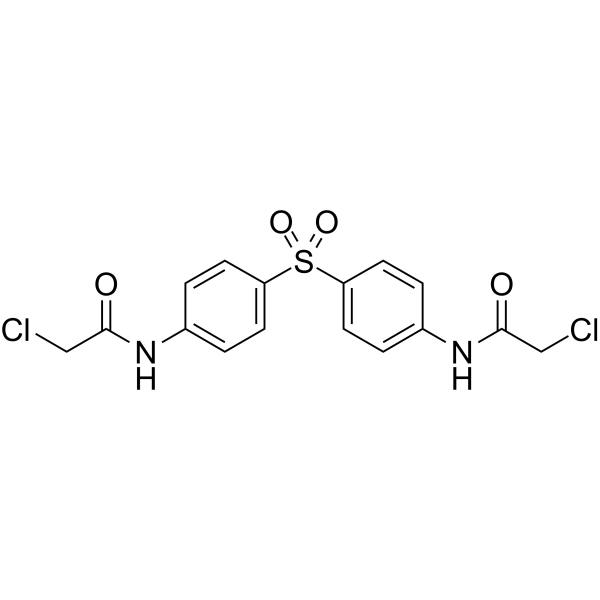
Cat. No.: HY-107574
CAS No.: 17328-16-4
Purity:  98.03%
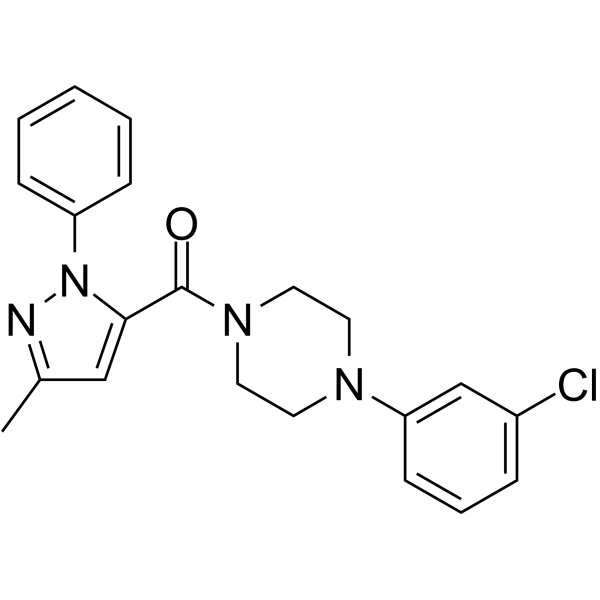
TC-E 5003 is a selective protein arginine methyltransferase 1 (PRMT1) inhibitor with an IC50 of 1.5 µM against hPRMT1. TC-E 5003 modulates the lipopolysaccharide (LPS) (HY-D1056)-induced AP-1 and NF-κB signaling pathways with anti-inflammatory properties. TC-E 5003 also upregulates the expression of Ucp1 and Fgf21, activates protein kinase A signaling and lipolysis in primary subcutaneous adipocytes from both mouse and humans. TC-E 5003 is promising for research of obesity and associated metabolic disorders, oxidative stress, inflammation and cancers .
loading...
    loading...
4
4 Cited Publications
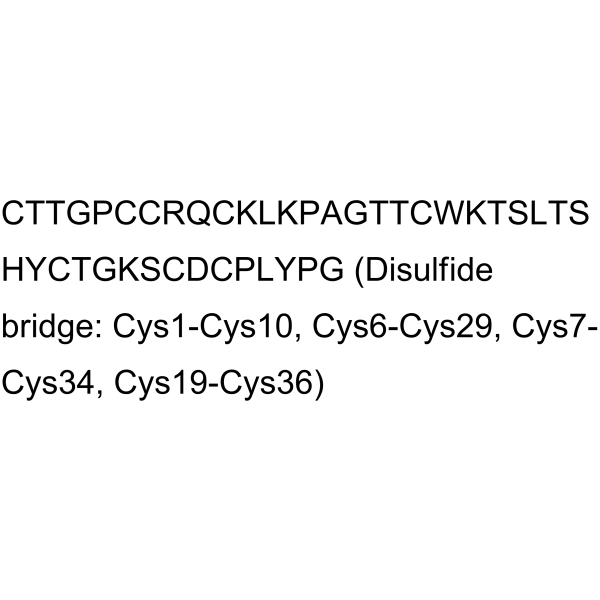
Cat. No.: HY-P1408
CAS No.: 404882-00-4
Target:  

Integrin VEGFR

Research Areas:  

Cancer

Obtustatin is a non-RGD disintegrin consisting of 41 residues. Obtustatin inhibits the adhesion of α1β1 integrin to type IV Collagen (HY-NP003), blocks α1β1 integrin signaling in endothelial cells, and suppresses FGF2-induced angiogenesis. Obtustatin inhibits tumor progression in mouse models and upregulates VEGF expression in sarcoma-bearing mice. Obtustatin can be used in research related to Lewis lung carcinoma and S-180 sarcoma .
loading...
    loading...
3
3 Cited Publications
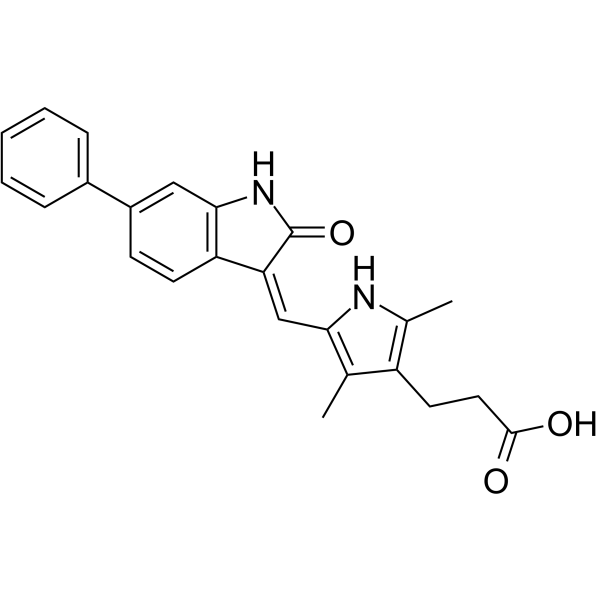
Cat. No.: HY-108628
CAS No.: 251356-45-3
Purity:  99.36
Target:  

PDGFR

Research Areas:  

Cancer

SU16f is a potent and selective PDGFRβ inhibitor with IC50s of 10 nM, 140 nM, 2.29 μM for PDGFRβ, VEGF-R2, FGF-R1, respectively . Neutralization of PDGFRβ receptor by SU16f blocks the promoting role of GC-MSCs (gastric cancer-derived mesenchymal stem cells) conditioned medium in gastric cancer cell proliferation and migration .
loading...
    loading...
2
2 Cited Publications
Cat. No.: HY-122704A
CAS No.: 5424-37-3
Synonyms: Aminoquinuride dihydrochloride
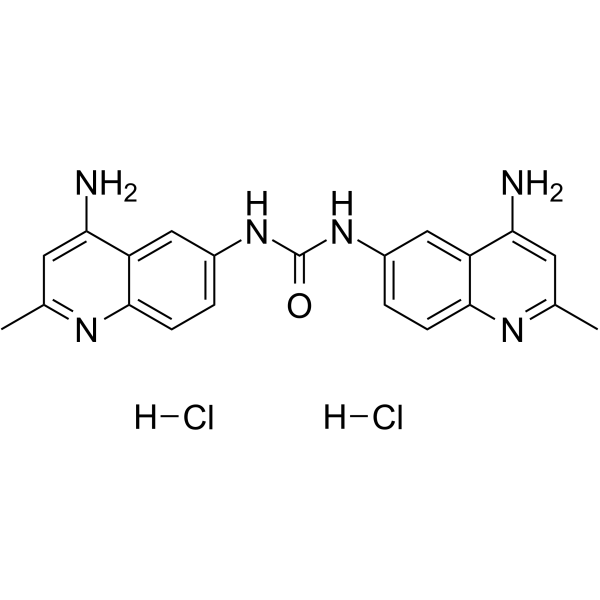
Surfen dihydrochloride is a potent heparan sulfate antagonist. Surfen inhibits FGF2 binding and signal transduction. Surfen binds to glycosaminoglycans and reduces tau hyperphosphorylation. Surfen dihydrochloride inhibits the activity of recombinant uronyl 2-O-sulfotransferase with an IC50 of approximately 2 μM. Surfen dihydrochloride inhibits HSV-1 viral infection. Surfen dihydrochloride inhibits neural differentiation, delays remyelination, and alleviates EAE .
loading...
    loading...
2
2 Cited Publications
Cat. No.: HY-13302
CAS No.: 252003-65-9
Purity:  99.16%
Target:  

VEGFR FGFR

Research Areas:  

Cancer

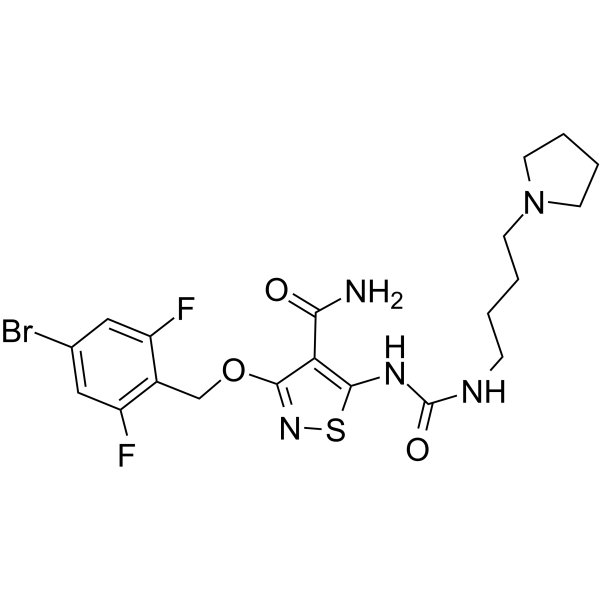
CP-547632 is an orally active, ATP-competitive and potent VEGFR-2 and FGF kinases inhibitor with IC50s of 11 nM and 9 nM, respectively. CP-547632 is selective for VEGFR2 and bFGF over EGFR, PDGFRβ, and related tyrosine kinases (TKs). CP-547632 has antitumor efficacy .
loading...
    loading...
2
2 Cited Publications
Cat. No.: HY-13302B
CAS No.: 252003-71-7
Purity:  99.88%
Target:  

VEGFR FGFR

Research Areas:  

Cancer

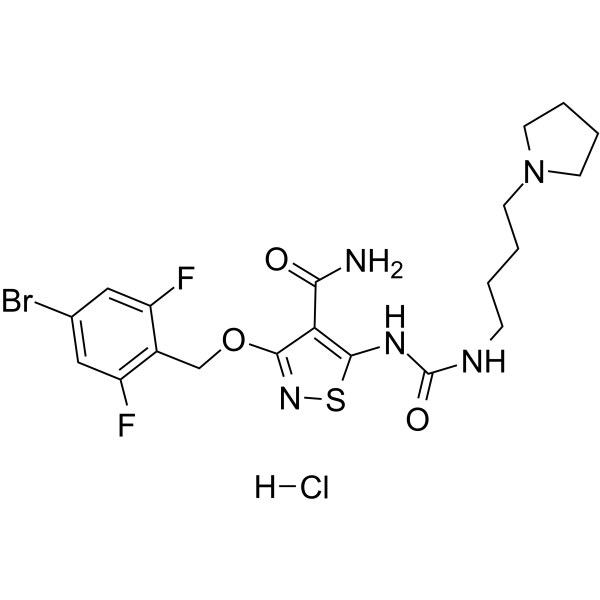
CP-547632 hydrochloride is an orally active, ATP-competitive and potent VEGFR-2 and FGF kinases inhibitor with IC50s of 11 nM and 9 nM, respectively. CP-547632 hydrochloride is selective for VEGFR2 and bFGF over EGFR, PDGFRβ, and related tyrosine kinases (TKs). CP-547632 hydrochloride has antitumor efficacy .
loading...
    loading...
2
2 Cited Publications
Cat. No.: HY-148432
CAS No.: 113143-13-8
Purity:  98.07%
Target:  

HIV

Research Areas:  

Inflammation/Immunology

FGF22-IN-1 (compound c1) is a potent CD4 D1 inhibitor. FGF22-IN-1 can be used as immunosuppressive agent .
loading...
    loading...
1
1 Cited Publications
Cat. No.: HY-D0889
CAS No.: 556-50-3
Synonyms: Gly-Gly; H-Gly-Gly-OH
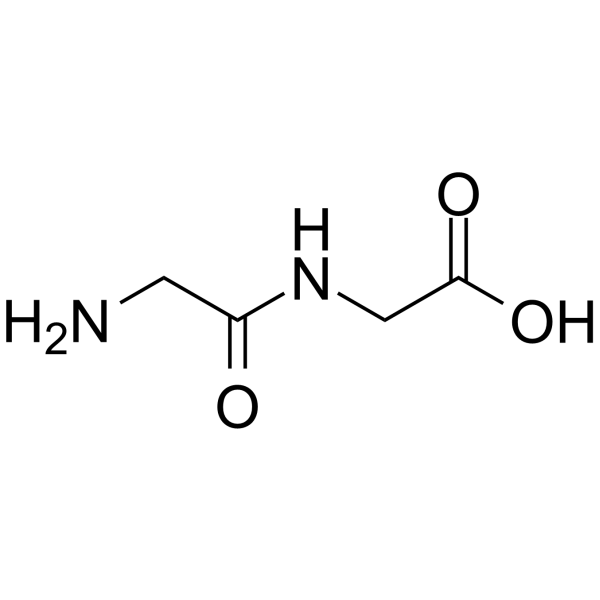
Glycylglycine is a non-selective glycylglycine dipeptidase substrate and iNOS inhibitor. Glycylglycine can cross the cell membrane by passive diffusion and is hydrolyzed to glycine in the cell, participating in energy metabolism and antioxidant processes. Glycylglycine promotes spermatogonial stem cells (SSCs) proliferation, inhibits astrocyte overactivation and reduces nitric oxide (NO) release, while upregulating the expression of neurotrophic factors (such as PDGFA, FGF2, CNTF) to support nerve myelin repair. Glycylglycine can be used to study male reproductive biology (such as SSCs proliferation regulation) and neurodegenerative diseases (such as neuroprotective mechanisms in multiple sclerosis) .
loading...
    loading...
Cat. No.: HY-107753
CAS No.: 729605-21-4
Purity:  98.09%
Target:  

Ras

Research Areas:  

Inflammation/Immunology Cancer

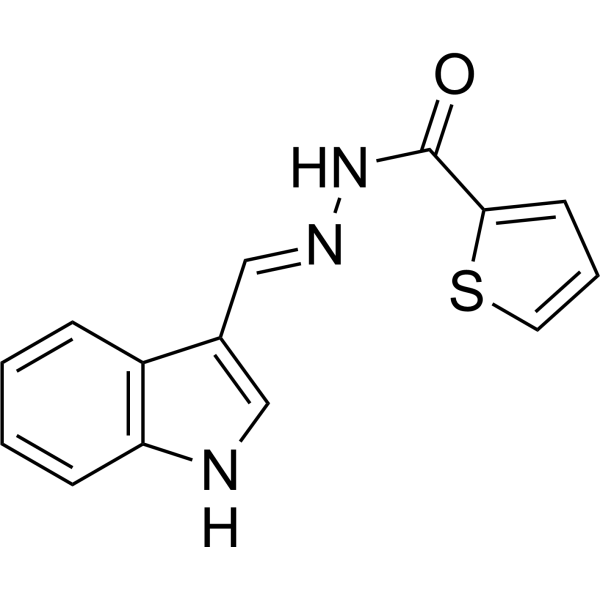
XRP44X inhibits Ras-induced transcription activation with the IC50 of 10 nM. XRP44X inhibits activation of the Ras-Erk-1/2 pathway by FGF-2 . XRP44X is an inhibitor of Ras/Erk activation of Elk3 that also affects microtubules .
loading...
    loading...
Cat. No.: HY-100434
CAS No.: 192705-80-9
Purity:  99.82%
Research Areas:  

Cardiovascular Disease Cancer

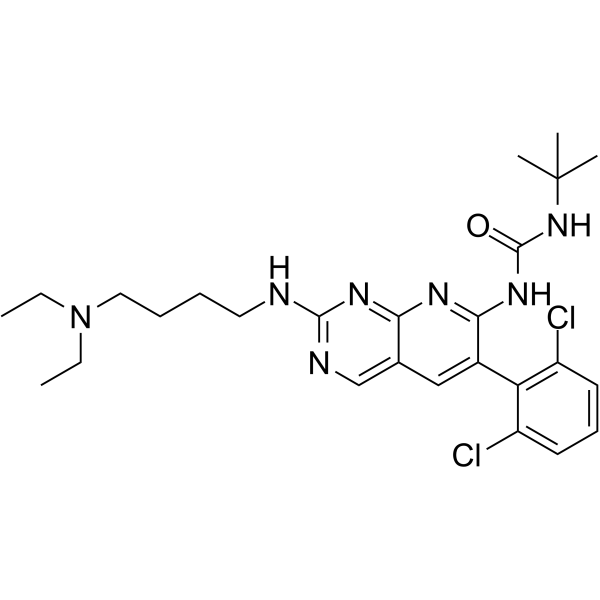
PD-161570 is a potent and ATP-competitive human FGF-1 receptor inhibitor with an IC50 of 39.9 nM and a Ki of 42 nM. PD-161570 also inhibits the PDGFR, EGFR and c-Src tyrosine kinases with IC50 values of 310 nM, 240 nM, and 44 nM, respectively. PD-161570 inhibits PDGF-stimulated autophosphorylation and FGF-1 receptor phosphorylation with IC50s of 450 nM and 622 nM, respectively . PD-161570 is also a bone morphogenetic proteins (BMPs) and TGF-β signaling inhibitor .
loading...
    loading...
Cat. No.: HY-107194
CAS No.: 102586-30-1
Purity:  99.07%
NSC12 is an orally active pan-FGF trap. NSC12 inhibits the interaction between FGF2/FGFR. NSC12 suppresses the phosphorylation of FGFR3. NSC12 reduces c-Myc levels, induces DNA damage, triggers the cleavage of Caspase 3, and promotes ROS production. NSC12 exhibits anticancer activity against lung cancer and multiple myeloma .
loading...
    loading...
Cat. No.: HY-P991584

Target:  

FGFR

Research Areas:  

Cancer

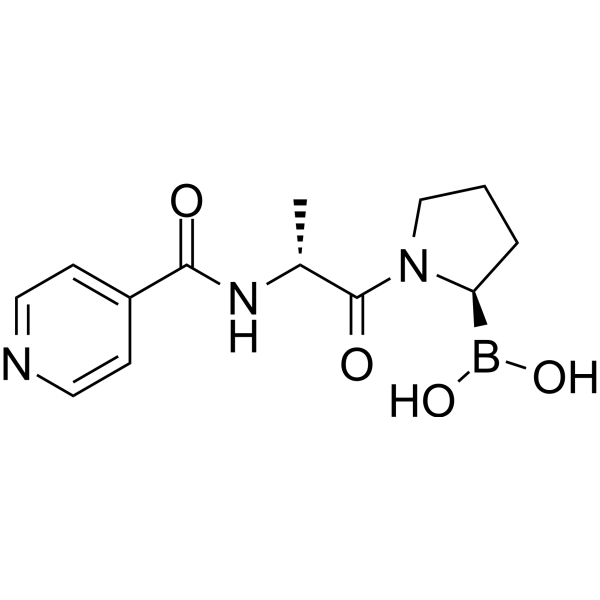
HuGAL-FR21 is a humanized antiFGFR2IIIb IgG1 monoclonal antibody. HuGAL-FR21 can block the binding of FGF2, FGF7, and FGF10 to FGFR2IIIb and inhibit FGF-induced phosphorylation of FGFR2IIIb. HuGAL-FR21 can downregulate the expression of FGFR2 in SNU-16 cells. HuGAL-FR21 shows the significant anti-tumor activity in athymic nude mice bearing gastric cancer xenograft models. HuGAL-FR21 can be used for research on cancer such as gastric cancer .
loading...
    loading...
Cat. No.: HY-125366
CAS No.: 1432499-49-4
Purity:  ≥90.0%
Target:  

FAP

Research Areas:  

Metabolic Disease

ARI-3099 is an oral fibroblast activation protein (FAP) inhibitor. ARI-3099 specifically inhibits the proteolytic activity of FAP and blocks the cleavage of human FGF-21 between residues P171 and S172. ARI-3099 extends the half-life of circulating human FGF-21 in mice. ARI-3099 can be used in the research of type 2 diabetes and metabolic disorders .
loading...
    loading...
Cat. No.: HY-150687
CAS No.: 1010888-06-8
Target:  

ERK

Research Areas:  

Metabolic Disease

ZINC12409120 is a high selective ERK inhibitor. ZINC12409120 acts on disrupting FGF23:α-Klotho interaction to inhibit ERK activity with an IC50 of 5.0 μM .
loading...
    loading...
Cat. No.: HY-15472
CAS No.: 866206-54-4
Purity:  97.46%
PRX-08066 is a selective and orally active 5-hydroxytryptamine receptor 2B (5-HT2BR) antagonist with a Ki of 3.4 nM. PRX-08066 inhibits the MAPK pathway, 5-HT release and fibrotic factor (TGFβ1, CTGF and FGF2) expression. PRX-08066 inhibits the proliferation of KRJ-I cells and induces apoptosis (caspase-3 activation). PRX-08066 inhibits pulmonary vascular remodeling. PRX-08066 can be used of pulmonary Arterial Hypertension (PAH) and neuroendocrine tumor (NET) .
loading...
    loading...
Cat. No.: HY-112411
CAS No.: 216163-53-0
Purity:  98.35%
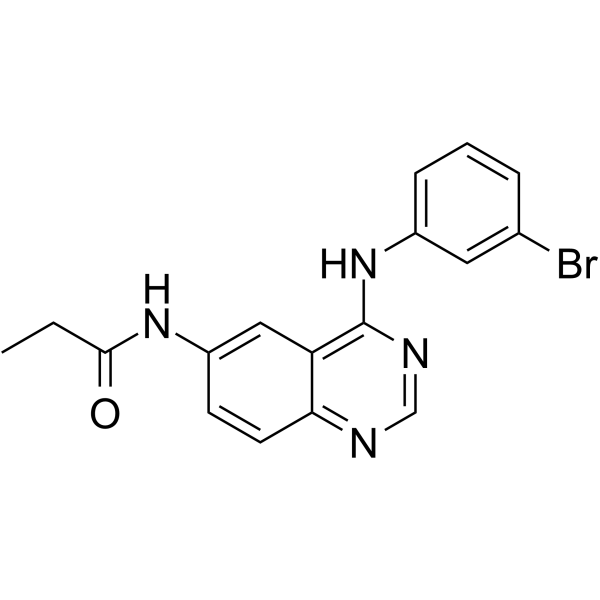
PD 174265 is a highly selective, reversible EGFR/ErbB2 tyrosine kinase inhibitor (IC50=0.45 nM) and cell differentiation inducer. By blocking receptor autophosphorylation and the downstream ERK signaling pathway (with an IC50 of 0.45 μM for full-length ERK), PD 174265 effectively inhibits tumor growth and exhibits antitumor activity without obvious toxicity in in vivo models. PD 174265 drives oligodendrocyte precursor cells to switch from a proliferative state to a differentiated state, significantly upregulates the expression of myelin proteins such as CNP, PLP and MBP, and induces neurite branching. PD 174265 shows no inhibitory effect on other kinases including insulin, PDGF and basic FGF receptors, and serves as a crucial tool molecule for investigating the treatment of human epidermoid carcinoma and the mechanism of myelin repair in multiple sclerosis .
loading...
    loading...
Cat. No.: HY-102071
CAS No.: 4152-77-6
Purity:  ≥99.0%
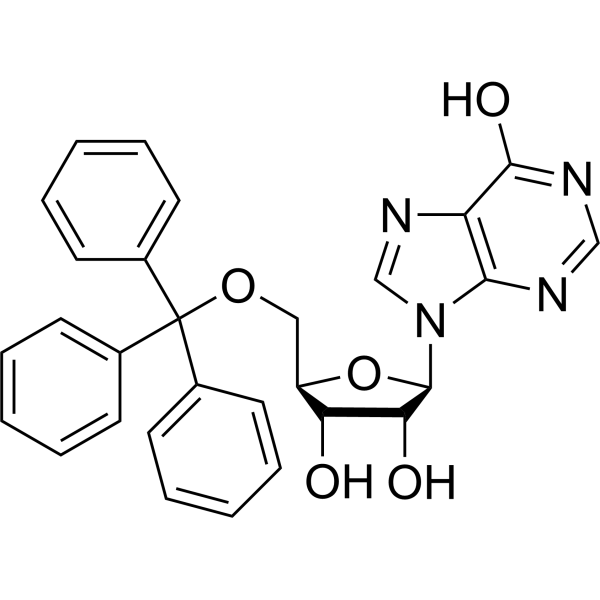
Synonyms: 5'-O-Tritylinosine; 5'-O-Trityl-inosine
Research Areas:  

Cancer

KIN59 (5’-O-Tritylinosine) is a potent thymidine phosphorylase allosteric inhibitor. KIN59 inhibits FGF2-stimulated cell growth. KIN59 inhibits the expression of p-FGFR1, P-Akt in FGF2 (10 ng/mL) stimulated cells. KIN59 shows anti-tumor activity .
loading...
    loading...
Cat. No.: HY-125961
CAS No.: 50440-30-7
Purity:  98.82%
Research Areas:  

Cancer

T3Inh-1 is a potent and selective inhibitor of ppGalNAc-T3 (IC50=7 μM). T3Inh-1 reduces FGF23 hormone levels in both tissue cells and mice, without causing any toxic side effects. T3Inh-1 also prevents breast cancer cells. The enzyme ppGalNAc-T3 is implicated in at least two medically important pathways: cancer metastasis and stabilization of FGF23 (regulates phosphate levels in the bloodstream) .
loading...
    loading...
Cat. No.: HY-D0889R
CAS No.: 556-50-3
Synonyms: Gly-Gly (Standard); H-Gly-Gly-OH (Standard)
Glycylglycine (Standard) is the analytical standard of Glycylglycine (HY-D0889). This product is intended for research and analytical applications. Glycylglycine is a non-selective glycylglycine dipeptidase substrate and iNOS inhibitor. Glycylglycine can cross the cell membrane by passive diffusion and is hydrolyzed to glycine in the cell, participating in energy metabolism and antioxidant processes. Glycylglycine promotes spermatogonial stem cells (SSCs) proliferation, inhibits astrocyte overactivation and reduces nitric oxide (NO) release, while upregulating the expression of neurotrophic factors (such as PDGFA, FGF2, CNTF) to support nerve myelin repair. Glycylglycine can be used to study male reproductive biology (such as SSCs proliferation regulation) and neurodegenerative diseases (such as neuroprotective mechanisms in multiple sclerosis) .
loading...
    loading...

